

Endosomal NOX2 oxidase exacerbates virus pathogenicity and is a target for antiviral therapy
Open accessThe DOI matches its Crossref record; 34 of the 34 references it cites were found in a registry or an index.
Abstract
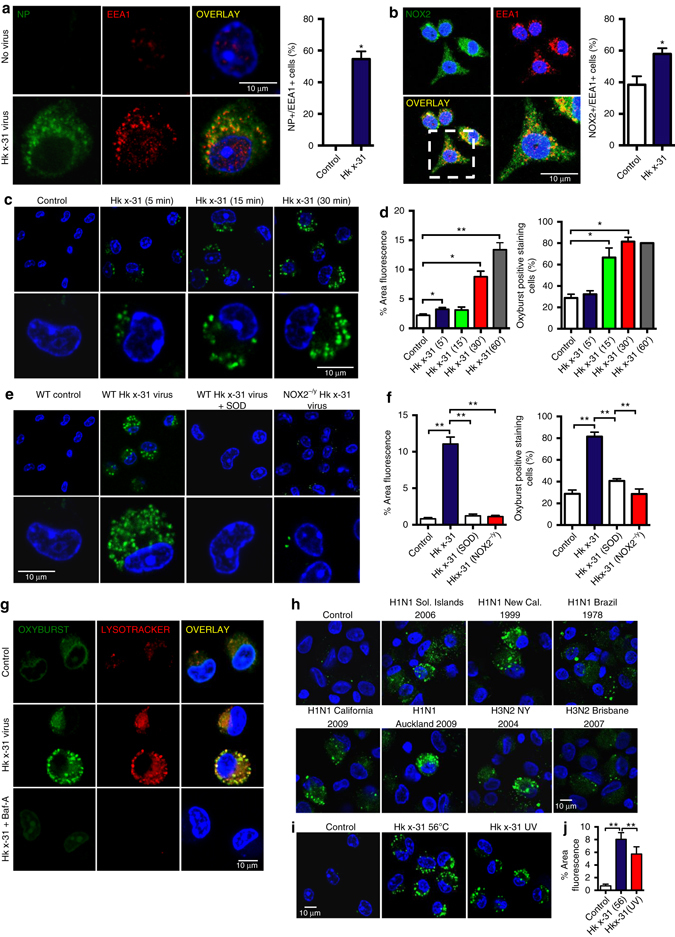
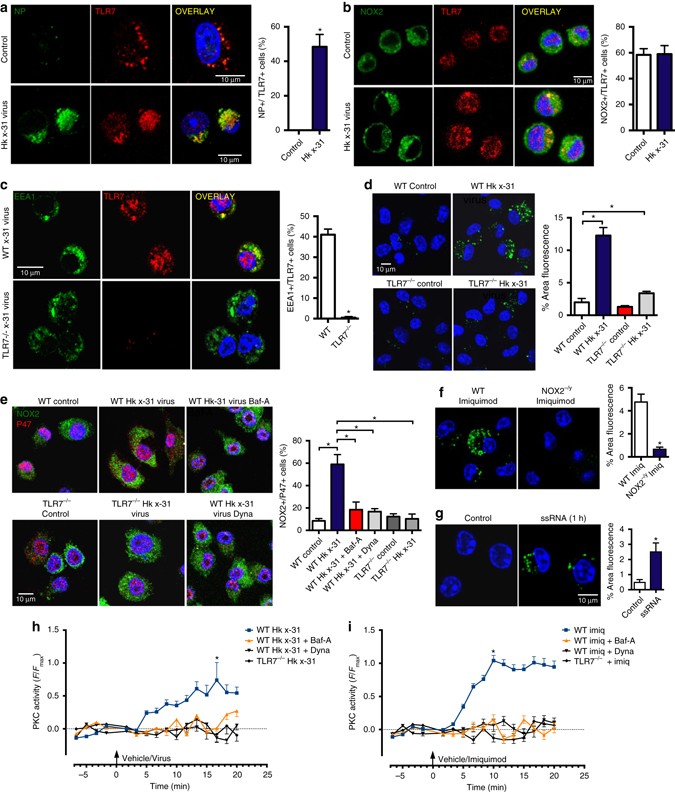
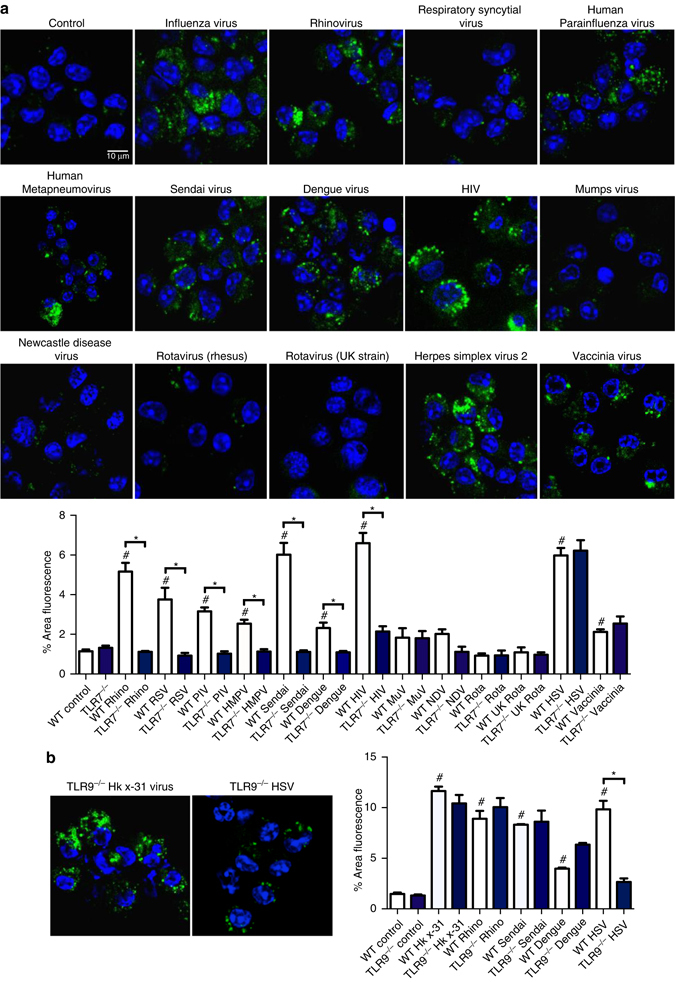
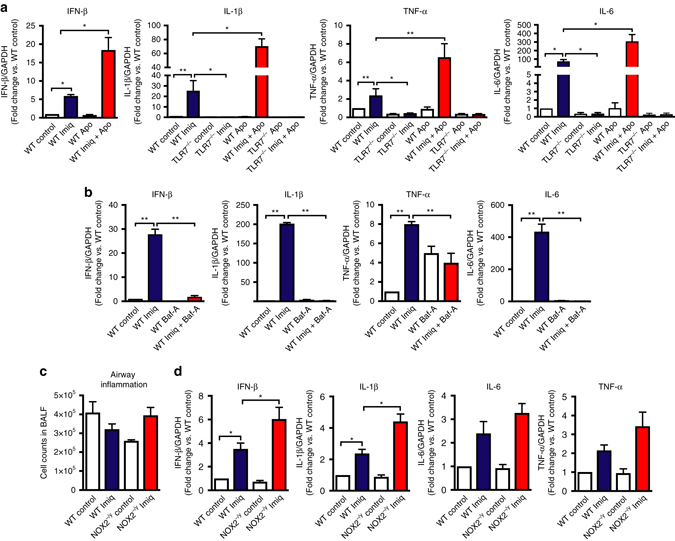
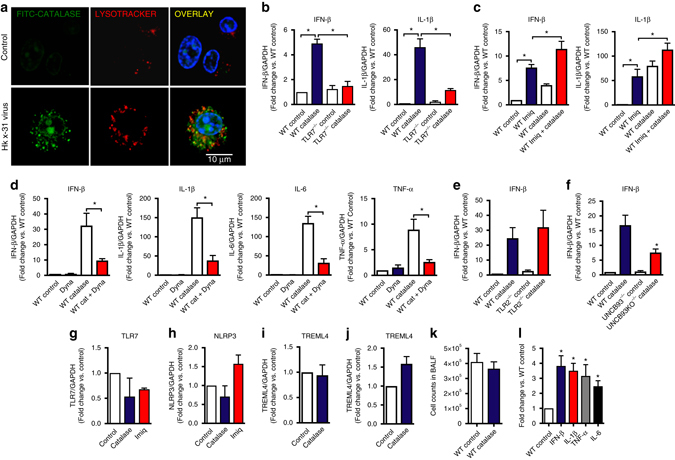
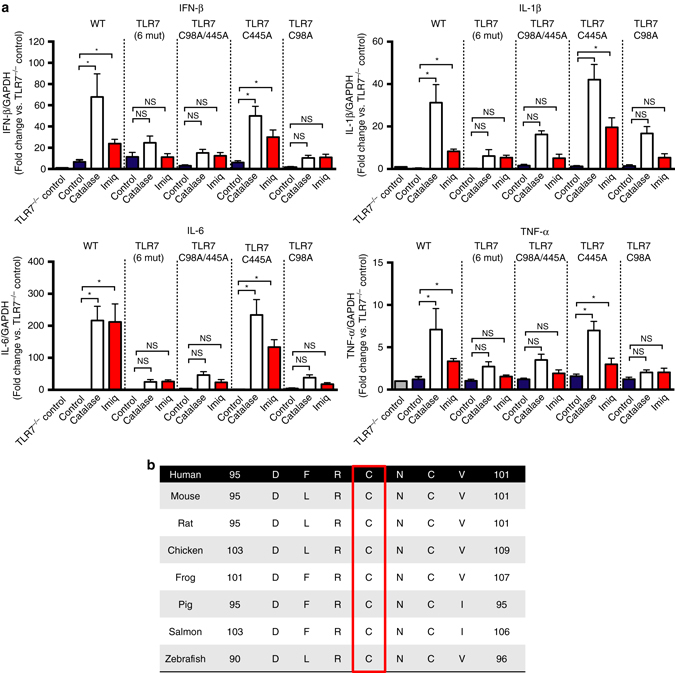
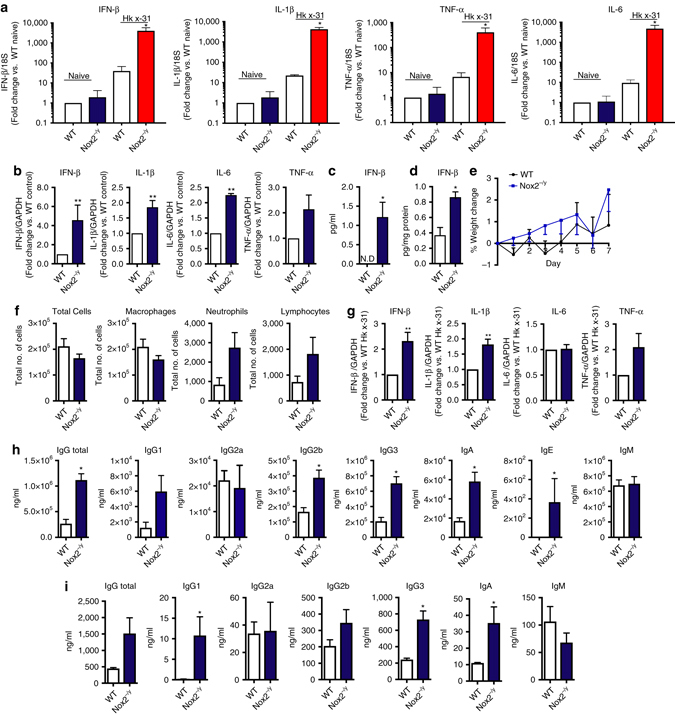
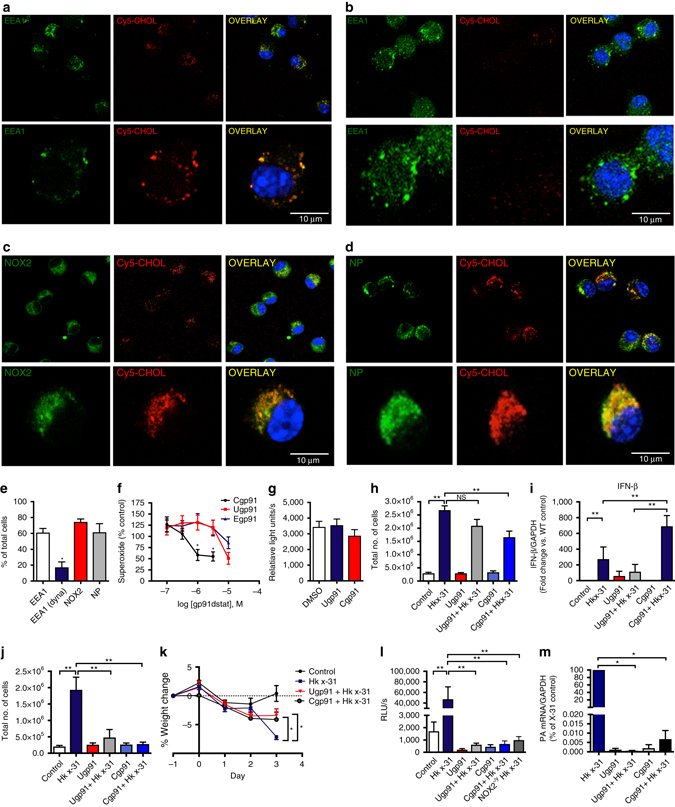
The imminent threat of viral epidemics and pandemics dictates a need for therapeutic approaches that target viral pathology irrespective of the infecting strain. Reactive oxygen species are ancient processes that protect plants, fungi and animals against invading pathogens including bacteria. However, in mammals reactive oxygen species production paradoxically promotes virus pathogenicity by mechanisms not yet defined. Here we identify that the primary enzymatic source of reactive oxygen species, NOX2 oxidase, is activated by single stranded RNA and DNA viruses in endocytic compartments resulting in endosomal hydrogen peroxide generation, which suppresses antiviral and humoral signaling networks via modification of a unique, highly conserved cysteine residue (Cys98) on Toll-like receptor-7. Accordingly, targeted inhibition of endosomal reactive oxygen species production abrogates influenza A virus pathogenicity. We conclude that endosomal reactive oxygen species promote fundamental molecular mechanisms of viral pathogenicity, and the specific targeting of this pathogenic process with endosomal-targeted reactive oxygen species inhibitors has implications for the treatment of viral disease.
Overview
The claims and statistics of this paper haven’t been checked yet.
Free: it reads the open-access text and checks the first 5 claims that cite a source we can check. Create a free account to check every claim.
Integrity signals
Registry
Cites
Statistics
Figures
Verification
Claims the paper makes
The claims and statistics of this paper haven’t been checked yet.
Free: it reads the open-access text and checks the first 5 claims that cite a source we can check. Create a free account to check every claim.
Claims other papers make about this one
Each is checked against this paper’s own text: does it say what the citing paper says it does?
The cited source says what the claim attributes to it.
In the citing paper
“Accordingly, in vivo Nox2 inhibition protected mice from influenza A virus infection.”
From Functions of ROS in Macrophages and Antimicrobial Immunity (2021) · cites this paper as [291]
In the citing paper
“The authors showed that macrophages infected with single-stranded RNA viruses such as influenza A viruses, respiratory syncytial virus, rhinovirus, Dengue virus or HIV or the DNA viruses vaccinia virus and herpes simplex virus showed increased endosomal ROS production, which was abolished in Nox2-deficicent cells.”
From Functions of ROS in Macrophages and Antimicrobial Immunity (2021) · cites this paper as [291]
In the citing paper
“ROS production by Nox2 was induced by virus recognition through TLR7 and subsequent protein kinase C (PKC) activation.”
From Functions of ROS in Macrophages and Antimicrobial Immunity (2021) · cites this paper as [291]
In the citing paper
“Mechanistically, TLR7-induced Nox2-derived endosomal ROS negatively regulated TLR7 on the cysteine residue Cys98 in a negative feedback loop and therefore dampened the antiviral response.”
From Functions of ROS in Macrophages and Antimicrobial Immunity (2021) · cites this paper as [291]
In the citing paper
“A conclusive study demonstrated a role for Nox2 during viral infection of macrophages [291].”
From Functions of ROS in Macrophages and Antimicrobial Immunity (2021) · cites this paper as [291]
Self-check
Percentages, sums and reported differences re-computed from the paper’s own numbers.
The self-check needs the paper’s full text.
Citations
Cites
Fiji: an open-source platform for biological-image analysis
Schindelin, J., Arganda-Carreras, I., Frise, E., Kaynig, V., Longair, M., Pietzsch, T., Preibisch, S., Rueden, C., Saalfeld, S., Schmid, B., et al. (2012) · Nature Methods · doi:10.1038/nmeth.2019 · Cited by 66,890
The NOX Family of ROS-Generating NADPH Oxidases: Physiology and Pathophysiology
Bedard, K., & Krause, K.-H. (2007) · Physiological Reviews · doi:10.1152/physrev.00044.2005 · Cited by 6,989
Innate antiviral responses by means of TLR7-mediated recognition of single-stranded RNA
Diebold, S. S., Kaisho, T., Hemmi, H., Akira, S., & Reis e Sousa, C. (2004) · Science · doi:10.1126/science.1093616 · Cited by 3,444
Recognition of single-stranded RNA viruses by Toll-like receptor 7
Lund, J. M., Alexopoulou, L., Sato, A., Karow, M., Adams, N. C., Gale, N. W., Iwasaki, A., & Flavell, R. A. (2004) · Proceedings of the National Academy of Sciences · doi:10.1073/pnas.0400937101 · Cited by 1,861
Tlr signalling augments macrophage bactericidal activity through mitochondrial ros
West, A. P., Brodsky, I. E., Rahner, C., Woo, D. K., Erdjument-Bromage, H., Tempst, P., Walsh, M. C., Choi, Y., Shadel, G. S., & Ghosh, S. (2011) · Nature · doi:10.1038/nature09973 · Cited by 1,659
Imai, Y., Kuba, K., Neely, G. G., Yaghubian-Malhami, R., Perkmann, T., van Loo, G., Ermolaeva, M., Veldhuizen, R., Leung, Y. H. C., Wang, H., et al. (2008) · Cell · doi:10.1016/j.cell.2008.02.043 · Cited by 1,356 · cited 2×
“Finally these findings identify four conceptual advancements centered on ROS biology including: (1) identification of the endosome as a critical sub cellular compartment of ROS generation to virus infection, irrespective of strain; (2) molecular targets of ROS reside within the endosome revealing a paradigm in organel…”
BackgroundMethodAllen, I. C., Scull, M. A., Moore, C. B., Holl, E. K., McElvania-TeKippe, E., Taxman, D. J., Guthrie, E. H., Pickles, R. J., & Ting, J. P.-Y. (2009) · Immunity · doi:10.1016/j.immuni.2009.02.005 · Cited by 1,113
Innate immunity to influenza virus infection
Iwasaki, A., & Pillai, P. S. (2014) · Nature Reviews Immunology · doi:10.1038/nri3665 · Cited by 1,068
Pollock, J. D., Williams, D. A., Gifford, M. A. C., Li, L. L., Du, X., Fisherman, J., Orkin, S. H., Doerschuk, C. M., & Dinauer, M. C. (1995) · Nature Genetics · doi:10.1038/ng0295-202 · Cited by 921
Combating oxidative stress in vascular disease: NADPH oxidases as therapeutic targets
Drummond, G. R., Selemidis, S., Griendling, K. K., & Sobey, C. G. (2011) · Nature Reviews Drug Discovery · doi:10.1038/nrd3403 · Cited by 899
Self-citation
Cited by
Items 101–155 of 155
Cangemi, R., Carnevale, R., Cammisotto, V., Nocella, C., Bartimoccia, S., Taliani, G., Falcone, M., Calvieri, C., Pignatelli, P., & Violi, F. (2021) · British Journal of Clinical Pharmacology · doi:10.1111/bcp.14936 · Cited by 11
“001); sNox2 decreased at hospital discharge (27 [17-41] vs 22 [15-33] pg/mL, P < .”
BackgroundTo, E. E., Erlich, J. R., Liong, F., Liong, S., Luong, R., Oseghale, O., Miles, M. A., Papagianis, P. C., Quinn, K. M., Bozinovski, S., et al. (2022) · Frontiers in Pharmacology · doi:10.3389/fphar.2022.870156 · Cited by 10
Self-citationStasia, M. J., & Roos, D. (2023) · Springer eBooks · doi:10.1007/978-3-031-23752-2_32 · Cited by 12
Chung, J., Pierce, J., Franklin, C. L., Olson, R. M., Morrison, A., & Amos-Landgraf, J. M. (2025) · Disease Models & Mechanisms · doi:10.1242/dmm.052086 · Cited by 10
Targeting respiratory virus-induced reactive oxygen species in airways diseases
Adams, T. J., Schuliga, M. J., Pearce, N., Bartlett, N. W., & Liang, M. (2025) · European Respiratory Review · doi:10.1183/16000617.0169-2024 · Cited by 9
“T O et al. [42] investigated the response of macrophages to influenza A infection in in vitro and in vivo infection models.”
Innate sensing and cellular metabolism: role in fine tuning antiviral immune responses
Ahmed, D., Daraawi, M. A., & Cassol, E. (2023) · Journal of Leukocyte Biology · doi:10.1093/jleuko/qiac011 · Cited by 10
DiNicolantonio, J. J., Barroso-Aranda, J., & McCarty, M. F. (2020) · Immunology Letters · doi:10.1016/j.imlet.2020.09.008 · Cited by 7
Ota, K., Yonekura, Y., Saigan, M., Goto, K., & Nishi, S. (2022) · CEN Case Reports · doi:10.1007/s13730-022-00743-w · Cited by 7
“Additionally, endothelial cell injury is compounded by TLR activation by viral RNA recognition, resulting increased reactive oxygen species (ROS) production [10].”
BackgroundNOX-2 Inhibitors may be Potential Drug Candidates for the Management of COVID-19 Complications
Chowdhury, B., Sahoo, B. M., Jena, A. P., Hiramani, K., Behera, A., & Acharya, B. (2023) · Current Drug Research Reviews · doi:10.2174/2589977515666230706114812 · Cited by 7
Sphingosine-1-Phosphate as Lung and Cardiac Vasculature Protecting Agent in SARS-CoV-2 Infection
Karam, M., & Auclair, C. (2023) · International Journal of Molecular Sciences · doi:10.3390/ijms241713088 · Cited by 7
“Furthermore, EC injury is worsened by toll-like receptor activation caused by viral RNA recognition, which results in an increase in reactive oxidative species production [12,13].”
BackgroundBucheli, O. T. M., Rodrigues, D., Ulbricht, C., Hauser, A. E., & Eyer, K. (2025) · European Journal of Immunology · doi:10.1002/eji.202350975 · Cited by 6
Pathogens accelerate features of human aging: A review of molecular mechanisms
Proal, A. D., & VanElzakker, M. B. (2025) · Ageing Research Reviews · doi:10.1016/j.arr.2025.102865 · Cited by 8
“For example, in studies of influenza or SARS-CoV-2 infection, the primary enzymatic source of reactive oxygen species, NOX2 oxidase, has been shown to suppress the TLR7-dependent anti-viral response, thereby enhancing viral replication and pathogenicity (To et al., 2017).”
Rozado, J., Ayesta, A., Morís, C., & y, P. A. (2020) · Revista Española de Cardiología Suplementos · doi:10.1016/s1131-3587(20)30028-5 · Cited by 36
Nocella, C., Mezzaroma, I., Cammisotto, V., Castellani, V., Milito, C., Rugova, A., Frati, G., Pignatelli, P., Violi, F., Pastori, D., et al. (2021) · HIV Medicine · doi:10.1111/hiv.13059 · Cited by 6
Anwar, M. M., Sah, R., Shrestha, S., Ozaki, A., Roy, N., Fathah, Z., & Rodriguez-Morales, A. J. (2022) · Inflammation · doi:10.1007/s10753-022-01674-5 · Cited by 6
Yang, C., Zhao, Y. L., Jiao, Y., Yang, L., He, B., Dai, W., Zhang, H., Zhang, Q., & Wang, X. (2024) · ACS Nano · doi:10.1021/acsnano.4c09704 · Cited by 6
Kusaka, M., Sakamoto, K., Ikeyama, Y., Kondo, Y., Hayashi, T., Ando, A., Mori, Y., Sato, T., Matsushima, M., Suzuki, A., et al. (2025) · Inflammation · doi:10.1007/s10753-025-02389-z · Cited by 4
“Similarly, To et al. demonstrated the efficacy of intratracheal delivery of NOX inhibitors against influenza virus-induced lung injury [32].”
Effect of coronaviruses on blood vessel permeability: potential therapeutic targets
Machado, N. R., Dias, K. T., Cortes, B. F. S., & Rodrigues, S. F. (2023) · Therapeutic Advances in Respiratory Disease · doi:10.1177/17534666231162252 · Cited by 4
Oseghale, O., Quinn, K. M., Coward‐Smith, M., Liong, F., Miles, M. A., Brooks, R. D., Vlahos, R., O’Leary, J. J., Brooks, D. A., Liong, S., et al. (2024) · American Journal of Physiology-Heart and Circulatory Physiology · doi:10.1152/ajpheart.00646.2023 · Cited by 4
Self-citationQiao, P., Yu, J., Li, C., Chen, B., & Wang, Y. (2026) · Journal of Controlled Release · doi:10.1016/j.jconrel.2026.114820 · Cited by 4
Trollope, G. S., Miles, M. A., Coward‐Smith, M., Liong, F., Brooks, D. A., O'Leary, J. A., Selemidis, S., & Liong, S. (2026) · Science Advances · doi:10.1126/sciadv.ady2382 · Cited by 3
“Quantification of viral RNA was performed via reverse transcription qPCR (RT-qPCR) using synthesized cDNA from dam tissues using a previously published custom designed primer set for the segment-3 polymerase (PA) gene of IAV ( 66 ).”
Self-citationCarnevale, R., Nocella, C., Marocco, R., Zuccalà, P., Carraro, A., Picchio, V., Oliva, A., Cangemi, R., Miele, M. C., Angelis, M. D., et al. (2024) · Antioxidants · doi:10.3390/antiox13101260 · Cited by 4
“Specifically, NOX2 can be activated during viral infections, resulting in the production of hydrogen peroxide that suppresses the antiviral response and favors viral replication [20,21].”
BackgroundDoes Dysregulation of Redox State Underpin the Decline of Innate Immunity with Aging?
Griffiths, H. R., Rooney, M. C. O., & Perrie, Y. (2020) · Antioxidants and Redox Signaling · doi:10.1089/ars.2020.8021 · Cited by 4
“TLRs are found both as cell surface receptors and as intracellular endosomal membrane receptors, for example, TLR7.”
InfluentialSARS-CoV-2 spike triggers TLR7-dependent endolysosome dysfunction and senescence in human astrocytes
Hasler, W. A., McKay, E., Datta, G., Johnson, S., Rezagholizadeh, N., & Chen, X. (2025) · Journal of Neuroinflammation · doi:10.1186/s12974-025-03586-1 · Cited by 2
“While the precise mechanism of p38 activation downstream of S1-TLR7 interaction remains to be elucidated, it is possible that p38 activation may reflect a response to ROS production [139] downstream of TLR7 activation [140].”
Cold atmospheric plasma redefining antiviral innovation for post-pandemic challenges
Zhuang, Z., Zhang, L., Rizvi, S. F. A., Zheng, Y., Thompson, E. W., Zeng, Y., Wang, P., & Liu, G. (2026) · Chinese Chemical Letters · doi:10.1016/j.cclet.2026.112444 · Cited by 2
Antiviral products derived from microalgae
Niccolai, A. (2024) · Elsevier eBooks · doi:10.1016/b978-0-443-19213-5.00012-1 · Cited by 2
Endolysosome dysfunction in HAND
Hasler, W. A., Rezagholizadeh, N., & Chen, X. (2024) · Elsevier eBooks · doi:10.1016/b978-0-323-99744-7.00034-1 · Cited by 2
Contemporary Concise Review 2019: Asthma
Wark, P. A. B. (2020) · Respirology · doi:10.1111/resp.13794 · Cited by 2
Xue, N., Wang, L., Wang, B., Hu, J., & Zhang, S. (2022) · Microbial Pathogenesis · doi:10.1016/j.micpath.2022.105942 · Cited by 2
Inoue, M., Sakamoto, K., Suzuki, A., Nakai, S., Ando, A., Nakahara, Y., Nakase, I., Sawada, M., & Hashimoto, N. (2020) · Research Square · doi:10.21203/rs.3.rs-90322/v1
Wang, H., Yu, C., Yin, Q., Bu, J.-W., Feng, S., Ning, D., Liu, S., Liu, L., & Wang, Z. (2025) · Colloids and Surfaces B Biointerfaces · doi:10.1016/j.colsurfb.2025.115090 · Cited by 1
Mitochondrial electron transport chain modulation orchestrates divergent TLR3 and TLR7 responses
Sheridan, M.-E., Ahmed, D., Daraawi, M. A., Kovac, N., & Cassol, E. (2026) · Journal of Leukocyte Biology · doi:10.1093/jleuko/qiag034 · Cited by 1
Chen, L., Li, H., Guo, H., Liang, J., Zhong, Y., He, X., Wu, W., & Liu, S. (2026) · Viruses · doi:10.3390/v18040460 · Cited by 2
“LysoTracker Red DND-99 staining was used to visualize acidic organelles [26].”
Making sense of subcellular H2O2 in mammals
Waldeck‐Weiermair, M., Covington, T. A., Pandey, A. K., & Michel, T. M. (2026) · Redox Biochemistry and Chemistry · doi:10.1016/j.rbc.2026.100080 · Cited by 1
From Defense to Disease: NADPH Oxidase in Cellular Function and Dysregulation
Prasad, A., Kushwaha, R., Alugoju, P., Pospíšil, P., & Rathi, D. (2026) · Journal of Immunology Research · doi:10.1155/jimr/2847417 · Cited by 1
“However, in experimental systems, suppression of ROS production attenuated in fl uenza A virus virulence [248].”
Miesch, J., Vilchis, I. S., & Dupré‐Crochet, S. (2018) · médecine/sciences · doi:10.1051/medsci/20183406028 · Cited by 1
p40phox: Composition, Function and Consequences of Its Absence
Kuijpers, T. W., & Roos, D. (2023) · Springer eBooks · doi:10.1007/978-3-031-23752-2_17 · Cited by 2
DOVHYI, R. (2023) · Biotechnologia Acta · doi:10.15407/biotech16.06.069 · Cited by 1
EROS, une chaperonne cruciale pour la NADPH oxydase et le récepteur P2X7
Law-Pois, M., & Dupré‐Crochet, S. (2024) · médecine/sciences · doi:10.1051/medsci/2024158 · Cited by 1
Interactions Between Influenza and Heart Failure Hospitalizations—Diagnostic and Pathogenetic Issues
Liu, S., & Horowitz, J. D. (2019) · JAMA Cardiology · doi:10.1001/jamacardio.2019.2214 · Cited by 1
Targeting endosomal NOX2 as a potential therapy to limit influenza A virus infection
Laghlali, G., & Tate, M. D. (2019) · Respirology · doi:10.1111/resp.13629 · Cited by 1
Metabolic Regulation of Antiviral Immune Responses in Macrophages
Ahmed, D. (2021) · Carleton University's Institutional Repository (MacOdrum Library, Carleton University) · doi:10.22215/etd/2021-14431 · Cited by 1
Ebselen reduces cigarette smoke-induced vascular endothelial dysfunction in micePreprint
Brassington, K., Chan, S. M. H., Seow, H. J., Dobric, A., Bozinovski, S., Selemidis, S., & Vlahos, R. (2020) · doi:10.22541/au.159985895.51837688 · Cited by 1
Self-citationRedox Signaling and Biomarkers in the Acute Setting
Lane, D., Lee, J. R., DeRenzi, A., Das, J., Powell, M., Setty, M., & Hoelle, R. M. (2021) · Healthy ageing and longevity · doi:10.1007/978-3-030-84965-8_19
Molecular and genetic aspects of the pathogenesis of COVID-associated thrombosis
Стойка, Я. В., Некращук, О. П., Sukhan, D. S., Datsenko, Н. V., Datsenko, Y. O., Gаlunko, G. M., & Botanevych, Y. O. (2023) · Reports of Vinnytsia National Medical University · doi:10.31393/reports-vnmedical-2023-27(1)-29
Thrombotic complications of COVID-19 and its relation with NADPH oxidase and tissue factor
Abdelghany, S. S. M., Sharshar, R. S., Ahmed, A. Y., Mabrouk, M. M., & El-Zamarany, E. A. (2023) · International Journal of Clinical and Diagnostic Pathology · doi:10.33545/pathol.2023.v6.i3b.538
Mechanism of Innate Immune Responses Against SARS-COV-2 Infection
Ahmad, H. A., & Fares, K. K. (2023) · ZANCO Journal of Pure and Applied Sciences · doi:10.21271/zjpas.35.4.18
Sofoluwe, A., Petropoulos, A., Goomanee, A. S., Ali-Khan, Z. F., & Warnatsch, A. (2024) · bioRxiv (Cold Spring Harbor Laboratory) · doi:10.1101/2024.09.12.612505
Therapeutic Interventions Against Free Radicals in Viral Diseases
Roy, S., Hore, M., & Bhattacharyya, S. (2024) · Frontiers in clinical drug research. Anti-infectives/Frontiers in clinical drug research. Anti infectives · doi:10.2174/9789815179811124090006
Wang, Z., Wang, H., Yu, C. P., Bu, J.-W., Feng, S., Ning, D., & Liu, S. (2025) · SSRN Electronic Journal · doi:10.2139/ssrn.5271910
Inoue, M., Sakamoto, K., Suzuki, A., Nakai, S., Ando, A., Shiraki, Y., Nakahara, Y., Omura, M., Enomoto, A., Nakase, I., et al. (2021) · Figshare · doi:10.6084/m9.figshare.14795368
Inoue, M., Sakamoto, K., Suzuki, A., Nakai, S., Ando, A., Shiraki, Y., Nakahara, Y., Omura, M., Enomoto, A., Nakase, I., et al. (2021) · Figshare · doi:10.6084/m9.figshare.14795371
Weng, J., Chen, X. W., Ye, H.-E., Zeng, Y., Liang, W., Zhang, Y.-C., Zong, X.-Y., Yan, C., Ye, Y., Wu, Y. J., et al. (2026) · Nature Immunology · doi:10.1038/s41590-026-02584-6 · Cited by 1
“Similarly, NOX2 mediated reactive oxygen species production in endosomes suppress TLR7 signaling 54 .”
Sofoluwe, A., Petropoulos, A., Ali-Khan, Z. F., Goomanee, A. S., Cleary, S. J., & Warnatsch, A. (2026) · Nature Communications · doi:10.1038/s41467-026-76327-4
“Notably, macrophage-derived endosomal ROS have been reported to suppress toll-like receptor 7 (TLR7)-mediated interferon production, through oxidation of a highly conserved cysteine residue in TLR7 17 .”
A century of influenza risk in pregnancy: can vascular protection change the clinical paradigm?
Liong, S., Miles, M. A., O’Leary, J. J., Brooks, D. A., & Selemidis, S. (2026) · American Journal of Physiology-Heart and Circulatory Physiology · doi:10.1152/ajpheart.90003.2026
Self-citation
Metadata
- Authors
- To, E. E., Vlahos, R., Luong, R., Halls, M. L., Reading, P. C., King, P. T., Chan, C., Drummond, G. R., Sobey, C. G., Broughton, B. R. S., Starkey, M. R., van der Sluis, R., Lewin, S. R., Bozinovski, S., O’Neill, L. A. J., Quach, T., Porter, C. J. H., Brooks, D. A., O’Leary, J. J., & Selemidis, S.
- Affiliations
- Monash University (AU)
- RMIT University (AU)
- The University of Melbourne (AU)
- Monash Medical Centre (AU)
- Harvard University (US)
- La Trobe University (AU)
- Hunter Medical Research Institute (AU)
- The Royal Melbourne Hospital (AU)
- University of South Australia (AU)
- Trinity College Dublin (IE)
- Corresponding author
- Selemidis, Stavros
- ORCID
- Venue
- Nature Communications
- Published
- 2017-07-12
- Volume
- 8
- Issue
- 1
- Pages
- 69-69
- ISSN
- 2041-1723 (ISSN-L)
- PMC
- PMC5507984
- OpenAlex
- W2724881933
- Semantic Scholar
- 3ad2a7730e5b5996dde07d27cd91897bbe4681b2
- Cited by
- 154
- References
- 34
- Citations by year
- 2026: 10 · 2025: 11 · 2024: 16 · 2023: 20 · 2022: 22 · 2021: 22 · 2020: 32 · 2019: 12 · 2018: 8 · 2017: 1
- FWCI
- 6.56
- Type
- journal article
- Language
- en
- Open access
- gold
- doi.org
- Licence
- cc-by
- creativecommons.org/licenses/by/4.0 (tdm)
- creativecommons.org/licenses/by/4.0 (vor)
- Locations
- Nature Communications (publishedVersion, cc-by)
- Europe PMC (PubMed Central) (publishedVersion, cc-by)
- PubMed Central (publishedVersion, cc-by)
- PubMed (publishedVersion)
- Monash University Research Portal (Monash University) (acceptedVersion, other-oa)
- Adelaide Research & Scholarship (AR&S) (University of Adelaide) (submittedVersion, cc-by)
- Minerva Access (University of Melbourne) (submittedVersion, cc-by)
- UniSA Research Outputs Repository (University of South Australia) (submittedVersion, cc-by)
- Arrow@dit (Dublin Institute of Technology) (submittedVersion)
- RePEc: Research Papers in Economics (submittedVersion)
- RMIT Research Repository (RMIT University Library) (submittedVersion)
- DOAJ (DOAJ: Directory of Open Access Journals) (submittedVersion, cc-by-sa)
- Figshare (submittedVersion, cc-by)
- Trinity's Access to Research Output (TARA) (Trinity College Dublin) (submittedVersion)
- NOVA (University of Newcastle Australia) (submittedVersion, cc-by)
- Funders
- Commonwealth Scientific and Industrial Research Organisation
- Deakin University
- Monash University
- RMIT University
- University of Melbourne
- Hudson Institute of Medical Research
- Medical Research Council
- Australian Research Council (FT120100876, FT130100654, CE140100036)
- National Health and Medical Research Council (1052979, 1061687, 1128276, 1122506, 1128276, CE140100036, 1079467, 1042654, 1041795, 1006017, 1072000, 1122506, 1027112, FT120100876)
- Institute of Infection and Immunity
- ARC Centre for Excellence in Convergent Bio-Nano Science and Technology (CE140100036)
- Topics
- Life Sciences › Immunology and Microbiology › Immunology › Immune Response and Inflammation
- Life Sciences › Immunology and Microbiology › Immunology › Neutrophil, Myeloperoxidase and Oxidative Mechanisms
- Life Sciences › Biochemistry, Genetics and Molecular Biology › Molecular Biology › Redox biology and oxidative stress
- Keywords
- hydrogen peroxide, TLR7, antiviral therapy, endosomal targeting, single-stranded RNA viruses, single-stranded DNA viruses, antiviral innate immunity, oxidative stress
- MeSH terms
- NADPH Oxidase 2, Animals, Antiviral Agents, Enzyme Inhibitors, Membrane Glycoproteins, Orthomyxoviridae Infections, Influenza A virus, Endosomes, Virulence, Signal Transduction, Reactive Oxygen Species, Disease Progression, Toll-Like Receptor 7, Mice
About these checks
Registry, retraction, Cites and statistics results are computed, not judged, with one exception: a printed reference that no index lists is read once by a model before it counts as a citation error. Claims are extracted by a model and kept only when their quote appears verbatim in the text; each cited source is then checked, with a model’s help, for whether it says what the claim relies on. Those verdicts can be wrong — read the claim’s quote and the cited source before relying on one.
Statistics and arithmetic are recomputed, not judged.
Confidence bands are shown only for fields calibrated on our annotated test set. None is calibrated yet, so no band is shown.
What counts as a claim ›How we measure confidence ›How we check this ›
Are you an author, or do you see a problem with this page? Request a review
Data sources
Bibliographic data: Semantic Scholar, OpenAlex, Crossref.
Contains information from the Semantic Scholar Academic Graph Datasets, made available under the ODC Attribution License (ODC-BY 1.0).
Semantic Scholar’s data is described in: Kinney, R., et al. (2023). The Semantic Scholar Open Data Platform. arXiv:2301.10140.
