

DNA methylation and transcriptional trajectories during human development and reprogramming of isogenic pluripotent stem cells
Open accessThe DOI matches its Crossref record; 67 of the 68 references it cites were found in a registry or an index.
Abstract
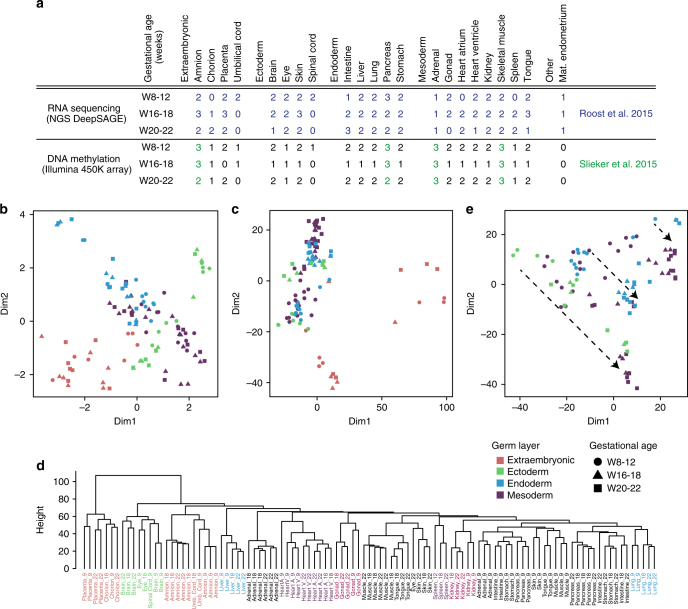
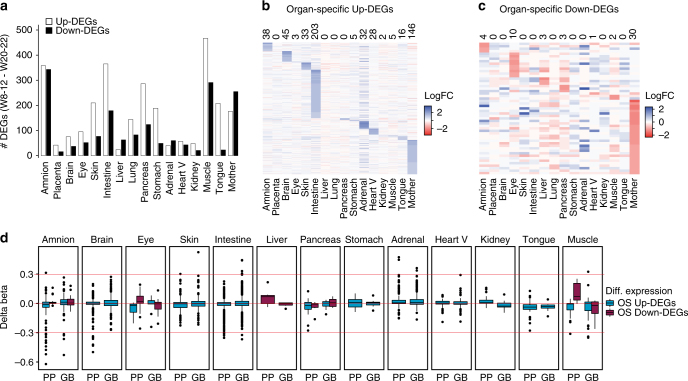
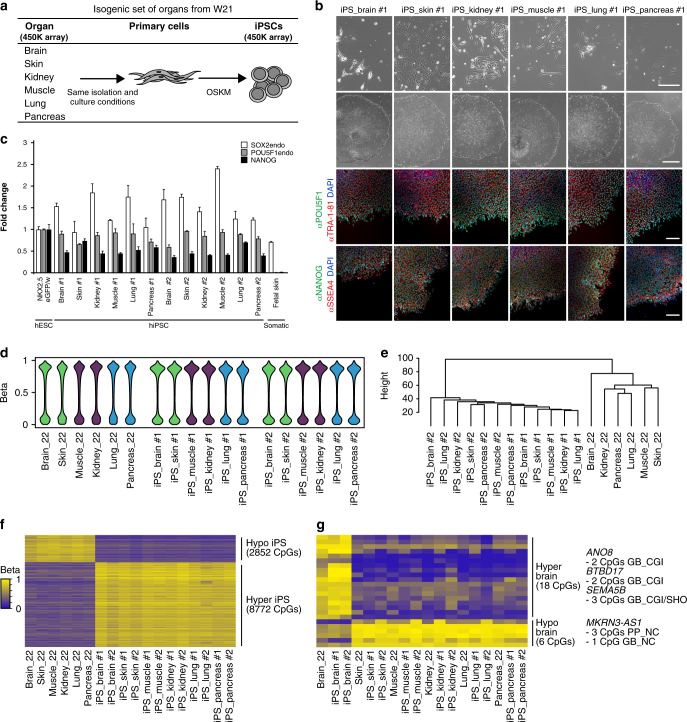
Determining cell identity and maturation status of differentiated pluripotent stem cells (PSCs) requires knowledge of the transcriptional and epigenetic trajectory of organs during development. Here, we generate a transcriptional and DNA methylation atlas covering 21 organs during human fetal development. Analysis of multiple isogenic organ sets shows that organ-specific DNA methylation patterns are highly dynamic between week 9 (W9) and W22 of gestation. We investigate the impact of reprogramming on organ-specific DNA methylation by generating human induced pluripotent stem cell (hiPSC) lines from six isogenic organs. All isogenic hiPSCs acquire DNA methylation patterns comparable to existing hPSCs. However, hiPSCs derived from fetal brain retain brain-specific DNA methylation marks that seem sufficient to confer higher propensity to differentiate to neural derivatives. This systematic analysis of human fetal organs during development and associated isogenic hiPSC lines provides insights in the role of DNA methylation in lineage commitment and epigenetic reprogramming in humans.While DNA methylation and gene expression data are widely available for animal models, comprehensive data from human development is rarer. Here, the authors generated transcriptional and DNA methylation data from 21 organs during human development and 6 isogenic induced pluripotent stem cell lines.
Overview
The claims and statistics of this paper haven’t been checked yet.
Free: it reads the open-access text and checks the first 5 claims that cite a source we can check. Create a free account to check every claim.
Integrity signals
Registry
Cites
Statistics
Figures
Verification
Claims the paper makes
The claims and statistics of this paper haven’t been checked yet.
Free: it reads the open-access text and checks the first 5 claims that cite a source we can check. Create a free account to check every claim.
Claims other papers make about this one
Each is checked against this paper’s own text: does it say what the citing paper says it does?
The cited source says what the claim attributes to it.
In the citing paper
“While cellular reprogramming reverts to the differentiated state of the cells, epigenetic memory and lineage-specific DNA methylation marks could affect the differentiation potential of the generated iPSC line [51,52,53].”
From Overcoming the Variability of iPSCs in the Manufacturing of Cell-Based Therapies (2023) · cites this paper as [52]
Self-check
Percentages, sums and reported differences re-computed from the paper’s own numbers.
The self-check needs the paper’s full text.
Citations
Cites
Robinson, M. D., McCarthy, D. J., & Smyth, G. K. (2010) · Bioinformatics · doi:10.1093/bioinformatics/btp616 · Cited by 41,364
Takahashi, K., & Yamanaka, S. (2006) · Cell · doi:10.1016/j.cell.2006.07.024 · Cited by 26,673
Induction of Pluripotent Stem Cells from Adult Human Fibroblasts by Defined Factors
Takahashi, K., Tanabe, K., Ohnuki, M., Narita, M., Ichisaka, T., Tomoda, K., & Yamanaka, S. (2007) · Cell · doi:10.1016/j.cell.2007.11.019 · Cited by 20,221
Vandesompele, J., De Preter, K., Pattyn, F., Poppe, B., Van Roy, N., De Paepe, A., & Speleman, F. (2002) · Genome Biology · doi:10.1186/gb-2002-3-7-research0034 · Cited by 20,038
An integrated encyclopedia of DNA elements in the human genome
The ENCODE Project Consortium (2012) · Nature · doi:10.1038/nature11247 · Cited by 18,072 · cited 2×
“40 cycles 15 s 95 °C; 30 s 60°C, 45 s 72 °C; and (3) 10 s 95 °C; 5 s 65 °C, 50 s 95 °C).”
ggplot2: Elegant Graphics for Data Analysis
Wickham, H. (2009) · doi:10.1007/978-0-387-98141-3 · Cited by 14,447
The Human Genome Browser at UCSC
Kent, W. J., Sugnet, C. W., Furey, T. S., Roskin, K. M., Pringle, T. H., Zahler, A. M., & Haussler, A. D. (2002) · Genome Research · doi:10.1101/gr.229102 · Cited by 10,400
Integrative analysis of 111 reference human epigenomes
Roadmap Epigenomics Consortium, Kundaje, A., Meuleman, W., Ernst, J., Bilenky, M., Yen, A., Heravi-Moussavi, A., Kheradpour, P., Zhang, Z., Wang, J., et al. (2015) · Nature · doi:10.1038/nature14248 · Cited by 6,368 · cited 1×
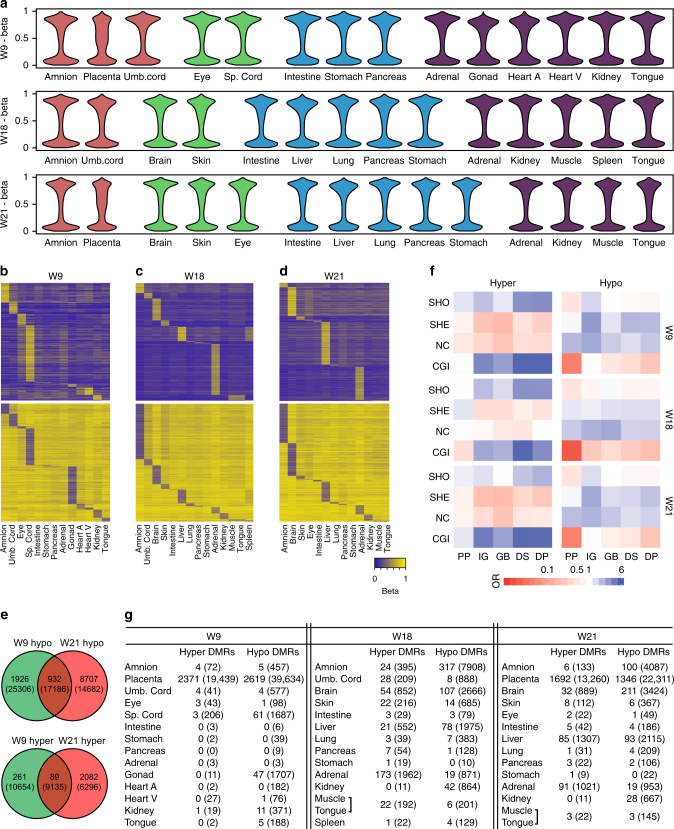
“Pancreas Hyper DMRs 4 (72) 2371 (19,439) 4 (41) 3 (43) 3 (206) 0 (3) 0 (2) 0 (0) 0 (3) 0 (11) 0 (2) 0 (27) 1 (19) 0 (2) Hypo DMRs 5 (457) 2619 (39,634) 4 (577) 1 (98) 61 (1687) 0 (6) 0 (39) 0 (9) 0 (3) 47 (1707) 0 (182) 1 (76) 11 (371) 5 (188) g”
Mapping and analysis of chromatin state dynamics in nine human cell types
Ernst, J., Kheradpour, P., Mikkelsen, T. S., Shoresh, N., Ward, L. D., Epstein, C. B., Zhang, X., Wang, L., Issner, R., Coyne, M., et al. (2011) · Nature · doi:10.1038/nature09906 · Cited by 2,898
A promoter-level mammalian expression atlas
The FANTOM Consortium and the RIKEN PMI and CLST (DGT) (2014) · Nature · doi:10.1038/nature13182 · Cited by 1,982
Cited by
Volpato, V., & Webber, C. (2020) · Disease Models & Mechanisms · doi:10.1242/dmm.042317 · Cited by 379
“…state of the cell of origin (Bilic et al., 2012; Medvedev et al., 2012), the tissue from which the iPSCs were derived and the retention of specific DNA methylation marks can determine the propensity of a line to differentiate into different cell types (de Boni et al., 2018; Roost et al., 2017).”
The Role of Epigenetics in Placental Development and the Etiology of Preeclampsia
Apicella, C., Ruano, C. S. M., Méhats, C., Miralles, F., & Vaiman, D. (2019) · International Journal of Molecular Sciences · doi:10.3390/ijms20112837 · Cited by 190
Cochrane, A., Albers, H. J., Passier, R., Mummery, C. L., van den Berg, A., Orlova, V. V., & van der Meer, A. D. (2019) · Advanced Drug Delivery Reviews · doi:10.1016/j.addr.2018.06.007 · Cited by 162
Self-citationPlacental epigenetic clocks: estimating gestational age using placental DNA methylation levels
Lee, Y., Choufani, S., Weksberg, R., Wilson, S. L., Yuan, V., Burt, A., Marsit, C., Lu, A. T., Ritz, B., Bohlin, J., et al. (2019) · Aging · doi:10.18632/aging.102049 · Cited by 152
“GSE76641 studied the transcriptional and DNAm trajectory of 21 organs during fetal development [68].”
BackgroundPluripotent stem cell-based therapy for Parkinson’s disease: Current status and future prospects
Sonntag, K.-C., Song, B., Lee, N., Jung, J. H., Cha, Y., Leblanc, P., Neff, C., Kong, S. W., Carter, B. S., Schweitzer, J., et al. (2018) · Progress in Neurobiology · doi:10.1016/j.pneurobio.2018.04.005 · Cited by 143
Environmental exposures influence multigenerational epigenetic transmission
Klibaner-Schiff, E., Simonin, E. M., Akdiş, C. A., Cheong, A. W. Y., Johnson, M. M. D., Karagas, M. R., Kirsh, S., Kline, O., Mazumdar, M., Oken, E., et al. (2024) · Clinical Epigenetics · doi:10.1186/s13148-024-01762-3 · Cited by 150
“Human fetal organs begin expressing a set of organ-specific genes at 9 weeks of gestation [50].”
Epigenetic aberrations in human pluripotent stem cells
Bar, S., & Benvenisty, N. (2019) · The EMBO Journal · doi:10.15252/embj.2018101033 · Cited by 105
“For example, iPSCs derived from fetal brain preserved DNA methylation patterns characteristic of brain tissue, and subsequently exhibited a higher inclination toward producing neural cells (Roost et al , 2017).”
Cellular and Engineered Organoids for Cardiovascular Models
Thomas, D., Choi, S., Alamana, C., Parker, K. K., & Wu, J. C. (2022) · Circulation Research · doi:10.1161/circresaha.122.320305 · Cited by 105
Transient naive reprogramming corrects hiPS cells functionally and epigenetically
Buckberry, S., Liu, X., Poppe, D., Tan, J. P., Sun, G., Chen, J., Nguyen, T. V., de Mendoza, A., Pflueger, J., Frazer, T., et al. (2023) · Nature · doi:10.1038/s41586-023-06424-7 · Cited by 95
Tumorigenic and Immunogenic Properties of Induced Pluripotent Stem Cells: a Promising Cancer Vaccine
Qiao, Y., Agboola, O. S., Hu, X., Wu, Y., & Lei, L. (2020) · Stem Cell Reviews and Reports · doi:10.1007/s12015-020-10042-5 · Cited by 64
Cellular trajectories and molecular mechanisms of iPSC reprogramming
Apostolou, E., & Stadtfeld, M. (2018) · Current Opinion in Genetics & Development · doi:10.1016/j.gde.2018.06.002 · Cited by 61
Applicability of organ-on-chip systems in toxicology and pharmacology
Schneider, M. R., Oelgeschläger, M., Burgdorf, T., van Meer, P. J. K., Theunissen, P. T., Kienhuis, A. S., Piersma, A. H., & Vandebriel, R. J. (2021) · Critical Reviews in Toxicology · doi:10.1080/10408444.2021.1953439 · Cited by 53
“Earlier concerns that hiPSCs may have epigenetic memory have now been largely invalidated (Roost et al. 2017).”
BackgroundHuman in vitro models for understanding mechanisms of autism spectrum disorder
Gordon, A., & Geschwind, D. H. (2020) · Molecular Autism · doi:10.1186/s13229-020-00332-7 · Cited by 47
“It is important to note that iPSC do retain a small fraction of methylation markers from the donor, which can differ between different iterations of reprogramming and can depend on the source of the reprogrammed cells used [62, 63, 65].”
BackgroundSingle cell heterogeneity in human pluripotent stem cells
Yang, S., Cho, Y., & Jang, J. (2021) · BMB Reports · doi:10.5483/bmbrep.2021.54.10.094 · Cited by 50
“DNA methylation patterns of brain tissues and have a higher tendency to differentiate into neural lineage cells (57).”
BackgroundOrnoy, A., Becker, M., Weinstein-Fudim, L., & Ergaz, Z. (2020) · International Journal of Molecular Sciences · doi:10.3390/ijms21103721 · Cited by 31
“The analysis of multiple isogenic organ sets showed that organ-specific DNA methylation patterns were highly dynamic in the human embryo between week 9 (W9) and W22 of gestation [34], at gestational ages when different immature organ systems are sensitive to functional defects.”
BackgroundA computer-guided design tool to increase the efficiency of cellular conversions
Jung, S., Appleton, E., Ali, M., Church, G. M., & del Sol, A. (2021) · Nature Communications · doi:10.1038/s41467-021-21801-4 · Cited by 38
Overcoming the Variability of iPSCs in the Manufacturing of Cell-Based Therapies
Nath, S. C., Menendez, L., & Friedrich Ben-Nun, I. (2023) · International Journal of Molecular Sciences · doi:10.3390/ijms242316929 · Cited by 35
A ride through the epigenetic landscape: aging reversal by reprogramming
Camillo, L. P. D. L., & Quinlan, R. B. A. (2021) · GeroScience · doi:10.1007/s11357-021-00358-6 · Cited by 32
Yokobayashi, S., Yabuta, Y., Nakagawa, M., Okita, K., Hu, B., Murase, Y., Nakamura, T., Bourque, G., Majewski, J., Yamamoto, T., et al. (2021) · Cell Reports · doi:10.1016/j.celrep.2021.109909 · Cited by 30
Khoo, T. S., Jamal, R. A., Ghani, N. A. A., Alauddin, H., Hussin, N. H., & Murad, N. A. A. (2020) · Stem Cell Reviews and Reports · doi:10.1007/s12015-020-09956-x · Cited by 30
“CpG sites signature from the parental brain cells whereas iPS cells derived from cells of other organs did not show any sign of residual memories [24].”
BackgroundChromosome-specific epigenetic control and transmission of ribosomal DNA arrays in Hominidae genomes
Potapova, T., Kostos, P., McKinney, S., Borchers, M., Haug, J., Guarracino, A., Solar, S. J., Mattingly, M., Anez, G. M., de Lima, L. G., et al. (2025) · Cell Genomics · doi:10.1016/j.xgen.2025.101031 · Cited by 32
The Role of DNA Methylation in Drug Addiction: Implications for Diagnostic and Therapeutics
Lax, E., & Szyf, M. (2018) · Progress in molecular biology and translational science · doi:10.1016/bs.pmbts.2018.01.003 · Cited by 28
DNA methylation plays important roles in retinal development and diseases
Wu, J., Liu, L., Cao, M., Hu, A., Hu, D., Luo, Y., Wang, H., & Zhong, J. (2021) · Experimental Eye Research · doi:10.1016/j.exer.2021.108733 · Cited by 25
Cerebral Organoids—Challenges to Establish a Brain Prototype
Валерьевич, Е. А., Lebedeva, O. S., Bogomiakova, M. E., Lagarkova, M. A., & Bogomazova, A. N. (2021) · Cells · doi:10.3390/cells10071790 · Cited by 24
Haase, A., Ruhparwar, A., & Martin, U. (2025) · Advanced Drug Delivery Reviews · doi:10.1016/j.addr.2025.115744 · Cited by 30
Guerreiro, S. R., & Maciel, P. (2023) · Cells · doi:10.3390/cells12040538 · Cited by 21
Causal Gene Regulatory Network Modeling and Genomics: Second-Generation Challenges
Rothenberg, E. V. (2019) · Journal of Computational Biology · doi:10.1089/cmb.2019.0098 · Cited by 21
“Operationally, there is evidence that certain chromatin states in the initial condition exert a restraint against the speed or completeness of reprogramming (Sridharan et al., 2013; Watanabe et al., 2013; Roost et al., 2017).”
Jawaid, S., Strainic, J. P., Kim, J., Ford, M. R., Thrane, L., Karunamuni, G. H., Sheehan, M. M., Chowdhury, A., Gillespie, C. A., Rollins, A. M., et al. (2021) · Alcoholism Clinical and Experimental Research · doi:10.1111/acer.14511 · Cited by 21
“DNA methylation is organism, organ, stage, and tissue specific, ranging from 1–8% of total DNA for 5-mC (Roost et al., 2017).”
BackgroundWhy monkeys do not get multiple sclerosis (spontaneously)
Bove, R. M. (2018) · Evolution Medicine and Public Health · doi:10.1093/emph/eoy002 · Cited by 23
Choompoo, N., Bartley, O. J. M., Precious, S. V., Vinh, N., Schnell, C., Garcia, A. D. R., Roberton, V. H., Williams, N. M., Kemp, P. J., Kelly, C. M., et al. (2020) · Cytotherapy · doi:10.1016/j.jcyt.2020.06.001 · Cited by 19
“Specific examples include iPSCs derived from insulin-producing b cells [10] and hematopoietic [11], cardiac [12], ocular [13] and neural [14] tissues.”
BackgroundDNA methylation differences at birth after conception through ART
Tobi, E. W., Almqvist, C., Hedman, A. M., Andolf, E. G., Holte, J., Olofsson, J. I., Wramsby, H., Wramsby, M., Pershagen, G., Heijmans, B. T., et al. (2020) · Human Reproduction · doi:10.1093/humrep/deaa253 · Cited by 23
Self-citationSomatic Reprogramming—Above and Beyond Pluripotency
Meir, Y. J., & Li, G. (2021) · Cells · doi:10.3390/cells10112888 · Cited by 20
“However, brain-specific DNA still preserved its epigenetic memory, leading to a higher propensity to differentiate to its neural origin [93].”
BackgroundInfluentialHarnessing targeted DNA methylation and demethylation using dCas9
Pflueger, C., Swain, T., & Lister, R. (2019) · Essays in Biochemistry · doi:10.1042/ebc20190029 · Cited by 18
Traversing the epigenetic landscape: DNA methylation from retina to brain in development and disease
Xu, C., Fu, X., Qin, H., & Yao, K. (2024) · Frontiers in Cellular Neuroscience · doi:10.3389/fncel.2024.1499719 · Cited by 17
Hong, C., Yang, S., Wang, Q., Zhang, S., Wu, W., Chen, J., Zhong, D., Li, M., Li, L., Li, J., et al. (2021) · Frontiers in Genetics · doi:10.3389/fgene.2021.563051 · Cited by 18
Ornoy, A., Weinstein-Fudim, L., & Becker, M. (2022) · Pharmaceuticals · doi:10.3390/ph15020192 · Cited by 17
“The investigations of biopsies obtained from specific organs of human embryos demonstrated that the DNA methylation trajectory in the embryo undergoes considerable remodeling and modulations during the first to the second trimester of gestation (9, 18, and 22 weeks) [6,94].”
BackgroundAdvanced Technologies to Target Cardiac Cell Fate Plasticity for Heart Regeneration
Testa, G., Benedetto, G. D., & Passaro, F. (2021) · International Journal of Molecular Sciences · doi:10.3390/ijms22179517 · Cited by 13
“A global reconfiguration of DNA methylation landscape, which normally occurs upon switching from a cell fate to another [121,122], was observed during conversion to iCMs at promoters of genes that define the cardiac lineage, such as Natriuretic Peptide A (NPPA) and Myosin Heavy Chain 6 (MYH6), which became demethylate…”
BackgroundStem Cell-Based Trophoblast Models to Unravel the Genetic Causes of Human Miscarriages
Tv, N., & Лебедев, И. Н. (2022) · Cells · doi:10.3390/cells11121923 · Cited by 15
DNA Methylation of Intragenic CpG Islands are Required for Differentiation from iPSC to NPC
Choi, W., Hwang, J.-H., Cho, A., Lee, A., Lee, J. W., Jung, I., Cho, S., Kim, L. K., & Kim, Y.-J. (2020) · Stem Cell Reviews and Reports · doi:10.1007/s12015-020-10041-6 · Cited by 13
Manipulating Cardiomyocyte Plasticity for Heart Regeneration
Ko, T., & Nomura, S. (2022) · Frontiers in Cell and Developmental Biology · doi:10.3389/fcell.2022.929256 · Cited by 13
The homeodomain of Oct4 is a dimeric binder of methylated CpG elements
Tan, D. S., Cheung, S. L., Gao, Y., Weinbuch, M., Hu, H., Shi, L., Ti, S.-C., Hutchins, A. P., Cojocaru, V., & Jauch, R. (2023) · Nucleic Acids Research · doi:10.1093/nar/gkac1262 · Cited by 12
“Uncovering how CpG methylation marks are read and how they affect gene regulation is critical to understanding how cellular identities are maintained and switched during cell fate reprogramming (4).”
BackgroundChang, Y. W., Overeem, A. W., Roelse, C. M., Fan, X., Freund, C., & Lopes, S. M. C. D. S. (2021) · Cells · doi:10.3390/cells10092400 · Cited by 9
Induced Pluripotent Stem Cells; New Tools for Investigating Molecular Mechanisms in Anorexia Nervosa
Maussion, G., Demirova, I., Gorwood, P. A. P. M., & Ramoz, N. (2019) · Frontiers in Nutrition · doi:10.3389/fnut.2019.00118 · Cited by 10
Jiang, W. J., Zhou, Z., Li, X., Zhao, Y. J., & Zhou, S. (2025) · Genome biology · doi:10.1186/s13059-025-03571-0 · Cited by 7
“CRL1 , a key regulator gene for Multidimensional scaling (MDS) was applied to visualize the transcriptome datasets within a three-dimensional space, which illustrated the developmental trajectories and their relationships [24–26].”
DNA Methylation in Neuronal Development and Disease
Bruggeman, E. C., & Yao, B. (2019) · RNA technologies · doi:10.1007/978-3-030-14792-1_5 · Cited by 8
Khelifi, G., Chow, T., Whiteley, J., Fort, V., Humphreys, B. D., Hussein, S. M. I., & Rogers, I. M. (2022) · Scientific Reports · doi:10.1038/s41598-022-24581-z · Cited by 6
Becker, M., Abaev, K., Pinhasov, A., & Ornoy, A. (2022) · Behavioural Brain Research · doi:10.1016/j.bbr.2022.113866 · Cited by 5
Identification of a foetal epigenetic compartment in adult human kidney
Wiencke, J. K., Zhang, Z., Koestler, D. C., Salas, L. A., Molinaro, A. M., Christensen, B. C., & Kelsey, K. T. (2021) · Epigenetics · doi:10.1080/15592294.2021.1900027 · Cited by 3
Luo, Y., Chen, J., Xiao, E., Li, Q., & Luo, Y.-M. (2018) · Stem Cells International · doi:10.1155/2018/9612512 · Cited by 3
Direct cellular reprogramming techniques for cardiovascular regenerative therapeutics
He, X., Dutta, S., Liang, J., Paul, C., Huang, W. C., Xu, M., Chang, V., Ao, I., & Wang, Y. (2023) · Canadian Journal of Physiology and Pharmacology · doi:10.1139/cjpp-2023-0088 · Cited by 2
Zhou, J. L., Zhou, L., Lan, M., Ren, W., & Wang, Z. (2025) · Biology of Reproduction · doi:10.1093/biolre/ioaf109 · Cited by 2
Maekawa, R., Ota, Y., Ota, I., Mihara, Y., Takasaki, H., Sato, S., Tamura, I., Shirafuta, Y., Shinagawa, M., Fujimura, T., et al. (2023) · Reproductive Medicine and Biology · doi:10.1002/rmb2.12548 · Cited by 2
“12,24 Therefore, DNA meth - ylation profiling in cells and tissues can be helpful in identifying the origin of a cell or tissue, even in differentiated abnormal cells.”
BackgroundHorisawa, K., Miura, S., Araki, H., Miura, F., Ito, T., & Suzuki, A. (2023) · Scientific Reports · doi:10.1038/s41598-023-49546-8 · Cited by 2
A new class of human CpG Island promoters with primate-specific repeats
Mohan, K. N., Anne, A., Kumar, L., & Chaillet, J. R. (2025) · Scientific Reports · doi:10.1038/s41598-025-11213-5 · Cited by 1
“To determine if TR-CGIs also share this feature, we analyzed methylation data on six different embryonic tissues (brain, muscle, skin, lung, kidney and pancreas) and two isogenic primed iPSC lines (iPSC1 and iPSC2 for each tissue) derived from each tissue 24 .”
Zhu, P., Xu, P., Hu, Y., Huang, H., Wan, G., Lin, Y., Zhang, X., Li, H., & Zheng, R. (2026) · Aquaculture Reports · doi:10.1016/j.aqrep.2026.103399 · Cited by 1
Induced pluripotent stem cells as models of human neurodevelopmental disorders
Jourdon, A., Mariani, J., Scuderi, S., Amiri, A., Wu, F., Yuen, E. Y., Abyzov, A. S., & Vaccarino, F. M. (2020) · Elsevier eBooks · doi:10.1016/b978-0-12-814409-1.00005-7 · Cited by 1
iPSC-derived models for anorexia nervosa research
Maussion, G., Rocha, C., & Ramoz, N. (2024) · Trends in Molecular Medicine · doi:10.1016/j.molmed.2024.02.006 · Cited by 1
Fetal and Placental Growth Physiology and Pathophysiology
Han, V. K. M., Radford, B. N., & Awamleh, Z. (2019) · Elsevier eBooks · doi:10.1016/b978-0-12-814823-5.00040-4 · Cited by 1
Albers, H. J. (2020) · doi:10.3990/1.9789036549707
Investigating the pathophysiology of anorexia nervosa using induced pluripotent stem cells
Maussion, G., Demirova, I., Gorwood, P. A. P. M., & Ramoz, N. (2021) · Elsevier eBooks · doi:10.1016/b978-0-323-85764-2.00005-3 · Cited by 1
[Facioacromelic disostosis with metal retardation (author's transl)].
Cantú, J. M., Hernández, A., Nazará-Cazorla, Z., Pacheco, C., & Armendares, S. (1974) · PubMed
TET1 attenuates human pluripotency-related heterogeneities and enhances differentiation capabilitiesPreprint
Motono, M., Hiraki-Kamon, K., Kamon, M., Kiyosawa, H., Kondo, Y., & Kato, H. (2022) · bioRxiv (Cold Spring Harbor Laboratory) · doi:10.1101/2022.04.29.489839
Bartley, O. J. M., Vinh, N. N., Lelos, M. J., Williams, N. M., Precious, S. V., & Rosser, A. (2024) · bioRxiv (Cold Spring Harbor Laboratory) · doi:10.1101/2024.06.25.600518
The Clocks of DNA Modifications: On Non-linear Coordination of DNA Translations and Repair
Ferber, S. G. (2025) · Springer eBooks · doi:10.1007/978-3-031-89603-3_3
Ma, Z., Wang, Y., Du, Y., Cao, B., Xu, Y., & Li, H. (2026) · Frontiers in Cellular and Infection Microbiology · doi:10.3389/fcimb.2026.1937763
Metadata
- Authors
- Roost, M. S., Slieker, R. C., Bialecka, M., van Iperen, L., Gomes Fernandes, M. M., He, N., Suchiman, H. E. D., Szuhai, K., Carlotti, F., de Koning, E. J. P., Mummery, C. L., Heijmans, B. T., & Chuva de Sousa Lopes, S. M.
- Affiliations
- Leiden University Medical Center (NL)
- ORCID
- Venue
- Nature Communications
- Published
- 2017-10-13
- Volume
- 8
- Issue
- 1
- Pages
- 908-908
- ISSN
- 2041-1723 (ISSN-L)
- PMC
- PMC5640655
- OpenAlex
- W2761186974
- Cited by
- 65
- References
- 68
- Citations by year
- 2026: 1 · 2025: 6 · 2024: 4 · 2023: 6 · 2022: 8 · 2021: 13 · 2020: 11 · 2019: 8 · 2018: 7
- FWCI
- 2.91
- Type
- journal article
- Language
- en
- Open access
- gold
- doi.org
- Licence
- cc-by
- creativecommons.org/licenses/by/4.0 (tdm)
- creativecommons.org/licenses/by/4.0 (vor)
- Locations
- Nature Communications (publishedVersion, cc-by)
- PubMed Central (publishedVersion, cc-by)
- PubMed (publishedVersion)
- Pure Amsterdam UMC (publishedVersion, other-oa)
- KNAW Research Portal (The Royal Netherlands Academy of Arts and Sciences) (publishedVersion, other-oa)
- Data Archiving and Networked Services (DANS) (submittedVersion, other-oa)
- Leiden Repository (Leiden University) (submittedVersion)
- Ghent University Academic Bibliography (Ghent University) (submittedVersion, cc-by)
- RePEc: Research Papers in Economics (submittedVersion)
- DOAJ (DOAJ: Directory of Open Access Journals) (submittedVersion, cc-by-sa)
- DOAJ (DOAJ: Directory of Open Access Journals) (submittedVersion)
- Amsterdam UMC (VU Amsterdam) - Institutional Repository (submittedVersion)
- KNAW research portal (Royal Academy of Art and Sciences (KNAW)) (submittedVersion, other-oa)
- Data Archiving and Networked Services (DANS) (submittedVersion)
- Funders
- European Commission (FP7/2007-2011, FP7/2007, 259679)
- Diabetes Fonds
- Nederlandse Organisatie voor Wetenschappelijk Onderzoek (ASPASIA 015.007.037, 015.007.037)
- Bontius Stichting
- Topics
- Life Sciences › Biochemistry, Genetics and Molecular Biology › Molecular Biology › Epigenetics and DNA Methylation
- Life Sciences › Biochemistry, Genetics and Molecular Biology › Molecular Biology › Pluripotent Stem Cells Research
- Life Sciences › Biochemistry, Genetics and Molecular Biology › Molecular Biology › Genomics and Chromatin Dynamics
- Keywords
- DNA methylation, transcriptional trajectories, human fetal development, induced pluripotent stem cells, epigenetic reprogramming, lineage commitment, neuronal differentiation, organ differentiation
- MeSH terms
- Animals, Cells, Cultured, Embryo, Mammalian, Fibroblasts, Humans, Transcriptional Activation, DNA Methylation, Gene Expression Profiling, Genomics, Pluripotent Stem Cells, Epigenesis, Genetic, Fetal Development, Mice, Induced Pluripotent Stem Cells, Gene Ontology, Cellular Reprogramming
About these checks
Registry, retraction, Cites and statistics results are computed, not judged, with one exception: a printed reference that no index lists is read once by a model before it counts as a citation error. Claims are extracted by a model and kept only when their quote appears verbatim in the text; each cited source is then checked, with a model’s help, for whether it says what the claim relies on. Those verdicts can be wrong — read the claim’s quote and the cited source before relying on one.
Statistics and arithmetic are recomputed, not judged.
Confidence bands are shown only for fields calibrated on our annotated test set. None is calibrated yet, so no band is shown.
What counts as a claim ›How we measure confidence ›How we check this ›
Are you an author, or do you see a problem with this page? Request a review
Data sources
Bibliographic data: Semantic Scholar, OpenAlex, Crossref.
Contains information from the Semantic Scholar Academic Graph Datasets, made available under the ODC Attribution License (ODC-BY 1.0).
Semantic Scholar’s data is described in: Kinney, R., et al. (2023). The Semantic Scholar Open Data Platform. arXiv:2301.10140.
