

Maturation of the gut microbiome and risk of asthma in childhood
Open accessThe DOI matches its Crossref record; 71 of the 71 references it cites were found in a registry or an index.
Abstract
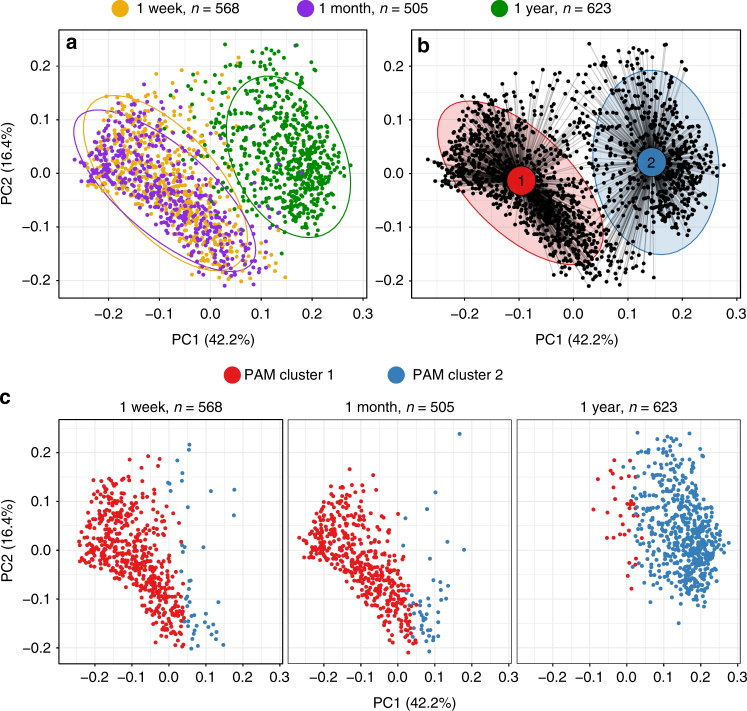
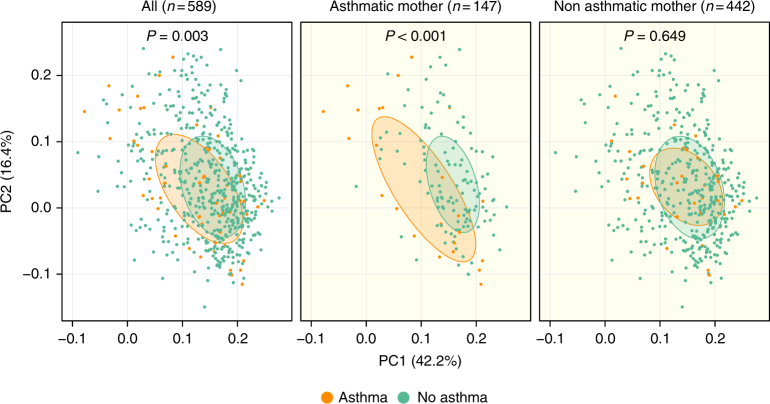
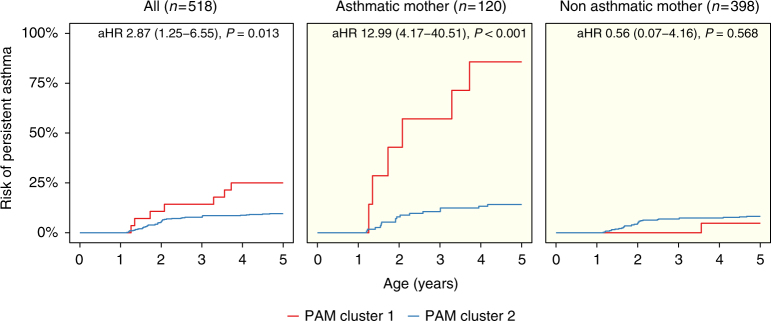
The composition of the human gut microbiome matures within the first years of life. It has been hypothesized that microbial compositions in this period can cause immune dysregulations and potentially cause asthma. Here we show, by associating gut microbial composition from 16S rRNA gene amplicon sequencing during the first year of life with subsequent risk of asthma in 690 participants, that 1-year-old children with an immature microbial composition have an increased risk of asthma at age 5 years. This association is only apparent among children born to asthmatic mothers, suggesting that lacking microbial stimulation during the first year of life can trigger their inherited asthma risk. Conversely, adequate maturation of the gut microbiome in this period may protect these pre-disposed children.
Overview
The claims and statistics of this paper haven’t been checked yet.
Free: it reads the open-access text and checks the first 5 claims that cite a source we can check. Create a free account to check every claim.
Integrity signals
Registry
Cites
Statistics
Figures
Verification
Claims the paper makes
The claims and statistics of this paper haven’t been checked yet.
Free: it reads the open-access text and checks the first 5 claims that cite a source we can check. Create a free account to check every claim.
Claims other papers make about this one
Each is checked against this paper’s own text: does it say what the citing paper says it does?
The source backs part of the claim, not all of it — or backs it for a different population, condition or comparison.
In the citing paper
“Cesarean delivery also predicts a more unstable neonatal microbiome and a heightened risk of infections, immune disorders, obesity, and neuroendocrine disturbances.31–33”
From Gut dysbiosis in oncology: a risk factor for immunoresistance (2026) · doi:10.1038/s41422-025-01212-6 · cites this paper as [33]
Experimental — accuracy not yet measuredThe source backs part of the claim, not all of it — or backs it for a different population, condition or comparison.
In the citing paper
“the composition and function of the gut microbiota in patients with lung diseases [such as pneumonia (15), lung cancer (16), asthma (17), and tuberculosis (18)] were significantly changed compared with those in healthy people”
From The Role of Gut Microbiota in Lung Cancer: From Carcinogenesis to Immunotherapy (2021) · doi:10.3389/fonc.2021.720842 · cites this paper as [17]
Experimental — accuracy not yet measuredIn the citing paper
“Some studies have indicated that gut dysbiosis is common in patients with asthma, and dysregulation of specific bacterial taxa seems to be one of the powerful predictors of high asthma risk (17,(35)(36)(37).”
From The Role of Gut Microbiota in Lung Cancer: From Carcinogenesis to Immunotherapy (2021) · doi:10.3389/fonc.2021.720842 · cites this paper as [17]
Self-check
Percentages, sums and reported differences re-computed from the paper’s own numbers.
The self-check needs the paper’s full text.
Citations
Cites
DADA2: High–resolution sample inference from Illumina amplicon data
Callahan, B. J., McMurdie, P. J., Rosen, M. J., Han, A. W., Johnson, A. J. A., & Holmes, S. P. (2016) · Nature Methods · doi:10.1038/nmeth.3869 · Cited by 35,698
QIIME allows analysis of high-throughput community sequencing data
Caporaso, J. G., Kuczynski, J., Stombaugh, J., Bittinger, K., Bushman, F. D., Costello, E. K., Fierer, N., Peña, A. G., Goodrich, J. K., Gordon, J. I., et al. (2010) · Nature Methods · doi:10.1038/nmeth.f.303 · Cited by 34,887
Silhouettes: A graphical aid to the interpretation and validation of cluster analysis
Rousseeuw, P. J. (1987) · Journal of Computational and Applied Mathematics · doi:10.1016/0377-0427(87)90125-7 · Cited by 21,392
phyloseq: An R Package for Reproducible Interactive Analysis and Graphics of Microbiome Census Data
McMurdie, P. J., & Holmes, S. (2013) · PLoS ONE · doi:10.1371/journal.pone.0061217 · Cited by 21,322
Search and clustering orders of magnitude faster than BLAST
Edgar, R. C. (2010) · Bioinformatics · doi:10.1093/bioinformatics/btq461 · Cited by 20,826
Schloss, P. D., Westcott, S. L., Ryabin, T., Hall, J. R., Hartmann, M., Hollister, E. B., Lesniewski, R. A., Oakley, B. B., Parks, D. H., Robinson, C. J., et al. (2009) · Applied and Environmental Microbiology · doi:10.1128/aem.01541-09 · Cited by 19,549
UPARSE: highly accurate OTU sequences from microbial amplicon reads
Edgar, R. C. (2013) · Nature Methods · doi:10.1038/nmeth.2604 · Cited by 16,707
Diversity of the Human Intestinal Microbial Flora
Eckburg, P. B., Bik, E. M., Bernstein, C. N., Purdom, E., Dethlefsen, L., Sargent, M., Gill, S. R., Nelson, K. E., & Relman, D. A. (2005) · Science · doi:10.1126/science.1110591 · Cited by 7,913 · cited 1×
“Asthma was diagnosed based on a previously detailed quantitative symptom algorithm requiring all of the following criteria51–53: (1) verified diary recordings of five episodes of troublesome lung symptoms within 6 months, each lasting at least 3 consecutive days; (2) symptoms typical of asthma including exercise-induc…”
MethodHuman gut microbiome viewed across age and geography
Yatsunenko, T., Rey, F. E., Manary, M. J., Trehan, I., Dominguez-Bello, M. G., Contreras, M., Magris, M., Hidalgo, G., Baldassano, R. N., Anokhin, A. P., et al. (2012) · Nature · doi:10.1038/nature11053 · Cited by 7,815
Enterotypes of the human gut microbiome
MetaHIT Consortium (additional members), Arumugam, M., Raes, J., Pelletier, E., Le Paslier, D., Yamada, T., Mende, D. R., Fernandes, G. R., Tap, J., Bruls, T., et al. (2011) · Nature · doi:10.1038/nature09944 · Cited by 7,548
Cited by
Items 401–500 of 677
Gao, X., Deng, Z., Ma, C., Li, L., Zhang, X., Li, X., & Zhou, Z. (2024) · Applied Physics Letters · doi:10.1063/5.0186637 · Cited by 6
Mavridou, M., Kyriazidi, M. A., Varlamis, S., Skepastianos, P., Mitka, S., Papaliagkas, V. T., & Chatzidimitriou, M. (2025) · Acta Microbiologica et Immunologica Hungarica · doi:10.1556/030.2025.02663 · Cited by 6
Nieto, P. A., Nakama, C., Trachsel, J., Goad, D. W., Soderborg, T. K., Tan, D. S., Orlandi, A., Yuan, Q., Song, E. H.-J., Mueller, N. T., et al. (2025) · Pediatric Allergy and Immunology · doi:10.1111/pai.70182 · Cited by 6
“21,36 Thus, a low abundance of butyrate-producing genes at this stage is expected and may reflect a more age-appropriate maturation of the microbial community, as accelerated maturation has been linked to increased risk of asthma 18,37 and AD.”
Infant gut anellovirus composition associates with early life factors and childhood atopic disease
Boulund, U., Thorsen, J., Larsen, F., Poulsen, C. S., Widdowson, M., Jiang, J., Tranæs, K., Deng, L., Rasmussen, M. A., Chawes, B., et al. (2025) · Nature Communications · doi:10.1038/s41467-025-66732-6 · Cited by 7
“Details on the processing of faecal samples for 16S rRNA sequencing and processing have been published previously 41,48 .”
Self-citationHorwell, E., Bearn, P. E., & Cutting, S. M. (2024) · Microbiome Research Reports · doi:10.20517/mrr.2024.32 · Cited by 6
Adversarial regularized autoencoder graph neural network for microbe-disease associations prediction
He, L., Zou, Q., Dai, Q., Cheng, S., & Wang, Y. (2024) · Briefings in Bioinformatics · doi:10.1093/bib/bbae584 · Cited by 6
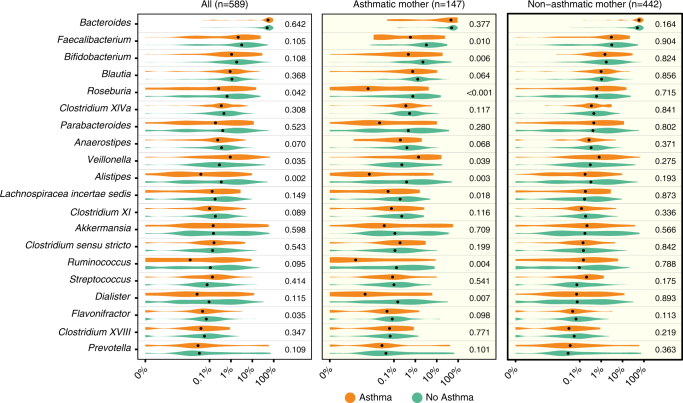
“A prospective cohort study of asthma in Denmark showed that a higher abundance of Veillonella and a lower abundance of Roseburia , Alistipes , and Flavonifractor at 1 year of age were associated with an increased risk of asthma at 5 years of age [55].”
BackgroundIslam, M. Z., Jozipović, D., Atienza, P., Krych, Ł., Correia, B. S. B., Bertram, H. C., Hansen, A. K., & Hansen, C. H. F. (2024) · Microorganisms · doi:10.3390/microorganisms12122499 · Cited by 7
“The wild microbiome also contained a greater abundance of Alistipes and Bifidobacterium longum , which is relevant because lower abundances of both Alistipes and Bifidobacterium are associated with an increased risk of asthma in human infants [53].”
Hidden Partner of Immunity: Microbiome as an Innovative Companion in Immunotherapy
Kim, P., Joe, S., Kim, H., Jeong, H., Park, S., Song, J., Kim, W., & Lee, Y. G. (2025) · International Journal of Molecular Sciences · doi:10.3390/ijms26020856 · Cited by 6
The association of maternal and infant early gut microbiota with respiratory infections in infants
Hyvönen, S., Saarikivi, A., Mälkönen, J., Solasaari, T., Korpela, K., de Vos, W. M., Salonen, A., Ruuska-Loewald, T., & Kolho, K. (2025) · Pediatric Research · doi:10.1038/s41390-025-04326-0 · Cited by 6
“25 Most birth cohort studies 15 – 18 26 and case-control case-control In this prospective study cohort, using a systematic follow-up of respiratory symptoms, we set out to investigate the proposed association between early gut microbiota composition and the occurrence of RTIs in infants.”
Le poumon est sensible aux effets locaux et à distance des microbiotes
Mathieu, E., Marquant, Q., Descamps, D., Riffault, S., Saint‐Criq, V., & Thomas, M. (2021) · Nutrition Clinique et Métabolisme · doi:10.1016/j.nupar.2021.04.002 · Cited by 6
Zych-Krekora, K., Sylwestrzak, O., Krekora, M., Oszukowski, P. J., & Grzesiak, M. (2024) · Biomedicines · doi:10.3390/biomedicines12030654 · Cited by 7
“For example, the presence of Lactobacillus and Bifidobacterium has been linked to beneficial effects on the child’s immune development, reducing the risk of allergies and asthma in later life [42].”
BackgroundLi, P., Chang, X., Chen, X., Tang, T., Liu, Y., Shang, Y., & Qi, K. (2022) · The Journal of Microbiology · doi:10.1007/s12275-022-1641-y · Cited by 6
Antibiotic Consumption, Illness, and Maternal Sensitivity in Infants with a Disorganized Attachment
Fuertes, M., Faria, A., Gonçalves, J. L., Antunes, S., & Dionísio, F. (2023) · Children · doi:10.3390/children10071232 · Cited by 7
Cross-feeding interactions of gut symbionts driven by human milk oligosaccharidesand mucins
Chia, L. W. (2018) · doi:10.18174/444432 · Cited by 6
“…butyrogenic community in the gut could be important for gut maturation, as aberrant microbial composition and/or SCFA production is associated with colicky symptoms and atopy diseases in infants (Arrieta et al 2015, de Weerth et al 2013, Pham et al 2017, Stokholm et al 2018, Wopereis et al 2017).”
BackgroundCasaro, M. B., Thomas, A. M., Mendes, E., Fukumori, C., Ribeiro, W. R., Oliveira, F. A., Crisma, A. R., Murata, G. M., Bizzarro, B., Sá‐Nunes, A., et al. (2021) · Microbiome · doi:10.1186/s40168-021-01116-8 · Cited by 6
Lifestyle Factors in the Clinical Manifestation and Management of Atopic Dermatitis
Lam, K., & Agrawal, D. K. (2025) · Archives of Internal Medicine Research · doi:10.26502/aimr.0193 · Cited by 5
Early Origins of Asthma and Allergies: Clues From Studies in China
Wang, Y., Yang, J., Lai, X., Leung, A. S. Y., Xing, Y., & Wong, G. (2025) · Clinical & Experimental Allergy · doi:10.1111/cea.70033 · Cited by 5
“These early disruptions impair immune development, partially by reducing the production of short-chain fatty acids (SCFA), especially butyrate [50], crucial for intestinal health and immune regulation.”
Bi, J., Zhao, L., Liu, X., Zhang, J., & Zhang, W. (2025) · BMC Medical Genomics · doi:10.1186/s12920-025-02196-3 · Cited by 6
“A prospective cohort study conducted in Denmark revealed that elevated levels of Veillonella and reduced levels of Roseburia, Alistipes, and Flavonifractor at the age of 1 are linked to a heightened risk of asthma development by the age of 5 [11].”
Per- and polyfluoroalkyl substances and the gut microbiota in infants: A scoping review
Olsen, I. A., Eggesbø, M. Å., Trivedi, U., & Timmermann, C. A. G. (2025) · Environmental Research · doi:10.1016/j.envres.2025.122937 · Cited by 5
Infantile colic is associated with development of later constipation and atopic disorders
Stokholm, J., Thorsen, J., Schoos, A. M., Rasmussen, M. A., Brandt, S., Sørensen, S. J., Vahman, N., Chawes, B., & Bønnelykke, K. (2024) · Allergy · doi:10.1111/all.16274 · Cited by 5
“The infant gut microbiome has previously been associated with increased risk of developing asthma and allergy, 51–53 however in our study the colic associated microbiome did not associate with later disease risk, pointing to other routes by which the colic-atopy association might be mediated.”
Self-citationInnate IL‐23/Type 17 immune responses mediate the effect of the 17q21 locus on childhood asthma
Wang, N., Brix, S., Larsen, J. M., Thysen, A. H., Rasmussen, M. A., Workman, C. T., Stokholm, J., Bønnelykke, K., Bisgaard, H. F., & Chawes, B. (2021) · Clinical & Experimental Allergy · doi:10.1111/cea.13900 · Cited by 5
Self-citationFreeman, C. M., Curtis, J. L., & Hastie, A. T. (2023) · American Journal of Respiratory and Critical Care Medicine · doi:10.1164/rccm.202305-0811ed · Cited by 5
Salivary microbiome and asthma risk in children with orofacial defects
Chen, I., Huang, F., Li, S., & Huang, H. (2023) · Pediatric Pulmonology · doi:10.1002/ppul.26582 · Cited by 5
“33 The strength of the present study is the large patient population in the CGMH database.”
YAHAGI, K. (2023) · Bioscience of Microbiota Food and Health · doi:10.12938/bmfh.2023-069 · Cited by 5
“Birth cohort studies conducted in various countries have explored relationships with the infant gut microbiota, specifically focusing on the abundance of bifidobacteria and the risk of various diseases, such as pediatric asthma [7, 8], atopic dermatitis [ 9 ], and obesity [ 10 ].”
BackgroundXiong, L.-J., Zhou, M.-Y., Li, J., Li, Y., & Xiaoli, X. (2024) · Frontiers in Pediatrics · doi:10.3389/fped.2024.1338294 · Cited by 5
Maternal Allergic Disease Phenotype and Infant Birth Season Influence the Human Milk Microbiome
Ma, J., Palmer, D. J., Geddes, D. T., Lai, C. T., Rea, A., Prescott, S. L., D’Vaz, N., & Stinson, L. F. (2024) · Allergy · doi:10.1111/all.16442 · Cited by 5
“This disparity is evident from early life, with numerous studies identifying alterations in the infant gut, nasal and skin microbiota that are predictive of later onset of allergic diseases [6, 7, 10, 16, 21–24].”
The gut-brain axis: microglia in the spotlight
Mezö, C., Mossad, O., Erny, D., & Blank, T. (2019) · e-Neuroforum · doi:10.1515/nf-2019-0014 · Cited by 5
Shima, T., Kaga, C., Shimamoto, K., Sugimoto, T., Kado, Y., Watanabe, O., Suwa, T., Amamoto, R., Tsuji, H., & Matsumoto, S. (2022) · Beneficial Microbes · doi:10.3920/bm2021.0101 · Cited by 5
The Development of the Gut Microbiota in Childhood and Its Distortion by Lifestyle Changes
Penders, J., & van Best, N. (2022) · Progress in inflammation research · doi:10.1007/978-3-030-91051-8_7 · Cited by 5
The impact of maternal asthma on the preterm infants' gut metabolome and microbiome (MAP study)
Bai-Tong, S. S., Thoemmes, M. S., Weldon, K. C., Motazavi, D., Kitsen, J., Hansen, S., Fürst, A., Geng, B., Song, S. J., Gilbert, J. A., et al. (2022) · Scientific Reports · doi:10.1038/s41598-022-10276-y · Cited by 5
Li, Y., Xu, X., Guo, Z., Li, Q., Wang, Y., Ding, J., Zhang, G., Tian, X., Chen, S., & Luo, Z. (2022) · Frontiers in Microbiology · doi:10.3389/fmicb.2022.961684 · Cited by 5
“Accumulating evidence reveals that early-life use of antibiotics is a risk factor for microbial dysbiosis in both human trials and in mouse models (Penders et al., 2011; Nobel et al., 2015; Stokholm et al., 2018).”
BackgroundWiddowson, M., Shah, S. A., Thorsen, J., Poulsen, C. S., Rosenberg, J. B., Mohammadzadeh, P., Jepsen, J. R. M., Vinding, R., Poulsen, C. E., Rodríguez, C. L., et al. (2026) · Molecular Psychiatry · doi:10.1038/s41380-026-03480-z · Cited by 4
“A ) Relative abundance across three early-life time points colored according to those who developed ADHD (orange) and those who did not (green) by age 10.”
Self-citationGlobal Microbiome: Core and Unique Signatures Across Diverse Populations
Huang, S., Chaudhari, D. S., Shukla, R., Kanani, P., Zeidan, R. S., Lin, Y., Burrow, W., Mankowski, R. T., Jain, S., & Yadav, H. (2026) · International Journal of Molecular Sciences · doi:10.3390/ijms27041776 · Cited by 4
Off to a good start: current gaps and priorities in early-life microbiome research
Pettersen, V. K., Ponsero, A. J., Jian, C., Riumin, A., Kurilshikov, A., Moyo, S. J., Justine, M., Klingenberg, C., Debelius, J. W., Valles‐Colomer, M., et al. (2026) · FEMS Microbiology Reviews · doi:10.1093/femsre/fuag010 · Cited by 4
“…experimental studies have demonstrated that gestational age and mode of delivery are strongly associated with infant microbiome composition, trajectories of microbial community assembly, and immune development (Fujimura et al. 2016 , Chu et al. 2017 , Korpela et al. 2018 , Stokholm et al. 2018 ).”
Jiang, J., Poulsen, C. S., Boulund, U., Shah, S. A., Trivedi, U., Bhattacharyya, M., Neumann, A. U., Dai, D. L. Y., Petersen, C., Hoskinson, C., et al. (2026) · Nature Communications · doi:10.1038/s41467-026-71185-6 · Cited by 4
“…reported that having a sibling captures microbial signatures that associate with protection against asthma at 6 years of age, and additionally that presence of siblings promotes amoremature gut microbiomecomposition at 1 year, which inturnalsoassociateswithprotectionfromasthma 65 andallergy 35 .”
Self-citationAntibiotic-induced gut microbiome dysbiosis: risks and strategies for mitigation
Müller, K., Gillard, J., Typas, A., Knopp, M. R., & Goemans, C. (2026) · The EMBO Journal · doi:10.1038/s44318-026-00796-y · Cited by 4
“It has been associated with an increased risk of developing childhood onset asthma (Russell et al, 2012; Borbet et al, 2019; Stokholm et al, 2018; Metsälä et al, 2015), allergies (Metsälä et al, 2013), obesity, type II diabetes and related metabolic diseases (Mahana et al, 2016; Cox et al, 2014;…”
Mechanisms and therapeutic strategies of asthma: from bench to bedside
Xie, C., Wei, Y., Su, C., Yalikun, M., Chu, Y., Yu, H., Jin, M., Xu, W., Lin, J., & Dong, J. (2026) · Signal Transduction and Targeted Therapy · doi:10.1038/s41392-026-02853-8 · Cited by 4
“93 Lower colonization by Lactobacillus and Bi fi dobacterium , as well as delayed microbial diversi fi cation, 94 have been linked to an increased risk of asthma.”
Effects of Low-Carbohydrate and Low-Fat Diets on Morbidity and Mortality of COPD
Hu, H., Qiu, Y., Shen, N., Chen, H., Zhang, J., Wang, Y., Shi, X., & Li, M. (2024) · International Journal of COPD · doi:10.2147/copd.s479602 · Cited by 4
Yang, X., Zhao, Q., Wang, X., Zhang, Y., Ma, J., Liu, Y., & Wang, H. (2025) · Technology and Health Care · doi:10.1177/09287329241301680 · Cited by 5
Patry, R. T., Essler, L., Andresen, S., Quinn, F. D., & Szymanski, C. M. (2022) · mBio · doi:10.1128/mbio.03852-21 · Cited by 5
“In allergy (7–10), asthma (8, 11, 12), diabetes (14, 15), atopic dermatitis (8, 13), arthritis”
BackgroundImpact of evolution on lifestyle in microbiome
González, A., Fullaondo, A., & Odriozola, A. (2024) · Advances in genetics · doi:10.1016/bs.adgen.2024.02.003 · Cited by 4
Ortiz, J. P. M., McClure, D. D., Shanahan, E. R., Dehghani, F., Holmes, A. J., & Read, M. N. (2021) · Gut Microbes · doi:10.1080/19490976.2021.1965698 · Cited by 4
Alharbi, K. S., Alenezi, S. K., & Alnasser, S. M. (2022) · Springer eBooks · doi:10.1007/978-981-16-8957-4_5 · Cited by 4
Perras, A., Koskinen, K., Mora, M., Beck, M., Wink, L., & Moissl‐Eichinger, C. (2018) · bioRxiv (Cold Spring Harbor Laboratory) · doi:10.1101/343194 · Cited by 4
Oral Microbiota and Pediatric Asthma Phenotype: A New Window for Biomarkers?
Ghedin, E., & Huang, Y. J. (2023) · American Journal of Respiratory and Critical Care Medicine · doi:10.1164/rccm.202305-0856ed · Cited by 4
Liu, T., Stokholm, J., Zhang, M., Vinding, R., Sørensen, S. J., Zhao, N., & Mueller, N. T. (2025) · Journal of the American Heart Association · doi:10.1161/jaha.124.037447 · Cited by 4
“31,32 In brief, after the DNA was extracted from samples, we amplified the hypervariable V4 region of the 16S rRNA gene using the modified broad range primers 515F and 806R and then performed paired-end sequencing on the Illumina MiSeq System.”
Self-citationLuo, Y., Pedersen, C.-E. T., Eliasen, A. U., Brustad, N., Chen, L., Wang, N., Jiang, J., Trivedi, U., Li, X., Sørensen, S. J., et al. (2025) · Clinical Microbiology and Infection · doi:10.1016/j.cmi.2025.04.034 · Cited by 3
Self-citationImmune-oncology-microbiome axis in lung cancer: from carcinogenesis to therapy—a narrative review
Shen, M., Chen, Y., Chen, J., Yin, J., Xu, C., Wang, D., & Lv, T. (2025) · Translational Lung Cancer Research · doi:10.21037/tlcr-2025-737 · Cited by 3
“Clinically, lung infections can disturb the gut microbial balance (58,59) , and lung diseases—including asthma, cancer, and tuberculosis—are associated with significant gut microbiome alterations (15,60,61) .”
Pizzo, V., Francese, A., Bottino, P., Bertolina, C., Gotta, F., Gandino, M., Felici, E., Mazzucco, R., Bertolotti, M., Roveta, A., et al. (2025) · Microorganisms · doi:10.3390/microorganisms13122664 · Cited by 3
“The interaction between diet, pharmacological treatments, and microbiota thus represents a key area of investigation in pediatric asthma [9].”
Species diversity and network diversity in the human lung cancer tissue microbiomes
Qiao, Y., Mei, J., & Ma, Z. S. (2024) · FEMS Microbiology Letters · doi:10.1093/femsle/fnae087 · Cited by 3
Health and Psychological Predictors of Antibiotic Use in Infancy and Fathers’ Role
Fuertes, M., Almeida, R., & Dionísio, F. (2025) · European Journal of Investigation in Health Psychology and Education · doi:10.3390/ejihpe15050066 · Cited by 3
“Antibiotics given to infants have been associated with obesity, asthma, and autoimmune diseases like type 1 diabetes (Mischke et al., 2018; Stewart et al., 2018; Stokholm et al., 2018).”
Holdsworth, E. A., Williams, J. E., Pace, R. M., Caffé, B., Gartstein, M. A., McGuire, M. A., McGuire, S., & Meehan, C. L. (2025) · American Journal of Human Biology · doi:10.1002/ajhb.70061 · Cited by 3
“…many infant health outcomes, including stress response reactivity (Dong and Gupta 2019; Rosin et al. 2021), temperament (Fox et al. 2022), asthma (Stokholm et al. 2018, 2020; van Nimwegen et al. 2011; Zimmermann et al. 2019), allergies (Azad et al. 2015; De Filippis et al. 2021; Lee et al. 2021;…”
Interactions between traditional chinese medicine and gut microbiota in chronic diseases
Chen, L., Liu, M., Chen, X., Lü, A., Cheung, K. C.-P., & Xiong, Y. (2025) · Pharmacological Research - Modern Chinese Medicine · doi:10.1016/j.prmcm.2025.100659 · Cited by 3
Can perturbations in microbial maturation cause asthma?
Stokholm, J. (2020) · The Lancet Respiratory Medicine · doi:10.1016/s2213-2600(20)30002-3 · Cited by 3
Self-citationWang, J., Li, Y., Mu, Y., Huang, K., Li, D., Lan, C., Cui, Y., & Wang, J. (2024) · Science China Life Sciences · doi:10.1007/s11427-023-2488-0 · Cited by 3
“Low Bifidobacterium abundance has been linked to developmental delay in children and high incidences of allergy and asthma (Gensollen et al., 2016; Stokholm et al., 2018).”
Hwang, G., & Kim, K. (2024) · Maternal and Child Health Journal · doi:10.1007/s10995-024-04005-2 · Cited by 3
Microbiome therapeutics in respiratory illnesses
Yadav, M. (2023) · Elsevier eBooks · doi:10.1016/b978-0-323-99336-4.00005-7 · Cited by 3
Beyond bacteria: early-life gut virome link with childhood asthma development
(2024) · Nature Medicine · doi:10.1038/s41591-023-02747-0 · Cited by 3
Gestörtes Gleichgewicht von Immunsystem und Hautmikrobiom bei chronisch entzündlichen Dermatosen
Kuchner, M., Nemmer, J., Werfel, T., & Homey, B. (2021) · Der Hautarzt · doi:10.1007/s00105-021-04832-2 · Cited by 3
Litos, A., Intze, E., Pavlidis, P., & Lagkouvardos, I. (2022) · Frontiers in Bioinformatics · doi:10.3389/fbinf.2022.866902 · Cited by 3
“This method has been successfully applied in studies spanning from the gut (Stokholm et al., 2018; Khine et al., 2019; Lee et al., 2020) to saliva (Acharya et al., 2017) microbiome.”
MethodEarly-life human cytomegalovirus infections in Canadians : implications for a healthy development
Simmons, K. E. (2019) · cIRcle (University of British Columbia) · doi:10.14288/1.0378024 · Cited by 3
How to Understand a Revolution: Guts, Lungs, and Bronchiectasis
Drohan, C. M., Molyneaux, P. L., & Dickson, R. P. (2023) · American Journal of Respiratory and Critical Care Medicine · doi:10.1164/rccm.202211-2179ed · Cited by 3
“airway diseases (7, 8), the study by Narayana and colleagues is the”
BackgroundAnnotIEM: novel tool for microbiome species-level annotation of 16S gene based microbial sequencingPreprint
Bhattacharyya, M., Rauer, L., Reiger, M., Afghani, J., Hülpüsch, C., Traidl‐Hoffmann, C., & Neumann, A. U. (2024) · bioRxiv (Cold Spring Harbor Laboratory) · doi:10.1101/2024.10.31.621263 · Cited by 3
Adamov, A., Chardonnet, M., Krach, F., Heiss, J., Teichmann, J., & Bokulich, N. A. (2025) · arXiv (Cornell University) · doi:10.48550/arxiv.2510.00087 · Cited by 3
The Microbiome, Metabolism, and Networks in Precision Nutrition
Mensah, G. E., Maseng, M. G., Allard, S., & Gilbert, J. A. (2024) · Precision Nutrition · doi:10.1016/b978-0-443-15315-0.00011-0 · Cited by 2
Metagenomic Analysis of Gut Microbiome of Persistent Pulmonary Hypertension of the Newborn
Han, L., Lin, C., Lan, Y., Hua, Y., Wu, J., Fan, Z., & Li, Y. (2024) · Cardiovascular Toxicology · doi:10.1007/s12012-024-09949-z · Cited by 2
A novel robust network construction and analysis workflow for mining infant microbiota relationships
Jiang, W., Zhai, Y., Chen, D., & Yu, Q. (2024) · mSystems · doi:10.1128/msystems.01570-24 · Cited by 2
The Gut Microbiota of Peruvian Children Under the Age of Two During the Complementary Feeding Period
Kutbi, A., Gong, J., Dluzen, D. F., Pop, M., & Li, Y. (2025) · International Journal of Environmental Research and Public Health · doi:10.3390/ijerph22091369 · Cited by 3
Lau, R. I., Wong, M. C. S., Lau, L. H. S., Lau, A. Y. L., Mak, I. W. C., Lo, O. S., Chan, N. N., Dai, D. L. K., & Hau, K. C. (2025) · Gut Microbes Reports · doi:10.1080/29933935.2025.2558575 · Cited by 2
Chen, Y., Wang, J., Yang, L., & Song, C. (2025) · Journal of Multidisciplinary Healthcare · doi:10.2147/jmdh.s547302 · Cited by 2
Extracting host-specific developmental signatures from longitudinal microbiome data
Erdõs, B., Chatzis, C., Thorsen, J., Stokholm, J., Smilde, A. K., Rasmussen, M. A., & Acar, E. (2026) · PLoS Computational Biology · doi:10.1371/journal.pcbi.1014486 · Cited by 2
“…allows the patterns in B k to vary across the third mode: where { } is the set defining the constant cross-product constraint of PARA-FAC2, which ensures unique decomposition up to scaling and permutation ambiguities under certain conditions [25] https://doi.org/10.1371/journal.pcbi.1014486.g001”
InfluentialSelf-citationArnadottir, A. T., Skírnisdóttir, S., Knobloch, S., Corral‐Jara, K. F., Klonowski, A. M., Gunnarsdóttir, I., & Marteinsson, V. (2025) · mSphere · doi:10.1128/msphere.00745-25 · Cited by 2
“Interestingly, the infant gut microbiome in the present study displayed a notably high relative abundance of Blautia compared with cohorts from Sweden, China, and Ireland, particularly from B2 (4–6 weeks after solid food introduction) and onward (60–64).”
Sex-Specific Differences in Gut Microbiota Composition in Adult Patients with Bronchial Asthma
Hirano, C., Kozu, Y., Jinno, Y., Kurosawa, Y., Yamada, S., Hatayama, K., Kono, K., Mizumura, K., Iikura, M., Maruoka, S., et al. (2026) · Biomedicines · doi:10.3390/biomedicines14010125 · Cited by 2
AllergoOncology in Review: Harnessing Allergy in the Field of Oncology to Improve Patient Outcomes
Zydron, J., Balaji, A., Chauhan, J., Alder, J., Chen, X., Wiegman, A. M. F., Poli, A., Jackow, J., Cheeseman, J., Spencer, D. I. R., et al. (2026) · Clinical & Experimental Allergy · doi:10.1111/cea.70234 · Cited by 2
Human milk and infant formula influence lactobacilli metabolism in a species-specific manner
Gutierrez, A., Chetta, K. E., Puckett, B., Haidacher, S. J., Horvath, T. D., & Engevik, M. A. (2026) · npj Science of Food · doi:10.1038/s41538-026-00759-x · Cited by 2
The Gut–Lung Axis, Epigenetics and Respiratory Disease
Byun, A. S., Kwok, P. C. L., Chan, H., & Vitetta, L. (2026) · Frontiers in Bioscience-Landmark · doi:10.31083/fbl48743 · Cited by 2
Yu, L., Wu, M., Leung, T. F., & Zheng, X. (2026) · Clinical Reviews in Allergy & Immunology · doi:10.1007/s12016-026-09174-2 · Cited by 2
“Gut-skin and gut-lung axes Human and animal studies link early gut microbiota alterations with AD, wheeze, asthma, and skin or airway inflammation [30 , 79, 81, 86, 88, 91].”
Mikkola, H., Honkila, M., Tapiainen, T., & Jartti, T. T. (2022) · Current Respiratory Medicine Reviews · doi:10.2174/1573398x18666220103113813 · Cited by 2
The “normal” ocular microbiome and human eye health
Patel, V., Cavuoto, K. M., & Galor, A. (2023) · Elsevier eBooks · doi:10.1016/b978-0-323-98338-9.00003-7 · Cited by 2
The gut microbiome and asthma in a Swedish twin study
Mubanga, M., Ploner, A., Schuppe‐Koistinen, I., Magnusson, P. K. E., Boulund, F., Debelius, J. W., & Almqvist, C. (2023) · Clinical & Experimental Allergy · doi:10.1111/cea.14379 · Cited by 2
Human virome in health and disease
Xue, J., Mirzaei, M. K., Costa, R., Smith, S., Tiamani, K., Ma, T., & Deng, L. (2024) · Elsevier eBooks · doi:10.1016/b978-0-12-818619-0.00128-3 · Cited by 2
Gut microbiota and childhood asthma: A 2-sample bidirectional Mendelian randomization study
Li, Y., Li, D., Fang, M., Wu, P., Zhang, N., Li, Y., Liu, H., Dai, X., & Xu, X. (2025) · Medicine · doi:10.1097/md.0000000000044023 · Cited by 2
“[13] Human milk prebiotics and probiotics modulate GM assembly by facilitating acquisition of novel taxa and selecting for colonization-permissive niches.”
What E. coli knows about your 1-year-old infant: Antibiotic use, lifestyle, birth mode, and siblings
Al’Abri, I. S., Durmusoglu, D., & Crook, N. (2021) · Cell Host & Microbe · doi:10.1016/j.chom.2021.05.006 · Cited by 2
Higher circulating EGF levels associate with a decreased risk of IgE sensitization in young children
Reinert‐Hartwall, L., Siljander, H., Härkönen, T., Vatanen, T., Ilonen, J., Niemelä, O. J., Luopajärvi, K., Доршакова, Н. В., Mokurov, S., Peet, A., et al. (2021) · Pediatric Allergy and Immunology · doi:10.1111/pai.13613 · Cited by 2
Vithoulkas, G. (2021) · Journal of Medicine and Life · doi:10.25122/jml-2021-0375 · Cited by 2
Can breastfeeding promote an antibiotic-resilient microbiome?
Stokholm, J., & Thorsen, J. (2023) · Med · doi:10.1016/j.medj.2023.01.002 · Cited by 2
Self-citationFinn, P. W., & Perkins, D. L. (2023) · PubMed Central · Cited by 3
Metagenomics for clinical diagnostics: technologies and informaticsPreprint
Loeffler, C., Gibson, K. M., Martin, L. S., Chang, L., Rotman, J., Toma, I., Mason, C. E., Eskin, E., Zackular, J. P., Crandall, K. A., et al. (2019) · arXiv (Cornell University) · doi:10.48550/arxiv.1911.11304 · Cited by 2
Dikareva, E., Skawinski, M., Bervoets, L., Barnett, D. J. M., Galazzo, G., Le, N. G., Driessen, C., Penders, J., Mommers, M., & van Best, N. (2025) · Research Square · doi:10.21203/rs.3.rs-6673441/v1 · Cited by 2
Phandanouvong-Lozano, V. (2019) · eCommons (Cornell University) · doi:10.7298/bpdb-jf19 · Cited by 2
Bañuelos, M. S., Lynn, B. K., Zünd, M., Faucher, R., Trinh, C., Rebolleda‐Gómez, M., & Wiles, T. J. (2026) · bioRxiv (Cold Spring Harbor Laboratory) · doi:10.64898/2026.03.05.709772 · Cited by 2
Cornuault, J. K. (2018) · theses.fr (ABES) · doi:10.70675/55d00c01zb915z43d1z8f0bzeead74fa3383 · Cited by 2
Colberg, O., Hermes, G. D. A., Licht, T. R., Wichmann, A., Baker, A., Laursen, M. F., & Wellejus, A. (2024) · Microbiology Spectrum · doi:10.1128/spectrum.00724-24 · Cited by 1
Biodiversity Hypothesis: The Role of Environmental Microbial Exposures in Non-communicable Diseases
Lehtimäki, J. (2025) · Springer eBooks · doi:10.1007/978-3-031-82689-4_5 · Cited by 1
Gut microbiome in early life and bone health outcomes at age 6: a Danish mother-child cohort study
Che, P. N., Jiang, J., Breslin, M. C., Thompson, M. J., Vinding, R., Stokholm, J., & Scheepers, L. E. J. M. (2025) · Journal of Bone and Mineral Research · doi:10.1093/jbmr/zjaf108 · Cited by 1
“Based on our microbial prevalence-abundance cut-off, we selected 17, 21, 52, 67, and 72 most prevalent and abundant genera at 1 wk, 1 mo, 1 yr, 4 yr, and 6 yr, respectively, for further analysis (Figure S4a − e).”
Self-citationGhosh, A., Evans, T., Walsh, C. J., Maiden, M. J., Stinear, T. P., & Deane, A. M. (2025) · Critical Care and Resuscitation · doi:10.1016/j.ccrj.2025.100132 · Cited by 2
Dolbnya, S. V., Ponamareva, V. R., Tolkunova, A. A., Klimov, L. O., Barycheva, L., Kuznetsova, V. V., Kalaydzhan, V. K., & Monastyrskaya, E. I. (2025) · Medical news of the North Caucasus · doi:10.14300/mnnc.2025.20084 · Cited by 1
Host genetic variation and gut microbiome in pediatric diseases
Meng, Y., Wang, H., Mu, D., Zeng, S., & Wang, S. (2026) · Chinese Medical Journal · doi:10.1097/cm9.0000000000003959 · Cited by 1
“[57] Simultaneously, a longitudinal cohort study in Copenhagen revealed an independent virome–asthma association, and this virome-associated asthma risk was regulated by host TLR9 (rs187084) genetic variant.”
Sun, F., Lu, J., Qiu, J. B., Jiao, Y., Zhuang, J., Meng, B., Kwok, L. Y., & Zhong, Z. (2026) · BMC Microbiology · doi:10.1186/s12866-026-04930-y · Cited by 1
Zhang, W., Zhang, S., Liu, Y., Liu, Y., Yin, W., Sun, H., Zhao, W., & Ma, X. (2026) · Journal of Functional Foods · doi:10.1016/j.jff.2026.107246 · Cited by 1
Metadata
- Authors
- Stokholm, J., Blaser, M. J., Thorsen, J., Rasmussen, M. A., Waage, J., Vinding, R. K., Schoos, A.-M. M., Kunøe, A., Fink, N. R., Chawes, B. L., Bønnelykke, K., Brejnrod, A. D., Mortensen, M. S., Al-Soud, W. A., Sørensen, S. J., & Bisgaard, H.
- Affiliations
- University of Copenhagen (DK)
- NYU Langone Health (US)
- Corresponding author
- Sørensen, Søren J.
- Bisgaard, Hans
- ORCID
- Venue
- Nature Communications
- Published
- 2018-01-10
- Volume
- 9
- Issue
- 1
- Pages
- 141-141
- ISSN
- 2041-1723 (ISSN-L)
- PMC
- PMC5762761
- OpenAlex
- W2782017756
- Cited by
- 614
- References
- 71
- Citations by year
- 2026: 53 · 2025: 64 · 2024: 85 · 2023: 72 · 2022: 85 · 2021: 94 · 2020: 68 · 2019: 59 · 2018: 34
- FWCI
- 22.67
- Type
- journal article
- Language
- en
- Update notices
- correction (2018-02-13)
- Open access
- gold
- doi.org
- Licence
- cc-by
- creativecommons.org/licenses/by/4.0 (tdm)
- creativecommons.org/licenses/by/4.0 (vor)
- Locations
- Nature Communications (publishedVersion, cc-by)
- Europe PMC (PubMed Central) (publishedVersion, cc-by)
- PubMed Central (publishedVersion, cc-by)
- PubMed (publishedVersion)
- Research at the University of Copenhagen (University of Copenhagen) (publishedVersion, cc-by)
- Rutgers University Community Repository (Rutgers University) (submittedVersion)
- RePEc: Research Papers in Economics (submittedVersion)
- DOAJ (DOAJ: Directory of Open Access Journals) (submittedVersion, cc-by-sa)
- DOAJ (DOAJ: Directory of Open Access Journals) (submittedVersion)
- Funders
- Thrasher Research Fund
- Strategiske Forskningsråd
- Lundbeckfonden (R223-2016-179)
- Danmarks Frie Forskningsfond
- Ministeriet Sundhed Forebyggelse
- Alfred Benzon Foundation
- Novo Nordisk Fonden (NNF17OC0025014)
- H. Lundbeck A/S
- National Institutes of Health
- National Institute of Diabetes and Digestive and Kidney Diseases (R01DK090989)
- Topics
- Life Sciences › Biochemistry, Genetics and Molecular Biology › Molecular Biology › Gut microbiota and health
- Health Sciences › Medicine › Pulmonary and Respiratory Medicine › Asthma and respiratory diseases
- Health Sciences › Medicine › Dermatology › Dermatology and Skin Diseases
- Keywords
- childhood asthma, early life microbial exposure, maternal asthma, immune dysregulation, microbial stimulation, asthma risk, 16S rRNA gene amplicon sequencing
- MeSH terms
- Gastrointestinal Microbiome, Asthma, Bacteroides, Bifidobacterium, Child Development, Child, Preschool, Enterobacteriaceae, Female, Humans, Infant, Male, Mothers, Risk, RNA, Ribosomal, 16S, Staphylococcus, Streptococcus, Veillonella, Enterococcus
About these checks
Registry, retraction, Cites and statistics results are computed, not judged, with one exception: a printed reference that no index lists is read once by a model before it counts as a citation error. Claims are extracted by a model and kept only when their quote appears verbatim in the text; each cited source is then checked, with a model’s help, for whether it says what the claim relies on. Those verdicts can be wrong — read the claim’s quote and the cited source before relying on one.
Statistics and arithmetic are recomputed, not judged.
Confidence bands are shown only for fields calibrated on our annotated test set. None is calibrated yet, so no band is shown.
What counts as a claim ›How we measure confidence ›How we check this ›
Are you an author, or do you see a problem with this page? Request a review
Data sources
Bibliographic data: Semantic Scholar, OpenAlex, Crossref.
Contains information from the Semantic Scholar Academic Graph Datasets, made available under the ODC Attribution License (ODC-BY 1.0).
Semantic Scholar’s data is described in: Kinney, R., et al. (2023). The Semantic Scholar Open Data Platform. arXiv:2301.10140.
