

A self-destructive nanosweeper that captures and clears amyloid β-peptides
Open accessThe DOI matches its Crossref record; 45 of the 45 references it cites were found in a registry or an index.
Abstract
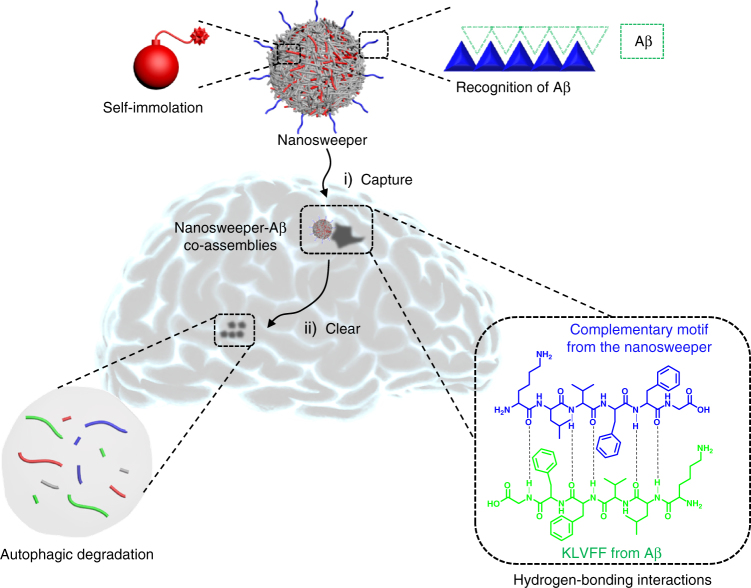
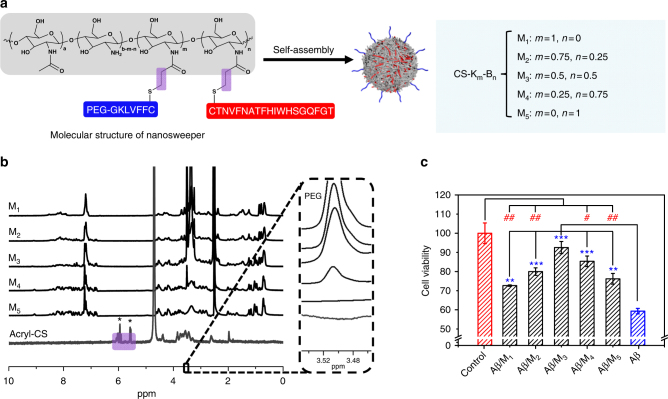
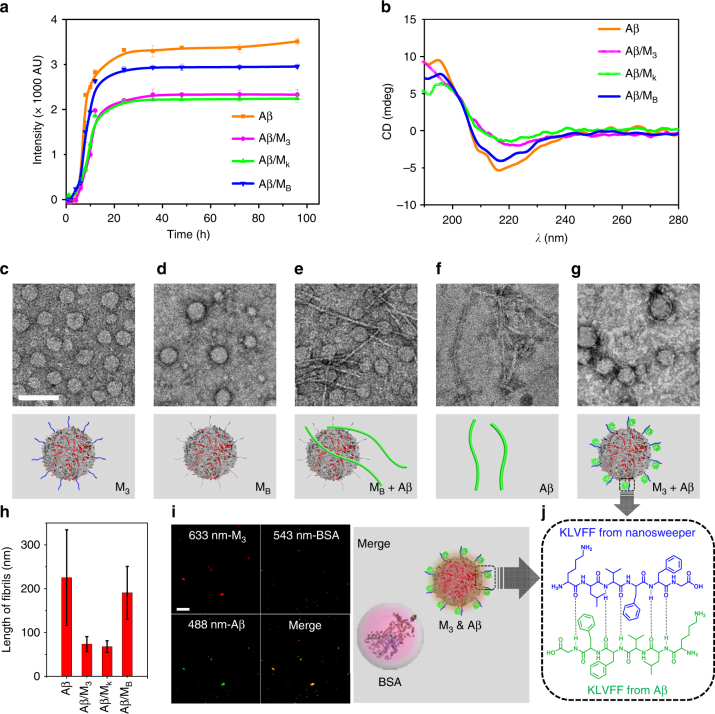
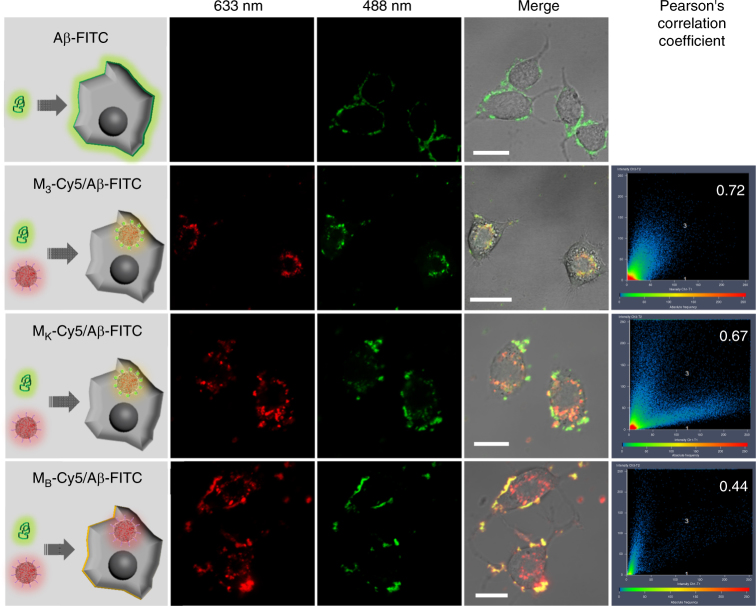
Cerebral amyloid β-peptide (Aβ) accumulation resulting from an imbalance between Aβ production and clearance is one of the most important causes in the formation of Alzheimer’s disease (AD). In order to preserve the maintenance of Aβ homeostasis and have a notable AD therapy, achieving a method to clear up Aβ plaques becomes an emerging task. Herein, we describe a self-destructive nanosweeper based on multifunctional peptide-polymers that is capable of capturing and clearing Aβ for the effective treatment of AD. The nanosweeper recognize and bind Aβ via co-assembly through hydrogen bonding interactions. The Aβ-loaded nanosweeper enters cells and upregulates autophagy thus promoting the degradation of Aβ. As a result, the nanosweeper decreases the cytotoxicity of Aβ and rescues memory deficits of AD transgenic mice. We believe that this resourceful and synergistic approach has valuable potential as an AD treatment strategy.
Overview
The claims and statistics of this paper haven’t been checked yet.
Free: it reads the open-access text and checks the first 5 claims that cite a source we can check. Create a free account to check every claim.
Integrity signals
Registry
Cites
Statistics
Figures
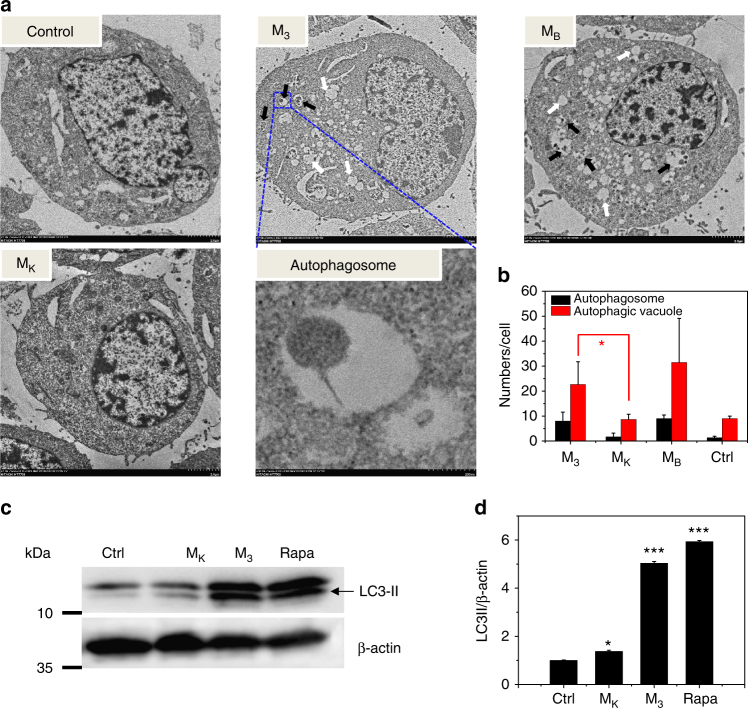
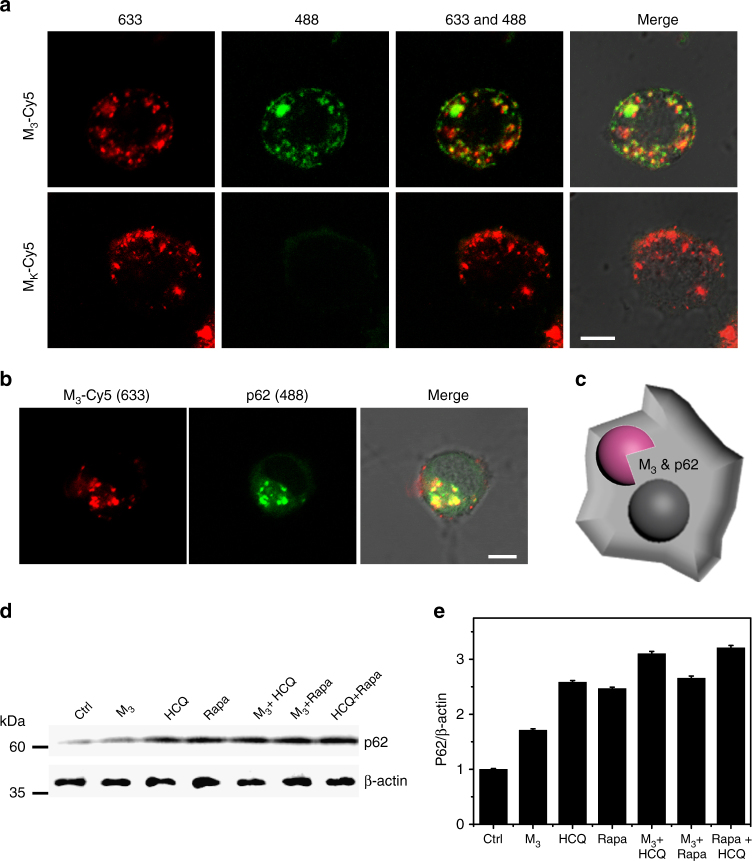
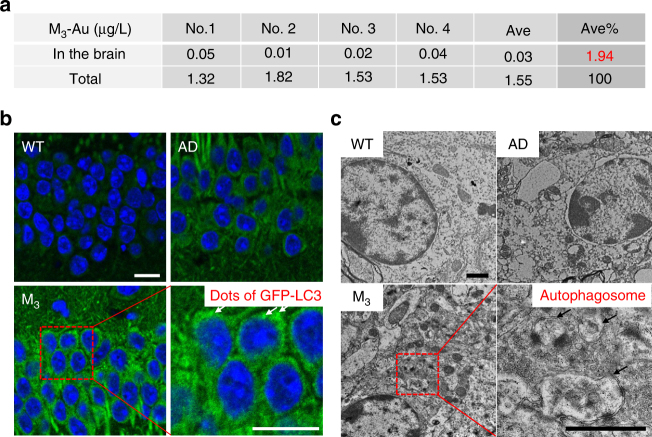
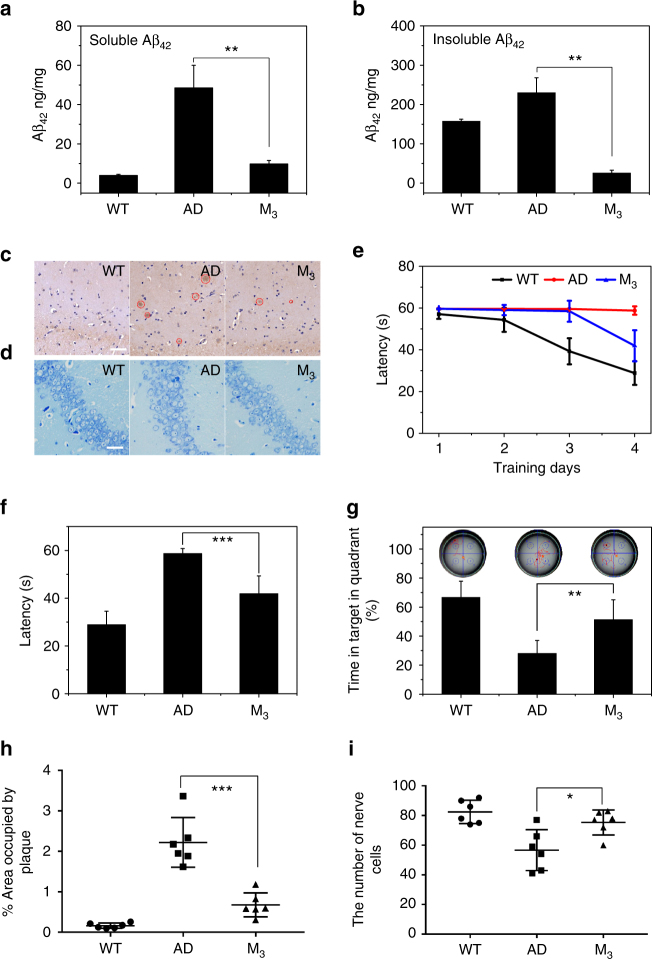
Verification
Claims the paper makes
The claims and statistics of this paper haven’t been checked yet.
Free: it reads the open-access text and checks the first 5 claims that cite a source we can check. Create a free account to check every claim.
Claims other papers make about this one
Each is checked against this paper’s own text: does it say what the citing paper says it does?
The source backs part of the claim, not all of it — or backs it for a different population, condition or comparison.
In the citing paper
“Only a few studies provide quantitative data: for the nanosweeper it was 1.94% ID/g [44], and for mesoporous Nps with dual targeting—1.12–1.57% ID/g [67].”
From Theranostic Nanoplatforms for Alzheimer's Disease: A Critical Analysis of Conceptual Contradictions (2026) · cites this paper as [44]
Experimental — accuracy not yet measuredThe source backs part of the claim, not all of it — or backs it for a different population, condition or comparison.
In the citing paper
“Such a nanoparticle contains two functional elements: the KLVFF peptide, which ensures the capture of Aβ, and the Beclin-1 protein, which activates autophagy. The particle also incorporates a fluorophore for visualization.”
From Theranostic Nanoplatforms for Alzheimer's Disease: A Critical Analysis of Conceptual Contradictions (2026) · cites this paper as [44]
Experimental — accuracy not yet measuredThe source backs part of the claim, not all of it — or backs it for a different population, condition or comparison.
In the citing paper
“However, for in vivo experiments, the authors were forced to increase the concentration to 200 μg/mL, administered every two days for a month.”
From Theranostic Nanoplatforms for Alzheimer's Disease: A Critical Analysis of Conceptual Contradictions (2026) · cites this paper as [44]
Experimental — accuracy not yet measuredThe source backs part of the claim, not all of it — or backs it for a different population, condition or comparison.
In the citing paper
“Moreover, only 1.94% of the administered dose reached the brain parenchyma, and the therapeutic effect was assessed by the reduction in Aβ levels (soluble Aβ decreased from 585 to 190 ng/mg, insoluble—from 1539 to 914 ng/mg).”
From Theranostic Nanoplatforms for Alzheimer's Disease: A Critical Analysis of Conceptual Contradictions (2026) · cites this paper as [44]
Experimental — accuracy not yet measuredThe source backs part of the claim, not all of it — or backs it for a different population, condition or comparison.
In the citing paper
“This achieved 40–60% Aβ reduction in mouse brains (soluble Aβ: 585 to 190 ng/mg; insoluble: 1539 to 914 ng/mg) [44].”
From Theranostic Nanoplatforms for Alzheimer's Disease: A Critical Analysis of Conceptual Contradictions (2026) · cites this paper as [44]
Experimental — accuracy not yet measured
7 more claims about this paper
Create a free account to see every claim other papers make about this one.
Self-check
Percentages, sums and reported differences re-computed from the paper’s own numbers.
The self-check needs the paper’s full text.
Citations
Cites
Repertoires of Autophagy in the Pathogenesis of Ocular Diseases
Li, Y.-J., Jiang, Q., Cao, G.-F., Yao, J., & Yan, B. (2015) · Cellular Physiology and Biochemistry · doi:10.1159/000373980 · Cited by 16,304
Cui, C., Cui, J., Jin, F., Cui, Y., Li, R., Jiang, X., Tian, Y., Wang, K., Jiang, P., & Gao, J. (2017) · Cellular Physiology and Biochemistry · doi:10.1159/000479571 · Cited by 5,203
Guidelines for the use and interpretation of assays for monitoring autophagy
Klionsky, D. J., Abdalla, F. C., Abeliovich, H., Abraham, R. T., Acevedo-Arozena, A., Adeli, K., Agholme, L., Agnello, M., Agostinis, P., Aguirre-Ghiso, J. A., et al. (2012) · Autophagy · doi:10.4161/auto.19496 · Cited by 4,330
Pathways towards and Away from Alzheimer’s Disease
Mattson, M. P. (2004) · Nature · doi:10.1038/nature02621 · Cited by 3,052
The role of autophagy in neurodegenerative disease
Nixon, R. A. (2013) · Nature Medicine · doi:10.1038/nm.3232 · Cited by 2,059
Two Phase 3 Trials of Bapineuzumab in Mild-to-Moderate Alzheimer's Disease
Salloway, S., Sperling, R., Fox, N. C., Blennow, K., Klunk, W., Raskind, M., Sabbagh, M., Honig, L. S., Porsteinsson, A. P., Ferris, S., et al. (2014) · New England Journal of Medicine · doi:10.1056/nejmoa1304839 · Cited by 1,960
Alzheimer’s disease drug-development pipeline: Few candidates, frequent failures
Cummings, J. L., Morstorf, T., & Zhong, K. (2014) · Alzheimer's Research & Therapy · doi:10.1186/alzrt269 · Cited by 1,744
Lysosomes: fusion and function
Luzio, J. P., Pryor, P. R., & Bright, N. A. (2007) · Nature Reviews Molecular Cell Biology · doi:10.1038/nrm2217 · Cited by 1,740
EGCG redirects amyloidogenic polypeptides into unstructured, off-pathway oligomers
Ehrnhoefer, D. E., Bieschke, J., Boeddrich, A., Herbst, M., Masino, L., Lurz, R., Engemann, S., Pastore, A., & Wanker, E. E. (2008) · Nature Structural & Molecular Biology · doi:10.1038/nsmb.1437 · Cited by 1,434
Soto, C., Sigurdsson, E. M., Morelli, L., Asok Kumar, R., Castaño, E. M., & Frangione, B. (1998) · Nature Medicine · doi:10.1038/nm0798-822 · Cited by 876
Research works printed but not linked: 1
- Sarkar S Role of autophagy in neurodegenerative diseases Curr. Sci. 2011 101 514 519
Cited by
Items 101–192 of 192
Luo, Q., Fan, C., Ying, W., Peng, X., Hu, Y., Luan, Z., Ye, S., Gong, C., Huang, Y., Xiao, Y., et al. (2022) · Advanced Science · doi:10.1002/advs.202203918 · Cited by 21
Self-citationZhang, H., Chen, Y., Yu, M., Xi, Y., Han, G., Jin, Y., Wang, G.-J., Sun, X., Zhou, J., & Ding, Y. (2023) · Proceedings of the National Academy of Sciences · doi:10.1073/pnas.2304213120 · Cited by 21
Artificial Chiral Interfaces against Amyloid-β Peptide Aggregation: Research Progress and Challenges
Zhou, Z., Gu, Y., & Wang, H. (2021) · ACS Chemical Neuroscience · doi:10.1021/acschemneuro.1c00544 · Cited by 21
Self-citationFeng, Q., Zhang, X., Zhang, N., Gu, H., Wang, N., Chen, J., Yuan, X., & Wang, L. (2023) · Exploration · doi:10.1002/exp.20230048 · Cited by 23
Self-citationBoyetey, M.-J. B., Choi, Y., Lee, H., & Choi, J. H. (2024) · Biomaterials Science · doi:10.1039/d3bm02003g · Cited by 26
Peptide-based nanomaterials for gene therapy
Zhang, W., Chen, Q., Wu, F., Dai, J., Ding, D., Wu, J., Lou, X., & Xia, F. (2021) · Nanoscale Advances · doi:10.1039/d0na00899k · Cited by 22
Xu, L., Wu, X., Zhao, S., Hu, H., Wang, S., Zhang, Y., Chen, J., Zhang, X., Zhao, Y., Ma, R., et al. (2024) · Advanced Materials · doi:10.1002/adma.202313869 · Cited by 30
Application of Nanomaterials in Neurodegenerative Diseases
Cui, W., Fu, W., Lin, Y., & Zhang, T. (2020) · Current Stem Cell Research & Therapy · doi:10.2174/1574888x15666200326093410 · Cited by 23
Self-citationGao, K.-X., Zhou, Z., Yao, L., Wang, S., Zhang, Y., Zou, Q., Ma, L., & Wang, H. (2022) · ACS Applied Bio Materials · doi:10.1021/acsabm.1c01245 · Cited by 19
Self-citationHe, Y., Lu, H., & Zhao, Y. (2022) · Frontiers in Cell and Developmental Biology · doi:10.3389/fcell.2022.851166 · Cited by 21
Smart micro/nanorobots for drug delivery in the brain
Shi, D., Wang, X., Deng, Y., Zhou, H., Wang, Y., Chu, P. K.-H., & Li, J. (2025) · Progress in Materials Science · doi:10.1016/j.pmatsci.2025.101533 · Cited by 21
Self-citationNanorobots hold PD-L1 and break membrane of colorectal cancer cells for immunotherapy
Ying, W., Zheng, C., Gong, C., Yuan, J., Xu, G., Zhou, J., Fan, C., Zhang, Y., Luo, J., Dan, R., et al. (2025) · Nature Nanotechnology · doi:10.1038/s41565-025-02071-3 · Cited by 26
“29).”
InfluentialSelf-citationThe Membrane Axis of Alzheimer's Nanomedicine
Li, Y., Tang, H., Andrikopoulos, N., Javed, I., Cecchetto, L., Nandakumar, A., Käkinen, A., Davis, T. P., Ding, F., & Ke, P. C. (2020) · Advanced NanoBiomed Research · doi:10.1002/anbr.202000040 · Cited by 17
Somin, S., Kulasiri, D., & Samarasinghe, S. (2023) · Translational Neurodegeneration · doi:10.1186/s40035-023-00344-2 · Cited by 20
“Thus, maintaining a balance between Aβ aggregation and clearance may provide a viable therapy for AD [8].”
BackgroundNguyen, T. T., Vo, T. K., & Vo, G. V. (2021) · Advances in experimental medicine and biology · doi:10.1007/978-3-030-55035-6_13 · Cited by 20
Exploring Peptido‐Nanocomposites in the Context of Amyloid Diseases
Andrikopoulos, N., Tang, H., Wang, Y., Liang, X., Li, Y., Davis, T. P., & Ke, P. C. (2023) · Angewandte Chemie International Edition · doi:10.1002/anie.202309958 · Cited by 15
Self-citationAn “In Vivo Self-assembly” Strategy for Constructing Superstructures for Biomedical Applications
Zhao, M., Cheng, D., Shang, Z., Wang, L., Qiao, Z., Zhang, J., & Wang, H. (2018) · Chinese Journal of Polymer Science · doi:10.1007/s10118-018-2170-3 · Cited by 14
Self-citationZhang, X., Hu, H., Li, Q., Zhao, Y., Zhang, Z., Zhao, S., Xu, L., Ma, R., Huang, F., & Shi, L. (2024) · Nano Today · doi:10.1016/j.nantod.2024.102168 · Cited by 15
Jaiswal, S., Manhas, A., Pandey, A. K., Priya, S., & Sharma, S. (2022) · Nanomaterials · doi:10.3390/nano12071214 · Cited by 16
Liu, H.-J., Wang, M., Wang, Y., Shi, S., Hu, X., Zhang, D.-B., Fan, D., Mintzer, J., & Xu, P. (2025) · Cell Biomaterials · doi:10.1016/j.celbio.2025.100158 · Cited by 13
Self-citationAlhodieb, F. S., Rahman, M. A., Barkat, M. A., Alanezi, A. A., Barkat, H. A., Hadi, H. A., Harwansh, R. K., & Mittal, V. (2023) · Nanomedicine · doi:10.2217/nnm-2022-0108 · Cited by 13
Abidi, S. M. S., Sharma, C., Randhawa, S., Shukla, A. K., & Acharya, A. (2023) · International Journal of Biological Macromolecules · doi:10.1016/j.ijbiomac.2023.126821 · Cited by 14
Gao, C., Liu, Y., Zhang, T., Luo, Y., Gao, J., Chu, J., Gong, B., Chen, X., Yin, T., Zhang, J., et al. (2023) · International Journal of Nanomedicine · doi:10.2147/ijn.s436774 · Cited by 19
Self-citationShen, J., Gong, L., Sun, Y., Lin, J., Hu, W., Wei, J., Miao, X., Gao, T., Suo, J., Xu, J., et al. (2024) · iScience · doi:10.1016/j.isci.2024.109649 · Cited by 14
Rahman, M. A., Rahman, M. H., Rhim, H., & Kim, B. (2024) · Current Neuropharmacology · doi:10.2174/1570159x22666240426091311 · Cited by 15
“Notably, biodegradable polylactic-co-glycolic acid (PLGA) NPs exert neuroprotective effects in AD treatment [87], and coenzyme Q10 (CoQ10)-loaded PLGA NPs protected against Aβ cytotoxicity and restored memory in an AD mouse model [151].”
BackgroundFarrukh, S. U. B., Javed, I., Ather, A. Q., Emwas, A.-H. M., Alazmi, M., Gao, X., Chotana, G. A., Davis, T. P., Ke, P. C., & Saleem, R. S. Z. (2018) · Bioorganic Chemistry · doi:10.1016/j.bioorg.2018.11.039 · Cited by 14
Zhou, J., Gao, Z.-J., Cai, J.-Q., Li, L., & Wang, H. (2020) · Langmuir · doi:10.1021/acs.langmuir.9b03652 · Cited by 14
Self-citationNanotechnology Therapy for Alzheimer′s Disease Memory Impairment Attenuation
Ribarič, S. (2021) · International Journal of Molecular Sciences · doi:10.3390/ijms22031102 · Cited by 13
“07-curcumin NPs [46] 08-D-glutathione stabilised gold NPs [45] 09-dual function self-destructive nano sweeper from peptide-polymers [48] ”
BackgroundInfluentialComputational screening of nanoparticles coupling to Aβ40 peptides and fibrils
Sen, S., Vuković, L., & Král, P. (2019) · Scientific Reports · doi:10.1038/s41598-019-52594-8 · Cited by 12
Mandal, S., Jana, D., Dolai, J., Sarkar, A. K., Ghorai, B. K., & Jana, N. R. (2023) · ACS Applied Bio Materials · doi:10.1021/acsabm.2c00771 · Cited by 13
Wang, A., Yue, K., Zhong, W., Zhang, G., Wang, L., Wang, H., Zhang, H., & Zhang, X. (2022) · International Journal of Biological Macromolecules · doi:10.1016/j.ijbiomac.2022.12.162 · Cited by 11
Self-citationNanochaperone‐Based Strategies to Control Protein Aggregation Linked to Conformational Diseases
Caballero, A. B., & Gámez, P. (2020) · Angewandte Chemie · doi:10.1002/ange.202007924 · Cited by 11
Li, Q., Mu, Z., Dong, Y., Ouyang, Z., Zuo, J., Wu, Y., Yang, Y., Sun, S., Liang, H., & Bai, L. (2025) · Angewandte Chemie International Edition · doi:10.1002/anie.202502559 · Cited by 10
Biomimetic peptide nanoparticles participate in natural coagulation for hemostasis and wound healing
Xu, H., Liang, Q.-L., Li, L., Qi, G.-F., Wang, L., Zhan, L.-N., Ding, M.-R., Zhang, K., & Cui, X. (2022) · Biomaterials Science · doi:10.1039/d2bm00065b · Cited by 10
Self-citationChen, L., Zhou, Z., Zhang, Y., Pan, J., Wang, K., & Wang, H. (2022) · Journal of Materials Chemistry B · doi:10.1039/d2tb00372d · Cited by 10
Self-citationAn amphiphilic material arginine–arginine–bile acid promotes α-synuclein amyloid formation
Lin, Y., Park, S.-H., Bok, E., Heo, Y., Yang, S.-B., Yi, Y.-S., Lee, J.-H., Seo, D., Jo, E., Lim, S., et al. (2023) · Nanoscale · doi:10.1039/d3nr01468a · Cited by 10
Self-citationWang, J., Zhou, L., & Wang, H. (2024) · Nano Today · doi:10.1016/j.nantod.2024.102317 · Cited by 9
Self-citationLo, C. H., Cheong, L. Y. T., & Zeng, J. (2025) · Nanomaterials · doi:10.3390/nano15100704 · Cited by 10
“The KLVFF sequence can recognize and co-assemble with A β 42 through hydrogen-bonding interactions [78].”
Nanoparticles with Ampholytic Surfaces for Binding and Disintegration of Amyloid Fibrils
Mandal, S., Nguyen, M. D., Jana, N. R., & Lee, T. R. (2025) · ACS Central Science · doi:10.1021/acscentsci.5c00519 · Cited by 12
Rastogi, V., Jain, A., Kumar, P., Yadav, P., Porwal, M., Chaturvedi, S., Chandra, P., & Verma, A. K. (2023) · Journal of drug targeting · doi:10.1080/1061186x.2023.2238250 · Cited by 10
“Depending on the method of preparation, nanoparticles could be nanosphere or nanocapsules [83,84].”
MethodWang, Y., Liu, W., Dong, X., & Sun, Y. P. (2023) · Langmuir · doi:10.1021/acs.langmuir.3c01169 · Cited by 11
Self-citationRabanel, J., Delbreil, P., Banquy, X., Brambilla, D., & Ramassamy, C. (2020) · Journal of Controlled Release · doi:10.1016/j.jconrel.2020.03.035 · Cited by 10
Pathological environment directed in situ peptidic supramolecular assemblies for nanomedicines
Chen, J., Zhao, Y., Yao, Q., & Gao, Y. (2021) · Biomedical Materials · doi:10.1088/1748-605x/abc2e9 · Cited by 9
“Adapted with copyright permission (Springer Nature) from [138] and (b) Building a nano-antibody by the co-assembly of peptide and anti-HER2 to treat HER2+ cancer.”
BackgroundZhu, J., Hu, Y. B., Yang, C., Li, F., Yang, B., Li, R., Qiu, B., Li, Y., & Liu, L. (2024) · ACS Applied Nano Materials · doi:10.1021/acsanm.3c05036 · Cited by 8
Microenvironment-tailored nanoassemblies for the diagnosis and therapy of neurodegenerative diseases
Low, L. E., Wang, Q., Chen, Y., Lin, P., Yang, S., Gong, L., Lee, J., Siva, S. P., Goh, B. H., Li, F., et al. (2021) · Nanoscale · doi:10.1039/d1nr02127c · Cited by 8
Therapeutic nanosweepers promote β-amyloid removal from the brain for Alzheimer's disease treatment
Xu, H., Zhao, Y., Qi, Y., Xue, X., & Liu, Y. (2022) · Biomaterials Science · doi:10.1039/d2bm01319c · Cited by 7
Zhang, Y., Wang, K., Yang, Y., Gong, T., Zhang, Z., Liu, R., & Fu, Y. S. (2025) · Nano Today · doi:10.1016/j.nantod.2025.102926 · Cited by 7
Huang, Q., Lv, Y. M., Ye, X. W., Xia, X., Chen, Y., Wang, X., Tong, F., Yang, W., Bozorov, K. A., Shevtsov, M. A., et al. (2026) · Journal of Controlled Release · doi:10.1016/j.jconrel.2026.114896 · Cited by 9
Scavenging amyloid oligomers from neurons with silica nanobowls: Implications for amyloid diseases
Sant, V., Som, M., Karkisaval, A. G., Carnahan, P., & Lal, R. (2021) · Biophysical Journal · doi:10.1016/j.bpj.2021.07.002 · Cited by 7
Hydrophobicity regulates self-assembly behavior of binding-induced fibrillogenesis peptides
Gao, Y.-H., Zhang, K., Ding, M.-R., Gong, X.-F., Cao, H., & Wang, L. (2022) · Colloids and Interface Science Communications · doi:10.1016/j.colcom.2022.100622 · Cited by 6
Self-citationRecent advances in nanotechnology for combating Alzheimer's disease
Hu, C., Wu, B., Wu, Y., Shi, M., Ma, J., Gao, H., & Zhang, J. (2023) · Materials Chemistry Frontiers · doi:10.1039/d3qm00493g · Cited by 8
Self-citationStructure Dependent Differential Modulation of Aβ Fibrillization by Selenadiazole-Based Inhibitors
Kalsoom, U., Alazmi, M., Farrukh, H. S. U. B., Chung, K. H. K., Alshammari, N., Käkinen, A., Chotana, G. A., Javed, I., Davis, T. P., & Saleem, R. S. Z. (2021) · ACS Chemical Neuroscience · doi:10.1021/acschemneuro.1c00478 · Cited by 7
Molecular Self‐Assembly Constructed in Physiological Conditions for Cancer Diagnosis and Therapy
Cong, Y., Qiao, Z., & Wang, H. (2018) · Advanced Therapeutics · doi:10.1002/adtp.201800067 · Cited by 6
Self-citationChiral Carbon Nanodots Modulate α‐Synuclein Homeostasis to Combat Parkinson's Disease
Han, Y., Zhang, Y., Huang, J., Jia, X., Ishibashi, T., & Jiang, X. (2025) · Small Methods · doi:10.1002/smtd.202500557 · Cited by 6
Modulating Amyloid Pathology–Neural Hyperexcitability Crosstalk for Alzheimer’s Disease Therapy
Wang, Y., Li, J., Zhang, D., Feng, Y., Zhou, M., Zhou, C., Wang, D., Qiu, G., Dai, W., Yang, Z., et al. (2025) · ACS Nano · doi:10.1021/acsnano.5c08317 · Cited by 6
Self-citationNeuroprotection in Alzheimer Disease
Jain, K. K. (2019) · Springer protocols handbooks/Springer protocols · doi:10.1007/978-1-4939-9465-6_8 · Cited by 6
Zhang, Y., Zhang, K., Xu, L., Lu, X., Hu, P., Long, J., Cui, N., Wu, X., Ye, Y., Xu, G., et al. (2025) · Small · doi:10.1002/smll.202409664 · Cited by 4
Self-citationHema Naveena, A., Rai, A., & Bhatia, D. D. (2025) · Small · doi:10.1002/smll.202507517 · Cited by 7
Xing, C., Gao, L., Dou, X., Yang, K., Zhao, C., & Feng, C. (2023) · Advanced Functional Materials · doi:10.1002/adfm.202310426 · Cited by 4
Nanoparticle‐Mediated Targeted Protein Degradation: An Emerging Therapeutics Technology
Baker, A. G., Ho, A. P. T., Itzhaki, L. S., & Fruk, L. (2025) · Angewandte Chemie · doi:10.1002/ange.202503958 · Cited by 3
Sun, X., Xi, Y., Chen, Y., Zhou, J., Ni, J., Ding, Y., & Zhang, H. (2026) · Biomaterials · doi:10.1016/j.biomaterials.2026.124163 · Cited by 4
Zhao, Y., Zheng, C., & Liu, Y. (2019) · Springer eBooks · doi:10.1007/978-981-13-8731-9_9 · Cited by 3
Biomimetic materials for medical applications
Zhang, Y., Guo, J., Luo, Q., Zhang, X., Fan, C., Feng, S., Luo, J., Fan, Y., Wei, Q., Li, J., et al. (2026) · Chinese Medical Journal · doi:10.1097/cm9.0000000000004036 · Cited by 4
“[148] Natural plant components, such as glycyr-rhizic acid and black pepper extract, have demonstrated promising neuroprotective effects in patients with PD. Glycyrrhizic acid reduces motor impairments in mouse models of PD by inhibiting neuroinflammation and oxidative stress.”
Self-citationTargeted Protein Degradation and Delivery Strategies in the Context of Neurological Disorders
Lu, H., Yang, Z., Kayumov, M., Wang, Y., Tang, F., Wang, X., Xia, T., Lei, T., Tong, F., & Gao, H. (2026) · ACS Nano · doi:10.1021/acsnano.6c04420 · Cited by 3
Self-citationExploring Peptido‐Nanocomposites in the Context of Amyloid Diseases
Andrikopoulos, N., Tang, H., Wang, Y., Liang, X., Li, Y., Davis, T. P., & Ke, P. C. (2023) · Angewandte Chemie · doi:10.1002/ange.202309958 · Cited by 2
Self-citationFight Aβ Aggregation with Molecular Aggregates
Wang, C. H., Zhang, D., Hu, M., & Wang, X. (2025) · Macromolecular Chemistry and Physics · doi:10.1002/macp.202400531 · Cited by 2
Introduction: Nanomedicine in the Brain
Li, T., Huang, L., & Xue, X. (2019) · Springer eBooks · doi:10.1007/978-981-13-8731-9_1 · Cited by 3
Application of Nanomaterials in Neurodegenerative Diseases
Cui, W., Fu, W., Zhang, T., Zhou, R., Zhang, T., & Lin, Y. (2021) · Springer eBooks · doi:10.1007/978-981-16-2666-1_3 · Cited by 5
Self-citationProgress of in vivo self-assembled peptide nanomaterials fortheranostics of non-cancerous diseases
An, H., Zeng, X., & Wang, H. (2019) · Scientia Sinica Chimica · doi:10.1360/ssc-2019-0021 · Cited by 2
Self-citationTheranostic Nanoplatforms for Alzheimer's Disease: A Critical Analysis of Conceptual Contradictions
Zorkina, Y., Abramova, O., Zubkov, E., Gurina, O., & Ushakova, V. (2026) · International Journal of Molecular Sciences · doi:10.3390/ijms27083560 · Cited by 1
“This achieved 40–60% A β reduction in mouse brains (soluble A β : 585 to 190 ng/mg; insoluble: 1539 to 914 ng/mg) [44].”
InfluentialSelf‐Destructive Nanoscavengers Capture and Clear Neurotoxic Soluble β‐Amyloid Aggregates
Zhao, Y., Li, Q., Huang, Q., & Liu, Y. (2023) · Macromolecular Rapid Communications · doi:10.1002/marc.202300378 · Cited by 1
Li, Q., Mu, Z., Dong, Y., Ouyang, Z., Zuo, J., Wu, Y., Yang, Y., Sun, S., Liang, H., & Bai, L. (2025) · Angewandte Chemie · doi:10.1002/ange.202502559 · Cited by 2
Li, C., Xu, S., Li, X., Su, H., Qian, C., Hou, Y., & Shi, S. (2025) · Advanced Healthcare Materials · doi:10.1002/adhm.202503277 · Cited by 4
Wang, Z., Hou, J., Feng, S., Zhang, W., Jin, H., Lu, C., Wang, Y., Li, X., & Zhou, J. (2025) · Chemical Engineering Journal · doi:10.1016/j.cej.2025.171012 · Cited by 1
Self-citationSmart Drug-Delivery Approaches for Enhanced Management of Comorbid Conditions in Alzheimer’s Disease
Stanciu, G. D., Costăchescu, I., Dascalu, C., & Tamba, B.-I. (2026) · Life · doi:10.3390/life16030510 · Cited by 2
“Live” Nanomaterials Process Biomimetic Recognition and Assembly In Vivo
Zhang, K., Li, Y., Huang, B. S., Cao, H., Wang, L., & Wang, H. (2023) · Small Science · doi:10.1002/smsc.202300032 · Cited by 1
Self-citationInhibitors of amyloid fibril formation
Tavili, E., Aziziyan, F., & Khajeh, K. (2024) · Progress in molecular biology and translational science · doi:10.1016/bs.pmbts.2024.03.012 · Cited by 2
Peptide-functionalized nanocapsules for targeted inhibition of β2-microglobulin amyloid aggregation
Tang, L., Sun, M., Chen, J., Dai, Q., Song, X. M., Liu, C., & Zhang, M. (2025) · Journal of Materials Chemistry B · doi:10.1039/d4tb01347f · Cited by 1
Regulation mechanism of nanobiointerfaces in amyloid peptide assembly and aggregation structures
Niu, L., Zou, Y., Lin, Y., Zheng, Y., Yang, Y., & Wang, C. (2018) · Scientia Sinica Chimica · doi:10.1360/n032018-00163 · Cited by 1
Self-citationPolymeric Nanotherapeutics for Alzheimer’s Disease: Summary and Outlook
Xu, L., Huang, F., & Shi, L. (2023) · Chinese Journal of Polymer Science · doi:10.1007/s10118-023-2949-8 · Cited by 1
In Vivo Self-Assembly of Polypeptide-Based Nanomaterials
Wang, M., Huang, Y., & Wang, H. (2019) · Springer eBooks · doi:10.1007/978-981-13-1744-6_42-1
Self-citationIn Vivo Self-Assembly of Polypeptide-Based Nanomaterials
Wang, M., Huang, Y., & Wang, H. (2020) · Springer eBooks · doi:10.1007/978-981-15-2686-2_42
Self-citationQian, C., Shang, Y., Cai, L., Zhang, Y., Chu, C., Guo, Z., & Wang, X. (2025) · Inorganic Chemistry Frontiers · doi:10.1039/d5qi01746g
Sherin, F., Soman, S., Raman, K., Gupta, A., Chand, J., & Gomathy, S. (2025) · Materials Today Communications · doi:10.1016/j.mtcomm.2025.114551
Pourhosseini, P. S., Fayazzadeh, S., Saboury, A. A., Najafi, F., & Evini, M. (2026) · International Journal of Biological Macromolecules · doi:10.1016/j.ijbiomac.2026.150803
Martin, J. (2019) · theses.fr (ABES) · doi:10.70675/d227bc43z1a4cz4d3aza760zfaf5417edf94
Waku, T., Yoshikawa, T., Okuda, M., Sugimoto, H., Matsuo, K., & Kobori, A. (2026) · Polymer Journal · doi:10.1038/s41428-026-01175-4
Luo, R., Zhang, Y., Tan, X., & 邵龙泉 (2026) · Acta Biomaterialia · doi:10.1016/j.actbio.2026.05.021
Engineered neuronal exosomes mediate α-synuclein clearance to ameliorate Parkinson’s disease
Chen, L., Lin, X., Fu, M., Chen, S., Yan, Z., Diao, Y., Chen, G., Huang, Z., Sun, Y., Lin, Y. Y., et al. (2026) · Journal of Nanobiotechnology · doi:10.1186/s12951-026-04552-6
“A growing body of studies has demonstrated that peptide-based drugs exert significant positive effects in the treatment of neurodegenerative diseases [15].”
Self-citationPark, J. J., Kuo, G., Khandekar, A., Shin, S., Wang, L., Taneja, T., & Mao, X. (2026) · Elsevier eBooks · doi:10.1016/b978-0-443-33623-2.00012-x
Self-citationHu, H., Zhao, S., Xu, L., Ma, Z., Ma, R., Huang, F., & Shi, L. (2026) · Biomaterials · doi:10.1016/j.biomaterials.2026.124408
Min, Y., Li, Q., Wen, Q., Wei, Z., Wang, M., Xing, Z., Li, S., Cheng, C., & Peng, X. (2026) · Biomaterials · doi:10.1016/j.biomaterials.2026.124417
Metadata
- Authors
- Luo, Q., Lin, Y.-X., Yang, P.-P., Wang, Y., Qi, G.-B., Qiao, Z.-Y., Li, B.-N., Zhang, K., Zhang, J.-P., Wang, L., & Wang, H.
- Affiliations
- Northeast Normal University (CN)
- Sun Yat-sen University (CN)
- National Center for Nanoscience and Technology (CN)
- Chinese Academy of Sciences (CN)
- Corresponding author
- Wang, Lei
- Wang, Hao
- Venue
- Nature Communications
- Published
- 2018-05-04
- Volume
- 9
- Issue
- 1
- Pages
- 1802-1802
- ISSN
- 2041-1723 (ISSN-L)
- PMC
- PMC5935695
- OpenAlex
- W2799316847
- Semantic Scholar
- 0854894a745f0d997ea0f330bfd7762851081968
- Cited by
- 191
- References
- 44
- Citations by year
- 2026: 12 · 2025: 23 · 2024: 13 · 2023: 29 · 2022: 21 · 2021: 30 · 2020: 31 · 2019: 21 · 2018: 11
- FWCI
- 15.95
- Type
- journal article
- Language
- en
- Open access
- gold
- doi.org
- Licence
- cc-by
- creativecommons.org/licenses/by/4.0 (tdm)
- creativecommons.org/licenses/by/4.0 (vor)
- Locations
- Nature Communications (publishedVersion, cc-by)
- Europe PMC (PubMed Central) (publishedVersion, cc-by)
- PubMed Central (publishedVersion, cc-by)
- PubMed (publishedVersion)
- RePEc: Research Papers in Economics (submittedVersion)
- DOAJ (DOAJ: Directory of Open Access Journals) (submittedVersion, cc-by-sa)
- DOAJ (DOAJ: Directory of Open Access Journals) (submittedVersion)
- Funders
- National Natural Science Foundation of China (21374026, 51725302, 11621505, 51573032, 51573031)
- Science Fund for Creative Research Groups (11621505)
- National Science Fund for Distinguished Young Scholars (51725302)
- Topics
- Life Sciences › Neuroscience › Cellular and Molecular Neuroscience › Alzheimer's disease research and treatments
- Physical Sciences › Materials Science › Biomaterials › Supramolecular Self-Assembly in Materials
- Physical Sciences › Materials Science › Biomaterials › Nanoparticle-Based Drug Delivery
- Keywords
- amyloid-beta, Alzheimer's disease, peptide polymers, amyloid-beta clearance, co-assembly, hydrogen bonding, autophagy, memory impairment, transgenic mice, nanomedicine
- MeSH terms
- Beclin-1, Alzheimer Disease, Amino Acid Sequence, Animals, Autophagy, Brain, Disease Models, Animal, Humans, Mice, Inbred C57BL, Mice, Transgenic, Peptides, Polyethylene Glycols, Amyloid beta-Peptides, Maze Learning, Cell Line, Tumor, Chitosan, Nanoparticles, Plaque, Amyloid
About these checks
Registry, retraction, Cites and statistics results are computed, not judged, with one exception: a printed reference that no index lists is read once by a model before it counts as a citation error. Claims are extracted by a model and kept only when their quote appears verbatim in the text; each cited source is then checked, with a model’s help, for whether it says what the claim relies on. Those verdicts can be wrong — read the claim’s quote and the cited source before relying on one.
Statistics and arithmetic are recomputed, not judged.
Confidence bands are shown only for fields calibrated on our annotated test set. None is calibrated yet, so no band is shown.
What counts as a claim ›How we measure confidence ›How we check this ›
Are you an author, or do you see a problem with this page? Request a review
Data sources
Bibliographic data: Semantic Scholar, OpenAlex, Crossref.
Contains information from the Semantic Scholar Academic Graph Datasets, made available under the ODC Attribution License (ODC-BY 1.0).
Semantic Scholar’s data is described in: Kinney, R., et al. (2023). The Semantic Scholar Open Data Platform. arXiv:2301.10140.
