

A self-destructive nanosweeper that captures and clears amyloid β-peptides
Open accessThe DOI matches its Crossref record; 45 of the 45 references it cites were found in a registry or an index.
Abstract
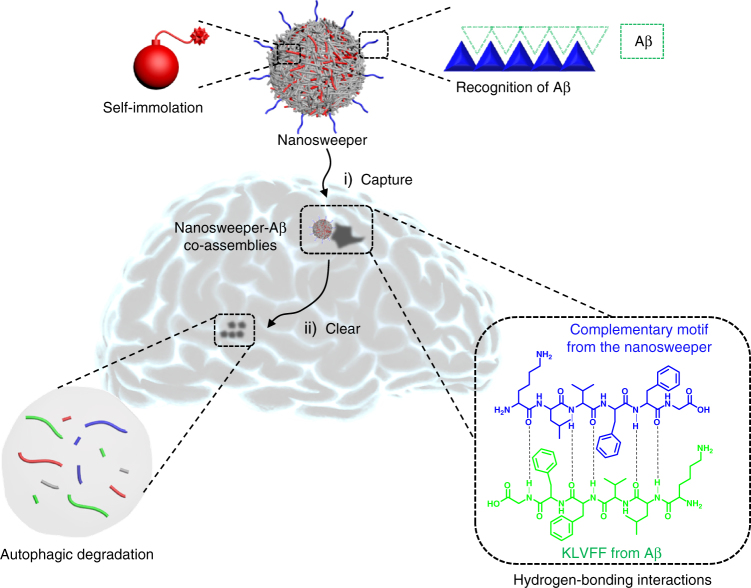
Cerebral amyloid β-peptide (Aβ) accumulation resulting from an imbalance between Aβ production and clearance is one of the most important causes in the formation of Alzheimer’s disease (AD). In order to preserve the maintenance of Aβ homeostasis and have a notable AD therapy, achieving a method to clear up Aβ plaques becomes an emerging task. Herein, we describe a self-destructive nanosweeper based on multifunctional peptide-polymers that is capable of capturing and clearing Aβ for the effective treatment of AD. The nanosweeper recognize and bind Aβ via co-assembly through hydrogen bonding interactions. The Aβ-loaded nanosweeper enters cells and upregulates autophagy thus promoting the degradation of Aβ. As a result, the nanosweeper decreases the cytotoxicity of Aβ and rescues memory deficits of AD transgenic mice. We believe that this resourceful and synergistic approach has valuable potential as an AD treatment strategy.
Overview
The claims and statistics of this paper haven’t been checked yet.
Free: it reads the open-access text and checks the first 5 claims that cite a source we can check. Create a free account to check every claim.
Integrity signals
Registry
Cites
Statistics
Figures
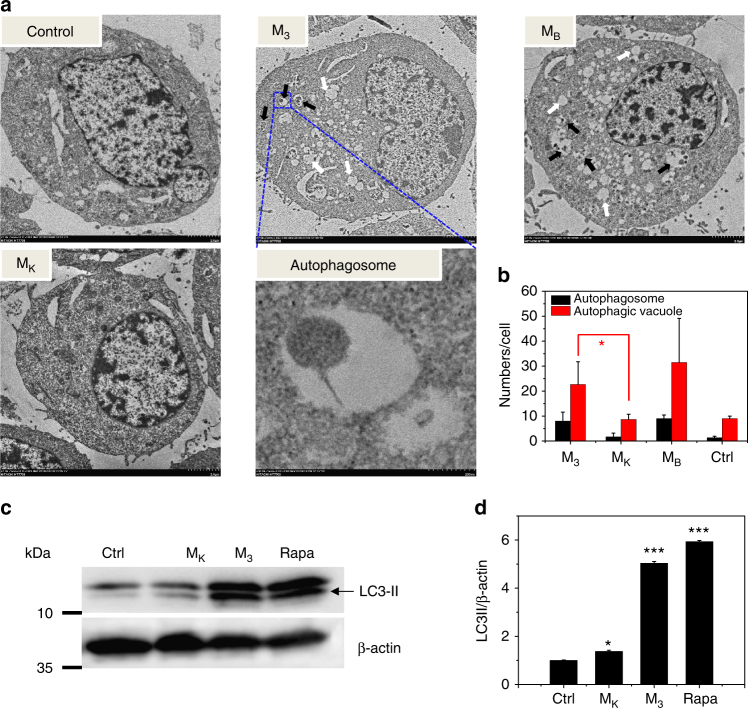
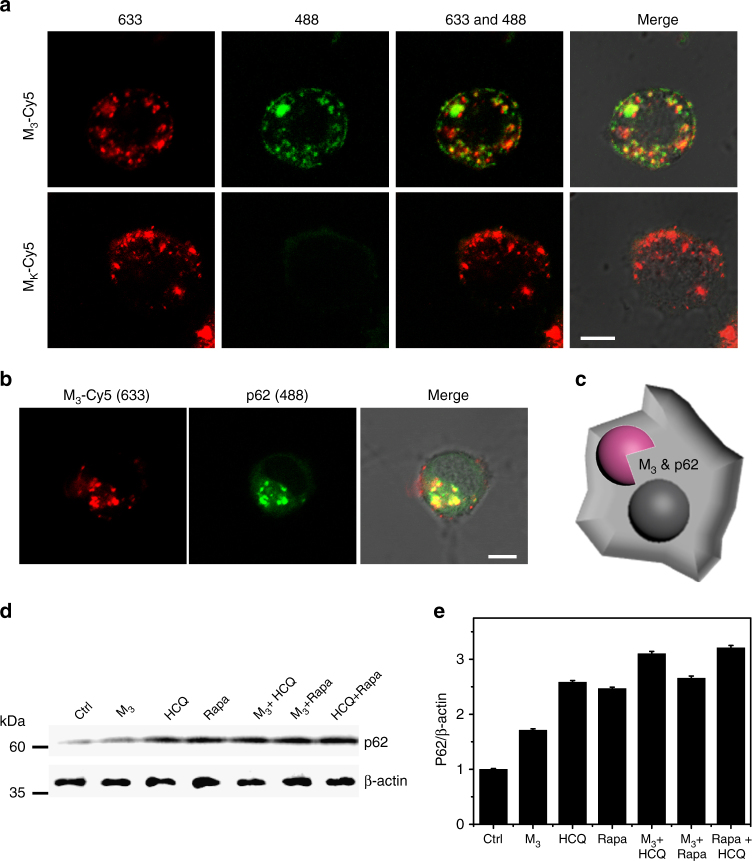
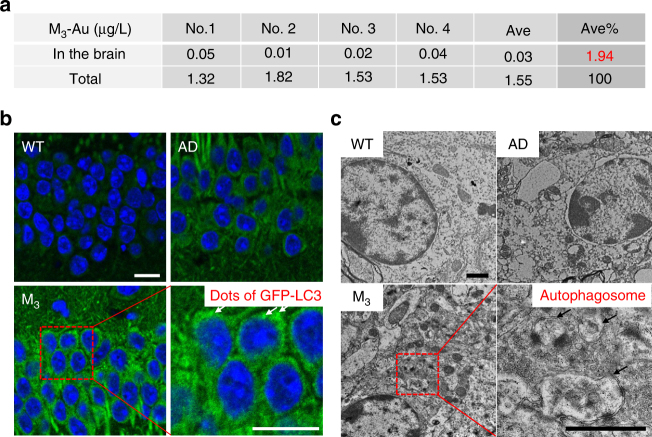
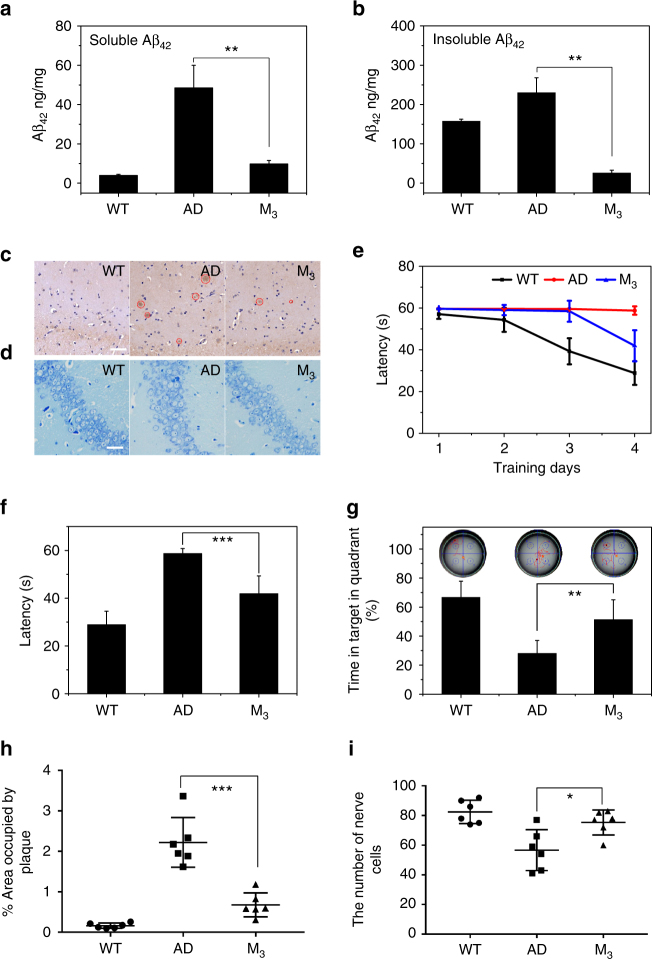
Verification
Claims the paper makes
The claims and statistics of this paper haven’t been checked yet.
Free: it reads the open-access text and checks the first 5 claims that cite a source we can check. Create a free account to check every claim.
Claims other papers make about this one
Each is checked against this paper’s own text: does it say what the citing paper says it does?
The source backs part of the claim, not all of it — or backs it for a different population, condition or comparison.
In the citing paper
“Only a few studies provide quantitative data: for the nanosweeper it was 1.94% ID/g [44], and for mesoporous Nps with dual targeting—1.12–1.57% ID/g [67].”
From Theranostic Nanoplatforms for Alzheimer's Disease: A Critical Analysis of Conceptual Contradictions (2026) · cites this paper as [44]
Experimental — accuracy not yet measuredThe source backs part of the claim, not all of it — or backs it for a different population, condition or comparison.
In the citing paper
“Such a nanoparticle contains two functional elements: the KLVFF peptide, which ensures the capture of Aβ, and the Beclin-1 protein, which activates autophagy. The particle also incorporates a fluorophore for visualization.”
From Theranostic Nanoplatforms for Alzheimer's Disease: A Critical Analysis of Conceptual Contradictions (2026) · cites this paper as [44]
Experimental — accuracy not yet measuredThe source backs part of the claim, not all of it — or backs it for a different population, condition or comparison.
In the citing paper
“However, for in vivo experiments, the authors were forced to increase the concentration to 200 μg/mL, administered every two days for a month.”
From Theranostic Nanoplatforms for Alzheimer's Disease: A Critical Analysis of Conceptual Contradictions (2026) · cites this paper as [44]
Experimental — accuracy not yet measuredThe source backs part of the claim, not all of it — or backs it for a different population, condition or comparison.
In the citing paper
“Moreover, only 1.94% of the administered dose reached the brain parenchyma, and the therapeutic effect was assessed by the reduction in Aβ levels (soluble Aβ decreased from 585 to 190 ng/mg, insoluble—from 1539 to 914 ng/mg).”
From Theranostic Nanoplatforms for Alzheimer's Disease: A Critical Analysis of Conceptual Contradictions (2026) · cites this paper as [44]
Experimental — accuracy not yet measuredThe source backs part of the claim, not all of it — or backs it for a different population, condition or comparison.
In the citing paper
“This achieved 40–60% Aβ reduction in mouse brains (soluble Aβ: 585 to 190 ng/mg; insoluble: 1539 to 914 ng/mg) [44].”
From Theranostic Nanoplatforms for Alzheimer's Disease: A Critical Analysis of Conceptual Contradictions (2026) · cites this paper as [44]
Experimental — accuracy not yet measured
7 more claims about this paper
Create a free account to see every claim other papers make about this one.
Self-check
Percentages, sums and reported differences re-computed from the paper’s own numbers.
The self-check needs the paper’s full text.
Citations
Cites
Repertoires of Autophagy in the Pathogenesis of Ocular Diseases
Li, Y.-J., Jiang, Q., Cao, G.-F., Yao, J., & Yan, B. (2015) · Cellular Physiology and Biochemistry · doi:10.1159/000373980 · Cited by 16,304
Cui, C., Cui, J., Jin, F., Cui, Y., Li, R., Jiang, X., Tian, Y., Wang, K., Jiang, P., & Gao, J. (2017) · Cellular Physiology and Biochemistry · doi:10.1159/000479571 · Cited by 5,203
Guidelines for the use and interpretation of assays for monitoring autophagy
Klionsky, D. J., Abdalla, F. C., Abeliovich, H., Abraham, R. T., Acevedo-Arozena, A., Adeli, K., Agholme, L., Agnello, M., Agostinis, P., Aguirre-Ghiso, J. A., et al. (2012) · Autophagy · doi:10.4161/auto.19496 · Cited by 4,330
Pathways towards and Away from Alzheimer’s Disease
Mattson, M. P. (2004) · Nature · doi:10.1038/nature02621 · Cited by 3,052
The role of autophagy in neurodegenerative disease
Nixon, R. A. (2013) · Nature Medicine · doi:10.1038/nm.3232 · Cited by 2,059
Two Phase 3 Trials of Bapineuzumab in Mild-to-Moderate Alzheimer's Disease
Salloway, S., Sperling, R., Fox, N. C., Blennow, K., Klunk, W., Raskind, M., Sabbagh, M., Honig, L. S., Porsteinsson, A. P., Ferris, S., et al. (2014) · New England Journal of Medicine · doi:10.1056/nejmoa1304839 · Cited by 1,960
Alzheimer’s disease drug-development pipeline: Few candidates, frequent failures
Cummings, J. L., Morstorf, T., & Zhong, K. (2014) · Alzheimer's Research & Therapy · doi:10.1186/alzrt269 · Cited by 1,744
Lysosomes: fusion and function
Luzio, J. P., Pryor, P. R., & Bright, N. A. (2007) · Nature Reviews Molecular Cell Biology · doi:10.1038/nrm2217 · Cited by 1,740
EGCG redirects amyloidogenic polypeptides into unstructured, off-pathway oligomers
Ehrnhoefer, D. E., Bieschke, J., Boeddrich, A., Herbst, M., Masino, L., Lurz, R., Engemann, S., Pastore, A., & Wanker, E. E. (2008) · Nature Structural & Molecular Biology · doi:10.1038/nsmb.1437 · Cited by 1,434
Soto, C., Sigurdsson, E. M., Morelli, L., Asok Kumar, R., Castaño, E. M., & Frangione, B. (1998) · Nature Medicine · doi:10.1038/nm0798-822 · Cited by 876
Research works printed but not linked: 1
- Sarkar S Role of autophagy in neurodegenerative diseases Curr. Sci. 2011 101 514 519
Cited by
Half a century of amyloids: past, present and future
Ke, P. C., Zhou, R., Serpell, L. C., Riek, R., Knowles, T. P. J., Lashuel, H. A., Gazit, E., Hamley, I. W., Davis, T. P., Fändrich, M., et al. (2020) · Chemical Society Reviews · doi:10.1039/c9cs00199a · Cited by 568
Liposome delivery systems for the treatment of Alzheimer’s disease
Ross, C., Taylor, M., Fullwood, N., & Allsop, D. (2018) · International Journal of Nanomedicine · doi:10.2147/ijn.s183117 · Cited by 198
Inhibition of amyloid beta toxicity in zebrafish with a chaperone-gold nanoparticle dual strategy
Javed, I., Peng, G., Xing, Y., Yu, T., Zhao, M., Kakinen, A., Faridi, A., Parish, C. L., Ding, F., Davis, T. P., et al. (2019) · Nature Communications · doi:10.1038/s41467-019-11762-0 · Cited by 187
Zhao, Y., Cai, J., Liu, Z., Li, Y., Zheng, C., Zheng, Y., Chen, Q., Chen, H., Ma, F., An, Y., et al. (2019) · Nano Letters · doi:10.1021/acs.nanolett.8b03644 · Cited by 162
Shea, D., Hsu, C.-C., Bi, T. M., Paranjapye, N., Childers, M. C., Cochran, J., Tomberlin, C. P., Wang, L., Paris, D., Zonderman, J., et al. (2019) · Proceedings of the National Academy of Sciences · doi:10.1073/pnas.1820585116 · Cited by 149
“(48) reported a self-destructive nanosweeper that captures and clears Aβ by activating autophagy.”
BackgroundSelf-citationYang, X., Yang, W., Xia, X., Lei, T., Yang, Z., Jia, W., Zhou, Y., Cheng, G., & Gao, H. (2022) · Small · doi:10.1002/smll.202203182 · Cited by 133
Mitigation of Amyloidosis with Nanomaterials
Ke, P. C., Pilkington, E. H., Sun, Y., Javed, I., Käkinen, A., Peng, G., Ding, F., & Davis, T. P. (2019) · Advanced Materials · doi:10.1002/adma.201901690 · Cited by 135
Neurotheranostics as Personalized Medicines
Kevadiya, B. D., Ottemann, B. M., Thomas, M. B., Mukadam, I., Nigam, S., McMillan, J., Gorantla, S., Bronich, T. K., Edagwa, B., & Gendelman, H. E. (2019) · Advanced Drug Delivery Reviews · doi:10.1016/j.addr.2018.10.011 · Cited by 124
Zhang, Y., Zhang, L., Gao, J., & Wen, L. (2019) · Accounts of Chemical Research · doi:10.1021/acs.accounts.9b00397 · Cited by 113
Mimicking Molecular Chaperones to Regulate Protein Folding
Ma, F., Li, C., Liu, Y., & Shi, L. (2019) · Advanced Materials · doi:10.1002/adma.201805945 · Cited by 117
Advances in developing therapeutic strategies for Alzheimer's disease
Nguyen, T. T., Nguyen, T. T. D., Nguyen, T. K. O., Vo, T. K., & Vo, V. G. (2021) · Biomedicine & Pharmacotherapy · doi:10.1016/j.biopha.2021.111623 · Cited by 107
Nucleic acid drug vectors for diagnosis and treatment of brain diseases
Lu, Z.-G., Shen, J., Yang, J., Wang, J.-W., Zhao, R.-C., Zhang, T.-L., Guo, J., & Zhang, X. (2023) · Signal Transduction and Targeted Therapy · doi:10.1038/s41392-022-01298-z · Cited by 106
Yang, H., Li, X., Zhu, L., Wu, X., Zhang, S., Huang, F., Feng, X., & Shi, L. (2019) · Advanced Science · doi:10.1002/advs.201901844 · Cited by 98
Xu, L., Gao, H., Zhan, W., Deng, Y., Liu, X., Jiang, Q., Sun, X., Xu, J., & Liang, G. (2023) · Journal of the American Chemical Society · doi:10.1021/jacs.3c10255 · Cited by 99
Ren, P., Li, J., Zhao, L., Wang, A., Wang, M., Li, J., Jian, H., Li, X., Yan, X., & Bai, S. (2020) · ACS Applied Materials & Interfaces · doi:10.1021/acsami.0c03038 · Cited by 101
A biomimetic platelet based on assembling peptides initiates artificial coagulation
Yang, P., Zhang, K., He, P.-P., Fan, Y., Gao, X. J., Gao, X., Chen, Z., Hou, D., Li, Y., Yi, Y., et al. (2020) · Science Advances · doi:10.1126/sciadv.aaz4107 · Cited by 98
Self-citationMitochondrial therapeutic interventions in Alzheimer’s disease
Van Giau, V., An, S. S. A., & Hulme, J. P. (2018) · Journal of the Neurological Sciences · doi:10.1016/j.jns.2018.09.033 · Cited by 87
Targeting self-assembly peptide for inhibiting breast tumor progression and metastasis
Luo, S., Feng, J., Xiao, L., Guo, L., Deng, L., Du, Z., Xue, Y., Song, X., Sun, X., Zhang, Z., et al. (2020) · Biomaterials · doi:10.1016/j.biomaterials.2020.120055 · Cited by 90
Lei, T., Yang, Z., Xia, X., Chen, Y., Yang, X., Xie, R., Tong, F., Wang, X., & Gao, H. (2021) · Acta Pharmaceutica Sinica B · doi:10.1016/j.apsb.2021.04.022 · Cited by 84
Nanomaterials toward the treatment of Alzheimer’s disease: Recent advances and future trends
Zeng, H., Qi, Y., Zhang, Z., Liu, C., Peng, W., & Zhang, Y. (2021) · Chinese Chemical Letters · doi:10.1016/j.cclet.2021.01.014 · Cited by 83
Jang, J., Kim, K., Yoon, J., & Park, C. B. (2020) · Biomaterials · doi:10.1016/j.biomaterials.2020.120165 · Cited by 81
Wang, D., Liu, J., Duan, J., Yi, H., Liu, J., Song, H., Zhang, Z., Shi, J., & Zhang, K. (2023) · Nature Communications · doi:10.1038/s41467-023-40085-4 · Cited by 99
Self-citationLiposome based drug delivery as a potential treatment option for Alzheimer’s disease
Shukla, S., & Hernandez, C. (2021) · Neural Regeneration Research · doi:10.4103/1673-5374.327328 · Cited by 88
“The process was referred to as the mice’s brain swept; these mice were found to have fewer memory challenges (Luo et al., 2018).”
In Situ Supramolecular Self‐Assembly of Pt(IV) Prodrug to Conquer Cisplatin Resistance
Wang, Q., Meng, X., Wang, D., Hou, X., Gao, J., Liu, J., & Liu, J. (2021) · Advanced Functional Materials · doi:10.1002/adfm.202101826 · Cited by 74
Photocatalytic Hydrogen Evolution via Water Splitting: A Short Review
Zhang, Y., Heo, Y., Lee, J.-W., Lee, J., Bajgai, J., Lee, K., & Park, S. (2018) · Catalysts · doi:10.3390/catal8120655 · Cited by 70
Sun, H., Zhong, Y., Zhu, X., Liao, H., Lee, J., Chen, Y., Ma, L., Ren, J., Zhao, M., Tu, M., et al. (2021) · ACS Nano · doi:10.1021/acsnano.0c10690 · Cited by 65
Zhang, H., Jiang, W., Zhao, Y., Song, T., Xi, Y., Han, G., Jin, Y., Song, M., Bai, K., Zhou, J., et al. (2022) · Nano Letters · doi:10.1021/acs.nanolett.2c00191 · Cited by 65
Moorthy, H., & Govindaraju, T. (2021) · ACS Applied Bio Materials · doi:10.1021/acsabm.0c01319 · Cited by 64
Chiral Skeletons of Mesoporous Silica Nanospheres to Mitigate Alzheimer’s β-Amyloid Aggregation
Xu, L. M., Guo, M., Hung, C., Shi, X., Yuan, Y., Zhang, X., Jin, R., Li, W., Dong, Q., & Zhao, D. (2023) · Journal of the American Chemical Society · doi:10.1021/jacs.2c12214 · Cited by 65
Therapeutic peptides: chemical strategies fortify peptides for enhanced disease treatment efficacy
Li, Q., Chao, W., & Qiu, L. (2025) · Amino Acids · doi:10.1007/s00726-025-03454-5 · Cited by 74
“The lower toxicity of metabolites from unnatural amino acid-based peptide sequences typically results in minimal side effects and a higher safety profile for human consumption (Luo et al. 2018).”
Tau-Targeted Multifunctional Nanoinhibitor for Alzheimer’s Disease
Zhu, L., Xu, L., Wu, X., Deng, F., Ma, R., Liu, Y., Huang, F., & Shi, L. (2021) · ACS Applied Materials & Interfaces · doi:10.1021/acsami.1c00257 · Cited by 57
Zhang, J., Zhu, S., Jin, P., Huang, Y., Dai, Q., Zhu, Q., Wei, P., Yang, Z., Zhang, L., Liu, H., et al. (2020) · Theranostics · doi:10.7150/thno.50616 · Cited by 61
“Nanomaterials, including inorganic nanoparticles, polymeric nanoparticles, carbon nanomaterials, and functionalization of nanomaterials, have shown great potential for the diagnosis and treatment of Aβ-related diseases [17, 18], mainly focusing on Alzheimer's disease (AD) [16, 19-23].”
BackgroundSelf-citationYin, Z., Gao, D., Du, K., Chen, H., Liu, Y., Wang, Y., & Gao, X. (2022) · Oxidative Medicine and Cellular Longevity · doi:10.1155/2022/2524832 · Cited by 63
“The NOR test was performed in an arena of 45 × 45 × 66 cm3 as described previously [31].”
Self-citationYan, C., Wang, C., Shao, X., Teng, Y., Chen, P., Hu, X., Guan, P., & Wu, H. Y. (2022) · ACS Applied Materials & Interfaces · doi:10.1021/acsami.2c14118 · Cited by 58
Binda, A., Murano, C., & Rivolta, I. (2020) · International Journal of Nanomedicine · doi:10.2147/ijn.s231480 · Cited by 61
Graphene oxide enhances β-amyloid clearance by inducing autophagy of microglia and neurons
Li, X., Li, K., Chu, F., Huang, J., & Yang, Z. (2020) · Chemico-Biological Interactions · doi:10.1016/j.cbi.2020.109126 · Cited by 51
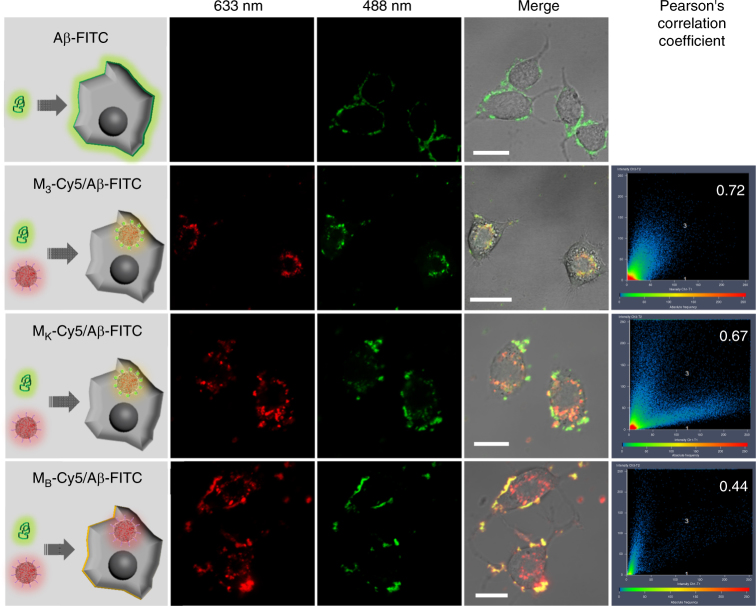
“After Aβ was produced, it was recycled to the cell surface and aggregated outside the cell while the autophagic degradation occurred intracellularly [41].”
BackgroundMethodShi, J., Wang, D., Ma, Y., Liu, J., Li, Y., Reza, R., Zhang, Z., Liu, J., & Zhang, K. (2021) · Small · doi:10.1002/smll.202104722 · Cited by 51
Self-citationCoassembly of Macrocyclic Amphiphiles for Anti-β-Amyloid Therapy of Alzheimer’s Disease
Pan, Y., Wang, H., Xu, X., Tian, H., Zhao, H., Hu, X., Zhao, Y., Liu, Y., Ding, G., Meng, Q., et al. (2020) · CCS Chemistry · doi:10.31635/ccschem.020.202000561 · Cited by 52
Self-citationNanotechnology for the diagnosis and treatment of Alzheimer's disease: A bibliometric analysis
Li, L., He, R., Yan, H., Leng, Z., Zhu, S., & Gu, Z. (2022) · Nano Today · doi:10.1016/j.nantod.2022.101654 · Cited by 50
Sequence and structure-based peptides as potent amyloid inhibitors: A review
Mitra, A., & Sarkar, N. (2020) · Archives of Biochemistry and Biophysics · doi:10.1016/j.abb.2020.108614 · Cited by 53
Han, G., Bai, K., Yang, X., Sun, C., Ji, Y., Zhou, J., Zhang, H., & Ding, Y. (2022) · Advanced Science · doi:10.1002/advs.202106072 · Cited by 46
Amyloidosis inhibition, a new frontier of the protein corona
Chen, P., Ding, F., Cai, R., Javed, I., Yang, W. L., Zhang, Z., Li, Y., Davis, T. P., Ke, P. C., & Chen, C. (2020) · Nano Today · doi:10.1016/j.nantod.2020.100937 · Cited by 48
Slater, C. L., & Wang, Q. (2021) · Clinical and Translational Medicine · doi:10.1002/ctm2.397 · Cited by 50
Liu, D., Fu, D., Zhang, L., & Sun, L. (2021) · Chinese Chemical Letters · doi:10.1016/j.cclet.2020.09.009 · Cited by 45
Inhibition of Amyloid Aggregation and Toxicity with Janus Iron Oxide Nanoparticles
Andrikopoulos, N., Song, Z., Wan, X., Douek, A. M., Javed, I., Fu, C., Xing, Y., Xin, F., Li, Y., Käkinen, A., et al. (2021) · Chemistry of Materials · doi:10.1021/acs.chemmater.1c01947 · Cited by 45
Regulatory role of cathepsin L in induction of nuclear laminopathy in Alzheimer’s disease
Islam, M. R., Nagakannan, P., Shcholok, T., Contu, F., Mai, S., Albensi, B. C., Bigio, M. R. D., Wang, J., Sharoar, M. G., Yan, R., et al. (2021) · Aging Cell · doi:10.1111/acel.13531 · Cited by 46
“…orange (AO) staining to investigate whether Aβ42 treatment causes LMP. AO is known to accumulate in acidic organelles such as lysosomes, but any loss of lysosomal membrane integrity causes the leakage of AO into the cytosol, where due to change in pH, AO emits green fluorescence (Luo et al., 2018).”
BackgroundEngineered CpG‐Loaded Nanorobots Drive Autophagy‐Mediated Immunity for TLR9‐Positive Cancer Therapy
Wang, Y., Qiao, S., Wang, J., Yu, M., Wang, N., Mamuti, M., An, H., Lin, Y., & Wang, H. (2023) · Advanced Materials · doi:10.1002/adma.202306248 · Cited by 58
Self-citationTherapeutic supramolecular polymers: Designs and applications
Wang, H., Mills, J., Sun, B., & Cui, H. (2023) · Progress in Polymer Science · doi:10.1016/j.progpolymsci.2023.101769 · Cited by 47
Self-citationEndothelial leakiness elicited by amyloid protein aggregation
Li, Y., Ni, N., Lee, M., Wei, W., Andrikopoulos, N., Käkinen, A., Davis, T. P., Song, Y., Ding, F., Leong, D. T., et al. (2024) · Nature Communications · doi:10.1038/s41467-024-44814-1 · Cited by 56
“As In addition, apoptosis, a known contributor to cell shrinkage 51 , was also reported as a toxic effect induced by A β structures from oligomers to fi brils, involving caspases such as 3, 8, and 9 52 – 54 .”
BackgroundNanoparticle‐Mediated Targeted Protein Degradation: An Emerging Therapeutics Technology
Baker, A. G., Ho, A. P. T., Itzhaki, L. S., & Fruk, L. (2025) · Angewandte Chemie International Edition · doi:10.1002/anie.202503958 · Cited by 52
Toxic amyloid-β oligomers induced self-replication in astrocytes triggering neuronal injury
Wang, W., Hou, T., Jia, L.-F., Wu, Q., Quan, M., & Jia, J. (2019) · EBioMedicine · doi:10.1016/j.ebiom.2019.03.049 · Cited by 44
“A strong clue to the importance of Aβ oligomerization in AD pathogenesis came from the observation that the dysregulation between Aβ production and clearance caused Aβ to over-accumulate in the brain [35,36].”
BackgroundLiu, H., Qian, C., Yang, T., Wang, Y., Luo, J. H., Zhang, C., Wang, X., Wang, X., & Guo, Z. (2020) · Chemical Science · doi:10.1039/d0sc00392a · Cited by 45
Self-citationLi, Y., Tang, H., Zhu, H., Käkinen, A., Wang, D., Andrikopoulos, N., Sun, Y., Nandakumar, A., Kwak, E., Davis, T. P., et al. (2021) · ACS Applied Materials & Interfaces · doi:10.1021/acsami.1c06478 · Cited by 46
Andrikopoulos, N., Li, Y., Nandakumar, A., Quinn, J. F., Davis, T. P., Ding, F., Saikia, N., & Ke, P. C. (2023) · ACS Applied Materials & Interfaces · doi:10.1021/acsami.2c20334 · Cited by 44
Xu, W., Li, K., Fan, Q., Zong, B., & Han, L. (2020) · Bioscience Reports · doi:10.1042/bsr20194295 · Cited by 46
Zhang, L., Wei, P., Song, Y., Dong, L., Wu, Y., Hao, Z.-Y., Fan, S., Tai, S., Meng, J., Lü, Y., et al. (2019) · Biomaterials · doi:10.1016/j.biomaterials.2019.119248 · Cited by 44
Nanoplastic Stimulates the Amyloidogenesis of Parkinson's Alpha‐Synuclein NACore
Liang, X., Andrikopoulos, N., Tang, H., Wang, Y., Ding, F., & Ke, P. C. (2023) · Small · doi:10.1002/smll.202308753 · Cited by 47
Self-citationAutophagy-modulating biomaterials: multifunctional weapons to promote tissue regeneration
Wu, Y. F., Li, L., Ning, Z., Li, C., Yin, Y., Chen, K., Li, L., Xu, F., & Gao, J. (2024) · Cell Communication and Signaling · doi:10.1186/s12964-023-01346-3 · Cited by 40
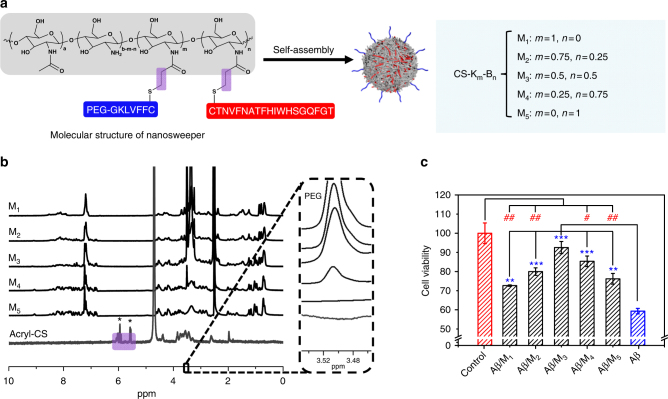
“Luo et al. designed nanosweep-ers decorated with PEG-KLVFFF and Beclin-1 peptide (TGFQGSHWIHFTANFVNT), which can capture Aβ protein and upregulate autophagy to digest the protein [149].”
BackgroundDesigned Polymer Micelle for Clearing Amyloid Protein Aggregates via Up-Regulated Autophagy
Debnath, K., Jana, N. R., & Jana, N. R. (2018) · ACS Biomaterials Science & Engineering · doi:10.1021/acsbiomaterials.8b01196 · Cited by 39
Li, L., Zou, Z., Liu, J., Xu, Z., Fu, Y., Tian, Y., & Zhang, W. (2021) · Chemical Science · doi:10.1039/d1sc00153a · Cited by 38
Nanomaterials to avoid and destroy protein aggregates
Sauvage, F., Schymkowitz, J. W. H., Rousseau, F., Schmidt, B. Z., Remaut, K., Braeckmans, K., & Smedt, S. C. D. (2020) · Nano Today · doi:10.1016/j.nantod.2019.100837 · Cited by 39
Nanomaterials as novel agents for amelioration of Parkinson’s disease
Wu, J., Cui, X., Ke, P. C., Mortimer, M., Wang, X., Bao, L., & Chen, C. (2021) · Nano Today · doi:10.1016/j.nantod.2021.101328 · Cited by 38
Heo, Y., Kim, K., Kim, J., Jang, J., & Park, C. B. (2020) · ACS Applied Materials & Interfaces · doi:10.1021/acsami.0c02349 · Cited by 36
Inflammation-responsive nanoparticles suppress lymphatic clearance for prolonged arthritis therapy
Qin, X., Pan, L., Chen, T., Li, D., Lin, X., Li, G., Feng, C., Ye, W., Liang, W., Chen, J., et al. (2022) · Journal of Controlled Release · doi:10.1016/j.jconrel.2022.11.005 · Cited by 35
Guo, R.-C., Zhang, X., Ji, L., Wei, Z., Duan, Z., Qiao, Z., & Wang, H. (2020) · Biomaterials Science · doi:10.1039/d0bm01358g · Cited by 37
Self-citationSilica Nanodepletors: Targeting and Clearing Alzheimer's β‐Amyloid Plaques
Jung, H., Chung, Y. J., Wilton, R., Lee, C. H., Lee, B. I., Lim, J., Lee, H., Choi, J., Kang, H., Lee, B., et al. (2020) · Advanced Functional Materials · doi:10.1002/adfm.201910475 · Cited by 36
Nanochaperone‐Based Strategies to Control Protein Aggregation Linked to Conformational Diseases
Caballero, A. B., & Gámez, P. (2020) · Angewandte Chemie International Edition · doi:10.1002/anie.202007924 · Cited by 38
Graphene quantum dots obstruct the membrane axis of Alzheimer's amyloid beta
Tang, H., Li, Y., Käkinen, A., Andrikopoulos, N., Sun, Y., Kwak, E., Davis, T. P., Ding, F., & Ke, P. C. (2021) · Physical Chemistry Chemical Physics · doi:10.1039/d1cp04246g · Cited by 36
Li, W., Xu, L., Wang, S., Wang, Y., Pan, Y., Shi, L., & Guo, D. (2024) · Advanced Materials · doi:10.1002/adma.202401918 · Cited by 41
Self-citationNanomedicine against Aβ Aggregation by β–Sheet Breaker Peptide Delivery: In Vitro Evidence
Pederzoli, F., Ruozi, B., Duskey, J. T., Hagmeyer, S., Sauer, A. K., Grabrucker, S., Coelho, R., Oddone, N., Ottonelli, I., Daini, E., et al. (2019) · Pharmaceutics · doi:10.3390/pharmaceutics11110572 · Cited by 37
“The simultaneous use of both peptides and polymers was also positively applied by recent findings, describing the production and testing of self-destructive nanosweepers based on multifunctional peptide-polymers, such as chitosan and polyethylene glycol (PEG) [16], or poly (hydroxypropyl methacrylamide) [17], able to…”
BackgroundYao, L., Zhou, Z., Wang, S., Zou, Q., Wang, H., Ma, L., Wang, S., & Zhang, X. (2022) · Chemical Science · doi:10.1039/d2sc00253a · Cited by 34
“37,38 41 The cavities with size accommodated to the A b peptide sequence and functional groups that interact with speci c sites on the A b chain could permit synergetic inhibitory e ff ects on A b brilla-tion.”
Self-citationSingle-Molecular Heteroamyloidosis of Human Islet Amyloid Polypeptide
Käkinen, A., Xing, Y., Arachchi, N. D. H., Javed, I., Feng, L., Faridi, A., Douek, A. M., Sun, Y., Kaslin, J., Davis, T. P., et al. (2019) · Nano Letters · doi:10.1021/acs.nanolett.9b02771 · Cited by 32
Zheng, D., Chen, Y., Ai, S., Zhang, R., Gao, Z., Liang, C., Cao, L., Chen, Y., Hong, Z., Shi, Y., et al. (2019) · Research · doi:10.34133/2019/4803624 · Cited by 37
Self-citationA self-assembling peptide targeting VEGF receptors to inhibit angiogenesis
Wen, S.-F., Zhang, K., Li, Y., Fan, J., Chen, Z., Zhang, J., Wang, H., & Wang, L. (2020) · Chinese Chemical Letters · doi:10.1016/j.cclet.2020.03.077 · Cited by 33
Self-citationMa, M., Wang, Y., Gao, N., Liu, X., Sun, Y., Ren, J., & Qu, X. (2019) · Chemistry - A European Journal · doi:10.1002/chem.201902828 · Cited by 32
Self-citationNanoscale drug formulations for the treatment of Alzheimer's disease progression
Liqin, L., He, H., Du, B., & He, Y. (2025) · RSC Advances · doi:10.1039/d4ra08128e · Cited by 42
KLVFF peptide functionalized nanoparticles capture Aβ42 by co-assembly for decreasing cytotoxicity
Yang, P., Yang, C., Zhang, K., Wang, L., & Wang, H. (2018) · Chinese Chemical Letters · doi:10.1016/j.cclet.2018.10.003 · Cited by 29
Self-citationBottom-up strategies for the synthesis of peptide-based polymers
Martin, J., Desfoux, A., Martínez, J., Amblard, M., Mehdi, A., Vezenkov, L., & Subra, G. (2021) · Progress in Polymer Science · doi:10.1016/j.progpolymsci.2021.101377 · Cited by 33
Near-infrared target enhanced peripheral clearance of amyloid-β in Alzheimer's disease model
Ma, M., Liu, Z., Gao, N., Dong, K., Pi, Z., Kang, L., Du, X., Ren, J., & Qu, X. (2021) · Biomaterials · doi:10.1016/j.biomaterials.2021.121065 · Cited by 29
Zhang, L., Bo, R., Wu, Y., Li, L., Zhu, Z. G., Ma, A., Xiao, W., Huang, Y., Rojalin, T., Yin, X., et al. (2022) · Nano Letters · doi:10.1021/acs.nanolett.2c00582 · Cited by 31
Self-citationYang, Z., Shi, H., Cai, G., Jiang, S., Hu, Z., & Wang, Z. (2023) · Small · doi:10.1002/smll.202302284 · Cited by 33
Fu, W., Sabet, Z. F., Liu, J., You, M., Zhou, H., Wang, Y., Gao, Y., Li, J., Ma, X., & Chen, C. (2020) · Nanoscale · doi:10.1039/d0nr00572j · Cited by 29
Self-citationPEG-Ceramide Nanomicelles Induce Autophagy and Degrade Tau Proteins in N2a Cells
Gao, J., Chen, X., Ma, T., He, B., Li, P., Zhao, Y., Ma, Y., Zhuang, J., & Yin, Y. (2020) · International Journal of Nanomedicine · doi:10.2147/ijn.s258311 · Cited by 31
Gu, Y. L., Zhao, Y., Zhang, Z., Hao, J., Zheng, Y., Liu, Q., Liu, Y., & Shi, L. (2021) · ACS Applied Materials & Interfaces · doi:10.1021/acsami.1c02116 · Cited by 28
Liang, Q.-L., Xu, H., Yu, L., Ding, M.-R., Li, Y., Qi, G.-F., Zhang, K., Wang, L., Wang, H., & Cui, X. (2023) · Biomaterials · doi:10.1016/j.biomaterials.2023.122331 · Cited by 31
Self-citationVersatile nanomaterials for Alzheimer’s disease: Pathogenesis inspired disease-modifying therapy
Xi, Y., Chen, Y., Jin, Y., Han, G., Song, M., Song, T., Shi, Y., Tao, L., Huang, Z., Zhou, J., et al. (2022) · Journal of Controlled Release · doi:10.1016/j.jconrel.2022.02.034 · Cited by 27
Dynamic nanoassemblies for imaging and therapy of neurological disorders
Zhang, L., Sun, H., Zhao, J., Lee, J., Low, L. E., Gong, L., Chen, Y., Wang, N., Zhu, C., Lin, P., et al. (2021) · Advanced Drug Delivery Reviews · doi:10.1016/j.addr.2021.113832 · Cited by 28
Nanoparticle cluster depolymerizes and removes amyloid fibrils for Alzheimer’s disease treatment
Feng, Q., Wang, N., Zhang, X., Mei, Y., Fu, R., Chen, J., Yuan, X., Yang, S., Zhang, Z., Zhao, H., et al. (2023) · Nano Today · doi:10.1016/j.nantod.2023.101756 · Cited by 27
Self-citationMultifunctional Nanocarriers for Alzheimer’s Disease: Befriending the Barriers
Ansari, M. A., Tripathi, T., Venkidasamy, B., Monziani, A., Rajakumar, G., Alomary, M. N., Alyahya, S. A., Onimus, O., D’souza, N., Barkat, M. A., et al. (2023) · Molecular Neurobiology · doi:10.1007/s12035-023-03730-z · Cited by 33
Tian, L., Long, G., Zhu, S., Wang, Y., Xu, P., Liu, L., Yao, H., Fang, S., Chen, S., & Li, S. (2025) · Proceedings of the National Academy of Sciences · doi:10.1073/pnas.2427257122 · Cited by 27
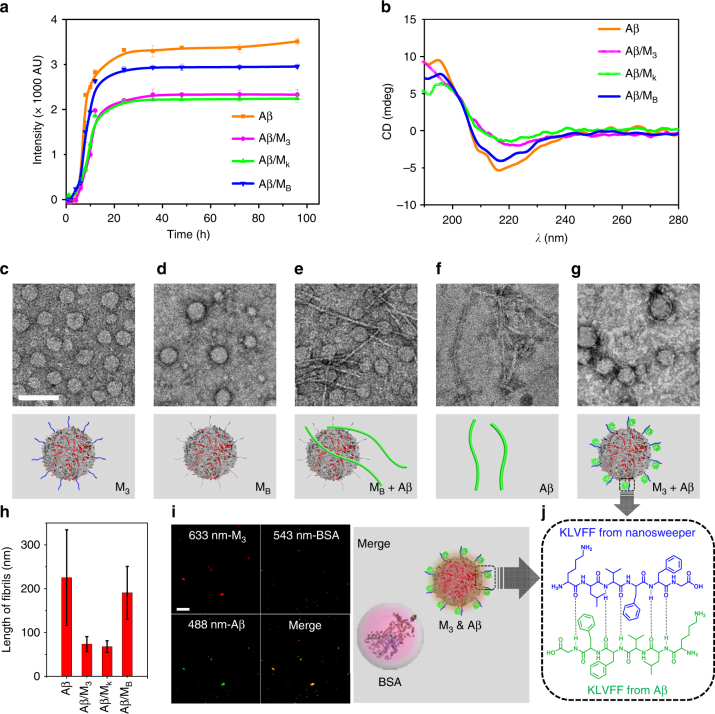
“GKLVFF is a peptide segment of A β that can recognize and coassemble with A β through hydrogen bonding (43).”
Self-citationPeptide-based amyloid-beta aggregation inhibitors
Sehra, N., Parmar, R., & Jain, R. (2025) · RSC Medicinal Chemistry · doi:10.1039/d4md00729h · Cited by 31
Yan, C., Shao, X., Shu, Q., Teng, Y., Qiao, Y., Guan, P., Hu, X., & Wang, C. (2021) · International Journal of Biological Macromolecules · doi:10.1016/j.ijbiomac.2021.07.078 · Cited by 26
Emerging Biomaterials‐Based Strategies for Inhibiting Vasculature Function in Cancer Therapy
Liu, M., Wu, C., Ke, L., Li, Z., & Wu, Y. (2021) · Small Methods · doi:10.1002/smtd.202100347 · Cited by 25
Delbreil, P., Rabanel, J., Banquy, X., & Brambilla, D. (2022) · Advanced Drug Delivery Reviews · doi:10.1016/j.addr.2022.114397 · Cited by 29
Qin, S., Ding, W., Jiang, Z., Lei, X., & Zhang, A. (2019) · Chemical Communications · doi:10.1039/c8cc09548e · Cited by 24
Nanomaterial synthesis, an enabler of amyloidosis inhibition against human diseases
Andrikopoulos, N., Li, Y., Cecchetto, L., Nandakumar, A., Ros, T. D., Davis, T. P., Velonia, K., & Ke, P. C. (2020) · Nanoscale · doi:10.1039/d0nr04273k · Cited by 24
Nanobiotechnology in Neurodegenerative Diseases
Jampílek, J., Kráľová, K., Novák, P., & Novák, M. (2019) · Springer eBooks · doi:10.1007/978-3-030-30930-5_4 · Cited by 16
Programmable DNA Nanodevices for Applications in Neuroscience
Hivare, P., Panda, C., Gupta, S. K., & Bhatia, D. D. (2021) · ACS Chemical Neuroscience · doi:10.1021/acschemneuro.0c00723 · Cited by 23
Zhang, Z., Lv, M., Liu, Y., Qin, J., Fan, Z., & Du, J. (2024) · Advanced Functional Materials · doi:10.1002/adfm.202401208 · Cited by 21
Process-biomimetic macromolecular materials for in vivo applications
Gong, X.-F., Li, Y., Wang, D., Cao, H., Yang, Z., Wang, H., & Wang, L. (2022) · Progress in Materials Science · doi:10.1016/j.pmatsci.2022.101015 · Cited by 22
Self-citation
Metadata
- Authors
- Luo, Q., Lin, Y.-X., Yang, P.-P., Wang, Y., Qi, G.-B., Qiao, Z.-Y., Li, B.-N., Zhang, K., Zhang, J.-P., Wang, L., & Wang, H.
- Affiliations
- Northeast Normal University (CN)
- Sun Yat-sen University (CN)
- National Center for Nanoscience and Technology (CN)
- Chinese Academy of Sciences (CN)
- Corresponding author
- Wang, Lei
- Wang, Hao
- Venue
- Nature Communications
- Published
- 2018-05-04
- Volume
- 9
- Issue
- 1
- Pages
- 1802-1802
- ISSN
- 2041-1723 (ISSN-L)
- PMC
- PMC5935695
- OpenAlex
- W2799316847
- Semantic Scholar
- 0854894a745f0d997ea0f330bfd7762851081968
- Cited by
- 191
- References
- 44
- Citations by year
- 2026: 12 · 2025: 23 · 2024: 13 · 2023: 29 · 2022: 21 · 2021: 30 · 2020: 31 · 2019: 21 · 2018: 11
- FWCI
- 15.95
- Type
- journal article
- Language
- en
- Open access
- gold
- doi.org
- Licence
- cc-by
- creativecommons.org/licenses/by/4.0 (tdm)
- creativecommons.org/licenses/by/4.0 (vor)
- Locations
- Nature Communications (publishedVersion, cc-by)
- Europe PMC (PubMed Central) (publishedVersion, cc-by)
- PubMed Central (publishedVersion, cc-by)
- PubMed (publishedVersion)
- RePEc: Research Papers in Economics (submittedVersion)
- DOAJ (DOAJ: Directory of Open Access Journals) (submittedVersion, cc-by-sa)
- DOAJ (DOAJ: Directory of Open Access Journals) (submittedVersion)
- Funders
- National Natural Science Foundation of China (21374026, 51725302, 11621505, 51573032, 51573031)
- Science Fund for Creative Research Groups (11621505)
- National Science Fund for Distinguished Young Scholars (51725302)
- Topics
- Life Sciences › Neuroscience › Cellular and Molecular Neuroscience › Alzheimer's disease research and treatments
- Physical Sciences › Materials Science › Biomaterials › Supramolecular Self-Assembly in Materials
- Physical Sciences › Materials Science › Biomaterials › Nanoparticle-Based Drug Delivery
- Keywords
- amyloid-beta, Alzheimer's disease, peptide polymers, amyloid-beta clearance, co-assembly, hydrogen bonding, autophagy, memory impairment, transgenic mice, nanomedicine
- MeSH terms
- Beclin-1, Alzheimer Disease, Amino Acid Sequence, Animals, Autophagy, Brain, Disease Models, Animal, Humans, Mice, Inbred C57BL, Mice, Transgenic, Peptides, Polyethylene Glycols, Amyloid beta-Peptides, Maze Learning, Cell Line, Tumor, Chitosan, Nanoparticles, Plaque, Amyloid
About these checks
Registry, retraction, Cites and statistics results are computed, not judged, with one exception: a printed reference that no index lists is read once by a model before it counts as a citation error. Claims are extracted by a model and kept only when their quote appears verbatim in the text; each cited source is then checked, with a model’s help, for whether it says what the claim relies on. Those verdicts can be wrong — read the claim’s quote and the cited source before relying on one.
Statistics and arithmetic are recomputed, not judged.
Confidence bands are shown only for fields calibrated on our annotated test set. None is calibrated yet, so no band is shown.
What counts as a claim ›How we measure confidence ›How we check this ›
Are you an author, or do you see a problem with this page? Request a review
Data sources
Bibliographic data: Semantic Scholar, OpenAlex, Crossref.
Contains information from the Semantic Scholar Academic Graph Datasets, made available under the ODC Attribution License (ODC-BY 1.0).
Semantic Scholar’s data is described in: Kinney, R., et al. (2023). The Semantic Scholar Open Data Platform. arXiv:2301.10140.
