

The DOI matches its Crossref record; 90 of the 90 references it cites were found in a registry or an index.
H3K27me3-rich genomic regions can function as silencers to repress gene expression via chromatin interactions
Open accessPublished version of a preprint
Abstract
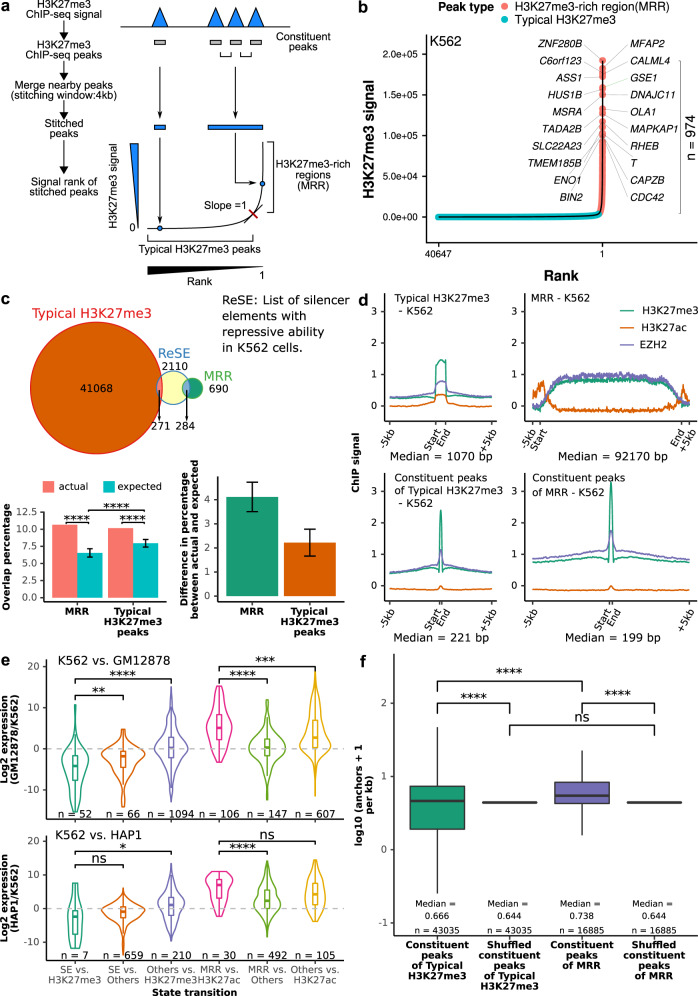
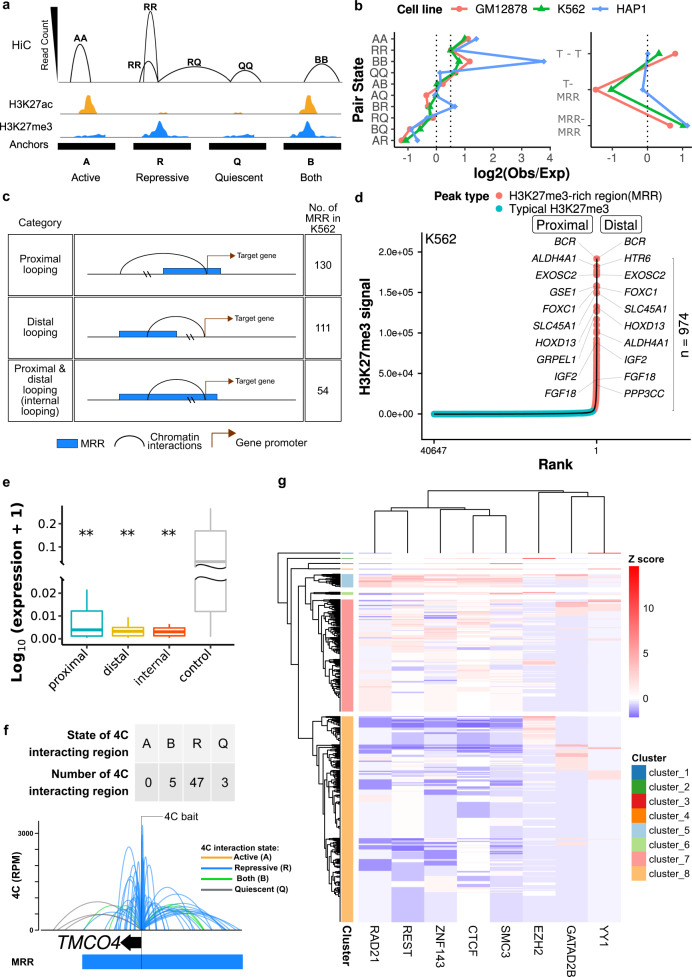
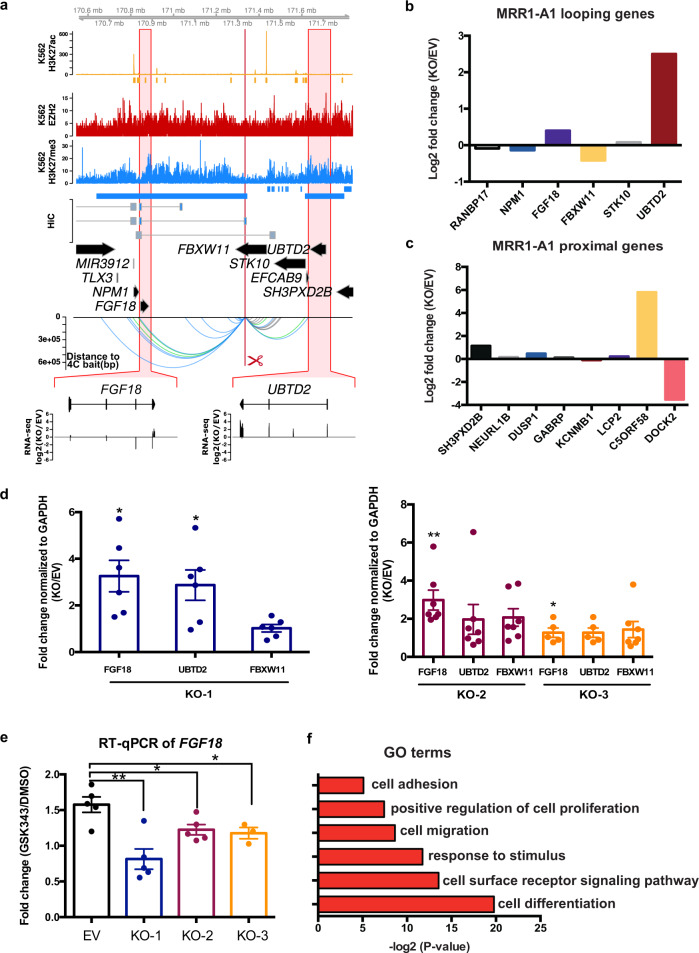
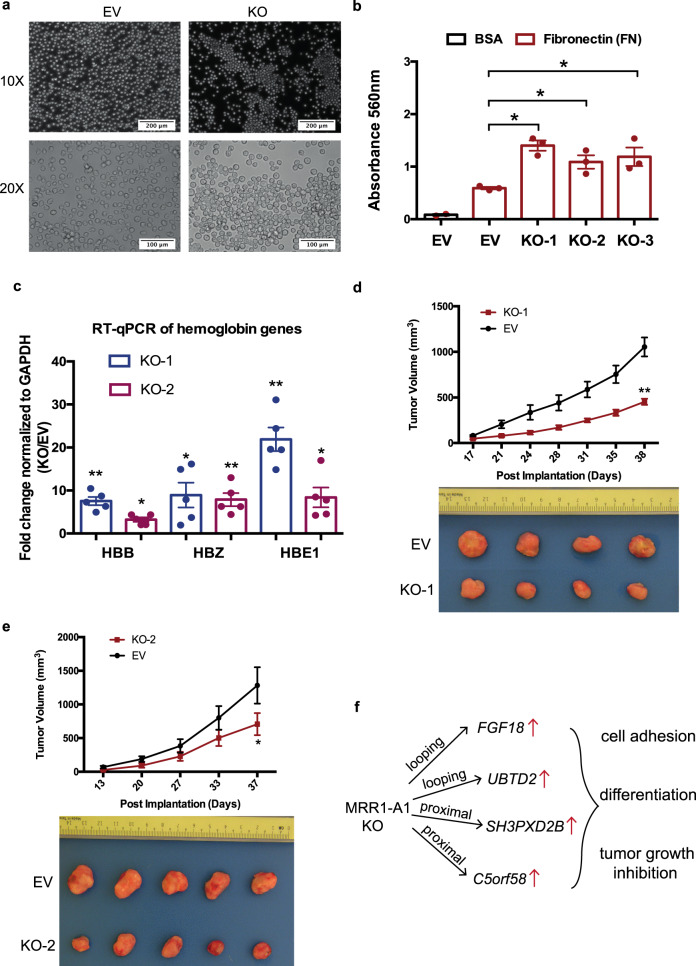
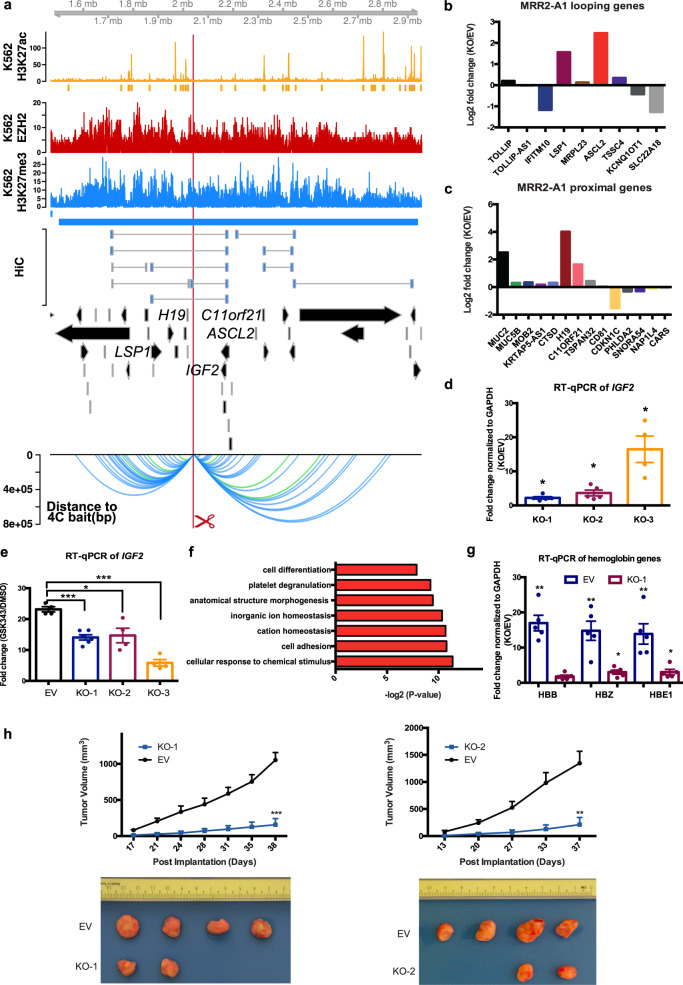
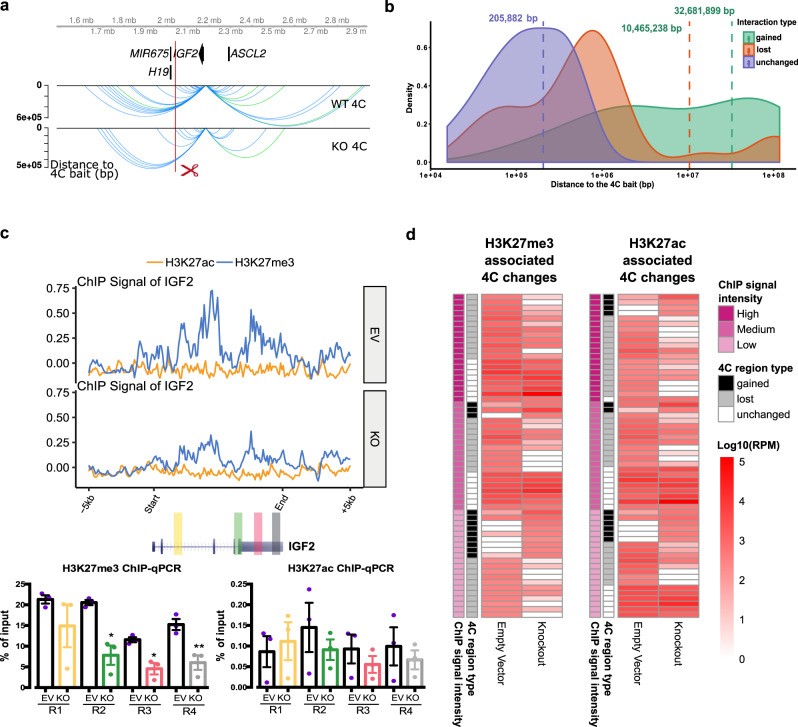
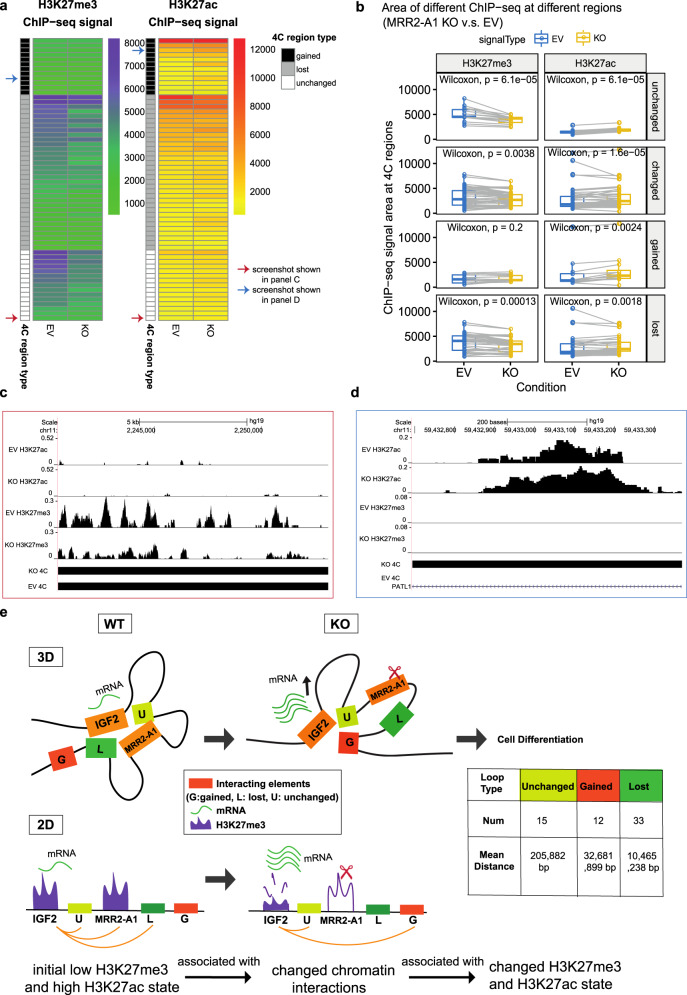
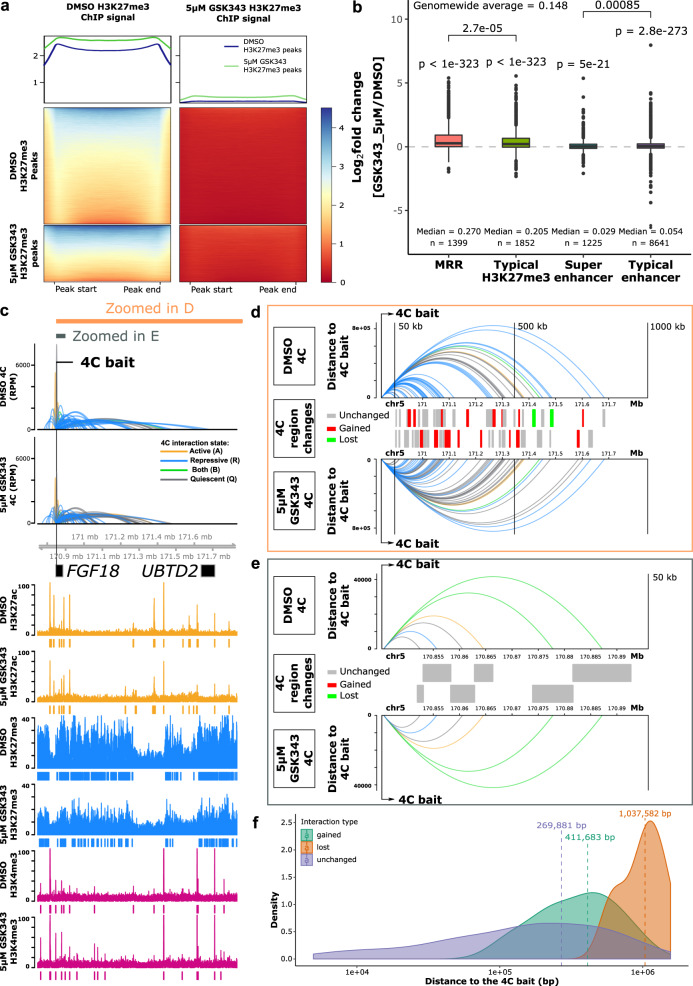
The mechanisms underlying gene repression and silencers are poorly understood. Here we investigate the hypothesis that H3K27me3-rich regions of the genome, defined from clusters of H3K27me3 peaks, may be used to identify silencers that can regulate gene expression via proximity or looping. We find that H3K27me3-rich regions are associated with chromatin interactions and interact preferentially with each other. H3K27me3-rich regions component removal at interaction anchors by CRISPR leads to upregulation of interacting target genes, altered H3K27me3 and H3K27ac levels at interacting regions, and altered chromatin interactions. Chromatin interactions did not change at regions with high H3K27me3, but regions with low H3K27me3 and high H3K27ac levels showed changes in chromatin interactions. Cells with H3K27me3-rich regions knockout also show changes in phenotype associated with cell identity, and altered xenograft tumor growth. Finally, we observe that H3K27me3-rich regions-associated genes and long-range chromatin interactions are susceptible to H3K27me3 depletion. Our results characterize H3K27me3-rich regions and their mechanisms of functioning via looping.
Overview
The claims and statistics of this paper haven’t been checked yet.
Run the check — free, no account needed. It reads the open-access text and checks the sources it cites.
Integrity signals
Registry
Cites
Statistics
Figures
Verification
Claims the paper makes
The claims and statistics of this paper haven’t been checked yet.
Run the check — free, no account needed. It reads the open-access text and checks the sources it cites.
Claims other papers make about this one
Each is checked against this paper’s own text: does it say what the citing paper says it does?
In the citing paper
“Next, we performed CUT&Tag for EZH2, a subunit of Polycomb repressive complex II, in THP-1 cells and observed that EZH2 binding sites mostly overlapped with H3K27me3 peaks in the P-S loop anchors (Extended Data Fig. 6d), consistent with the previously reported promoter-silencer loops30,31.”
From Subtype-specific 3D genome alteration in acute myeloid leukaemia (2022) · cites this paper as [31]
Self-check
Percentages, sums and reported differences re-computed from the paper’s own numbers.
The self-check needs the paper’s full text.
Citations
Cites
Analysis of Relative Gene Expression Data Using Real-Time Quantitative PCR and the 2−ΔΔCT Method
Livak, K. J., & Schmittgen, T. D. (2001) · Methods · doi:10.1006/meth.2001.1262 · Cited by 180,860
Trimmomatic: a flexible trimmer for Illumina sequence data
Bolger, A. M., Lohse, M., & Usadel, B. (2014) · Bioinformatics · doi:10.1093/bioinformatics/btu170 · Cited by 65,548
Fast gapped-read alignment with Bowtie 2
Langmead, B., & Salzberg, S. L. (2012) · Nature Methods · doi:10.1038/nmeth.1923 · Cited by 56,400
clusterProfiler: an R Package for Comparing Biological Themes Among Gene Clusters
Yu, G., Wang, L.-G., Han, Y., & He, Q.-Y. (2012) · OMICS: A Journal of Integrative Biology · doi:10.1089/omi.2011.0118 · Cited by 36,259
Model-based Analysis of ChIP-Seq (MACS)
Zhang, Y., Liu, T., Meyer, C. A., Eeckhoute, J., Johnson, D. S., Bernstein, B. E., Nusbaum, C., Myers, R. M., Brown, M., Li, W., et al. (2008) · Genome Biology · doi:10.1186/gb-2008-9-9-r137 · Cited by 18,386
Self-citationAn integrated encyclopedia of DNA elements in the human genome
The ENCODE Project Consortium (2012) · Nature · doi:10.1038/nature11247 · Cited by 18,072
Genome engineering using the CRISPR-Cas9 system
Ran, F. A., Hsu, P. D., Wright, J., Agarwala, V., Scott, D. A., & Zhang, F. (2013) · Nature Protocols · doi:10.1038/nprot.2013.143 · Cited by 11,133
Near-optimal probabilistic RNA-seq quantification
Bray, N. L., Pimentel, H., Melsted, P., & Pachter, L. (2016) · Nature Biotechnology · doi:10.1038/nbt.3519 · Cited by 9,723
A 3D Map of the Human Genome at Kilobase Resolution Reveals Principles of Chromatin Looping
Rao, S. S. P., Huntley, M. H., Durand, N. C., Stamenova, E. K., Bochkov, I. D., Robinson, J. T., Sanborn, A. L., Machol, I., Omer, A. D., Lander, E. S., et al. (2014) · Cell · doi:10.1016/j.cell.2014.11.021 · Cited by 9,212
Integrative analysis of 111 reference human epigenomes
Roadmap Epigenomics Consortium, Kundaje, A., Meuleman, W., Ernst, J., Bilenky, M., Yen, A., Heravi-Moussavi, A., Kheradpour, P., Zhang, Z., Wang, J., et al. (2015) · Nature · doi:10.1038/nature14248 · Cited by 6,368
Cited by
Sorted by citations
Items 101–200 of 325
Through the lens of phase separation: intrinsically unstructured protein and chromatin looping
Cai, L., & Wang, G. G. (2023) · Nucleus · doi:10.1080/19491034.2023.2179766 · Cited by 14
Roy, A., Niharika, N., Chakraborty, S., Mishra, J., Singh, S. P., & Patra, S. K. (2023) · Progress in molecular biology and translational science · doi:10.1016/bs.pmbts.2023.01.011 · Cited by 11
A Chemoselective Enrichment Strategy for In‐Depth Coverage of the Methyllysine Proteome
Yan, L., Zheng, M., Fan, M., Yao, R., Zou, K., Feng, S., & Wu, M. (2024) · Angewandte Chemie International Edition · doi:10.1002/anie.202408564 · Cited by 13
Soto, A. A., Ortiz, G., Contreras, S., Soto‐Rifo, R., & González, P. A. (2022) · Microorganisms · doi:10.3390/microorganisms10091754 · Cited by 11
The Future of Epigenetics: Emerging Technologies and Clinical Applications
Iyer, K. A., Tenchov, R., Sasso, J. M., Thite, T., Deng, Y., & Zhou, Q. A. (2026) · ACS Pharmacology & Translational Science · doi:10.1021/acsptsci.5c00729 · Cited by 12
The role of trimethylation on histone H3 lysine 27 (H3K27me3) in temozolomide resistance of glioma
Zhang, X., Li, L., Li, Y., Dong, C., Shi, J., Guo, X., & Sui, A. (2024) · Brain Research · doi:10.1016/j.brainres.2024.149252 · Cited by 11
Murphy, A. E., Askarova, A., Lenhard, B., Skene, N. G., & Marzi, S. J. (2025) · Nucleic Acids Research · doi:10.1093/nar/gkae1212 · Cited by 10
CREATE: cell-type-specific cis-regulatory element identification via discrete embedding
Cui, X., Yin, Q., Gao, Z., Li, Z., Chen, X., Lv, H., Chen, S., Liu, Q., Zeng, W., & Jiang, R. (2025) · Nature Communications · doi:10.1038/s41467-025-59780-5 · Cited by 10
“For example, H3K27me3, a histone modi fi cation associated with silencers 47 – 49 , was observed at higher proportions in predicted silencers (9.0% in K562 and 16.0% in HepG2) compared to other CRE types (average 2.2% in K562 and average 4.1% in HepG2) (highlighted with red dashed box; Fig.”
InfluentialNath, S., Dutta, S., Sarkar, S. D., Sengupta, D., Mitra, M. K., & Sengupta, K. (2025) · Nucleic Acids Research · doi:10.1093/nar/gkaf615 · Cited by 10
Shen, Y., Zhong, Q., Tian, L., Wen, Z., Shen, W., & Li, L. (2021) · Briefings in Bioinformatics · doi:10.1093/bib/bbab602 · Cited by 10
Ito, S., Das, N. D., Umehara, T., & Koseki, H. (2022) · Cancers · doi:10.3390/cancers14215404 · Cited by 13
Zhu, X., Huang, Q., Luo, J., Kong, D., & Zhang, Y. (2023) · Computational and Structural Biotechnology Journal · doi:10.1016/j.csbj.2023.02.028 · Cited by 12
Self-citationZhu, X., Huang, L., Li, G., Deng, B., Wang, X., Hu, Y., Zhang, Y., Wen, Q., Wang, C., Zhang, J., et al. (2025) · Advanced Science · doi:10.1002/advs.202408839 · Cited by 9
Self-citationLong-Range Regulation of Key Sex Determination Genes
Migale, R., Neumann, M., & Lovell-Badge, R. H. (2021) · Sexual Development · doi:10.1159/000519891 · Cited by 12
“…were successfully identified by selecting regions of the genome that were enriched for H3K27me3 repressive histone mark and highly interactive [Cai et al., 2021], enriched for mono-methylation of histone 4 lysine 20 (H4K20me1) [Pang and Snyder, 2020], and were in open chromatin regions…”
BackgroundNonlinear feature selection using sparsity-promoted centroid-encoder
Ghosh, T., & Kirby, M. (2023) · Neural Computing and Applications · doi:10.1007/s00521-023-08938-7 · Cited by 9
“Some of these genes play an essential role in transcriptional activation, e.g., H4K20ME1 [73], TAF1 [74], H3K27ME3 [75].”
BackgroundAn oligodendrocyte silencer element underlies the pathogenic impact of lamin B1 structural variants
Nmezi, B., Bey, G. R., Oranburg, T. D., Dudnyk, K., Lardo, S. M., Herdman, N., Jacko, A. M., Rubio, S., Loeza‐Alcocer, E., Kofler, J., et al. (2025) · Nature Communications · doi:10.1038/s41467-025-56378-9 · Cited by 11
“Our fi ndings are consistent with a recent report that has char-acterizeda classofsilencerelementsknownasH3K27me3-richregions or methylation rich regions (MRRs) 46 .”
Yang, Q., Nong, X., Xu, J., Huang, F., Wang, F., Wu, J., Zhang, C., & Liu, C. (2021) · Frontiers in Plant Science · doi:10.3389/fpls.2021.721980 · Cited by 9
Ezh2 promotes TRβ lysine methylation-mediated degradation in hepatocellular carcinoma
Park, S. C., & Lee, J. M. (2021) · Genes & Genomics · doi:10.1007/s13258-021-01196-8 · Cited by 9
Bredel, M., Espinosa, L., Kim, H., Scholtens, D. M., McElroy, J. P., Rajbhandari, R., Meng, W., Kollmeyer, T. M., Malta, T. M., Quezada, M. A., et al. (2023) · Cell Reports Medicine · doi:10.1016/j.xcrm.2023.101082 · Cited by 8
“These H3K27me3-rich genomic regions (MRRs), defined from clusters of H3K27me3 peaks, silence gene expression via proximity or looping.(36) This gene set included 113 (16.”
BackgroundInfluentialTranslation of genome-wide association study: from genomic signals to biological insights
Bruner, W. S., & Grant, S. F. A. (2024) · Frontiers in Genetics · doi:10.3389/fgene.2024.1375481 · Cited by 10
ABI3 regulates ABI1 function to control cell length in primary root elongation zone
Datta, S., Mandal, D., Mitra, S., Chakraborty, S., & Chaudhuri, R. N. (2024) · The Plant Journal · doi:10.1111/tpj.17121 · Cited by 8
Ho, M., Zhang, C., Moon, I., Biernacka, J. M., Coombes, B. J., Ngo, Q., Skillon, C., Skime, M. K., Oesterle, T., Croarkin, P. E., et al. (2023) · Molecular Metabolism · doi:10.1016/j.molmet.2023.101798 · Cited by 8
“PRC2 is essential for transcription silencing by speci fi cally catalyzing the formation of H3K27me3, a marker of transcriptional repression [42].”
BackgroundBloskie, T., Taiwo, O. O., & Storey, K. B. (2024) · Biomolecules · doi:10.3390/biom14070839 · Cited by 12
Comparison of Capture Hi-C Analytical Pipelines
Aljogol, D., Thompson, I. R., Osborne, C. S., & Mifsud, B. (2022) · Frontiers in Genetics · doi:10.3389/fgene.2022.786501 · Cited by 8
“Substantial evidence supports the importance of this organization in maintaining genome integrity and driving key biological processes, such as transcription (Osborne et al., 2004; Rao et al., 2014; Rhie et al., 2019; Akdemir et al., 2020; Cai et al., 2021).”
BackgroundAfonso, J., Shim, W. J., Mikael Bodén, A., Fortes, M. R. S., Diniz, W. J. S., de Lima, A. O., Rocha, M. I. P., Cardoso, T. F., Bruscadin, J. J., Gromboni, C. F., et al. (2023) · Biochemistry and Biophysics Reports · doi:10.1016/j.bbrep.2023.101420 · Cited by 8
“The presence of silencer mechanisms such as H3K27me3 in humans and other eukaryotes are known [10,12].”
BackgroundInfluentialAnaemia, macrocytosis, vitamin B12 and folate levels in elderly Zimbabweans.
Allain, T. J., Gomo, Z. A. R., Wilson, A. O., Ndemera, B., Adamchak, D. J., & Matenga, J. A. (1997) · PubMed · Cited by 8
Transposable elements contribute to tissue-specific gene regulation in humans
Ali, A., & Liang, P. (2024) · Genes & Genomics · doi:10.1007/s13258-024-01550-6 · Cited by 7
Ayushman, M., Lee, H. P., Agarwal, P., Mikos, G., Tong, X., Jones, S., Sinha, S., Goodman, S. B., Bhutani, N., & Yang, F. (2024) · Journal of Biomedical Materials Research Part A · doi:10.1002/jbm.a.37861 · Cited by 7
Liang, Y., Liu, M., Liu, B., Ziman, B., Peng, G., Mao, Q., Wang, X., Jiang, L., Lin, D., & Zheng, Y. (2025) · Epigenetics & Chromatin · doi:10.1186/s13072-025-00570-0 · Cited by 7
“These H3K27me3 blocks exhibit stronger gene expression repression and denser genomic interactions [8, 10] compared to individual peaks.”
Aging and Aging-Related Senescence in Liver
Ganguly, S., Sakane, S., Hokutan, K., Zhang, V., Miciano, C., Wang, A., Brenner, D. A., & Kisseleva, T. (2025) · Seminars in Liver Disease · doi:10.1055/a-2637-2549 · Cited by 11
“62,63 On the other hand, aging-associated mutations may change H3K27me3 pattern increasing the risk of cancer due to silencing of tumor suppressor genes.”
Emerging structural insights into PRC2 function in development and disease
Bhat, M. Y., & Liu, X. (2025) · Trends in Biochemical Sciences · doi:10.1016/j.tibs.2025.11.003 · Cited by 8
Krug, B., Hu, B., Chen, H., Negrón-Lomas, C., Chen, X., Mouatani, A. E., Gretarsson, K. H., Ptack, A., Deshmukh, S., Kabir, N., et al. (2026) · Nature Genetics · doi:10.1038/s41588-026-02586-y · Cited by 9
Epigenetic modifications during embryonic development: Gene reprogramming and regulatory networks
Tang, C., & Hu, W. (2024) · Journal of Reproductive Immunology · doi:10.1016/j.jri.2024.104311 · Cited by 7
Rodrigues, F. M., Majeres, L. E., Dilger, A. C., McCann, J. C., Cassady, C. J., Shike, D. W., & Beever, J. E. (2025) · BMC Genomics · doi:10.1186/s12864-025-11665-z · Cited by 7
“In the case of IGF2 in particular, a recent publication found that a region of H3K27me3 nearby IGF2 , that they referred to as an “ IGF2 looping silencer,” was strongly impactful on IGF2 expression [118].”
SilenceREIN: seeking silencers on anchors of chromatin loops by deep graph neural networks
Pan, J.-H., & Du, P.-F. (2023) · Briefings in Bioinformatics · doi:10.1093/bib/bbad494 · Cited by 7
“These silencers are manually collected from literatures with experimental evidences [8, 12, 19].”
BackgroundInfluentialTao, J., Alessandrì, L., Gasparetto, A., Zhao, L., Zhang, X., Alt, F. W., & Chiarle, R. (2025) · Blood · doi:10.1182/blood.2024026131 · Cited by 6
Epigenetic regulation of varicella-zoster virus infection: a systematic synthesis of mechanisms
Peng, L., Song, H., Li, T., Ma, Y., Yan, C., Sun, K., Han, C., & Yuan, H. (2025) · International Journal of Surgery · doi:10.1097/js9.0000000000003912 · Cited by 6
Genetic architectures of the human hippocampus and those involved in neuropsychiatric traits
Ning, C., Jin, M., Cai, Y., Fan, L., Hu, K., Lu, Z., Zhang, M., Chen, C., Li, Y., Hu, N., et al. (2024) · BMC Medicine · doi:10.1186/s12916-024-03682-8 · Cited by 6
“Notably, H3K27me3 is a well-known mark associated with gene silencing and downregulation [53], while H3K27ac is linked to enhancer regions and can promote gene transcription and expression [54].”
BackgroundSelf-citationMAFB promotes the malignant phenotypes by IGFBP6 in esophageal squamous cell carcinomas
Zhang, S., Gong, T., Nan, Y., Feng, R., Liu, Z., & Chen, H. (2022) · Experimental Cell Research · doi:10.1016/j.yexcr.2022.113158 · Cited by 6
Epigenomic dynamics of early Xenopus Embryos
Zhou, J. J., & Cho, K. W. Y. (2022) · Development Growth & Differentiation · doi:10.1111/dgd.12813 · Cited by 5
“Clusters of genomic regions enriched with H3K27me3 can function as silencers by forming repressive intra- chromatin loops (Cai et al., 2021; Kundu et al., 2017).”
BackgroundMass Cytometry as a Tool for Investigating Senescence in Multiple Model Systems
Abdul-Aziz, A. M., Devine, R. D., Lyberger, J. M., Chang, H., Kovacs, A., Lerma, J. R., Rogers, A. M., Byrd, J. C., Hertlein, E. K., & Behbehani, G. K. (2023) · Cells · doi:10.3390/cells12162045 · Cited by 6
Aldana, J., Gardner, M. L., & Freitas, M. A. (2023) · International Journal of Molecular Sciences · doi:10.3390/ijms241411378 · Cited by 6
Characterization of network hierarchy reflects cell state specificity in genome organizationPreprint
Wang, J., Xue, Y., He, Y., Quan, H., Zhang, J., & Gao, Y. Q. (2023) · Genome Research · doi:10.1101/gr.277206.122 · Cited by 6
“Enhancers and silencers, decorated with high H3K27ac and H3K27me3 signals respectively, are known to function as transcription activators and repressors via chromatin interactions with promoters (Creyghton et al. 2010; Cai et al. 2021; Xu et al. 2022).”
Epigenetic clock and lifespan prediction in the short-lived killifish Nothobranchius furzeriPreprint
Giannuzzi, C., Baumgart, M., Neri, F., & Cellerino, A. (2024) · bioRxiv (Cold Spring Harbor Laboratory) · doi:10.1101/2024.08.07.606986 · Cited by 7
“Specifically, PRC2 represses key developmental gene promoters needed to establish a specific cell lineage (Cai et al., 2021).”
BackgroundGül, S., Vloeberghs, V., Gies, I., & Goossens, E. (2024) · Human Reproduction · doi:10.1093/humrep/deae192 · Cited by 5
“Although H3K27me3 is a genome-wide chromatin marker (25), since it accumulates in excessive amounts on the Xi chromosome, this chromosome is tightly packed.”
BackgroundDwivedi, Y., & Roy, B. (2025) · Molecular Psychiatry · doi:10.1038/s41380-025-03396-0 · Cited by 7
Epigenetic Regulation by Histone Methylation and Demethylation in Freeze‐Tolerant Frog Kidney
Taiwo, O. O., Breedon, S. A., & Storey, K. B. (2024) · Cell Biochemistry and Function · doi:10.1002/cbf.70036 · Cited by 8
Li, Z., Portillo‐Ledesma, S., Janani, M., & Tamar Schlick, A. (2025) · The Journal of Chemical Physics · doi:10.1063/5.0242199 · Cited by 5
Li, E., Chakraborty, A., Kohtz, S. J., Cajigas, I., Hinojosa-Gonzalez, L., Shiau, F., Bertossi, R., Vassar, R. J., Kessler, J. A., Ay, F., et al. (2025) · Nature Communications · doi:10.1038/s41467-025-62205-y · Cited by 4
“Toppgenehypergeometricdistributioncalculationof p values (two-tailed, E , I , L ). have been linked to subtle H3K27me3 regulation 51 , among many possibilities.”
Nuclear Organization during Hepatogenesis in Zebrafish Requires Uhrf1
Madakashira, B. P., Zhang, C., Macchi, F., Magnani, E., & Sadler, K. C. (2021) · Genes · doi:10.3390/genes12071081 · Cited by 6
The methylome of buccal epithelial cells is influenced by age, sex, and physiological properties
Protti, G., Rubbi, L., Gören, T., Sabırlı, R., Civlan, S., Kurt, Ö., Türkçüer, İ., Köseler, A., & Pellegrini, M. A. (2023) · Physiological Genomics · doi:10.1152/physiolgenomics.00063.2023 · Cited by 6
Banerjee, R., Ajithkumar, P., Keestra, N., Smith, J., Gimenez, G., Rodger, E. J., Eccles, M. R., Antony, J., Weeks, R. J., & Chatterjee, A. (2024) · Cancers · doi:10.3390/cancers16050898 · Cited by 5
Rocha, M., Cardoso, A., Martins, C., & Mello, M. L. S. (2024) · Oncology Letters · doi:10.3892/ol.2024.14563 · Cited by 5
“A reduction in H3K27me3, a transcriptionally repressive epigenetic mark (24), has been reported to occur in the promoter of p16 INK4a and involves the participation of the histone demethylase KDM6B (18,25,26).”
BackgroundJohansson, P., Laguna, T., Ossowski, J., Pancaldi, V., Brauser, M., Dührsen, U., Keuneke, L., Queirós, A. C., Richter, J., Martín-Subero, J. I., et al. (2022) · Clinical Epigenetics · doi:10.1186/s13148-022-01362-z · Cited by 5
Epigenetic heterogeneity shapes the transcriptional landscape of regional microgliaPreprint
Margetts, A. V., Vilca, S. J., Bourgain‐Guglielmetti, F., & Tuesta, L. M. (2024) · bioRxiv (Cold Spring Harbor Laboratory) · doi:10.1101/2024.08.08.607229 · Cited by 6
Repressor elements provide insights into tissue development and phenotypes in pigs
Yue-Dong, Z., 中国科学院昆明动物研究所遗传进化与动物模型重点实验室, 云., Chao, G., Liu, H., Gao, Y., Tan, Y., Longjian, N., Ligang, W., Wang, L., David, M. I., et al. (2024) · 动物学研究 · doi:10.24272/j.issn.2095-8137.2024.043 · Cited by 4
Self-citationÇakır, D. A., Yirün, A., KÖSE, S. B. E., Demirel, G., Secerlı, J., Bacanli, M. G., & Erkekoğlu, P. (2025) · NeuroToxicology · doi:10.1016/j.neuro.2025.03.007 · Cited by 4
Mitofusin 1 Drives Preimplantation Development by Enhancing Chromatin Incorporation of Histone H3.3
Xiao-yan, S., Tian, Y., Wang, Y., Zhang, Y., Yin, Y., Tian, Q., Li, L., Ma, B., He, X., & Zhou, L. (2025) · Advanced Science · doi:10.1002/advs.202414985 · Cited by 4
Self-citationCut from the same cloth: RNAs transcribed from regulatory elements
Stasevich, E. M., Simonova, A. V., Bogomolova, E. A., Murashko, M. M., Uvarova, A. N., Zheremyan, E. A., Korneev, K. V., Schwartz, A. M., Kuprash, D. V., & Демин, Д. Э. (2024) · Biochimica et Biophysica Acta (BBA) - Gene Regulatory Mechanisms · doi:10.1016/j.bbagrm.2024.195049 · Cited by 4
Dysregulation of epigenetic modifications in inborn errors of immunity
Xiao, Z., He, R., Zhao, Z., Chen, T., & Ying, Z. (2024) · Epigenomics · doi:10.1080/17501911.2024.2410695 · Cited by 4
He, B., Su, S., Zhang, Z., Lin, Z., Qiu, Q., Yang, Y., Wen, X., & Zhu, Z. (2025) · Molecular Medicine · doi:10.1186/s10020-025-01142-4 · Cited by 6
Shimizu, J., & Kawano, F. (2025) · Physiological Reports · doi:10.14814/phy2.70317 · Cited by 4
“Repressive epigenetic marks, including DNA hypermethylation and trimethylation of lysine 27 on histone H3 (H3K27me3), downregulate gene expression by preventing transcription factor binding and compacting chromatin into a heterochromatin state (Buitrago et al., 2021; Cai et al., 2021).”
Mammalian conservation of endogenous G-quadruplex reveals their associations with complex traits
Zhang, Z.-H., Wang, Z., Li, C., Qian, S. H., Zhang, W., & Chen, Z. (2025) · Genome biology · doi:10.1186/s13059-025-03750-z · Cited by 4
“In contrast, regulatory elements with transcriptional repression (silencers) are generally marked by H3K27me3 and H3K9me3 [50–52].”
Opportunity to improve livestock traits using 3D genomics
MacPhillamy, C., Pitchford, W. S., Alinejad‐Rokny, H., & Low, W. Y. (2021) · Animal Genetics · doi:10.1111/age.13135 · Cited by 4
Multi-scale gene regulation mechanism: Spatiotemporal transmission of genetic information
Xue, Y., Wang, J., He, Y., Patra, P., & Gao, Y. Q. (2022) · Current Opinion in Structural Biology · doi:10.1016/j.sbi.2022.102487 · Cited by 5
Chen, S., Gu, X., Li, R., An, S., & Wang, Z. (2023) · Neurochemical Research · doi:10.1007/s11064-023-03879-y · Cited by 4
“Previous studies have demonstrated the relationship between H3K27me3 enrichment profile and gene silencing in SCs [8, 11].”
BackgroundResultInfluentialDatabases and prospects of dynamic gene regulation in eukaryotes: A mini review
Chow, C.-N., Yang, C.-W., & Chang, W. (2023) · Computational and Structural Biotechnology Journal · doi:10.1016/j.csbj.2023.03.032 · Cited by 6
Mitra, R., Richhariya, S., & Hasan, G. (2023) · eLife · doi:10.7554/elife.88808 · Cited by 7
“While H3K36me3 is a marker for transcriptional activation ( Krogan et al., 2003 ), H3K27me3 is a repressive signature which silences transcription ( Cai et al., 2021 ).”
BackgroundDNA methylation insulates genic regions from CTCF loops near nuclear speckles
Roseman, S. A., Siegenfeld, A. P., Lee, C., Lue, N. Z., Waterbury, A. L., & Liau, B. B. (2025) · eLife · doi:10.1101/2023.07.26.550645 · Cited by 3
Histone H3 mutations and their impact on genome stability maintenance
Caeiro, L. D., Verdún, R. E., & Morey, L. (2024) · Biochemical Society Transactions · doi:10.1042/bst20240177 · Cited by 4
Thrombocytopenia Independently Leads to Monocyte Immune DysfunctionPreprint
Li, C., Ture, S. K., Nieves-López, B., Blick-Nitko, S. K., Maurya, P., Livada, A. C., Stahl, T. J., Kim, M., Pietropaoli, A. P., & Morrell, C. N. (2023) · bioRxiv (Cold Spring Harbor Laboratory) · doi:10.1101/2023.05.10.540214 · Cited by 4
“Histone H3K9me3 and H3K27me3 are two histone methylation modifications associated with the epigenetic repression of immune-related genes (47, 48).”
BackgroundSuper-silencers are crucial for development and carcinogenesis in B cells
Huang, D., Petrykowska, H. M., Kumar, D., Kardava, L., Moir, S. L., Afzali, B., Elnitski, L. L., & Ovcharenko, I. (2025) · Nature Communications · doi:10.1038/s41467-025-63329-x · Cited by 3
“For example, SS components interact with the other SS components 2.5 times more than with TSs and 3.5 times more than with enhancers (Student ’ s t -test P <10 (cid:1) 5 ), as also reported on MRR in the Cai et al. study 25 .”
InfluentialShahrukh, M., Sweeney, J., del Rio, T., & Ozsolak, F. (2026) · Gene Therapy · doi:10.1038/s41434-025-00589-8 · Cited by 4
“H3-K9me3 modi fi cation, associated with heterochromatin-mediated gene silencing [34], and H3-K27me3 modi fi cation, involved in repressing genes [33, 35, 36], were assessed by CUT&Tag.”
Epigenetic regulation in atherosclerosis and its therapeutic potential
Santovito, D., Atzler, D., & Weber, C. (2026) · Nature Reviews Cardiology · doi:10.1038/s41569-026-01313-8 · Cited by 3
Salmerón-Bárcenas, E. G., Zacapala-Gómez, A. E., Ortiz‐Ortiz, J., Torres‐Rojas, F. I., & Ávila-López, P. A. (2022) · EXCLI journal · doi:10.17179/excli2022-5029 · Cited by 3
Zhang, Y., Zhang, J., Zhang, W., Wang, M., Wang, S., Xu, Y., Zhao, L., Li, X., & Li, G. (2023) · Genomics Proteomics & Bioinformatics · doi:10.1016/j.gpb.2023.01.004 · Cited by 3
Self-citationDynamic Changes in Histone Modifications Are Associated with Differential Chromatin Interactions
Nie, Y., & Wang, M. (2024) · Genes · doi:10.3390/genes15080988 · Cited by 3
“H3K9me3 and H3K27me3 are repressive histone modifications that have been confirmed to promote the formation of genomic compartments [13,26].”
BackgroundGDAP1 Is Dysregulated at DNA Methylation and H3K4me3 Levels in Alcohol Use Disorder
Kawecka, E., Plättner, H., Ederer, L., Niemann, K., Pasche, S., Zimmermann, M., Edelmann, S., & Nieratschker, V. (2025) · International Journal of Molecular Sciences · doi:10.3390/ijms26041623 · Cited by 3
“However, other histone marks, like H3K9me3 and H3K27me3, are associated with repression of gene expression [38,39].”
Manipulation of the nucleoscaffold potentiates cellular reprogramming kinetics
Yang, B. A., Vesga-Castro, C., da Rocha, A. M., Newton, I., Shcherbina, A., Wong, S. W., Fraczek, P. M., Larouche, J. A., Hiraki, H. L., Baker, B. M., et al. (2025) · PNAS Nexus · doi:10.1093/pnasnexus/pgaf307 · Cited by 3
“We further explored H3K27me3-related changes in cell fate regulation by identifying H3K27me3-rich regions (MRRs) which have been suggested to function as transcriptional silencers of cell fate – related genes through long-range chromatin interactions (52).”
Verma, A. K., Roy, B., & Dwivedi, Y. (2025) · Genomic psychiatry : · doi:10.61373/gp025h.0107 · Cited by 3
A General Method to Edit Histone H3 Modifications on Chromatin Via Sortase‐Mediated Metathesis
Yang, Q., Gao, Y., Liu, X., Xiao, Y., & Wu, M. (2022) · Angewandte Chemie · doi:10.1002/ange.202209945 · Cited by 3
Harati, J., Du, P., Galluzzi, M., Li, X., Lin, J., Pan, H., & Wang, P. (2024) · ACS Applied Materials & Interfaces · doi:10.1021/acsami.4c02989 · Cited by 3
Super-silencers regulated by chromatin interactions control apoptotic genesPreprint
Zhang, Y., Chen, K., Cai, Y., Niibori-Nambu, A., See, Y. X., Fu, C., Raju, A., Lakshmanan, M., Osato, M., Tergaonkar, V., et al. (2022) · bioRxiv (Cold Spring Harbor Laboratory) · doi:10.1101/2022.01.17.476559 · Cited by 3
“Silencers, which are regions of the genome that are capable of repressing gene expression, can be predicted by various methods based on histone marks and chromatin interactions (Cai et al., 2021; Doni Jayavelu et al., 2020; D. Huang et al., 2019; Ngan et al., 2020).”
BackgroundMethodResultInfluentialSelf-citationMarroquín-Rivera, A., Zhao, C., Pessoni, A. M., Bherer, J., Mansouri, S., Droit, A., & Labonté, B. (2024) · Inflammation Research · doi:10.1007/s00011-023-01830-z · Cited by 2
“In general, our results show that H3K27me3 abundance increased as expression diminished independent of the genomic feature, supporting the idea that its repressive effect is achieved through occurrence in very broad genomic regions rather than through peaks in specific genomic features [54].”
Wang, J., Yuan, W., Liu, F., Liu, G., Geng, X., Li, C., Zhang, C., Li, N., & Li, X. (2024) · Journal of genetics and genomics/Journal of Genetics and Genomics · doi:10.1016/j.jgg.2024.10.008 · Cited by 3
Ludewig, L., Bondeva, T., Liebisch, M., Ihle, J., Loeffler, I., & Wolf, G. (2025) · Cells · doi:10.3390/cells14211729 · Cited by 2
“The enhancer of zeste homologue2 (EZH2), the main catalytic subunit of polycomb-repressive complex 2 (PCR2), specifically mediates H3K27 tri-methylation [63], thus silencing gene expression [62,63].”
Cis-regulatory elements operating in the trophoblast
Vcelkova, T., & Latos, P. A. (2025) · Frontiers in Cell and Developmental Biology · doi:10.3389/fcell.2025.1661952 · Cited by 3
Islam, S., Li, X., Hossain, M. N., Kou, Z., Chen, L. W., de Avila, J. M., Zhu, M.-J., & Du, . (2025) · Diabetes · doi:10.2337/db25-0271 · Cited by 2
Bibi, R., George, M., & Sarkar, K. (2025) · Medical Oncology · doi:10.1007/s12032-025-03230-1 · Cited by 2
“This dynamic equilibrium enables cells to modify gene expression patterns in reaction to developmental signals and environmental factors, facilitating accurate epigenetic regulatory systems [26].”
Seem, K., Kaur, S., Kumar, A., Krishnan, G. S., Viswanathan, C., Mohapatra, T., & Kumar, S. (2026) · Plant Stress · doi:10.1016/j.stress.2026.101313 · Cited by 2
Epigenetic mechanisms of inflammatory memory in the central nervous system
Ye, J. J., & Quintana, F. J. (2026) · Nature Immunology · doi:10.1038/s41590-026-02541-3 · Cited by 3
Liu, Z., Chen, X., Xu, Z., Zhang, G. F., Chen, M., Chen, Y., & Ma, Z. (2026) · Nature Plants · doi:10.1038/s41477-026-02333-5 · Cited by 2
“Histone H3 Lys 27 trimethylation (H3K27me3) is a key euchromatic repressive modification that maintains genes in a silent state 24,25 .”
CSSQ: a ChIP-seq signal quantifier pipeline
Kumar, A., Hu, M. Y., Mei, Y., & Fan, Y. (2023) · Frontiers in Cell and Developmental Biology · doi:10.3389/fcell.2023.1167111 · Cited by 2
“Utilizing H3K27me3-rich regions (MRR) in K562 and hESC (Cai et al., 2021), again we found that CSSQ has a higher sensitivity in identifying DBs than CSAW and DiffBind (Figures 6, 8).”
BackgroundMethodInfluentialTSCRE: a comprehensive database for tumor-specific cis-regulatory elements
Peng, G., Liu, B., Zheng, M., Zhang, L., Li, H., Liu, M., Liang, Y., Chen, T., Luo, X., Shi, X., et al. (2024) · NAR Cancer · doi:10.1093/narcan/zcad063 · Cited by 2
“Super cis-regulatory elements (SCREs), characterized by large clusters of regulatory regions, are essential in determining cell differentiation and identity ( 4–6 ).”
BackgroundMethodInfluentialLuo, L., Yang, M., & Zhou, Y. (2025) · aBIOTECH · doi:10.1007/s42994-025-00202-x · Cited by 2
“…to mediating the deposition of histone modifications, PcG proteins have been reported to be involved in chromatin 3D regulation in different species, such as human (Cai et al. 2021), mouse (Blackledge et al. 2014; Gentile et al. 2019), and flies (Bantignies et al. 2011; Loubiere et al. 2020).”
Sizer, R. E., Ingram, R. M., & White, R. J. (2025) · Biotechnology Journal · doi:10.1002/biot.202400455 · Cited by 2
“Indeed, methylation of histone H3 at lysine 9 (H3K9me3) or 27 (H3K27me3) correlates strongly with loss of DNA accessibility and transcription [36, 37].”
Rutkowski, P., & Tabaka, M. (2025) · NAR Genomics and Bioinformatics · doi:10.1093/nargab/lqaf040 · Cited by 3
“In particular, H3K27me3 marks are associated with gene repression for cell type-specific genes [ 83 ], and Ocelli correctly predicts the importance of this modification in HSCs. Classical and plasmacytoid dendritic cells (cDCs and pDCs) show a strong signal for chromatin accessibility in both…”
Hughes, C., Mojica, E. A., Kültz, D., & Podrabsky, J. E. (2025) · Current Zoology · doi:10.1093/eep/dvaf015 · Cited by 3
Yuan, S., Ni, P., & Su, Z. (2025) · BMC Biology · doi:10.1186/s12915-025-02313-9 · Cited by 1
“8D), suggesting that H3K27me3 may serve as an informative marker for silencers, consistent with previous reports [70, 71].”
Silencer variants are key drivers of gene up-regulation in Alzheimer’s disease
Huang, D., & Ovcharenko, I. (2026) · Science Advances · doi:10.1126/sciadv.adz3323 · Cited by 3
“While this histone mark is a widely accepted proxy of regulatory repression ( 44 , 99 , 100 ) and MPRAduo data support the accuracy of silencer predictions, our si-lencer profile may remain incomplete due to the existence of non-H3K27me3 silencers ( 41 , 45 , 101 ).”
Metadata
- Authors
- Cai, Y., Zhang, Y., Loh, Y. P., Tng, J. Q., Lim, M. C., Cao, Z., Raju, A., Lieberman Aiden, E., Li, S., Manikandan, L., Tergaonkar, V., Tucker-Kellogg, G., & Fullwood, M. J.
- Affiliations
- National University of Singapore (SG)
- Agency for Science, Technology and Research (SG)
- Corresponding author
- Fullwood, Melissa Jane
- ORCID
- Venue
- Nature Communications
- Published
- 2021-01-29
- Volume
- 12
- Issue
- 1
- Pages
- 719-719
- ISSN
- 2041-1723 (ISSN-L)
- PMC
- PMC7846766
- OpenAlex
- W3124680305
- Cited by
- 321
- References
- 90
- Citations by year
- 2026: 49 · 2025: 65 · 2024: 79 · 2023: 58 · 2022: 52 · 2021: 17
- FWCI
- 16.56
- Type
- journal article
- Language
- en
- Open access
- gold
- doi.org
- Locations
- Nature Communications (publishedVersion, cc-by)
- Europe PMC (PubMed Central) (publishedVersion, other-oa)
- PubMed Central (publishedVersion, cc-by)
- PubMed (publishedVersion)
- National University of Singapore (submittedVersion, cc-by)
- DOAJ (DOAJ: Directory of Open Access Journals) (submittedVersion, cc-by-sa)
- Funders
- National Research Foundation Singapore (NRF-CRP17-2017-02)
- Topics
- Life Sciences › Biochemistry, Genetics and Molecular Biology › Molecular Biology › Genomics and Chromatin Dynamics
- Life Sciences › Biochemistry, Genetics and Molecular Biology › Molecular Biology › Epigenetics and DNA Methylation
- Life Sciences › Biochemistry, Genetics and Molecular Biology › Molecular Biology › Chromatin Remodeling and Cancer
- Keywords
- H3K27me3, gene silencing, chromatin interactions, gene expression inhibition, H3K27ac, cell identity, xenograft tumor growth, polycomb repressive complex 2
- MeSH terms
- Chromatin Immunoprecipitation Sequencing, RNA-Seq, Animals, Chromatin, Female, Fibroblast Growth Factors, Histones, Humans, Insulin-Like Growth Factor II, Neoplasms, Gene Expression Regulation, Neoplastic, Xenograft Model Antitumor Assays, Silencer Elements, Transcriptional, Cell Line, Tumor, Mice, Gene Knockdown Techniques, Gene Knockout Techniques, Epigenetic Repression
About these checks
Registry, retraction, Cites and statistics results are computed, not judged, with one exception: a printed reference that no index lists is read once by a model before it counts as a citation error. Claims are extracted by a model and kept only when their quote appears verbatim in the text; each cited source is then checked, with a model’s help, for whether it says what the claim relies on. Those verdicts can be wrong — read the claim’s quote and the cited source before relying on one.
Statistics and arithmetic are recomputed, not judged.
Confidence bands are shown only for fields calibrated on our annotated test set. None is calibrated yet, so no band is shown.
What counts as a claim ›How we measure confidence ›How we check this ›
Are you an author, or do you see a problem with this page? Request a review
