

Structural elements in the flexible tail of the co-chaperone p23 coordinate client binding and progression of the Hsp90 chaperone cycle
Open accessThe DOI matches its Crossref record; 90 of the 91 references it cites were found in a registry or an index.
Abstract
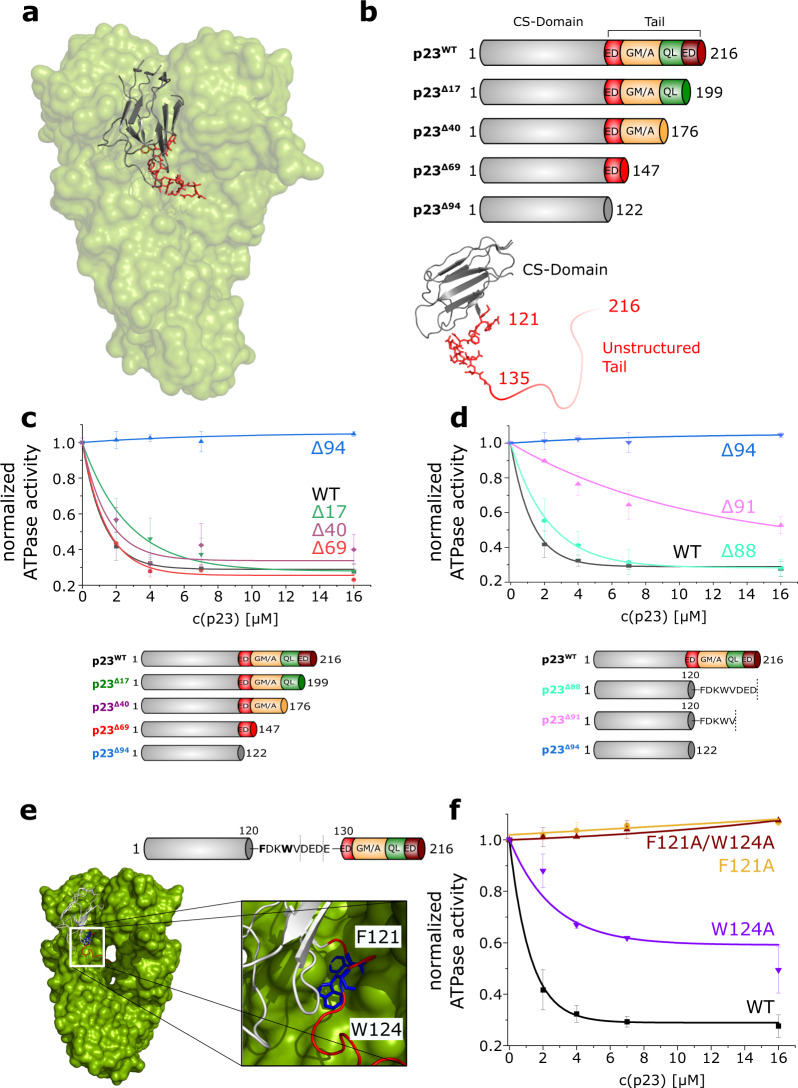
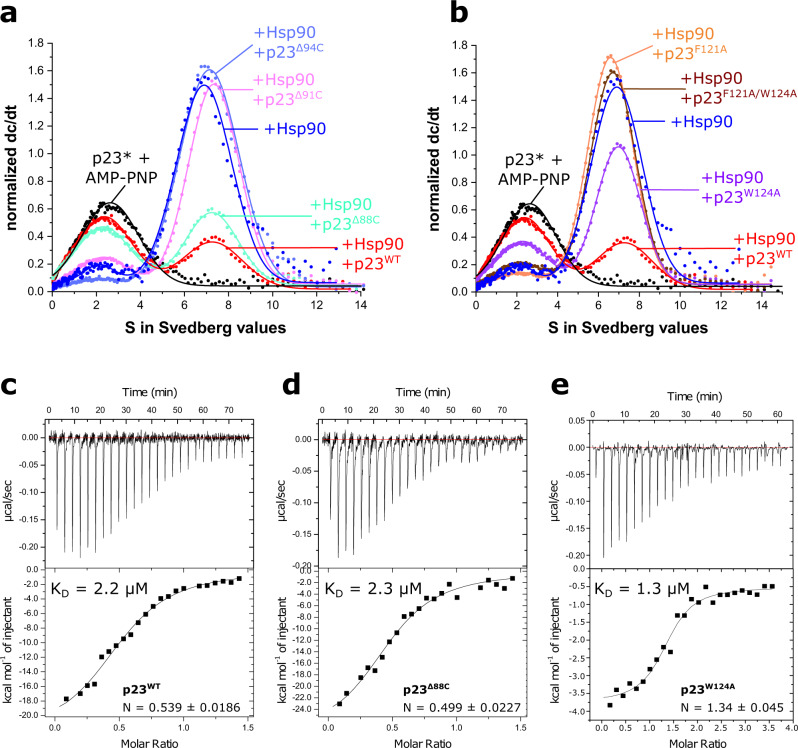
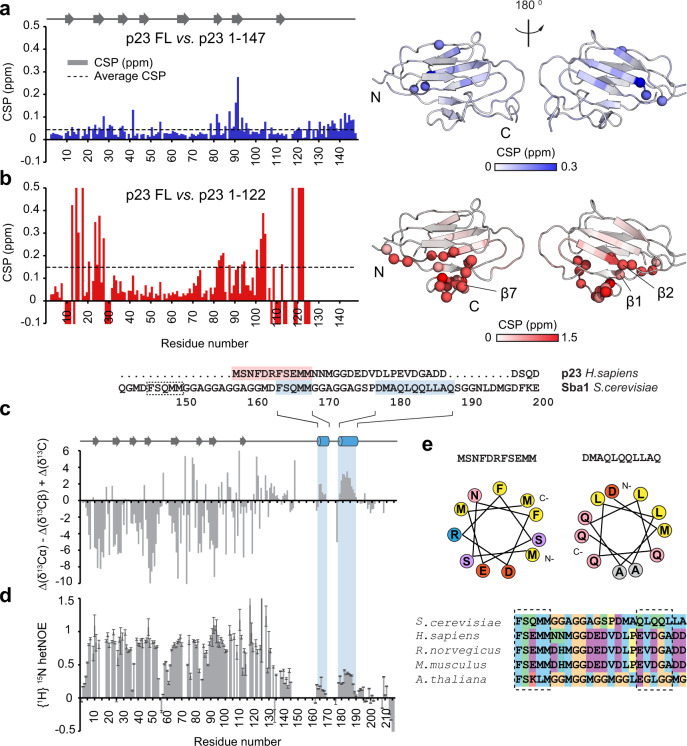
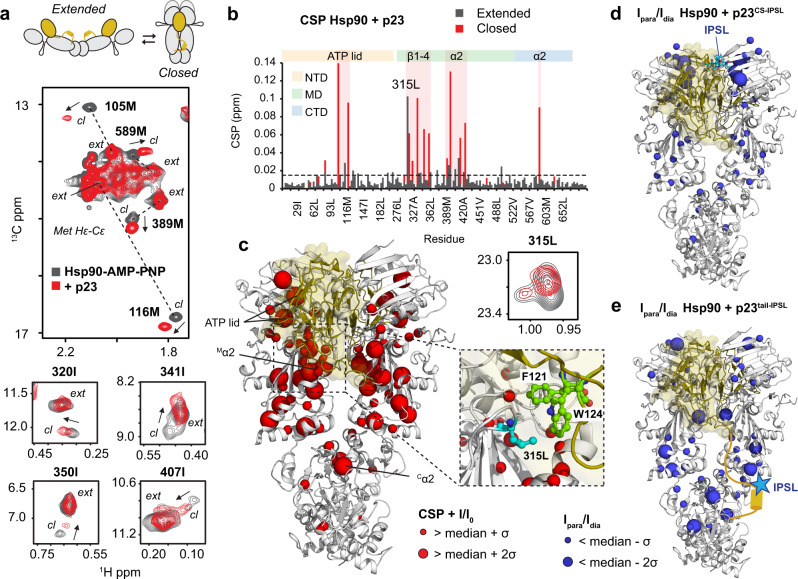
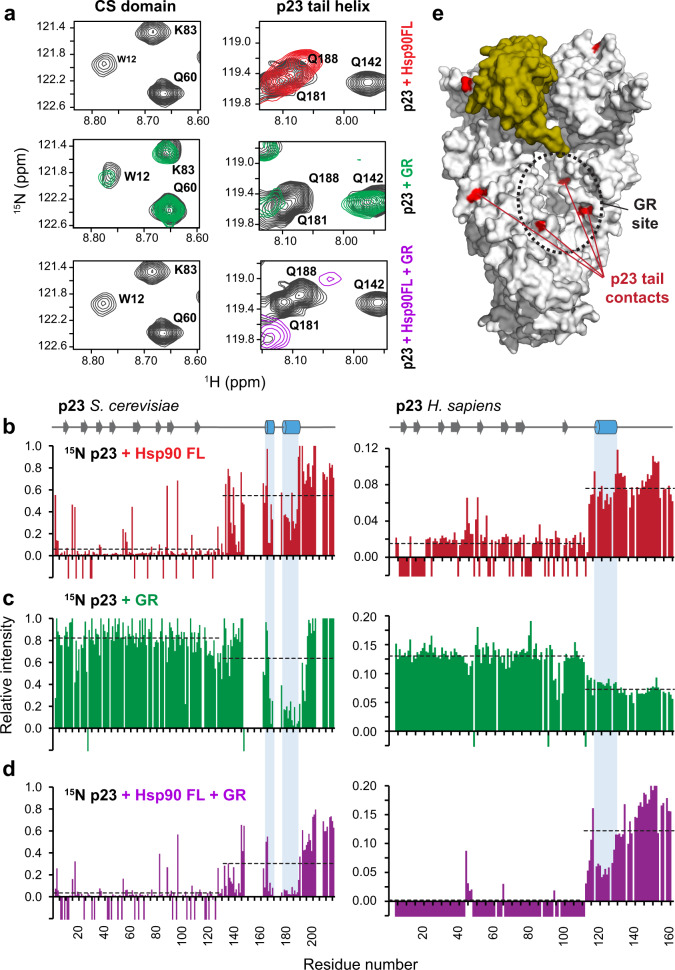
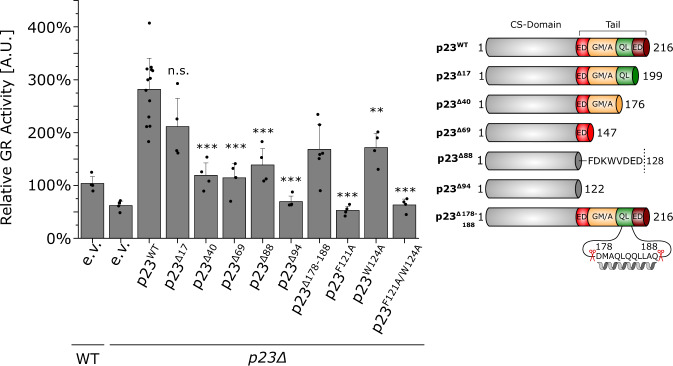
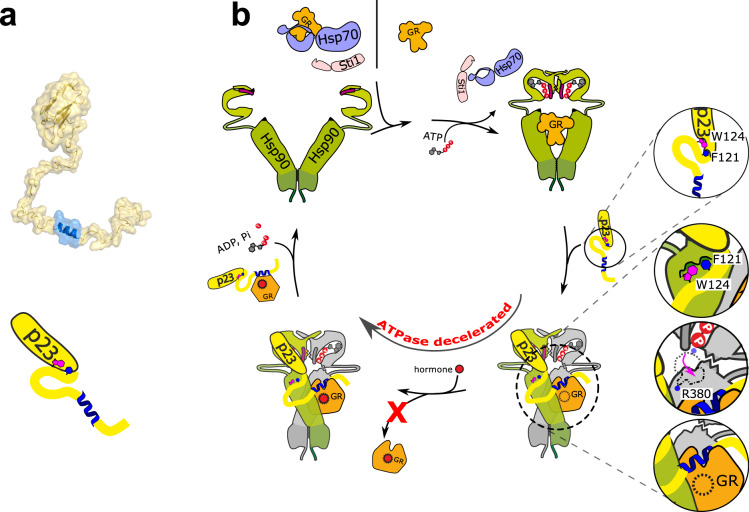
The co-chaperone p23 is a central part of the Hsp90 machinery. It stabilizes the closed conformation of Hsp90, inhibits its ATPase and is important for client maturation. Yet, how this is achieved has remained enigmatic. Here, we show that a tryptophan residue in the proximal region of the tail decelerates the ATPase by allosterically switching the conformation of the catalytic loop in Hsp90. We further show by NMR spectroscopy that the tail interacts with the Hsp90 client binding site via a conserved helix. This helical motif in the p23 tail also binds to the client protein glucocorticoid receptor (GR) in the free and Hsp90-bound form. In vivo experiments confirm the physiological importance of ATPase modulation and the role of the evolutionary conserved helical motif for GR activation in the cellular context.
Overview
The claims and statistics of this paper haven’t been checked yet.
Free: it reads the open-access text and checks the first 5 claims that cite a source we can check. Create a free account to check every claim.
Integrity signals
Registry
Cites
Statistics
Figures
Verification
Claims the paper makes
The claims and statistics of this paper haven’t been checked yet.
Free: it reads the open-access text and checks the first 5 claims that cite a source we can check. Create a free account to check every claim.
Claims other papers make about this one
Each is checked against this paper’s own text: does it say what the citing paper says it does?
The source backs part of the claim, not all of it — or backs it for a different population, condition or comparison.
In the citing paper
“In support of this essential p23:GR interaction, the p23tail-helix and GR hydrophobic groove are well conserved, and a helix in the yeast p23 tail supports GR transactivation in vivo27.”
From Structure of Hsp90–p23–GR reveals the Hsp90 client-remodelling mechanism (2022) · cites this paper as [27]
Experimental — accuracy not yet measuredThe source backs part of the claim, not all of it — or backs it for a different population, condition or comparison.
In the citing paper
“The subsequent binding of the C-terminal tail of p23 to the bound client (57) results in a stabilization of the ternary complex.”
From Client binding shifts the populations of dynamic Hsp90 conformations through an allosteric network (2021) · cites this paper as [57]
Experimental — accuracy not yet measuredThe source backs part of the claim, not all of it — or backs it for a different population, condition or comparison.
In the citing paper
“The interactions of the C-terminal tail of p23 with the client sites at the MD-CTD interface are transient and nonspecific, covering a broad region in the main client sites (57).”
From Client binding shifts the populations of dynamic Hsp90 conformations through an allosteric network (2021) · cites this paper as [57]
Experimental — accuracy not yet measuredThe cited source says what the claim attributes to it.
In the citing paper
“Furthermore, a peptide corresponding to this region (p23118-131) was previously found to have helical propensity26 and an interaction between p23117-127 and GR has been suggested27.”
From Structure of Hsp90–p23–GR reveals the Hsp90 client-remodelling mechanism (2022) · cites this paper as [27]
In the citing paper
“We have recently demonstrated that the p23 tail contains a helical segment that weakly interacts with the MD-CTD interface of Hsp90 and with GR, free or in complex with Hsp90 (57).”
From Client binding shifts the populations of dynamic Hsp90 conformations through an allosteric network (2021) · cites this paper as [57]
Self-check
Percentages, sums and reported differences re-computed from the paper’s own numbers.
The self-check needs the paper’s full text.
Citations
Cites
Global analysis of protein expression in yeast
Ghaemmaghami, S., Huh, W.-K., Bower, K., Howson, R. W., Belle, A., Dephoure, N., O'Shea, E. K., & Weissman, J. S. (2003) · Nature · doi:10.1038/nature02046 · Cited by 3,750
Farrow, N. A., Muhandiram, R., Singer, A. U., Pascal, S. M., Kay, C. M., Gish, G., Shoelson, S. E., Pawson, T., Forman-Kay, J. D., & Kay, L. E. (1994) · Biochemistry · doi:10.1021/bi00185a040 · Cited by 2,091
Schopf, F. H., Biebl, M. M., & Buchner, J. (2017) · Nature Reviews Molecular Cell Biology · doi:10.1038/nrm.2017.20 · Cited by 1,540
Self-citationPratt, W. B., & Toft, D. O. (2003) · Experimental Biology and Medicine · doi:10.1177/153537020322800201 · Cited by 1,483
Prodromou, C., Roe, S. M., O'Brien, R., Ladbury, J. E., Piper, P. W., & Pearl, L. H. (1997) · Cell · doi:10.1016/s0092-8674(00)80314-1 · Cited by 1,265
Crystal structure of an Hsp90–nucleotide–p23/Sba1 closed chaperone complex
Ali, M. M. U., Roe, S. M., Vaughan, C. K., Meyer, P., Panaretou, B., Piper, P. W., Prodromou, C., & Pearl, L. H. (2006) · Nature · doi:10.1038/nature04716 · Cited by 962
Crystal structure of a small heat-shock protein
Kim, K. K., Kim, R., & Kim, S.-H. (1998) · Nature · doi:10.1038/29106 · Cited by 888
Quantitative Analysis of Hsp90-Client Interactions Reveals Principles of Substrate Recognition
Taipale, M., Krykbaeva, I., Koeva, M., Kayatekin, C., Westover, K. D., Karras, G. I., & Lindquist, S. (2012) · Cell · doi:10.1016/j.cell.2012.06.047 · Cited by 879
Reduced levels of hsp90 compromise steroid receptor action in vivo
Picard, D., Khursheed, B., Garabedian, M. J., Fortin, M. G., Lindquist, S., & Yamamoto, K. R. (1990) · Nature · doi:10.1038/348166a0 · Cited by 787
Battiste, J. L., & Wagner, G. (2000) · Biochemistry · doi:10.1021/bi000060h · Cited by 625
The Hsp90 chaperone machinery: Conformational dynamics and regulation by co-chaperones
Li, J., Soroka, J., & Buchner, J. (2012) · Biochimica et Biophysica Acta (BBA) - Molecular Cell Research · doi:10.1016/j.bbamcr.2011.09.003 · Cited by 498
Prodromou, C., Panaretou, B., Chohan, S., Siligardi, G., O'Brien, R., Ladbury, J. E., Roe, S. M., Piper, P. W., & Pearl, L. H. (2000) · The EMBO Journal · doi:10.1093/emboj/19.16.4383 · Cited by 492
Meyer, P., Prodromou, C., Hu, B., Vaughan, C., Roe, S. M., Panaretou, B., Piper, P. W., & Pearl, L. H. (2003) · Molecular Cell · doi:10.1016/s1097-2765(03)00065-0 · Cited by 491
Shiau, A. K., Harris, S. F., Southworth, D. R., & Agard, D. A. (2006) · Cell · doi:10.1016/j.cell.2006.09.027 · Cited by 455
Atomic structure of Hsp90-Cdc37-Cdk4 reveals that Hsp90 traps and stabilizes an unfolded kinase
Verba, K. A., Wang, R. Y.-R., Arakawa, A., Liu, Y., Shirouzu, M., Yokoyama, S., & Agard, D. A. (2016) · Science · doi:10.1126/science.aaf5023 · Cited by 424
Mutational Analysis of Hsp90 Function: Interactions with a Steroid Receptor and a Protein Kinase
Nathan, D. F., & Lindquist, S. (1995) · Molecular and Cellular Biology · doi:10.1128/mcb.15.7.3917 · Cited by 423
Structure, Function and Regulation of the Hsp90 Machinery
Buchner, J., & Li, J. (2013) · Biomedical Journal · doi:10.4103/2319-4170.113230 · Cited by 420
Chaperone Function of Hsp90-Associated Proteins
Bose, S., Weikl, T., Bügl, H., & Buchner, J. (1996) · Science · doi:10.1126/science.274.5293.1715 · Cited by 371
Freeman, B. C., Toft, D. O., & Morimoto, R. I. (1996) · Science · doi:10.1126/science.274.5293.1718 · Cited by 370
&cestflwr; The Hsp90 family of proteins in Arabidopsis thaliana
Krishna, P., & Gloor, G. (2001) · Cell Stress & Chaperones · doi:10.1379/1466-1268(2001)006<0238:thfopi>2.0.co;2 · Cited by 359
Dissection of the ATP-induced conformational cycle of the molecular chaperone Hsp90
Hessling, M., Richter, K., & Buchner, J. (2009) · Nature Structural & Molecular Biology · doi:10.1038/nsmb.1565 · Cited by 349
Folding of the Glucocorticoid Receptor by the Heat Shock Protein (hsp) 90-based Chaperone Machinery
Dittmar, K. D., Demady, D. R., Stancato, L. F., Krishna, P., & Pratt, W. B. (1997) · Journal of Biological Chemistry · doi:10.1074/jbc.272.34.21213 · Cited by 268
Regulation of α-synuclein by chaperones in mammalian cells
Burmann, B. M., Gerez, J. A., Matečko-Burmann, I., Campioni, S., Kumari, P., Ghosh, D., Mazur, A., Aspholm, E. E., Šulskis, D., Wawrzyniuk, M., et al. (2020) · Nature · doi:10.1038/s41586-019-1808-9 · Cited by 255
An Isotope Labeling Strategy for Methyl TROSY Spectroscopy
Tugarinov, V., & Kay, L. E. (2004) · Journal of Biomolecular NMR · doi:10.1023/b:jnmr.0000013824.93994.1f · Cited by 253
McLaughlin, S. H., Smith, H. W., & Jackson, S. E. (2002) · Journal of Molecular Biology · doi:10.1006/jmbi.2001.5245 · Cited by 242
Nucleotides and Two Functional States of hsp90
Sullivan, W., Stensgard, B., Caucutt, G., Bartha, B., McMahon, N., Alnemri, E. S., Litwack, G., & Toft, D. (1997) · Journal of Biological Chemistry · doi:10.1074/jbc.272.12.8007 · Cited by 238
Binding of p23 and hsp90 during assembly with the progesterone receptor.
Johnson, J. L., & Toft, D. O. (1995) · Molecular Endocrinology · doi:10.1210/mend.9.6.8592513 · Cited by 233 · cited 2×
“However, (b) the p23Δ94 mutant (1-122) reveals significant changes of the chemical shifts.”
BackgroundJohnson, J. L., & Toft, D. O. (1994) · Journal of Biological Chemistry · doi:10.1016/s0021-9258(17)31487-4 · Cited by 229
Hsp90 Regulates Androgen Receptor Hormone Binding Affinity in Vivo
Fang, Y., Fliss, A. E., Robins, D. M., & Caplan, A. J. (1996) · Journal of Biological Chemistry · doi:10.1074/jbc.271.45.28697 · Cited by 227
Gans, P., Hamelin, O., Sounier, R., Ayala, I., Durá, M. A., Amero, C. D., Noirclerc‐Savoye, M., Franzetti, B., Plevin, M. J., & Boisbouvier, J. (2010) · Angewandte Chemie International Edition · doi:10.1002/anie.200905660 · Cited by 217
Coordinated ATP Hydrolysis by the Hsp90 Dimer
Richter, K., Muschler, P., Hainzl, O., & Buchner, J. (2001) · Journal of Biological Chemistry · doi:10.1074/jbc.m103832200 · Cited by 209
Co-chaperone regulation of conformational switching in the Hsp90 ATPase cycle
Siligardi, G., Hu, B., Panaretou, B., Piper, P. W., Pearl, L. H., & Prodromou, C. (2004) · Journal of Biological Chemistry · doi:10.1074/jbc.m410562200 · Cited by 207
Hsp90 interaction with clients
Karagöz, G. E., & Rüdiger, S. G. D. (2015) · Trends in Biochemical Sciences · doi:10.1016/j.tibs.2014.12.002 · Cited by 202
The Co-chaperone p23 Arrests the Hsp90 ATPase Cycle to Trap Client Proteins
McLaughlin, S. H., Sobott, F., Yao, Z.-P., Zhang, W., Nielsen, P. R., Grossmann, J. G., Laue, E. D., Robinson, C. V., & Jackson, S. E. (2006) · Journal of Molecular Biology · doi:10.1016/j.jmb.2005.11.085 · Cited by 196
Isolation of Hsp90 mutants by screening for decreased steroid receptor function.
Bohen, S. P., & Yamamoto, K. R. (1993) · Proceedings of the National Academy of Sciences · doi:10.1073/pnas.90.23.11424 · Cited by 195
Chaperoning steroid hormone action
Picard, D. (2006) · Trends in Endocrinology & Metabolism · doi:10.1016/j.tem.2006.06.003 · Cited by 189
Mechanism of Dimer Formation of the 90‐kDa Heat‐Shock Protein
Nemoto, T., Ohara‐Nemoto, Y., Ota, M., Takagi, T., & Yokoyama, K. (1995) · European Journal of Biochemistry · doi:10.1111/j.1432-1033.1995.001_1.x · Cited by 176
Mayer, M. P., & Le Breton, L. (2015) · Molecular Cell · doi:10.1016/j.molcel.2015.02.022 · Cited by 174
Freeman, B. C., Felts, S. J., Toft, D. O., & Yamamoto, K. R. (2000) · Genes & Development · doi:10.1101/gad.14.4.422 · Cited by 168 · cited 2×
“However, (b) the p23Δ94 mutant (1-122) reveals significant changes of the chemical shifts.”
BackgroundNoddings, C. M., Wang, R. Y.-R., & Agard, D. A. (2020) · doi:10.1101/2020.09.12.294975 · Cited by 166
Structure of Hsp90–p23–GR reveals the Hsp90 client-remodelling mechanism
Noddings, C. M., Wang, R. Y.-R., Johnson, J. L., & Agard, D. A. (2022) · Nature · doi:10.1038/s41586-021-04236-1 · Cited by 164
Richter, K., Walter, S., & Buchner, J. (2004) · Journal of Molecular Biology · doi:10.1016/j.jmb.2004.07.064 · Cited by 159
Conservation of Hsp90 macromolecular complexes in Saccharomyces cerevisiae.
Chang, H. C., & Lindquist, S. (1994) · Journal of Biological Chemistry · doi:10.1016/s0021-9258(17)31486-2 · Cited by 158
Dittmar, K. D., Hutchison, K. A., Owens-Grillo, J. K., & Pratt, W. B. (1996) · Journal of Biological Chemistry · doi:10.1074/jbc.271.22.12833 · Cited by 158
Mixed Hsp90–cochaperone complexes are important for the progression of the reaction cycle
Li, J., Richter, K., & Buchner, J. (2011) · Nature Structural & Molecular Biology · doi:10.1038/nsmb.1965 · Cited by 155
SBA1 Encodes a Yeast Hsp90 Cochaperone That Is Homologous to Vertebrate p23 Proteins
Fang, Y., Fliss, A. E., Rao, J., & Caplan, A. J. (1998) · Molecular and Cellular Biology · doi:10.1128/mcb.18.7.3727 · Cited by 154
Modulation of the Hsp90 Chaperone Cycle by a Stringent Client Protein
Lorenz, O. R., Freiburger, L., Rutz, D. A., Krause, M., Zierer, B. K., Alvira, S., Cuéllar, J., Valpuesta, J. M., Madl, T., Sattler, M., et al. (2014) · Molecular Cell · doi:10.1016/j.molcel.2014.02.003 · Cited by 151
Self-citationSubstrate-binding domain conformational dynamics mediate Hsp70 allostery
Zhuravleva, A., & Gierasch, L. M. (2015) · Proceedings of the National Academy of Sciences · doi:10.1073/pnas.1506692112 · Cited by 148
Multidomain structure and correlated dynamics determined by self-consistent FRET networks
Hellenkamp, B., Wortmann, P., Kandzia, F., Zacharias, M., & Hugel, T. (2017) · Nature Methods · doi:10.1038/nmeth.4081 · Cited by 137
Crystal Structure and Activity of Human p23, a Heat Shock Protein 90 Co-chaperone
Weaver, A. J., Sullivan, W. P., Felts, S. J., Owen, B. A. L., & Toft, D. O. (2000) · Journal of Biological Chemistry · doi:10.1074/jbc.m003410200 · Cited by 136
The Plasticity of the Hsp90 Co-chaperone System
Sahasrabudhe, P., Rohrberg, J., Biebl, M. M., Rutz, D. A., & Buchner, J. (2017) · Molecular Cell · doi:10.1016/j.molcel.2017.08.004 · Cited by 136
Self-citationStructural analysis of the interaction between Hsp90 and the tumor suppressor protein p53
Hagn, F., Lagleder, S., Retzlaff, M., Rohrberg, J., Demmer, O., Richter, K., Buchner, J., & Kessler, H. (2011) · Nature Structural & Molecular Biology · doi:10.1038/nsmb.2114 · Cited by 127
N-terminal domain of human Hsp90 triggers binding to the cochaperone p23
Karagöz, G. E., Duarte, A. M. S., Ippel, H., Uetrecht, C., Sinnige, T., van Rosmalen, M., Hausmann, J., Heck, A. J. R., Boelens, R., & Rüdiger, S. G. D. (2011) · Proceedings of the National Academy of Sciences · doi:10.1073/pnas.1011867108 · Cited by 124
Genest, O., Reidy, M., Street, T. O., Hoskins, J. R., Camberg, J. L., Agard, D. A., Masison, D. C., & Wickner, S. (2013) · Molecular Cell · doi:10.1016/j.molcel.2012.11.017 · Cited by 118
Dimerization of Hsp90 Is Required for in Vivo Function
Wayne, N., & Bolon, D. N. (2007) · Journal of Biological Chemistry · doi:10.1074/jbc.m703844200 · Cited by 114
Louvion, J.-F., Warth, R., & Picard, D. (1996) · Proceedings of the National Academy of Sciences · doi:10.1073/pnas.93.24.13937 · Cited by 113
The Influence of ATP and p23 on the Conformation of hsp90
Sullivan, W. P., Owen, B. A. L., & Toft, D. O. (2002) · Journal of Biological Chemistry · doi:10.1074/jbc.m207754200 · Cited by 111
Simon, B., Madl, T., Mackereth, C. D., Nilges, M., & Sattler, M. (2010) · Angewandte Chemie International Edition · doi:10.1002/anie.200906147 · Cited by 107
Self-citationBohen, S. P. (1998) · Molecular and Cellular Biology · doi:10.1128/mcb.18.6.3330 · Cited by 106
Pratt, W. B., & Dittmar, K. D. (1998) · Trends in Endocrinology and Metabolism · doi:10.1016/s1043-2760(98)00059-9 · Cited by 106
Weikl, T., Abelmann, K., & Buchner, J. (1999) · Journal of Molecular Biology · doi:10.1006/jmbi.1999.3172 · Cited by 97
Morishima, Y., Kanelakis, K. C., Murphy, P. J. M., Lowe, E. R., Jenkins, G. J., Osawa, Y., Sunahara, R. K., & Pratt, W. B. (2003) · Journal of Biological Chemistry · doi:10.1074/jbc.m309814200 · Cited by 97
The Hsp90 Cochaperone p23 Is Essential for Perinatal Survival
Grad, I., McKee, T. A., Ludwig, S. M., Hoyle, G. W., Ruiz, P., Wurst, W., Floss, T., Miller, C. A., & Picard, D. (2006) · Molecular and Cellular Biology · doi:10.1128/mcb.00734-06 · Cited by 94
Global Functional Map of the p23 Molecular Chaperone Reveals an Extensive Cellular Network
Echtenkamp, F. J., Zelin, E., Oxelmark, E., Woo, J. I., Andrews, B. J., Garabedian, M., & Freeman, B. C. (2011) · Molecular Cell · doi:10.1016/j.molcel.2011.05.029 · Cited by 90
Woodford, M. R., Sager, R. A., Marris, E., Dunn, D. M., Blanden, A. R., Murphy, R. L., Rensing, N., Shapiro, O., Panaretou, B., Prodromou, C., et al. (2017) · The EMBO Journal · doi:10.15252/embj.201796700 · Cited by 89
Hsp90 structure and function studied by NMR spectroscopy
Didenko, T., Duarte, A. M. S., Karagöz, G. E., & Rüdiger, S. (2011) · Biochimica et Biophysica Acta (BBA) - Molecular Cell Research · doi:10.1016/j.bbamcr.2011.11.009 · Cited by 88
The FNIP co-chaperones decelerate the Hsp90 chaperone cycle and enhance drug binding
Woodford, M. R., Dunn, D. M., Blanden, A. R., Capriotti, D., Loiselle, D. R., Prodromou, C., Panaretou, B., Hughes, P. F., Smith, A. P., Ackerman, W., et al. (2016) · Nature Communications · doi:10.1038/ncomms12037 · Cited by 82
Dehner, A., Furrer, J., Richter, K., Schuster, I., Buchner, J., & Kessler, H. (2003) · ChemBioChem · doi:10.1002/cbic.200300658 · Cited by 75
Localization of Sites of Interaction between p23 and Hsp90 in Solution
Martinez-Yamout, M. A., Venkitakrishnan, R. P., Preece, N. E., Kroon, G., Wright, P. E., & Dyson, H. J. (2006) · Journal of Biological Chemistry · doi:10.1074/jbc.m601759200 · Cited by 67
English, C. A., Sherman, W., Meng, W., & Gierasch, L. M. (2017) · Journal of Biological Chemistry · doi:10.1074/jbc.m117.789313 · Cited by 66
The Hsp90 isoforms from S. cerevisiae differ in structure, function and client range
Girstmair, H., Tippel, F., Lopez, A., Tych, K., Stein, F., Haberkant, P., Schmid, P. W. N., Helm, D., Rief, M., Sattler, M., et al. (2019) · Nature Communications · doi:10.1038/s41467-019-11518-w · Cited by 62
Self-citationKerfah, R., Plevin, M. J., Pessey, O., Hamelin, O., Gans, P., & Boisbouvier, J. (2014) · Journal of Biomolecular NMR · doi:10.1007/s10858-014-9887-2 · Cited by 49
Echtenkamp, F. J., Gvozdenov, Z., Adkins, N. L., Zhang, Y., Lynch-Day, M., Watanabe, S., Peterson, C. L., & Freeman, B. C. (2016) · Molecular Cell · doi:10.1016/j.molcel.2016.09.040 · Cited by 47
Inhibition of GR‐mediated transcription by p23 requires interaction with Hsp90
Wochnik, G. M., Young, J. C., Schmidt, U., Holsboer, F., Hartl, F. U., & Rein, T. (2004) · FEBS Letters · doi:10.1016/s0014-5793(04)00066-3 · Cited by 46
Molt cycle–dependent molecular chaperone and polyubiquitin gene expression in lobster
Spees, J. L., Chang, S. A., Mykles, D. L., Snyder, M. J., & Chang, E. S. (2003) · Cell Stress and Chaperones · doi:10.1379/1466-1268(2003)008<0258:mcmcap>2.0.co;2 · Cited by 43
Muñoz, M. J., Bejarano, E. R., Daga, R. R., & Jimenez, J. (1999) · Genetics · doi:10.1093/genetics/153.4.1561 · Cited by 43
Echeverría, P. C., Briand, P.-A., & Picard, D. (2016) · Molecular and Cellular Biology · doi:10.1128/mcb.01099-15 · Cited by 39
Hsp90 Co-chaperones Form Plastic Genetic Networks Adapted to Client Maturation
Biebl, M. M., Riedl, M., & Buchner, J. (2020) · Cell Reports · doi:10.1016/j.celrep.2020.108063 · Cited by 36
Self-citationRehn, A., & Büchner, J. (2014) · Sub-cellular biochemistry/Subcellular biochemistry · doi:10.1007/978-3-319-11731-7_6 · Cited by 33
Self-citationEvolutionary epitopes of Hsp90 and p23: implications for their interaction
Zhu, S., & Tytgat, J. (2004) · The FASEB Journal · doi:10.1096/fj.04-1570hyp · Cited by 32
Characterization of plant p23-like proteins for their co-chaperone activities
Zhang, Z., Sullivan, W., Felts, S. J., Prasad, B. D., Toft, D. O., & Krishna, P. (2010) · Cell Stress and Chaperones · doi:10.1007/s12192-010-0182-1 · Cited by 30
The C-terminal region of the human p23 chaperone modulates its structure and function
Seraphim, T. V., Gava, L. M., Mokry, D. Z., Cagliari, T. C., Barbosa, L. R. S., Ramos, C. H. I., & Borges, J. C. (2015) · Archives of Biochemistry and Biophysics · doi:10.1016/j.abb.2014.10.015 · Cited by 27
The co‐chaperone p23 is degraded by caspases and the proteasome during apoptosis
Mollerup, J., & Berchtold, M. W. (2005) · FEBS Letters · doi:10.1016/j.febslet.2005.06.045 · Cited by 25
Zhou, C., Zhang, C., Zhu, H., Liu, Z., Su, H., Zhang, X., Chen, T., Zhong, Y., Hu, H., Xiong, M., et al. (2020) · iScience · doi:10.1016/j.isci.2020.100857 · Cited by 25
Salek, R. M., Williams, M. A., Prodromou, C., Pearl, L. H., & Ladbury, J. E. (2002) · Journal of Biomolecular NMR · doi:10.1023/a:1020268712347 · Cited by 24
[33] Purification of Hsp90 partner proteins Hop/p60, p23, and FKBP52
Büchner, J., Weikl, T., Bügl, H., Pirkl, F., & Bose, S. (1998) · Methods in enzymology on CD-ROM/Methods in enzymology · doi:10.1016/s0076-6879(98)90035-0 · Cited by 23
Daturpalli, S., Knieß, R. A., Lee, C.-T., & Mayer, M. P. (2017) · Journal of Molecular Biology · doi:10.1016/j.jmb.2017.03.025 · Cited by 23
Characterization of orchardgrass p23, a flowering plant Hsp90 cohort protein
Cha, J., Ermawati, N., Jung, M. H., Su’udi, M., Kim, K.-Y., Kim, J., Han, C., Lee, K. H., & Son, D. (2008) · Cell Stress and Chaperones · doi:10.1007/s12192-008-0077-6 · Cited by 17
Wu, H., Hyun, J.-S., Martinez‐Yamout, M. A., Park, S. J., & Dyson, H. J. (2018) · Biochemistry · doi:10.1021/acs.biochem.7b01076 · Cited by 16
Madon-Simon, M., Grad, I., Bayo, P., Pérez, P., & Picard, D. (2017) · PLoS ONE · doi:10.1371/journal.pone.0180035 · Cited by 10
Cited by
Heat shock proteins: Biological functions, pathological roles, and therapeutic opportunities
Hu, C., Yang, J., Qi, Z., Wu, H., Wang, B., Zou, F., Mei, H., Liu, J., Wang, W., & Liu, Q. (2022) · MedComm · doi:10.1002/mco2.161 · Cited by 779
Noddings, C. M., Wang, R. Y.-R., & Agard, D. A. (2020) · doi:10.1101/2020.09.12.294975 · Cited by 166
Structure of Hsp90–p23–GR reveals the Hsp90 client-remodelling mechanism
Noddings, C. M., Wang, R. Y.-R., Johnson, J. L., & Agard, D. A. (2022) · Nature · doi:10.1038/s41586-021-04236-1 · Cited by 164
Advances in the structures, mechanisms and targeting of molecular chaperones
Gu, J., He, Y., He, C., Zhang, Q., Huang, Q., Bai, S., Wang, R., You, Q., & Wang, L. (2025) · Signal Transduction and Targeted Therapy · doi:10.1038/s41392-025-02166-2 · Cited by 86
Client binding shifts the populations of dynamic Hsp90 conformations through an allosteric network
Lopez, A., Dahiya, V., Delhommel, F., Freiburger, L., Stehle, R., Asami, S., Rutz, D., Blair, L., Buchner, J., & Sattler, M. (2021) · Science Advances · doi:10.1126/sciadv.abl7295 · Cited by 59
Self-citation
Metadata
- Authors
- Biebl, M. M., Lopez, A., Rehn, A., Freiburger, L., Lawatscheck, J., Blank, B., Sattler, M., & Buchner, J.
- Affiliations
- Technical University of Munich (DE)
- Institut für Mikrobiologie der Bundeswehr (DE)
- Zymeworks (Canada) (CA)
- Helmholtz Munich (DE)
- Corresponding author
- Sattler, Michael
- Venue
- Nature Communications
- Published
- 2021-02-05
- Volume
- 12
- Issue
- 1
- Pages
- 828-828
- ISSN
- 2041-1723 (ISSN-L)
- PMC
- PMC7864943
- OpenAlex
- W3128627027
- Cited by
- 58
- References
- 91
- Citations by year
- 2026: 8 · 2025: 11 · 2024: 4 · 2023: 14 · 2022: 17 · 2021: 4
- FWCI
- 3.06
- Type
- journal article
- Language
- en
- Open access
- gold
- doi.org
- Licence
- cc-by
- creativecommons.org/licenses/by/4.0 (tdm)
- creativecommons.org/licenses/by/4.0 (vor)
- Locations
- Nature Communications (publishedVersion, cc-by)
- PubMed Central (publishedVersion, cc-by)
- PubMed (publishedVersion)
- RePEc: Research Papers in Economics (submittedVersion)
- DOAJ (DOAJ: Directory of Open Access Journals) (submittedVersion, cc-by-sa)
- mediaTUM – the media and publications repository of the Technical University Munich (Technical University Munich) (submittedVersion, other-oa)
- Site cant be reached (submittedVersion, cc-by)
- PuSH - Publication Server of Helmholtz Zentrum München (submittedVersion, cc-by)
- Funders
- Deutsche Forschungsgemeinschaft (201302640)
- Topics
- Life Sciences › Biochemistry, Genetics and Molecular Biology › Molecular Biology › Heat shock proteins research
- Life Sciences › Biochemistry, Genetics and Molecular Biology › Molecular Biology › Protein Structure and Dynamics
- Life Sciences › Biochemistry, Genetics and Molecular Biology › Molecular Biology › Genomics and Chromatin Dynamics
- Keywords
- allosteric regulation, tryptophan residues, glucocorticoid receptor, receptor activation
- MeSH terms
- Prostaglandin-E Synthases, Protein Conformation, alpha-Helical, Protein Conformation, beta-Strand, Adenylyl Imidodiphosphate, Amino Acid Sequence, Binding Sites, Cloning, Molecular, Escherichia coli, Genetic Vectors, Humans, Mutation, Protein Binding, Receptors, Glucocorticoid, Recombinant Proteins, Saccharomyces cerevisiae, Gene Expression, Sequence Alignment, Sequence Homology, Amino Acid, Molecular Chaperones, HSP90 Heat-Shock Proteins, Nuclear Magnetic Resonance, Biomolecular, Saccharomyces cerevisiae Proteins, Protein Interaction Domains and Motifs, Molecular Dynamics Simulation
About these checks
Registry, retraction, Cites and statistics results are computed, not judged, with one exception: a printed reference that no index lists is read once by a model before it counts as a citation error. Claims are extracted by a model and kept only when their quote appears verbatim in the text; each cited source is then checked, with a model’s help, for whether it says what the claim relies on. Those verdicts can be wrong — read the claim’s quote and the cited source before relying on one.
Statistics and arithmetic are recomputed, not judged.
Confidence bands are shown only for fields calibrated on our annotated test set. None is calibrated yet, so no band is shown.
What counts as a claim ›How we measure confidence ›How we check this ›
Are you an author, or do you see a problem with this page? Request a review
Data sources
Bibliographic data: Semantic Scholar, OpenAlex, Crossref.
Contains information from the Semantic Scholar Academic Graph Datasets, made available under the ODC Attribution License (ODC-BY 1.0).
Semantic Scholar’s data is described in: Kinney, R., et al. (2023). The Semantic Scholar Open Data Platform. arXiv:2301.10140.
