

Methodological quality of COVID-19 clinical research
Open accessPublished version of a preprint
The DOI matches its Crossref record; 55 of the 55 references it cites were found in a registry or an index.
Abstract
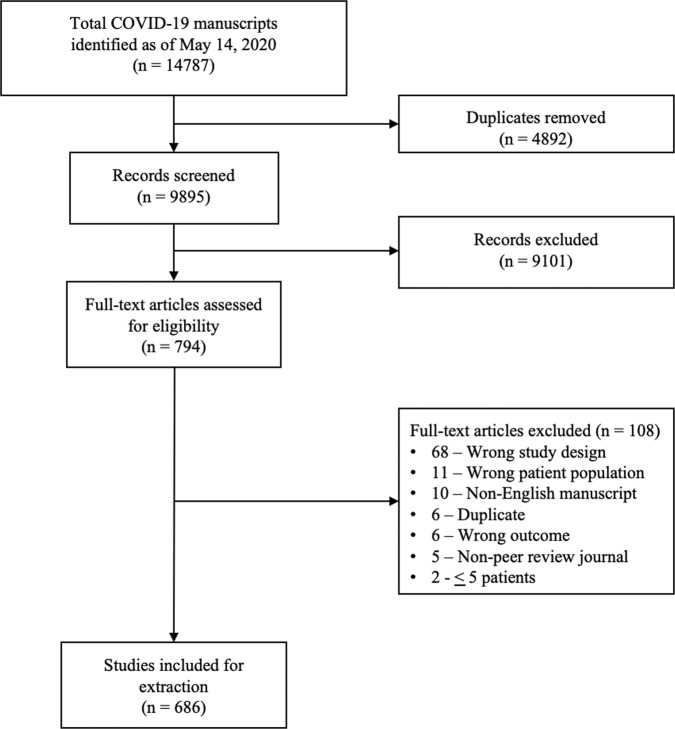
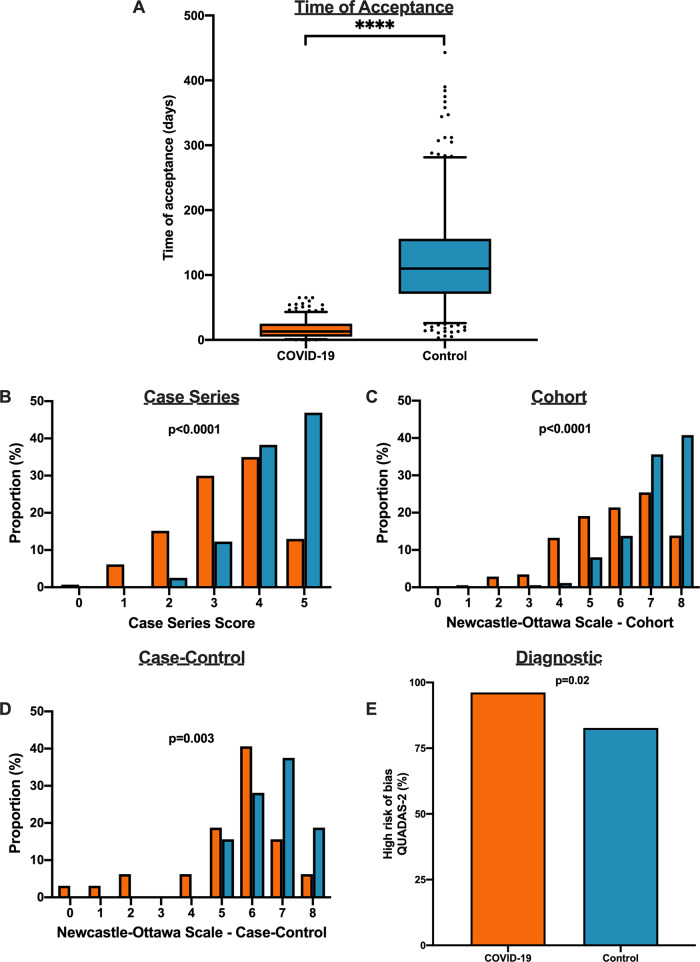
The COVID-19 pandemic began in early 2020 with major health consequences. While a need to disseminate information to the medical community and general public was paramount, concerns have been raised regarding the scientific rigor in published reports. We performed a systematic review to evaluate the methodological quality of currently available COVID-19 studies compared to historical controls. A total of 9895 titles and abstracts were screened and 686 COVID-19 articles were included in the final analysis. Comparative analysis of COVID-19 to historical articles reveals a shorter time to acceptance (13.0[IQR, 5.0–25.0] days vs. 110.0[IQR, 71.0–156.0] days in COVID-19 and control articles, respectively; p < 0.0001). Furthermore, methodological quality scores are lower in COVID-19 articles across all study designs. COVID-19 clinical studies have a shorter time to publication and have lower methodological quality scores than control studies in the same journal. These studies should be revisited with the emergence of stronger evidence.
Overview
The claims and statistics of this paper haven’t been checked yet.
Free: it reads the open-access text and checks the first 5 claims that cite a source we can check. Create a free account to check every claim.
Integrity signals
Registry
Cites
Statistics
Figures
Verification
Claims the paper makes
The claims and statistics of this paper haven’t been checked yet.
Free: it reads the open-access text and checks the first 5 claims that cite a source we can check. Create a free account to check every claim.
Claims other papers make about this one
Each is checked against this paper’s own text: does it say what the citing paper says it does?
The source backs part of the claim, not all of it — or backs it for a different population, condition or comparison.
In the citing paper
“Jung et al.6 measured the adherence to methodological tools using the Cochrane risk bias tool. They detected a 32% decline in the adherence rate to a high methodological quality.”
From Artificial Intelligence in Detecting Statistical Errors: Implications for Authors, Reviewers, and Editors (2025) · cites this paper as [6]
Experimental — accuracy not yet measuredThe source backs part of the claim, not all of it — or backs it for a different population, condition or comparison.
In the citing paper
“At the same time, incomplete reporting or non-adherence to guidelines for RCTs [69] was common, most likely attributable to circumstances related to the pandemic itself, such as short time frames for study planning and conceptualization, difficulties in recruitment and implementation due to contact restrictions or accelerated peer-review of scientific journals [70].”
From Interventions to build resilience and to ameliorate negative psychosocial effects of the COVID-19 pandemic on children and adolescents: a systematic review and meta-analysis (2024) · cites this paper as [70]
Experimental — accuracy not yet measuredThe cited source says what the claim attributes to it.
In the citing paper
“Finally, poor reporting has been commonly investigated in literature 37 38 ; owing to the limited information of the data extraction process reported by review authors, we could not fully investigate the association between good practice recommendations and the likelihood of data extraction.”
From Validity of data extraction in evidence synthesis practice of adverse events: reproducibility study (2022) · cites this paper as [37]
Self-check
Percentages, sums and reported differences re-computed from the paper’s own numbers.
The self-check needs the paper’s full text.
Citations
Cites
3 retracted
Cardiovascular Disease, Drug Therapy, and Mortality in Covid-19
Mehra, M. R., Desai, S. S., Kuy, S., Henry, T. D., & Patel, A. N. (2020) · New England Journal of Medicine · doi:10.1056/nejmoa2007621 · Cited by 1,428
RetractedMehra, M. R., Desai, S. S., Ruschitzka, F., & Patel, A. N. (2020) · The Lancet · doi:10.1016/s0140-6736(20)31180-6 · Cited by 1,200
RetractedMehra, M. R., Desai, S. S., Kuy, S., Henry, T. D., & Patel, A. N. (2020) · New England Journal of Medicine · doi:10.1056/nejmc2021225 · Cited by 463
RetractedThe Cochrane Collaboration's tool for assessing risk of bias in randomised trials
Higgins, J. P. T., Altman, D. G., Gotzsche, P. C., Juni, P., Moher, D., Oxman, A. D., Savovic, J., Schulz, K. F., Weeks, L., Sterne, J. A. C., et al. (2011) · BMJ · doi:10.1136/bmj.d5928 · Cited by 33,817
Dermyshi, E., Wang, Y., Yan, C., Hong, W., Qiu, G., Gong, X., & Zhang, T. (2017) · Neonatology · doi:10.1159/000454668 · Cited by 24,451
ROBINS-I: a tool for assessing risk of bias in non-randomised studies of interventions
Sterne, J. A., Hernán, M. A., Reeves, B. C., Savović, J., Berkman, N. D., Viswanathan, M., Henry, D., Altman, D. G., Ansari, M. T., Boutron, I., et al. (2016) · BMJ · doi:10.1136/bmj.i4919 · Cited by 20,329
(2014) · Medical Entomology and Zoology · Cited by 17,633
Stang, A. (2010) · European Journal of Epidemiology · doi:10.1007/s10654-010-9491-z · Cited by 17,396
QUADAS-2: a revised tool for the quality assessment of diagnostic accuracy studies
Whiting, P. F., Rutjes, A. W. S., Westwood, M. E., Mallett, S., Deeks, J. J., Reitsma, J. B., Leeflang, M. M. G., Sterne, J. A. C., Bossuyt, P. M. M., & the QUADAS-2 Group* (2011) · Annals of Internal Medicine · doi:10.7326/0003-4819-155-8-201110180-00009 · Cited by 14,199
Dexamethasone in Hospitalized Patients with Covid-19
The RECOVERY Collaborative Group (2021) · New England Journal of Medicine · doi:10.1056/nejmoa2021436 · Cited by 11,477
Cited by
COVID-19 pandemic effects on health worker's mental health: systematic review and meta-analysis
Aymerich, C., Pedruzo, B., Pérez, J. L., Laborda, M., Herrero, J., Blanco, J., Mancebo, G., Andrés, L., Estévez, O., Fernandez, M., et al. (2022) · European Psychiatry · doi:10.1192/j.eurpsy.2022.1 · Cited by 234
“COVID-19 pandemic has stimulated the publication of many studies in a short time, some of themof limited quality [80].”
BackgroundLinardon, J., Messer, M., Rodgers, R. F., & Fuller‐Tyszkiewicz, M. (2022) · International Journal of Eating Disorders · doi:10.1002/eat.23640 · Cited by 169
“However, we also share optimism expressed by others (e.g., Jung et al., 2021) that higher quality research—which typically takes longer to produce—is likely to become available in the coming months to balance concerns with methodological difficulties of early COVID-19 research.”
BackgroundYe, J., He, L., & Beestrum, M. (2023) · npj Digital Medicine · doi:10.1038/s41746-023-00908-6 · Cited by 181
“Prior research has indicated that COVID-19 research ranked low in the hierarchy of scienti fi c evidence, with numerous articles published in lower impact factor journals and within a shorter timeframe 81 .”
Circadian disturbances, sleep difficulties and the COVID-19 pandemic
Salehinejad, M. A., Azarkolah, A., Ghanavati, E., & Nitsche, M. A. (2021) · Sleep Medicine · doi:10.1016/j.sleep.2021.07.011 · Cited by 96
“This is an important point to consider as there have been concerns over the methodological quality and validity of reported findings/perspectives related to the pandemic [12,13].”
Validity of data extraction in evidence synthesis practice of adverse events: reproducibility study
Xu, C., Yu, T., Furuya-Kanamori, L., Lin, L., Zorzela, L., Zhou, X., Dai, H., Loke, Y., & Vohra, S. (2022) · BMJ · doi:10.1136/bmj-2021-069155 · Cited by 82
Luo, S., Liang, Y., Wong, T. H. T., Schooling, C. M., & Yeung, S. L. A. (2022) · International Journal of Epidemiology · doi:10.1093/ije/dyac076 · Cited by 81
The collateral damage of COVID-19 to cardiovascular services: a meta-analysis
Nadarajah, R., Wu, J., Hurdus, B., Asma, S., Bhatt, D. L., Biondi‐Zoccai, G., Mehta, L. S., Ram, C. V. S., Ribeiro, A. L. P., Spall, H. G. C. V., et al. (2022) · European Heart Journal · doi:10.1093/eurheartj/ehac227 · Cited by 84
“We classified most studies as being at severe or moderate risk of bias across all outcomes, which is in agreement with previous reports of the methodological quality of publications during the COVID-19 pandemic.(17,117) Many studies did not report the number or proportion of included patients that had co-existent COVI…”
McLean, C. P., Utpala, R., & Sharp, G. (2022) · Frontiers in Psychology · doi:10.3389/fpsyg.2022.926709 · Cited by 130
“Specifically, most cross-sectional studies were of low quality, in comparison to all qualitative studies rated as high quality, which is likely indicative of the brisk rate at which COVID-19 related literature were being published leading to methodological quality concerns in the field (Jung et al., 2021).”
ResultHuang, J., Huang, Z.-T., Sun, X.-C., Chen, T., & Wu, X.-T. (2024) · PLoS ONE · doi:10.1371/journal.pone.0289454 · Cited by 81
Tacconelli, E., Górska, A., Carrara, E., Davis, R. J., Bonten, M. J. M., Friedrich, A. W., Glasner, C., Goossens, H., Hasenauer, J., Haro, J. M., et al. (2022) · The Lancet Regional Health - Europe · doi:10.1016/j.lanepe.2022.100467 · Cited by 68
Reducing publication delay to improve the efficiency and impact of conservation science
Christie, A. P., White, T., Martin, P. A., Petrovan, S. O., Bladon, A. J., Bowkett, A. E., Littlewood, N. A., Mupepele, A., Rocha, R., Sainsbury, K. A., et al. (2021) · PeerJ · doi:10.7717/peerj.12245 · Cited by 72
Lozada-Martínez, I. D., Rodado, D. N., Guevara, D. M., Cruz-Soto, H. S., Sanchez-Echeverry, M. P., & Liscano, Y. (2025) · Frontiers in Research Metrics and Analytics · doi:10.3389/frma.2025.1497280 · Cited by 58
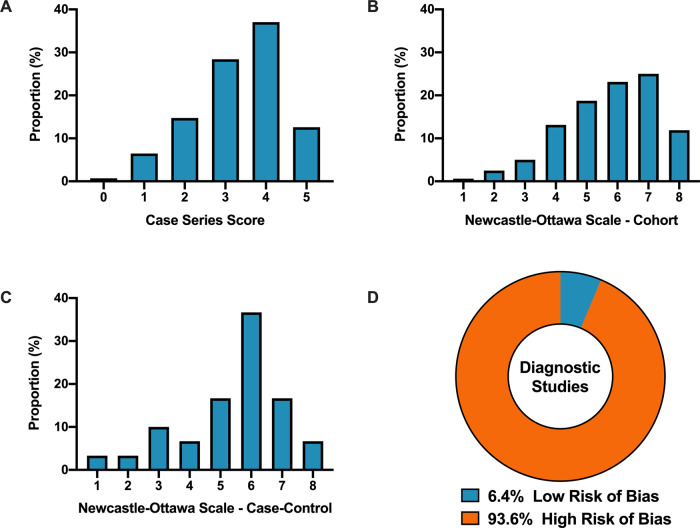
“Diagnostic studies on COVID-19 exhibited the highest risk of bias (93.6%; Jung et al., 2021).”
InfluentialThe impact of COVID ‐19 on the mental health workforce: A rapid review
Crocker, K. M., Gnatt, I., Haywood, D., Butterfield, I., Bhat, R. S., Lalitha, A. R. N., Jenkins, Z., & Castle, D. J. (2022) · International Journal of Mental Health Nursing · doi:10.1111/inm.13097 · Cited by 55
“…the COVID-19 pandemic revealed that the methodological quality of these studies was lower across all study designs than preCOVID-19 research and with shorter publication times (Jung et al. 2021; Nieto et al. 2020; Raynaud et al. 2021); therefore, results of this review should be taken with caution.”
ResultKhatter, A., Naughton, M., Dambha‐Miller, H., & Redmond, P. (2021) · Learned Publishing · doi:10.1002/leap.1403 · Cited by 55
Fleuren, L. M., Dam, T. A., Tonutti, M., de Bruin, D. P., Lalisang, R. C. A., Gommers, D. A. M. P. J., Cremer, O. L., Bosman, R. J., Rigter, S., Wils, E., et al. (2021) · Critical Care · doi:10.1186/s13054-021-03733-z · Cited by 50
“Reports have expressed worries about the quality of research conducted throughout the pandemic [26, 27].”
BackgroundSobrino-Relaño, S., Balboa-Bandeira, Y., Peña, J., Ibarretxe‐Bilbao, N., Zubiaurre‐Elorza, L., & Ojeda, N. (2023) · Scientific Reports · doi:10.1038/s41598-023-37420-6 · Cited by 48
Kyriakopoulos, C., Ntritsos, G., Gogali, A., Milionis, H. J., Εvangelou, Ε., & Κostikas, Κ. (2021) · Respirology · doi:10.1111/resp.14152 · Cited by 48
“The methodological quality of COVID-19 clinical research has overall been lower than similar nonCOVID-19 publications.(88) Therefore, results of the analyses of observational studies should be evaluated with caution, due to their heterogeneity and often retrospective design; however, they are overall in agreement with…”
ResultMiralaei, N., Majd, A., Ghaedi, K., Peymani, M., & Safaei, M. (2021) · Cancer Medicine · doi:10.1002/cam4.4161 · Cited by 46
POLLINI, E., Lazzarini, S. G., Cordani, C., Furia, M. J. D., Kiekens, C., Négrini, S., & Arienti, C. (2023) · Archives of Physical Medicine and Rehabilitation · doi:10.1016/j.apmr.2023.08.023 · Cited by 40
COVID-19 data are messy: analytic methods for rigorous impact analyses with imperfect data
Stoto, M. A., Woolverton, A., Kraemer, J. D., Barlow, P., & Clarke, M. (2022) · Globalization and Health · doi:10.1186/s12992-021-00795-0 · Cited by 42
McCaul, M., Tovey, D. I., Young, T., Welch, V. A., Dewidar, O., Goetghebeur, M. M., Kredo, T., Tricco, A. C., Glover, R. E., Tufte, J., et al. (2022) · Journal of Clinical Epidemiology · doi:10.1016/j.jclinepi.2022.07.008 · Cited by 35
“In addition, the urgency to act (necessitated by the extent and severity of the threat to public health globally) and variable methodological quality means that the traditional timeline (months to years) of producing or updating evidence synthesis and guidance is unacceptable in a pandemic [3].”
BackgroundCavaleri, M., de Sousa, C. M. A., Hacker, A., Higgs, E., Lumpkin, M., Maia, C. S., Mathur, R., Fimbo, A. M., Reis, A. A., Shin, K. S., et al. (2025) · The Lancet Global Health · doi:10.1016/s2214-109x(24)00515-1 · Cited by 33
Güzel, Â., Mutlu, N. L., & Molendijk, M. L. (2023) · Eating and Weight Disorders - Studies on Anorexia Bulimia and Obesity · doi:10.1007/s40519-023-01547-2 · Cited by 87
Availability of retracted Covid-19 papers on Internet research-sharing platforms
de Almeida, R. M. V. R., & Fontes-Pereira, A. J. (2024) · Seminars in Medical Writing and Education · doi:10.56294/mw202454 · Cited by 31
Top ten public health challenges to track in 2022
Lucero‐Prisno, D. E., Kouwenhoven, M. B. N., Adebisi, Y. A., Miranda, A. V., Gyeltshen, D., Suleman, M. H., Chiumia, I. K., Lowe, M., Dorji, T., Huang, J., et al. (2022) · Public Health Challenges · doi:10.1002/puh2.21 · Cited by 32
“For example, the findings of COVID-19 clinical trials that are poorly designed, which have no control group, which have a small sample size, or which are non-randomized, are regularly presented as irrefutable facts, or are presented out of context [58].”
Resilience and Wellbeing Strategies for Pandemic Fatigue in Times of Covid-19
Zarowsky, Z., & Rashid, T. (2022) · International Journal of Applied Positive Psychology · doi:10.1007/s41042-022-00078-y · Cited by 32
“However, Richard Jung and colleagues in their systematic review of 686 COVID-19 studies, compared with historical articles, found a shorter time to acceptance and lower methodological quality scores (Jung et al., 2021).”
ResultCharacteristics and Outcomes of US Patients Hospitalized With COVID-19
Peltan, I. D., Caldwell, E., Admon, A. J., Attia, E. F., Gundel, S. J., Mathews, K. S., Nagrebetsky, A., Sahetya, S. K., Ulysse, C. A., Brown, S. M., et al. (2021) · American Journal of Critical Care · doi:10.4037/ajcc2022549 · Cited by 28
Most published systematic reviews of remdesivir for COVID-19 were redundant and lacked currency
McDonald, S. J., Turner, S., Page, M. J., & Turner, T. (2022) · Journal of Clinical Epidemiology · doi:10.1016/j.jclinepi.2022.02.006 · Cited by 27
Impact of the COVID-19 Pandemic on Autistic Adults: a Scoping Review
Scheeren, A. M., Crane, L., Heyworth, M., & Pellicano, E. (2023) · Current Developmental Disorders Reports · doi:10.1007/s40474-023-00268-6 · Cited by 26
“Despite clear research recommendations formulated early on in the pandemic [58], concerns regarding the scientific rigor of the COVID-19 literature are not limited to autism research [59, 60].”
BackgroundMorrell, E. D., Bhatraju, P. K., Sathe, N. A., Lawson, J. J., Mabrey, L., Holton, S. E., Presnell, S., WIEDEMAN, A. E., Acosta‐Vega, C., Mitchem, M. A., et al. (2022) · American Journal of Physiology-Lung Cellular and Molecular Physiology · doi:10.1152/ajplung.00049.2022 · Cited by 28
Torres, G., & Gradidge, P. J.-L. (2023) · Preventive Medicine Reports · doi:10.1016/j.pmedr.2023.102395 · Cited by 28
Transparency and reporting characteristics of COVID-19 randomized controlled trials
Kapp, P., Esmail, L., Ghosn, L., Ravaud, P., & Boutron, I. (2022) · BMC Medicine · doi:10.1186/s12916-022-02567-y · Cited by 25
“Our results are consistent with other studies assessing reporting characteristics of RCTs reports [11-14].”
ResultTransparency, bias, and reproducibility across science: a meta-research view
Ioannidis, J. P. A. (2024) · Journal of Clinical Investigation · doi:10.1172/jci181923 · Cited by 29
Tercero-Hidalgo, J. R., Khan, K. S., Bueno‐Cavanillas, A., López, R. F., Huete, J. F., Amezcua‐Prieto, C., Zamora, J., & Fernández-Luna, J. M. (2022) · Journal of Clinical Epidemiology · doi:10.1016/j.jclinepi.2022.04.027 · Cited by 24
“However, the call to accelerate research output during the pandemic led to a decrease on reviews’ methodological quality [6,7] and the ascend of ‘‘rapid reviews’’ [8,9] (which shorten the usual timeframes by sacrificing on search depth, screening robustness or data extraction and at the expense of increased risk of er…”
When peril responds to plague: predatory journal engagement with COVID-19
Allen, R. M. (2021) · Library Hi Tech · doi:10.1108/lht-01-2021-0011 · Cited by 23
Transparency: A central principle underpinning trustworthy guidelines
Ford, N. P., Thomas, R., & Grove, J. T. (2021) · Journal of Clinical Epidemiology · doi:10.1016/j.jclinepi.2021.11.025 · Cited by 21
“Guidelines need to be developed rapidly in response to an emerging disease where there is sparse data, low-quality studies, weak study designs, and an exponential growth in the number of publications, including pre-peer review publications [ 10 –12 ].”
Zhou, F., Deng, J., Heybati, K., Zuo, Q., Ali, S. H., Hou, W., Wong, C. Y., Ramaraju, H. B., Chang, O., Dhivagaran, T., et al. (2022) · Future Virology · doi:10.2217/fvl-2021-0244 · Cited by 22
Guo, B., Zhao, C., He, M. Z., Senter, C. C., Zhou, Z., Peng, J., Li, S., Fitzpatrick, A. L., Lindström, S., Stebbins, R. C., et al. (2023) · BMC Medicine · doi:10.1186/s12916-023-03162-5 · Cited by 21
“This is important because findings on long-term cardiac complications of COVID-19 from published literature are heterogeneous and the methodological quality of related studies varies substantially [16–19].”
BackgroundImpact of the COVID-19 Pandemic on Urological Care Delivery in the United States
Lee, D. J., Shelton, J. B., Brendel, P., Doraiswami, R., Makarov, D. V., Meeks, W. D., Fang, R., Roe, M. T., & Cooperberg, M. R. (2021) · The Journal of Urology · doi:10.1097/ju.0000000000002145 · Cited by 21
“However, existing data registries are often reliant solely on claims data with significant lag time and questionable reliability.(9,10) This study is an example of how EHRbased registries can provide near real-time data that can be affordably scaled and used to help guide policy, especially during rapidly changing pub…”
BackgroundSarri, G., Bennett, D., Debray, T. P. A., Déruaz‐Luyet, A., Gabarró, M. S., Largent, J. A., Li, X., Liu, W., Lund, J. L., Moga, D. C., et al. (2022) · Clinical Pharmacology & Therapeutics · doi:10.1002/cpt.2560 · Cited by 20
Dunleavy, D. J. (2022) · European Journal for Philosophy of Science · doi:10.1007/s13194-022-00492-8 · Cited by 22
“, 2020) which has left consumers of scholarship drowning in a sea of (mis)information (Correia & Segundo, 2020; Dunleavy & Hendricks, 2020) and brings questions about the quality of published work in even leading journals (Alexander et al., 2020; Jung et al., 2021; Zdravkovic et al., 2020).”
BackgroundWendel, F., Bender, S., Breitinger, E., Coenen, M., Hummel, J., Immich, G., Kirschneck, M., Klünder, V., Kunzler, A. M., Lieb, K., et al. (2024) · European Child & Adolescent Psychiatry · doi:10.1007/s00787-023-02280-y · Cited by 19
Is biomedical research self-correcting? Modelling insights on the persistence of spurious science
Grimes, D. R. (2024) · Royal Society Open Science · doi:10.1098/rsos.231056 · Cited by 18
Burger, A. L., Kaufmann, C. C., Jäger, B., Pogran, E., Ahmed, A., Wojta, J., Farhan, S., & Huber, K. (2021) · Wiener klinische Wochenschrift · doi:10.1007/s00508-021-01956-2 · Cited by 18
“lar care is available, these data were mostly generated from observational studies [94].”
BackgroundLeducq, S., Zaki, F., Hollestein, L. M., Apfelbacher, C., Ponna, N. P., Mazmudar, R. S., & Gran, S. (2024) · Journal of Clinical Epidemiology · doi:10.1016/j.jclinepi.2024.111341 · Cited by 18
A Hierarchical Framework for Assessing Transmission Causality of Respiratory Viruses
Jefferson, T., Heneghan, C. J., Spencer, E. A., Brassey, J., Pluddeman, A., Onakpoya, I., Evans, D. H., & Conly, J. M. (2022) · Viruses · doi:10.3390/v14081605 · Cited by 17
Efficacy of tocilizumab in the treatment of COVID‐19: An umbrella review
Tolzali, M. M. R., Noori, M., Shokri, P., Rahmani, S., Khanzadeh, S., Nejadghaderi, S. A., Fazlollahi, A., Sullman, M. J. M., Singh, K., Kolahi, A., et al. (2022) · Reviews in Medical Virology · doi:10.1002/rmv.2388 · Cited by 19
Mohseni, M. M., Ameri, H., & Arab‐Zozani, M. (2022) · Frontiers in Medicine · doi:10.3389/fmed.2022.966632 · Cited by 16
“This research showed that COVID-19 clinical studies have a shorter time to publication and have lower methodological quality scores than control studies in the same journal (1).”
BackgroundInfluentialGatekeeping should be conserved in the open science era
Desmond, H. (2024) · Synthese · doi:10.1007/s11229-024-04559-2 · Cited by 16
“Some such shortcomings were on display during the Covid-19 pandemic, when studies were rushed to publication despite being plagued by problems (Jung et al., 2021; Ziemann et al., 2022).”
Dobrijević, D., Katanić, J., Todorović, M., & Vučković, B. (2022) · Sao Paulo Medical Journal · doi:10.1590/1516-3180.2021.0634.r1.05012022 · Cited by 14
McDermott, K., Perry, M., Linden, W., Croft, R., Wolff, R. F., & Kleijnen, J. (2024) · Systematic Reviews · doi:10.1186/s13643-024-02552-x · Cited by 13
“…have found that the quality of COVID-19-related research studies (including but not limited to SRs) is inferior to matched control studies that are not COVID-19 related [13, 14], and specific attempts to explore the quality of COVID-19 reviews have been published by several research teams [15–18].”
ResultForeman, L. M., Child, B., Saywell, I., Collins‐Praino, L. E., & Baetu, I. (2025) · Neuroscience & Biobehavioral Reviews · doi:10.1016/j.neubiorev.2025.106067 · Cited by 12
“Moreover, the in-depth quality assessments performed on IPD in our study offset some of the dangers associated with COVID-19 studies in general, which have been found to lack scientific rigor due to hurried research programs and peer-review processes (Jung et al., 2021).”
Heffernan, E., Keegan, D., Clarke, B., Deasy, C., O'Donnell, C., Crowley, P., Hughes, A., Murphy, A. W., & Masterson, S. (2022) · BMJ Open · doi:10.1136/bmjopen-2021-057162 · Cited by 14
Jemioło, P., Storman, D., & Orzechowski, P. (2022) · Journal of Clinical Medicine · doi:10.3390/jcm11072054 · Cited by 12
“[79], who observed lowered methodological credibility in 686 of 14,787 screened COVID-19 papers.”
BackgroundRandomized controlled trials in patients with COVID-19: a systematic review and critical appraisal
Kudhail, K., Thompson, J., Mathews, V., Morrison, B., & Hemming, K. (2022) · International Journal of Infectious Diseases · doi:10.1016/j.ijid.2022.05.034 · Cited by 12
Rehfuess, E. A., Burns, J., Pfadenhauer, L. M., Krishnaratne, S., Littlecott, H., Meerpohl, J. J., & Movsisyan, A. (2022) · Research Synthesis Methods · doi:10.1002/jrsm.1580 · Cited by 13
“• Types of evidence and how to make best possible use of these: The COVID-19 pandemic has triggered a previously unimaginable growth in scientific studies, many of these being produced rapidly and with questionable scientific rigor.(50) Another question therefore relates to how different types of evidence—including ob…”
Adherence with reporting of ethical standards in COVID-19 human studies: a rapid review
O’Sullivan, L., Killeen, R. P., Doran, P., & Crowley, R. K. (2021) · BMC Medical Ethics · doi:10.1186/s12910-021-00649-9 · Cited by 11
Messinger, C. J., Bateman, B. T., & Wanis, K. N. (2025) · Anesthesiology · doi:10.1097/aln.0000000000005308 · Cited by 10
“11 Observational data are also useful when the goal is to estimate causal effects in patient populations not considered by a randomized clinical trial.”
VEGF-A in COVID-19: a systematic review and meta-analytical approach to its prognostic value
Bahreiny, S. S., Bastani, M., Keyvani, H., Fard, R. M., Aghaei, M., Mansouri, Z., Karamali, N., Sakhavarz, T., Amraei, M., & Harooni, E. (2025) · Clinical and Experimental Medicine · doi:10.1007/s10238-025-01583-5 · Cited by 10
“This could reduce potential biases and variability in VEGF-A measurement, leading to more accurate assessments of its role in COVID-19 prognosis [37, 38].”
Irish Media Coverage of COVID-19 Evidence-Based Research Reports From One National Agency
Sharp, M. K., Forde, Z., McGeown, C., Murchú, É. Ó., Smith, S. M., O’Neill, M., Ryan, M., & Clyne, B. (2021) · International Journal of Health Policy and Management · doi:10.34172/ijhpm.2021.169 · Cited by 10
COVID-19 publications in top-ranked public health journals during the first phase of the pandemic
Gorman, D. M. (2023) · Quantitative Science Studies · doi:10.1162/qss_a_00257 · Cited by 11
Lan, M., Cheng, M., Hoang, L., ter Riet, G., & Kilicoglu, H. (2024) · Journal of Biomedical Informatics · doi:10.1016/j.jbi.2024.104628 · Cited by 15
What do clinicians mean by epidemics' preparedness
Bartoletti, M., Bussini, L., Bavaro, D. F., & Cento, V. (2023) · Clinical Microbiology and Infection · doi:10.1016/j.cmi.2023.05.030 · Cited by 10
Yanto, T. A., Lugito, N. P. H., Hwei, L. R. Y., Virliani, C., & Octavius, G. S. (2022) · Tropical Medicine and Infectious Disease · doi:10.3390/tropicalmed7110361 · Cited by 12
“Studies have shown that studies with less rigorous qualities may distort the conclusion of a study [72,73].”
Peer review: the attitudes and behaviours of Covid-19 pandemic-era early career researchers
Nicholas, D., Herman, E., Bravo, B. R., Watkinson, A., Boukacem‐Zeghmouri, C., Świgoń, M., Abrizah, A., Sims, D., Xu, J., Clark, D., et al. (2023) · El Profesional de la Informacion · doi:10.3145/epi.2023.may.06 · Cited by 9
““Optimizing peer review to minimize the risk of retracting COVID-19-related literature”.”
InfluentialComparison of COVID-19 and non-COVID-19 papers
Candal‐Pedreira, C., Ruano‐Raviña, A., & Pérez‐Ríos, M. (2022) · Gaceta Sanitaria · doi:10.1016/j.gaceta.2022.03.006 · Cited by 10
Wiedemann, A., Gupta, R., Okey, C., Galante, J., & Jones, P. B. (2025) · Development and Psychopathology · doi:10.1017/s0954579424001901 · Cited by 17
“This trend is consistent with broader findings; Jung et al. (2021) revealed that the methodological rigor of early COVID-19 studies was below average across various research designs.”
How COVID-19 changed clinical research strategies: a global survey
Bauer, A., Eskat, A., Ntekim, A., Wong, C., Eberle, D., Hedayati, E., Tay, F. M., Yau, H., Stockley, L., Redondo, M. D. M., et al. (2022) · Journal of International Medical Research · doi:10.1177/03000605221093179 · Cited by 8
“remarked on the accelerated publication process and lower quality of COVID-19 clinical research in comparison with historical non-COVID-19 clinical research.(26) As observed with the proposed use of hydroxychloroquine as a COVID-19 treatment early during the pandemic, limited data and lower-quality clinical studies ca…”
ResultGlobal emergency medicine: A scoping review of the literature from 2021
Kivlehan, S. M., Hexom, B. J., Bonney, J., Collier, A., Nicholson, B., Quao, N. S. A., Rybarczyk, M. M., Selvam, A., Rees, C. A., Roy, C. M., et al. (2022) · Academic Emergency Medicine · doi:10.1111/acem.14575 · Cited by 8
The most influential COVID-19 articles: A systematic review
Ahmad, S. J. S., Degiannis, K., Borucki, J. P., Pouwels, S., Rawaf, D. L., Head, M., Li, C. H., Archid, R., Ahmed, A., Lala, A., et al. (2023) · New Microbes and New Infections · doi:10.1016/j.nmni.2023.101094 · Cited by 8
Transparency in Infectious Disease Research: Meta-research Survey of Specialty Journals
Zavalis, E. A., Contopoulos‐Ioannidis, D. G., & Ioannidis, J. P. A. (2023) · The Journal of Infectious Diseases · doi:10.1093/infdis/jiad130 · Cited by 7
The rise of a mega‐journal in public health publishing
Gorman, D. (2023) · Learned Publishing · doi:10.1002/leap.1566 · Cited by 6
“…showing that the effect of dramatically reducing time in peer review was a decline in quality when assessed in terms of study design, adherence to reporting standards and risk of bias (Glasziou et al., 2020; Jung et al., 2021; Khatter et al., 2021; Quinn et al., 2021; Zdravkovic et al., 2020).”
BackgroundGrüßer, L., Eißing, C., Kowark, A., Keszei, A. P., Wallqvist, J., Rossaint, R., & Ziemann, S. (2023) · PLoS ONE · doi:10.1371/journal.pone.0292860 · Cited by 7
COVID-19 and the future of clinical epidemiology
Armstrong, K., & Horwitz, R. I. (2021) · Journal of Clinical Epidemiology · doi:10.1016/j.jclinepi.2021.07.009 · Cited by 7
“Much has been written about the challenges created by this disruption including the quantity and quality of information that is being produced [11] .”
BackgroundCasadevall, A., & Fang, F. C. (2024) · mBio · doi:10.1128/mbio.00746-24 · Cited by 7
Moleras-Serra, A., Morros, R., Monteagudo, M., Urgell, C. V., & Gómez-Lumbreras, A. (2023) · BMC Family Practice · doi:10.1186/s12875-023-02025-5 · Cited by 6
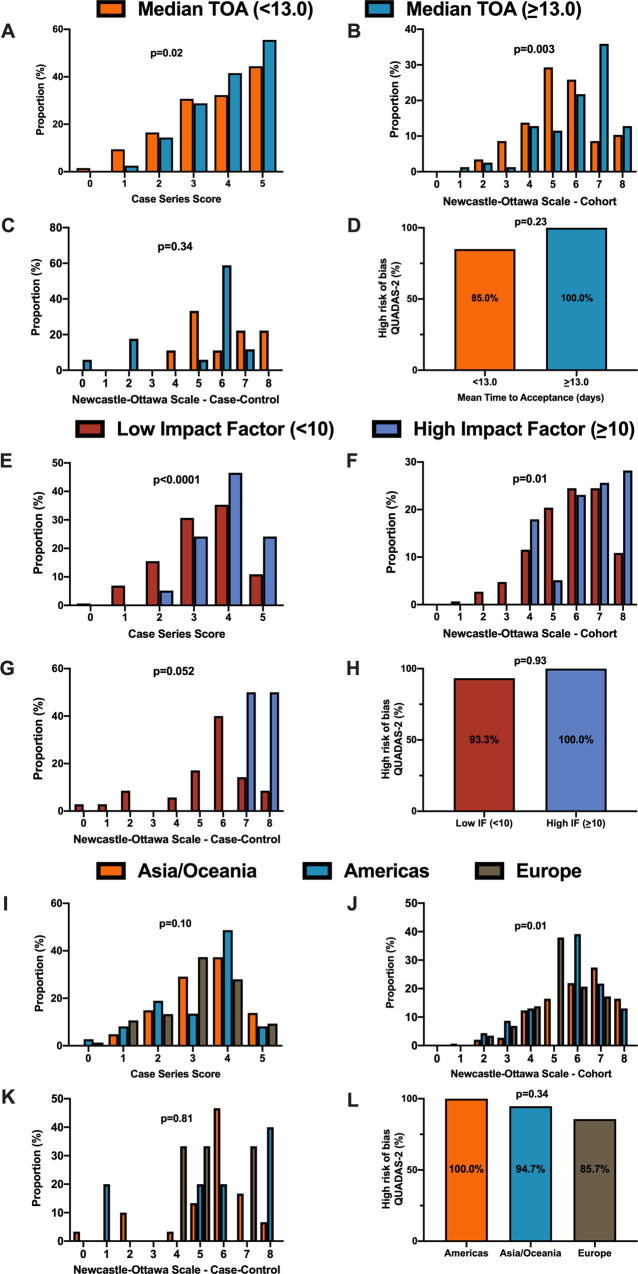
“COVID-19 papers were associated with a lower methodological quality score when published with a shorter time frame and in lower impact factor (IF) journals [31].”
BackgroundVandersteen, C., Plonka, A., Manera, V., Sawchuk, K., Lafontaine, C., Galéry, K., Rouaud, O., Bengaied, N., Launay, C. P., Guérin, O., et al. (2023) · Frontiers in Aging Neuroscience · doi:10.3389/fnagi.2023.1206123 · Cited by 6
“Finally, COVID-19 papers and as such PACS ones, have been part of a larger phenomenon which consists in an increase of COVID-19-related publication numbers, a decrease in review time, and finally, a decline in methodological quality (Jung et al., 2021).”
BackgroundEvaluating perinatal outcomes during a pandemic: A role for living systematic reviews
D'Souza, R. D., Malhamé, I., & Shah, P. S. (2021) · Acta Obstetricia Et Gynecologica Scandinavica · doi:10.1111/aogs.14305 · Cited by 6
Belt, R. V., Rahimi, K., & Cai, Y. S. (2022) · BMJ Open · doi:10.1136/bmjopen-2022-061361 · Cited by 6
van Aert, R. C. M., Nuijten, M. B., Olsson-Collentine, A., Stoevenbelt, A. H., van den Akker, O. R., Klein, R. A., & Wicherts, J. M. (2023) · Royal Society Open Science · doi:10.1098/rsos.202326 · Cited by 6
Alves, C. P. D. L., Segundo, J. D. D. B., da Costa, G. G., Pereira‐Cenci, T., de Lima, K. C., Demarco, F. F., & Crochemore‐Silva, I. (2021) · BMJ Open Science · doi:10.1136/bmjos-2021-100202 · Cited by 6
No brain MRI abnormalities after mild-to-moderate COVID-19: an observational study
Haider, L., Rommer, P. S., Ahmet, I., Dena, A., Thurnher, A. P., Tomassino, E., Bonderman, D., Thalhammer, F., Seidel, S., Berger, T., et al. (2025) · Neuroradiology · doi:10.1007/s00234-025-03586-1 · Cited by 5
Moralisation of medicines: The case of hydroxychloroquine
Lalumera, E. (2023) · European Journal for Philosophy of Science · doi:10.1007/s13194-023-00542-9 · Cited by 6
COVID-19 and the eye: alternative facts The 2022 Bowman Club, David L. Easty lecture
Ung, L., & Chodosh, J. (2022) · BMJ Open Ophthalmology · doi:10.1136/bmjophth-2022-001042 · Cited by 5
Exploring COVID-19 research credibility among Spanish scientists
García‐Garzón, E., Angulo-Brunet, A., Lecuona, O. Z., Barrada, J. R., & Corradi, G. B. (2022) · Current Psychology · doi:10.1007/s12144-022-02797-6 · Cited by 5
Swain, R., Forsyth, F., Bowers, B., Early, F. H., Kuhn, I. L., Shrivastva, S., Tuffnell, R., & Fuld, J. P. (2023) · European Respiratory Review · doi:10.1183/16000617.0031-2023 · Cited by 5
An immunization program against the COVID-19 infodemic
Correia, L. C. L., & Segundo, J. D. D. B. (2020) · Journal of Evidence-Based Healthcare · doi:10.17267/2675-021xevidence.v2i1.3124 · Cited by 5
Ripa, M., & Mastrángelo, A. (2021) · CHEST Journal · doi:10.1016/j.chest.2021.04.053 · Cited by 5
“Caught in the middle of a pandemic, clinicians and researchers struggled to produce high-quality data able to guide the management of this new disease.(1) In this context, the study from Grasselli et al(2) in this issue of CHEST is a virtuous example of a collaborative effort aimed to elucidate clinical features and o…”
COVID‐19 and heart failure: the dark side of the moon
Cannata, A. N., Bromage, D. I., & McDonagh, T. A. (2022) · European Journal of Heart Failure · doi:10.1002/ejhf.2518 · Cited by 5
Retractions of COVID-19-Related Research Publications During and After the Pandemic
Mattoon, E. R., Casadevall, A., & Fang, F. C. (2025) · The Journal of Law Medicine & Ethics · doi:10.1017/jme.2025.33 · Cited by 5
“31 In addition, the urgency of disseminating COVID-19 research may have led authors of COVID-19-related publications to cite fewer sources and write shorter articles overall, leading to the publication of findings with less scientific support.”
Alnaimat, F., AlSamhori, A. R. F., El Sharu, H., Othman, L., Oralbek, A., & Zimba, O. (2025) · Journal of Korean Medical Science · doi:10.3346/jkms.2025.40.e342 · Cited by 4
The importance of rigor in pharmacy research: Challenges and solutions
Gionfriddo, M. R., McClendon, C., Nolfi, D., Kalarchian, M. A., & Covvey, J. R. (2025) · Research in Social and Administrative Pharmacy · doi:10.1016/j.sapharm.2025.02.005 · Cited by 4
Wolfe, H., Shepherd, C., Lee, R., & Oliver-Pyatt, W. (2025) · Journal of Eating Disorders · doi:10.1186/s40337-025-01441-5 · Cited by 4
“Similar methodological constraints were documented in a scoping review of the impacts of COVID-19 on EDs [60] as well as in a systematic review of broader COVID-19 clinical research [61].”
COVID-19 data, mitigation policies and Newcomb–Benford law
Filho, T. M. R., Mendes, J. F. F., Lucio, M. L., & Moret, M. A. (2023) · Chaos Solitons & Fractals · doi:10.1016/j.chaos.2023.113814 · Cited by 4
Corrin, T., & Kennedy, E. B. (2024) · PLoS ONE · doi:10.1371/journal.pone.0314657 · Cited by 5
“In addition, this study showed there were concerns about the studies being poorly conducted and reported, particularly during the beginning of pandemic which has also be documented in the literature [49, 50].”
Sharma, T., Qamar, I., & Zwarenstein, M. (2022) · Journal of Clinical Epidemiology · doi:10.1016/j.jclinepi.2022.10.013 · Cited by 5
Becker, A. (2024) · Learned Publishing · doi:10.1002/leap.1625 · Cited by 4
“Jung et al. ( 2021) found that methodological quality scores for COVID-19 case series and Newcastle – Ottawa Scale scores for COVID-19 case – control and cohort studies were lower and that a greater diagnostic risk of bias (determined using the QUADAS-2 tool, which investigates patient selection,…”
COVID-19: The urgent call for academic research in research ethics
Bommier, C., Stoeklé, H., & Hervé, C. (2021) · Ethics Medicine and Public Health · doi:10.1016/j.jemep.2021.100679 · Cited by 4
“…worldwide to evaluate their scientists on a quantitative model: number of articles published, number of citations. funding goes to the researchers with the highest number of articles and citations, this has favored the publication of a large number of articles at the expense of their quality [1].”
Diagnostic accuracy of non-invasive SARS-CoV-2 screening tests: a national prospective analysis
Althaus, T., Blake, A., Costantini, A., Lavagna, C., Jacquesson, E., Groshenry, G., Troel, A., Vanzo, B., Dejoux, O., Raps, H., et al. (2025) · BMC Infectious Diseases · doi:10.1186/s12879-025-11088-x · Cited by 3
“Lastly, studies gathered a limited number of confirmed SARS-CoV-2 cases, while relying on small sample sizes without a priori sample size calculation, which is a frequent bias in COVID-19 clinical research [15–17].”
The New Modern Medicine: Disease, Evidence, and Epidemiological Medicine
Fuller, J. (2025) · doi:10.1093/9780190066178.001.0001 · Cited by 7
Metadata
- Authors
- Jung, R. G., Di Santo, P., Clifford, C., Prosperi-Porta, G., Skanes, S., Hung, A., Parlow, S., Visintini, S., Ramirez, F. D., Simard, T., & Hibbert, B.
- Affiliations
- University of Ottawa (CA)
- Ottawa Hospital (CA)
- Ottawa Heart Institute (CA)
- Université de Bordeaux (FR)
- Mayo Clinic (US)
- Corresponding author
- Hibbert, Benjamin
- Venue
- Nature Communications
- Published
- 2021-02-11
- Volume
- 12
- Issue
- 1
- Pages
- 943-943
- ISSN
- 2041-1723 (ISSN-L)
- PMC
- PMC7878793
- OpenAlex
- W3128106047
- Cited by
- 189
- References
- 54
- Citations by year
- 2026: 4 · 2025: 35 · 2024: 20 · 2023: 41 · 2022: 50 · 2021: 37
- FWCI
- 7.21
- Type
- journal article
- Language
- en
- Open access
- gold
- doi.org
- Licence
- cc-by
- creativecommons.org/licenses/by/4.0 (tdm)
- creativecommons.org/licenses/by/4.0 (vor)
- Locations
- Nature Communications (publishedVersion, cc-by)
- medRxiv (acceptedVersion)
- PubMed Central (publishedVersion, cc-by)
- PubMed (publishedVersion)
- RePEc: Research Papers in Economics (submittedVersion)
- DOAJ (DOAJ: Directory of Open Access Journals) (submittedVersion, cc-by-sa)
- Funders
- Royal College of Physicians and Surgeons of Canada
- Canadian Institutes of Health Research
- Topics
- Social Sciences › Library and Information Sciences › Academic Publishing and Open Access
- Social Sciences › Decision Sciences › Statistics, Probability and Uncertainty › Meta-analysis and systematic reviews
- Health Sciences › Medicine › Infectious Diseases › COVID-19 Clinical Research Studies
- Keywords
- COVID-19 pandemic, methodological quality, clinical research, scientific rigor, time to publication, peer review, historical controls
- MeSH terms
- Clinical Studies as Topic, Data Accuracy, COVID-19, Animals, Humans, Periodicals as Topic, Research Design, Time Factors, Peer Review, Research, Pandemics
About these checks
Registry, retraction, Cites and statistics results are computed, not judged, with one exception: a printed reference that no index lists is read once by a model before it counts as a citation error. Claims are extracted by a model and kept only when their quote appears verbatim in the text; each cited source is then checked, with a model’s help, for whether it says what the claim relies on. Those verdicts can be wrong — read the claim’s quote and the cited source before relying on one.
Statistics and arithmetic are recomputed, not judged.
Confidence bands are shown only for fields calibrated on our annotated test set. None is calibrated yet, so no band is shown.
What counts as a claim ›How we measure confidence ›How we check this ›
Are you an author, or do you see a problem with this page? Request a review
Data sources
Bibliographic data: Semantic Scholar, OpenAlex, Crossref.
Contains information from the Semantic Scholar Academic Graph Datasets, made available under the ODC Attribution License (ODC-BY 1.0).
Semantic Scholar’s data is described in: Kinney, R., et al. (2023). The Semantic Scholar Open Data Platform. arXiv:2301.10140.
