

Androgen signaling uses a writer and a reader of ADP-ribosylation to regulate protein complex assembly
Open accessThe DOI matches its Crossref record; 60 of the 60 references it cites were found in a registry or an index.
Abstract
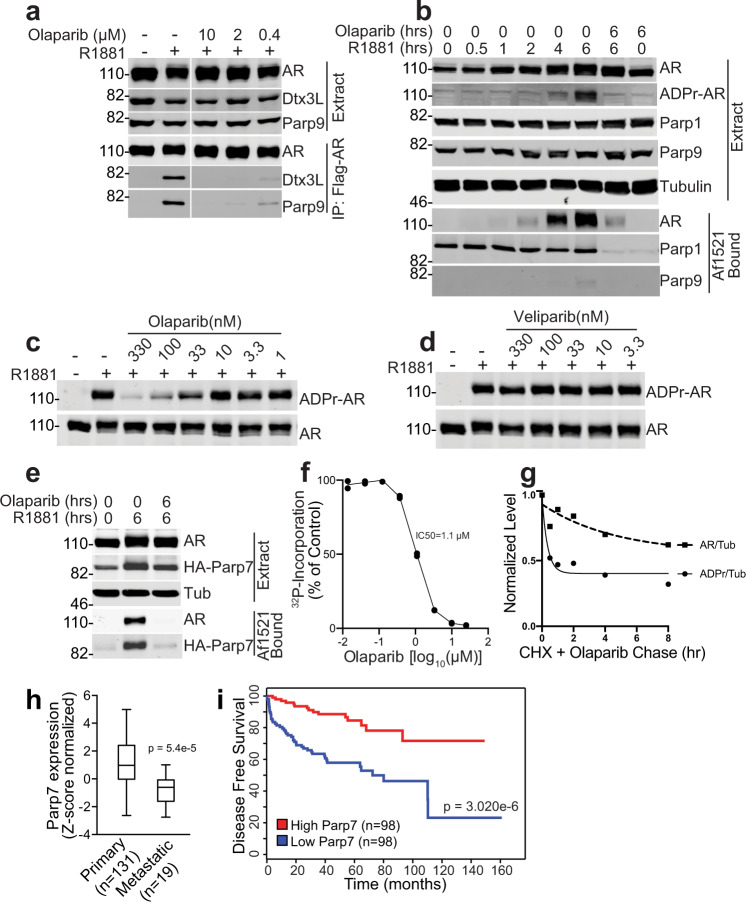
Androgen signaling through the androgen receptor (AR) directs gene expression in both normal and prostate cancer cells. Androgen regulates multiple aspects of the AR life cycle, including its localization and post-translational modification, but understanding how modifications are read and integrated with AR activity has been difficult. Here, we show that ADP-ribosylation regulates AR through a nuclear pathway mediated by Parp7. We show that Parp7 mono-ADP-ribosylates agonist-bound AR, and that ADP-ribosyl-cysteines within the N-terminal domain mediate recruitment of the E3 ligase Dtx3L/Parp9. Molecular recognition of ADP-ribosyl-cysteine is provided by tandem macrodomains in Parp9, and Dtx3L/Parp9 modulates expression of a subset of AR-regulated genes. Parp7, ADP-ribosylation of AR, and AR-Dtx3L/Parp9 complex assembly are inhibited by Olaparib, a compound used clinically to inhibit poly-ADP-ribosyltransferases Parp1/2. Our study reveals the components of an androgen signaling axis that uses a writer and reader of ADP-ribosylation to regulate protein-protein interactions and AR activity.
Overview
The claims and statistics of this paper haven’t been checked yet.
Free: it reads the open-access text and checks the first 5 claims that cite a source we can check. Create a free account to check every claim.
Integrity signals
Registry
Cites
Statistics
Figures
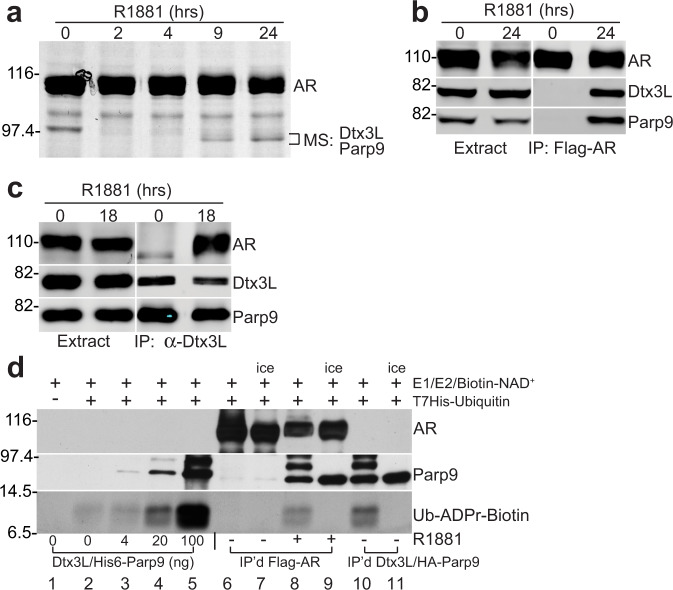
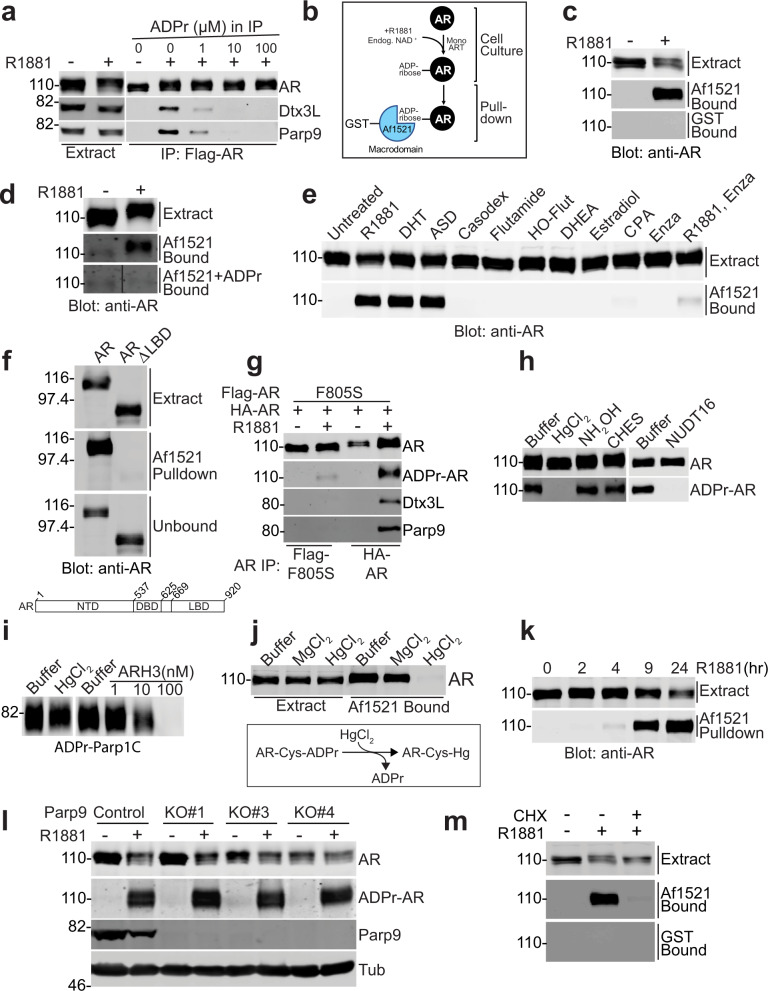
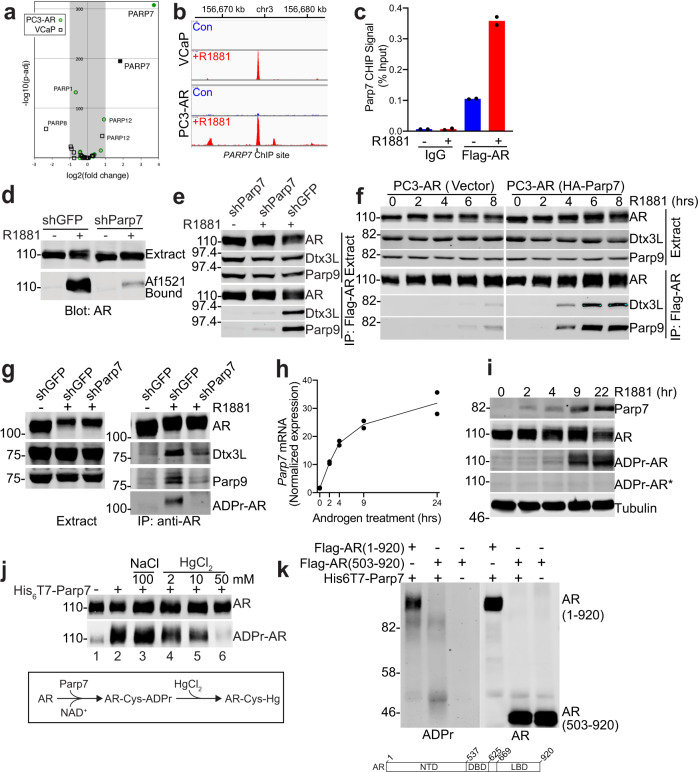
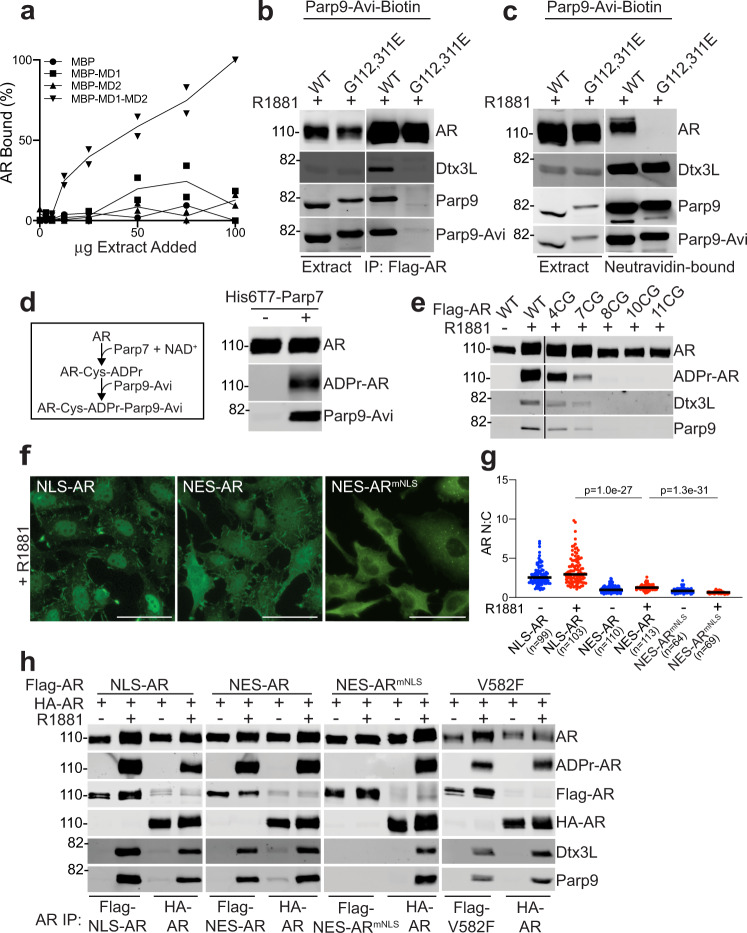
Verification
Claims the paper makes
The claims and statistics of this paper haven’t been checked yet.
Free: it reads the open-access text and checks the first 5 claims that cite a source we can check. Create a free account to check every claim.
Self-check
Percentages, sums and reported differences re-computed from the paper’s own numbers.
The self-check needs the paper’s full text.
Citations
Cites
Moderated estimation of fold change and dispersion for RNA-seq data with DESeq2
Love, M. I., Huber, W., & Anders, S. (2014) · Genome Biology · doi:10.1186/s13059-014-0550-8 · Cited by 95,106
Cerami, E., Gao, J., Dogrusoz, U., Gross, B. E., Sumer, S. O., Aksoy, B. A., Jacobsen, A., Byrne, C. J., Heuer, M. L., Larsson, E., et al. (2012) · Cancer Discovery · doi:10.1158/2159-8290.cd-12-0095 · Cited by 17,455
Integrative Analysis of Complex Cancer Genomics and Clinical Profiles Using the cBioPortal
Gao, J., Aksoy, B. A., Dogrusoz, U., Dresdner, G., Gross, B., Sumer, S. O., Sun, Y., Jacobsen, A., Sinha, R., Larsson, E., et al. (2013) · Science Signaling · doi:10.1126/scisignal.2004088 · Cited by 15,160
Salmon provides fast and bias-aware quantification of transcript expression
Patro, R., Duggal, G., Love, M. I., Irizarry, R. A., & Kingsford, C. (2017) · Nature Methods · doi:10.1038/nmeth.4197 · Cited by 12,700
Targeting the DNA repair defect in BRCA mutant cells as a therapeutic strategy
Farmer, H., McCabe, N., Lord, C. J., Tutt, A. N. J., Johnson, D. A., Richardson, T. B., Santarosa, M., Dillon, K. J., Hickson, I., Knights, C., et al. (2005) · Nature · doi:10.1038/nature03445 · Cited by 6,683
Specific killing of BRCA2-deficient tumours with inhibitors of poly(ADP-ribose) polymerase
Bryant, H. E., Schultz, N., Thomas, H. D., Parker, K. M., Flower, D., Lopez, E., Kyle, S., Meuth, M., Curtin, N. J., & Helleday, T. (2005) · Nature · doi:10.1038/nature03443 · Cited by 5,198
Integrative Genomic Profiling of Human Prostate Cancer
Taylor, B. S., Schultz, N., Hieronymus, H., Gopalan, A., Xiao, Y., Carver, B. S., Arora, V. K., Kaushik, P., Cerami, E., Reva, B., et al. (2010) · Cancer Cell · doi:10.1016/j.ccr.2010.05.026 · Cited by 3,701
Emerging mechanisms of resistance to androgen receptor inhibitors in prostate cancer
Watson, P. A., Arora, V. K., & Sawyers, C. L. (2015) · Nature Reviews Cancer · doi:10.1038/nrc4016 · Cited by 1,536
The androgen receptor fuels prostate cancer by regulating central metabolism and biosynthesis
Massie, C. E., Lynch, A., Ramos‐Montoya, A., Boren, J., Stark, R., Fazli, L., Warren, A., Scott, H., Madhu, B., Sharma, N., et al. (2011) · The EMBO Journal · doi:10.1038/emboj.2011.158 · Cited by 624
Chemistry and Structural Biology of Androgen Receptor
Gao, W., Bohl, C. E., & Dalton, J. T. (2005) · Chemical Reviews · doi:10.1021/cr020456u · Cited by 528
Cited by
ADP-ribosylation from molecular mechanisms to therapeutic implications
Suskiewicz, M. J., Prokhorova, E., Rack, J. G. M., & Ahel, I. (2023) · Cell · doi:10.1016/j.cell.2023.08.030 · Cited by 189
PARPs and ADP-ribosylation: Deciphering the complexity with molecular tools
Dasovich, M., & Leung, A. K. L. (2023) · Molecular Cell · doi:10.1016/j.molcel.2023.04.009 · Cited by 79
PARP14 and PARP9/DTX3L regulate interferon-induced ADP-ribosylation
Kar, P., Chatrin, C., Đukić, N., Suyari, O., Schuller, M., Zhu, K., Prokhorova, E. A., Bigot, N., Baretić, D., Ahel, J., et al. (2024) · The EMBO Journal · doi:10.1038/s44318-024-00126-0 · Cited by 71
“However, the macrodomains of PARP9 were also proposed as Cys-ADPr readers (Yang et al, 2021) and a viral dsRNA sensor (Xing et al, 2021).”
PARP14 is regulated by the PARP9/DTX3L complex and promotes interferon γ-induced ADP-ribosylation
Ribeiro, V. C., Russo, L. C., & Hoch, N. C. (2024) · The EMBO Journal · doi:10.1038/s44318-024-00125-1 · Cited by 44
“…currently unclear, although PARP9 and DTX3L have been shown to regulate DNA damage signalling (Yan et al, 2013), proteasomal degradation of viral proteins (Zhang et al, 2015) and activation of the androgen receptor (Yang et al, 2021), among other functions (Vela-Rodríguez and Lehtiö, 2022).”
BackgroundPARP7 mono-ADP-ribosylates the agonist conformation of the androgen receptor in the nucleus
Kamata, T., Yang, C., & Paschal, B. M. (2021) · Biochemical Journal · doi:10.1042/bcj20210378 · Cited by 36
Self-citationIntracellular mono-ADP-ribosyltransferases at the host–virus interphase
Lüscher, B., Verheirstraeten, M., Krieg, S., & Korn, P. (2022) · Cellular and Molecular Life Sciences · doi:10.1007/s00018-022-04290-6 · Cited by 35
“The PARP7 catalyzed MARylation of AHR is read by PARP9/DTX3L, which contributes to deregulated expression of a subset of AHR target genes [185].”
BackgroundPARP7 as a new target for activating anti-tumor immunity in cancer
Popova, K., Benedum, J., Engl, M., Lütgendorf‐Caucig, C., Fossati, P., Widder, J., Podar, K., & Slade, D. (2025) · EMBO Molecular Medicine · doi:10.1038/s44321-025-00214-6 · Cited by 26
“A distinct AR-PARP7 signaling axis has been elucidated, where PARP7 acts as an ADPr writer, and PARP9 in a complex with the histone E3 ubiquitin ligase DTX3L acts as a reader (Yang et al, 2021).”
PARP7 inhibits type I interferon signaling to prevent autoimmunity and lung disease
Jeltema, D., Knox, K., Dobbs, N., Tang, Z., Xing, C., Araszkiewicz, A. M., Yang, K., Siordia, I. R., Matthews, J. B., Cohen, M. S., et al. (2025) · The Journal of Experimental Medicine · doi:10.1084/jem.20241184 · Cited by 24
“…other studies demonstrating that PARP7 acts on transcription factors that induce its expression, including aryl hydrocarbon receptor (MacPherson et al., 2013), estrogen receptor (Rasmussen et al., 2021), androgen receptor (Yang et al., 2021), and hypoxia-inducible factor-1 α (Zhang et al., 2020).”
Aflatounian, A., Paris, V. R., Richani, D., Edwards, M. C., Cochran, B. J., Ledger, W. L., Gilchrist, R. B., Bertoldo, M. J., Wu, L. E., & Walters, K. A. (2022) · Molecular Metabolism · doi:10.1016/j.molmet.2022.101583 · Cited by 23
“Androgen receptor signalling is ablated by PARP1 inhibition [59], the androgen receptor also interacts with PARP2 to regulate gene expression [29], and androgen receptor signalling induces the production of PARP7, which acts with PARP9 to mediate androgen receptor signalling [74].”
BackgroundActivities and binding partners of E3 ubiquitin ligase DTX3L and its roles in cancer
Vela‐Rodríguez, C., & Lehtiö, L. (2022) · Biochemical Society Transactions · doi:10.1042/bst20220501 · Cited by 24
Functional roles of ADP-ribosylation writers, readers and erasers
Li, P., Lei, Y., Jia, Q., Liu, W., & Yao, K. (2022) · Frontiers in Cell and Developmental Biology · doi:10.3389/fcell.2022.941356 · Cited by 33
“PARP9/ DTX3L complex has dual activities (E3 and ADPribosyltransferase activities) (Takeyama et al., 2003; Yang C. et al., 2017; Yang et al., 2021) and both activities are observed in ubiquitin processing (Yang C.”
BackgroundInduction of PARP7 Creates a Vulnerability for Growth Inhibition by RBN2397 in Prostate Cancer Cells
Yang, C., Wierbiłowicz, K., Dworak, N. M., Bae, S. Y., Tengse, S. B., Abianeh, N., Drake, J. M., Abbas, T., Ratan, A., Wotton, D., et al. (2023) · Cancer Research Communications · doi:10.1158/2767-9764.crc-23-0086 · Cited by 22
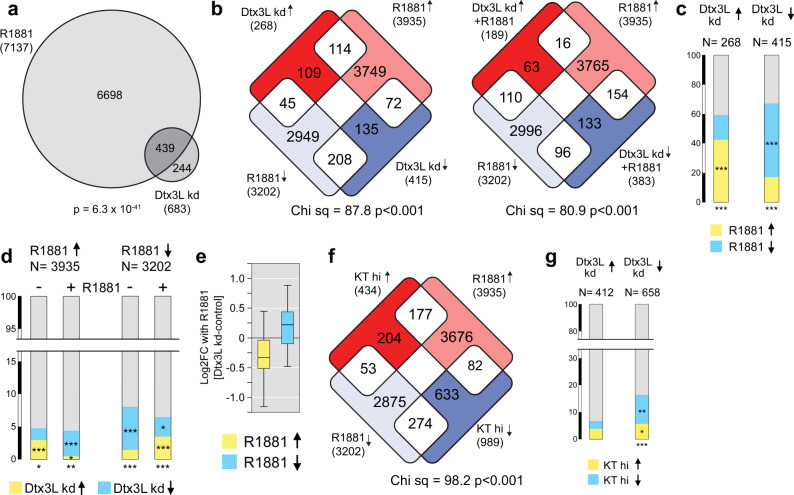
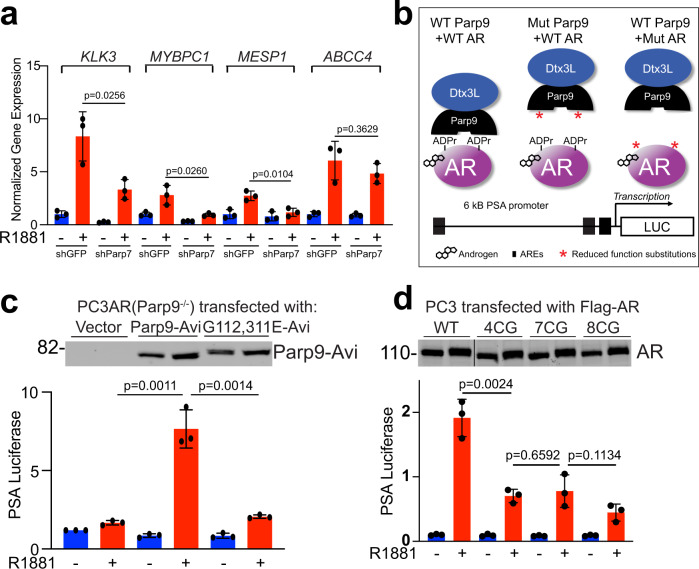
“Depletion of DTX3L affects the expression of a subset of AR-regulated genes (8), suggesting PARP7 and assembly of the complex has a regulatory role for AR-mediated transcription.”
InfluentialSelf-citationYang, W., Ramadan, S., Zu, Y., Sun, M., Huang, X., & Yu, B. (2024) · Natural Product Reports · doi:10.1039/d4np00017j · Cited by 19
Wu, H., Lu, A., Yuan, J., Yu, Y., Lv, C., & Lu, J. (2024) · Cell Death Discovery · doi:10.1038/s41420-024-01994-5 · Cited by 23
“In addition, PARP7 was reported to MARylate androgen receptor (AR) on its multiple cysteine residues to restrain AR-signaling in prostate cancer cells [114, 115].”
BackgroundHao, W., Jialong, Z., Jiuzhi, Y., Yang, Y. S., Lv, C., & Jin-cai, L. (2024) · Ageing Research Reviews · doi:10.1016/j.arr.2024.102347 · Cited by 15
“In addition, PARP7 was reported to MARylate androgen receptor (AR) on its multiple cysteine residues to restrain AR-signaling in prostate cancer cells (Kamata et al., 2021; Yang et al., 2021).”
Wijngaarden, S., Yang, C., Vela‐Rodríguez, C., Lehtiö, L., Overkleeft, H. S., Paschal, B. M., & Filippov, D. V. (2023) · ACS Chemical Biology · doi:10.1021/acschembio.3c00305 · Cited by 12
Self-citationZhang, J., Zhou, X., Fan, Y., Zhang, J., & Li, Q. (2024) · Cancer Cell International · doi:10.1186/s12935-024-03223-6 · Cited by 12
“Literature indicates TIPARP can suppress Warburg effect and tumorigenesis by inhibiting HIF-1 [44], exhibits tight regulation by AR signaling in prostate cancer [45, 46], and correlates with antitumor immunity .”
BackgroundPARP7 Inhibitors and AHR Agonists Act Synergistically across a Wide Range of Cancer Models
Chen, H., Gou, X., Mao, Y. Y., O’Leary, P. C., Diolaiti, M. E., & Ashworth, A. (2024) · Molecular Cancer Therapeutics · doi:10.1158/1535-7163.mct-24-0211 · Cited by 17
Use of PARP inhibitors in prostate cancer: from specific to broader application
Zhang, Z., Diao, L., Zhang, C., Wang, F., Guan, X., & Yao, X. (2023) · Frontiers in Endocrinology · doi:10.3389/fendo.2023.1164067 · Cited by 15
“In addition to PARP1/2 enzymes, recent studies also found that ADP-ribosylation regulated AR signaling through PARP7-mediated nuclear pathways (37), and AR signaling also controlled PARP7 post-transcriptional regulation in PC cells (39).”
BackgroundMorone, B., & Grimaldi, G. (2024) · Expert Reviews in Molecular Medicine · doi:10.1017/erm.2024.13 · Cited by 11
“17).”
Parp7 generates an ADP-ribosyl degron that controls negative feedback of androgen signaling
Wierbiłowicz, K., Yang, C., Almaghasilah, A., Wesołowski, P. A., Pracht, P., Dworak, N. M., Masur, J., Wijngaarden, S., Filippov, D. V., Wales, D. J., et al. (2025) · The EMBO Journal · doi:10.1038/s44318-025-00510-4 · Cited by 16
“In a previous study, we showed that PARP7 expression is lower in metastatic tumors compared to primary tumors, and the difference is greater for AR + metastatic tumors (Yang et al, 2021).”
InfluentialSelf-citationGenomic analyses of the metastasis‐derived prostate cancer cell lines LNCaP, VCaP, and PC3‐AR
Sienkiewicz, K., Yang, C., Paschal, B. M., & Ratan, A. (2021) · The Prostate · doi:10.1002/pros.24290 · Cited by 10
Self-citationGorelik, A., Paulo, J. A., Schroeter, C. B., Lad, M., Shurr, A., Mastrokalou, C., Siddiqi, S., Suyari, O., Brognard, J., Walter, D., et al. (2025) · Proceedings of the National Academy of Sciences · doi:10.1073/pnas.2424985122 · Cited by 9
“AR is ADP - ribosylated by PARP7 on multiple cysteine residues which modulate AR transcriptional activity via a PARP9/DTX3L recruitment complex that may act as a reader of Cys - ADPr ( 21 ).”
Vela‐Rodríguez, C., Yang, C., Alanen, H. I., Eki, R., Abbas, T., Maksimainen, M. M., Glumoff, T., Duman, R., Wagner, A., Paschal, B. M., et al. (2024) · Protein Science · doi:10.1002/pro.4945 · Cited by 10
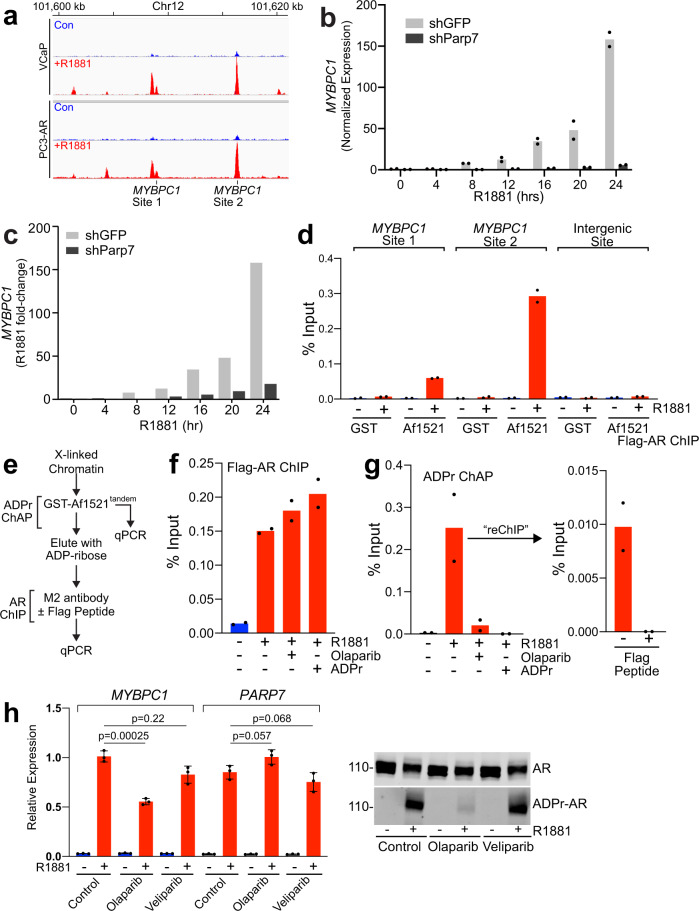
“Other procedures were conducted at 4 C. Flag-AR was immunoprecipitated onto magnetic M2-beads from R1881 (2 nM, 6 h)-treated PC3-AR (HA-PARP7) cells in the cell extraction buffer supplemented with 0.5 mM ADPr to deplete bound DTX3L-PARP9 from the cells, and the beads were rinsed twice with the extraction buffer + 10 m…”
BackgroundMethodInfluentialSelf-citationQiu, F., Wang, J., Huang, K., Shang, T., Wang, C., Yan, W., Xu, Y., & Gu, H. (2025) · Journal of Medicinal Chemistry · doi:10.1021/acs.jmedchem.5c01335 · Cited by 7
A carboxy-terminal ubiquitylation site regulates androgen receptor activity
Arai, S., Gao, Y., Yu, Z., Xie, L., Wang, L., Zhang, T., Nouri, M., Chen, S., Asara, J. M., & Balk, S. P. (2024) · Communications Biology · doi:10.1038/s42003-023-05709-x · Cited by 6
Androgen receptor post-translational modifications and their implications for pathology
Montoya-Novoa, I., Gardeazábal-Torbado, J. L., Alegre‐Martí, A., Fuentes‐Prior, P., & Estébanez‐Perpiñá, E. (2024) · Biochemical Society Transactions · doi:10.1042/bst20231082 · Cited by 4
ADP-ribosylation of NuMA promotes DNA single-strand break repair and transcription
Abugable, A. A., Liao, C., Antar, S., Dowson, M., & El‐Khamisy, S. F. (2025) · Cell Reports · doi:10.1016/j.celrep.2025.115737 · Cited by 5
Jiang, L., Mu, H., Huixia, X., Zhu, F., Zhao, X., & Yongxia, W. (2025) · International Journal of Biological Macromolecules · doi:10.1016/j.ijbiomac.2025.146194 · Cited by 6
PARP7 is a proteotoxic stress sensor that labels proteins for degradation
Ikenga, N. J., Vervoorts, J., Lüscher, B., Žaja, R., & Feijs, K. L. H. (2025) · The EMBO Journal · doi:10.1038/s44318-025-00545-7 · Cited by 5
“It has been shown that the macrodomains of PARP9 can recruit it to proteins modi fi ed by PARP7, which will in turn bring in its interaction partner ubiquitin E3 ligase deltex 3 (DTX3L) (Juszczynski et al, 2006; Yang et al, 2021).”
Wang, C., Mao, N., Xu, Y., Du, B.-Q., He, M., Garrido, C., Lirussi, F., Gao, Y., & Ye, X. (2025) · Biochemical Pharmacology · doi:10.1016/j.bcp.2025.117618 · Cited by 3
NAD+ sensing by PARP7 regulates the C/EBPβ-dependent transcription program during adipogenesis
Stokes, M. S., Kim, Y. J., Kim, Y., Koul, S., Chiu, S.-P., Liu, C., Dasovich, M., Zuniga, J., Nandu, T. S., Huang, D., et al. (2026) · Cell Reports · doi:10.1016/j.celrep.2026.116929 · Cited by 6
Pathological and physiological roles of ADP-ribosylation: established functions and new insights
Feijs, K. L. H., Ikenga, N. J., & Žaja, R. (2024) · Biological Chemistry · doi:10.1515/hsz-2024-0057 · Cited by 5
Rodriguez, L., Wu, R., Kassi, A., Ishikawa, T., & Takabe, K. (2026) · Annals of Surgical Oncology · doi:10.1245/s10434-026-19133-y · Cited by 2
Vela‐Rodríguez, C., Yang, C., Alanen, H. I., Eki, R., Abbas, T., Maksimainen, M. M., Glumoff, T., Duman, R., Wagner, A., Paschal, B. M., et al. (2023) · bioRxiv (Cold Spring Harbor Laboratory) · doi:10.1101/2023.11.29.569193 · Cited by 2
Self-citationMono-ADP-ribosylating PARP enzymes in cellular signaling and disease
Paola, S. D., Grimaldi, G., & Corda, D. (2025) · Journal of Cell Science · doi:10.1242/jcs.263963 · Cited by 5
“The PARP9 – DTX3L complex also modulates AR activity and expression of its target genes, further supporting its oncogenic role (Yang et al., 2021).”
Yang, C., Shang, Y., Li, X., Li, J., Li, H., & Han, J. (2025) · Journal of Enzyme Inhibition and Medicinal Chemistry · doi:10.1080/14756366.2025.2598478 · Cited by 2
Self-citationAlwadi, D., Felty, Q. H., Doke, M., Roy, D., Yoo, C., & Deoraj, A. (2025) · International Journal of Molecular Sciences · doi:10.3390/ijms26125463 · Cited by 1
“…following RNA-seq datasets that fit the criteria were identified and downloaded from GEO: GSE70466 [63], GSE151290 [64], GSE128749 [65], GSE120660 [66], GSE135879 [67], GSE136272 [68], GSE218556 [69], GSE64529 [70], GSE5590 [71], GSE128339 [72], GSE109021 [73], GSE200879 [74], GSE103512 [49],…”
Yang, C., Wierbiłowicz, K., Dworak, N. M., Bae, S. Y., Tengse, S. B., Abianeh, N., Drake, J. M., Abbas, T., Ratan, A., Wotton, D., et al. (2023) · doi:10.1158/2767-9764.c.6551248.v1
Self-citationYang, C., Wierbiłowicz, K., Dworak, N. M., Bae, S. Y., Tengse, S. B., Abianeh, N., Drake, J. M., Abbas, T., Ratan, A., Wotton, D., et al. (2023) · doi:10.1158/2767-9764.c.6551248
Self-citationZhang, J., Zhou, X., Fan, Y., Zhang, J., & Li, Q. (2024) · Figshare · doi:10.6084/m9.figshare.25017757
Zhang, J., Zhou, X., Yao, F., Zhang, J., & Li, Q. (2024) · Figshare · doi:10.6084/m9.figshare.26668869
Zhang, J., Zhou, X., Yao, F., Zhang, J., & Li, Q. (2024) · Figshare · doi:10.6084/m9.figshare.25017957
Investigating the functions and molecular mechanisms of DTX3L in cancer progression
Mu, H., Han, M., Hu, H., Xu, X., Wang, H., Zhu, F., Wu, Y., Jiang, L., & Chen, Y. (2026) · Frontiers in Oncology · doi:10.3389/fonc.2026.1785147
“Olaparib inhibits this androgen-induced AR-DTX3L/PARP9 complex formation (44).”
ADP ‐ribosylation: An emerging regulator of the epigenome
Camacho, C. V., Liu, C., & Kraus, W. L. (2026) · Molecular Oncology · doi:10.1002/1878-0261.70317 · Cited by 1
“Similarly, in androgen receptor signaling, ADPRylation promotes the assembly of transcriptional coregulatory complexes through coordinated interactions between ADPR ‘writers’ and ‘readers’ [62].”
Nivaggioli, S., Nguyen, H. H., Harker, K. K., Mohr, C. M., Wood, J., Dupen, M., Javed, Z., Karjalainen, N., Yousefpor, V., Reddy, A. P., et al. (2026) · Molecular & Cellular Proteomics · doi:10.1016/j.mcpro.2026.101666
“Part of the challenge stems from the fact that at least nine different amino acids have been described as ADPr acceptors (Glu, Asp, tyrosine, serine, threonine, cysteine, histidine (His), arginine, and lysine) (10, 47–53).”
Regulation of chromatin structure and function by adenosine diphosphate (ADP)-ribosylation
Huang, D., Edwards, A. D., & Kraus, W. L. (2026) · Elsevier eBooks · doi:10.1016/b978-0-443-19001-8.00007-6
Metadata
- Authors
- Yang, C.-S., Jividen, K., Kamata, T., Dworak, N., Oostdyk, L., Remlein, B., Pourfarjam, Y., Kim, I.-K., Du, K.-P., Abbas, T., Sherman, N. E., Wotton, D., & Paschal, B. M.
- Affiliations
- University of Virginia (US)
- University of Cincinnati (US)
- Corresponding author
- Paschal, Bryce M.
- ORCID
- Venue
- Nature Communications
- Published
- 2021-05-11
- Volume
- 12
- Issue
- 1
- Pages
- 2705-2705
- ISSN
- 2041-1723 (ISSN-L)
- PMC
- PMC8113490
- OpenAlex
- W3161788674
- Semantic Scholar
- 877c635b3f03bd9614a74c73e1db37468d7170f1
- Cited by
- 44
- References
- 60
- Citations by year
- 2026: 6 · 2025: 12 · 2024: 12 · 2023: 8 · 2022: 4 · 2021: 2
- FWCI
- 4.69
- Type
- journal article
- Language
- en
- Open access
- gold
- doi.org
- Licence
- cc-by
- creativecommons.org/licenses/by/4.0 (tdm)
- creativecommons.org/licenses/by/4.0 (vor)
- Locations
- Nature Communications (publishedVersion, cc-by)
- PubMed Central (publishedVersion, cc-by)
- PubMed (publishedVersion)
- RePEc: Research Papers in Economics (submittedVersion)
- DOAJ (DOAJ: Directory of Open Access Journals) (submittedVersion, cc-by-sa)
- Funders
- Johns Hopkins University
- National Institutes of Health
- National Cancer Institute (R01CA214872, T32CA009109)
- National Institute of General Medical Sciences (R01GM135376)
- Topics
- Life Sciences › Biochemistry, Genetics and Molecular Biology › Cancer Research › Prostate Cancer Treatment and Research
- Health Sciences › Medicine › Oncology › PARP inhibition in cancer therapy
- Life Sciences › Biochemistry, Genetics and Molecular Biology › Endocrinology › Estrogen and related hormone effects
- Keywords
- androgen receptor, ADP-ribosylation, PARP7, PARP9, DTX3L, mono-ADP-ribosylation, E3 ubiquitin ligase, protein complex formation, androgen signaling, prostate cancer, olaparib, post-translational modification
- MeSH terms
- Poly(ADP-ribose) Polymerase Inhibitors, Poly (ADP-Ribose) Polymerase-1, ADP-Ribosylation, Adenocarcinoma, Antineoplastic Agents, Humans, Male, Neoplasm Proteins, Phthalazines, Piperazines, Poly(ADP-ribose) Polymerases, Prostatic Neoplasms, Protein Processing, Post-Translational, Receptors, Androgen, Signal Transduction, Metribolone, Gene Expression Regulation, Neoplastic, Survival Analysis, Protein Isoforms, Cell Line, Tumor
About these checks
Registry, retraction, Cites and statistics results are computed, not judged, with one exception: a printed reference that no index lists is read once by a model before it counts as a citation error. Claims are extracted by a model and kept only when their quote appears verbatim in the text; each cited source is then checked, with a model’s help, for whether it says what the claim relies on. Those verdicts can be wrong — read the claim’s quote and the cited source before relying on one.
Statistics and arithmetic are recomputed, not judged.
Confidence bands are shown only for fields calibrated on our annotated test set. None is calibrated yet, so no band is shown.
What counts as a claim ›How we measure confidence ›How we check this ›
Are you an author, or do you see a problem with this page? Request a review
Data sources
Bibliographic data: Semantic Scholar, OpenAlex, Crossref.
Contains information from the Semantic Scholar Academic Graph Datasets, made available under the ODC Attribution License (ODC-BY 1.0).
Semantic Scholar’s data is described in: Kinney, R., et al. (2023). The Semantic Scholar Open Data Platform. arXiv:2301.10140.
