

Impact of aging and exercise on skeletal muscle mitochondrial capacity, energy metabolism, and physical function
Open accessThe DOI matches its Crossref record; 71 of the 71 references it cites were found in a registry or an index.
Abstract
The relationship between the age-associated decline in mitochondrial function and its effect on skeletal muscle physiology and function remain unclear. In the current study, we examined to what extent physical activity contributes to the decline in mitochondrial function and muscle health during aging and compared mitochondrial function in young and older adults, with similar habitual physical activity levels. We also studied exercise-trained older adults and physically impaired older adults. Aging was associated with a decline in mitochondrial capacity, exercise capacity and efficiency, gait stability, muscle function, and insulin sensitivity, even when maintaining an adequate daily physical activity level. Our data also suggest that a further increase in physical activity level, achieved through regular exercise training, can largely negate the effects of aging. Finally, mitochondrial capacity correlated with exercise efficiency and insulin sensitivity. Together, our data support a link between mitochondrial function and age-associated deterioration of skeletal muscle.
Overview
The claims and statistics of this paper haven’t been checked yet.
Free: it reads the open-access text and checks the first 5 claims that cite a source we can check. Create a free account to check every claim.
Integrity signals
Registry
Cites
Statistics
Figures
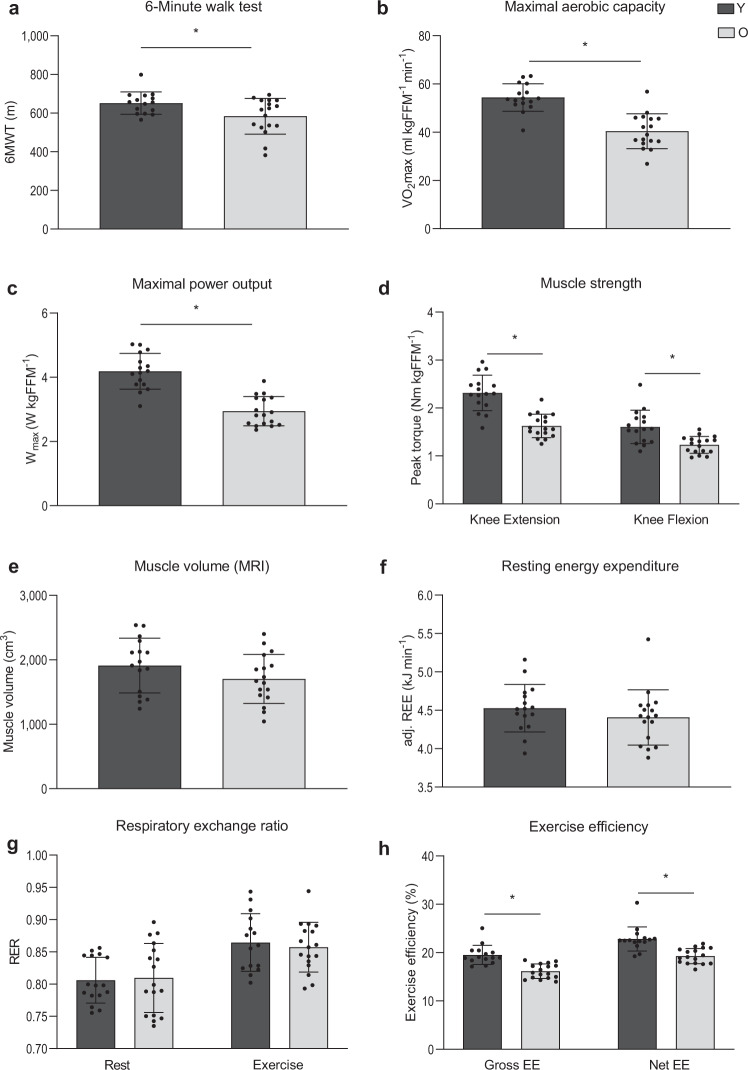
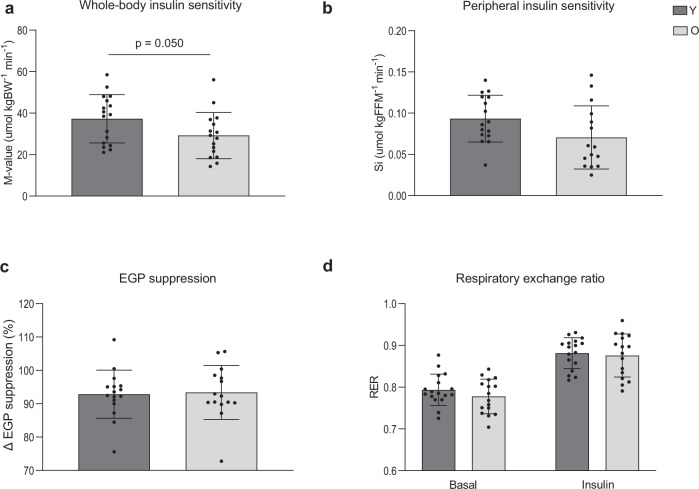
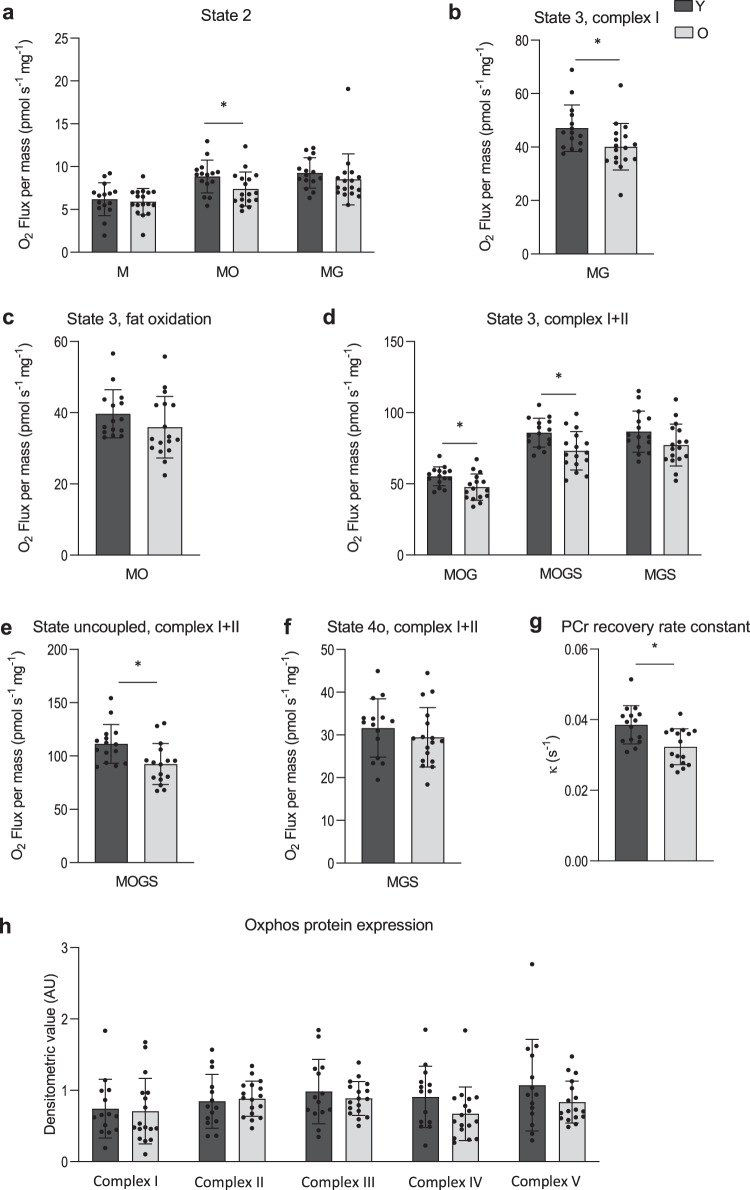
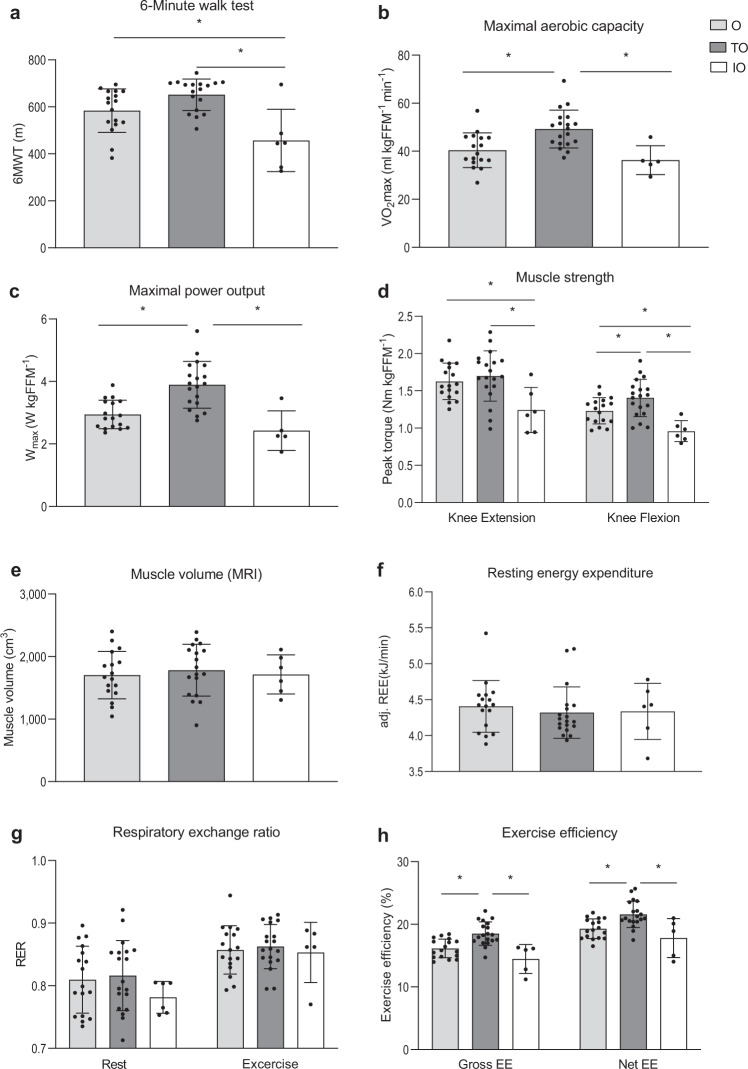
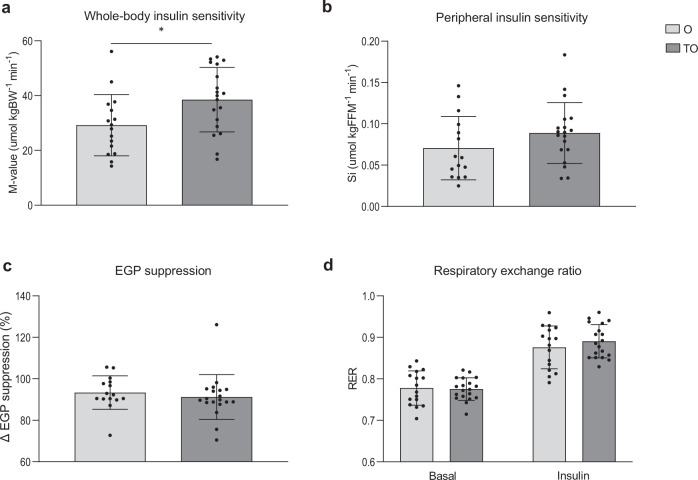
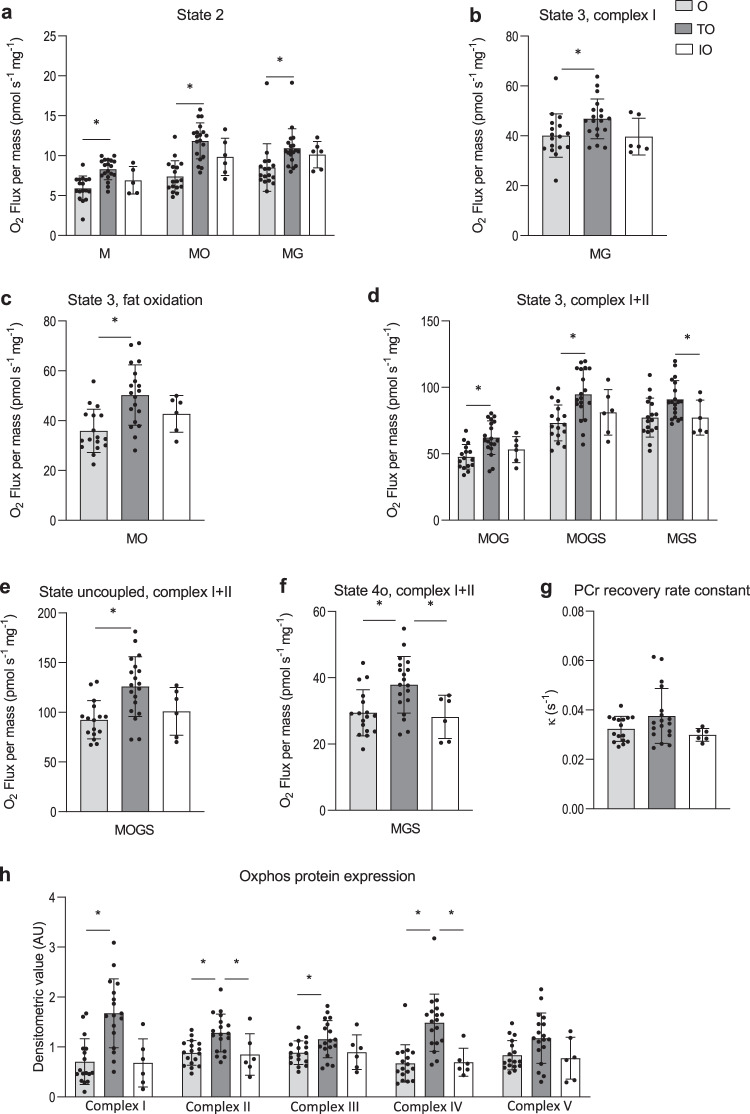
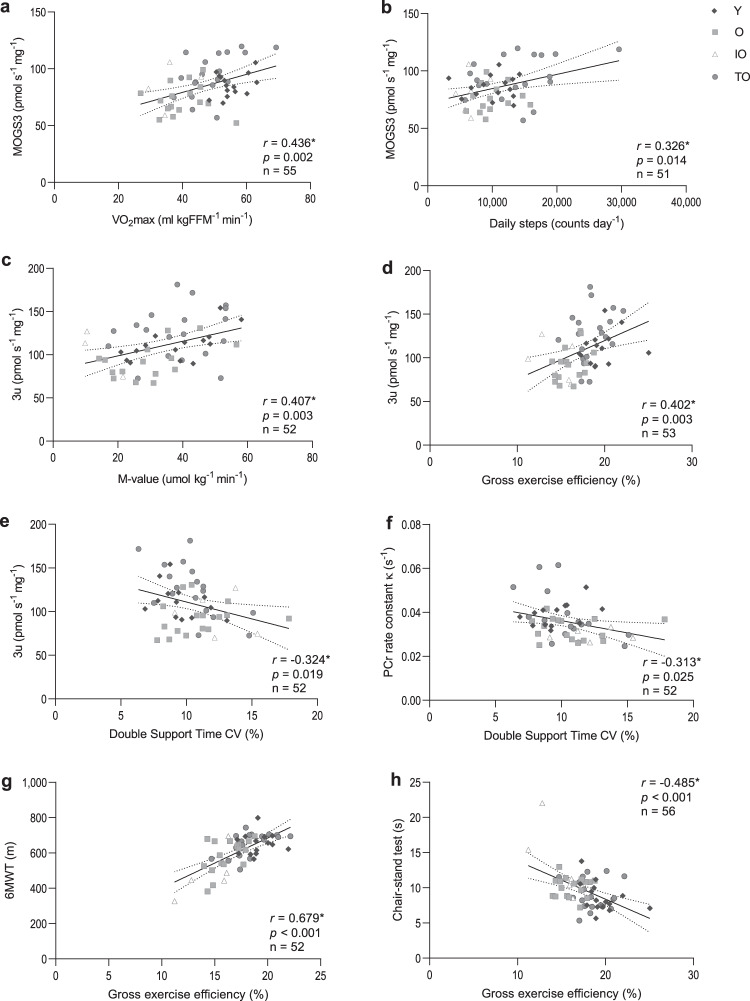
Verification
Claims the paper makes
The claims and statistics of this paper haven’t been checked yet.
Free: it reads the open-access text and checks the first 5 claims that cite a source we can check. Create a free account to check every claim.
Claims other papers make about this one
Each is checked against this paper’s own text: does it say what the citing paper says it does?
The source backs part of the claim, not all of it — or backs it for a different population, condition or comparison.
In the citing paper
“exercise improves fat-free mass and drives metabolic integration between muscle, adipose, and liver metabolism, which helps to maintain metabolic homeostasis and protect against age-related metabolic diseases”
From Lifestyle Medicine for Obesity in the Era of Highly Effective Anti-Obesity Treatment (2025) · cites this paper as [276]
Experimental — accuracy not yet measured
Self-check
Percentages, sums and reported differences re-computed from the paper’s own numbers.
The self-check needs the paper’s full text.
Citations
Cites
Frailty in Older Adults: Evidence for a Phenotype
Fried, L. P., Tangen, C. M., Walston, J., Newman, A. B., Hirsch, C., Gottdiener, J., Seeman, T., Tracy, R., Kop, W. J., Burke, G., et al. (2001) · The Journals of Gerontology Series A: Biological Sciences and Medical Sciences · doi:10.1093/gerona/56.3.m146 · Cited by 24,907
Guralnik, J. M., Simonsick, E. M., Ferrucci, L., Glynn, R. J., Berkman, L. F., Blazer, D. G., Scherr, P. A., & Wallace, R. B. (1994) · Journal of Gerontology · doi:10.1093/geronj/49.2.m85 · Cited by 9,792
New methods for calculating metabolic rate with special reference to protein metabolism
Weir, J. B. D. V. (1949) · The Journal of Physiology · doi:10.1113/jphysiol.1949.sp004363 · Cited by 5,603
The World report on ageing and health: a policy framework for healthy ageing
Beard, J. R., Officer, A., de Carvalho, I. A., Sadana, R., Pot, A. M., Michel, J.-P., Lloyd-Sherlock, P., Epping-Jordan, J. E., Peeters, G. M. E. E. (., Mahanani, W. R., et al. (2016) · The Lancet · doi:10.1016/s0140-6736(15)00516-4 · Cited by 3,287
Janssen, I., Heymsfield, S. B., & Ross, R. (2002) · Journal of the American Geriatrics Society · doi:10.1046/j.1532-5415.2002.50216.x · Cited by 3,139
Diet, muscle glycogen and physical performance.
Bergström, J., Hermansen, L., Hultman, E., & Saltin, B. (1967) · Acta Physiologica Scandinavica · doi:10.1111/j.1748-1716.1967.tb03720.x · Cited by 1,740
The condition for dynamic stability
Hof, A. L., Gazendam, M. G. J., & Sinke, W. E. (2005) · Journal of Biomechanics · doi:10.1016/j.jbiomech.2004.03.025 · Cited by 1,688
INFLUENCES OF GLUCOSE LOADING AND OF INJECTED INSULIN ON HEPATIC GLUCOSE OUTPUT*
Steele, R. (1959) · Annals of the New York Academy of Sciences · doi:10.1111/j.1749-6632.1959.tb44923.x · Cited by 1,670
Decline in skeletal muscle mitochondrial function with aging in humans
Short, K. R., Bigelow, M. L., Kahl, J., Singh, R., Coenen-Schimke, J., Raghavakaimal, S., & Nair, K. S. (2005) · Proceedings of the National Academy of Sciences · doi:10.1073/pnas.0501559102 · Cited by 1,333
How many steps/day are enough? for adults
Tudor-Locke, C., Craig, C. L., Brown, W. J., Clemes, S. A., De Cocker, K., Giles-Corti, B., Hatano, Y., Inoue, S., Matsudo, S. M., Mutrie, N., et al. (2011) · International Journal of Behavioral Nutrition and Physical Activity · doi:10.1186/1479-5868-8-79 · Cited by 1,087
Cited by
Items 101–200 of 299
Kapar, S. G. C., Pino, M. F., Yi, F., Gutierrez‐Monreal, M. A., Esser, K. A., Sparks, L. M., & Erickson, M. L. (2024) · Aging · doi:10.18632/aging.205292 · Cited by 13
Kramer, P. A., Coen, P. M., Cawthon, P. M., Distefano, G., Cummings, S. R., Goodpaster, B. H., Hepple, R. T., Kritchevsky, S. B., Shankland, E. G., Marcinek, D. J., et al. (2024) · The Journals of Gerontology, Series A: Biological Sciences and Medical Sciences · doi:10.1093/gerona/glad283 · Cited by 8
Kverneng, S. U., Stige, K. E., Berven, H., Mostafavi, S., Lundervold, K., Brischigliaro, M., Brakedal, B., Skeie, G. O., Flønes, I. H., Toker, L., et al. (2025) · Communications Medicine · doi:10.1038/s43856-025-00817-7 · Cited by 11
“This may be due to the higher age range of our cohort (45 – 84 years), compared to those employed in aging studies, which extend into the early 20s 75 – 77 .”
Ren, M., Xian, G., Tan, X., Sun, S., & Zhang, M. (2025) · Frontiers in Physiology · doi:10.3389/fphys.2025.1587876 · Cited by 10
Li, Y., Liu, M., Yang, J., Liu, Q., Zhou, W., Yu, J., Wang, X., & Wang, C. (2025) · Ageing Research Reviews · doi:10.1016/j.arr.2025.102819 · Cited by 12
Ton, R., Gillings, M. M., Pacheco-Fuentes, H., Stier, A., & Griffith, S. C. (2025) · Biology Letters · doi:10.1098/rsbl.2025.0199 · Cited by 8
“…driving most energy transduction from nutrients to adenosine tri-phosphate (ATP), and recent studies have suggested that inter-individual differences in mitochondrial aerobic metabolism may explain variation in individual quality [3], immune function [4], social behaviour [5] and locomotion [6,7].”
Martínez-Huenchullán, S., Rivas, C. B., Tropa, Á. L., Barría, A. R., Halabí, D., Pavicic, F., & Ehrenfeld, P. (2022) · Nutrición Hospitalaria · doi:10.20960/nh.04202 · Cited by 11
Kramer, P. A., Coen, P. M., Cawthon, P. M., Distefano, G., Cummings, S. R., Goodpaster, B. H., Hepple, R. T., Kritchevsky, S. B., Shankland, E. G., Marcinek, D. J., et al. (2023) · doi:10.1101/2023.11.08.23298271 · Cited by 8
Kramer, P. A., Zamora, E., Barnes, H. N., Strotmeyer, E. S., Glynn, N. W., Lane, N. E., Coen, P. M., Cawthon, P. M., Goodpaster, B. H., Newman, A. B., et al. (2024) · The Journals of Gerontology Series A · doi:10.1093/gerona/glae018 · Cited by 9
López‐Gil, J. F., Calatayud, J., & López‐Bueno, R. (2024) · Obesity Reviews · doi:10.1111/obr.13866 · Cited by 9
Song, C., Yang, J., & Gu, Z. (2025) · Ageing Research Reviews · doi:10.1016/j.arr.2025.102728 · Cited by 8
Kaushik, M., Potdar, M. B., Guptha, P. M., Vanangamudi, M., Abubakar, M., Mishra, M. K., & Nand, S. (2026) · Current Neuropharmacology · doi:10.2174/011570159x415585260303184042 · Cited by 9
Li, X., Lu, Z., Liu, T., & Sun, Y. L. (2024) · BMC Public Health · doi:10.1186/s12889-024-18607-6 · Cited by 9
“The low level of physical activity may lead to a decline in students’ physical fitness [5], including decrease of muscle strength [6] and cardiorespiratory fitness [7].”
BackgroundUnderlying Mechanisms of the Protective Effects of Lifestyle Factors On Age-Related Diseases
Alcaraz, N., Salcedo‐Tello, P., González‐Barrios, R., Torres‐Arciga, K., & Guzmán-Ramos, K. R. (2024) · Archives of Medical Research · doi:10.1016/j.arcmed.2024.103014 · Cited by 9
Deconditioning in quiescent Crohn’s disease patients with heightened fatigue perception
McGing, J., Serres, S., Nicholas, R., Gupta, A., Radford, S. J., Nixon, A., Mallinson, J. E., Bradley, C., Bawden, S., Francis, S., et al. (2025) · Journal of Crohn s and Colitis · doi:10.1093/ecco-jcc/jjae194 · Cited by 8
“For example, elderly volunteers (71 ± 4 years) in an aging study classified as having normal activity levels completed 9983 ± 2781 steps per day, while deconditioned, physically impaired elderly participants completed just 6608 ± 1765 steps/day, 45 which is comparable to the CD cohort in this study.”
Bartlett, M. F., Fitzgerald, L. F., Nagarajan, R., & Kent, J. A. (2023) · Applied Physiology, Nutrition, and Metabolism · doi:10.1139/apnm-2023-0315 · Cited by 8
López-Cervantes, S. P., Sánchez, N. S., Calahorra, M., Mena‐Montes, B., Pedraza-Vázquez, G., Hernández-Álvarez, D., Esparza-Perusquía, M., Peña, A., López‐Díazguerrero, N. E., Alarcón‐Aguilar, A., et al. (2022) · Archives of Gerontology and Geriatrics · doi:10.1016/j.archger.2022.104717 · Cited by 7
Zhang, J., Poon, E. T., & Wong, S. H. (2024) · Critical Reviews in Food Science and Nutrition · doi:10.1080/10408398.2024.2387324 · Cited by 8
“Perhaps currently the most potent and practical approach to combat age-related decline in physiological integrity remain still regular exercise and balanced diet (Ekmekcioglu 2020; Grevendonk et al. 2021).”
Sinclair, A. J., Sequiera, I., & Abdelhafiz, A. H. (2025) · Metabolites · doi:10.3390/metabo15060381 · Cited by 9
Anada, T., Kawahara, M., Shimada, T., Kuroda, R., Okamura, H., Setoyama, D., Nagatsugi, F., Kunisaki, Y., Kage‐Nakadai, E., Kobayashi, S., et al. (2025) · Journal of the American Chemical Society · doi:10.1021/jacs.5c06772 · Cited by 7
Gut Microbiota in Primary Sarcopenia: Mechanisms and Potential Therapeutic Targets
Chen, L., Chen, Y., Chen, W., Tan, H., Ye, L. P., Chen, J., & Xu, X. (2025) · Frontiers in Bioscience-Landmark · doi:10.31083/fbl36204 · Cited by 8
Lee, T., Lee, H.-I., Roh, H., & Cho, S.-Y. (2025) · Life · doi:10.3390/life15111752 · Cited by 13
“Given that physiological responses to exercise vary with age [30–32] and that these differences are accentuated in women due to menopausal status and body composition, age-related effects warrant careful consideration.”
Guo, W., Wu, C., Yang, L., & Miao, A. (2023) · The Science of The Total Environment · doi:10.1016/j.scitotenv.2023.162491 · Cited by 7
Koma, R., Shibaguchi, T., Yamada, T., Nonaka, Y., Jue, T., Yamazaki, A., & Masuda, K. (2024) · Acta Physiologica · doi:10.1111/apha.14139 · Cited by 8
“One week of endurance treadmill training improved complex I-dependent O 2 consumption in both states 4 and 3 in isolated mitochondria from aged mouse skeletal muscle.”
BackgroundAkiyama, H., Watanabe, D., & Miyachi, M. (2023) · PLoS ONE · doi:10.1371/journal.pone.0286936 · Cited by 9
Gautvik, K. M., Olstad, O. K., Raue, U., Gautvik, V. T., Kvernevik, K. J., Utheim, T. P., Ravnum, S., Kirkegaard, C., Wiig, H., Jones, G., et al. (2022) · European Review of Aging and Physical Activity · doi:10.1186/s11556-022-00304-1 · Cited by 8
Janssens, G. E., Trętowicz, M. M., Grevendonk, L., Kotte, M., Scantlebery, A. M. L., Schomakers, B. V., van Weeghel, M., Hermans, J., Vervaart, M. A. T., Wever, E. J. M., et al. (2026) · Nature Aging · doi:10.1038/s43587-026-01150-x · Cited by 9
“Sample size determination for the human studies was as described in the original publications 8,53 and was done to accommodate the goals of the clinical trials (clinicaltrials.gov identifier NCT03666013).”
InfluentialSelf-citationZuccarelli, L., Martino, M. D., Filippi, A., Knapton, A. E., Thackray, B. D., Baldassarre, G., Šimunič, B., Pišot, R., Sirago, G., Monti, E., et al. (2025) · Journal of Cachexia Sarcopenia and Muscle · doi:10.1002/jcsm.13775 · Cited by 6
Xie, J., Huang, Z., Gao, N., Feng, H., Wang, B., Gao, S., Tian, H., Wu, C., & Liu, C. (2025) · Redox Biology · doi:10.1016/j.redox.2025.103679 · Cited by 6
“Older adults are more susceptible to falls due to a decline in motor capacity, which is closely linked to a reduction in both the strength and mass of skeletal muscles [1].”
Lee, K., Park, S. D., Kim, J.-Y., Shim, J. J., & Lee, J. H. (2025) · Life · doi:10.3390/life15071101 · Cited by 9
“Numerous studies have shown that mitochondrial dysfunction is involved in the progression of sarcopenia through decreased muscle function [11,12].”
Jahan, N., Rahman, A., Nishiyama, A., & Kitada, K. (2025) · Journal of Nutrition and Metabolism · doi:10.1155/jnme/5383415 · Cited by 6
Cognitive correlates of human endurance
Aslan, D. H., Fenton, L. E., Han, S., Lai, M. H. C., Luong, D. M., Markarian, T., Seshadri, A., Alexander, G. E., & Raichlen, D. A. (2025) · Proceedings of the National Academy of Sciences · doi:10.1073/pnas.2512055122 · Cited by 5
Beekvelt, M. C. P. V., Wilson, M., & Gaarden, A. P. (2025) · Frontiers in Physiology · doi:10.3389/fphys.2025.1659756 · Cited by 5
Yang, M., Zhou, F., Wang, C., sun, T., zhao, W., Liu, L., Meng, Y., & tian, L. (2026) · American Journal of Physiology-Endocrinology and Metabolism · doi:10.1152/ajpendo.00473.2025 · Cited by 5
Bangfu, W., Liu, J., Zhaoyu, C., Yin, X., Mo, L., Chen, L., Chen, H., Cheng, X., Wang, Y., Liu, F., et al. (2026) · Journal of Advanced Research · doi:10.1016/j.jare.2026.01.079 · Cited by 5
Tasoula, A., Arif, S., Waisberg, E., Bauer, L., Aslinger, E., & Guarnieri, J. W. (2026) · Frontiers in Immunology · doi:10.3389/fimmu.2026.1776555 · Cited by 10
Exploring the nexus between fatigue, body composition, and muscle strength in hemodialysis patients
Shi, R., Zhu, J.-X., Li, Z., Zhao, W., Li, H., Chen, Q.-C., Pan, H., & Wang, D. (2024) · European journal of medical research · doi:10.1186/s40001-024-01852-1 · Cited by 11
“A recent study showed that exercise efficiency was found to be related to mitochondrial capacity [46].”
BackgroundZhao, X., Wu, X., He, L., Xiao, J., Xiang, R., Sha, L., Tang, M., Yu, H., Qu, Y., Xiao, C., et al. (2025) · Scandinavian Journal of Medicine and Science in Sports · doi:10.1111/sms.70014 · Cited by 7
Exercise-induced Brain-derived neurotrophic factor regulation in the brain dysfunctions
Rezaee, Z., Marandi, S. M., Alaei, H., & Esfarjani, F. (2023) · Science & Sports · doi:10.1016/j.scispo.2022.08.003 · Cited by 7
Aminirakan, D., Losekamm, B., & Wollesen, B. (2024) · BMJ Open · doi:10.1136/bmjopen-2023-082192 · Cited by 10
NAD+ to assess health in aging humans
Janssens, G. E., Houtkooper, R. H., & Hoeks, J. (2022) · Aging · doi:10.18632/aging.204220 · Cited by 6
Botella, J., Perri, E., Caruana, N. J., López-Calcerrada, S., Brischigliaro, M., Jamnick, N. A., Oorschot, V. M. J., Saner, N. J., Díaz‐Lara, J., Taylor, D. F., et al. (2024) · bioRxiv (Cold Spring Harbor Laboratory) · doi:10.1101/2024.12.19.629456 · Cited by 5
Plasma triacylglycerol length and saturation level mark healthy aging groups in humans
Li, W., Schomakers, B. V., van Weeghel, M., Grevendonk, L., Vaz, F. M., Salomons, G. S., Schrauwen, P., Hoeks, J., Gao, A. W., Houtkooper, R. H., et al. (2024) · GeroScience · doi:10.1007/s11357-024-01453-0 · Cited by 7
“Physical activity is therefore also associated with reduce cardiovascular risks and mortality in older people [31–33].”
InfluentialSelf-citationNervonic acid and 15-epi-PGA1 mediate systemic mitochondrial dysfunction in AD dementia
Heimler, S., Amick, K. A., Bergstrom, J., Moliné, M., Mahapatra, G., Craft, S., & Molina, A. J. A. (2025) · GeroScience · doi:10.1007/s11357-025-01776-6 · Cited by 4
Shi, R., Zhang, Y., Chen, G., Zhang, J., Liu, J., Zhu, H., Sun, M., & Duan, Y. (2025) · Cell Proliferation · doi:10.1111/cpr.70120 · Cited by 6
Esmaeili, M., & Vettukattil, R. (2025) · International Journal of Cardiology Cardiovascular Risk and Prevention · doi:10.1016/j.ijcrp.2025.200525 · Cited by 5
“Sprint interval training improves rapid muscle glycogen depletion and activation of energy-sensing pathways, despite lower training volume [23].”
InfluentialBagheri, N., Kargarfard, M., Bagheri, R., & Dutheil, F. (2025) · Nutrients · doi:10.3390/nu17243959 · Cited by 5
“Age-related declines in mitochondrial efficiency and increased reactive oxygen species (ROS) contribute to fatigue during repeated high-effort tasks like 5XSST and 30CST [61,62].”
Joppert, D., de Menezes, S. L. S., Joppert, B. B., Tavares, M. S., Brum, F. D. M., Ribeiro, E. D. F., Santos, F. S. D., de Moura, P. H., & Moreno, A. M. (2026) · Revista Multidisciplinar do Nordeste Mineiro · doi:10.66104/b7a18s58 · Cited by 10
Xirouchaki, C. E., García-Domínguez, E., Coughlan, E., McGrath, M. J., Giri, S., Liang, S., Wiede, F., Bigot, A., Sadoshima, J., Gómez‐Cabrera, M. C., et al. (2026) · Science Advances · doi:10.1126/sciadv.adz1953 · Cited by 5
“Several studies have shown that skeletal muscle mitochondrial capacity and/or mitochondrial biogenesis and ETC complex genes decline in aged individuals; however, this can be attenuated at least in part by increasing or maintaining physical activity during aging ( 35 , 66 , 80 – 83 ).”
Pb inhibited C2C12 myoblast differentiation by regulating HDAC2
Gu, X., Shen, N., Huang, C., & Wang, H.-L. (2023) · Toxicology · doi:10.1016/j.tox.2023.153639 · Cited by 4
Korzeniewski, B. (2024) · European Journal of Applied Physiology · doi:10.1007/s00421-024-05612-1 · Cited by 6
Sun, P., Yang, J., Li, N., Yang, W., Yang, J., Ran, J., Cheng, F., & Liao, Y. (2025) · BMJ Open · doi:10.1136/bmjopen-2024-085474 · Cited by 6
Yoshimura, Y., Nagano, F., Matsumoto, A., Shimazu, S., Shiraishi, A., Kido, Y., Bise, T., Hamada, T., & Yoneda, K. (2025) · Nutrients · doi:10.3390/nu17091599 · Cited by 8
“Future studies should refine intervention protocols, explore long-term outcomes, and employ randomized, placebo-controlled designs to establish more robust evidence for rehabilitation strategies [85,86].”
Li, J., Sun, Q., Zhang, H., Li, B., Zhang, C., Zhao, Y., Lu, J., & Ma, X. (2023) · Journal of Clinical Medicine · doi:10.3390/jcm12227116 · Cited by 5
“Furthermore, longitudinal changes in skeletal muscle mass have been significantly correlated with declines in lung function in otherwise healthy individuals [10].”
BackgroundPostoperative Stress, Metabolism, and Catabolism
Calvani, R., Picca, A., Coelho‐Júnior, H. J., Tosato, M., & Marzetti, E. (2024) · Practical issues in geriatrics · doi:10.1007/978-3-031-77707-3_21 · Cited by 5
In Old Mice, Exercise Induces Inflammation and Fibrosis Unless Alk5‐Inhibitor and Oxytocin Are Used
Cruz, J. M. C., Yeung, H., Alzalzalee, R., Yang, Q., Kabir, H., McDonough, S. A., Mei, X., Conboy, M. J., & Conboy, I. M. (2025) · Journal of Cellular Physiology · doi:10.1002/jcp.70054 · Cited by 6
Zhang, H., Zhang, L., Liu, D., Ye, X., & Chen, S. (2025) · Trends in Food Science & Technology · doi:10.1016/j.tifs.2025.105314 · Cited by 4
Gemmink, A., van de Weijer, T., Schaart, G., Grabner, G. F., Moonen‐Kornips, E., Knoops, K., Zechner, R., Schweiger, M., & Hesselink, M. K. C. (2025) · Biochimica et Biophysica Acta (BBA) - Molecular and Cell Biology of Lipids · doi:10.1016/j.bbalip.2025.159703 · Cited by 5
Self-citationAdami, A., Duan, F., Calmelat, R., Chen, Z., Casaburi, R. H., & Rossiter, H. B. (2026) · Journal of Cachexia Sarcopenia and Muscle · doi:10.1002/jcsm.70178 · Cited by 3
Trevisan, C., Tian, Q., Fishbein, K. W., Church, S., Simonsick, E. M., Egan, J. M., Volpato, S., & Ferrucci, L. (2026) · Age and Ageing · doi:10.1093/ageing/afag022 · Cited by 4
“…observed between groups since physical activity may be either a confounder (by influencing mitochondrial OxPhos and cardiorespiratory fitness [7]) or a mediator of the studied association since mitochondrial OxPhos may affect the level to which individuals can be engaged in exercise,…”
Jia, F., Wang, Y., Gao, S., Zhang, R. L., Chen, S., Zhang, H., Ma, Y., Zhang, Z., Guo, J., Zhang, X., et al. (2026) · Chinese Journal of Natural Medicines · doi:10.1016/s1875-5364(26)61104-1 · Cited by 6
Skeletal Muscle Bioenergetics in Critical Limb Ischemia and Diabetes
Rontoyanni, V. G., Blears, E. E., Lopez, O. N., Ogunbileje, J. O., Moro, T., Bhattarai, N., Randolph, A. C., Fry, C. S., Fankhauser, G. T., Cheema, Z. F., et al. (2023) · Journal of Surgical Research · doi:10.1016/j.jss.2023.02.015 · Cited by 3
Effects of aging on diurnal transcriptome change in the mouse corpus callosum
Ishikawa, H., Hoshino, T., Hamanaka, G., Mandeville, E. T., Guo, S., Kimura, S., Fukuda, N., Li, W., Shindo, A., Sakadžić, S., et al. (2024) · iScience · doi:10.1016/j.isci.2024.111556 · Cited by 3
Exercise improves aging-induced cardiac dysfunction and prolongs lifespan via Hmgcr
Yu, Z., Li, Q., Ding, M., Ping, X., Gu, W., Yi, Q., Dai, J., Tian, R., Pan, Z., & Zheng, L. (2025) · Life Sciences · doi:10.1016/j.lfs.2025.123897 · Cited by 3
Shi, P., Wang, B., Shi, S., Chu, X., Liu, C., Kang, M., Hui, J., Gou, Y., Zhou, R., Liu, Y., et al. (2024) · European Archives of Psychiatry and Clinical Neuroscience · doi:10.1007/s00406-024-01822-y · Cited by 3
“In addition, several studies have shown that PA plays a role in in the pathogenesis of psychiatric disorders through mitochondrial function-related pathway [22].”
Daily rhythms in metabolic and locomotor behaviour of prematurely ageing P olg A mice
Singh, A., Yilmaz, D., Wehrle, E., Kuhn, G. A., & Müller, R. (2024) · FEBS Open Bio · doi:10.1002/2211-5463.13866 · Cited by 3
“Another study found that, under resting conditions, RER remained comparable between older and younger individuals [67].”
ResultBoulinguiez, A., Dhiab, J., Crisol, B., Muraine, L., Gaut, L., Rouxel, C., Flaire, J., Mouigni, H., Lemaître, M., Giroux, B., et al. (2024) · Journal of Cachexia Sarcopenia and Muscle · doi:10.1002/jcsm.13546 · Cited by 3
“7 The favourable effects of physical activity on muscles have also been studied in several models of muscle disease and con fi rmed in different muscles.”
BackgroundNovel Insights to Mitochondrial Impact in Aging Skeletal Muscle
Semel, M. G., Lukasiewicz, C. J., & Hepple, R. T. (2025) · Exercise and Sport Sciences Reviews · doi:10.1249/jes.0000000000000364 · Cited by 5
Wan, S., Zhou, Y., Zhou, L., Chen, S., & Qi, F. (2025) · Economics & Human Biology · doi:10.1016/j.ehb.2025.101518 · Cited by 3
McCrum, C. L., Grevendonk, L., Schaart, G., Moonen‐Kornips, E., Jörgensen, J. A., Gemmink, A., Meijer, K., & Hoeks, J. (2021) · bioRxiv (Cold Spring Harbor Laboratory) · doi:10.1101/2021.11.26.470167 · Cited by 4
“Some data have been reported in our previous publication addressing different research questions [60].”
Self-citationQiao, Y., BLACKWELL, T. L., Cawthon, P. M., Coen, P. M., Cummings, S. R., Distéfano, G., Farsijani, S., Forman, D. E., Goodpaster, B. H., Kritchevsky, S. B., et al. (2023) · medRxiv · doi:10.1101/2023.11.05.23298134 · Cited by 3
“19 However, more comprehensive characterization of daily physical activity intensity levels and sedentary behavior using objective measures and examining their associations with skeletal muscle energetics are warranted to better inform optimal modality, intensity and duration of activity aiming to…”
BackgroundMarkers of Mitochondrial Function and DNA Repair Associated with Physical Function in Centenarians
Sánchez-Román, I., Ferrando, B., Holst, C. M., Mengel‐From, J., Rasmussen, S. H., Thinggaard, M., Bohr, V. A., Christensen, K., & Stevnsner, T. (2024) · Biomolecules · doi:10.3390/biom14080909 · Cited by 3
“Age-associated decline in mitochondrial function has been associated with a decline in physical function [48].”
BackgroundChen, J., Qian, Y., & Xu, Y. (2025) · European Journal of Sport Science · doi:10.1002/ejsc.12272 · Cited by 2
Li, X., Ren, X., Yuan, H., Wang, L., & Huo, M. (2025) · Chemical Engineering Journal · doi:10.1016/j.cej.2025.162982 · Cited by 2
Li, M., Liu, L., Qin, Y., & Xiao, Y. (2025) · BMC Pediatrics · doi:10.1186/s12887-025-05779-2 · Cited by 3
Tzemah-Shahar, R., Shapiro, I., Kodesh, E., Asher, M., Friedlander, Y., Hochner, H., & Agmon, M. (2025) · GeroScience · doi:10.1007/s11357-025-01803-6 · Cited by 2
“Physical capacity (PC) [19], defined as a collection of functional markers associated with health and aging [20, 21], can serve as an alternative to the laboratory-based BA measurement, capturing individual’s health status by using behavioral markers of function [22, 23].”
Caring While Moving: Case Studies on Physical Activity and Dementia Caregiver Well-Being
Boon, J. T., Maxwell, C. A., & Layne, D. M. (2025) · Healthcare · doi:10.3390/healthcare13172205 · Cited by 3
Karasawa, T., Choi, R. H., Meza, C., Watanabe, S., Maschek, J. A., Nikolova, L. S., Cox, J. E., & Funai, K. (2025) · Journal of Cachexia Sarcopenia and Muscle · doi:10.1002/jcsm.70090 · Cited by 4
da Rosa, L. C. R., Farinatti, P., Batista, M. I. F., Machado, H. R. S. N., de Jesus, V. H. S., Dantas, W. D. N., Dutra, P. M. L., & da Silva, N. S. L. (2025) · International Journal of Environmental Research and Public Health · doi:10.3390/ijerph22111695 · Cited by 2
“This hypertrophy is driven by the synthesis of new myofibrillar proteins and activation of satellite cells [11], processes that not only promote muscle growth but also enhance muscle strength, ultimately improving autonomy and quality of life in this population [10].”
Potassium ion homeostasis modulates mitochondrial function
Waite, A. J., Rao, B., Schinski, E. L., Thayer, N. H., Hotz, M., Lefebvre, A. E. Y. T., Sandoval, C. M., & Gottschling, D. E. (2025) · The Journal of Cell Biology · doi:10.1083/jcb.202505110 · Cited by 2
“…with general disorders such as decreased metabolic and muscle function, increased inflammation, and stem cell senescence (Sun et al., 2016; Grevendonk et al., 2021), as well as specific aging-related diseases of the lung (Cloonan et al., 2020), heart (Chistiakov et al., 2014), and brain…”
Ageing muscle across structural and species scales: implications for locomotor performance
Dick, T. J. M., Bird, C., Lindemann, I., Williamson, J. L., & Konno, R. N. (2026) · Journal of Experimental Biology · doi:10.1242/jeb.251614 · Cited by 2
Transcriptional programs diverge in aging mouse and human skeletal muscle
Hwang, C. D., Rahmayanti, S., Endo, Y., Caragher, S. P., Weber, L., Mroueh, J., Marini, S., & Sinha, I. (2026) · Aging · doi:10.18632/aging.206382 · Cited by 2
“This aligns with established evidence that metabolism declines with aging [88], with skeletal muscle contributing to systemic metabolic dysfunction through impaired mitochondrial activity and insulin sensitivity [89].”
Che, J., Sun, Y., Wang, F., Feng, Q., 徐翠香, & Li, X. F. (2026) · Antioxidants · doi:10.3390/antiox15070830 · Cited by 4
“Subsequent clinical investigations have demonstrated that high-intensity regular exercise can mitigate age-associated reductions in mitochondrial capacity, mitochondrial protein synthesis, exercise performance, muscle function, and insulin sensitivity [81,148,149].”
Preventive Strategies to Reduce Sarcopenia Risk During GLP-1-Based Anti-Obesity Therapy
Belančić, A., Skroče, K., Gkrinia, E. M. M., Glavić, M. M., & Kwok, M. K. (2026) · Journal of Clinical Medicine · doi:10.3390/jcm15155870 · Cited by 3
Rooker, K. D., Hernandez-Vizcarrondo, G. A., Cheung, S. W., Bhat, S. M., Brown, A. D., Sieck, G. C., & Fogarty, M. J. (2026) · Physiological Reports · doi:10.14814/phy2.71035 · Cited by 3
“…atrophy (Larsson et al., 2019; Lexell et al., 1988; Nilwik et al., 2013) and metabolic dysfunction (Fattoretti et al., 2001; Fogarty, Marin Mathieu, et al., 2020; Grevendonk et al., 2021; Larsson et al., 2019; Proctor et al., 1995; Shou et al., 2020), resulting in reduced muscle mass and function.”
Park, H., Yu, S., & Kim, W. (2025) · Frontiers in Immunology · doi:10.3389/fimmu.2025.1554941 · Cited by 2
“Since age-related changes may affect the function and structure of skeletal muscle, energy metabolism and synthesis are altered in muscle tissues (8, 10).”
Gifari, M. Y. A. (2023) · Physiotherapy & Health Science (PhysioHS) · doi:10.22219/physiohs.v6i2.30179 · Cited by 4
Nie, Y., Gu, C., Wu, R., Gao, F., Zhang, L., & Zhang, Y. (2025) · Frontiers in Aging Neuroscience · doi:10.3389/fnagi.2025.1473135 · Cited by 2
Maksimova, E. A., Shevchenko, V. I., & Akatov, V. S. (2025) · BIOPHYSICS · doi:10.1134/s0006350925700241 · Cited by 2
Semnasti, M. T. S., Islami, M. C. P. A., Sari, R. N., Semnasti, A. L. M. P., & Semnasti, A. M. (2023) · WALUYO JATMIKO PROCEEDING · doi:10.33005/wj.v16i1.75 · Cited by 7
“Kerja fisik adalah kerja yang memerlukan energi fisik pada otot manusia yang akan berfungsi sebagai sumber tenaga [18];[19];[20].”
BackgroundObesity management strategies should cut fat, not muscle
Kremer, D., Sizoo, D., Bakker, S. J. L., & van Beek, A. P. (2024) · International Journal of Obesity · doi:10.1038/s41366-024-01502-w · Cited by 2
“Not only does exercise improve muscle mass and function, but it also holds potential to reverse or enhance the impaired mitochondrial function observed in aging and chronic muscle disuse [11].”
A polyphenol-rich cranberry supplement improves muscle oxidative capacity in healthy adults
Parenteau, F., Denis, A., Roberts, M., Comtois, A. S., & Bergdahl, A. (2024) · Applied Physiology, Nutrition, and Metabolism · doi:10.1139/apnm-2023-0633 · Cited by 3
Cefis, M., Marcangeli, V., Hammad, R., Granet, J., Leduc‐Gaudet, J., Gaudreau, P., Trumpff, C., Huang, H., Picard, M. A., Aubertin‐Leheudre, M., et al. (2024) · bioRxiv (Cold Spring Harbor Laboratory) · doi:10.1101/2024.07.09.602758 · Cited by 2
LAT encodes T cell activation pathway balancePreprint
Rubin, A. J., Dao, T. T., Schueppert, A. V., Regev, A., & Shalek, A. K. (2024) · bioRxiv (Cold Spring Harbor Laboratory) · doi:10.1101/2024.08.26.609683 · Cited by 2
An Affordable and Customizable Arduino-based Thermo-controller for Thermal Ecology ExperimentsPreprint
Hawk, C., Iverson, E. N. K., & Havird, J. C. (2024) · bioRxiv (Cold Spring Harbor Laboratory) · doi:10.1101/2024.08.23.609058 · Cited by 2
Troutman, A. D., Srinivasan, S., Metzger, C. E., Fallen, P. B., Chen, N. X., O’Neill, K. D., Allen, M. R., Biruete, A., Moe, S. M., & Avin, K. G. (2024) · American Journal of Nephrology · doi:10.1159/000537827 · Cited by 1
“Aerobic exercise is widely used to promote health and to prevent declines in physical function in aging and diseased populations [59, 60].”
BackgroundYoshiko, A., Shiozawa, K., Niwa, S., Takahashi, H., Koike, T., Watanabe, K., Katayama, K., & Akima, H. (2025) · Applied Physiology, Nutrition, and Metabolism · doi:10.1139/apnm-2024-0272 · Cited by 1
Braunsperger, A., Bauer, M., Brahim, C. B., Seep, L., Tischer, D., Peitzsch, M., Hasenauer, J., Figueroa, S. H., Worthmann, A., Heeren, J., et al. (2025) · Scientific Reports · doi:10.1038/s41598-025-85304-8 · Cited by 3
Phang, H. J., Bergstrom, J., Atayee, R. S., Hart, L. A., Cawthon, P. M., Blackwell, T., Kramer, P. A., Distéfano, G., Kershaw, E. E., Cummings, S. R., et al. (2025) · The Journals of Gerontology Series A · doi:10.1093/gerona/glaf063 · Cited by 1
“The respiratory capacity of human skeletal muscle has been correlated with aging and age-related phenotypes (20–22).”
Goulding, R. P., Charlton, B. T., Breedveld, E. A., Huijts, J. Y., van der Laan, M., Strating, A. R., Noort, W., Kolodyazhna, A., Grootemaat, A. E., Bloemers, F. W., et al. (2025) · Diabetologia · doi:10.1007/s00125-025-06451-1 · Cited by 4
“Ageing is associated with diminished mitochondrial bioenergetic function [16, 17]; however, older individuals with type 1 diabetes have been demonstrated to display normal intrinsic mitochondrial respiratory capacity [9].”
Metadata
- Authors
- Grevendonk, L., Connell, N. J., McCrum, C., Fealy, C. E., Bilet, L., Bruls, Y. M. H., Mevenkamp, J., Schrauwen-Hinderling, V. B., Jörgensen, J. A., Moonen-Kornips, E., Schaart, G., Havekes, B., de Vogel-van den Bosch, J., Bragt, M. C. E., Meijer, K., Schrauwen, P., & Hoeks, J.
- Affiliations
- Maastricht University (NL)
- Maastricht University Medical Centre (NL)
- FrieslandCampina (Netherlands) (NL)
- ORCID
- Venue
- Nature Communications
- Published
- 2021-08-06
- Volume
- 12
- Issue
- 1
- Pages
- 4773-4773
- ISSN
- 2041-1723 (ISSN-L)
- PMC
- PMC8346468
- OpenAlex
- W3189076549
- Semantic Scholar
- 354606af56a7bec2df0df15462c6f414d141530e
- Cited by
- 298
- References
- 71
- Citations by year
- 2026: 67 · 2025: 96 · 2024: 69 · 2023: 36 · 2022: 27 · 2021: 3
- FWCI
- 10.60
- Type
- journal article
- Language
- en
- Open access
- gold
- doi.org
- Licence
- cc-by
- creativecommons.org/licenses/by/4.0 (tdm)
- creativecommons.org/licenses/by/4.0 (vor)
- Locations
- Nature Communications (publishedVersion, cc-by)
- PubMed Central (publishedVersion, cc-by)
- PubMed (publishedVersion)
- Research Publications (Maastricht University) (publishedVersion, cc-by)
- Lirias (submittedVersion, cc-by)
- RePEc: Research Papers in Economics (submittedVersion)
- DOAJ (DOAJ: Directory of Open Access Journals) (submittedVersion, cc-by-sa)
- Research Publications (Maastricht University) (submittedVersion, other-oa)
- Funders
- Danone
- Danone Nutricia Research
- Nederlandse Organisatie voor Wetenschappelijk Onderzoek
- Topics
- Life Sciences › Biochemistry, Genetics and Molecular Biology › Molecular Biology › Mitochondrial Function and Pathology
- Health Sciences › Medicine › Physiology (medical) › Cardiovascular and exercise physiology
- Life Sciences › Biochemistry, Genetics and Molecular Biology › Molecular Biology › Muscle Physiology and Disorders
- Keywords
- skeletal muscle aging, mitochondrial function, exercise training, physical activity, energy metabolism, insulin sensitivity, exercise efficiency, gait stability, muscle function, older adults, physical impairment
- MeSH terms
- Adult, Aged, Aged, 80 and over, Aging, Cross-Sectional Studies, Energy Metabolism, Female, Humans, Insulin Resistance, Male, Middle Aged, Mitochondria, Muscle, Exercise, Muscle, Skeletal, Young Adult
About these checks
Registry, retraction, Cites and statistics results are computed, not judged, with one exception: a printed reference that no index lists is read once by a model before it counts as a citation error. Claims are extracted by a model and kept only when their quote appears verbatim in the text; each cited source is then checked, with a model’s help, for whether it says what the claim relies on. Those verdicts can be wrong — read the claim’s quote and the cited source before relying on one.
Statistics and arithmetic are recomputed, not judged.
Confidence bands are shown only for fields calibrated on our annotated test set. None is calibrated yet, so no band is shown.
What counts as a claim ›How we measure confidence ›How we check this ›
Are you an author, or do you see a problem with this page? Request a review
Data sources
Bibliographic data: Semantic Scholar, OpenAlex, Crossref.
Contains information from the Semantic Scholar Academic Graph Datasets, made available under the ODC Attribution License (ODC-BY 1.0).
Semantic Scholar’s data is described in: Kinney, R., et al. (2023). The Semantic Scholar Open Data Platform. arXiv:2301.10140.
