

Impact of aging and exercise on skeletal muscle mitochondrial capacity, energy metabolism, and physical function
Open accessThe DOI matches its Crossref record; 71 of the 71 references it cites were found in a registry or an index.
Abstract
The relationship between the age-associated decline in mitochondrial function and its effect on skeletal muscle physiology and function remain unclear. In the current study, we examined to what extent physical activity contributes to the decline in mitochondrial function and muscle health during aging and compared mitochondrial function in young and older adults, with similar habitual physical activity levels. We also studied exercise-trained older adults and physically impaired older adults. Aging was associated with a decline in mitochondrial capacity, exercise capacity and efficiency, gait stability, muscle function, and insulin sensitivity, even when maintaining an adequate daily physical activity level. Our data also suggest that a further increase in physical activity level, achieved through regular exercise training, can largely negate the effects of aging. Finally, mitochondrial capacity correlated with exercise efficiency and insulin sensitivity. Together, our data support a link between mitochondrial function and age-associated deterioration of skeletal muscle.
Overview
The claims and statistics of this paper haven’t been checked yet.
Free: it reads the open-access text and checks the first 5 claims that cite a source we can check. Create a free account to check every claim.
Integrity signals
Registry
Cites
Statistics
Figures
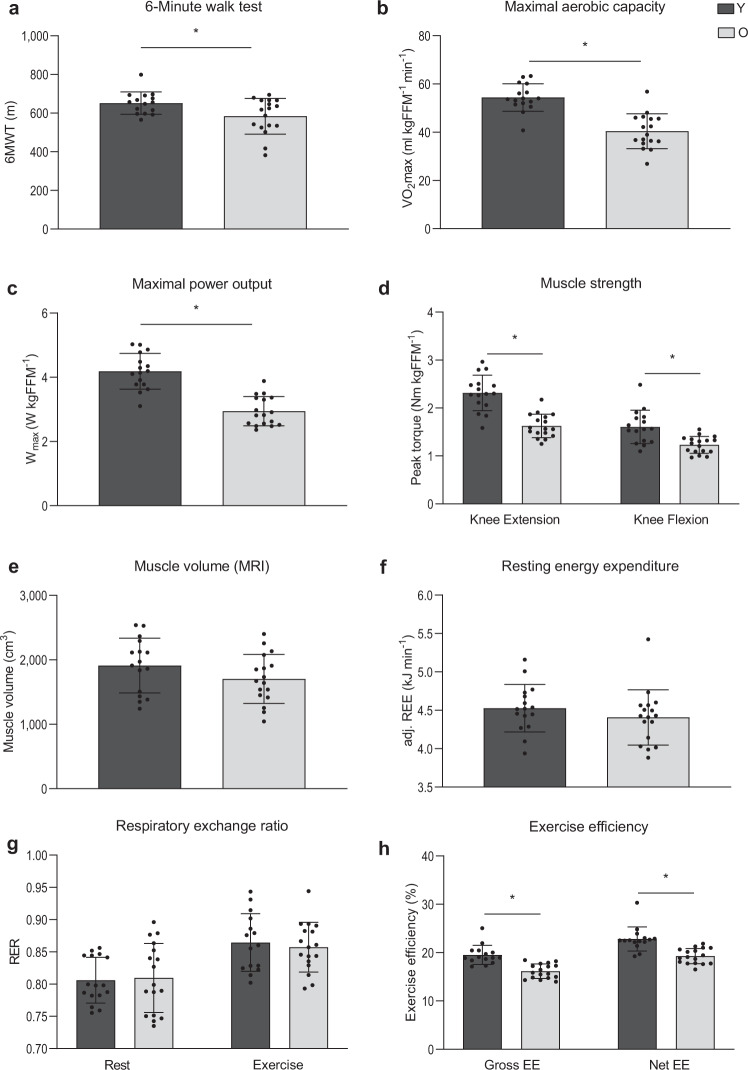
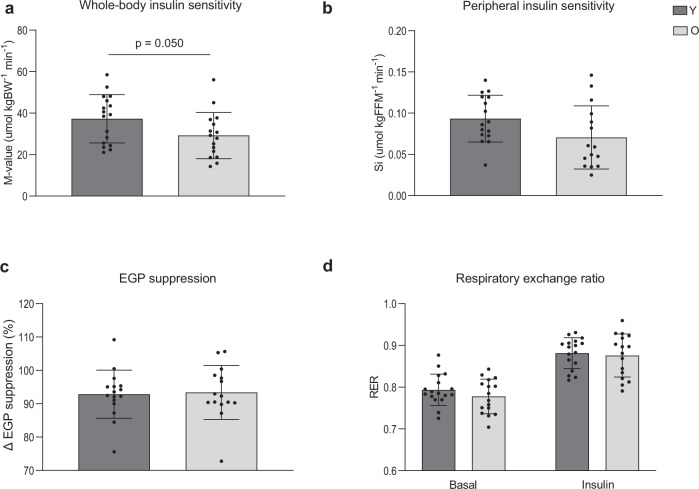
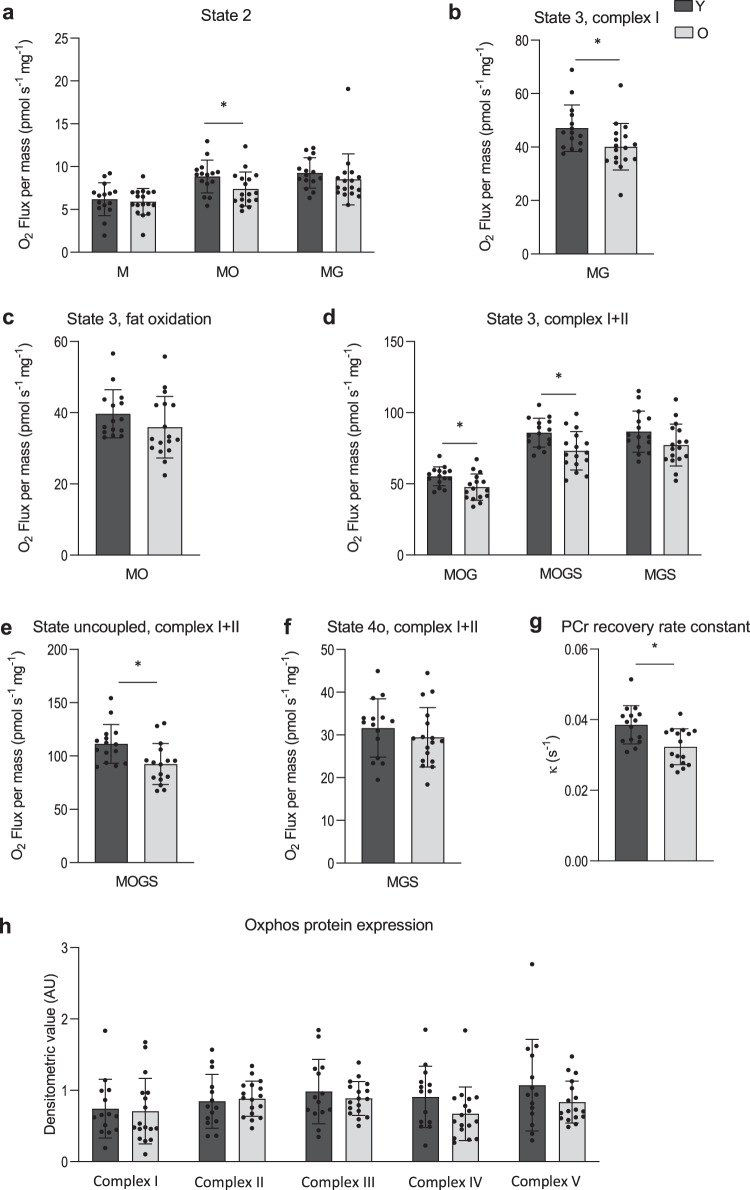
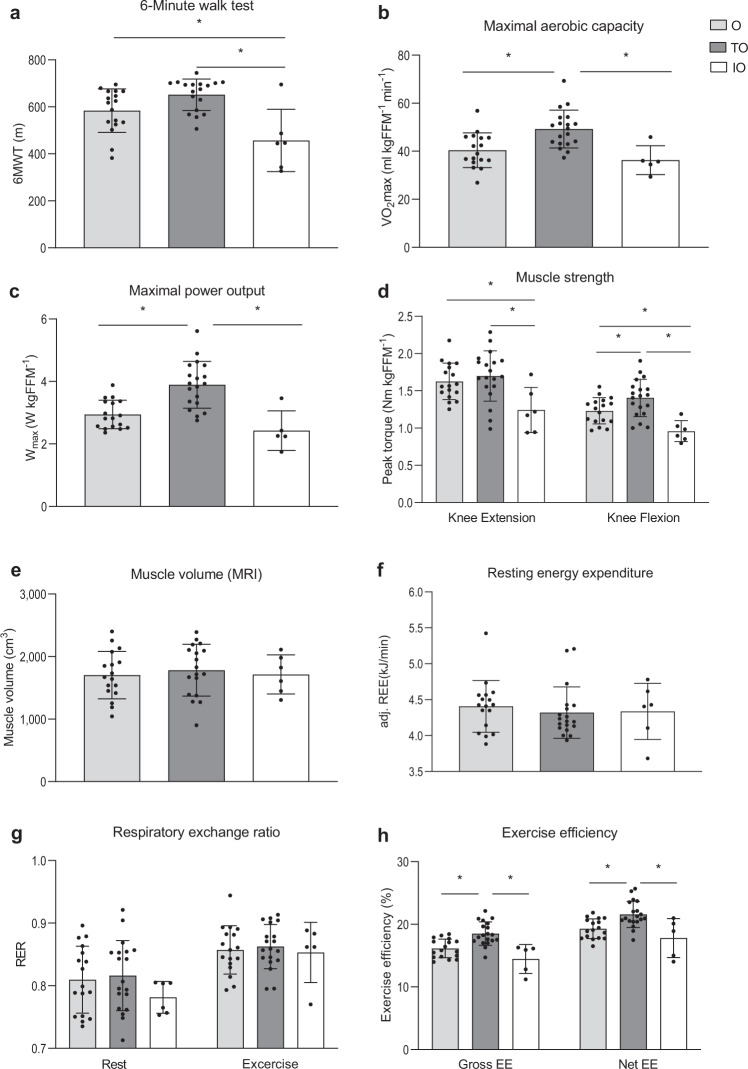
Verification
Claims the paper makes
The claims and statistics of this paper haven’t been checked yet.
Free: it reads the open-access text and checks the first 5 claims that cite a source we can check. Create a free account to check every claim.
Claims other papers make about this one
Each is checked against this paper’s own text: does it say what the citing paper says it does?
The source backs part of the claim, not all of it — or backs it for a different population, condition or comparison.
In the citing paper
“exercise improves fat-free mass and drives metabolic integration between muscle, adipose, and liver metabolism, which helps to maintain metabolic homeostasis and protect against age-related metabolic diseases”
From Lifestyle Medicine for Obesity in the Era of Highly Effective Anti-Obesity Treatment (2025) · cites this paper as [276]
Experimental — accuracy not yet measured
Self-check
Percentages, sums and reported differences re-computed from the paper’s own numbers.
The self-check needs the paper’s full text.
Citations
Cites
Frailty in Older Adults: Evidence for a Phenotype
Fried, L. P., Tangen, C. M., Walston, J., Newman, A. B., Hirsch, C., Gottdiener, J., Seeman, T., Tracy, R., Kop, W. J., Burke, G., et al. (2001) · The Journals of Gerontology Series A: Biological Sciences and Medical Sciences · doi:10.1093/gerona/56.3.m146 · Cited by 24,907
Guralnik, J. M., Simonsick, E. M., Ferrucci, L., Glynn, R. J., Berkman, L. F., Blazer, D. G., Scherr, P. A., & Wallace, R. B. (1994) · Journal of Gerontology · doi:10.1093/geronj/49.2.m85 · Cited by 9,792
New methods for calculating metabolic rate with special reference to protein metabolism
Weir, J. B. D. V. (1949) · The Journal of Physiology · doi:10.1113/jphysiol.1949.sp004363 · Cited by 5,603
The World report on ageing and health: a policy framework for healthy ageing
Beard, J. R., Officer, A., de Carvalho, I. A., Sadana, R., Pot, A. M., Michel, J.-P., Lloyd-Sherlock, P., Epping-Jordan, J. E., Peeters, G. M. E. E. (., Mahanani, W. R., et al. (2016) · The Lancet · doi:10.1016/s0140-6736(15)00516-4 · Cited by 3,287
Janssen, I., Heymsfield, S. B., & Ross, R. (2002) · Journal of the American Geriatrics Society · doi:10.1046/j.1532-5415.2002.50216.x · Cited by 3,139
Diet, muscle glycogen and physical performance.
Bergström, J., Hermansen, L., Hultman, E., & Saltin, B. (1967) · Acta Physiologica Scandinavica · doi:10.1111/j.1748-1716.1967.tb03720.x · Cited by 1,740
The condition for dynamic stability
Hof, A. L., Gazendam, M. G. J., & Sinke, W. E. (2005) · Journal of Biomechanics · doi:10.1016/j.jbiomech.2004.03.025 · Cited by 1,688
INFLUENCES OF GLUCOSE LOADING AND OF INJECTED INSULIN ON HEPATIC GLUCOSE OUTPUT*
Steele, R. (1959) · Annals of the New York Academy of Sciences · doi:10.1111/j.1749-6632.1959.tb44923.x · Cited by 1,670
Decline in skeletal muscle mitochondrial function with aging in humans
Short, K. R., Bigelow, M. L., Kahl, J., Singh, R., Coenen-Schimke, J., Raghavakaimal, S., & Nair, K. S. (2005) · Proceedings of the National Academy of Sciences · doi:10.1073/pnas.0501559102 · Cited by 1,333
How many steps/day are enough? for adults
Tudor-Locke, C., Craig, C. L., Brown, W. J., Clemes, S. A., De Cocker, K., Giles-Corti, B., Hatano, Y., Inoue, S., Matsudo, S. M., Mutrie, N., et al. (2011) · International Journal of Behavioral Nutrition and Physical Activity · doi:10.1186/1479-5868-8-79 · Cited by 1,087
Cited by
Healthcare on the brink: navigating the challenges of an aging society in the United States
Jones, C. H., & Dolsten, M. (2024) · npj Aging · doi:10.1038/s41514-024-00148-2 · Cited by 363
“Maintaining muscle function is also crucial, particularly in the context of aging or chronic conditions like sarcopenia 57 .”
BackgroundMitochondrial dysfunction in aging
Guo, Y., Guan, T., Shafiq, K., Yu, Q., Jiao, X., Na, D., Li, M., Zhang, G., & Kong, J. (2023) · Ageing Research Reviews · doi:10.1016/j.arr.2023.101955 · Cited by 339
Metabolic changes in aging humans: current evidence and therapeutic strategies
Palmer, A. K., & Jensen, M. D. (2022) · Journal of Clinical Investigation · doi:10.1172/jci158451 · Cited by 331
“This is due to lesser amounts of physical activity in older persons, not reductions in energy expenditure per unit of work (energy efficiency); older adults may actually be less energy efficient than the young during exercise (18).”
BackgroundMolecular mechanisms of aging and anti-aging strategies
Li, Y., Tian, X., Luo, J., Bao, T., Wang, S., & Wu, X. (2024) · Cell Communication and Signaling · doi:10.1186/s12964-024-01663-1 · Cited by 293
“…hippocampus in the older people by systematically administering plasma from exercising mice, and the key molecular target of this regulation was identified; exercise increased the concentration of liver-derived glycosylphosphatidylinositol-specific phospholipase D1 in the plasma of aged mice [251].”
BackgroundGao, X., Yu, X., Zhang, C., Wang, Y., Sun, Y., Sun, H., Zhang, H., Shi, Y., & He, X. (2022) · Stem Cell Reviews and Reports · doi:10.1007/s12015-022-10370-8 · Cited by 180
Mitochondrial dysfunction in the regulation of aging and aging-related diseases
Zhang, X., Gao, Y., Zhang, S., Wang, Y., Pei, X., Chen, Y., Zhang, J., Zhang, Y., Du, Y., Hao, S., et al. (2025) · Cell Communication and Signaling · doi:10.1186/s12964-025-02308-7 · Cited by 215
“For example, age-related muscle atrophy has been linked to reduced OXPHOS availability, a condition that can be partially reversed through increased physical activity [164].”
Perturbation-based balance training: Principles, mechanisms and implementation in clinical practice
McCrum, C. L., Bhatt, T. S., Gerards, M. H. G., Karamanidis, K., Rogers, M. W., Lord, S. R., & Okubo, Y. (2022) · Frontiers in Sports and Active Living · doi:10.3389/fspor.2022.1015394 · Cited by 200
Self-citationNoone, J., Mucinski, J. M., DeLany, J. P., Sparks, L. M., & Goodpaster, B. H. (2024) · Cell Metabolism · doi:10.1016/j.cmet.2023.12.025 · Cited by 128
Granic, A., Suetterlin, K., Shavlakadze, T., Grounds, M. D., & Sayer, A. A. (2023) · Clinical Science · doi:10.1042/cs20230319 · Cited by 136
“Decline in mitochondrial function appears to be a prominent hallmark of loss of skeletal muscle mass and function with ageing and inactivity [164] and is one of the few hallmarks directly linked to functional decline [165,166].”
BackgroundBlazev, R., Carl, C. S., Ng, Y.-K., Molendijk, J., Voldstedlund, C. T., Zhao, Y., Xiao, D., Kueh, A. J., Miotto, P. M., Haynes, V. R., et al. (2022) · Cell Metabolism · doi:10.1016/j.cmet.2022.07.003 · Cited by 112
Healthy aging and muscle function are positively associated with NAD+ abundance in humans
Janssens, G. E., Grevendonk, L., Perez, R. Z., Schomakers, B. V., de Vogel-van den Bosch, J., Geurts, J. M. W., van Weeghel, M., Schrauwen, P., Houtkooper, R. H., & Hoeks, J. (2022) · Nature Aging · doi:10.1038/s43587-022-00174-3 · Cited by 103
Self-citationInteractions between insulin and exercise
Richter, E. A., Sylow, L., & Hargreaves, M. (2021) · Biochemical Journal · doi:10.1042/bcj20210185 · Cited by 99
Are mitophagy enhancers therapeutic targets for Alzheimer’s disease?
Pradeepkiran, J. A., Hindle, A., Kshirsagar, S., & Reddy, P. H. (2022) · Biomedicine & Pharmacotherapy · doi:10.1016/j.biopha.2022.112918 · Cited by 91
Sun, S., Ma, S., Cai, Y., Wang, S., Ren, J., Yang, Y., Ping, J., Wang, X., Zhang, Y., Yan, H., et al. (2023) · The Innovation · doi:10.1016/j.xinn.2023.100380 · Cited by 81
“These tissue phenotypes were in overall accordance with the exercise-induced transcriptional changes profiled in corresponding tissues and cell types, and helped explain the previously reported enhancement of physical and cognitive capacity conferred by exercise.(42,43)”
ResultWang, Q., Zhang, C., & Li, R. (2022) · Energy · doi:10.1016/j.energy.2022.124880 · Cited by 80
Mitochondrial Quantity and Quality in Age-Related Sarcopenia
Marzetti, E., Calvani, R., Coelho‐Júnior, H. J., Landi, F., & Picca, A. (2024) · International Journal of Molecular Sciences · doi:10.3390/ijms25042052 · Cited by 80
“In a recent study, the effects of physical activity were evaluated in the muscle of young and old individuals with similar habitual physical activity levels [83].”
BackgroundEmerging Targets and Treatments for Sarcopenia: A Narrative Review
Cacciatore, S., Calvani, R., Esposito, I., Massaro, C., Gava, G., Picca, A., Tosato, M., Marzetti, E., & Landi, F. (2024) · Nutrients · doi:10.3390/nu16193271 · Cited by 89
“Regular exercise, especially resistance and endurance training, promotes mitochondrial biogenesis, improves oxidative capacity, and enhances insulin sensitivity, contributing to better muscle function and overall health [70].”
BackgroundRichter, E. A., Bilan, P. J., & Klip, A. (2025) · Physiological Reviews · doi:10.1152/physrev.00033.2024 · Cited by 64
Targeting aging with urolithin A in humans: A systematic review
Kuerec, A. H., Lim, X. K., Khoo, A. L. Y., Sandalova, E., Guan, L., Feng, L., & Maier, A. B. (2024) · Ageing Research Reviews · doi:10.1016/j.arr.2024.102406 · Cited by 70
“…are in accordance with other results re-ported in this review, such as a lack of the effect on ATP production and an inconsistent effect on the other markers of mitochondrial function and markers of autophagy that could have had a positive effect on physical performance (Grevendonk et al., 2021).”
ResultLi, Y., Berliocchi, L., Li, Z., & Rasmussen, L. J. (2023) · Aging Cell · doi:10.1111/acel.13942 · Cited by 76
“…disorders but an increase in physical activity, achieved through regular exercise, can largely improve mitochondrial function and negate the decline of muscle function in older people (Grevendonk et al., 2021), therefore, leaving still unclear the causative relationship between these changes.”
BackgroundRibeiro, R., Macedo, J. C., Costa, M., Ustiyan, V., Shindyapina, A. V., Tyshkovskiy, A., Gomes, R. N., Castro, J. P., Kalin, T. V., Vasques-Nóvoa, F., et al. (2022) · Nature Aging · doi:10.1038/s43587-022-00209-9 · Cited by 60
Mau, T., Lui, L.-Y., Distefano, G., Kramer, P. A., Ramos, S. V., Toledo, F. G. S., Santanasto, A. J., Shankland, E. G., Marcinek, D. J., Jurczak, M. J., et al. (2023) · The Journals of Gerontology: Series A · doi:10.1093/gerona/glac238 · Cited by 54
Targeting organ-specific mitochondrial dysfunction to improve biological aging
Madreiter‐Sokolowski, C. T., Hiden, U., Krstić, J., Panzitt, K., Wagner, M., Enzinger, C., Khalil, M., Abdellatif, M., Malle, E., Madl, T., et al. (2024) · Pharmacology & Therapeutics · doi:10.1016/j.pharmthera.2024.108710 · Cited by 59
Sligar, J., Debruin, D. A., Saner, N. J., Philp, A. M., & Philp, A. (2022) · American Journal of Physiology-Cell Physiology · doi:10.1152/ajpcell.00388.2021 · Cited by 51
A conserved complex lipid signature marks human muscle aging and responds to short-term exercise
Janssens, G. E., Molenaars, M., Herzog, K., Grevendonk, L., Remie, C. M. E., Vervaart, M. A. T., Elfrink, H. L., Wever, E. J. M., Schomakers, B. V., Denis, S. W., et al. (2024) · Nature Aging · doi:10.1038/s43587-024-00595-2 · Cited by 50
“Part of the muscle biopsy sample was immediately frozen in melting isopentane and stored at –80 °C until lipidomics analysis (the remaining part was used in cellular assays of a previous study 29 ).”
InfluentialSelf-citationA Fully Integrated Conformal Wearable Ultrasound Patch for Continuous Sonodynamic Therapy
Zou, F., Luo, Y., Zhuang, W., & Xu, T. (2024) · Advanced Materials · doi:10.1002/adma.202409528 · Cited by 50
Muscle aging and sarcopenia: The pathology, etiology, and most promising therapeutic targets
Grima-Terrén, M., Campanario, S., Ramírez‐Pardo, I., Cisneros, A., Hong, X., Perdiguero, E., Serrano, A. L., Isern, J., & Muñoz‐Cánoves, P. (2024) · Molecular Aspects of Medicine · doi:10.1016/j.mam.2024.101319 · Cited by 61
Zhou, X., Wei, C., Liu, X., Zhang, Z., Wu, Y., Zeng, B., Jin, Y., Shi, Y., Mo, Z., Cheng, J., et al. (2025) · Ecotoxicology and Environmental Safety · doi:10.1016/j.ecoenv.2025.118209 · Cited by 51
Polar metabolomics in human muscle biopsies using a liquid-liquid extraction and full-scan LC-MS
Schomakers, B. V., Hermans, J., Jaspers, Y. R. J., Salomons, G. S., Vaz, F. M., van Weeghel, M., & Houtkooper, R. H. (2022) · STAR Protocols · doi:10.1016/j.xpro.2022.101302 · Cited by 46
Manning, K. M., Hall, K. S. M., Sloane, R., Magistro, D., Rabaglietti, E., Lee, C. C., Castle, S. C., Kopp, T., Giffuni, J., Katzel, L. I., et al. (2023) · Aging Cell · doi:10.1111/acel.13987 · Cited by 53
“Our findings contribute to a growing field of research testing exercise as a nonpharmacologic gerotherapeutic approach to prevent, delay, or attenuate functional decline and chronic disease (Forman et al., 2023; Grevendonk et al., 2021).”
Ueyama, H., Kanemoto, N., Minoda, Y., Taniguchi, Y., & Nakamura, H. (2023) · Journal of Bone and Joint Surgery · doi:10.2106/jbjs.22.00675 · Cited by 45
Mitochondria as Nutritional Targets to Maintain Muscle Health and Physical Function During Ageing
Broome, S. C., Whitfield, J., Karagounis, L. G., & Hawley, J. A. (2024) · Sports Medicine · doi:10.1007/s40279-024-02072-7 · Cited by 47
“…exercise training preserves mitochondrial capacity in older individuals when measured in both isolated mitochondria and permeabilized myofibers [40, 41], with several studies reporting no differences in mitochondrial capacity when young and old participants are matched for physical activity…”
BackgroundResultMitochondrion: A bridge linking aging and degenerative diseases
Zhang, L., Wu, J., Zhu, Z., He, Y., & Fang, R. (2023) · Life Sciences · doi:10.1016/j.lfs.2023.121666 · Cited by 40
Exercise as a tool to mitigate metabolic disease
Esteves, J. V. D. C., & Stanford, K. I. (2024) · American Journal of Physiology-Cell Physiology · doi:10.1152/ajpcell.00144.2024 · Cited by 41
Fukushima, N., Kikuchi, H., Sato, H., Sasai, H., Kiyohara, K., Sawada, S. S., Machida, M., Amagasa, S., & Inoue, S. (2023) · Journal of the American Medical Directors Association · doi:10.1016/j.jamda.2023.09.028 · Cited by 43
Li, J., Zhang, Z., Hai, B., & Zhang, Y. (2024) · Free Radical Biology and Medicine · doi:10.1016/j.freeradbiomed.2024.01.036 · Cited by 33
Hua, Z., Wu, Q., Yang, Y., Liu, S., Jennifer, T. G., Zhao, D., & Fang, Y. (2024) · Trends in Food Science & Technology · doi:10.1016/j.tifs.2024.104622 · Cited by 38
Oxidative stress and its role in recurrent pregnancy loss: mechanisms and implications
Zhang, X., Gao, J., Yang, L., Feng, X., & Yuan, X. (2024) · Journal of Molecular Histology · doi:10.1007/s10735-024-10332-z · Cited by 40
“Moderate, regular exercise can enhance mitochondrial function and improve the body’s ability to handle oxidative stress (Grevendonk et al. 2021).”
Cao, W., He, Y., Fu, R. G., Chen, Y., Yu, J., & He, Z. (2025) · Nutrients · doi:10.3390/nu17050918 · Cited by 49
“These changes may lead to fatigue, injury, and disruptions in energy metabolism and physiological function, ultimately influencing athletic performance [46] (Figure 3).”
3 D Mitochondrial Structure in Aging Human Skeletal Muscle: Insights Into MFN ‐2‐Mediated Changes
Scudese, E., Marshall, A. G., Vue, Z., Exil, V. J., Rodriguez, B. I., Demirci, M., Vang, L., Lopez, E. G., Neikirk, K., Shao, B., et al. (2025) · Aging Cell · doi:10.1111/acel.70054 · Cited by 38
“Although few studies examine the therapeutic value of exercise with aging independent of sarcopenia, recent findings have shown that regular exercise, through mitochondrial-dependent mechanisms, counter-acts the deleterious effects of aging in skeletal muscle (Grevendonk et al. 2021).”
Jeong, I., Cho, E., Yook, J.-S., Choi, Y., Park, D., Kang, J., Lee, S.-H., Seo, D. Y., Jung, S., & Kwak, H. (2024) · Life · doi:10.3390/life14080962 · Cited by 40
“For example, Grevendonk et al. investigated the impact of aging on mitochondrial function in older and young individuals maintaining similar levels of habitual physical activity [42].”
BackgroundXu, J., Wakai, M., Xiong, K., Yang, Y., Prabakaran, A., Wu, S. P., Ahrens, D., Molina‐Portela, M. D. P., Ni, M., Bai, Y., et al. (2025) · Cell Reports · doi:10.1016/j.celrep.2025.115403 · Cited by 48
Hallmarks of aging: A user’s guide for comparative biologists
Biga, P. R., Duan, J. E., Young, T. E., Marks, J. R., Bronikowski, A. M., Decena-Segarra, L. P., Randolph, E. C., Pavuluri, A., Li, G., Fang, Y., et al. (2024) · Ageing Research Reviews · doi:10.1016/j.arr.2024.102616 · Cited by 33
“For example, muscle mass and joint health decrease with age, as do many associated measures of physical fitness such as gait, speed, and endurance (Grevendonk et al., 2021).”
Exercise as a Therapeutic Strategy for Obesity: Central and Peripheral Mechanisms
Zhang, Y., Wang, R., Liu, T., & Wang, R. (2024) · Metabolites · doi:10.3390/metabo14110589 · Cited by 27
Mau, T., Barnes, H. N., Blackwell, T., Kramer, P. A., Bauer, S. R., Marcinek, D. J., Ramos, S. V., Forman, D. E., Toledo, F. G. S., Hepple, R. T., et al. (2023) · GeroScience · doi:10.1007/s11357-023-01002-1 · Cited by 28
Cefis, M., Marcangeli, V., Hammad, R., Granet, J., Leduc‐Gaudet, J., Gaudreau, P., Trumpff, C., Huang, Q., Picard, M. A., Aubertin‐Leheudre, M., et al. (2025) · Cell Reports Medicine · doi:10.1016/j.xcrm.2025.101968 · Cited by 50
Lifestyle Medicine for Obesity in the Era of Highly Effective Anti-Obesity Treatment
Sannidhi, D., Abeles, R., Andrew, W., Bonnet, J. P., Vitale, K., Niranjan, V., Gulati, M., Pauly, K., Moran, R., Alexander, L., et al. (2025) · Nutrients · doi:10.3390/nu17142382 · Cited by 29
“Additionally, exercise improves fat-free mass and drives metabolic integration between muscle, adipose, and liver metabolism, which helps to maintain metabolic homeostasis and protect against age-related metabolic diseases [275,276].”
Papadopoulos, E., Irving, B. A., Brown, J. C., Heymsfield, S. B., Sattar, S., Alibhai, S. M. H., Williams, G. R., & Dunne, R. F. (2025) · Drugs & Aging · doi:10.1007/s40266-025-01252-y · Cited by 31
“Mitochondrial dysfunction is also implicated in the development of age-related sarcopenia [116, 117].”
Nieblas, B., Pérez-Treviño, P., & García, N. (2022) · Frontiers in Molecular Biosciences · doi:10.3389/fmolb.2022.959844 · Cited by 29
“…sense, there are numerous studies where interventions such as exercise or diet changes have been proposed to restore the energy imbalance caused by obesity and, in many cases, reverted IR (Merle et al., 2019; Miller et al., 2020; Ryan et al., 2020; Grevendonk et al., 2021; Mizunoe et al., 2021).”
BackgroundParvatiyar, M. S., & Qaisar, R. (2022) · Frontiers in Physiology · doi:10.3389/fphys.2022.1056479 · Cited by 23
“, 2005) contractile dysfunction (Joseph et al., 2012; Grevendonk et al., 2021) elevated oxidative stress (Meng and Yu, 2010), reduced satellite cell count (Zwetsloot et al.”
BackgroundThe fate of mitochondrial respiratory complexes in aging
Salmonowicz, H., & Szczepanowska, K. (2025) · Trends in Cell Biology · doi:10.1016/j.tcb.2025.02.008 · Cited by 25
Ispoglou, T., Wilson, O. J., McCullough, D., Aldrich, L., Ferentinos, P. P., Lyall, G. K., Stavropoulos‐Kalinoglou, A., Duckworth, L. C., Brown, M. A., Sutton, L., et al. (2023) · Biology · doi:10.3390/biology12070892 · Cited by 29
“Thus, lower mitochondrial function is not only important in the development of sarcopenia but is also suggested to be a contributing factor to the development of insulin resistance [44].”
BackgroundMarcinek, D. J., & Ferrucci, L. (2024) · The Journal of Physiology · doi:10.1113/jp285040 · Cited by 23
“Multiple studies support the hypothesis that ageing is associated with reduced in vivo OxCap in skeletal muscle (Conley et al., 2000; Grevendonk et al., 2021; Taylor et al., 1997).”
Murray, K. O., Mahoney, S. A., Ludwig, K. R., Miyamoto-Ditmon, J., VanDongen, N. S., Banskota, N., Herman, A. B., Seals, D. R., Mankowski, R. T., Rossman, M. J., et al. (2025) · Aging Cell · doi:10.1111/acel.70114 · Cited by 25
“Declines in physical function with aging are antecedent to clinical disease and disability (Celis-Morales et al. 2018; Court et al. 2025; Grevendonk et al. 2021; Manning et al. 2024).”
Heianza, Y., Xue, Q., Rood, J., Bray, G. A., Sacks, F. M., & Qi, L. (2022) · American Journal of Clinical Nutrition · doi:10.1016/j.ajcnut.2022.10.001 · Cited by 23
Skeletal muscle mitochondrial fragmentation predicts age‐associated decline in physical capacity
Goulding, R. P., Charlton, B. T., Breedveld, E. A., van der Laan, M., Strating, A. R., Noort, W., Kolodyazhna, A., Appelman, B., van Vugt, M., Grootemaat, A. E., et al. (2024) · Aging Cell · doi:10.1111/acel.14386 · Cited by 22
Botella, J., Perri, E., Caruana, N. J., López-Calcerrada, S., Brischigliaro, M., Jamnick, N. A., Oorschot, V. M. J., Saner, N. J., Díaz‐Lara, J., Taylor, D. F., et al. (2025) · Nature Communications · doi:10.1038/s41467-025-66625-8 · Cited by 31
Qiao, Y., Blackwell, T., Cawthon, P. M., Coen, P. M., Cummings, S. R., Distéfano, G., Farsijani, S., Forman, D. E., Goodpaster, B. H., Kritchevsky, S. B., et al. (2024) · Journal of sport and health science/Journal of Sport and Health Science · doi:10.1016/j.jshs.2024.02.001 · Cited by 23
“19 However, a more comprehensive characterization of daily PA intensity levels and sedentary behavior using accelerometry and an examination of their associations with skeletal muscle energetics are warranted to better inform optimal modality, intensity, and duration of activity for ameliorating…”
Gemmink, A., Daemen, S., Wefers, J., Hansen, J., van Moorsel, D., Astuti, P., Jörgensen, J. A., Moonen‐Kornips, E., Schaart, G., Hoeks, J., et al. (2023) · Molecular Metabolism · doi:10.1016/j.molmet.2023.101727 · Cited by 21
“Mitochondrial networks are more fragmented in the older individuals with obesity and metabolic impairments We have previously shown that mitochondrial function is lower in prediabetes and type 2 diabetes volunteers [16], and that mitochondrial respiratory capacity reduces with ageing [17].”
BackgroundSelf-citationImpact of wearable-assisted walking on sarcopenia and body composition in older adults
Wu, C.-E. R., & Manga, Y. B. (2025) · BMC Geriatrics · doi:10.1186/s12877-025-06142-x · Cited by 20
“Similar studies have noted that trained older adults who consistently engage in physical activities, such as walking, exhibit higher levels of mobility and overall physical health [35, 36].”
Zou, F., Liu, Y., Luo, Y., & Xu, T. (2025) · Science Advances · doi:10.1126/sciadv.adw1732 · Cited by 20
“With the aging of the population and the increase in attention to life and health, wearable research focusing on monitoring health or treating diseases is increasing ( 23 ).”
The X-Age Project to construct a Chinese aging clock
Li, J., Jiang, M., Wang, Q., Zheng, Z., Shen, J., Li, J., Xiong, M., Zheng, Y., Lu, X., Cai, Y., et al. (2025) · Nature Aging · doi:10.1038/s43587-025-00935-w · Cited by 21
Martínez‐Rodríguez, A., Cuestas-Calero, B. J., Frutos, J. M. G.-D., Sepulveda, R. A. Y., & Marcos-Pardo, P. J. (2022) · Frontiers in Nutrition · doi:10.3389/fnut.2022.980788 · Cited by 20
“(2) Getting up from a seated position (GSP); the test is intended to evaluate the functional capacity of the lower extremity.”
BackgroundMethodFranz, K., Deutschbein, J., Riedlinger, D., Pigorsch, M., Schenk, L., Lindner, T., Möckel, M., Norman, K., & Müller‐Werdan, U. (2023) · Frontiers in Medicine · doi:10.3389/fmed.2023.1173528 · Cited by 18
“This is attributed to a lack of adaptation in energy metabolism as well as reduced postprandial muscle protein synthesis (12, 13).”
BackgroundA metabolomic signature of decelerated physiological aging in human plasma
Janssens, G. E., Grevendonk, L., Schomakers, B. V., Perez, R. Z., van Weeghel, M., Schrauwen, P., Hoeks, J., & Houtkooper, R. H. (2023) · GeroScience · doi:10.1007/s11357-023-00827-0 · Cited by 16
“Indeed, our previous work with the same cohort used in PhysiAge validations implicated increased mitochondrial mass in the trained older adults [16, 25].”
BackgroundMethodResultInfluentialSelf-citationMau, T., Blackwell, T., Cawthon, P. M., Molina, A. J. A., Coen, P. M., Distéfano, G., Kramer, P. A., Ramos, S. V., Forman, D. E., Goodpaster, B. H., et al. (2024) · The Journals of Gerontology Series A · doi:10.1093/gerona/glae101 · Cited by 18
Lee, M. J.-C., Saner, N. J., Ferri, A., García-Domínguez, E., Broatch, J. R., & Bishop, D. J. (2024) · Molecular Aspects of Medicine · doi:10.1016/j.mam.2024.101272 · Cited by 18
Physical training reduces cell senescence and associated insulin resistance in skeletal muscle
Podraza-Farhanieh, A., Spinelli, R., Zatterale, F., Nerstedt, A., Gogg, S., Blüher, M., & Smith, U. (2025) · Molecular Metabolism · doi:10.1016/j.molmet.2025.102130 · Cited by 19
“Metabolic dysfunction and aging are linked to increased CS and impaired SkM remodeling, which may reduce the muscle ’ s ability to adapt to exercise [14,36].”
The inflammatory response, a mixed blessing for muscle homeostasis and plasticity
Bouredji, Z., Argaw, A., & Frenette, J. (2022) · Frontiers in Physiology · doi:10.3389/fphys.2022.1032450 · Cited by 21
“However, an increase in physical activity partially reversed these observations (Grevendonk et al., 2021).”
BackgroundLi, X., Chen, W., Zhang, Z., Li, Z., Fan, X., Ma, T., Ding, S., Yang, F., & Lei, J. (2025) · EClinicalMedicine · doi:10.1016/j.eclinm.2025.103285 · Cited by 21
“This may be related to the fact that older people have lower basal metabolism and neuro-endocrine levels than younger people, 53 reduced physical functioning, and less effective activation of the eCB system, or reduced release of substances such as en-dorphins and dopamine by physical activity.”
ERRα fosters running endurance by driving myofiber aerobic transformation and fuel efficiency
Xia, H., Scholtes, C., Dufour, C. R., Guluzian, C., & Giguère, V. (2023) · Molecular Metabolism · doi:10.1016/j.molmet.2023.101814 · Cited by 13
Mitochondrial pathways and sarcopenia in the geroscience era
Marzetti, E., Calvani, R., Coelho‐Júnior, H. J., & Picca, A. (2024) · The journal of nutrition health & aging · doi:10.1016/j.jnha.2024.100397 · Cited by 16
Genomics and morphometrics reveal the adaptive evolution of pikas
Tang, R., 四川大学生命科学学院生物资源与生态环境教育部重点实验室, 四. 成., Wang, J., Li, Y., Zhou, C.-R., Meng, G., Li, F., Lan, Y., Price, M., Podsiadłowski, L., et al. (2022) · 动物学研究 · doi:10.24272/j.issn.2095-8137.2022.072 · Cited by 16
Franczak, E., Maurer, A., Csikós, V., Kugler, B. A., Wells, E., Wenger, M., Peelor, F. F., Crosswhite, A., McCoin, C. S., Koch, L. G., et al. (2023) · GeroScience · doi:10.1007/s11357-023-00985-1 · Cited by 13
“However, mitochondrial proteostasis has been shown to become altered with aging [55], resulting in reduced mitochondrial respiratory capacity and elevated reactive oxygen species production [56, 57].”
Dick, F., Johanson, G. A. S., Tysnes, O., Alves, G. W., Dölle, C., & Tzoulis, C. (2024) · Molecular Neurobiology · doi:10.1007/s12035-024-04422-y · Cited by 16
“In line with the known decline in mitochondrial function which occurs with aging [28, 29], NDUFS4 levels declined with increasing age in controls.”
Rezaee, Z., Marandi, S. M., & Alaei, H. (2022) · Neurotoxicity Research · doi:10.1007/s12640-022-00527-1 · Cited by 14
“Neuroinflammation could be the key factor for the decrease of BDNF gene expression in brain-damaged patients, leading to a decrease of BDNF binding to CREB (Grevendonk et al. 2021).”
BackgroundInfluentialChu, C., Kao, S., Hillman, C. H., Chen, F., Li, R., Ai, J., & Chang, Y. (2023) · Psychophysiology · doi:10.1111/psyp.14393 · Cited by 13
Methodological considerations on near-infrared spectroscopy derived muscle oxidative capacity
Rasica, L., Inglis, E. C., Mazzolari, R., Iannetta, D., & Murias, J. M. (2024) · European Journal of Applied Physiology · doi:10.1007/s00421-024-05421-6 · Cited by 14
“…affecting both mitochondrial protein synthesis and mitochondrial content (Granata et al. 2018), physical inactivity, aging, and/or chronic disease can lead to sub-optimal mitochondrial adaptations that impair ATP resynthesis (McCully et al. 2011; Buso et al. 2019; Grevendonk et al. 2021).”
BackgroundDevelopment of a 31P magnetic resonance spectroscopy technique to quantify NADH and NAD+ at 3 T
Mevenkamp, J., Bruls, Y. M. H., Mancilla, R., Grevendonk, L., Wildberger, J. E., Brouwers, K., Hesselink, M. K. C., Schrauwen, P., Hoeks, J., Houtkooper, R. H., et al. (2024) · Nature Communications · doi:10.1038/s41467-024-53292-4 · Cited by 14
“…+ content were assessed in normally active men and women ( n =8/7) (OA) and exercise-trained older men and women ( n =7/6) (OT), who parti-cipatedin oneof ourpreviousstudies 23 , which alsoprovided screening results such as body composition by body plethysmography, age, and self-reported gender.”
Self-citationDong, R., Rafique, H., Niu, Q., Zeng, X., Messia, M. C., Yuan, L., Shi, L. S., Zou, L., Li, L., & Hu, X. (2024) · Food & Function · doi:10.1039/d4fo03374d · Cited by 12
Sestrin2 is a central regulator of mitochondrial stress responses in disease and aging
Machado, I. F., Palmeira, C. M., & Rolo, A. P. (2025) · Ageing Research Reviews · doi:10.1016/j.arr.2025.102762 · Cited by 14
Reproducibility of NIRS-derived mitochondrial oxidative capacity in highly active older adults
Fennell, C. R. J., Mauger, A. R., & Hopker, J. (2023) · Experimental Gerontology · doi:10.1016/j.exger.2023.112156 · Cited by 17
Arroum, T., Hish, G. A., Burghardt, K. J., McCully, J. D., Hüttemann, M., & Malek, M. H. (2024) · Biomolecules · doi:10.3390/biom14040493 · Cited by 12
“Grevendonk et al. [28] identified a correlation between regular physical activity and improved mitochondrial function in a group of older, healthy adults.”
BackgroundAging through the lens of mitochondrial DNA mutations and inheritance paradoxes
Chen, J., Li, H., Liang, R., Huang, Y., & Tang, Q. (2024) · Biogerontology · doi:10.1007/s10522-024-10175-x · Cited by 14
Functional capacity, sarcopenia, and bone health
Laskou, F., Patel, H. P., Cooper, C. C., & Dennison, E. M. (2022) · Best Practice & Research Clinical Rheumatology · doi:10.1016/j.berh.2022.101756 · Cited by 17
Hooren, B. V., & Lepers, R. (2023) · Frontiers in Physiology · doi:10.3389/fphys.2023.1122315 · Cited by 13
“, rough proxy of mitochondrial quality) and ex vivo respiration parameters were higher than reported for lesser active old males (Grevendonk et al., 2021).”
BackgroundMethodInfluentialMitochondrial disorders as a mechanism for the development of obese Sarcopenia
Liao, T., Xiong, L., Wang, X., Yang, S., & Liang, Z. (2023) · Diabetology & Metabolic Syndrome · doi:10.1186/s13098-023-01192-w · Cited by 12
“…is the best non-pharmacological strategy for reactivating mitosis, reducing the accumulation of ROS, thereby improving mitochondrial health and delaying the loss of muscle mass that accompanies various pathologies, including senile sarcopenia, heart failure, and neurological myopathies [34, 95].”
BackgroundTai Chi Practice Buffers Aging Effects in Functional Brain Connectivity
Cerna, J., Gupta, P., He, M., Ziegelman, L., Hu, Y., & Hernandez, M. E. (2024) · Brain Sciences · doi:10.3390/brainsci14090901 · Cited by 14
“These changes are underpinned by neural factors such as structural [8] and functional [9,10] decline, as well as physical factors like the loss of skeletal muscle mass and mitochondrial capacity [11].”
BackgroundKoh, F. H.-X., Yik, V., Chin, S.-E., Kok, S., Lee, H.-B., Tong, C., Tay, P. W. L., Chean, E., Lam, Y.-E., Mah, S., et al. (2024) · Nutrients · doi:10.3390/nu16244351 · Cited by 14
Oyabu, M., Ohira, Y., Fujita, M., Yoshioka, K., Kawaguchi, R., Kubo, A., Hatazawa, Y., Yukitoshi, H., Quiroga, H. P. O., Horii, N., et al. (2025) · iScience · doi:10.1016/j.isci.2025.112144 · Cited by 13
“As aging skeletal muscle is characterized by dysregulated muscle mitochondria, 47,50,51 we measured the abundance of mitochondrial OXPHOS complex proteins and found that OXPHOS complex I protein abundance was specifically reduced in young (3-month-old) Dnmt3a-Tg muscle compared with age-matched WT…”
Lefferts, W. K., Davis, M. M., & Valentine, R. J. (2022) · Frontiers in Physiology · doi:10.3389/fphys.2022.866792 · Cited by 15
Metabolic Flexibility and Mechanical Efficiency in Women Over-60
Blasco-Lafarga, C., Monferrer-Marín, J., Roldán, A., Monteagudo, P., & Chulvi‐Medrano, I. (2022) · Frontiers in Physiology · doi:10.3389/fphys.2022.869534 · Cited by 9
Exceeding the Limits with Nutraceuticals: Looking Towards Parkinson’s Disease and Frailty
Montanari, M., Mercuri, N. B., & Martella, G. (2024) · International Journal of Molecular Sciences · doi:10.3390/ijms26010122 · Cited by 13
Xue, J., Zhou, Y., Yan, Y., Mao, Q., Lin, F., Shen, L., Ye, Z., & Li, Z. (2024) · Geriatric Nursing · doi:10.1016/j.gerinurse.2024.12.013 · Cited by 10
Zhang, C., Zheng, X., Xiang, L., & Su, Z. (2025) · Molecular and Cellular Biochemistry · doi:10.1007/s11010-025-05441-6 · Cited by 12
Exercise attenuates the hallmarks of aging: Novel perspectives
Qiu, Y., Fernández‐Garcia, B., Lehmann, H. I., Li, G., Kroemer, G., López-Otín, C., & Xiao, J. (2025) · Journal of sport and health science/Journal of Sport and Health Science · doi:10.1016/j.jshs.2025.101108 · Cited by 24
“172 Life-long high-volume exercise training has been shown to prevent age-related mitochondrial decline in human abdominal subcutaneous white adipose tissue by enhancing mitochondrial content and oxidative capacity, thereby contributing to metabolic resilience and healthy aging.”
Flensted-Jensen, M., Weinreich, C. M., Kleis-Olsen, A.-S., Hansen, F., Skyggelund, N. S., Pii, J. R., Whitlock, R., Karlsen, A., Ingersen, A., Reihmane, D., et al. (2025) · Redox Biology · doi:10.1016/j.redox.2025.103972 · Cited by 14
“Age-related mitochondrial dysfunction is closely linked to declines in physical function [12] and has been proposed as a contributing factor in the development of sarcopenia [13].”
Ageing of human myofibres in the Vastus Lateralis muscle: A narrative review
Granic, A., Simoes, D. C. M., Bowen, T. S., Almaghtuf, N., Richardson, G. D., & Sayer, A. A. (2026) · Ageing Research Reviews · doi:10.1016/j.arr.2026.103022 · Cited by 10
Practices of Self-Care in Healthy Old Age: A Field Study
González-González, E., & Hernández, C. R. (2023) · Geriatrics · doi:10.3390/geriatrics8030054 · Cited by 11
“Indirectly, physical exercise has a beneficial effect on functionality, which is synonymous with better health, better adaptive responses and increased resis‑ tance to disease [33,34].”
BackgroundChen, Y., Yao, L., Zhao, S., Xu, M., Ren, S., Xie, L., Liu, L., & Wang, Y. (2023) · Frontiers in Endocrinology · doi:10.3389/fendo.2023.1196293 · Cited by 10
Metadata
- Authors
- Grevendonk, L., Connell, N. J., McCrum, C., Fealy, C. E., Bilet, L., Bruls, Y. M. H., Mevenkamp, J., Schrauwen-Hinderling, V. B., Jörgensen, J. A., Moonen-Kornips, E., Schaart, G., Havekes, B., de Vogel-van den Bosch, J., Bragt, M. C. E., Meijer, K., Schrauwen, P., & Hoeks, J.
- Affiliations
- Maastricht University (NL)
- Maastricht University Medical Centre (NL)
- FrieslandCampina (Netherlands) (NL)
- ORCID
- Venue
- Nature Communications
- Published
- 2021-08-06
- Volume
- 12
- Issue
- 1
- Pages
- 4773-4773
- ISSN
- 2041-1723 (ISSN-L)
- PMC
- PMC8346468
- OpenAlex
- W3189076549
- Semantic Scholar
- 354606af56a7bec2df0df15462c6f414d141530e
- Cited by
- 298
- References
- 71
- Citations by year
- 2026: 67 · 2025: 96 · 2024: 69 · 2023: 36 · 2022: 27 · 2021: 3
- FWCI
- 10.60
- Type
- journal article
- Language
- en
- Open access
- gold
- doi.org
- Licence
- cc-by
- creativecommons.org/licenses/by/4.0 (tdm)
- creativecommons.org/licenses/by/4.0 (vor)
- Locations
- Nature Communications (publishedVersion, cc-by)
- PubMed Central (publishedVersion, cc-by)
- PubMed (publishedVersion)
- Research Publications (Maastricht University) (publishedVersion, cc-by)
- Lirias (submittedVersion, cc-by)
- RePEc: Research Papers in Economics (submittedVersion)
- DOAJ (DOAJ: Directory of Open Access Journals) (submittedVersion, cc-by-sa)
- Research Publications (Maastricht University) (submittedVersion, other-oa)
- Funders
- Danone
- Danone Nutricia Research
- Nederlandse Organisatie voor Wetenschappelijk Onderzoek
- Topics
- Life Sciences › Biochemistry, Genetics and Molecular Biology › Molecular Biology › Mitochondrial Function and Pathology
- Health Sciences › Medicine › Physiology (medical) › Cardiovascular and exercise physiology
- Life Sciences › Biochemistry, Genetics and Molecular Biology › Molecular Biology › Muscle Physiology and Disorders
- Keywords
- skeletal muscle aging, mitochondrial function, exercise training, physical activity, energy metabolism, insulin sensitivity, exercise efficiency, gait stability, muscle function, older adults, physical impairment
- MeSH terms
- Adult, Aged, Aged, 80 and over, Aging, Cross-Sectional Studies, Energy Metabolism, Female, Humans, Insulin Resistance, Male, Middle Aged, Mitochondria, Muscle, Exercise, Muscle, Skeletal, Young Adult
About these checks
Registry, retraction, Cites and statistics results are computed, not judged, with one exception: a printed reference that no index lists is read once by a model before it counts as a citation error. Claims are extracted by a model and kept only when their quote appears verbatim in the text; each cited source is then checked, with a model’s help, for whether it says what the claim relies on. Those verdicts can be wrong — read the claim’s quote and the cited source before relying on one.
Statistics and arithmetic are recomputed, not judged.
Confidence bands are shown only for fields calibrated on our annotated test set. None is calibrated yet, so no band is shown.
What counts as a claim ›How we measure confidence ›How we check this ›
Are you an author, or do you see a problem with this page? Request a review
Data sources
Bibliographic data: Semantic Scholar, OpenAlex, Crossref.
Contains information from the Semantic Scholar Academic Graph Datasets, made available under the ODC Attribution License (ODC-BY 1.0).
Semantic Scholar’s data is described in: Kinney, R., et al. (2023). The Semantic Scholar Open Data Platform. arXiv:2301.10140.
