

Impact of aging and exercise on skeletal muscle mitochondrial capacity, energy metabolism, and physical function
Open accessThe DOI matches its Crossref record; 71 of the 71 references it cites were found in a registry or an index.
Abstract
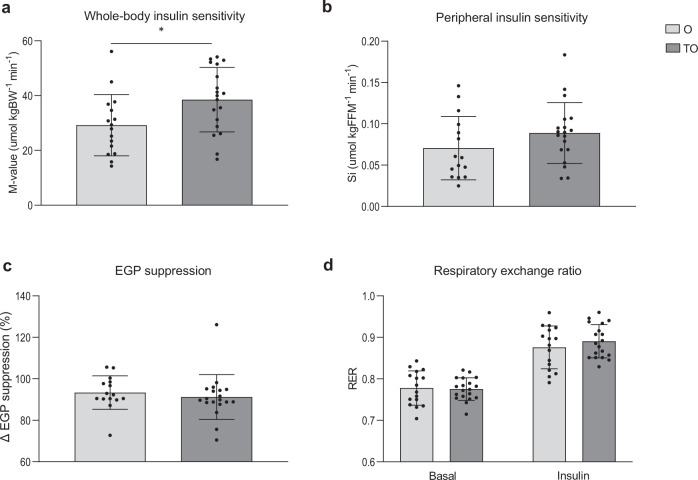
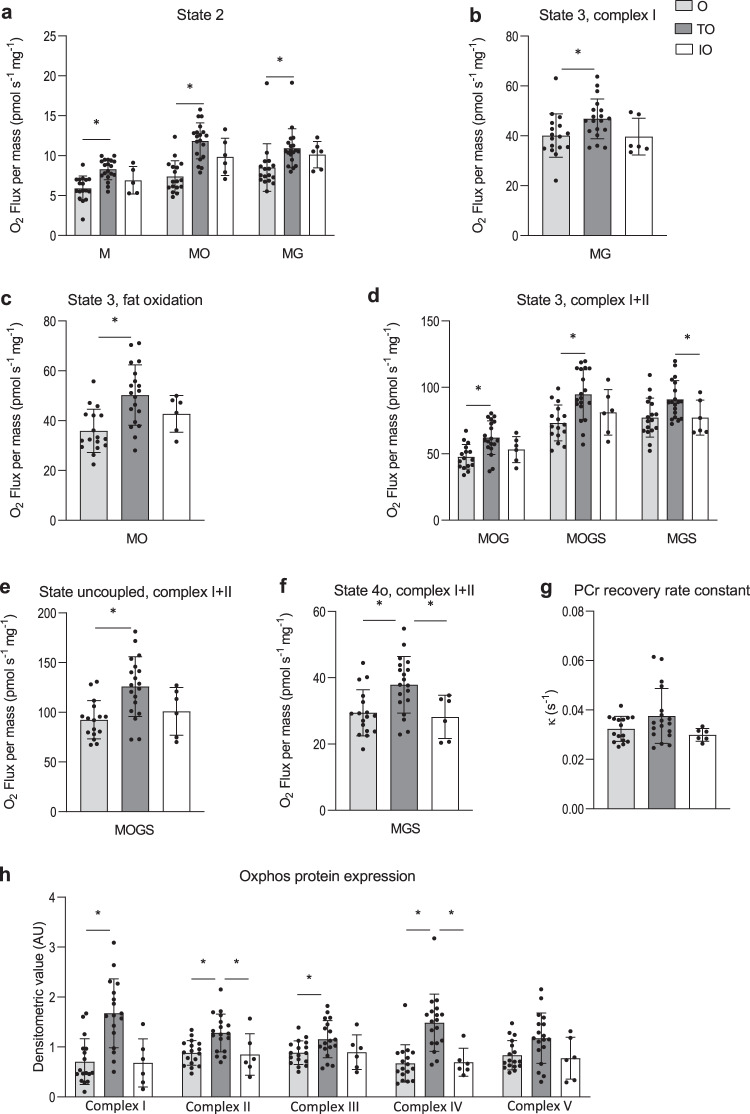
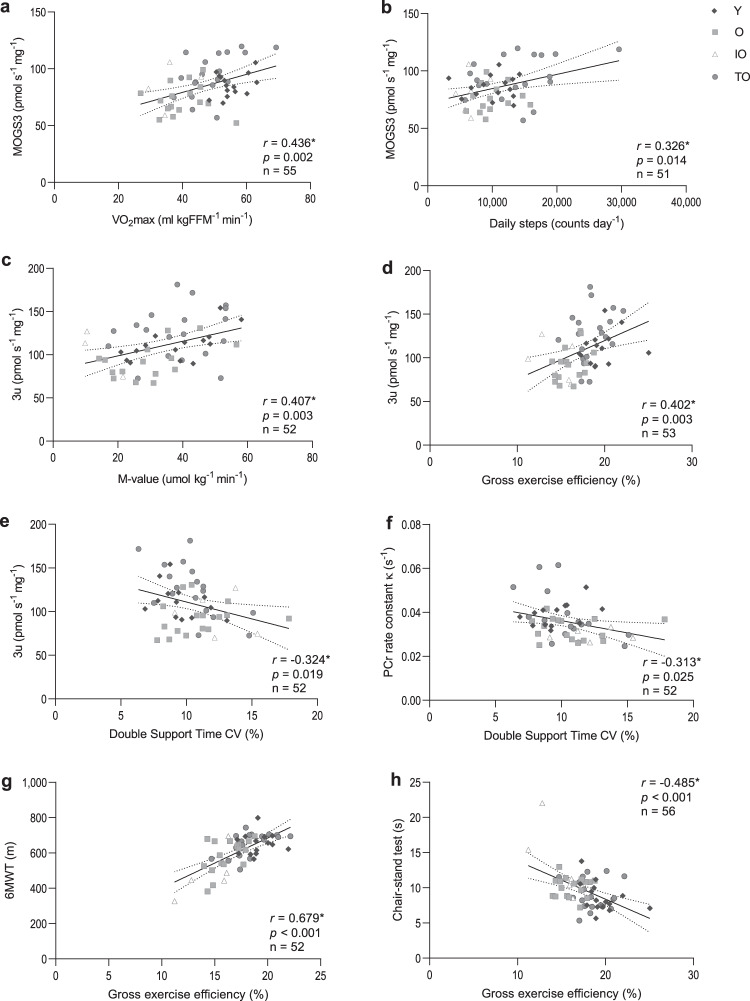
The relationship between the age-associated decline in mitochondrial function and its effect on skeletal muscle physiology and function remain unclear. In the current study, we examined to what extent physical activity contributes to the decline in mitochondrial function and muscle health during aging and compared mitochondrial function in young and older adults, with similar habitual physical activity levels. We also studied exercise-trained older adults and physically impaired older adults. Aging was associated with a decline in mitochondrial capacity, exercise capacity and efficiency, gait stability, muscle function, and insulin sensitivity, even when maintaining an adequate daily physical activity level. Our data also suggest that a further increase in physical activity level, achieved through regular exercise training, can largely negate the effects of aging. Finally, mitochondrial capacity correlated with exercise efficiency and insulin sensitivity. Together, our data support a link between mitochondrial function and age-associated deterioration of skeletal muscle.
Overview
The claims and statistics of this paper haven’t been checked yet.
Free: it reads the open-access text and checks the first 5 claims that cite a source we can check. Create a free account to check every claim.
Integrity signals
Registry
Cites
Statistics
Figures
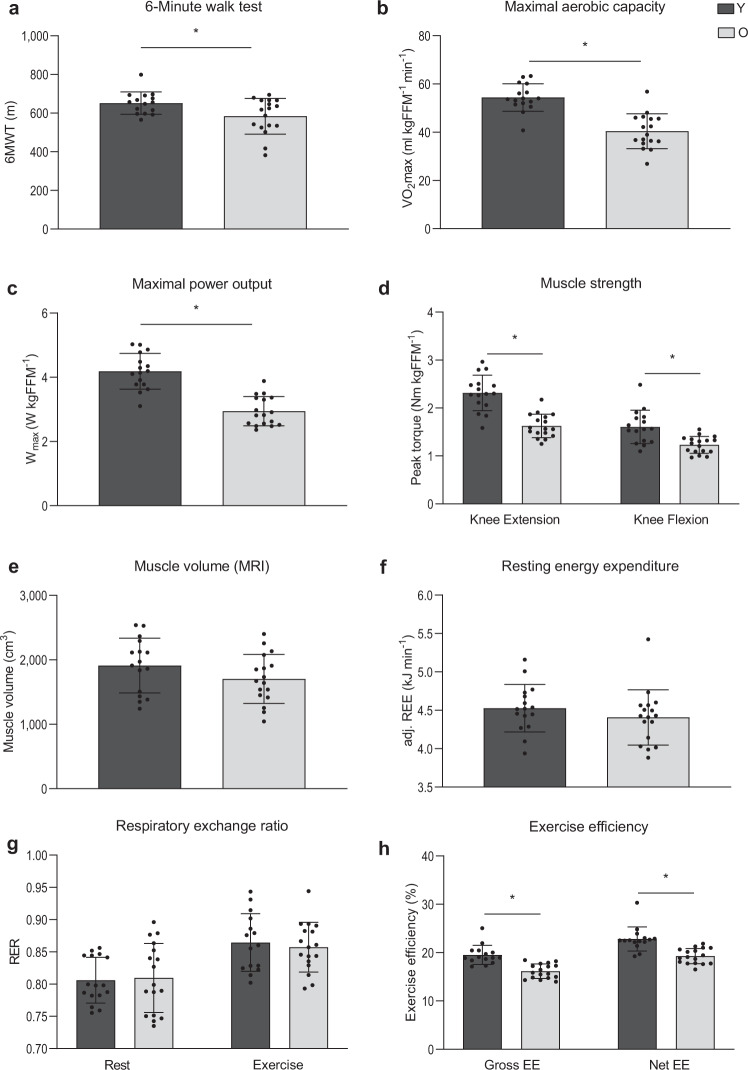
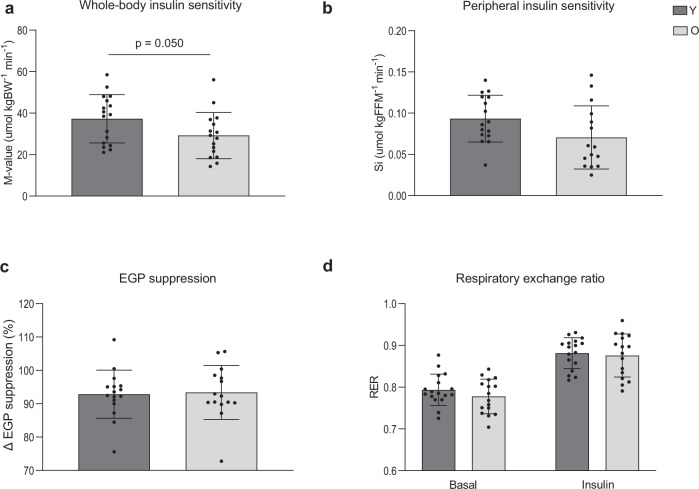
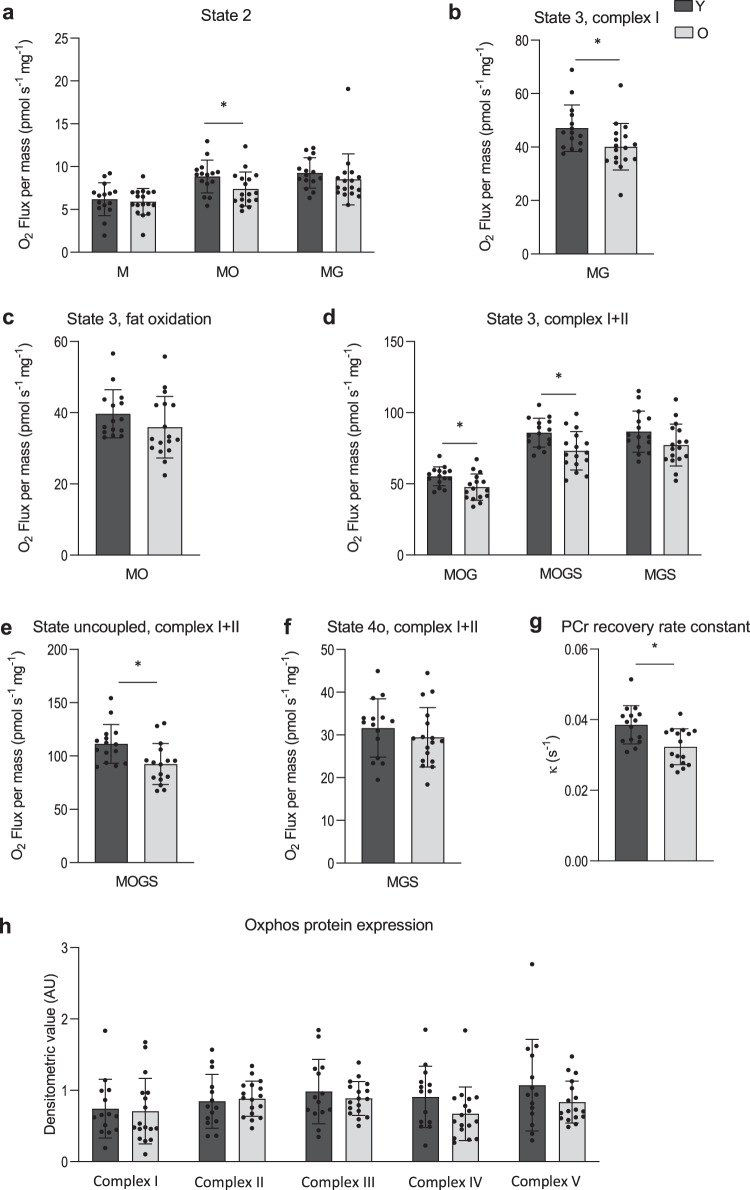
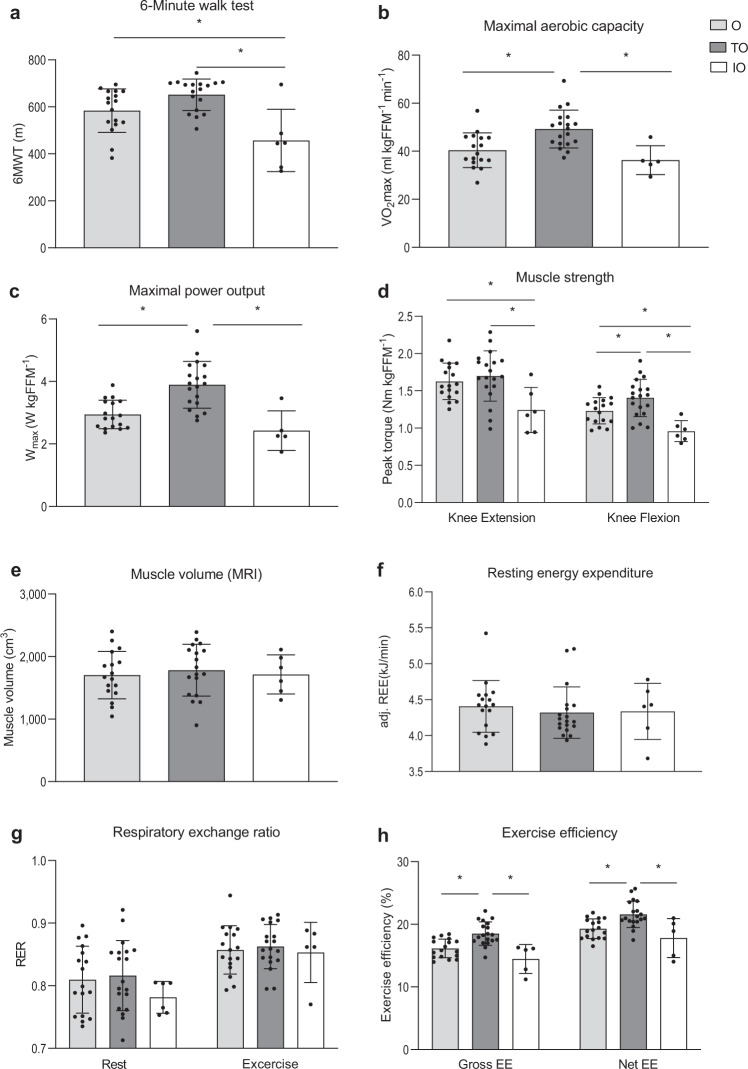
Verification
Claims the paper makes
The claims and statistics of this paper haven’t been checked yet.
Free: it reads the open-access text and checks the first 5 claims that cite a source we can check. Create a free account to check every claim.
Claims other papers make about this one
Each is checked against this paper’s own text: does it say what the citing paper says it does?
The source backs part of the claim, not all of it — or backs it for a different population, condition or comparison.
In the citing paper
“exercise improves fat-free mass and drives metabolic integration between muscle, adipose, and liver metabolism, which helps to maintain metabolic homeostasis and protect against age-related metabolic diseases”
From Lifestyle Medicine for Obesity in the Era of Highly Effective Anti-Obesity Treatment (2025) · cites this paper as [276]
Experimental — accuracy not yet measured
Self-check
Percentages, sums and reported differences re-computed from the paper’s own numbers.
The self-check needs the paper’s full text.
Citations
Cites
Frailty in Older Adults: Evidence for a Phenotype
Fried, L. P., Tangen, C. M., Walston, J., Newman, A. B., Hirsch, C., Gottdiener, J., Seeman, T., Tracy, R., Kop, W. J., Burke, G., et al. (2001) · The Journals of Gerontology Series A: Biological Sciences and Medical Sciences · doi:10.1093/gerona/56.3.m146 · Cited by 24,907
Guralnik, J. M., Simonsick, E. M., Ferrucci, L., Glynn, R. J., Berkman, L. F., Blazer, D. G., Scherr, P. A., & Wallace, R. B. (1994) · Journal of Gerontology · doi:10.1093/geronj/49.2.m85 · Cited by 9,792
New methods for calculating metabolic rate with special reference to protein metabolism
Weir, J. B. D. V. (1949) · The Journal of Physiology · doi:10.1113/jphysiol.1949.sp004363 · Cited by 5,603
The World report on ageing and health: a policy framework for healthy ageing
Beard, J. R., Officer, A., de Carvalho, I. A., Sadana, R., Pot, A. M., Michel, J.-P., Lloyd-Sherlock, P., Epping-Jordan, J. E., Peeters, G. M. E. E. (., Mahanani, W. R., et al. (2016) · The Lancet · doi:10.1016/s0140-6736(15)00516-4 · Cited by 3,287
Janssen, I., Heymsfield, S. B., & Ross, R. (2002) · Journal of the American Geriatrics Society · doi:10.1046/j.1532-5415.2002.50216.x · Cited by 3,139
Diet, muscle glycogen and physical performance.
Bergström, J., Hermansen, L., Hultman, E., & Saltin, B. (1967) · Acta Physiologica Scandinavica · doi:10.1111/j.1748-1716.1967.tb03720.x · Cited by 1,740
The condition for dynamic stability
Hof, A. L., Gazendam, M. G. J., & Sinke, W. E. (2005) · Journal of Biomechanics · doi:10.1016/j.jbiomech.2004.03.025 · Cited by 1,688
INFLUENCES OF GLUCOSE LOADING AND OF INJECTED INSULIN ON HEPATIC GLUCOSE OUTPUT*
Steele, R. (1959) · Annals of the New York Academy of Sciences · doi:10.1111/j.1749-6632.1959.tb44923.x · Cited by 1,670
Decline in skeletal muscle mitochondrial function with aging in humans
Short, K. R., Bigelow, M. L., Kahl, J., Singh, R., Coenen-Schimke, J., Raghavakaimal, S., & Nair, K. S. (2005) · Proceedings of the National Academy of Sciences · doi:10.1073/pnas.0501559102 · Cited by 1,333
How many steps/day are enough? for adults
Tudor-Locke, C., Craig, C. L., Brown, W. J., Clemes, S. A., De Cocker, K., Giles-Corti, B., Hatano, Y., Inoue, S., Matsudo, S. M., Mutrie, N., et al. (2011) · International Journal of Behavioral Nutrition and Physical Activity · doi:10.1186/1479-5868-8-79 · Cited by 1,087
Cited by
Items 201–299 of 299
Redox signalling and microRNA feedback in exercise-mediated skeletal muscle remodelling
Qin, X., Goljanek‐Whysall, K., & McDonagh, B. (2025) · Advances in Redox Research · doi:10.1016/j.arres.2025.100133 · Cited by 1
Biglycan Alleviates Age-Related Muscle Atrophy and Hepatocellular Senescence
Lee, D. S., Lim, J. H., & Lee, Y. J. (2025) · International Journal of Molecular Sciences · doi:10.3390/ijms26178286 · Cited by 3
“Accumulating evidence suggests that muscle aging affects not only structural integrity but also various physiological functions, including impaired metabolic homeostasis, mitochondrial dysfunction, and global alterations in transcriptomic and proteomic profiles [18–20].”
Kim, B.-K., Kim, K., Lee, S.-H., Son, J.-H., & Jeong, H.-J. (2025) · Applied Sciences · doi:10.3390/app15189952 · Cited by 1
Schrems, E. R., Cabrera, A. R., Jones, R. G., da Silva, F. M., Murach, K. A., Greene, N. P., & Washington, T. A. (2025) · BMC Genomics · doi:10.1186/s12864-025-12080-0 · Cited by 1
“Demographically, the aging population is expected to double from 12 to 22% by 2050 [11], while obesity rates are increasing [12, 13].”
Chen, L., Lu, X., & Zhu, Z. (2025) · Frontiers in Public Health · doi:10.3389/fpubh.2025.1645850 · Cited by 4
Ernst, N. J., Franczak, E., Allen, J., Minchew, E. C., Readyoff, A. T., Farlow, M. C., Spangenburg, E. E., Miller, B. F., Morris, J. K., Shankar, K., et al. (2025) · Journal of Applied Physiology · doi:10.1152/japplphysiol.00895.2024 · Cited by 1
Lu, J. K., Wang, W., Guan, L., van der Velde, J. H. P. M., Hoeks, J., Schrauwen, P., Salomons, G. S., Houtkooper, R. H., Maier, A. B., & Janssens, G. E. (2025) · GeroScience · doi:10.1007/s11357-025-01999-7 · Cited by 1
Self-citationSARAK, E. B. G. Ö. G., & Ceylan, Y. (2025) · Bartın University International Journal of Natural and Applied Sciences · doi:10.55930/jonas.1741124 · Cited by 1
Protasi, F., Serano, M., Brasile, A., & Pietrangelo, L. (2026) · Cells · doi:10.3390/cells15030248 · Cited by 4
“Sedentary aging, or simply inactivity in adult age, causes both loss of muscle mass and loss of mitochondria, impairing the capability of muscle to burn the daily caloric intake [294–296].”
Insulin resistance and metabolic health predict cardiorespiratory fitness: cohort study
Muñoz-Hernández, L., Rivera, A. L., Soto-Mota, A., Paez‐Mayorga, J., Flores‐Brito, J., Reséndiz‐Carrillo, E., Álvarez, G. R., Lopez‐Carreola, L., Zamora‐Gutierrez, S., Alpizar‐Chacon, P., et al. (2026) · European Heart Journal Open · doi:10.1093/ehjopen/oeag029 · Cited by 1
“52,53 Albeit VO₂max is assessed in exercise and insulin resistance at rest, both measurements provide a quantitative assessment of the maximum possible uptake of molecules required for cellular respiration in response to exercise or hyperinsulinaemia.”
Supplementation of Maltotetraose Enhances Endurance Capacity and Energy Metabolism of ICR Mice
Gao, F., Kong, H., Tian, Y., Li, D., Li, C., Ban, X., Gu, Z., & Li, Z. (2026) · Journal of Agricultural and Food Chemistry · doi:10.1021/acs.jafc.5c14350 · Cited by 1
Wang, X., & Qin, A. (2026) · Maturitas · doi:10.1016/j.maturitas.2026.108912 · Cited by 1
Mechanisms underlying age-related changes in the human skeletal muscle bioenergetic system
Korzeniewski, B., & Goulding, R. P. (2026) · European Journal of Applied Physiology · doi:10.1007/s00421-026-06189-7 · Cited by 3
“(Conley et al. 2000) and ex vivo mitochondrial respiratory capacity in isolated mitochondria (Picard et al. 2010) or permeabilized fibres (Grevendonk et al. 2021; Ring-holm et al. 2023) have all been shown to decline with age.”
Chen, J., Liu, X., Wu, Y., Wang, C., & Wang, C. (2026) · Frontiers in Aging Neuroscience · doi:10.3389/fnagi.2026.1810397 · Cited by 1
“Exercise simultaneously targets mitochondrial function (Bishop et al., 2025; Grevendonk et al., 2021), neuroinflammation (Liu Y. et al., 2020; Liu et al., 2022), and autophagy (He et al., 2012)—the three major upstream regulators of apoptosis in PD—enabling coordinated suppression of apoptotic…”
Mitochondrial homeodynamics in ageing: mechanisms, resilience, and interventions
Chmielewski, P. P. (2026) · Biogerontology · doi:10.1007/s10522-026-10506-0 · Cited by 2
“In skeletal muscle, training activates AMPK-and calcium-sensitive signalling, PGC-1-coordinated transcription, mitochondrial protein synthesis, antioxidant defences, and turnover (Bishop et al. 2025; Grevendonk et al. 2021).”
Gastaldelli, A., Choi, E., Conde‐Knape, K., Göransson, O., Krook, A., Lehtonen, S. H., Roden, M., Schrauwen, P., Sparks, L. M., & Heni, M. (2026) · Diabetologia · doi:10.1007/s00125-026-06853-9 · Cited by 2
Self-citationMahmud, S. Z., & Bashir, A. (2022) · NMR in Biomedicine · doi:10.1002/nbm.4872 · Cited by 2
Huang, I.-W., Liu, S., Weng, S.-J., Liao, C.-H., Yang, H.-P., & Tsai, Y. (2024) · Preventive Medicine Reports · doi:10.1016/j.pmedr.2024.102752 · Cited by 1
“Grevendonk et al. (Grevendonk et al., 2021) mentioned that regular exercise can slow down the aging process.”
BackgroundMechanical efficiency: associations with body composition and glycemic profile in healthy adults
Marin‐Couture, É., Përusse, L., Bouchard, C., Schrauwen, P., Joanisse, D. R., & Tremblay, A. (2024) · European Journal of Applied Physiology · doi:10.1007/s00421-024-05528-w · Cited by 1
“This hypothesis is partly justified by the fact that NME can be modulated by factors such as adaptive thermogenesis and mitochondrial efficiency (Doucet et al. 2003; Goldsmith et al. 2010; Grevendonk et al. 2021; Mogensen et al. 2006; Piaggi et al. 2013).”
Self-citationIntermittent standing does not acutely improve postprandial metabolism in university students
Price, A. G., Procter, E. L., Boat, R., Codd, E. B., Donaldson, J., Juett, L. A., Clayton, D. J., Savage, M. J., & James, R. M. (2025) · Journal of Sports Sciences · doi:10.1080/02640414.2024.2447664 · Cited by 2
“The question persists regarding the adequacy of standing as a sufficiently intense activity to positively affect post-prandial metabolism in students, who are typically young adults and may experience lower metabolic demands of standing due to greater energy efficiency (Grevendonk et al., 2021).”
How Older Adults Can Avoid Falls via Proactive and Reactive Gait Adaptability: A Brief Introduction
McCrum, C. L., & van der Hulst, E. G. (2024) · Springer eBooks · doi:10.1007/978-3-031-74123-4_3 · Cited by 2
Self-citationSARIALİOĞLU, N. (2025) · Turkish Journal of Kinesiology · doi:10.31459/turkjkin.1666684 · Cited by 1
Lin, Y., Chen, J., & Lin, K.-J. (2025) · Journal of Cachexia Sarcopenia and Muscle · doi:10.1002/jcsm.13857 · Cited by 1
How Older Adults can Avoid Falls via Proactive and Reactive Gait Adaptability: A Brief IntroductionPreprint
McCrum, C. L., & van der Hulst, E. G. (2023) · doi:10.31219/osf.io/yvjbu · Cited by 1
Self-citationZhang, M., Qian, G., Ma, J., Li, S., Lipowski, M., & Ossowski, Z. M. (2023) · Research Square · doi:10.21203/rs.3.rs-3477909/v1 · Cited by 1
Koemel, N. A., Biswas, R. K., Ahmadi, M. N., Teixeira-Pinto, A. M., Hamer, M., Rezende, L. F. M., Mitchell, J. J., Leech, R. M., Sawan, M. J., Allman-Farinelli, M. A., et al. (2025) · medRxiv · doi:10.1101/2025.04.24.25326344 · Cited by 1
Alldritt, I., Sligar, J., Campelj, D. G., Padilha, C. S., Ritenis, E. J., Mantamadiotis, T., Widodo, S. S., Dinevska, M., Nielsen, J., Philp, A. M., et al. (2025) · bioRxiv (Cold Spring Harbor Laboratory) · doi:10.1101/2025.11.03.686168 · Cited by 1
“As skeletal muscle has a high energetic demand, it is particularly susceptible to alterations in mitochondrial quality control 4 , with alterations in this program proposed to play a key role in the aetiology of sarcopenia, the loss of skeletal muscle mass and function commonly associated with age…”
Skeletal muscle health in aging: a focus on mitochondria, metabolism and physical performance
Grevendonk, L. (2021) · Research Publications (Maastricht University) · doi:10.26481/dis.20211006lg
Self-citationA metabolically healthy lifestyle: A matter of timing?
Andriessen, C. (2023) · Research Publications (Maastricht University) · doi:10.26481/dis.20230706ca
Prävention zum Erhalt der Nierengesundheit
Pommer, W. (2023) · Springer eBooks · doi:10.1007/978-3-662-65648-8_38
Xu, L., Li, N., Miao, D., Huang, C., Chen, L., Yang, H., & Wang, Z. (2024) · Poultry Science · doi:10.1016/j.psj.2024.103736
“Consistent with our study, skeletal muscle ATP and total adenine nucleotide concentration were reduced in individuals who lacked exercise (Grevendonk et al., 2021), conducted repeated sprint bouts (Purpura et al., 2017), or suffered from Duchenne muscular dystrophy (Shuttlewood and Griths, 1982;…”
ResultMarchand, S. (2024) · Springer eBooks · doi:10.1007/978-3-031-56541-0_8 · Cited by 1
Seo, Y., Lee, E., & Nam, J. (2024) · Journal of Functional Foods · doi:10.1016/j.jff.2024.106332
Hayes, C. (2024) · Advances in medical diagnosis, treatment, and care (AMDTC) book series · doi:10.4018/979-8-3693-0675-8.ch001
Effect of decreased muscle strength in the elderly on cognitive declinePreprint
Kim, N., Jeon, G., Lee, J., & Kim, D. (2024) · Research Square · doi:10.21203/rs.3.rs-4759534/v1
Matthews, R., Höchsmann, C., Erickson, M. L., Dorling, J. L., Spielmann, G., Johannsen, N. M., Church, T. S., & Martin, C. K. (2024) · Medicine & Science in Sports & Exercise · doi:10.1249/mss.0000000000003583 · Cited by 1
Gemmink, A., van de Weijer, T., Schaart, G., Grabner, G. F., Moonen‐Kornips, E., Knoops, K., Zechner, R., Schweiger, M., & Hesselink, M. K. C. (2024) · bioRxiv (Cold Spring Harbor Laboratory) · doi:10.1101/2024.10.31.621255
Self-citationAssociations Between Walking Pace, APOE-ε4 Genotype, and Brain Health in Middle-Aged to Older Adults
Aslan, D. H., Sayre, M. K., Bharadwaj, P. K., Ally, M., Maltagliati, S., Lai, M. H. C., Wilcox, R. R., Klimentidis, Y. C., Alexander, G. E., & Raichlen, D. A. (2025) · Medicine & Science in Sports & Exercise · doi:10.1249/mss.0000000000003646
Adami, A., Duan, F., Calmelat, R., Chen, Z., Casaburi, R. H., & Rossiter, H. B. (2025) · medRxiv · doi:10.1101/2025.01.28.25321301
Xu, J. (2025) · Theoretical and Natural Science · doi:10.54254/2753-8818/2025.22557
Unique lipid signatures in viral envelopes originating from host membranes
Tozzi, A. (2025) · Next research. · doi:10.1016/j.nexres.2025.100460
Qian, Y., Gan, W., Dong, Y., Chen, W., & Zhu, F. (2025) · BMC Nephrology · doi:10.1186/s12882-025-04424-5 · Cited by 1
“Aging leads to a decline in insulin secretion, metabolic rate, and muscle mass [24]further exacerbating insulin resistance [25, 26].”
Zhou, X., Gao, J., Xu, S., Zhou, H., Zhang, Z., Tang, M., Liao, Y., Peng, Z., Nussler, A. K., Zhang, R., et al. (2025) · Food Science and Human Wellness · doi:10.26599/fshw.2025.9250642 · Cited by 1
van der Hulst, E. G., Meijer, K., Meyns, P., & McCrum, C. L. (2025) · medRxiv · doi:10.1101/2025.10.03.25337262
Self-citationShorter, E., Ossipova, E., Alves, E. S., Idborg, H., Vanluyten, J., Kosek, E., Zhengye, L., Nordgren, B., Fridén, C., von Walden, F., et al. (2025) · Clinical Rheumatology · doi:10.1007/s10067-025-07734-z · Cited by 1
“These results align with studies in aging populations, where structured exercise improved complex I activity and lipid metabolism [33].”
Dang, J., Liou, J. Y., Mullah, R., & Giulivi, C. (2025) · Frontiers in Molecular Biosciences · doi:10.3389/fmolb.2025.1710944
Rizk, J. G., Ghaibour, K. C., Souali‐Crespo, S., Calvano, E., Bilger, A., Jacobs, H., Messaddeq, N., Cai, Q., Grandgirard, E., Sahu, R., et al. (2025) · bioRxiv (Cold Spring Harbor Laboratory) · doi:10.1101/2025.10.30.685031
“Collectively, these findings demonstrate that intact AR signaling, requiring both sufficient ligand and receptor, is essential for efficient myoblast differentiation, and by extension, effective skeletal muscle regeneration.”
The blood proteome predicts the impact of circulating factors on age-related mitochondrial health
Heimler, S., Bergstrom, J., Sun, N., Tanaka, T., Moore, A. Z., Candia, J., Chen, B. H., Tian, Q., Bektas, A., Fantoni, G., et al. (2026) · npj Aging · doi:10.1038/s41514-026-00449-8
“Overall, MitoAge and the fi ndings presented here align with previous literature indicating the strong interdependent relationship between mitochondrial function and physical fi tness 30,51,52 .”
Lee, Y.-S., Kim, H. S., Nguyen, P. L., Lee, J., Kim, D., Lee, J., Moon, C., Cho, K., Kim, B.-E., Ahn, J., et al. (2025) · bioRxiv (Cold Spring Harbor Laboratory) · doi:10.1101/2025.11.19.688750 · Cited by 3
Fresa, K. J., Catandi, G. D., Gonzalez‐Castro, R. A., Omar, A. K., Whitcomb, L. A., Cheng, M.-H., Chen, T. W., Carnevale, E. M., & Chicco, A. J. (2025) · Scientific Reports · doi:10.1038/s41598-025-03271-6
Gautvik, K. M., Olstad, O. K., Raue, U., Gautvik, V. T., Kvernevik, K. J., Utheim, T. P., Ravnum, S., Kirkegaard, C., Wiig, H., Jones, G., et al. (2022) · Figshare · doi:10.6084/m9.figshare.21258273
Hereditary cancer syndromes linked to oxidative phosphorylation insufficiency
Kaplan, B., Duraj, T., Lee, D. C., & Seyfried, T. N. (2025) · ONCOLOGIE · doi:10.1515/oncologie-2025-0301
Brain serotonin circuit reverses decline in physical activity with age
de Morentin, P. B. M., Leeson-Payne, A. T. S., Mu, S., Martynova, Y. V., Mohammadkhani, A., Neyens, D. M., Gonzalez, J. A., Lazovskis, J., Cristiano, C., Crabtree, D. R., et al. (2026) · Metabolism · doi:10.64898/2025.12.27.695444
OPTIMIZING CARDIOVASCULAR AND METABOLIC HEALTH BY EXERCISING
Fedorchenko, Y. (2025) · Anti-Aging Eastern Europe · doi:10.56543/aaeeu.2025.4.4.05
Li, X., Huang, X., & Wei, X. (2026) · International Journal of Molecular Sciences · doi:10.3390/ijms27020569
“A cell with a compliant cytoskeleton and a fluid membrane is better equipped to manage osmotic gradients, distribute organelle-damaging stresses, and maintain efficient mitochondrial function and energy metabolism [83–87].”
Pilotto, A., Higueras-Liébana, E., Ansaldo, M., Baltasar‐Fernandez, I., Neri, M., Giusti, L., Buendía‐Romero, Á., Valenzuela, P. L., Alcázar, J., Lauretani, F., et al. (2026) · Frontiers in Physiology · doi:10.3389/fphys.2025.1735019
Carlini, N. A., Ruple, B. A., Rostamkhani, H., Shi, H., Maschek, J. A., Hanson, B. E., Rajasekaran, N. S., Richardson, R. S., Drummond, M. J., Broxterman, R. M., et al. (2026) · GeroScience · doi:10.1007/s11357-025-02047-0 · Cited by 1
“This increase in CVD risk with aging is driven, in part, by progressive changes to mitochondrial-specific biological processes (i.e., fission and fusion, DNA mutations, cellular senescence and oxidative stress) resulting in organelle dysfunction [2, 3].”
Seasonal decline in mitochondrial plasticity in the three-spined stickleback
Ruiz-Raya, F., Monaghan, P., Millet, C., & Metcalfe, N. B. (2026) · Biology Letters · doi:10.1098/rsbl.2025.0620 · Cited by 1
Webster, K., Hacker, E. D., & Lu, Y. Y.-F. (2026) · Disability and Rehabilitation Assistive Technology · doi:10.1080/17483107.2026.2616044
Andersen, O. E., Larsen, R. G., Møller, N., Stouge, A., Ringgaard, S., Overgaard, K., & Jessen, N. (2026) · Acta Physiologica · doi:10.1111/apha.70161 · Cited by 1
Resistance-based exercise restores muscle health in dialysis patients
Srivastava, P., Singh, S. K., Nair, R. S., Jha, S., Viswakarma, N., Srivastava, D., Hachaj, G., Bartlett, S. T., Santi, I., Ejaz, A. M., et al. (2026) · Journal of Muscle Research and Cell Motility · doi:10.1007/s10974-026-09727-0 · Cited by 1
“The importance of carbohydrates, proteins, and lipids in facilitating energy generation during exercise is well known and reiterated by several groups (Pi et al. 2023; Grevendonk et al. 2021).”
Huang, J., Miao, L., & Mao, S. (2026) · Frontiers in Sports and Active Living · doi:10.3389/fspor.2026.1683090
“Intracellular ATP is the immediate energy currency for muscle contraction and high-intensity exercise (18, 19).”
van der Hulst, E. G., Meijer, K., Meyns, P., & McCrum, C. L. (2026) · PLoS ONE · doi:10.1371/journal.pone.0345798
Self-citationA decline in skeletal muscle NOX4 abrogates adaptive homeostasis and exacerbates ageingPreprint
Xirouchaki, C. E., Coughlan, E., García-Domínguez, E., Giri, S., McGrath, M. J., Wiede, F., Sadoshima, J., Roman, W., Gomez-Cabrera, M. C., Philp, A., et al. (2026) · bioRxiv (Cold Spring Harbor Laboratory) · doi:10.64898/2026.03.27.714615
Zhao, L., Gou, B., & Zhang, M. (2026) · Journal of Psychosomatic Research · doi:10.1016/j.jpsychores.2026.112677 · Cited by 2
Jang, I., Hwang, D., Kyun, S., Park, Y., Kim, T., Lim, K., Hwang, H., Park, H. C., Kim, S.-W., & Kim, J. (2026) · Medicine & Science in Sports & Exercise · doi:10.1249/mss.0000000000004015
“Exercise training is known to enhance mitochondrial oxidative capacity and metabolic efficiency in skeletal muscle (41).”
MetAR : A semi-automated meta-analysis of skeletal muscle androgen receptors association with agePreprint
Williams, R. M., Engman, V., Soria, M., Wadley, G. D., Hiam, D., & Lamon, S. (2026) · bioRxiv (Cold Spring Harbor Laboratory) · doi:10.64898/2026.04.21.719741 · Cited by 1
From mice to muscle: does MitoQ translate to human strength in ageing?
Daroga, E. Y., Dunsmore, K. A., & Chen, T. (2026) · The Journal of Physiology · doi:10.1113/jp291266
Loss of muscle function as the main indicator of age-related alterations in muscle tissue
Urunova, G. R., Demenok, D. V., Шарашкина, Н. В., Naumov, A. V., & Khovasova, N. O. (2026) · Russian Journal of Geriatric Medicine · doi:10.37586/2686-8636-2-2026-157-163
Norevik, C. S., Huuha, A. M., Kobro‐Flatmoen, A., Lydersen, S., Røsbjørgen, R. N., Bækkerud, F. H., Scrimgeour, N. R., & Tari, A. R. (2026) · Medicine & Science in Sports & Exercise · doi:10.1249/mss.0000000000004018
Chen, Z., & Niu, Z. (2026) · Frontiers in Physiology · doi:10.3389/fphys.2026.1809107
“As skeletal muscle becomes increasingly susceptible to oxidative stress, mitochondrial inef fi ciency, and impaired excitation – contraction coupling, even basic daily tasks require greater physiological effort (Grevendonk et al., 2021).”
Cameron, D., Clark, A., Vermeulen, L. J., Malekzadeh, A., Vassiliou, V. S., & Hooijmans, M. T. (2026) · bioRxiv (Cold Spring Harbor Laboratory) · doi:10.64898/2026.05.02.722217
Oleic Acid Levels in HSALR Mouse Model of Myotonic Dystrophy Type 1
Peris-Moreno, D., Sabater-Arcis, M., Moreno, N., Orduña, L., López, A., Bargiela, A., & Artero, R. D. (2026) · International Journal of Molecular Sciences · doi:10.3390/ijms27104211
“In parallel, ageing is accompanied by broad metabolic remodelling, including changes in skeletal muscle mitochondrial capacity and substrate utilization that can influence MUFA pools through altered oxidation and turnover, independently of ∆ 9-desaturase mRNA [56,57].”
Campos-Hernández, C., Romero‐García, T., Frayde-Gómez, H., López-Campos, C. E., Navarro-Ibarra, M. J., Borbón-Román, J. C., Machado-Parra, J. P., Porras-Alvarado, V. E., & Oregel-Cortez, M. I. (2026) · Sports · doi:10.3390/sports14050204 · Cited by 2
“In this context, regular physical activity is recognized as one of the most effective strategies to mitigate the adverse effects of aging on body composition and metabolic health [1,2].”
Sol, H. C.-D., Coral‐Vázquez, R. M., & Cano-Martínez, L. J. (2025) · Investigación en Discapacidad · doi:10.35366/123224
Caeiro, L., Anderson, L. J., Dash, A., Marcinek, D. J., Kerr, H. L., Paulsen, L., Miranda, G., Jaramillo-Quiroz, S. D. C., Vaisar, T., Krueger, M. A., et al. (2026) · Nature Communications · doi:10.1038/s41467-026-73542-x · Cited by 2
“Mitochondrial function declines with aging 28 and is negatively impacted in many diseases, including breast cancer 29 .”
InfluentialEidiyan-Kakhki, M. M., Rajabi, H., Amani-Shalamzari, S., & Motamedi, P. (2026) · European Geriatric Medicine · doi:10.1007/s41999-026-01529-4
“In contrast, exercise snacking involves brief, self-paced bouts of activity performed multiple times per day, which may reduce fatigue accumulation and limit excessive physiological load [8, 25, 34].”
Xu, Y., Jin, R., Pang, J., Chen, F., & Dai, S. (2026) · Frontiers in Endocrinology · doi:10.3389/fendo.2026.1845188 · Cited by 1
“The underlying mechanism might be that PA enhances the mitochondrial function in skeletal muscles, increasing mitochondrial capacity and energy metabolism (37), and alleviates insulin resistance in diabetic patients, thereby increasing insulin sensitivity (38).”
Quezada‐Pinedo, H. G., Brown, T., Enogela, E. M., Levitan, E. B., Akinyelure, O. P., Smith, V. A., Pinheiro, L. C., Safford, M. M., Reid, R.-J., Akinyemiju, T., et al. (2026) · The Journals of Gerontology Series A · doi:10.1093/gerona/glag142
Transcriptomic Signatures of Exercise-Modality Responses in Aged Human Skeletal Muscle
Yang, S., & Li, J. (2026) · Genes · doi:10.3390/genes17070803
“Aged skeletal muscle also shows mitochondrial dysfunction, impaired regeneration, altered metabolism, and abnormal tissue remodeling [2–4].”
Dierckx, T., Wilson, S. E., Buchanan, R., Tsarouchas, T. M., Cheng, Y., Nunez, M. S., Strickland, K., Kumsa, D., Auguste, Y. S. S., Vanherle, S., et al. (2026) · Neuron · doi:10.1016/j.neuron.2026.07.015
Korkmaz, N., & Öncü, M. (2026) · Sport Sciences for Health · doi:10.1007/s11332-026-01917-0
“Beyond its mechanical function, skeletal muscle acts as a key metabolic organ [12], influencing substrate utilization [13], mitochondrial function [14], insulin sensitivity [15], and systemic energy homeostasis [16].”
Liu, Y., Hu, Z., Duan, D., Wu, L., & Zeng, A. (2026) · Science Advances · doi:10.1126/sciadv.aef3262 · Cited by 1
Korzeniewski, B. (2026) · Respiratory Physiology & Neurobiology · doi:10.2139/ssrn.7370058
The ageing microenvironment in sarcopenia: early alterations and targeted therapeutic strategies
Zhang, L., Li, G., Long, L., Pan, L., Bai, Y., Ni, L., Han, L., & Cao, R. (2026) · Frontiers in Immunology · doi:10.3389/fimmu.2026.1929891
“These changes can aggravate oxidative damage and proteostatic imbalance before overt myo fi ber atrophy and further promote myo fi ber wasting (67).”
Impact of renal lipid droplet dynamics on tubular health
Heneberg, P., & Šimčíková, D. (2026) · Journal of Lipid Research · doi:10.1016/j.jlr.2026.101101
Applications of Mesenchymal Stromal Cells for Treatment of Diseases
薛冬梅, Li, Y., & Wu, L. (2026) · MedComm · doi:10.1002/mco2.70971
Rizk, J. G., Ghaibour, K. C., Souali‐Crespo, S., Calvano, E., Bilger, A., Jacobs, H., Messaddeq, N., Cai, Q., Grandgirard, E., Sahu, R., et al. (2026) · Science Advances · doi:10.1126/sciadv.aec8073 · Cited by 1
Citius, Maius, Melius: Mitochondria and Endurance Performance
Botella, J., Bishop, D. J., & Granata, C. (2026) · Sports Medicine · doi:10.1007/s40279-026-02530-4
Ngo, T. H. P., & Lee, W. (2026) · International Journal of Molecular Sciences · doi:10.3390/ijms27198844
“Deeply phenotyped human studies show that exercise status materially modifies mitochondrial capacity and physical function [36], and three-dimensional analyses reveal age-associated remodeling of mitochondrial architecture [37].”
Lee, S., Sim, Y., Lee, M., & Kim, E. (2026) · Antioxidants · doi:10.3390/antiox15091185
Ta, G., Li, L., Jing, C., Chen, X., Jeong, S.-J., Ryu, D., & Wei, S. (2026) · Frontiers in Endocrinology · doi:10.3389/fendo.2026.1935289
Ruggiero, M., Mercurio, N., Motti, M. L., Capozzi, F., & Mazzeo, F. (2026) · AppliedChem · doi:10.3390/appliedchem6040068
S100A9 Inhibition Mediates Aerobic Exercise Benefits in Pulmonary Hypertension
Chen, Z., He, Z., Liu, X., Chen, Y., Zhou, Q., Liu, Z. Y., Chen, F., Huang, Y., Wang, C., Bai, Z., et al. (2026) · Journal of the American Heart Association · doi:10.1161/jaha.125.049578
“24,25 Our findings extend this understanding by elucidating a specific immune-regulatory mechanism through which aerobic exercise mitigates hypoxia-induced PH. Previous studies have highlighted exercise-related benefits in various PH models.”
Yousaf, F., Kao, S., Ishaq, S., Shah, I. A., & Lee, S. (2026) · Archives of Gerontology and Geriatrics · doi:10.1016/j.archger.2026.106435
Dong, Z., Liu, L. N., Guo, Y., Sun, H., Shi, W., Zhou, M., Tong, X., Wang, Z., Qian, F., & Guo, Y. (2026) · Journal of Cachexia Sarcopenia and Muscle · doi:10.1002/jcsm.70401
Changjian, W., Furui, W., Yanyu, F., Yü, Y., & Wei, J. (2026) · Experimental Neurology · doi:10.1016/j.expneurol.2026.116058
Metadata
- Authors
- Grevendonk, L., Connell, N. J., McCrum, C., Fealy, C. E., Bilet, L., Bruls, Y. M. H., Mevenkamp, J., Schrauwen-Hinderling, V. B., Jörgensen, J. A., Moonen-Kornips, E., Schaart, G., Havekes, B., de Vogel-van den Bosch, J., Bragt, M. C. E., Meijer, K., Schrauwen, P., & Hoeks, J.
- Affiliations
- Maastricht University (NL)
- Maastricht University Medical Centre (NL)
- FrieslandCampina (Netherlands) (NL)
- ORCID
- Venue
- Nature Communications
- Published
- 2021-08-06
- Volume
- 12
- Issue
- 1
- Pages
- 4773-4773
- ISSN
- 2041-1723 (ISSN-L)
- PMC
- PMC8346468
- OpenAlex
- W3189076549
- Semantic Scholar
- 354606af56a7bec2df0df15462c6f414d141530e
- Cited by
- 298
- References
- 71
- Citations by year
- 2026: 67 · 2025: 96 · 2024: 69 · 2023: 36 · 2022: 27 · 2021: 3
- FWCI
- 10.60
- Type
- journal article
- Language
- en
- Open access
- gold
- doi.org
- Licence
- cc-by
- creativecommons.org/licenses/by/4.0 (tdm)
- creativecommons.org/licenses/by/4.0 (vor)
- Locations
- Nature Communications (publishedVersion, cc-by)
- PubMed Central (publishedVersion, cc-by)
- PubMed (publishedVersion)
- Research Publications (Maastricht University) (publishedVersion, cc-by)
- Lirias (submittedVersion, cc-by)
- RePEc: Research Papers in Economics (submittedVersion)
- DOAJ (DOAJ: Directory of Open Access Journals) (submittedVersion, cc-by-sa)
- Research Publications (Maastricht University) (submittedVersion, other-oa)
- Funders
- Danone
- Danone Nutricia Research
- Nederlandse Organisatie voor Wetenschappelijk Onderzoek
- Topics
- Life Sciences › Biochemistry, Genetics and Molecular Biology › Molecular Biology › Mitochondrial Function and Pathology
- Health Sciences › Medicine › Physiology (medical) › Cardiovascular and exercise physiology
- Life Sciences › Biochemistry, Genetics and Molecular Biology › Molecular Biology › Muscle Physiology and Disorders
- Keywords
- skeletal muscle aging, mitochondrial function, exercise training, physical activity, energy metabolism, insulin sensitivity, exercise efficiency, gait stability, muscle function, older adults, physical impairment
- MeSH terms
- Adult, Aged, Aged, 80 and over, Aging, Cross-Sectional Studies, Energy Metabolism, Female, Humans, Insulin Resistance, Male, Middle Aged, Mitochondria, Muscle, Exercise, Muscle, Skeletal, Young Adult
About these checks
Registry, retraction, Cites and statistics results are computed, not judged, with one exception: a printed reference that no index lists is read once by a model before it counts as a citation error. Claims are extracted by a model and kept only when their quote appears verbatim in the text; each cited source is then checked, with a model’s help, for whether it says what the claim relies on. Those verdicts can be wrong — read the claim’s quote and the cited source before relying on one.
Statistics and arithmetic are recomputed, not judged.
Confidence bands are shown only for fields calibrated on our annotated test set. None is calibrated yet, so no band is shown.
What counts as a claim ›How we measure confidence ›How we check this ›
Are you an author, or do you see a problem with this page? Request a review
Data sources
Bibliographic data: Semantic Scholar, OpenAlex, Crossref.
Contains information from the Semantic Scholar Academic Graph Datasets, made available under the ODC Attribution License (ODC-BY 1.0).
Semantic Scholar’s data is described in: Kinney, R., et al. (2023). The Semantic Scholar Open Data Platform. arXiv:2301.10140.
