

FGF21 is required for protein restriction to extend lifespan and improve metabolic health in male mice
Open accessThe DOI matches its Crossref record; 74 of the 75 references it cites were found in a registry or an index.
Abstract
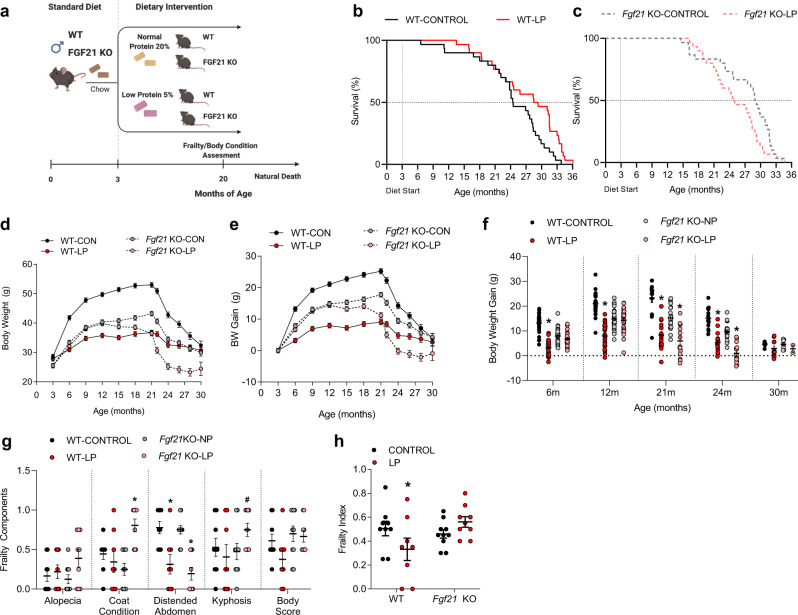
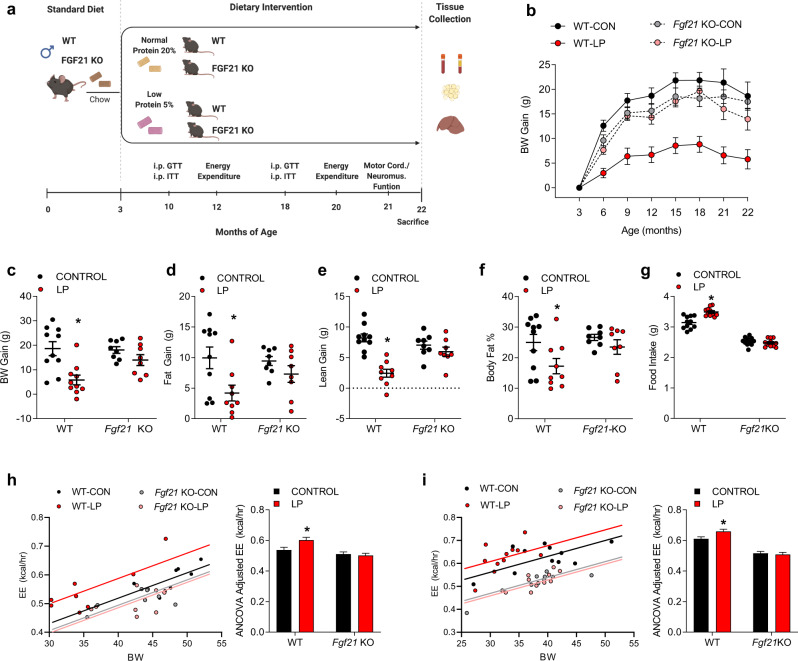
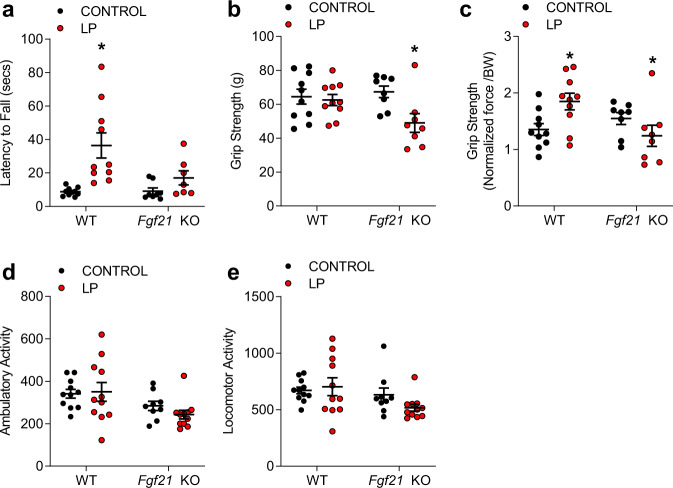
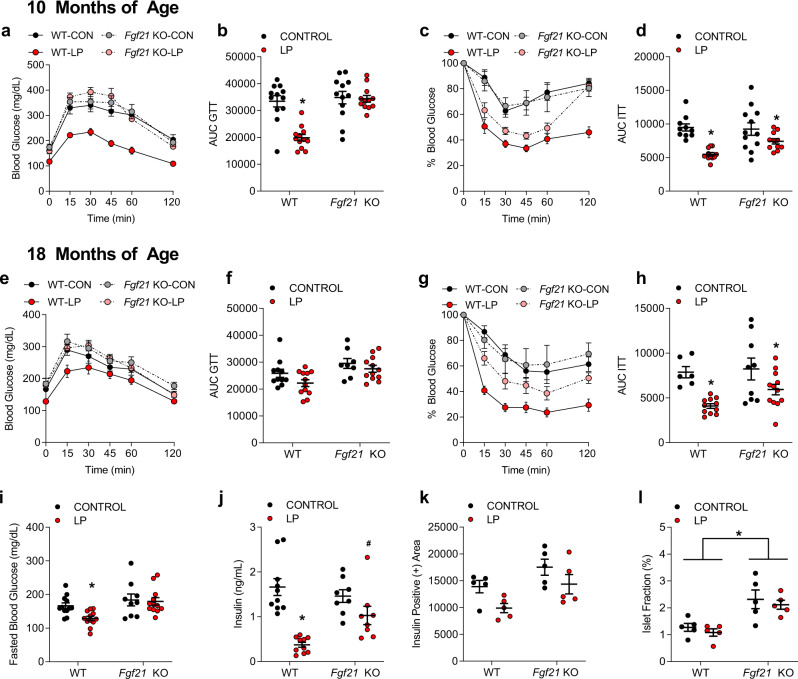
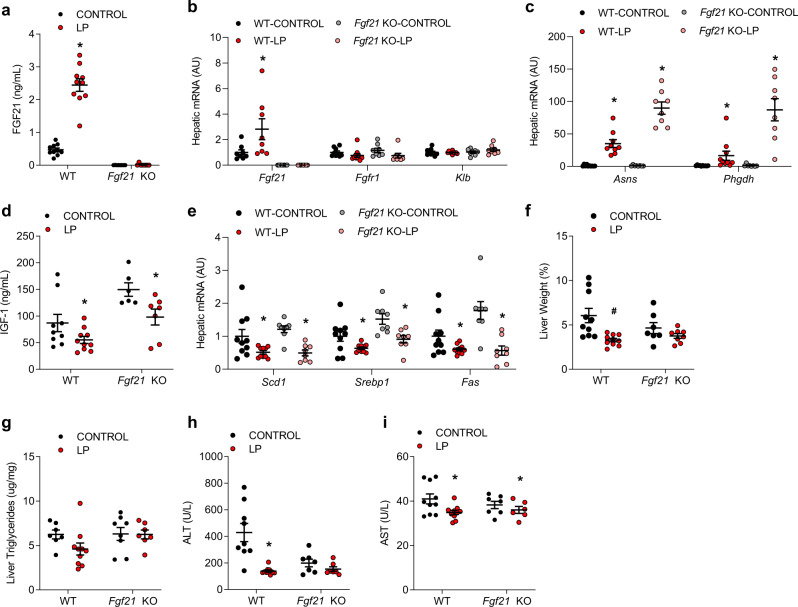
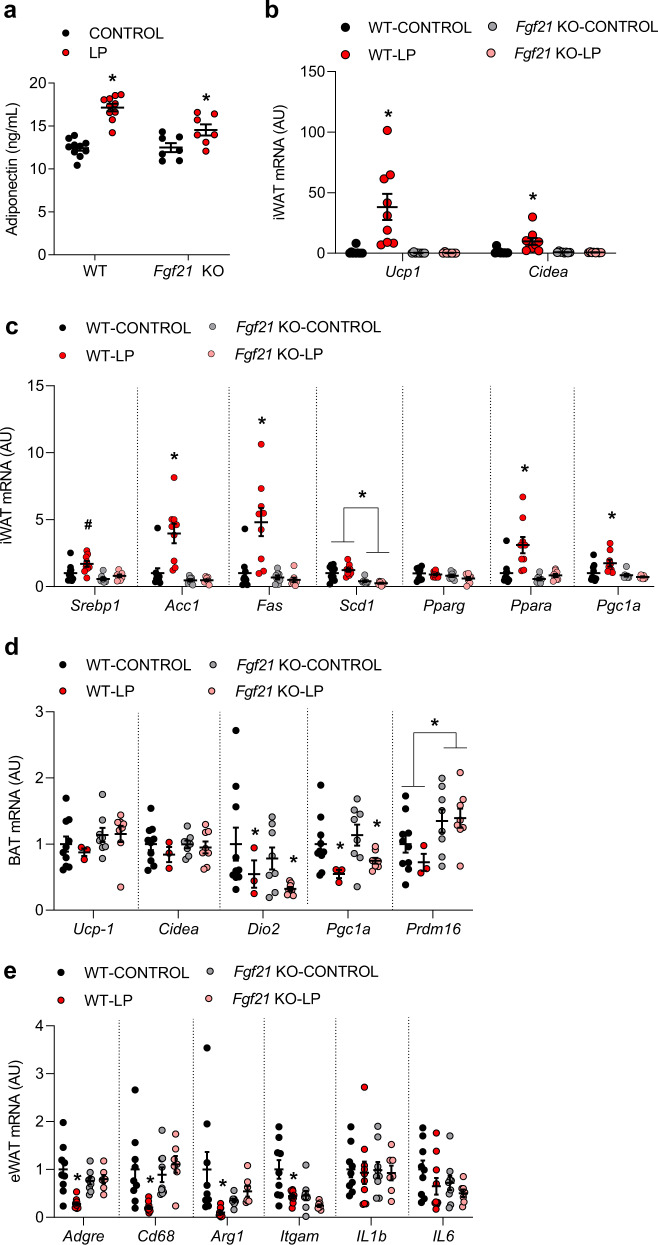
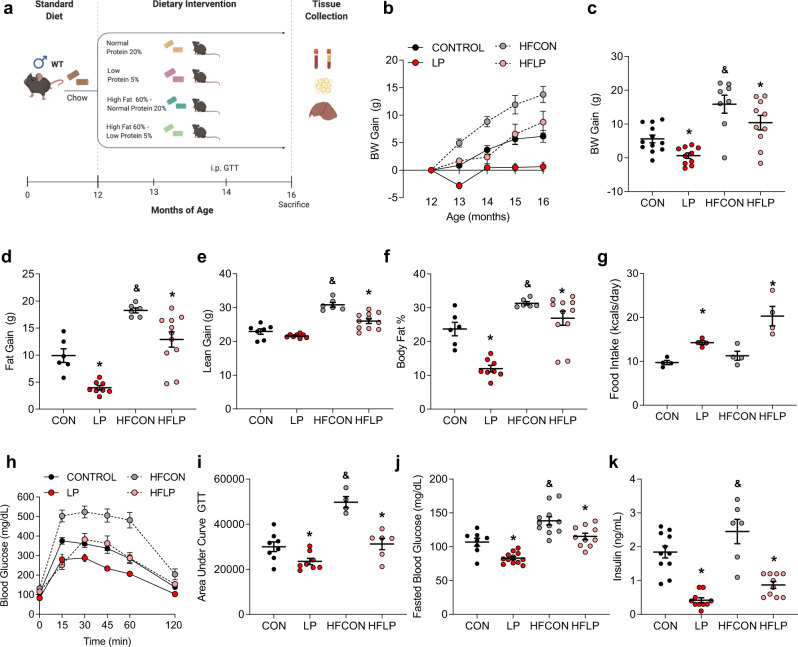
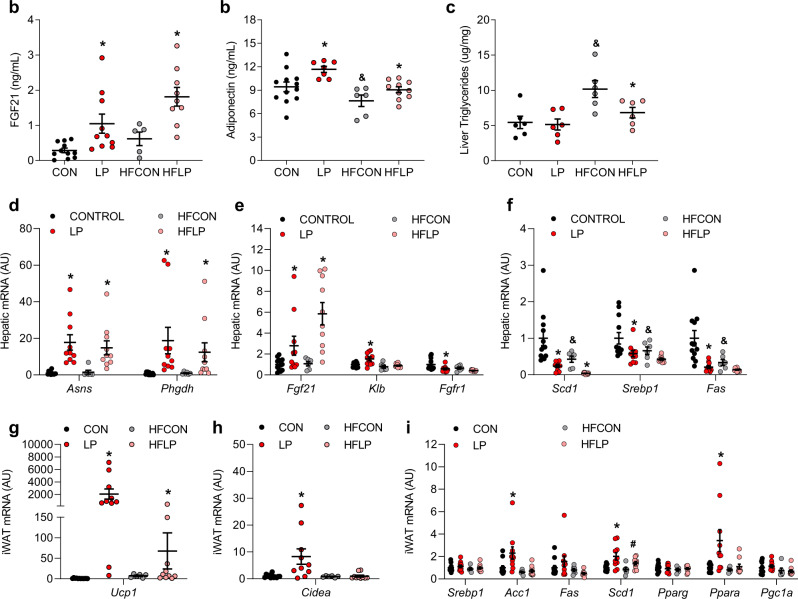
Dietary protein restriction is increasingly recognized as a unique approach to improve metabolic health, and there is increasing interest in the mechanisms underlying this beneficial effect. Recent work indicates that the hormone FGF21 mediates the metabolic effects of protein restriction in young mice. Here we demonstrate that protein restriction increases lifespan, reduces frailty, lowers body weight and adiposity, improves physical performance, improves glucose tolerance, and alters various metabolic markers within the serum, liver, and adipose tissue of wildtype male mice. Conversely, mice lacking FGF21 fail to exhibit metabolic responses to protein restriction in early life, and in later life exhibit early onset of age-related weight loss, reduced physical performance, increased frailty, and reduced lifespan. These data demonstrate that protein restriction in aging male mice exerts marked beneficial effects on lifespan and metabolic health and that a single metabolic hormone, FGF21, is essential for the anti-aging effect of this dietary intervention.
Overview
The claims and statistics of this paper haven’t been checked yet.
Free: it reads the open-access text and checks the first 5 claims that cite a source we can check. Create a free account to check every claim.
Integrity signals
Registry
Cites
Statistics
Figures
Verification
Claims the paper makes
The claims and statistics of this paper haven’t been checked yet.
Free: it reads the open-access text and checks the first 5 claims that cite a source we can check. Create a free account to check every claim.
Claims other papers make about this one
Each is checked against this paper’s own text: does it say what the citing paper says it does?
The source backs part of the claim, not all of it — or backs it for a different population, condition or comparison.
In the citing paper
“In addition, the liver secretes neuroprotective molecules such as fibroblast growth factor 21 (FGF21) and glycosylphosphatidylinositol-specific phospholipase D1 (Gpld1), which are reported to prevent neuronal apoptosis,222 improve neurogenesis223 and even prolong the lifespan of mice.224”
From Antiageing strategy for neurodegenerative diseases: from mechanisms to clinical advances (2025) · cites this paper as [224]
Experimental — accuracy not yet measured
Self-check
Percentages, sums and reported differences re-computed from the paper’s own numbers.
The self-check needs the paper’s full text.
Citations
Cites
Geroscience: Linking Aging to Chronic Disease
Kennedy, B. K., Berger, S. L., Brunet, A., Campisi, J., Cuervo, A. M., Epel, E. S., Franceschi, C., Lithgow, G. J., Morimoto, R. I., Pessin, J. E., et al. (2014) · Cell · doi:10.1016/j.cell.2014.10.039 · Cited by 2,764
Rubinsztein, D. C., Mariño, G., & Kroemer, G. (2011) · Cell · doi:10.1016/j.cell.2011.07.030 · Cited by 2,107
Lifespan and reproduction in Drosophila : New insights from nutritional geometry
Lee, K. P., Simpson, S. J., Clissold, F. J., Brooks, R., Ballard, J. W. O., Taylor, P. W., Soran, N., & Raubenheimer, D. (2008) · Proceedings of the National Academy of Sciences · doi:10.1073/pnas.0710787105 · Cited by 1,032
Understanding the Physiology of FGF21
Fisher, F. M., & Maratos-Flier, E. (2016) · Annual Review of Physiology · doi:10.1146/annurev-physiol-021115-105339 · Cited by 912
Levine, M. E., Suarez, J. A., Brandhorst, S., Balasubramanian, P., Cheng, C.-W., Madia, F., Fontana, L., Mirisola, M. G., Guevara-Aguirre, J., Wan, J., et al. (2014) · Cell Metabolism · doi:10.1016/j.cmet.2014.02.006 · Cited by 910
Solon-Biet, S. M., McMahon, A. C., Ballard, J. W. O., Ruohonen, K., Wu, L. E., Cogger, V. C., Warren, A., Huang, X., Pichaud, N., Melvin, R. G., et al. (2014) · Cell Metabolism · doi:10.1016/j.cmet.2014.02.009 · Cited by 904
Amino-acid imbalance explains extension of lifespan by dietary restriction in Drosophila
Grandison, R. C., Piper, M. D. W., & Partridge, L. (2009) · Nature · doi:10.1038/nature08619 · Cited by 773
Overexpression of Atg5 in mice activates autophagy and extends lifespan
Pyo, J.-O., Yoo, S.-M., Ahn, H.-H., Nah, J., Hong, S.-H., Kam, T.-I., Jung, S., & Jung, Y.-K. (2013) · Nature Communications · doi:10.1038/ncomms3300 · Cited by 721
FGF21 is an endocrine signal of protein restriction
Laeger, T., Henagan, T. M., Albarado, D. C., Redman, L. M., Bray, G. A., Noland, R. C., Münzberg, H., Hutson, S. M., Gettys, T. W., Schwartz, M. W., et al. (2014) · Journal of Clinical Investigation · doi:10.1172/jci74915 · Cited by 593
Self-citationYu, B. P., Masoro, E. J., & McMahan, C. A. (1985) · Journal of Gerontology · doi:10.1093/geronj/40.6.657 · Cited by 591
Cited by
Dietary regulation in health and disease
Wu, Q., Gao, Z.-J., Yu, X., & Wang, P. (2022) · Signal Transduction and Targeted Therapy · doi:10.1038/s41392-022-01104-w · Cited by 176
“Long-term protein restriction stimulates the release of FGF21 in hepatocytes and elevates circulatory levels in male C57BL/6J mice and Sprague Dawley rats.(163,165,166) In the clinic, protein restriction (4–6 weeks) can elevate circulating FGF21 levels.”
BackgroundAntiageing strategy for neurodegenerative diseases: from mechanisms to clinical advances
Jiang, Q., Liu, J., Huang, S., Wang, X.-Y., Chen, X., Liu, G.-H., Ye, K., Song, W., Masters, C. L., Wang, J., et al. (2025) · Signal Transduction and Targeted Therapy · doi:10.1038/s41392-025-02145-7 · Cited by 165
“224 The aged liver secretes fewer neuroprotective molecules and eliminates fewer neurotoxic substances (e.g., superoxide radicals), exacerbating the accumulation of excessive oxidation products in the brain.”
Gut microbiota controlling radiation-induced enteritis and intestinal regeneration
Moraitis, I., Guiu, J., & Rubert, J. (2023) · Trends in Endocrinology and Metabolism · doi:10.1016/j.tem.2023.05.006 · Cited by 140
“During the last few decades, several diets promoting gut health have been proposed using animal models, including calorie restriction [70,71], intermittent fasting [72,73], ketogenic diets [74,75], protein restriction [76], and essential amino acid restriction [77].”
BackgroundGreen, C. L., Trautman, M. E., Chaiyakul, K., Jain, R., Alam, Y. H., Babygirija, R., Pak, H. H., Sonsalla, M. M., Calubag, M. F., Yeh, C., et al. (2023) · Cell Metabolism · doi:10.1016/j.cmet.2023.10.005 · Cited by 135
The intersection of frailty and metabolism
Mishra, M., Wu, J., Kane, A. E., & Howlett, S. E. (2024) · Cell Metabolism · doi:10.1016/j.cmet.2024.03.012 · Cited by 111
Trautman, M. E., Richardson, N. E., & Lamming, D. W. (2022) · Aging Cell · doi:10.1111/acel.13626 · Cited by 72
“As FGF21 is essential for the metabolic benefits and lifespan extension of PR (Hill et al., 2022; Laeger et al., 2014) (Figure 3), and as BCAA and isoleucine addback to a PR diet blunts or eliminates these metabolic benefits (Yu et al., 2021), it is logical to hypothesize that FGF21 is essential…”
BackgroundCurtis, W. M., Seeds, W. A., Mattson, M. P., & Bradshaw, P. C. (2022) · Cells · doi:10.3390/cells11152416 · Cited by 81
“These are (1) NADPH‐synthesizing enzymes, including PPP enzymes [47,48] and enzymes involved in serine catabolism and one‐carbon metabolism [49]; (2) the cystine transporter SLC7A11 (also called xCT) that leads to increased glutathione synthesis [45]; (3) fibroblast growth factor 21 (FGF21), an anti‐aging hormone [50,…”
BackgroundCirculating Branched Chain Amino Acids and Cardiometabolic Disease
Fine, K. S., Wilkins, J. T., & Sawicki, K. T. (2024) · Journal of the American Heart Association · doi:10.1161/jaha.123.031617 · Cited by 73
Fan, J., & Xu, Y. (2026) · Frontiers in Genetics · doi:10.3389/fgene.2026.1771707 · Cited by 63
Fougerat, A., Bruse, J., Polizzi, A., Montagner, A., Guillou, H., & Wahli, W. (2024) · Progress in Lipid Research · doi:10.1016/j.plipres.2024.101303 · Cited by 59
“Interestingly, hepatic FGF21 expression is induced in situations of energy deficit, e.g., fasting [112,113] and amino acid deficiency [156 – 159], as well as in conditions of calorie excess, as created by the ketogenic diet [112,160], glucose intake [161 – 165], alcohol consumption [166 – 168], and…”
Gliniak, C. M., Gordillo, R., Youm, Y., Lin, Q., Crewe, C., Zhang, Z., Field, B. C., Fujikawa, T., Virostek, M., Zhao, S., et al. (2025) · Cell Metabolism · doi:10.1016/j.cmet.2025.05.011 · Cited by 59
Cysteine depletion triggers adipose tissue thermogenesis and weight loss
Lee, A. H., Orliaguet, L., Youm, Y.-H., Maeda, R., Dlugos, T., Lei, Y., Coman, D., Shchukina, I., Andhey, P. S., Smith, S. R., et al. (2025) · Nature Metabolism · doi:10.1038/s42255-025-01297-8 · Cited by 45
“In this regard, reduction of CBT 63 and increased FGF21 is a common link between CR and MR-induced adipose browning and increased longevity 7,41,61 .”
The cyclic metabolic switching theory of intermittent fasting
Mattson, M. P. (2025) · Nature Metabolism · doi:10.1038/s42255-025-01254-5 · Cited by 55
“Evidence suggests that, rather than a reduction in energy intake, lack of protein intake during fasting stimulates FGF21 expression 101 .”
Wahl, D., Risen, S. J., Osburn, S. C., Emge, T., Sharma, S., Gilberto, V. S., Chatterjee, A., Nagpal, P., Moreno, J. A., & LaRocca, T. J. (2024) · Journal of Neuroinflammation · doi:10.1186/s12974-024-03182-9 · Cited by 44
“Furthermore, in Nanoligomer-treated old mice, these favorable changes in the liver were associated with a preservation of circulating (plasma) levels of fibroblast growth factor 21 (FGF-21), a hormone synthesized by the liver and linked with longevity and neuroprotection [65, 66].”
Tokizane, K., Brace, C. S., & Imai, S. (2024) · Cell Metabolism · doi:10.1016/j.cmet.2023.12.011 · Cited by 46
Li, S., Zou, T., Chen, J., Li, J., & You, J. (2023) · Genes & Diseases · doi:10.1016/j.gendis.2023.06.033 · Cited by 43
“66 Here, one point of confusion is worth considering: as a polypeptide hormone, obesity should theoretically disap-pear after an increase in FGF21 expression based on its strong control of glycolipid metabolism; however, opposite results have been shown in many types of research.”
ResultLate-life protein or isoleucine restriction impacts physiological and molecular signatures of aging
Yeh, C., Chini, L., Davidson, J. W., Garcia, G. G., Gallagher, M. S., Freichels, I. T., Calubag, M. F., Rodgers, A. C., Green, C. L., Babygirija, R., et al. (2024) · Nature Aging · doi:10.1038/s43587-024-00744-7 · Cited by 47
Nicolaisen, T. S., Lyster, A. E., Sjøberg, K. A., Haas, D. T., Voldstedlund, C. T., Lundsgaard, A., Jensen, J. K., Madsen, E. M., Nielsen, C. K., Bloch‐Ibenfeldt, M., et al. (2025) · Nature Metabolism · doi:10.1038/s42255-025-01236-7 · Cited by 43
Regulation of metabolic health by dietary histidine in mice
Flores, V., Spicer, A. B., Sonsalla, M. M., Richardson, N. E., Yu, D., Sheridan, G. E., Trautman, M. E., Babygirija, R., Cheng, E. P., Rojas, J. M., et al. (2023) · The Journal of Physiology · doi:10.1113/jp283261 · Cited by 32
A nutrigeroscience approach: Dietary macronutrients and cellular senescence
Calubag, M. F., Robbins, P. D., & Lamming, D. W. (2024) · Cell Metabolism · doi:10.1016/j.cmet.2024.07.025 · Cited by 35
The mitochondrial integrated stress response: A novel approach to anti-aging and pro-longevity
Wang, X., & Zhang, G. (2024) · Ageing Research Reviews · doi:10.1016/j.arr.2024.102603 · Cited by 35
Yang, C., Wang, W., Deng, P., Wang, X., Zhu, L., Zhao, L., Li, C., & Gao, H. (2023) · CNS Neuroscience & Therapeutics · doi:10.1111/cns.14302 · Cited by 28
“12,13 Tyrosine kinase FGF receptor (FGFR) and β - Klotho in the target cell form a cell surface receptor complex that binds to FGF21 to trigger FGFR signaling activity.”
BackgroundWang, Y., Li, J., Zhang, Z., Wang, R., Hai, B., & Zhang, Y. (2023) · Life · doi:10.3390/life13041006 · Cited by 35
“Moreover, akin to the UPRmt, FGF21 has been implicated in antiaging effects, particularly in the extension of lifespan induced by dietary protein restriction [75].”
BackgroundAdipose tissue aging: An update on mechanisms and therapeutic strategies
Cai, Z., & He, B. (2022) · Metabolism · doi:10.1016/j.metabol.2022.155328 · Cited by 33
Rafiq, T., Stearns, J. C., Shanmuganathan, M., Azab, S. M., Anand, S. S., Thabane, L., Beyene, J., Williams, N. C., Morrison, K. M., Teo, K. K., et al. (2023) · Heliyon · doi:10.1016/j.heliyon.2023.e16651 · Cited by 27
Metabolic regulation of immunological aging
Kim, H., & Dixit, V. D. (2025) · Nature Aging · doi:10.1038/s43587-025-00921-2 · Cited by 39
“Recent studies have identified that reduced protein intake and induction of fibroblast growth factor 21 (FGF21) can extend longevity and improve metabolic health 89,90 .”
Reduced insulin signaling in neurons induces sex-specific health benefits
Baghdadi, M., Nespital, T., Mesaros, A., Buschbaum, S., Withers, D. J., Grönke, S., & Partridge, L. (2023) · Science Advances · doi:10.1126/sciadv.ade8137 · Cited by 27
“We hypothesized that fibroblast growth factor 21 (FGF21) was a likely candidate in IRS1 deletion – mediated health benefits, given the previous reports linking FGF21 to increased EE ( 69 ) and insulin sensitivity ( 70 ), as well as being responsive to mitochondrial stress ( 71 ).”
Babygirija, R., Sonsalla, M. M., Mill, J., James, I., Han, J. H., Green, C. L., Calubag, M. F., Wade, G., Tobon, A., Michael, J., et al. (2024) · Nature Communications · doi:10.1038/s41467-024-49589-z · Cited by 23
“In both rodents and in humans, PR improves metabolic health 14,23,27,28 ; and in mice, PR not only improves metabolic health, but extends lifespan, at least in males 15 – 18 .”
InfluentialThe biological mechanism and emerging therapeutic interventions of liver aging
Wang, W., Xu, K., Shang, M., Li, X., Tong, X., Liu, Z., Zhou, L., & Zheng, S. (2023) · International Journal of Biological Sciences · doi:10.7150/ijbs.87679 · Cited by 22
“In addition, protein restriction in aging male mice is also beneficial for expanding lifespan and metabolic health, and fibroblast growth factor 21 (FGF21) is necessary for the antiaging effect of protein restriction [73].”
Kosakamoto, H., Sakuma, C., Okada, R., Miura, M., & Obata, F. (2024) · Science Advances · doi:10.1126/sciadv.adn7167 · Cited by 19
Restriction of dietary protein in rats increases progressive-ratio motivation for protein
Chiacchierini, G., Naneix, F., Apergis‐Schoute, J., & McCutcheon, J. E. (2022) · Physiology & Behavior · doi:10.1016/j.physbeh.2022.113877 · Cited by 18
Protein-Restricted Diets and Their Impact on Metabolic Health and Aging
Kim, S. Q., Spann, R. A., Hill, C. M., Berryman, C. E., Berthoud, H., McDougal, D. H., He, Y., Münzberg, H., Yu, S., & Morrison, C. D. (2025) · Annual Review of Nutrition · doi:10.1146/annurev-nutr-121624-114918 · Cited by 21
Self-citationThe Roles of White Adipose Tissue and Liver NADPH in Dietary Restriction-Induced Longevity
Jamerson, L. E., & Bradshaw, P. C. (2024) · Antioxidants · doi:10.3390/antiox13070820 · Cited by 23
Protein restriction reprograms the multi-organ proteomic landscape of mouse aging
Lu, T., Xie, Y., Wang, Y., Lin, X., Cai, X., Zhang, Y., Nie, Z., Su, C., Gou, W., Zhang, H., et al. (2025) · Cell · doi:10.1016/j.cell.2025.10.004 · Cited by 21
Exploring cellular changes in ruptured human quadriceps tendons at single‐cell resolution
Mimpen, J. Y., Baldwin, M. J., Paul, C., Ramos‐Mucci, L., Kurjan, A., Cohen, C., Sharma, S., Florquin, M. S. N. C., Hulley, P. A., McMaster, J., et al. (2025) · The Journal of Physiology · doi:10.1113/jp287812 · Cited by 16
Gut microbial metabolites of amino acids in liver diseases
Hu, M., Xu, Y., Zhou, H., & He, X. (2025) · Gut Microbes · doi:10.1080/19490976.2025.2586328 · Cited by 20
“218-220 These contrasting findings suggest that the metabolic effects of dietary protein modulation may depend on factors such as baseline nutritional status, disease stage, and protein source, highlighting the need for personalised dietary strategies in liver disease management.”
Geroprotective interventions in the 3xTg mouse model of Alzheimer’s disease
Sonsalla, M. M., & Lamming, D. W. (2023) · GeroScience · doi:10.1007/s11357-023-00782-w · Cited by 19
Quantification of healthspan in aging mice: introducing FAMY and GRAIL
Lamming, D. W. (2024) · GeroScience · doi:10.1007/s11357-024-01200-5 · Cited by 13
“For example, restriction of dietary protein or of methionine extends the lifespan of rodents [28–31], and life-long restriction of the three branched-chain amino acids Vol.: (0123456789) (BCAAs; leucine, isoleucine, and valine) extends lifespan and reduces frailty in male C57BL/6J mice [32].”
Oxidative phosphorylation and fatty acid oxidation in slow-aging mice
Elmansi, A. M., & Miller, R. A. (2024) · Free Radical Biology and Medicine · doi:10.1016/j.freeradbiomed.2024.08.018 · Cited by 17
The impacts of different dietary restriction regimens on aging and longevity: from yeast to humans
Ching, T., & Hsu, A. (2025) · Journal of Biomedical Science · doi:10.1186/s12929-025-01188-w · Cited by 17
“The most compelling evidence came from the mouse studies, in which Zhang et al. have shown that FGF21 overexpression could extend mouse lifespan [167] and Hill et al. reported that FGF21 is required for PR to extend lifespan in male mice [168].”
Protein Restriction in Metabolic Health: Lessons from Rodent Models
Na, K., & Park, Y. J. (2024) · Nutrients · doi:10.3390/nu16020229 · Cited by 13
“Lack of dietary protein intake increases general control nonderepressible 2 (GCN2), which is involved in controlling amino acid metabolism by detecting nutrient deficiency in the liver and then inducing eukaryotic initiation factor 2 (eIF2 α ) phosphorylation [4,40,43].”
BackgroundThe Geometric Framework for Nutrition and Its Application to Rodent Models
Senior, A. M., Raubenheimer, D., Couteur, D. G. L., & Simpson, S. J. (2024) · Annual Review of Animal Biosciences · doi:10.1146/annurev-animal-111523-102327 · Cited by 12
Characterization of methionine dependence in melanoma cells
Garg, S., Morehead, L. C., Bird, J. T., Graw, S., Gies, A. J., Storey, A. J., Tackett, A. J., Edmondson, R. D., Mackintosh, S. G., Byrum, S. D., et al. (2023) · Molecular Omics · doi:10.1039/d3mo00087g · Cited by 13
Yin, J., Zhang, M., Jiang, W., Huang, X., & Yin, Y. (2025) · Research · doi:10.34133/research.0904 · Cited by 17
“A low-protein diet is recommended for various metabolic diseases due to the benefits on healthy lifespan, adiposity, and glucose tolerance [ 110 ].”
Short-term hypercaloric carbohydrate loading increases surgical stress resilience by inducing FGF21
Agius, T., Emsley, R., Lyon, A., MacArthur, M. R., Kiesworo, K., Faivre, A., Stavart, L., Lambelet, M., Legouis, D., de Seigneux, S., et al. (2024) · Nature Communications · doi:10.1038/s41467-024-44866-3 · Cited by 13
“Inbothrodentsandhumans,onemonthofprotein restriction increases FGF21 and drives key physiologic adaptations, including thermogenesis and altered feeding behavior 32,37,45 .”
BackgroundInfluentialKip, P., Sluiter, T. J., MacArthur, M. R., Tao, M., Kruit, N., Mitchell, S. J., Jung, J., Kooijman, S., Gorham, J., Seidman, J. G., et al. (2024) · Nature Communications · doi:10.1038/s41467-024-53844-8 · Cited by 9
“In rodents, MetR shows pleiotropic bene fi ts on cardiometabolic health 22 and lifespan 23 likely via effects on adipose tissue 24 and energy metabolism 25,26 .”
Late-life isoleucine restriction promotes physiological and molecular signatures of healthy agingPreprint
Yeh, C., Chini, L., Davidson, J. W., Garcia, G. G., Gallagher, M. S., Freichels, I. T., Calubag, M. F., Rodgers, A. C., Green, C. L., Babygirija, R., et al. (2023) · bioRxiv (Cold Spring Harbor Laboratory) · doi:10.1101/2023.02.06.527311 · Cited by 9
“While our recent work has shown that induction of FGF21 is not required in certain strains and sexes, it has been recently demonstrated that FGF21 is required for the metabolic and lifespan extension effects of PR (Hill et al., 2022).”
Fang, B., Zheng, C., Ma, Y., Wu, F., Cheng, L., Li, Y., Wang, R., & Ren, F. (2024) · Food, Nutrition and Health. · doi:10.1007/s44403-024-00006-9 · Cited by 11
“Another form of dietary intervention, protein restriction, was associated with reduced adiposity and a longer lifespan [123].”
Fibroblast growth factor 21 and dietary interventions: what we know and what we need to know next
Jin, T. (2022) · Medical Review · doi:10.1515/mr-2022-0019 · Cited by 8
“In later life, FGF21 knockoutmice showed early onset of agerelated weight loss, increased frailty, reduced physical performance, associated with shortened life span [5].”
BackgroundCalubag, M. F., Ademi, I., Grunow, I., Breuer, L., Babygirija, R., Lialios, P., Le, S. M., Minton, D. M., Sonsalla, M. M., Illiano, J., et al. (2025) · Aging Cell · doi:10.1111/acel.70176 · Cited by 9
“The fact that we did not see as strong of an effect in females is quite striking, yet unsurprising, because this mimics the other male-specific lifespan extension benefits seen in other dietary restrictions of protein and amino acids (Green et al. 2023; Hill et al. 2022; Richardson et al. 2021).”
Lifelong restriction of dietary valine has sex-specific benefits for health and lifespan in mice
Calubag, M. F., Ademi, I., Green, C. L., Manchanayake, D. N. H., Jayarathne, H. S. M., Marshall, R. N., Le, S. M., Lialios, P., Breuer, L. E., Yakar, S., et al. (2026) · Nature Aging · doi:10.1038/s43587-026-01169-0 · Cited by 13
“The effects of PR on energy balance are mediated by fibroblast growth factor 21 (FGF21), which promotes the beiging of iWAT 14,30–33 .”
Insights into the therapeutic strategies for aging and aging-associated diseases
Dong, R., Wu, Q., Kan, J., Fu, C., Sorrentino, V., Chow, A., Lei, Y., Wu, D., Xu, Z., Du, J., et al. (2026) · Signal Transduction and Targeted Therapy · doi:10.1038/s41392-026-02662-z · Cited by 17
“FGF21 secretion is also required for lifespan extension by a protein-restricted diet 196 or gut microbiota transplantation.”
A nexus of dietary restriction and gut microbiota: Recent insights into metabolic health
Wang, L., Wang, F., Xiong, L. H., Song, H., Ren, B., & Shen, X. (2023) · Critical Reviews in Food Science and Nutrition · doi:10.1080/10408398.2023.2202750 · Cited by 11
“Specifically, PR promoted the adaptive metabolic stress response driven by the liver endocrine molecule fibroblast growth factor 21 (FGF21), which induced an increase in food intake and energy consumption while reducing body weight and obesity (Hill et al. 2022; Laeger et al. 2014).”
Dietary Protein Regulates Female Estrous Cyclicity Partially via Fibroblast Growth Factor 21
Cao, Y., Yang, M., Song, J., Jiang, X., Xu, S., Che, L., Fang, Z., Lin, Y., Jin, C., Feng, B., et al. (2023) · Nutrients · doi:10.3390/nu15133049 · Cited by 8
“A low protein intake has been associated with improved metabolic health [4–7], long lifespan [8,9], and even anti-cancer immunosurveillance [10].”
BackgroundDelgado‐Anglés, A., Blasco‐Roset, A., Godoy-Nieto, F. J., Cairó, M., Villarroya, F., Giralt, M., & Villarroya, J. (2023) · Journal of Physiology and Biochemistry · doi:10.1007/s13105-023-00977-x · Cited by 8
Strong, R., Nelson, J. F., Bogue, M. A., Colca, J. R., Denzel, M. S., Diaz, V., Finck, B. N., Gladyshev, V. N., Horvath, S., Jiang, N., et al. (2025) · GeroScience · doi:10.1007/s11357-025-01881-6 · Cited by 6
“Likewise, HAL robustly increases FGF21 presence in serum (Whitman and Keller, unpublished), and FGF21 has been implicated in the lifespan extending effects of several interventions [47, 48], as well as having its own health benefits [49, 50].”
Pfefferkorn, R., Mortzfeld, B. M., Fink, C., von Frieling, J., Bossen, J., Esser, D., Kaleta, C., Rosenstiel, P. C., Heine, H., & Roeder, T. (2023) · Aging and Disease · doi:10.14336/ad.2023.0517 · Cited by 6
“This is consistent with the general health-promoting effects of protein restriction in humans and translates into life extensions in several model organisms [63, 64].”
BackgroundIntermittent protein restriction elevates food intake and plasma ghrelin in male mice
Volcko, K. L., Taghipourbibalan, H., & McCutcheon, J. E. (2024) · Appetite · doi:10.1016/j.appet.2024.107671 · Cited by 7
Mitchell, S. J., & Mitchell, J. R. (2022) · Nutrition and Healthy Aging · doi:10.3233/nha-220162 · Cited by 13
Wang, W., Qian, J., Shang, M., Qiao, Y., Huang, J., Gao, X., Zhou, Y., Tong, X., Xu, K., Li, X. O., et al. (2023) · Genes & Diseases · doi:10.1016/j.gendis.2023.101161 · Cited by 10
“11 Indeed, the circulating levels of Fgf21 are primarily determined by secretion by the liver.”
BackgroundInfluentialDietary macronutrient content and energy intake in the mouse: hedonic or homeostatic override?
Simpson, S. J., Senior, A. M., Solon‐Biet, S. M., Couteur, D. G. L., & Raubenheimer, D. (2025) · Obesity · doi:10.1002/oby.24312 · Cited by 6
Gut-to-brain signaling restricts dietary protein intake during recovery from catabolic states
Jaschke, N., Luchsinger, J. R., Chen, Z., Wulfmeyer, V. C., de la Rosa, X., Hahn, O., Zhang, C., Bachtel, N. D., Cullen, J. L., Rachner, T. D., et al. (2025) · Cell · doi:10.1016/j.cell.2025.10.005 · Cited by 12
Babygirija, R., Green, C. L., Sonsalla, M. M., Le, I. M. F., Xiao, F., Yandell, S., Calubag, M. F., Trautman, M. E., Tobon, A., Matoska, R., et al. (2026) · Advanced Science · doi:10.1002/advs.202515220 · Cited by 10
Toan, N. K., Kim, S., & Ahn, S. (2024) · Aging Cell · doi:10.1111/acel.14329 · Cited by 4
“FGF21 levels increase with age and have been proposed as a protective factor against age-related metabolic diseases (Hill et al., 2022 ; Zhang et al., 2012 ).”
Li, C., Zhu, J. F., Wei, S., Ye, X., Yang, L., Wang, Z., & Chen, Y. (2023) · The Journal of Nutritional Biochemistry · doi:10.1016/j.jnutbio.2023.109275 · Cited by 5
Dantas, W. S., Zunica, E. R. M., Heintz, E. C., Hoppel, C. L., Hill, C. M., Morrison, C. D., Axelrod, C. L., Davuluri, G., & Kirwan, J. P. (2026) · Aging Cell · doi:10.1111/acel.70386 · Cited by 7
“…specific amino acids such as methionine, threonine, tryptophan, or branched-chain amino acids (BCAAs) also promotes lifespan extension, suggesting that DPR activates distinct molecular pathways that support metabolic health and longevity, even under conditions of obesity (Hill et al. 2022).”
InfluentialSelf-citationThe hallmarks of protein and amino acid restriction in aging and longevity
Knopf, B. A., & Lamming, D. W. (2026) · Cell Press Blue · doi:10.1016/j.cpblue.2026.100079 · Cited by 5
“3,5,41,49,168– 173 In addition to the many positive effects on the hallmarks we have defined above, a key factor in healthspan is frailty, a state of vulnerability in which the risk of dependency, falls, hospitalization, and mortality increases.”
A comprehensive model for the converging biologies that underpin the homeostatic sleep signal
Fernandez, F., & Grandner, M. A. (2025) · Sleep Medicine · doi:10.1016/j.sleep.2025.106723 · Cited by 4
Illiano, J., Green, C. L., Chao, A., Zhu, G., Lopez, L., Schaepkens, O., Jang, C., Lamming, D. W., & Harris, D. A. (2025) · Cell Reports Medicine · doi:10.1016/j.xcrm.2025.102471 · Cited by 6
“34 Thus, we conclude that through a low-protein post-operative diet, a straightforward and translatable dietary intervention, we can dramatically impact the weight nadir and metabolic health gains following SG in mice.”
MacArthur, M. R., & Mitchell, S. J. (2023) · Current Opinion in Physiology · doi:10.1016/j.cophys.2023.100651 · Cited by 5
Munoz, M. D., Zamudio, A., McCann, M. A., Gil, V., Xu, P., & Liew, C. W. (2023) · Scientific Reports · doi:10.1038/s41598-023-37482-6 · Cited by 7
“Most studies conducted so far have demonstrated beneficial metabolic effects at least after 4 weeks of LPD treatment 15,35,43,44 .”
Godoy-Lugo, J. A., Young, K. E., Vaddi, P., Batamack, Y., Aldridge, J., Fernandez‐Kim, S. O., Albarado, D. C., Burke, S. J., Stephens, J. M., Morrison, C. D., et al. (2025) · GeroScience · doi:10.1007/s11357-025-01853-w · Cited by 5
“4 A) [18], to perform targeted gene analysis and an unbiased approach using bulk-RNA-seq (Supplemental Fig.”
InfluentialSelf-citationMutation in IR or IGF1R produces features of long-lived mice while maintaining metabolic health
Hernández-Arciga, U., Kim, J. K., Fisher, J. L., Tyshkovskiy, A., Moldakozhayev, A., Hall, C., Ghosh, S., Govindaraj, Y., SIPULA, I. J., KASTROLL, J., et al. (2025) · JCI Insight · doi:10.1172/jci.insight.189683 · Cited by 3
Spann, R. A., Kim, S. Q., Khan, M. S. H., Albarado, D. A., Fernandez‐Kim, S. O., Berthoud, H., McDougal, D. H., Münzberg, H., He, Y., Yu, S., et al. (2026) · Cell Reports · doi:10.1016/j.celrep.2026.117218 · Cited by 4
“,15–17 Collectively, these data strongly suggest that FGF21 is a signal of the protein-restricted state that coordinates a variety of adaptive responses to protein restriction.”
Self-citationChhabra, Y., Bielefeldt‐Ohmann, H., Brooks, T. L., Brooks, A. J., & Waters, M. J. (2024) · Endocrinology · doi:10.1210/endocr/bqae136 · Cited by 4
Zhang, X., Li, Z., Wang, S., & Chen, Y. (2025) · Nutrients · doi:10.3390/nu17071179 · Cited by 3
“Given that FGF21 has been proposed to function as a myokine, interacting with adipose tissue to regulate browning [29], the FGF21 derived from skeletal muscle under a low-protein diet may partially account for the beneficial effects of protein restriction on metabolic health and aging [35,36].”
Dietary restriction is evolutionarily conserved on the phenotypic and mechanistic level
Gautrey, S. L., Dunning, L. T., Gossmann, T. I., & Simons, M. J. P. (2026) · EMBO Reports · doi:10.1038/s44319-026-00875-5 · Cited by 3
“For example, the DR response in C. elegans can be blocked by modulating alternative splicing via Splicing Factor 1 (Heintz et al, 2017); FGF21 is probably required for lifespan extension by DR in mice (Hill et al, 2022); Neuropeptide F signalling modulates DR in fl ies (Chen et al, 2024).”
Memory T cell aging and rejuvenation
Adamo, S., Rurik, J. G., Gustafson, C. E., & Buggert, M. (2026) · Immunity · doi:10.1016/j.immuni.2026.02.018 · Cited by 6
Fanti, M., Brandhorst, S., Navarrete, G., Diaz, A., Giuliani, G., Chowdhury, D., Antunes, G. C., Morgan, T. E., Dubeau, L., Villani, V., et al. (2026) · Cell Metabolism · doi:10.1016/j.cmet.2026.05.015 · Cited by 5
Wilson, R. B., Chen, Y. J., Zhang, R., Maini, S., Andrews, T. S., Wang, R., & Borradaile, N. M. (2024) · American Journal of Physiology-Gastrointestinal and Liver Physiology · doi:10.1152/ajpgi.00276.2023 · Cited by 2
Elucidating the effective age for dietary restriction and the key metabolites involved
Loo, J., Gunasekaran, G., Tan, J. K., & Goon, J. A. (2024) · Experimental Gerontology · doi:10.1016/j.exger.2024.112601 · Cited by 4
“Restriction of essential proteins or amino acids has been shown to extend lifespan and improve health in mouse models (Hill et al., 2022).”
BackgroundGreen, C. L., Trautman, M. E., Babygirija, R., Jain, R., Chaiyakul, K., Pak, H. H., Bleicher, A., Novak, G., Sonsalla, M. M., Yeh, C.-Y., et al. (2022) · doi:10.1101/2022.10.06.511051 · Cited by 2
Shea, M. K., Lynch, S. D., Brinkley, T. E., & Kritchevsky, S. B. (2025) · Current Developments in Nutrition · doi:10.1016/j.cdnut.2025.107485 · Cited by 2
“Protein restriction, without CR, has been repeatedly shown to extend lifespan and improve metabolic outcomes in laboratory animals [45 – 48].”
The myokine FGF21 associates with enhanced survival in ALS and mitigates stress-induced cytotoxicity
Guha, A., Si, Y., Smith, R., Singh, B. K., Zogu, B., Yadav, A., Smith, K. A., Kazamel, M., Jiang, N., Ho, R., et al. (2025) · Aging · doi:10.18632/aging.206298 · Cited by 7
Shi, F., Yang, Z., Zhang, L., Zou, D., Yu, J., Guo, N., Ren, S., Tang, X., Gu, C. J., Xu, R., et al. (2025) · Microbiome · doi:10.1186/s40168-025-02233-4 · Cited by 3
“In rodents, a low-protein (LP) diet can increase food intake, energy expenditure (EE), and non-shivering thermogenesis while reducing body weight to maintain energy homeostasis [11–14].”
Gene therapy for aging: Current evidence and future directions
Zhang, Y. C., Gan, L., Wang, S., & Zhang, J. (2026) · Ageing Research Reviews · doi:10.1016/j.arr.2026.103144 · Cited by 1
Bench to bedside: is rapamycin headed for the docTOR?
Lamming, D. W. (2026) · GeroScience · doi:10.1007/s11357-026-02306-8 · Cited by 2
Jiménez, V., Sacristan, V., García, M., Jambrina, C., Casana, E., MUÑOZ, S. A., Vilà, L., Grass, I., Jaén, M. L., Roca, C., et al. (2026) · Molecular Therapy · doi:10.1016/j.ymthe.2026.05.025 · Cited by 3
“97 On the other hand, protein restriction confirmed that FGF21 upregulation is required for metabolic and lifespan improvements, but the intervention was initiated in young male mice.”
Wali, J. A., Ramos-Nieves, J. M., Binia, A., & van der Beek, E. M. (2026) · Advances in Nutrition · doi:10.1016/j.advnut.2026.100713 · Cited by 1
“Going beyond short-to medium-term metabolic effects, a study in 3-mo-old male mice fed either 4% or 18% protein diets (isocaloric) showed that the 4% protein diet extended lifespan and decreased frailty at 22 mo of age, with these benefits diminished in FGF21-deficient mice [109].”
Adipose FGF21 signalling mediates the anti‐senescence effects of protein restriction
Yang, X., Wu, Y., Yang, Y., Huang, L., Jin, X., Jiang, X., Jin, C., Feng, B., Che, L., Xu, S., et al. (2026) · The Journal of Physiology · doi:10.1113/jp291341 · Cited by 2
“…beneficial effects of PR have been linked to co-ordinated regulation of insulin/insulin-like growth-1 signalling (Fontana et al., 2008; Levine et al., 2014), the mechanistic target of rapamycin pathway (Wu et al., 2021) and systemic endocrine factors (Hill et al., 2022; Nicolaisen et al., 2025).”
Prezotto, L. D., Keane, J. A., Cupp, A. S., & Thorson, J. F. (2023) · Animals · doi:10.3390/ani13203185 · Cited by 1
“Interestingly, Hill et al. [34] have recently shown that FGF21 is required for the metabolic adaption to reduce dietary protein intake.”
BackgroundMishra, M., & Howlett, S. E. (2024) · Springer eBooks · doi:10.1007/978-3-031-57361-3_12 · Cited by 2
Diet-Modifiable Redox Alterations in Ageing and Cancer
Hine, C., Patel, A. K., & Ponti, A. K. (2024) · Sub-cellular biochemistry/Subcellular biochemistry · doi:10.1007/978-3-031-66768-8_7 · Cited by 1
Resistance exercise protects mice from protein-induced fat accretion
Trautman, M. E., Braucher, L. N., Elliehausen, C., Zhu, W. G., Zelenovskiy, E., Green, M., Sonsalla, M. M., Yeh, C.-Y., Hornberger, T. A., Konopka, A. R., et al. (2023) · doi:10.7554/elife.91007.2 · Cited by 1
Spann, R. A., Kim, S. Q., Khan, M. S. H., Albarado, D. A., Fernandez‐Kim, S. O., Berthoud, H., McDougal, D. H., Münzberg, H., He, Y., Yu, S., et al. (2025) · bioRxiv (Cold Spring Harbor Laboratory) · doi:10.1101/2025.04.19.649640 · Cited by 1
“These responses act to protect the animal from the protein restricted state, but they also improve metabolic health and enhance longevity in rodents 4, 5 .”
Self-citationWang, S., Wei, F., & Wu, Z. (2022) · Chinese Science Bulletin (Chinese Version) · doi:10.1360/tb-2022-0731
Resistance exercise protects mice from protein-induced fat accretion
Trautman, M. E., Braucher, L. N., Elliehausen, C., Zhu, W. G., Zelenovskiy, E., Green, M., Sonsalla, M. M., Yeh, C.-Y., Hornberger, T. A., Konopka, A. R., et al. (2022) · doi:10.1101/2022.10.18.512689
“In mice, low protein, high carbohydrate diets reduce adiposity, improve glucose tolerance, and extend lifespan (Hill et al., 2022; Richardson et al., 2021; Solon-Biet et al., 2014; Solon-Biet et al., 2015).”
BackgroundResistance exercise protects mice from protein-induced fat accretionPreprint
Trautman, M. E., Braucher, L. N., Elliehausen, C. J., Zhu, W. G., Zelenovskiy, E., Green, M., Sonsalla, M. M., Yeh, C., Hornberger, T. A., Konopka, A. R., et al. (2023) · eLife · doi:10.7554/elife.91007.1
Resistance exercise protects mice from protein-induced fat accretion
Trautman, M. E., Braucher, L. N., Elliehausen, C., Zhu, W. G., Zelenovskiy, E., Green, M., Sonsalla, M. M., Yeh, C.-Y., Hornberger, T. A., Konopka, A. R., et al. (2023) · eLife · doi:10.7554/elife.91007.3
Ferreira, M. A. D. M., de Almeida, E. L. M., da Silveira, W. B., & Nikoloski, Z. (2024) · bioRxiv (Cold Spring Harbor Laboratory) · doi:10.1101/2024.09.06.611666
Metadata
- Authors
- Hill, C. M., Albarado, D. C., Coco, L. G., Spann, R. A., Khan, M. S., Qualls-Creekmore, E., Burk, D. H., Burke, S. J., Collier, J. J., Yu, S., McDougal, D. H., Berthoud, H.-R., Münzberg, H., Bartke, A., & Morrison, C. D.
- Affiliations
- Pennington Biomedical Research Center (US)
- SIU Medicine (US)
- Corresponding author
- Hill, Cristal M.
- Morrison, Christopher D.
- ORCID
- Venue
- Nature Communications
- Published
- 2022-04-07
- Volume
- 13
- Issue
- 1
- Pages
- 1897-1897
- ISSN
- 2041-1723 (ISSN-L)
- PMC
- PMC8991228
- OpenAlex
- W4223621452
- Semantic Scholar
- ddcf904073248697dc9320c5a6a106787463886c
- Cited by
- 117
- References
- 75
- Citations by year
- 2026: 27 · 2025: 29 · 2024: 27 · 2023: 24 · 2022: 10
- FWCI
- 7.35
- Type
- journal article
- Language
- en
- Open access
- gold
- doi.org
- Licence
- cc-by
- creativecommons.org/licenses/by/4.0 (tdm)
- creativecommons.org/licenses/by/4.0 (vor)
- Locations
- Nature Communications (publishedVersion, cc-by)
- PubMed Central (publishedVersion, cc-by)
- PubMed (publishedVersion)
- Civil War Book Review (submittedVersion)
- RePEc: Research Papers in Economics (submittedVersion)
- DOAJ (DOAJ: Directory of Open Access Journals) (submittedVersion)
- Funders
- U.S. Department of Health & Human Services | NIH | National Institute of Diabetes and Digestive and Kidney Diseases (F32DK115137, R01DK123183, R01DK047348, R01DK092587, R01DK105032, R01DK121370, R01DK123083)
- Division of Intramural Research, National Institute of Allergy and Infectious Diseases (R21AI138136)
- U.S. Department of Health & Human Services | NIH | National Institute on Aging (R21AG062985)
- American Diabetes Association (1-19-IBS-126)
- U.S. Department of Health & Human Services | NIH | NIH Office of the Director (S10OD023703)
- Topics
- Life Sciences › Biochemistry, Genetics and Molecular Biology › Molecular Biology › Fibroblast Growth Factor Research
- Life Sciences › Biochemistry, Genetics and Molecular Biology › Aging › Genetics, Aging, and Longevity in Model Organisms
- Health Sciences › Medicine › Physiology (medical) › Dietary Effects on Health
- Keywords
- FGF21, protein restriction, lifespan extension, aging, metabolic health, frailty, glucose tolerance, adiposity, physical performance, anti-aging diet, FGF21 knockout mice
- MeSH terms
- Frailty, Animals, Fibroblast Growth Factors, Hormones, Liver, Longevity, Male, Diet, Protein-Restricted, Mice
About these checks
Registry, retraction, Cites and statistics results are computed, not judged, with one exception: a printed reference that no index lists is read once by a model before it counts as a citation error. Claims are extracted by a model and kept only when their quote appears verbatim in the text; each cited source is then checked, with a model’s help, for whether it says what the claim relies on. Those verdicts can be wrong — read the claim’s quote and the cited source before relying on one.
Statistics and arithmetic are recomputed, not judged.
Confidence bands are shown only for fields calibrated on our annotated test set. None is calibrated yet, so no band is shown.
What counts as a claim ›How we measure confidence ›How we check this ›
Are you an author, or do you see a problem with this page? Request a review
Data sources
Bibliographic data: Semantic Scholar, OpenAlex, Crossref.
Contains information from the Semantic Scholar Academic Graph Datasets, made available under the ODC Attribution License (ODC-BY 1.0).
Semantic Scholar’s data is described in: Kinney, R., et al. (2023). The Semantic Scholar Open Data Platform. arXiv:2301.10140.
