

Multiomics reveals persistence of obesity-associated immune cell phenotypes in adipose tissue during weight loss and weight regain in mice
Open accessThe DOI matches its Crossref record; 93 of the 93 references it cites were found in a registry or an index.
Abstract
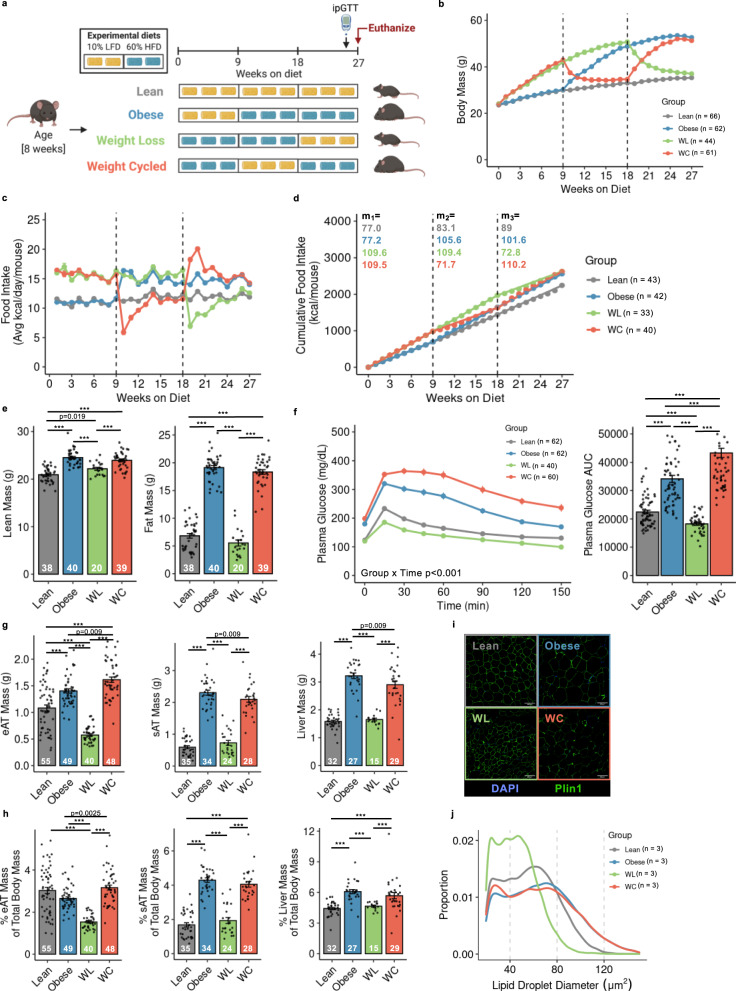
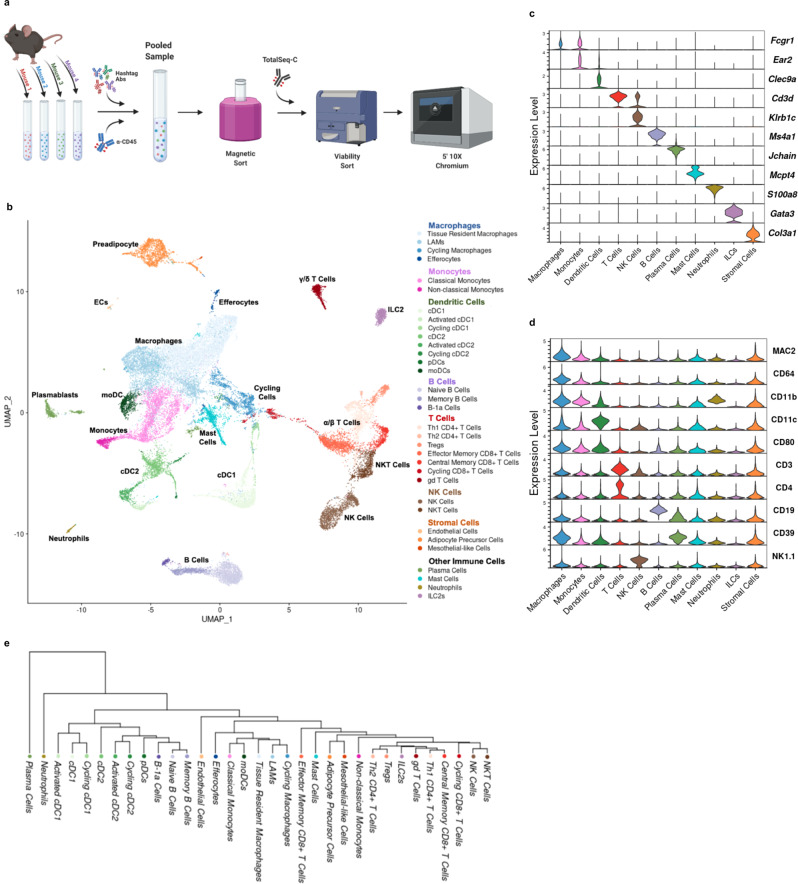
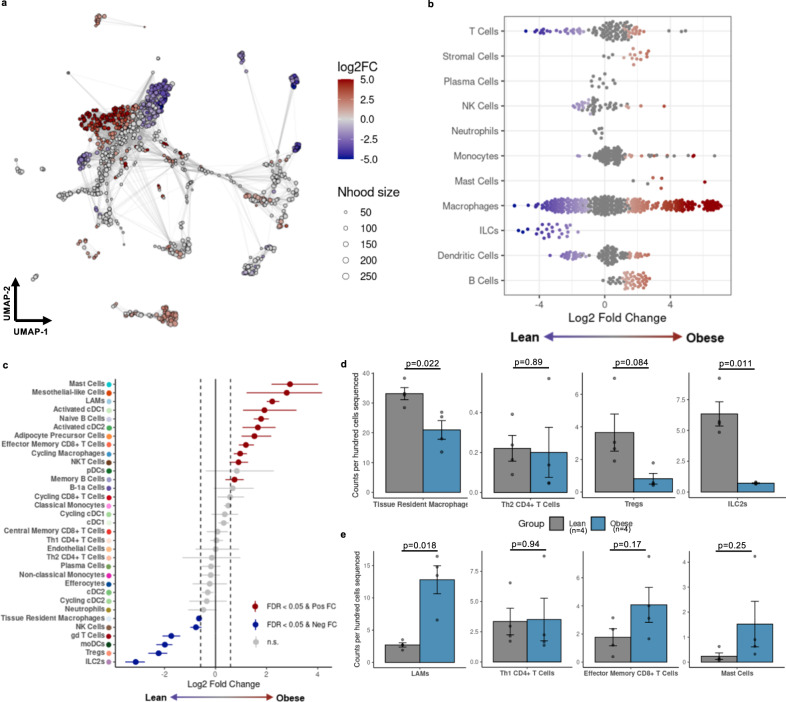
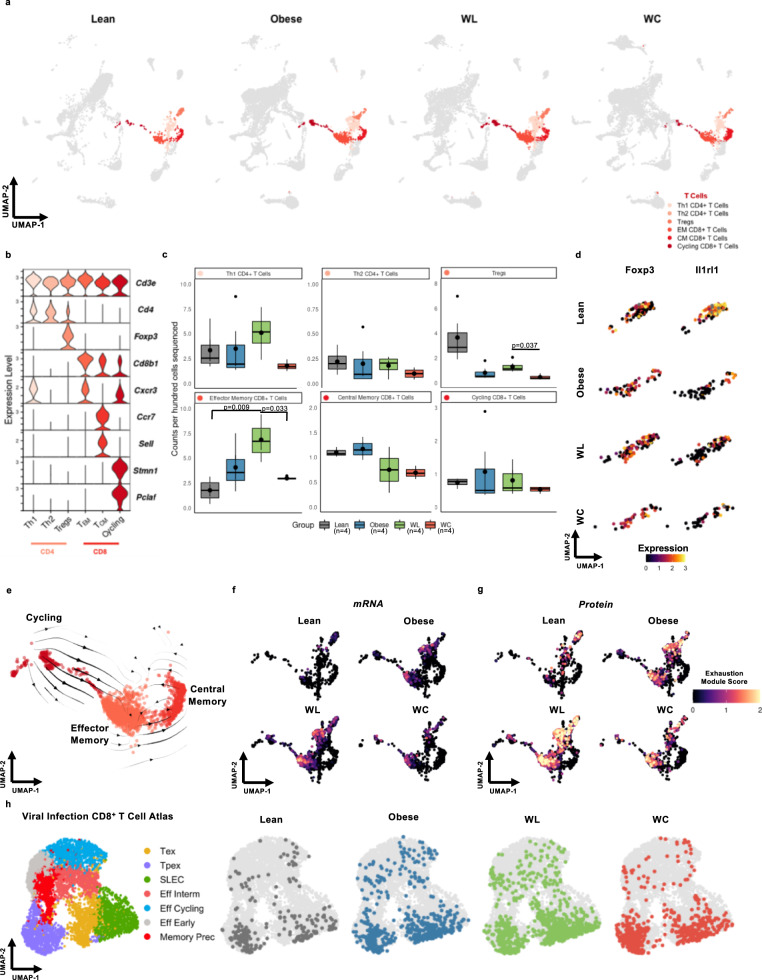
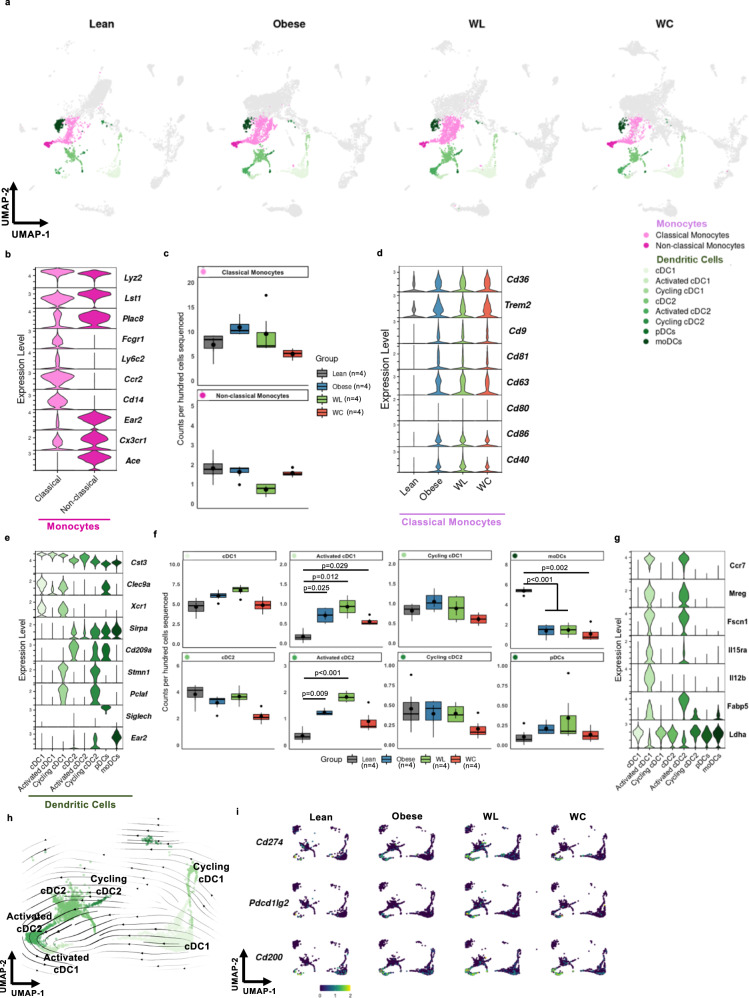
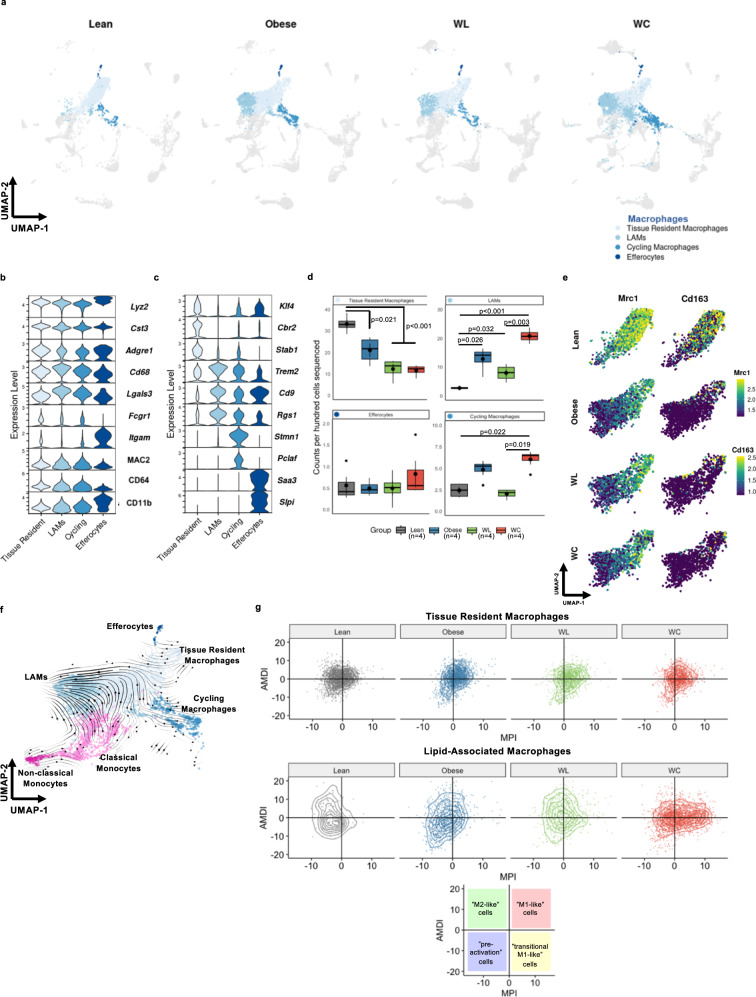
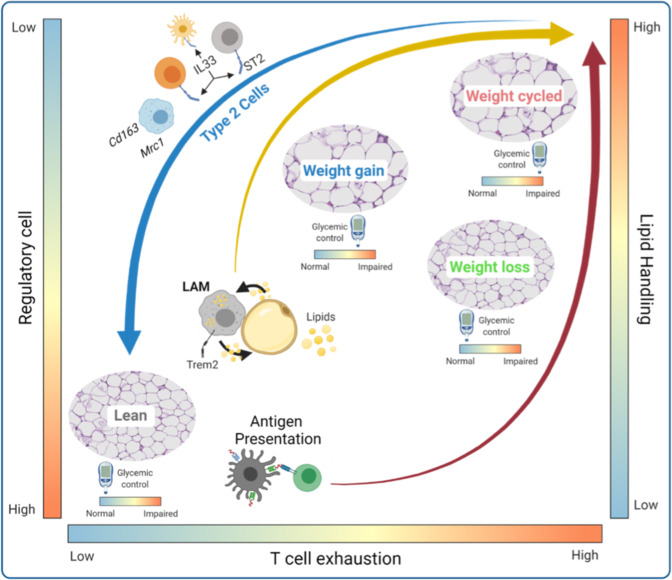
Within adipose tissue (AT), immune cells and parenchymal cells closely interact creating a complex microenvironment. In obesity, immune cell derived inflammation contributes to insulin resistance and glucose intolerance. Diet-induced weight loss improves glucose tolerance; however, weight regain further exacerbates the impairment in glucose homeostasis observed with obesity. To interrogate the immunometabolic adaptations that occur in AT during murine weight loss and weight regain, we utilized cellular indexing of transcriptomes and epitopes by sequencing (CITEseq) in male mice. Obesity-induced imprinting of AT immune cells persisted through weight-loss and progressively worsened with weight regain, ultimately leading to impaired recovery of type 2 regulatory cells, activation of antigen presenting cells, T cell exhaustion, and enhanced lipid handling in macrophages in weight cycled mice. This work provides critical groundwork for understanding the immunological causes of weight cycling-accelerated metabolic disease. For further discovery, we provide an open-access web portal of diet-induced AT immune cell imprinting: https://hastylab.shinyapps.io/MAIseq .
Overview
The claims and statistics of this paper haven’t been checked yet.
Free: it reads the open-access text and checks the first 5 claims that cite a source we can check. Create a free account to check every claim.
Integrity signals
Registry
Cites
Statistics
Figures
Verification
Claims the paper makes
The claims and statistics of this paper haven’t been checked yet.
Free: it reads the open-access text and checks the first 5 claims that cite a source we can check. Create a free account to check every claim.
Claims other papers make about this one
Each is checked against this paper’s own text: does it say what the citing paper says it does?
The source backs part of the claim, not all of it — or backs it for a different population, condition or comparison.
In the citing paper
“These processes are intricately linked to the interactions between immune cells and adipocyte stroma cells [99].”
From Comparing caloric restriction regimens for effective weight management in adults: a systematic review and network meta-analysis (2024) · cites this paper as [99]
Experimental — accuracy not yet measuredThe cited source says what the claim attributes to it.
In the citing paper
“A similar phenomenon was observed in adipose tissue, where adipose tissue LAMs increased during obesity, persisted after weight loss, and continued to express Trem2 (38).”
From Lipid-associated macrophages' promotion of fibrosis resolution during MASH regression requires TREM2 (2024) · cites this paper as [38]
Self-check
Percentages, sums and reported differences re-computed from the paper’s own numbers.
The self-check needs the paper’s full text.
Citations
Cites
Integrated analysis of multimodal single-cell data
Hao, Y., Hao, S., Andersen-Nissen, E., Mauck, W. M., Zheng, S., Butler, A., Lee, M. J., Wilk, A. J., Darby, C., Zagar, M., et al. (2020) · doi:10.1101/2020.10.12.335331 · Cited by 15,508
Metascape provides a biologist-oriented resource for the analysis of systems-level datasets
Zhou, Y., Zhou, B., Pache, L., Chang, M., Khodabakhshi, A. H., Tanaseichuk, O., Benner, C., & Chanda, S. K. (2019) · Nature Communications · doi:10.1038/s41467-019-09234-6 · Cited by 14,611
Aran, D., Looney, A. P., Liu, L., Wu, E., Fong, V., Hsu, A., Chak, S., Naikawadi, R. P., Wolters, P. J., Abate, A. R., et al. (2019) · Nature Immunology · doi:10.1038/s41590-018-0276-y · Cited by 4,984
McGinnis, C. S., Murrow, L. M., & Gartner, Z. J. (2019) · Cell Systems · doi:10.1016/j.cels.2019.03.003 · Cited by 4,521
La Manno, G., Soldatov, R., Zeisel, A., Braun, E., Hochgerner, H., Petukhov, V., Lidschreiber, K., Kastriti, M. E., Lönnerberg, P., Furlan, A., et al. (2018) · Nature · doi:10.1038/s41586-018-0414-6 · Cited by 4,118
Simultaneous epitope and transcriptome measurement in single cells
Stoeckius, M., Hafemeister, C., Stephenson, W., Houck-Loomis, B., Chattopadhyay, P. K., Swerdlow, H., Satija, R., & Smibert, P. (2017) · Nature Methods · doi:10.1038/nmeth.4380 · Cited by 3,098
Generalizing RNA velocity to transient cell states through dynamical modeling
Bergen, V., Lange, M., Peidli, S., Wolf, F. A., & Theis, F. J. (2020) · Nature Biotechnology · doi:10.1038/s41587-020-0591-3 · Cited by 2,951
The Epidemiology of Obesity: A Big Picture
Hruby, A., & Hu, F. B. (2015) · PharmacoEconomics · doi:10.1007/s40273-014-0243-x · Cited by 2,916
Cinti, S., Mitchell, G., Barbatelli, G., Murano, I., Ceresi, E., Faloia, E., Wang, S., Fortier, M., Greenberg, A. S., & Obin, M. S. (2005) · Journal of Lipid Research · doi:10.1194/jlr.m500294-jlr200 · Cited by 2,529
Orecchioni, M., Ghosheh, Y., Pramod, A. B., & Ley, K. (2019) · Frontiers in Immunology · doi:10.3389/fimmu.2019.01084 · Cited by 2,063
Cited by
Items 101–200 of 218
Interrupting T-Cell Memory Ameliorates Exaggerated Metabolic Response to Weight Cycling
Garcia, J. N., Cottam, M. A., Rodriguez, A. S., Agha, A. F. H., Caslin, H. L., Winn, N. C., & Hasty, A. H. (2026) · Diabetes · doi:10.2337/db25-0605 · Cited by 12
Self-citationHow does bariatric surgery remodel adipose tissue?
Lecoutre, S., Rebière, C., Marcelin, G., & Clément, K. (2024) · Annales d Endocrinologie · doi:10.1016/j.ando.2024.05.008 · Cited by 10
Pierro, E. W., Cottam, M. A., An, H., Lehmann, B. D., Pietenpol, J. A., Wellen, K. E., Makowski, L., Rathmell, J. C., Fingleton, B., & Hasty, A. H. (2025) · Cancer Research · doi:10.1158/0008-5472.can-24-3511 · Cited by 11
Self-citationCellular Immunity in Obesity: Pathophysiological Insights and the Impact of Bariatric Surgery
Rivera-Carranza, T., Girón, A. L.-T., Gónzalez-Vázquez, R., Vázquez-Cárdenas, P., Esquivel-Campos, A. L., Mendoza‐Pérez, F., Rojano‐Rodriguez, M., Mimiaga-Hernández, C., Cifuentes-Goches, J. C., Valle, O. E. P., et al. (2025) · International Journal of Molecular Sciences · doi:10.3390/ijms26209867 · Cited by 10
“This shift leads to increased production of IL-10 and TGF-β , associated with reductions in the BMI and TBF, as well as the decreased secretion of INF-γ , IL-2, IL-4, IL-6, and IL-17 [129].”
Adipose Tissue Stromal Cells: Rheostats for Adipose Tissue Function and Metabolic Disease Risk
Scheidl, T. B., Wager, J. L., & Thompson, J. A. (2025) · Canadian Journal of Cardiology · doi:10.1016/j.cjca.2025.02.025 · Cited by 9
The long-term effect of metabolic bariatric surgery on innate immune cell phenotype and function
van Tuijl, J., Vreeken, D., Broeders, W., Cossins, B. C., van Emst, L., Seidel, F., Stienstra, R., Li, Y., Joosten, L. A. B., Netea, M. G., et al. (2025) · International Journal of Obesity · doi:10.1038/s41366-025-01886-3 · Cited by 10
Kumar, A., O’Brien, M., Young, V. B., & Yung, R. L. (2025) · Aging Cell · doi:10.1111/acel.70278 · Cited by 7
CD9 regulates macrophage-mediated remodeling of adipose tissue in obesity
Chini, J., DeMarco, N., Mitchell, D. V., McCright, S. J., Shen, K. M., Pandey, D., Clement, R. L., Miller, J., Jain, R., Taylor, D. M., et al. (2026) · JCI Insight · doi:10.1172/jci.insight.193837 · Cited by 8
“Although newer therapeutics, including glucagon-like peptide-1 (GLP-1) receptor agonists, can induce meaningful weight loss, emerging evidence indicates that the inflammatory and fibrotic features of adipose tissue remodeling often persist (2–6).”
Zhang, Y., Ding, H., Zhao, X., Li, Y., & Ge, P. (2026) · International Immunopharmacology · doi:10.1016/j.intimp.2026.116528 · Cited by 10
Brain Representation in Conscious and Unconscious Vision
Mei, N., & Soto, D. (2025) · Journal of Cognition · doi:10.5334/joc.443 · Cited by 10
Wada, E., Hosono, H., Tanaka, M., Miyakawa, F., Ochi, K., Kohda, H., Tanno, S., Shimano, R., Ito, A., Kitaura, Y., et al. (2025) · The FASEB Journal · doi:10.1096/fj.202501121r · Cited by 6
Sankaran, P. S. (2023) · Chronic Diseases and Translational Medicine · doi:10.1002/cdt3.57 · Cited by 7
“The effect of these responses in adipose tissue and other metabolically relevant tissues may inform about the pathogenesis of obesity in mice.(26,27)”
BackgroundDeletion of complement factor 5 amplifies glucose intolerance in obese male but not female mice
Winn, N. C., Patel, V. S., Blair, J. A., Rodriguez, A. S., Garcia, J. N., Yang, T. S., & Hasty, A. H. (2023) · American Journal of Physiology-Endocrinology and Metabolism · doi:10.1152/ajpendo.00140.2023 · Cited by 6
Self-citationAlterations in the mammary gland and tumor microenvironment of formerly obese mice
Kuziel, G. M., Moore, B. N., Haugstad, G. P., Xiong, Y., Williams, A. E., & Arendt, L. M. (2023) · BMC Cancer · doi:10.1186/s12885-023-11688-3 · Cited by 9
“In visceral fat during weight loss, macrophage populations shift to include those with a phagocytotic function, which may participate in tissue remodeling [59, 64].”
BackgroundTrained immunity: A link between risk factors and cardiovascular disease
Chen, M., Kang, X., Zhang, Y., & Liu, Y. (2024) · British Journal of Pharmacology · doi:10.1111/bph.16472 · Cited by 8
“Notably, this obesity-induced TRIM is further exacerbated by complete or partial weight regain, consequently accelerating cardiometabolic disease, contrary to people's expectations (Caslin et al., 2022; Cottam et al., 2022).”
Kardan, O., Weigard, A. S., Cope, L. M., Martz, M. E., Angstadt, M., McCurry, K. L., Michael, C., Hardee, J. E., Hyde, L. W., Sripada, C., et al. (2024) · Biological Psychiatry Cognitive Neuroscience and Neuroimaging · doi:10.1016/j.bpsc.2024.10.002 · Cited by 19
Assempoor, R., Jodeiri, F., Javadi, M., Seighali, N., Shenava, S. A. S., Najafi, K., Antoun, I., Hassanabad, A. F., Kuno, T., Biering‐Sørensen, T., et al. (2026) · Cardiovascular Diabetology · doi:10.1186/s12933-026-03163-7 · Cited by 5
“In addition, permanent changes from years of exposure to cardiovascular risk factors, such as shifts in immune pathways [41], adipose tissue regulation [42], and vascular remodeling [43], may further reduce the predictive value of CTI later in life.”
Jia, C., Wu, E., Zhu, C., Guan, X., Cheng, Y., Zhao, F., Jin, X., Cao, D., & Li, X. (2026) · Frontiers in Immunology · doi:10.3389/fimmu.2026.1803488 · Cited by 5
“…of type 2 regulatory populations, sustained activation of antigen-presenting cells, T-cell exhaustion, and enhanced lipid handling in macrophages (80); even after weight loss, the increase in lipid-associated macrophages and memory T cells in WAT results in a more severe in fl ammatory state upon…”
Hill, K. B., Mullen, G. P., Nagareddy, P. R., Zimmerman, K. A., & Rudolph, M. C. (2024) · American Journal of Physiology-Endocrinology and Metabolism · doi:10.1152/ajpendo.00140.2024 · Cited by 6
Similarities in B Cell Defects between Aging and Obesity
Frasca, D., Romero, M., & Blomberg, B. B. (2024) · The Journal of Immunology · doi:10.4049/jimmunol.2300670 · Cited by 7
(2025) · doi:10.1093/bib/bbaf144 · Cited by 5
How does the ion concentration affect the functions of kinesin BimC
Guo, W., Gao, Y., Du, D., Sanchez, J. E., Visootsat, A., Li, Y., Qiu, W., & Li, L. (2024) · doi:10.1101/2024.05.31.596855 · Cited by 5
The role of immune responses and microbiota in adipose tissue homeostasis
Azar, S., & Rehermann, B. (2025) · The Journal of Physiology · doi:10.1113/jp286422 · Cited by 5
“…adipose tissue macrophages that emerges under obese conditions in mice is known as metabolically activated macrophages and characterized by the expression of the TREM2 protein and a gene signature associated with lipid metabolism (Cottam et al., 2022; Hildreth et al., 2021; Sarvari et al., 2021).”
Adipose tissue catecholamine resistance: a metabolic safeguard that challenges weight control
Guardia, L. D., & Shin, A. C. (2026) · Metabolism · doi:10.1016/j.metabol.2026.156590 · Cited by 7
Li, Q., Cheng, W., Zhang, L., Ran, S., Yu, H., Zhou, W., Wang, Y., Lin, J., Liu, Y., Hong, X., et al. (2026) · Diabetology & Metabolic Syndrome · doi:10.1186/s13098-026-02116-0 · Cited by 5
“…resulted in pronounced weight loss, prior studies have shown that obesity-associated immune, metabolic, and fibrotic signatures in epididymal adipose tissue can persist despite substantial weight loss, indicating that adipose tissue remodeling cannot be fully explained by weight loss [38, 39].”
Toki, R., Sakamoto, M., Yuki, M., Iida, M., Yamazaki, M., Ichikawa, S., Horiuchi, R., Maegawa, H., Okamura, T., & Takebayashi, T. (2026) · Diabetes Care · doi:10.2337/dc26-0082 · Cited by 4
Gut microbiota and immunometabolism in obesity
Torres-Mayo, A., Liébana-García, R., Olivares, M., Pellón, A., Anguíta, J., & Sanz, Y. (2026) · Gut Microbes · doi:10.1080/19490976.2026.2667610 · Cited by 5
“41,43 Ultimately, obesity creates a general lipotoxic and hypoxic environment that impairs immune surveillance and contributes to a sustained immune cell activation state, ultimately taking part in metabolic dysfunction.”
Interleukin-33: Expression, regulation and function in adipose tissues
Chen, Q., Xiang, D., Liang, Y., Meng, H., Zhang, X., & Lü, J. (2024) · International Immunopharmacology · doi:10.1016/j.intimp.2024.113285 · Cited by 5
The Effect of Diet Composition on the Post-operative Outcomes of Roux-en-Y Gastric Bypass in Mice
Stevenson, M., Srivastava, A., Nácher, M., Hall, C. E., Palaia, T. A., Lee, J., Zhao, C. L., Lau, R. G., Ali, M. A., Park, C. Y., et al. (2024) · Obesity Surgery · doi:10.1007/s11695-023-07052-w · Cited by 4
“In addition, it is now well recognized that adiposity, nutrient composition, and caloric restriction all affect leukocyte phenotypes [11–13], so bone marrow (BM) was collected to probe for changes in leukocyte precursors related to surgery and diet.”
Cui, Z., Feng, L., Rao, S., Huang, Z., Huang, S., Liu, L., Liao, Y., Lan, Z., Chen, Q., Deng, J., et al. (2025) · Advanced Science · doi:10.1002/advs.202405079 · Cited by 6
Nanocoding: Lipid Nanoparticle Barcoding for Multiplexed Single-Cell RNA Sequencing
Feng, Y., Chen, D., Applegate, C. C., Medina, N. G., Kuo, C.-W., Arogundade, O. H., Wright, C. L., Xu, F., Drnevich, J. M., & Smith, A. M. (2025) · ACS Nano · doi:10.1021/acsnano.5c02111 · Cited by 5
Burwitz, B. J., Yusova, S., Robino, J. J., Takahashi, D. L., Luo, A., Slayden, O. D., Bishop, C. V., Hennebold, J. D., Roberts, C. T., & Varlamov, O. (2023) · American Journal of Reproductive Immunology · doi:10.1111/aji.13773 · Cited by 4
Scolaro, B., Brown, E. J., Krautter, F., Petitjean, M., Donahoe, C., Pena, S., Garabedian, M. L., Nikain, C. A., Laskou, M., Tufanlı, Ö., et al. (2023) · bioRxiv (Cold Spring Harbor Laboratory) · doi:10.1101/2023.05.07.539777 · Cited by 4
“decrease in food consumption, accounting for ~70% and ~35% reduction in caloric intake compared to HFD and normal chow-fed mice, respectively(57).”
BackgroundBone marrow neutrophil density regulates myelopoiesis during obesity and weight loss
Waterbury, Q. T., Qian, J., Zheng, H., Dirnberger, A. S., Olson, O. C., White, R. A., Wu, F., Kobayashi, H., Malagola, E., Ochiai, Y., et al. (2025) · The Journal of Experimental Medicine · doi:10.1084/jem.20242174 · Cited by 7
Mast Cell Immunometabolism in Type 2 Diabetes and Alzheimer's Disease
Caslin, H. L., Kapadia, M., & Clemons, T. A. (2025) · Journal of Cellular Physiology · doi:10.1002/jcp.70091 · Cited by 3
“Additionally, analysis of our single cell sequencing dataset suggests that adipose mast cells express IDE following weight gain and the development of obesity (Cottam et al. 2022).”
Self-citationUsing gene-environment interactions to explore pathways for colorectal cancer risk
Bouras, E., Yu, R., Kim, A. E., Markozannes, G., Murphy, N., Albanes, D., Anderson, L. N., Barry, E. L., Berndt, S. I., Bishop, D. T., et al. (2025) · EBioMedicine · doi:10.1016/j.ebiom.2025.105964 · Cited by 4
“62 65 Interest-ingly, hormone receptors like INSR , LEPR , ESR1 were concomitantly enriched for BMI and NSAIDs.”
Is weight cycling clinically harmful?
Magkos, F., & Stefan, N. (2026) · The Lancet Diabetes & Endocrinology · doi:10.1016/s2213-8587(26)00037-9 · Cited by 4
Inflammaging Beyond Biomarkers: Molecular Mechanisms and Therapeutic Opportunities
Tero-Vescan, A., Ștefănescu, R., Puşcaş, A., Buț, M.-G., Ősz, B. E., & SLEVIN, M. A. (2026) · Current Issues in Molecular Biology · doi:10.3390/cimb48060629 · Cited by 4
“Notably, this inflammatory macrophage state worsened again with weight regain, emphasizing that white adipose tissue (WAT) immune memory contributes to chronic metabolic inflammation rather than simply reflecting fat mass alone [74].”
Distinct T Cell Subset Profiles and T-Cell Receptor Signatures in Metabolically Unhealthy Obesity
Chung, Y., Chang, J., Soedono, S., Julietta, V., Joo, E. J., Kwon, S. H., Choi, S. I., Kim, Y. J., & Cho, K. W. (2025) · International Journal of Molecular Sciences · doi:10.3390/ijms26073372 · Cited by 4
“Supporting this, murine models have demonstrated that distinct adipose tissue T cell subsets contribute to obesity-associated inflammation and metabolic dysregulation [17–19].”
Kapadia, M., Betjemann, A. M., Cottam, M. A., Mashayekhi, M., Silver, H. J., Hasty, A. H., & Caslin, H. L. (2023) · bioRxiv (Cold Spring Harbor Laboratory) · doi:10.1101/2023.11.12.566786 · Cited by 3
Self-citationRebière, C., Silveira, A. L. M., Oliveira, A. C., Rouault, C., Adriouch, S., Dussaud, S., Abatan, J. B., Rose, C., Lecoutre, S., Boissonnas, A., et al. (2025) · Cell Reports Medicine · doi:10.1016/j.xcrm.2025.102197 · Cited by 9
Marin-Rodero, M., Jayewickreme, T., Benoist, C. O., & Mathis, D. J. (2025) · Proceedings of the National Academy of Sciences · doi:10.1073/pnas.2518203122 · Cited by 2
Comparative analysis of LJ-4378 and tirzepatide in mouse models of obesity and weight regain
Kim, H., Kim, S. W., Choi, C., Joo, S., Kim, G., Kim, M., Yang, E., Lee, J., Chung, S., Jeong, L. S., et al. (2025) · Archives of Pharmacal Research · doi:10.1007/s12272-025-01575-9 · Cited by 3
Mechanisms of Innate Immune Modulation by High-Fat Diet: Implications for Obesity and Asthma
Caslin, H. L., & Williams, J. W. (2025) · Current Allergy and Asthma Reports · doi:10.1007/s11882-025-01232-7 · Cited by 2
Self-citationImmunometabolism, an emerging field in perioperative and critical care medicine: a narrative review
Nessel, I., Tsang, V., Schroth, J., & Janssen, H. (2026) · British Journal of Anaesthesia · doi:10.1016/j.bja.2026.01.003 · Cited by 6
“64 Obesity is a major risk factor for the development of type 2 diabetes mellitus (T2DM), with 90% of individuals diagnosed with T2DM also being overweight.”
Bradshaw, K. P., Holsten, J., Hahn, O., Foltz, A. G., Zera, K. A., Zhu, L., Haarslev, C., Wyss‐Coray, T., Peterson, T. C., & Buckwalter, M. S. (2026) · Journal of Neuroinflammation · doi:10.1186/s12974-026-03774-7 · Cited by 2
“Mouse models of diet-induced obesity mirror findings in humans [4, 11–14], and prior studies have demonstrated that interferon and complement signaling can promote insulin resistance and lipid droplet accumulation [12, 15–17, 8, 9, 18–20].”
Inflammaging in aged tissues drives remodeling of the CD8+ T cell compartment
Shchukina, I., Rodríguez-Hernández, C. J., Ruiz, H. S., Kleverov, M., Mintz, R. L., Mineura, K., Gunawardana, S. C., Hsiung, S., Bhattarai, B., Vachova, V., et al. (2026) · Cell Reports · doi:10.1016/j.celrep.2026.117303 · Cited by 9
Seo, M., Averia, M., Julietta, V., Soedono, S., Joo, E. J., Budiono, E., LEE, M., Kim, M., Hwang, Y., Park, H. W., et al. (2026) · Endocrinology and Metabolism · doi:10.3803/enm.2025.2766 · Cited by 4
“…clinical trials targeting inflammation have yielded inconsistent outcomes [10-13], and macrophage accumulation in adipose tissue does not always correlate with insulin sensitivity or body weight [14-16], suggesting that inflammatory regulation in obesity is more complex than previously appreciated.”
Remembrance of things past: Towards a life-course biology of aging
Alam, S., Partridge, L., & Alic, N. (2026) · PLoS Biology · doi:10.1371/journal.pbio.3003794 · Cited by 2
“High sugar or fat diets, diabetes, and obesity, even in the short term, can affect the immune cell content and the inflammation of this tissue, forming a potential physiological memory that can impact whole-body aging [71,110–112].”
Ledwith, A. E., Prendeville, H., Johnston, C. J. H. H., Cunningham, S. P., McGrath, J. P., Corkish, C., Walsh, A. M., Koç, F., Charles‐Messance, H., Sularea, V. M., et al. (2026) · Cell Reports · doi:10.1016/j.celrep.2026.117648 · Cited by 3
Multi-organ proteomic atlas of obesity regression in male mice
Pedersen, F. B., Gammelmark, E., Akimov, V., Hansen, D., Uthpala, M. L., Maniyadath, B., Fuglsang, F. R., Avelli, M. P., Rasmussen, S., Ravnskjær, K., et al. (2026) · Nature Metabolism · doi:10.1038/s42255-026-01599-5 · Cited by 2
“This is consistent with prior single-cell studies reporting persistence of Gpnmb + lipid-associated macrophage states after weight loss 19 .”
Adipose Structure (White, Brown, Beige)
Pellegrinelli, V., Vidal‐Puig, A., & Carobbio, S. (2023) · Springer eBooks · doi:10.1007/978-3-031-40116-9_23 · Cited by 2
ATP-binding cassette family C member 1 constrains metabolic responses to high-fat diet in male mice
Villalobos, E., Miguelez-Crespo, A., Morgan, R., Ivatt, L., Paul, M. A., Simpson, J., Homer, N. Z. M., Kurian, D., Aguilar, J., Kline, R., et al. (2024) · Journal of Endocrinology · doi:10.1530/joe-24-0024 · Cited by 3
Considerations on efforts needed to improve our understanding of the genetics of obesity
Ghosh, S., & Bouchard, C. (2024) · International Journal of Obesity · doi:10.1038/s41366-024-01528-0 · Cited by 4
“Moreover, bioinformatics has advanced our knowledge of obesogenic processes by identifying proteomic, metabolomic, and multi-omic markers signatures associated with obesity and adiposity traits [53, 54].”
Bolden, M., Davis, X. D., Kapadia, M., Nguyen, E., Sherwood, E. R., Bohannon, J. K., & Caslin, H. L. (2025) · Shock · doi:10.1097/shk.0000000000002575 · Cited by 4
Self-citationMurphy, J., Morais, J. A., Tsoukas, M. A., Cooke, A. B., Daskalopoulou, S. S., & Santosa, S. (2025) · Frontiers in Immunology · doi:10.3389/fimmu.2025.1601847 · Cited by 2
Mapping Macrophage-Fibroblast Interactions in Adipose Tissue Fibrosis
Nahmgoong, H., & Kim, J. B. (2025) · Diabetes · doi:10.2337/dbi25-0017 · Cited by 2
Transglutaminase 2-expressing macrophages modulate adipose tissue inflammation
Elizondo, D. M., Patel, T. P., Cole, B. T., Jansujwicz, E. A., Chen, J., HOLLIS, M., Mitra, A., & Yanovski, J. A. (2025) · Communications Biology · doi:10.1038/s42003-025-08199-1 · Cited by 3
“However, it was the Tgm2 + ATMs that showed an obvious increase in cell numbers in the HFD group compared to CD control, as corroborated by data available in the open-access web portal 51 .”
Hemade, A., & Salameh, P. (2025) · Endocrinology Diabetes & Metabolism · doi:10.1002/edm2.70086 · Cited by 3
“Obesity-conditioned macrophages and T cells in adipose tissue remain in a pro-inflammatory, insulin-resistant state (some-times termed ‘trained immunity’ or innate immune memory) that can reactivate quickly if weight is regained [21, 22].”
Espinoza, C. M., Myers, C., Oppler, S. H., Stone, L. H., Seelig, D. M., Rangarajan, P., Ramachandran, S., & Graham, M. L. (2025) · Surgeries · doi:10.3390/surgeries6040106 · Cited by 1
Long-term management of body weight and physiological mechanisms of weight regain
Hu, T., & Bao, Y. (2026) · Journal of Molecular Cell Biology · doi:10.1093/jmcb/mjaf062 · Cited by 1
“…immune cells persisted after weight loss and worsened with subsequent weight regain, resulting in impaired restoration of type 2 regulatory cells, activation of antigen-presenting cells, T-cell exhaustion, and enhanced lipid handling by macrophages during weight cycling (Cottam et al., 2022 ).”
Mucignat, G., Stefanutti, D., Pauletto, M., Pietropoli, E., Lopparelli, R. M., Giantin, M., Dacasto, M., & Ricci, R. (2026) · BMC Veterinary Research · doi:10.1186/s12917-025-05253-2 · Cited by 1
“In another study, the number of CD8+ T effector memory cells, associated with an exhausted phenotype, increased in the AT of male mice during weight loss, in parallel with the persistence of activated CCR7 -positive AT dendritic cells [68].”
Exploring cell types and their dynamic states in adipose tissue
Nahmgoong, H., & Kim, J. B. (2026) · Trends in Endocrinology and Metabolism · doi:10.1016/j.tem.2026.01.012 · Cited by 2
Kim, E.-C., Jung, H.-B., Park, Y.-K., Son, Y., Cha, H.-N., Patel, Y., Lee, J. H., Choi, M., Park, S., Kim, I.-K., et al. (2026) · Nature Communications · doi:10.1038/s41467-026-70475-3 · Cited by 1
“Recent evidence indicates that macrophage activation states can persist even after adipose in fl ammation resolves, due to epigenetic imprinting or stress adaptation 79,80 .”
Bone marrow rewired: Trained immunity and clonal hematopoiesis in metabolic disease
Chronopoulos, J., Hajishengallis, G., & Chavakis, T. (2026) · Metabolism · doi:10.1016/j.metabol.2026.156603 · Cited by 4
Maternal History of Weight Loss and Prospective Gestational Weight Gain
Muse, M. E., Gilbert‐Diamond, D., Madan, J. C., Peacock, J. L., Karagas, M. R., & Howe, C. G. (2026) · JAMA Network Open · doi:10.1001/jamanetworkopen.2026.7931 · Cited by 1
Adipose Structure (White, Brown, Beige)
Pellegrinelli, V., Vidal‐Puig, A., & Carobbio, S. (2023) · Springer eBooks · doi:10.1007/978-3-319-12125-3_23-2 · Cited by 1
Yan, S., Pei, F., Si, J., Khan, M. Y. A., Ou, S., Yang, Y., Zhao, Z., Pauciullo, A., & Zhang, Y. (2024) · Animal Biotechnology · doi:10.1080/10495398.2024.2404042 · Cited by 2
“49 A number of the candidate genes identified in this study were enriched in immune-related biological processes.”
A trip down (obesogenic) memory lane
Alshammery, S., & Rogers, N. M. (2025) · American Journal of Transplantation · doi:10.1016/j.ajt.2025.01.009 · Cited by 1
Rocha, K. C. E., Tan, B., Kempf, J., Medina, C., Beldona, V., Qian, C., Duan, Y., Xiang, Q., Yoo, A., Du, X., et al. (2025) · Molecular Metabolism · doi:10.1016/j.molmet.2025.102246 · Cited by 2
“It is well established that during obesity, the expansion of WAT is accompanied by the recruitment of adipose tissue macrophages (ATMs) derived from circulating monocytes, predominantly differentiating into pro-inflammatory macrophages [21,22].”
Trem2 deficiency does not worsen metabolic function in diet-induced obese micePreprint
Winn, N. C., Wolf, E. M., Garcia, J. N., & Hasty, A. H. (2022) · bioRxiv (Cold Spring Harbor Laboratory) · doi:10.1101/2022.06.13.495953 · Cited by 1
“This suggests that LAMs are lipid scavenging phagocytes that act as a buffer during adipose tissue expansion.”
BackgroundMethodSelf-citationBolden, M., Davis, X. D., Sherwood, E. R., Bohannon, J. K., & Caslin, H. L. (2024) · bioRxiv (Cold Spring Harbor Laboratory) · doi:10.1101/2024.08.03.606494 · Cited by 1
Self-citationEvidence of persistent hyperphagia following a dietary weight-loss intervention in micePreprint
Heyward, F. D., & Rosen, E. D. (2024) · bioRxiv (Cold Spring Harbor Laboratory) · doi:10.1101/2024.08.16.608348 · Cited by 1
Pierro, E. W., Cottam, M., An, H., Lehmann, B. D., Pietenpol, J., Wellen, K., Makowski, L., Rathmell, J., Fingleton, B., & Hasty, A. H. (2024) · bioRxiv · doi:10.1101/2024.09.25.614811
“However, in mAT Tum-adj , obesity increased Trem2 expression in the LAM population, as has been shown to occur in other adipose tissue depots 10,12 (Fig.”
BackgroundSelf-citationvan der Zande, H. J. P., Zemer, A., Vrieling, F., Smeehuijzen, L., Attema, B. J., Muallem, H., Jansen, J., van der Linden, A., Prass, S., Wessels, D. W. R., et al. (2025) · bioRxiv (Cold Spring Harbor Laboratory) · doi:10.1101/2025.06.27.661006 · Cited by 2
Jacks, R. D., Wu, P., DelProposto, J. L., & Lumeng, C. N.-K. (2025) · bioRxiv (Cold Spring Harbor Laboratory) · doi:10.1101/2025.10.22.683711 · Cited by 1
“ATT cell exhaustion, a state of effector T cell functional impairment with reduced capacity to secrete cytokines and concurrent increased expression of inhibitory receptors, has been described in obese adipose tissue[14] , [6, 15].”
Gaynor, T. L., Hsu, I., Krstevski, C., Farrugia, G. E., Dona, M. S. I., Cohen, C. D., Drew, B. G., & Pinto, A. R. (2024) · bioRxiv (Cold Spring Harbor Laboratory) · doi:10.1101/2024.02.06.578860
Shi, L. S., Liu, Y., Duan, Y., Liu, T., Zhang, B., Zhu, W., Kang, J., & Zhang, K.-R. (2024) · Research Square · doi:10.21203/rs.3.rs-3867242/v1
Unraveling the Link Between Immunity and Obesity in Adolescents
Ruscica, M., Macchi, C., & Mauro, C. (2024) · Journal of Nutrition · doi:10.1016/j.tjnut.2024.08.019
Deleterious Effects of Yoyo Dieting and Resistant Starch on Gastrointestinal Morphology
Phuong-Nguyen, K., Mahmood, M. Q., & Rivera, L. R. (2024) · Nutrients · doi:10.3390/nu16234216 · Cited by 1
Weight loss alters adipose tissue beyond just reducing fat
Rosen, E. D., & Emont, M. P. (2025) · Nature · doi:10.1038/d41586-025-02056-1 · Cited by 1
Cycling of metabolic states and metabolites as drivers of atherosclerosis
Krautter, F., & Fisher, E. A. A. (2025) · Current Opinion in Lipidology · doi:10.1097/mol.0000000000001004
Dietary influence on lung injury and immune modulation in cadmium-exposed mice
Prasad, C., Dasgupta, D., Tripathi, A., Steele, N., Duraisamy, S. K., Pyaram, K., & Sundar, I. K. (2025) · American Journal of Physiology-Lung Cellular and Molecular Physiology · doi:10.1152/ajplung.00196.2025
The role of immune cells-mediated memory in weight cycling, glucose disorders and insulin resistance
Chen, Y., Zhou, D., Wang, L., Sun, L., Yin, Y., Liu, G., & Zi, C. (2025) · Frontiers in Immunology · doi:10.3389/fimmu.2025.1721553
“It was reported that obesity-associated in fl ammation changed T cell exhaustion, antigen presentation and lipid handling (36).”
InfluentialKuziel, G. M., Moore, B. N., Haugstad, G. P., Xiong, Y., Williams, A. E., & Arendt, L. M. (2024) · Figshare · doi:10.6084/m9.figshare.26648556
Kuziel, G. M., Moore, B. N., Haugstad, G. P., Xiong, Y., Williams, A. E., & Arendt, L. M. (2024) · Figshare · doi:10.6084/m9.figshare.26648553
Cottam and Caslin Nat Comm 2022.pdf
Cottam, M. A., Caslin, H. L., Winn, N. C., & Hasty, A. (2023) · Figshare · doi:10.25376/hra.21861531
Self-citationKuziel, G. M., Moore, B. N., Haugstad, G. P., Xiong, Y., Williams, A. E., & Arendt, L. M. (2024) · Figshare · doi:10.6084/m9.figshare.26648550
Kuziel, G. M., Moore, B. N., Haugstad, G. P., Xiong, Y., Williams, A. E., & Arendt, L. M. (2024) · Figshare · doi:10.6084/m9.figshare.26648559
Zou, Y., Cao, Z., Chen, Y., Yuan, M., Zhang, Z., Gu, W., Wang, J., Zhao, S., & Hong, J. (2026) · Diabetes Metabolic Syndrome and Obesity · doi:10.2147/dmso.s573217 · Cited by 1
«Obesogenic memory» as a neurobiological mechanism predicting the recurrent course of obesity
Shestakova, M., Zakharova, K. E., & Yurchenkova, I. M. (2026) · Obesity and metabolism · doi:10.14341/omet13226
Evidence of persistent hunger following dietary weight loss in mice
Heyward, F. D., & Rosen, E. D. (2026) · iScience · doi:10.1016/j.isci.2026.115248 · Cited by 2
Rôle de REG3A dans la maladie métabolique du foie d'origine nutritionnelle
Nguyen, T.-S. (2024) · theses.fr (ABES) · doi:10.70675/2c0ffdcfz96ccz43b0z8e03zb358f83e528d
Xiao, Y., Sun, J., Hao, Y., Xie, L., Duo, H., Zou, Y., Li, Y., Qin, D., Yang, Q., & Li, B. (2026) · TrAC Trends in Analytical Chemistry · doi:10.1016/j.trac.2026.118880
Waterman, H. L., Smith, M. S., Farmer, B., Yankey, K. C., Bosma, K. J., O’Brien, R. M., Claxton, D. P., Howard, T., Kraft, G., Cherrington, A. D., et al. (2026) · Frontiers in Endocrinology · doi:10.3389/fendo.2026.1832065 · Cited by 1
“For example, adipose tissue retains obesity-induced epigenetic marks even after weight loss, re fl ecting a memory of prior stress (23, 24).”
Zeng, R., Liang, Z., Cheng, Y., Zhang, H., Li, H., Li, H., Zeng, D., Li, S., & Chen, Y. (2026) · Pharmacological Research · doi:10.1016/j.phrs.2026.108240
Obesity selectively disrupts long-lasting type 2 immune cell depots in white adipose tissuePreprint
Semmler, L., Deinzer, A., Hayek, I., & Schwartz, C. (2026) · bioRxiv · doi:10.64898/2026.05.08.723745
“Obesity-induced WAT immune phenotypes have been reported to persist through weight loss [38], indicating that established dysfunction may not be fully reversible by metabolic correction alone, while even short-term HFD induces proliferation of memory adipose T cells and accumulation of a novel…”
Kamada, W., Tanno, H., Takayashiki, R., Sato, Y., Ishi, S., Shoji, M., Sato, K., Aoyagi, T., & Kanno, E. (2026) · Journal of Immunology Research · doi:10.1155/jimr/3930910
“The impact of obesity and WL on immune cells has been comprehensively analyzed in adipose tissue [4].”
InfluentialT cell dysregulation and remodeling in pediatric obesity and weight lossPreprint
Hay, C., Sayed, S. U., Espinoza, D. A., Knight, M., Abrams, E. D., Campos, J. S., Nagy, M. Z., Nelson, M. A., Sheetz, S. A., Gunnala, P., et al. (2026) · bioRxiv (Cold Spring Harbor Laboratory) · doi:10.64898/2026.05.19.722395
Metadata
- Authors
- Cottam, M. A., Caslin, H. L., Winn, N. C., & Hasty, A. H.
- Affiliations
- Vanderbilt University (US)
- Corresponding author
- Hasty, Alyssa H.
- Venue
- Nature Communications
- Published
- 2022-05-26
- Volume
- 13
- Issue
- 1
- Pages
- 2950-2950
- ISSN
- 2041-1723 (ISSN-L)
- PMC
- PMC9135744
- OpenAlex
- W4281552824
- Semantic Scholar
- 0fcba7b85dc07c7f7786bcffb4aa579add796cb8
- Cited by
- 216
- References
- 92
- Citations by year
- 2026: 55 · 2025: 60 · 2024: 52 · 2023: 37 · 2022: 11
- FWCI
- 28.88
- Type
- journal article
- Language
- en
- Open access
- gold
- doi.org
- Licence
- cc-by
- creativecommons.org/licenses/by/4.0 (tdm)
- creativecommons.org/licenses/by/4.0 (vor)
- Locations
- Nature Communications (publishedVersion, cc-by)
- PubMed Central (publishedVersion, cc-by)
- PubMed (publishedVersion)
- RePEc: Research Papers in Economics (submittedVersion)
- DOAJ (DOAJ: Directory of Open Access Journals) (submittedVersion, cc-by-sa)
- Funders
- U.S. Department of Health & Human Services | National Institutes of Health (1F31DK123881)
- American Heart Association (20POST35120547, 21POST834990, 19IPLOI4760376)
- Department of Veterans Affairs | Office of Academic Affiliations, Department of Veterans Affairs (I01BX002195)
- U.S. Department of Health & Human Services | NIH | National Cancer Institute (CA068485)
- Topics
- Health Sciences › Medicine › Endocrinology, Diabetes and Metabolism › Adipokines, Inflammation, and Metabolic Diseases
- Health Sciences › Medicine › Physiology (medical) › Adipose Tissue and Metabolism
- Health Sciences › Medicine › Cardiology and Cardiovascular Medicine › Cardiovascular Disease and Adiposity
- Keywords
- obesity, adipose tissue, immune cell phenotypes, weight loss, weight regain, weight cycling, immunometabolism, antigen-presenting cells, T cell exhaustion, insulin resistance, impaired glucose tolerance, CITE-seq, diet-induced obesity, metabolic disorders
- MeSH terms
- Adipose Tissue, Animals, Glucose, Male, Obesity, Phenotype, Weight Gain, Weight Loss, Mice
About these checks
Registry, retraction, Cites and statistics results are computed, not judged, with one exception: a printed reference that no index lists is read once by a model before it counts as a citation error. Claims are extracted by a model and kept only when their quote appears verbatim in the text; each cited source is then checked, with a model’s help, for whether it says what the claim relies on. Those verdicts can be wrong — read the claim’s quote and the cited source before relying on one.
Statistics and arithmetic are recomputed, not judged.
Confidence bands are shown only for fields calibrated on our annotated test set. None is calibrated yet, so no band is shown.
What counts as a claim ›How we measure confidence ›How we check this ›
Are you an author, or do you see a problem with this page? Request a review
Data sources
Bibliographic data: Semantic Scholar, OpenAlex, Crossref.
Contains information from the Semantic Scholar Academic Graph Datasets, made available under the ODC Attribution License (ODC-BY 1.0).
Semantic Scholar’s data is described in: Kinney, R., et al. (2023). The Semantic Scholar Open Data Platform. arXiv:2301.10140.
