

Multiomics reveals persistence of obesity-associated immune cell phenotypes in adipose tissue during weight loss and weight regain in mice
Open accessThe DOI matches its Crossref record; 93 of the 93 references it cites were found in a registry or an index.
Abstract
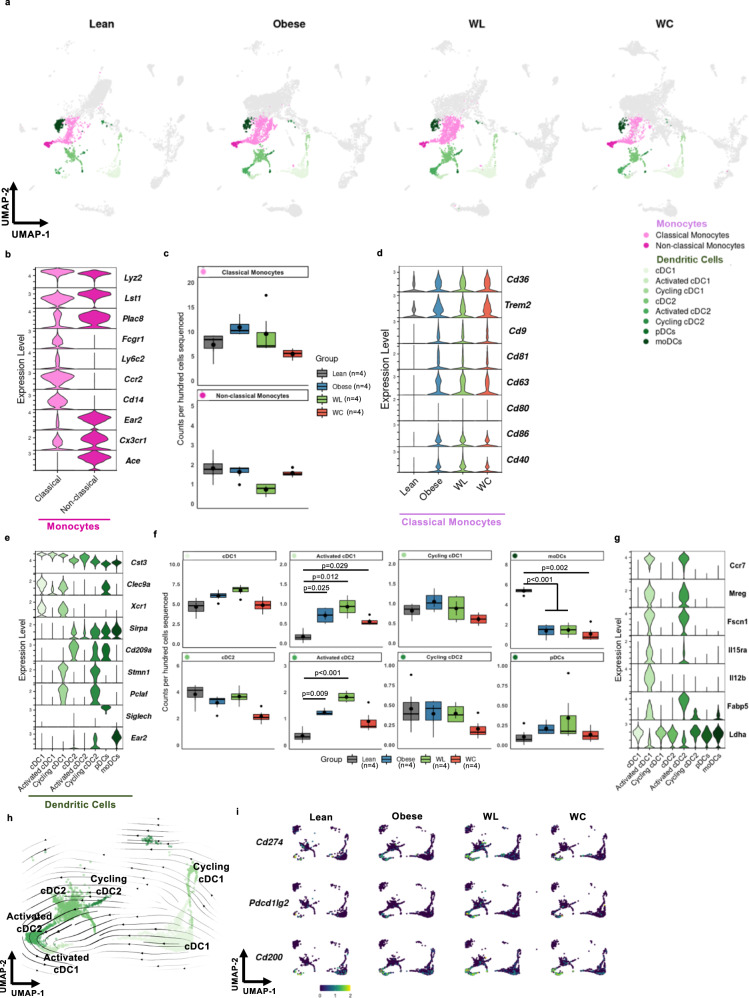
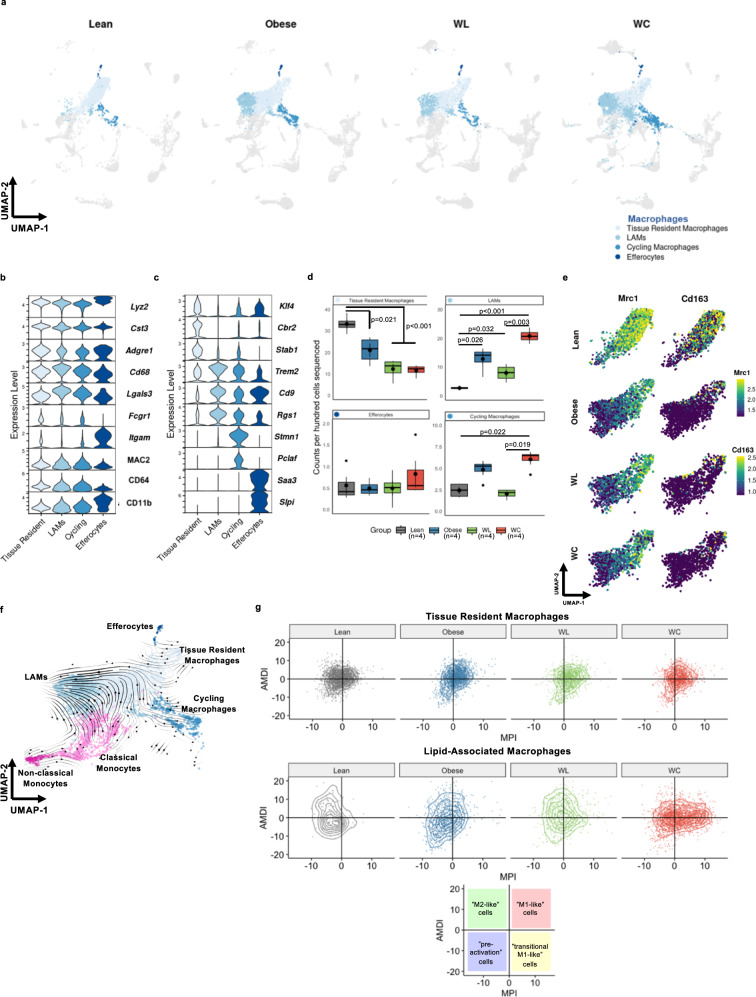
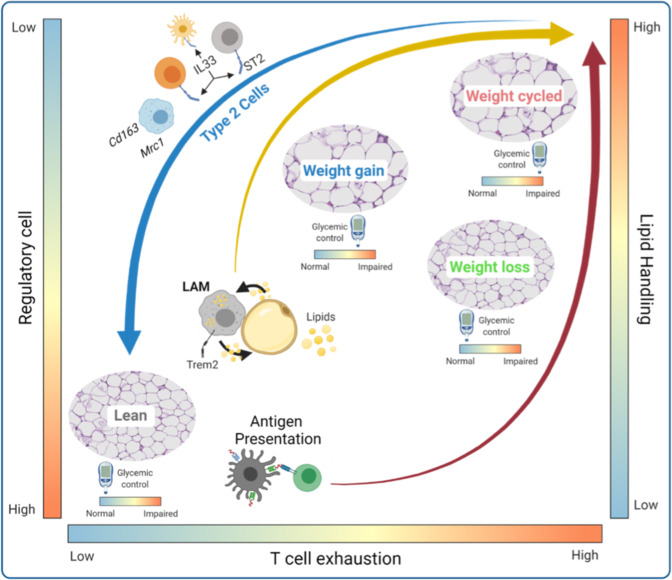
Within adipose tissue (AT), immune cells and parenchymal cells closely interact creating a complex microenvironment. In obesity, immune cell derived inflammation contributes to insulin resistance and glucose intolerance. Diet-induced weight loss improves glucose tolerance; however, weight regain further exacerbates the impairment in glucose homeostasis observed with obesity. To interrogate the immunometabolic adaptations that occur in AT during murine weight loss and weight regain, we utilized cellular indexing of transcriptomes and epitopes by sequencing (CITEseq) in male mice. Obesity-induced imprinting of AT immune cells persisted through weight-loss and progressively worsened with weight regain, ultimately leading to impaired recovery of type 2 regulatory cells, activation of antigen presenting cells, T cell exhaustion, and enhanced lipid handling in macrophages in weight cycled mice. This work provides critical groundwork for understanding the immunological causes of weight cycling-accelerated metabolic disease. For further discovery, we provide an open-access web portal of diet-induced AT immune cell imprinting: https://hastylab.shinyapps.io/MAIseq .
Overview
The claims and statistics of this paper haven’t been checked yet.
Free: it reads the open-access text and checks the first 5 claims that cite a source we can check. Create a free account to check every claim.
Integrity signals
Registry
Cites
Statistics
Figures
Verification
Claims the paper makes
The claims and statistics of this paper haven’t been checked yet.
Free: it reads the open-access text and checks the first 5 claims that cite a source we can check. Create a free account to check every claim.
Claims other papers make about this one
Each is checked against this paper’s own text: does it say what the citing paper says it does?
The source backs part of the claim, not all of it — or backs it for a different population, condition or comparison.
In the citing paper
“These processes are intricately linked to the interactions between immune cells and adipocyte stroma cells [99].”
From Comparing caloric restriction regimens for effective weight management in adults: a systematic review and network meta-analysis (2024) · cites this paper as [99]
Experimental — accuracy not yet measuredThe cited source says what the claim attributes to it.
In the citing paper
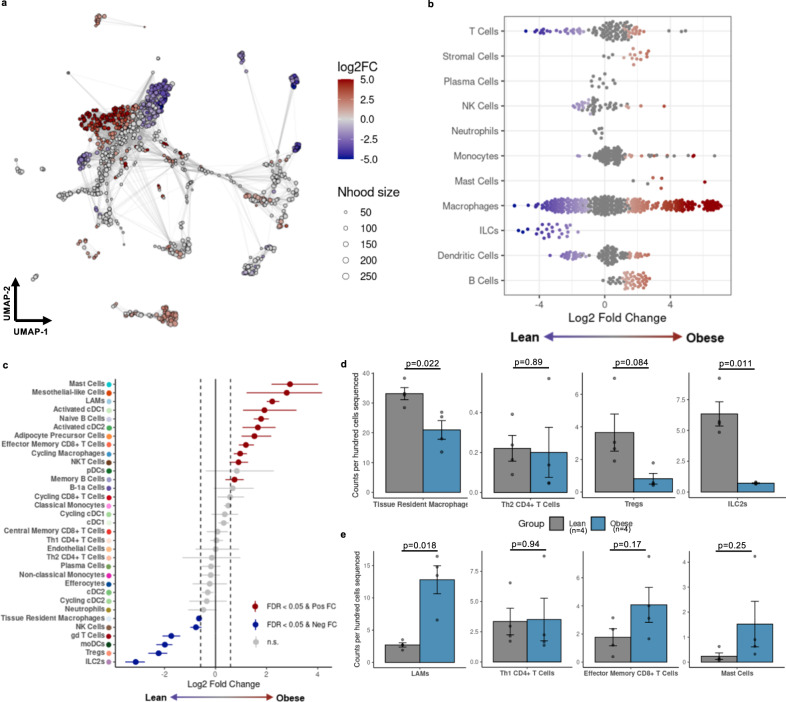
“A similar phenomenon was observed in adipose tissue, where adipose tissue LAMs increased during obesity, persisted after weight loss, and continued to express Trem2 (38).”
From Lipid-associated macrophages' promotion of fibrosis resolution during MASH regression requires TREM2 (2024) · cites this paper as [38]
Self-check
Percentages, sums and reported differences re-computed from the paper’s own numbers.
The self-check needs the paper’s full text.
Citations
Cites
Integrated analysis of multimodal single-cell data
Hao, Y., Hao, S., Andersen-Nissen, E., Mauck, W. M., Zheng, S., Butler, A., Lee, M. J., Wilk, A. J., Darby, C., Zagar, M., et al. (2020) · doi:10.1101/2020.10.12.335331 · Cited by 15,508
Metascape provides a biologist-oriented resource for the analysis of systems-level datasets
Zhou, Y., Zhou, B., Pache, L., Chang, M., Khodabakhshi, A. H., Tanaseichuk, O., Benner, C., & Chanda, S. K. (2019) · Nature Communications · doi:10.1038/s41467-019-09234-6 · Cited by 14,611
Aran, D., Looney, A. P., Liu, L., Wu, E., Fong, V., Hsu, A., Chak, S., Naikawadi, R. P., Wolters, P. J., Abate, A. R., et al. (2019) · Nature Immunology · doi:10.1038/s41590-018-0276-y · Cited by 4,984
McGinnis, C. S., Murrow, L. M., & Gartner, Z. J. (2019) · Cell Systems · doi:10.1016/j.cels.2019.03.003 · Cited by 4,521
La Manno, G., Soldatov, R., Zeisel, A., Braun, E., Hochgerner, H., Petukhov, V., Lidschreiber, K., Kastriti, M. E., Lönnerberg, P., Furlan, A., et al. (2018) · Nature · doi:10.1038/s41586-018-0414-6 · Cited by 4,118
Simultaneous epitope and transcriptome measurement in single cells
Stoeckius, M., Hafemeister, C., Stephenson, W., Houck-Loomis, B., Chattopadhyay, P. K., Swerdlow, H., Satija, R., & Smibert, P. (2017) · Nature Methods · doi:10.1038/nmeth.4380 · Cited by 3,098
Generalizing RNA velocity to transient cell states through dynamical modeling
Bergen, V., Lange, M., Peidli, S., Wolf, F. A., & Theis, F. J. (2020) · Nature Biotechnology · doi:10.1038/s41587-020-0591-3 · Cited by 2,951
The Epidemiology of Obesity: A Big Picture
Hruby, A., & Hu, F. B. (2015) · PharmacoEconomics · doi:10.1007/s40273-014-0243-x · Cited by 2,916
Cinti, S., Mitchell, G., Barbatelli, G., Murano, I., Ceresi, E., Faloia, E., Wang, S., Fortier, M., Greenberg, A. S., & Obin, M. S. (2005) · Journal of Lipid Research · doi:10.1194/jlr.m500294-jlr200 · Cited by 2,529
Orecchioni, M., Ghosheh, Y., Pramod, A. B., & Ley, K. (2019) · Frontiers in Immunology · doi:10.3389/fimmu.2019.01084 · Cited by 2,063
Cited by
Adipose tissue retains an epigenetic memory of obesity after weight loss
Hinte, L. C., Castellano-Castillo, D., Ghosh, A., Melrose, K., Gasser, E., Noé, F., Massier, L., Dong, H., Sun, W., Hoffmann, A., et al. (2024) · Nature · doi:10.1038/s41586-024-08165-7 · Cited by 269
“1) and corresponding recent reports in endothelial and immune cells 18,19 , we next investigated transcriptional retention (‘memory’) in the mouse epiAT.”
Macrophage function in adipose tissue homeostasis and metabolic inflammation
Chavakis, T., Alexaki, V. I., & Ferrante, A. W. (2023) · Nature Immunology · doi:10.1038/s41590-023-01479-0 · Cited by 254
“Specifically, some studies have shown obesogenic memory leading to sustained AT inflammation in previously obese mice despite subsequent weight loss 115,116 .”
BackgroundAdipose tissue at single-cell resolution
Maniyadath, B., Zhang, Q., Gupta, R. K., & Mandrup, S. (2023) · Cell Metabolism · doi:10.1016/j.cmet.2023.02.002 · Cited by 202
Metaflammation in obesity and its therapeutic targeting
Schleh, M. W., Caslin, H. L., Garcia, J. N., Mashayekhi, M., Srivastava, G., Bradley, A. B., & Hasty, A. H. (2023) · Science Translational Medicine · doi:10.1126/scitranslmed.adf9382 · Cited by 177
“In addition, recent work indicates that the highest proportion of T and B cells occurs during the weight-loss phase of weight cycling ( 20 ).”
BackgroundInfluentialSelf-citationDendritic cell maturation in cancer
Moon, C. Y., Belabed, M., Park, M. D., Mattiuz, R., Puleston, D., & Merad, M. (2025) · Nature Reviews Cancer · doi:10.1038/s41568-024-00787-3 · Cited by 170
Lipid-associated macrophages' promotion of fibrosis resolution during MASH regression requires TREM2
Ganguly, S., Rosenthal, S. B., Ishizuka, K., Troutman, T. D., Rohm, T. V., Khader, N., Aleman-Muench, G., Sano, Y., Archilei, S., Soroosh, P., et al. (2024) · Proceedings of the National Academy of Sciences · doi:10.1073/pnas.2405746121 · Cited by 145
“A similar phenomenon was observed in adipose tissue, where adipose tissue LAMs increased during obesity, persisted after weight loss, and continued to express Trem2 ( 38 ).”
Trained immunity in chronic inflammatory diseases and cancer
Hajishengallis, G., Netea, M. G., & Chavakis, T. (2025) · Nature reviews. Immunology · doi:10.1038/s41577-025-01132-x · Cited by 135
“Obesity-associated imprinting of immunological changes in mice is retained even after weight loss 88 , which suggests that adipose tissue immune cells, especially macrophages, may acquire innate immune memory during cycles of weight gain and loss (weight cycling).”
Lipid-associated macrophages between aggravation and alleviation of metabolic diseases
Xu, R., Vujić, N., Bianco, V., Reinisch, I., Kratky, D., Krstic, J., & Prokesch, A. (2024) · Trends in Endocrinology & Metabolism · doi:10.1016/j.tem.2024.04.009 · Cited by 95
Selective remodelling of the adipose niche in obesity and weight loss
Miranda, A. M. A., McAllan, L., Mazzei, G., Andrew, I., Davies, I., Ertuğrul, M. S., Kenkre, J. S., Kudo, H., Carrelha, J., Patel, B., et al. (2025) · Nature · doi:10.1038/s41586-025-09233-2 · Cited by 130
“In mice, AT immune and metabolic cell memory is implicated in weight regain and enhanced inflammation 48,49 .”
Obesity-induced and weight-loss-induced physiological factors affecting weight regain
van Baak, M. A., & Mariman, E. C. M. (2023) · Nature Reviews Endocrinology · doi:10.1038/s41574-023-00887-4 · Cited by 121
“A 2022 study 10 showed that”
BackgroundObesity-related T cell dysfunction impairs immunosurveillance and increases cancer risk
Piening, A., Ebert, E. C., Gottlieb, C., Khojandi, N., Kuehm, L. M., Hoft, S. G., Pyles, K. D., McCommis, K. S., DiPaolo, R. J., Ferris, S. T., et al. (2024) · Nature Communications · doi:10.1038/s41467-024-47359-5 · Cited by 118
“However, recent fi ndings suggest that obesity may elicit durable immune cell dysfunction that persists despite weight loss, raising questions about the ef fi cacy of this approach as a possible therapeutic intervention 25 .”
Weight cycling induces innate immune memory in adipose tissue macrophages
Caslin, H. L., Cottam, M. A., Pinon, J., Boney, L. Y., & Hasty, A. H. (2023) · Frontiers in Immunology · doi:10.3389/fimmu.2022.984859 · Cited by 90
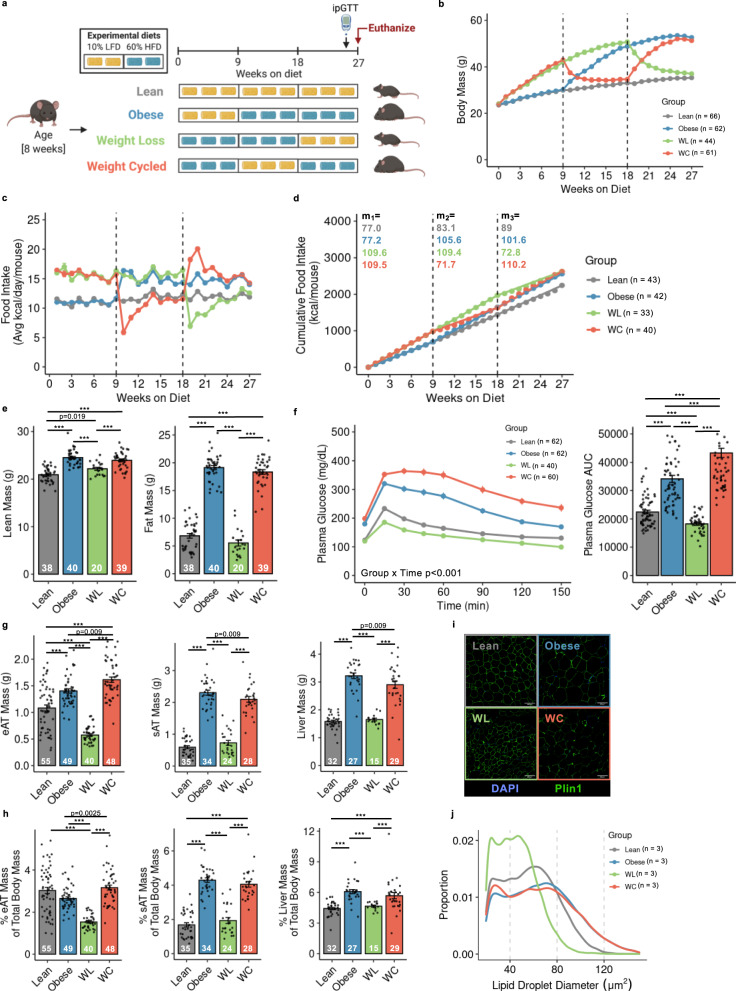
“82 kcal/g) for a total of 27 weeks as published (20, 21) and as visualized in Figure 1A.”
BackgroundMethodInfluentialSelf-citationMartelli, D., & Brooks, V. L. (2023) · International Journal of Molecular Sciences · doi:10.3390/ijms24032684 · Cited by 86
Adipose tissue macrophages: Regulators of adipose tissue immunometabolism during obesity
Nance, S. A., Muir, L. A., & Lumeng, C. N.-K. (2022) · Molecular Metabolism · doi:10.1016/j.molmet.2022.101642 · Cited by 101
Macrophage and T cell networks in adipose tissue
Jacks, R. D., & Lumeng, C. N.-K. (2023) · Nature Reviews Endocrinology · doi:10.1038/s41574-023-00908-2 · Cited by 87
“…this adipose tissue T cell exhaustion profile onto lymphocytic choriomeningitis mammarenavirus chronic infection pathways rather than onto tumour-infiltrating lymphocyte pathways, suggesting that this obesity-associated exhaustion profile results from chronic adipose tissue T cell activation 100 .”
BackgroundMacrophages and T cells in metabolic disorder-associated cancers
Taranto, D., Kloosterman, D. J., & Akkari, L. (2024) · Nature reviews. Cancer · doi:10.1038/s41568-024-00743-1 · Cited by 87
“Reduction in T reg cell numbers was suggested to be associated with a possible lower peroxisome proliferator-activated receptor-γ (PPARγ) signalling and consequently reduced proliferative capacity of these cells 113 .”
Adipose tissue fibrosis: the unwanted houseguest invited by obesity
Gliniak, C. M., Pedersen, L., & Scherer, P. E. (2023) · Journal of Endocrinology · doi:10.1530/joe-23-0180 · Cited by 85
Regulatory T cells in peripheral tissue tolerance and diseases
Cheru, N. T., Hafler, D. A., & Sumida, T. S. (2023) · Frontiers in Immunology · doi:10.3389/fimmu.2023.1154575 · Cited by 74
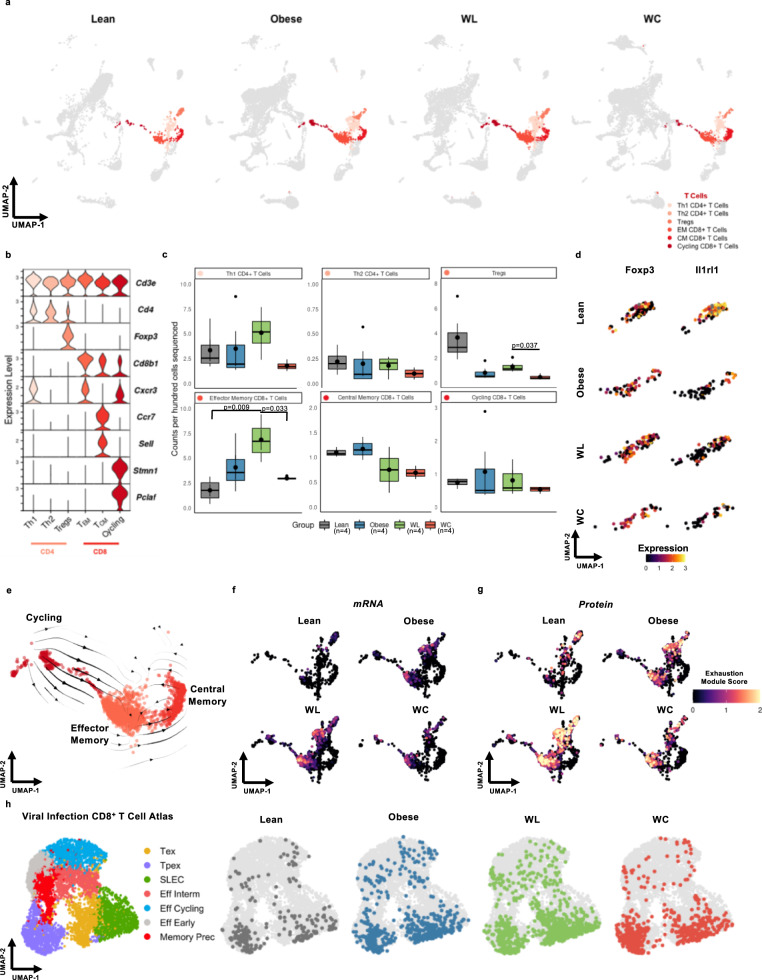
“The decreased frequency of VAT Tregs by HFD-induced obesity remains decreased following weight loss and weight cycling (the repeated process of gaining and losing weight) (83).”
BackgroundStansbury, C. M., Dotson, G. A., Pugh, H., Rehemtulla, A., Rajapakse, I., & Muir, L. A. (2023) · JCI Insight · doi:10.1172/jci.insight.171701 · Cited by 71
Innate immune memory in cardiometabolic disease
Bahrar, H., Bekkering, S., Stienstra, R., Netea, M. G., & Riksen, N. P. (2024) · Cardiovascular Research · doi:10.1093/cvr/cvad030 · Cited by 54
“108 This obesity-induced imprinting of adipose tissue immune cells promoted activation of antigen-presenting cells and enhanced lipid handling in macrophages in animals undergoing body weight fl uctuation.”
BackgroundSmart, C. D., Fehrenbach, D. J., Wassenaar, J. W., Agrawal, V., Fortune, N. L., Dixon, D., Cottam, M. A., Hasty, A. H., Hemnes, A. R., Doran, A. C., et al. (2023) · Cardiovascular Research · doi:10.1093/cvr/cvad093 · Cited by 59
Self-citationL’homme, L., Sermikli, B. P., Haas, J. T., Fleury, S., Quemener, S., Guinot, V., Barreby, E., Esser, N., Caiazzo, R. J., Verkindt, H., et al. (2024) · Nature Communications · doi:10.1038/s41467-024-51078-2 · Cited by 62
“In available single cell RNA-sequencing data 31 , we also observed that Gdf15 was mainly detected in macrophages among epiAT CD45 + cells from HFD-fed mice (Supplementary Fig.”
BackgroundInnate lymphoid cells: More than just immune cells
Xiong, L., Nutt, S. L., & Seillet, C. (2022) · Frontiers in Immunology · doi:10.3389/fimmu.2022.1033904 · Cited by 55
“Interestingly, the proportion of ILC2 was retained in old mice when they were maintained on calorierestricted diet, consistent with several studies that observed that ILC2s in WAT decline in obese human and mice (24, 31, 32).”
Immune Dysregulation in Obesity
Jiang, Z., Tabuchi, C., Gayer, S. G., & Bapat, S. P. (2025) · Annual Review of Pathology Mechanisms of Disease · doi:10.1146/annurev-pathmechdis-051222-015350 · Cited by 52
Towards a consensus atlas of human and mouse adipose tissue at single-cell resolution
Loft, A., Emont, M. P., Weinstock, A., Divoux, A., Ghosh, A., Wagner, A., Hertzel, A. V., Maniyadath, B., Deplancke, B., Liu, B., et al. (2025) · Nature Metabolism · doi:10.1038/s42255-025-01296-9 · Cited by 58
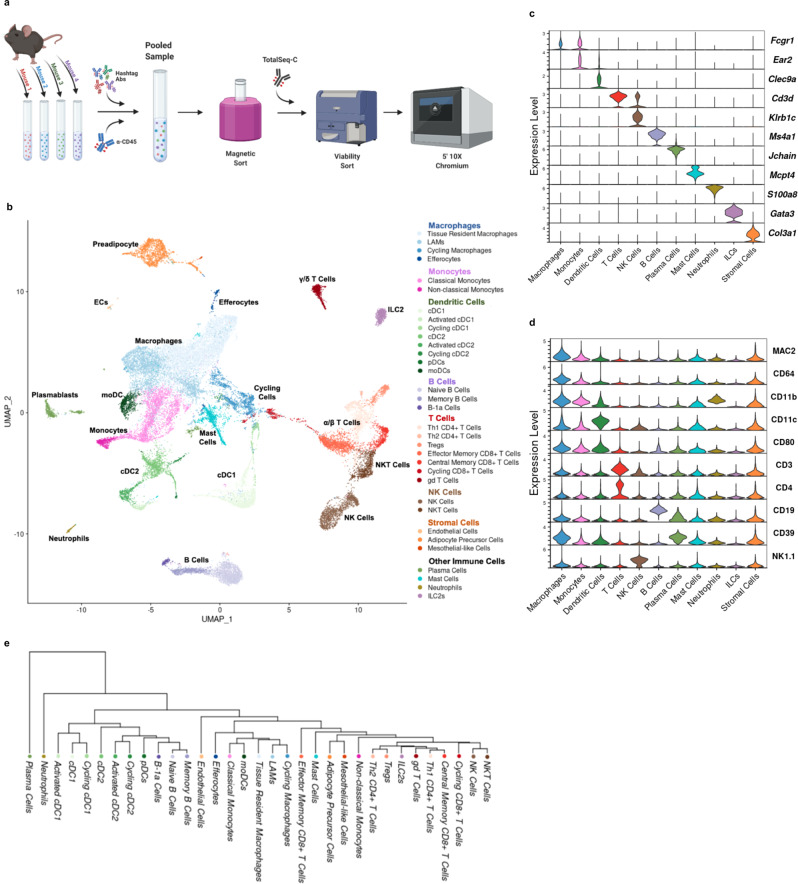
“Additionally, scRNA-seq has also recently been combined with cellular indexing of transcriptomes and epitopes by sequencing (CITE-seq) to interrogate immunometabolic adaptations in mouse AT during weight loss 188 .”
The Role of Inflammatory Mediators in the Pathogenesis of Obesity
Bakinowska, E., Krompiewski, M., Boboryko, D., Kiełbowski, K., & Pawlik, A. (2024) · Nutrients · doi:10.3390/nu16172822 · Cited by 51
“Macrophages are by far the most numerous type of immune cells in adipose tissue [43].”
BackgroundXu, H., Yu, H., Liu, L., Wu, H., Zhang, C., Cai, W., Hong, X., Liu, D. J., Tang, D., & Dai, Y. (2021) · Frontiers in Immunology · doi:10.3389/fimmu.2021.760381 · Cited by 42
Obesity accelerates age defects in B cells, and weight loss improves B cell function
Frasca, D., Romero, M., Diaz, A., & Blomberg, B. B. (2023) · Immunity & Ageing · doi:10.1186/s12979-023-00361-9 · Cited by 42
“The lack of effects of weight loss in some patients may be due to the fact that these patients retain the strong immunophenotypic imprinting and changes associated with prior obesity, as studies in mice have clearly shown [46, 47].”
BackgroundTranslational potential of mouse models of human metabolic disease
Farooqi, I. S., & Xu, Y. (2024) · Cell · doi:10.1016/j.cell.2024.07.011 · Cited by 40
T cells in obesity‐associated inflammation: The devil is in the details
Valentine, Y. A., & Nikolajczyk, B. S. (2024) · Immunological Reviews · doi:10.1111/imr.13354 · Cited by 41
“19 Th17 cells are also elevated in murine PBMCs and adipose tissue following high-fat diet feeding.”
Circadian mechanisms in adipose tissue bioenergetics and plasticity
Hepler, C., & Bass, J. T. (2023) · Genes & Development · doi:10.1101/gad.350759.123 · Cited by 37
“…have challenged the notion that macrophages exist in bimodal M1 or M2 identities and instead show a continuum of transcriptional states with unique properties (Xu et al. 2013; Burl et al. 2018; Hill et al. 2018; Jaitin et al. 2019; Weinstock et al. 2019; Sárvári et al. 2021; Cottam et al. 2022).”
BackgroundDrastic transformation of visceral adipose tissue and peripheral CD4 T cells in obesity
Shirakawa, K., & Sano, M. (2023) · Frontiers in Immunology · doi:10.3389/fimmu.2022.1044737 · Cited by 38
“Furthermore, one study reported that glucose tolerance was worse in DIO weight-loss-regain mice than in normal DIO mice and that this metabolic dysfunction was associated with increased T-cell accumulation in VAT (36).”
BackgroundAdipose cDC1s contribute to obesity-associated inflammation through STING-dependent IL-12 production
Hildreth, A. D., Padilla, E. T., Gupta, M., Wong, Y. Y., Sun, R., Legala, A. R., & O’Sullivan, T. E. (2023) · Nature Metabolism · doi:10.1038/s42255-023-00934-4 · Cited by 36
“To understand the cellular source(s) of IL-12 during obesity, we performed a meta-analysis of four previously published human and mouse WAT scRNA-seq datasets 19,26,27 .”
Reinisch, I., Michenthaler, H., Sulaj, A., Moyschewitz, E., Krstić, J., Galhuber, M., Xu, R., Riahi, Z., Wang, T., Vujić, N., et al. (2024) · Nature Communications · doi:10.1038/s41467-024-45724-y · Cited by 37
“Dissecting WAT on single-cell or single-nuclei level has been instrumental for understanding its complexity in the context ofobesity 35,42 , weight-cycling 9 , cold exposure 43 , and exercise 44 , as comprehensively reviewed recently 20 .”
Xu, Y., Hillman, H., Chang, M., Barrow, F., Ivanov, S., Revelo, X. S., & Williams, J. W. (2025) · Communications Biology · doi:10.1038/s42003-025-08387-z · Cited by 40
“Single cell RNA sequencing (scRNAseq) datasets were downloaded from gene expression omnibus (GEO) database (Table 1, Table2) 30,41,83 – 91 .”
Inflammation and Resolution in Obesity-Related Cardiovascular Disease
Karakasis, P., Stachteas, P., Iliakis, P., Sidiropoulos, G., Grigoriou, K., Patoulias, D., Antoniadis, A. P., & Fragakis, N. (2026) · International Journal of Molecular Sciences · doi:10.3390/ijms27010535 · Cited by 42
Regulation of systemic metabolism by tissue-resident immune cell circuits
Li, J. H., Hepworth, M. R., & O’Sullivan, T. E. (2023) · Immunity · doi:10.1016/j.immuni.2023.05.001 · Cited by 39
BNIP3-mediated mitophagy in macrophages regulates obesity-induced adipose tissue metaflammation
Kim, S., Choi, C., Son, Y., Lee, J., Joo, S., & Lee, Y. (2025) · Autophagy · doi:10.1080/15548627.2025.2487035 · Cited by 38
“To further evaluate transcript levels of genes involved in mitophagy regulation across ATM subpopulations, we analyzed publicly available single-cell RNA sequencing data (GEO: GSE182233) [27].”
Exon 2‐mediated deletion of Trem2 does not worsen metabolic function in diet‐induced obese mice
Winn, N. C., Wolf, E. M., Garcia, J. N., & Hasty, A. H. (2022) · The Journal of Physiology · doi:10.1113/jp283684 · Cited by 30
“This could also extend to the heightened lipid release state of adipocytes during weight loss, which does not restore Trem2+ LAMs to the lean state in adipose tissue (Cottam et al., 2022).”
BackgroundMethodSelf-citationThe diverse roles of macrophages in metabolic inflammation and its resolution
Ray, A. G., Odum, O., Wiseman, D., & Weinstock, A. (2023) · Frontiers in Cell and Developmental Biology · doi:10.3389/fcell.2023.1147434 · Cited by 34
“Third, the data indicate that many transcriptional changes induced by obesity in resident ATMs and LAMs are not recovered upon weight loss, possibly priming them to respond more robustly upon weight regain (Cottam et al., 2022).”
BackgroundThe Impact of Weight Cycling on Health and Obesity
Wang, H., He, W., Yang, G., Zhu, L., & Liu, X. (2024) · Metabolites · doi:10.3390/metabo14060344 · Cited by 35
“…weight and span not being specified, the laboratory findings being unstable, and some experiment Only about 20% of overweight people seem to be able to successfully maintain weight loss of more than 10% for more than one year [77,78]. indicators being inconsistent between male and female mice [56].”
BackgroundMethodInfluentialLipid-associated macrophages reshape BAT cell identity in obesity
Sciarretta, F., Ninni, A., Zaccaria, F., Chiurchiù, V., Bertola, A., Karlinsey, K. S., Jia, W., Ceci, V., Biagio, C. D., Xu, Z. Z., et al. (2024) · Cell Reports · doi:10.1016/j.celrep.2024.114447 · Cited by 35
Winn, N. C., Cottam, M. A., Bhanot, M., Caslin, H. L., Garcia, J. N., Drigo, R. A. E., & Hasty, A. H. (2022) · Diabetes · doi:10.2337/db22-0161 · Cited by 32
Self-citationPhysiology of Weight Regain after Weight Loss: Latest Insights
van Baak, M. A., & Mariman, E. C. M. (2025) · Current Obesity Reports · doi:10.1007/s13679-025-00619-x · Cited by 40
“Studies in mice have shown that part of the changes that occur in the immune system of the adipose tissue during obesity persist after weight loss by caloric restriction [15].”
The molecular signaling of exercise and obesity in the microbiota-gut-brain axis
Ribeiro, F. M., Silva, M. A., Lyssa, V., Marques, G., Lima, H. K., Franco, O. L., & Petriz, B. A. (2022) · Frontiers in Endocrinology · doi:10.3389/fendo.2022.927170 · Cited by 30
“Excess adipose tissue can lead to these immune and metabolic changes (132, 133).”
BackgroundGomez, D. F., Bekkering, S., ter Horst, R., Cossins, B., van den Munckhof, I., Rutten, J. H. W., Joosten, L. A. B., Netea, M. G., & Riksen, N. P. (2023) · Journal of Leukocyte Biology · doi:10.1093/jleuko/qiad118 · Cited by 32
Robinson, K. A., Akbar, N., Baidžajevas, K., & Choudhury, R. P. (2023) · The FASEB Journal · doi:10.1096/fj.202301078r · Cited by 29
“16,72 Mechanistically, obesogenic memory is dependent on both metabolic and epigenetic reprogramming.”
BackgroundPeripheral and central macrophages in obesity
Mukherjee, S., Skrede, S., Haugstøyl, M. E., López, M., & Fernø, J. (2023) · Frontiers in Endocrinology · doi:10.3389/fendo.2023.1232171 · Cited by 31
“It should be noted that in addition to responding to infectious challenges and mediating the resolution of inflammation, these cells also have important roles in maintaining tissue homeostasis and repair (10, 14).”
BackgroundA novel strategy to dissect multifaceted macrophage function in human diseases
Karlinsey, K., Qu, L., Matz, A. J., & Zhou, B. (2022) · Journal of Leukocyte Biology · doi:10.1002/jlb.6mr0522-685r · Cited by 23
Immunometabolic Interactions in Obesity: Implications for Therapeutic Strategies
Fei, Q., Huang, J., He, Y., Zhang, Y., Zhang, X., Wang, J., & Fu, Q. (2025) · Biomedicines · doi:10.3390/biomedicines13061429 · Cited by 32
“…analyses reveal that different immune cell subpopulations in adipose tissue undergo specific metabolic alterations, including enhanced glycolysis, mitochondrial dysfunction, and lipid metabolic remodeling, which directly influence their functional polarization and inflammatory responses [43,46–48].”
Li, J., Wu, K., Zhong, Y., Kuang, J., Huang, N., Guo, X., Du, H., Guo, C., Li, R., Zhu, X., et al. (2022) · Journal of Ethnopharmacology · doi:10.1016/j.jep.2022.115892 · Cited by 24
Weight cycling based on altered immune microenvironment as a result of metaflammation
Li, W., & Chen, W. (2023) · Nutrition & Metabolism · doi:10.1186/s12986-023-00731-6 · Cited by 28
“Expression of WC inflammation in immune cell phenotype A hyperactive immune response in adipose tissue may result in metabolic abnormalities during WC [83].”
BackgroundHuang, J., Li, Y., Chen, M., Cai, Z., Cai, Z., & Jiang, Z. (2024) · International Journal of Behavioral Nutrition and Physical Activity · doi:10.1186/s12966-024-01657-9 · Cited by 25
“These processes are intricately linked to the interactions between immune cells and adipocyte stroma cells [99].”
BackgroundImmune Cell Activation in Obesity and Cardiovascular Disease
Garcia, J. N., Wanjalla, C. N., Mashayekhi, M., & Hasty, A. H. (2022) · Current Hypertension Reports · doi:10.1007/s11906-022-01222-4 · Cited by 25
Self-citationJang, J. H., Sung, J. H., & Huh, J. Y. (2025) · Immune Network · doi:10.4110/in.2025.25.e12 · Cited by 32
“This persistence may be partially attributed to the maintenance of an altered macrophage population, as changes in ATMs induced by a HFD were still observed after weight loss in mice (102).”
Adipose Tissue Inflammation: Linking Physiological Stressors to Disease Susceptibility
Bradford, B. J., & Contreras, G. A. (2023) · Annual Review of Animal Biosciences · doi:10.1146/annurev-animal-021122-113212 · Cited by 24
Is it time to rethink the relationship between adipose inflammation and insulin resistance?
Rosen, E. D., & Kajimura, S. (2024) · Journal of Clinical Investigation · doi:10.1172/jci184663 · Cited by 24
“A recent study also showed that adipose tissue inflammation persisted even after weight loss and improved glycemic control in mice (10).”
Advances in Adipose Tissue Biology
Corvera, S., Rajan, A., Townsend, K. L., Shamsi, F., Wu, J., Svensson, K. J., Zeltser, L. M., Collins, S., Reis, T., Tseng, Y., et al. (2025) · Endocrine Reviews · doi:10.1210/endrev/bnaf032 · Cited by 28
Han, S. M., Park, E. S., Park, J., Nahmgoong, H., Choi, Y. H., Oh, J., Yim, K. M., Lee, W. T., Lee, Y. K., Jeon, Y. G., et al. (2023) · Nature Communications · doi:10.1038/s41467-023-44181-3 · Cited by 23
“Recent scRNA-seq analyses have shown that cytotoxic immune cells such as NK cells, CD8 + T cells, and NKT cells highly express Ccl5 in adipose tissue 48,69 , implying that cytotoxic immune cells would contribute to effective clearance of dead cells via macrophage recruitment.”
BackgroundObesity and Fibrosis: Setting the Stage for Breast Cancer
Kuziel, G. M., Moore, B. N., & Arendt, L. M. (2023) · Cancers · doi:10.3390/cancers15112929 · Cited by 18
“Single-cell RNA-sequencing studies have revealed the complexity of macrophage populations within adipose tissue [155,156].”
BackgroundBurak, M. F., Stanley, T. L., Lawson, E. A., Campbell, S. L., Lynch, L., Hasty, A. H., Domingos, A. I., Dixit, V. D., Hotamışlıgil, G. S., Sheedy, F. J., et al. (2024) · American Journal of Clinical Nutrition · doi:10.1016/j.ajcnut.2024.04.029 · Cited by 22
Self-citationla Cruz-Color, L. D., Domínguez-Rosales, J. A., Maldonado‐González, M., Ruiz‐Madrigal, B., Sánchez-Muñoz, M. P., Zaragoza-Guerra, V. A., Espinoza-Padilla, V. H., Ruelas-Cinco, E. D. C., Ramírez-Meza, S. M., Torres-Baranda, J. R., et al. (2024) · International Journal of Molecular Sciences · doi:10.3390/ijms25126420 · Cited by 22
“Even after weight loss, obesity-induced immune memory persists in adipose tissue [54,55].”
BackgroundLifestyle and host determinants of antitumor immunity and cancer health disparities
Swaby, A. M., Atallah, A., Varol, O., Cristea, A., & Quail, D. F. (2023) · Trends in cancer · doi:10.1016/j.trecan.2023.08.007 · Cited by 19
Liu, T., Liu, Y., Yan, T., Zhang, B., Zhou, L., Zhu, W., Wang, G., Kang, J., Peng, W. H., & Shi, L. S. (2024) · The Journal of Nutritional Biochemistry · doi:10.1016/j.jnutbio.2024.109649 · Cited by 17
Innate immune cells link dietary cues to normal and abnormal metabolic regulation
Zhang, P., Watari, K., & Karin, M. (2025) · Nature Immunology · doi:10.1038/s41590-024-02037-y · Cited by 19
“Based on RNA velocity estimates, HFD-induced LAMs are partially derived from adipose tissue-resident macrophages, but the majority of them come from circulating monocytes 33 .”
Maleki, M. H., Javazm, S. A., Dastghaib, S., Panji, A., Far, M. H., Mahmoodi, H., Siri, M., & Shafiee, S. M. (2024) · Obesity Science & Practice · doi:10.1002/osp4.752 · Cited by 15
Loft, A., Rydbirk, R., Gammelmark, E., Hauwaert, E. L. V., Wernberg, C. W., Møller, A. F., Dam, T. V., Hassan, M. N., Maniyadath, B., Nielsen, R., et al. (2026) · Nature Metabolism · doi:10.1038/s42255-025-01433-4 · Cited by 18
Distribution, composition, and activity of airway-associated adipose tissue in the porcine lung
Wang, C., Noble, P. B., Elliot, J., Choi, Y. S., James, A. L., & Wang, K. C. W. (2022) · American Journal of Physiology-Lung Cellular and Molecular Physiology · doi:10.1152/ajplung.00288.2022 · Cited by 16
Yun, N., Nah, J., Lee, M. N., Wu, D., & Pae, M. (2023) · Nutrients · doi:10.3390/nu15112617 · Cited by 14
“These studies also indicate that inflammatory phenotypes in adipose tissue were exacerbated in those with weight fluctuations compared with sustained obesity [23,24].”
BackgroundYang, X. C., Ren, R., Lang, X., Li, X., Qin, L., & Zeng, H. (2024) · Food Bioscience · doi:10.1016/j.fbio.2024.104715 · Cited by 15
Uti, D. E., Omang, W. A., Alum, E. U., Ugwu, O. P.-C., Wokoma, M. A., Oplekwu, I. R., Atangwho, I. J., & Egbung, G. E. (2025) · International Journal of Nanomedicine · doi:10.2147/ijn.s529250 · Cited by 31
“31 The research studies have provided evidence of CD44 negatively associating with body mass index (BMI), leptin, as well as an indicator of systemic inflammation, TNF-alpha and IL-6.”
Influence of Weight Loss and Weight Regain on Adipose Tissue Inflammation
Cáceres, L., Ray, A. G., Emont, M. P., & Weinstock, A. (2025) · Arteriosclerosis Thrombosis and Vascular Biology · doi:10.1161/atvbaha.125.322196 · Cited by 16
Liu, S., Wang, Q., Zhou, Y., Tong, N., Chang, R., Wang, F., Guo, P., Li, X., Zhou, Y., & Li, Z. (2024) · Hypertension Research · doi:10.1038/s41440-024-01701-y · Cited by 13
“In addition, obesity adversely impacts the entire body, and the altered immune system is also a key contributor to in fl ammation and oxi-sative stress locally or throughout the body in obesity state [44 – 46].”
Schleh, M. W., Ameka, M., Rodriguez, A. S., & Hasty, A. H. (2024) · Diabetes · doi:10.2337/db24-0405 · Cited by 15
Self-citationDynamic Roles and Expanding Diversity of Adipose Tissue Macrophages in Obesity
Soedono, S., Julietta, V., Nawaz, H., & Cho, K. W. (2024) · Journal of Obesity & Metabolic Syndrome · doi:10.7570/jomes24030 · Cited by 17
“8,41,42 39-41, 43 However, variability in CD11c expression across the Ly6C + , Ly6C – CD9 – , and Ly6C – CD9 + sub-sets in a single-cell single-cell”
Vitamin E: An assistant for black soldier fly to reduce cadmium accumulation and toxicity
Shi, Z., Wan, Y., Peng, M., Zhang, J., Gao, Z., Wang, X., & Zhu, F. (2024) · Environment International · doi:10.1016/j.envint.2024.108547 · Cited by 18
Scolaro, B., Krautter, F., Brown, E. J., Ray, A. G., Kalev‐Altman, R., Petitjean, M., Delbare, S., Donahoe, C., Pena, S., Garabedian, M. L., et al. (2025) · Journal of Clinical Investigation · doi:10.1172/jci172198 · Cited by 19
“…an important distinction of our study compared with others, which involve rounds of diet switching between high-fat and normal chow diets (e.g., 16, 55–60 Though some diets were shown to promote epigenetic chang-es and inflammatory reprogramming in immune precursors (e.g., 15, 16), it is…”
Trained Immunity and Cardiovascular Risk: An Immunological Perspective
Boden, K. A., Chai, J., Kufazvinei, T. T. J., & Choudhury, R. P. (2026) · Immunological Reviews · doi:10.1111/imr.70095 · Cited by 15
“…demonstrates that this obesity-induced trained immunity is exacerbated by complete or partial weight regain (termed weight cycling) as evidenced by elevated metabolism and enhanced cytokine production in adipose tissue macrophages, which further accelerates cardiometabolic disease [72, 73].”
The Influence of Ambient Temperature on Adipose Tissue Homeostasis, Metabolic Diseases and Cancers
Ginting, R. P., Lee, J.-M., & Lee, M.-W. (2023) · Cells · doi:10.3390/cells12060881 · Cited by 17
“For example, high-fat diet (HFD)-induced obesity is known to change the adipose tissue cell population and induce inflammatory gene expression in most adipose cell types, leading to systemic inflammation and insulin resistance [3,4].”
BackgroundRevisiting the role of IL-27 in obesity-related metabolic diseases: safeguard or perturbation?
An, J., Fu, D., Chen, X., Guan, C., Li, L., Bai, J., & Lv, H. (2025) · Frontiers in Immunology · doi:10.3389/fimmu.2024.1498288 · Cited by 13
Long‐term impact of obesity: Unraveling adipose epigenetic memory
Hinte, L. C., Castellano‐Castillo, D., & von Meyenn, F. (2025) · Clinical and Translational Medicine · doi:10.1002/ctm2.70254 · Cited by 12
Gutierrez-Guerra, A., Cambrón-Mora, D., Rodriguez‐Echevarría, R., Hernández‐Bello, J., Campos-Perez, W. Y., Canales-Aguirre, A. A., Pérez-Robles, M., & Martínez‐López, E. (2025) · Nutrients · doi:10.3390/nu17121996 · Cited by 13
“These findings align with previous studies showing body and liver weight increases resulting from prolonged high-fat-diet consumption [23,24].”
Zhao, J., Jiang, Y., Qian, J., Qian, Z., Yang, H., Shi, W., Gong, Y., Jiao, Y., & Tang, L. (2022) · Surgery for Obesity and Related Diseases · doi:10.1016/j.soard.2022.07.014 · Cited by 12
Xie, X., Fan, L., Wu, Q., Zeng, C., Chen, X., Wang, W., Zhang, C., & Chen, H. (2025) · Frontiers in Immunology · doi:10.3389/fimmu.2025.1688392 · Cited by 12
“In HFD mouse models, the elevated presence of Th1 cells in adipose tissue signi fi cantly correlated with increased M1 macrophages (87, 89).”
How Adipocytes Orchestrate Inflammation Within Adipose Tissue?
Higos, R., Renzi, G., Taillandier, P., Merabtene, F., Rouault, C., Abatan, J. B., Lambert, M., Dugail, I., Clément, K., Marcelin, G., et al. (2025) · Biomolecules · doi:10.3390/biom16010059 · Cited by 14
“Moreover, inflammation has been observed to persist within WAT even after significant weight loss and improved glycemic control [28,29].”
Lipid-associated macrophages and metabolic inflammatory diseases
Zheng, Y., Tu, D., Dong, C., Zhao, H., & Wang, H. (2026) · Cell Insight · doi:10.1016/j.cellin.2026.100312 · Cited by 14
“…with common macrophage markers Lyz2 , Adgre1 (F4/80), and Cd68 , is characterized by high expression of lipid metabolism-related genes, including Trem2 , Cd9 , Lpl , and Cd36 , as well as abundant LDs within their cytoplasm (Cottam et al., 2022; Jaitin et al., 2019; Reyes-Farias et al., 2025).”
InfluentialWang, Q., Hartig, S. M., Ballantyne, C. M., & Wu, H. (2024) · Immunological Reviews · doi:10.1111/imr.13338 · Cited by 11
Cao, H., Xu, J., Wang, H., Yi, W., Yang, D., Yang, J., Sun, J., Wang, Y., Zhang, F., Yan, J., et al. (2025) · BMC Microbiology · doi:10.1186/s12866-025-03853-4 · Cited by 11
“During the process of weight loss and subsequent weight regain, both the proportion and function of immune cells are altered, leading to changes in the secretion of pro-inflammatory cytokines such as (IL-1), IL-6, and tumor necrosis factor (TNF) [24–26].”
Chen, S., Fu, J., Yan, J., Zhao, R., Qian, C., Yisimayili, Z., & Wu, J. (2025) · American Journal of Physiology-Endocrinology and Metabolism · doi:10.1152/ajpendo.00071.2025 · Cited by 12
Weight Loss‐Associated Remodeling of Adipose Tissue Immunometabolism
Basso, P. J., Schcolnik‐Cabrera, A., Zhu, M., Strachan, E. R., Clemente‐Casares, X., & Tsai, S. J. (2025) · Obesity Reviews · doi:10.1111/obr.13975 · Cited by 15
“…utilizing alternating HFD and low-fat diet (LFD) feeding recapitulate weight cycling and demonstrate worsened blood glucose tolerance, elevated CD8 + T cell exhaustion, enhanced lipid-associated macrophages, and hindered Treg restoration compared to mice that maintain obesity on an HFD [168].”
InfluentialNonlinear spatial integration allows the retina to detect the sign of defocus in natural scenes
Goethals, S., Louboutin, A., Hamlaoui, S., Quétu, T., Virgili, S., Goldin, M. A., Baranton, K., & Marre, O. (2025) · Science Advances · doi:10.1126/sciadv.adq6320 · Cited by 12
Unraveling the complex roles of macrophages in obese adipose tissue: an overview
Peng, C. S., Chen, J., Wu, R., Jiang, H., & Li, J. X. (2024) · Frontiers of Medicine · doi:10.1007/s11684-023-1033-7 · Cited by 10
Shiu, W.-C., Chen, B.-Y., Ku, Y.-W., & Chen, P. (2024) · Journal of Functional Foods · doi:10.1016/j.jff.2024.106129 · Cited by 10
Radlowski, C., Castañeda-Reyes, E. D., & de Mejía, E. G. (2024) · Journal of Functional Foods · doi:10.1016/j.jff.2024.106407 · Cited by 9
Mechanisms of Lipid‐Associated Macrophage Accrual in Metabolically Stressed Adipose Tissue
Reinisch, I., Enzenhofer, S., & Prokesch, A. (2025) · BioEssays · doi:10.1002/bies.202400203 · Cited by 12
Remission of type 2 diabetes: position statement of the Italian society of diabetes (SID)
Capoccia, D., Leonetti, F., Natali, A., Tricò, D., Perrini, S., Sbraccia, P., Guglielmi, V., & On behalf of the Italian Society of Diabetes (SID) (2024) · Acta Diabetologica · doi:10.1007/s00592-024-02317-x · Cited by 11
“…from the observation that the inflammatory imprinting, both cellular and humoral, characterizing obesity, remains unchanged even after weight loss [131–134], determining the so-called “inflammatory memory” of obesity [135], to which the immunometabolic and epigenetic reprogramming of bone marrow…”
The metabolic consequences of ‘yo-yo’ dieting are markedly influenced by genetic diversity
Thillainadesan, S., Lambert, A., Cooke, K. C., Stöckli, J., Yau, B., Masson, S. W. C., Howell, A., Potter, M., Fuller, O. K., Jiang, Y. L., et al. (2024) · International Journal of Obesity · doi:10.1038/s41366-024-01542-2 · Cited by 8
“This decrease is lower than that of C57BL/6 J mice, but overall, largely comparable [28, 29].”
ResultYu, J., Ahn, H., Han, K. Y., Song, W., Sung, H. H., Jeon, H. G., Jeong, B. C., Seo, S. I., Jeon, S. S., Park, S. H., et al. (2025) · Journal of Cachexia Sarcopenia and Muscle · doi:10.1002/jcsm.13758 · Cited by 10
“Another recent multi-omics study analysed immune cell phenotypes in obese mice [39].”
Reyes‐Farias, M., Fernández‐García, P., Corrales, P., González, L., Navarro‐Sanagustín, D., Soria‐Gondek, A., Pellitero, S., Tarascó, J., Moreno, P., Balibrea, J. M., et al. (2025) · Obesity · doi:10.1002/oby.24323 · Cited by 11
Immunometabolism in obesity: Understanding the beneficial and detrimental roles of inflammation
Lee, Y. S. (2026) · PLoS Biology · doi:10.1371/journal.pbio.3003620 · Cited by 13
“…weight loss eventually leads to improvements in metaflammation, depending on the experimental timeline, it is often observed that the numbers of ATMs remain elevated for weeks during weight loss, even when metabolic improvements (e.g., glucose tolerance and insulin sensitivity) manifest [37,73–76].”
Metadata
- Authors
- Cottam, M. A., Caslin, H. L., Winn, N. C., & Hasty, A. H.
- Affiliations
- Vanderbilt University (US)
- Corresponding author
- Hasty, Alyssa H.
- Venue
- Nature Communications
- Published
- 2022-05-26
- Volume
- 13
- Issue
- 1
- Pages
- 2950-2950
- ISSN
- 2041-1723 (ISSN-L)
- PMC
- PMC9135744
- OpenAlex
- W4281552824
- Semantic Scholar
- 0fcba7b85dc07c7f7786bcffb4aa579add796cb8
- Cited by
- 216
- References
- 92
- Citations by year
- 2026: 55 · 2025: 60 · 2024: 52 · 2023: 37 · 2022: 11
- FWCI
- 28.88
- Type
- journal article
- Language
- en
- Open access
- gold
- doi.org
- Licence
- cc-by
- creativecommons.org/licenses/by/4.0 (tdm)
- creativecommons.org/licenses/by/4.0 (vor)
- Locations
- Nature Communications (publishedVersion, cc-by)
- PubMed Central (publishedVersion, cc-by)
- PubMed (publishedVersion)
- RePEc: Research Papers in Economics (submittedVersion)
- DOAJ (DOAJ: Directory of Open Access Journals) (submittedVersion, cc-by-sa)
- Funders
- U.S. Department of Health & Human Services | National Institutes of Health (1F31DK123881)
- American Heart Association (20POST35120547, 21POST834990, 19IPLOI4760376)
- Department of Veterans Affairs | Office of Academic Affiliations, Department of Veterans Affairs (I01BX002195)
- U.S. Department of Health & Human Services | NIH | National Cancer Institute (CA068485)
- Topics
- Health Sciences › Medicine › Endocrinology, Diabetes and Metabolism › Adipokines, Inflammation, and Metabolic Diseases
- Health Sciences › Medicine › Physiology (medical) › Adipose Tissue and Metabolism
- Health Sciences › Medicine › Cardiology and Cardiovascular Medicine › Cardiovascular Disease and Adiposity
- Keywords
- obesity, adipose tissue, immune cell phenotypes, weight loss, weight regain, weight cycling, immunometabolism, antigen-presenting cells, T cell exhaustion, insulin resistance, impaired glucose tolerance, CITE-seq, diet-induced obesity, metabolic disorders
- MeSH terms
- Adipose Tissue, Animals, Glucose, Male, Obesity, Phenotype, Weight Gain, Weight Loss, Mice
About these checks
Registry, retraction, Cites and statistics results are computed, not judged, with one exception: a printed reference that no index lists is read once by a model before it counts as a citation error. Claims are extracted by a model and kept only when their quote appears verbatim in the text; each cited source is then checked, with a model’s help, for whether it says what the claim relies on. Those verdicts can be wrong — read the claim’s quote and the cited source before relying on one.
Statistics and arithmetic are recomputed, not judged.
Confidence bands are shown only for fields calibrated on our annotated test set. None is calibrated yet, so no band is shown.
What counts as a claim ›How we measure confidence ›How we check this ›
Are you an author, or do you see a problem with this page? Request a review
Data sources
Bibliographic data: Semantic Scholar, OpenAlex, Crossref.
Contains information from the Semantic Scholar Academic Graph Datasets, made available under the ODC Attribution License (ODC-BY 1.0).
Semantic Scholar’s data is described in: Kinney, R., et al. (2023). The Semantic Scholar Open Data Platform. arXiv:2301.10140.
