

Controlled oxygen delivery to power tissue regeneration
Open accessThe DOI matches its Crossref record; 155 of the 155 references it cites were found in a registry or an index.
Abstract
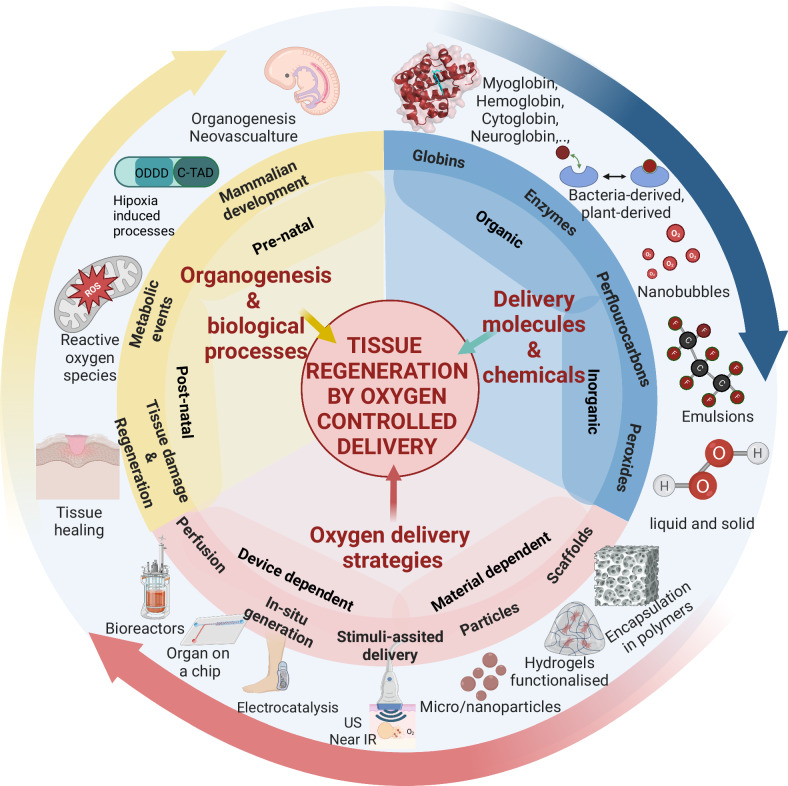
Oxygen plays a crucial role in human embryogenesis, homeostasis, and tissue regeneration. Emerging engineered regenerative solutions call for novel oxygen delivery systems. To become a reality, these systems must consider physiological processes, oxygen release mechanisms and the target application. In this review, we explore the biological relevance of oxygen at both a cellular and tissue level, and the importance of its controlled delivery via engineered biomaterials and devices. Recent advances and upcoming trends in the field are also discussed with a focus on tissue-engineered constructs that could meet metabolic demands to facilitate regeneration.
Overview
The claims and statistics of this paper haven’t been checked yet.
Free: it reads the open-access text and checks the first 5 claims that cite a source we can check. Create a free account to check every claim.
Integrity signals
Registry
Cites
Statistics
Figures
Verification
Claims the paper makes
The claims and statistics of this paper haven’t been checked yet.
Free: it reads the open-access text and checks the first 5 claims that cite a source we can check. Create a free account to check every claim.
Claims other papers make about this one
Each is checked against this paper’s own text: does it say what the citing paper says it does?
In the citing paper
“This allows the creation of a 3D environment that closely resembles the liver’s native microstructure, providing an ideal setting for liver cell culture [34–37].”
From Constructing biomimetic microenvironments for liver regeneration (2025) · doi:10.1186/s12951-025-03729-9 · cites this paper as [37]
Self-check
Percentages, sums and reported differences re-computed from the paper’s own numbers.
The self-check needs the paper’s full text.
Citations
Cites
Ritger, P. L., & Peppas, N. A. (1987) · Journal of Controlled Release · doi:10.1016/0168-3659(87)90034-4 · Cited by 3,830
Basic and Therapeutic Aspects of Angiogenesis
Potente, M., Gerhardt, H., & Carmeliet, P. (2011) · Cell · doi:10.1016/j.cell.2011.08.039 · Cited by 2,771 · cited 2×
“For example, the oxygen demand of hepatocytes (rate of consumption 0.3 nmol/s/10 6 ) has been reported to be up to 5-fold higher than that of fi broblasts (rate of consumption 0.05nmol/s/10 6 ) due to their high metabolic activity 35 .”
BackgroundInfluentialGlycosylation in health and disease
Reily, C., Stewart, T. J., Renfrow, M. B., & Novak, J. (2019) · Nature Reviews Nephrology · doi:10.1038/s41581-019-0129-4 · Cited by 2,075 · cited 1×
“Oxygen is a cornerstoneofcellularactivitiesassociatedwithregeneration:(i)inthe proliferation phase, it is required for glycoprotein biosynthesis 20 , and (ii) during the maturation or remodeling phase, it is required as a co-factor for hydroxyproline (key to forming fi brillar collagens) 21 .”
BackgroundOn the Stability of Gas Bubbles in Liquid-Gas Solutions
Epstein, P. S., & Plesset, M. S. (1950) · The Journal of Chemical Physics · doi:10.1063/1.1747520 · Cited by 1,634 · cited 1×
“Nanobubbles are single bubbles that are inherently unstable and have a theoretical lifespan of 1s according to Laplace pressure Δ P = 2( δ / r ), whereristheradiusofthebubbleand δ istheinterfacialpressure 103 .”
BackgroundReperfusion injury and reactive oxygen species: The evolution of a concept
Granger, D. N., & Kvietys, P. R. (2015) · Redox Biology · doi:10.1016/j.redox.2015.08.020 · Cited by 1,484 · cited 1×
“It is also well-established that hypoxia induces oxidative stress 128 .”
BackgroundCell transformation by the superoxide-generating oxidase Mox1
Suh, Y.-A., Arnold, R. S., Lassegue, B., Shi, J., Xu, X., Sorescu, D., Chung, A. B., Griendling, K. K., & Lambeth, J. D. (1999) · Nature · doi:10.1038/43459 · Cited by 1,480 · cited 1×
“Notably,nicotinamideadeninedinucleotidephosphate(NADPH)oxidasesare also a signi fi cant source of cellular O 2 (cid:129) - 126 .”
BackgroundEngineering vascularized skeletal muscle tissue
Levenberg, S., Rouwkema, J., Macdonald, M., Garfein, E. S., Kohane, D. S., Darland, D. C., Marini, R., van Blitterswijk, C. A., Mulligan, R. C., D'Amore, P. A., et al. (2005) · Nature Biotechnology · doi:10.1038/nbt1109 · Cited by 1,293
Ubisemiquinone is the electron donor for superoxide formation by complex III of heart mitochondria
Turrens, J. F., Alexandre, A., & Lehninger, A. L. (1985) · Archives of Biochemistry and Biophysics · doi:10.1016/0003-9861(85)90293-0 · Cited by 1,214
A vertebrate globin expressed in the brain
Burmester, T., Weich, B., Reinhardt, S., & Hankeln, T. (2000) · Nature · doi:10.1038/35035093 · Cited by 1,023 · cited 1×
“Within the last two decades, a newly discovered globin has been isolated from mouse and human neuronal tissue 67 .”
BackgroundReactive Oxygen Species: Drivers of Physiological and Pathological Processes
Checa, J., & Aran, J. M. (2020) · Journal of Inflammation Research · doi:10.2147/jir.s275595 · Cited by 984 · cited 1×
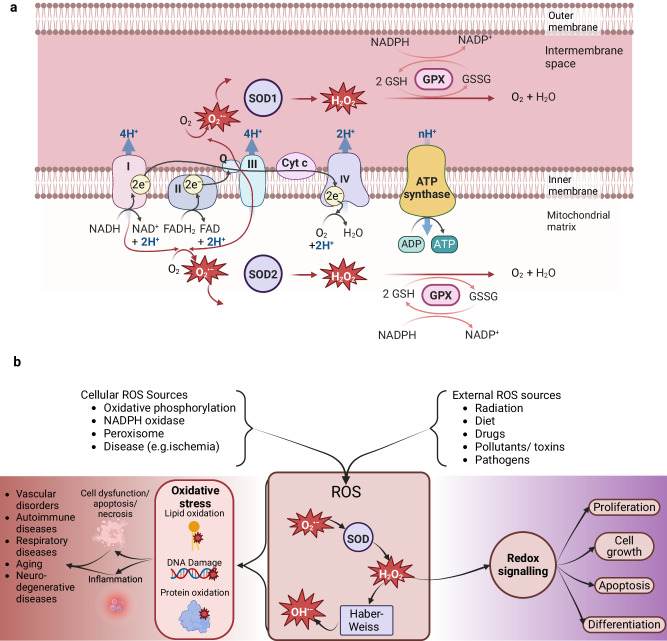
“Furthermore, an increase in ROS production as a result of NADPH oxidase activation upon infection has been linked to the transcription of proin fl ammatory cytokines 127 .”
Background
Cited by
Ge, X., Hu, J., Qi, X., Shi, Y., Chen, X., Xiang, Y., Xu, H., Li, Y., Zhang, Y., Shen, J., et al. (2024) · Advanced Materials · doi:10.1002/adma.202412240 · Cited by 179
Pan, W., Lin, Y., Iao, H. M., Chang, Y., Chen, Y., Liu, H., Tran, N., Lee, I., Lien, H., Hwang, E., et al. (2025) · Advanced Materials · doi:10.1002/adma.202500650 · Cited by 45
Li, G., He, J., Shi, J., Li, X., Liu, L., Ge, X., Chen, W., Jia, J., Wang, J., Yin, M., et al. (2025) · Gut · doi:10.1136/gutjnl-2024-333885 · Cited by 41
“Integrating hydrogels with oxygen-releasing materials such as calcium peroxide (CaO 2 ) nanoparticles, perfluorocarbon (PFC) emulsions and haemoglobin encapsulation systems (eg, liposomes or nanoparticles) 53–55 offers a promising strategy to support cell survival.”
Advanced bioprinting strategies for fabrication of biomimetic tissues and organs
Ng, W. L., Vyas, C., Huang, B., Yeong, W. Y., & Bártolo, P. (2025) · International Journal of Extreme Manufacturing · doi:10.1088/2631-7990/adeee0 · Cited by 44
“A vascularized network is crucial, with capillaries typically within 150–200 µ m of surrounding cells to facilitate oxygen and nutrient delivery, waste removal, and promote anastomosis with the circulatory system [165] .”
Iao, H. M., Chen, C., Lin, Y., Pan, W., Liang, C., Liu, H., Ching, L., Weng, P., Chiang, M., Hsu, R., et al. (2025) · Advanced Science · doi:10.1002/advs.202504786 · Cited by 32
Bioactive Inorganic Materials for Innervated Multi‐Tissue Regeneration
Zhang, H., Zhao, Z., & Wu, C. (2025) · Advanced Science · doi:10.1002/advs.202415344 · Cited by 29
Self-driving bioprinting laboratories
Liu, S., Kaur, N., Song, D.-H., Moses, J. C., & Ozbolat, I. T. (2026) · Biofabrication · doi:10.1088/1758-5090/ae3645 · Cited by 23
“Among these, gas exchange is fundamental in bioreactors, analogous to respiration in living organisms and the regulation of CO ₂ concentration in conventional cell incubators [96, 105].”
A critical review on advances and challenges of bioprinted cardiac patches
Zhang, X., Zhao, G., Ma, T., Simmons, C. A., & Santerre, J. P. (2024) · Acta Biomaterialia · doi:10.1016/j.actbio.2024.09.056 · Cited by 26
Meijlink, B., van der Kooij, H. R., Wang, Y., Li, H., Huveneers, S., & Kooiman, K. (2024) · Journal of Controlled Release · doi:10.1016/j.jconrel.2024.10.066 · Cited by 18
Self-citationZhang, L., Qiu, P., Shen, S., Zhang, C., Qin, J., Xu, Z., Yixi, Z., Lv, J., Pu, H., Lei, J., et al. (2025) · NPG Asia Materials · doi:10.1038/s41427-025-00610-x · Cited by 15
“This supports the proliferation and migration of subsequent nerve cells, thereby maximizing the mobilization of the nerve repair process 48 .”
Constructing biomimetic microenvironments for liver regeneration
(2025) · doi:10.1186/s12951-025-03729-9 · Cited by 11
Oxygen-generating biomaterials for cardiovascular engineering: unveiling future discoveries
Mozafari, M., & Barbati, M. E. (2024) · Drug Discovery Today · doi:10.1016/j.drudis.2024.104135 · Cited by 10
Oxygen dynamics and delivery strategies to enhance beta cell replacement therapy
Shang, K., Suzuki, T., Kato, H., Toyoda, T., Tai, Y., & Komatsu, H. (2025) · American Journal of Physiology-Cell Physiology · doi:10.1152/ajpcell.00984.2024 · Cited by 16
Jeon, S., Jeong, S., Lee, M. H., Seo, J. W., Kim, D., Bassous, N. J., Soto, J. A. L., Choi, C., Gonzalez, M. L., Díaz-Bautista, E., et al. (2025) · Bioactive Materials · doi:10.1016/j.bioactmat.2025.04.010 · Cited by 21
“Oxidative stress was mitigated through upregulation of SOD, a key antioxidant enzyme regulated by PGC-1 α , and reduced levels of 8-OHdG, a marker of oxidative DNA damage, as observed in vivo [18,25,27,35,37].”
Mondal, V., Ross-Munro, E., Balasuriya, G. K., Kumari, R., Hossen, M. M., Ageeli, M., Firipis, K., Nisbet, D. R., King, G. F., Williams, R. J., et al. (2025) · Cells · doi:10.3390/cells14120910 · Cited by 11
“These findings indicate that developing brain endothelial cells may be more sensitive to HI, highlighting the need for multimodal approaches and age-specific analysis in translational models [264].”
Self-citationDas, S., Dash, B. S., Lin, Y.-J., Govindaraju, D. T., & Chen, J. (2025) · ACS Applied Materials & Interfaces · doi:10.1021/acsami.5c10164 · Cited by 7
Integration of multi-modal monitoring for dynamic control of large-scale 3D tissue bioreactors
Chastagnier, L., Pragnère, S., Gimènez, Y., Loubière, C., Essayan, L., Mazarakis, K., Schmidberger, T., Olmos, É., Lambert, S. A., Marquette, C. A., et al. (2026) · Scientific Reports · doi:10.1038/s41598-025-29257-y · Cited by 9
“Such strategy should integrate physicochemical sensing 19,20 , metabolic tracking 16 , and non-invasive imaging 17,18 into a single continuous workflow.”
Freindorf, M., & Kraka, E. (2025) · Dalton Transactions · doi:10.1039/d4dt03246b · Cited by 6
Oxygen‐Releasing Hydrogels in Biomedicine: Present and Future
Cai, Y., Zhou, C., Ding, Z., Fan, J., Lai, Y., Huang, C. B., Jiang, B., Cai, H., Zhou, Z., & Luo, Z. (2025) · Advanced Materials Technologies · doi:10.1002/admt.202500362 · Cited by 6
Recent advances in intelligent oxygen delivery systems for tissue regeneration
Rui, X., Jia, Y., Qiao, R., Peng, X., Wang, Y., Li, T., Zhao, C., & Wu, J. (2025) · Advanced Drug Delivery Reviews · doi:10.1016/j.addr.2025.115684 · Cited by 6
Self-citationBhattacharjee, R., Pallavi, P., Bajrang, B., Mandal, S., Pradhan, L., Nayak, M., & Mukherjee, S. (2025) · Biomaterials Advances · doi:10.1016/j.bioadv.2025.214521 · Cited by 6
Stem Cell and Exosome Therapy in Wound Healing: Traps, Paradoxes, and Tricks Transforming Paradigms
Velikic, G. S., Šupić, G., Maric, D. L., Puletic, M., Maric, M. D., Barac, B., & Maric, D. M. (2025) · Biomedicines · doi:10.3390/biomedicines13123030 · Cited by 14
Fu, C., Liu, G., Fan, Y., wang, J., Tian, X., & Xiao, J. (2026) · International Journal of Biological Macromolecules · doi:10.1016/j.ijbiomac.2026.150408 · Cited by 12
Liu, X., Qiu, X., Peng, P., Lv, Q., Tan, M., Zhang, L., Feng, Q., & Cai, K. (2025) · Advanced Functional Materials · doi:10.1002/adfm.202514674 · Cited by 6
A New Oxygen Carrier for Therapeutic Applications
Barrou, B., Leize‐Zal, E., & Zal, F. (2025) · Drug Testing and Analysis · doi:10.1002/dta.3847 · Cited by 5
Chronic Coronary Artery Disease: Wall Disease vs. Lumenopathy
PARASKEVAIDIS, I. A., Kourek, C., & Tsougos, E. (2025) · Biomolecules · doi:10.3390/biom15020201 · Cited by 5
“…compartment, the capillaries (less than 0.1 mm in diameter), is crucial for the physiological function of myocardial cells by performing three key functions: (1) supplying oxygen and nutrients, (2) removing metabolic waste products, and (3) facilitating repair and inflammatory processes [21,23].”
InfluentialLin, C., He, J., Li, J., Zou, Q., Huang, L., Chen, N., Ye, X., Li, X., Cui, W., & Cheng, Q. (2025) · Chemical Engineering Journal · doi:10.1016/j.cej.2025.162233 · Cited by 6
Oxygen Quantification Based on the Persistent Phosphorescence Lifetime of Host–Guest Nanocrystals
Shimura, R., Hayashi, K., Ueda, S., Tsuru, R., & Hirata, S. (2025) · ACS Materials Letters · doi:10.1021/acsmaterialslett.5c00306 · Cited by 6
Jang, S., Park, Y.-W., Huh, K. M., & Lee, D. Y. (2025) · Tissue Engineering and Regenerative Medicine · doi:10.1007/s13770-025-00708-x · Cited by 4
“This is because the dense packing of cells creates diffusion barriers, leading to hypoxic conditions within the spheroid [41, 42].”
Oxygen Saturation Targeting in the Neonatal Intensive Care Unit
Al‐Mudares, F., Gandhi, B. B., Davies, J., Couroucli, X. I., Villafranco, N. M., Varghese, N. P., Guamán, M. C., Guillory, C., & Shivanna, B. (2025) · Journal of Clinical Medicine · doi:10.3390/jcm14113975 · Cited by 7
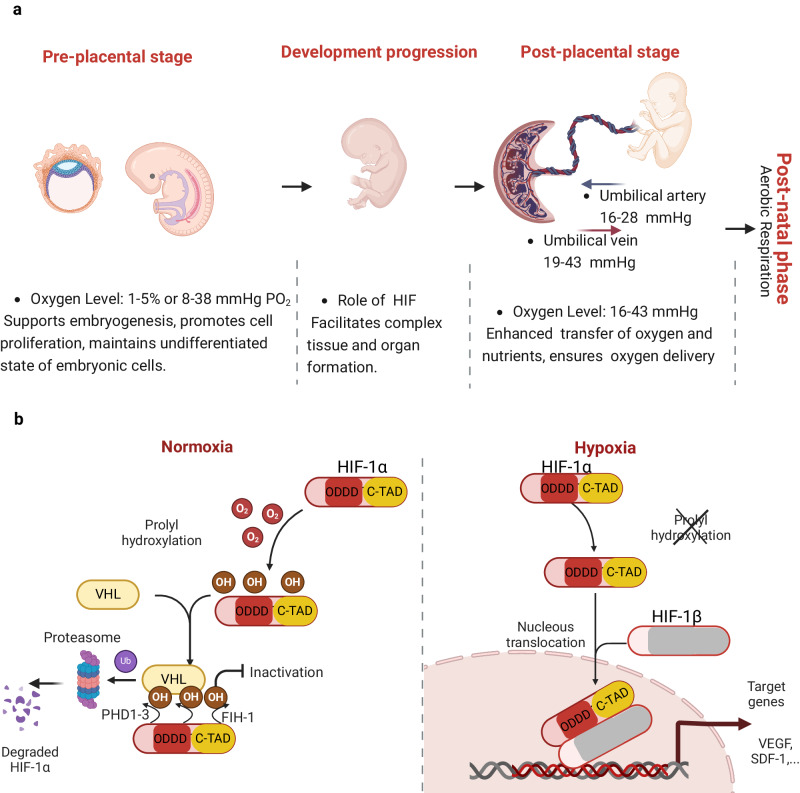
“Hypoxia-inducible factors (HIF) and their downstream target genes, which promote cell proliferation and preserve cells in an undifferentiated state, primarily regulate the low O 2 tension phase of chondrogenesis [16].”
Superior Storage and Controlled Release of Oxygen by Solid Clathrates under Ambient Conditions
Oh, C. Y., Lim, S. G., Choi, H. R., Moon, D., Sung, C., Jung, J., Park, J., Lee, J.-W., Cha, M., & Yoon, J. (2025) · ACS Nano · doi:10.1021/acsnano.5c03314 · Cited by 5
Oxygen Delivery by Biopolymeric Scaffolds to Enhance Tissue Regeneration
Esmaeili, J., & Jafari, R. (2025) · ACS Biomaterials Science & Engineering · doi:10.1021/acsbiomaterials.5c01322 · Cited by 5
Application of Self‐Healing Hydrogels in the Treatment of Intervertebral Disc Degeneration
Guo, C., Jiao, X., Du, X., Zhang, T., Peng, B., & Xu, B. (2025) · Journal of Biomedical Materials Research Part B Applied Biomaterials · doi:10.1002/jbm.b.35532 · Cited by 4
Advanced delivery systems for oxygen therapeutics: center around red blood cells
Zhang, W., & Navin, M. (2025) · Therapeutic Delivery · doi:10.1080/20415990.2025.2475737 · Cited by 4
Belouafa, S., Berrada, M., Digua, K., & Chaair, H. (2025) · Minerals · doi:10.3390/min15070700 · Cited by 4
Hyperbaric oxygen in combination with exosomes: a new strategy to promote tissue repair
Zhang, S., Zhou, J., Liu, J., Li, T., Liu, Y., & Gao, Y. (2025) · Frontiers in Bioengineering and Biotechnology · doi:10.3389/fbioe.2025.1639060 · Cited by 3
“Oxygen serves as a metabolic substrate and a signaling molecule that modulates cellular activity, participating in glycoprotein manufacturing during cell growth (Zoneff et al., 2024).”
Lee, J., Kim, J., Bong, K. W., & Song, S. (2025) · Biomaterials Science · doi:10.1039/d5bm00480b · Cited by 4
Zhang, M., Hao, W., Fu, Z., Huang, Y. S., Yan, F., & Ni, D. (2025) · Bioactive Materials · doi:10.1016/j.bioactmat.2025.11.002 · Cited by 3
“Additionally, the oxygen generated during this process can enhance wound healing by promoting angiogenesis and cellular metabolism [18], while Mg 2 + have been shown to play a crucial role in tissue regeneration and anti-inflammatory responses [19].”
Krishnadoss, V., Kanjilal, B., Banerjee, A., Okoro, P. D., Khavani, M., Basu, P., Sharifi, N., John, J. V., Martins‐Green, M. M., Mugweru, A. M., et al. (2026) · Communications Materials · doi:10.1038/s43246-025-00947-4 · Cited by 5
“This concept can be integrated into the fabrication of hydrogels, polymer fi lms, fi bers, and 3D-printed scaffolds to provide a controlled and long-lasting oxygen supply 26 – 30 .”
Oxygen Permeable Dextran Nanogels as a Hemoglobin-Based Oxygen Carrier
Oh, J., Cho, H. Y., Kim, K. H., Park, Y.-J., Huh, Y. S., & Son, S. (2026) · Biomaterials Research · doi:10.34133/bmr.0355 · Cited by 3
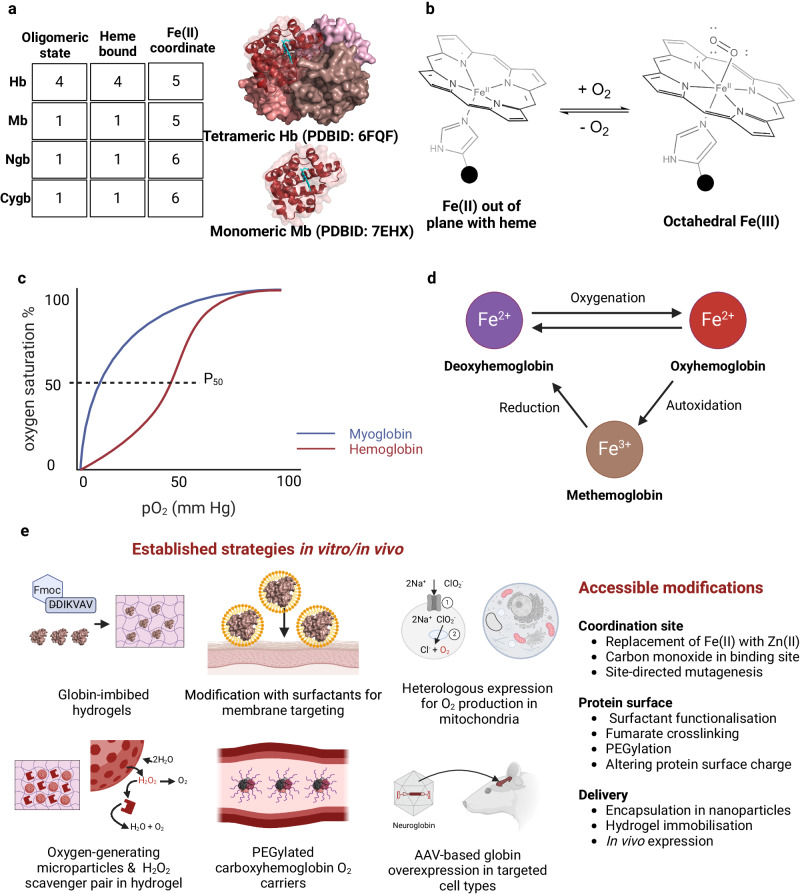
“Hb, the major oxygen-carrying protein of red blood cells (RBCs), is a tetrameric metalloprotein composed of 2 alpha and 2 beta subunits ( α 2 β 2 ), each containing a heme prosthetic group that binds oxygen through a central ferrous iron (Fe 2 + ) [ 3 , 7 ].”
5-Aminolevulinic Acid (5-ALA) Plays an Important Role in the Function of Innate Immune Cells
Saitoh, S., Takeda, Y., Araki, A., Nouchi, Y., Yamaguchi, R., Nakajima, O., & Asao, H. (2024) · Inflammation · doi:10.1007/s10753-024-02212-1 · Cited by 5
ShamsEldeen, A. M., Hosny, S. A., Maghib, K., & Ashour, H. (2025) · World Journal of Stem Cells · doi:10.4252/wjsc.v17.i8.107480 · Cited by 3
Demir, Y. D., Ergül, E., Tepeli, D., Demirci, E. K., Pehlivanoğlu, P., & Kehr, N. S. (2025) · ChemistrySelect · doi:10.1002/slct.202405699 · Cited by 2
Hemodynamic homeostasis disequilibrium in critical illness
Wang, J., Wang, X., Liu, D., Lian, H., Wang, G., Tong, Z., Deng, Q., Guo, Q., Zhang, Q., Chao, Y., et al. (2025) · Frontiers in Physiology · doi:10.3389/fphys.2025.1503320 · Cited by 8
Interconnected Porous Hydrogels with Tunable Anisotropy Through Aqueous Emulsion Bioprinting
Edgar‐Vilar, H., Correia, F. P., Freitas, I. M., Gaspar, V. M., & Mano, J. F. (2025) · Advanced Functional Materials · doi:10.1002/adfm.202521050 · Cited by 2
Biophysical signal-driven scaffold design for stem cell-guided osteochondral regeneration
Gao, Y., Zhuang, Y., Zhu, T., Zhang, H., Wang, Y., Chang, F., & Ding, J. (2026) · Bioactive Materials · doi:10.1016/j.bioactmat.2025.12.021 · Cited by 9
“By regulating O 2 supply across individual compartments, researchers approximate tissue-specific microenvironments and coordinate O 2 delivery with flow-based culture to sustain readouts relevant to tissue regeneration [188].”
Self-citationNano-enabled living materials and living electronics: a roadmap for innovation and impact
Tian, B., Sha, B., Jiang, Y., Nandakumar, A., Ezerins, A., Kim, S. S., Cohen‐Karni, T., Jiao, Y., Zhang, A., Wang, Y., et al. (2026) · Nano Futures · doi:10.1088/2399-1984/ae58dc · Cited by 2
Self-citationWang, L., Wang, M., Zhang, R., Wang, W., Wu, J., & Tang, C. (2026) · Regenerative Biomaterials · doi:10.1093/rb/rbag098 · Cited by 3
“The pro-migratory effect of MPFS is attributed to the sustained release of Mg 2+ ions and O 2 , which have been shown to promote both fibroblast and osteoblast proliferation and migration [38, 39].”
A platform for Bioengineering Tissue Membranes from cell spheroids
Le, B. Q., Ezhilarasu, H., Chan, W. W., Patra, A. T., Murugan, P., Venkatesh, S. A., Tay, K. Y., Lim, S. R., Rahim, A. A. A., Lee, J. S. Z., et al. (2025) · Materials Today Bio · doi:10.1016/j.mtbio.2025.101526 · Cited by 3
“In contrast, tissues with lower metabolic demands, like cartilage, have lower oxygen requirements, allowing their diffusion limit in vitro to extend closer to 200 μ m or more [35].”
Vaginal oxygen plus hyaluronic acid on lower urinary tract symptoms in breast cancer survivors
Asinaro, G., Massarotti, C., Musante, V., Fiamberti, M., Marchese, B., Lambertini, M., Mastro, L. D., Londero, A. P., & Cagnacci, A. (2025) · Climacteric · doi:10.1080/13697137.2025.2455182 · Cited by 2
“Oxygenation of tissues can be achieved by hyperbaric dives [22], by local application of oxygen [23], local oxygen delivering methods [24] and changes of ambient oxygen concentration [25].”
Mitochondrial respiration capacity impacts gill tissue regeneration in Atlantic salmon
Kazerouni, E. G., Negrete, B., Jones, S. R. M., Fast, M. D., & Brauner, C. J. (2025) · Journal of Experimental Biology · doi:10.1242/jeb.249704 · Cited by 4
Oh, H., Kim, J., Lee, S., Shim, J., Yun, W., & Jin, S. (2025) · Advanced Healthcare Materials · doi:10.1002/adhm.202502418 · Cited by 3
Yadav, C. J., Yadav, U., Afrin, S., Lee, J.-Y., Kamel, J., & Park, K.-M. (2026) · Biomaterials Science · doi:10.1039/d5bm01589h · Cited by 2
Advances in stem cell-based tissue-engineered skin substitutes for burns
Chogan, F., Chen, Y., Maneyapanda, E., Simmons, C. A., Santerre, J. P., Haykal, S., & Jeschke, M. G. (2026) · Trends in biotechnology · doi:10.1016/j.tibtech.2026.04.001 · Cited by 3
He, X., Dutta, S., Desai, D., Zhong, S., Liu, W., Chen, S., Huang, W. C., Ahmad, W., Liang, J., & Wang, Y. (2026) · Stem Cell Reviews and Reports · doi:10.1007/s12015-026-11163-z · Cited by 1
“Alterna - tive oxygen-carrying systems such as perfluorocarbons avoid peroxide-related toxicity by physically dissolving oxygen, but are limited by low oxygen-storage capacity, short release duration, and poor integration with cellular metabolic demands [ 21 , 22].”
Self-citationNanomaterial-mediated metabolic reprogramming for functional wound regeneration
Liang, J., Liu, C., Huang, C., Chen, L., Chen, Y., Zhao, T., Zhou, H., Ma, J., Wu, M., Pan, H., et al. (2026) · Materials Today · doi:10.1016/j.mattod.2026.103467 · Cited by 1
Suleymanzade, U., Şahin, T. E., Demir, Y. D., Yatar, Y. E., & Kehr, N. S. (2026) · Macromolecular Bioscience · doi:10.1002/mabi.70233 · Cited by 1
Wu, L., & Gan, Y. (2025) · Microchemical Journal · doi:10.1016/j.microc.2025.112953 · Cited by 1
Pilloni, A., Gioia, C. R. T. D., Carletti, R., D’Elia, G., Mario, M. D., Molendini, A., Romeo, U., & Marini, L. (2025) · Dentistry Journal · doi:10.3390/dj13020077 · Cited by 1
“Oxygenation stimulates collagen synthesis, supports fibroblast proliferation, and improves bone metabolism and turnover [22].”
Grimault, O., Théron, M., Boëté, Q., Maalouf, M., Quéméneur, J.-B., Zal, F., Léon, K., & Pichavant‐Rafini, K. (2025) · Artificial Organs · doi:10.1111/aor.15014
“Its structural characteristics allow it to bind and release oxygen in a manner that meets the physiological demands of tissues, which is particularly advantageous during transplantation when oxygen requirements can fluctuate significantly [10].”
Responses to Voluntary Isocapnic Hyperpnea in Normoxia and Hypoxia: Insights from Blood Gas Analysis
Kowalski, T. (2025) · Biology · doi:10.3390/biology14091207
“However, controlled hyperoxic exposures have also been associated with enhanced oxygen delivery and may transiently improve aerobic metabolism and tissue oxygenation [27,28].”
Ex Vivo Evidence of Oxygen-Induced Neoangiogenesis in Human Palatal Mucosa
Martinez, A., Hernandez, A., & Lopez, M. (2025) · International Journal of Dental Research and Allied Sciences · doi:10.51847/xjdi0nlxfu
Rodriguez, N., Gonçalves, I. F., Hodgkinson, T., O’Brien, F. J., & Kelly, D. J. (2025) · Biomaterials Advances · doi:10.1016/j.bioadv.2025.214680
Hydrogel-enhanced brachytherapy in cervical cancer: redefining precision, efficacy, and safety
Moradpanah, S., Rahimi, S., Nayebzadeh, M., Doosty, F., Nasab, F. S., Habibi, Z., & Zarifi, N. (2026) · European journal of medical research · doi:10.1186/s40001-026-03876-1
Mirzaei, G., Mazloumi, Z., & Khoshfetrat, A. B. (2025) · National and International Iranian Conference on Biomedical Engineering (ICBME) · doi:10.1109/icbme68496.2025.11392530
Ataie, Z., Kheirabadi, S., Li, C., Risbud, A., Sebastian, A., Albert, I. U., Zhang, S., & Sheikhi, A. (2026) · Advanced Science · doi:10.1002/advs.202511302 · Cited by 1
“These substrates have been used in granular hydrogel scaffolds [ 20 ], as carriers for cells or spheroids [ 21 ], and as oxygenating particles that further support cell survival [ 22 ].”
Transcriptomic profile of embryoid bodies under hypoxia at single cell level
Acosta‐Iborra, B., Berrouayel, Y., Puente-Santamaría, L., del Peso, L., & Jiménez, B. (2026) · Gigabyte · doi:10.46471/gigabyte.178
Hemoglobin-based oxygen carrier: what we have learned and where we are heading?
Xiao, H., & Xia, W. (2026) · Protein & Cell · doi:10.1093/procel/pwag019 · Cited by 1
Atmaca, Y. B., & Kehr, N. S. (2026) · Biomedical Materials · doi:10.1088/1748-605x/ae5e12 · Cited by 1
“Consequently, O 2 supplementation and controlled O 2 delivery to tissues have become essential ways to enhance cell and tissue viability and healing processes [12].”
Microfabrication of cell culture microenvironments with spatially controlled oxygen levels
Becconi, M., Malferrari, M., Lesch, A. S., Salvatore, D., Zironi, I., Conte, M., Simonetti, G., Pelicci, P. G., Girault, H. H., Salvioli, S., et al. (2026) · Device · doi:10.1016/j.device.2026.101146
Kaur, M., Karki, D., & Singh, N. (2026) · Journal of Materials Chemistry B · doi:10.1039/d5tb02750k
Zheng, J., Chi, J., Che, K., Zheng, Q., & Wang, Y. (2026) · Frontiers in Endocrinology · doi:10.3389/fendo.2026.1800238
“Hemoglobin (Hb), as the primary carrier of oxygen in the bloodstream, plays a critical role in maintaining tissue oxygenation (8).”
Self-citationOxygen-releasing biomaterials for bone tissue regeneration
Zhang, Z. C., Wang, Y., Yang, X., & Li, J. (2026) · Journal of Controlled Release · doi:10.1016/j.jconrel.2026.115067
Self-citationThe physiologic power of fluid circulation and implications for fluid therapy
Muir, W. W. (2026) · Frontiers in Veterinary Science · doi:10.3389/fvets.2026.1798503
Bunuasunthon, S., Amaral, I. F., Pêgo, A. P., & Matsusaki, M. (2026) · Advanced Materials · doi:10.1002/adma.202523593 · Cited by 1
“In the control sample, noticeable cell death was observed in the inner regions of the scaffold (Figure 5d), consistent with limited nutrient and oxygen diffusion [54].”
Liao, Z., Yin, Y., Xie, D., Chen, C., Liu, Y., Sun, G., Dong, L., & Wang, C. (2026) · Advanced Materials · doi:10.1002/adma.202522858
“…challenge with their clinical application is the lack of immediate and adequate oxygen supply within the millimeter-thick constructs post-implantation [ 2–5 ], which causes cell death and the formation of necrotic cores in the center, eventually impairing the outcomes of tissue repair [ 6 ].”
A programmable DNA tetrahedron platform for selective and efficient capture of cells and proteins
Chen, X., Yin, W., Li, S., Cai, X., Lin, Y., & Tian, T. (2026) · Nature Protocols · doi:10.1038/s41596-026-01410-5
Berlanga‐Acosta, J., Tamayo-Carbón, A. M., Pino-Fernández, G., Casillas, D., Ojalvo, A. G., Massó, J. R. F., del Barco, D. G., Guillén-Nieto, G. E., Wen, L., Puentes, S. F., et al. (2026) · Journal of Regenerative Medicine and Biology Research · doi:10.46889/jrmbr.2026.7207
Yu, J., Zizzari, A. T., Bianco, M., Viola, I., Perrone, E., Huang, Y., Arima, V., & Carraro, M. (2026) · Materials Today Nano · doi:10.1016/j.mtnano.2026.100921
An ultrastable Cu( i ) cluster exhibiting TADF for ppm-level oxygen detection
Tan, L.-L., Chen, Z., Lin, Z.-J., Zhang, H.-J., Liang, Z., Wu, X., Chen, W.-T., Chen, L., & Ye, J. (2026) · Chemical Communications · doi:10.1039/d6cc04299f
Shin, H., Youn, J., Lee, C. K., Baik, S., Ahn, T., & Han, D. K. (2026) · Pharmaceutics · doi:10.3390/pharmaceutics18081003
“Blood circulation is essential for delivering oxygen, nutrients, and bioactive molecules to tissues, removing metabolic waste products, and maintaining tissue homeostasis [24].”
Campbell, B., Mobaleghaleslam, H., Horvath, R., Han, D., Kato, H., Komatsu, H., & Steckl, A. J. (2026) · Journal of Biomedical Materials Research Part A · doi:10.1002/jbm.a.70147
A chrono-modulated oxygen-cycling scaffold reprograms immunometabolism to drive bone regeneration
Liu, M., Zhang, Y., Zhou, J., Gong, H., Qian, G., Xi, H., Li, J., Tan, Z., Zeng, J., Zhou, J., et al. (2026) · Biomaterials · doi:10.1016/j.biomaterials.2026.124623
Jeyaraman, M. (2026) · Journal of Clinical Orthopaedics and Trauma · doi:10.1016/j.jcot.2026.103624
Gradient microneedles with in situ photosynthetic oxygenation for targeted corneal crosslinking
Li, W., Cui, L., Chen, T., Chen, Y., Li, G., Ren, B., Wang, L., Sun, Y., Bao, Q., Zhang, R., et al. (2026) · Journal of Controlled Release · doi:10.1016/j.jconrel.2026.115367
Basudan, A. M. (2026) · The Saudi Dental Journal · doi:10.1007/s44445-026-00240-1
“These technologies seek to optimize oxygen kinetics, improve penetration into hypoxic tissues and integrate oxygen delivery with regenerative biomaterials and growth factors (Zoneff et al. 2024).”
Advanced cell-instructive bio-inks: Engineering multiscale niches for functional tissue formation
Ng, W. L., Xu, Y., Liu, F., & Bártolo, P. (2026) · Bioactive Materials · doi:10.1016/j.bioactmat.2026.10.002 · Cited by 1
“Physiological hypoxia serves as a fundamental regulatory signal during tissue development and homeostasis, motivating the design of hypoxia-modulating bio-inks that recreate these instructive microenvironments [153].”
Li, X., Sun, R., Pi, H., Liu, X., Tan, D., Zhang, J., Nie, M., Chen, H., Hu, B., Wu, Z., et al. (2026) · Chemical Engineering Journal · doi:10.1016/j.cej.2026.183306
Navigating hypoxia in tissue engineering: From biological mechanisms to therapeutic strategies
Vieira, B., Cerqueira, A., Nunes, P. J., & Mano, J. F. (2026) · Acta Biomaterialia · doi:10.1016/j.actbio.2026.10.041
Metadata
- Authors
- Zoneff, E., Wang, Y., Jackson, C., Smith, O., Duchi, S., Onofrillo, C., Farrugia, B., Moulton, S. E., Williams, R., Parish, C., Nisbet, D. R., & Caballero-Aguilar, L. M.
- Affiliations
- The University of Melbourne (AU)
- Australian National University (AU)
- St Vincent's Hospital Melbourne (AU)
- Deakin University (AU)
- Corresponding author
- Nisbet, David R.
- ORCID
- Venue
- Nature Communications
- Published
- 2024-05-22
- Volume
- 15
- Issue
- 1
- Pages
- 4361-4361
- ISSN
- 2041-1723 (ISSN-L)
- PMC
- PMC11111456
- OpenAlex
- W4398201307
- Cited by
- 89
- References
- 155
- Citations by year
- 2026: 38 · 2025: 46 · 2024: 5
- FWCI
- 9.87
- Type
- journal article
- Language
- en
- Open access
- gold
- doi.org
- Licence
- cc-by
- creativecommons.org/licenses/by/4.0 (tdm)
- creativecommons.org/licenses/by/4.0 (vor)
- Locations
- Nature Communications (publishedVersion, cc-by)
- PubMed Central (publishedVersion, cc-by-nc-nd)
- PubMed (publishedVersion)
- RePEc: Research Papers in Economics (submittedVersion)
- DOAJ (DOAJ: Directory of Open Access Journals) (submittedVersion)
- Figshare (submittedVersion, cc-by)
- Minerva Access (University of Melbourne) (submittedVersion, cc-by)
- Deakin Research Online (Deakin University) (cc-by)
- Funders
- Australian Research Council
- Topics
- Health Sciences › Medicine › Surgery › Tissue Engineering and Regenerative Medicine
- Physical Sciences › Engineering › Biomedical Engineering › Bone Tissue Engineering Materials
- Physical Sciences › Materials Science › Biomaterials › Hydrogels: synthesis, properties, applications
- Keywords
- oxygen delivery, tissue regeneration, engineered biomaterials, tissue-engineered constructs
- MeSH terms
- Animals, Biocompatible Materials, Humans, Oxygen, Regeneration, Tissue Engineering
About these checks
Registry, retraction, Cites and statistics results are computed, not judged, with one exception: a printed reference that no index lists is read once by a model before it counts as a citation error. Claims are extracted by a model and kept only when their quote appears verbatim in the text; each cited source is then checked, with a model’s help, for whether it says what the claim relies on. Those verdicts can be wrong — read the claim’s quote and the cited source before relying on one.
Statistics and arithmetic are recomputed, not judged.
Confidence bands are shown only for fields calibrated on our annotated test set. None is calibrated yet, so no band is shown.
What counts as a claim ›How we measure confidence ›How we check this ›
Are you an author, or do you see a problem with this page? Request a review
Data sources
Bibliographic data: Semantic Scholar, OpenAlex, Crossref.
Contains information from the Semantic Scholar Academic Graph Datasets, made available under the ODC Attribution License (ODC-BY 1.0).
Semantic Scholar’s data is described in: Kinney, R., et al. (2023). The Semantic Scholar Open Data Platform. arXiv:2301.10140.
