

PENSIEVE-AI a brief cognitive test to detect cognitive impairment across diverse literacy
Open accessThe DOI matches its Crossref record; 77 of the 77 references it cites were found in a registry or an index.
Abstract
Undiagnosed cognitive impairment is a pervasive global issue, often due to subtle nature of early symptoms, necessitating the use of brief cognitive tests for early detection. However, most brief tests are not scalable (requiring trained professionals), and are not designed for lower literacy groups (e.g. in underserved communities). Here, we developed PENSIEVE-AITM, a drawing-based digital test that is less dependent on literacy, and can be self-administered in <5 min. In a prospective study involving 1758 community-dwelling individuals aged 65 and older from Singapore (education range = 0–23 years), our deep-learning model showed excellent performance in detecting clinically-adjudicated mild cognitive impairment and dementia (AUC = 93%), comparable to traditional neuropsychological assessments (AUC = 94%, Pcomparison = 1.000). Results were consistent even across education subgroups. Being less dependent on literacy, PENSIEVE-AI holds promise for broader deployment in literacy-diverse populations similar to Singapore (e.g. some Asian and lower- and middle-income countries), potentially improving early detection and intervention of cognitive impairment. PENSIEVE-AI is a drawing-based, digital cognitive test that can be self-administered in <5 min. It matches traditional tests in detecting cognitive impairment and dementia, offering promise for early detection in literacy-diverse populations.
Overview
The claims and statistics of this paper haven’t been checked yet.
Free: it reads the open-access text and checks the first 5 claims that cite a source we can check. Create a free account to check every claim.
Integrity signals
Registry
Cites
Statistics
Figures
Verification
Claims the paper makes
The claims and statistics of this paper haven’t been checked yet.
Free: it reads the open-access text and checks the first 5 claims that cite a source we can check. Create a free account to check every claim.
Claims other papers make about this one
Each is checked against this paper’s own text: does it say what the citing paper says it does?
The source backs part of the claim, not all of it — or backs it for a different population, condition or comparison.
In the citing paper
“Current challenges include cost, time required for clinicians to administer tests, specific training even for the most common assessments (e.g., MMSE, MoCA), and language and cultural biases that complicate interpretation in medically under-served populations.6,32,51”
From Review of Artificial Intelligence for Clinical Use in Alzheimer's Disease and Related Dementias (2026) · cites this paper as [51]
Experimental — accuracy not yet measured
Self-check
Percentages, sums and reported differences re-computed from the paper’s own numbers.
The self-check needs the paper’s full text.
Citations
Cites
Deep Residual Learning for Image Recognition
He, K., Zhang, X., Ren, S., & Sun, J. (2016) · 2016 IEEE Conference on Computer Vision and Pattern Recognition (CVPR) · doi:10.1109/cvpr.2016.90 · Cited by 235,474
Diagnostic and Statistical Manual of Mental Disorders
American Psychiatric Association (2013) · doi:10.1176/appi.books.9780890425596 · Cited by 116,369
Folstein, M. F., Folstein, S. E., & McHugh, P. R. (1975) · Journal of Psychiatric Research · doi:10.1016/0022-3956(75)90026-6 · Cited by 88,282
Swin Transformer: Hierarchical Vision Transformer using Shifted Windows
Liu, Z., Lin, Y., Cao, Y., Hu, H., Wei, Y., Zhang, Z., Lin, S., & Guo, B. (2021) · 2021 IEEE/CVF International Conference on Computer Vision (ICCV) · doi:10.1109/iccv48922.2021.00986 · Cited by 35,534 · cited 1×
“In Training and Validation samples, we experimented with image-based models (i.e. VGG-16 66 and Swin Transformer) 67 , sequential models (i.e. CNN-GRU) 68 , and zero-shot vison-language models (i.e. CLIP) 69 .”
The Montreal Cognitive Assessment, MoCA: a brief screening tool for mild cognitive impairment
Nasreddine, Z. S., Phillips, N. A., Bédirian, V., Charbonneau, S., Whitehead, V., Collin, I., Cummings, J. L., & Chertkow, H. (2005) · Journal of the American Geriatrics Society · doi:10.1111/j.1532-5415.2005.53221.x · Cited by 25,553 · cited 4×
“These tools represent three common types of assessments in cognitive evaluations: an informant questionnaire (iAD8; the Eight-item Informant Interview to Differentiate Aging and Dementia) 55 , a brief cognitive test (MoCA; Montreal Cognitive Assessment) 26 and detailed neuropsychological testing (NTB; Neuropsychologic…”
InfluentialDeLong, E. R., DeLong, D. M., & Clarke-Pearson, D. L. (1988) · Biometrics · doi:10.2307/2531595 · Cited by 22,649 · cited 3×
“2); thus, this category can also be the b The 95% CIofAUC were computedusinga non-parametric approach proposed byDeLong et al. 71 .”
Hirono, N., Mori, E., Ikejiri, Y., Imamura, T., Shimomura, T., Hashimoto, M., Yamashita, H., & Ikeda, M. (1997) · Brain and nerve · Cited by 21,039
Kok, J. S., Berg, I. J., & Scherder, E. J. A. (2013) · Dementia and Geriatric Cognitive Disorders Extra · doi:10.1159/000353441 · Cited by 20,589
Older Adults' Reasons for Using Technology while Aging in Place
Peek, S. T. M., Luijkx, K. G., Rijnaard, M. D., Nieboer, M. E., van der Voort, C. S., Aarts, S., van Hoof, J., Vrijhoef, H. J. M., & Wouters, E. J. M. (2016) · Gerontology · doi:10.1159/000430949 · Cited by 19,690
Sensitivity and False Alarm Rate of a Fall Sensor in Long-Term Fall Detection in the Elderly
Kangas, M., Korpelainen, R., Vikman, I., Nyberg, L., & Jämsä, T. (2015) · Gerontology · doi:10.1159/000362720 · Cited by 18,909
Learning Transferable Visual Models From Natural Language Supervision
Radford, A., Kim, J. W., Hallacy, C., Ramesh, A., Goh, G., Agarwal, S., Sastry, G., Askell, A., Mishkin, P., Clark, J., et al. (2021) · arXiv · doi:10.48550/arxiv.2103.00020 · Cited by 15,293 · cited 1×
“In Training and Validation samples, we experimented with image-based models (i.e. VGG-16 66 and Swin Transformer) 67 , sequential models (i.e. CNN-GRU) 68 , and zero-shot vison-language models (i.e. CLIP) 69 .”
Focal Loss for Dense Object Detection
Lin, T.-Y., Goyal, P., Girshick, R., He, K., & Dollar, P. (2020) · IEEE Transactions on Pattern Analysis and Machine Intelligence · doi:10.1109/tpami.2018.2858826 · Cited by 9,556
Lecanemab in early Alzheimer's disease
van Dyck, C. H., Swanson, C. J., Aisen, P., Bateman, R. J., Chen, C., Gee, M., Kanekiyo, M., Li, D., Reyderman, L., Cohen, S., et al. (2023) · New England Journal of Medicine · doi:10.1056/nejmoa2212948 · Cited by 5,678
The global prevalence of dementia: a systematic review and metaanalysis.
Prince, M., Bryce, R., Albanese, E., Wimo, A., Ribeiro, W., & Ferri, C. P. (2013) · Alzheimer's & Dementia · doi:10.1016/j.jalz.2012.11.007 · Cited by 4,941 · cited 2×
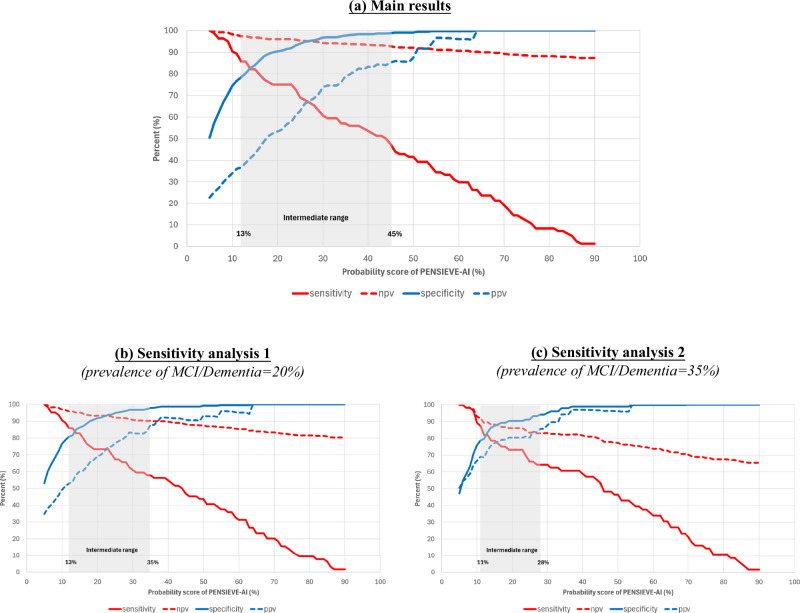
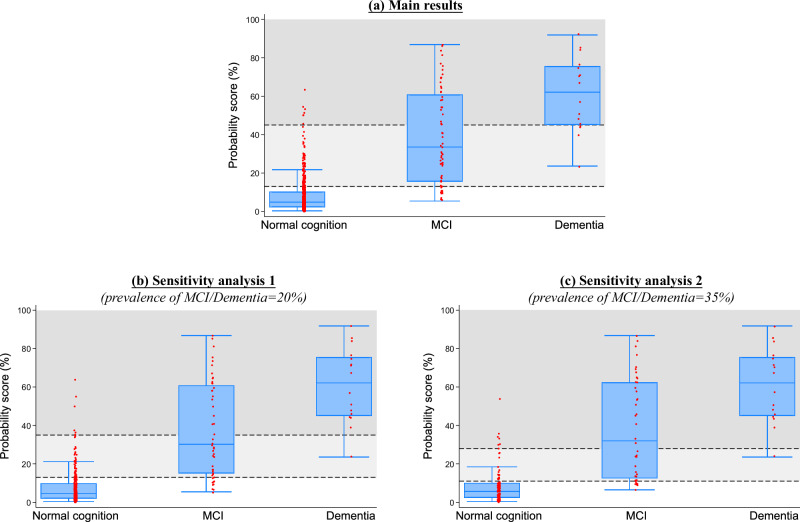
“…of results when prevalence of MCI/dementia was read-justed to re fl ect average prevalence in most communities: (1) Prevalence of MCI/dementia was arti fi cially readjusted to 20%, based on prior meta-analytic fi ndings that community prevalence was ~15% for MCI 42 – 44 and ~5% for dementia 45 – 47 .”
Dementia prevention, intervention, and care: 2024 report of the Lancet standing Commission
Livingston, G., Huntley, J., Liu, K. Y., Costafreda, S. G., Selbæk, G., Alladi, S., Ames, D., Banerjee, S., Burns, A., Brayne, C., et al. (2024) · The Lancet · doi:10.1016/s0140-6736(24)01296-0 · Cited by 3,860 · cited 3×
“This may limit the usefulness of cognitive tests in underserved communities with lower literacy (e.g. in some non-White communities, and in lower-and middle-income countries [LMICs]), which often have the largest number of individuals with undiagnosed CI 32,34 .”
Ngandu, T., Lehtisalo, J., Solomon, A., Levälahti, E., Ahtiluoto, S., Antikainen, R., Bäckman, L., Hänninen, T., Jula, A., Laatikainen, T., et al. (2015) · The Lancet · doi:10.1016/s0140-6736(15)60461-5 · Cited by 3,689
Measurement of Functional Activities in Older Adults in the Community
Pfeffer, R. I., Kurosaki, T. T., Harrah, C. H., Chance, J. M., & Filos, S. (1982) · Journal of Gerontology · doi:10.1093/geronj/37.3.323 · Cited by 2,972 · cited 1×
“…within routinely-conducted comprehensive geriatric assessments in the community, or used as a follow-up assessment tool in conjunction with subjective questionnaires 55,56 (i.e. to provide more conclusive evidence of CI among individuals screened positive through subjective questionnaires) 57 .”
Donanemab in Early Symptomatic Alzheimer Disease: The TRAILBLAZER-ALZ 2 Randomized Clinical Trial
Sims, J. R., Zimmer, J. A., Evans, C. D., Lu, M., Ardayfio, P., Sparks, J., Wessels, A. M., Shcherbinin, S., Wang, H., Monkul Nery, E. S., et al. (2023) · JAMA · doi:10.1001/jama.2023.13239 · Cited by 2,932
Revised criteria for diagnosis and staging of Alzheimer's disease: Alzheimer's Association Workgroup
Jack, C. R., Andrews, J. S., Beach, T. G., Buracchio, T., Dunn, B., Graf, A., Hansson, O., Ho, C., Jagust, W., McDade, E., et al. (2024) · Alzheimer's & Dementia · doi:10.1002/alz.13859 · Cited by 2,803 · cited 2×
“A two-cutoff approach 75 – 79 was adopted for PENSIEVE-AI.”
The Mini-Cog: a cognitive ?vital signs? measure for dementia screening in multi-lingual elderly
Borson, S., Scanlan, J., Brush, M., Vitaliano, P., & Dokmak, A. (2000) · International Journal of Geriatric Psychiatry · doi:10.1002/1099-1166(200011)15:11<1021::aid-gps234>3.0.co;2-6 · Cited by 1,794 · cited 1×
“Assessment 26 , Mini-Mental State Examination 27 , Mini-Cog 28 , Memory Impairment Screen 29 , Brief Cognitive Assessment Tool 30 ), most are labor-intensive and require trained professionals 1,23,24,31 , which limit their scalability in community settings.”
The AD8: A brief informant interview to detect dementia
Galvin, J. E., Roe, C. M., Powlishta, K. K., Coats, M. A., Muich, S. J., Grant, E., Miller, J. P., Storandt, M., & Morris, J. C. (2005) · Neurology · doi:10.1212/01.wnl.0000172958.95282.2a · Cited by 1,131
Mild Cognitive Impairment as a Clinical Entity and Treatment Target
Petersen, R. C., & Morris, J. C. (2005) · Archives of Neurology · doi:10.1001/archneur.62.7.1160 · Cited by 935
Weintraub, S., Besser, L., Dodge, H. H., Teylan, M., Ferris, S., Goldstein, F. C., Giordani, B., Kramer, J., Loewenstein, D., Marson, D., et al. (2018) · Alzheimer Disease & Associated Disorders · doi:10.1097/wad.0000000000000223 · Cited by 671 · cited 3×
“These tools represent three common types of assessments in cognitive evaluations: an informant questionnaire (iAD8; the Eight-item Informant Interview to Differentiate Aging and Dementia) 55 , a brief cognitive test (MoCA; Montreal Cognitive Assessment) 26 and detailed neuropsychological testing (NTB; Neuropsychologic…”
InfluentialScreening for dementia with the Memory Impairment Screen
Buschke, H., Kuslansky, G., Katz, M., Stewart, W. F., Sliwinski, M. J., Eckholdt, H. M., & Lipton, R. B. (1999) · Neurology · doi:10.1212/wnl.52.2.231 · Cited by 653 · cited 1×
“Assessment 26 , Mini-Mental State Examination 27 , Mini-Cog 28 , Memory Impairment Screen 29 , Brief Cognitive Assessment Tool 30 ), most are labor-intensive and require trained professionals 1,23,24,31 , which limit their scalability in community settings.”
Lang, L., Clifford, A., Wei, L., Zhang, D., Leung, D., Augustine, G., Danat, I. M., Zhou, W., Copeland, J. R., Anstey, K. J., et al. (2017) · BMJ Open · doi:10.1136/bmjopen-2016-011146 · Cited by 642
The Prevalence of Dementia: A Systematic Review and Meta-Analysis
Cao, Q., Tan, C.-C., Xu, W., Hu, H., Cao, X.-P., Dong, Q., Tan, L., & Yu, J.-T. (2020) · Journal of Alzheimer’s Disease · doi:10.3233/jad-191092 · Cited by 556
Self-citationThe impact of culture and education on non-verbal neuropsychological measurements: A critical review
Rosselli, M., & Ardila, A. (2003) · Brain and Cognition · doi:10.1016/s0278-2626(03)00170-2 · Cited by 473 · cited 4×
“Arguably, drawing tasks can still be affected by literacy level 38,39 ; but they are among the earliest skills that individuals develop before learning to read or write in a language, with the ability to draw shown to pre-date language development even in human civilizations 33 .”
InfluentialBai, W., Chen, P., Cai, H. X., Zhang, Q., Su, Z., Cheung, T. C. C., Jackson, T., Sha, S., & Xiang, Y. (2022) · PubMed · doi:10.1093/ageing/afac173 · Cited by 397 · cited 2×
“…of results when prevalence of MCI/dementia was read-justed to re fl ect average prevalence in most communities: (1) Prevalence of MCI/dementia was arti fi cially readjusted to 20%, based on prior meta-analytic fi ndings that community prevalence was ~15% for MCI 42 – 44 and ~5% for dementia 45 – 47 .”
Brain Health: The Importance of Recognizing Cognitive Impairment: An IAGG Consensus Conference
Morley, J. E., Morris, J. C., Berg-Weger, M., Borson, S., Carpenter, B. D., del Campo, N., Dubois, B., Fargo, K., Fitten, L. J., Flaherty, J. H., et al. (2015) · Journal of the American Medical Directors Association · doi:10.1016/j.jamda.2015.06.017 · Cited by 328 · cited 1×
“To address the global challenge of undiagnosed CI 1 – 3 , the InternationalAssociation of Gerontology and Geriatrics has advocated for annual evaluation of cognitive function among older age-groups (e.g. all individuals ≥ 70 years) 25 .”
Illiteracy: The Neuropsychology of Cognition Without Reading
Ardila, A., Bertolucci, P. H., Braga, L. W., Castro-Caldas, A., Judd, T., Kosmidis, M. H., Matute, E., Nitrini, R., Ostrosky-Solis, F., & Rosselli, M. (2010) · Archives of Clinical Neuropsychology · doi:10.1093/arclin/acq079 · Cited by 297 · cited 3×
“(cid:129) Relies on drawing tasks alone, thus reducing dependence on respondents ’ ability to read or write in a language 33 , and potentially allowing broader implementation in communities with varying literacy (such as in Singapore and other Asian populations).”
Burns, A., & Iliffe, S. (2009) · BMJ · doi:10.1136/bmj.b75 · Cited by 230
Spijker, A., Vernooij‐Dassen, M., Vasse, E., Adang, E., Wollersheim, H., Grol, R., & Verhey, F. (2008) · Journal of the American Geriatrics Society · doi:10.1111/j.1532-5415.2008.01705.x · Cited by 223
Hu, C., Yu, D., Sun, X., Zhang, M., Wang, L., & Qin, H. (2017) · International Psychogeriatrics · doi:10.1017/s1041610217000473 · Cited by 197 · cited 1×
“(2) Prevalence of MCI/dementia was arti fi cially readjusted to 35%, based on prior meta-analytic fi ndings that community prevalence could be as high as ~25% for MCI 43,44 and ~10% for dementia 46,47 .”
Effectiveness and Safety of Dementia Care Management in Primary Care: A Randomized Clinical Trial
Thyrian, J. R., Hertel, J., Wucherer, D., Eichler, T., Michalowsky, B., Dreier-Wolfgramm, A., Zwingmann, I., Kilimann, I., Teipel, S., & Hoffmann, W. (2017) · JAMA Psychiatry · doi:10.1001/jamapsychiatry.2017.2124 · Cited by 190
The prevalence and incidence of dementia: a systematic review and meta-analysis
Fiest, K. M., Jetté, N., Roberts, J. I., Maxwell, C. J., Smith, E. E., Black, S. E., Blaikie, L., Cohen, A., Day, L., Holroyd-Leduc, J., et al. (2016) · Canadian Journal of Neurological Sciences / Journal Canadien des Sciences Neurologiques · doi:10.1017/cjn.2016.18 · Cited by 188 · cited 1×
“(2) Prevalence of MCI/dementia was arti fi cially readjusted to 35%, based on prior meta-analytic fi ndings that community prevalence could be as high as ~25% for MCI 43,44 and ~10% for dementia 46,47 .”
Cepoiu-Martin, M., Tam-Tham, H., Patten, S., Maxwell, C. J., & Hogan, D. B. (2016) · International Journal of Geriatric Psychiatry · doi:10.1002/gps.4449 · Cited by 175
Thomann, A. E., Berres, M., Goettel, N., Steiner, L. A., & Monsch, A. U. (2020) · Alzheimer s Research & Therapy · doi:10.1186/s13195-020-00603-8 · Cited by 171
Song, W.-X., Wu, W., Zhao, Y., Xu, H.-L., Chen, G.-C., Jin, S.-Y., Chen, J., Xian, S., & Liang, J. (2023) · Frontiers in Aging Neuroscience · doi:10.3389/fnagi.2023.1227112 · Cited by 158 · cited 3×
“…of results when prevalence of MCI/dementia was read-justed to re fl ect average prevalence in most communities: (1) Prevalence of MCI/dementia was arti fi cially readjusted to 20%, based on prior meta-analytic fi ndings that community prevalence was ~15% for MCI 42 – 44 and ~5% for dementia 45 – 47 .”
Neuropsychological testing and assessment for dementia
Jacova, C., Kertesz, A., Blair, M., Fisk, J. D., & Feldman, H. H. (2007) · Alzheimer's & Dementia · doi:10.1016/j.jalz.2007.07.011 · Cited by 143 · cited 1×
“Sixth, PENSIEVE-AI is not intended to replace comprehensive clinical and neuropsychological assessments, as it does not provide a de fi nitive diagnosis nor granular information on speci fi c cognitive de fi cits 18,60,61 .”
Elliott, R., Goeman, D., Beanland, C., & Koch, S. (2015) · Current Clinical Pharmacology · doi:10.2174/1574884710666150812141525 · Cited by 134
Jennings, L. A., Laffan, A. M., Schlissel, A. C., Colligan, E., Tan, Z., Wenger, N. S., & Reuben, D. B. (2019) · JAMA Internal Medicine · doi:10.1001/jamainternmed.2018.5579 · Cited by 128
Kalaria, R. N., Maestre, G. E., Mahinrad, S., Acosta, D. M., Akinyemi, R., Alladi, S., Allegri, R., Arshad, F., Babalola, D. O., Baiyewu, O., et al. (2024) · Alzheimer s & Dementia · doi:10.1002/alz.13836 · Cited by 123
Can visuospatial measures improve the diagnosis of Alzheimer's disease?
Salimi, S., Irish, M., Foxe, D., Hodges, J. R., Piguet, O., & Burrell, J. R. (2018) · Alzheimer's & Dementia: Diagnosis, Assessment & Disease Monitoring · doi:10.1016/j.dadm.2017.10.004 · Cited by 109
Liu, Y., Jun, H., Becker, A., Wallick, C., & Mattke, S. (2024) · The Journal of Prevention of Alzheimer's Disease · doi:10.14283/jpad.2023.131 · Cited by 105
Yu, J., Yap, P., & Liew, T. M. (2019) · Aging & Mental Health · doi:10.1080/13607863.2018.1450841 · Cited by 94
Self-citationStaffaroni, A. M., Tsoy, E., Taylor, J. C., Boxer, A. L., & Possin, K. L. (2020) · PubMed · Cited by 89
Gonthier, C. (2022) · Cognitive Research Principles and Implications · doi:10.1186/s41235-021-00350-w · Cited by 79
Amini, S., Zhang, L., Hao, B., Gupta, A., Song, M., Karjadi, C., Lin, H., Kolachalama, V. B., Au, R., & Paschalidis, I. C. (2021) · Journal of Alzheimer s Disease · doi:10.3233/jad-210299 · Cited by 70 · cited 1×
“Consistent with the literature, our fi ndings indicate that clock drawing aloneisinsuf fi cienttodetectearlyCI 51,52 ,andmustbecombinedwithat least one other test that evaluates another cognitive domain 52 – 54 .”
Jannati, A., Toro‐Serey, C., Gomes‐Osman, J., Banks, R., Ciesla, M. R., Showalter, J., Bates, D. W., Tobyne, S. M., & Pascual‐Leone, Á. (2024) · Alzheimer s Research & Therapy · doi:10.1186/s13195-023-01367-7 · Cited by 65 · cited 1×
“Consistent with the literature, our fi ndings indicate that clock drawing aloneisinsuf fi cienttodetectearlyCI 51,52 ,andmustbecombinedwithat least one other test that evaluates another cognitive domain 52 – 54 .”
Mansbach, W. E., MacDougall, E. E., & Rosenzweig, A. S. (2012) · Journal of Clinical and Experimental Neuropsychology · doi:10.1080/13803395.2011.630649 · Cited by 64 · cited 1×
“Assessment 26 , Mini-Mental State Examination 27 , Mini-Cog 28 , Memory Impairment Screen 29 , Brief Cognitive Assessment Tool 30 ), most are labor-intensive and require trained professionals 1,23,24,31 , which limit their scalability in community settings.”
Souillard‐Mandar, W., Penney, D. L., Schaible, B., Pascual‐Leone, Á., Au, R., & Davis, R. (2021) · Frontiers in Digital Health · doi:10.3389/fdgth.2021.750661 · Cited by 64
Youn, Y. C., Pyun, J., Ryu, N., Baek, M. J., Jang, J., Park, Y. H., Ahn, S.-W., Shin, H., Park, K., & Kim, S. (2021) · Alzheimer s Research & Therapy · doi:10.1186/s13195-021-00821-8 · Cited by 60 · cited 1×
“Consistent with the literature, our fi ndings indicate that clock drawing aloneisinsuf fi cienttodetectearlyCI 51,52 ,andmustbecombinedwithat least one other test that evaluates another cognitive domain 52 – 54 .”
Digital Cognitive Assessment Tests for Older Adults: Systematic Literature Review
Cubillos, C., & Rienzo, A. (2023) · JMIR Mental Health · doi:10.2196/47487 · Cited by 60 · cited 2×
“Few digital tests have undergone rigorous validation for the detection of CI in community settings 36 , especially in populations with lower literacy 37 .”
Enabling My Robot To Play Pictionary: Recurrent Neural Networks For Sketch Recognition
Sarvadevabhatla, R. K., Kundu, J. N., & Babu, R. V. (2016) · ACM International Conference on Multimedia (ACM MM) · doi:10.1145/2964284.2967220 · Cited by 55
Vickrey, B. G., Mittman, B. S., Connor, K. I., Pearson, M. L., Della Penna, R. D., Ganiats, T. G., DeMonte, R. W., Chodosh, J., Cui, X., Vassar, S., et al. (2006) · Annals of Internal Medicine · doi:10.7326/0003-4819-145-10-200611210-00004 · Cited by 44
Ang, L. C., Yap, P. L. K., Tay, S. Y., Koay, W. I., & Liew, T. M. (2023) · Journal of the American Medical Directors Association · doi:10.1016/j.jamda.2022.12.028 · Cited by 44 · cited 1×
“Sixth, PENSIEVE-AI is not intended to replace comprehensive clinical and neuropsychological assessments, as it does not provide a de fi nitive diagnosis nor granular information on speci fi c cognitive de fi cits 18,60,61 .”
Self-citationChan, J. Y. C., Bat, B. K. K., Wong, A., Chan, T. K., Huo, Z., Yip, B. H. K., Kowk, T. C. Y., & Tsoi, K. K. F. (2022) · Neuropsychology Review · doi:10.1007/s11065-021-09523-2 · Cited by 43 · cited 1×
“In extant literature, few digital cognitive tests rely solely on drawing tasks, with clock drawing being most widely adopted 50 .”
Systems Delivery Innovation for Alzheimer Disease
Bott, N. T., Sheckter, C. C., Yang, D., Peters, S., Brady, B., Plowman, S., Borson, S., Leff, B., Kaplan, R. M., Platchek, T., et al. (2019) · The American Journal of Geriatric Psychiatry · doi:10.1016/j.jagp.2018.09.015 · Cited by 39
BHA-CS: A novel cognitive composite for Alzheimer's disease and related disorders
Tsoy, E., Erlhoff, S. J., Goode, C. A., Dorsman, K. A., Kanjanapong, S., Lindbergh, C. A., La Joie, R., Strom, A., Rabinovici, G. D., Lanata, S. C., et al. (2020) · Alzheimer's & Dementia: Diagnosis, Assessment & Disease Monitoring · doi:10.1002/dad2.12042 · Cited by 38 · cited 5×
“…populations with high literacy (average education of 16 – 17 years in the development sample 36 ; with recent pilot validations in non-White populations) 36,48,49 , in contrast to PENSIEVE-AI ’ s development within a multiethnicAsianpopulation with lower literacy (average education of 10 years).”
InfluentialLiew, T. M. (2021) · Age and Ageing · doi:10.1093/ageing/afab044 · Cited by 38
Self-citationSwartz, R. H., Cayley, M. L., Lanctôt, K. L., Murray, B. J., Smith, E. E., Sahlas, D. J., Herrmann, N., Cohen, A., & Thorpe, K. E. (2016) · Stroke · doi:10.1161/strokeaha.115.011036 · Cited by 36 · cited 1×
“This two-cutoff approach has been recommended in recent literature 79 , as it enhances test performance 75 – 78 , reduces effects of prevalence on test performance 76 , and prioritizes healthcare resources for those more likely to bene fi t 75 .”
Liew, T. M. (2019) · Journal of the American Medical Directors Association · doi:10.1016/j.jamda.2019.02.004 · Cited by 32 · cited 1×
“…was compared to the AUCs of 3 other commonly-used assessment tools (i.e. iAD8, MoCA, NTB) using a non-parametric approach proposed by DeLong et al. 71 – 74 , with analyses strati fi ed by education sub-groups (i.e. ≤ 10 years of education and >10 years of education, based on median-split).”
Self-citationLiew, T. M., & Lee, C. S. (2019) · The Gerontologist · doi:10.1093/geront/gny061 · Cited by 31
Self-citationPersson, S., Saha, S., Gerdtham, U., Toresson, H., Trépel, D., & Jarl, J. (2022) · Alzheimer s & Dementia · doi:10.1002/alz.12619 · Cited by 31
Cultural influence on clock drawing test: A systematic review
Maestri, G., Nicotra, A., Pomati, S., Canevelli, M., Pantoni, L., & Cova, I. (2022) · Journal of the International Neuropsychological Society · doi:10.1017/s1355617722000662 · Cited by 31 · cited 3×
“Arguably, drawing tasks can still be affected by literacy level 38,39 ; but they are among the earliest skills that individuals develop before learning to read or write in a language, with the ability to draw shown to pre-date language development even in human civilizations 33 .”
Dautzenberg, G., Lijmer, J. G., & Beekman, A. T. F. (2021) · International Psychogeriatrics · doi:10.1017/s1041610221000612 · Cited by 28
Ying, J., Yap, P., Gandhi, M., & Liew, T. M. (2018) · International Psychogeriatrics · doi:10.1017/s1041610217002629 · Cited by 26
Self-citationLiew, T. M., & Yap, P. (2019) · Journal of the American Medical Directors Association · doi:10.1016/j.jamda.2018.11.005 · Cited by 21
Self-citationDeveloping a Brief Neuropsychological Battery for Early Diagnosis of Cognitive Impairment
Liew, T. M. (2019) · Journal of the American Medical Directors Association · doi:10.1016/j.jamda.2019.02.028 · Cited by 21 · cited 1×
“Sixth, PENSIEVE-AI is not intended to replace comprehensive clinical and neuropsychological assessments, as it does not provide a de fi nitive diagnosis nor granular information on speci fi c cognitive de fi cits 18,60,61 .”
Self-citationA 4-Item Case-Finding Tool to Detect Dementia in Older Persons
Liew, T. M. (2019) · Journal of the American Medical Directors Association · doi:10.1016/j.jamda.2019.06.015 · Cited by 18
Self-citationHealthcare burden of cognitive impairment: Evidence from a Singapore Chinese health study
Chay, J., Koh, W., Tan, K. B., & Finkelstein, E. A. (2024) · Annals of the Academy of Medicine Singapore · doi:10.47102/annals-acadmedsg.2023253 · Cited by 14
Landsheer, J. A. (2020) · Alzheimer Disease & Associated Disorders · doi:10.1097/wad.0000000000000365 · Cited by 11 · cited 1×
“This two-cutoff approach has been recommended in recent literature 79 , as it enhances test performance 75 – 78 , reduces effects of prevalence on test performance 76 , and prioritizes healthcare resources for those more likely to bene fi t 75 .”
Liew, T. M. (2025) · The Journal of Prevention of Alzheimer s Disease · doi:10.1016/j.tjpad.2025.100123 · Cited by 11
Self-citationActive case finding of dementia in ambulatory care settings: a comparison of three strategies
Liew, T. M. (2020) · European Journal of Neurology · doi:10.1111/ene.14353 · Cited by 10
Self-citationDiagnosis of dementia by medical practitioners: a national study among older adults in Singapore
Chong, S. A., Abdin, E., Vaingankar, J. A., Ng, L. L., & Subramaniam, M. (2015) · Aging & Mental Health · doi:10.1080/13607863.2015.1074160 · Cited by 6 · cited 1×
“Assessment 26 , Mini-Mental State Examination 27 , Mini-Cog 28 , Memory Impairment Screen 29 , Brief Cognitive Assessment Tool 30 ), most are labor-intensive and require trained professionals 1,23,24,31 , which limit their scalability in community settings.”
Ogbuagu, C. N., Ogbuagu, E., Emelumadu, O. F., Okereke, U., Okeke, I. U., Chigbo, C. G., Javendal, S., Miller, B. L., Valcour, V., Allen, I. E., et al. (2024) · Journal of Alzheimer s Disease · doi:10.3233/jad-240518 · Cited by 4 · cited 1×
“…populations with high literacy (average education of 16 – 17 years in the development sample 36 ; with recent pilot validations in non-White populations) 36,48,49 , in contrast to PENSIEVE-AI ’ s development within a multiethnicAsianpopulation with lower literacy (average education of 10 years).”
TabCAT Brain Health Assessment: Preliminary validation in a multicultural Israeli population
Haddad, R., Tsoy, E., Tanné, D., Ayoub, R., Shihada, E., Yarovinsky, N., Erlhoff, S. J., Fisher, T., Aharon‐Peretz, J., Ben‐Hayun, R., et al. (2024) · Alzheimer s & Dementia · doi:10.1002/alz.091664 · Cited by 2
Cited by
Liew, T. M. (2025) · Alzheimer s Research & Therapy · doi:10.1186/s13195-025-01810-x · Cited by 10
“For example, Clock Drawing, a key component in MoCA–Visuospa-tial, measures both executive and visuospatial domains [11, 36]; so individuals with executive dysfunction but preserved visuospatial skills may score poorly on MoCA– Visuospatial, leading to false positives.”
Self-citationReview of Artificial Intelligence for Clinical Use in Alzheimer's Disease and Related Dementias
Breithaupt, A. G., Tang, A., Paolillo, E. W., Bibars, M., Johnson, E. C. B., Saloner, R., Possin, K. L., Windon, C. C., Hill-Jarrett, T. G., Giorgio, J., et al. (2026) · Seminars in Neurology · doi:10.1055/a-2744-9871 · Cited by 6
“59 ,60 60 ’ 61 62 63 number of studies are also using AI to evaluate eye tracking data during digital cognitive and oculomotor tasks.”
Yang, F., Zheng, J., Liu, S., Li, W., Zhou, Y., Lu, S., Tang, B., He, J., & Ding, Y. (2025) · Geriatric Nursing · doi:10.1016/j.gerinurse.2025.103432 · Cited by 3
Self-citationSpatial Navigation as a Digital Marker for Clinically Differentiating Cognitive Impairment SeverityPreprint
Colombo, G., Minta, K., Taylor, W. R., Grübel, J., Chong, E. J. Y., Chong, J. R., Lim, M. J. H., Gonzales, P. N. G., Lai, M. K. P., Chen, C., et al. (2025) · medRxiv · doi:10.1101/2025.06.05.25329079 · Cited by 3
Cost-effective case-finding strategies for cognitive impairment with digital twin simulations
Liew, T. M., & Koay, W. I. (2026) · Nature Health · doi:10.1038/s44360-026-00076-3 · Cited by 4
“Details on the original dataset are available in previous publications 74,75 and are briefly described here.”
Self-citation
Metadata
- Authors
- Liew, T. M., Foo, J. Y. H., Yang, H., Tay, S. Y., Koay, W. I., Yip, K. F., Ting, S. K. S., Narasimhalu, K., Li, W., Tan, C., Luo, D., Chong, R., Shong, R., Sia, C., Koh, G. C.-H., & Thumboo, J.
- Affiliations
- SingHealth (SG)
- Government Technology Agency (SG)
- Singapore General Hospital (SG)
- Agency for Integrated Care (SG)
- Home Team Science and Technology Agency (SG)
- National University of Singapore (SG)
- Corresponding author
- Liew, Tau Ming
- ORCID
- Venue
- Nature Communications
- Published
- 2025-03-23
- Volume
- 16
- Issue
- 1
- Pages
- 2847-2847
- ISSN
- 2041-1723 (ISSN-L)
- PMC
- PMC11930973
- OpenAlex
- W4408764420
- Cited by
- 11
- References
- 77
- Citations by year
- 2026: 7 · 2025: 4
- FWCI
- 7.37
- Type
- journal article
- Language
- en
- Open access
- gold
- doi.org
- Licence
- cc-by-nc-nd
- creativecommons.org/licenses/by-nc-nd/4.0 (tdm)
- creativecommons.org/licenses/by-nc-nd/4.0 (vor)
- Locations
- Nature Communications (publishedVersion, cc-by-nc-nd)
- PubMed Central (publishedVersion, cc-by-nc-nd)
- PubMed (publishedVersion)
- RePEc: Research Papers in Economics (submittedVersion)
- DOAJ (DOAJ: Directory of Open Access Journals) (submittedVersion, cc-by-sa)
- Funders
- Singapore Prime Minister Office’s Smart Nation and Digital Government Office
- Topics
- Health Sciences › Medicine › Psychiatry and Mental health › Dementia and Cognitive Impairment Research
- Social Sciences › Psychology › Clinical Psychology › Historical and Modern Theater Studies
- Social Sciences › Psychology › Applied Psychology › Psychological Testing and Assessment
- Keywords
- cognitive impairment detection, dementia detection, mild cognitive impairment, digital cognitive assessment, low literacy, educational attainment, older adults, deep learning, early detection of cognitive impairment, community-dwelling older adults
- MeSH terms
- Literacy, Aged, Aged, 80 and over, Dementia, Female, Humans, Male, Neuropsychological Tests, Prospective Studies, Singapore, Independent Living, Cognitive Dysfunction
About these checks
Registry, retraction, Cites and statistics results are computed, not judged, with one exception: a printed reference that no index lists is read once by a model before it counts as a citation error. Claims are extracted by a model and kept only when their quote appears verbatim in the text; each cited source is then checked, with a model’s help, for whether it says what the claim relies on. Those verdicts can be wrong — read the claim’s quote and the cited source before relying on one.
Statistics and arithmetic are recomputed, not judged.
Confidence bands are shown only for fields calibrated on our annotated test set. None is calibrated yet, so no band is shown.
What counts as a claim ›How we measure confidence ›How we check this ›
Are you an author, or do you see a problem with this page? Request a review
Data sources
Bibliographic data: Semantic Scholar, OpenAlex, Crossref.
Contains information from the Semantic Scholar Academic Graph Datasets, made available under the ODC Attribution License (ODC-BY 1.0).
Semantic Scholar’s data is described in: Kinney, R., et al. (2023). The Semantic Scholar Open Data Platform. arXiv:2301.10140.
