

Integrating axis quantitative trait loci looks beyond cell types and offers insights into brain-related traits
Open accessThe DOI matches its Crossref record; 92 of the 92 references it cites were found in a registry or an index; none of the 27 sources its claims cite is checked for support yet.
Abstract
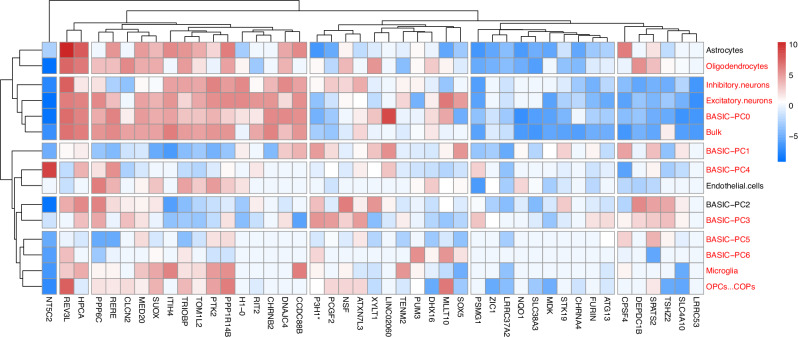
Genome-wide association studies have identified many loci for brain disorders, but most non-coding variants fail to colocalize with bulk expression quantitative trait loci. Single-cell expression quantitative trait loci studies capture cell-type-specific regulation but are often underpowered. We developed Bulk And Single cell expression quantitative trait loci Integration across Cell states (BASIC) to combine bulk and single-cell expression quantitative trait loci through "axis-quantitative trait loci," which decompose bulk-tissue effects along orthogonal axes of cell-type expression. BASIC better distinguishes shared versus cell-type-specific effects and increases power. Analyzing single-cell expression quantitative trait loci with cortex bulk data from MetaBrain using BASIC identified 5644 additional gene with quantitative trait loci (74.5%), equivalent to a 76.8% increase in sample size. Integrating axis-quantitative trait loci with 12 brain-related traits improved colocalization by 53.5% versus single-cell studies and 111% versus bulk studies, revealing risk genes such as DEDD for Alzheimer's disease and drug candidates including cabergoline.
Overview
CoChat Summary
TL;DR
The paper presents BASIC, a method that integrates bulk and single-cell eQTL data by decomposing bulk-tissue effects along orthogonal axes of cell-type expression (“axis-QTLs”) to better distinguish shared versus cell-type-specific regulatory effects. Applied to brain cortex data and 12 brain-related traits, it increases eGene discovery and GWAS colocalization and nominates risk genes and drug candidates.
Key findings
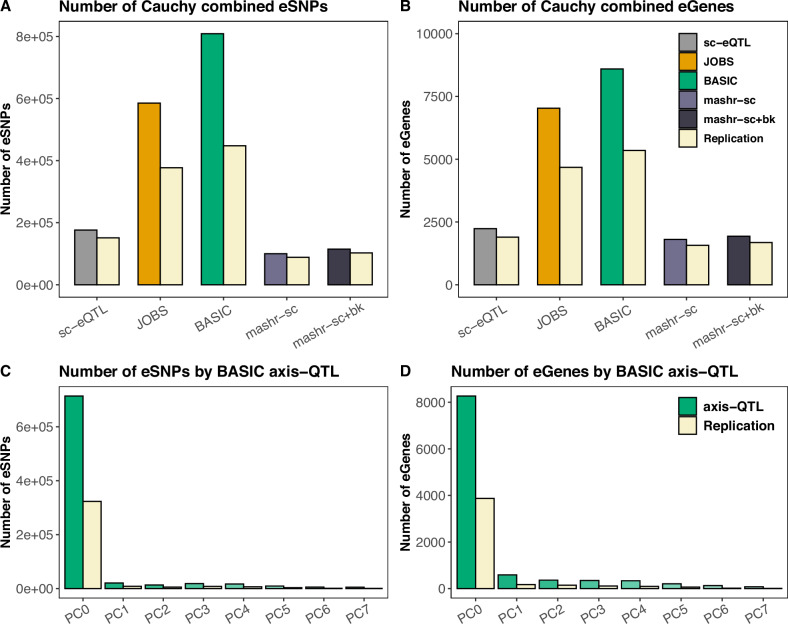
- BASIC identified 5,644 additional genes with QTLs (74.5%), equivalent to a 76.8% increase in sample size; meta-sc-eQTLs alone identified 7,575 eGenes versus 13,219 with BASIC, a 75% improvement.
- BASIC identified 80,8976 SNPs and 8,597 genes associated with at least one PC, which is 38.19% and 22.22% higher than JOBS-identified eSNPs and eGenes.
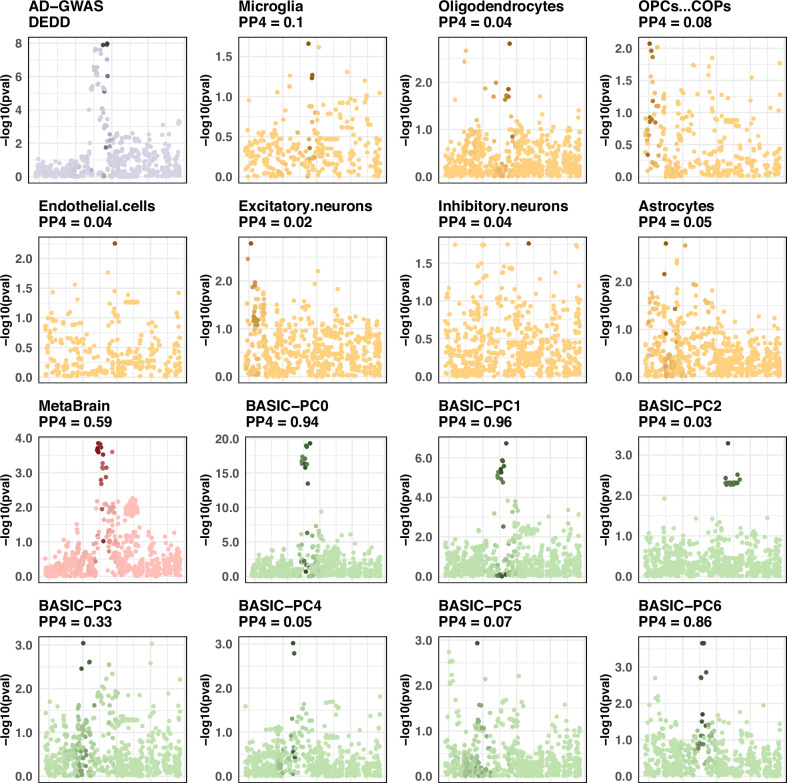
- Using axis-QTLs colocalized the most loci (287), followed by JOBS (246); integrating axis-QTLs with 12 brain-related traits improved colocalization by 53.5% versus single-cell studies and 111% versus bulk studies, uniquely colocalizing DEDD for Alzheimer’s disease.
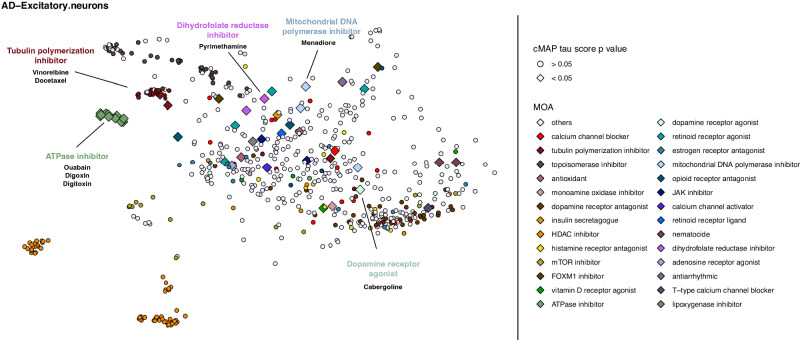
- In simulations with eQTL effects in microglia and astrocytes (sc-eQTL N=400, bulk eQTL N=3000), BASIC power was 46.2%, 25% higher than JOBS (36.9%), and higher than sc-eQTLs alone (31.4%), mashr-sc (23.9%), and mashr-sc+bk (27.6%). Drug repurposing nominated cabergoline for AD (τ = −93.32, p = 0.0127 in excitatory neurons) and memantine for drinking (τ = −98.96, p = 0.0051 in excitatory neurons; τ = −92.31, p = 0.0178 in inhibitory neurons).
Methods
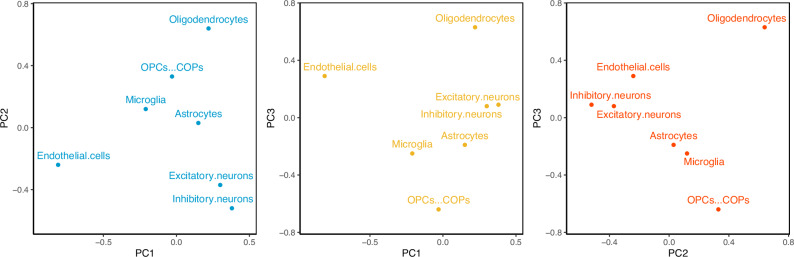
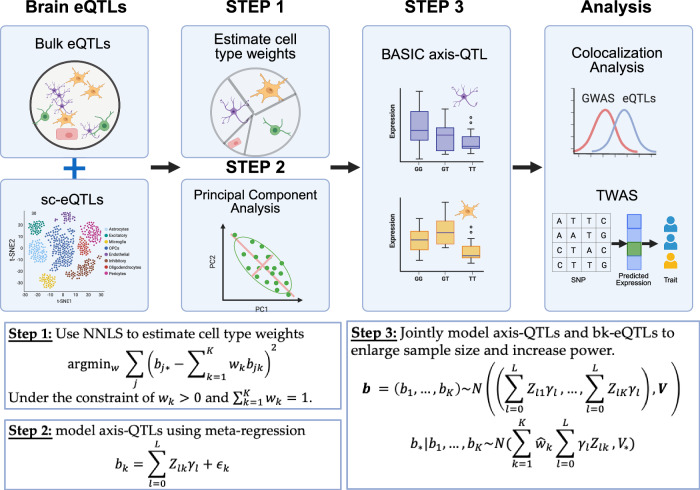
- BASIC uses meta-regression with principal components of sc-eQTL effects as covariates to model shared and distinct effects across cell types, projects sc-eQTL effects onto these PCs to define axis-QTLs, and integrates bulk eQTLs by modeling bulk effects as weighted linear combinations of axis-eQTLs; Cauchy combination combines p-values across cell types or PCs.
- Data included a fixed-effect meta-analysis of sc-eQTLs from Bryois et al. and Fujita et al. for seven overlapping cell types (“meta-sc-eQTLs”), bulk eQTLs from MetaBrain2 (2,683 cortical samples of European ancestry), validation in Lopes et al. microglia (255 CD11b+ samples from 100 individuals), 12 brain-related GWAS traits, and simulations using negative binomial read counts with bulk N=2000 or 3000 and sc N=300 or 400.
- Main analyses used eQTL significance at two-sided p < 1×10⁻⁶, COLOC colocalization with PP4 > 0.9, TWAS with EXPRESSO and lassosum, and cell-type-aware drug repurposing using CMap τ scores plus enrichment and Mendelian randomization validation.
Limitations
- Stated: when integrating sc-eQTLs and bulk eQTLs, BASIC assumes regulatory variants of each cell type have similar effects between datasets; heterogeneity from disease conditions, age distribution, or ancestries may exist, and a future random-effect extension is proposed.
- Stated: due to lack of non-European functional genomic datasets from brain, BASIC and axis-QTLs focus on European ancestry samples; the authors note the need to generate functional genomic datasets from non-European populations.
- Evident from the text: BASIC does not identify eQTLs specific to a given cell type and was not included in cell-type-level comparisons; axis-QTLs are linear combinations across cell types, so interpretation is axis-based rather than cell-type-specific, and sc-eQTL analyses in rare cell types may fail to detect axis-QTLs. Drug repurposing was restricted to four traits with sufficient associated loci for CMap.
Model-written summary. Check it against the paper before relying on it.
Integrity signals
Registry
Cites
Statistics
Figures
Verification
Claims the paper makes
0 Valid · 3 Not valid · 21 Not checked · 70 Own results and interpretations
A result the paper reports from its own data — it cites no other source for it, so there is none to check. The quote shows it is in the paper.
In the paper
“By analyzing axis-QTLs, BASIC further increases the number of eGenes to 13,219, representing a 75% improvement in eGene discovery power compared to meta-sc-eQTLs alone.”
§ Integrating axis quantitative trait loci looks beyond cell types and offers insights into brain-related traits > Results > BASIC substantially improves the number of eQTLs across brain cell types
plainstates a cause- Asserted: passes — The authors put it forward as true.
- Checkable: passes — It can be checked against evidence.
- Load-bearing: passes — The paper’s conclusions depend on it.
- Based: passes — The paper gives a reason why it holds.
A result the paper reports from its own data — it cites no other source for it, so there is none to check. The quote shows it is in the paper.
In the paper
“We observe that a substantial proportion of sc-eQTLs from different cell types were identified by axis-QTLs.”
§ Integrating axis quantitative trait loci looks beyond cell types and offers insights into brain-related traits > Discussion
plainstates an association- Asserted: passes — The authors put it forward as true.
- Checkable: passes — It can be checked against evidence.
- Load-bearing: passes — The paper’s conclusions depend on it.
- Based: passes — The paper gives a reason why it holds.
A result the paper states — it cites no source for it, so there is none to check. The quote shows it is in the paper.
In the paper
“In this article, we present BASIC, a novel method that substantially improves the statistical power to detect eQTLs by integrating sc-eQTLs and bk-eQTLs datasets from brain.”
§ Integrating axis quantitative trait loci looks beyond cell types and offers insights into brain-related traits > Discussion
plainstates a cause- Asserted: passes — The authors put it forward as true.
- Checkable: passes — It can be checked against evidence.
- Load-bearing: passes — The paper’s conclusions depend on it.
- Based: unclear — It is unclear why the paper says it holds.
A result the paper reports from its own data — it cites no other source for it, so there is none to check. The quote shows it is in the paper.
In the paper
“Analyzing single-cell expression quantitative trait loci with cortex bulk data from MetaBrain using BASIC identified 5644 additional gene with quantitative trait loci (74.5%), equivalent to a 76.8% increase in sample size.”
§ Integrating axis quantitative trait loci looks beyond cell types and offers insights into brain-related traits > Abstract
plainstates a cause- Asserted: passes — The authors put it forward as true.
- Checkable: passes — It can be checked against evidence.
- Load-bearing: passes — The paper’s conclusions depend on it.
- Based: passes — The paper gives a reason why it holds.
A result the paper states — it cites no source for it, so there is none to check. The quote shows it is in the paper.
In the paper
“BASIC substantially improves the power for identifying regulatory variants for gene expression levels.”
§ Integrating axis quantitative trait loci looks beyond cell types and offers insights into brain-related traits > Results > Method overview
plainstates a cause- Asserted: passes — The authors put it forward as true.
- Checkable: passes — It can be checked against evidence.
- Load-bearing: passes — The paper’s conclusions depend on it.
- Based: passes — The paper gives a reason why it holds.
50 more claims
Create a free account to see all 94 claims and to verify the 27 references still open.
- It may state two separate claims as one. 22
- The quote only partly states this claim. 2
- Probably not a substantial claim. 18
Citations
Cites
DrugBank 5.0: a major update to the DrugBank database for 2018
Wishart, D. S., Feunang, Y. D., Guo, A. C., Lo, E. J., Marcu, A., Grant, J. R., Sajed, T., Johnson, D., Li, C., Sayeeda, Z., et al. (2018) · Nucleic Acids Research · doi:10.1093/nar/gkx1037 · Cited by 8,404
Mendelian Randomization Analysis With Multiple Genetic Variants Using Summarized Data
Burgess, S., Butterworth, A., & Thompson, S. G. (2013) · Genetic Epidemiology · doi:10.1002/gepi.21758 · Cited by 6,050
Lamb, J., Crawford, E. D., Peck, D., Modell, J. W., Blat, I. C., Wrobel, M. J., Lerner, J., Brunet, J.-P., Subramanian, A., Ross, K. N., et al. (2006) · Science · doi:10.1126/science.1132939 · Cited by 5,257
Interpreting findings from Mendelian randomization using the MR-Egger method.
Burgess, S., & Thompson, S. G. (2017) · European Journal of Epidemiology · doi:10.1007/s10654-017-0255-x · Cited by 4,571
Giambartolomei, C., Vukcevic, D., Schadt, E. E., Franke, L., Hingorani, A. D., Wallace, C., & Plagnol, V. (2014) · PLoS Genetics · doi:10.1371/journal.pgen.1004383 · Cited by 4,261
Genetic effects on gene expression across human tissues
GTEx Consortium (2017) · Nature · doi:10.1038/nature24277 · Cited by 4,036
A Next Generation Connectivity Map: L1000 Platform and the First 1,000,000 Profiles
Subramanian, A., Narayan, R., Corsello, S. M., Peck, D. D., Natoli, T. E., Lu, X., Gould, J., Davis, J. F., Tubelli, A. A., Asiedu, J. K., et al. (2017) · Cell · doi:10.1016/j.cell.2017.10.049 · Cited by 3,515
Mapping genomic loci implicates genes and synaptic biology in schizophrenia
Trubetskoy, V., Pardiñas, A. F., Qi, T., Panagiotaropoulou, G., Awasthi, S., Bigdeli, T. B., Bryois, J., Chen, C.-Y., Dennison, C. A., Hall, L. S., et al. (2022) · Nature · doi:10.1038/s41586-022-04434-5 · Cited by 2,964
Microglia Function in the Central Nervous System During Health and Neurodegeneration
Colonna, M., & Butovsky, O. (2017) · Annual Review of Immunology · doi:10.1146/annurev-immunol-051116-052358 · Cited by 2,894
Howard, D. M., Adams, M. J., Clarke, T.-K., Hafferty, J. D., Gibson, J., Shirali, M., Coleman, J. R. I., Hagenaars, S. P., Ward, J., Wigmore, E. M., et al. (2019) · Nature Neuroscience · doi:10.1038/s41593-018-0326-7 · Cited by 2,565
New insights into the genetic etiology of Alzheimer’s disease and related dementias
Bellenguez, C., Küçükali, F., Jansen, I. E., Kleineidam, L., Moreno-Grau, S., Amin, N., Naj, A. C., Campos-Martin, R., Grenier-Boley, B., Andrade, V., et al. (2022) · Nature Genetics · doi:10.1038/s41588-022-01024-z · Cited by 2,498
Nalls, M. A., Blauwendraat, C., Vallerga, C. L., Heilbron, K., Bandres-Ciga, S., Chang, D., Tan, M., Kia, D. A., Noyce, A. J., Xue, A., et al. (2019) · The Lancet Neurology · doi:10.1016/s1474-4422(19)30320-5 · Cited by 2,454
Identification of common genetic risk variants for autism spectrum disorder
Autism Spectrum Disorder Working Group of the Psychiatric Genomics Consortium, Grove, J., BUPGEN, Major Depressive Disorder Working Group of the Psychiatric Genomics Consortium, 23andMe Research Team, Ripke, S., Als, T. D., Mattheisen, M., Walters, R. K., Won, H., et al. (2019) · Nature Genetics · doi:10.1038/s41588-019-0344-8 · Cited by 2,421
23andMe Research Team, Liu, M., Psychiatry, H. A.-I., Jiang, Y., Wedow, R., Li, Y., Brazel, D. M., Chen, F., Datta, G., Davila-Velderrain, J., et al. (2019) · Nature Genetics · doi:10.1038/s41588-018-0307-5 · Cited by 1,896
Self-citationA gene-based association method for mapping traits using reference transcriptome data
Gamazon, E. R., Wheeler, H. E., Shah, K. P., Mozaffari, S. V., Aquino-Michaels, K., Carroll, R. J., Eyler, A. E., Denny, J. C., GTEx Consortium, Nicolae, D. L., et al. (2015) · Nature Genetics · doi:10.1038/ng.3367 · Cited by 1,829
Mullins, N., Forstner, A. J., O’Connell, K. S., Coombes, B., Coleman, J. R. I., Qiao, Z., Als, T. D., Bigdeli, T. B., Børte, S., Bryois, J., et al. (2021) · Nature Genetics · doi:10.1038/s41588-021-00857-4 · Cited by 1,517 · cited 7×
“As we show in Supplementary Notes Section 2, the PCs of the sc-eQTLs effects are concordant with the PCs of the covariance matrix of cell type gene expression levels. more eSNPs and eGenes (genes with at least one eSNP) and colocalize more GWAS loci.”
InfluentialDiscovering the Neural Basis of Human Social Anxiety: A Diagnostic and Therapeutic Imperative
Charney, D. S. (2004) · American Journal of Psychiatry · doi:10.1176/appi.ajp.161.1.1 · Cited by 1,428
Single-cell genomics identifies cell type–specific molecular changes in autism
Velmeshev, D., Schirmer, L., Jung, D., Haeussler, M., Perez, Y., Mayer, S., Bhaduri, A., Goyal, N., Rowitch, D. H., & Kriegstein, A. R. (2019) · Science · doi:10.1126/science.aav8130 · Cited by 927 · cited 1×
“Baseline read counts for sc-RNA-Seq data were simulated using a negative binomial distribution with parameters estimated from Vel-meshev et al. 30 .”
Zhao, Q., Wang, J., Hemani, G., Bowden, J., & Small, D. S. (2020) · The Annals of Statistics · doi:10.1214/19-aos1866 · Cited by 836
Mixed model association for biobank-scale data sets
Loh, P.-R., Kichaev, G., Gazal, S., Schoech, A. P., & Price, A. L. (2017) · doi:10.1101/194944 · Cited by 788
Demontis, D., Walters, G. B., Athanasiadis, G., Walters, R., Therrien, K., Nielsen, T. T., Farajzadeh, L., Voloudakis, G., Bendl, J., Zeng, B., et al. (2023) · Nature Genetics · doi:10.1038/s41588-022-01285-8 · Cited by 768
Mixed-model association for biobank-scale datasets
Loh, P.-R., Kichaev, G., Gazal, S., Schoech, A. P., & Price, A. L. (2018) · Nature Genetics · doi:10.1038/s41588-018-0144-6 · Cited by 758 · cited 1×
“Similar to linear mixed models 83 , we consider the “ leave one chromosomeout (LOCO) ” strategy: For eachchromosomeweanalyze, we usethe PCs of sc-eQTLs from the rest of the chromosomes to avoid “ contaminations ” of the signalsfrom nearby variants.”
Functional Role of Caspase-1 and Caspase-3 in an ALS Transgenic Mouse Model
Li, M., Ona, V. O., Guégan, C., Chen, M., Jackson-Lewis, V., Andrews, L. J., Olszewski, A. J., Stieg, P. E., Lee, J.-P., Przedborski, S., et al. (2000) · Science · doi:10.1126/science.288.5464.335 · Cited by 716
Single-cell eQTL mapping identifies cell type–specific genetic control of autoimmune disease
Yazar, S., Alquicira-Hernandez, J., Wing, K., Senabouth, A., Gordon, M. G., Andersen, S., Lu, Q., Rowson, A., Taylor, T. R. P., Clarke, L., et al. (2022) · Science · doi:10.1126/science.abf3041 · Cited by 682
Attwell, D., Mishra, A., Hall, C. N., O’Farrell, F. M., & Dalkara, T. (2016) · Journal of Cerebral Blood Flow & Metabolism · doi:10.1177/0271678x15610340 · Cited by 648 · cited 1×
“Endothelial cells carry specialized functions in blood-brain barrier formation, blood fl ow regulation, and brainhomeostasis 24 ,whilepericytes,cellsthatwraparoundthewallsof smallblood vessels, playkey roles in the blood-brainbarrier and blood vessel formation 25 .”
Non-coding genetic variants in human disease: Figure 1.
Zhang, F., & Lupski, J. R. (2015) · Human Molecular Genetics · doi:10.1093/hmg/ddv259 · Cited by 609
van Rheenen, W., van der Spek, R. A. A., Bakker, M. K., van Vugt, J. J. F. A., Hop, P. J., Zwamborn, R. A. J., de Klein, N., Westra, H.-J., Bakker, O. B., Deelen, P., et al. (2021) · Nature Genetics · doi:10.1038/s41588-021-00973-1 · Cited by 542
Expression quantitative trait loci: present and future
Nica, A. C., & Dermitzakis, E. T. (2013) · Philosophical Transactions of the Royal Society B: Biological Sciences · doi:10.1098/rstb.2012.0362 · Cited by 508
Polygenic scores via penalized regression on summary statistics
Mak, T. S. H., Porsch, R. M., Choi, S. W., Zhou, X., & Sham, P. C. (2017) · Genetic Epidemiology · doi:10.1002/gepi.22050 · Cited by 493
Liu, Y., & Xie, J. (2020) · Journal of the American Statistical Association · doi:10.1080/01621459.2018.1554485 · Cited by 477
Genetic diversity fuels gene discovery for tobacco and alcohol use
Saunders, G. R. B., Wang, X., Chen, F., Jang, S.-K., Liu, M., Wang, C., Gao, S., Jiang, Y., Khunsriraksakul, C., Otto, J. M., et al. (2022) · Nature · doi:10.1038/s41586-022-05477-4 · Cited by 476
Self-citationUrbut, S. M., Wang, G., Carbonetto, P., & Stephens, M. (2019) · Nature Genetics · doi:10.1038/s41588-018-0268-8 · Cited by 418
Self-citationMitochondrial dysfunction in Parkinson’s disease – a key disease hallmark with therapeutic potential
Henrich, M. T., Oertel, W. H., Surmeier, D. J., & Geibl, F. F. (2023) · Molecular Neurodegeneration · doi:10.1186/s13024-023-00676-7 · Cited by 406
Antioxidant Therapies for Alzheimer's Disease
Feng, Y., & Wang, X. (2012) · Oxidative Medicine and Cellular Longevity · doi:10.1155/2012/472932 · Cited by 379
Sieberts, S. K., Perumal, T. M., Carrasquillo, M. M., Allen, M., Reddy, J. S., Hoffman, G. E., Dang, K. K., Calley, J., Ebert, P. J., Eddy, J., et al. (2020) · Scientific Data · doi:10.1038/s41597-020-00642-8 · Cited by 318 · cited 2×
“For instance, de Klein et al. and Sieberts et al. respectively pro fi led genetic regulatory variants for gene expression across seven brain regions with a total of more than 8500 brain RNASeq samples 13,14 .”
Bryois, J., Calini, D., Macnair, W., Foo, L., Urich, E., Ortmann, W., Iglesias, V. A., Selvaraj, S., Nutma, E., Marzin, M., et al. (2022) · Nature Neuroscience · doi:10.1038/s41593-022-01128-z · Cited by 311
Lopes, K. D. P., Snijders, G. J. L., Humphrey, J., Allan, A., Sneeboer, M. A. M., Navarro, E., Schilder, B. M., Vialle, R. A., Parks, M., Missall, R., et al. (2022) · Nature Genetics · doi:10.1038/s41588-021-00976-y · Cited by 273
de Klein, N., Tsai, E. A., Vochteloo, M., Baird, D., Huang, Y., Chen, C.-Y., van Dam, S., Oelen, R., Deelen, P., Bakker, O. B., et al. (2023) · Nature Genetics · doi:10.1038/s41588-023-01300-6 · Cited by 272 · cited 14×
“Based on generated prediction models, the TWAS analyses have controlled genomic control values and identi fi ed 289 loci, representing 17.95% and 52.91% increases compared to results using meta-sc-eQTLs and MetaBrain 2 (Supplementary Data 17, 18).”
InfluentialThe Genotype-Tissue Expression (GTEx) project
Lonsdale, J., Thomas, J., Salvatore, M., Phillips, R., Lo, E., Shad, S., Hasz, R., Walters, G., Garcia, F., Young, N., et al. (2013) · Nature Genetics · doi:10.1038/ng.2653 · Cited by 263
Lorton, D., & Bellinger, D. (2015) · International Journal of Molecular Sciences · doi:10.3390/ijms16035635 · Cited by 221
Cell subtype-specific effects of genetic variation in the Alzheimer’s disease brain
Fujita, M., Gao, Z., Zeng, L., McCabe, C., White, C. C., Ng, B., Green, G. S., Rozenblatt-Rosen, O., Phillips, D., Amir-Zilberstein, L., et al. (2024) · Nature Genetics · doi:10.1038/s41588-024-01685-y · Cited by 219
Self-citationSingle-cell eQTL models reveal dynamic T cell state dependence of disease loci
Nathan, A., Asgari, S., Ishigaki, K., Valencia, C., Amariuta, T., Luo, Y., Beynor, J. I., Baglaenko, Y., Suliman, S., Price, A. L., et al. (2022) · Nature · doi:10.1038/s41586-022-04713-1 · Cited by 213
Single-cell analysis of prenatal and postnatal human cortical development
Velmeshev, D., Perez, Y., Yan, Z., Valencia, J. E., Castaneda-Castellanos, D. R., Wang, L., Schirmer, L., Mayer, S., Wick, B., Wang, S., et al. (2023) · Science · doi:10.1126/science.adf0834 · Cited by 204
Self-citationClozapine decreases smoking in patients with chronic schizophrenia
McEvoy, J., Freudenreich, O., McGee, M., Vanderzwaag, C., Levin, E., & Rose, J. (1995) · Biological Psychiatry · doi:10.1016/0006-3223(94)00365-a · Cited by 195
Effects of clozapine on smoking in chronic schizophrenic outpatients.
George, T. P., Sernyak, M. J., Ziedonis, D. M., & Woods, S. W. (1995) · PubMed · Cited by 192
Meng, X., Navoly, G., Giannakopoulou, O., Levey, D. F., Koller, D., Pathak, G. A., Koen, N., Lin, K., Adams, M. J., Rentería, M. E., et al. (2024) · Nature Genetics · doi:10.1038/s41588-023-01596-4 · Cited by 187
Clinical Pharmacology and Mechanism of Action of Zonisamide
Biton, V. (2007) · Clinical Neuropharmacology · doi:10.1097/wnf.0b013e3180413d7d · Cited by 180
From genome to function by studying eQTLs
Westra, H.-J., & Franke, L. (2014) · Biochimica et Biophysica Acta (BBA) - Molecular Basis of Disease · doi:10.1016/j.bbadis.2014.04.024 · Cited by 171
Ryu, H., Lee, J., Impey, S., Ratan, R. R., & Ferrante, R. J. (2005) · Proceedings of the National Academy of Sciences · doi:10.1073/pnas.0502878102 · Cited by 165
The deubiquitinases USP33 and USP20 coordinate β2 adrenergic receptor recycling and resensitization
Berthouze, M., Venkataramanan, V., Li, Y., & Shenoy, S. K. (2009) · The EMBO Journal · doi:10.1038/emboj.2009.128 · Cited by 165
de Jong, S., Boks, M. P. M., Fuller, T. F., Strengman, E., Janson, E., de Kovel, C. G. F., Ori, A. P. S., Vi, N., Mulder, F., Blom, J. D., et al. (2012) · PLoS ONE · doi:10.1371/journal.pone.0039498 · Cited by 144
Görtelmeyer, R., & Erbler, H. C. (1992) · PubMed · Cited by 122
Single-cell transcriptomics reveals functionally specialized vascular endothelium in brain
Jeong, H., Diéguez‐Hurtado, R., Arf, H., Song, J., Park, H., Kruse, K., Sorokin, L. M., & Adams, R. H. (2022) · eLife · doi:10.7554/elife.57520 · Cited by 120
A neurodegenerative cellular stress response linked to dark microglia and toxic lipid secretion
Flury, A. G., Aljayousi, L., Park, H.-J., Khakpour, M., Mechler, J., Aziz, S., McGrath, J. D., Deme, P., Sandberg, C., Ibáñez, F. G., et al. (2024) · Neuron · doi:10.1016/j.neuron.2024.11.018 · Cited by 112
Evidence for alcohol anti-craving properties of memantine
Hölter, S. M., Danysz, W., & Spanagel, R. (1996) · European Journal of Pharmacology · doi:10.1016/s0014-2999(96)00670-x · Cited by 105
Dopamine agonists for the treatment of restless legs syndrome
Scholz, H., Trenkwalder, C., Kohnen, R., Kriston, L., Riemann, D. W., & Hornyak, M. (2011) · Cochrane Database of Systematic Reviews · doi:10.1002/14651858.cd006009.pub2 · Cited by 104
Anxiolytics for smoking cessation
Hughes, J. R., Stead, L. F., & Lancaster, T. (2000) · Cochrane Database of Systematic Reviews · doi:10.1002/14651858.cd002849 · Cited by 102
Walker, A. K., & Atkin, J. D. (2011) · IUBMB Life · doi:10.1002/iub.520 · Cited by 100
Molecular mechanism of ATF6 in unfolded protein response and its role in disease
Lei, Y., Yu, H., Ding, S., Liu, H., Liu, C., & Fu, R. (2024) · Heliyon · doi:10.1016/j.heliyon.2024.e25937 · Cited by 98
Acute effects of memantine in combination with alcohol in moderate drinkers
Bisaga, A. M., & Evans, S. M. (2004) · Psychopharmacology · doi:10.1007/s00213-003-1617-5 · Cited by 87
Dagda, R. K., & Das Banerjee, T. (2015) · Reviews in the Neurosciences · doi:10.1515/revneuro-2014-0085 · Cited by 86
DEDD regulates degradation of intermediate filaments during apoptosis
Lee, J. C., Schickling, O., Stegh, A. H., Oshima, R. G., Dinsdale, D., Cohen, G. M., & Peter, M. E. (2002) · The Journal of Cell Biology · doi:10.1083/jcb.200112124 · Cited by 82
DEDD and DEDD2 associate with caspase-8/10 and signal cell death
Alcivar, A., Hu, S., Tang, J., & Yang, X. (2003) · Oncogene · doi:10.1038/sj.onc.1206099 · Cited by 81
Calcium Homeostasis in Parkinson’s Disease: From Pathology to Treatment
Zhang, J., Shen, Q., Ma, Y., Liu, L., Jia, W., Chen, L., & Xie, J. (2022) · Neuroscience Bulletin · doi:10.1007/s12264-022-00899-6 · Cited by 75
A practical guideline of genomics-driven drug discovery in the era of global biobank meta-analysis
Namba, S., Konuma, T., Wu, K.-H., Zhou, W., Initiative, G. B. M.-A., & Okada, Y. (2022) · Cell Genomics · doi:10.1016/j.xgen.2022.100190 · Cited by 73
Koch, G., Motta, C., Bonnì, S., Pellicciari, M. C., Picazio, S., Casula, E. P., Maiella, M., Lorenzo, F. D., Ponzo, V., Ferrari, C., et al. (2020) · JAMA Network Open · doi:10.1001/jamanetworkopen.2020.10372 · Cited by 68
Chen, F., Wang, X., Jang, S.-K., Quach, B. C., Weissenkampen, J. D., Khunsriraksakul, C., Yang, L., Sauteraud, R., Albert, C. M., Allred, N. D. D., et al. (2023) · Nature Genetics · doi:10.1038/s41588-022-01282-x · Cited by 54
Self-citationNeuroprotective Mechanisms of Antiparkinsonian Dopamine D2-Receptor Subfamily Agonists
Kitamura, Y., Taniguchi, T., Shimohama, S., Akaike, A., & Nomura, Y. (2003) · Neurochemical Research · doi:10.1023/a:1023207222944 · Cited by 54
Patel, D., Zhang, X., Farrell, J. J., Chung, J., Stein, T. D., Lunetta, K. L., & Farrer, L. A. (2021) · Translational Psychiatry · doi:10.1038/s41398-021-01373-z · Cited by 51
Memantine inhibits ethanol-induced NMDA receptor up-regulation in rat hippocampal neurons
Maler, J. M., Esselmann, H., Wiltfang, J., Kunz, N., Lewczuk, P., Reulbach, U., Bleich, S., Rüther, E., & Kornhuber, J. (2005) · Brain Research · doi:10.1016/j.brainres.2005.06.017 · Cited by 50
Hays, J. T., Ebbert, J. O., & Sood, A. (2009) · Mayo Clinic Proceedings · doi:10.4065/84.8.730 · Cited by 48
Khunsriraksakul, C., McGuire, D., Sauteraud, R., Chen, F., Yang, L., Wang, L., Hughey, J. M., Eckert, S., Weissenkampen, J. D., Shenoy, G., et al. (2022) · Nature Communications · doi:10.1038/s41467-022-30956-7 · Cited by 45
Self-citationBartus, R. T., Bétourné, A., Basile, A., Peterson, B. L., Glass, J., & Boulis, N. M. (2016) · Neurobiology of Disease · doi:10.1016/j.nbd.2015.10.006 · Cited by 43
Cell-subtype specific effects of genetic variation in the aging and Alzheimer cortex
Fujita, M., Gao, Z., Zeng, L., McCabe, C., White, C. C., Ng, B., Green, G. S., Rozenblatt-Rosen, O., Phillips, D., Amir-Zilberstein, L., et al. (2022) · doi:10.1101/2022.11.07.515446 · Cited by 36
Self-citationPotential roles of the endoplasmic reticulum stress pathway in amyotrophic lateral sclerosis
Jeon, Y.-M., Kwon, Y., Lee, S., & Kim, H.-J. (2023) · Frontiers in Aging Neuroscience · doi:10.3389/fnagi.2023.1047897 · Cited by 34
Zhou, Q., Zhang, Y., Lu, L., Shi, W., Zhang, H., Qin, W., Wang, Y., Pu, Y., & Yin, L. (2023) · Toxicology · doi:10.1016/j.tox.2023.153582 · Cited by 34
Escher, T., Call, S. B., Blaha, C. D., & Mittleman, G. (2006) · Psychopharmacology · doi:10.1007/s00213-006-0465-5 · Cited by 31
Baas, H. K. J., & Schueler, P. (2001) · European Neurology · doi:10.1159/000058049 · Cited by 30
Ni, Y., Schmidt, K. R., Werner, B. A., Koenig, J. K., Guldner, I. H., Schnepp, P. M., Tan, X., Jiang, L., Host, M., Sun, L., et al. (2019) · Nature Communications · doi:10.1038/s41467-019-10743-7 · Cited by 29
Montañana-Rosell, R., Selvan, R., Hernández-Varas, P., Kaminski, J. M., Sidhu, S. K., Ahlmark, D. B., Kiehn, O., & Allodi, I. (2024) · Science Advances · doi:10.1126/sciadv.adk3229 · Cited by 28
xQTLbiolinks: a comprehensive and scalable tool for integrative analysis of molecular QTLs
Ding, R., Zou, X., Qin, Y., Gong, L., Chen, H., Ma, X., Guang, S., Chen, Y., Wang, G., & Li, L. (2023) · Briefings in Bioinformatics · doi:10.1093/bib/bbad440 · Cited by 26
Self-citationMontalvo, I., Llorens, M., Caparrós, L., Pàmias, M., Ortega, J. T., Giménez‐Palop, O., Caixàs, A., Palao, D. J., & Labad, J. (2017) · International Clinical Psychopharmacology · doi:10.1097/yic.0000000000000199 · Cited by 26
Wang, L., Khunsriraksakul, C., Markus, H., Chen, D., Zhang, F., Chen, F., Zhan, X., Carrel, L., Liu, D. J., & Jiang, B. (2024) · Nature Communications · doi:10.1038/s41467-024-48143-1 · Cited by 24
Self-citationPacciardi, B., Barba, A. C., & Messer, T. (2019) · Drugs in R&D · doi:10.1007/s40268-019-0262-3 · Cited by 22
Kaur, S., Sehrawat, A., Mastana, S. S., Kandimalla, R., Sharma, P. K., Bhatti, G. K., & Bhatti, J. S. (2023) · Life Sciences · doi:10.1016/j.lfs.2023.121995 · Cited by 21
Yu, X., Hu, X., Wan, X., Zhang, Z., Wan, X., Cai, M., Yu, T., & Xiao, J. (2025) · The American Journal of Human Genetics · doi:10.1016/j.ajhg.2024.12.018 · Cited by 15
Wang, L., Markus, H., Chen, D., Chen, S., Zhang, F., Gao, S., Khunsriraksakul, C., Chen, F., Olsen, N., Foulke, G., et al. (2025) · Cell Genomics · doi:10.1016/j.xgen.2025.100820 · Cited by 15
Self-citationZonisamide Reduces Withdrawal Symptoms But Does Not Enhance Varenicline-Induced Smoking Cessation
Dunn, K. E., Marcus, T. F., Kim, C., Schroeder, J. R., Vandrey, R. G., & Umbricht, A. (2015) · Nicotine & Tobacco Research · doi:10.1093/ntr/ntv236 · Cited by 13
Nicotine Motivated Behavior in C. elegans
Salim, C., Batsaikhan, E., Kan, A. K., Chen, H., & Jee, C. (2024) · International Journal of Molecular Sciences · doi:10.3390/ijms25031634 · Cited by 9
Lopes, K. P., Snijders, G. J. L., Humphrey, J., de Witte, L. D., & Raj, T. (2021) · Alzheimer's & Dementia · doi:10.1002/alz.050942 · Cited by 7
Rose, J. E., Willette, P. N., Botts, T. L., Botts, D. R., & Behm, F. M. (2022) · Drug and Alcohol Dependence · doi:10.1016/j.drugalcdep.2022.109346 · Cited by 7
Understanding rheumatic disease through continuous cell state analysis
Marshall, L., Raychaudhuri, S., & Viatte, S. (2025) · Nature Reviews Rheumatology · doi:10.1038/s41584-025-01253-6 · Cited by 5
Research works printed but not linked: 2
- Bellenguez, C. et al. New insights into the genetic etiology of Alzheimer’s disease and related dementias. Nat. Genet. 54, 412–436 (2022). 35379992 PMC9005347 · DOI · Paper page
- Wang, L. G., Shuang; Chen, Siyuan; Markus, Havell; Wang, Gao; Carrel, Laura; Zhan, Xiang; Liu, Dajiang; Jiang, Bibo. Integrating axis-QTL and GWAS looks beyond cell types and unveils novel insights into brain-related traits. (Zenodo, 2025). PMC12658083 41298438
Cited by
Lou, W., Dang, X., & Luo, X. (2026) · Molecular Psychiatry · doi:10.1038/s41380-026-03652-x
traceCB: Trans-ancestry cell-type-specific eQTLs mapping by integrating scRNA-seq and bulk dataPreprint
Jiang, W., Xiao, J., & Cai, M. (2026) · bioRxiv (Cold Spring Harbor Laboratory) · doi:10.64898/2026.06.20.733502
Metadata
- Authors
- Wang, L., Gao, S., Chen, S., Markus, H., Wang, G., Carrel, L., Zhan, X., Liu, D. J., & Jiang, B.
- Affiliations
- Pennsylvania State University (US)
- Columbia University (US)
- Southeast University (CN)
- Corresponding author
- Zhan, Xiang
- Liu, Dajiang J.
- Jiang, Bibo
- ORCID
- Venue
- Nature Communications
- Published
- 2025-11-26
- Volume
- 16
- Issue
- 1
- Pages
- 10606-10606
- ISSN
- 2041-1723 (ISSN-L)
- PMC
- PMC12658083
- OpenAlex
- W4416712969
- Cited by
- 2
- References
- 90
- Citations by year
- 2026: 2
- FWCI
- 0.67
- Type
- journal article
- Language
- en
- Open access
- gold
- doi.org
- Licence
- cc-by-nc-nd
- creativecommons.org/licenses/by-nc-nd/4.0 (tdm)
- creativecommons.org/licenses/by-nc-nd/4.0 (vor)
- Locations
- Nature Communications (publishedVersion, cc-by-nc-nd)
- PubMed Central (publishedVersion, cc-by-nc-nd)
- PubMed (publishedVersion)
- DOAJ (DOAJ: Directory of Open Access Journals) (submittedVersion)
- Funders
- National Institutes of Health
- National Heart, Lung, and Blood Institute (R01HL173869)
- National Human Genome Research Institute (R01HG011035)
- National Institute of General Medical Sciences (F30GM151848)
- National Institute of Allergy and Infectious Diseases (R21AI160138, R01AI174108, U01AI185638)
- National Institute of Environmental Health Sciences (R01ES036042)
- Topics
- Life Sciences › Biochemistry, Genetics and Molecular Biology › Genetics › Genetic Associations and Epidemiology
- Life Sciences › Biochemistry, Genetics and Molecular Biology › Molecular Biology › Single-cell and spatial transcriptomics
- Life Sciences › Biochemistry, Genetics and Molecular Biology › Genetics › Genetic Mapping and Diversity in Plants and Animals
- Keywords
- BASIC, colocalization, cell type-specific gene regulation, non-coding variants, brain disorders, Alzheimer's disease, risk genes, drug candidates, cortex
- MeSH terms
- Alzheimer Disease, Brain, Humans, Polymorphism, Single Nucleotide, Quantitative Trait Loci, Genome-Wide Association Study, Single-Cell Analysis
About these checks
Registry, retraction, Cites and statistics results are computed, not judged, with one exception: a printed reference that no index lists is read once by a model before it counts as a citation error. Claims are extracted by a model and kept only when their quote appears verbatim in the text; each cited source is then checked, with a model’s help, for whether it says what the claim relies on. Those verdicts can be wrong — read the claim’s quote and the cited source before relying on one.
A language model drew the claims from the paper on 2026-11-26, under version 3 of the claim definition (model deepseek-v4.1-flash, prompt extract-v3).
A second model labelled each claim on 2026-11-26 (model jev-1.13-20260917, definition revision gold-guideline-v0.2).
Statistics and arithmetic are recomputed, not judged.
Confidence bands are shown only for fields calibrated on our annotated test set. None is calibrated yet, so no band is shown.
What counts as a claim ›How we measure confidence ›How we check this ›
Are you an author, or do you see a problem with this page? Request a review
Data sources
Bibliographic data: Semantic Scholar, OpenAlex, Crossref.
Contains information from the Semantic Scholar Academic Graph Datasets, made available under the ODC Attribution License (ODC-BY 1.0).
Semantic Scholar’s data is described in: Kinney, R., et al. (2023). The Semantic Scholar Open Data Platform. arXiv:2301.10140.
