

Global trends in clinical trials involving pluripotent stem cells: a systematic multi-database analysis
Open accessThe DOI matches its Crossref record; 64 of the 64 references it cites were found in a registry or an index.
Abstract
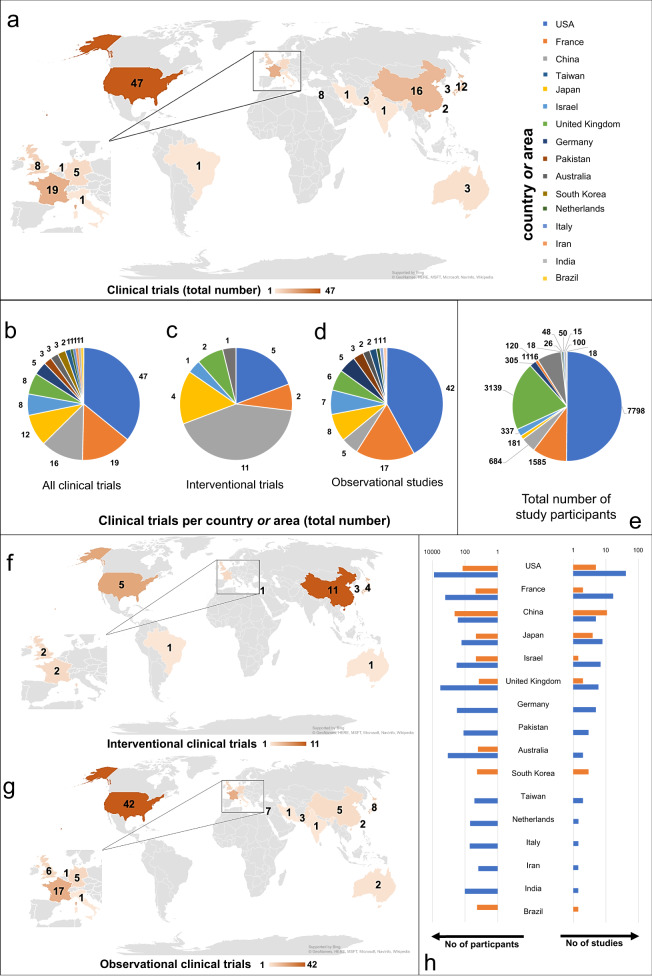
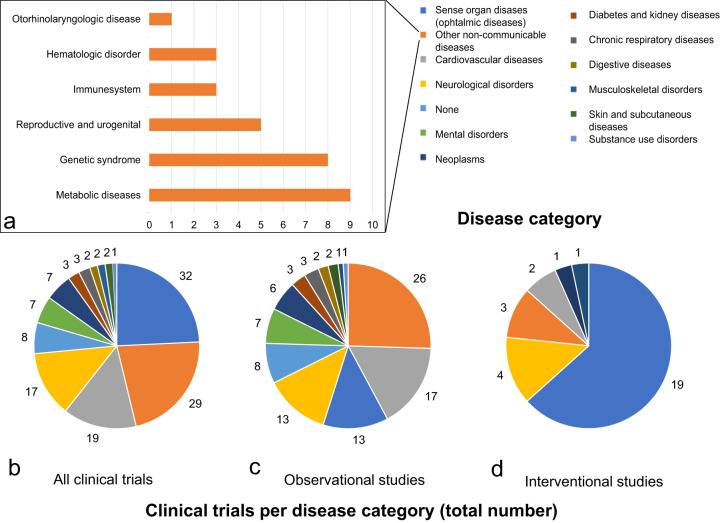
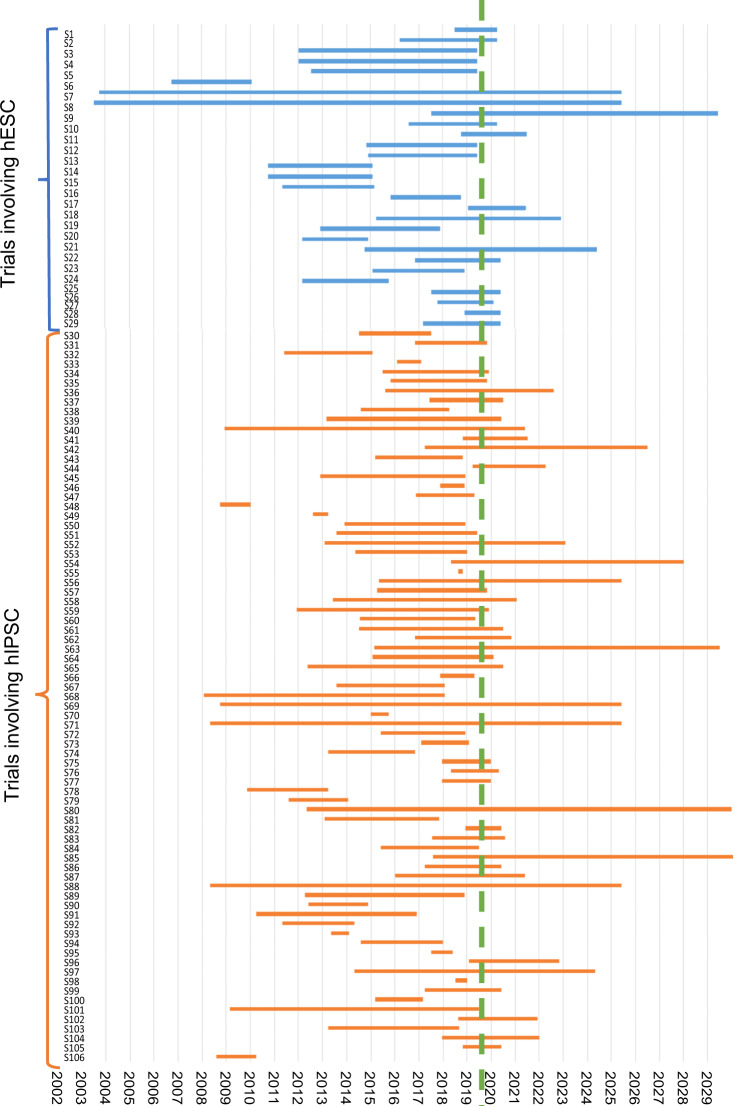
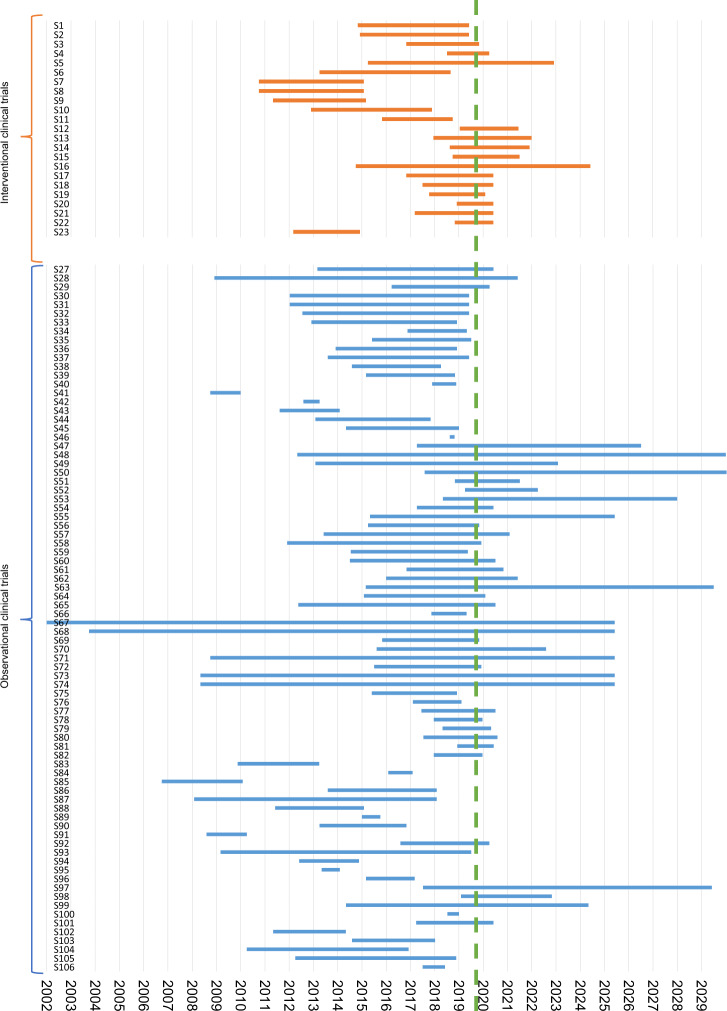
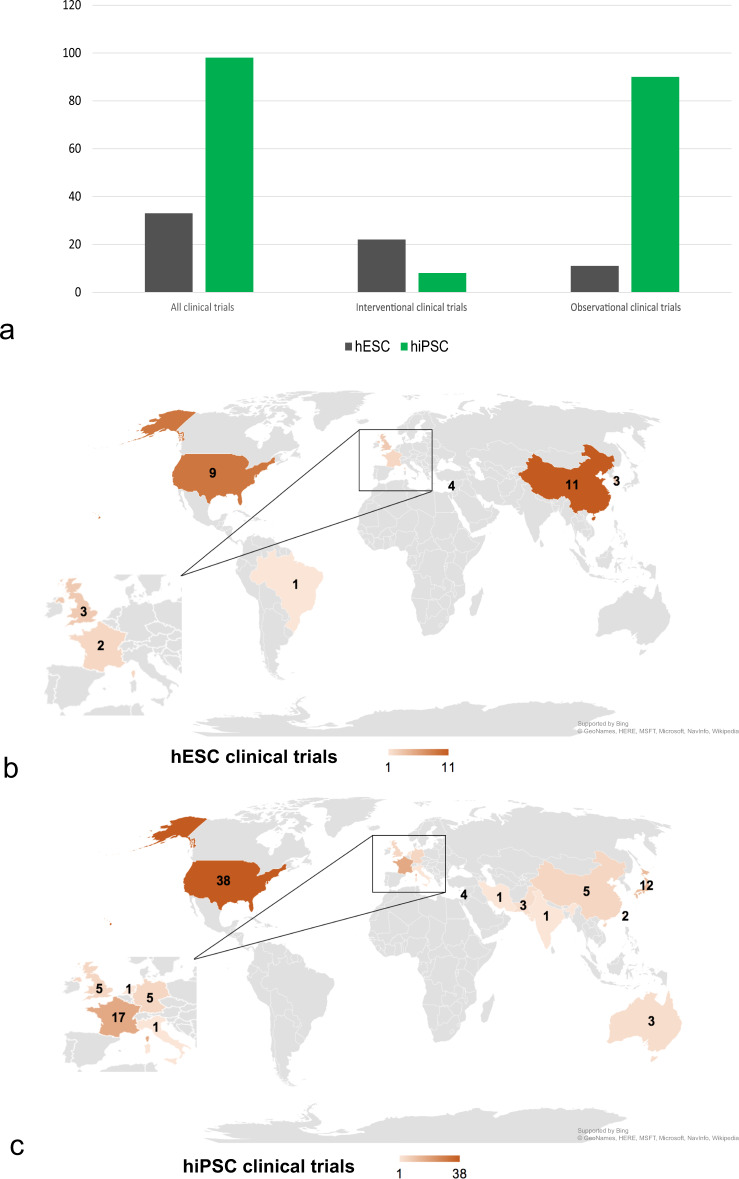
Abstract Pluripotent stem cells (PSCs) hold great potential for novel therapeutic approaches to regenerate or replace functionally impaired tissues. Since the introduction of the induced pluripotent stem cell technology in 2006, the number of scientific publications on this topic has constantly been increasing. However, so far no therapy based on PSCs has found its way into routine clinical use. In this study, we examined research trends related to clinical trials involving PSCs based on data obtained from ClinicalTrials.gov, the ICTRP database from the World Health Organization, as well as from a search of all individual databases that are included in the ICTRP using a multistep search algorithm. Following a stringent inclusion/exclusion procedure 131 studies remained that could be classified as clinical trials involving PSCs. The magnitude of these studies (77.1%) was observational, which implies that no cells were transplanted into patients, and only a minority of studies (22.9%) were of an interventional study type. The number of clinical trials involving induced pluripotent stem cells (iPSCs, 74.8%) was substantially higher than the one involving embryonic stem cells (ESCs, 25.2%). However, the picture changes completely when focusing on interventional studies, where in the majority (73.3%) of cases ESCs were used. Interestingly, also the study duration was significantly shorter for interventional versus observational trials (p = 0.002). When focusing on the geographical study regions, it became obvious that the greatest part of all observational trials was performed in the USA (41.6%) and in France (16.8%), while the magnitude of interventional studies was performed in Asian countries (China 36.7%, Japan 13.3%, South Korea 10.0%) and in the field of ophthalmology. In summary, these results indicate that only a limited number of trials were focusing on the actual transplantation of PSCs into patients in a rather narrow field of diagnoses. The future will tell us, if the iPSC technology will ultimately overcome the current challenges and will finally make its way into routine clinical use.
Overview
The claims and statistics of this paper haven’t been checked yet.
Free: it reads the open-access text and checks the first 5 claims that cite a source we can check. Create a free account to check every claim.
Integrity signals
Registry
Cites
Statistics
Figures
Verification
Claims the paper makes
The claims and statistics of this paper haven’t been checked yet.
Free: it reads the open-access text and checks the first 5 claims that cite a source we can check. Create a free account to check every claim.
Claims other papers make about this one
Each is checked against this paper’s own text: does it say what the citing paper says it does?
The check wasn’t confident either way, so it gives no verdict — never disputed.
In the citing paper
“Although both methods have low reprogramming efficiency, Sendai virus-mediated reprogramming has been used for several clinical applications, notably, in cystic fibrosis, the AIDS vaccine, and other iPSC replacement therapies [29,30,31,32,33].”
From Overcoming the Variability of iPSCs in the Manufacturing of Cell-Based Therapies (2023) · cites this paper as [30]
Experimental — accuracy not yet measured
Self-check
Percentages, sums and reported differences re-computed from the paper’s own numbers.
The self-check needs the paper’s full text.
Citations
Cites
Takahashi, K., & Yamanaka, S. (2006) · Cell · doi:10.1016/j.cell.2006.07.024 · Cited by 26,673
James, S. L., Abate, D., Abate, K. H., Abay, S. M., Abbafati, C., Abbasi, N., Abbastabar, H., Abd-Allah, F., Abdela, J., Abdelalim, A., et al. (2018) · The Lancet · doi:10.1016/s0140-6736(18)32279-7 · Cited by 13,867
Vos, T., Abajobir, A. A., Abate, K. H., Abbafati, C., Abbas, K. M., Abd-Allah, F., Abdulkader, R. S., Abdulle, A. M., Abebo, T. A., Abera, S. F., et al. (2017) · The Lancet · doi:10.1016/s0140-6736(17)32154-2 · Cited by 13,220
Nature Reviews Molecular Cell Biology
(2019) · Nature Reviews Molecular Cell Biology · doi:10.1038/41580.1471-0080 · Cited by 2,565
Philosophical Transactions of the Royal Society of London (A)
(1889) · Rendiconti del Circolo Matematico di Palermo · doi:10.1007/bf03017132 · Cited by 2,245
Generation of Functional Human Pancreatic β Cells In Vitro
Pagliuca, F. W., Millman, J. R., Gürtler, M., Segel, M., Van Dervort, A., Ryu, J. H., Peterson, Q. P., Greiner, D., & Melton, D. A. (2014) · Cell · doi:10.1016/j.cell.2014.09.040 · Cited by 2,025
Advances in Experimental Medicine and Biology
Lunt, G. G. (1986) · Neurochemistry International · doi:10.1016/0197-0186(86)90020-3 · Cited by 1,851
Autologous Induced Stem-Cell–Derived Retinal Cells for Macular Degeneration
Mandai, M., Watanabe, A., Kurimoto, Y., Hirami, Y., Morinaga, C., Daimon, T., Fujihara, M., Akimaru, H., Sakai, N., Shibata, Y., et al. (2017) · New England Journal of Medicine · doi:10.1056/nejmoa1608368 · Cited by 1,509
Immunogenicity of induced pluripotent stem cells
Zhao, T., Zhang, Z.-N., Rong, Z., & Xu, Y. (2011) · Nature · doi:10.1038/nature10135 · Cited by 1,444
Embryonic stem cell trials for macular degeneration: a preliminary report
Schwartz, S. D., Hubschman, J.-P., Heilwell, G., Franco-Cardenas, V., Pan, C. K., Ostrick, R. M., Mickunas, E., Gay, R., Klimanskaya, I., & Lanza, R. (2012) · The Lancet · doi:10.1016/s0140-6736(12)60028-2 · Cited by 1,409
Research works printed but not linked: 2
- Stoddard-Bennett T Reijo Pera R Treatment of Parkinson’s disease through personalized medicine and induced pluripotent stem cells Cells 2019 8 26 PMC6357081 30621042 · DOI · Paper page
- Regulation of stem cell research in Europe. Vol. 2020 (ed. Mahalatchimy, A.) (https://www.eurostemcell.org).
Cited by
Stem cell-based therapy for human diseases
Hoang, D. M., Pham, P. T., Bach, T. Q., Ngo, A. T. L., Nguyen, Q. T., Phan, T. T. K., Nguyen, G. H., Le, P. T. T., Hoang, V. T., Forsyth, N. R., et al. (2022) · Signal Transduction and Targeted Therapy · doi:10.1038/s41392-022-01134-4 · Cited by 1,074
A Brief Overview of Global Trends in MSC-Based Cell Therapy
Jovic, D., Yu, Y., Wang, D., Wang, K., Li, H., Xu, F., Liu, C., Liu, J., & Luo, Y. (2022) · Stem Cell Reviews and Reports · doi:10.1007/s12015-022-10369-1 · Cited by 286
“Most of the studies performed in China are interventional which indicates that use of the MSCs cells in clinical practice is larger than the other cell products such as iPSCs which had far fewer clinical studies and were mostly observational [115].”
Aboul-Soud, M. A. M., Alzahrani, A. J., & Mahmoud, A. (2021) · Cells · doi:10.3390/cells10092319 · Cited by 204
Applications of synthetic biology in medical and pharmaceutical fields
Yan, X., Liu, X., Zhao, C., & Chen, G.-Q. (2023) · Signal Transduction and Targeted Therapy · doi:10.1038/s41392-023-01440-5 · Cited by 179
Review of the Current Trends in Clinical Trials Involving Induced Pluripotent Stem Cells
Kim, J. Y., Nam, Y., Rim, Y. A., & Ju, J. H. (2021) · Stem Cell Reviews and Reports · doi:10.1007/s12015-021-10262-3 · Cited by 148
Iberite, F., Gruppioni, E., & Ricotti, L. (2022) · npj Regenerative Medicine · doi:10.1038/s41536-022-00216-9 · Cited by 109
Replacing Animal Testing with Stem Cell-Organoids : Advantages and Limitations
Park, G., Rim, Y. A., Sohn, Y., Nam, Y., & Ju, J. H. (2024) · Stem Cell Reviews and Reports · doi:10.1007/s12015-024-10723-5 · Cited by 92
“Stem cell therapy has gained popularity throughout the medical field, and various studies are underway to gain deeper knowledge [ 5].”
BackgroundCurrent approaches in CRISPR-Cas9 mediated gene editing for biomedical and therapeutic applications
Bhattacharjee, G., Gohil, N., Khambhati, K., Mani, I., Maurya, R., Karapurkar, J. K., Gohil, J., Chu, D., Vu‐Thi, H., Alzahrani, K. J., et al. (2022) · Journal of Controlled Release · doi:10.1016/j.jconrel.2022.02.005 · Cited by 96
Kitano, Y., Nishimura, S., Kato, T., Ueda, A., Takigawa, K., Umekage, M., Nomura, M., Kawakami, A., Ogawa, H., Xu, H., et al. (2022) · Molecular Therapy — Methods & Clinical Development · doi:10.1016/j.omtm.2022.05.010 · Cited by 93
mRNA – A game changer in regenerative medicine, cell-based therapy and reprogramming strategies
Chabanovska, O., Galow, A.-M., David, R., & Lemcke, H. (2021) · Advanced Drug Delivery Reviews · doi:10.1016/j.addr.2021.114002 · Cited by 83
Huang, Z., Powell, R., Phillips, J. B., & Haastert‐Talini, K. (2020) · Cells · doi:10.3390/cells9112497 · Cited by 68
Cohen, P. J. R., Luquet, E., Plétenka, J., Leonard, A., Warter, E., Gurchenkov, B., Carrere, J., Rieu, C., Hardoüin, J., Moncaubeig, F., et al. (2023) · Biomaterials · doi:10.1016/j.biomaterials.2023.122033 · Cited by 70
A novel glaucoma approach: Stem cell regeneration of the trabecular meshwork
Coulon, S. J., Schuman, J. S., Du, Y., Fard, M. R. B., Ethier, C. R., & Stamer, W. D. (2022) · Progress in Retinal and Eye Research · doi:10.1016/j.preteyeres.2022.101063 · Cited by 66
Global trends in clinical trials involving engineered biomaterials
Lele, M., Kapur, S., Hargett, S. E., Sureshbabu, N. M., & Gaharwar, A. K. (2024) · Science Advances · doi:10.1126/sciadv.abq0997 · Cited by 66
“Numerous prior review articles have focused on trends in clinical trials involving stem cells ( 21 – 25 ), while a select few have examined clinical trials specifically concerning certain biomaterials.”
BackgroundGreater genetic diversity is needed in human pluripotent stem cell models
Ghosh, S. D., Nehme, R., & Barrett, L. E. (2022) · Nature Communications · doi:10.1038/s41467-022-34940-z · Cited by 61
Wang, Z. (2023) · Bioengineering · doi:10.3390/bioengineering10070857 · Cited by 62
Li, Z., Duan, H., Jia, Y., Zhao, C., Li, W., Wang, X., Gong, Y., Dong, C., Ma, B., Dou, S., et al. (2022) · Journal of Clinical Investigation · doi:10.1172/jci146658 · Cited by 57
“…on the pluripotent potential and self-renewal capacity, human pluripotent stem cells (hPSCs), including embryonic stem cells (ESCs) and induced pluripotent stem cells (iPSCs), have been used in multiple clinical trials for the treatment of cardiovascular, neurological, and ophthalmic diseases (13).”
Sen, T., & Thummer, R. P. (2022) · Neurotoxicity Research · doi:10.1007/s12640-022-00564-w · Cited by 56
Mukherjee, S., Yadav, G., & Kumar, R. (2021) · World Journal of Stem Cells · doi:10.4252/wjsc.v13.i6.521 · Cited by 54
Organoid-based tissue engineering for advanced tissue repair and reconstruction
Hsiung, N., Ju, Y., Yang, K. C., Pu, Y., Zeng, W., Zhao, H., Zou, P., Ye, J., Yi, K., & Wang, X. (2025) · Materials Today Bio · doi:10.1016/j.mtbio.2025.102093 · Cited by 56
“…factors ” ( OCT4 , SOX2 , KLF4 , and c-MYC ) [56,57], iPSCs have been widely applied in cell therapy, tissue engineering, and personalized medicine [58,59] In recent years, researchers have successfully developed various methods to induce iPSCs to form embryoid bodies and undergo further…”
Jusop, A. S., Thanaskody, K., Tye, G. J., Dass, S. A., Wan Kamarul Zaman, W. S., & Nordin, F. (2023) · Frontiers in Molecular Neuroscience · doi:10.3389/fnmol.2023.1173433 · Cited by 39
“9% of other diseases such as cardiovascular, musculoskeletal, and sense organ diseases (Deinsberger et al., 2020).”
BackgroundYoshimasa, Y., & Maruyama, T. (2021) · Reproductive Sciences · doi:10.1007/s43032-021-00503-8 · Cited by 44
The promise and challenges of cell therapy for psoriasis*
Lwin, S. M., Snowden, J. A., & Griffiths, C. E. M. (2021) · British Journal of Dermatology · doi:10.1111/bjd.20517 · Cited by 46
Human iPSCs and Genome Editing Technologies for Precision Cardiovascular Tissue Engineering
Gähwiler, E. K. N., Motta, S. E., Martin, M., Nugraha, B., Hoerstrup, S. P., & Emmert, M. Y. (2021) · Frontiers in Cell and Developmental Biology · doi:10.3389/fcell.2021.639699 · Cited by 45
Induced Pluripotent Stem Cells for Treatment of Alzheimer’s and Parkinson’s Diseases
Yefroyev, D. A., & Jin, S. (2022) · Biomedicines · doi:10.3390/biomedicines10020208 · Cited by 40
Micro/Nanosystems for Magnetic Targeted Delivery of Bioagents
Garello, F., Svenskaya, Y. I., Parakhonskiy, B. V., & Filippi, M. (2022) · Pharmaceutics · doi:10.3390/pharmaceutics14061132 · Cited by 40
Generation of hypoimmunogenic universal iPS cells through HLA-type gene knockout
Kim, J., Nam, Y., Jeon, D., Choi, Y.-J., Choi, S., Hong, C. P., Kim, S., Jung, H., Park, N., Sohn, Y., et al. (2025) · Experimental & Molecular Medicine · doi:10.1038/s12276-025-01422-3 · Cited by 43
Corneal Endothelial-like Cells Derived from Induced Pluripotent Stem Cells for Cell Therapy
Ng, X. Y., Peh, G. S. L., Yam, G. H., Tay, H. G., & Mehta, J. S. (2023) · International Journal of Molecular Sciences · doi:10.3390/ijms241512433 · Cited by 37
Overcoming the Variability of iPSCs in the Manufacturing of Cell-Based Therapies
Nath, S. C., Menendez, L., & Friedrich Ben-Nun, I. (2023) · International Journal of Molecular Sciences · doi:10.3390/ijms242316929 · Cited by 35
Colter, J., Murari, K., Biernaskie, J., & Kallos, M. S. (2021) · npj Regenerative Medicine · doi:10.1038/s41536-021-00183-7 · Cited by 33
Namiot, E. D., Smirnovová, D., Sokolov, A. V., Chubarev, V. N., Tarasov, V. V., & Schiöth, H. B. (2023) · Frontiers in Pharmacology · doi:10.3389/fphar.2023.1228148 · Cited by 32
“Several studies have pointed out geographical and other differences in clinical trials within the same region (Ginn et al., 2018; Banno et al., 2019; Deinsberger et al., 2020).”
BackgroundAnti-fibrotic effect of adipose-derived stem cells on fibrotic scars
Vanderstichèle, S., & Vranckx, J. J. (2022) · World Journal of Stem Cells · doi:10.4252/wjsc.v14.i2.200 · Cited by 36
Gene Editing Correction of a Urea Cycle Defect in Organoid Stem Cell Derived Hepatocyte-like Cells
Zabulica, M., Jakobsson, T., Ravaioli, F., Vosough, M., Gramignoli, R., Ellis, E. C. S., Rooyackers, O., & Strom, S. C. (2021) · International Journal of Molecular Sciences · doi:10.3390/ijms22031217 · Cited by 32
Induced Pluripotent Stem Cells: Progress toward Clinical Translation from Bench to Bedside
Fakoya, A. O. J., Omole, A. E., Satyadev, N., & Haider, K. H. (2022) · Springer eBooks · doi:10.1007/978-981-16-6016-0_40-1 · Cited by 29
Stem cell therapies for diabetes
Chen, J. T., Dadheech, N., Tan, E. H. P., Ng, N. H. J., Koh, M., Shapiro, A. M. J., & Teo, A. K. K. (2025) · Nature Medicine · doi:10.1038/s41591-025-03767-8 · Cited by 28
“…self-renewing capabilities, thereby serving as a renewable cell source for deriving human islet/beta cells 8 . hiPS cells 9,10 in particular hold great promise in regenerative medicine as there are fewer ethical and/or religious concerns associated with their use (compared to hES cells) 11 .”
Human Induced Pluripotent Stem Cell-Derived Vascular Cells: Recent Progress and Future Directions
Oh, J. E., Jung, C., & Yoon, Y. (2021) · Journal of Cardiovascular Development and Disease · doi:10.3390/jcdd8110148 · Cited by 29
Ackermann, M., Saleh, F., Abdin, S. M., Hashtchin, A. R., Gensch, I., Golgath, J., Oliveira, M. C., Nguyen, A. H. H., Gaedcke, S., Fenske, A., et al. (2024) · Stem Cell Research & Therapy · doi:10.1186/s13287-024-03785-2 · Cited by 25
“Human induced pluripotent stem cells (hiPSCs) have been widely used in therapeutic studies, including cell therapy and tissue engineering [1–3], as well as in non-therapeutic applications such as drug discovery, disease modeling and developmental studies [4–6].”
BackgroundTan, L. S., Chen, J. T., Lim, L. Y., & Teo, A. K. K. (2022) · Cell Proliferation · doi:10.1111/cpr.13232 · Cited by 25
“As such, the derivation of hESCs is permitted only in parts of the United States (US), China and Europe (EU).(29) In contrast,”
BackgroundIdentification of marker genes to monitor residual iPSCs in iPSC-derived products
Lemmens, M., Perner, J., Potgeter, L., Zogg, M., Thiruchelvam, S., Müller, M. M., Doll, T., Werner, A., Gilbart, Y., Couttet, P., et al. (2022) · Cytotherapy · doi:10.1016/j.jcyt.2022.09.010 · Cited by 25
iPS cell therapy 2.0: Preparing for next‐generation regenerative medicine
Hui, K. K., & Yamanaka, S. (2024) · BioEssays · doi:10.1002/bies.202400072 · Cited by 24
“[5,6] Unsurprisingly, these clinical trials are predominantly taking place in Japan, the United States, and China.”
Chi, P., Cheng, C.-C., Wang, M.-T., Liao, J.-B., Kuo, S., Lin, K.-C., Shen, M.-C., & Huang, W. (2024) · Cardiovascular Research · doi:10.1093/cvr/cvad185 · Cited by 23
Mapping of clonal lineages across developmental stages in human neural differentiation
You, Z., Wang, L., He, H., Wu, Z., Zhang, X., Xue, S., Xu, P., Hong, Y., Xiong, M., Wei, W., et al. (2023) · Cell stem cell · doi:10.1016/j.stem.2023.02.007 · Cited by 22
Recent progress in induced pluripotent stem cell-derived 3D cultures for cardiac regeneration
Wang, K., Xue, Q., Xu, X.-H., Hu, F., & Shao, H. J. (2021) · Cell and Tissue Research · doi:10.1007/s00441-021-03414-x · Cited by 23
Stem cell therapy for cardiac regeneration: past, present, and future
Gill, J., Rehsia, S. K., Verma, E., Sareen, N., & Dhingra, S. (2024) · Canadian Journal of Physiology and Pharmacology · doi:10.1139/cjpp-2023-0202 · Cited by 26
Tissue Engineering Strategies for Improving Beta Cell Transplantation Outcome
Abadpour, S., Wang, C., Niemi, E. M., & Scholz, H. (2021) · Current Transplantation Reports · doi:10.1007/s40472-021-00333-2 · Cited by 21
Hsu, L.-J., Liu, C., Kuo, M., Shen, C., & Shen, C. (2021) · Biomedicines · doi:10.3390/biomedicines9101323 · Cited by 19
Alheib, O., da Silva, L. P., Kwon, I. K., Reis, R. L., & Correlo, V. M. (2022) · Trends in biotechnology · doi:10.1016/j.tibtech.2022.09.010 · Cited by 20
Sridharan, D., Pracha, N. S., Rana, S. J., Ahmed, S., Dewani, A. J., Alvi, S. B., Mergaye, M., Ahmed, U., & Khan, M. (2023) · Cells · doi:10.3390/cells12071090 · Cited by 19
Culturing human pluripotent stem cells for regenerative medicine
Ozawa, H., Matsumoto, T., & Nakagawa, M. (2023) · Expert Opinion on Biological Therapy · doi:10.1080/14712598.2023.2225701 · Cited by 20
Chu, S., Sudo, K., Yokota, H., Abe, K., Nakamura, Y., & Tsai, M. (2022) · Computer Methods and Programs in Biomedicine · doi:10.1016/j.cmpb.2022.107264 · Cited by 18
Yasuda, S., Bando, K., Henry, M. P., Libertini, S., Watanabe, T., Bando, H., Chen, C. L., Fujimori, K., Harada, K., Kuroda, T., et al. (2024) · Stem Cells Translational Medicine · doi:10.1093/stcltm/szae058 · Cited by 17
Pirsadeghi, A., Namakkoobi, N., Behzadi, M. S., Pourzinolabedin, H., Askari, F., Shahabinejad, E., Ghorbani, S., Asadi, F., Hosseini‐Chegeni, A., Yousefi‐Ahmadipour, A., et al. (2024) · Cells and Development · doi:10.1016/j.cdev.2024.203904 · Cited by 19
Sequiera, G. L., Srivastava, A., Alagarsamy, K. N., Greenberg, C. R., & Dhingra, S. (2021) · Cells · doi:10.3390/cells10030568 · Cited by 18
Yehya, H., Raudins, S., Padmanabhan, R., Jensen, J. N., & Bukys, M. A. (2024) · Stem Cell Research & Therapy · doi:10.1186/s13287-024-03802-4 · Cited by 17
Celis, P., Farinelli, G., Hidalgo‐Simon, A., Meij, P., Tihaya, M. S., Schüßler‐Lenz, M., & Timón, M. (2024) · British Journal of Clinical Pharmacology · doi:10.1111/bcp.16047 · Cited by 15
“17 In support of the development of cell-based products derived by genome editing, the new guideline underlines the importance of selecting a relevant animal model for toxicity studies that could predict potential off-target toxicities and potential immunogenicity against the modified cells.”
BackgroundDobruskin, M., Toner, G., & Kander, R. (2024) · Biotechnology Progress · doi:10.1002/btpr.3504 · Cited by 15
“Clinical studies from two systematic reviews of iPSC-based clinical trials were analyzed 17,18 ; with additional studies added from the literature.”
Microfluidic bioprinting as a tool to produce hiPSCs-derived renal organoids
Formica, C., Addario, G., Fagiolino, S., Moroni, L., & Mota, C. (2025) · Biofabrication · doi:10.1088/1758-5090/addb7e · Cited by 17
Das, M., & Sloan, A. J. (2023) · Human Cell · doi:10.1007/s13577-023-00922-6 · Cited by 18
Changmeng, Z., Hongfei, W., Cheung, M. C. H., Chan, Y., & Shea, G. K. (2023) · Genome Medicine · doi:10.1186/s13073-023-01224-0 · Cited by 15
Disease modeling and stem cell immunoengineering in regenerative medicine using CRISPR/Cas9 systems
Antao, A. M., Karapurkar, J. K., Lee, D. R., Kim, K.-S., & Ramakrishna, S. (2020) · Computational and Structural Biotechnology Journal · doi:10.1016/j.csbj.2020.11.026 · Cited by 14
Revertant Mosaicism in Genodermatoses: Natural Gene Therapy Right before Your Eyes
van den Akker, P. C., Bolling, M. C., & Pasmooij, A. M. G. (2022) · Biomedicines · doi:10.3390/biomedicines10092118 · Cited by 13
Salvador, W. O. S., Ribeiro, I. A. B., Nogueira, D. E. S., Ferreira, F. C., Cabral, J. M. S., & Rodrigues, C. A. V. (2022) · Bioengineering · doi:10.3390/bioengineering9120791 · Cited by 13
The Exciting Realities and Possibilities of iPS-Derived Cardiomyocytes
Takahashi, F., Patel, P., Kitsuka, T., & Arai, K. (2023) · Bioengineering · doi:10.3390/bioengineering10020237 · Cited by 13
Lammi, M. J., & Qu, C. (2024) · Bioengineering · doi:10.3390/bioengineering11030211 · Cited by 15
“A review from the year 2022 identified 81 relevant observational and interventional clinical trials from 11 January 2021 performed in 15 different countries in North America, Europe, Asia and Australia [33].”
BackgroundImmunosuppression in stem cell clinical trials of neural and retinal cell types: A systematic review
Gowrishankar, S. V., Smith, M. E., Creber, N. J., Muzaffar, J., & Borsetto, D. (2024) · PLoS ONE · doi:10.1371/journal.pone.0304073 · Cited by 12
Glial-restricted progenitor cells: a cure for diseased brain?
Rogujski, P., Łukomska, B., Janowski, M., & Stanaszek, L. (2024) · Biological Research · doi:10.1186/s40659-024-00486-1 · Cited by 12
“[23].”
Harberts, J. I., Bours, K., Siegmund, M., Hedrich, C., Glatza, M., Schöler, H. R., Haferkamp, U., Pleß, O., Zierold, R., & Blick, R. H. (2021) · Nanoscale · doi:10.1039/d1nr04352h · Cited by 12
Kim, Y.-J., Kang, B., Kweon, S., Oh, S., Kim, D., Gil, D., Lee, H., Kim, J., Ju, J. H., Roh, T., et al. (2024) · Experimental & Molecular Medicine · doi:10.1038/s12276-024-01334-8 · Cited by 11
“A recent meta-analysis of 107 different studies revealed that chromosomes 20, 12, 17, X, and 1 are prevalent hotspots for genetic abnormalities 52 .”
Regenerative rehabilitation: a novel multidisciplinary field to maximize patient outcomes
Deng, C., Aldali, F., Luo, H., & Chen, H. (2024) · Medical Review · doi:10.1515/mr-2023-0060 · Cited by 14
Meiser, I., Majer, J., Katsen‐Globa, A., Schulz, A., Schmidt, K., Stracke, F., Koutsouraki, E., Witt, G., Keminer, O., Pleß, O., et al. (2021) · Cryobiology · doi:10.1016/j.cryobiol.2021.09.010 · Cited by 11
Kim, D., Lee, M., Arai, Y., Ahn, J., Lee, G. W., & Lee, S. (2024) · Bioactive Materials · doi:10.1016/j.bioactmat.2024.05.011 · Cited by 12
“Therefore, iPSCs have been utilized in various biomedical fields for disease screening, gene editing, and cell therapeutics [9 – 12].”
MethodFayed, B. E., Shakartalla, S. B., Sabbah, H., Dalle, H., Tannira, M., Senok, A. C., & Soliman, S. S. M. (2024) · Mycopathologia · doi:10.1007/s11046-024-00868-9 · Cited by 9
“Pluripotent stem cells activation is useful to replace the functionally impaired tissues due to the fungal pathogenesis [65].”
Rossi, G. R., Sun, J. Q. J., Lin, C., Wong, J. K. M., Alim, L., Lam, P. Y., Khosrotehrani, K., Wolvetang, E. J., Cheetham, S. W., Derrick, E. B., et al. (2024) · Immunology and Cell Biology · doi:10.1111/imcb.12820 · Cited by 9
Corneal Epithelial Development and the Role of Induced Pluripotent Stem Cells for Regeneration
Selvarajah, K., Tan, J. J., & Shaharuddin, B. (2023) · Current Stem Cell Research & Therapy · doi:10.2174/1574888x18666230313094121 · Cited by 9
Taylor, D. A., Chacon‐Alberty, L., Sampaio, L. C., del Hierro, M. G., Perin, E. C., Mesquita, F., Henry, T. D., Traverse, J. H., Pepine, C. J., Hare, J. M., et al. (2021) · Cardiovascular Research · doi:10.1093/cvr/cvab270 · Cited by 9
Odenkirk, M. T., Jostes, H. C., Francis, K. R., & Baker, E. S. (2025) · Molecular Omics · doi:10.1039/d4mo00261j · Cited by 8
Sung, T., Chen, Y.-H., Wang, T., Liu, Q., Chao, W.-H., Liu, J., Pang, J., Ling, Q., Lee, H. H., & Higuchi, A. (2024) · Materials Today Bio · doi:10.1016/j.mtbio.2024.100969 · Cited by 8
Orthobiologic Products: Preservation Options for Orthopedic Research and Clinical Applications
FANG, W. H., & Vangsness, C. T. (2024) · Journal of Clinical Medicine · doi:10.3390/jcm13216577 · Cited by 8
“There have been promising preliminary results from animal trials [6] and small-scale clinical trials [7]; however, the field of biologics still lacks robust clinical evidence supporting their efficacy.”
BackgroundResultA neural stem-cell treatment for progressive multiple sclerosis
Fossati, V., Peruzzotti‐Jametti, L., & Pluchino, S. (2023) · Nature Medicine · doi:10.1038/s41591-022-02164-9 · Cited by 7
Araki, R., Suga, T., Hoki, Y., Imadome, K., Sunayama, M., Kamimura, S., Fujita, M., & Abe, M. (2024) · Nature Communications · doi:10.1038/s41467-024-49335-5 · Cited by 6
“In these instances of more than 10,000 mutations in iPSCs, there were more than 100 CDS mutations identi-fi ed (Supplementary Data 1).”
InfluentialVidman, S. R., Ma, Y. H. E., Fullenkamp, N., & Plant, G. W. (2024) · Neural Regeneration Research · doi:10.4103/nrr.nrr-d-24-00901 · Cited by 6
“While recent studies show promising results, the progression to clinical trials is encumbered by the need for immunosuppression (Liu et al., 2017; Deinsberger et al., 2020).”
Oh, M., Lee, S., Lee, G., Kim, C., Song, J. H., Yu, B. Y., & Chung, H. (2023) · Advanced Healthcare Materials · doi:10.1002/adhm.202300476 · Cited by 6
Research progress of corneal endothelial cell regeneration and replacement
Li, Z., Duan, H., & Zhou, Q. (2024) · Eye & ENT Research · doi:10.1002/eer3.2 · Cited by 5
Dobruskin, M., Toner, G., & Kander, R. (2025) · Biotechnology Progress · doi:10.1002/btpr.70031 · Cited by 5
Lin, Y.-Y., Esswein, P. J., Ramirez, L. P., Warren, E. C., Nicenboim, J., & Gerecht, S. (2026) · Nature Biomedical Engineering · doi:10.1038/s41551-026-01712-9 · Cited by 6
“Ophthalmic diseases have accounted for a considerable portion of stem cell clinical trials conducted to date, representing 24.4% of hiPSC-based trials 19 .”
InfluentialSynthetic genomics for curing genetic diseases
Grazioli, S., & Petris, G. (2021) · Progress in molecular biology and translational science · doi:10.1016/bs.pmbts.2021.02.002 · Cited by 5
Lu, X., Perr, E., Naqvi, T., Galitz, D., Andersen, M., Grabowski, D. C., Person, A. D., Kalyuzhny, A. E., & Flynn, K. C. (2024) · Cells · doi:10.3390/cells13181566 · Cited by 5
“Since the introduction of iPSCs in 2006, the use of iPSCs in basic and clinical research has continually increased [52,53] with a wide range of applications.”
BackgroundProspects for Stem Cell-Based Regenerative Therapies in India
Boopalan, D., Pandian, R., & Kesavan, G. (2021) · StemJournal · doi:10.3233/stj-210002 · Cited by 8
“Thus, the trend in India is restricted to bone marrow-derived stem cells as the primary source and other stem cell sources like pluripotent stem cells are rarely used (1 out of 47 trials with iPSCs, globally) [42].”
Stem Cell Delivery Routes: From Preclinical Models to Clinical Applications
Fagoonee, S. (2021) · BENTHAM SCIENCE PUBLISHERS eBooks · doi:10.2174/97898150401041210101 · Cited by 5
Mini-review: “Enteric glia functions in nervous tissue repair: Therapeutic target or tool?”
Sunardi, M., & Cirillo, C. (2023) · Neuroscience Letters · doi:10.1016/j.neulet.2023.137360 · Cited by 5
Bose, D., Ortolan, D., Farnoodian, M., Sharma, R., & Bharti, K. (2023) · Cold Spring Harbor Perspectives in Medicine · doi:10.1101/cshperspect.a041295 · Cited by 5
Telomerase-active urine-derived stem cells: Regenerative solutions for aging
Cheng, X., Fu, Q.-Y., Zheng, Y., Moiseyev, G. P., Hsu, F., Ma, J., Li, Q., Atala, A., & Zhang, Y. (2025) · Ageing Research Reviews · doi:10.1016/j.arr.2025.102939 · Cited by 5
CRISPR-Cas Gene Perturbation and Editing in Human Induced Pluripotent Stem Cells
van Essen, M. J., Riepsaame, J., & Jacob, J. (2021) · The CRISPR Journal · doi:10.1089/crispr.2021.0063 · Cited by 5
“6,7 The use of iPSC enables the generation of autologous cell types, overcoming immunological rejection, which is the main obstacle in current cell and tissue replacement therapies.”
Adipose-derived stromal vascular fraction (SVF) in scar treatment: a systematic review protocol.
Mbiine, R., Wayengera, M., Ocan, M., Kiwanuka, N., Munabi, I. G., Muwonge, H., Lekuya, H. M., Kawooya, I., Nakanwagi, C., Kinengyere, A. A., et al. (2022) · PubMed · Cited by 4
Chen, X., Fan, K., Lu, J., Zhang, S., Dong, J., Qin, J., Fan, W., Wang, Y., Zhang, Y., Huo, P. F., et al. (2024) · Research · doi:10.34133/research.0338 · Cited by 6
“Nowadays, more clinical trials are initiated based on personalized hiPSCs than hESCs [1,6], and these cells are subsequently differentiated into the desired lineage-specific somatic cells for gene and cell therapy to perform essential functions.”
BackgroundRees, L., Friis, T., Woodward‐Kron, R. E., & Munsie, M. (2024) · Patient Education and Counseling · doi:10.1016/j.pec.2024.108430 · Cited by 4
Soukup, E. M., Bettinger, J. C., & Mathies, L. D. (2022) · G3 Genes Genomes Genetics · doi:10.1093/g3journal/jkac232 · Cited by 4
Lin, J.-D., Hammad, R., Kumar, P., Manzitti, P., Wu, K., Alzubi, J., Vlachos, A., Cathomen, T., Blesch, A., Chu, Y., et al. (2025) · Neural Regeneration Research · doi:10.4103/nrr.nrr-d-24-01535 · Cited by 3
“Human induced pluripotent stem cells (hiPSCs) derived from reprogrammed adult somatic cells have great potential for generating cells for cell replacement and regenerative strategies (Shi et al., 2017; Deinsberger et al., 2020).”
Apostolidi, A., Stergiopoulos, G., Bellou, S., Μάρκου, Μ., Fotsis, T., Murphy, C., & Bagli, E. (2025) · Pharmaceuticals · doi:10.3390/ph18091374 · Cited by 3
“To date, ophthalmic diseases represent a substantial share of hiPSC-based clinical trials, comprising up to 24.4% of all studies [60].”
InfluentialRees, L., Woodward‐Kron, R. E., & Munsie, M. (2025) · Patient Education and Counseling · doi:10.1016/j.pec.2025.109413 · Cited by 3
Metadata
- Authors
- Deinsberger, J., Reisinger, D., & Weber, B.
- Affiliations
- Medical University of Vienna (AT)
- Corresponding author
- Weber, Benedikt
- Venue
- npj Regenerative Medicine
- Published
- 2020-09-11
- Volume
- 5
- Issue
- 1
- Pages
- 15-15
- ISSN
- 2057-3995 (ISSN-L)
- PMC
- PMC7486930
- OpenAlex
- W3045676218
- Cited by
- 158
- References
- 63
- Citations by year
- 2026: 5 · 2025: 15 · 2024: 45 · 2023: 27 · 2022: 34 · 2021: 30 · 2020: 2
- FWCI
- 7.54
- Type
- journal article
- Language
- en
- Open access
- gold
- doi.org
- Licence
- cc-by
- creativecommons.org/licenses/by/4.0 (tdm)
- creativecommons.org/licenses/by/4.0 (vor)
- Locations
- npj Regenerative Medicine (publishedVersion, cc-by)
- Research Square (acceptedVersion, cc-by)
- PubMed Central (publishedVersion, cc-by)
- PubMed (publishedVersion)
- Funders
- Vienna Science and Technology Fund (LS18-080)
- Topics
- Life Sciences › Biochemistry, Genetics and Molecular Biology › Molecular Biology › Pluripotent Stem Cells Research
- Health Sciences › Nursing › Issues, ethics and legal aspects › Biomedical Ethics and Regulation
- Life Sciences › Biochemistry, Genetics and Molecular Biology › Cell Biology › Mesenchymal stem cell research
- Keywords
- pluripotent stem cells, induced pluripotent stem cells, embryonic stem cells, clinical trials, research trends, stem cell transplantation, International Clinical Trials Registry Platform, ClinicalTrials.gov, ophthalmology, regenerative medicine
About these checks
Registry, retraction, Cites and statistics results are computed, not judged, with one exception: a printed reference that no index lists is read once by a model before it counts as a citation error. Claims are extracted by a model and kept only when their quote appears verbatim in the text; each cited source is then checked, with a model’s help, for whether it says what the claim relies on. Those verdicts can be wrong — read the claim’s quote and the cited source before relying on one.
Statistics and arithmetic are recomputed, not judged.
Confidence bands are shown only for fields calibrated on our annotated test set. None is calibrated yet, so no band is shown.
What counts as a claim ›How we measure confidence ›How we check this ›
Are you an author, or do you see a problem with this page? Request a review
Data sources
Bibliographic data: Semantic Scholar, OpenAlex, Crossref.
Contains information from the Semantic Scholar Academic Graph Datasets, made available under the ODC Attribution License (ODC-BY 1.0).
Semantic Scholar’s data is described in: Kinney, R., et al. (2023). The Semantic Scholar Open Data Platform. arXiv:2301.10140.
