

Global trends in clinical trials involving pluripotent stem cells: a systematic multi-database analysis
Open accessThe DOI matches its Crossref record; 64 of the 64 references it cites were found in a registry or an index.
Abstract
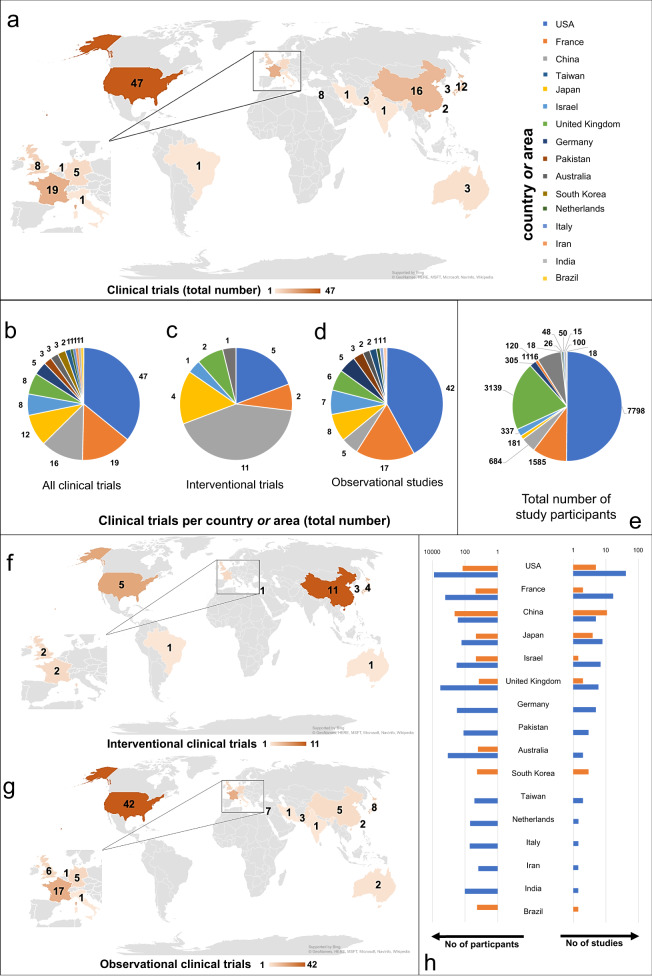
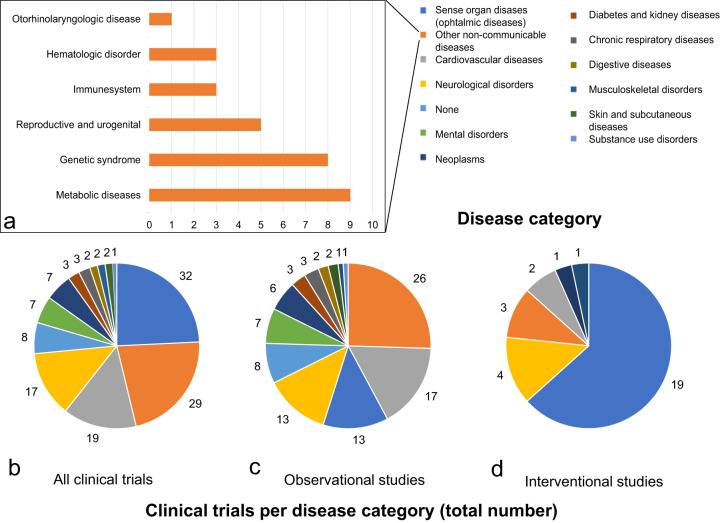
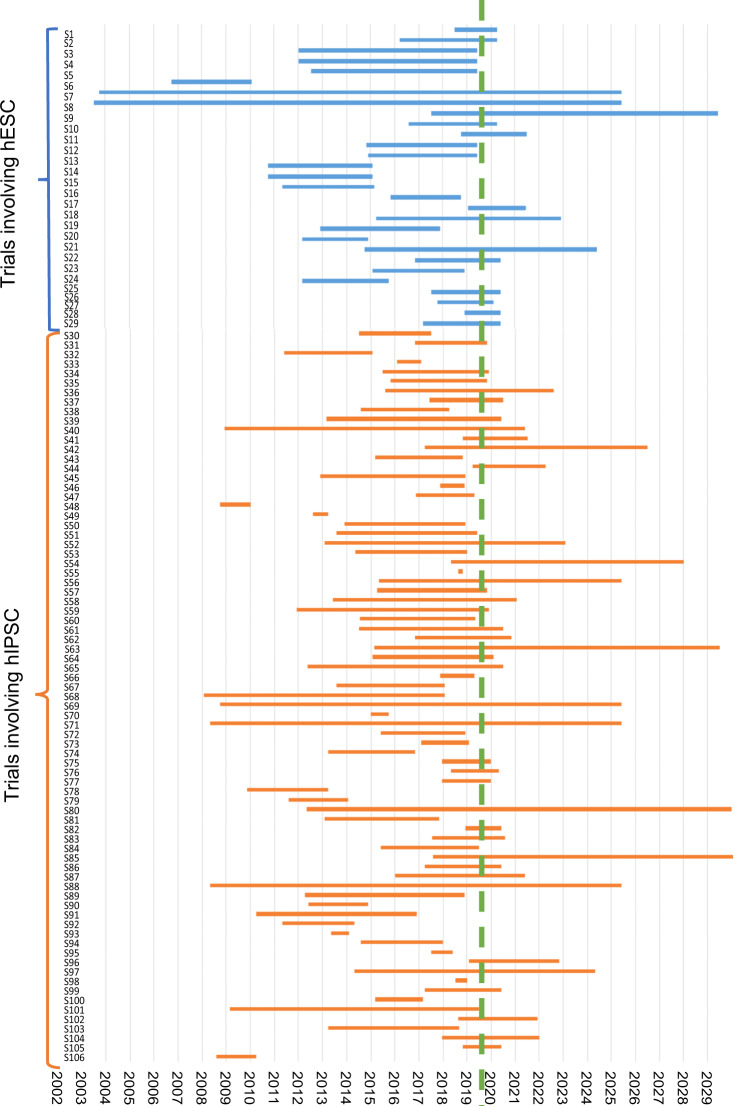
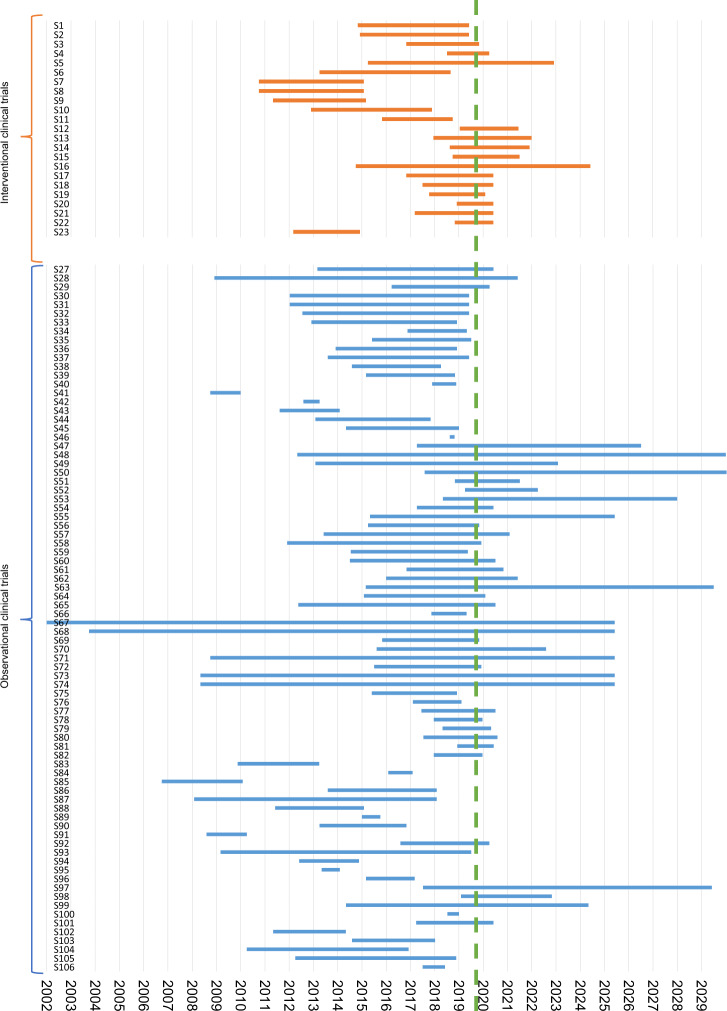
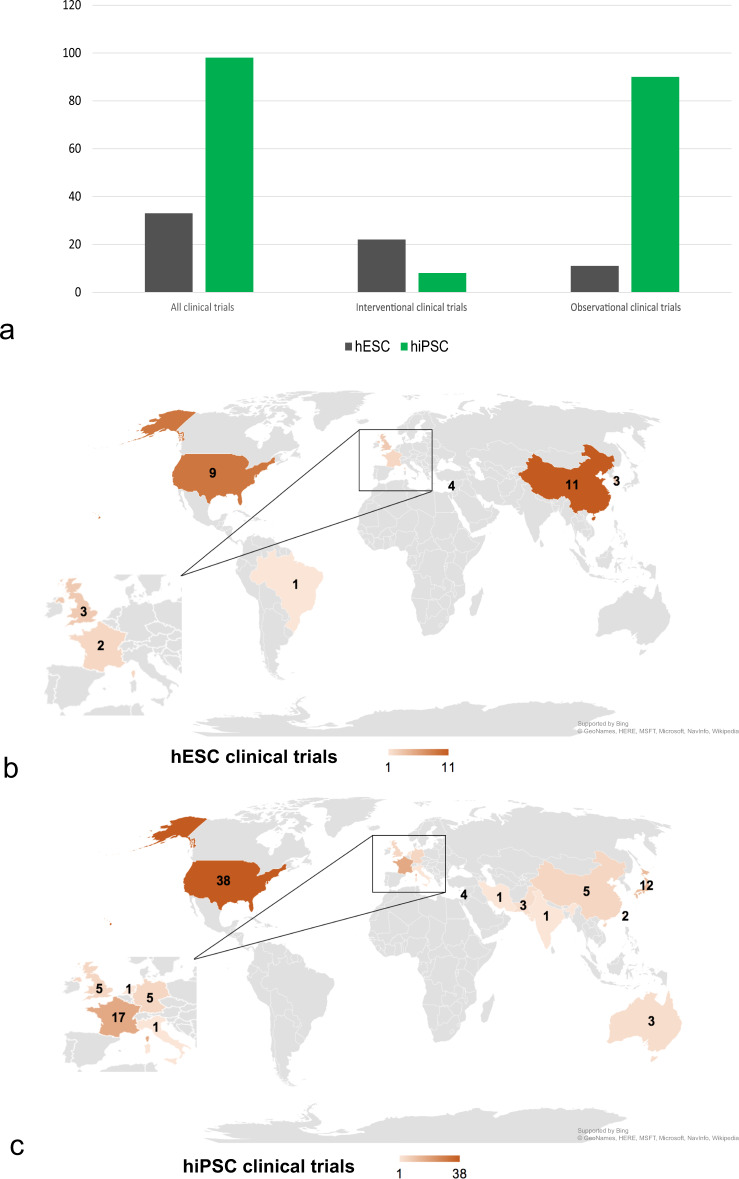
Abstract Pluripotent stem cells (PSCs) hold great potential for novel therapeutic approaches to regenerate or replace functionally impaired tissues. Since the introduction of the induced pluripotent stem cell technology in 2006, the number of scientific publications on this topic has constantly been increasing. However, so far no therapy based on PSCs has found its way into routine clinical use. In this study, we examined research trends related to clinical trials involving PSCs based on data obtained from ClinicalTrials.gov, the ICTRP database from the World Health Organization, as well as from a search of all individual databases that are included in the ICTRP using a multistep search algorithm. Following a stringent inclusion/exclusion procedure 131 studies remained that could be classified as clinical trials involving PSCs. The magnitude of these studies (77.1%) was observational, which implies that no cells were transplanted into patients, and only a minority of studies (22.9%) were of an interventional study type. The number of clinical trials involving induced pluripotent stem cells (iPSCs, 74.8%) was substantially higher than the one involving embryonic stem cells (ESCs, 25.2%). However, the picture changes completely when focusing on interventional studies, where in the majority (73.3%) of cases ESCs were used. Interestingly, also the study duration was significantly shorter for interventional versus observational trials (p = 0.002). When focusing on the geographical study regions, it became obvious that the greatest part of all observational trials was performed in the USA (41.6%) and in France (16.8%), while the magnitude of interventional studies was performed in Asian countries (China 36.7%, Japan 13.3%, South Korea 10.0%) and in the field of ophthalmology. In summary, these results indicate that only a limited number of trials were focusing on the actual transplantation of PSCs into patients in a rather narrow field of diagnoses. The future will tell us, if the iPSC technology will ultimately overcome the current challenges and will finally make its way into routine clinical use.
Overview
The claims and statistics of this paper haven’t been checked yet.
Free: it reads the open-access text and checks the first 5 claims that cite a source we can check. Create a free account to check every claim.
Integrity signals
Registry
Cites
Statistics
Figures
Verification
Claims the paper makes
The claims and statistics of this paper haven’t been checked yet.
Free: it reads the open-access text and checks the first 5 claims that cite a source we can check. Create a free account to check every claim.
Claims other papers make about this one
Each is checked against this paper’s own text: does it say what the citing paper says it does?
The check wasn’t confident either way, so it gives no verdict — never disputed.
In the citing paper
“Although both methods have low reprogramming efficiency, Sendai virus-mediated reprogramming has been used for several clinical applications, notably, in cystic fibrosis, the AIDS vaccine, and other iPSC replacement therapies [29,30,31,32,33].”
From Overcoming the Variability of iPSCs in the Manufacturing of Cell-Based Therapies (2023) · cites this paper as [30]
Experimental — accuracy not yet measured
Self-check
Percentages, sums and reported differences re-computed from the paper’s own numbers.
The self-check needs the paper’s full text.
Citations
Cites
Takahashi, K., & Yamanaka, S. (2006) · Cell · doi:10.1016/j.cell.2006.07.024 · Cited by 26,673
James, S. L., Abate, D., Abate, K. H., Abay, S. M., Abbafati, C., Abbasi, N., Abbastabar, H., Abd-Allah, F., Abdela, J., Abdelalim, A., et al. (2018) · The Lancet · doi:10.1016/s0140-6736(18)32279-7 · Cited by 13,867
Vos, T., Abajobir, A. A., Abate, K. H., Abbafati, C., Abbas, K. M., Abd-Allah, F., Abdulkader, R. S., Abdulle, A. M., Abebo, T. A., Abera, S. F., et al. (2017) · The Lancet · doi:10.1016/s0140-6736(17)32154-2 · Cited by 13,220
Nature Reviews Molecular Cell Biology
(2019) · Nature Reviews Molecular Cell Biology · doi:10.1038/41580.1471-0080 · Cited by 2,565
Philosophical Transactions of the Royal Society of London (A)
(1889) · Rendiconti del Circolo Matematico di Palermo · doi:10.1007/bf03017132 · Cited by 2,245
Generation of Functional Human Pancreatic β Cells In Vitro
Pagliuca, F. W., Millman, J. R., Gürtler, M., Segel, M., Van Dervort, A., Ryu, J. H., Peterson, Q. P., Greiner, D., & Melton, D. A. (2014) · Cell · doi:10.1016/j.cell.2014.09.040 · Cited by 2,025
Advances in Experimental Medicine and Biology
Lunt, G. G. (1986) · Neurochemistry International · doi:10.1016/0197-0186(86)90020-3 · Cited by 1,851
Autologous Induced Stem-Cell–Derived Retinal Cells for Macular Degeneration
Mandai, M., Watanabe, A., Kurimoto, Y., Hirami, Y., Morinaga, C., Daimon, T., Fujihara, M., Akimaru, H., Sakai, N., Shibata, Y., et al. (2017) · New England Journal of Medicine · doi:10.1056/nejmoa1608368 · Cited by 1,509
Immunogenicity of induced pluripotent stem cells
Zhao, T., Zhang, Z.-N., Rong, Z., & Xu, Y. (2011) · Nature · doi:10.1038/nature10135 · Cited by 1,444
Embryonic stem cell trials for macular degeneration: a preliminary report
Schwartz, S. D., Hubschman, J.-P., Heilwell, G., Franco-Cardenas, V., Pan, C. K., Ostrick, R. M., Mickunas, E., Gay, R., Klimanskaya, I., & Lanza, R. (2012) · The Lancet · doi:10.1016/s0140-6736(12)60028-2 · Cited by 1,409
Research works printed but not linked: 2
- Stoddard-Bennett T Reijo Pera R Treatment of Parkinson’s disease through personalized medicine and induced pluripotent stem cells Cells 2019 8 26 PMC6357081 30621042 · DOI · Paper page
- Regulation of stem cell research in Europe. Vol. 2020 (ed. Mahalatchimy, A.) (https://www.eurostemcell.org).
Cited by
Items 101–167 of 167
Bokobza, C., Réda, C., Nair, S., Guenoun, D., Rocha‐Ferreira, E., Faivre, V., Charpentier, T. L., Nijboer, C. H. A., de Theije, C. G. M., Lebon, S., et al. (2025) · Journal of Neuroinflammation · doi:10.1186/s12974-025-03593-2 · Cited by 3
Sridharan, D., Dougherty, J. A., Ahmed, U., Sanghvi, S. K., Alvi, S. B., Park, K. H., Islam, H., Knoblaugh, S. E., Singh, H., Kirby, E. D., et al. (2024) · Stem Cell Research & Therapy · doi:10.1186/s13287-024-03792-3 · Cited by 4
“Human induced pluripotent stem cells (hiPSCs) have revolutionized the field of regenerative medicine in the last ten years [1].”
BackgroundVitillo, L., & Vallier, L. (2021) · Methods in molecular biology · doi:10.1007/7651_2021_401 · Cited by 3
Zeng, X. X., Zeng, J., & Zhu, B. (2021) · Reviews in the Neurosciences · doi:10.1515/revneuro-2021-0068 · Cited by 4
“However, obstruction of induced pluripotent stem cell application in routine clinical treatments includes immune rejections, carcinogenicity, genomic instability and shortage in standard quality controls (Deinsberger et al. 2020).”
BackgroundGenome Editing of Pluripotent Stem Cells for Adoptive and Regenerative Cell Therapies
Blassberg, R. A. (2022) · GEN Biotechnology · doi:10.1089/genbio.2021.0010 · Cited by 3
Satthenapalli, R., Lee, S., Papannarao, J. B., Hore, T. A., Chakraborty, A. D., Jones, P. P., Lamberts, R. R., & Katare, R. (2022) · Stem Cell Research & Therapy · doi:10.1186/s13287-022-02845-9 · Cited by 3
“Moreover, with the recent use of induced pluripotent stem cells (iPSCs) in regenerative therapy in the clinic and its ability to differentiate into cardiomyocytes, it will be crucial to test the efficacy of our differentiation strategy in iPSCs to determine its translation ability [37].”
BackgroundHan, S., Yim, H. W., Jeong, H., Choi, S., & Han, S. (2022) · International Journal of Stem Cells · doi:10.15283/ijsc21189 · Cited by 3
“For example, the clinical development of dry age-related macular degeneration treatment using embryonic stem cell-derived retinal pigmented epithelial cells is also in progress (26).”
How Morphology of the Human Pluripotent Stem Cells Determines the Selection of the Best Clone
Gursky, V. V., Krasnova, O. A., Sopova, J. V., Kovaleva, A., Kulakova, K. A., Tikhonova, O. V., & Neganova, I. E. (2023) · Biochemistry · doi:10.5772/intechopen.112655 · Cited by 3
Tissue engineering and regenerative medicine approaches in colorectal surgery
Mainali, B. B., Yoo, J. J., & Ladd, M. R. (2024) · Annals of Coloproctology · doi:10.3393/ac.2024.00437.0062 · Cited by 3
Adamo, D., Genna, V. G., Galaverni, G., Chiavelli, C., Merra, A., Lepore, F., Boraldi, F., Quaglino, D., Evangelista, J., Lococo, F., et al. (2025) · Stem Cell Research & Therapy · doi:10.1186/s13287-025-04478-0 · Cited by 3
“…of airway cells derived from induced pluripotent stem cells (iPSCs), since the latter could be associated with limitations such as carcinogenicity, a lack of in situ integration, genomic instability, immunological rejection, and an absence of standardised quality control criteria [114, 115].”
Challenging Reward Structures and Organizational Cultures that Propagate Stem Cell Hyperbole
Trinh, A., & Turner, L. G. (2025) · Stem Cell Reviews and Reports · doi:10.1007/s12015-025-10955-z · Cited by 2
“Yet , studies document that few stem cell-based therapies have made it to routine clinical use, and many stem cell-based medical products still lack standardization and convincing evidence of safety and efficacy [ 6, 7].”
Chen, X.-X., Yin, Z., Zhang, X., Hao, J., Zhou, Q., Yu, J., & Wu, J. (2026) · Frontiers in Neurology · doi:10.3389/fneur.2026.1772547 · Cited by 2
Gene Editing and Human iPSCs in Cardiovascular and Metabolic Diseases
Giallongo, S., Re, O. L., Resnick, I. B., Raffaele, M., & Vinciguerra, M. (2022) · Advances in experimental medicine and biology · doi:10.1007/978-981-19-5642-3_18 · Cited by 2
Becker-Kojić, Z. A., García‐Verdugo, J. M., Schott, A.-K., Herranz‐Pérez, V., Zipančić, I., & Hernández‐Rabaza, V. (2022) · Biochemistry · doi:10.5772/intechopen.108950 · Cited by 2
Niemis, W., Peterson, S. R., Javier, C., Nguyen, A., Subiah, S., & Palmer, R. H. C. (2023) · PLoS ONE · doi:10.1371/journal.pone.0292238 · Cited by 2
“Advancing therapies using patient-specific iPSCs, in turn, have emerged to the translation medicine; for instance, personalized treatments [24, 27, 28] and clinical trials [29, 30].”
BackgroundRahmalina, R., & Gunawan, W. (2024) · Cogent Social Sciences · doi:10.1080/23311886.2024.2376309 · Cited by 2
“…Gandhi et al., 2022). in general, the dataset is owned by certain institutions or agencies granting permission to use it for scientific purposes (deinsberger et al., 2020). the third research question addresses the use of datasets in multimodal emotions research. the use of datasets is based on…”
Flahou, C., Morishima, T., Higashi, N., Hayashi, Y., Xu, H., Wang, B., Zhang, C., Ninomiya, A., Qiu, W.-Y., Yuzuriha, A., et al. (2023) · Biochemical and Biophysical Research Communications · doi:10.1016/j.bbrc.2023.04.067 · Cited by 2
Transgene-Free Cynomolgus Monkey iPSCs Generated under Chemically Defined Conditions
Tereshchenko, Y., Eşiyok, N., Garea‐Rodríguez, E., Repetto, D., Behr, R., & Rodríguez-Polo, I. (2024) · Cells · doi:10.3390/cells13060558 · Cited by 1
“Many reports have been published showing promising results regarding the treatment of diseases like myocardial infarction, Parkinson’s disease, or macular degeneration [3].”
ResultIem, D., Carney, G., Munsie, M., & Nayagam, B. A. (2024) · Regenerative Medicine · doi:10.1080/17460751.2024.2402650 · Cited by 1
“Despite a large number of trials ov erall , only a limited number ar e inv estigating the actual transplan ta tion of pluripoten t st em c ells int o pa tien ts [ 11 ].”
BackgroundDevelopment of Multilayer Mesenchymal Stem Cell Cell Sheets
Ochiai, J., Niihara, Y., & Oliva, J. (2021) · International Journal of Translational Medicine · doi:10.3390/ijtm1010002 · Cited by 2
Chow, L., Manchester, A. C., & DOW, S. W. (2021) · Elsevier eBooks · doi:10.1016/b978-0-323-85545-7.00009-0 · Cited by 1
A genetically engineered, stem-cell-derived cellular vaccine
Cooper, A., Sidaway, A., Chandrashekar, A., Latta, E., Chakraborty, K., Yu, J., McMahan, K., Giffin, V. M., Manickam, C., Kroll, K. W., et al. (2022) · Cell Reports Medicine · doi:10.1016/j.xcrm.2022.100843 · Cited by 2
“We selected human induced pluripotent stem cells (iPSCs) as the UVC cell line due to their stable genetics, non-transformed phenotype, ease of genetic engineering, and capacity for rapid, scalable propagation.(32,33) iPSCs also retained the unique ability for programmable differentiation into any cell lineage, thus re…”
Prospects of artificial intelligence in regeneration and repair of organs
Kommeri, R., & Thomas, V. (2023) · Elsevier eBooks · doi:10.1016/b978-0-443-18498-7.00013-2 · Cited by 2
Molecular Biology for Medicinal Chemists
Ahmad, N. M., Bush, E., Nancolas, B., Macabuag, N., & Racz, P. I. (2023) · Royal Society of Chemistry eBooks · doi:10.1039/9781788018982-00324 · Cited by 1
Evolution of Regenerative Medicine in Managing Musculoskeletal and Spinal Disorders
Manchikanti, L., Navani, A. H., & Sanapati, M. R. (2024) · Springer eBooks · doi:10.1007/978-3-031-50357-3_1 · Cited by 2
A small-molecule cocktail that beats cellular stress
Pal, R. (2021) · Nature Methods · doi:10.1038/s41592-021-01127-1 · Cited by 1
The Derivation and Characterisation of Bovine Embryonic Stem Cells
Waldron, N. (2022) · Open Access Victoria University of Wellington | Te Herenga Waka (Figshare) · doi:10.26686/wgtn.19589863 · Cited by 1
Induced pluripotent stem cells in intestinal diseases
Fakoya, A. O. J., Omole, A. E., Satyadev, N., & Okaruefe, C. O. (2021) · Elsevier eBooks · doi:10.1016/b978-0-12-821269-1.00003-5
Aziz, J. M., Grisales, P. A., Savino, J. R., Byers, L. N., Citro, A., Peloso, A., Asthana, A., & Orlando, G. (2022) · Elsevier eBooks · doi:10.1016/b978-0-12-824011-3.00003-5
Cell therapy and biomanufacturing using hiPSC-derived neurons
Casabona, J. C. (2022) · Elsevier eBooks · doi:10.1016/b978-0-12-822277-5.00009-2
Improving three-dimensional human pluripotent cell culture efficiency via surface molecule coating
Li, Q., Pan, Y., Han, L., Yang, Y., Wu, X., & Lei, Y. (2022) · Frontiers in Chemical Engineering · doi:10.3389/fceng.2022.1031395 · Cited by 1
“Several clinical trials using hPSC derivatives are ongoing (Mandai et al., 2017; Deinsberger et al., 2020).”
BackgroundInduced Pluripotent Stem Cells: Progress toward Clinical Translation from Bench to Bedside
Fakoya, A. O. J., Omole, A. E., Satyadev, N., & Haider, K. H. (2022) · Springer eBooks · doi:10.1007/978-981-19-2655-6_40
Consideration of biological sex in stem cell therapies
Krut, Z., Pelled, G., Gazit, D., & Gazit, Z. (2023) · Principles of Gender-Specific Medicine · doi:10.1016/b978-0-323-88534-8.00032-8
Computational approaches to determine stem cell fate
Dhara, A., Mondal, S., Gupta, A., Choudhary, P., Singh, S., Varadwaj, P. K., & Sen, N. (2024) · Elsevier eBooks · doi:10.1016/b978-0-443-13222-3.00017-4
Sakalem, M. E., Brand, H., dos Santos, N. C. D., & de Oliveira, R. G. (2024) · Elsevier eBooks · doi:10.1016/b978-0-443-15717-2.00107-4
Weiser, J. (2024) · Springer eBooks · doi:10.1007/978-3-031-59750-3_5
Reprogramming of DPSC to Induced Pluripotent Stem Cells
Yıldırım, S. (2024) · Springer eBooks · doi:10.1007/978-1-0716-4244-3_8
Kwon, D., Lee, T., Han, M., Han, S.-W., & Kang, K. (2024) · Stem Cell Reviews and Reports · doi:10.1007/s12015-024-10828-x
“Despite the active clinical research using diverse differentiated cells derived from pluripotent stem cells (PSC) (embryonic stem cells (ESC) and iPSC), this is not true for iHSC [17 ].”
Jagadeesan, S. K., Sandarage, R. V., Patel, M., Galuta, A., Hao, D., Khan, Z., Wai, E. K., & Tsai, E. C. (2024) · Research Square · doi:10.21203/rs.3.rs-5418124/v1
Whole-liver bioengineering: The future of transplantation medicine
Marques, D., Romero, N. S., Barbancho, S. M., Blanes-Rodríguez, Á., Arnal, P., Almeida, H., Dachary, P. R., & Baptista, P. M. (2025) · Elsevier eBooks · doi:10.1016/b978-0-12-823524-9.00018-6
Ogbogu, U., & Albrecht, L. (2025) · Collaborative bioethics · doi:10.1007/978-3-032-07289-4_2
Changmeng, Z., Wang, H., Cheung, M. C. H., Chan, Y.-S., & Shea, G. K.-H. (2023) · Figshare · doi:10.6084/m9.figshare.24089299
Ackermann, M., Saleh, F., Abdin, S. M., Hashtchin, A. R., Gensch, I., Golgath, J., Oliveira, C., Nguyen, A. H. H., Gaedcke, S., Fenske, A., et al. (2024) · Figshare · doi:10.6084/m9.figshare.26735583
Ray, S., & Chavan, C. (2021) · Research Square · doi:10.21203/rs.3.rs-810776/v1
Satthenapalli, R., Lee, S., Bellae Papannarao, J., Hore, T. A., Chakraborty, A. D., Jones, P. P., Lamberts, R. R., & Katare, R. (2022) · Figshare · doi:10.6084/m9.figshare.19728206
Ackermann, M., Saleh, F., Abdin, S. M., Hashtchin, A. R., Gensch, I., Golgath, J., Oliveira, C., Nguyen, A. H. H., Gaedcke, S., Fenske, A., et al. (2024) · Figshare · doi:10.6084/m9.figshare.26735586
Ackermann, M., Saleh, F., Abdin, S. M., Hashtchin, A. R., Gensch, I., Golgath, J., Oliveira, C., Nguyen, A. H. H., Gaedcke, S., Fenske, A., et al. (2024) · Figshare · doi:10.6084/m9.figshare.26735580
IPSCS FOR ENHANCING STEM CELL TRANSPLANTS
Molnar-Tanaka, K. (2024) · International Educational Journal of Science and Engineering - IEJSE · doi:10.5281/zenodo.15607766
Ackermann, M., Saleh, F., Abdin, S. M., Hashtchin, A. R., Gensch, I., Golgath, J., Oliveira, C., Nguyen, A. H. H., Gaedcke, S., Fenske, A., et al. (2024) · Figshare · doi:10.6084/m9.figshare.26054801
Ackermann, M., Saleh, F., Abdin, S. M., Hashtchin, A. R., Gensch, I., Golgath, J., Oliveira, C., Nguyen, A. H. H., Gaedcke, S., Fenske, A., et al. (2024) · Figshare · doi:10.6084/m9.figshare.26735577
Sridharan, D., Dougherty, J. A., Ahmed, U., Sanghvi, S. K., Alvi, S. B., Park, K. H., Islam, H., Knoblaugh, S. E., Singh, H., Kirby, E. D., et al. (2024) · Figshare · doi:10.6084/m9.figshare.26739513
Ackermann, M., Saleh, F., Abdin, S. M., Hashtchin, A. R., Gensch, I., Golgath, J., Oliveira, C., Nguyen, A. H. H., Gaedcke, S., Fenske, A., et al. (2024) · Figshare · doi:10.6084/m9.figshare.26054691
Changmeng, Z., Wang, H., Cheung, M. C. H., Chan, Y.-S., & Shea, G. K.-H. (2023) · Figshare · doi:10.6084/m9.figshare.24089296
Ackermann, M., Saleh, F., Abdin, S. M., Hashtchin, A. R., Gensch, I., Golgath, J., Oliveira, C., Nguyen, A. H. H., Gaedcke, S., Fenske, A., et al. (2024) · Figshare · doi:10.6084/m9.figshare.26735589
Ackermann, M., Saleh, F., Abdin, S. M., Hashtchin, A. R., Gensch, I., Golgath, J., Oliveira, C., Nguyen, A. H. H., Gaedcke, S., Fenske, A., et al. (2024) · Figshare · doi:10.6084/m9.figshare.26735574
Ackermann, M., Saleh, F., Abdin, S. M., Hashtchin, A. R., Gensch, I., Golgath, J., Oliveira, C., Nguyen, A. H. H., Gaedcke, S., Fenske, A., et al. (2024) · Figshare · doi:10.6084/m9.figshare.26735592
Yehya, H., Raudins, S., Padmanabhan, R., Jensen, J., & Bukys, M. A. (2024) · Figshare · doi:10.6084/m9.figshare.26157065
Development of novel platforms for the clinical applications of induced pluripotent stem cells
Sequiera, G. L. (2020) · Mspace (University of Manitoba)
Shaping cell therapy manufacturing with metabolic understanding and control
Costa, C. M., Terrasso, A. P., Costa, M. H. G., Alves, P. M., & Serra, M. (2026) · Trends in biotechnology · doi:10.1016/j.tibtech.2026.03.006
Colter, J., Kallos, M. S., & Murari, K. (2026) · bioRxiv (Cold Spring Harbor Laboratory) · doi:10.64898/2026.05.08.723750
“However, iPSC -derived therapeutics form an extremely small cohort of clinical trials being carried out in the United States, Europe, and Japan, and transparency concerning biological characteristics and assoc iated clinical outcomes is poor [6 - 9].”
Puljak, L., Kurtz, A., & Koporc, Z. (2026) · Vox Sanguinis · doi:10.1111/vox.70332
Induced pluripotent stem cells: from discovery to current advances and future directions
Lagarkova, M. A., & Tomilin, A. N. (2026) · Регенерация органов и тканей. · doi:10.60043/2949-5938-2026-3-19-39
Metadata
- Authors
- Deinsberger, J., Reisinger, D., & Weber, B.
- Affiliations
- Medical University of Vienna (AT)
- Corresponding author
- Weber, Benedikt
- Venue
- npj Regenerative Medicine
- Published
- 2020-09-11
- Volume
- 5
- Issue
- 1
- Pages
- 15-15
- ISSN
- 2057-3995 (ISSN-L)
- PMC
- PMC7486930
- OpenAlex
- W3045676218
- Cited by
- 158
- References
- 63
- Citations by year
- 2026: 5 · 2025: 15 · 2024: 45 · 2023: 27 · 2022: 34 · 2021: 30 · 2020: 2
- FWCI
- 7.54
- Type
- journal article
- Language
- en
- Open access
- gold
- doi.org
- Licence
- cc-by
- creativecommons.org/licenses/by/4.0 (tdm)
- creativecommons.org/licenses/by/4.0 (vor)
- Locations
- npj Regenerative Medicine (publishedVersion, cc-by)
- Research Square (acceptedVersion, cc-by)
- PubMed Central (publishedVersion, cc-by)
- PubMed (publishedVersion)
- Funders
- Vienna Science and Technology Fund (LS18-080)
- Topics
- Life Sciences › Biochemistry, Genetics and Molecular Biology › Molecular Biology › Pluripotent Stem Cells Research
- Health Sciences › Nursing › Issues, ethics and legal aspects › Biomedical Ethics and Regulation
- Life Sciences › Biochemistry, Genetics and Molecular Biology › Cell Biology › Mesenchymal stem cell research
- Keywords
- pluripotent stem cells, induced pluripotent stem cells, embryonic stem cells, clinical trials, research trends, stem cell transplantation, International Clinical Trials Registry Platform, ClinicalTrials.gov, ophthalmology, regenerative medicine
About these checks
Registry, retraction, Cites and statistics results are computed, not judged, with one exception: a printed reference that no index lists is read once by a model before it counts as a citation error. Claims are extracted by a model and kept only when their quote appears verbatim in the text; each cited source is then checked, with a model’s help, for whether it says what the claim relies on. Those verdicts can be wrong — read the claim’s quote and the cited source before relying on one.
Statistics and arithmetic are recomputed, not judged.
Confidence bands are shown only for fields calibrated on our annotated test set. None is calibrated yet, so no band is shown.
What counts as a claim ›How we measure confidence ›How we check this ›
Are you an author, or do you see a problem with this page? Request a review
Data sources
Bibliographic data: Semantic Scholar, OpenAlex, Crossref.
Contains information from the Semantic Scholar Academic Graph Datasets, made available under the ODC Attribution License (ODC-BY 1.0).
Semantic Scholar’s data is described in: Kinney, R., et al. (2023). The Semantic Scholar Open Data Platform. arXiv:2301.10140.
