

Probiotics impact the antibiotic resistance gene reservoir along the human GI tract in a person-specific and antibiotic-dependent manner
Open accessThe DOI matches its Crossref record; 53 of the 55 references it cites were found in a registry or an index.
Abstract
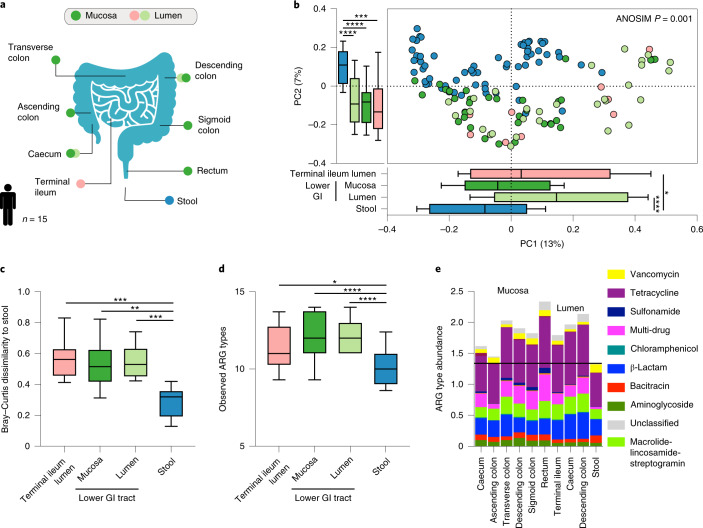
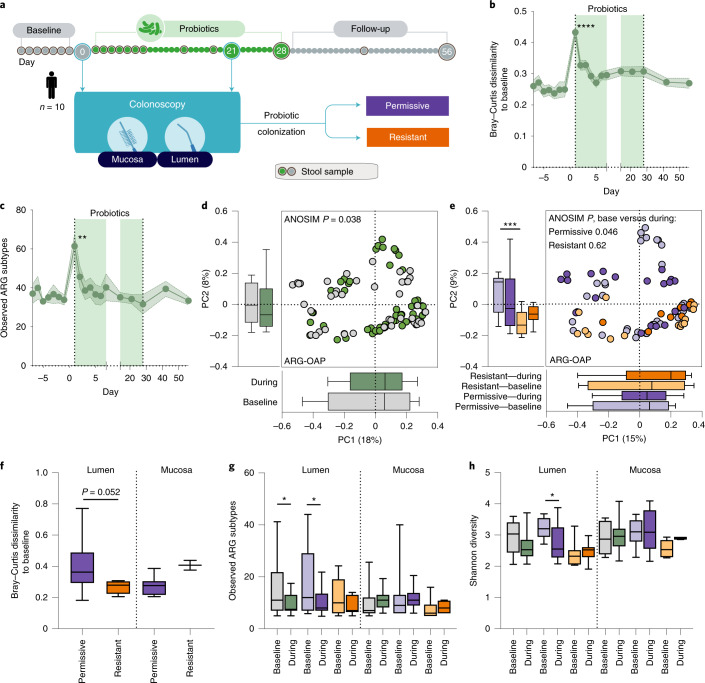
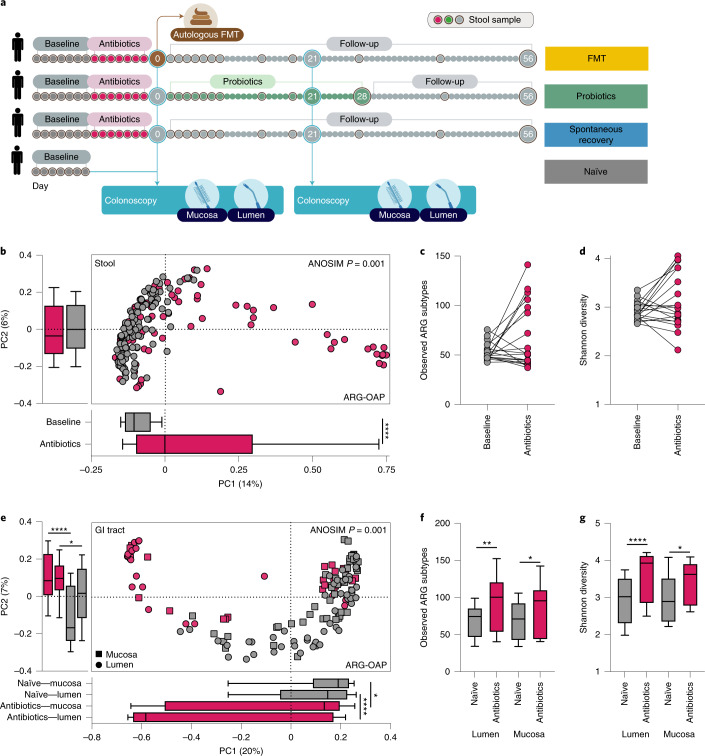
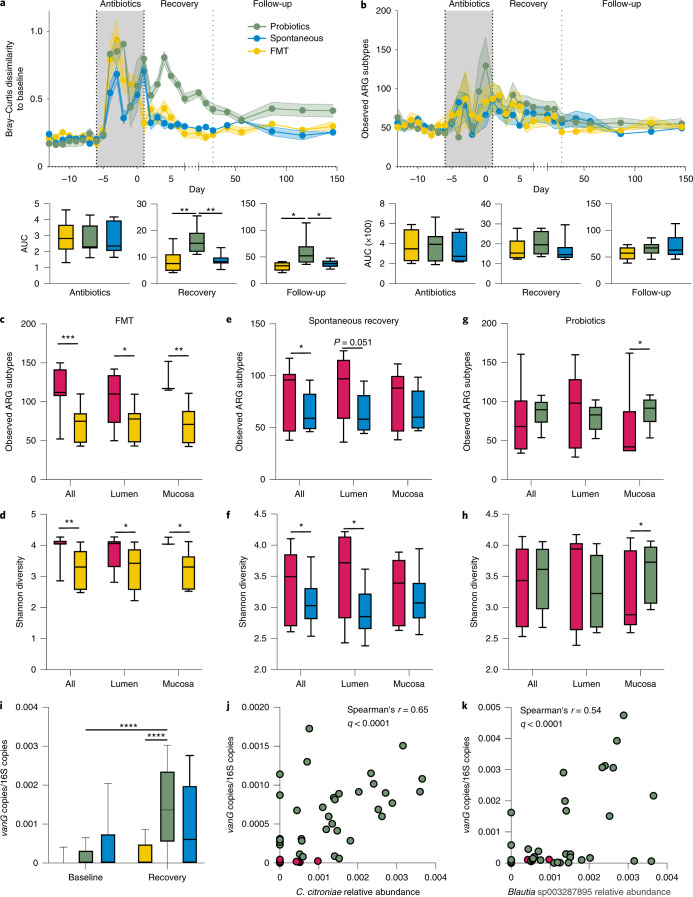
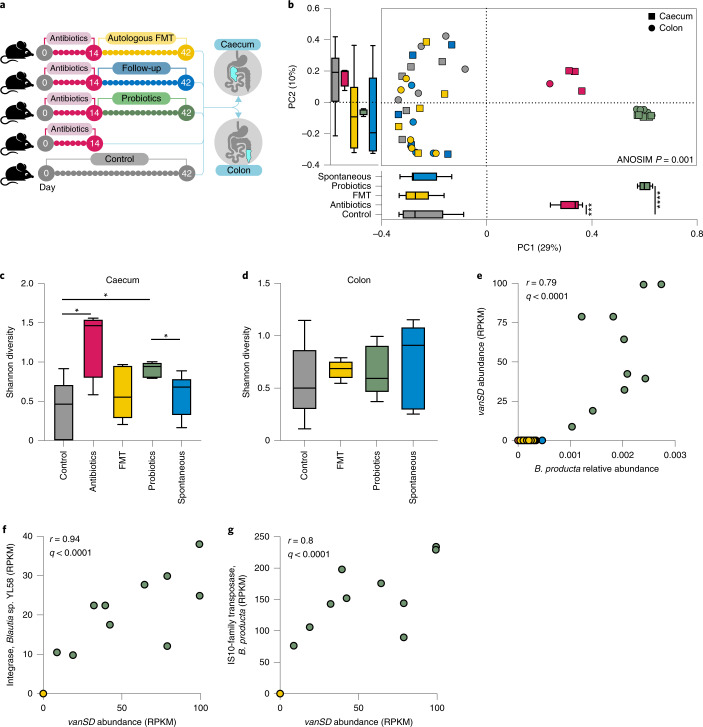
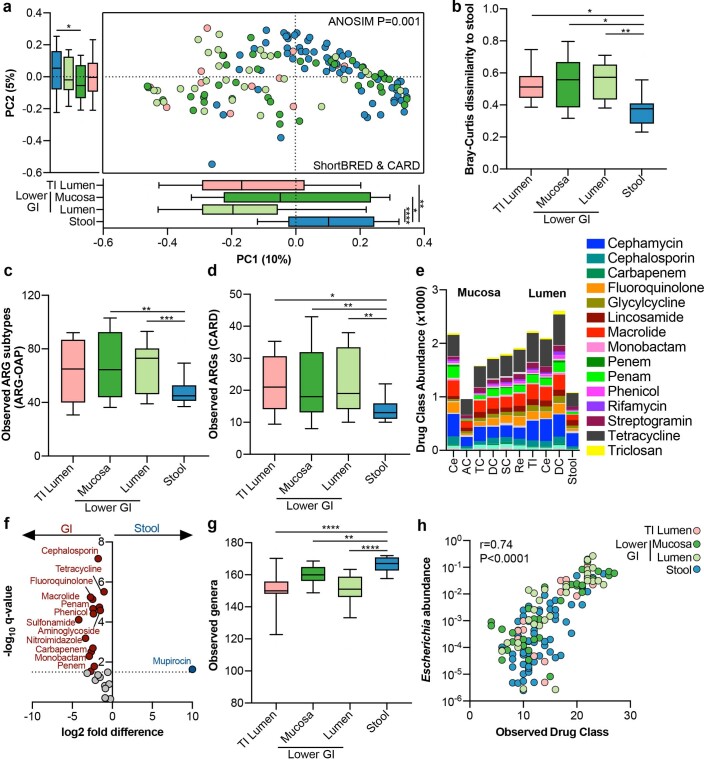
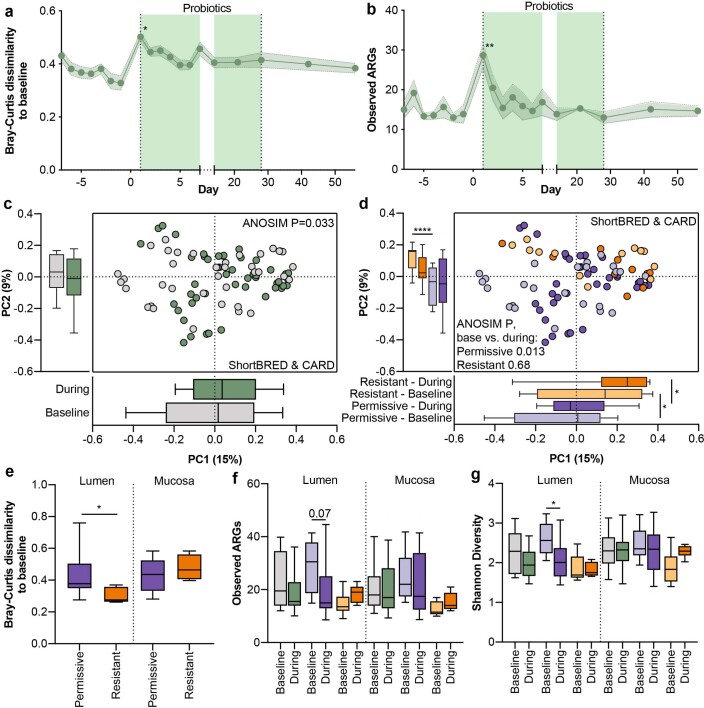
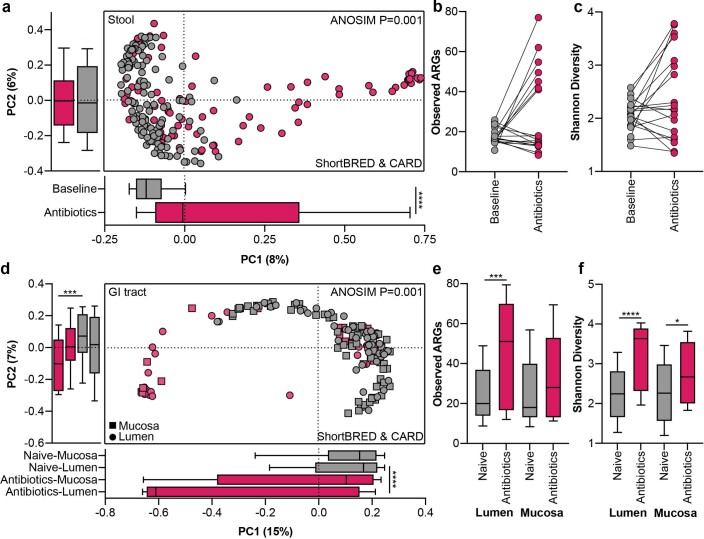
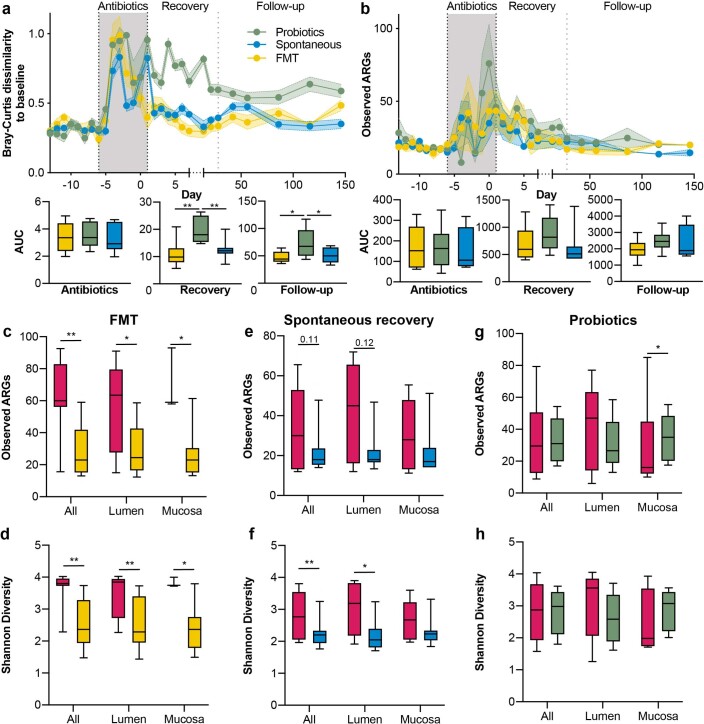
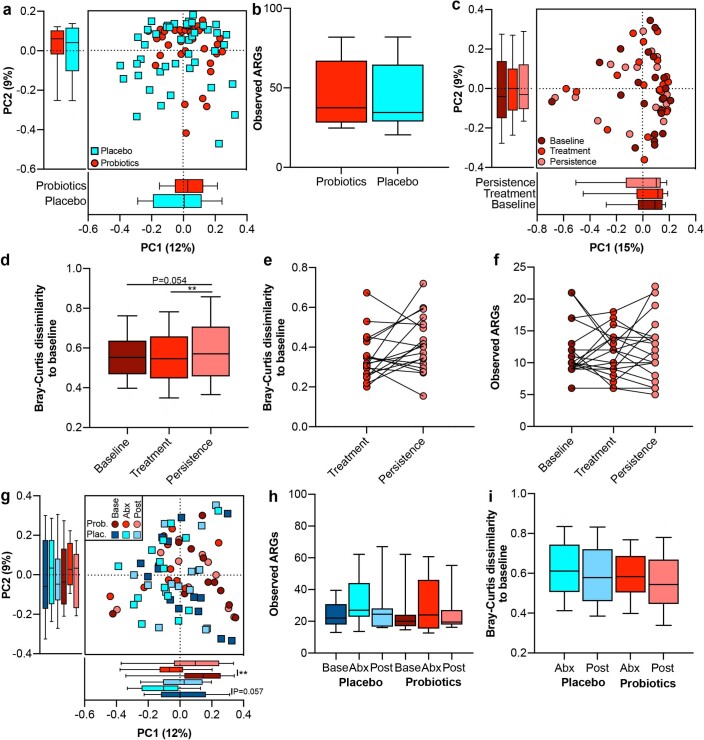
Antimicrobial resistance poses a substantial threat to human health. The gut microbiome is considered a reservoir for potential spread of resistance genes from commensals to pathogens, termed the gut resistome. The impact of probiotics, commonly consumed by many in health or in conjunction with the administration of antibiotics, on the gut resistome is elusive. Reanalysis of gut metagenomes from healthy antibiotics-naïve humans supplemented with an 11-probiotic-strain preparation, allowing direct assessment of the gut resistome in situ along the gastrointestinal (GI) tract, demonstrated that probiotics reduce the number of antibiotic resistance genes exclusively in the gut of colonization-permissive individuals. In mice and in a separate cohort of humans, a course of antibiotics resulted in expansion of the lower GI tract resistome, which was mitigated by autologous faecal microbiome transplantation or during spontaneous recovery. In contrast, probiotics further exacerbated resistome expansion in the GI mucosa by supporting the bloom of strains carrying vancomycin resistance genes but not resistance genes encoded by the probiotic strains. Importantly, the aforementioned effects were not reflected in stool samples, highlighting the importance of direct sampling to analyse the effect of probiotics and antibiotics on the gut resistome. Analysing antibiotic resistance gene content in additional published clinical trials with probiotics further highlighted the importance of person-specific metagenomics-based profiling of the gut resistome using direct sampling. Collectively, these findings suggest opposing person-specific and antibiotic-dependent effects of probiotics on the resistome, whose contribution to the spread of antimicrobial resistance genes along the human GI tract merit further studies.
Overview
The claims and statistics of this paper haven’t been checked yet.
Free: it reads the open-access text and checks the first 5 claims that cite a source we can check. Create a free account to check every claim.
Integrity signals
Registry
Cites
Statistics
Figures
Verification
Claims the paper makes
The claims and statistics of this paper haven’t been checked yet.
Free: it reads the open-access text and checks the first 5 claims that cite a source we can check. Create a free account to check every claim.
Claims other papers make about this one
Each is checked against this paper’s own text: does it say what the citing paper says it does?
The source backs part of the claim, not all of it — or backs it for a different population, condition or comparison.
In the citing paper
“The identification of mobile antimicrobial resistance genes and their potential impact on intestinal resistance also requires whole-genome sequencing and detailed characterization of antibiotic resistance genes [42,66,67,68].”
From Current Concepts in Probiotic Safety and Efficacy (2026) · cites this paper as [66]
Experimental — accuracy not yet measuredThe cited source says what the claim attributes to it.
In the citing paper
“Horizontal gene transfer through mobile genetic elements can pose a significant threat to human health through the development of antimicrobial resistance (AMR) [66,130].”
From Current Concepts in Probiotic Safety and Efficacy (2026) · cites this paper as [66]
The check wasn’t confident either way, so it gives no verdict — never disputed.
In the citing paper
“Vulnerable populations (newborns, immunocompromised individuals, and critically ill individuals) are at greater risk; therefore, assessing regulatory compliance requires a combination of biochemical and metabolomic studies, whole genome sequencing for virulence, antibiotic resistance genes and motility mapping [63,66,87].”
From Current Concepts in Probiotic Safety and Efficacy (2026) · cites this paper as [66]
Experimental — accuracy not yet measuredIn the citing paper
“Furthermore, a post-hoc analysis of the previous study revealed that probiotics administered after antibiotics caused an expansion in antibiotic resistance genes within the mucosal microbiota, in particular to vancomycin; however, this in-silico finding was not confirmed in-vivo.54”
From Emerging issues in probiotic safety: 2023 perspectives (2023) · cites this paper as [54]
Self-check
Percentages, sums and reported differences re-computed from the paper’s own numbers.
The self-check needs the paper’s full text.
Citations
Cites
Fast gapped-read alignment with Bowtie 2
Langmead, B., & Salzberg, S. L. (2012) · Nature Methods · doi:10.1038/nmeth.1923 · Cited by 56,400
fastp: an ultra-fast all-in-one FASTQ preprocessor
Chen, S., Zhou, Y., Chen, Y., & Gu, J. (2018) · Bioinformatics · doi:10.1093/bioinformatics/bty560 · Cited by 29,721
phyloseq: An R Package for Reproducible Interactive Analysis and Graphics of Microbiome Census Data
McMurdie, P. J., & Holmes, S. (2013) · PLoS ONE · doi:10.1371/journal.pone.0061217 · Cited by 21,322
Improved metagenomic analysis with Kraken 2
Wood, D. E., Lu, J., & Langmead, B. (2019) · Genome Biology · doi:10.1186/s13059-019-1891-0 · Cited by 7,061
Using SPAdes De Novo Assembler
Prjibelski, A., Antipov, D., Meleshko, D., Lapidus, A., & Korobeynikov, A. (2020) · Current Protocols in Bioinformatics · doi:10.1002/cpbi.102 · Cited by 3,555
CARD 2020: Antibiotic Resistome Surveillance with the Comprehensive Antibiotic Resistance Database
Alcock, B. P., Raphenya, A. R., Lau, T. T. Y., Tsang, K. K., Bouchard, M., Edalatmand, A., Huynh, W., Nguyen, A.-L. V., Cheng, A. A., Liu, S., et al. (2019) · Nucleic Acids Research · doi:10.1093/nar/gkz935 · Cited by 3,202
Gut biogeography of the bacterial microbiota
Donaldson, G. P., Lee, S. M., & Mazmanian, S. K. (2016) · Nature Reviews Microbiology · doi:10.1038/nrmicro3552 · Cited by 2,535
Bracken: estimating species abundance in metagenomics data
(2016) · doi:10.7717/peerj-cs.104 · Cited by 2,333
Zmora, N., Zilberman-Schapira, G., Suez, J., Mor, U., Dori-Bachash, M., Bashiardes, S., Kotler, E., Zur, M., Regev-Lehavi, D., Brik, R. B.-Z., et al. (2018) · Cell · doi:10.1016/j.cell.2018.08.041 · Cited by 1,695
Self-citationThe pros, cons, and many unknowns of probiotics
Suez, J., Zmora, N., Segal, E., & Elinav, E. (2019) · Nature Medicine · doi:10.1038/s41591-019-0439-x · Cited by 1,398
Self-citation
Cited by
Items 101–200 of 294
Zhang, Y., Wu, Y., Zhao, X., Ye, Q., Cao, L., Liu, M., Gao, B., Niu, Q., Chen, N., Duan, Z., et al. (2025) · Acta Pharmaceutica Sinica B · doi:10.1016/j.apsb.2025.07.028 · Cited by 13
“As biocompatible therapeutic platforms, LTBs have shown strong clinical translation potential 22 .”
Synthesis and antibacterial activity studies in vitro of indirubin-3′-monoximes
Yang, F., Shuai, M.-S., Guan, X., Zhang, M., Zhang, Q., Fu, X., Li, Z., Wang, D., Zhou, M., Yang, Y., et al. (2022) · RSC Advances · doi:10.1039/d2ra01035f · Cited by 13
Biocontrol of Bacillus cereus by Lactobacillus plantarum in Kareish cheese and yogurt
Ahmed, W. I., Kamar, A. M., Hamad, G. M., Mehany, T., El-Desoki, W. I., Ali, E., & Simal‐Gándara, J. (2023) · LWT · doi:10.1016/j.lwt.2023.114946 · Cited by 14
Old Folks, Bad Boon: Antimicrobial Resistance in the Infant Gut Microbiome
Saturio, S., Rey-Mariño, A., Samarra, A., Collado, M. C., Suárez, M., Mantecón, L., Sánchez, G. S., Gueimonde, M., & Arboleya, S. (2023) · Microorganisms · doi:10.3390/microorganisms11081907 · Cited by 16
Cang, W., Li, X., Tang, J., Ying, W., Mu, D., Wu, C., Shi, H., Shi, L., Wu, J., & Wu, R. (2024) · Foods · doi:10.3390/foods13050735 · Cited by 11
Liu, H., Li, P., Xin, J., Huang, H., Yang, Y., Deng, H., Zhou, Z., Zhong, Z., Peng, G., Chen, D., et al. (2025) · Probiotics and Antimicrobial Proteins · doi:10.1007/s12602-025-10473-x · Cited by 13
“In recent years, there have been safety concerns regarding probiotics, including the transfer of AMR and the risk of invasive infections [18].”
Chen, J., Lin, L., Tu, Q., Peng, Q., Wang, X., Liang, C., Zhou, J., & Yu, X. (2024) · Molecular Ecology Resources · doi:10.1111/1755-0998.13950 · Cited by 11
“Shannon index was calculated as alpha diversity to evaluate the community compositions (Montassier et al., 2021).”
MethodYuu, E. Y., Bührer, C., Eckmanns, T., Fulde, M., Herz, M., Kurzai, O., Lindstedt, C., Panagiotou, G., Piro, V. C., Radonić, A., et al. (2024) · Gut Pathogens · doi:10.1186/s13099-024-00616-w · Cited by 10
“Emerging studies show that collecting stool samples may not be the most optimal way to observe the microbiome and resistome and suggest that direct sampling, such as endoscopy samples, would be preferable [25, 60, 92].”
BackgroundCabral, V., Oliveira, R. A., Correia, M. B., Pedro, M. F., Garcia‐Garcerà, M., Úbeda, C., & Xavier, K. B. (2025) · Nature Communications · doi:10.1038/s41467-025-67015-w · Cited by 10
“Currently available probiotics therapies often show low ef fi cacy largely due to common caveats: 1) unable to colonize long enough to actuate, 2) cause delay in natural microbiota recovery from dysbiosis and 3) contribute to the increase of antibiotic resistance transfer 33,34,88,89 .”
Biofunctionalized Nano-antimicrobials - Progress, Prospects and Challenges
Rahman, L., Asif, S., Ullah, A., Khan, W. S., & Rehman, A. (2021) · Current Topics in Medicinal Chemistry · doi:10.2174/1568026622666211227151743 · Cited by 10
Zhou, J., Wu, H., Wu, Z., Shi, L., Shen, Y., Tian, S., & Hou, L.-A. (2023) · The Science of The Total Environment · doi:10.1016/j.scitotenv.2023.166081 · Cited by 10
Suganya, K., Vasanthrao, R., & Chattopadhyay, I. (2023) · Folia Microbiologica · doi:10.1007/s12223-023-01083-7 · Cited by 11
“Nevertheless, the use of probiotics increased AMR and ARG development in the gut mucosa by increasing the bloom of bacteria expressing vancomycin resistance genes different from the probiotic strains (Montassier et al. 2021).”
BackgroundSystematic review: effect of probiotics on antibiotic-induced microbiome disruption
Łukasik, J., Dierikx, T. H., Johnston, B. C., de Meij, T. G. J., & Szajewska, H. (2017) · Beneficial Microbes · doi:10.1163/18762891-bja00023 · Cited by 12
Ishnaiwer, M. M., Bastard, Q. L., Naour, M., Zeman, M., Dailly, É., Montassier, E., Batard, É., & Dion, M. (2024) · Gut Microbes · doi:10.1080/19490976.2024.2347021 · Cited by 9
“49 In a context where knowledge of relationships between resistome and health outcomes remains preliminary, these results encourage us not to consider that an increase in the diversity of the resistome or in the abundance of certain ARGs is necessarily detrimental to health.”
ResultSelf-citationCai, X., Zhou, H., Lou, Y., Lu, B., Zhang, D., Wang, J., & Xing, D. (2024) · Water Research · doi:10.1016/j.watres.2024.121956 · Cited by 9
Lach, K., Skrzyniarz, K., Takvor-Mena, S., Łysek-Gładysińska, M., Furmańczyk, P., Barrios-Gumiel, Ó., Sánchez‐Nieves, J., & Ciepluch, K. (2024) · International Journal of Biological Macromolecules · doi:10.1016/j.ijbiomac.2024.134634 · Cited by 9
Modulation of the Human Microbiome: Probiotics, Prebiotics, and Microbial Transplants
Vernon, J. J. (2025) · Advances in experimental medicine and biology · doi:10.1007/978-3-031-79146-8_17 · Cited by 10
Pattanaik, A. K., Kumar, S., & Rashmi, H. M. (2022) · Indian Journal of Comparative Microbiology Immunology and Infectious Diseases · doi:10.5958/0974-0147.2022.00011.3 · Cited by 18
Xu, J., Wang, H., Xu, R., Li, Q., Su, Y., Liu, J., & Zhu, W. (2023) · The Science of The Total Environment · doi:10.1016/j.scitotenv.2023.164692 · Cited by 10
Ecology and Medicine Converge at the Microbiome-Host Interface
Harrington, V. M., Lau, L., Seddu, K., & Suez, J. (2021) · mSystems · doi:10.1128/msystems.00756-21 · Cited by 9
“Furthermore, we recently reported that probiotics can reduce the number of antibiotic resistance genes (ARG) in the gut, but only in colonization-permissive individuals (7).”
BackgroundSelf-citationLugli, G. A., Argentini, C., Tarracchini, C., Longhi, G., Mancabelli, L., Bianchi, M. G., Taurino, G., Amaretti, A., Candeliere, F., Bussolati, O., et al. (2025) · Applied and Environmental Microbiology · doi:10.1128/aem.01547-25 · Cited by 8
Age- and diet-driven assembly of the gut antibiotic resistome in humans and food-producing animals
Zhang, T., Wang, J., Feng, Q., Xu, X., Zhu, W., Mao, S., & Liu, J. (2026) · Gut Microbes · doi:10.1080/19490976.2025.2610052 · Cited by 8
“140 Despite these benefits, the use of probiotics and related products is not without risks.”
Kim, J., Liao, X., Hasan, M., Elafify, M., Kim, J., Ding, T., & Ahn, J. (2025) · Critical Reviews in Food Science and Nutrition · doi:10.1080/10408398.2025.2541870 · Cited by 13
“…probiotics as reservoirs of ARGs can transfer acquired antibiotic-resistance genes to antibiotic-sensitive bacteria, play role in the emergence of antibiotic-resistant pathogens (Ashwini et al. 2022; Daniali, Nikfar, and Abdollahi 2020a; Lokesh, Rajagopal, and Shin 2019; Montassier et al. 2021).”
InfluentialPadmavathi, P., & Harikiran, J. (2022) · International Journal of Image and Graphics · doi:10.1142/s0219467823500419 · Cited by 8
Zhou, Z., Zhong, D., Zhang, Z., Ma, W., Chen, J., Zhuang, M., Li, F., Zhang, J., Zhu, Y., & Su, P. (2023) · Environmental Pollution · doi:10.1016/j.envpol.2023.122311 · Cited by 8
Han, X., Shi, C., Wei, Z., Lu, Z., Chai, L., Xu, H.-Y., Shi, J., Zhang, X., & Xu, Z. (2025) · LWT · doi:10.1016/j.lwt.2025.118148 · Cited by 7
Zahirović, A., Zupančič, Š., Verdir, A., Nemec, S., Kralj, S., Snoj, L., & Berlec, A. (2025) · Frontiers in Microbiology · doi:10.3389/fmicb.2025.1657810 · Cited by 8
ProbResist: a database for drug-resistant probiotic bacteria
Dou, W., Abdalla, H. B., Chen, X., Sun, C., Chen, X., Tian, Q., Wang, J., Zhou, W. J., Chi, W., Zhou, X., et al. (2022) · Database · doi:10.1093/database/baac064 · Cited by 7
“Recent evidence from metagenomics studies linking probiotic consumption to the increase in the number of resistant genes as well as the number of strains carrying the resistant genes has also been reported in mice and humans (53).”
BackgroundNogacka, A. M., Saturio, S., Alvarado-Jasso, G. M., Salazar, N., Reyes‐Gavilán, C. G. D. L., Faedo, C. M., Suárez, A., Wang, R., Miyazawa, K., Harata, G., et al. (2024) · International Journal of Molecular Sciences · doi:10.3390/ijms25021003 · Cited by 8
“Similar results have been previously described in an intervention study with commercially available probiotic supplementation, although the study reported that the beneficial effect was restricted to the individuals permissive to probiotic colonization [39].”
ResultWang, Y., Choo, J. M., Richard, A., Papanicolas, L. E., Wesselingh, S. L., Taylor, S., & Rogers, G. B. (2024) · The ISME Journal · doi:10.1093/ismejo/wrae107 · Cited by 7
“Indeed, exposure to antibiotics, a factor that greatly impacts the gut microbiome, has been shown to considerably influence probiotic effects at a microbiological level [9, 43].”
BackgroundMahamud, A. G. M. S. U., Tanvir, I. A., Kabir, M. E., Samonty, I., Chowdhury, M. A. H., & Rahman, M. A. (2025) · Probiotics and Antimicrobial Proteins · doi:10.1007/s12602-025-10501-w · Cited by 7
Effects of levodopa on gut bacterial antibiotic resistance in Parkinson’s disease rat
Sheng, S., Li, X., Zhao, S., Zheng, C.-Q., & Zhang, F. (2023) · Frontiers in Aging Neuroscience · doi:10.3389/fnagi.2023.1122712 · Cited by 8
Effects of OsomeFood Clean Label plant-based meals on the gut microbiome
Dwiyanto, J., Bibi, C., Meng, L. M. C., Jason, F., Tan, G., Lim, J., & Chong, C. W. (2023) · BMC Microbiology · doi:10.1186/s12866-023-02822-z · Cited by 7
“While probiotics and prebiotics were not beneficial [7] in pre-diabetic adults and less beneficial than synbiotics in ulcerative colitis [8], probiotics were only marginally beneficial in diabetic patients [9], positively beneficial in cognitive impairment and mood or depressive disorders [10, 11], but negatively bene…”
BackgroundYi, X., Yang, J., Huang, Y., Han, X., Li, H., Cen, L., Lin, Z., Pan, C., Wang, Z., & Guan, W. (2023) · Respiratory Research · doi:10.1186/s12931-023-02562-8 · Cited by 8
Ma, N., Sun, J., Li, S., Shao, M., Ying, N., Liu, W., & Zhu, L. (2023) · Food Analytical Methods · doi:10.1007/s12161-023-02456-x · Cited by 6
Maaty, S. E., Elashtokhy, M. M. A., Amin, M. K., Hassan, A. S., Zabermawi, N. M., Qattan, S. Y. A., Shafi, M. E., Algopishi, U. B., El-Shaboury, G. A., Farsi, R. M., et al. (2025) · Applied Food Research · doi:10.1016/j.afres.2025.100763 · Cited by 7
Adaptive responses and molecular mechanisms of Lactiplantibacillus plantarum to citric acid stress
Han, X., Zhang, W., Shi, C., Liu, R., Lu, Z., Chai, L., Xu, H., Shi, J., Zhang, X., & Xu, Z. (2025) · International Journal of Food Microbiology · doi:10.1016/j.ijfoodmicro.2025.111340 · Cited by 6
Ning, Z., Tan, X. Y., Wei, Q., Liu, Y., Wang, R., Guo, H., Ren, J., Ma, Q., Zhou, J., & Wang, T. (2025) · Applied Catalysis B: Environmental · doi:10.1016/j.apcatb.2025.125761 · Cited by 6
Endale, H. T., Tesfaye, W., Hasen, F. S., Asrat, W. B., Temesgen, E. Y., Shibabaw, Y. Y., & Asefa, T. (2024) · SAGE Open Medicine · doi:10.1177/20503121241274724 · Cited by 6
Frolova, M. S., Yudin, S. M., Makarov, V. V., Glazunova, O. A., Alikina, О., Markelova, N., Kolzhetsov, N. P., Dzhelyadin, T., Shcherbakova, V. A., Trubitsyn, V. E., et al. (2021) · Life · doi:10.3390/life11111246 · Cited by 6
Di Pierro, F., Sagheddu, V., Galletti, S., Casaroli, A., Labrini, E., Soldi, S., Cazzaniga, M., Bertuccioli, A., Matera, M., Cavecchia, I., et al. (2026) · Probiotics and Antimicrobial Proteins · doi:10.1007/s12602-025-10522-5 · Cited by 5
Antibiotic Resistance Gene Expression in Veterinary Probiotics: Two Sides of the Coin
Kerek, Á., Román, I. L., Szabó, Á., Pézsa, N. P., & Jerzsele, Á. (2025) · Veterinary Sciences · doi:10.3390/vetsci12030217 · Cited by 9
“This raises concerns about probiotics impeding the normal recolonization of the gastrointestinal tract following antibiotic ther-Vet apy [64,65].”
Ji, X., Wang, J., Li, J., Zhang, L., Wei, R., Wang, R., & He, T. (2025) · Engineering · doi:10.1016/j.eng.2025.03.032 · Cited by 5
Nicolas, G. M., & Ma, S. (2025) · Food Wellness · doi:10.1016/j.foodw.2025.100003 · Cited by 8
Chen, C., Li, S., Liu, J., Essack, S. Y., Luo, Y., Jong, M., Dai, X.-Y., Xu, Y., Korsten, L., Graham, D. W., et al. (2025) · Science China Life Sciences · doi:10.1007/s11427-025-2955-6 · Cited by 5
Rationally designed microbial communities in agri-food production systems: from research to market
Schokker, D., Stege, P. B., Duhamel, M., Bekker, M., Timmerman, H. M., Kar, S. K., Smidt, H., Zoetendal, E. G., van Overbeek, L. S., & Meisner, A. (2025) · ISME Communications · doi:10.1093/ismeco/ycaf121 · Cited by 5
“Research suggests that probiotics change AMR genes in ways that depend on both the individual and the specific antibiotic [48].”
Tang, H., He, Y., Zhang, Z., Jia, T., Long, F., He, F., Ma, J., Wang, Y., & Ye, T. (2025) · International Journal of Biological Macromolecules · doi:10.1016/j.ijbiomac.2025.147716 · Cited by 6
Srivastava, R., Chamadia, B., Behare, P. V., Chauhan, K., Kumar, S., Mondal, G., & Tyagi, N. (2025) · AMB Express · doi:10.1186/s13568-025-01941-2 · Cited by 5
“…micro-biome, it is essential to screen potential probiotic or direct-fed microbial strains for the presence of antibiotic resistance genes, as these genes might be transferred horizontally or vertically to enteropathogens and hamper the line of treatment during infections (Montassier et al. 2021).”
Verdugo‐Meza, A., Chiang, H. M., Mayer, E. A., & Gibson, D. L. (2025) · Frontiers in Pharmacology · doi:10.3389/fphar.2025.1695976 · Cited by 6
Yan, Z., Zhang, X., Shum, T., Xie, J., Chiou, J. A., Yu, J. Q., & Li, X. D. (2025) · Gut Microbes · doi:10.1080/19490976.2025.2599517 · Cited by 5
Next -generation probiotics as potential therapeutic supplement for gastrointestinal infections
Gupta, N., Kachhawaha, K., Behera, D. K., & Verma, V. K. (2023) · Pharmacological Research - Reports · doi:10.1016/j.prerep.2024.100002 · Cited by 5
Peng, Y., Yang, X., & Wang, Y. (2021) · Journal of Oncology · doi:10.1155/2021/4529915 · Cited by 5
The MTIST platform: a microbiome time series inference standardized testPreprint
Schlüter, J., Hussey, G. A., Valeriano, J., Zhang, C., Sullivan, A., & Fenyö, D. (2024) · Research Square · doi:10.21203/rs.3.rs-4343683/v1 · Cited by 5
Bargheet, A., Bø, G. H., Hetland, M. A. K., Justine, M., Moyo, S. J., Löhr, I. H., Blomberg, B., Langeland, N., Klingenberg, C., & Pettersen, V. K. (2026) · Cell Reports Medicine · doi:10.1016/j.xcrm.2026.102752 · Cited by 5
Zhang, Y., Shang, Y., Li, Z., Kuang, Z., Huang, S., Ye, Q. H., Chen, J., Huang, Z., Chen, L., Li, Y., et al. (2026) · Microbial Genomics · doi:10.1099/mgen.0.001599 · Cited by 4
“Alarmingly high resistance rates of H. pylori are observed for clarithromycin (22% in Asia-Pacific; 52% in China) and levofloxacin (26% in Asia-Pacific; 47.2% in China), severely compromising treatment efficacy [19–21].”
InfluentialAntimicrobial resistance and the human gut microbiome—a food safety perspective
Diaz‐Amigo, C., Pino, L. E. B. D., Lejeune, J., Ferreira, J. P., & Bessy, C. (2026) · Critical Reviews in Food Science and Nutrition · doi:10.1080/10408398.2026.2629533 · Cited by 5
“This means stool samples may not be representative of the resistome landscape across different gut sites (Montassier et al. 2021).”
InfluentialNiculescu, A.-G., Iacob, C.-M., Brătilă, E., Tocariu, R., Coroleucă, C. A., Corcionivoschi, N., Vrâncianu, C. O., Popescu, D., Popa, G. L., Popa, M. I., et al. (2026) · Antibiotics · doi:10.3390/antibiotics15070688 · Cited by 5
“In contrast, Montassier et al. [166] demonstrated marked person-specific responses, showing that probiotics reduced ARG abundance in some individuals while promoting resistome expansion and resistant taxa in others.”
Terlizzi, M., Speranza, B., Sinigaglia, M., Corbo, M. R., & Bevilacqua, A. (2025) · Microorganisms · doi:10.3390/microorganisms13071647 · Cited by 5
“AMR is also relevant in the context of probiotic microorganisms, which may act as reservoirs or vectors for resistance determinants, especially when such traits are transferable to pathogenic bacteria [4].”
Brizita, D. I., & Ivanović, N. (2022) · Springer eBooks · doi:10.1007/978-3-031-10153-3_6 · Cited by 6
ARGuing the case for (or against) probiotics
Turjeman, S., & Koren, O. (2021) · Trends in Microbiology · doi:10.1016/j.tim.2021.09.004 · Cited by 4
Talat, A., & Khan, A. U. (2024) · Pharmaceutical Patent Analyst · doi:10.1080/20468954.2025.2459592 · Cited by 4
Hussain, A., & Ali, S. A. (2025) · IntechOpen eBooks · doi:10.5772/intechopen.1009648 · Cited by 4
Probiotic-Based Cleaning Solutions: From Research Hypothesis to Infection Control Applications
Falagas, M. E., Kontogiannis, D. S., Σαργιάνου, Μ., Falaga, E. M., Chatzimichali, M., & Michaeloudes, C. (2025) · Biology · doi:10.3390/biology14081043 · Cited by 5
“Also, in another study, it was shown that probiotics reduced the level of ARGs in individuals who were permissive to probiotic colonization [59].”
Microbial Modulation of the Gut–Liver Axis in Autoimmune Liver Diseases
Wei, S., & Lu, J. (2025) · Seminars in Liver Disease · doi:10.1055/a-2679-3641 · Cited by 3
Wang, L., Wu, Q., Zhang, M., Ni, Z., Zhang, P., Bai, S., Wang, Y., & Sun, Z. (2025) · Food Bioengineering · doi:10.1002/fbe2.70027 · Cited by 3
Pattapulavar, V., Sanjai Kumar, S., Ramanujam, S., Subburaj, S., & John, G. C. (2026) · Frontiers in Microbiology · doi:10.3389/fmicb.2026.1736436 · Cited by 3
“According to the results of metagenomic studies, probiotics can reduce the prevalence of antimicrobial resistance genes in colonization-permissive individuals, indicating that the impact of probiotics on microbial rebalancing is specific to each individual (Montassier et al., 2021).”
The impact of antibiotic exposure on obesity and metabolic phenotypes via the gut microbiota
Zhu, B., Fu, C., Fan, D., Wang, Y., Sheng, P., Feng, J., & Wang, X. (2026) · Frontiers in Microbiology · doi:10.3389/fmicb.2026.1782016 · Cited by 3
From Microbial Ecology to Functional Components in Microbe–Host Interactions
Wang, T., Wang, Z., Yang, X., & Zhang, L. (2026) · Biology · doi:10.3390/biology15080635 · Cited by 3
“Interventions based on live microorganisms, including probiotics and FMT, frequently show variable therapeutic efficacy, largely due to inter-individual differences in baseline microbiota and the complexity of microbe–host interactions [3,11,12].”
Purohit, H. V., Chakraborty, J., Kothari, R. K., & Bhatt, A. R. (2026) · Probiotics and Antimicrobial Proteins · doi:10.1007/s12602-026-11029-3 · Cited by 3
“Case studies and surveillance reports have noted the co-localization of ARGs in gut isolates from patients receiving both probiotics and antibiotics, although direct causality remains difficult to prove [ 76, 90].”
InfluentialModelling the role of the microbiome in antimicrobial resistance across scales
Pagani, L., León‐Sampedro, R., Amicone, M., Tepekule, B., Witzany, C., Brugger, S. D., de Vos, M. G. J., Mitri, S., Bakkeren, E., Bottery, M. J., et al. (2026) · Nature Microbiology · doi:10.1038/s41564-026-02390-8 · Cited by 3
Luo, X., Hounmanou, Y. M. G., Ndayisenga, F., & Yu, Z. (2024) · The Science of The Total Environment · doi:10.1016/j.scitotenv.2024.172712 · Cited by 3
The role of probiotic foods in acute pancreatitis: current status and future directions
Qin, W., Wang, G., Xia, Y., Song, X., Xiong, Z., Huang, C., Chen, G., Zeng, Y., & Ai, L. (2024) · Current Opinion in Food Science · doi:10.1016/j.cofs.2024.101231 · Cited by 4
Cai, Z., Liu, J., Zhong, Q., & Liu, Y. (2025) · Materials Technology · doi:10.1080/10667857.2025.2459602 · Cited by 3
“Moreover, the increase in antibiotic resistance and expansion of immuno-compromised populations has emphasized the importance of developing new antimicrobial strategies [5].”
Fugaban, J. I. I., Dioso, C. M., Choi, G. H., Bucheli, J. E. V., Liong, M., Holzapfel, W. H., & Todorov, S. D. (2022) · Probiotics and Antimicrobial Proteins · doi:10.1007/s12602-022-10017-7 · Cited by 2
Tagliamonte, S., Lumaga, R. B., Filippis, F. D., Valentino, V., Aponte, M., Romano, R., & Vitaglione, P. (2025) · Current Research in Food Science · doi:10.1016/j.crfs.2025.101215 · Cited by 2
“It is known that the responsiveness of the gut microbiome influences gut colonization ability of probiotic strains (Maldonado-;G ´ omez et al., 2016; Zmora et al., 2018; Montassier et al., 2021).”
Antimicrobial resistance – are we aware of all the sources?
Zakharova, E. A., Lyamin, A. V., Sustretov, A. S., Kaiumov, K. A., Alekseev, D. V., Платонов, В. И., & Orlova, L. V. (2025) · Clinical Microbiology and Antimicrobial Chemotherapy · doi:10.36488/cmac.2025.2.229-237 · Cited by 2
Balaji, Y., & Ravi, S. N. (2025) · Food and Humanity · doi:10.1016/j.foohum.2025.100960 · Cited by 4
Matera, M., Biagioli, V., Leo, S., & Drago, L. (2026) · Microorganisms · doi:10.3390/microorganisms14040763 · Cited by 2
Bashar, A., Shaika, N. A., Hasan, N. A., Rakib, A. A., Ainuddin, M., Hasan, M. Z., Farin, N. N., Parvin, M. S., Uddin, M. S., Santi, M., et al. (2026) · npj Veterinary Sciences · doi:10.1038/s44433-026-00010-z · Cited by 2
Spatially resolved architecture of the human gut microbiome and its health implications
Wang, S., Almeida, A., Mu, D., & Zeng, S. (2026) · The Lancet Microbe · doi:10.1016/j.lanmic.2026.101389 · Cited by 2
Morozova, A., Golovneva, N. A., Kurchenko, V., Evdokimov, I., Lodygin, A., Nagdalian, A., & Ulrih, N. P. (2026) · International Journal of Biological Macromolecules · doi:10.1016/j.ijbiomac.2026.152774 · Cited by 2
Maternal and infant gut microbiome
Wang, H., Tin, F., Chen, H., Jiao, F., Wu, M., Sun, S., Lin, L., Li, D., Zheng, H., Niu, Z., et al. (2026) · iMeta · doi:10.1002/imt2.70151 · Cited by 3
Prevalence and associated risk factors of bovine mastitis in Ashulia, Dhaka, Bangladesh
Al-Noman, K. M., Ruknuzzaman, M., Banu, M. N., Sarkar, H., Rahman, M. A., Pencil, A., Alam, M. A., & Parvej, M. S. (2022) · Veterinaria, Sarajevo · doi:10.51607/22331360.2022.71.2.191 · Cited by 2
Microbiome therapeutics for the cancer management
Punetha, A., & Punetha, A. K. (2023) · Elsevier eBooks · doi:10.1016/b978-0-323-99336-4.00012-4 · Cited by 2
Double-edged sword: impact of fecal microbiome transplants on the gut resistome
Hallowell, H. A., Gao, A. L., & Suez, J. (2022) · Current Opinion in Gastroenterology · doi:10.1097/mog.0000000000000894 · Cited by 2
Self-citationInteractions Between Microbial Therapeutics and the Endogenous Microbiome
Hallowell, H. A., Gao, A. L., Kelly, K. E., & Suez, J. (2023) · Springer eBooks · doi:10.1007/978-981-99-1463-0_21 · Cited by 2
Self-citationFathy, S. S., Awad, E. I., Aal, S. F. A. A. E., Abdelfatah, E. N., & Tahoun, A. B. M. B. (2024) · Open Veterinary Journal · doi:10.5455/ovj.2024.v14.i1.43 · Cited by 3
Ishnaiwer, M. M. (2022) · theses.fr (ABES) · doi:10.70675/61486caezc3ecz4191z953bz60a90b36660b · Cited by 4
Gaber, H. S., Saied, E., & Mahdy, H. M. (2025) · Al-Azhar Bulletin of Science · doi:10.58675/2636-3305.1698 · Cited by 1
Distribution of Antibiotic-Resistant Genes in Intestines of Infants and Influencing Factors
Wang, Y.-C., Jiang, T., Mo, L., Lu, H.-Z., Quan, L.-H., Zhong, P., & Guan, Y. (2024) · Critical Reviews in Eukaryotic Gene Expression · doi:10.1615/critreveukaryotgeneexpr.v34.i8.60 · Cited by 1
Noor, A. A., & Kumar, A. (2025) · Microorganisms for sustainability · doi:10.1007/978-981-96-3448-4_15 · Cited by 1
Wu, J., He, Y., Liao, H., Liu, C., Ai, C., Guan, Y., Yang, Q., Friman, V., Wang, N., & Zhou, S. (2025) · Environmental Technology & Innovation · doi:10.1016/j.eti.2025.104491 · Cited by 1
Gaurav, A., Singh, H., Dige, M. S., Mukesh, M., & Navani, N. K. (2025) · Probiotics and Antimicrobial Proteins · doi:10.1007/s12602-025-10754-5 · Cited by 1
“The idea of using multiple antibiotic resistant probiotic strains to manage antibiotic-perturbed gut is still in its infancy due to potential threat of horizontal transfer of resistance genes from probiotics to commensals and pathogens in the gut [70].”
Chaichana, N., Boonsan, J., Suwannasin, S., Singkhamanan, K., Wonglapsuwan, M., Pomwised, R., Yaikhan, T., Klaysubun, C., Konglue, S., Chema, R., et al. (2025) · Journal of Agriculture and Food Research · doi:10.1016/j.jafr.2025.102509 · Cited by 2
Gupta, M., Patanvadia, D., Bhavsar, R. A., & Rajak, V. S. (2025) · Cureus · doi:10.7759/cureus.97542 · Cited by 2
“Montassier et al. demonstrated that the effects of probiotics vary depending on the individual and whether they have taken antibiotics [22].”
Merenstein, D. J., Grant-Beurmann, S., Sanders, M. E., Tan, T. P., Burke, B., Kumar, A., Smith, K. H., Sparenborg, J., D'Amico, F. J., Roberts, B., et al. (2026) · Scientific Reports · doi:10.1038/s41598-026-39826-4 · Cited by 2
“A previous study by Montassier et al. demonstrated in a study supplementing human subjects with antibiotics, with or without probiotics, that the probiotic increased the ARG reservoir in the human gut microbiota 54–56 .”
Recent strategies to tackle antibiotic resistance
Pandey, K., & Mishra, S. K. (2026) · Journal of Medicinal Plants Studies · doi:10.22271/plants.2026.v14.i2a.2055 · Cited by 1
Timchenko, L. D., Ивановна, Г. Н., Kharina, E., Morozova, A. M., Medvedev, A., Penkova, N., & Nagdalian, A. A. (2025) · World Journal of Environmental Biosciences · doi:10.51847/skdbgtgnux · Cited by 1
From Womb to Weaning: Microbial Signals That Shape the Developing Brain
Neuman, H., Shitrit, A., Turjeman, S., & Koren, O. (2026) · Developmental Neuroscience · doi:10.1159/000551712 · Cited by 1
Matsumoto, K., Takada, Y., Imamura, Y., Yoshida, H., Sonomura, K., Takahashi, M., Moritoki, N., Shindo, T., Yamamoto, J., Albarracín, L., et al. (2026) · iScience · doi:10.1016/j.isci.2026.115516 · Cited by 1
“…13-hydroxyoctadeca-9Z,11E-dienoic acid [13-HODE], 9-hydroxyoctadeca-10E,12Z-dienoic acid [9-HODE], 9-hydroperoxyoctadeca-10E,12Z-dienoic acid [9-HpODE], and oleoylethanolamide [OEA]) were consistently detected in both bacterial lysates and supernatants exclusively under SIEC+Bac conditions…”
Influential
Metadata
- Authors
- Montassier, E., Valdés-Mas, R., Batard, E., Zmora, N., Dori-Bachash, M., Suez, J., & Elinav, E.
- Affiliations
- Centre Hospitalier Universitaire de Nantes (FR)
- Tel Aviv University (IL)
- Weizmann Institute of Science (IL)
- Johns Hopkins University (US)
- German Cancer Research Center (DE)
- Corresponding author
- Montassier, Emmanuel
- Suez, Jotham
- Elinav, Eran
- Venue
- Nature Microbiology
- Published
- 2021-07-05
- Volume
- 6
- Issue
- 8
- Pages
- 1043-1054
- ISSN
- 2058-5276 (ISSN-L)
- PMC
- PMC8318886
- OpenAlex
- W3183027397
- Cited by
- 256
- References
- 53
- Citations by year
- 2026: 44 · 2025: 63 · 2024: 47 · 2023: 45 · 2022: 44 · 2021: 12
- FWCI
- 12.09
- Type
- journal article
- Language
- en
- Open access
- hybrid
- doi.org
- Licence
- cc-by
- creativecommons.org/licenses/by/4.0 (tdm)
- creativecommons.org/licenses/by/4.0 (vor)
- Locations
- Nature Microbiology (publishedVersion, cc-by)
- PubMed Central (publishedVersion, cc-by)
- PubMed (publishedVersion)
- HAL (submittedVersion, cc-by)
- HAL (submittedVersion)
- Funders
- Howard Hughes Medical Institute
- Bill and Melinda Gates Foundation
- Infectious Diseases Society of America
- Leona M. and Harry B. Helmsley Charitable Trust
- Deutsches Krebsforschungszentrum
- Wellcome Trust
- “la Caixa” Foundation
- IDSA Foundation
- Agence Nationale de la Recherche (ANR-11-INBS-0013)
- Weizmann Institute of Science
- Ministry of Science and Technology, Israel
- Clalit Health Services
- Wolfson Family Charitable Trust
- Topics
- Life Sciences › Biochemistry, Genetics and Molecular Biology › Molecular Biology › Gut microbiota and health
- Health Sciences › Medicine › Microbiology (medical) › Antibiotic Resistance in Bacteria
- Life Sciences › Agricultural and Biological Sciences › Food Science › Probiotics and Fermented Foods
- Keywords
- probiotics, antibiotic resistance genes, gut resistome, gastrointestinal tract, gut microbiota, vancomycin resistance genes, antibiotic exposure, antimicrobial resistance dissemination
- MeSH terms
- Gastrointestinal Microbiome, Fecal Microbiota Transplantation, Adult, Anti-Bacterial Agents, Bacteria, Bacterial Proteins, Feces, Female, Humans, Male, Middle Aged, Cohort Studies, Probiotics, Drug Resistance, Bacterial, Gastrointestinal Tract, Metagenome, Young Adult
About these checks
Registry, retraction, Cites and statistics results are computed, not judged, with one exception: a printed reference that no index lists is read once by a model before it counts as a citation error. Claims are extracted by a model and kept only when their quote appears verbatim in the text; each cited source is then checked, with a model’s help, for whether it says what the claim relies on. Those verdicts can be wrong — read the claim’s quote and the cited source before relying on one.
Statistics and arithmetic are recomputed, not judged.
Confidence bands are shown only for fields calibrated on our annotated test set. None is calibrated yet, so no band is shown.
What counts as a claim ›How we measure confidence ›How we check this ›
Are you an author, or do you see a problem with this page? Request a review
Data sources
Bibliographic data: Semantic Scholar, OpenAlex, Crossref.
Contains information from the Semantic Scholar Academic Graph Datasets, made available under the ODC Attribution License (ODC-BY 1.0).
Semantic Scholar’s data is described in: Kinney, R., et al. (2023). The Semantic Scholar Open Data Platform. arXiv:2301.10140.
