

Probiotics impact the antibiotic resistance gene reservoir along the human GI tract in a person-specific and antibiotic-dependent manner
Open accessThe DOI matches its Crossref record; 53 of the 55 references it cites were found in a registry or an index.
Abstract
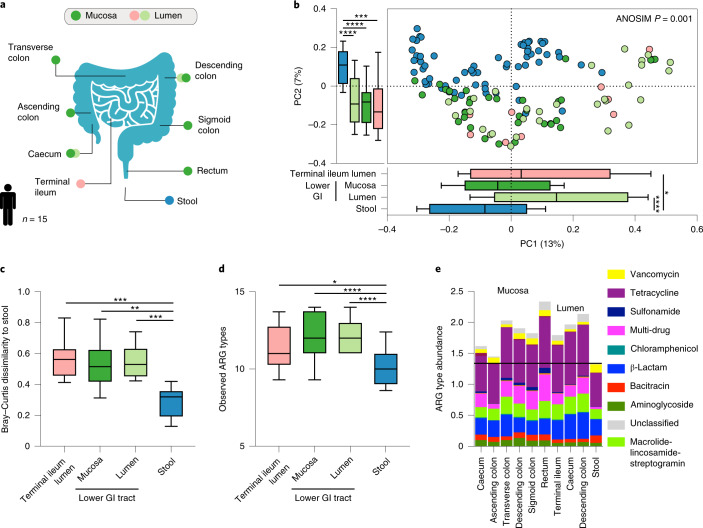
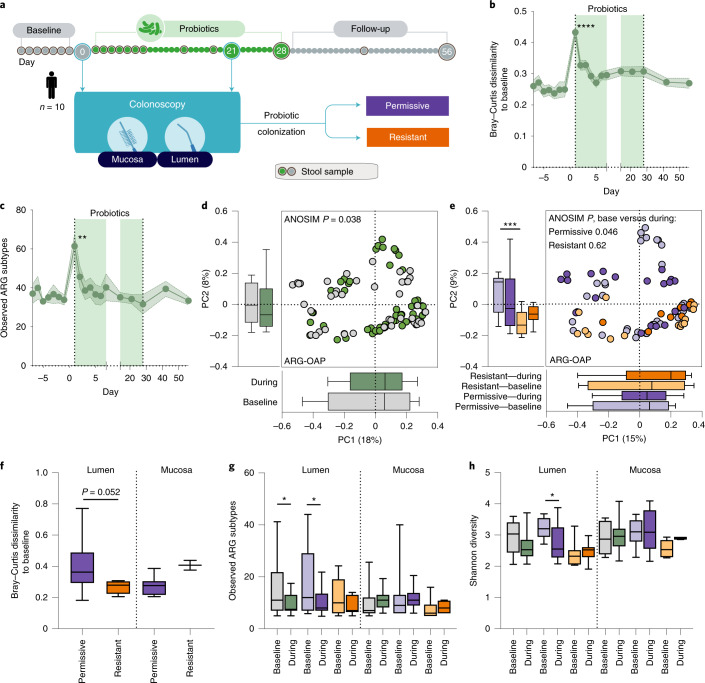
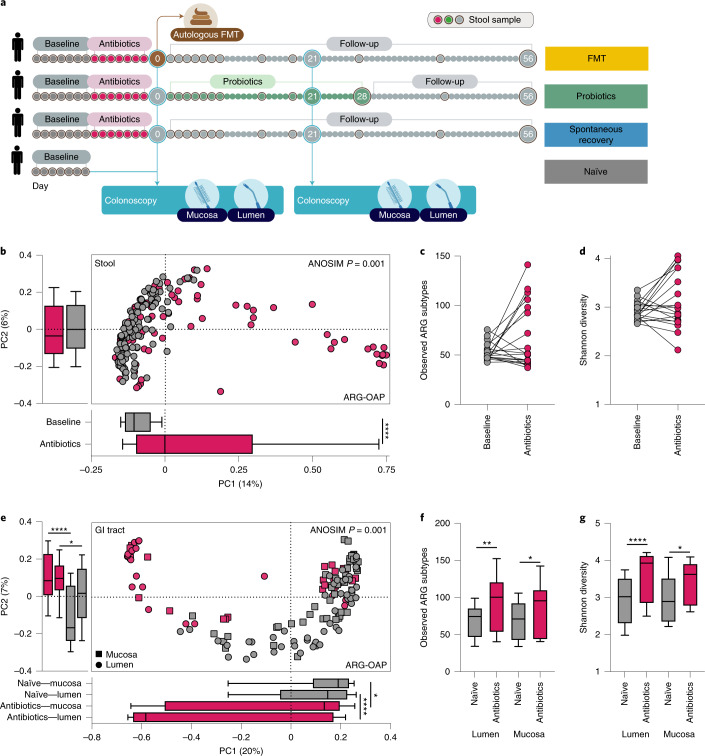
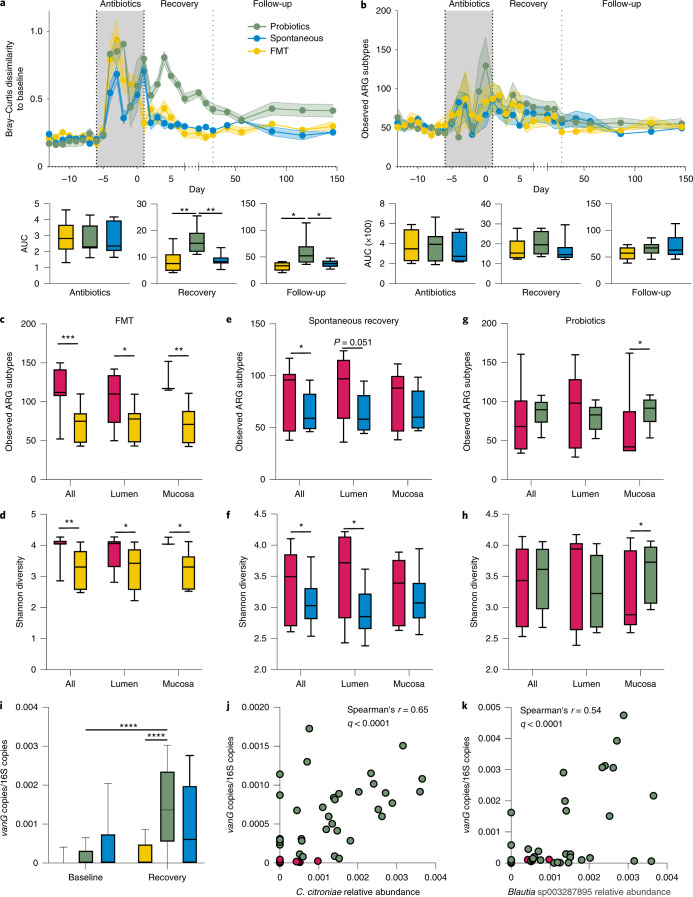
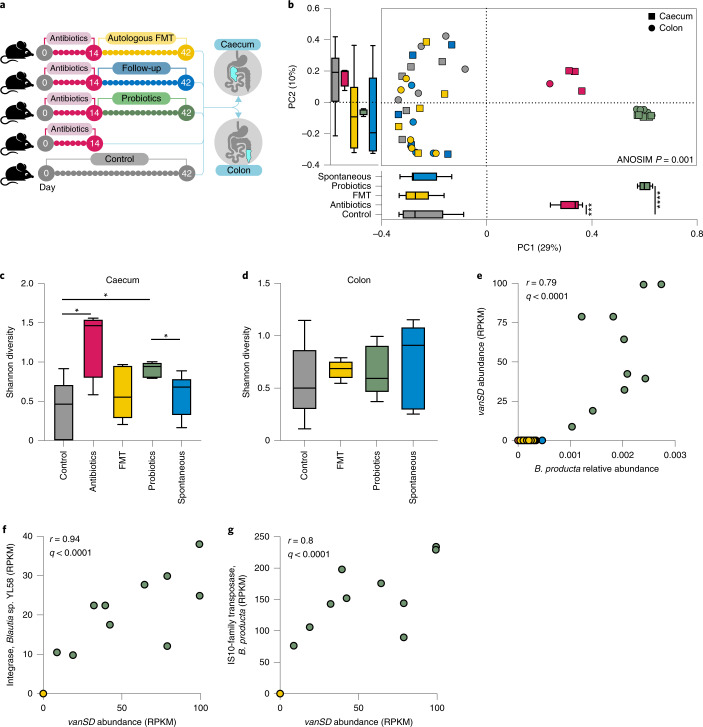
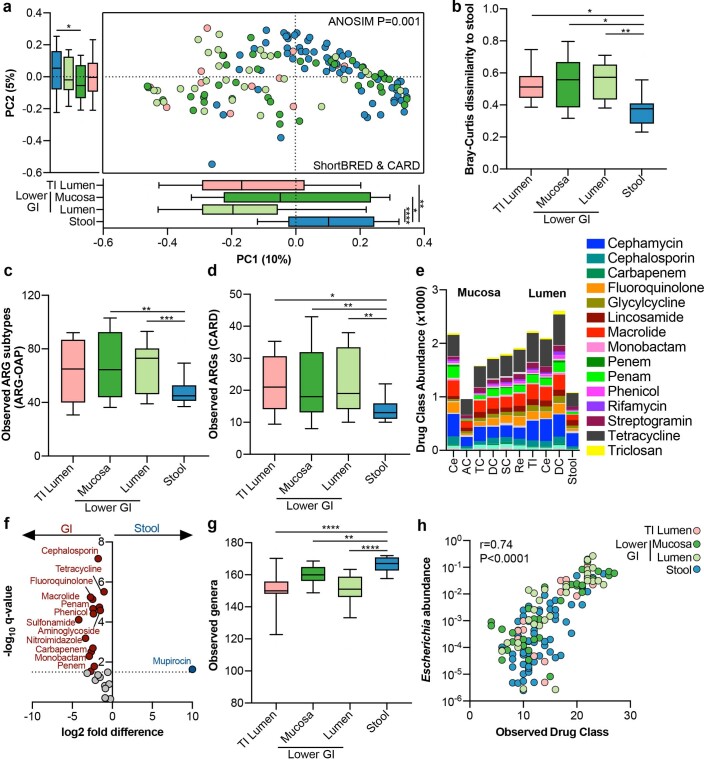
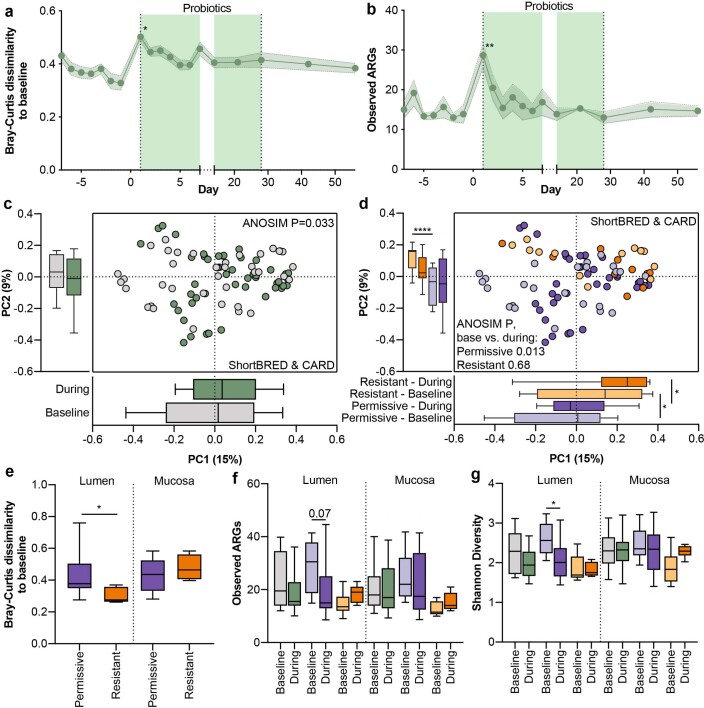
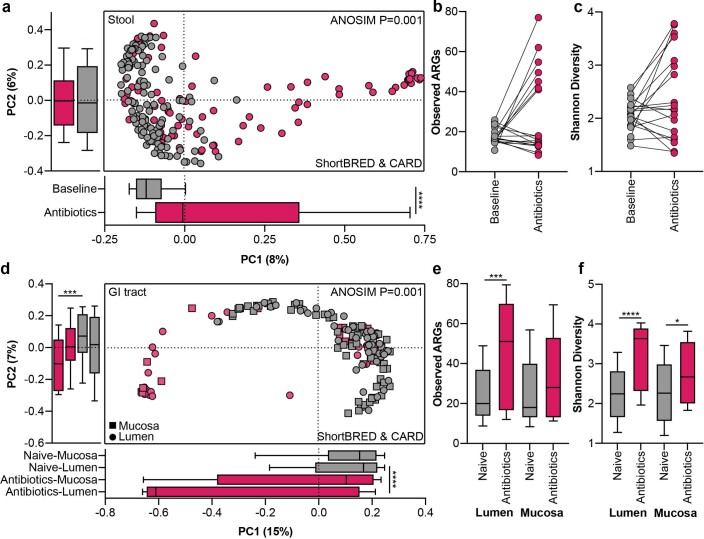
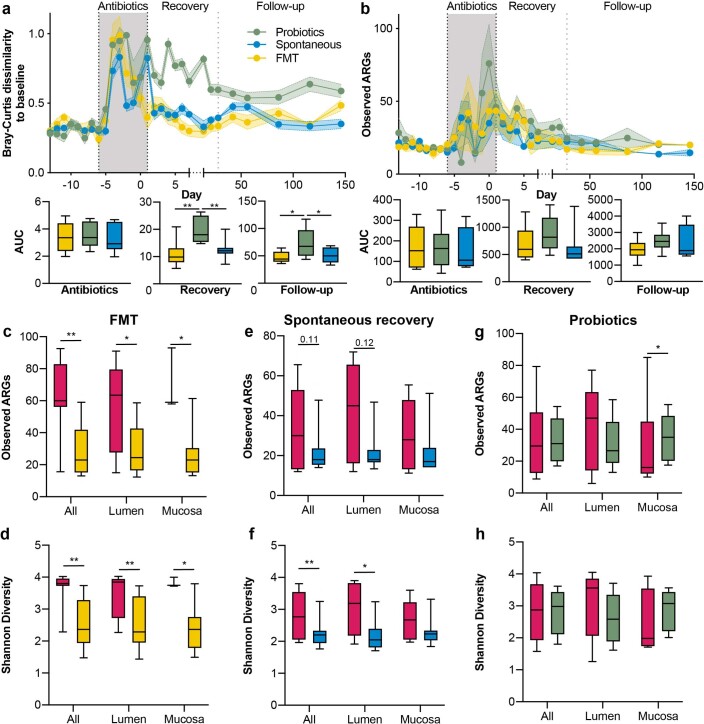
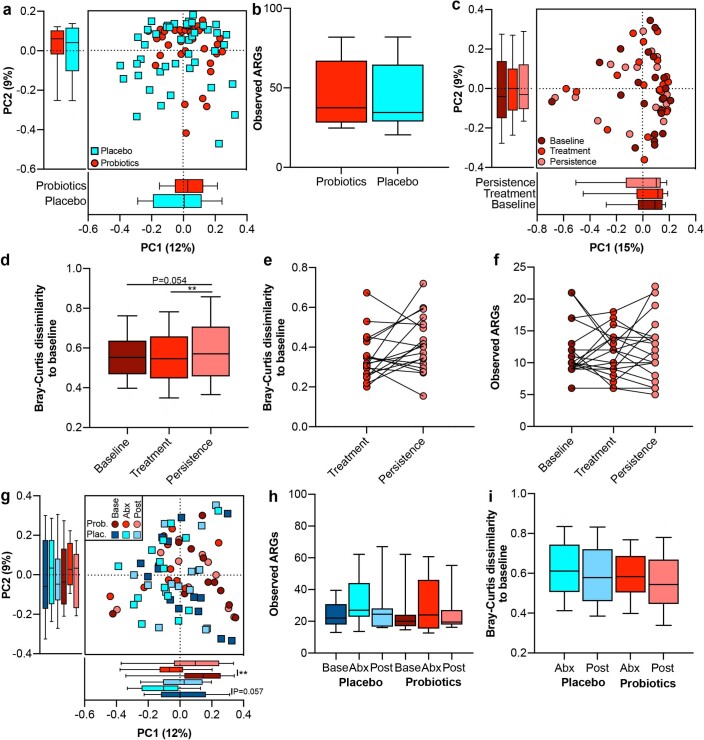
Antimicrobial resistance poses a substantial threat to human health. The gut microbiome is considered a reservoir for potential spread of resistance genes from commensals to pathogens, termed the gut resistome. The impact of probiotics, commonly consumed by many in health or in conjunction with the administration of antibiotics, on the gut resistome is elusive. Reanalysis of gut metagenomes from healthy antibiotics-naïve humans supplemented with an 11-probiotic-strain preparation, allowing direct assessment of the gut resistome in situ along the gastrointestinal (GI) tract, demonstrated that probiotics reduce the number of antibiotic resistance genes exclusively in the gut of colonization-permissive individuals. In mice and in a separate cohort of humans, a course of antibiotics resulted in expansion of the lower GI tract resistome, which was mitigated by autologous faecal microbiome transplantation or during spontaneous recovery. In contrast, probiotics further exacerbated resistome expansion in the GI mucosa by supporting the bloom of strains carrying vancomycin resistance genes but not resistance genes encoded by the probiotic strains. Importantly, the aforementioned effects were not reflected in stool samples, highlighting the importance of direct sampling to analyse the effect of probiotics and antibiotics on the gut resistome. Analysing antibiotic resistance gene content in additional published clinical trials with probiotics further highlighted the importance of person-specific metagenomics-based profiling of the gut resistome using direct sampling. Collectively, these findings suggest opposing person-specific and antibiotic-dependent effects of probiotics on the resistome, whose contribution to the spread of antimicrobial resistance genes along the human GI tract merit further studies.
Overview
The claims and statistics of this paper haven’t been checked yet.
Free: it reads the open-access text and checks the first 5 claims that cite a source we can check. Create a free account to check every claim.
Integrity signals
Registry
Cites
Statistics
Figures
Verification
Claims the paper makes
The claims and statistics of this paper haven’t been checked yet.
Free: it reads the open-access text and checks the first 5 claims that cite a source we can check. Create a free account to check every claim.
Claims other papers make about this one
Each is checked against this paper’s own text: does it say what the citing paper says it does?
The source backs part of the claim, not all of it — or backs it for a different population, condition or comparison.
In the citing paper
“The identification of mobile antimicrobial resistance genes and their potential impact on intestinal resistance also requires whole-genome sequencing and detailed characterization of antibiotic resistance genes [42,66,67,68].”
From Current Concepts in Probiotic Safety and Efficacy (2026) · cites this paper as [66]
Experimental — accuracy not yet measuredThe cited source says what the claim attributes to it.
In the citing paper
“Horizontal gene transfer through mobile genetic elements can pose a significant threat to human health through the development of antimicrobial resistance (AMR) [66,130].”
From Current Concepts in Probiotic Safety and Efficacy (2026) · cites this paper as [66]
The check wasn’t confident either way, so it gives no verdict — never disputed.
In the citing paper
“Vulnerable populations (newborns, immunocompromised individuals, and critically ill individuals) are at greater risk; therefore, assessing regulatory compliance requires a combination of biochemical and metabolomic studies, whole genome sequencing for virulence, antibiotic resistance genes and motility mapping [63,66,87].”
From Current Concepts in Probiotic Safety and Efficacy (2026) · cites this paper as [66]
Experimental — accuracy not yet measuredIn the citing paper
“Furthermore, a post-hoc analysis of the previous study revealed that probiotics administered after antibiotics caused an expansion in antibiotic resistance genes within the mucosal microbiota, in particular to vancomycin; however, this in-silico finding was not confirmed in-vivo.54”
From Emerging issues in probiotic safety: 2023 perspectives (2023) · cites this paper as [54]
Self-check
Percentages, sums and reported differences re-computed from the paper’s own numbers.
The self-check needs the paper’s full text.
Citations
Cites
Fast gapped-read alignment with Bowtie 2
Langmead, B., & Salzberg, S. L. (2012) · Nature Methods · doi:10.1038/nmeth.1923 · Cited by 56,400
fastp: an ultra-fast all-in-one FASTQ preprocessor
Chen, S., Zhou, Y., Chen, Y., & Gu, J. (2018) · Bioinformatics · doi:10.1093/bioinformatics/bty560 · Cited by 29,721
phyloseq: An R Package for Reproducible Interactive Analysis and Graphics of Microbiome Census Data
McMurdie, P. J., & Holmes, S. (2013) · PLoS ONE · doi:10.1371/journal.pone.0061217 · Cited by 21,322
Improved metagenomic analysis with Kraken 2
Wood, D. E., Lu, J., & Langmead, B. (2019) · Genome Biology · doi:10.1186/s13059-019-1891-0 · Cited by 7,061
Using SPAdes De Novo Assembler
Prjibelski, A., Antipov, D., Meleshko, D., Lapidus, A., & Korobeynikov, A. (2020) · Current Protocols in Bioinformatics · doi:10.1002/cpbi.102 · Cited by 3,555
CARD 2020: Antibiotic Resistome Surveillance with the Comprehensive Antibiotic Resistance Database
Alcock, B. P., Raphenya, A. R., Lau, T. T. Y., Tsang, K. K., Bouchard, M., Edalatmand, A., Huynh, W., Nguyen, A.-L. V., Cheng, A. A., Liu, S., et al. (2019) · Nucleic Acids Research · doi:10.1093/nar/gkz935 · Cited by 3,202
Gut biogeography of the bacterial microbiota
Donaldson, G. P., Lee, S. M., & Mazmanian, S. K. (2016) · Nature Reviews Microbiology · doi:10.1038/nrmicro3552 · Cited by 2,535
Bracken: estimating species abundance in metagenomics data
(2016) · doi:10.7717/peerj-cs.104 · Cited by 2,333
Zmora, N., Zilberman-Schapira, G., Suez, J., Mor, U., Dori-Bachash, M., Bashiardes, S., Kotler, E., Zur, M., Regev-Lehavi, D., Brik, R. B.-Z., et al. (2018) · Cell · doi:10.1016/j.cell.2018.08.041 · Cited by 1,695
Self-citationThe pros, cons, and many unknowns of probiotics
Suez, J., Zmora, N., Segal, E., & Elinav, E. (2019) · Nature Medicine · doi:10.1038/s41591-019-0439-x · Cited by 1,398
Self-citation
Cited by
The past, present, and future of antibiotics
Cook, M. A., & Wright, G. D. (2022) · Science Translational Medicine · doi:10.1126/scitranslmed.abo7793 · Cited by 652
Cullin, N., Azevedo Antunes, C., Straussman, R., Stein-Thoeringer, C. K., & Elinav, E. (2021) · Cancer Cell · doi:10.1016/j.ccell.2021.08.006 · Cited by 578
Self-citationEmerging issues in probiotic safety: 2023 perspectives
Merenstein, D., Pot, B., Leyer, G., Ouwehand, A. C., Preidis, G. A., Elkins, C. A., Hill, C., Lewis, Z. T., Shane, A. L., Zmora, N., et al. (2023) · Gut Microbes · doi:10.1080/19490976.2023.2185034 · Cited by 481
“Furthermore, a post-hoc analysis of the previous study revealed that probiotics administered after antibiotics caused an expansion in antibiotic resistance genes within the mucosal microbiota, in particular to vancomycin; however, this in-silico finding was not confirmed in-vivo.(54) Vancomycin resistance manifested a…”
ResultSelf-citationAntibiotic perturbations to the gut microbiome
Fishbein, S. R. S., Mahmud, B., & Dantas, G. (2023) · Nature Reviews Microbiology · doi:10.1038/s41579-023-00933-y · Cited by 440
The spread of antibiotic resistance to humans and potential protection strategies
Ding, D., Wang, B., Zhang, X., Zhang, J., Zhang, H., Liu, X., Gao, Z., & Yu, Z. (2023) · Ecotoxicology and Environmental Safety · doi:10.1016/j.ecoenv.2023.114734 · Cited by 223
Utilization of the microbiome in personalized medicine
Ratiner, K., Ciocan, D., Abdeen, S. K., & Elinav, E. (2024) · Nature Reviews Microbiology · doi:10.1038/s41579-023-00998-9 · Cited by 170
“Furthermore, probiotics can interfere with the restoration of the gut microbiome following antibiotic treatment 204,205 leading to persistent dysbiosis and an increase in the pool of antibiotic-resistant genes 206 .”
Self-citationDisturbances of the Gut Microbiota and Microbiota-Derived Metabolites in Inflammatory Bowel Disease
Hu, Y., Chen, Z., Xu, C., Kan, S., & Chen, D. (2022) · Nutrients · doi:10.3390/nu14235140 · Cited by 168
Toward a Universal Unit for Quantification of Antibiotic Resistance Genes in Environmental Samples
Yin, X., Chen, X., Jiang, X.-T., Yang, Y., Li, B., Shum, M. H.-H., Lam, T. T. Y., Leung, G. M., Rose, J., Sanchez-Cid, C., et al. (2023) · Environmental Science & Technology · doi:10.1021/acs.est.3c00159 · Cited by 167
Reservoirs of antimicrobial resistance in the context of One Health
Despotović, M., de Nies, L., Busi, S. B., & Wilmes, P. (2023) · Current Opinion in Microbiology · doi:10.1016/j.mib.2023.102291 · Cited by 169
Duche, R. T., Singh, A., Wandhare, A. G., Sangwan, V., Sihag, M. K., Nwagu, T. N., Panwar, H., & Ezeogu, L. I. (2023) · BMC Microbiology · doi:10.1186/s12866-023-02883-0 · Cited by 178
Small intestine vs. colon ecology and physiology: Why it matters in probiotic administration
Jensen, B. A. H., Heyndrickx, M., Jonkers, D. M. A. E., Mackie, A. R., Millet, S., Naghibi, M., Pærregaard, S. I., Pot, B., Saulnier, D. M. A., Sina, C., et al. (2023) · Cell Reports Medicine · doi:10.1016/j.xcrm.2023.101190 · Cited by 191
Good microbes, bad genes? The dissemination of antimicrobial resistance in the human microbiome
Crits-Christoph, A., Hallowell, H. A., Koutouvalis, K., & Suez, J. (2022) · Gut Microbes · doi:10.1080/19490976.2022.2055944 · Cited by 156
“In a direct comparison, FMT has been shown to alleviate ARG load while probiotic supplementation with Lactic Acid Bacteria (LAB) and Bifidobacterium increased ARG load by promoting the expansion of endogenous ARG-encoding microbes.(22) While LMTs are not currently used for the sole purpose of resistome diminution, the…”
BackgroundResultInfluentialSelf-citationNabavi-Rad, A., Sadeghi, A., Aghdaei, H. A., Yadegar, A., Smith, S. M., & Zali, M. R. (2022) · Gut Microbes · doi:10.1080/19490976.2022.2108655 · Cited by 156
“However, posttreatment probiotic supplementation has been reported to inhibit the reduction of antibiotic resistance genes number and further spread the resistance mechanisms in the intestinal mucosa.(155) Cifuentes et al.”
BackgroundAntibiotic resistance in the commensal human gut microbiota
Lamberte, L. E., & van Schaik, W. (2022) · Current Opinion in Microbiology · doi:10.1016/j.mib.2022.102150 · Cited by 128
Clinical translation of microbiome research
Gilbert, J. A., Azad, M. B., Bäckhed, F., Blaser, M. J., Byndloss, M. X., Chiu, C. Y., Chu, H., Dugas, L. R., Elinav, E., Gibbons, S. M., et al. (2025) · Nature Medicine · doi:10.1038/s41591-025-03615-9 · Cited by 124
“…individual-level differences in the intestinal mucosal microbiome and its interaction with live microbial therapeutics 166 , and stool samples are insufficiently sensitive to detect the impact of some antibiotics on the ‘resistome’ (the collection of resistance genes in a microbial community) 168 .”
Self-citationHuligere, S. S., B, C. K. V., Alqadi, T., Kumar, S., Cull, C. A., Amachawadi, R. G. G., & Ramu, R. (2023) · Frontiers in Microbiology · doi:10.3389/fmicb.2022.1042263 · Cited by 117
“Recent clinical studies have produced encouraging outcomes, which emphasize the necessity of a thorough systematic review and meta-analysis of these results (Markowiak and Ślizewska, 2017; Kim et al., 2019; Dudek-Wicher et al., 2020; Montassier et al., 2021; Mullish et al., 2021; Quigley, 2022).”
BackgroundLin, A., Xiong, M., Jiang, A., Huang, L., Wong, H. Z. H., Feng, S., Zhang, C., Yu, H., Chen, L., Chi, H., et al. (2025) · iMeta · doi:10.1002/imt2.70070 · Cited by 108
Valdés-Mas, R., Leshem, A., Zheng, D., Cohen, Y., Kern, L., Zmora, N., He, Y., Katina, C., Eliyahu-Miller, S., Yosef-Hevroni, T., et al. (2025) · Cell · doi:10.1016/j.cell.2024.12.016 · Cited by 89
Self-citationPredicting drug-microbiome interactions with machine learning
McCoubrey, L. E., Gaisford, S., Orlu, M., & Basit, A. W. (2022) · Biotechnology Advances · doi:10.1016/j.biotechadv.2021.107797 · Cited by 79
Chen, H., Kuo, P., Hsu, C., Chiu, Y.-H., Liu, Y.-W., Lu, M., & Chen, C.-H. (2021) · Nutrients · doi:10.3390/nu13113731 · Cited by 86
Antibiotic-perturbed microbiota and the role of probiotics
Szajewska, H., Scott, K. P., de Meij, T. G. J., Forslund, S. K., Knight, R. D., Koren, O., Little, P. S., Johnston, B. C., Łukasik, J., Suez, J., et al. (2024) · Nature Reviews Gastroenterology & Hepatology · doi:10.1038/s41575-024-01023-x · Cited by 91
“…direct sampling of the gastrointestinal resistome revealed a probiotic-associated reduction in ARG burden; however, this beneficial effect was restricted to individuals in which the supplemented probiotics were detected in the lower gastrointestinal mucosa, suggestive of colonization 77 .”
InfluentialSelf-citationDiebold, P. J., Rhee, M. W., Shi, Q., Trung, N. V., Umrani, F. A., Ahmed, S., Kulkarni, V., Deshpande, P., Alexander, M., Hoa, N. T., et al. (2023) · Nature Communications · doi:10.1038/s41467-023-42998-6 · Cited by 84
“Antibiotic use on an individual level is generally associated with an increase in AR gene abundance in gut microbiomes 11,33,34 .”
BackgroundLeistikow, K. R., Beattie, R. E., & Hristova, K. R. (2022) · Frontiers in Antibiotics · doi:10.3389/frabi.2022.1003912 · Cited by 83
Viral biogeography of the mammalian gut and parenchymal organs
Shkoporov, A. N., Stockdale, S. R., Lavelle, A., Kondova, I. I., Hueston, C. M., Upadrasta, A., Khokhlova, E. V., van der Kamp, I., Ouwerling, B., Draper, L. A., et al. (2022) · Nature Microbiology · doi:10.1038/s41564-022-01178-w · Cited by 72
Fu, Y., Dou, Q., Smalla, K., Wang, Y., Johnson, T. A., Brandt, K. K., Mei, Z., Liao, M., Hashsham, S. A., Schäffer, A., et al. (2023) · mLife · doi:10.1002/mlf2.12101 · Cited by 65
Maternal-infant antibiotic resistance genes transference: what do we know?
Samarra, A., Esteban-Torres, M., Cabrera‐Rubio, R., Bernabeu, M., Arboleya, S., Gueimonde, M., & Collado, M. C. (2023) · Gut Microbes · doi:10.1080/19490976.2023.2194797 · Cited by 63
Bilal, M., Ashraf, S., & Zhao, X. (2022) · Frontiers in Nutrition · doi:10.3389/fnut.2022.931458 · Cited by 58
Bargheet, A., Klingenberg, C., Esaiassen, E., Hjerde, E., Cavanagh, J. P., Bengtsson-Palme, J., & Pettersen, V. K. (2023) · eBioMedicine · doi:10.1016/j.ebiom.2023.104613 · Cited by 52
Gastrointestinal Biofilms: Endoscopic Detection, Disease Relevance, and Therapeutic Strategies
Jandl, B., Dighe, S. N., Baumgartner, M., Makristathis, A., Gasché, C., & Muttenthaler, M. (2024) · Gastroenterology · doi:10.1053/j.gastro.2024.04.032 · Cited by 57
Rapid growth of antimicrobial resistance: the role of agriculture in the problem and the solutions
Stanley, D., Batacan, R. B., & Bajagai, Y. S. (2022) · Applied Microbiology and Biotechnology · doi:10.1007/s00253-022-12193-6 · Cited by 51
Evaluating the health risk of probiotic supplements from the perspective of antimicrobial resistance
Tian, Q., Ye, H., Zhou, X., Wang, J., Zhang, L., Sun, W., Duan, C., Fan, M., Zhou, W. J., Bi, C., et al. (2024) · Microbiology Spectrum · doi:10.1128/spectrum.00019-24 · Cited by 55
Zhang, Y., Su, J., Liao, H., Breed, M. F., Yao, H., Shangguan, H., Li, H.-Z., Sun, X., & Zhu, Y. (2023) · Environmental Science & Technology · doi:10.1021/acs.est.3c01233 · Cited by 51
A Survey on Antimicrobial Resistance Genes of Frequently Used Probiotic Bacteria, 1901 to 2022
Tóth, A. G., Judge, M. F., Nagy, S. Á., Papp, M., & Solymosi, N. (2023) · Eurosurveillance · doi:10.2807/1560-7917.es.2023.28.14.2200272 · Cited by 46
“Since probiotic bacteria are expected to colonise the gut, their AMR determinants can contribute to the gut resistome [15-17].”
BackgroundGut microbiome-mediated mechanisms in aging-related diseases: are probiotics ready for prime time?
Ren, J., Li, H., Zeng, G., Pang, B., Wang, Q., & Wei, J.-P. (2023) · Frontiers in Pharmacology · doi:10.3389/fphar.2023.1178596 · Cited by 55
Accounting for the health risk of probiotics
Liu, X., Zhao, H., & Wong, A. (2024) · Heliyon · doi:10.1016/j.heliyon.2024.e27908 · Cited by 44
Singh, A., Tanwar, M., Singh, T. P., Sharma, S., & Sharma, P. K. (2024) · International Journal of Biological Macromolecules · doi:10.1016/j.ijbiomac.2024.135253 · Cited by 53
Zhang, R., Tang, Y., Feng, X., Lu, X., Zhao, M., Jin, J., Ji, X., He, H., & Zhao, L. (2025) · Gut Microbes · doi:10.1080/19490976.2025.2458184 · Cited by 46
“64,65 Subsequently, the pseudo-germ-free mice were randomly divided into four groups ( n = 6): HMA-HC group, HMA-IgAN group, COS group (350 mg/kg BW), and COSF group (350 mg/kg BW).”
Advances in gut-lung axis research: clinical perspectives on pneumonia prevention and treatment
Ye, F., Li, L., Wang, J., & Hongfeng, Y. (2025) · Frontiers in Immunology · doi:10.3389/fimmu.2025.1576141 · Cited by 44
Radovanovic, M., Kekic, D., Gajic, I., Kabic, J., Jovicevic, M., Kekic, N., Opavski, N., & Ranin, L. (2023) · Frontiers in Nutrition · doi:10.3389/fnut.2023.1054555 · Cited by 42
“Of note, these were the first-time identifications of strA, strB, sul1, sul2, and aph(3)-II in Streptococcus thermophilus, as well as of sul1, aac(6), and aph(2) genes in Lactobacillus bulgaricus (23).”
BackgroundInfluentialWit, G. D., Svet, L., Lories, B., & Steenackers, H. P. L. (2022) · Annual Review of Microbiology · doi:10.1146/annurev-micro-041320-031627 · Cited by 46
Ghosh, O. M., & Good, B. H. (2022) · Proceedings of the National Academy of Sciences · doi:10.1073/pnas.2114931119 · Cited by 45
A novel therapeutic concern: Antibiotic resistance genes in common chronic diseases
Pan, X., Zhou, Z., Liu, B., & Wu, Z. (2022) · Frontiers in Microbiology · doi:10.3389/fmicb.2022.1037389 · Cited by 47
Nanomedicine to Overcome Antimicrobial Resistance: Challenges and Prospects
Zou, W., McAdorey, A., Yan, H., & Chen, W. (2023) · Nanomedicine · doi:10.2217/nnm-2023-0022 · Cited by 46
Oladeinde, A., Abdo, Z., Zwirzitz, B., Woyda, R., Lakin, S. M., Press, M. O., Cox, N. A., Thomas, J. C., Looft, T. P., Rothrock, M. J., et al. (2022) · Applied and Environmental Microbiology · doi:10.1128/aem.02517-21 · Cited by 40
Mousa, W. K., Mousa, S., Ghemrawi, R., Obaid, D. E. E., Sarfraz, M., Chehadeh, F., & Husband, S. (2023) · International Journal of Molecular Sciences · doi:10.3390/ijms241813783 · Cited by 45
Vancomycin-Resistant E. faecium: Addressing Global and Clinical Challenges
Radford‐Smith, D. E., & Anthony, D. C. (2025) · Antibiotics · doi:10.3390/antibiotics14050522 · Cited by 40
“Furthermore, concerns exist that certain probiotic strains could facilitate horizontal gene transfer of vancomycin resistance within the gut microbiome [82].”
Impact of antibiotics on off-target infant gut microbiota and resistance genes in cohort studies
Lebeaux, R. M., Madan, J. C., Nguyen, Q. P., Coker, M. O., Dade, E. F., Moroishi, Y., Palys, T. J., Ross, B. D., Pettigrew, M. M., Morrison, H. G., et al. (2022) · Pediatric Research · doi:10.1038/s41390-022-02104-w · Cited by 46
Probiotic Properties and Proteomic Analysis of Pediococcus pentosaceus 1101
Escobar, M., Carrasco-Navarro, U., Juárez-Castelán, C. J., Lozano-Aguirre, L. F., Pérez‐Chabela, M. D. L., & Ponce‐Alquicira, E. (2022) · Foods · doi:10.3390/foods12010046 · Cited by 39
“The studied strain shows resistance to the most common antibiotics, and there is a very low possibility for transfer of these genes by conjugation [59].”
BackgroundKaszab, E., Laczkó, L., Kardos, G., & Bànyai, K. (2023) · Frontiers in Microbiology · doi:10.3389/fmicb.2023.1281473 · Cited by 35
Falzone, L., Lavoro, A., Candido, S., Salmeri, M., Zanghì, A., & Libra, M. (2024) · Gut Microbes · doi:10.1080/19490976.2024.2397874 · Cited by 35
“30,135,136 Another critical feature that must be considered in probiotic safety is the virulence and toxigenic potential, whose assessment should be based not only on taxonomic identification and evidence of virulence or toxin production but also supported by both short-term and long-term in vitro…”
BackgroundCurrent Concepts in Probiotic Safety and Efficacy
Churin, A. A., Sokolyanskaya, L. O., Lukina, A. P., & Karnachuk, O. V. (2026) · Nutrients · doi:10.3390/nu18040696 · Cited by 31
“The identification of mobile antimicrobial resistance genes and their potential impact on intestinal resistance also requires whole-genome sequencing and detailed characterization of antibiotic resistance genes [42,66–68].”
Bhandari, V., & Suresh, A. (2022) · Frontiers in Pharmacology · doi:10.3389/fphar.2022.838092 · Cited by 36
“Similarly, a study showed that use of probiotics-based sanitization in hospital helped reduce the frequency of AMR genes harbored by surface hospital microbiota at up to 99% (Montassier et al., 2021).”
BackgroundChindelevitch, L., Jauneikaite, E., Wheeler, N. E., Allel, K., Ansiri-Asafoakaa, B. Y., Awuah, W. A., Bauer, D. C., Beisken, S., Fan, K., Grant, G. D., et al. (2022) · arXiv (Cornell University) · doi:10.48550/arxiv.2208.04683 · Cited by 37
“failure for a faecal microbiota transplantation (FMT) based on both donor and recipient microbiome profiles [163], the effectiveness of a bacteriophage cocktail based on a joint analysis of bacterial and bacteriophage omics information [164], the effect of nanoparticles against AMR bacteria alone [165] and in combinat…”
BackgroundQin, S., Xiao, X., Dai, Z., Zhao, G., Cui, Z., Wu, Y., & Yang, C. (2023) · Poultry Science · doi:10.1016/j.psj.2023.103210 · Cited by 29
Effect of combined probiotics and doxycycline therapy on the gut–skin axis in rosacea
Yu, J. Z., Duan, Y., Zhang, M., Li, Q., Cao, M., Song, W., Zhao, F., Kwok, L. Y., Zhang, H., Li, R., et al. (2024) · mSystems · doi:10.1128/msystems.01201-24 · Cited by 31
“Probiotic supplementation has been found to impact the human gut ARG reservoir in a personspecific and antibiotic-dependent manner (62, 63).”
Current clinical translation of microbiome medicines
McCoubrey, L. E., Elbadawi, M., & Basit, A. W. (2022) · Trends in Pharmacological Sciences · doi:10.1016/j.tips.2022.02.001 · Cited by 29
Antioxidant and Antibacterial Effects of Potential Probiotics Isolated from Korean Fermented Foods
Sathiyaseelan, A., Saravanakumar, K., Han, K., Naveen, K. V., & Wang, M. (2022) · International Journal of Molecular Sciences · doi:10.3390/ijms231710062 · Cited by 29
“The frequent use of antibiotic-resistant genes containing probiotics may negatively modulate the immune system and impact human health [25].”
BackgroundLittlejohn, P. T., Metcalfe‐Roach, A., Cardenas, E., Holani, R., Bar‐Yoseph, H., Fan, Y. M., Woodward, S. E., & Finlay, B. B. (2023) · Nature Microbiology · doi:10.1038/s41564-023-01519-3 · Cited by 28
Antibiotic resistance genes in Escherichia coli – literature review
Kerek, Á., Román, I. L., Szabó, Á., Kovács, D., Kardos, G., Kovács, L. Á., & Jerzsele, Á. (2025) · Critical Reviews in Microbiology · doi:10.1080/1040841x.2025.2492156 · Cited by 38
Assessing the drug resistance profiles of oral probiotic lozenges
Wang, Y., Dong, J., Wang, J., Chi, W., Zhou, W. J., Tian, Q., Hong, Y., Zhou, X., Ye, H., Tian, X., et al. (2022) · Journal of Oral Microbiology · doi:10.1080/20002297.2021.2019992 · Cited by 28
“Notably, a recent metagenomics profiling of mice and human gastrointestinal tracts reported that probiotics worsen the resistome expansion caused by a prior course of antibiotics, as evidenced by an elevated number of strains carrying antibiotic resistance genes, thus directly linking probiotics with the alteration of…”
BackgroundEffect of Probiotics on Host-Microbiota in Bacterial Infections
Rueda‐Robles, A., Rodríguez‐Lara, A., Meyers, M. S., Sáez‐Lara, M. J., & Álvarez‐Mercado, A. I. (2022) · Pathogens · doi:10.3390/pathogens11090986 · Cited by 27
The impact of mass drug administration of antibiotics on the gut microbiota of target populations
Gough, E. K. (2022) · Infectious Diseases of Poverty · doi:10.1186/s40249-022-00999-5 · Cited by 26
Schlüter, J., Djuković, A., Taylor, B. P., Yan, J., Duan, C., Hussey, G. A., Liao, C., Sharma, S., Fontana, E., Amoretti, L. A., et al. (2023) · Cell Host & Microbe · doi:10.1016/j.chom.2023.05.027 · Cited by 26
Gut Feelings: How Microbes, Diet, and Host Immunity Shape Disease
Theis, B. F., Park, J. S., Kim, J. S., Zeydabadinejad, S., Vijay–Kumar, M., Yeoh, B. S., & Saha, P. (2025) · Biomedicines · doi:10.3390/biomedicines13061357 · Cited by 25
An Anti-MRSA Phage From Raw Fish Rinse: Stability Evaluation and Production Optimization
Abd-Allah, I. M., El-Housseiny, G. S., Alshahrani, M. Y., El-Masry, S., Aboshanab, K. M., & Hassouna, N. A. (2022) · Frontiers in Cellular and Infection Microbiology · doi:10.3389/fcimb.2022.904531 · Cited by 24
“Unluckily, antibiotics have been steadily stripped off their power, and the antimicrobial resistance (AMR) havoc has been globally encountered for a long time now (Gao and Zhang, 2021; Montassier et al., 2021).”
BackgroundAntibiotics and probiotics impact gut antimicrobial resistance gene reservoir in COVID-19 patients
Su, Q., Liu, Q., Zhang, L., Xu, Z., Liu, C., Lu, W., Ching, J. Y. L., Li, A., Mak, J. W. Y., Lui, G. C.-Y., et al. (2022) · Gut Microbes · doi:10.1080/19490976.2022.2128603 · Cited by 27
“Efficient ARGs clearance that was sustained after discontinuation of probiotics during 12-week follow-up may be related to the higher colonization ability of SIM01,(25) considering that colonization is important to support a beneficial and clinically relevant effect on resistome reduction.(5) This work also has some l…”
BackgroundBidirectional Interaction between Tetracyclines and Gut Microbiome
JAROSZEWSKI, J. J., Mamun, N., & Czaja, K. (2023) · Antibiotics · doi:10.3390/antibiotics12091438 · Cited by 26
“Introducing tetracyclines to the gut selects for tetracycline resistance genes, but supplementation of probiotics reduces the number of antibiotic resistance genes in the gut microbiome [124].”
The Promising Biological Role of Postbiotics in Treating Human Infertility
Khani, N., Shakeri, A. H., Houshmandi, S., Ziavand, M., Soleimani, R. A., Hosseinzadeh, N., & Rad, A. H. (2025) · Probiotics and Antimicrobial Proteins · doi:10.1007/s12602-025-10458-w · Cited by 27
Integrative genomics would strengthen AMR understanding through ONE health approach
Liu, C. S. C., & Pandey, R. (2024) · Heliyon · doi:10.1016/j.heliyon.2024.e34719 · Cited by 28
“Additionally, it is essential to thoroughly analyze these parameters to assess the microbiome ’ s role in the dissemination of AMR [94].”
Modified probiotics and the related combinatorial therapeutics
Zhao, L., Niu, M., Ma, Z., He, F., Liu, X., Gong, X., Chai, Z., Wang, Z., Feng, Q., & Wang, L. (2025) · Acta Pharmaceutica Sinica B · doi:10.1016/j.apsb.2025.03.021 · Cited by 25
Hongjin, C., Rahman, S. U., Rehman, A. U., Khan, A. A., & Khalid, M. (2025) · Current Research in Microbial Sciences · doi:10.1016/j.crmicr.2025.100447 · Cited by 41
“Antimicrobial resistance (AMR) constitutes a prominent health threat, accounting for an annual death toll of 700,000, which is projected to increase to up to 10 million fatalities worldwide by 2050 (Montassier et al., 2021).”
Microbiomes in physiology: insights into 21st‐century global medical challenges
Shehata, E., Parker, A., Suzuki, T., Swann, J. R., Suez, J., Kroon, P. A., & Day-Walsh, P. E. (2022) · Experimental Physiology · doi:10.1113/ep090226 · Cited by 24
“In their work, Suez demonstrated that probiotics can reduce the reservoir of antibiotic resistance genes in the human gut, but only in individuals permissive (receptive) to probiotic colonisation (Montassier et al., 2021).”
BackgroundSelf-citationTemmerman, R., Ghanbari, M., Antonissen, G., Schatzmayr, G., Duchateau, L., Haesebrouck, F., Garmyn, A., & Devreese, M. (2022) · Frontiers in Microbiology · doi:10.3389/fmicb.2022.869538 · Cited by 22
“However, in a recent study, probiotic colonization was associated with a reduced ARG load in endoscopic samples from 10 healthy individuals (Montassier et al., 2021).”
BackgroundMarini, S., Mora-Rodríguez, R. A., Boucher, C. A., Noyes, N. R., & Prosperi, M. (2022) · Briefings in Bioinformatics · doi:10.1093/bib/bbac020 · Cited by 24
Next-generation probiotics: an outlook into current applications and future developments
Kern, L., Tofield, A., Frame, J., & Elinav, E. (2026) · Nature Reviews Microbiology · doi:10.1038/s41579-026-01311-0 · Cited by 31
“…first-generation probiotics have been shown to decrease the amount of antibiotic resistance genes in some, but not all antibiotic-naive humans 106 , antibiotic-treated participants co-administered with probiotics feature an increase in the microbiome ‘resistome’, mainly associated with an…”
Self-citationHappel, A., Kullin, B., Gamieldien, H., Jaspan, H. B., Varsani, A., Martin, D. P., Passmore, J.-A. S., & Froissart, R. (2022) · Microorganisms · doi:10.3390/microorganisms10020214 · Cited by 20
“ARGs have also been detected in bacterial strains contained in probiotic supplements [41,42], and probiotics were shown to exacerbate resistome expansion in the gastrointestinal mucosa by supporting the growth of strains carrying vancomycin resistance genes [43].”
BackgroundYu, X., Liu, F., Qiu, B., Li, Y., Xie, X., Guo, J., Wu, L., Liang, T., Wang, D., Wang, J., et al. (2022) · Frontiers in Cellular and Infection Microbiology · doi:10.3389/fcimb.2022.892401 · Cited by 22
Moghadam, S. S., Momeni, M., Atabaki, S. M., Shabestari, T. M., Boustanshenas, M., Afshar, M., & Roham, M. (2022) · Iranian journal of pathology · doi:10.30699/ijp.2022.551202.2863 · Cited by 23
“In contrast, antibiotics have no conclusive effect on the number of ARGs observed.”
BackgroundInfluentialYang, J., Meng, L., Li, Y., & Huang, H. (2023) · Food & Function · doi:10.1039/d3fo02110f · Cited by 21
Lin, P., Gui, X., Liang, Z., & Wang, T. (2022) · Frontiers in Nutrition · doi:10.3389/fnut.2022.803076 · Cited by 19
“Previous studies had suggested that probiotic might improve cognitive function and metabolic status (10), alleviate symptoms of various gastrointestinal disorders (11), decrease circulating levels of inflammatory biomarkers (12), improve glycemic and blood pressure control (13, 14), assist weight management in patient…”
BackgroundLynch, J. P. (2001) · AACN Advanced Critical Care · doi:10.1097/nci.0000000000000106 · Cited by 19
Food substances alter gut resistome: Mechanisms, health impacts, and food components
Liang, Z., Liang, Z., Hu, H., Howell, K. S., Fang, Z., & Zhang, P. (2025) · Comprehensive Reviews in Food Science and Food Safety · doi:10.1111/1541-4337.70143 · Cited by 19
“Additionally, a study by Montassier et al. (2021) showed that the intake of commercially available probiotic supplements (containing 11 common probiotic strains: L. acidophilus , L. casei , Lacticaseibacillus para-casei , L. rhamnosus , Lactiplantibacillus plantarum , Bifidobacterium bifidum ,…”
Habiballah, D. N., Li, F., & Jiang, L. (2025) · Frontiers in Immunology · doi:10.3389/fimmu.2025.1602235 · Cited by 20
Zhao, F., Yang, L., Li, M., & Chen, L. (2025) · Ecosystem Health and Sustainability · doi:10.34133/ehs.0397 · Cited by 20
Zhang, J., Lu, T., Xin, Y., & Wei, Y. (2022) · The Science of The Total Environment · doi:10.1016/j.scitotenv.2022.157054 · Cited by 17
Saleh, M., Heydari, R., Boroujeni, M. R. G., & Abiri, R. (2024) · Medical Hypotheses · doi:10.1016/j.mehy.2024.111558 · Cited by 18
He, N., Mu, M., Li, X., Hao, Q., Chen, K., Zhao, X., Sun, Y., Wang, H., Wu, Z., Liang, H., et al. (2025) · Research · doi:10.34133/research.0867 · Cited by 22
“…oral antibiotics (ABX) show promise in treating acute severe and chronic refractory UC, their clinical application remains limited primarily due to their inevitable induction of gut microbiota dysbiosis, unknown long-term sequela, and compromise of intestinal barrier integrity [ 6 , 7 ].”
Ferrocino, I., Biasato, I., Dabbou, S., Colombino, E., Rantsiou, K., Squara, S., Gariglio, M., Capucchio, M. T., Gasco, L., Cordero, C. E. I., et al. (2023) · Animal Microbiome · doi:10.1186/s42523-023-00257-5 · Cited by 18
“5), and this finding was also observed in humans where a supplementation with a commercial probiotic preparation reduced the number of ARGs in the GI tract [61].”
BackgroundMollova, D., Gozmanova, M., Apostolova, E., Yahubyan, G. T., Iliev, I. N., & Baev, V. (2023) · Microorganisms · doi:10.3390/microorganisms11102440 · Cited by 18
Goudarzi, F., Kiani, A., Nami, Y., Shahmohammadi, A., Mohammadalipour, A., Karami, A., & Haghshenas, B. (2024) · Scientific Reports · doi:10.1038/s41598-024-60061-2 · Cited by 16
“Recent investigations have uncovered instances where certain probiotic strains display resistance to multiple antibiotics, which differs from our own findings 64 .”
ResultSudan, S., & Li, J. (2022) · Journal of Applied Microbiology · doi:10.1111/jam.15721 · Cited by 16
“Since probiotics may not induce the strong selective pressure on resistant isolates like conventional antibiotics (Montassier et al., 2021; Ouwehand et al., 2016), and may not possess concerning toxicity, it may make them an ideal candidate for biofilm destruction strategies.”
BackgroundIstvan, P., Birkeland, E. E., Avershina, E., Kværner, A. S., Bemanian, V., Pardini, B., Tarallo, S., de Vos, W. M., Rognes, T., Berstad, P. M., et al. (2024) · Nature Communications · doi:10.1038/s41467-024-46033-0 · Cited by 17
“virulence 8 , and gain of antibacterial resistance 9 .”
Ishnaiwer, M. M., Bezabih, Y. M., Javaudin, F., Sassi, M., Bémer, P., Batard, É., & Dion, M. (2022) · Journal of Applied Microbiology · doi:10.1111/jam.15329 · Cited by 15
“…after an antibacterial treatment has not been demonstrated, and a commercial probiotic preparation even delayed and decreased post- antibiotic restoration of the gut microbiota and prevented post- antibiotics reduction of antimicrobial resistance genes (Montassier et al., 2021; Suez et al., 2018).”
BackgroundProbiotics-Loaded Microspheres for Cosmetic Applications
Łętocha, A., Michalczyk, A., Ostrowska, P., Miastkowska, M., & Sikora, E. (2024) · Applied Sciences · doi:10.3390/app14031183 · Cited by 14
Łętocha, A., Michalczyk, A. K., Bielecka, E., Kantyka, T., Miastkowska, M. A., & Sikora, E. S. (2025) · Scientific Reports · doi:10.1038/s41598-025-16273-1 · Cited by 15
“…need 19,20 As probiotics are widely used in food and pharmaceutical industries to regulate gut microbiome and combat antibiotic resistance 21–23 , the acquired knowledge and manufacturing technology allows straightforward transfer and development of formulations addressing skin microbiome…”
Li, Y., Ren, H., Chi, C., & Miao, Y. (2024) · Advanced Science · doi:10.1002/advs.202307819 · Cited by 18
Liu, S., Zhuang, Y., Chen, T., Gao, D., Xiao, J., Wang, J., Li, J., Zhao, X., Peng, R., Guo, W., et al. (2025) · iMeta · doi:10.1002/imt2.70047 · Cited by 14
Metagenomic profiling of cecal microbiota and antibiotic resistome in rodents
Shang, K.-M., Elsheikha, H. M., Ma, H., Wei, Y.-J., Zhao, J., Qin, Y., Li, J., Zhao, Z., & Zhang, X. (2024) · Ecotoxicology and Environmental Safety · doi:10.1016/j.ecoenv.2024.117186 · Cited by 15
Tan, R., Jin, M., Lǐ, J., & Yang, D. (2025) · Journal of Hazardous Materials Advances · doi:10.1016/j.hazadv.2025.100634 · Cited by 24
Yang, Y., Liu, L., Xie, Y., Huang, W., Liu, H., Liu, X., & Chen, D. (2024) · npj Clean Water · doi:10.1038/s41545-024-00351-4 · Cited by 12
“Drug-resistant infections have caused an annual death toll of 700,000 worldwide, which was projected to reach 10 million by 2050 6 .”
Metadata
- Authors
- Montassier, E., Valdés-Mas, R., Batard, E., Zmora, N., Dori-Bachash, M., Suez, J., & Elinav, E.
- Affiliations
- Centre Hospitalier Universitaire de Nantes (FR)
- Tel Aviv University (IL)
- Weizmann Institute of Science (IL)
- Johns Hopkins University (US)
- German Cancer Research Center (DE)
- Corresponding author
- Montassier, Emmanuel
- Suez, Jotham
- Elinav, Eran
- Venue
- Nature Microbiology
- Published
- 2021-07-05
- Volume
- 6
- Issue
- 8
- Pages
- 1043-1054
- ISSN
- 2058-5276 (ISSN-L)
- PMC
- PMC8318886
- OpenAlex
- W3183027397
- Cited by
- 256
- References
- 53
- Citations by year
- 2026: 44 · 2025: 63 · 2024: 47 · 2023: 45 · 2022: 44 · 2021: 12
- FWCI
- 12.09
- Type
- journal article
- Language
- en
- Open access
- hybrid
- doi.org
- Licence
- cc-by
- creativecommons.org/licenses/by/4.0 (tdm)
- creativecommons.org/licenses/by/4.0 (vor)
- Locations
- Nature Microbiology (publishedVersion, cc-by)
- PubMed Central (publishedVersion, cc-by)
- PubMed (publishedVersion)
- HAL (submittedVersion, cc-by)
- HAL (submittedVersion)
- Funders
- Howard Hughes Medical Institute
- Bill and Melinda Gates Foundation
- Infectious Diseases Society of America
- Leona M. and Harry B. Helmsley Charitable Trust
- Deutsches Krebsforschungszentrum
- Wellcome Trust
- “la Caixa” Foundation
- IDSA Foundation
- Agence Nationale de la Recherche (ANR-11-INBS-0013)
- Weizmann Institute of Science
- Ministry of Science and Technology, Israel
- Clalit Health Services
- Wolfson Family Charitable Trust
- Topics
- Life Sciences › Biochemistry, Genetics and Molecular Biology › Molecular Biology › Gut microbiota and health
- Health Sciences › Medicine › Microbiology (medical) › Antibiotic Resistance in Bacteria
- Life Sciences › Agricultural and Biological Sciences › Food Science › Probiotics and Fermented Foods
- Keywords
- probiotics, antibiotic resistance genes, gut resistome, gastrointestinal tract, gut microbiota, vancomycin resistance genes, antibiotic exposure, antimicrobial resistance dissemination
- MeSH terms
- Gastrointestinal Microbiome, Fecal Microbiota Transplantation, Adult, Anti-Bacterial Agents, Bacteria, Bacterial Proteins, Feces, Female, Humans, Male, Middle Aged, Cohort Studies, Probiotics, Drug Resistance, Bacterial, Gastrointestinal Tract, Metagenome, Young Adult
About these checks
Registry, retraction, Cites and statistics results are computed, not judged, with one exception: a printed reference that no index lists is read once by a model before it counts as a citation error. Claims are extracted by a model and kept only when their quote appears verbatim in the text; each cited source is then checked, with a model’s help, for whether it says what the claim relies on. Those verdicts can be wrong — read the claim’s quote and the cited source before relying on one.
Statistics and arithmetic are recomputed, not judged.
Confidence bands are shown only for fields calibrated on our annotated test set. None is calibrated yet, so no band is shown.
What counts as a claim ›How we measure confidence ›How we check this ›
Are you an author, or do you see a problem with this page? Request a review
Data sources
Bibliographic data: Semantic Scholar, OpenAlex, Crossref.
Contains information from the Semantic Scholar Academic Graph Datasets, made available under the ODC Attribution License (ODC-BY 1.0).
Semantic Scholar’s data is described in: Kinney, R., et al. (2023). The Semantic Scholar Open Data Platform. arXiv:2301.10140.
