

Probiotics impact the antibiotic resistance gene reservoir along the human GI tract in a person-specific and antibiotic-dependent manner
Open accessThe DOI matches its Crossref record; 55 of the 55 references it cites were found in a registry or an index.
Abstract
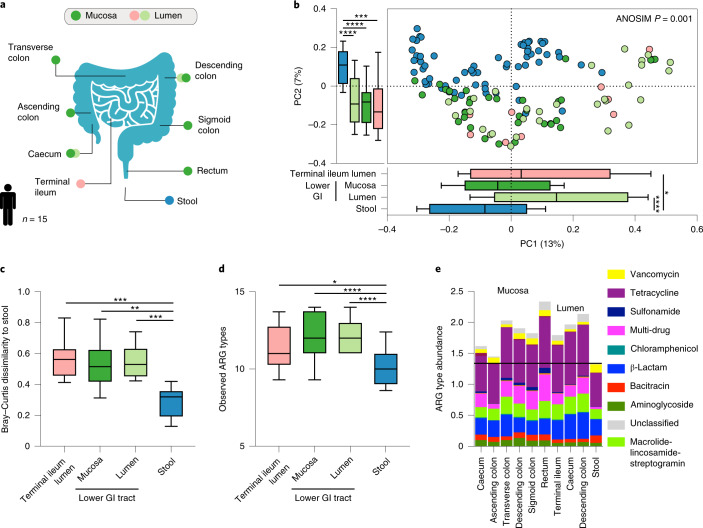
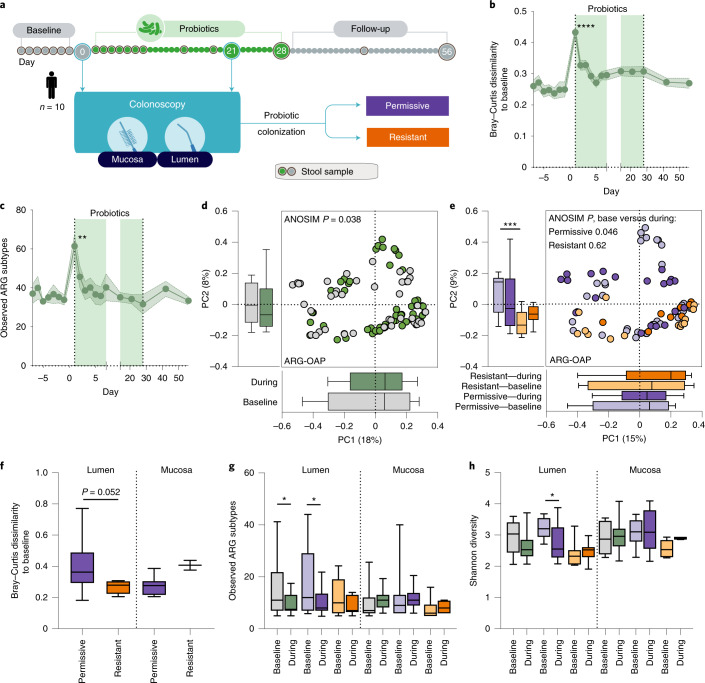
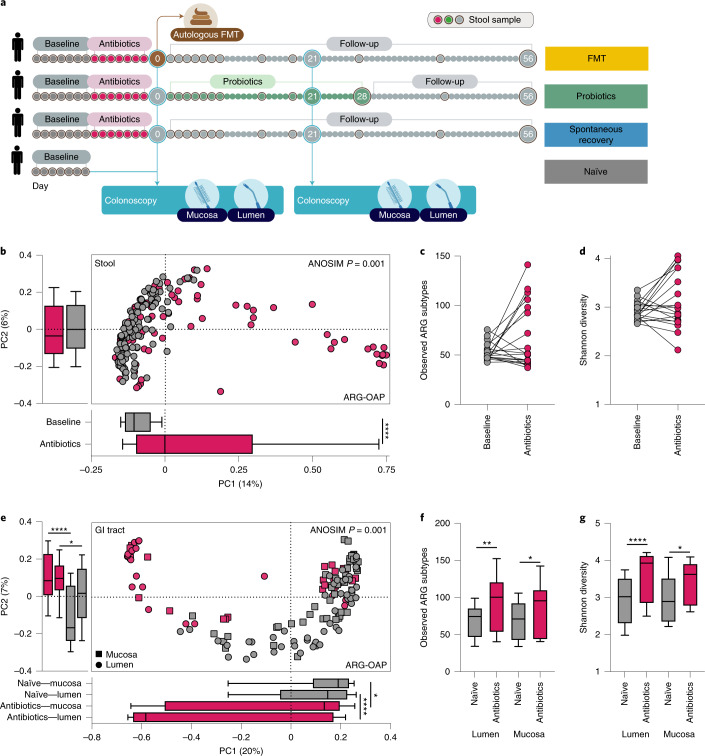
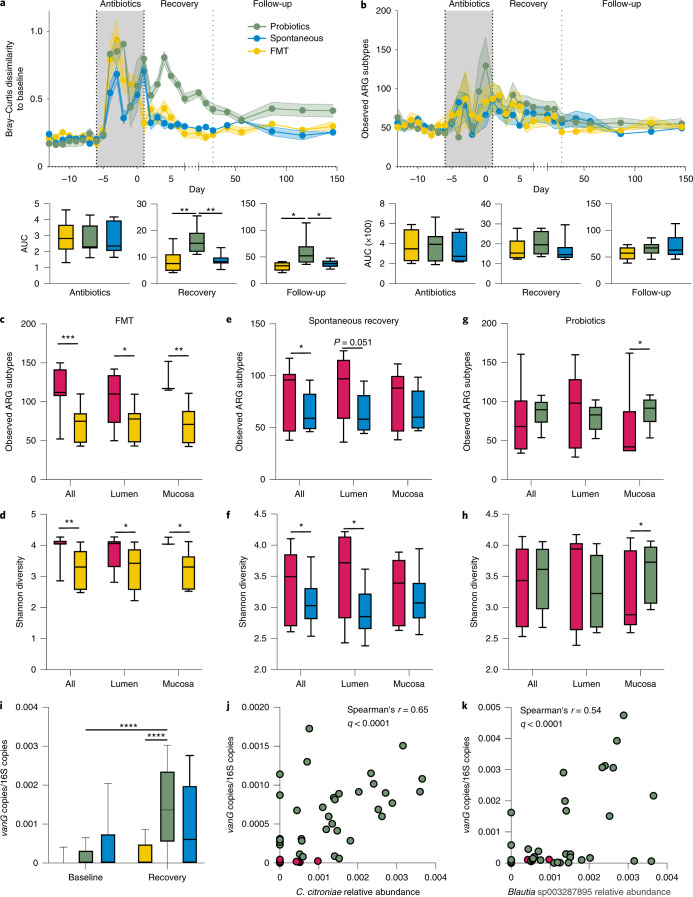
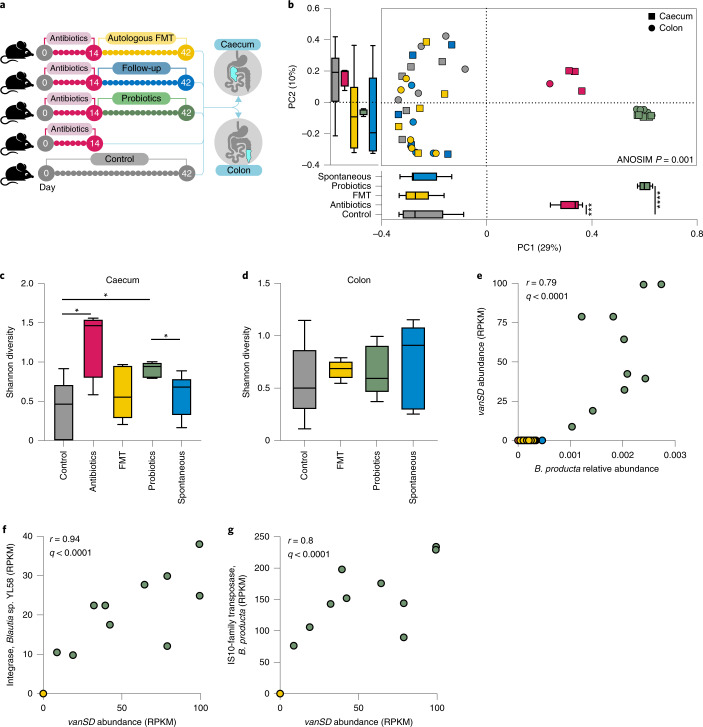
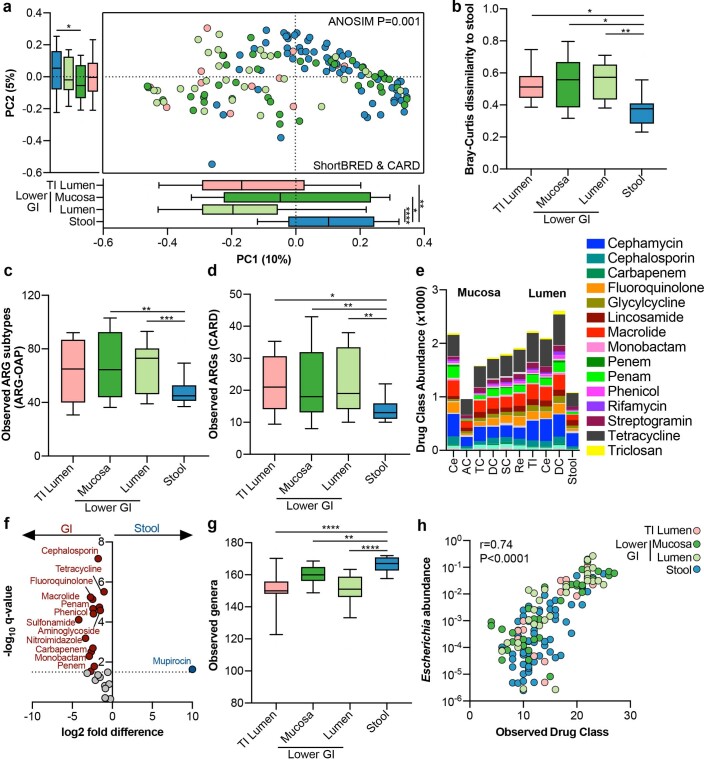
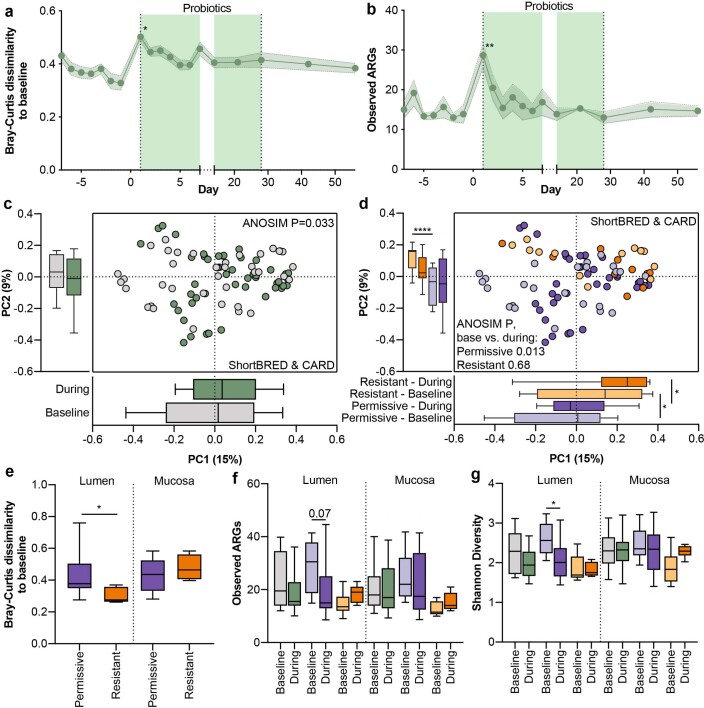
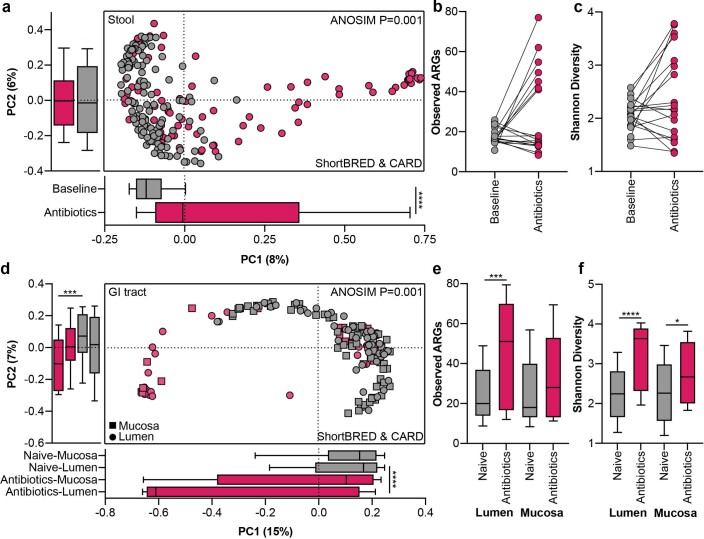
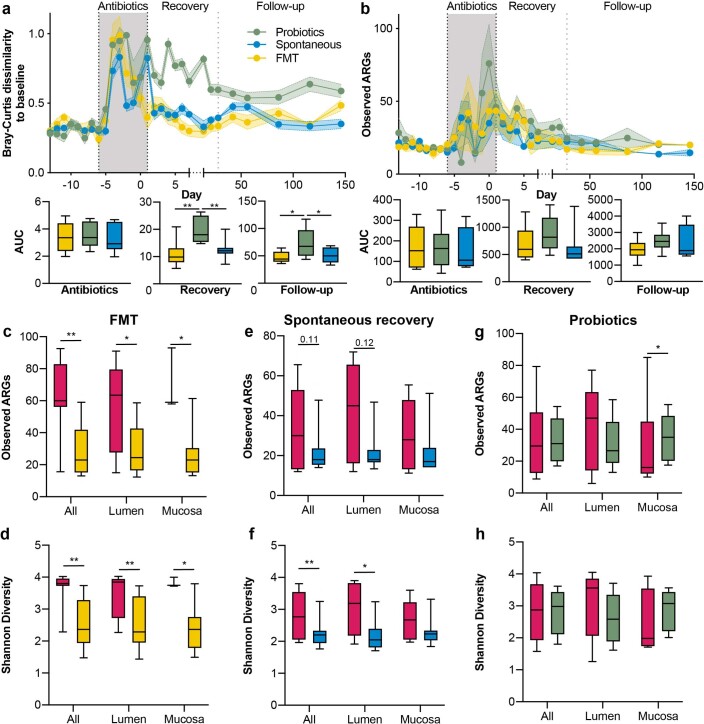
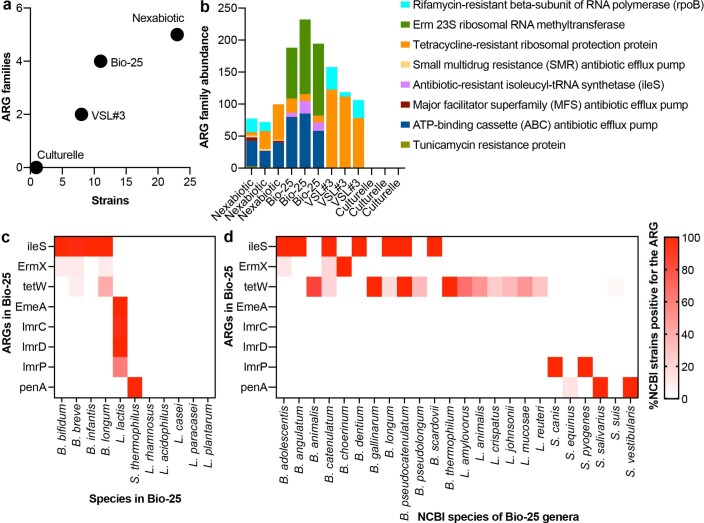
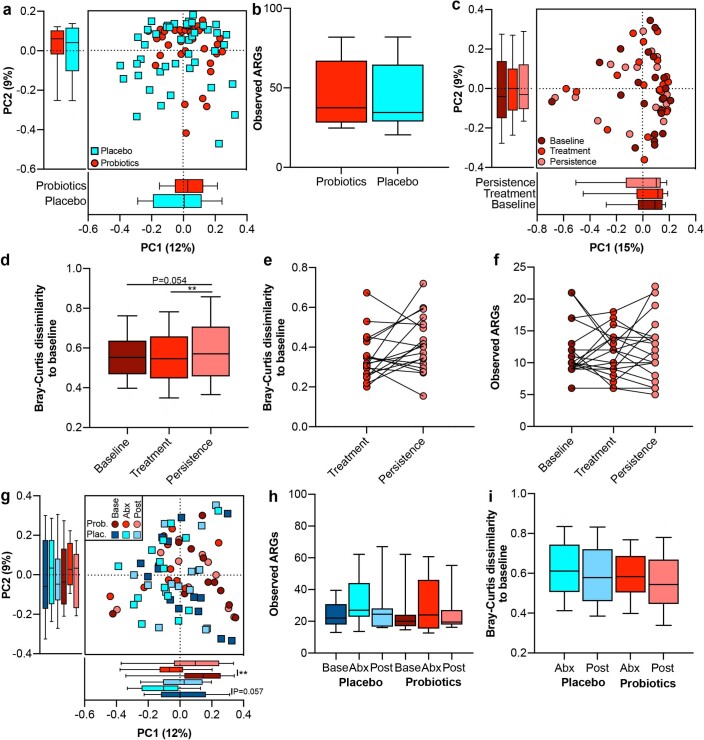
Antimicrobial resistance poses a substantial threat to human health. The gut microbiome is considered a reservoir for potential spread of resistance genes from commensals to pathogens, termed the gut resistome. The impact of probiotics, commonly consumed by many in health or in conjunction with the administration of antibiotics, on the gut resistome is elusive. Reanalysis of gut metagenomes from healthy antibiotics-naïve humans supplemented with an 11-probiotic-strain preparation, allowing direct assessment of the gut resistome in situ along the gastrointestinal (GI) tract, demonstrated that probiotics reduce the number of antibiotic resistance genes exclusively in the gut of colonization-permissive individuals. In mice and in a separate cohort of humans, a course of antibiotics resulted in expansion of the lower GI tract resistome, which was mitigated by autologous faecal microbiome transplantation or during spontaneous recovery. In contrast, probiotics further exacerbated resistome expansion in the GI mucosa by supporting the bloom of strains carrying vancomycin resistance genes but not resistance genes encoded by the probiotic strains. Importantly, the aforementioned effects were not reflected in stool samples, highlighting the importance of direct sampling to analyse the effect of probiotics and antibiotics on the gut resistome. Analysing antibiotic resistance gene content in additional published clinical trials with probiotics further highlighted the importance of person-specific metagenomics-based profiling of the gut resistome using direct sampling. Collectively, these findings suggest opposing person-specific and antibiotic-dependent effects of probiotics on the resistome, whose contribution to the spread of antimicrobial resistance genes along the human GI tract merit further studies.
Overview
The claims and statistics of this paper haven’t been checked yet.
Free: it reads the open-access text and checks the first 5 claims that cite a source we can check. Create a free account to check every claim.
Integrity signals
Registry
Cites
Statistics
Figures
Verification
Claims the paper makes
The claims and statistics of this paper haven’t been checked yet.
Free: it reads the open-access text and checks the first 5 claims that cite a source we can check. Create a free account to check every claim.
Claims other papers make about this one
Each is checked against this paper’s own text: does it say what the citing paper says it does?
The source backs part of the claim, not all of it — or backs it for a different population, condition or comparison.
In the citing paper
“The identification of mobile antimicrobial resistance genes and their potential impact on intestinal resistance also requires whole-genome sequencing and detailed characterization of antibiotic resistance genes [42,66,67,68].”
From Current Concepts in Probiotic Safety and Efficacy (2026) · cites this paper as [66]
Experimental — accuracy not yet measuredThe cited source says what the claim attributes to it.
In the citing paper
“Horizontal gene transfer through mobile genetic elements can pose a significant threat to human health through the development of antimicrobial resistance (AMR) [66,130].”
From Current Concepts in Probiotic Safety and Efficacy (2026) · cites this paper as [66]
The check wasn’t confident either way, so it gives no verdict — never disputed.
In the citing paper
“Vulnerable populations (newborns, immunocompromised individuals, and critically ill individuals) are at greater risk; therefore, assessing regulatory compliance requires a combination of biochemical and metabolomic studies, whole genome sequencing for virulence, antibiotic resistance genes and motility mapping [63,66,87].”
From Current Concepts in Probiotic Safety and Efficacy (2026) · cites this paper as [66]
Experimental — accuracy not yet measuredIn the citing paper
“Furthermore, a post-hoc analysis of the previous study revealed that probiotics administered after antibiotics caused an expansion in antibiotic resistance genes within the mucosal microbiota, in particular to vancomycin; however, this in-silico finding was not confirmed in-vivo.54”
From Emerging issues in probiotic safety: 2023 perspectives (2023) · cites this paper as [54]
Self-check
Percentages, sums and reported differences re-computed from the paper’s own numbers.
The self-check needs the paper’s full text.
Citations
Cites
Fast gapped-read alignment with Bowtie 2
Langmead, B., & Salzberg, S. L. (2012) · Nature Methods · doi:10.1038/nmeth.1923 · Cited by 56,400
fastp: an ultra-fast all-in-one FASTQ preprocessor
Chen, S., Zhou, Y., Chen, Y., & Gu, J. (2018) · Bioinformatics · doi:10.1093/bioinformatics/bty560 · Cited by 29,721
phyloseq: An R Package for Reproducible Interactive Analysis and Graphics of Microbiome Census Data
McMurdie, P. J., & Holmes, S. (2013) · PLoS ONE · doi:10.1371/journal.pone.0061217 · Cited by 21,322
Improved metagenomic analysis with Kraken 2
Wood, D. E., Lu, J., & Langmead, B. (2019) · Genome Biology · doi:10.1186/s13059-019-1891-0 · Cited by 7,061
Using SPAdes De Novo Assembler
Prjibelski, A., Antipov, D., Meleshko, D., Lapidus, A., & Korobeynikov, A. (2020) · Current Protocols in Bioinformatics · doi:10.1002/cpbi.102 · Cited by 3,555
CARD 2020: Antibiotic Resistome Surveillance with the Comprehensive Antibiotic Resistance Database
Alcock, B. P., Raphenya, A. R., Lau, T. T. Y., Tsang, K. K., Bouchard, M., Edalatmand, A., Huynh, W., Nguyen, A.-L. V., Cheng, A. A., Liu, S., et al. (2019) · Nucleic Acids Research · doi:10.1093/nar/gkz935 · Cited by 3,202
Gut biogeography of the bacterial microbiota
Donaldson, G. P., Lee, S. M., & Mazmanian, S. K. (2016) · Nature Reviews Microbiology · doi:10.1038/nrmicro3552 · Cited by 2,535
Bracken: estimating species abundance in metagenomics data
(2016) · doi:10.7717/peerj-cs.104 · Cited by 2,333
Zmora, N., Zilberman-Schapira, G., Suez, J., Mor, U., Dori-Bachash, M., Bashiardes, S., Kotler, E., Zur, M., Regev-Lehavi, D., Brik, R. B.-Z., et al. (2018) · Cell · doi:10.1016/j.cell.2018.08.041 · Cited by 1,695
Self-citationThe pros, cons, and many unknowns of probiotics
Suez, J., Zmora, N., Segal, E., & Elinav, E. (2019) · Nature Medicine · doi:10.1038/s41591-019-0439-x · Cited by 1,398
Self-citationSuez, J., Zmora, N., Zilberman-Schapira, G., Mor, U., Dori-Bachash, M., Bashiardes, S., Zur, M., Regev-Lehavi, D., Ben-Zeev Brik, R., Federici, S., et al. (2018) · Cell · doi:10.1016/j.cell.2018.08.047 · Cited by 1,184
Self-citationDeepARG: a deep learning approach for predicting antibiotic resistance genes from metagenomic data
Arango-Argoty, G., Garner, E., Pruden, A., Heath, L. S., Vikesland, P., & Zhang, L. (2018) · Microbiome · doi:10.1186/s40168-018-0401-z · Cited by 958
Functional characterization of the antibiotic resistance reservoir in the human microflora
Sommer, M. O. A., Dantas, G., & Church, G. M. (2009) · Science · doi:10.1126/science.1176950 · Cited by 878
Yin, X., Jiang, X.-T., Chai, B., Li, L., Yang, Y., Cole, J. R., Tiedje, J. M., & Zhang, T. (2018) · Bioinformatics · doi:10.1093/bioinformatics/bty053 · Cited by 710
A randomized synbiotic trial to prevent sepsis among infants in rural India
Panigrahi, P., Parida, S., Nanda, N. C., Satpathy, R., Pradhan, L., Chandel, D. S., Baccaglini, L., Mohapatra, A., Mohapatra, S. S., Misra, P. R., et al. (2017) · Nature · doi:10.1038/nature23480 · Cited by 526
Maldonado-Gómez, M. X., Martínez, I., Bottacini, F., O’Callaghan, A., Ventura, M., van Sinderen, D., Hillmann, B., Vangay, P., Knights, D., Hutkins, R. W., et al. (2016) · Cell Host & Microbe · doi:10.1016/j.chom.2016.09.001 · Cited by 517
Stecher, B., Denzler, R., Maier, L., Bernet, F., Sanders, M. J., Pickard, D. J., Barthel, M., Westendorf, A. M., Krogfelt, K. A., Walker, A. W., et al. (2012) · Proceedings of the National Academy of Sciences · doi:10.1073/pnas.1113246109 · Cited by 492
Developmental dynamics of the preterm infant gut microbiota and antibiotic resistome
Gibson, M. K., Wang, B., Ahmadi, S., Burnham, C.-A. D., Tarr, P. I., Warner, B. B., & Dantas, G. (2016) · Nature Microbiology · doi:10.1038/nmicrobiol.2016.24 · Cited by 457
Allen, S. J., Wareham, K., Wang, D., Bradley, C., Hutchings, H., Harris, W., Dhar, A., Brown, H., Foden, A., Gravenor, M. B., et al. (2013) · The Lancet · doi:10.1016/s0140-6736(13)61218-0 · Cited by 383
Gut microbiome-related effects of berberine and probiotics on type 2 diabetes (the PREMOTE study)
Zhang, Y., Gu, Y., Ren, H., Wang, S., Zhong, H., Zhao, X., Ma, J., Gu, X., Xue, Y., Huang, S., et al. (2020) · Nature Communications · doi:10.1038/s41467-020-18414-8 · Cited by 380
Inhibition of histone deacetylase 1 (HDAC1) and HDAC2 enhances CRISPR/Cas9 genome editing
Liu, B., Chen, S., Rose, A. L., Chen, D., Cao, F., Zwinderman, M., Kiemel, D., Aïssi, M., Dekker, F. J., & Haisma, H. J. (2020) · Nucleic Acids Research · doi:10.1093/nar/gkz1136 · Cited by 370
High-Specificity Targeted Functional Profiling in Microbial Communities with ShortBRED
Kaminski, J., Gibson, M. K., Franzosa, E. A., Segata, N., Dantas, G., & Huttenhower, C. (2015) · PLOS Computational Biology · doi:10.1371/journal.pcbi.1004557 · Cited by 333
Gasparrini, A. J., Wang, B., Sun, X., Kennedy, E. A., Hernandez-Leyva, A., Ndao, I. M., Tarr, P. I., Warner, B. B., & Dantas, G. (2019) · Nature Microbiology · doi:10.1038/s41564-019-0550-2 · Cited by 310
Antibiotic resistance among commercially available probiotics
Sharma, P., Tomar, S. K., Goswami, P., Sangwan, V., & Singh, R. (2014) · Food Research International · doi:10.1016/j.foodres.2014.01.025 · Cited by 296
Zhang, C., Derrien, M., Levenez, F., Brazeilles, R., Ballal, S. A., Kim, J., Degivry, M.-C., Quéré, G., Garault, P., van Hylckama Vlieg, J. E. T., et al. (2016) · The ISME Journal · doi:10.1038/ismej.2016.13 · Cited by 264
Lester, C. H., Frimodt-Møller, N., Sørensen, T. L., Monnet, D. L., & Hammerum, A. M. (2006) · Antimicrobial Agents and Chemotherapy · doi:10.1128/aac.50.2.596-599.2006 · Cited by 238
Multicenter Trial of a Combination Probiotic for Children with Gastroenteritis
Freedman, S. B., Williamson-Urquhart, S., Farion, K. J., Gouin, S., Willan, A. R., Poonai, N., Hurley, K., Sherman, P. M., Finkelstein, Y., Lee, B. E., et al. (2018) · New England Journal of Medicine · doi:10.1056/nejmoa1802597 · Cited by 234
Lactobacillus rhamnosus GG versus Placebo for Acute Gastroenteritis in Children
Schnadower, D., Tarr, P. I., Casper, T. C., Gorelick, M. H., Dean, J. M., O’Connell, K. J., Mahajan, P., Levine, A. C., Bhatt, S. R., Roskind, C. G., et al. (2018) · New England Journal of Medicine · doi:10.1056/nejmoa1802598 · Cited by 208
Functional Dynamics of the Gut Microbiome in Elderly People during Probiotic Consumption
Eloe-Fadrosh, E. A., Brady, A., Crabtree, J., Drabek, E. F., Ma, B., Mahurkar, A., Ravel, J., Haverkamp, M., Fiorino, A.-M., Botelho, C., et al. (2015) · mBio · doi:10.1128/mbio.00231-15 · Cited by 160
Jacobsen, L., Wilcks, A., Hammer, K., Huys, G., Gevers, D., & Andersen, S. R. (2007) · FEMS Microbiology Ecology · doi:10.1111/j.1574-6941.2006.00212.x · Cited by 158
Goren, M. G., Carmeli, Y., Schwaber, M. J., Chmelnitsky, I., Schechner, V., & Navon-Venezia, S. (2010) · Emerging Infectious Diseases · doi:10.3201/eid1606.091671 · Cited by 138
The threat of vancomycin resistance
Perl, T. M. (1999) · The American Journal of Medicine · doi:10.1016/s0002-9343(98)00354-4 · Cited by 134
Campbell, T. P., Sun, X., Patel, V. H., Sanz, C., Morgan, D., & Dantas, G. (2020) · The ISME Journal · doi:10.1038/s41396-020-0634-2 · Cited by 130
Karami, N., Martner, A., Enne, V. I., Swerkersson, S., Adlerberth, I., & Wold, A. E. (2007) · Journal of Antimicrobial Chemotherapy · doi:10.1093/jac/dkm327 · Cited by 129
Arango-Argoty, G. A., Dai, D., Pruden, A., Vikesland, P., Heath, L. S., & Zhang, L. (2019) · Microbiome · doi:10.1186/s40168-019-0703-9 · Cited by 117
Launay, A., Ballard, S. A., Johnson, P. D. R., Grayson, M. L., & Lambert, T. (2006) · Antimicrobial Agents and Chemotherapy · doi:10.1128/aac.50.3.1054-1062.2006 · Cited by 113
MacPherson, C. W., Mathieu, O., Tremblay, J., Champagne, J., Nantel, A., Girard, S.-A., & Tompkins, T. A. (2018) · Scientific Reports · doi:10.1038/s41598-018-29229-5 · Cited by 104
Metagenomic insights into the human gut resistome and the forces that shape it
Forslund, K., Sunagawa, S., Coelho, L. P., & Bork, P. (2014) · BioEssays · doi:10.1002/bies.201300143 · Cited by 103
Esaiassen, E., Hjerde, E., Cavanagh, J. P., Pedersen, T., Andresen, J. H., Rettedal, S. I., Støen, R., Nakstad, B., Willassen, N. P., & Klingenberg, C. (2018) · Frontiers in Pediatrics · doi:10.3389/fped.2018.00347 · Cited by 102
In Vivo Horizontal Gene Transfer of the Carbapenemase OXA-48 During a Nosocomial Outbreak
Gottig, S., Gruber, T. M., Stecher, B., Wichelhaus, T. A., & Kempf, V. A. J. (2015) · Clinical Infectious Diseases · doi:10.1093/cid/civ191 · Cited by 98
Schjørring, S., Struve, C., & Krogfelt, K. A. (2008) · Journal of Antimicrobial Chemotherapy · doi:10.1093/jac/dkn323 · Cited by 95
Probiotics in the next-generation sequencing era
Suez, J., Zmora, N., & Elinav, E. (2020) · Gut Microbes · doi:10.1080/19490976.2019.1586039 · Cited by 81
Self-citationIndexed variation graphs for efficient and accurate resistome profiling
Rowe, W. P. M., & Winn, M. (2018) · Bioinformatics · doi:10.1093/bioinformatics/bty387 · Cited by 80
DeepARG: A deep learning approach for predicting antibiotic resistance genes from metagenomic dataPreprint
Arango-Argoty, G., Garner, E., Pruden, A. J., et al. (2017) · bioRxiv (Cold Spring Harbor Laboratory) · doi:10.1101/149328 · Cited by 79
Duval‐Iflah, Y., Raibaud, P., Tancrède, C., & Rousseau, M. (1980) · Infection and Immunity · doi:10.1128/iai.28.3.981-990.1980 · Cited by 76
ARGminer: a web platform for the crowdsourcing-based curation of antibiotic resistance genes
Arango-Argoty, G., Guron, G. K. P., Garner, E., Riquelme, M. V., Heath, L. S., Pruden, A. J., Vikesland, P. J., & Zhang, L. (2020) · Bioinformatics · doi:10.1093/bioinformatics/btaa095 · Cited by 64
Sparo, M., Urbizu, L., Solana, M. V., Pourcel, G., Delpech, G., Confalonieri, A., Ceci, M., & Sánchez Bruni, S. F. (2012) · Letters in Applied Microbiology · doi:10.1111/j.1472-765x.2011.03182.x · Cited by 62
Probiotics maintain the intestinal microbiome homeostasis of the sailors during a long sea voyage
Zhang, J., Zhao, J., Jin, H., Lv, R., Shi, H., De, G., Yang, B., Sun, Z., & Zhang, H. (2020) · Gut Microbes · doi:10.1080/19490976.2020.1722054 · Cited by 62
Revealing antibiotic resistance in therapeutic and dietary probiotic supplements
Selvin, J., Maity, D., Sajayan, A., & Kiran, G. S. (2020) · Journal of Global Antimicrobial Resistance · doi:10.1016/j.jgar.2020.02.007 · Cited by 61
Lester, C. H., Frimodt-Moller, N., & Hammerum, A. M. (2004) · FEMS Microbiology Letters · doi:10.1111/j.1574-6968.2004.tb09614.x · Cited by 56
Cremet, L., Bourigault, C., Lepelletier, D., Guillouzouic, A., Juvin, M.-E., Reynaud, A., Corvec, S., & Caroff, N. (2012) · Journal of Antimicrobial Chemotherapy · doi:10.1093/jac/dkr547 · Cited by 53
Dysbiosis individualizes the fitness effect of antibiotic resistance in the mammalian gut
Cardoso, L. L., Durão, P., Amicone, M., & Gordo, I. (2020) · Nature Ecology & Evolution · doi:10.1038/s41559-020-1235-1 · Cited by 41
Potential Elimination of Human Gut Resistome by Exploiting the Benefits of Functional Foods
Tsigalou, C., Konstantinidis, T., Stavropoulou, E., Bezirtzoglou, E. E., & Tsakris, A. (2020) · Frontiers in Microbiology · doi:10.3389/fmicb.2020.00050 · Cited by 34
sraX: A Novel Comprehensive Resistome Analysis Tool
Panunzi, L. G. (2020) · Frontiers in Microbiology · doi:10.3389/fmicb.2020.00052 · Cited by 26
ARGminer: A web platform for crowdsourcing-based curation of antibiotic resistance genesPreprint
Arango-Argoty, G., Guron, G. K. P., Garner, E., et al. (2018) · bioRxiv (Cold Spring Harbor Laboratory) · doi:10.1101/274282 · Cited by 10
Cited by
The past, present, and future of antibiotics
Cook, M. A., & Wright, G. D. (2022) · Science Translational Medicine · doi:10.1126/scitranslmed.abo7793 · Cited by 652
Cullin, N., Azevedo Antunes, C., Straussman, R., Stein-Thoeringer, C. K., & Elinav, E. (2021) · Cancer Cell · doi:10.1016/j.ccell.2021.08.006 · Cited by 578
Self-citationEmerging issues in probiotic safety: 2023 perspectives
Merenstein, D., Pot, B., Leyer, G., Ouwehand, A. C., Preidis, G. A., Elkins, C. A., Hill, C., Lewis, Z. T., Shane, A. L., Zmora, N., et al. (2023) · Gut Microbes · doi:10.1080/19490976.2023.2185034 · Cited by 481
“Furthermore, a post-hoc analysis of the previous study revealed that probiotics administered after antibiotics caused an expansion in antibiotic resistance genes within the mucosal microbiota, in particular to vancomycin; however, this in-silico finding was not confirmed in-vivo.(54) Vancomycin resistance manifested a…”
ResultSelf-citationAntibiotic perturbations to the gut microbiome
Fishbein, S. R. S., Mahmud, B., & Dantas, G. (2023) · Nature Reviews Microbiology · doi:10.1038/s41579-023-00933-y · Cited by 440
The spread of antibiotic resistance to humans and potential protection strategies
Ding, D., Wang, B., Zhang, X., Zhang, J., Zhang, H., Liu, X., Gao, Z., & Yu, Z. (2023) · Ecotoxicology and Environmental Safety · doi:10.1016/j.ecoenv.2023.114734 · Cited by 223
Metadata
- Authors
- Montassier, E., Valdés-Mas, R., Batard, E., Zmora, N., Dori-Bachash, M., Suez, J., & Elinav, E.
- Affiliations
- Centre Hospitalier Universitaire de Nantes (FR)
- Tel Aviv University (IL)
- Weizmann Institute of Science (IL)
- Johns Hopkins University (US)
- German Cancer Research Center (DE)
- Corresponding author
- Montassier, Emmanuel
- Suez, Jotham
- Elinav, Eran
- Venue
- Nature Microbiology
- Published
- 2021-07-05
- Volume
- 6
- Issue
- 8
- Pages
- 1043-1054
- ISSN
- 2058-5276 (ISSN-L)
- PMC
- PMC8318886
- OpenAlex
- W3183027397
- Cited by
- 256
- References
- 53
- Citations by year
- 2026: 44 · 2025: 63 · 2024: 47 · 2023: 45 · 2022: 44 · 2021: 12
- FWCI
- 12.09
- Type
- journal article
- Language
- en
- Open access
- hybrid
- doi.org
- Licence
- cc-by
- creativecommons.org/licenses/by/4.0 (tdm)
- creativecommons.org/licenses/by/4.0 (vor)
- Locations
- Nature Microbiology (publishedVersion, cc-by)
- PubMed Central (publishedVersion, cc-by)
- PubMed (publishedVersion)
- HAL (submittedVersion, cc-by)
- HAL (submittedVersion)
- Funders
- Howard Hughes Medical Institute
- Bill and Melinda Gates Foundation
- Infectious Diseases Society of America
- Leona M. and Harry B. Helmsley Charitable Trust
- Deutsches Krebsforschungszentrum
- Wellcome Trust
- “la Caixa” Foundation
- IDSA Foundation
- Agence Nationale de la Recherche (ANR-11-INBS-0013)
- Weizmann Institute of Science
- Ministry of Science and Technology, Israel
- Clalit Health Services
- Wolfson Family Charitable Trust
- Topics
- Life Sciences › Biochemistry, Genetics and Molecular Biology › Molecular Biology › Gut microbiota and health
- Health Sciences › Medicine › Microbiology (medical) › Antibiotic Resistance in Bacteria
- Life Sciences › Agricultural and Biological Sciences › Food Science › Probiotics and Fermented Foods
- Keywords
- probiotics, antibiotic resistance genes, gut resistome, gastrointestinal tract, gut microbiota, vancomycin resistance genes, antibiotic exposure, antimicrobial resistance dissemination
- MeSH terms
- Gastrointestinal Microbiome, Fecal Microbiota Transplantation, Adult, Anti-Bacterial Agents, Bacteria, Bacterial Proteins, Feces, Female, Humans, Male, Middle Aged, Cohort Studies, Probiotics, Drug Resistance, Bacterial, Gastrointestinal Tract, Metagenome, Young Adult
About these checks
Registry, retraction, Cites and statistics results are computed, not judged, with one exception: a printed reference that no index lists is read once by a model before it counts as a citation error. Claims are extracted by a model and kept only when their quote appears verbatim in the text; each cited source is then checked, with a model’s help, for whether it says what the claim relies on. Those verdicts can be wrong — read the claim’s quote and the cited source before relying on one.
Statistics and arithmetic are recomputed, not judged.
Confidence bands are shown only for fields calibrated on our annotated test set. None is calibrated yet, so no band is shown.
What counts as a claim ›How we measure confidence ›How we check this ›
Are you an author, or do you see a problem with this page? Request a review
Data sources
Bibliographic data: Semantic Scholar, OpenAlex, Crossref.
Contains information from the Semantic Scholar Academic Graph Datasets, made available under the ODC Attribution License (ODC-BY 1.0).
Semantic Scholar’s data is described in: Kinney, R., et al. (2023). The Semantic Scholar Open Data Platform. arXiv:2301.10140.
