

Global phylogeny of Treponema pallidum lineages reveals recent expansion and spread of contemporary syphilis
Open accessPublished version of a preprint
The DOI matches its Crossref record; 64 of the 64 references it cites were found in a registry or an index.
Abstract
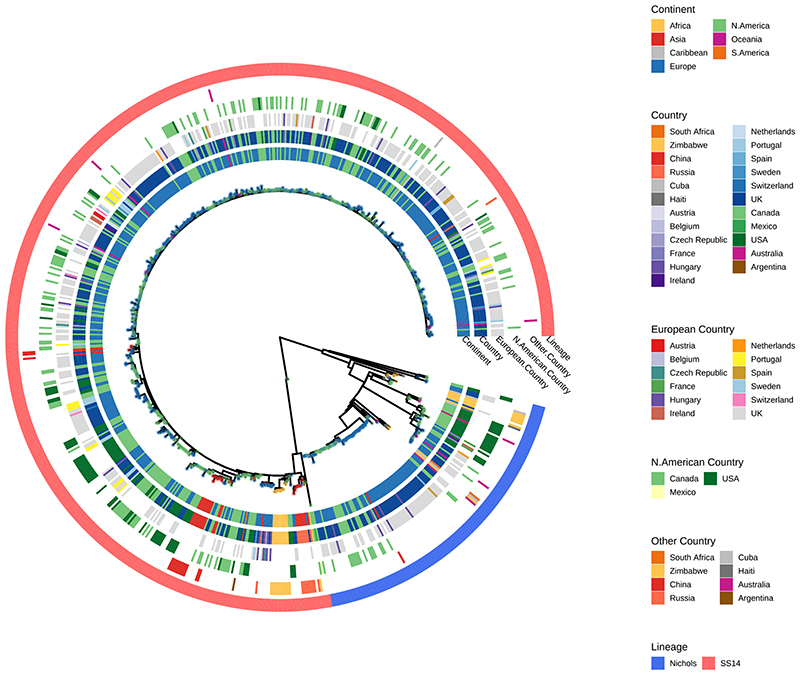
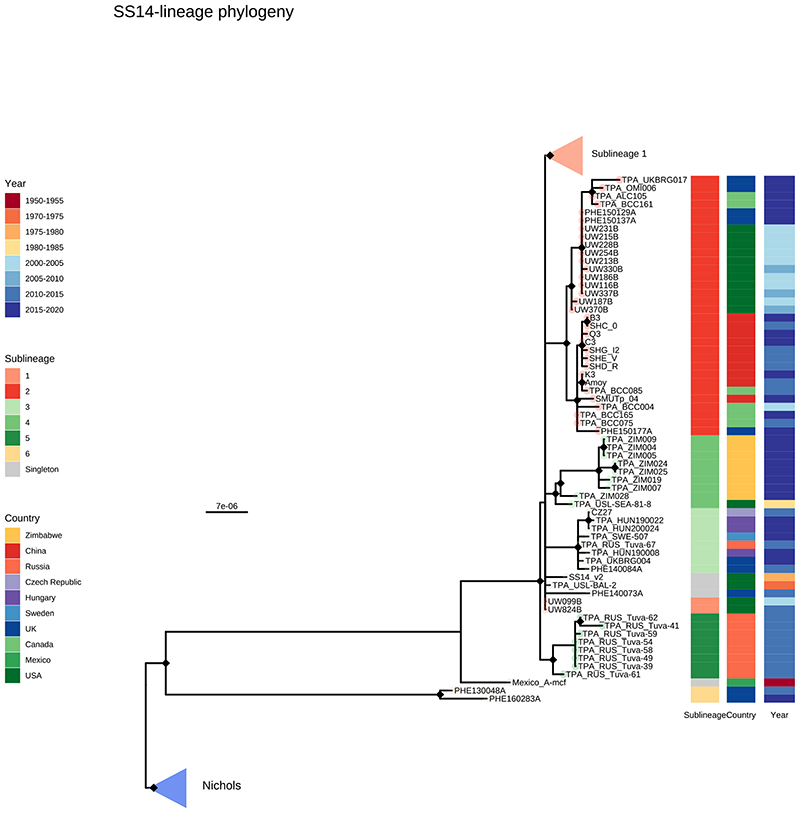
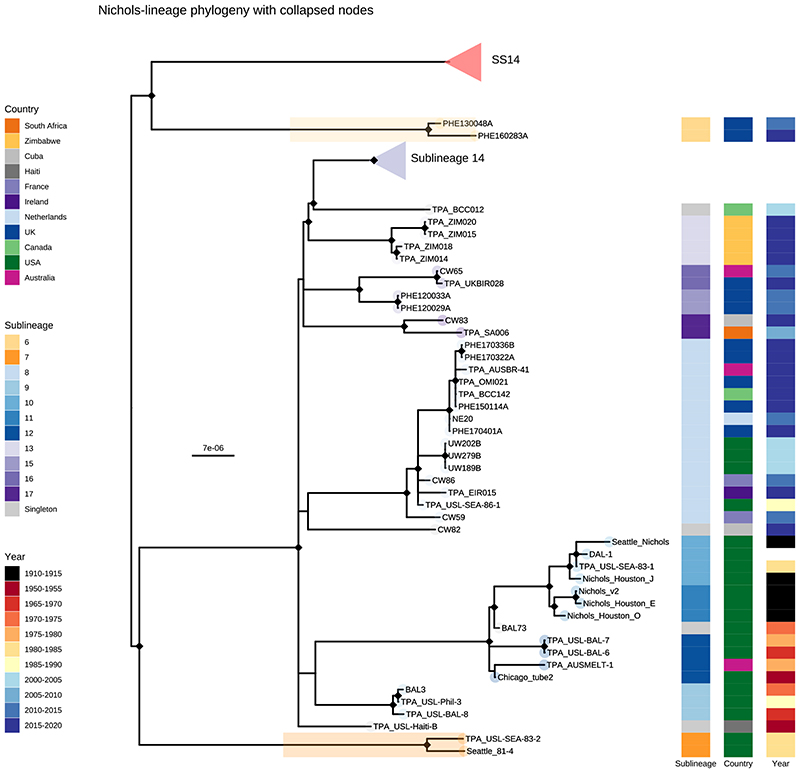
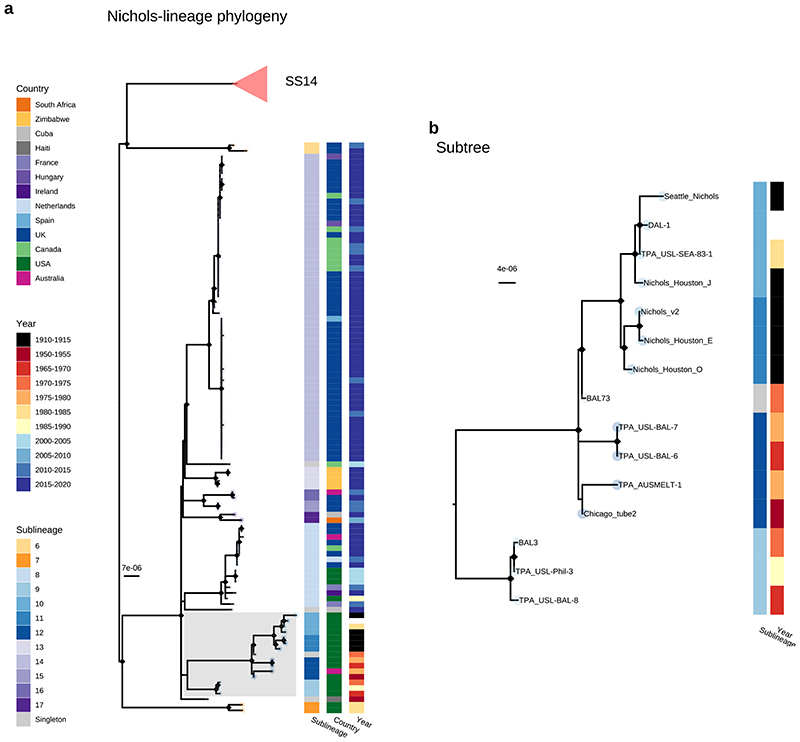
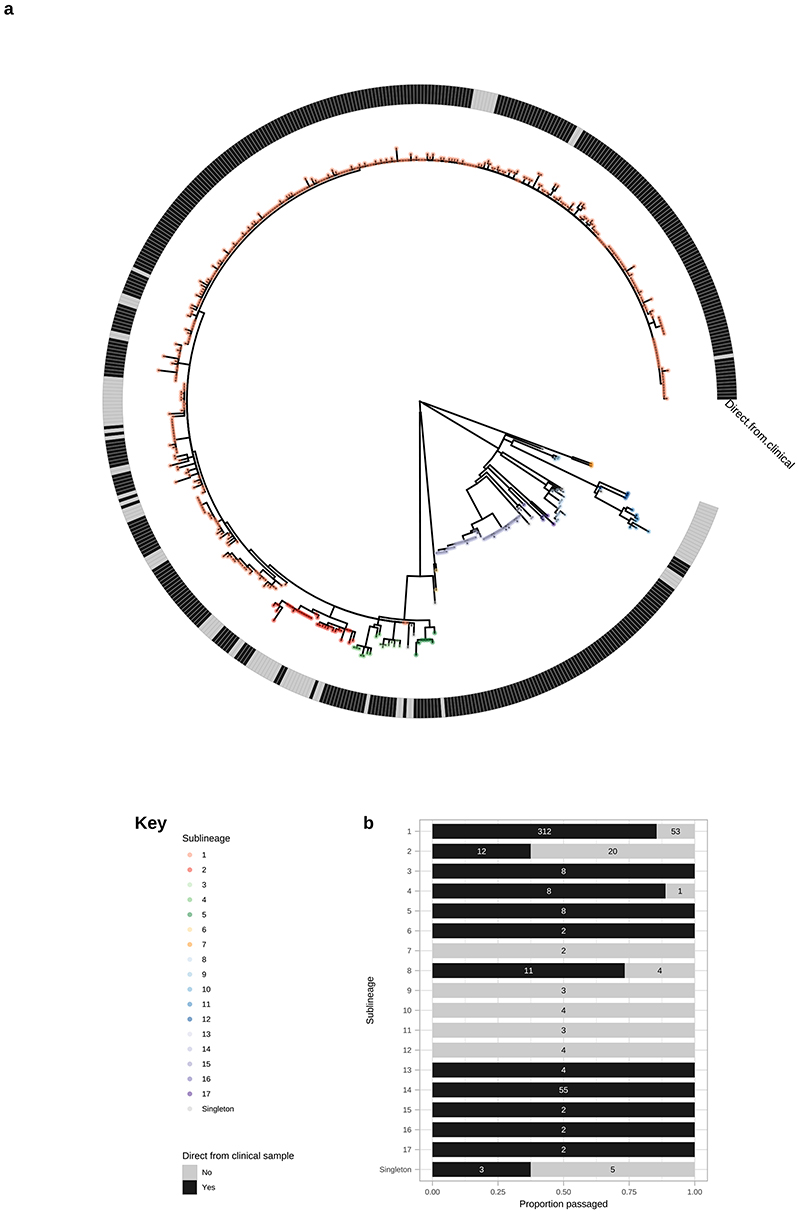
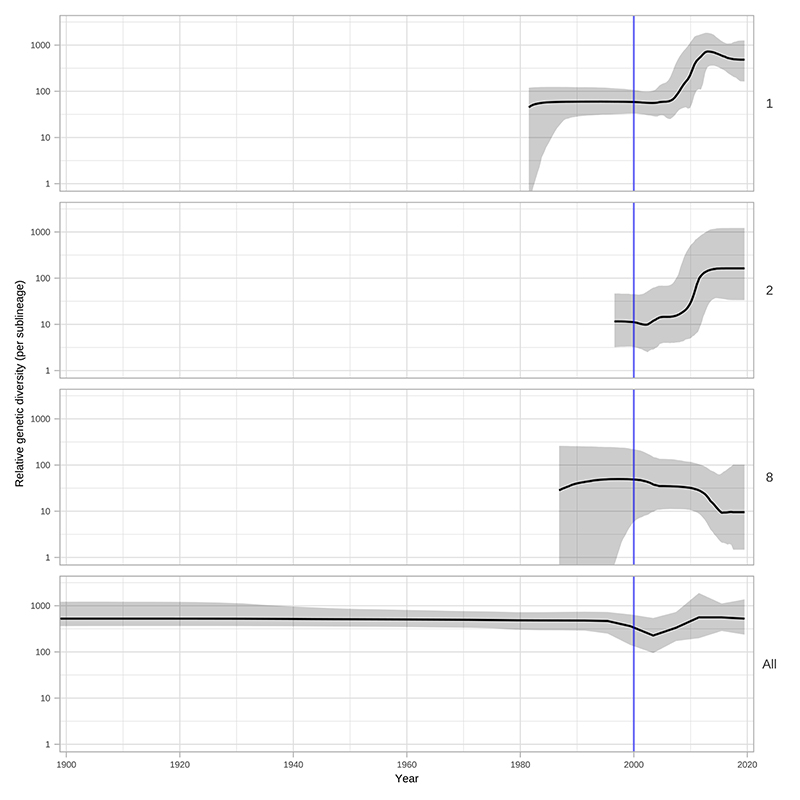
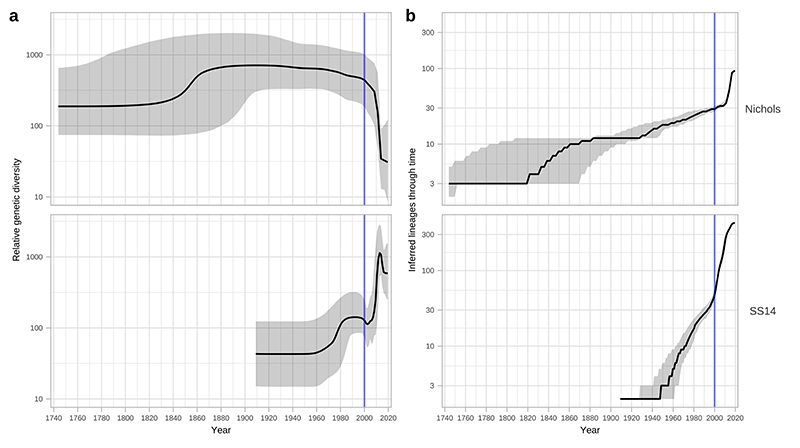
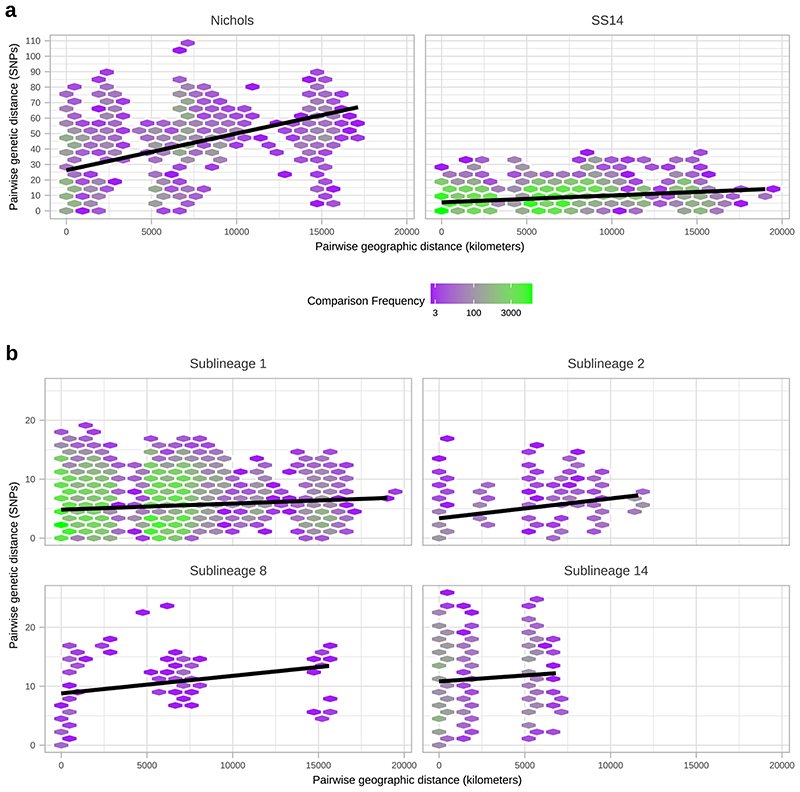
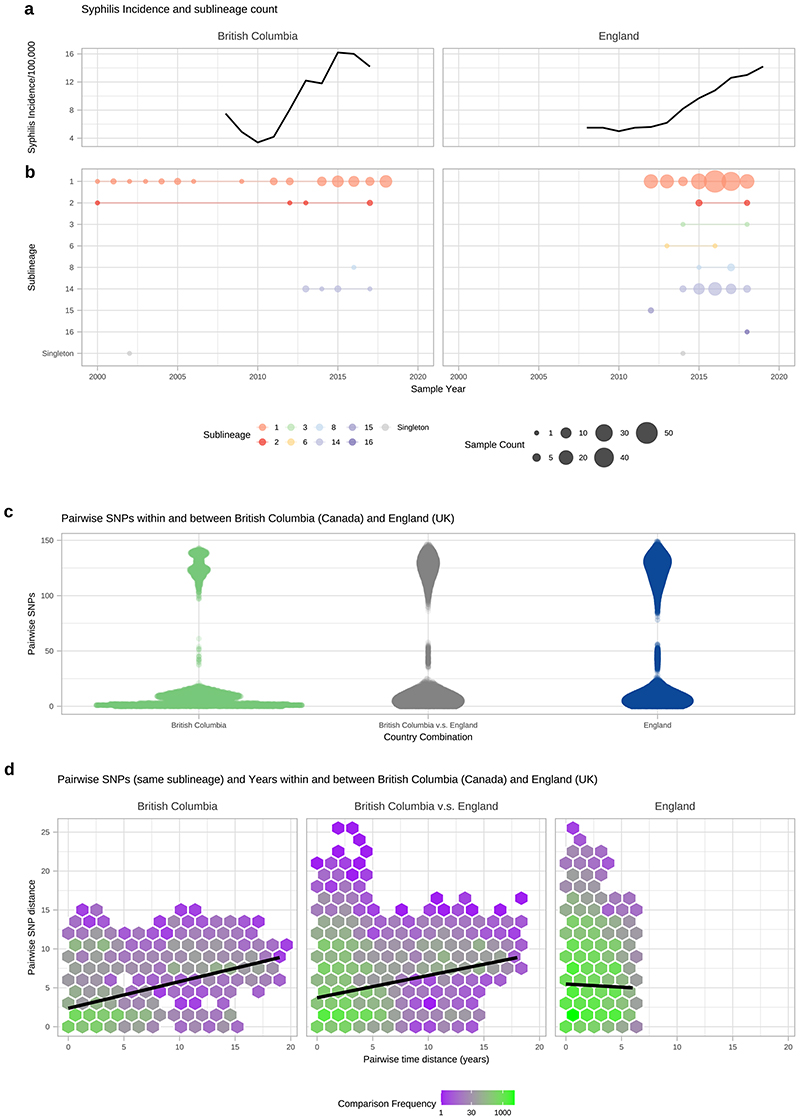
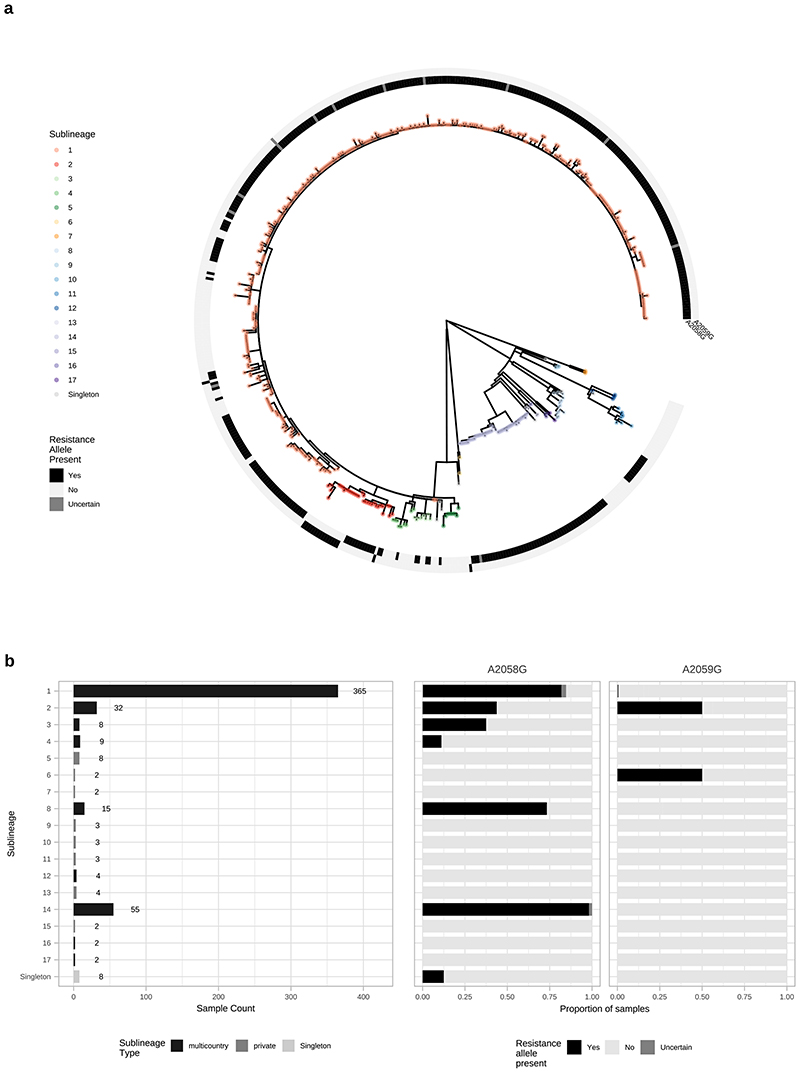
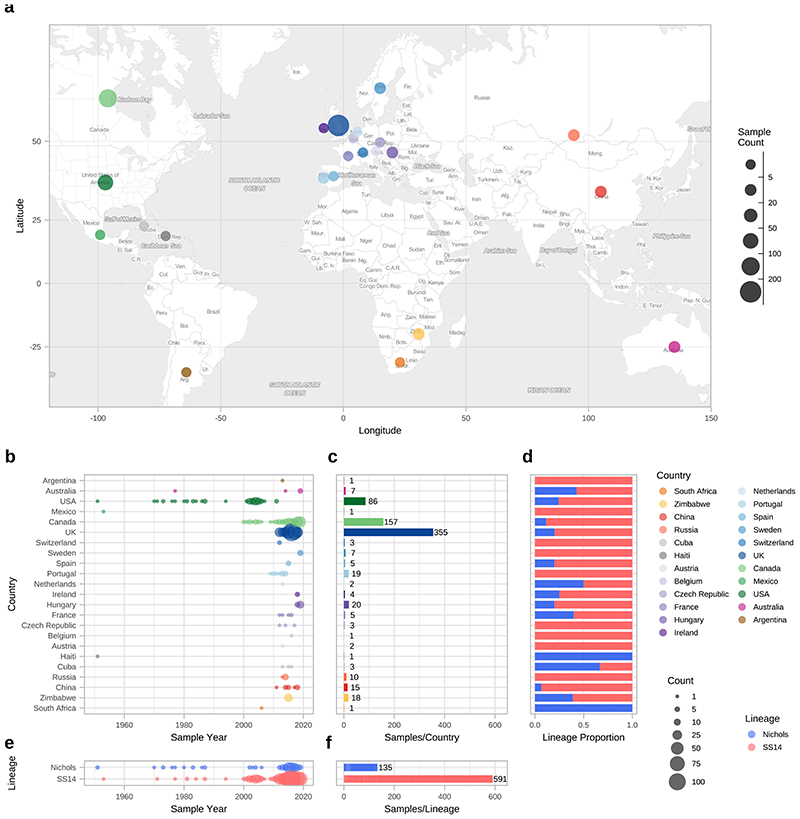
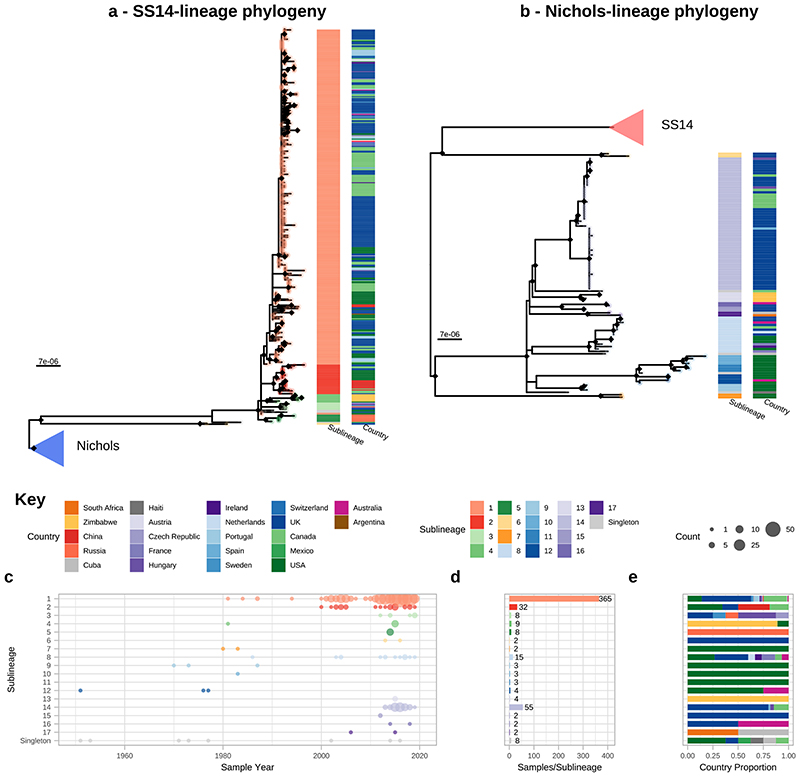
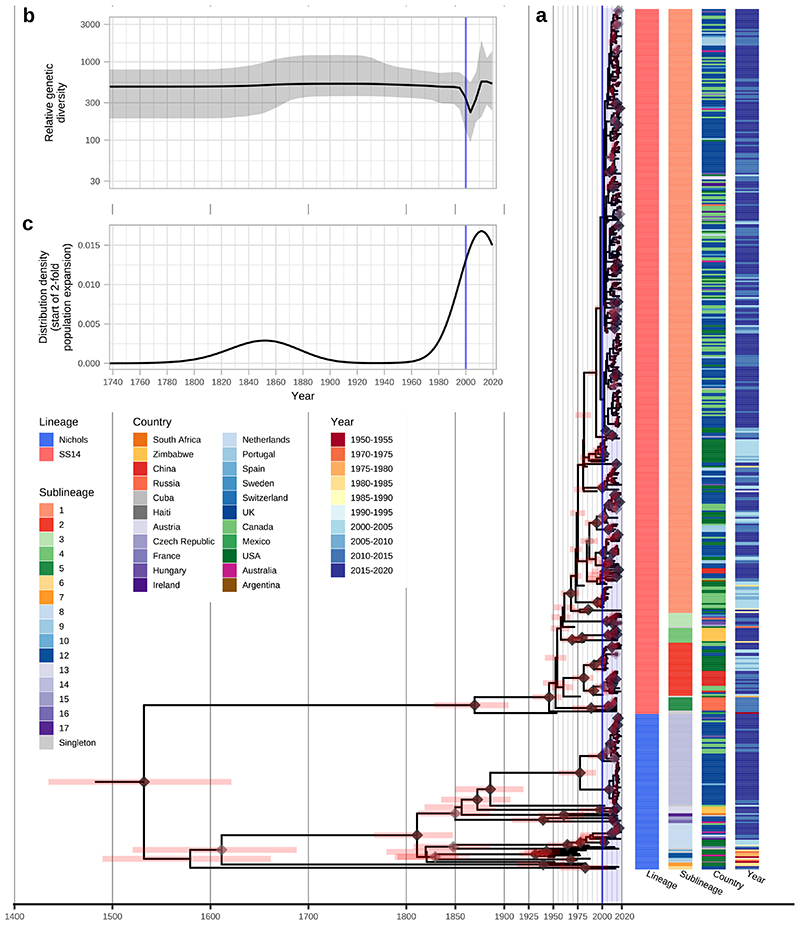
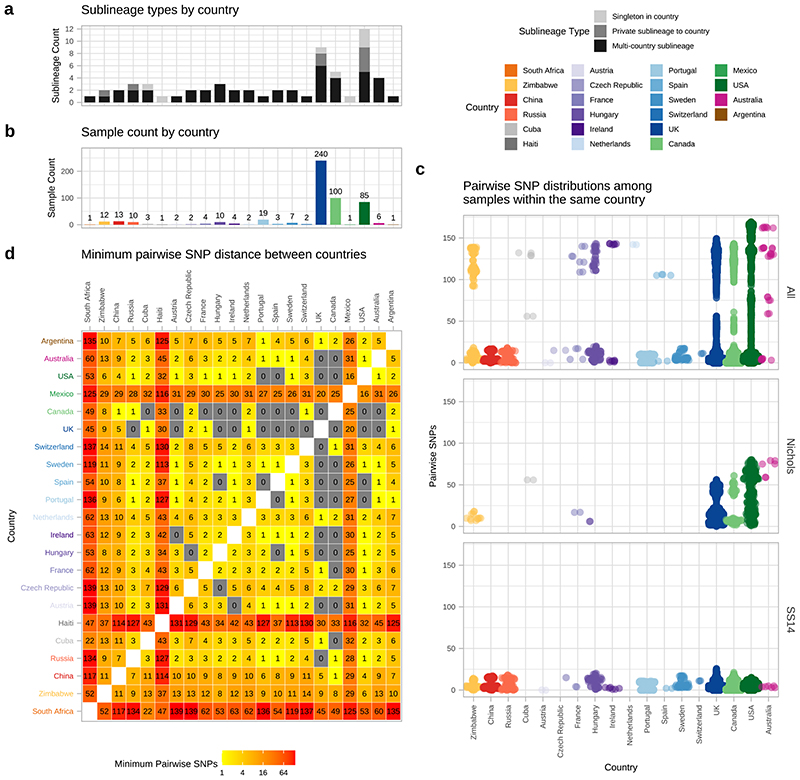
Syphilis, which is caused by the sexually transmitted bacterium Treponema pallidum subsp. pallidum , has an estimated 6.3 million cases worldwide per annum. In the past ten years, the incidence of syphilis has increased by more than 150% in some high-income countries, but the evolution and epidemiology of the epidemic are poorly understood. To characterize the global population structure of T. pallidum , we assembled a geographically and temporally diverse collection of 726 genomes from 626 clinical and 100 laboratory samples collected in 23 countries. We applied phylogenetic analyses and clustering, and found that the global syphilis population comprises just two deeply branching lineages, Nichols and SS14. Both lineages are currently circulating in 12 of the 23 countries sampled. We subdivided T. p. pallidum into 17 distinct sublineages to provide further phylodynamic resolution. Importantly, two Nichols sublineages have expanded clonally across 9 countries contemporaneously with SS14. Moreover, pairwise genome analyses revealed examples of isolates collected within the last 20 years from 14 different countries that had genetically identical core genomes, which might indicate frequent exchange through international transmission. It is striking that most samples collected before 1983 are phylogenetically distinct from more recently isolated sublineages. Using Bayesian temporal analysis, we detected a population bottleneck occurring during the late 1990s, followed by rapid population expansion in the 2000s that was driven by the dominant T. pallidum sublineages circulating today. This expansion may be linked to changing epidemiology, immune evasion or fitness under antimicrobial selection pressure, since many of the contemporary syphilis lineages we have characterized are resistant to macrolides.
Overview
The claims and statistics of this paper haven’t been checked yet.
Free: it reads the open-access text and checks the first 5 claims that cite a source we can check. Create a free account to check every claim.
Integrity signals
Registry
Cites
Statistics
Figures
Verification
Claims the paper makes
The claims and statistics of this paper haven’t been checked yet.
Free: it reads the open-access text and checks the first 5 claims that cite a source we can check. Create a free account to check every claim.
Claims other papers make about this one
Each is checked against this paper’s own text: does it say what the citing paper says it does?
The source backs part of the claim, not all of it — or backs it for a different population, condition or comparison.
In the citing paper
“Macrolide resistance and treatment failure have emerged rapidly worldwide, possibly selected by widespread macrolide use.”
From BASHH UK guidelines for the management of syphilis 2024 (2024) · cites this paper as [115]
Experimental — accuracy not yet measuredThe cited source says what the claim attributes to it.
In the citing paper
“Macrolide resistance is mediated by a point mutation at either position A2058 G or A2059 G in the 23S rRNA gene.”
From BASHH UK guidelines for the management of syphilis 2024 (2024) · cites this paper as [115]
The check wasn’t confident either way, so it gives no verdict — never disputed.
In the citing paper
“penicillin resistance has never been reported despite decades of use.”
From BASHH UK guidelines for the management of syphilis 2024 (2024) · cites this paper as [115]
Experimental — accuracy not yet measured
Self-check
Percentages, sums and reported differences re-computed from the paper’s own numbers.
The self-check needs the paper’s full text.
Citations
Cites
1 retracted
RETRACTED: Previous Syphilis Alters the Course of Subsequent Episodes of Syphilis
Marra, C. M., Maxwell, C. L., Sahi, S. K., Tantalo, L. C., Dunaway, S. B., & Lukehart, S. A. (2019) · Clinical Infectious Diseases · doi:10.1093/cid/ciz943 · Cited by 28
Self-citationRetractedTrimmomatic: a flexible trimmer for Illumina sequence data
Bolger, A. M., Lohse, M., & Usadel, B. (2014) · Bioinformatics · doi:10.1093/bioinformatics/btu170 · Cited by 65,548
The Sequence Alignment/Map format and SAMtools
Li, H., Handsaker, B., Wysoker, A., Fennell, T., Ruan, J., Homer, N., Marth, G., Abecasis, G., Durbin, R., & 1000 Genome Project Data Processing Subgroup (2009) · Bioinformatics · doi:10.1093/bioinformatics/btp352 · Cited by 62,041
BEDTools: a flexible suite of utilities for comparing genomic features
Quinlan, A. R., & Hall, I. M. (2010) · Bioinformatics · doi:10.1093/bioinformatics/btq033 · Cited by 27,437
IQ-TREE: A Fast and Effective Stochastic Algorithm for Estimating Maximum-Likelihood Phylogenies
Nguyen, L.-T., Schmidt, H. A., von Haeseler, A., & Minh, B. Q. (2015) · Molecular Biology and Evolution · doi:10.1093/molbev/msu300 · Cited by 26,046
ggplot2: Elegant Graphics for Data Analysis
Wickham, H. (2009) · doi:10.1007/978-0-387-98141-3 · Cited by 14,447
Cingolani, P., Platts, A., Wang, L. L., Coon, M., Nguyen, T., Wang, L., Land, S. J., Lu, X., & Ruden, D. M. (2012) · Fly · doi:10.4161/fly.19695 · Cited by 11,816
UFBoot2: Improving the Ultrafast Bootstrap Approximation
Hoang, D. T., Chernomor, O., von Haeseler, A., Minh, B. Q., & Vinh, L. S. (2018) · Molecular Biology and Evolution · doi:10.1093/molbev/msx281 · Cited by 10,881 · cited 1×
“8.4 model (Strict Clock with reference rate prior of 1.23 × 10 − 7 substitutions per site per year, HKY substitution model 54 , Coalescent Bayesian Skyline distribution with 10 populations 54,56 ) in a BEAST2 59 v2.”
Influentialphytools: an R package for phylogenetic comparative biology (and other things)
Revell, L. J. (2012) · Methods in Ecology and Evolution · doi:10.1111/j.2041-210x.2011.00169.x · Cited by 9,277
ape 5.0: an environment for modern phylogenetics and evolutionary analyses in R
Paradis, E., & Schliep, K. (2019) · Bioinformatics · doi:10.1093/bioinformatics/bty633 · Cited by 9,108
Research works printed but not linked: 2
- McGough LJ Erbelding E Historical Evidence of Syphilis and Other Treponemes Radolf JD Lukehart SA Pathogenic Treponema: Molecular and Cellular Biology Caister Academic Press 2006 183 195
- Li H Aligning sequence reads, clone sequences and assembly contigs with BWA-MEM arXiv 2013 1303.3997v1[q-bio.GN]
Cited by
Antimicrobial treatment and resistance in sexually transmitted bacterial infections
Jensen, J. S., & Unemo, M. (2024) · Nature Reviews Microbiology · doi:10.1038/s41579-024-01023-3 · Cited by 156
Self-citationResurgence of congenital syphilis: new strategies against an old foe
Moseley, P., Bamford, A., Eisen, S., Lyall, H., Kingston, M., Thorne, C., Piñera, C., Rabie, H., Prendergast, A. J., & Kadambari, S. (2024) · The Lancet Infectious Diseases · doi:10.1016/s1473-3099(23)00314-6 · Cited by 84
Mitjà, J., Padovese, V., Folch, C., Rossoni, I., Marks, M., Rodríguez-Arias, M. À., Telenti, A., Ciuffi, A., Blondeel, K., Mårdh, O., et al. (2023) · The Lancet Regional Health - Europe · doi:10.1016/j.lanepe.2023.100742 · Cited by 82
“95 Further evidence revealed the presence of two concurrent major lineages (SS14 and Nichols) circulating in Europe and globally, 96 with most major sub-lineages detected across Europe consistent with international sexual network connections.”
BackgroundSelf-citationPacyga, K., Pacyga, P., Topola, E., Viscardi, S., & Duda-Madej, A. (2024) · International Journal of Molecular Sciences · doi:10.3390/ijms25042100 · Cited by 61
Taouk, M. L., Taiaroa, G., Pasricha, S., Herman, S., Chow, E. P. F., Azzato, F., Zhang, B., Sia, C. M., Duchêne, S., Lee, A., et al. (2022) · The Lancet Microbe · doi:10.1016/s2666-5247(22)00035-0 · Cited by 62
Self-citation
Metadata
- Authors
- Beale, M. A., Marks, M., Cole, M. J., Lee, M.-K., Pitt, R., Ruis, C., Balla, E., Crucitti, T., Ewens, M., Fernández-Naval, C., Grankvist, A., Guiver, M., Kenyon, C. R., Khairullin, R., Kularatne, R., Arando, M., Molini, B. J., Obukhov, A., Page, E. E., Petrovay, F., Rietmeijer, C., Rowley, D., Shokoples, S., Smit, E., Sweeney, E. L., Taiaroa, G., Vera, J. H., Wennerås, C., Whiley, D. M., Williamson, D. A., Hughes, G., Naidu, P., Unemo, M., Krajden, M., Lukehart, S. A., Morshed, M. G., Fifer, H., & Thomson, N. R.
- Affiliations
- Wellcome Sanger Institute (GB)
- University College London Hospitals NHS Foundation Trust (GB)
- UK Health Security Agency (GB)
- BC Centre for Disease Control (CA)
- MRC Laboratory of Molecular Biology (GB)
- Instituut voor Tropische Geneeskunde (BE)
- Leeds General Infirmary (GB)
- Sahlgrenska University Hospital (SE)
- Manchester Royal Infirmary (GB)
- Kazan Federal University (RU)
- National Institute for Communicable Diseases (ZA)
- Vall d'Hebron Hospital Universitari (ES)
- University of Washington (US)
- Leeds Teaching Hospitals NHS Trust (GB)
- Colorado School of Public Health (US)
- Midland Regional Hospital Portlaoise (IE)
- Alberta Precision Laboratories (CA)
- Queen Elizabeth Hospital Birmingham (GB)
- The University of Queensland (AU)
- Peter Doherty Institute (AU)
- Brighton and Sussex Medical School (GB)
- London School of Hygiene & Tropical Medicine (GB)
- University of Alberta (CA)
- Örebro University (SE)
- University of British Columbia (CA)
- Corresponding author
- Beale, Mathew A.
- Thomson, Nicholas R.
- ORCID
- Beale, Mathew A.
- Marks, Michael
- Cole, Michelle J.
- Lee, Min-Kuang
- Pitt, Rachel
- Ruis, Christopher
- Balla, Eszter
- Crucitti, Tania
- Ewens, Michael
- Fernández-Naval, Candela
- Guiver, Malcolm
- Kenyon, Chris R.
- Khairullin, Rafil
- Kularatne, Ranmini
- Arando, Maider
- Molini, Barbara J.
- Obukhov, Andrey
- Rietmeijer, Cornelis
- Shokoples, Sandy
- Smit, Erasmus
- Sweeney, Emma L.
- Taiaroa, George
- Vera, Jaime H.
- Wennerås, Christine
- Whiley, David M.
- Williamson, Deborah A.
- Hughes, Gwenda
- Naidu, Prenilla
- Unemo, Magnus
- Krajden, Mel
- Lukehart, Sheila A.
- Morshed, Muhammad G.
- Fifer, Helen
- Thomson, Nicholas R.
- Venue
- Nature Microbiology
- Published
- 2021-11-24
- Volume
- 6
- Issue
- 12
- Pages
- 1549-1560
- ISSN
- 2058-5276 (ISSN-L)
- PMC
- PMC8612932
- OpenAlex
- W3215251541
- Cited by
- 135
- References
- 64
- Citations by year
- 2026: 18 · 2025: 25 · 2024: 35 · 2023: 36 · 2022: 18 · 2021: 3
- FWCI
- 14.45
- Type
- journal article
- Language
- en
- Open access
- hybrid
- doi.org
- Licence
- cc-by
- creativecommons.org/licenses/by/4.0 (tdm)
- creativecommons.org/licenses/by/4.0 (vor)
- Locations
- Nature Microbiology (publishedVersion, cc-by)
- medRxiv (acceptedVersion, cc-by)
- PubMed Central (publishedVersion, cc-by)
- PubMed (publishedVersion)
- LSHTM Research Online (London School of Hygiene and Tropical Medicine) (acceptedVersion)
- Sussex Research Online (University of Sussex) (submittedVersion, cc-by)
- Dipòsit Digital de Documents de la UAB (Universitat Autònoma de Barcelona) (submittedVersion, cc-by)
- Figshare (submittedVersion, cc-by)
- Minerva Access (University of Melbourne) (submittedVersion, cc-by)
- Apollo (University of Cambridge) (submittedVersion, cc-by)
- Apollo
- Apollo (cc-by)
- Funders
- Wellcome Trust (206194)
- RCUK | Medical Research Council (MR/V027956/1)
- DH | NIHR | Programme Development Grants (NIHR200125)
- European and Developing Countries Clinical Trials Partnership (RIA2018D-249)
- Queensland Government
- Department of Health | National Health and Medical Research Council (1174555)
- U.S. Department of Health & Human Services | National Institutes of Health (R01 AI42143, R01 AI123196)
- Topics
- Health Sciences › Medicine › Infectious Diseases › Syphilis Diagnosis and Treatment
- Life Sciences › Immunology and Microbiology › Parasitology › Vector-borne infectious diseases
- Life Sciences › Biochemistry, Genetics and Molecular Biology › Genetics › Genetic diversity and population structure
- Keywords
- Treponema pallidum, syphilis, bacterial population structure, clonal expansion, international transmission, population bottleneck, phylodynamics, macrolide resistance, antimicrobial selection, core genome
- MeSH terms
- Anti-Bacterial Agents, Humans, Phylogeny, Syphilis, Treponema pallidum, Genome, Bacterial, Macrolides, Drug Resistance, Bacterial
About these checks
Registry, retraction, Cites and statistics results are computed, not judged, with one exception: a printed reference that no index lists is read once by a model before it counts as a citation error. Claims are extracted by a model and kept only when their quote appears verbatim in the text; each cited source is then checked, with a model’s help, for whether it says what the claim relies on. Those verdicts can be wrong — read the claim’s quote and the cited source before relying on one.
Statistics and arithmetic are recomputed, not judged.
Confidence bands are shown only for fields calibrated on our annotated test set. None is calibrated yet, so no band is shown.
What counts as a claim ›How we measure confidence ›How we check this ›
Are you an author, or do you see a problem with this page? Request a review
How to cite
Cite CoChat for the checks on this page, and the paper for its own findings.
- This page
- CoChat. (2026). Citation check: Global phylogeny of Treponema pallidum lineages reveals recent expansion and spread of contemporary syphilis. https://app.cochat.ai/papers/10.1038/s41564-021-01000-z
- The paper
- Beale, M. A., Marks, M., Cole, M. J., Lee, M.-K., Pitt, R., Ruis, C., Balla, E., Crucitti, T., Ewens, M., Fernández-Naval, C., Grankvist, A., Guiver, M., Kenyon, C. R., Khairullin, R., Kularatne, R., Arando, M., Molini, B. J., Obukhov, A., Page, E. E., . . . Thomson, N. R. (2021). Global phylogeny of Treponema pallidum lineages reveals recent expansion and spread of contemporary syphilis. Nature Microbiology. https://doi.org/10.1038/s41564-021-01000-z
Data sources
Bibliographic data: Semantic Scholar, OpenAlex, Crossref.
Contains information from the Semantic Scholar Academic Graph Datasets, made available under the ODC Attribution License (ODC-BY 1.0).
Semantic Scholar’s data is described in: Kinney, R., et al. (2023). The Semantic Scholar Open Data Platform. arXiv:2301.10140.
