

The DOI matches its Crossref record; 51 of the 51 references it cites were found in a registry or an index.
Multi-kingdom microbiota analyses identify bacterial–fungal interactions and biomarkers of colorectal cancer across cohorts
Open accessAbstract
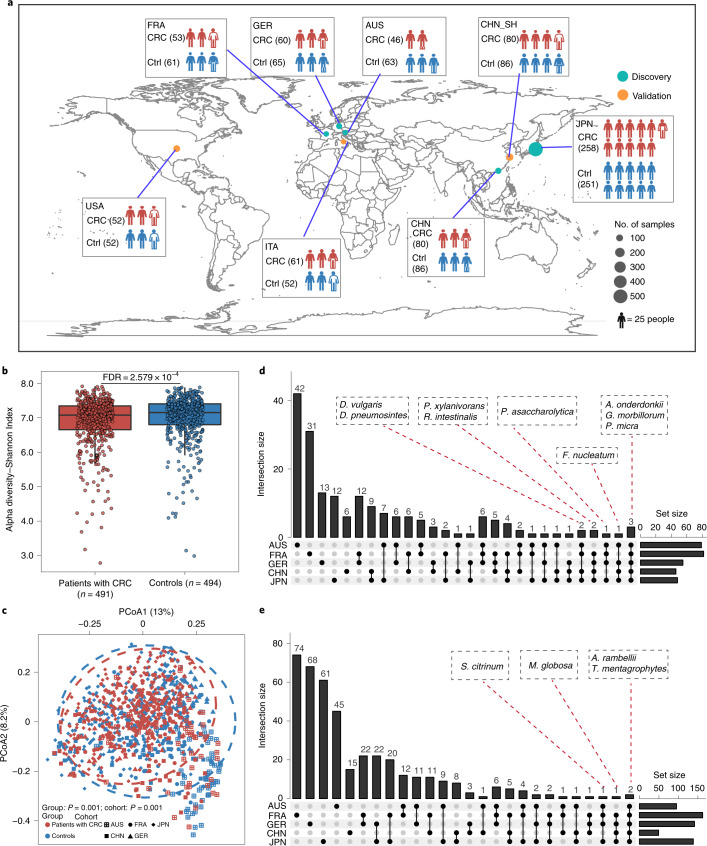
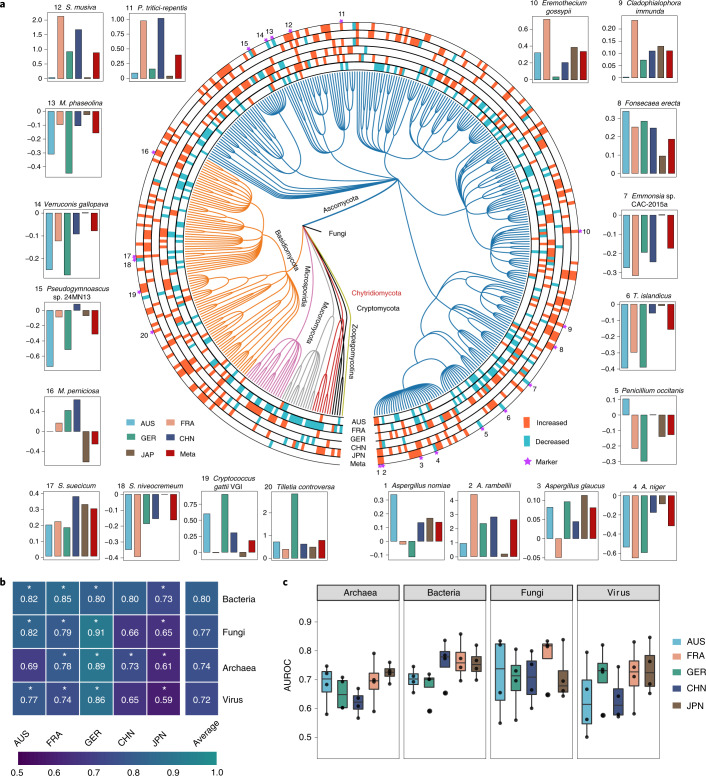
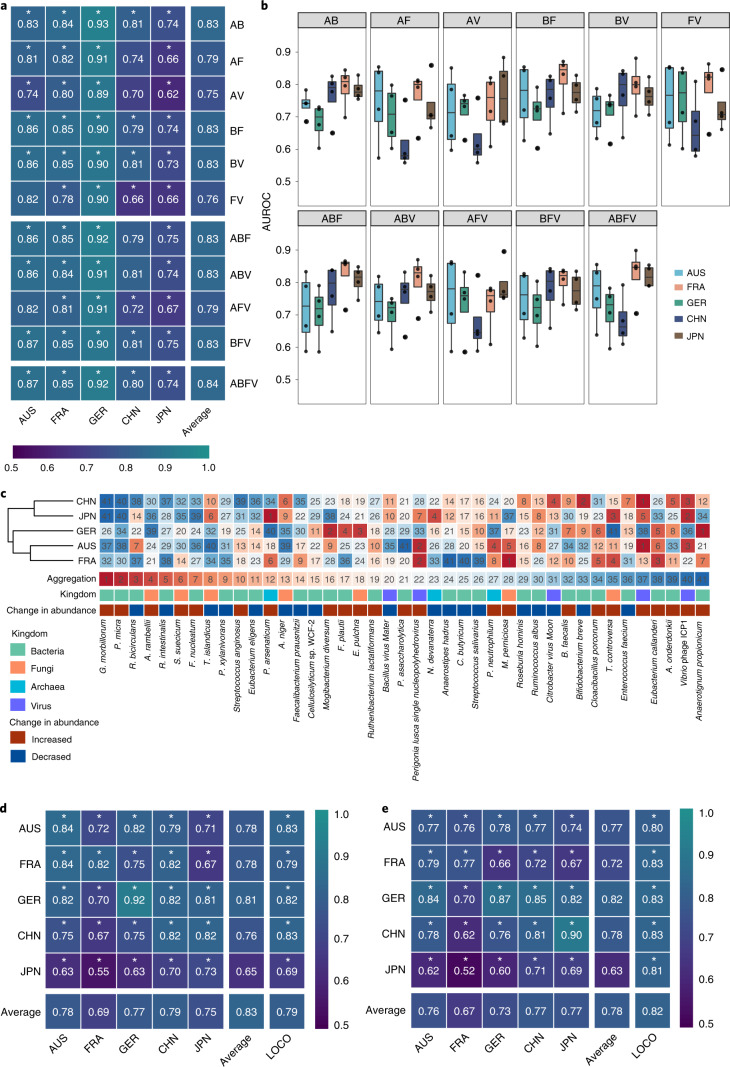
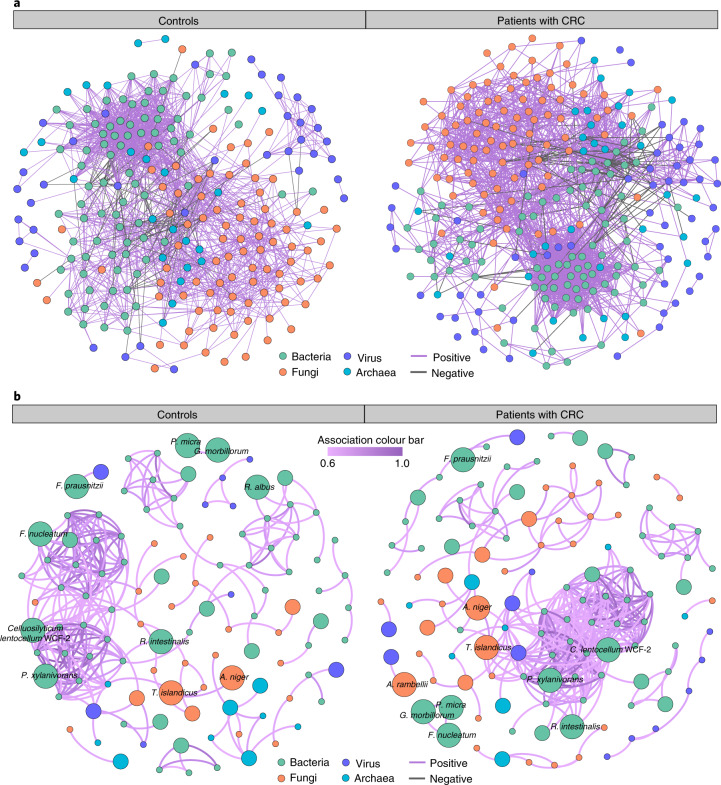
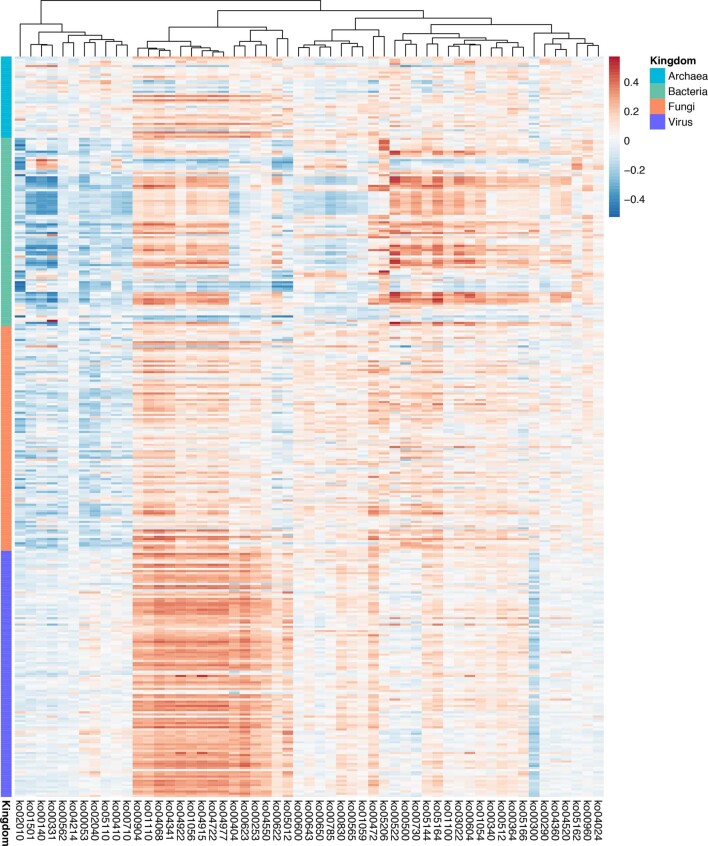
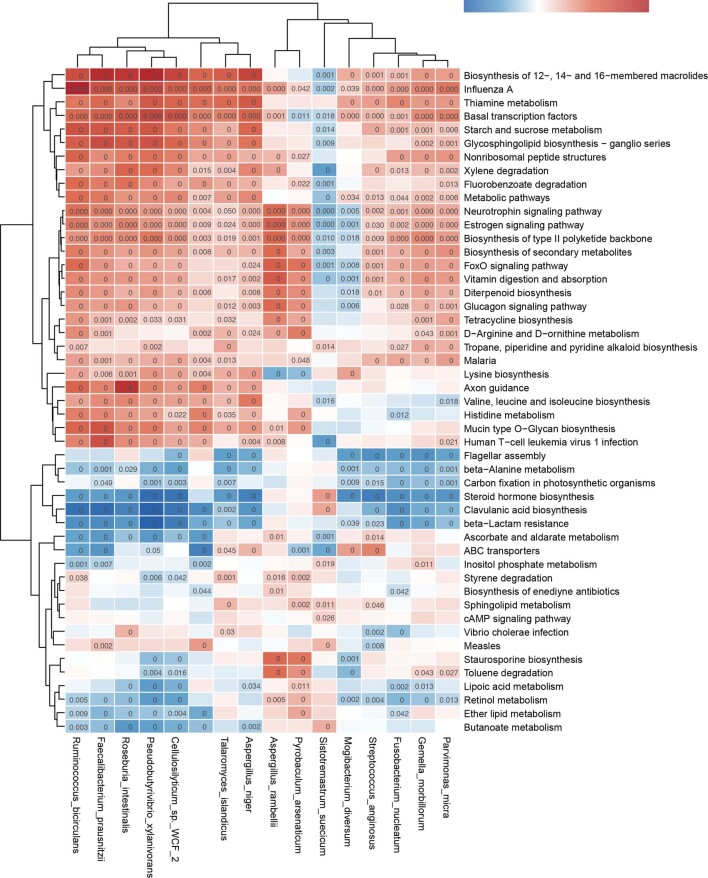
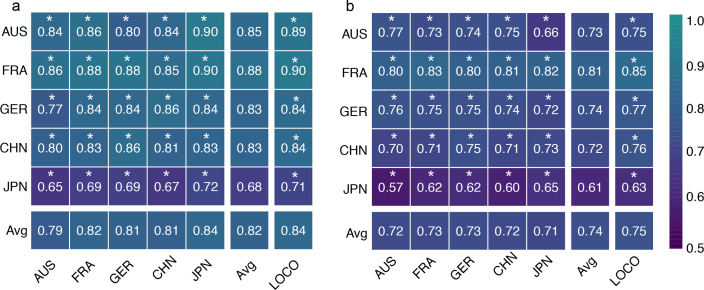
Despite recent progress in our understanding of the association between the gut microbiome and colorectal cancer (CRC), multi-kingdom gut microbiome dysbiosis in CRC across cohorts is unexplored. We investigated four-kingdom microbiota alterations using CRC metagenomic datasets of 1,368 samples from 8 distinct geographical cohorts. Integrated analysis identified 20 archaeal, 27 bacterial, 20 fungal and 21 viral species for each single-kingdom diagnostic model. However, our data revealed superior diagnostic accuracy for models constructed with multi-kingdom markers, in particular the addition of fungal species. Specifically, 16 multi-kingdom markers including 11 bacterial, 4 fungal and 1 archaeal feature, achieved good performance in diagnosing patients with CRC (area under the receiver operating characteristic curve (AUROC) = 0.83) and maintained accuracy across 3 independent cohorts. Coabundance analysis of the ecological network revealed associations between bacterial and fungal species, such as Talaromyces islandicus and Clostridium saccharobutylicum . Using metagenome shotgun sequencing data, the predictive power of the microbial functional potential was explored and elevated D-amino acid metabolism and butanoate metabolism were observed in CRC. Interestingly, the diagnostic model based on functional EggNOG genes achieved high accuracy (AUROC = 0.86). Collectively, our findings uncovered CRC-associated microbiota common across cohorts and demonstrate the applicability of multi-kingdom and functional markers as CRC diagnostic tools and, potentially, as therapeutic targets for the treatment of CRC.
Overview
The claims and statistics of this paper haven’t been checked yet.
Run the check — free, no account needed. It reads the open-access text and checks the sources it cites.
Integrity signals
Registry
Cites
Statistics
Figures
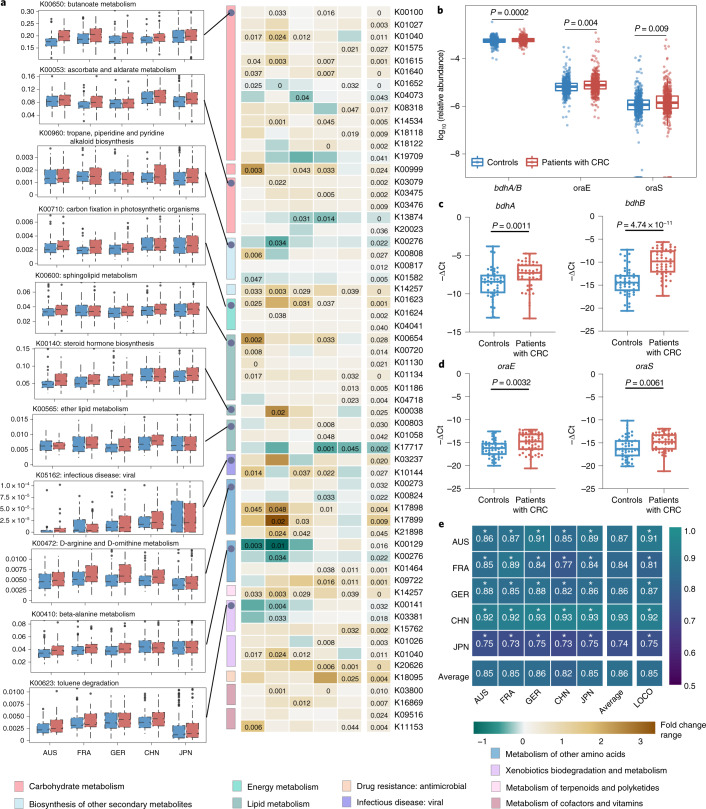
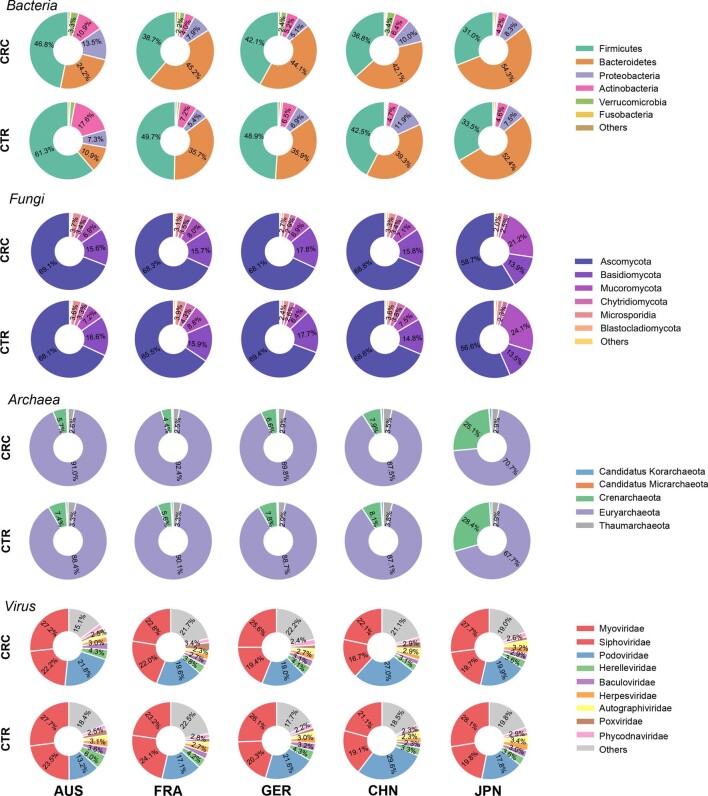
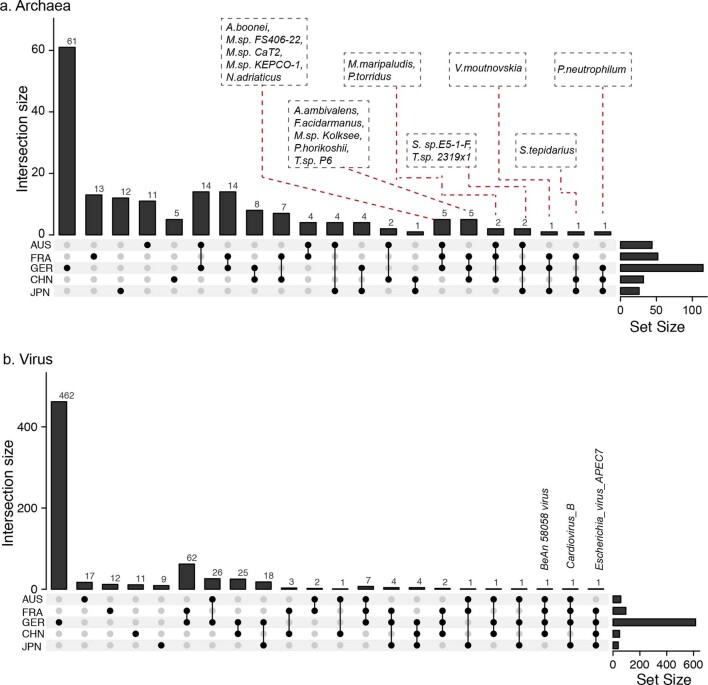
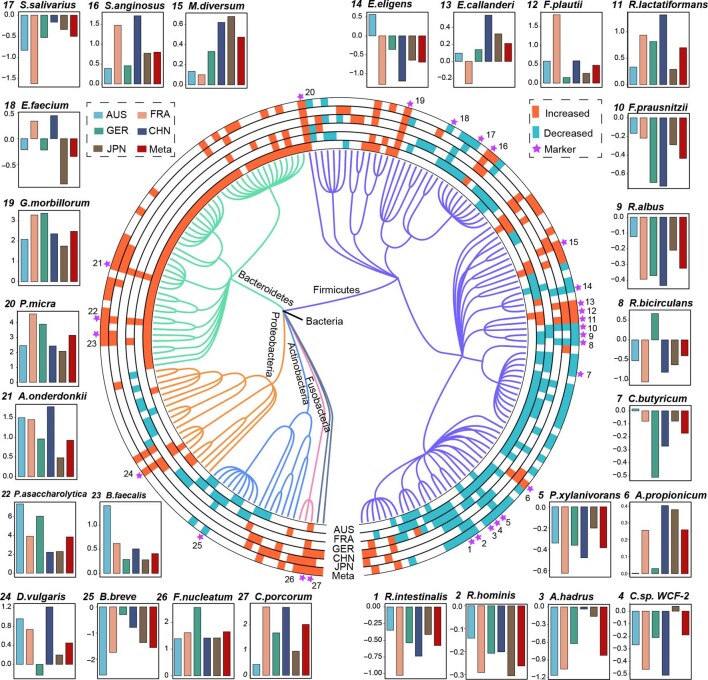
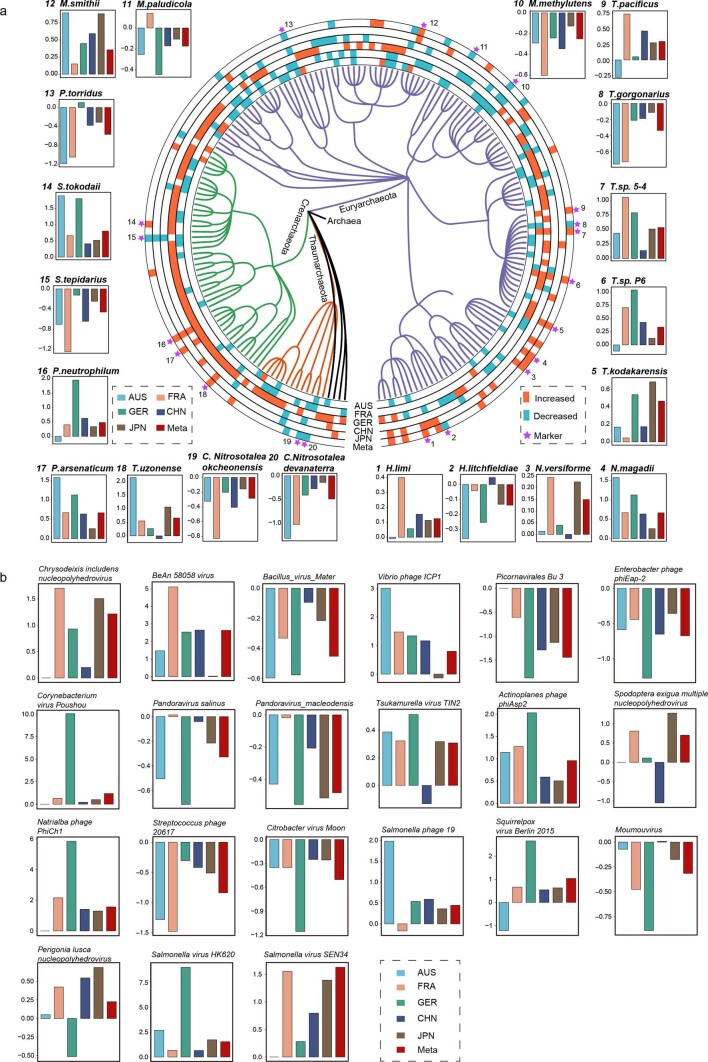
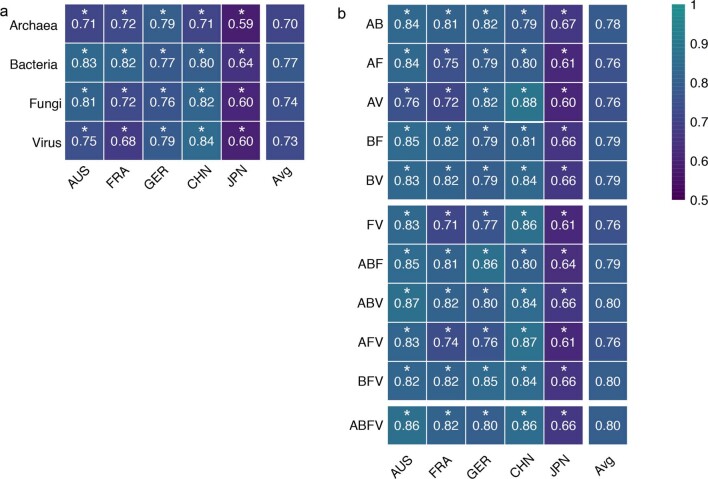
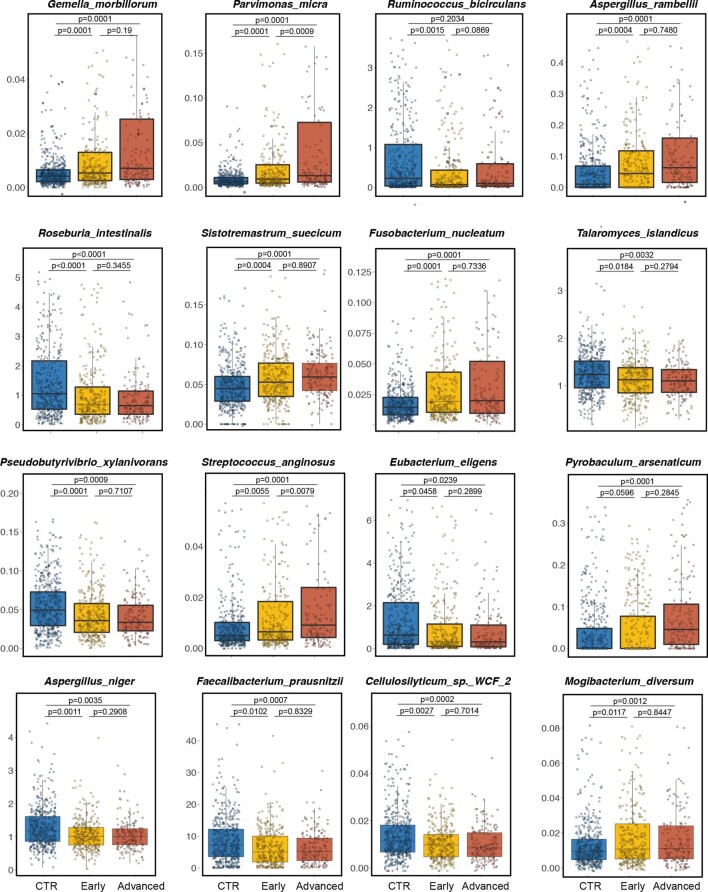
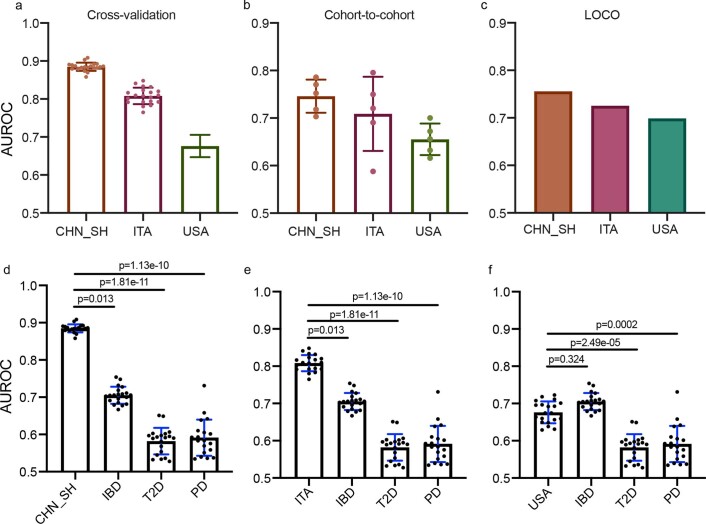
Verification
Claims the paper makes
The claims and statistics of this paper haven’t been checked yet.
Run the check — free, no account needed. It reads the open-access text and checks the sources it cites.
Claims other papers make about this one
Each is checked against this paper’s own text: does it say what the citing paper says it does?
In the citing paper
“Studies have discovered specific virome79 and mycobiome86,87 signatures for CRC GOMS, and included in vitro and in vivo experiments showing that the fungus Aspergillus rambellii can promote CRC cell growth86.”
From Gut OncoMicrobiome Signatures (GOMS) as next-generation biomarkers for cancer immunotherapy (2023) · cites this paper as [87]
Self-check
Percentages, sums and reported differences re-computed from the paper’s own numbers.
The self-check needs the paper’s full text.
Citations
Cites
Fast gapped-read alignment with Bowtie 2
Langmead, B., & Salzberg, S. L. (2012) · Nature Methods · doi:10.1038/nmeth.1923 · Cited by 56,400
Improved metagenomic analysis with Kraken 2
Wood, D. E., Lu, J., & Langmead, B. (2019) · Genome biology · doi:10.1186/s13059-019-1891-0 · Cited by 7,173
Dekker, E., Tanis, P. J., Vleugels, J. L. A., Kasi, P. M., & Wallace, M. B. (2019) · The Lancet · doi:10.1016/s0140-6736(19)32319-0 · Cited by 5,313
Multi-omics of the gut microbial ecosystem in inflammatory bowel diseases
Lloyd-Price, J., Arze, C., Ananthakrishnan, A. N., Schirmer, M., Avila-Pacheco, J., Poon, T. W., Andrews, E., Ajami, N. J., Bonham, K. S., Brislawn, C. J., et al. (2019) · Nature · doi:10.1038/s41586-019-1237-9 · Cited by 3,143
Global burden of colorectal cancer: emerging trends, risk factors and prevention strategies
Keum, N., & Giovannucci, E. L. (2019) · Nature Reviews Gastroenterology & Hepatology · doi:10.1038/s41575-019-0189-8 · Cited by 2,791
Inferring Correlation Networks from Genomic Survey Data
Friedman, J., & Alm, E. J. (2012) · PLoS Computational Biology · doi:10.1371/journal.pcbi.1002687 · Cited by 2,765
Projections of the cost of cancer care in the United States: 2010–2020
Mariotto, A. B., Robin Yabroff, K., Shao, Y., Feuer, E. J., & Brown, M. L. (2011) · JNCI Journal of the National Cancer Institute · doi:10.1093/jnci/djq495 · Cited by 2,657
Multivariable association discovery in population-scale meta-omics studies
Mallick, H., Rahnavard, A., McIver, L. J., Ma, S., Zhang, Y., Nguyen, L. H., Tickle, T. L., Weingart, G., Ren, B., Schwager, E. H., et al. (2021) · PLOS Computational Biology · doi:10.1371/journal.pcbi.1009442 · Cited by 2,596
Bracken: estimating species abundance in metagenomics data
(2016) · doi:10.7717/peerj-cs.104 · Cited by 2,333
Fusobacterium nucleatum Promotes Chemoresistance to Colorectal Cancer by Modulating Autophagy
Yu, T., Guo, F., Yu, Y., Sun, T., Ma, D., Han, J., Qian, Y., Kryczek, I., Sun, D., Nagarsheth, N., et al. (2017) · Cell · doi:10.1016/j.cell.2017.07.008 · Cited by 2,198
Research works printed but not linked: 1
- Janney, A., Powrie, F. & Mann, E. H. Host–microbiota maladaptation in colorectal cancer. Nature 585, 509–517 (2020). · DOI · Paper page
Cited by
Sorted by citations
Gut microbiota in colorectal cancer development and therapy
Wong, C. C., & Yu, J. (2023) · Nature Reviews Clinical Oncology · doi:10.1038/s41571-023-00766-x · Cited by 779
Pan-cancer analyses reveal cancer-type-specific fungal ecologies and bacteriome interactions
Narunsky-Haziza, L., Sepich-Poore, G. D., Livyatan, I., Asraf, O., Martino, C., Nejman, D., Gavert, N., Stajich, J. E., Amit, G., González, A., et al. (2022) · Cell · doi:10.1016/j.cell.2022.09.005 · Cited by 538
“, 2021) further motivate studying their interactions in tumors, and recent data suggest that combining their information provides synergistic diagnostic performance for colorectal cancer (Liu et al., 2022).”
BackgroundA pan-cancer mycobiome analysis reveals fungal involvement in gastrointestinal and lung tumors
Dohlman, A. B., Klug, J., Mesko, M., Gao, I. H., Lipkin, S. M., Shen, X., & Iliev, I. D. (2022) · Cell · doi:10.1016/j.cell.2022.09.015 · Cited by 429
Ning, L., Zhou, Y., Sun, H. L., Zhang, Y., Shen, C., Wang, Z., Xuan, B., Zhao, Y., Ma, Y., Yan, Y., et al. (2023) · Nature Communications · doi:10.1038/s41467-023-42788-0 · Cited by 334
Self-citationThe intratumor mycobiome promotes lung cancer progression via myeloid-derived suppressor cells
Liu, N., Yi, C., Wei, L., Zhou, J., Jiang, T., Hu, C.-C., Wang, L., Wang, Y.-Y., Zou, Y., Zhao, Y.-K., et al. (2023) · Cancer Cell · doi:10.1016/j.ccell.2023.08.012 · Cited by 231
Self-citation
Metadata
- Authors
- Liu, N.-N., Jiao, N., Tan, J.-C., Wang, Z., Wu, D., Wang, A.-J., Chen, J., Tao, L., Zhou, C., Fang, W., Cheong, I. H., Pan, W., Liao, W., Kozlakidis, Z., Heeschen, C., Moore, G. G., Zhu, L., Chen, X., Zhang, G., Zhu, R., & Wang, H.
- Affiliations
- Shanghai Jiao Tong University (CN)
- Sun Yat-sen University (CN)
- Shanghai University of Traditional Chinese Medicine (CN)
- Tongji University (CN)
- Chinese Academy of Sciences (CN)
- Second Military Medical University (CN)
- Centre international de recherche sur le cancer (FR)
- Agricultural Research Service (US)
- Fudan University (CN)
- Corresponding author
- Zhu, Lixin
- Chen, Xingdong
- Zhang, Guoqing
- Zhu, Ruixin
- Wang, Hui
- ORCID
- Venue
- Nature Microbiology
- Published
- 2022-01-27
- Volume
- 7
- Issue
- 2
- Pages
- 238-250
- ISSN
- 2058-5276 (ISSN-L)
- PMC
- PMC8813618
- OpenAlex
- W4210569788
- Cited by
- 306
- References
- 51
- Citations by year
- 2026: 69 · 2025: 76 · 2024: 78 · 2023: 64 · 2022: 19
- FWCI
- 20.80
- Type
- journal article
- Language
- en
- Open access
- hybrid
- doi.org
- Locations
- Nature Microbiology (publishedVersion, cc-by)
- PubMed Central (publishedVersion, cc-by)
- PubMed (publishedVersion)
- Funders
- National Natural Science Foundation of China (31900129)
- China Postdoctoral Science Foundation
- Topics
- Life Sciences › Biochemistry, Genetics and Molecular Biology › Molecular Biology › Gut microbiota and health
- Health Sciences › Medicine › Infectious Diseases › Clostridium difficile and Clostridium perfringens research
- Health Sciences › Dentistry › Periodontics › Oral microbiology and periodontitis research
- Keywords
- colorectal cancer, gut microbiota, fungal-bacterial interactions, fungal biomarkers, archaea, viral markers, cancer diagnosis, diagnostic biomarkers, co-occurrence networks, Talaromyces islandicus, Clostridium saccharobutylicum, D-amino acid metabolism, butanoate metabolism, functional metagenomics, cross-cohort validation
- MeSH terms
- Gastrointestinal Microbiome, Adult, Aged, Bacteria, Feces, Female, Fungi, Humans, Male, Middle Aged, Viruses, Colorectal Neoplasms, Cohort Studies, Biomarkers, Sequence Analysis, DNA, Metabolic Networks and Pathways, Metagenome, Microbial Interactions, Dysbiosis
About these checks
Registry, retraction, Cites and statistics results are computed, not judged, with one exception: a printed reference that no index lists is read once by a model before it counts as a citation error. Claims are extracted by a model and kept only when their quote appears verbatim in the text; each cited source is then checked, with a model’s help, for whether it says what the claim relies on. Those verdicts can be wrong — read the claim’s quote and the cited source before relying on one.
Statistics and arithmetic are recomputed, not judged.
Confidence bands are shown only for fields calibrated on our annotated test set. None is calibrated yet, so no band is shown.
What counts as a claim ›How we measure confidence ›How we check this ›
Are you an author, or do you see a problem with this page? Request a review
