

The DOI matches its Crossref record; 74 of the 74 references it cites were found in a registry or an index.
Ordered and deterministic cancer genome evolution after p53 loss
Open accessAbstract
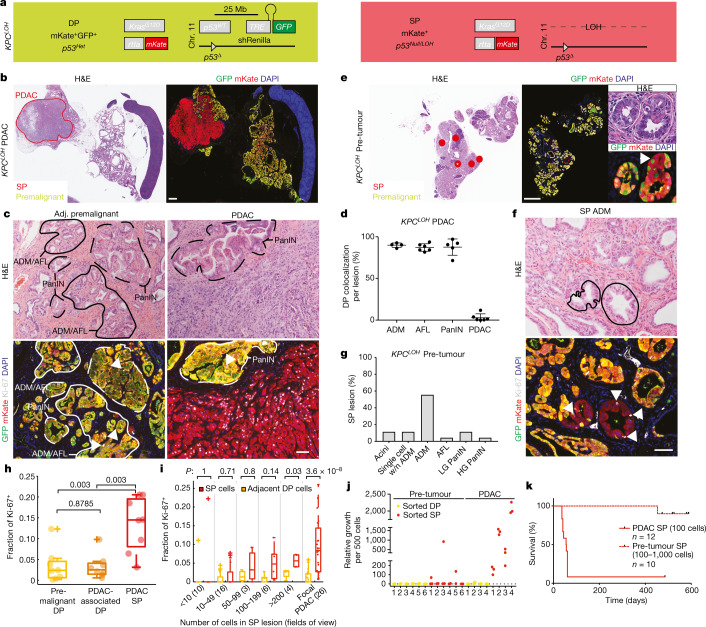
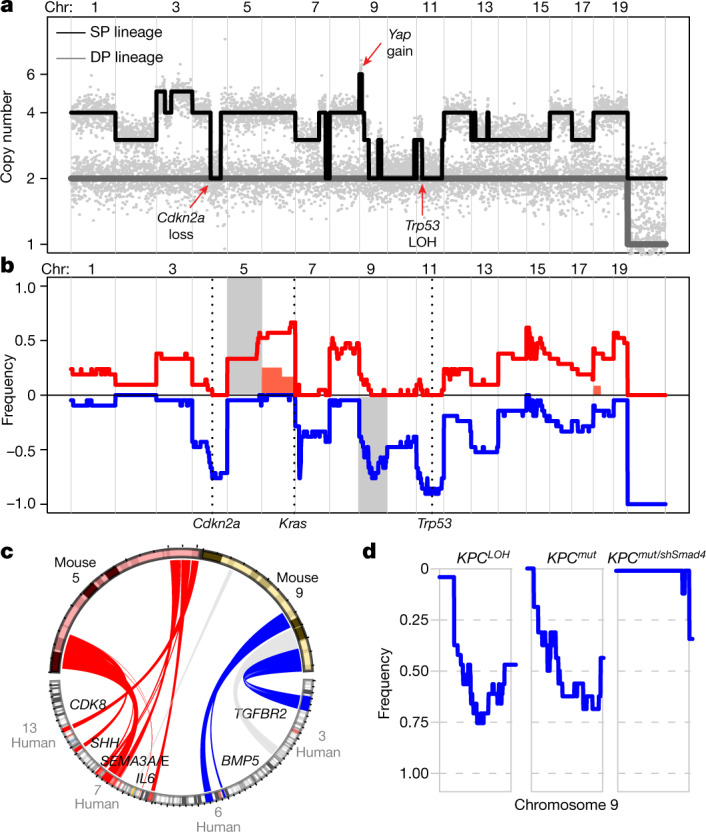
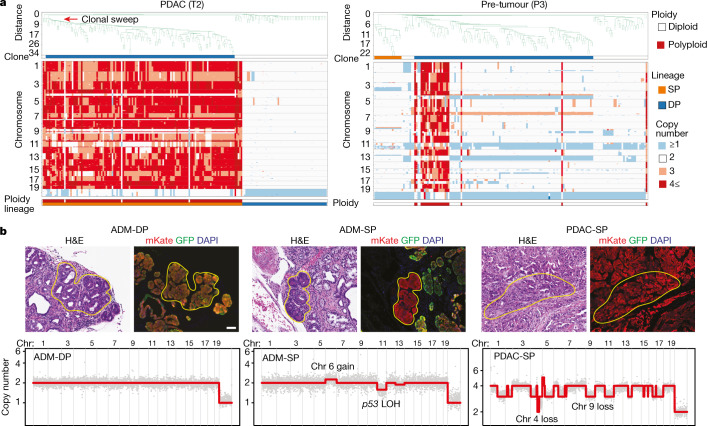
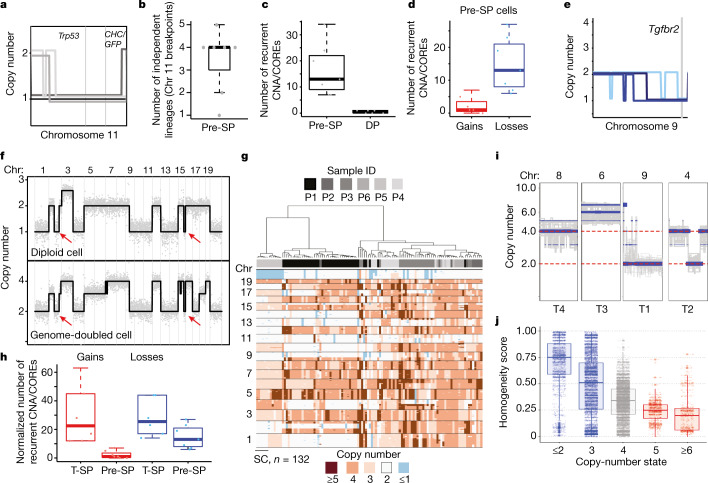
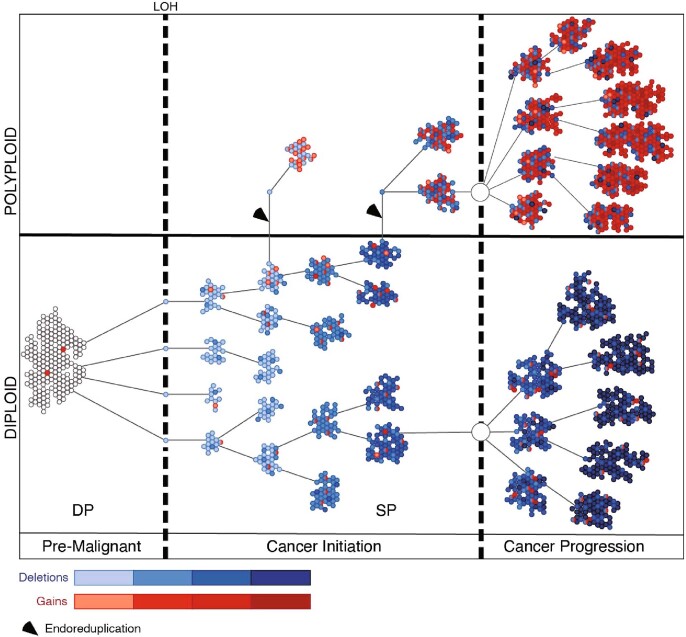
Although p53 inactivation promotes genomic instability 1 and presents a route to malignancy for more than half of all human cancers 2,3 , the patterns through which heterogenous TP53 (encoding human p53) mutant genomes emerge and influence tumorigenesis remain poorly understood. Here, in a mouse model of pancreatic ductal adenocarcinoma that reports sporadic p53 loss of heterozygosity before cancer onset, we find that malignant properties enabled by p53 inactivation are acquired through a predictable pattern of genome evolution. Single-cell sequencing and in situ genotyping of cells from the point of p53 inactivation through progression to frank cancer reveal that this deterministic behaviour involves four sequential phases— Trp53 (encoding mouse p53) loss of heterozygosity, accumulation of deletions, genome doubling, and the emergence of gains and amplifications—each associated with specific histological stages across the premalignant and malignant spectrum. Despite rampant heterogeneity, the deletion events that follow p53 inactivation target functionally relevant pathways that can shape genomic evolution and remain fixed as homogenous events in diverse malignant populations. Thus, loss of p53—the ‘guardian of the genome’—is not merely a gateway to genetic chaos but, rather, can enable deterministic patterns of genome evolution that may point to new strategies for the treatment of TP53- mutant tumours.
Overview
The claims and statistics of this paper haven’t been checked yet.
Run the check — free, no account needed. It reads the open-access text and checks the sources it cites.
Integrity signals
Registry
Cites
Statistics
Figures
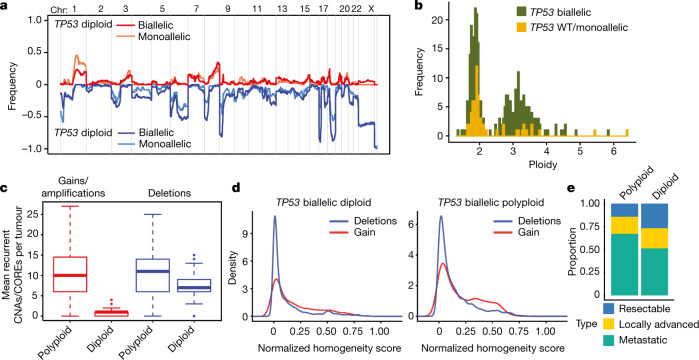
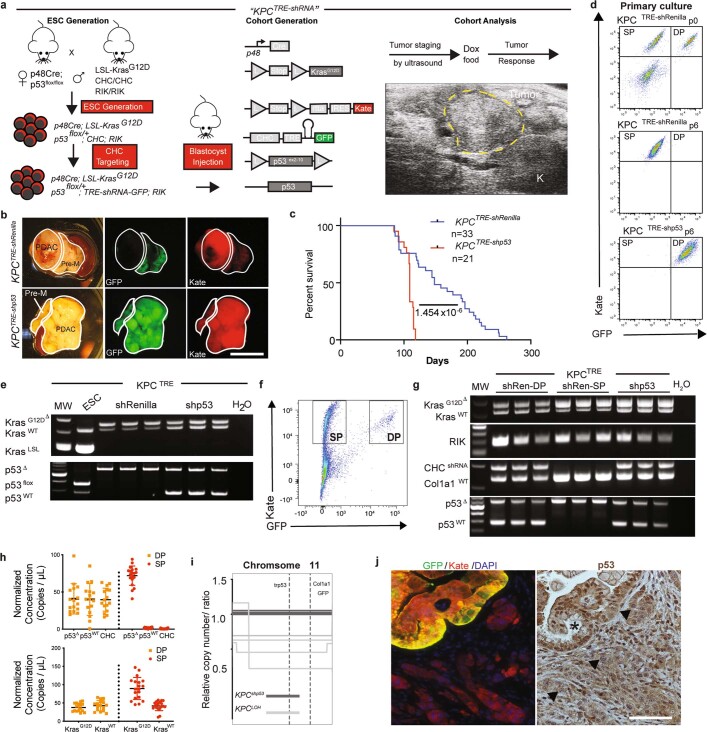
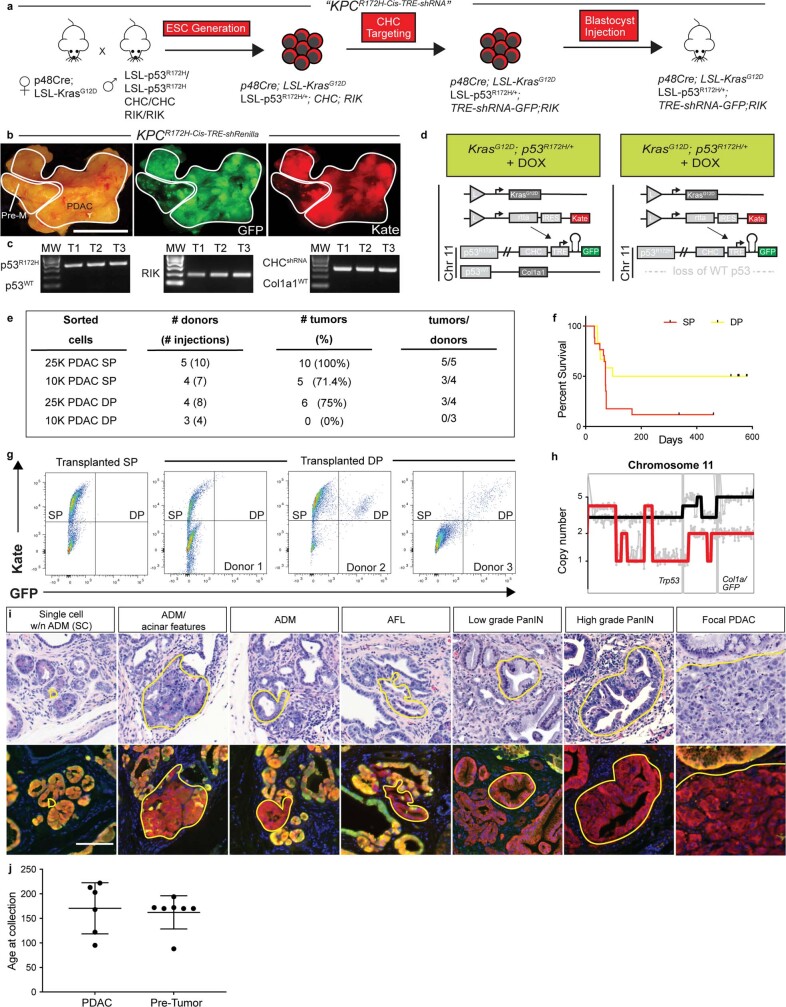
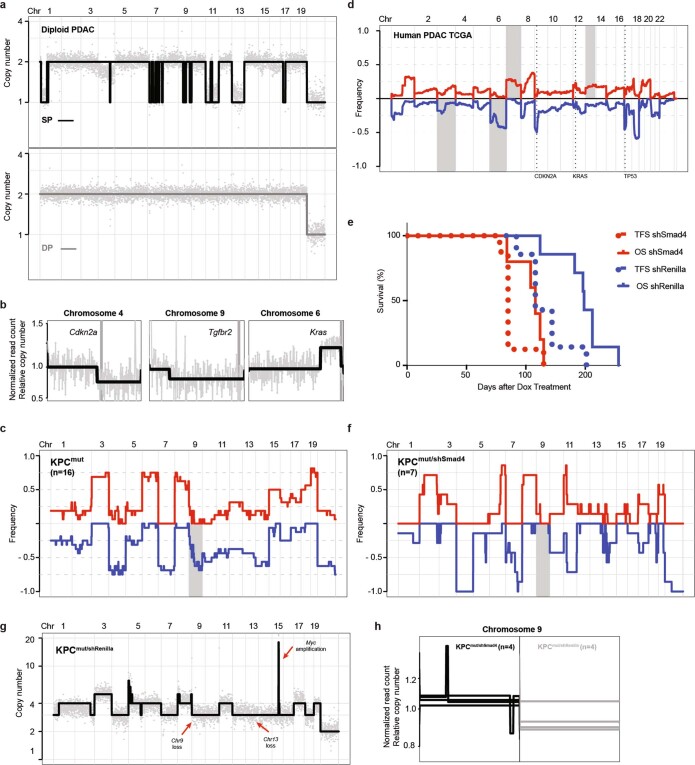
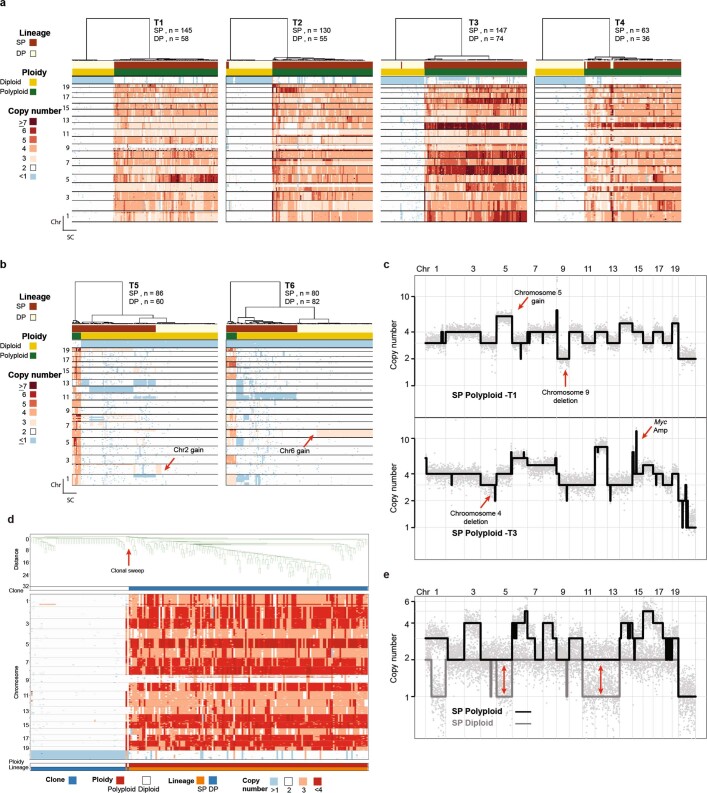
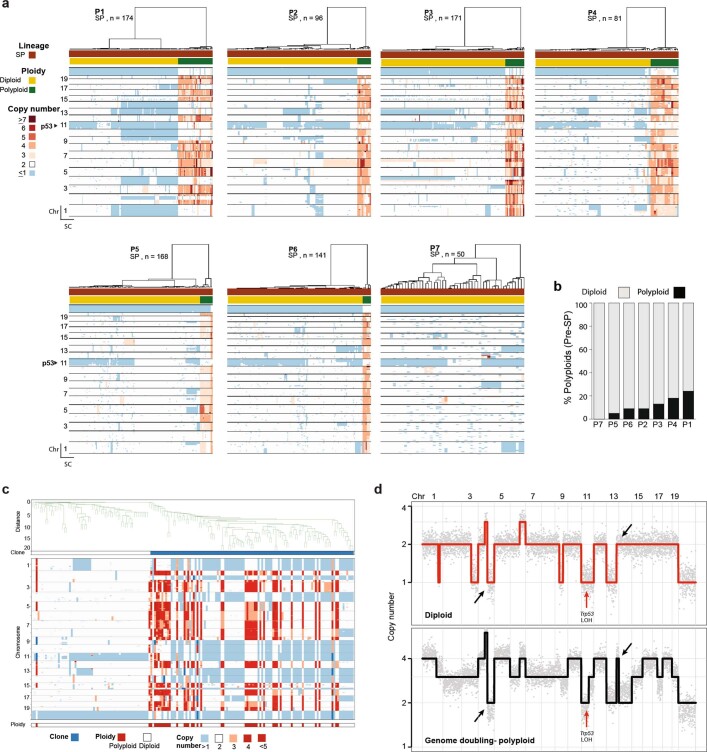
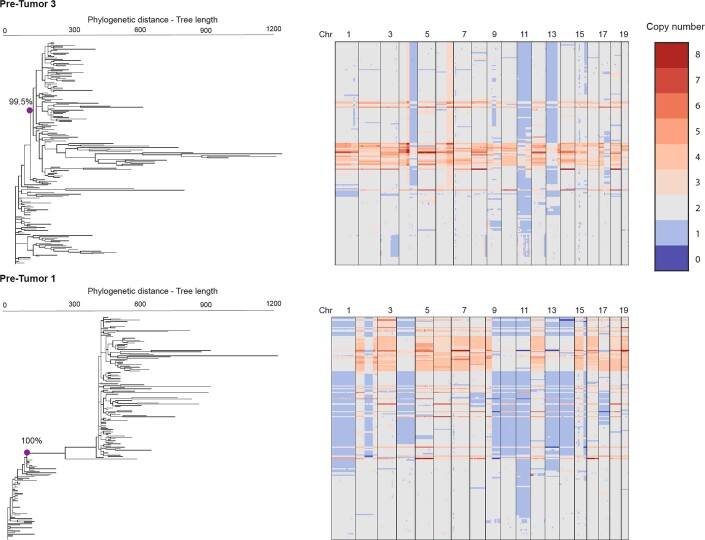
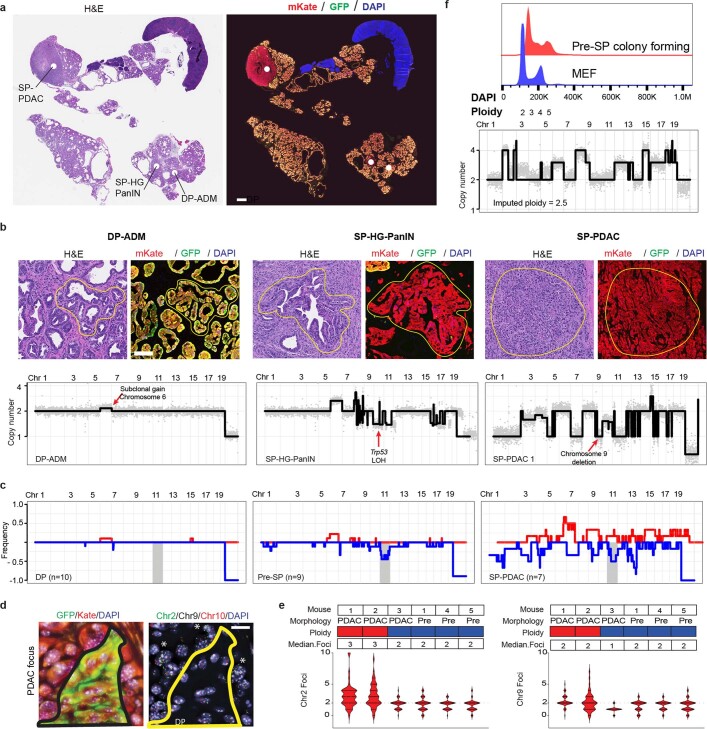
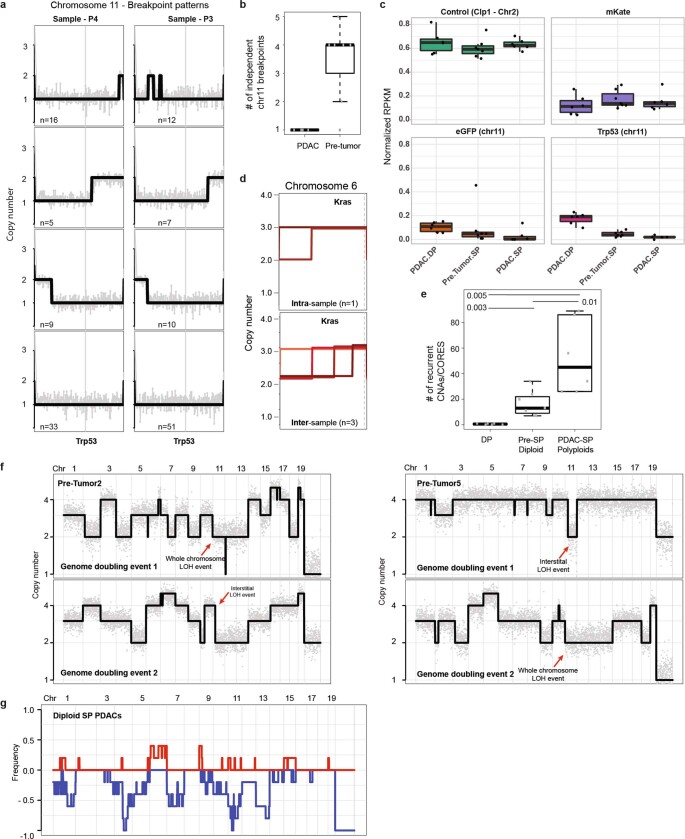
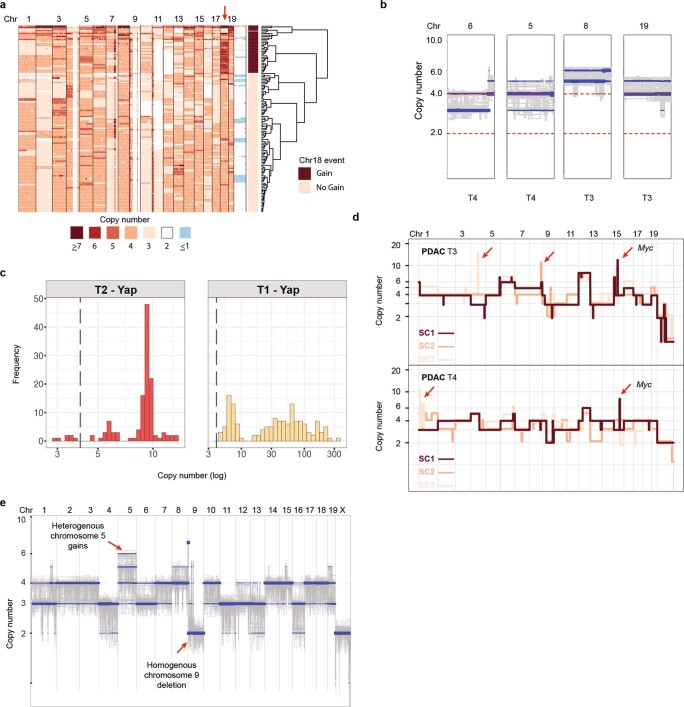
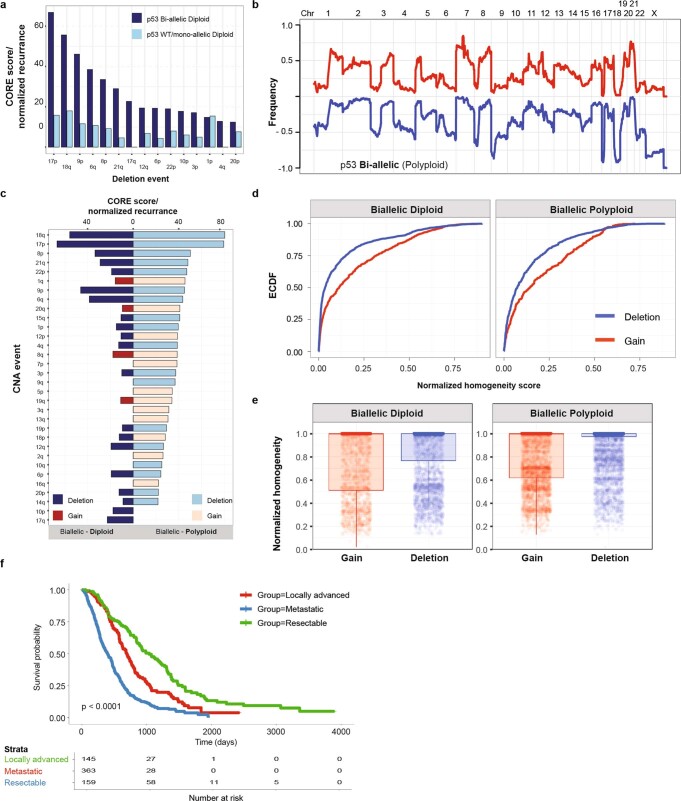
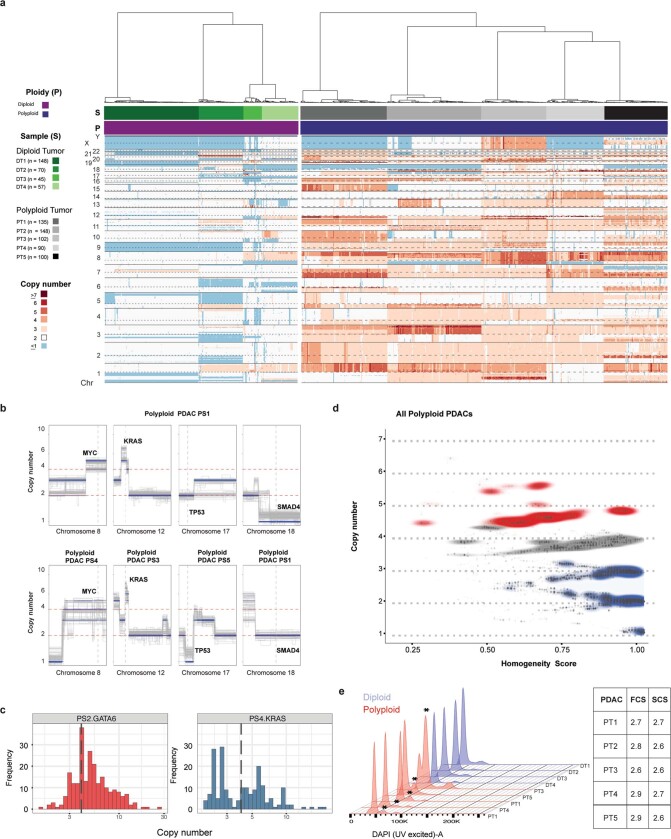
Verification
Claims the paper makes
The claims and statistics of this paper haven’t been checked yet.
Run the check — free, no account needed. It reads the open-access text and checks the sources it cites.
Claims other papers make about this one
Each is checked against this paper’s own text: does it say what the citing paper says it does?
In the citing paper
“PDAC mouse models have suggested TP53 mutations promote a patterned loss of genomic integrity as opposed to a chaotic process60.”
From Pancreatic cancer: Advances and challenges (2023) · cites this paper as [60]
Self-check
Percentages, sums and reported differences re-computed from the paper’s own numbers.
The self-check needs the paper’s full text.
Citations
Cites
PD-1 and PD-L1 Immune Checkpoint Blockade to Treat Breast Cancer
Hartkopf, A. D., Taran, F., Wallwiener, M., Walter, C. B., Krämer, B., Grischke, E., & Brucker, S. Y. (2016) · Breast Care · doi:10.1159/000453569 · Cited by 30,989
Lane, D. P. (1992) · Nature · doi:10.1038/358015a0 · Cited by 5,138
Core Signaling Pathways in Human Pancreatic Cancers Revealed by Global Genomic Analyses
Jones, S., Zhang, X., Parsons, D. W., Lin, J. C.-H., Leary, R. J., Angenendt, P., Mankoo, P., Carter, H., Kamiyama, H., Jimeno, A., et al. (2008) · Science · doi:10.1126/science.1164368 · Cited by 3,969
Self-citationPan-cancer analysis of whole genomes
The ICGC/TCGA Pan-Cancer Analysis of Whole Genomes Consortium, Aaltonen, L. A., Abascal, F., Abeshouse, A., Aburatani, H., Adams, D. J., Agrawal, N., Ahn, K. S., Ahn, S.-M., Aikata, H., et al. (2020) · Nature · doi:10.1038/s41586-020-1969-6 · Cited by 3,064
Whole genomes redefine the mutational landscape of pancreatic cancer
Initiative, A. P. C. G., Waddell, N., Pajic, M., Patch, A.-M., Chang, D. K., Kassahn, K. S., Bailey, P., Johns, A. L., Miller, D., Nones, K., et al. (2015) · Nature · doi:10.1038/nature14169 · Cited by 2,642
Self-citationHingorani, S. R., Wang, L., Multani, A. S., Combs, C., Deramaudt, T. B., Hruban, R. H., Rustgi, A. K., Chang, S., & Tuveson, D. A. (2005) · Cancer Cell · doi:10.1016/j.ccr.2005.04.023 · Cited by 2,609
Tumour evolution inferred by single-cell sequencing
Navin, N., Kendall, J., Troge, J., Andrews, P., Rodgers, L., McIndoo, J., Cook, K., Stepansky, A., Levy, D., Esposito, D., et al. (2011) · Nature · doi:10.1038/nature09807 · Cited by 2,598
Self-citationSenescence and tumour clearance is triggered by p53 restoration in murine liver carcinomas
Xue, W., Zender, L., Miething, C., Dickins, R. A., Hernando, E., Krizhanovsky, V., Cordon-Cardo, C., & Lowe, S. W. (2007) · Nature · doi:10.1038/nature05529 · Cited by 2,473
Self-citationMemorial Sloan Kettering-Integrated Mutation Profiling of Actionable Cancer Targets (MSK-IMPACT)
Cheng, D. T., Mitchell, T. N., Zehir, A., Shah, R. H., Benayed, R., Syed, A., Chandramohan, R., Liu, Z. Y., Won, H. H., Scott, S. N., et al. (2015) · The Journal of Molecular Diagnostics · doi:10.1016/j.jmoldx.2014.12.006 · Cited by 2,119
Pancreatic cancer genomes reveal aberrations in axon guidance pathway genes
Initiative, A. P. C. G., Biankin, A. V., Waddell, N., Kassahn, K. S., Gingras, M.-C., Muthuswamy, L. B., Johns, A. L., Miller, D. K., Wilson, P. J., Patch, A.-M., et al. (2012) · Nature · doi:10.1038/nature11547 · Cited by 2,058
Self-citation
Cited by
Sorted by citations
Items 201–223 of 223
p53 and YAP/TAZ-TEAD activities determine metaplastic heterogeneity in pancreatic cancerPreprint
Martin, C. P., Bang, S., Gomes, J. R., Sullivan, W. B., Liu, Y., Smith, M. D., Edwards, A. C., Der, C. J., & Morris, J. P. (2025) · bioRxiv (Cold Spring Harbor Laboratory) · doi:10.64898/2025.12.11.693520
Self-citationZhang, X., Feng, R., Guo, J., Pan, L., Yao, Y., & Gao, J. (2024) · Figshare · doi:10.6084/m9.figshare.26644324
Zhang, X., Feng, R., Guo, J., Pan, L., Yao, Y., & Gao, J. (2024) · Figshare · doi:10.6084/m9.figshare.26644321
Additional file 1 of scAbsolute: measuring single-cell ploidy and replication status
Schneider, M. P., Cullen, A. E., Pangonyte, J., Skelton, J., Major, H., Oudenhove, E. V., Garcia, M. J., Chaves-Urbano, B., Piskorz, A., Brenton, J. D., et al. (2024) · Figshare · doi:10.6084/m9.figshare.26688296
Additional file 3 of scAbsolute: measuring single-cell ploidy and replication status
Schneider, M. P., Cullen, A. E., Pangonyte, J., Skelton, J., Major, H., Oudenhove, E. V., Garcia, M. J., Chaves-Urbano, B., Piskorz, A., Brenton, J. D., et al. (2024) · Figshare · doi:10.6084/m9.figshare.26688302
Additional file 2 of scAbsolute: measuring single-cell ploidy and replication status
Schneider, M. P., Cullen, A. E., Pangonyte, J., Skelton, J., Major, H., Oudenhove, E. V., Garcia, M. J., Chaves-Urbano, B., Piskorz, A., Brenton, J. D., et al. (2024) · Figshare · doi:10.6084/m9.figshare.26688299
Zhang, X., Feng, R., Guo, J., Pan, L., Yao, Y., & Gao, J. (2024) · Figshare · doi:10.6084/m9.figshare.26644318
Martinkova, L., Zatloukalová, P., Kucerikova, M., Friedlová, N., Tylichová, Z., Zavadil-Kokas, F., Hupp, T. R., Coates, P. J., & Vojtesek, B. (2024) · Figshare · doi:10.6084/m9.figshare.26952316
Pro‐ATO/Allicin Liposomes for Dual‐Pathway Targeting of p53‐Mutant Tumors
Xu, X., Cheng, W., Yang, M., He, L., Ren, W., Chen, J., He, L., Bao, D., Zhu, Z., Wang, L., et al. (2026) · Advanced Science · doi:10.1002/advs.202519194
Basal crypt dysplasia in Barrett’s oesophagus: ready for prime time?
Deshpande, V., Meijer, S. L., & Jansen, M. (2026) · Gut · doi:10.1136/gutjnl-2025-335911
Herrera-Fernández, V., Dremsek, P., Hengstschläger, M., & Lomakin, A. J. (2026) · Cancer and Metastasis Reviews · doi:10.1007/s10555-026-10330-5
A snapshot of the earliest stages of hepatocellular carcinoma
Andrades, Á., & Korbel, J. O. (2026) · Cancer Cell · doi:10.1016/j.ccell.2026.03.008
Reyes, J. (2026) · Dipòsit Digital de la Universitat de Barcelona (Universitat de Barcelona) · doi:10.5281/zenodo.18892592
Self-citationWang, Z., Yuan, W., Song, M., Zhang, M., Yang, C., Xia, W., Chen, J., Zhen, Y., Liu, Y., Liu, H., et al. (2026) · Chemical Engineering Journal · doi:10.1016/j.cej.2026.176541
Self-citationIourov, I. Y., Морозов, Д. А., Демидова, И. А., Куринная, О. С., Kolotii, A. D., Vasin, K. S., & Chaika, Y. A. (2026) · Russian Journal for Personalized Medicine · doi:10.18705/2782-3806-2026-6-1-19-31
Agentic AI Based Reliable Brain Tumour Methylation Profiling
Matheswar, A., Subbulakshmi, B., Karthigeyan, R., & Karpaga Ganesh, S. (2026) · International Conference on Artificial Intelligence and Machine Learning Applications Theme: Healthcare and Internet of Things (AIMLA) · doi:10.1109/aimla67915.2026.11522295
Zhang, S. N., Song, X., Fu, K., & Liu, J. W. (2026) · Frontiers in Oncology · doi:10.3389/fonc.2026.1819664
Self-citationCao, J., Xu, M., Zhou, W., Zhong, S., Xiaoxuan, C., Xie, H., & Shen, Z. (2026) · Frontiers in Molecular Biosciences · doi:10.3389/fmolb.2026.1779180
Chen, Q., Chen, Y., Yang, H., & Zhu, X. (2026) · Frontiers in Oncology · doi:10.3389/fonc.2026.1899923
Chromosomal instability in cancer: sources, consequences and new therapeutic opportunities
Serpico, A. F., & Grieco, D. (2026) · Signal Transduction and Targeted Therapy · doi:10.1038/s41392-026-02940-w
Immunologic Consequences of Genomic Instabilities
Alouani, E. L., Fumet, J.-D., Johannet, P. M., Marabelle, A., & Rousseau, B. (2026) · Cancer Discovery · doi:10.1158/2159-8290.cd-25-2063
Escape from replicative crisis and immortalization precedes complex genome evolutionPreprint
Schmidt, T. T., Cosenza, M. R., Popay, T. M., Przetocka, S., Haggblom, C., Allsing, N., Lande, K., Grimstead, J. W., Williams, A. E., Baird, D. A., et al. (2026) · bioRxiv (Cold Spring Harbor Laboratory) · doi:10.64898/2026.10.09.758087
Tanaka, N., Hadi, J. A., Zhao, M., Tang, L., Wang, Q., Wang, J., Myers, J. N., & Zhou, G. (2026) · Laryngoscope Investigative Otolaryngology · doi:10.1002/lio2.70562
Metadata
- Authors
- Baslan, T., Morris, J. P., Zhao, Z., Reyes, J., Ho, Y.-J., Tsanov, K. M., Bermeo, J., Tian, S., Zhang, S., Askan, G., Yavas, A., Lecomte, N., Erakky, A., Varghese, A. M., Zhang, A., Kendall, J., Ghiban, E., Chorbadjiev, L., Wu, J., Dimitrova, N., Chadalavada, K., Nanjangud, G. J., Bandlamudi, C., Gong, Y., Donoghue, M. T. A., Socci, N. D., Krasnitz, A., Notta, F., Leach, S. D., Iacobuzio-Donahue, C. A., & Lowe, S. W.
- Affiliations
- Memorial Sloan Kettering Cancer Center (US)
- University of North Carolina at Chapel Hill (US)
- Ontario Institute for Cancer Research (CA)
- Cold Spring Harbor Laboratory (US)
- Technical University of Sofia (BG)
- Philips (United States) (US)
- Corresponding author
- Lowe, Scott W.
- ORCID
- Baslan, Timour
- Morris, John P.
- Zhao, Zhen
- Ho, Yu-Jui
- Tsanov, Kaloyan M.
- Bermeo, Jonathan
- Tian, Sha
- Zhang, Sean
- Yavas, Aslihan
- Lecomte, Nicolas
- Erakky, Amanda
- Varghese, Anna M.
- Zhang, Amy
- Wu, Jie
- Dimitrova, Nevenka
- Chadalavada, Kalyani
- Nanjangud, Gouri J.
- Bandlamudi, Chaitanya
- Gong, Yixiao
- Donoghue, Mark T. A.
- Socci, Nicholas D.
- Notta, Faiyaz
- Leach, Steve D.
- Iacobuzio-Donahue, Christine A.
- Lowe, Scott W.
- Venue
- Nature
- Published
- 2022-08-17
- Volume
- 608
- Issue
- 7924
- Pages
- 795-802
- ISSN
- 0028-0836 (ISSN-L)
- 1476-4687
- PMC
- PMC9402436
- OpenAlex
- W4292122046
- Cited by
- 221
- References
- 73
- Citations by year
- 2026: 29 · 2025: 46 · 2024: 71 · 2023: 63 · 2022: 12
- FWCI
- 20.37
- Type
- journal article
- Language
- en
- Open access
- hybrid
- doi.org
- Locations
- Nature (publishedVersion, cc-by)
- PubMed Central (publishedVersion, cc-by)
- PubMed (publishedVersion)
- Cold Spring Harbor Laboratory Institutional Repository (Cold Spring Harbor Laboratory) (acceptedVersion)
- RePEc: Research Papers in Economics (submittedVersion)
- Funders
- Howard Hughes Medical Institute (P30 CA008748)
- Simons Foundation (519054)
- Damon Runyon Cancer Research Foundation (P30 CA008748)
- Pancreatic Cancer Action Network
- Memorial Sloan-Kettering Cancer Center (CA008748, P30 CA008748)
- Wellcome Trust
- Cold Spring Harbor Laboratory
- National Institutes of Health (CA008748, 5p30ca045508-35)
- Philips Research Americas
- National Cancer Institute (P01CA087497, CA008748, P30-CA045508, P01CA013106, P30CA008748)
- Topics
- Life Sciences › Biochemistry, Genetics and Molecular Biology › Cancer Research › Cancer Genomics and Diagnostics
- Health Sciences › Medicine › Oncology › Cancer-related Molecular Pathways
- Health Sciences › Medicine › Oncology › Pancreatic and Hepatic Oncology Research
- Keywords
- TP53 mutation, cancer genome evolution, pancreatic ductal adenocarcinoma, Trp53, genomic deletions, genome doubling, gene amplification, carcinogenesis, precancerous lesions, histological stage, single-cell genotyping, tumor heterogeneity
- MeSH terms
- Adenocarcinoma, Animals, Models, Genetic, Pancreatic Neoplasms, Genes, p53, Tumor Suppressor Protein p53, Genome, Gene Deletion, Disease Progression, Evolution, Molecular, Loss of Heterozygosity, Carcinoma, Pancreatic Ductal, Mice, Carcinogenesis
About these checks
Registry, retraction, Cites and statistics results are computed, not judged, with one exception: a printed reference that no index lists is read once by a model before it counts as a citation error. Claims are extracted by a model and kept only when their quote appears verbatim in the text; each cited source is then checked, with a model’s help, for whether it says what the claim relies on. Those verdicts can be wrong — read the claim’s quote and the cited source before relying on one.
Statistics and arithmetic are recomputed, not judged.
Confidence bands are shown only for fields calibrated on our annotated test set. None is calibrated yet, so no band is shown.
What counts as a claim ›How we measure confidence ›How we check this ›
Are you an author, or do you see a problem with this page? Request a review
