

The DOI matches its Crossref record; 74 of the 74 references it cites were found in a registry or an index.
Ordered and deterministic cancer genome evolution after p53 loss
Open accessAbstract
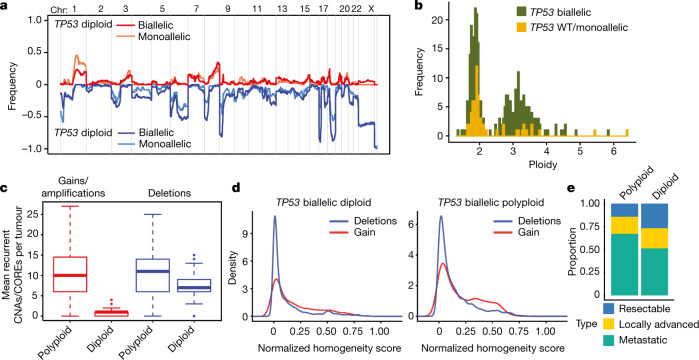
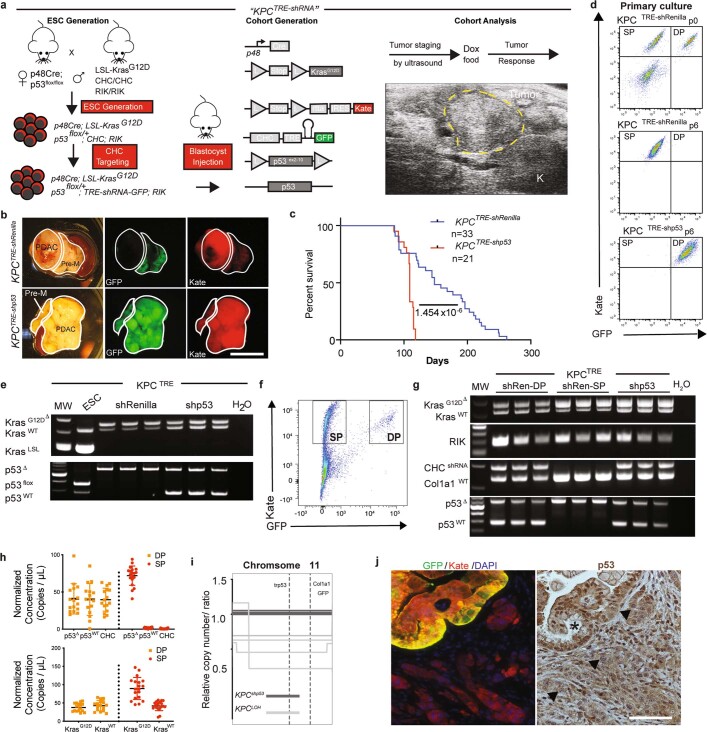
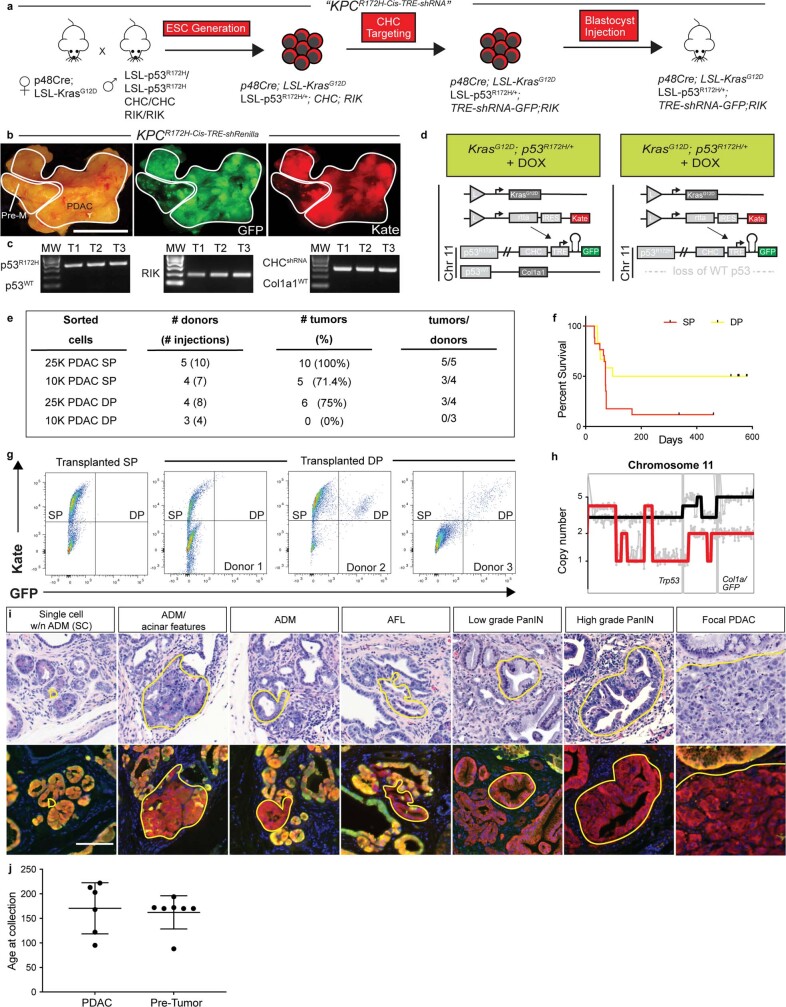
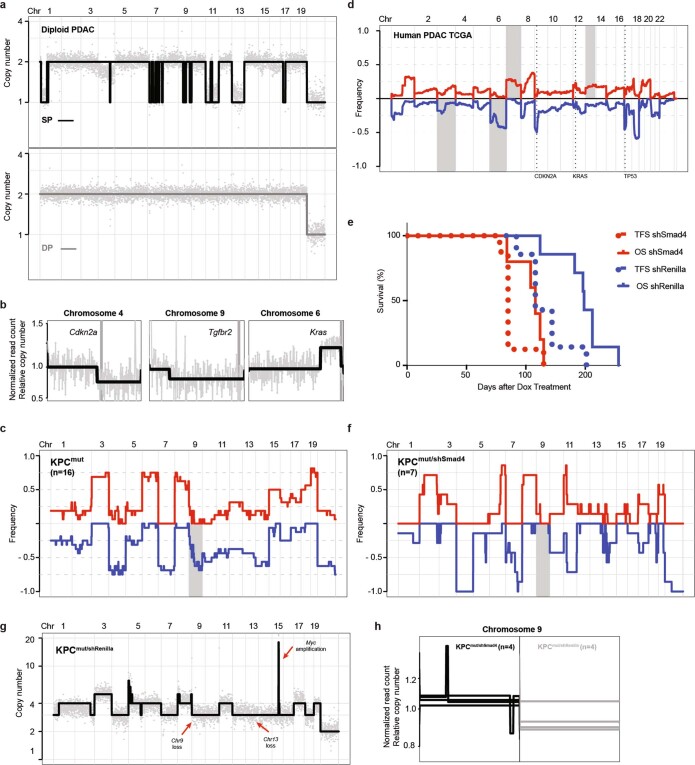
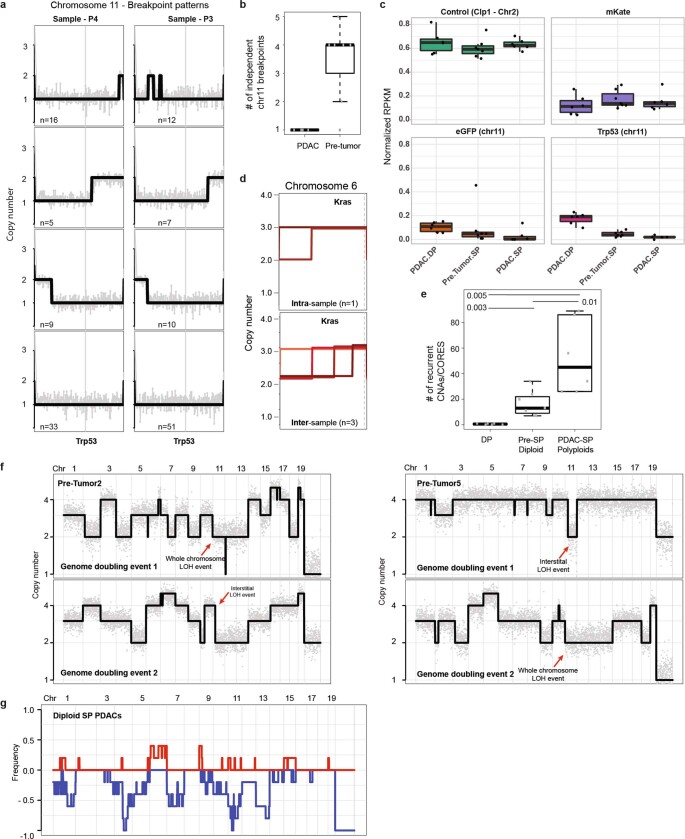
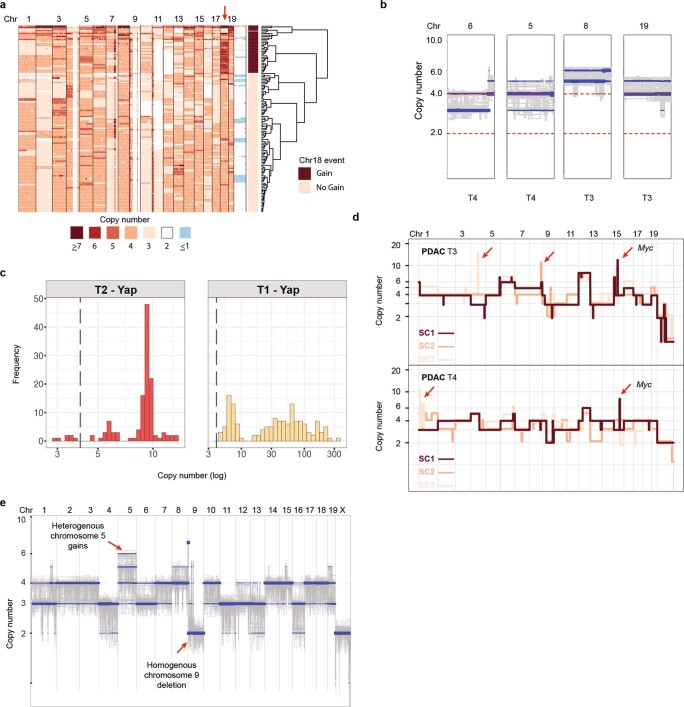
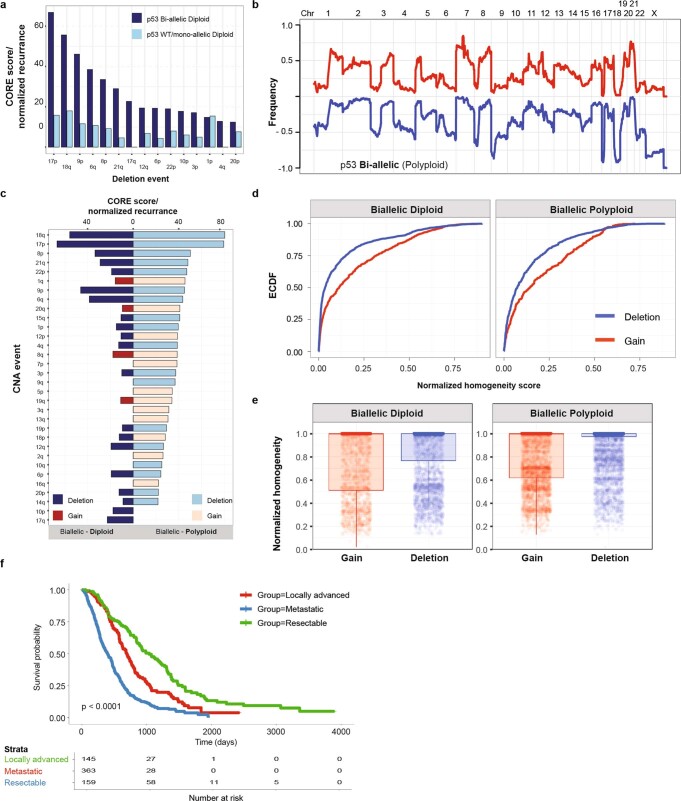
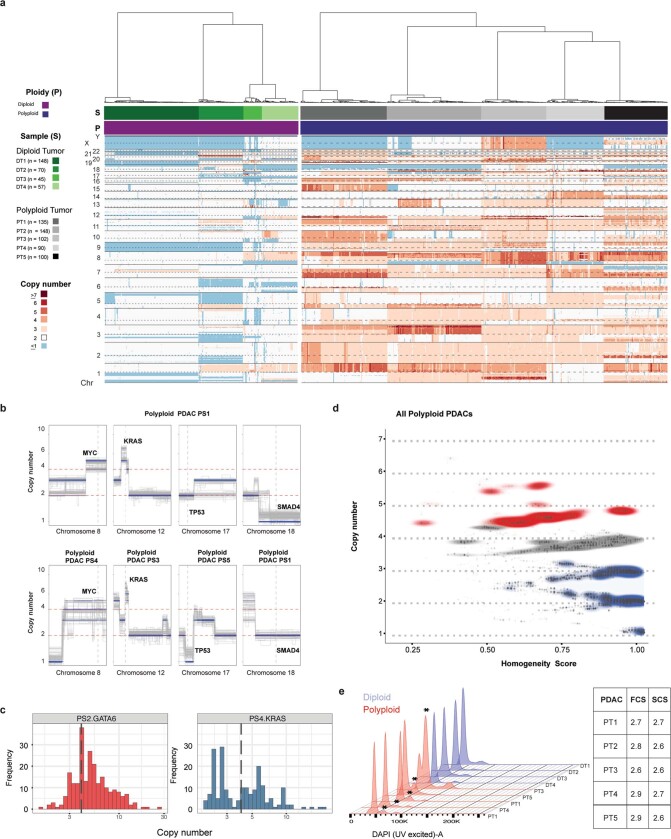
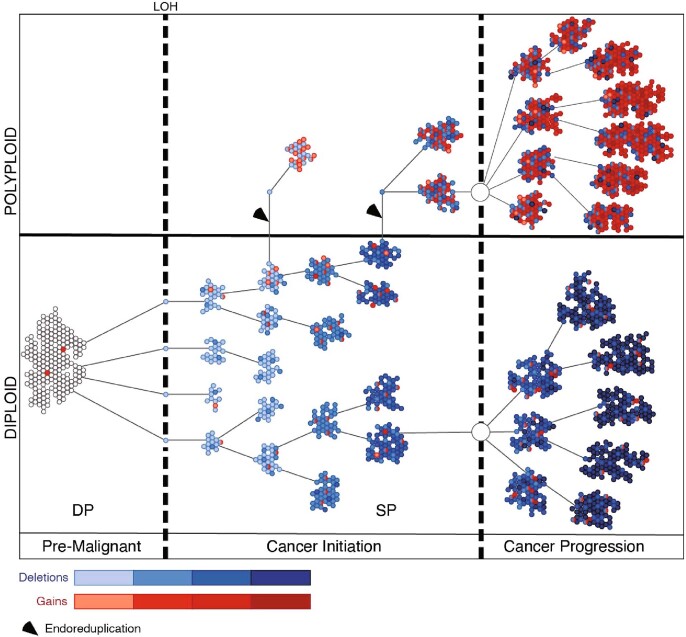
Although p53 inactivation promotes genomic instability 1 and presents a route to malignancy for more than half of all human cancers 2,3 , the patterns through which heterogenous TP53 (encoding human p53) mutant genomes emerge and influence tumorigenesis remain poorly understood. Here, in a mouse model of pancreatic ductal adenocarcinoma that reports sporadic p53 loss of heterozygosity before cancer onset, we find that malignant properties enabled by p53 inactivation are acquired through a predictable pattern of genome evolution. Single-cell sequencing and in situ genotyping of cells from the point of p53 inactivation through progression to frank cancer reveal that this deterministic behaviour involves four sequential phases— Trp53 (encoding mouse p53) loss of heterozygosity, accumulation of deletions, genome doubling, and the emergence of gains and amplifications—each associated with specific histological stages across the premalignant and malignant spectrum. Despite rampant heterogeneity, the deletion events that follow p53 inactivation target functionally relevant pathways that can shape genomic evolution and remain fixed as homogenous events in diverse malignant populations. Thus, loss of p53—the ‘guardian of the genome’—is not merely a gateway to genetic chaos but, rather, can enable deterministic patterns of genome evolution that may point to new strategies for the treatment of TP53- mutant tumours.
Overview
The claims and statistics of this paper haven’t been checked yet.
Run the check — free, no account needed. It reads the open-access text and checks the sources it cites.
Integrity signals
Registry
Cites
Statistics
Figures
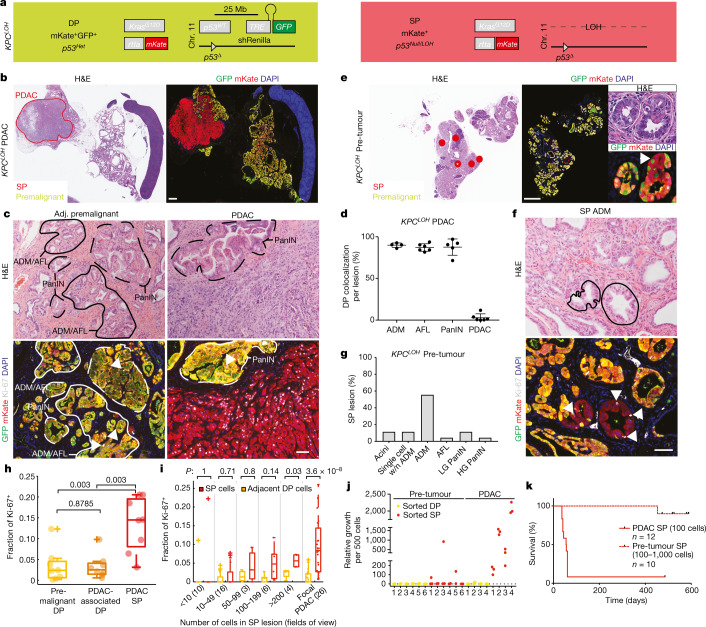
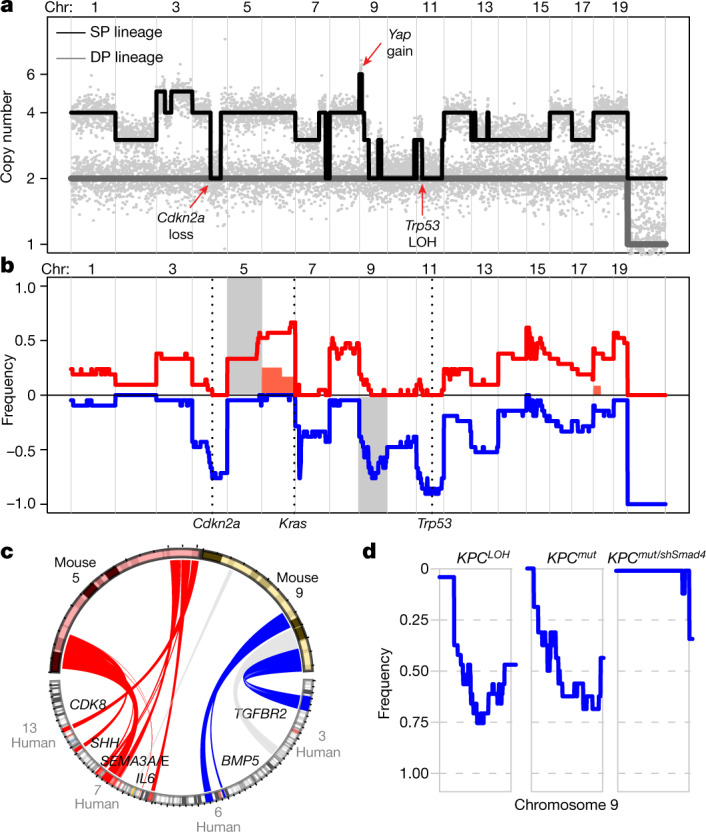
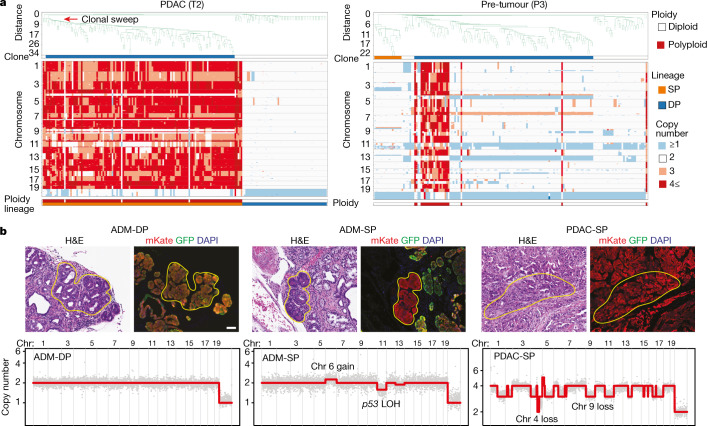
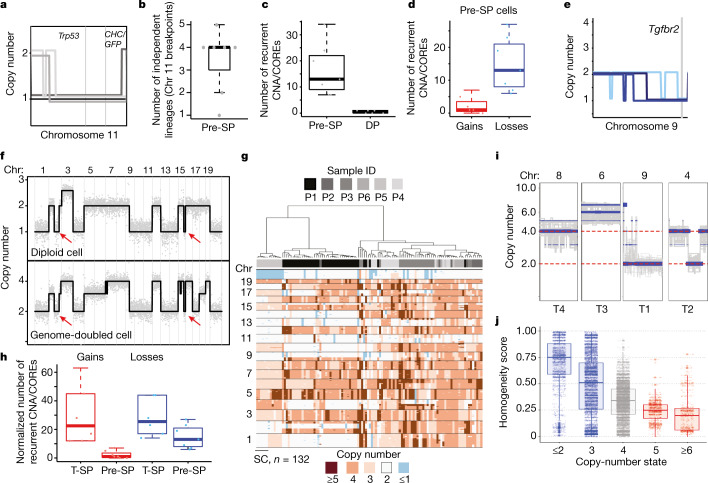
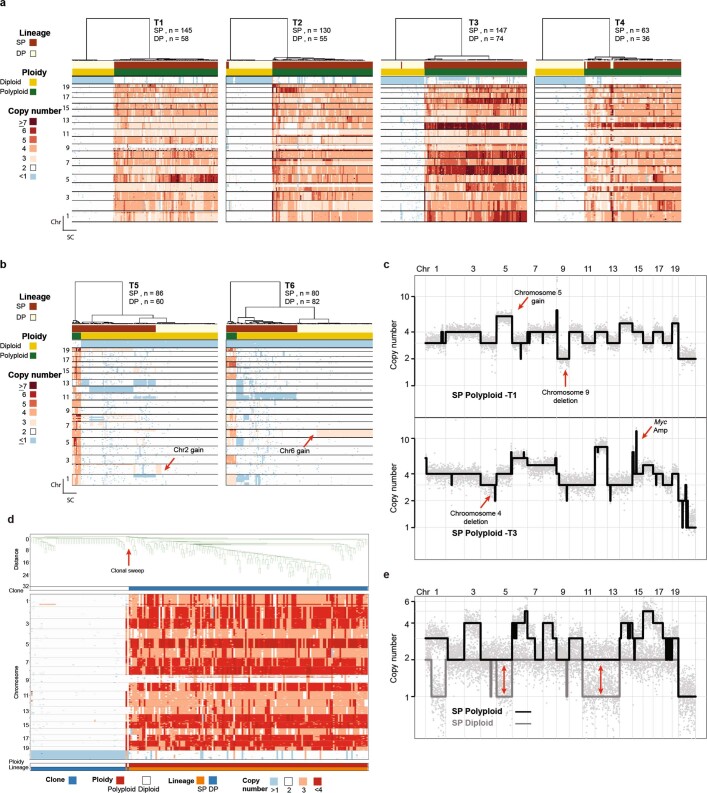
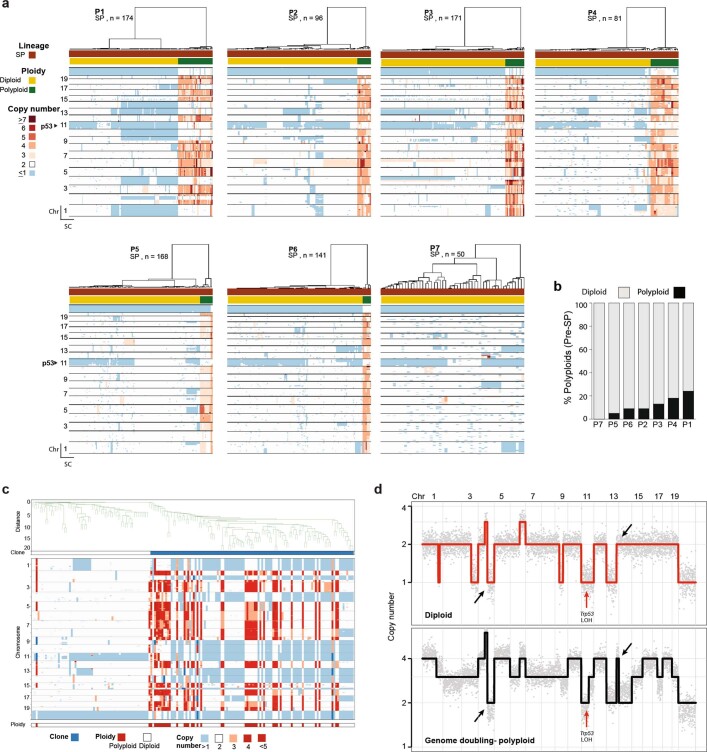
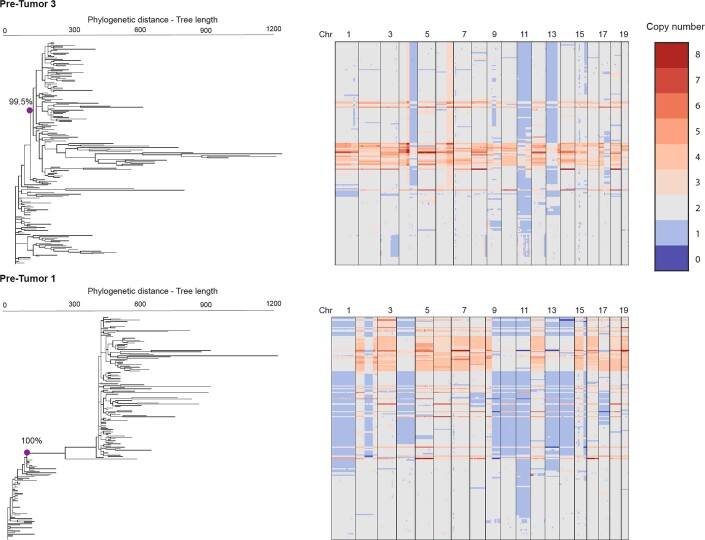
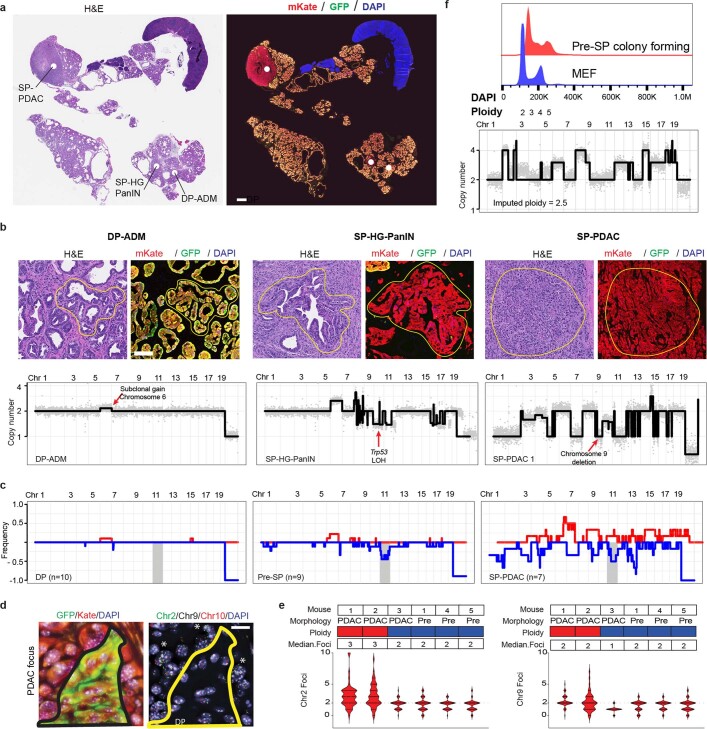
Verification
Claims the paper makes
The claims and statistics of this paper haven’t been checked yet.
Run the check — free, no account needed. It reads the open-access text and checks the sources it cites.
Claims other papers make about this one
Each is checked against this paper’s own text: does it say what the citing paper says it does?
In the citing paper
“PDAC mouse models have suggested TP53 mutations promote a patterned loss of genomic integrity as opposed to a chaotic process60.”
From Pancreatic cancer: Advances and challenges (2023) · cites this paper as [60]
Self-check
Percentages, sums and reported differences re-computed from the paper’s own numbers.
The self-check needs the paper’s full text.
Citations
Cites
PD-1 and PD-L1 Immune Checkpoint Blockade to Treat Breast Cancer
Hartkopf, A. D., Taran, F., Wallwiener, M., Walter, C. B., Krämer, B., Grischke, E., & Brucker, S. Y. (2016) · Breast Care · doi:10.1159/000453569 · Cited by 30,989
Lane, D. P. (1992) · Nature · doi:10.1038/358015a0 · Cited by 5,138
Core Signaling Pathways in Human Pancreatic Cancers Revealed by Global Genomic Analyses
Jones, S., Zhang, X., Parsons, D. W., Lin, J. C.-H., Leary, R. J., Angenendt, P., Mankoo, P., Carter, H., Kamiyama, H., Jimeno, A., et al. (2008) · Science · doi:10.1126/science.1164368 · Cited by 3,969
Self-citationPan-cancer analysis of whole genomes
The ICGC/TCGA Pan-Cancer Analysis of Whole Genomes Consortium, Aaltonen, L. A., Abascal, F., Abeshouse, A., Aburatani, H., Adams, D. J., Agrawal, N., Ahn, K. S., Ahn, S.-M., Aikata, H., et al. (2020) · Nature · doi:10.1038/s41586-020-1969-6 · Cited by 3,064
Whole genomes redefine the mutational landscape of pancreatic cancer
Initiative, A. P. C. G., Waddell, N., Pajic, M., Patch, A.-M., Chang, D. K., Kassahn, K. S., Bailey, P., Johns, A. L., Miller, D., Nones, K., et al. (2015) · Nature · doi:10.1038/nature14169 · Cited by 2,642
Self-citationHingorani, S. R., Wang, L., Multani, A. S., Combs, C., Deramaudt, T. B., Hruban, R. H., Rustgi, A. K., Chang, S., & Tuveson, D. A. (2005) · Cancer Cell · doi:10.1016/j.ccr.2005.04.023 · Cited by 2,609
Tumour evolution inferred by single-cell sequencing
Navin, N., Kendall, J., Troge, J., Andrews, P., Rodgers, L., McIndoo, J., Cook, K., Stepansky, A., Levy, D., Esposito, D., et al. (2011) · Nature · doi:10.1038/nature09807 · Cited by 2,598
Self-citationSenescence and tumour clearance is triggered by p53 restoration in murine liver carcinomas
Xue, W., Zender, L., Miething, C., Dickins, R. A., Hernando, E., Krizhanovsky, V., Cordon-Cardo, C., & Lowe, S. W. (2007) · Nature · doi:10.1038/nature05529 · Cited by 2,473
Self-citationMemorial Sloan Kettering-Integrated Mutation Profiling of Actionable Cancer Targets (MSK-IMPACT)
Cheng, D. T., Mitchell, T. N., Zehir, A., Shah, R. H., Benayed, R., Syed, A., Chandramohan, R., Liu, Z. Y., Won, H. H., Scott, S. N., et al. (2015) · The Journal of Molecular Diagnostics · doi:10.1016/j.jmoldx.2014.12.006 · Cited by 2,119
Pancreatic cancer genomes reveal aberrations in axon guidance pathway genes
Initiative, A. P. C. G., Biankin, A. V., Waddell, N., Kassahn, K. S., Gingras, M.-C., Muthuswamy, L. B., Johns, A. L., Miller, D. K., Wilson, P. J., Patch, A.-M., et al. (2012) · Nature · doi:10.1038/nature11547 · Cited by 2,058
Self-citationIntegrated genomic characterization of pancreatic ductal adenocarcinoma
Raphael, B. J., Hruban, R. H., Aguirre, A. J., Moffitt, R. A., Yeh, J. J., Stewart, C., Robertson, A. G., Cherniack, A. D., Gupta, M., Getz, G., et al. (2017) · Cancer Cell · doi:10.1016/j.ccell.2017.07.007 · Cited by 2,019
The clonal and mutational evolution spectrum of primary triple-negative breast cancers
Shah, S. P., Roth, A., Goya, R., Oloumi, A., Ha, G., Zhao, Y., Turashvili, G., Ding, J., Tse, K., Haffari, G., et al. (2012) · Nature · doi:10.1038/nature10933 · Cited by 1,967
Analysis of lung tumor initiation and progression using conditional expression of oncogenic K-rasPreprint
Jackson, E. L., Willis, N. A., Mercer, K. L., Bronson, R. T., Crowley, D. G., Montoya, R., Jacks, T., & Tuveson, D. A. (2001) · Genes & Development · doi:10.1101/gad.943001 · Cited by 1,927
Kastenhuber, E. R., & Lowe, S. W. (2017) · Cell · doi:10.1016/j.cell.2017.08.028 · Cited by 1,906
Self-citationRestoration of p53 function leads to tumour regression in vivo
Ventura, A., Kirsch, D. G., McLaughlin, M. E., Tuveson, D. A., Grimm, J., Lintault, L., Newman, J., Reczek, E. E., Weissleder, R., & Jacks, T. (2007) · Nature · doi:10.1038/nature05541 · Cited by 1,820
Altered cell cycle arrest and gene amplification potential accompany loss of wild-type p53
Livingstone, L. R., White, A., Sprouse, J., Livanos, E., Jacks, T., & Tlsty, T. D. (1992) · Cell · doi:10.1016/0092-8674(92)90243-6 · Cited by 1,328
Lenalidomide in the Myelodysplastic Syndrome with Chromosome 5q Deletion
List, A., Dewald, G., Bennett, J., Giagounidis, A., Raza, A., Feldman, E., Powell, B., Greenberg, P., Thomas, D., Stone, R., et al. (2006) · New England Journal of Medicine · doi:10.1056/nejmoa061292 · Cited by 1,319
Mutant p53 gain of function in two mouse models of Li-Fraumeni syndrome
Olive, K. P., Tuveson, D. A., Ruhe, Z. C., Yin, B., Willis, N. A., Bronson, R. T., Crowley, D., & Jacks, T. (2004) · Cell · doi:10.1016/j.cell.2004.11.004 · Cited by 1,308
Shen, R., & Seshan, V. (2016) · Nucleic Acids Research · doi:10.1093/nar/gkw520 · Cited by 1,263
LOWESS: A Program for Smoothing Scatterplots by Robust Locally Weighted Regression
Cleveland, W. S. (1981) · The American Statistician · doi:10.2307/2683591 · Cited by 1,188
Cytokinesis failure generating tetraploids promotes tumorigenesis in p53-null cells
Fujiwara, T., Bandi, M., Nitta, M., Ivanova, E. V., Bronson, R. T., & Pellman, D. (2005) · Nature · doi:10.1038/nature04217 · Cited by 1,067
The evolutionary history of 2,658 cancers
Gerstung, M., Jolly, C., Leshchiner, I., Dentro, S. C., Gonzalez, S., Rosebrock, D., Mitchell, T. J., Rubanova, Y., Anur, P., Yu, K., et al. (2020) · Nature · doi:10.1038/s41586-019-1907-7 · Cited by 1,057
The role of the transcriptional regulator Ptf1a in converting intestinal to pancreatic progenitors
Kawaguchi, Y., Cooper, B., Gannon, M., Ray, M., MacDonald, R. J., & Wright, C. V. E. (2002) · Nature Genetics · doi:10.1038/ng959 · Cited by 1,007
A faster circular binary segmentation algorithm for the analysis of array CGH data
Venkatraman, E. S., & Olshen, A. B. (2007) · Bioinformatics · doi:10.1093/bioinformatics/btl646 · Cited by 961
Marino, S., Vooijs, M., van der Gulden, H., Jonkers, J., & Berns, A. (2000) · Genes & Development · doi:10.1101/gad.14.8.994 · Cited by 920
Rausch, T., Jones, D. T. W., Zapatka, M., Stütz, A. M., Zichner, T., Weischenfeldt, J., Jäger, N., Remke, M., Shih, D., Northcott, P. A., et al. (2012) · Cell · doi:10.1016/j.cell.2011.12.013 · Cited by 865
Basturk, O., Hong, S.-M., Wood, L. D., Adsay, N. V., Albores-Saavedra, J., Biankin, A. V., Brosens, L. A. A., Fukushima, N., Goggins, M., Hruban, R. H., et al. (2015) · American Journal of Surgical Pathology · doi:10.1097/pas.0000000000000533 · Cited by 864
Integrated Analysis of TP53 Gene and Pathway Alterations in The Cancer Genome Atlas
Donehower, L. A., Soussi, T., Korkut, A., Liu, Y., Schultz, A., Cardenas, M., Li, X., Babur, Ö., Hsu, T., Lichtarge, O., et al. (2019) · Cell Reports · doi:10.1016/j.celrep.2019.07.001 · Cited by 724
Tumor-suppressive pathways in pancreatic carcinoma.
Rozenblum, E., Schutte, M. E. M., Goggins, M., Hahn, S. A., Panzer, S., ZAHURAK, M. L., Goodman, S. N., Sohn, T. A., Hruban, R. H., Yeo, C. J., et al. (1997) · PubMed · Cited by 693
Clonal status of actionable driver events and the timing of mutational processes in cancer evolution
McGranahan, N., Favero, F., de Bruin, E. C., Birkbak, N. J., Szallasi, Z., & Swanton, C. (2015) · Science Translational Medicine · doi:10.1126/scitranslmed.aaa1408 · Cited by 685
Transcription phenotypes of pancreatic cancer are driven by genomic events during tumor evolution
Chan-Seng-Yue, M., Kim, J. C., Wilson, G. W., Ng, K., Figueroa, E. F., O’Kane, G. M., Connor, A. A., Denroche, R. E., Grant, R. C., McLeod, J., et al. (2020) · Nature Genetics · doi:10.1038/s41588-019-0566-9 · Cited by 669
Self-citationGenome doubling shapes the evolution and prognosis of advanced cancers
Bielski, C. M., Zehir, A., Penson, A. V., Donoghue, M. T. A., Chatila, W. K., Armenia, J., Chang, M. T., Schram, A. M., Jonsson, P., Bandlamudi, C., et al. (2018) · Nature Genetics · doi:10.1038/s41588-018-0165-1 · Cited by 654
Self-citationModeling the Therapeutic Efficacy of p53 Restoration in Tumors
Martins, C. P., Brown-Swigart, L., & Evan, G. I. (2006) · Cell · doi:10.1016/j.cell.2006.12.007 · Cited by 600
KRAS, Hedgehog, Wnt and the twisted developmental biology of pancreatic ductal adenocarcinoma
Morris, J. P., Wang, S. C., & Hebrok, M. (2010) · Nature reviews. Cancer · doi:10.1038/nrc2899 · Cited by 597
Self-citationBardeesy, N. M., Aguirre, A. J., Chu, G. C., Cheng, K., Lopez, L. V., Hezel, A. F., Feng, B., Brennan, C., Weissleder, R., Mahmood, U., et al. (2006) · Proceedings of the National Academy of Sciences · doi:10.1073/pnas.0601273103 · Cited by 584
A renewed model of pancreatic cancer evolution based on genomic rearrangement patterns
Notta, F., Chan-Seng-Yue, M., Lemire, M., Li, Y., Wilson, G. W., Connor, A. A., Denroche, R. E., Liang, S.-B., Brown, A. M. K., Kim, J. C., et al. (2016) · Nature · doi:10.1038/nature19823 · Cited by 528
Self-citationProliferation of aneuploid human cells is limited by a p53-dependent mechanism
Thompson, S. L., & Compton, D. A. (2010) · Journal of Cell Biology · doi:10.1083/jcb.200905057 · Cited by 494
Beard, C., Hochedlinger, K., Plath, K., Wutz, A., & Jaenisch, R. (2006) · genesis · doi:10.1002/gene.20180 · Cited by 482
Evolutionary routes and KRAS dosage define pancreatic cancer phenotypes
Mueller, S., Engleitner, T., Maresch, R., Zukowska, M., Lange, S., Kaltenbacher, T., Konukiewitz, B., Öllinger, R., Zwiebel, M., Strong, A., et al. (2018) · Nature · doi:10.1038/nature25459 · Cited by 445
Unravelling biology and shifting paradigms in cancer with single-cell sequencing
Baslan, T., & Hicks, J. B. (2017) · Nature reviews. Cancer · doi:10.1038/nrc.2017.58 · Cited by 382
Self-citationGenome-wide copy number analysis of single cells
Baslan, T., Kendall, J., Rodgers, L., Cox, H., Riggs, M., Stepansky, A., Troge, J. E., Ravi, K., Esposito, D., Lakshmi, B. V., et al. (2012) · Nature Protocols · doi:10.1038/nprot.2012.039 · Cited by 373
Self-citationPervasive chromosomal instability and karyotype order in tumour evolution
Watkins, T. B. K., Lim, E. L., Petković, M., Elizalde, S., Birkbak, N. J., Wilson, G. A., Moore, D. A., Gronroos, E. C., Rowan, A., Dewhurst, S. M., et al. (2020) · Nature · doi:10.1038/s41586-020-2698-6 · Cited by 366
Cai, X., Evrony, G. D., Lehmann, H. S., Elhosary, P. C., Mehta, B. K., Poduri, A., & Walsh, C. A. (2014) · Cell Reports · doi:10.1016/j.celrep.2014.07.043 · Cited by 318
A Quantitative Comparison of Single-Cell Whole Genome Amplification Methods
de Bourcy, C. F. A., Vlaminck, I. D., Kanbar, J. N., Wang, J., Gawad, C., & Quake, S. R. (2014) · PLoS ONE · doi:10.1371/journal.pone.0105585 · Cited by 312
A gene–environment-induced epigenetic program initiates tumorigenesis
Alonso‐Curbelo, D., Ho, Y.-J., Burdziak, C., Mååg, J. L. V., Morris, J. P., Chandwani, R., Chen, H.-A., Tsanov, K. M., Barriga, F. M., Luan, W., et al. (2021) · Nature · doi:10.1038/s41586-020-03147-x · Cited by 311
Self-citationPancreatic Cancer Metastases Harbor Evidence of Polyclonality
Maddipati, R., & Stanger, B. Z. (2015) · Cancer Discovery · doi:10.1158/2159-8290.cd-15-0120 · Cited by 296
α-Ketoglutarate links p53 to cell fate during tumour suppression
Morris, J. P., Yashinskie, J. J., Koche, R., Chandwani, R., Tian, S., Chen, C.-C., Baslan, T., Marinkovic, Z. S., Sánchez-Rivera, F. J., Leach, S. D., et al. (2019) · Nature · doi:10.1038/s41586-019-1577-5 · Cited by 296
Self-citationInteractive analysis and assessment of single-cell copy-number variations
Garvin, T. H., Aboukhalil, R., Kendall, J., Baslan, T., Atwal, G. S., Hicks, J. B., Wigler, M. H., & Schatz, M. C. (2015) · Nature Methods · doi:10.1038/nmeth.3578 · Cited by 287
Self-citationStage-specific sensitivity to p53 restoration during lung cancer progression
Feldser, D. M., Kostova, K. K., Winslow, M. M., Taylor, S. E., Cashman, C., Whittaker, C. A., Rivera, F. J. S., Resnick, R., Bronson, R. T., Hemann, M. T., et al. (2010) · Nature · doi:10.1038/nature09535 · Cited by 276
Distinct epigenetic landscapes underlie the pathobiology of pancreatic cancer subtypes
Lomberk, G. A., Blum, Y., Nicolle, R., Nair, A., Gaonkar, K. S., Marisa, L., Mathison, A., Sun, Z., Yan, H., Elarouci, N., et al. (2018) · Nature Communications · doi:10.1038/s41467-018-04383-6 · Cited by 256
Breast tumours maintain a reservoir of subclonal diversity during expansion
Minussi, D. C., Nicholson, M. D., Ye, H., Davis, A., Wang, K., Baker, T., Tarabichi, M., Sei, E., Du, H., Rabbani, M., et al. (2021) · Nature · doi:10.1038/s41586-021-03357-x · Cited by 256
Clonal Decomposition and DNA Replication States Defined by Scaled Single-Cell Genome Sequencing
Laks, E., McPherson, A., Zahn, H., Lai, D., Steif, A., Brimhall, J., Biele, J., Wang, B., Masud, T., Ting, J., et al. (2019) · Cell · doi:10.1016/j.cell.2019.10.026 · Cited by 253
Recurrent Hemizygous Deletions in Cancers May Optimize Proliferative Potential
Solimini, N. L., Xu, Q., Mermel, C. H., Liang, A. C. T., Schlabach, M. R., Luo, J., Burrows, A. E., Anselmo, A. N., Bredemeyer, A. L., Li, M. Z., et al. (2012) · Science · doi:10.1126/science.1219580 · Cited by 214
Eischen, C. M. (2016) · Cold Spring Harbor Perspectives in Medicine · doi:10.1101/cshperspect.a026096 · Cited by 161
Wild-Type p53: Tumors Can't Stand It
Kastan, M. B. (2007) · Cell · doi:10.1016/j.cell.2007.02.022 · Cited by 158
Principles of Reconstructing the Subclonal Architecture of CancersPreprint
Dentro, S. C., Wedge, D. C., & Loo, P. V. (2017) · Cold Spring Harbor Perspectives in Medicine · doi:10.1101/cshperspect.a026625 · Cited by 141
Aichler, M., Seiler, C., Tost, M., Siveke, J. T., Mazur, P. K., da Silva‐Buttkus, P., Bartsch, D. K., Langer, P., Chiblak, S., Dürr, A., et al. (2011) · The Journal of Pathology · doi:10.1002/path.3017 · Cited by 131
MEDICC2: whole-genome doubling aware copy-number phylogenies for cancer evolution
Kaufmann, T. L., Petković, M., Watkins, T. B. K., Colliver, E., Laskina, S., Thapa, N., Minussi, D. C., Navin, N. E., Swanton, C., Loo, P. V., et al. (2022) · Genome biology · doi:10.1186/s13059-022-02794-9 · Cited by 127
Optimizing sparse sequencing of single cells for highly multiplex copy number profilingPreprint
Baslan, T., Kendall, J., Ward, B., Cox, H., Leotta, A., Rodgers, L., Riggs, M. G., D'Italia, S., Sun, G., Mao, Y., et al. (2015) · Genome Research · doi:10.1101/gr.188060.114 · Cited by 123
Self-citationDow, L. E., Nasr, Z., Saborowski, M., Ebbesen, S. H., Manchado, E., Tasdemir, N., Lee, T., Pelletier, J., & Lowe, S. W. (2014) · PLoS ONE · doi:10.1371/journal.pone.0095236 · Cited by 106
Self-citationRaynaud, F., Mina, M., Tavernari, D., & Ciriello, G. (2018) · PLoS Genetics · doi:10.1371/journal.pgen.1007669 · Cited by 106
MYC Levels Regulate Metastatic Heterogeneity in Pancreatic Adenocarcinoma
Maddipati, R., Norgard, R. J., Baslan, T., Rathi, K. S., Zhang, A. X. W., Saeid, A., Higashihara, T., Wu, F., Kumar, A., Annamalai, V., et al. (2021) · Cancer Discovery · doi:10.1158/2159-8290.cd-20-1826 · Cited by 98
Self-citationRepresentative Sequencing: Unbiased Sampling of Solid Tumor Tissue
Litchfield, K., Stanislaw, S., Spain, L., Gallegos, L. L., Rowan, A., Schnidrig, D., Rosenbaum, H., Harlé, A., Au, L., Hill, S. M., et al. (2020) · Cell Reports · doi:10.1016/j.celrep.2020.107550 · Cited by 79
ID1 Mediates Escape from TGFβ Tumor Suppression in Pancreatic Cancer
Huang, Y.-H., Hu, J., Chen, F., Lecomte, N., Basnet, H., David, C. J., Witkin, M. D., Allen, P. J., Leach, S. D., Hollmann, T. J., et al. (2020) · Cancer Discovery · doi:10.1158/2159-8290.cd-19-0529 · Cited by 78
Self-citationA modular and flexible ESC-based mouse model of pancreatic cancerPreprint
Saborowski, M., Saborowski, A., Morris, J. P., Bosbach, B., Dow, L. E., Pelletier, J., Klimstra, D., & Lowe, S. (2014) · Genes & Development · doi:10.1101/gad.232082.113 · Cited by 75
Self-citationSynteny Portal: a web-based application portal for synteny block analysis
Lee, J., Hong, W.-Y., Cho, M., Sim, M., Lee, D., Ko, Y., & Kim, J. (2016) · Nucleic Acids Research · doi:10.1093/nar/gkw310 · Cited by 56
Arid1a restrains Kras-dependent changes in acinar cell identity
Livshits, G., Alonso-Curbelo, D., Morris, J. P., Koche, R., Saborowski, M., Wilkinson, J. E., & Lowe, S. W. (2018) · eLife · doi:10.7554/elife.35216 · Cited by 48
Self-citationUtility of Single-Cell Genomics in Diagnostic Evaluation of Prostate Cancer
Alexander, J., Kendall, J., McIndoo, J., Rodgers, L., Aboukhalil, R., Levy, D., Stepansky, A., Sun, G., Chobardjiev, L., Riggs, M. G., et al. (2017) · Cancer Research · doi:10.1158/0008-5472.can-17-1138 · Cited by 31
Self-citationDicer Regulates Differentiation and Viability during Mouse Pancreatic Cancer Initiation
Morris, J. P., Greer, R. L., Russ, H. A., von Figura, G., Kim, G., Busch, A., Lee, J., Hertel, K. J., Kim, S. K., McManus, M. T., et al. (2014) · PLoS ONE · doi:10.1371/journal.pone.0095486 · Cited by 30
Self-citationMEDICC2: whole-genome doubling aware copy-number phylogenies for cancer evolution
Kaufmann, T. L., Petković, M., Watkins, T. B. K., Colliver, E., Laskina, S., Thapa, N., Minussi, D. C., Navin, N. E., Swanton, C., Loo, P. V., et al. (2022) · Kölner Universitäts PublikationsServer (Universität zu Köln) · doi:10.17169/refubium-44917 · Cited by 16
MEDICC2: whole-genome doubling aware copy-number phylogenies for cancer evolutionPreprint
Kaufmann, T. L., Petkovic, M., Watkins, T. B., et al. (2021) · bioRxiv (Cold Spring Harbor Laboratory) · doi:10.1101/2021.02.28.433227 · Cited by 15
Genetic Instability, Oncogenes, and the p53 PathwayPreprint
Wahl, G. M., & Vafa, O. (2000) · Cold Spring Harbor Symposia on Quantitative Biology · doi:10.1101/sqb.2000.65.511 · Cited by 12
Target inference from collections of genomic intervals
Krasnitz, A., Sun, G., Andrews, P., & Wigler, M. H. (2013) · Proceedings of the National Academy of Sciences · doi:10.1073/pnas.1306909110 · Cited by 11
Self-citationIntegrated Computational Pipeline for Single-Cell Genomic Profiling
Chorbadjiev, L., Kendall, J., Alexander, J., Zhygulin, V., Song, J., Wigler, M. H., & Krasnitz, A. (2020) · JCO Clinical Cancer Informatics · doi:10.1200/cci.19.00171 · Cited by 4
Self-citation
Cited by
Sorted by citations
Pancreatic cancer: Advances and challenges
Halbrook, C. J., Lyssiotis, C. A., Pasca di Magliano, M., & Maitra, A. (2023) · Cell · doi:10.1016/j.cell.2023.02.014 · Cited by 1,321
Targeting p53 pathways: mechanisms, structures, and advances in therapy
Wang, H., Guo, M., Wei, H., & Chen, Y. (2023) · Signal Transduction and Targeted Therapy · doi:10.1038/s41392-023-01347-1 · Cited by 1,016
Understanding the complexity of p53 in a new era of tumor suppression
Liu, Y., Su, Z., Tavana, O., & Gu, W. J. (2024) · Cancer Cell · doi:10.1016/j.ccell.2024.04.009 · Cited by 538
Tumor initiation and early tumorigenesis: molecular mechanisms and interventional targets
Zhang, S., Xiao, X., Yi, Y., Wang, X., Zhu, L., Shen, Y., Lin, D., & Wu, C. H. (2024) · Signal Transduction and Targeted Therapy · doi:10.1038/s41392-024-01848-7 · Cited by 463
Self-citationTumour-selective activity of RAS-GTP inhibition in pancreatic cancer
Wasko, U. N., Jiang, J., Dalton, T. C., Curiel-Garcia, A., Edwards, A. C., Wang, Y., Lee, B., Orlen, M., Tian, S., Stalnecker, C. A., et al. (2024) · Nature · doi:10.1038/s41586-024-07379-z · Cited by 209
Self-citation
Metadata
- Authors
- Baslan, T., Morris, J. P., Zhao, Z., Reyes, J., Ho, Y.-J., Tsanov, K. M., Bermeo, J., Tian, S., Zhang, S., Askan, G., Yavas, A., Lecomte, N., Erakky, A., Varghese, A. M., Zhang, A., Kendall, J., Ghiban, E., Chorbadjiev, L., Wu, J., Dimitrova, N., Chadalavada, K., Nanjangud, G. J., Bandlamudi, C., Gong, Y., Donoghue, M. T. A., Socci, N. D., Krasnitz, A., Notta, F., Leach, S. D., Iacobuzio-Donahue, C. A., & Lowe, S. W.
- Affiliations
- Memorial Sloan Kettering Cancer Center (US)
- University of North Carolina at Chapel Hill (US)
- Ontario Institute for Cancer Research (CA)
- Cold Spring Harbor Laboratory (US)
- Technical University of Sofia (BG)
- Philips (United States) (US)
- Corresponding author
- Lowe, Scott W.
- ORCID
- Baslan, Timour
- Morris, John P.
- Zhao, Zhen
- Ho, Yu-Jui
- Tsanov, Kaloyan M.
- Bermeo, Jonathan
- Tian, Sha
- Zhang, Sean
- Yavas, Aslihan
- Lecomte, Nicolas
- Erakky, Amanda
- Varghese, Anna M.
- Zhang, Amy
- Wu, Jie
- Dimitrova, Nevenka
- Chadalavada, Kalyani
- Nanjangud, Gouri J.
- Bandlamudi, Chaitanya
- Gong, Yixiao
- Donoghue, Mark T. A.
- Socci, Nicholas D.
- Notta, Faiyaz
- Leach, Steve D.
- Iacobuzio-Donahue, Christine A.
- Lowe, Scott W.
- Venue
- Nature
- Published
- 2022-08-17
- Volume
- 608
- Issue
- 7924
- Pages
- 795-802
- ISSN
- 0028-0836 (ISSN-L)
- 1476-4687
- PMC
- PMC9402436
- OpenAlex
- W4292122046
- Cited by
- 221
- References
- 73
- Citations by year
- 2026: 29 · 2025: 46 · 2024: 71 · 2023: 63 · 2022: 12
- FWCI
- 20.37
- Type
- journal article
- Language
- en
- Open access
- hybrid
- doi.org
- Locations
- Nature (publishedVersion, cc-by)
- PubMed Central (publishedVersion, cc-by)
- PubMed (publishedVersion)
- Cold Spring Harbor Laboratory Institutional Repository (Cold Spring Harbor Laboratory) (acceptedVersion)
- RePEc: Research Papers in Economics (submittedVersion)
- Funders
- Howard Hughes Medical Institute (P30 CA008748)
- Simons Foundation (519054)
- Damon Runyon Cancer Research Foundation (P30 CA008748)
- Pancreatic Cancer Action Network
- Memorial Sloan-Kettering Cancer Center (CA008748, P30 CA008748)
- Wellcome Trust
- Cold Spring Harbor Laboratory
- National Institutes of Health (CA008748, 5p30ca045508-35)
- Philips Research Americas
- National Cancer Institute (P01CA087497, CA008748, P30-CA045508, P01CA013106, P30CA008748)
- Topics
- Life Sciences › Biochemistry, Genetics and Molecular Biology › Cancer Research › Cancer Genomics and Diagnostics
- Health Sciences › Medicine › Oncology › Cancer-related Molecular Pathways
- Health Sciences › Medicine › Oncology › Pancreatic and Hepatic Oncology Research
- Keywords
- TP53 mutation, cancer genome evolution, pancreatic ductal adenocarcinoma, Trp53, genomic deletions, genome doubling, gene amplification, carcinogenesis, precancerous lesions, histological stage, single-cell genotyping, tumor heterogeneity
- MeSH terms
- Adenocarcinoma, Animals, Models, Genetic, Pancreatic Neoplasms, Genes, p53, Tumor Suppressor Protein p53, Genome, Gene Deletion, Disease Progression, Evolution, Molecular, Loss of Heterozygosity, Carcinoma, Pancreatic Ductal, Mice, Carcinogenesis
About these checks
Registry, retraction, Cites and statistics results are computed, not judged, with one exception: a printed reference that no index lists is read once by a model before it counts as a citation error. Claims are extracted by a model and kept only when their quote appears verbatim in the text; each cited source is then checked, with a model’s help, for whether it says what the claim relies on. Those verdicts can be wrong — read the claim’s quote and the cited source before relying on one.
Statistics and arithmetic are recomputed, not judged.
Confidence bands are shown only for fields calibrated on our annotated test set. None is calibrated yet, so no band is shown.
What counts as a claim ›How we measure confidence ›How we check this ›
Are you an author, or do you see a problem with this page? Request a review
