

The DOI matches its Crossref record; 73 of the 74 references it cites were found in a registry or an index.
A NPAS4–NuA4 complex couples synaptic activity to DNA repair
Open accessAbstract
Neuronal activity is crucial for adaptive circuit remodelling but poses an inherent risk to the stability of the genome across the long lifespan of postmitotic neurons 1–5. Whether neurons have acquired specialized genome protection mechanisms that enable them to withstand decades of potentially damaging stimuli during periods of heightened activity is unknown. Here we identify an activity-dependent DNA repair mechanism in which a new form of the NuA4–TIP60 chromatin modifier assembles in activated neurons around the inducible, neuronal-specific transcription factor NPAS4. We purify this complex from the brain and demonstrate its functions in eliciting activity-dependent changes to neuronal transcriptomes and circuitry. By characterizing the landscape of activity-induced DNA double-strand breaks in the brain, we show that NPAS4–NuA4 binds to recurrently damaged regulatory elements and recruits additional DNA repair machinery to stimulate their repair. Gene regulatory elements bound by NPAS4–NuA4 are partially protected against age-dependent accumulation of somatic mutations. Impaired NPAS4–NuA4 signalling leads to a cascade of cellular defects, including dysregulated activity-dependent transcriptional responses, loss of control over neuronal inhibition and genome instability, which all culminate to reduce organismal lifespan. In addition, mutations in several components of the NuA4 complex are reported to lead to neurodevelopmental and autism spectrum disorders. Together, these findings identify a neuronal-specific complex that couples neuronal activity directly to genome preservation, the disruption of which may contribute to developmental disorders, neurodegeneration and ageing.
Overview
The claims and statistics of this paper haven’t been checked yet.
Run the check — free, no account needed. It reads the open-access text and checks the sources it cites.
Integrity signals
Registry
Cites
Statistics
Figures
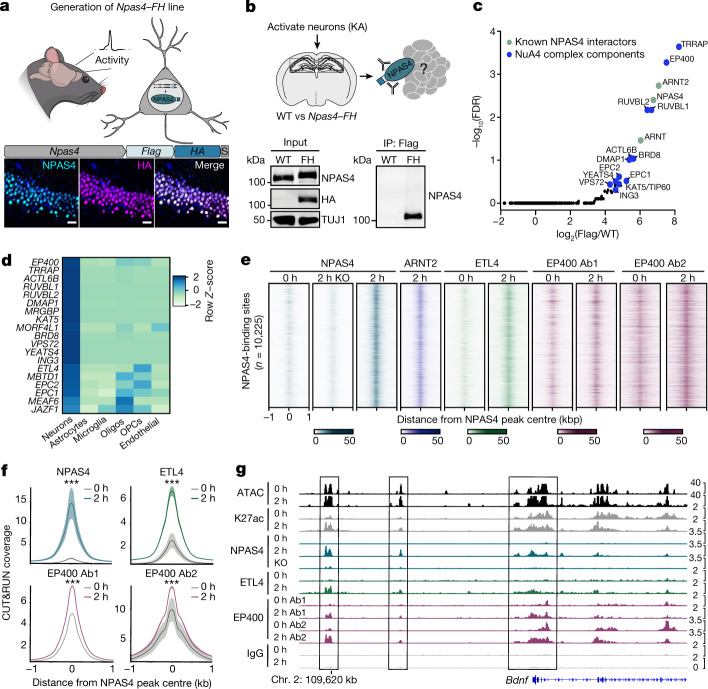
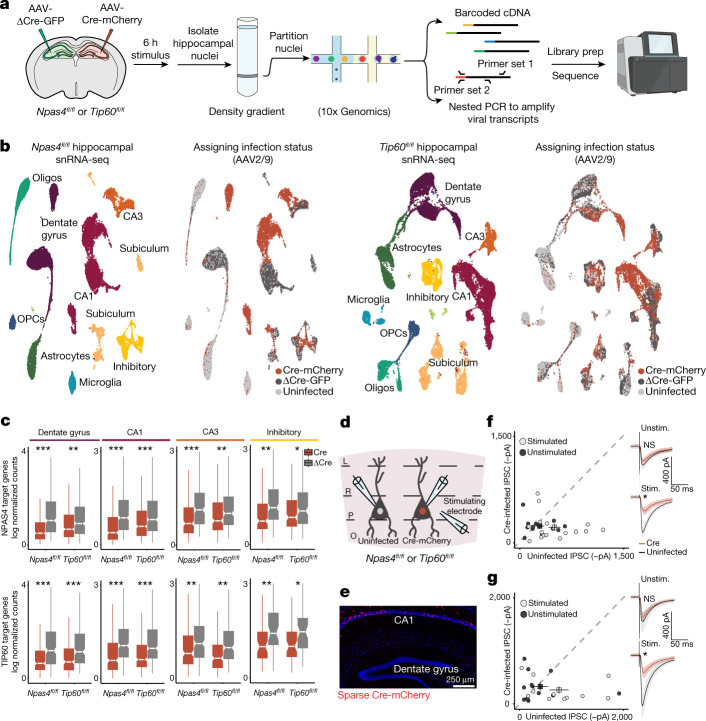
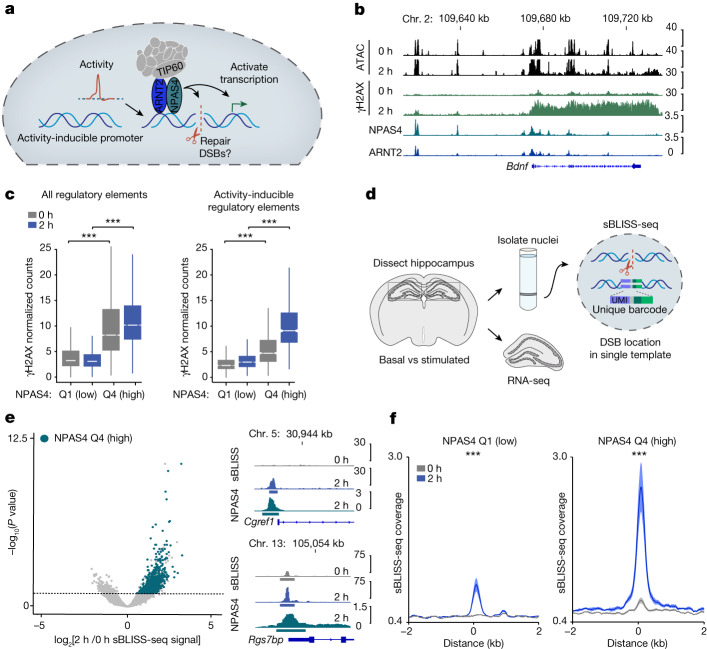
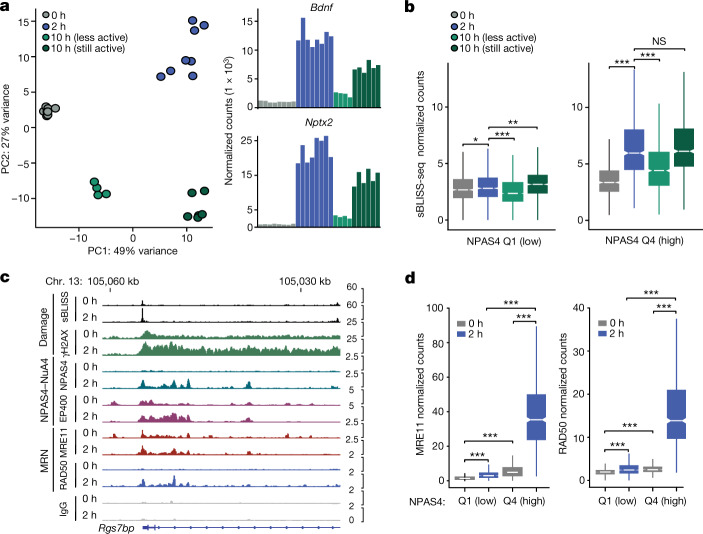
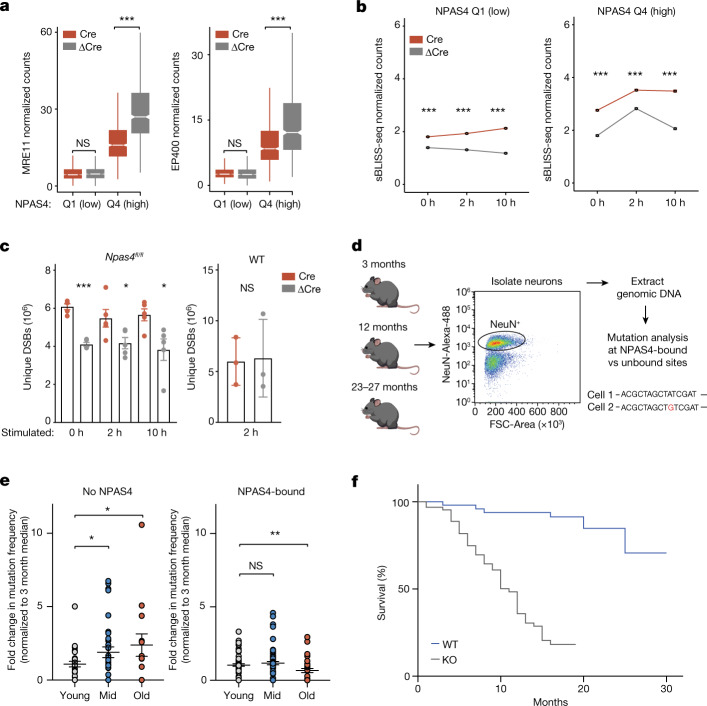
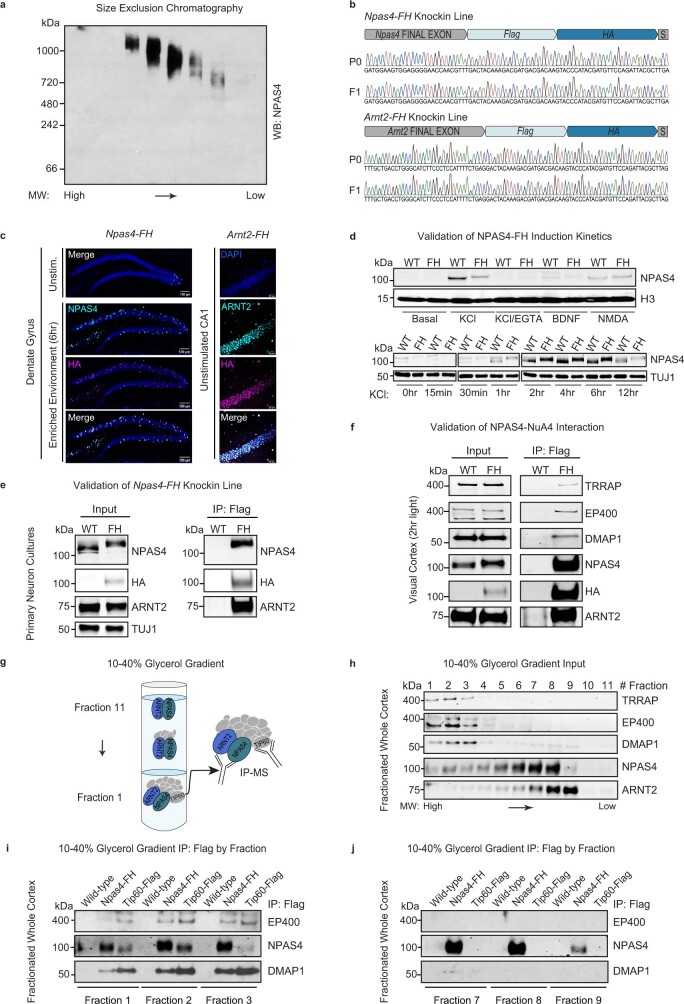
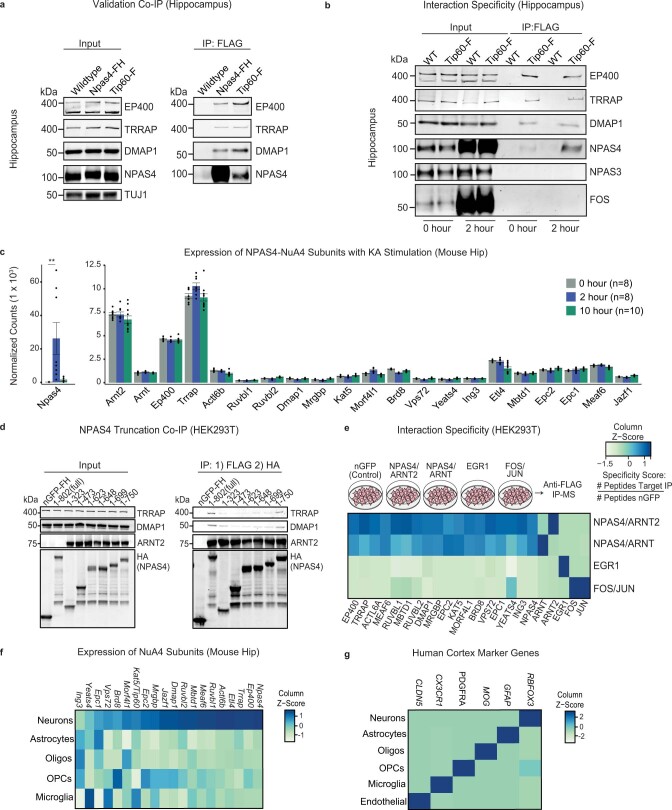
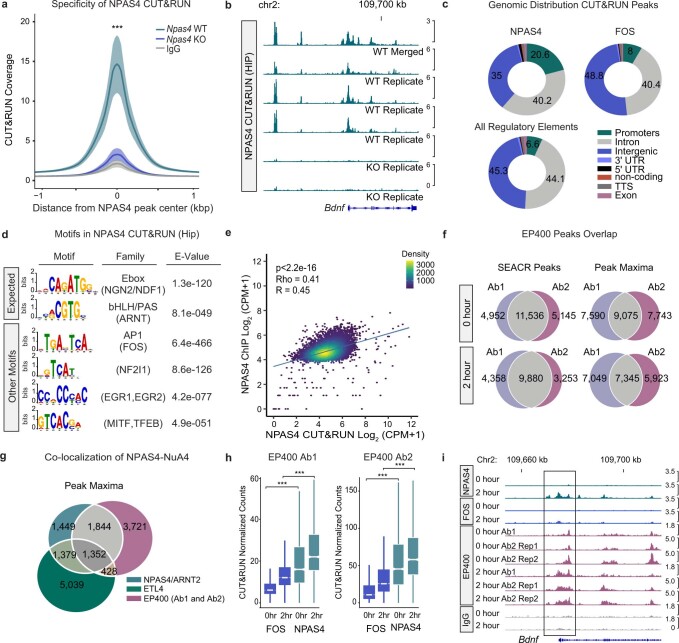
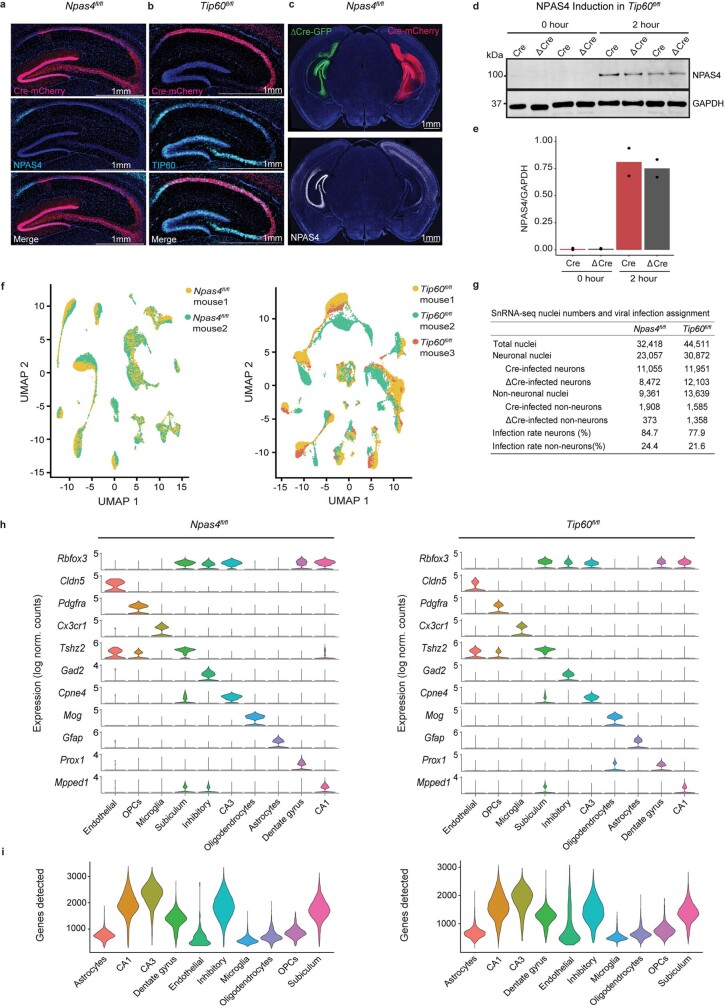
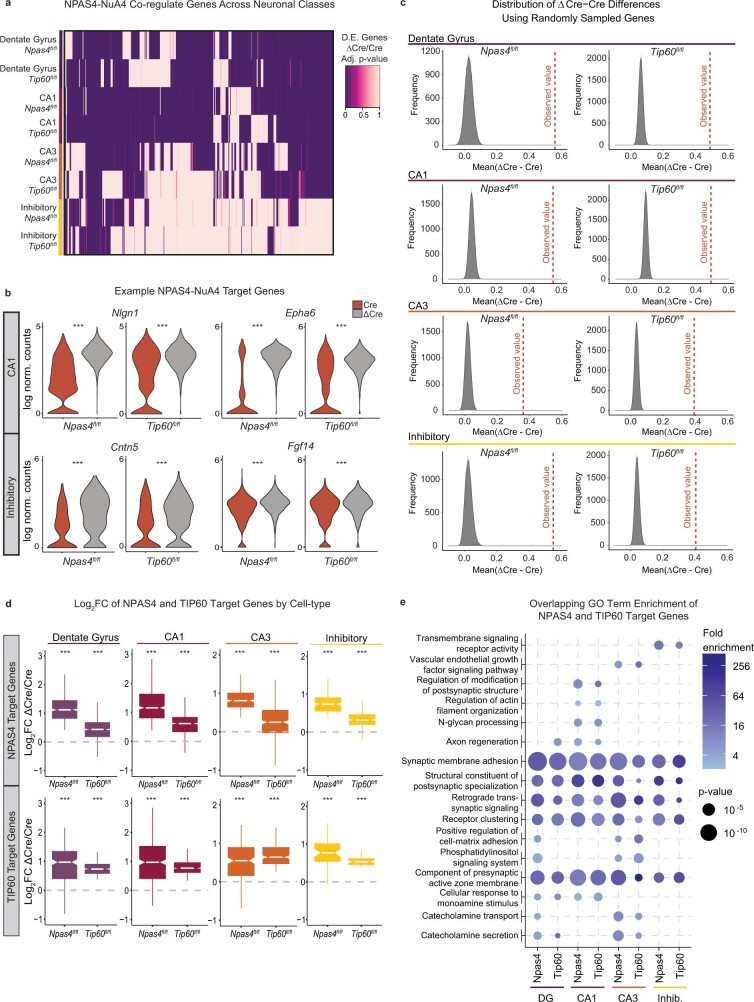
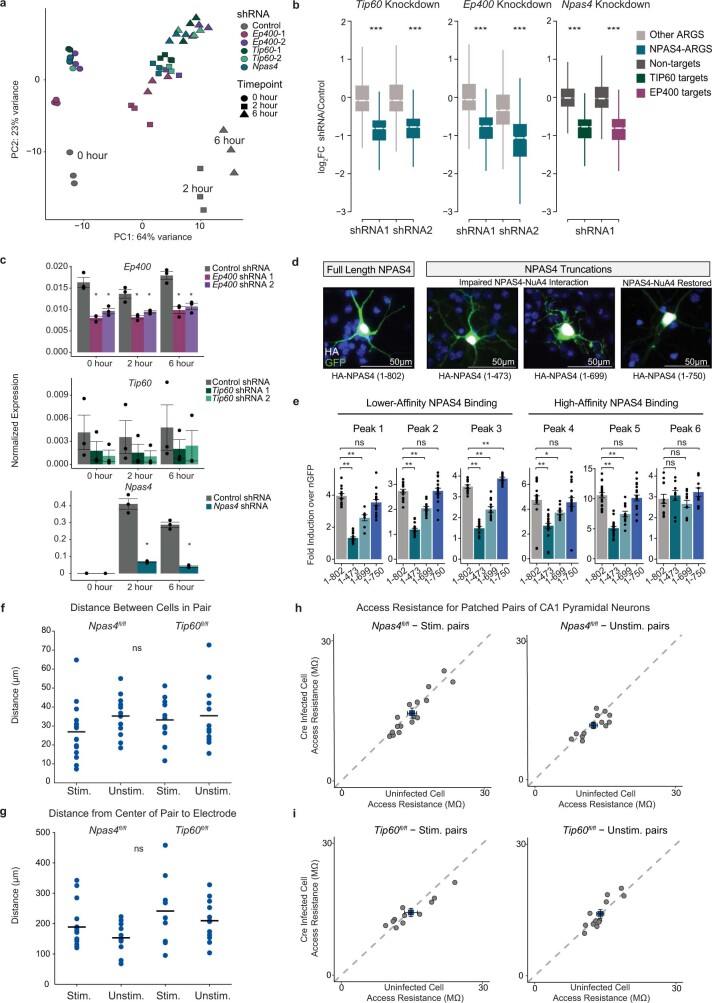
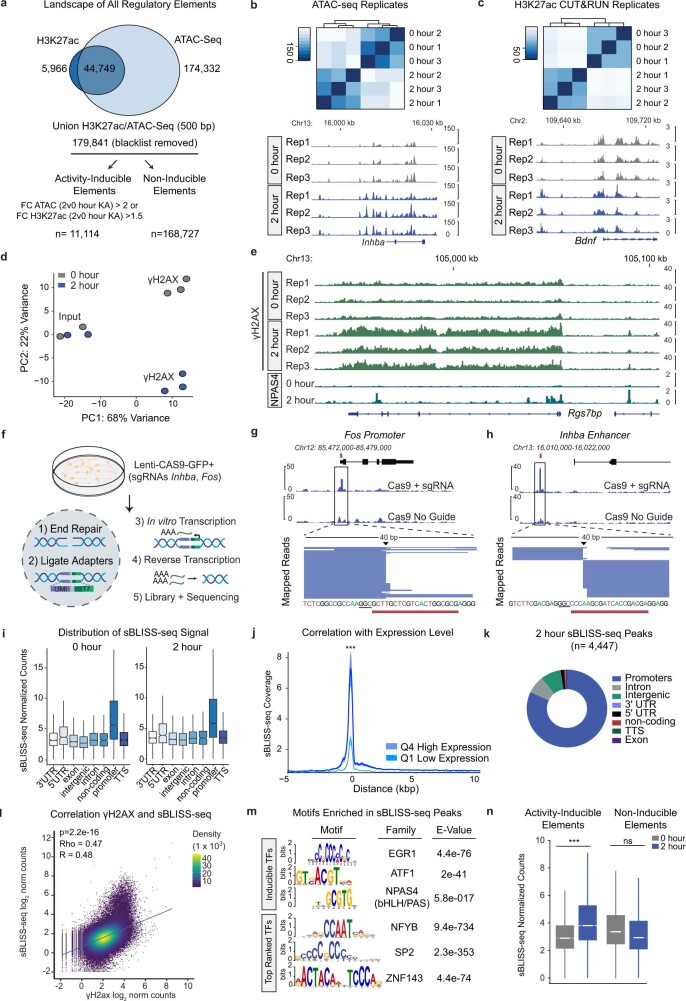
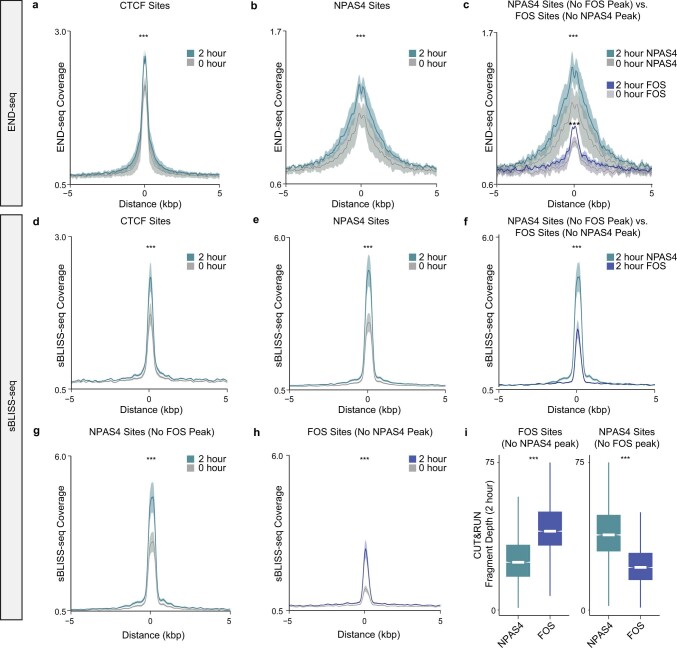
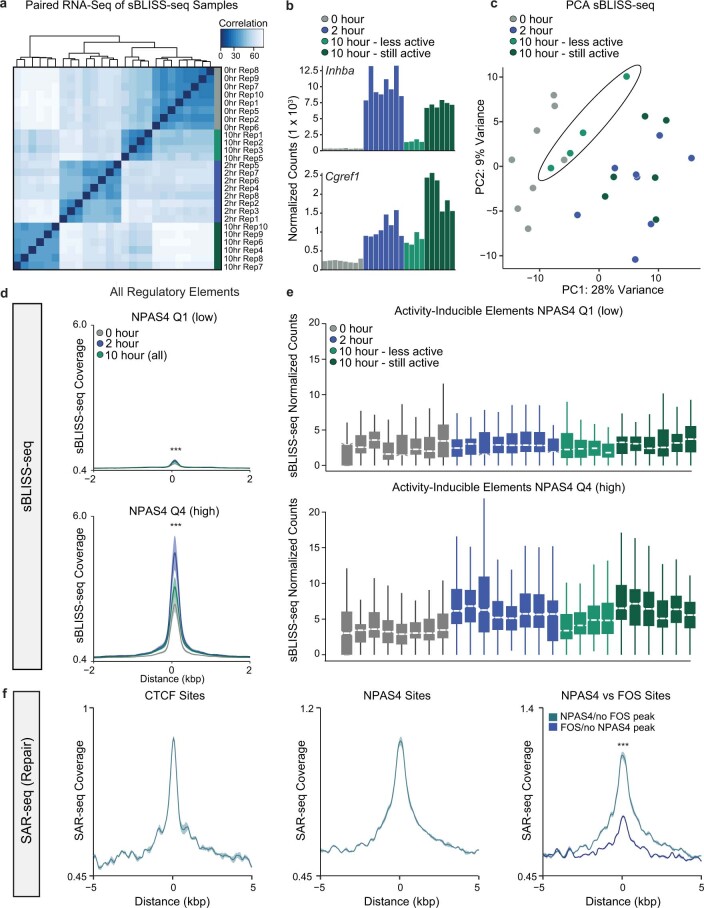
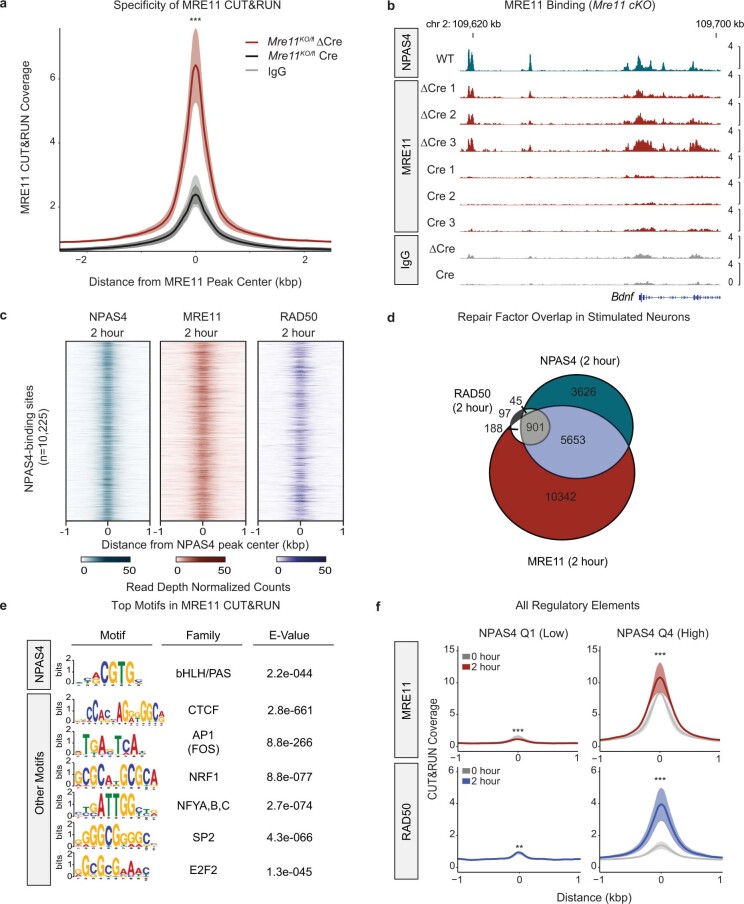
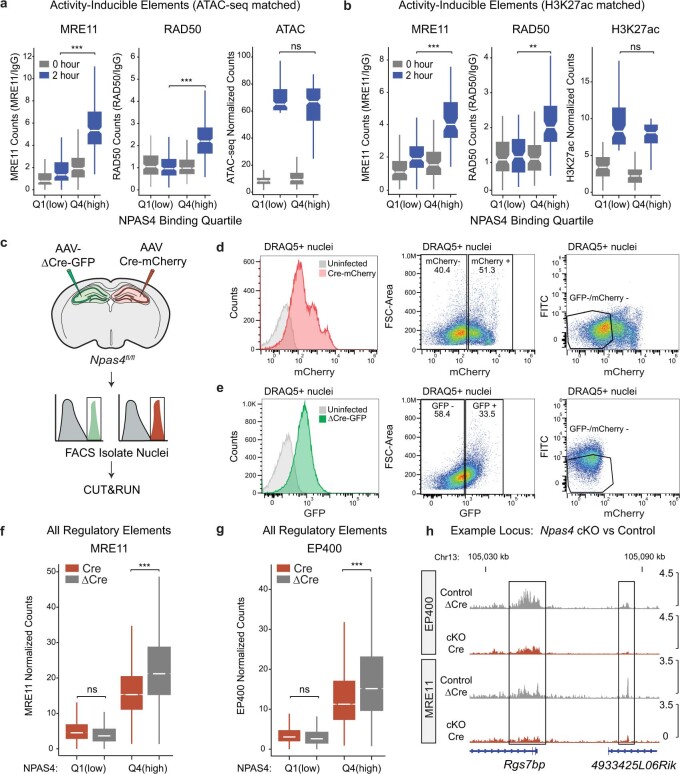
Verification
Claims the paper makes
The claims and statistics of this paper haven’t been checked yet.
Run the check — free, no account needed. It reads the open-access text and checks the sources it cites.
Claims other papers make about this one
Each is checked against this paper’s own text: does it say what the citing paper says it does?
The source backs part of the claim, not all of it — or backs it for a different population, condition or comparison.
In the citing paper
“NPAS4, a TF that protects against age-dependent accumulation of DNA damages and somatic mutations (76)”
From Modeling late-onset Alzheimer’s disease neuropathology via direct neuronal reprogramming (2024) · cites this paper as [76]
Experimental — accuracy not yet measuredThe cited source says what the claim attributes to it.
In the citing paper
“Some of the downregulated genes were NPAS4, a TF that protects against age-dependent accumulation of DNA damages and somatic mutations (76), and PIWIL2, one of the four known human Piwi proteins (Fig. 6A and Fig. S11B).”
From Modeling late-onset Alzheimer’s disease neuropathology via direct neuronal reprogramming (2024) · cites this paper as [76]
Self-check
Percentages, sums and reported differences re-computed from the paper’s own numbers.
The self-check needs the paper’s full text.
Citations
Cites
1 retracted
RETRACTED: Genomic Decoding of Neuronal Depolarization by Stimulus-Specific NPAS4 Heterodimers
Brigidi, G. S., Hayes, M. G. B., Santos, N. P. D., Hartzell, A. L., Texari, L., Lin, P.-A., Bartlett, A., Ecker, J. R., Benner, C. W., Heinz, S., et al. (2019) · Cell · doi:10.1016/j.cell.2019.09.004 · Cited by 69
RetractedModerated estimation of fold change and dispersion for RNA-seq data with DESeq2
Love, M. I., Huber, W., & Anders, S. (2014) · Genome Biology · doi:10.1186/s13059-014-0550-8 · Cited by 95,106
Trimmomatic: a flexible trimmer for Illumina sequence data
Bolger, A. M., Lohse, M., & Usadel, B. (2014) · Bioinformatics · doi:10.1093/bioinformatics/btu170 · Cited by 65,548
Robinson, M. D., McCarthy, D. J., & Smyth, G. K. (2010) · Bioinformatics · doi:10.1093/bioinformatics/btp616 · Cited by 41,364
featureCounts: an efficient general purpose program for assigning sequence reads to genomic features
Liao, Y., Smyth, G. K., & Shi, W. (2014) · Bioinformatics · doi:10.1093/bioinformatics/btt656 · Cited by 27,219
Model-based Analysis of ChIP-Seq (MACS)
Zhang, Y., Liu, T., Meyer, C. A., Eeckhoute, J., Johnson, D. S., Bernstein, B. E., Nusbaum, C., Myers, R. M., Brown, M., Li, W., et al. (2008) · Genome Biology · doi:10.1186/gb-2008-9-9-r137 · Cited by 18,386
An integrated encyclopedia of DNA elements in the human genome
The ENCODE Project Consortium (2012) · Nature · doi:10.1038/nature11247 · Cited by 18,072
Self-citationComprehensive Integration of Single-Cell Data
Stuart, T., Butler, A., Hoffman, P., Hafemeister, C., Papalexi, E., Mauck, W. M., Hao, Y., Stoeckius, M., Smibert, P., & Satija, R. (2019) · Cell · doi:10.1016/j.cell.2019.05.031 · Cited by 15,453
Trapnell, C., Cacchiarelli, D., Grimsby, J., Pokharel, P., Li, S., Morse, M., Lennon, N. J., Livak, K. J., Mikkelsen, T. S., & Rinn, J. L. (2014) · Nature Biotechnology · doi:10.1038/nbt.2859 · Cited by 7,314
Buenrostro, J. D., Giresi, P. G., Zaba, L. C., Chang, H. Y., & Greenleaf, W. J. (2013) · Nature Methods · doi:10.1038/nmeth.2688 · Cited by 6,422
Cited by
Sorted by citations
Items 101–124 of 124
Cortés, M. E., & Herrera-Aliaga, E. A. (2024) · Gaceta Médica Boliviana · doi:10.47993/gmb.v47i2.879
Hidmi, O., Oster, S. K., Shatleh, D., Monin, J., & Aqeilan, R. I. (2025) · Methods in molecular biology · doi:10.1007/978-1-0716-4426-3_7
Li, Y., Su, C., & Qin, Z. S. (2026) · Briefings in Bioinformatics · doi:10.1093/bib/bbag238
Disturbed engram network caused by NPTXs downregulation underlies aging-related memory deficitsPreprint
Tao, J., Yang, Y., Guo, Y. X., Zhang, Y., Le, Q., Huang, N., Liu, X., Yu, J., Ma, L., & Wang, F. (2025) · bioRxiv (Cold Spring Harbor Laboratory) · doi:10.1101/2025.05.19.654996
Pal, A., Arora, A. V., Jaiswal, B., Palakodeti, D., & Gupta, A. K. (2025) · bioRxiv (Cold Spring Harbor Laboratory) · doi:10.1101/2025.09.24.678263
COMPLEXITY OF DNA REPAIR MECHANISMS AND EMERGING TRENDS IN SAFEGUARDING GENETIC INTEGRITY
KHAN, M., HAIDER, M., & Sami, A. (2023) · Journal of Life and Social Sciences · doi:10.64013/bbasrjlifess.v2023i1.7
Stra8 links neuronal activity to inhibitory circuit protection in the adult mouse brain
Huang, M., Yue, S., Zhang, X., Wu, L., Vivian, J. L., Wang, Z., & Wang, N. (2025) · Cell Reports · doi:10.1016/j.celrep.2025.116513
Sharma, H., Koirala, S., Fowler, M., Rogers, M., Chew, Y. L., & Konopka, A. (2025) · bioRxiv (Cold Spring Harbor Laboratory) · doi:10.64898/2025.12.08.693088
Intersection of transient cell states with stable cell types in hippocampusPreprint
Olmstead, J. A., King, L. E., & Bloodgood, B. L. (2025) · eLife · doi:10.7554/elife.109663
Intersection of transient cell states with stable cell types in hippocampusPreprint
Olmstead, J. A., King, L. E., & Bloodgood, B. L. (2025) · eLife · doi:10.7554/elife.109663.1 · Cited by 1
Deciphering epileptogenic and activity-dependent gene programs in the human brainPreprint
Lin, Q., Kang, C. J., Xavier, A. M., Sanchez-Martin, I., Mehta, A. D., & Cheadle, L. (2026) · bioRxiv (Cold Spring Harbor Laboratory) · doi:10.64898/2026.02.18.706645
Abdelmageed, M., Palanisamy, P., Vernail, V. L., Silberman, Y., Paul, S., & Paul, A. (2026) · eLife · doi:10.7554/elife.101533.2
TIP60 acts as a wound-induced factor essential for efficient regeneration in planaria
Pal, A., Arora, A. V., Kumar, H., Thokchom, A., Jaiswal, B., Palakodeti, D., & Gupta, A. (2026) · Journal of Biological Chemistry · doi:10.1016/j.jbc.2026.113139
Site-specific DNA double-strand break induces local transcription in cis and protein expression
di Lillo, A., Tavella, S., Iannelli, F., Crisafulli, G., Gioia, U., Trastus, L. A., Cabrini, M., & di Fagagna, F. D. (2026) · Communications Biology · doi:10.1038/s42003-026-10230-y
Disruption of DNA Repair as an Emerging Epigenetic Mechanism Underlying Autism Spectrum Disorder
Kelvington, B. A., Kim, J., Banerjee, S., Stevens, H. E., Chow, H., & Abel, T. G. (2026) · Current Psychiatry Reports · doi:10.1007/s11920-026-01684-2
Wang, S., Liu, S., Zhao, J., Chen, J., Ma, S., Li, L., Li, Y., Wang, C., & Wang, D. (2026) · International Journal of Biological Macromolecules · doi:10.1016/j.ijbiomac.2026.152837
EIGNN: An Explainable Imaging-Genetic Neural Network for Robust Alzheimer's Disease Risk Prediction
Zhang, Z.-C., Cai, Z., Zhao, X., Cao, J., Chen, F., Ding, J., Yang, Y., & Zhao, X. (2026) · IEEE Transactions on Medical Imaging · doi:10.1109/tmi.2026.3704478
Developmental priming of adult proteostasis and longevity by NuA4 complex activity in early life
Wang, Y., Xiong, X., Zhang, R., Xiao, L., Ruan, X., Ni, T., Liu, Z., Chen, J., Qin, S., Du, Z., et al. (2026) · The EMBO Journal · doi:10.1038/s44318-026-00851-8
cGAS-mediated type I IFN signaling contributes to disease progression in drug-refractory epilepsy
Huang, Y., Fan, L., Wong, M. Y., Lei, Z., Krishnamachary, B., Zhu, D., Cadiz, M. P., Nagiri, R. K., Ye, P., Norman, K., et al. (2026) · Nature Neuroscience · doi:10.1038/s41593-026-02384-z · Cited by 4
Neuronal activity-driven 3D chromatin dynamics in cortical pyramidal neurons depend on SATB2
Wahl, N., Ali, M., Espeso‐Gil, S., Dechant, G., & Apostolova, G. (2026) · Nucleic Acids Research · doi:10.1093/nar/gkag788
Differential DNA damage vulnerability in human neuropathies
Xue, S.-S., Cai, G., & Wang, Z. (2026) · DNA repair · doi:10.1016/j.dnarep.2026.103959
The mechanism of dietary intervention in delaying brain aging and neurodegenerative diseases
Luo, B., Liu, S., Zheng, L., 张柏雯, Chen, B., Shang, T., Zheng, J., Kuang, B., 周艳玲, Sun, Y., et al. (2026) · Ageing Research Reviews · doi:10.1016/j.arr.2026.103417
Crewe, M., Pope, A., Delint‐Ramírez, I., Briseno, S. F., Stott, R. T., Tsai, L.-H., Huber, K. M., & Madabhushi, R. (2026) · Cell Reports · doi:10.1016/j.celrep.2026.118152
Heady, L., Fenelon, K. D., Delint‐Ramírez, I., Rueda, R., Segev, A., Morton, K. G., Briseno, S. F., & Madabhushi, R. (2026) · Cell Reports · doi:10.1016/j.celrep.2026.118186
Metadata
- Authors
- Pollina, E. A., Gilliam, D. T., Landau, A. T., Lin, C., Pajarillo, N., Davis, C. P., Harmin, D. A., Yap, E.-L., Vogel, I. R., Griffith, E. C., Nagy, M. A., Ling, E., Duffy, E. E., Sabatini, B. L., Weitz, C. J., & Greenberg, M. E.
- Affiliations
- Harvard University (US)
- Howard Hughes Medical Institute (US)
- Corresponding author
- Greenberg, Michael E.
- ORCID
- Venue
- Nature
- Published
- 2023-02-15
- Volume
- 614
- Issue
- 7949
- Pages
- 732-741
- ISSN
- 0028-0836 (ISSN-L)
- 1476-4687
- PMC
- PMC9946837
- OpenAlex
- W4320913125
- Cited by
- 125
- References
- 74
- Citations by year
- 2026: 26 · 2025: 40 · 2024: 34 · 2023: 25
- FWCI
- 11.14
- Type
- journal article
- Language
- en
- Open access
- hybrid
- doi.org
- Locations
- Nature (publishedVersion, cc-by)
- PubMed Central (publishedVersion, cc-by)
- PubMed (publishedVersion)
- Digital Access to Scholarship at Harvard (DASH) (Harvard University) (submittedVersion, cc-by)
- RePEc: Research Papers in Economics (submittedVersion)
- Funders
- Paul G. Allen Family Foundation
- Damon Runyon Cancer Research Foundation
- Good Ventures Foundation
- National Institutes of Health (NS007473, NS072030, NS028829)
- National Institute on Aging (K99AG064042)
- National Institute of General Medical Sciences (T32GM007753)
- National Institute of Neurological Disorders and Stroke (NS007473, F32NS112455, #NS072030, P30NS072030, R01NS028829, R37NS046579, T32NS007473)
- Eunice Kennedy Shriver National Institute of Child Health and Human Development (P50HD105351)
- Topics
- Life Sciences › Biochemistry, Genetics and Molecular Biology › Molecular Biology › DNA Repair Mechanisms
- Life Sciences › Biochemistry, Genetics and Molecular Biology › Molecular Biology › Genomics and Chromatin Dynamics
- Life Sciences › Biochemistry, Genetics and Molecular Biology › Molecular Biology › Epigenetics and DNA Methylation
- Keywords
- Npas4, NuA4 complex, Tip60, chromatin modifiers, DNA double-strand breaks, synaptic activity, genome stability, neuronal transcriptome, somatic mutations, lifespan, neuronal inhibition, autism spectrum disorder, neurodevelopmental disorders, neurodegeneration, aging
- MeSH terms
- Lysine Acetyltransferase 5, Aging, Brain, DNA Repair, Gene Expression Regulation, Longevity, Mutation, Neurons, Synapses, Genome, Neurodegenerative Diseases, Multiprotein Complexes, Basic Helix-Loop-Helix Transcription Factors, Basic Helix-Loop-Helix Proteins, DNA Breaks, Double-Stranded
About these checks
Registry, retraction, Cites and statistics results are computed, not judged, with one exception: a printed reference that no index lists is read once by a model before it counts as a citation error. Claims are extracted by a model and kept only when their quote appears verbatim in the text; each cited source is then checked, with a model’s help, for whether it says what the claim relies on. Those verdicts can be wrong — read the claim’s quote and the cited source before relying on one.
Statistics and arithmetic are recomputed, not judged.
Confidence bands are shown only for fields calibrated on our annotated test set. None is calibrated yet, so no band is shown.
What counts as a claim ›How we measure confidence ›How we check this ›
Are you an author, or do you see a problem with this page? Request a review
