

The DOI matches its Crossref record; 73 of the 74 references it cites were found in a registry or an index.
A NPAS4–NuA4 complex couples synaptic activity to DNA repair
Open accessAbstract
Neuronal activity is crucial for adaptive circuit remodelling but poses an inherent risk to the stability of the genome across the long lifespan of postmitotic neurons 1–5. Whether neurons have acquired specialized genome protection mechanisms that enable them to withstand decades of potentially damaging stimuli during periods of heightened activity is unknown. Here we identify an activity-dependent DNA repair mechanism in which a new form of the NuA4–TIP60 chromatin modifier assembles in activated neurons around the inducible, neuronal-specific transcription factor NPAS4. We purify this complex from the brain and demonstrate its functions in eliciting activity-dependent changes to neuronal transcriptomes and circuitry. By characterizing the landscape of activity-induced DNA double-strand breaks in the brain, we show that NPAS4–NuA4 binds to recurrently damaged regulatory elements and recruits additional DNA repair machinery to stimulate their repair. Gene regulatory elements bound by NPAS4–NuA4 are partially protected against age-dependent accumulation of somatic mutations. Impaired NPAS4–NuA4 signalling leads to a cascade of cellular defects, including dysregulated activity-dependent transcriptional responses, loss of control over neuronal inhibition and genome instability, which all culminate to reduce organismal lifespan. In addition, mutations in several components of the NuA4 complex are reported to lead to neurodevelopmental and autism spectrum disorders. Together, these findings identify a neuronal-specific complex that couples neuronal activity directly to genome preservation, the disruption of which may contribute to developmental disorders, neurodegeneration and ageing.
Overview
The claims and statistics of this paper haven’t been checked yet.
Run the check — free, no account needed. It reads the open-access text and checks the sources it cites.
Integrity signals
Registry
Cites
Statistics
Figures
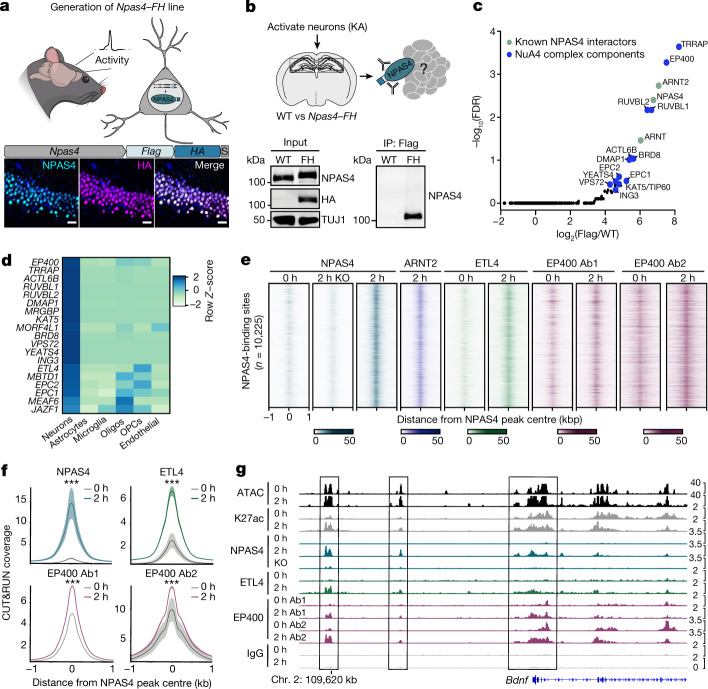
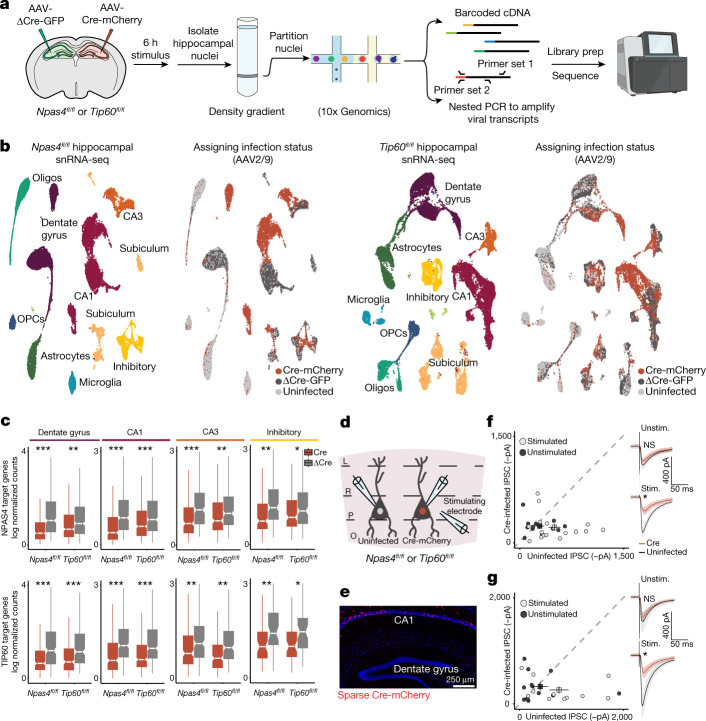
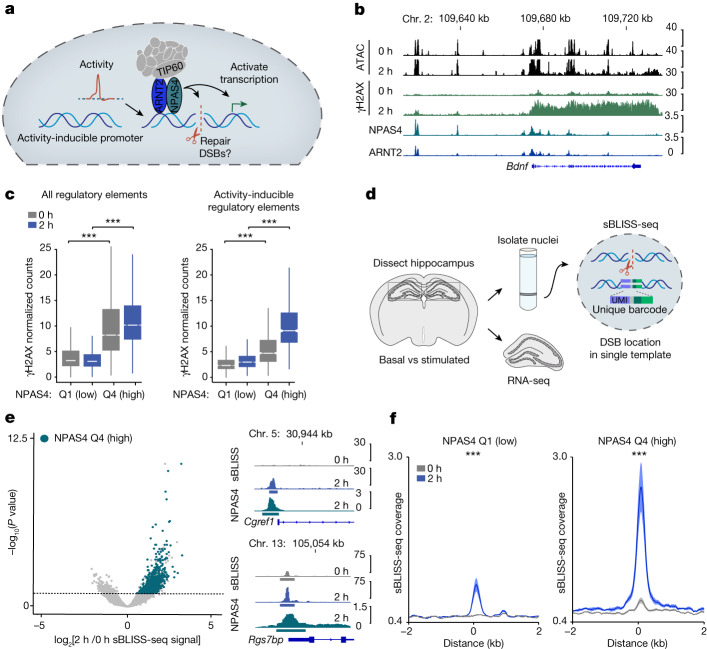
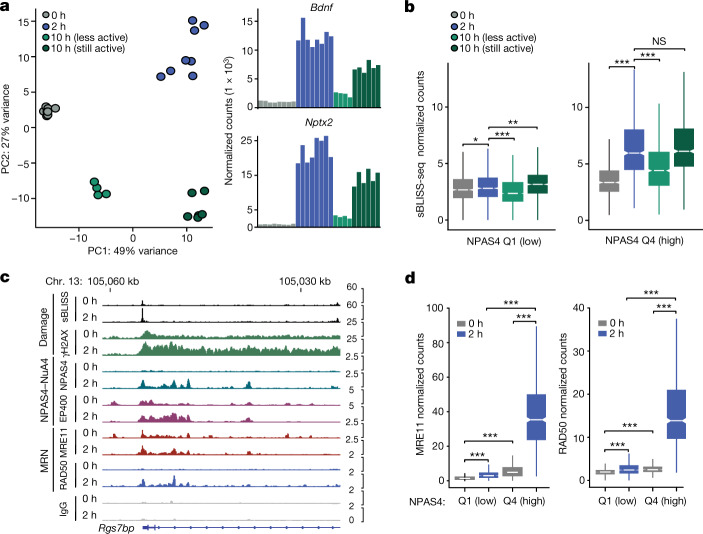
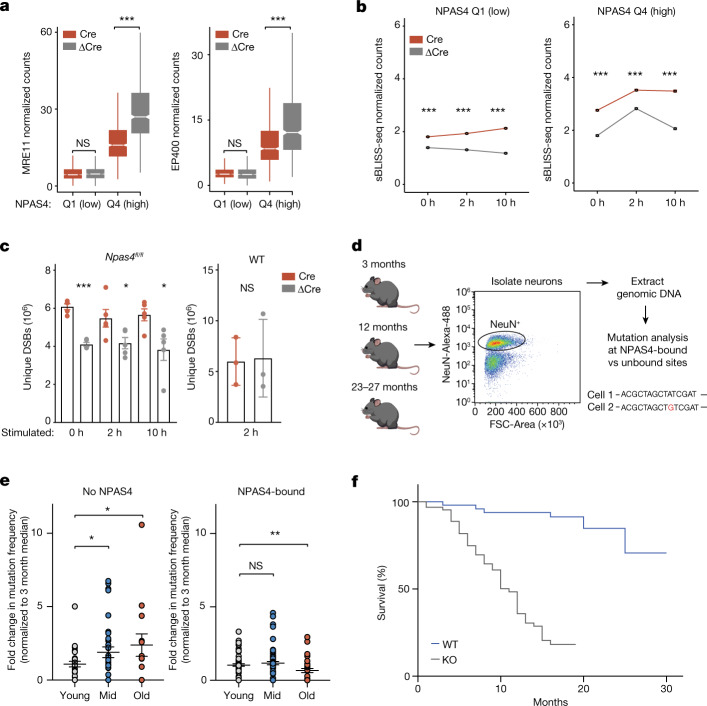
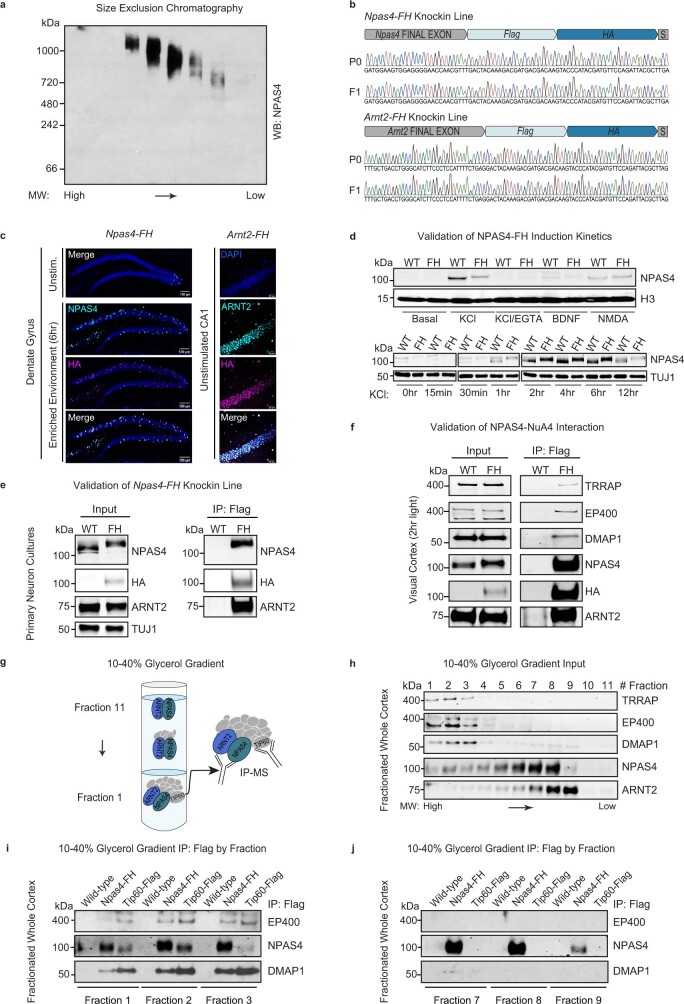
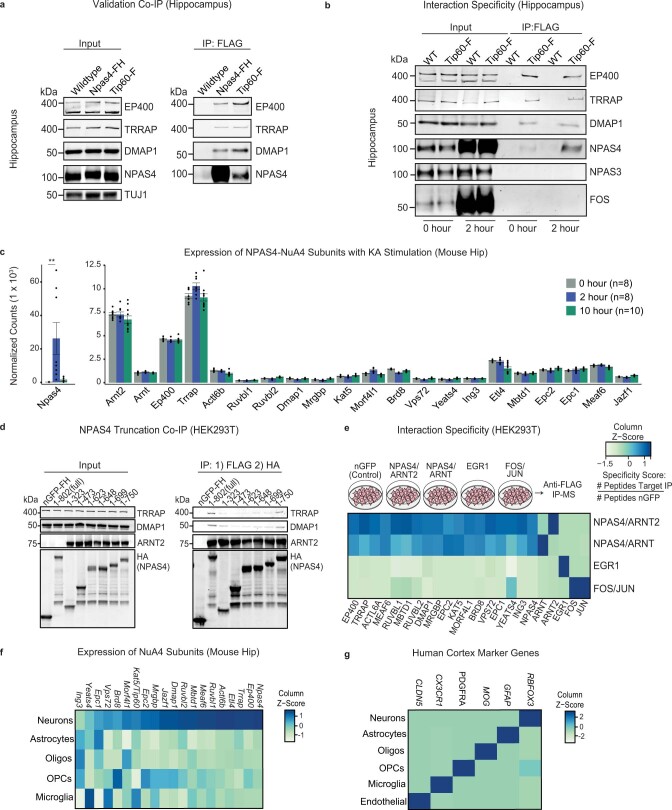
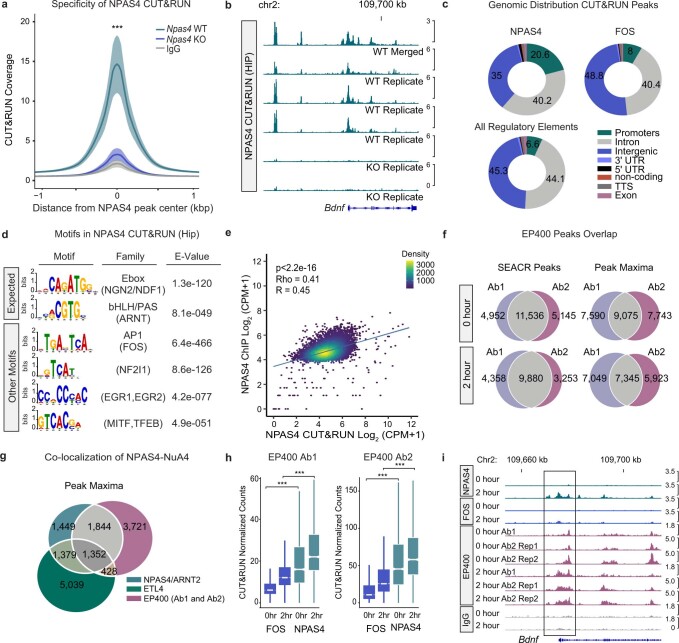
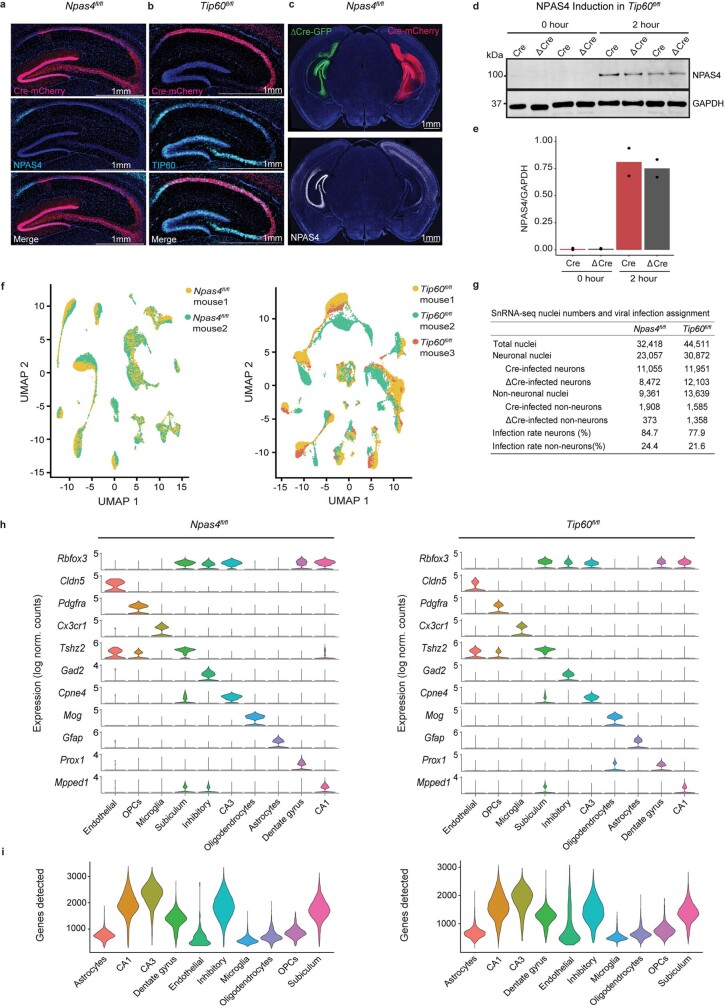
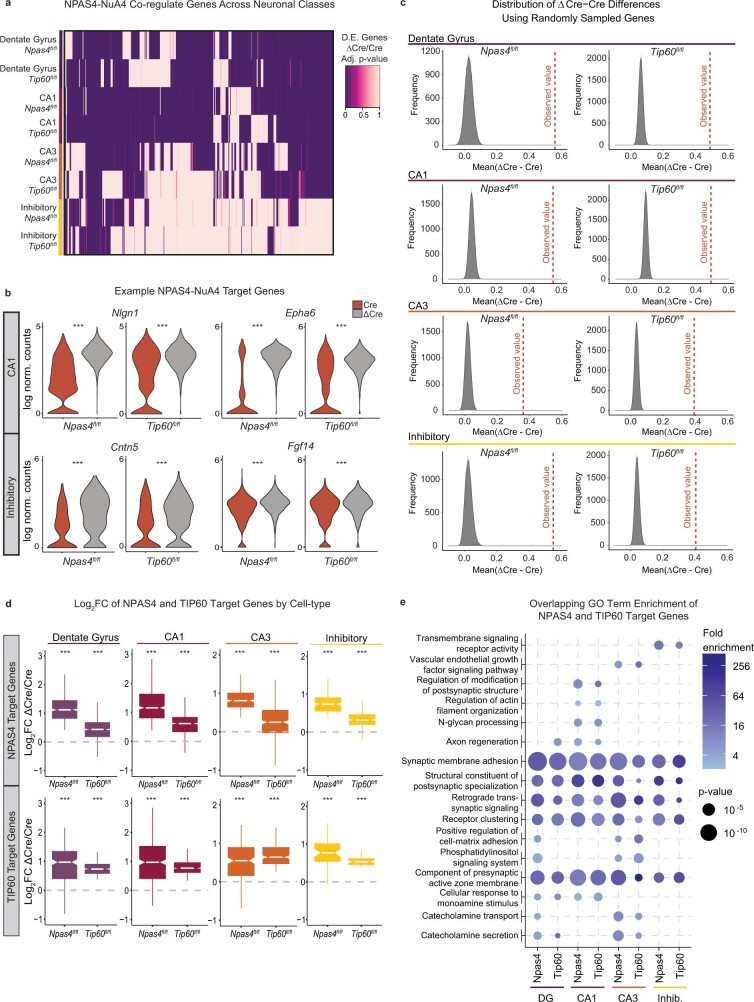
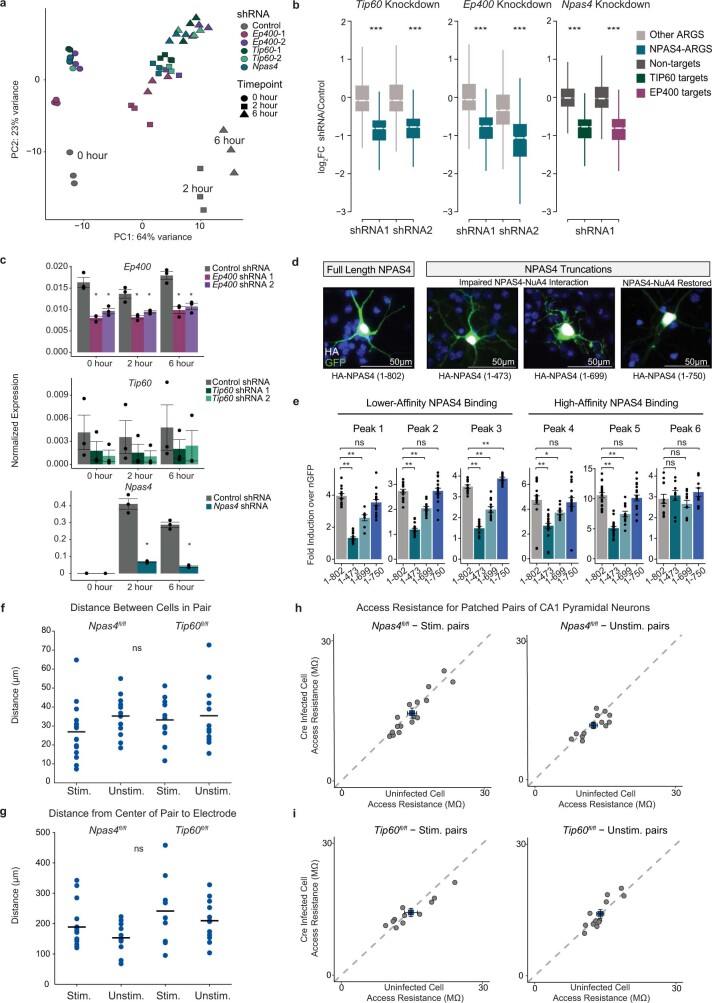
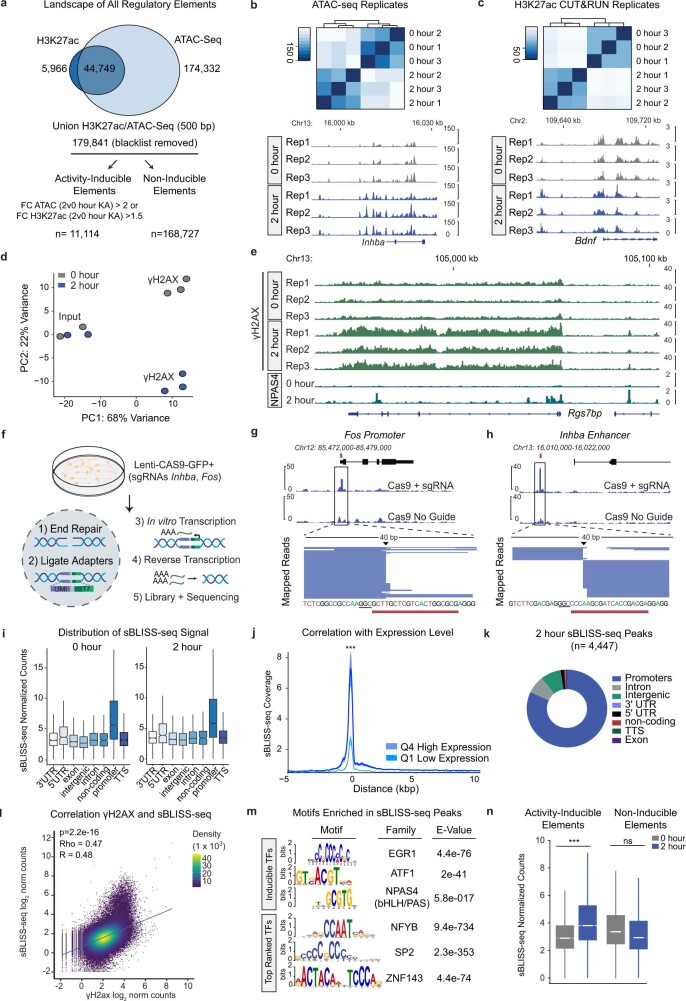
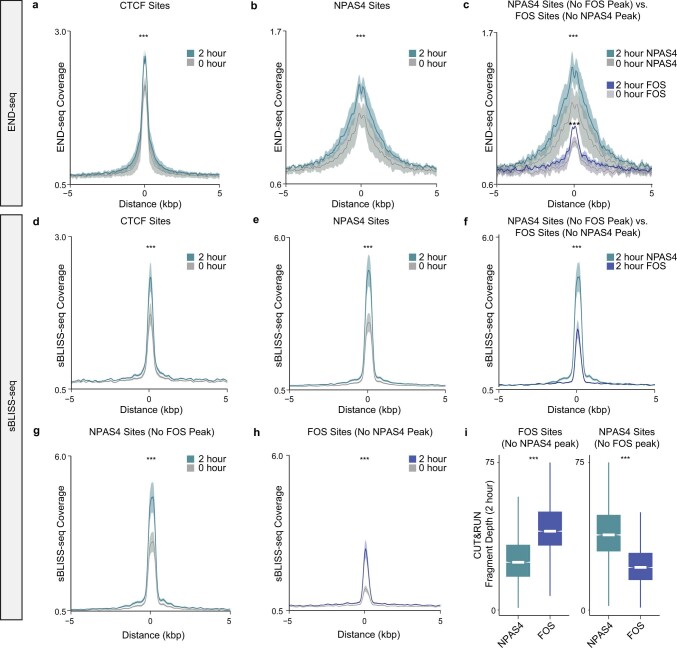
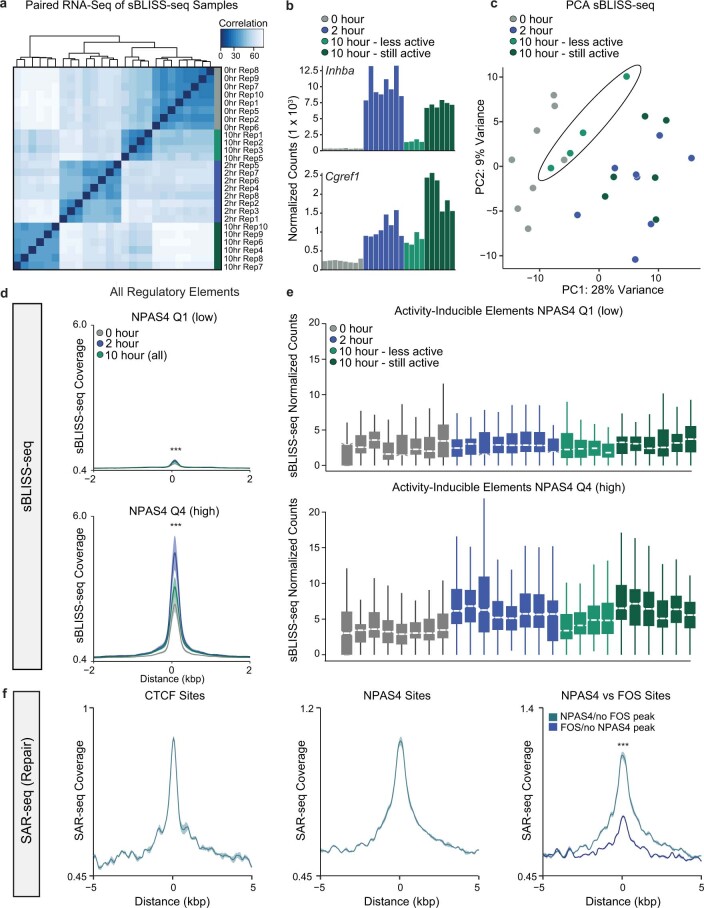
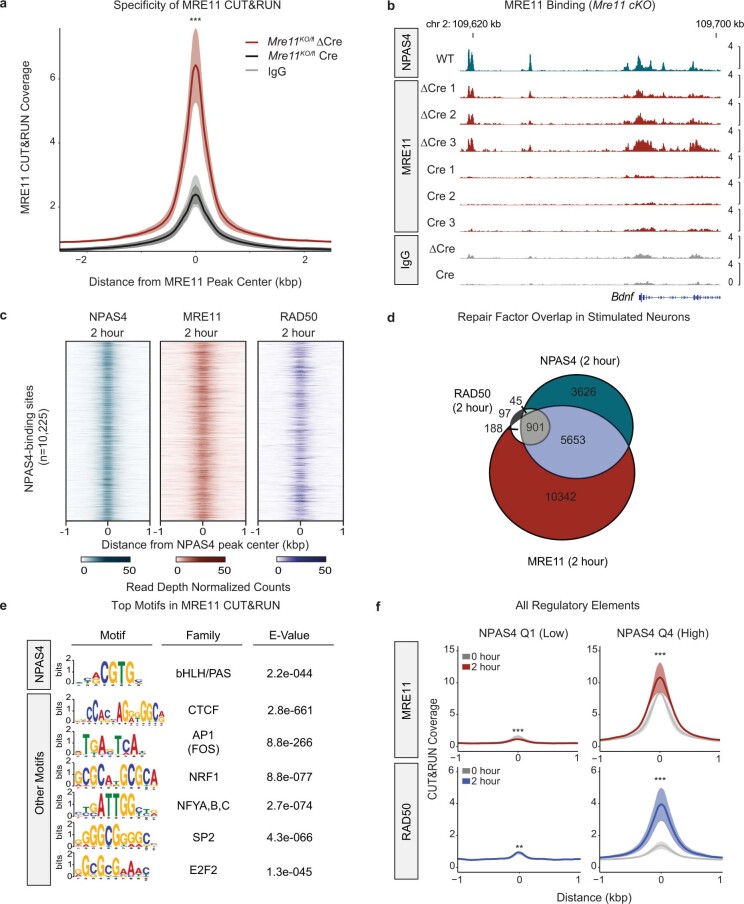
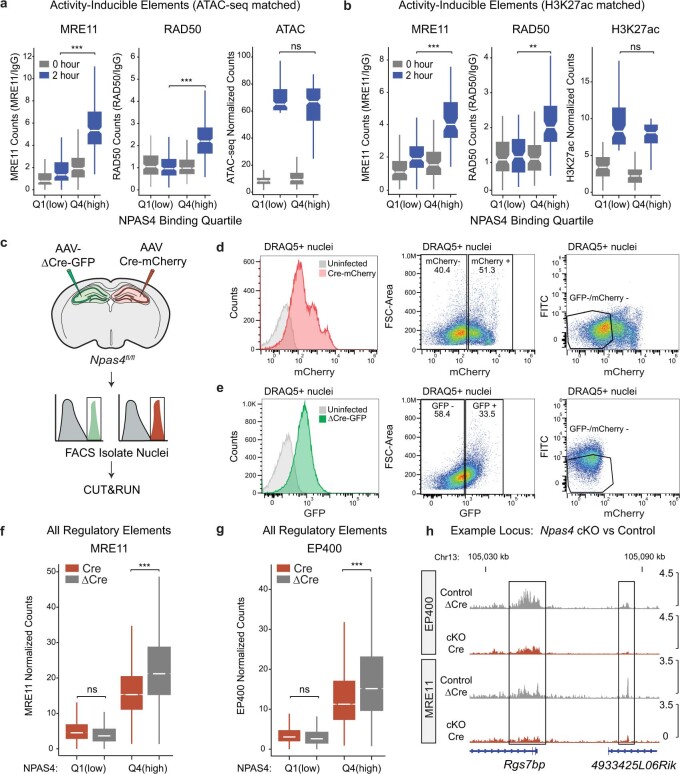
Verification
Claims the paper makes
The claims and statistics of this paper haven’t been checked yet.
Run the check — free, no account needed. It reads the open-access text and checks the sources it cites.
Claims other papers make about this one
Each is checked against this paper’s own text: does it say what the citing paper says it does?
The source backs part of the claim, not all of it — or backs it for a different population, condition or comparison.
In the citing paper
“NPAS4, a TF that protects against age-dependent accumulation of DNA damages and somatic mutations (76)”
From Modeling late-onset Alzheimer’s disease neuropathology via direct neuronal reprogramming (2024) · cites this paper as [76]
Experimental — accuracy not yet measuredThe cited source says what the claim attributes to it.
In the citing paper
“Some of the downregulated genes were NPAS4, a TF that protects against age-dependent accumulation of DNA damages and somatic mutations (76), and PIWIL2, one of the four known human Piwi proteins (Fig. 6A and Fig. S11B).”
From Modeling late-onset Alzheimer’s disease neuropathology via direct neuronal reprogramming (2024) · cites this paper as [76]
Self-check
Percentages, sums and reported differences re-computed from the paper’s own numbers.
The self-check needs the paper’s full text.
Citations
Cites
1 retracted
RETRACTED: Genomic Decoding of Neuronal Depolarization by Stimulus-Specific NPAS4 Heterodimers
Brigidi, G. S., Hayes, M. G. B., Santos, N. P. D., Hartzell, A. L., Texari, L., Lin, P.-A., Bartlett, A., Ecker, J. R., Benner, C. W., Heinz, S., et al. (2019) · Cell · doi:10.1016/j.cell.2019.09.004 · Cited by 69
RetractedModerated estimation of fold change and dispersion for RNA-seq data with DESeq2
Love, M. I., Huber, W., & Anders, S. (2014) · Genome Biology · doi:10.1186/s13059-014-0550-8 · Cited by 95,106
Trimmomatic: a flexible trimmer for Illumina sequence data
Bolger, A. M., Lohse, M., & Usadel, B. (2014) · Bioinformatics · doi:10.1093/bioinformatics/btu170 · Cited by 65,548
Robinson, M. D., McCarthy, D. J., & Smyth, G. K. (2010) · Bioinformatics · doi:10.1093/bioinformatics/btp616 · Cited by 41,364
featureCounts: an efficient general purpose program for assigning sequence reads to genomic features
Liao, Y., Smyth, G. K., & Shi, W. (2014) · Bioinformatics · doi:10.1093/bioinformatics/btt656 · Cited by 27,219
Model-based Analysis of ChIP-Seq (MACS)
Zhang, Y., Liu, T., Meyer, C. A., Eeckhoute, J., Johnson, D. S., Bernstein, B. E., Nusbaum, C., Myers, R. M., Brown, M., Li, W., et al. (2008) · Genome Biology · doi:10.1186/gb-2008-9-9-r137 · Cited by 18,386
An integrated encyclopedia of DNA elements in the human genome
The ENCODE Project Consortium (2012) · Nature · doi:10.1038/nature11247 · Cited by 18,072
Self-citationComprehensive Integration of Single-Cell Data
Stuart, T., Butler, A., Hoffman, P., Hafemeister, C., Papalexi, E., Mauck, W. M., Hao, Y., Stoeckius, M., Smibert, P., & Satija, R. (2019) · Cell · doi:10.1016/j.cell.2019.05.031 · Cited by 15,453
Trapnell, C., Cacchiarelli, D., Grimsby, J., Pokharel, P., Li, S., Morse, M., Lennon, N. J., Livak, K. J., Mikkelsen, T. S., & Rinn, J. L. (2014) · Nature Biotechnology · doi:10.1038/nbt.2859 · Cited by 7,314
Buenrostro, J. D., Giresi, P. G., Zaba, L. C., Chang, H. Y., & Greenleaf, W. J. (2013) · Nature Methods · doi:10.1038/nmeth.2688 · Cited by 6,422
McGinnis, C. S., Murrow, L. M., & Gartner, Z. J. (2019) · Cell Systems · doi:10.1016/j.cels.2019.03.003 · Cited by 4,521
ATAC-seq: a method for assaying chromatin accessibility genome-wide
Buenrostro, J. D., Wu, B., Chang, H. Y., & Greenleaf, W. J. (2015) · Current Protocols in Molecular Biology · doi:10.1002/0471142727.mb2129s109 · Cited by 3,289
Gene regulation and DNA damage in the ageing human brain
Lu, T., Pan, Y., Kao, S.-Y., Li, C., Kohane, I., Chan, J., & Yankner, B. A. (2004) · Nature · doi:10.1038/nature02661 · Cited by 1,874
MEME-ChIP: motif analysis of large DNA datasets
Machanick, P., & Bailey, T. L. (2011) · Bioinformatics · doi:10.1093/bioinformatics/btr189 · Cited by 1,815
An efficient targeted nuclease strategy for high-resolution mapping of DNA binding sites
Skene, P. J., & Henikoff, S. (2017) · eLife · doi:10.7554/elife.21856 · Cited by 1,737
Kolberg, L., Raudvere, U., Kuzmin, I., Vilo, J., & Peterson, H. (2020) · F1000Research · doi:10.12688/f1000research.24956.2 · Cited by 1,098
Involvement of the TIP60 Histone Acetylase Complex in DNA Repair and Apoptosis
Ikura, T., Ogryzko, V. V., Grigoriev, M., Groisman, R., Wang, J., Horikoshi, M., Scully, R., Qin, J., & Nakatani, Y. (2000) · Cell · doi:10.1016/s0092-8674(00)00051-9 · Cited by 1,029
The central role of DNA damage in the ageing process
Schumacher, B., Pothof, J., Vijg, J., & Hoeijmakers, J. H. J. (2021) · Nature · doi:10.1038/s41586-021-03307-7 · Cited by 907
A Topoisomerase IIß-Mediated dsDNA Break Required for Regulated Transcription
Ju, B., Lunyak, V. V., Perissi, V., García-Bassets, I., Rose, D. W., Glass, C. K., & Rosenfeld, M. G. (2006) · Science · doi:10.1126/science.1127196 · Cited by 842
Targeted in situ genome-wide profiling with high efficiency for low cell numbers
Skene, P. J., Henikoff, J. G., & Henikoff, S. (2018) · Nature Protocols · doi:10.1038/nprot.2018.015 · Cited by 803
Epigenomic Signatures of Neuronal Diversity in the Mammalian Brain
Mo, A., Mukamel, E. A., Davis, F. P., Luo, C., Henry, G. L., Picard, S., Urich, M. A., Nery, J. R., Sejnowski, T. J., Lister, R., et al. (2015) · Neuron · doi:10.1016/j.neuron.2015.05.018 · Cited by 739
Activity-Regulated Transcription: Bridging the Gap between Neural Activity and Behavior
Yap, E.-L., & Greenberg, M. E. (2018) · Neuron · doi:10.1016/j.neuron.2018.10.013 · Cited by 706
Self-citationActivity-Induced DNA Breaks Govern the Expression of Neuronal Early-Response Genes
Madabhushi, R., Gao, F., Pfenning, A. R., Pan, L., Yamakawa, S., Seo, J., Rueda, R., Phan, T. X., Yamakawa, H., Pao, P.-C., et al. (2015) · Cell · doi:10.1016/j.cell.2015.05.032 · Cited by 700
Deisseroth, K., Bito, H., & Tsien, R. W. (1996) · Neuron · doi:10.1016/s0896-6273(00)80026-4 · Cited by 698
DNA repair mechanisms in dividing and non-dividing cells
Iyama, T., & Wilson, D. M. (2013) · DNA Repair · doi:10.1016/j.dnarep.2013.04.015 · Cited by 697
Acetylation by Tip60 Is Required for Selective Histone Variant Exchange at DNA Lesions
Kusch, T., Florens, L. A., McDonald, W. H., Swanson, S. K., Glaser, R. L., Yates, J. R., Abmayr, S. M., Washburn, M. P., & Workman, J. L. (2004) · Science · doi:10.1126/science.1103455 · Cited by 669
Activity-dependent regulation of inhibitory synapse development by Npas4
Lin, Y., Bloodgood, B. L., Hauser, J. L., Lapan, A. D., Koon, A. C., Kim, T.-K., Hu, L. S., Malik, A. N., & Greenberg, M. E. (2008) · Nature · doi:10.1038/nature07319 · Cited by 639
Self-citationAging and neurodegeneration are associated with increased mutations in single human neurons
Lodato, M. A., Rodin, R. E., Bohrson, C. L., Coulter, M. E., Barton, A. R., Kwon, M., Sherman, M. A., Vitzthum, C. M., Luquette, L. J., Yandava, C. N., et al. (2018) · Science · doi:10.1126/science.aao4426 · Cited by 635
Growth inhibition and DNA damage induced by Cre recombinase in mammalian cells
Loonstra, A., Vooijs, M., Beverloo, H. B., Allak, B. A., van Drunen, E., Kanaar, R., Berns, A. J. M., & Jonkers, J. (2001) · Proceedings of the National Academy of Sciences · doi:10.1073/pnas.161269798 · Cited by 591
Acetylation of histone H4 by Esa1 is required for DNA double-strand break repair
Bird, A. W., Yu, D. Y., Pray-Grant, M. G., Qiu, Q., Harmon, K. E., Megee, P. C., Grant, P. A., Smith, M. M., & Christman, M. F. (2002) · Nature · doi:10.1038/nature01035 · Cited by 565
Peak calling by Sparse Enrichment Analysis for CUT&RUN chromatin profiling
Meers, M. P., Tenenbaum, D., & Henikoff, S. (2019) · Epigenetics & Chromatin · doi:10.1186/s13072-019-0287-4 · Cited by 556
Acetylation limits 53BP1 association with damaged chromatin to promote homologous recombination
Tang, J., Cho, N. W., Cui, G., Manion, E. M., Shanbhag, N. M., Botuyan, M. V., Mer, G., & Greenberg, R. A. (2013) · Nature Structural & Molecular Biology · doi:10.1038/nsmb.2499 · Cited by 521
Suberbielle, E., Sanchez, P. E., Kravitz, A. V., Wang, X., Ho, K., Eilertson, K., Devidze, N., Kreitzer, A. C., & Mucke, L. (2013) · Nature Neuroscience · doi:10.1038/nn.3356 · Cited by 487
Allard, S., Utley, R. T., Savard, J., Clarke, A. S., Grant, P. A., Brandl, C. J., Pillus, L., Workman, J. L., & Côté, J. (1999) · The EMBO Journal · doi:10.1093/emboj/18.18.5108 · Cited by 471
Histone H3 methylation links DNA damage detection to activation of the tumour suppressor Tip60
Sun, Y., Jiang, X., Xu, Y., Ayrapetov, M. K., Moreau, L. A., Whetstine, J. R., & Price, B. D. (2009) · Nature Cell Biology · doi:10.1038/ncb1982 · Cited by 454
Unbiased detection of CRISPR off-targets in vivo using DISCOVER-Seq
Wienert, B., Wyman, S. K., Richardson, C. D., Yeh, C. D., Akcakaya, P., Porritt, M. J., Morlock, M., Vu, J. T., Kazane, K. R., Watry, H. L., et al. (2019) · Science · doi:10.1126/science.aav9023 · Cited by 434
The highly conserved and multifunctional NuA4 HAT complex
Doyon, Y., & Côté, J. (2004) · Current Opinion in Genetics & Development · doi:10.1016/j.gde.2004.02.009 · Cited by 394
Genome Organization Drives Chromosome Fragility
Canela, A., Maman, Y., Jung, S., Wong, N., Callen, E., Day, A., Kieffer-Kwon, K.-R., Pekowska, A., Zhang, H., Rao, S. S. P., et al. (2017) · Cell · doi:10.1016/j.cell.2017.06.034 · Cited by 383
Buis, J. M., Wu, Y., Deng, Y., Leddon, J. L., Westfield, G., Eckersdorff, M., Sekiguchi, J., Chang, S. S., & Ferguson, D. O. (2008) · Cell · doi:10.1016/j.cell.2008.08.015 · Cited by 357
SIRT6 is responsible for more efficient DNA double-strand break repair in long-lived species
Tian, X., Firsanov, D., Zhang, Z., Cheng, Y., Luo, L., Tombline, G., Tan, R., Simon, M., Henderson, S., Steffan, J., et al. (2019) · Cell · doi:10.1016/j.cell.2019.03.043 · Cited by 353
Transcript-RNA-templated DNA recombination and repair
Keskin, H., Shen, Y., Huang, F., Patel, M., Yang, T., Ashley, K., Mazin, A. V., & Storici, F. (2014) · Nature · doi:10.1038/nature13682 · Cited by 316
The activity-dependent transcription factor NPAS4 regulates domain-specific inhibition
Bloodgood, B. L., Sharma, N., Browne, H. A., Trepman, A. Z., & Greenberg, M. E. (2013) · Nature · doi:10.1038/nature12743 · Cited by 310
Self-citationJacquet, K., Fradet‐Turcotte, A., Avvakumov, N., Lambert, J., Lopez‐Roques, C., PANDITA, R. K., Paquet, É. R., Herst, P. M., Gingras, A., Pandita, T. K., et al. (2016) · Molecular Cell · doi:10.1016/j.molcel.2016.03.031 · Cited by 280
Galarneau, L., Nourani, A., Boudreault, A. A., Zhang, Y., Héliot, L., Allard, S., Savard, J., Lane, W. S., Stillman, D. J., & Côté, J. (2000) · Molecular Cell · doi:10.1016/s1097-2765(00)80258-0 · Cited by 268
Regulation of lifespan by neural excitation and REST
Zullo, J., Drake, D., Aron, L., O’Hern, P., Dhamne, S. C., Davidsohn, N., Mao, C., Klein, W. H., Rotenberg, A., Bennett, D. A., et al. (2019) · Nature · doi:10.1038/s41586-019-1647-8 · Cited by 237
Neuronal enhancers are hotspots for DNA single-strand break repair
Wu, W., Kargbo-Hill, S. E., Nathan, W. J., Paiano, J., Callen, E., Wang, D., Shinoda, K., van Wietmarschen, N., Colón-Mercado, J. M., Zong, D., et al. (2021) · Nature · doi:10.1038/s41586-021-03468-5 · Cited by 223
Transcriptional elongation requires DNA break-induced signalling
Bunch, H., Lawney, B. P., Lin, Y., Asaithamby, A., Murshid, A., Wang, Y. E., Chen, B. P. C., & Calderwood, S. K. (2015) · Nature Communications · doi:10.1038/ncomms10191 · Cited by 212
R loops regulate promoter-proximal chromatin architecture and cellular differentiation
Chen, P. B., Chen, H. V., Acharya, D., Rando, O. J., & Fazzio, T. G. (2015) · Nature Structural & Molecular Biology · doi:10.1038/nsmb.3122 · Cited by 206
Mre11 Is Essential for the Removal of Lethal Topoisomerase 2 Covalent Cleavage Complexes
Hoa, N. N., Shimizu, T., Zhou, Z., Wang, Z., Deshpande, R. A., Paull, T. T., Akter, S., Tsuda, M., Furuta, R., Tsutsui, K., et al. (2016) · Molecular Cell · doi:10.1016/j.molcel.2016.10.011 · Cited by 187
Yu, T. W., Lim, E. T., Stevens, C. R., Gabriel, S., Chahrour, M. H., Ataman, B., Coulter, M. E., Hill, R. S., Schubert, C. R., Greenberg, M. E., et al. (2012) · Digital Access to Scholarship at Harvard (DASH) (Harvard University) · Cited by 179
Self-citationErbel-Sieler, C., Dudley, C., Zhou, Y., Wu, X., Estill, S. J., Han, T., Diaz-Arrastia, R., Brunskill, E. W., Potter, S. S., & McKnight, S. L. (2004) · Proceedings of the National Academy of Sciences · doi:10.1073/pnas.0405310101 · Cited by 178
Bidirectional perisomatic inhibitory plasticity of a Fos neuronal network
Yap, E.-L., Pettit, N. L., Davis, C. P., Nagy, M. A., Harmin, D. A., Golden, E., Dağliyan, O., Lin, C., Rudolph, S., Sharma, N., et al. (2020) · Nature · doi:10.1038/s41586-020-3031-0 · Cited by 154
Self-citation20 Years of Mre11 Biology: No End in Sight
Paull, T. T. (2018) · Molecular Cell · doi:10.1016/j.molcel.2018.06.033 · Cited by 143
EP400 Deposits H3.3 into Promoters and Enhancers during Gene Activation
Pradhan, S. K., Su, T., Yen, L., Jacquet, K., Huang, C., Côté, J., Kurdistani, S. K., & Carey, M. (2015) · Molecular Cell · doi:10.1016/j.molcel.2015.10.039 · Cited by 141
Ståhlberg, A., Krzyzanowski, P. M., Egyud, M., Filges, S., Stein, L. D., & Godfrey, T. E. (2017) · Nature Protocols · doi:10.1038/nprot.2017.006 · Cited by 134
Mre11 regulates CtIP-dependent double-strand break repair by interaction with CDK2
Buis, J. M., Stoneham, T., Spehalski, E. I., & Ferguson, D. O. (2012) · Nature Structural & Molecular Biology · doi:10.1038/nsmb.2212 · Cited by 126
Chahrour, M. H., Yu, T. W., Lim, E. T., Ataman, B., Coulter, M. E., Hill, R. S., Stevens, C. R., Schubert, C. R., ARRA Autism Sequencing Collaboration, Greenberg, M. E., et al. (2012) · PLoS Genetics · doi:10.1371/journal.pgen.1002635 · Cited by 125
Self-citationIncorporation of a nucleoside analog maps genome repair sites in postmitotic human neurons
Reid, D. A., Reed, P. J., Schlachetzki, J. C. M., Nitulescu, I. I., Chou, G., Tsui, E. C., Jones, J. R., Chandran, S., Lu, A. T., McClain, C. A., et al. (2021) · Science · doi:10.1126/science.abb9032 · Cited by 121
High‐Resolution Chromatin Profiling Using CUT&RUN
Hainer, S. J., & Fazzio, T. G. (2019) · Current Protocols in Molecular Biology · doi:10.1002/cpmb.85 · Cited by 117
Dellino, G. I., Palluzzi, F., Chiariello, A. M., Piccioni, R., Bianco, S., Furia, L., Conti, G. D., Bouwman, B. A. M., Melloni, G. E. M., Guido, D., et al. (2019) · Nature Genetics · doi:10.1038/s41588-019-0421-z · Cited by 104
Rapid phosphorylation of histone H2A.X following ionotropic glutamate receptor activation
Crowe, S. L., Movsesyan, V. A., Jorgensen, T. J., & Kondratyev, A. D. (2006) · European Journal of Neuroscience · doi:10.1111/j.1460-9568.2006.04768.x · Cited by 87
Bell, S., Rousseau, J., Peng, H., Aouabed, Z., Priam, P., Théroux, J., Jefri, M., Tanti, A., Wu, H., Kolobova, I., et al. (2019) · The American Journal of Human Genetics · doi:10.1016/j.ajhg.2019.03.022 · Cited by 87
Hdac6 regulates Tip60-p400 function in stem cells
Chen, P. B., Hung, J., Hickman, T. L., Coles, A. H., Carey, J. F., Weng, Z., Feixia Chu, C., & Fazzio, T. G. (2013) · eLife · doi:10.7554/elife.01557 · Cited by 64
RNA-driven genetic changes in bacteria and in human cells
Shen, Y., Nandi, P., Taylor, M. B., Stuckey, S., Bhadsavle, H. P., Weiss, B., & Storici, F. (2011) · Mutation research. Fundamental and molecular mechanisms of mutagenesis · doi:10.1016/j.mrfmmm.2011.03.016 · Cited by 62
Sharma, N., Pollina, E. A., Nagy, M. A., Yap, E.-L., DiBiase, F. A., Hrvatin, S., Hu, L. S., Lin, C., & Greenberg, M. E. (2019) · Neuron · doi:10.1016/j.neuron.2019.02.007 · Cited by 52
Self-citationWong, N., John, S., Nussenzweig, A., & Canela, A. (2020) · Methods in molecular biology · doi:10.1007/978-1-0716-0644-5_2 · Cited by 51
Delint‐Ramírez, I., Konada, L., Heady, L., Rueda, R., Jácome, A. S. V., Marlin, E., Marchioni, C. R., Segev, A., Kritskiy, O., Yamakawa, S., et al. (2022) · Molecular Cell · doi:10.1016/j.molcel.2022.09.012 · Cited by 46
Genome-wide detection of DNA double-strand breaks by in-suspension BLISS
Bouwman, B. A. M., Agostini, F., Garnerone, S., Petrosino, G., Gothe, H. J., Sayols, S., Moor, A. E., Itzkovitz, S., Bienko, M., Roukos, V., et al. (2020) · Nature Protocols · doi:10.1038/s41596-020-0397-2 · Cited by 43
Mre11 Is Essential for the Removal of Lethal Topoisomerase 2 Covalent Cleavage Complexes
Hoa, N. N., Shimizu, T., Zhou, Z., Wang, Z., Deshpande, R. A., Paull, T. T., Akter, S., Tsuda, M., Furuta, R., Tsutsui, K., et al. (2016) · Molecular Cell · doi:10.1016/j.molcel.2016.11.028 · Cited by 42
Humbert, J., Salian, S., Makrythanasis, P., Lemire, G., Rousseau, J., Ehresmann, S., Garcia, T., Alasiri, R., Bottani, A., Hanquinet, S., et al. (2020) · The American Journal of Human Genetics · doi:10.1016/j.ajhg.2020.08.002 · Cited by 41
Functional Characterization of Basic Helix-Loop-Helix-PAS Type Transcription Factor NXF in Vivo
Ooe, N., Motonaga, K., Kobayashi, K., Saito, K., & Kaneko, H. (2008) · Journal of Biological Chemistry · doi:10.1074/jbc.m805196200 · Cited by 40
Chromatin-associated MRN complex protects highly transcribing genes from genomic instability
Salifou, K., Burnard, C., Basavarajaiah, P., Helsmoortel, M., Mac, V., Depierre, D., Grasso, G. I., Franckhauser, C., Beyne, E., Contreras, X., et al. (2021) · Science Advances · doi:10.1126/sciadv.abb2947 · Cited by 27
Fisher, J. B., Horst, A., Wan, T. C., Kim, M., Auchampach, J. A., & Lough, J. (2016) · PLoS ONE · doi:10.1371/journal.pone.0164855 · Cited by 24
Cited by
Sorted by citations
Type-I-interferon-responsive microglia shape cortical development and behavior
Escoubas, C. C., Dorman, L. C., Nguyen, P. T., Lagares-Linares, C., Nakajo, H., Anderson, S. R., Barron, J. J., Wade, S. D., Cuevas, B., Vainchtein, I. D., et al. (2024) · Cell · doi:10.1016/j.cell.2024.02.020 · Cited by 179
Dileep, V., Boix, C. A., Mathys, H., Marco, A., Welch, G. M., Meharena, H. S., Loon, A., Jeloka, R., Peng, Z., Bennett, D. A., et al. (2023) · Cell · doi:10.1016/j.cell.2023.08.038 · Cited by 130
Wu, Z., Qu, J., & Liu, G.-H. (2024) · Nature Reviews Molecular Cell Biology · doi:10.1038/s41580-024-00775-3 · Cited by 118
Cellular senescence, DNA damage, and neuroinflammation in the aging brain
Zhang, W., Sun, H., Wang, X., Dumont, A. S., & Liu, Q. (2024) · Trends in Neurosciences · doi:10.1016/j.tins.2024.04.003 · Cited by 121
Modeling late-onset Alzheimer’s disease neuropathology via direct neuronal reprogramming
Sun, Z., Kwon, J.-S., Ren, Y., Chen, S., Walker, C. K., Lu, X., Cates, K., Karahan, H., Sviben, S., Fitzpatrick, J. A. J., et al. (2024) · Science · doi:10.1126/science.adl2992 · Cited by 77
“Some of the downregulated genes were NPAS4, a TF that protects against age-dependent accumulation of DNA damages and somatic mutations (76), and PIWIL2, one of the four known human Piwi proteins (Fig.”
Metadata
- Authors
- Pollina, E. A., Gilliam, D. T., Landau, A. T., Lin, C., Pajarillo, N., Davis, C. P., Harmin, D. A., Yap, E.-L., Vogel, I. R., Griffith, E. C., Nagy, M. A., Ling, E., Duffy, E. E., Sabatini, B. L., Weitz, C. J., & Greenberg, M. E.
- Affiliations
- Harvard University (US)
- Howard Hughes Medical Institute (US)
- Corresponding author
- Greenberg, Michael E.
- ORCID
- Venue
- Nature
- Published
- 2023-02-15
- Volume
- 614
- Issue
- 7949
- Pages
- 732-741
- ISSN
- 0028-0836 (ISSN-L)
- 1476-4687
- PMC
- PMC9946837
- OpenAlex
- W4320913125
- Cited by
- 125
- References
- 74
- Citations by year
- 2026: 26 · 2025: 40 · 2024: 34 · 2023: 25
- FWCI
- 11.14
- Type
- journal article
- Language
- en
- Open access
- hybrid
- doi.org
- Locations
- Nature (publishedVersion, cc-by)
- PubMed Central (publishedVersion, cc-by)
- PubMed (publishedVersion)
- Digital Access to Scholarship at Harvard (DASH) (Harvard University) (submittedVersion, cc-by)
- RePEc: Research Papers in Economics (submittedVersion)
- Funders
- Paul G. Allen Family Foundation
- Damon Runyon Cancer Research Foundation
- Good Ventures Foundation
- National Institutes of Health (NS007473, NS072030, NS028829)
- National Institute on Aging (K99AG064042)
- National Institute of General Medical Sciences (T32GM007753)
- National Institute of Neurological Disorders and Stroke (NS007473, F32NS112455, #NS072030, P30NS072030, R01NS028829, R37NS046579, T32NS007473)
- Eunice Kennedy Shriver National Institute of Child Health and Human Development (P50HD105351)
- Topics
- Life Sciences › Biochemistry, Genetics and Molecular Biology › Molecular Biology › DNA Repair Mechanisms
- Life Sciences › Biochemistry, Genetics and Molecular Biology › Molecular Biology › Genomics and Chromatin Dynamics
- Life Sciences › Biochemistry, Genetics and Molecular Biology › Molecular Biology › Epigenetics and DNA Methylation
- Keywords
- Npas4, NuA4 complex, Tip60, chromatin modifiers, DNA double-strand breaks, synaptic activity, genome stability, neuronal transcriptome, somatic mutations, lifespan, neuronal inhibition, autism spectrum disorder, neurodevelopmental disorders, neurodegeneration, aging
- MeSH terms
- Lysine Acetyltransferase 5, Aging, Brain, DNA Repair, Gene Expression Regulation, Longevity, Mutation, Neurons, Synapses, Genome, Neurodegenerative Diseases, Multiprotein Complexes, Basic Helix-Loop-Helix Transcription Factors, Basic Helix-Loop-Helix Proteins, DNA Breaks, Double-Stranded
About these checks
Registry, retraction, Cites and statistics results are computed, not judged, with one exception: a printed reference that no index lists is read once by a model before it counts as a citation error. Claims are extracted by a model and kept only when their quote appears verbatim in the text; each cited source is then checked, with a model’s help, for whether it says what the claim relies on. Those verdicts can be wrong — read the claim’s quote and the cited source before relying on one.
Statistics and arithmetic are recomputed, not judged.
Confidence bands are shown only for fields calibrated on our annotated test set. None is calibrated yet, so no band is shown.
What counts as a claim ›How we measure confidence ›How we check this ›
Are you an author, or do you see a problem with this page? Request a review
