

Spatially resolved multiomics of human cardiac niches
Open accessPublished version of a preprint
The DOI matches its Crossref record; 154 of the 154 references it cites were found in a registry or an index.
Abstract
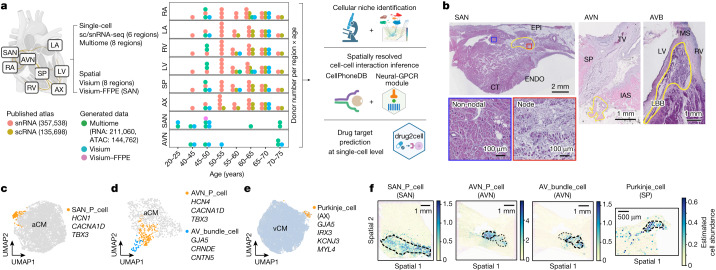
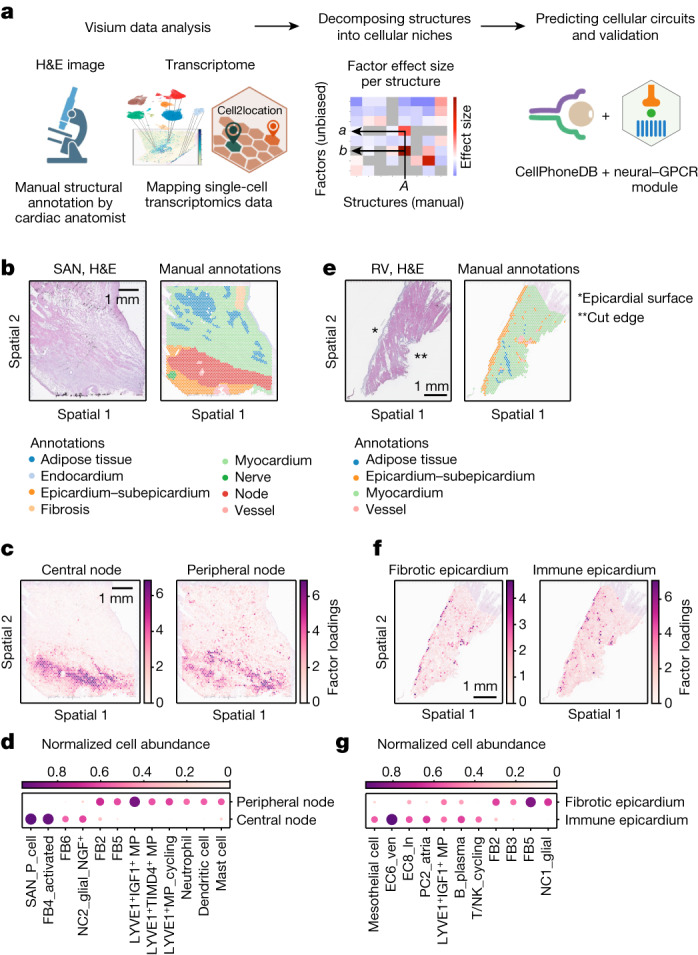
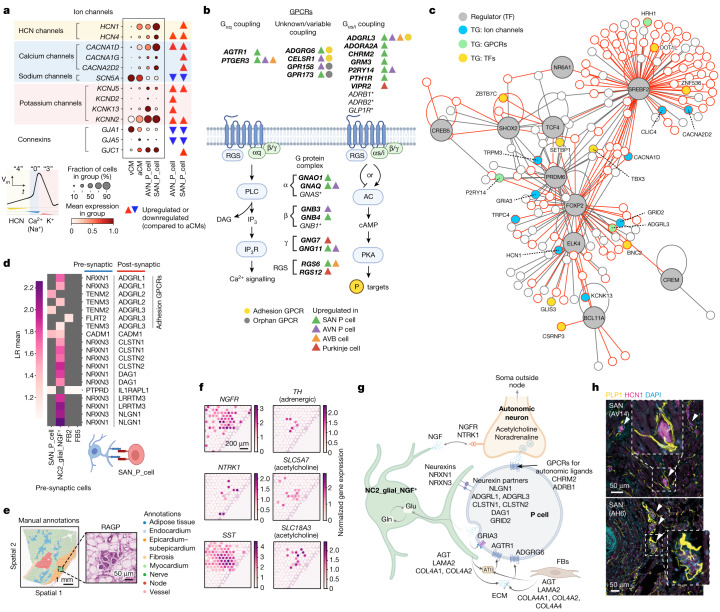
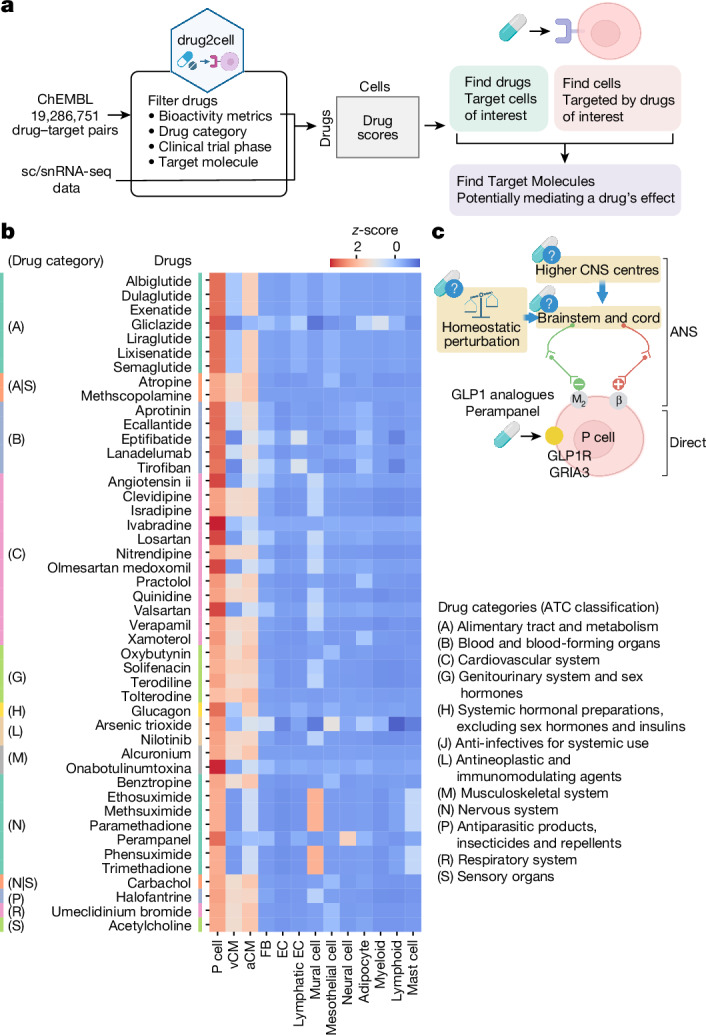
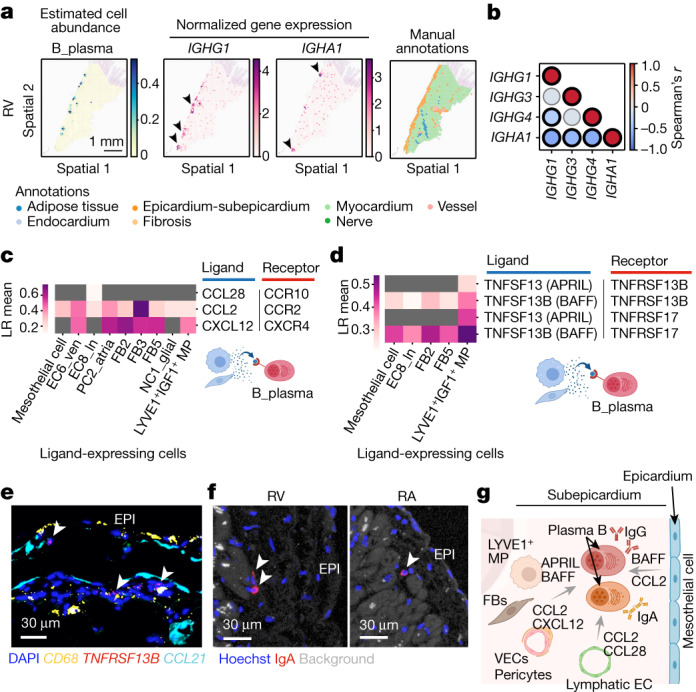
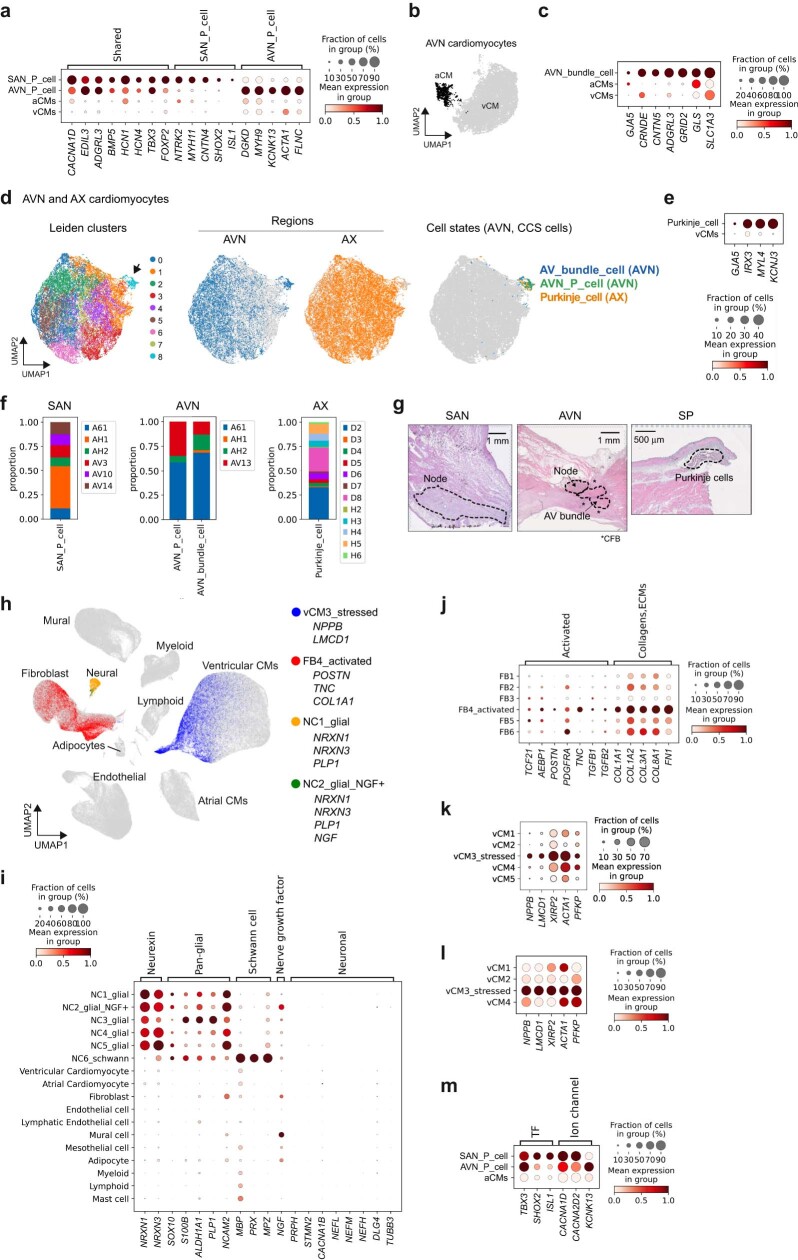
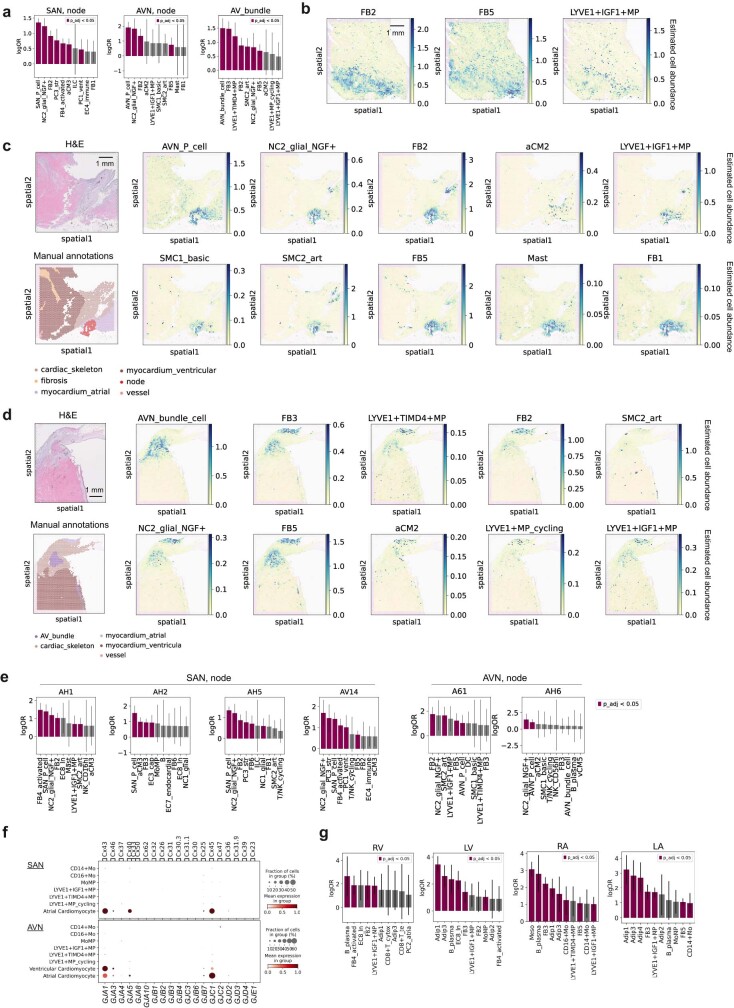
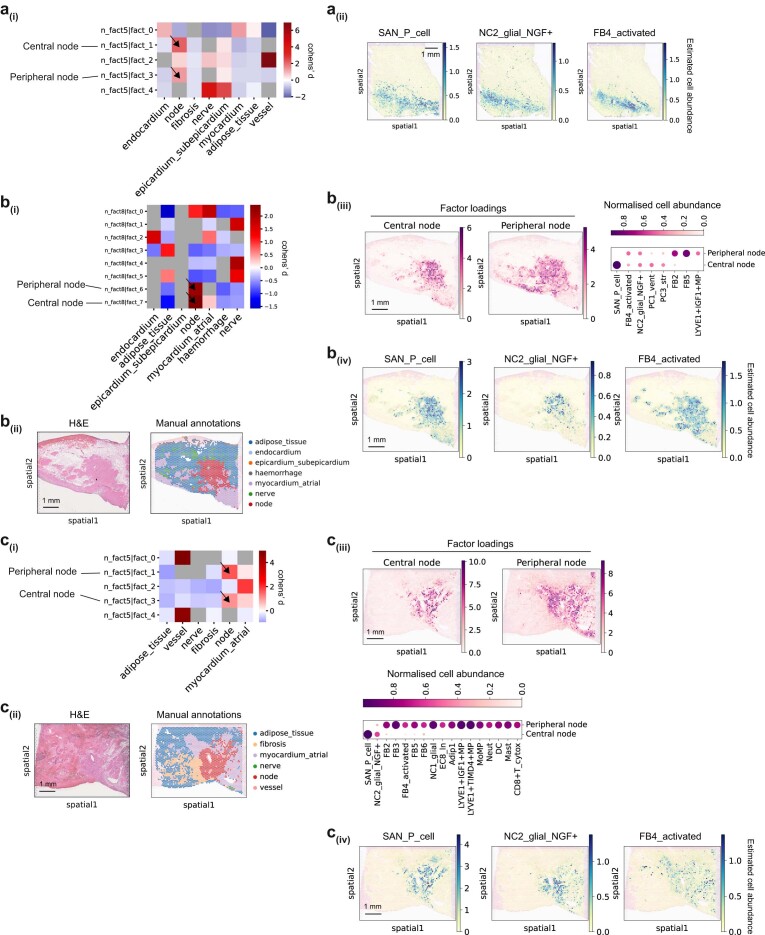
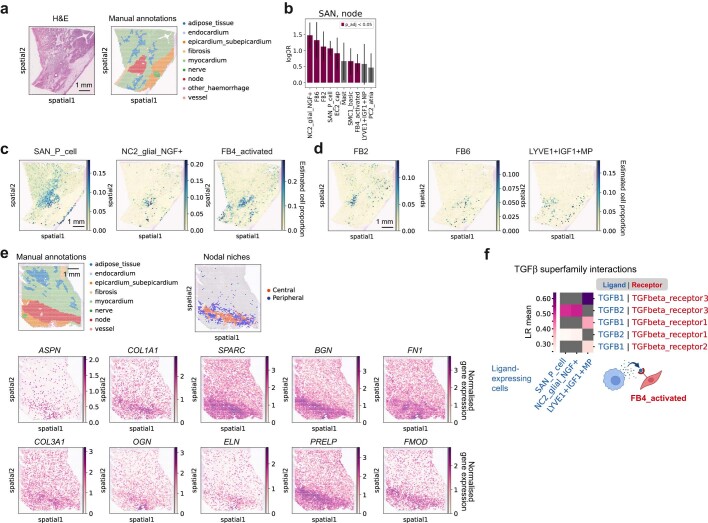
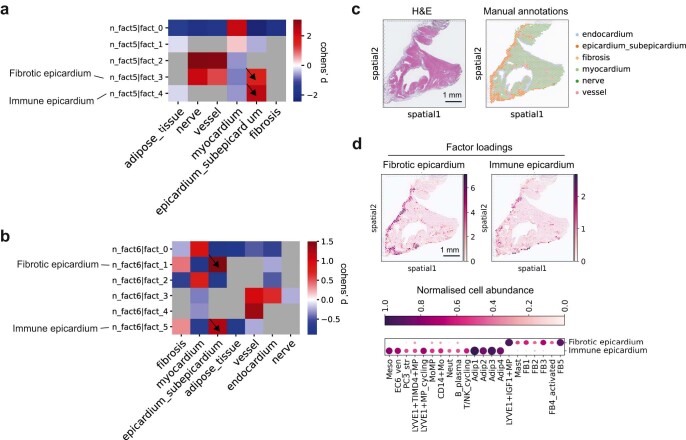
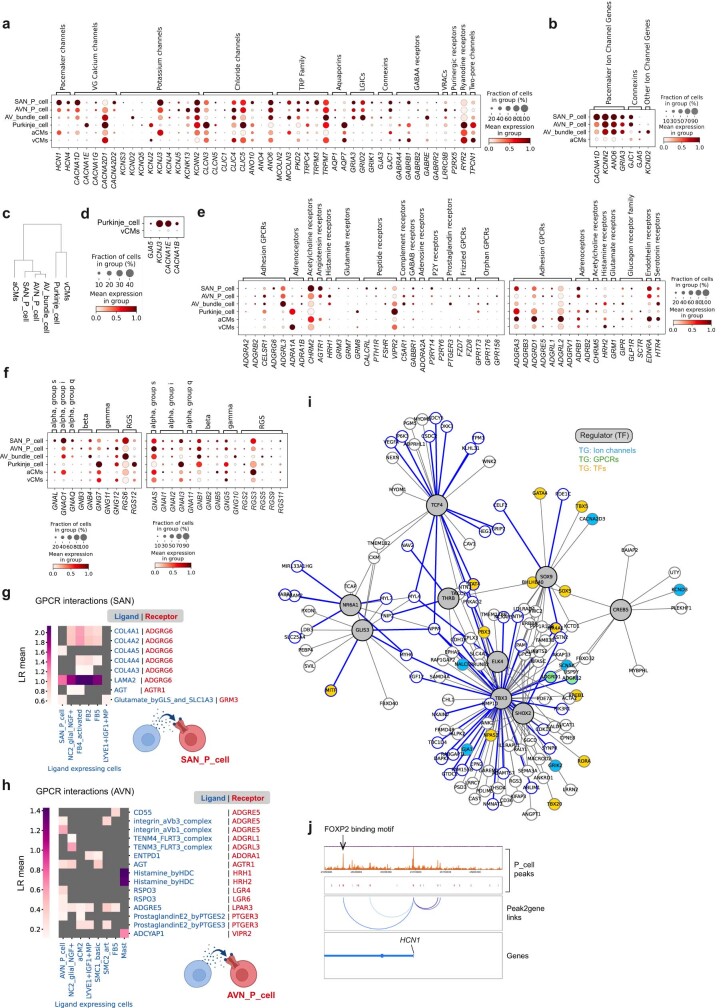
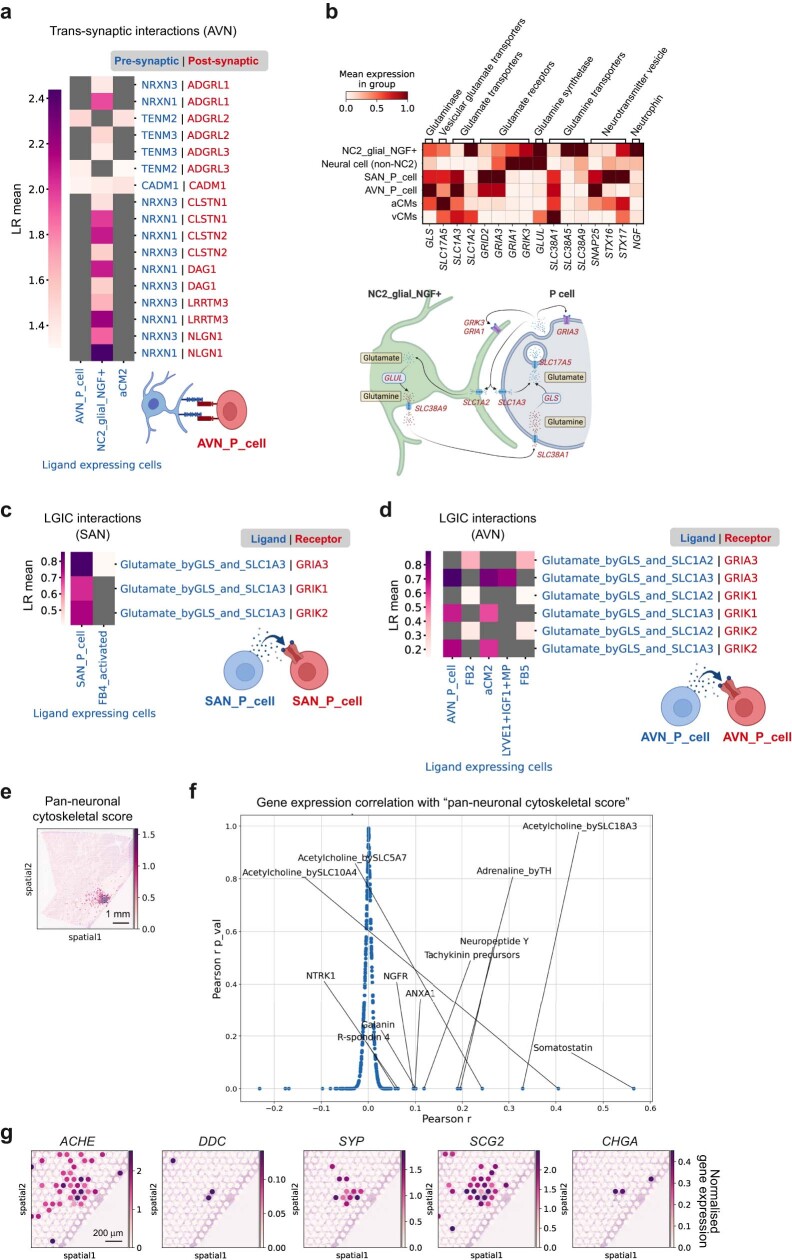
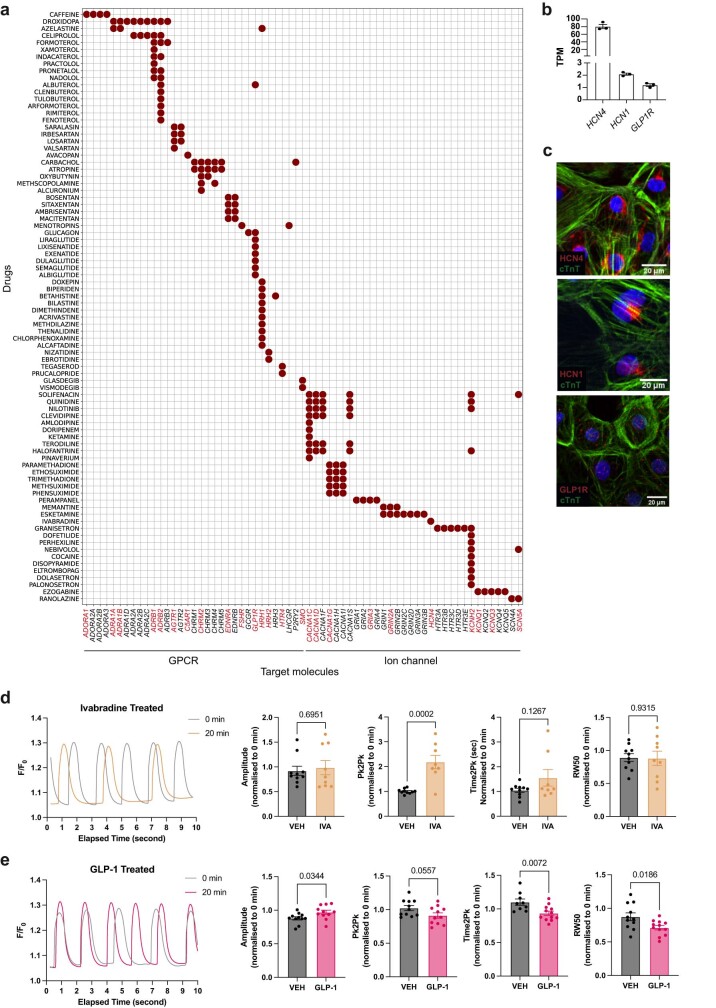
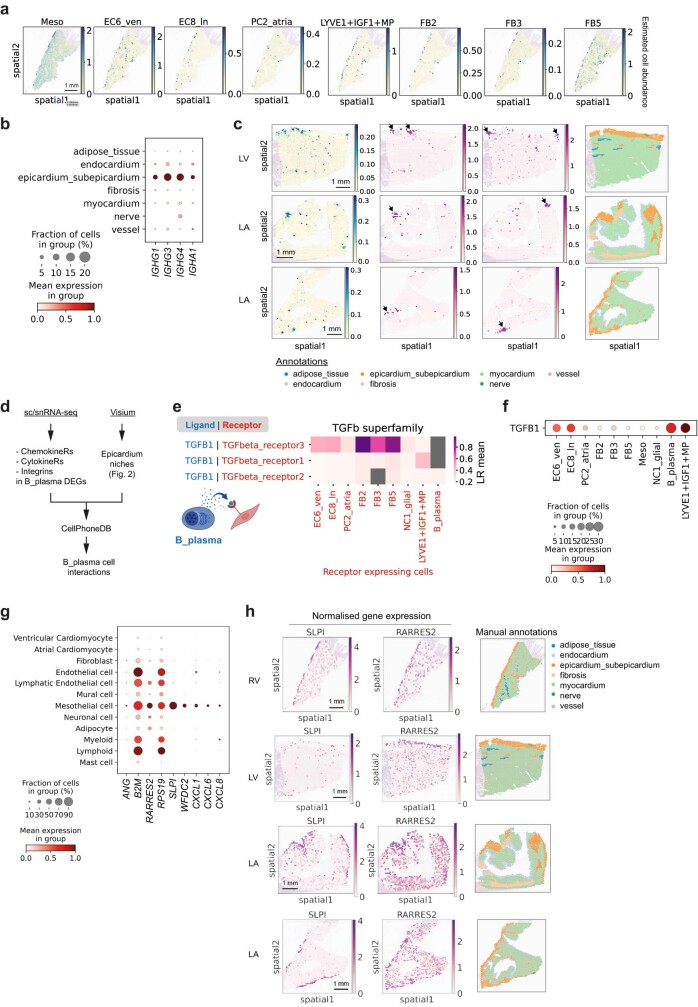
The function of a cell is defined by its intrinsic characteristics and its niche: the tissue microenvironment in which it dwells. Here we combine single-cell and spatial transcriptomics data to discover cellular niches within eight regions of the human heart. We map cells to microanatomical locations and integrate knowledge-based and unsupervised structural annotations. We also profile the cells of the human cardiac conduction system 1 . The results revealed their distinctive repertoire of ion channels, G-protein-coupled receptors (GPCRs) and regulatory networks, and implicated FOXP2 in the pacemaker phenotype. We show that the sinoatrial node is compartmentalized, with a core of pacemaker cells, fibroblasts and glial cells supporting glutamatergic signalling. Using a custom CellPhoneDB.org module, we identify trans-synaptic pacemaker cell interactions with glia. We introduce a druggable target prediction tool, drug2cell, which leverages single-cell profiles and drug–target interactions to provide mechanistic insights into the chronotropic effects of drugs, including GLP-1 analogues. In the epicardium, we show enrichment of both IgG + and IgA + plasma cells forming immune niches that may contribute to infection defence. Overall, we provide new clarity to cardiac electro-anatomy and immunology, and our suite of computational approaches can be applied to other tissues and organs.
Overview
The claims and statistics of this paper haven’t been checked yet.
Free: it reads the open-access text and checks the first 5 claims that cite a source we can check. Create a free account to check every claim.
Integrity signals
Registry
Cites
Statistics
Figures
Verification
Claims the paper makes
The claims and statistics of this paper haven’t been checked yet.
Free: it reads the open-access text and checks the first 5 claims that cite a source we can check. Create a free account to check every claim.
Claims other papers make about this one
Each is checked against this paper’s own text: does it say what the citing paper says it does?
The cited source says what the claim attributes to it.
In the citing paper
“The work from Kanemaru et al. employed sc-RNA-seq, single-nucleus RNA sequencing (snRNA-seq), snATAC-seq, and spatial transcriptomics, paving the way for the anatomy and immunology of the heart [227].”
From Single-cell sequencing to multi-omics: technologies and applications (2024) · cites this paper as [227]
Self-check
Percentages, sums and reported differences re-computed from the paper’s own numbers.
The self-check needs the paper’s full text.
Citations
Cites
Induced Pluripotent Stem Cell Lines Derived from Human Somatic Cells
Yu, J., Vodyanik, M. A., Smuga-Otto, K., Antosiewicz-Bourget, J., Frane, J. L., Tian, S., Nie, J., Jonsdottir, G. A., Ruotti, V., Stewart, R., et al. (2007) · Science · doi:10.1126/science.1151526 · Cited by 10,310 · cited 1×
“In brief, IMR90 hiPSCs from WiCell 88 were seeded onto plates coated with Matrigel (Corning, 356231) in TeSR-E8 medium (StemCell Technologies, 05990) with 10 μM Y-27632 dihydrochloride (Sigma-Aldrich, Y0503).”
Spatial reconstruction of single-cell gene expression data
Satija, R., Farrell, J. A., Gennert, D., Schier, A. F., & Regev, A. (2015) · Nature Biotechnology · doi:10.1038/nbt.3192 · Cited by 7,055 · cited 1×
“Score were obtained by taking the mean of a set of target genes either without (method=’mean’) or with (method=’seurat’) subtracting with the mean expression of a reference set of genes 85 .”
Scenic: single-cell regulatory network inference and clustering.
Aibar, S., González-Blas, C. B., Moerman, T., Huynh-Thu, V. A., Imrichova, H., Hulselmans, G., Rambow, F., Marine, J.-C., Geurts, P., Aerts, J., et al. (2017) · Nature Methods · doi:10.1038/nmeth.4463 · Cited by 6,520 · cited 1×
“The Scenic pipeline 74,75 was used (pySCENIC, v.0.11.2) to predict TFs and putative target genes regulated in P cells.”
InfluentialEfremova, M., Vento-Tormo, M., Teichmann, S. A., & Vento-Tormo, R. (2020) · Nature Protocols · doi:10.1038/s41596-020-0292-x · Cited by 3,449
Self-citationThe Human Transcription Factors
Lambert, S. A., Jolma, A., Campitelli, L. F., Das, P. K., Yin, Y., Albu, M., Chen, X., Taipale, J., Hughes, T. R., & Weirauch, M. T. (2018) · Cell · doi:10.1016/j.cell.2018.01.029 · Cited by 3,399
Scrublet: computational identification of cell doublets in single-cell transcriptomic data
Wolock, S. L., Lopez, R., & Klein, A. M. (2019) · Cell Systems · doi:10.1016/j.cels.2018.11.005 · Cited by 2,758
Scrublet: computational identification of cell doublets in single-cell transcriptomic data
Wolock, S. L., Lopez, R., & Klein, A. M. (2018) · doi:10.1101/357368 · Cited by 2,758
Deep generative modeling for single-cell transcriptomics
Lopez, R., Regier, J., Cole, M. B., Jordan, M. I., & Yosef, N. (2018) · Nature Methods · doi:10.1038/s41592-018-0229-2 · Cited by 2,530
ChEMBL: towards direct deposition of bioassay data
Mendez, D., Gaulton, A., Bento, A. P., Chambers, J., De Veij, M., Félix, E., Magariños, M. P., Mosquera, J. F., Mutowo, P., Nowotka, M., et al. (2019) · Nucleic Acids Research · doi:10.1093/nar/gky1075 · Cited by 2,372 · cited 5×
“As an example, we explored clinically approved drugs of all categories (Anatomical Therapeutic Chemical classification) registered in ChEMBL to identify the drugs with the strongest predicted effect on P cells compared with other cardiac cell states (Fig.”
InfluentialThe reactome pathway knowledgebase 2022
Gillespie, M., Jassal, B., Stephan, R., Milacic, M., Rothfels, K., Senff-Ribeiro, A., Griss, J., Sevilla, C., Matthews, L., Gong, C., et al. (2022) · Nucleic Acids Research · doi:10.1093/nar/gkab1028 · Cited by 2,339
Cited by
Items 101–200 of 465
Abe, Y., Tani, H., Sadahiro, T., Yamada, Y., Akiyama, T., Nakano, K., Honda, S., Ko, S., Anzai, A., & Ieda, M. (2023) · Biochemical and Biophysical Research Communications · doi:10.1016/j.bbrc.2023.149272 · Cited by 16
Genetic and molecular underpinnings of atrial fibrillation
Sweat, M., & Pu, W. T. (2024) · npj Cardiovascular Health · doi:10.1038/s44325-024-00035-5 · Cited by 14
“Tocomparedifferencesingene expressionbetweenhumanaCMsandvCMs,weanalyzedpubliclyavailable snRNAseqdatasetsofnon-diseasedadulthumanatriaandventricles 32,33 .”
InfluentialMulti-modal refinement of the human heart atlas during the first gestational trimester
Bono, C. D., Xu, Y., Kausar, S., Herbane, M., Humbert, C., Rafatov, S., Missirian, C., Moreno, M., Shi, W., Gitton, Y., et al. (2025) · Development · doi:10.1242/dev.204555 · Cited by 15
Defining the vascular niche of human adipose tissue across metabolic states
AlZaim, I., Hassan, M. N., Schröter, M., Mannino, L., Dragicevic, K., Sjogaard, M. B., Festa, J., Dokshokova, L., Weinbrenner, S., Ayllón, B. T., et al. (2026) · Nature Metabolism · doi:10.1038/s42255-026-01475-2 · Cited by 16
Bermea, K. C., Duque, C., Cohen, C. D., Bhalodia, A., Rousseau, S. T., Lovell, J. P., Zita, M. D., Mugnier, M. R., & Adamo, L. (2024) · Frontiers in Immunology · doi:10.3389/fimmu.2024.1327372 · Cited by 15
Dynamics of human cardiogenesis and its disruption in trisomy 21
Cranley, J. J., Kanemaru, K., Bayraktar, S., Knight-Schrijver, V. R., Hulbert, R., Lana‐Elola, E., Aoidi, R., Pett, J. P., Wilbrey-Clark, A., Polański, K., et al. (2026) · Nature · doi:10.1038/s41586-026-11125-y · Cited by 15
“Owing to the high transcriptional similarity between closely related populations (e.g., SANPCs and AVNPCs), low-level cross-assignment of AVNPCs is observed and likely reflects partial signal overlap rather than precise spatial localisation. g : Dot plot showing expression of microglial genes involved in neuronal deve…”
InfluentialSelf-citationA human developing heart atlas reveals cardiovascular cell diversity for in vitro model benchmarkingPreprint
Knight-Schrijver, V. R., Bayraktar, S., Cranley, J. J., Kanemaru, K., Waller, B., Colzani, M., Wong, C., Davaapil, H., Lee, J. C. M., D'Souza, M., et al. (2024) · bioRxiv (Cold Spring Harbor Laboratory) · doi:10.1101/2024.04.27.591127 · Cited by 15
Self-citationAΙ-Driven Drug Repurposing: Applications and Challenges
Keramida, P., Syrigos, N. K., Kouvela, M., Poulakou, G., Charpidou, A. G., & Fiste, O. (2025) · Medicines · doi:10.3390/medicines12040028 · Cited by 15
“Drug2cell and ASGARD exemplifies the implementation of RNA-seq in drug repurposing [54,55].”
Spatial transcriptomics: integrating platforms and computational approaches for clinical insights
Song, W., Wang, D., Li, J., & Zhang, R. (2025) · Biotechnology Advances · doi:10.1016/j.biotechadv.2025.108791 · Cited by 14
Effects of diabetes mellitus and glycemic traits on cardiovascular morpho-functional phenotypes
Li, Z., Xiong, J., Guo, Y., Tang, H., Guo, B., Wang, B., Gao, D., Dong, Z., & Tu, Y. (2023) · Cardiovascular Diabetology · doi:10.1186/s12933-023-02079-w · Cited by 13
“These diverse subgroups exhibit distinct transcriptional activities and spatial patterns [54, 55].”
Backgroundde Winter, N., Ji, J., Sintou, A., Forte, E., Lee, M., Noseda, M., Li, A., Koenig, A. L., Lavine, K. J., Hayat, S., et al. (2024) · Journal of Molecular and Cellular Cardiology · doi:10.1016/j.yjmcc.2024.04.016 · Cited by 15
“These transcripts are involved in the generation of mature antibodies, supporting previous findings of anti-heart auto-antibodies following MI [8,84] .”
Self-citationPedroni, A., Yılmaz, E., Vecchio, L. D., Bhattarai, P., Vidal, I. T., Dai, Y.-W. E., Koutsogiannis, K., Kızıl, Ç., & Ampatzis, K. (2024) · Nature Communications · doi:10.1038/s41467-024-54830-w · Cited by 13
“Whileithasbeensuggestedthat glial cells can mediate the glutamatergic signaling to the sinoatrial node 57 , our data broaden this perspective to include the IcNS glutamatergic neurons.”
Enzan, N., Miyazawa, K., Koyama, S., Kurosawa, R., Ieki, H., Yoshida, H., Takechi, F., Fukuyama, M., Osako, R., Tomizuka, K., et al. (2025) · Nature Communications · doi:10.1038/s41467-025-64659-6 · Cited by 14
“This resulted in mapping from genes to phenotypes in animals (Supplementary Data 20, 33, and 44).”
InfluentialMapping Cell Atlases at the Single‐Cell Level
Ye, F., Wang, J., Li, J., Mei, Y., & Guo, G. (2023) · Advanced Science · doi:10.1002/advs.202305449 · Cited by 13
Leblanc, F., Jin, X., Kang, K., Lee, C. J. M., Xu, J., Xuan, L., Ma, W., Belhaj, H., Benzaki, M., Mehta, N., et al. (2024) · iScience · doi:10.1016/j.isci.2024.110660 · Cited by 13
Host-microbe tryptophan partitioning in cardiovascular diseases
Russo, M. A., Garaci, E., Frustaci, A., Fini, M., Costantini, C., Oikonomou, V., Nunzi, E., Puccetti, P., & Romani, L. R. (2023) · Pharmacological Research · doi:10.1016/j.phrs.2023.106994 · Cited by 12
Arco, P. G., Isern, J., Jiménez‐Carretero, D., López-Maderuelo, D., Piñeiro-Sabarís, R., Abdellaoui-Soussi, F. E., Torroja, C., Vera-Pedrosa, M. L., Grima-Terrén, M., Benguría, A., et al. (2024) · Nature Communications · doi:10.1038/s41467-024-52809-1 · Cited by 14
Spatial-Omics Methods and Applications
Kulasinghe, A., Berrell, N., Donovan, M. L., & Nilges, B. S. (2025) · Methods in molecular biology · doi:10.1007/978-1-0716-4276-4_5 · Cited by 16
Iglesias‐García, O., Flandes‐Iparraguirre, M., Montero‐Calle, P., Rosales, R. M., Ullate‐Agote, A., Sánchez‐Bueno, A., Larequi, E., Lusar, I. A., Laita, N., Oliván‐Viguera, A., et al. (2025) · Advanced Functional Materials · doi:10.1002/adfm.202420106 · Cited by 14
Organ-specific features of human kidney lymphatics are disrupted in chronic transplant rejection
Jafree, D. J., Stewart, B. J., Price, K. L., Kolatsi‐Joannou, M., Laroche, C., Mohidin, B., Davis, B. M., Mitchell, H. J., Russell, L. G., del Rey, L. M., et al. (2025) · Journal of Clinical Investigation · doi:10.1172/jci168962 · Cited by 12
Self-citationL-Type Ca v 1.3 and HCN Channels Mediate Heart Rate Acceleration by Catecholamines
Torre, E., Faure, M., Bidaud, I., Baudot, M., Gaillardon, M., de Vasconcelos, W. P., Laarioui, S., Talssi, L., Engeland, B., Reiken, S. R., et al. (2025) · Circulation Research · doi:10.1161/circresaha.125.327497 · Cited by 14
“68 In this regard, the new role of Ca v 1.3 channels in the chronotropic effect of catecholamines that we describe in this study may help explain clinical observations on inherited and acquired forms of bradycardia in humans.”
InfluentialArtificial Intelligence Revolution in Transcriptomics: From Single Cells to Spatial Atlases
Li, S., Xiao, T., Lan, Y., Wu, C., Li, Z., Liu, R., Fang, Q., & Zhang, C. (2025) · Advanced Science · doi:10.1002/advs.202518949 · Cited by 15
Xu, R. J., Zhang, H., Cadinu, P., Nicol, P. B., Herrmann, U., Lee, T., Geistlinger, L., Irizarry, R. A., & Moffitt, J. R. (2026) · Cell Host & Microbe · doi:10.1016/j.chom.2026.01.018 · Cited by 12
Fronto-insular circuit mechanisms of accelerated intermittent theta burst stimulation
Johnson, S. B., Rocks, D., Chalençon, L., Johnson, K., Hassan, U., Arefin, A., Akgül, G., Donatelle, A., Asher, H., Elbau, I., et al. (2026) · Cell · doi:10.1016/j.cell.2026.04.030 · Cited by 12
Logotheti, S., Pavlopoulou, A., Rudsari, H. K., Galow, A.-M., Kafalı, Y., Kyrodimos, E., Giotakis, A. Ι., Marquardt, S., Velalopoulou, A. P., Verginadis, I. I., et al. (2024) · Pharmacology & Therapeutics · doi:10.1016/j.pharmthera.2024.108670 · Cited by 11
Tissue-Resident Macrophages in Cardiovascular Diseases: Heterogeneity and Therapeutic Potential
An, T., Guo, M., Wang, Z., & Liu, K. (2025) · International Journal of Molecular Sciences · doi:10.3390/ijms26104524 · Cited by 12
“…multi-omics technologies and novel model systems: Spatially resolved transcriptomics can map macrophage functional landscapes in peri-infarct zones [83], while humanized organ-on-chip platforms integrating hemodynamics and comorbidities (e.g., diabetes) will address species-specific disparities…”
Wu, J., Dai, T., Li, Z., Pan, M., Zhang, W., Chen, H., Zheng, G., Li, Q., Lian, Q., Liu, Y., et al. (2025) · Cellular Oncology · doi:10.1007/s13402-025-01100-6 · Cited by 13
“PDAC primary tissues showed infiltration by all subtypes, including IGHG1⁺ plasma and IgA⁺ stressed plasma cells, consistent with an immunoglob - ulin-enriched immune milieu [47 ] (Fig.”
Single-cell transcriptomic profiling reveals cell type heterogeneity between HFpEF and HFrEF
Xiao, X., Wu, W., Mao, Q., Li, B., Wang, J., Liu, S., Zhao, H., Long, E., & Wang, J. (2025) · Communications Biology · doi:10.1038/s42003-025-08827-w · Cited by 11
“The mRNA expression levels of ACTN2, HSPB7, TTN, MLIP, MLF1 (cell-type TGs in CMs) were consistently highest levels in CMs of human heart 56 , con fi rming the reliability of our analysis (Fig.”
Human-scATAC-Corpus: a comprehensive database of scATAC-seq data
Chen, X., Gao, Z., Li, K., Wang, Z., Jiang, Q., Cui, X., Li, Z., & Jiang, R. (2025) · Nucleic Acids Research · doi:10.1093/nar/gkaf1216 · Cited by 12
“In addition, we used the Kanemaru2023 [ 41 ] and Li2023b datasets to demonstrate the advantages of performing this on-line analysis with EpiAgent-B/NT compared to other scA T AC-seq-based methods [ 15 ,42,43 ] ( Supplementary Note S6 and Supplementary Fig.”
Mateos, M. A., Adiconis, X., Li, J.-K., Marchese, D., Caratù, G., Hon, C.-C., Tiwari, P., Kojima, M., Vieth, B., Murphy, M. A., et al. (2026) · Genome biology · doi:10.1186/s13059-026-04002-4 · Cited by 12
Single-cell multiomics and chromatin structure reveal gene-regulatory dynamics in heart failure
Xie, Y., Tucciarone, L., Farah, E. N., Chang, L., Yang, Q., Shankar, T. S., Elison, W. S., Tran, S., Djulamsah, J., Lie, A., et al. (2026) · Science · doi:10.1126/science.ady6893 · Cited by 14
T-Type Voltage-Gated Calcium Channels: Potential Regulators of Smooth Muscle Contractility
Tomida, S., Ishima, T., Nagai, R., & Aizawa, K. (2024) · International Journal of Molecular Sciences · doi:10.3390/ijms252212420 · Cited by 11
Aliee, H., Kapl, F., Pham, D., Çakır, B., Jimba, T., Cranley, J. J., Teichmann, S. A., Meyer, K. B., Vento‐Tormo, R., & Theis, F. J. (2024) · bioRxiv (Cold Spring Harbor Laboratory) · doi:10.1101/2024.12.06.627196 · Cited by 11
Self-citationArtificial intelligence in cell annotation for high-resolution RNA sequencing data
Hou, N., Lin, X., Lin, L., Zeng, X., Zhong, Z., Wang, X., Cheng, R., Lin, X., Yang, C. J., & Song, J. T. (2024) · TrAC Trends in Analytical Chemistry · doi:10.1016/j.trac.2024.117818 · Cited by 10
Yin, Y., Chen, Y., Xu, J., Liu, B., Zhao, Y., Tan, X., Xiao, M., Zhou, Y., Zheng, X., Xu, Y., et al. (2024) · Cell Reports · doi:10.1016/j.celrep.2024.114760 · Cited by 10
Wang, Z., Dai, R., Wang, M., Lei, L., Zhang, Z., Han, K., Wang, Z., & Guo, Q. (2024) · Journal of genetics and genomics/Journal of Genetics and Genomics · doi:10.1016/j.jgg.2024.11.009 · Cited by 10
Heart Rate Mystery Unveiled: Sex Differences in Human Sinoatrial Node Genes and Female Tachycardia
Li, N., Webb, A., Kennelly, J. J., Sharma, R., Whitson, B. A., Mohler, P. J., Hummel, J. D., Zhao, J., & Fedorov, V. V. (2025) · Circulation Arrhythmia and Electrophysiology · doi:10.1161/circep.124.013534 · Cited by 12
“16 The intricate 3-dimensional structure and the extremely limited ex vivo human SAN samples restrict the sex-difference studies on SAN function and arrhythmias.”
Yang, C., Li, H., Chen, Y., Zhu, W., & Wang, J. (2025) · International Journal of Biological Sciences · doi:10.7150/ijbs.112061 · Cited by 11
“Analysis of eight anatomical regions in the heart using spatial transcriptomics identified tissue-resident macrophages (LYVE1+) not only in the sinoatrial node (SAN), but also in the atrioventricular node (AVN) [50].”
Zhang, Z., Lee, D., Liu, L., Xiong, Y., Lee, C. M., Kim, J., Chusilp, S., Lau, E., Tian, Y., Feizi, M., et al. (2025) · Science Translational Medicine · doi:10.1126/scitranslmed.adp4679 · Cited by 11
“To predict targeted drugs in single-cell analysis, the drug2cell tool was used to merge drug– target interactions from the ChEMBL database with user-input single-cell data to thoroughly assess drug-target expression at the single-cell level (87).”
Achter, J. S., Jensen, T. H. L., Pisano, P., Bundgaard, J. S., Raaschou-Pedersen, D. E. T., Rossing, K., Wierer, M., & Lundby, A. (2025) · Nature Cardiovascular Research · doi:10.1038/s44161-025-00721-2 · Cited by 10
“This finding aligns with the understanding that pacemaker cells reside in a fibroblast-rich microenvironment 24–26 .”
InfluentialAuyeung, V. P. W., Obrezanova, O., Zhou, J., Yang, H., Bowen, T. J., Ivanov, D. P., Saffadi, I., Carter, A. S., Subramanian, V., Dillmann, I., et al. (2024) · Cell Biology and Toxicology · doi:10.1007/s10565-024-09880-7 · Cited by 10
“Following validation of our genes, we highlight single-cell or spatial transcriptomics as one avenue of follow-up, as such studies have already successfully linked gene changes to individual cell types (Kanemaru et al. 2023; Walls et al. 2023).”
MethodMapping and reprogramming human tissue microenvironments with MintFlowPreprint
Akbarnejad, A., Steele, L., Jafree, D. J., Birk, S., Sallese, M. R., Rademaker, K., Boxall, A. R., Rumney, B. M., Tudor, C. L., Patel, M. J., et al. (2025) · bioRxiv (Cold Spring Harbor Laboratory) · doi:10.1101/2025.06.24.661094 · Cited by 10
“Identification of the T_DC MGP enabled us to query potential new drug targets using a computational pipeline (drug2cell) 26 .”
Self-citationAchter, J. S., Torres-Vega, E., Sorrentino, A., Kahnert, K., Galsgaard, K. D., Hernández-Varas, P., Wierer, M., Holst, J. J., Wojtaszewski, J. F. P., Mills, R. W., et al. (2024) · Cardiovascular Diabetology · doi:10.1186/s12933-024-02338-4 · Cited by 9
“Intersection of our tissue phosphoproteome data with single nuclei RNA sequencing data [26] suggested that the response was predominantly coupled to an expression profile matching cardiomyocytes and adipocytes.”
BackgroundInfluentialThe Macrophage–Fibroblast Dipole in the Context of Cardiac Repair and Fibrosis
Psarras, S. (2024) · Biomolecules · doi:10.3390/biom14111403 · Cited by 9
Wang, X., Cao, L., Chang, R., Shen, J., Ma, L., & Li, Y. (2024) · iScience · doi:10.1016/j.isci.2024.111596 · Cited by 11
Aging and sinus node dysfunction: mechanisms and future directions
Mesquita, T., Miguel‐dos‐Santos, R., & Cingolani, E. (2025) · Clinical Science · doi:10.1042/cs20231025 · Cited by 10
Charting the cardiac landscape: Advances in spatial transcriptomics for heart biology
Farah, E. N., Diaz, J. T., Bloomekatz, J. E., & Chi, N. C. (2025) · Seminars in Cell and Developmental Biology · doi:10.1016/j.semcdb.2025.103648 · Cited by 9
Chen, R., Yao, Y., Qian, J., Peng, X. X., Shao, X., & Fan, X. (2025) · iMeta · doi:10.1002/imt2.70084 · Cited by 9
Leveraging Single-Cell Technologies to Advance Understanding of Myocardial Disease
Gardner, R. S., Tucker, N. R., & Amancherla, K. V. (2026) · Circulation Research · doi:10.1161/circresaha.125.326002 · Cited by 10
The cardiac conduction system: development, function and therapeutic targets
Park, D. S., & Fishman, G. I. (2026) · Nature Reviews Cardiology · doi:10.1038/s41569-025-01227-x · Cited by 10
Tissue-specific roles of peroxisomes revealed by expression meta-analysis
Plessner, M., Thiele, L., Hofhuis, J., & Thoms, S. (2024) · Biology Direct · doi:10.1186/s13062-024-00458-1 · Cited by 11
“As such, we analyzed our pathway-related gene sets using detailed single-cell mRNA expression data allocated to heart regions and cardiac cell types [39].”
MethodDual decoding of cell types and gene expression in spatial transcriptomics with PANDA
Wang, M.-G., Chen, L., & Zhang, X.-F. (2024) · Nucleic Acids Research · doi:10.1093/nar/gkae876 · Cited by 11
Miao, Z., Tian, T., Chen, W., Wang, Q., Ma, L., Zhang, D., Xie, M., Yu, Z., Guo, X., Bai, G., et al. (2024) · The Innovation Life · doi:10.59717/j.xinn-life.2024.100097 · Cited by 11
Xu, Y., Wang, L., Yang, L., Xue, R.-L., Zhu, H., Liu, Q., Lv, X., Zhang, R., Tu, J., Wang, Y., et al. (2025) · Chinese Chemical Letters · doi:10.1016/j.cclet.2025.110958 · Cited by 8
Self-citationSpatial genomics: Mapping the landscape of fibrosis
Velu, P. P., Abhari, R. E., & Henderson, N. C. (2025) · Science Translational Medicine · doi:10.1126/scitranslmed.adm6783 · Cited by 10
Li, Y., Zhang, Y., Zhang, Y., Wang, Q., Ji, B., Yang, H., & Li, X. (2026) · Precision Clinical Medicine · doi:10.1093/pcmedi/pbaf040 · Cited by 9
“Despite the current focus on transcriptome studies [ 134 ], joint analyses of SP and transcriptomics are becoming more common, aided by advanced frameworks under development for multimodal data integration [ 68 , 135 ].”
Cardiac lymphatic dysfunction and repair in cardiovascular disease
Bråkenhielm, E. (2026) · Nature Reviews Cardiology · doi:10.1038/s41569-026-01271-1 · Cited by 9
“64).”
Histone Modifications in Cardiovascular Disease: Mechanisms and Therapeutic Opportunities
Zheng, Y., Gao, Y., Guo, M., Wang, L., Zheng, X., Liao, Y., Li, Y., Zhu, J.-P., & Wei, J. (2026) · MedComm · doi:10.1002/mco2.70765 · Cited by 9
“Similar strategies have been applied to the adult human heart, delineating cellular niches across anatomical regions using single-cell and spatial transcriptomic data [ 347 ].”
Self-citationComplementing Cell Taxonomies with a Multicellular Analysis of Tissues
Flores, R. O. R., Schäfer, P. S. L., Küchenhoff, L., & Sáez-Rodríguez, J. (2024) · Physiology · doi:10.1152/physiol.00001.2024 · Cited by 8
Targeting the adaptive immune continuum in atherosclerosis and post-MI injury
Juhász, V., Charlier, F., Zhao, T. X., & Tsiantoulas, D. (2024) · Atherosclerosis · doi:10.1016/j.atherosclerosis.2024.118616 · Cited by 9
“Furthermore, a combination of single-cell RNA-seq and spatial transcriptomics analyses of human hearts revealed that CD8 + T cells are present in the human myocardium [160], and accumulate in the hearts of mice upon induction of experimental MI [161,162].”
Early heart development: examining the dynamics of function-form emergence
Combémorel, N., Cavell, N., & Tyser, R. C. V. (2024) · Biochemical Society Transactions · doi:10.1042/bst20230546 · Cited by 7
Kgabeng, T., Wang, L., Ngwangwa, H., & Pandelani, T. (2025) · Bioengineering · doi:10.3390/bioengineering12101037 · Cited by 7
Self-citationKarim, W., Alvi, R., Zaman, S. B., Abian, A. I., Raiaan, M. A. K., Mukta, S. H., Rashid, M. R. U., Islam, R., Sebastian, Y., & Azam, S. (2026) · Archives of Computational Methods in Engineering · doi:10.1007/s11831-026-10743-z · Cited by 7
Yang, J., Wang, Z., Lyu, Y., Ma, R., Zhang, J., Lu, S., Zhang, W., Kang, X., Chen, Y., Su, J., et al. (2025) · European Heart Journal · doi:10.1093/eurheartj/ehaf980 · Cited by 7
Artery Tertiary Lymphoid Organs Form Neuroimmune Cardiovascular Interfaces in Atherosclerosis
Mohanta, S. K., Hong, M., Deng, X., Dou, X., Xu, X., Monjezi, M. R., Li, Y., Sun, T., Wang, Z., Habenicht, A. J. R., et al. (2026) · Immunological Reviews · doi:10.1111/imr.70106 · Cited by 7
Muñoz, M. F., Matsumoto, C., Rhana, P., Manning, D., Bautista, G. M., Collier, D. M., & Santana, L. F. (2026) · The Journal of General Physiology · doi:10.1085/jgp.202513874 · Cited by 7
Uncovering Immune Niches in Health and Disease Using Spatial Transcriptomics
Thorsson, J., Zhao, Y., Villablanca, E. J., & Engblom, C. (2026) · European Journal of Immunology · doi:10.1002/eji.70185 · Cited by 9
Zhang, T., Fan, L., Yao, F., Li, G., Lin, G., Yang, Y., Qian, F., Liu, C., Tang, Q., Wang, W., et al. (2026) · Cell stem cell · doi:10.1016/j.stem.2026.04.018 · Cited by 7
An integrated cell atlas of 2.4 million cardiac cells across 209 individuals in health and disease
Datar, Y., Chaffin, M. D., Simonson, B., Mandia, A., & Ellinor, P. T. (2026) · Nature Cardiovascular Research · doi:10.1038/s44161-026-00831-5 · Cited by 9
“In ventricular cardiomyocytes, we see that a high proportion of nuclei in HeartMap cluster 7 from Kanemaru et al. 5 and Kuppe et al. 8 were labeled as ‘stressed cardiomyocytes’ or ‘dam-aged cardiomyocytes’, respectively, and tend to be more prevalent in DCM/HCM than control (Extended Data Fig.”
InfluentialProteomic profile of human sinoatrial and atrioventricular nodes in comparison to working myocardium
Krawczyk‐Ożóg, A., Stachowicz, A., Szoniec, G., Batko, J., Stachyra, K., Bolechała, F., Strona, M., Wołkow, P. P., Yin, Z., Dobrzynski, H., et al. (2025) · Scientific Reports · doi:10.1038/s41598-025-89255-y · Cited by 7
“Kanemaru et al. recently investigated the human SAN microenvironment using a spatial multiomics approach, revealing a distinctive repertoire of ion channels, fibroblasts, and glial cells 43 .”
Immune-mediated cardiac development and regeneration
Byatt, T. C., Razaghi, E., Tüzüner, S., & Simões, F. C. (2025) · Seminars in Cell and Developmental Biology · doi:10.1016/j.semcdb.2025.103613 · Cited by 7
“Within this niche, cells interact via TGF β signalling, suggesting involvement in ECM regulation [12].”
InfluentialEngel, J. D., Zhang, X., Mohan, R. A., Lally, N., Soe, A. W., Yang, G., Lu, D., Vila, O. F., Arias, V., Lee, J., et al. (2023) · bioRxiv (Cold Spring Harbor Laboratory) · doi:10.1101/2023.07.01.547335 · Cited by 7
An integrated single cell and spatial omics atlas of human prenatal developmentPreprint
Webb, S., Rose, A., Xu, C., Steele, L., Ando‐Kuri, M., Stephenson, E., İnecik, K., Jafree, D. J., Foster, A. R., Basurto-Lozada, D., et al. (2026) · bioRxiv (Cold Spring Harbor Laboratory) · doi:10.64898/2026.03.30.714220 · Cited by 8
Self-citationSpatial tumor evolution panorama of ovarian cancer
Feng, C., Yang, Y., Li, G., Fang, Z., Yang, B., Zhao, F., Chen, X., Liu, S., Wu, D., Hu, X., et al. (2026) · Cell Reports Medicine · doi:10.1016/j.xcrm.2026.102666 · Cited by 6
Recovery From Heart Failure: Microvascular Mechanisms
Li, S., Gupta, K., Ranka, R., Lu, A. J., Nägele, F., Graber, M., Carter, K. N., Zhang, L., Bhimaraj, A., Lai, L., et al. (2026) · Circulation · doi:10.1161/circulationaha.125.078996 · Cited by 6
A Hormone Cell Atlas maps the human endocrine system at cellular resolution
Fei, L., Huang‐Doran, I., Lawler, K., Yu, Y., Pett, J. P., Méndez-Acevedo, K. M., Shah, D., Margalef-Rieres, J., Pohlman, J. S., Çakır, B., et al. (2026) · Yearbook of pediatric endocrinology · doi:10.1126/science.aeb2672 · Cited by 6
Self-citationTowards deciphering the bone marrow microenvironment with spatial multi-omics
Yip, R. K. H., Hawkins, E. D., Bowden, R. J., & Rogers, K. L. (2025) · Seminars in Cell and Developmental Biology · doi:10.1016/j.semcdb.2025.01.001 · Cited by 6
Mulleners, O. J., van der Maarel, L. E., Christoffels, V. M., & Jensen, B. K. (2025) · Annals of the New York Academy of Sciences · doi:10.1111/nyas.15296 · Cited by 6
“46–50 We opted to use the HeartCellAtlas v2, which was published by Kanemaru et al., 25 because this dataset has a very clear annotation of many possible confounding factors, and contains epicardium and endocardium, which implies that fully transmural samples were used, and thus contains…”
InfluentialMulvey, J. F., Meyer, E. L., Svenningsen, M. S., & Lundby, A. (2025) · Current Cardiology Reports · doi:10.1007/s11886-025-02226-7 · Cited by 6
“Several isolation approaches have been combined to create an atlas describing the cells of the healthy human heart [43, 45, 46].”
Disruption of DNA methylation underpins the neuroinflammation induced by targeted CNS radiotherapy
Millner, T. O., Panday, P., Xiao, Y., Nicholson, J. G., Boot, J. R., Arpe, Z., Stevens, P. A., Rahman, N. N., Zhang, X., Mein, C. A., et al. (2025) · Brain · doi:10.1093/brain/awaf163 · Cited by 6
“We next analysed the expression of ∼ 3000 receptor-ligand (R-L) pairs from CellPhoneDB v5 31,32 in our ST data (Supplementary Fig.”
Pareja-Lorente, E., & Aloy, P. (2025) · Genome biology · doi:10.1186/s13059-025-03677-5 · Cited by 7
“We downloaded processed sn/scRNA-seq data from the Human Heart Atlas [30] (https:// www. heart cella tlas. org/).”
InfluentialAlpha-actinin-1 promotes adhesion maturation and facilitates sarcomere assembly in cardiac myocytes
Hayes, J. B., Bainbridge, A. M., Willet, A. H., & Burnette, D. T. (2025) · Molecular Biology of the Cell · doi:10.1091/mbc.e25-03-0145 · Cited by 6
Joachimbauer, A., Cadosch, N., Gil‐Cruz, C., Perez‐Shibayama, C., Frischmann, K., Payne, E., Hanka, I., Maeder, M. T., Rickli, H., Tanner, F. C., et al. (2026) · JACC Basic to Translational Science · doi:10.1016/j.jacbts.2025.101458 · Cited by 6
Role of GPCR Signaling in Anthracycline-Induced Cardiotoxicity
Biswal, N., Harish, R., Roshan, M., Samudrala, S., Jiao, X., Pestell, R. G., & Ashton, A. W. (2025) · Cells · doi:10.3390/cells14030169 · Cited by 6
“In the heart, GRK7 expression is primarily confined to the ventricular myocytes and fibroblasts [202]; however, little is known of the role GRK7 plays in the myocardium. heart, GRK7 expression is primarily con fi ned to the ventricular myocytes and fi broblasts [202]; however, li tt le is known of…”
Fließer, E., Jandl, K., Chen, S.-H., Wang, M.-T., Schupp, J. C., Kuebler, W. M., Baker, A. H., & Kwapiszewska, G. (2025) · JCI Insight · doi:10.1172/jci.insight.191059 · Cited by 7
New perspective on the mechanisms of cardiac fibrosis
Wang, H.-F., Du, X., Zhang, Y., & Xiao, H. (2023) · 中国科学通报:英文版 · doi:10.1016/j.scib.2023.10.009 · Cited by 6
Polyploid cardiomyocytes define disease-specific transcriptional states in the mammalian heartPreprint
Kießling, P., Joodaki, M., Pikulska, D., Scheidereit, E., Cesaro, G., Ruiz, M., Kühn, D., Peng, K., Goni, O., Foecking, S., et al. (2026) · bioRxiv (Cold Spring Harbor Laboratory) · doi:10.64898/2026.01.31.701472 · Cited by 6
Nonmuscle α-Actinin-4 Couples Sarcomere Function to Cardiac Remodeling
Hayes, J. B., Choudhary, D., Ritter, D., Neininger-Castro, A. C., Willet, A. H., Caplan, L. R., Wang, Y., Liu, X., Taneja, N., Sanchez, Z. C., et al. (2026) · Circulation Research · doi:10.1161/circresaha.125.326412 · Cited by 5
Beyond the Heartbeat: Single-Cell Omics Redefining Cardiovascular Research
Seeler, S., Arnarsson, K., Dreßen, M., Krane, M., & Doppler, S. A. (2024) · Current Cardiology Reports · doi:10.1007/s11886-024-02117-3 · Cited by 5
Single-cell multiomics: a new frontier in drug research and development
Ma, J., Dong, C. F., He, A., & Xiong, H. (2024) · Frontiers in Drug Discovery · doi:10.3389/fddsv.2024.1474331 · Cited by 5
“Applying Drug2cell to human heart single-cell data, researchers mapped drugs to target-expressing cells (Kanemaru et al., 2023).”
Easter, Q. T., Alvarado‐Martinez, Z., Kunz, M., Matuck, B. F., Rupp, B., Weaver, T., Ren, Z. F., Tata, A., Caballero-Pérez, J., Oscarson, N., et al. (2025) · npj Biofilms and Microbiomes · doi:10.1038/s41522-025-00735-5 · Cited by 5
“Wethenappliedthe Drug2Cell algorithm 29 to predict drug ef fi cacy based on polybacterial mac-romolecule detection.”
Goodman, J., Schain, M., Stefano, G. D., Lupson, V. C., Horn, T., Hill, M., Manavaki, R., Fryer, T. D., Bumanlag-Amis, E., Jalaludeen, N., et al. (2025) · Scientific Reports · doi:10.1038/s41598-025-04559-3 · Cited by 5
“GLP-1 mRNA receptor transcripts are found in the sino-atrial node 64 as well as atrial and ventricular cardiomyocytes from normal and ischaemic human hearts 68 .”
Ouologuem, S., Martens, L. D., Schaar, A. C., Shulman, M., Gagneur, J., & Theis, F. J. (2025) · Bioinformatics · doi:10.1093/bioinformatics/btaf268 · Cited by 5
“Human heart: Kanemaru et al. (2023) measured 704,296 cells in human heart tissue samples using the 10x Genomics Multiome ATAC and Gene Expression protocol.”
InfluentialCoordination of cardiogenesis in vivo and in vitro
Mendjan, S., Deyett, A., & Yelon, D. L. (2025) · Nature Reviews Molecular Cell Biology · doi:10.1038/s41580-025-00878-5 · Cited by 5
“…measuring only a few hundred microns in mammals, the forming heart starts to pump and drive embryonic circulation and continues to grow massively, changes in shape spectacularly and diversifies into several specialized compartments and around 30 distinct cell types and subtypes in adults 1,2 .”
Cell–cell interactions as predictive and prognostic markers for drug responses in cancer
Lu, X., Tan, X., Kim, E. J., Jin, X., Donovan, M. L., Cruz, J. L. G., Xiong, Z., Perez, M. R. B. D. L. R. B., Gong, J., Monkman, J. H., et al. (2025) · Genome Medicine · doi:10.1186/s13073-025-01518-5 · Cited by 7
“…ChEMBL database to identify high-confidence drug-target associations, filtering these associations by potency and clinical approval status, and overlays the resulting targets onto cell-type-resolved L-R pairs so that potential pharmacological modulators of each interaction can be prioritized [28].”
Glia of the heart’s nervous system
Scherschel, K., Bräuninger, H., Ajijola, O. A., Shivkumar, K., Lindner, D., Gomez-Sanchez, J. A., & Meyer, C. G. (2025) · Nature reviews. Neuroscience · doi:10.1038/s41583-025-00974-7 · Cited by 7
He, R., Kadyrov, F. F., Parvathaneni, A., Wu, G., & Lavine, K. J. (2026) · Circulation Research · doi:10.1161/circresaha.125.325794 · Cited by 5
Multiomics approaches to cardiovascular disease: technological innovations and clinical translation
Zehra, B., Vinod, N., Bineshaq, S., Aleksandrova, I., Tambi, R., Faizan, M., Alasrawi, S., Almarri, M., Brueckner, M. K., Kuebler, W. M., et al. (2026) · American Journal of Physiology-Heart and Circulatory Physiology · doi:10.1152/ajpheart.00024.2026 · Cited by 5
Lineage and organ signals sequentially build organ intrinsic nervous systems
Hsu, I.-U. Y., Zhao, J., Lin, Y., Guo, Y., Xu, Q. J., Shao, Y., Wang, R. L., Yin, D., Ghoshal, K., Mourad, R., et al. (2026) · Nature · doi:10.1038/s41586-026-10490-y · Cited by 6
“As a reference, 3,093 fibroblasts and 3,093 cardiomyocytes 65,66 were randomly sampled from the heart near and heart far datasets and merged as a control pair.”
A comprehensive survey of computer vision methods for spatial transcriptomics
Zhu, J., Deng, R., Guo, J., Yao, T., Lu, S., Qu, C., Xiong, J., Zhu, Y., Lu, Z., Yang, Y., et al. (2026) · Briefings in Bioinformatics · doi:10.1093/bib/bbag255 · Cited by 6
Metadata
- Authors
- Kanemaru, K., Cranley, J., Muraro, D., Miranda, A. M. A., Ho, S. Y., Wilbrey-Clark, A., Patrick Pett, J., Polanski, K., Richardson, L., Litvinukova, M., Kumasaka, N., Qin, Y., Jablonska, Z., Semprich, C. I., Mach, L., Dabrowska, M., Richoz, N., Bolt, L., Mamanova, L., Kapuge, R., Barnett, S. N., Perera, S., Talavera-López, C., Mulas, I., Mahbubani, K. T., Tuck, L., Wang, L., Huang, M. M., Prete, M., Pritchard, S., Dark, J., Saeb-Parsy, K., Patel, M., Clatworthy, M. R., Hübner, N., Chowdhury, R. A., Noseda, M., & Teichmann, S. A.
- Affiliations
- Wellcome Sanger Institute (GB)
- Imperial College London (GB)
- Royal Brompton Hospital (GB)
- MRC Laboratory of Molecular Biology (GB)
- University of Würzburg (DE)
- University of Cambridge (GB)
- Newcastle University (GB)
- Max Delbrück Center (DE)
- Corresponding author
- Noseda, Michela
- Teichmann, Sarah A.
- ORCID
- Kanemaru, Kazumasa
- Cranley, James
- Muraro, Daniele
- Miranda, Antonio M. A.
- Ho, Siew Yen
- Wilbrey-Clark, Anna
- Polanski, Krzysztof
- Richardson, Laura
- Kumasaka, Natsuhiko
- Qin, Yue
- Jablonska, Zuzanna
- Semprich, Claudia I.
- Mach, Lukas
- Richoz, Nathan
- Bolt, Liam
- Mamanova, Lira
- Kapuge, Rakeshlal
- Barnett, Sam N.
- Perera, Shani
- Talavera-López, Carlos
- Mulas, Ilaria
- Mahbubani, Krishnaa T.
- Wang, Lu
- Huang, Margaret M.
- Prete, Martin
- Pritchard, Sophie
- Dark, John
- Saeb-Parsy, Kourosh
- Clatworthy, Menna R.
- Hübner, Norbert
- Chowdhury, Rasheda A.
- Noseda, Michela
- Teichmann, Sarah A.
- Venue
- Nature
- Published
- 2023-07-12
- Volume
- 619
- Issue
- 7971
- Pages
- 801-810
- ISSN
- 0028-0836 (ISSN-L)
- 1476-4687
- PMC
- PMC10371870
- OpenAlex
- W4384023988
- Semantic Scholar
- 85dfa08181f9140614ff34ddc7a72bffce6912f5
- Cited by
- 425
- References
- 151
- Citations by year
- 2026: 152 · 2025: 138 · 2024: 115 · 2023: 20
- FWCI
- 38.94
- Type
- journal article
- Language
- en
- Update notices
- correction (2025-03-20)
- Open access
- hybrid
- doi.org
- Licence
- cc-by
- creativecommons.org/licenses/by/4.0 (tdm)
- creativecommons.org/licenses/by/4.0 (vor)
- Locations
- Nature (publishedVersion, cc-by)
- bioRxiv (Cold Spring Harbor Laboratory) (acceptedVersion, cc-by-nc-nd)
- Newcastle University ePrints (Newcastle Univesity) (publishedVersion, cc-by)
- PubMed Central (publishedVersion, cc-by)
- PubMed (publishedVersion)
- MDC Repository (Max-Delbrueck-Center for Molecular Medicine) (acceptedVersion)
- Apollo (University of Cambridge) (submittedVersion, cc-by)
- RePEc: Research Papers in Economics (submittedVersion)
- Spiral (Imperial College London) (submittedVersion, cc-by)
- Apollo (University of Cambridge) (submittedVersion)
- Newcastle University ePrints (Newcastle Univesity) (cc-by)
- Funders
- Takeda Science Foundation
- NHS Blood and Transplant (NIHR203332)
- Wellcome Trust (WT206194)
- Deutsches Zentrum für Herz-Kreislaufforschung (SP/19/1/34461)
- British Society for Heart Failure
- National Institute for Health and Care Research (ACF-2019-21-501, NIHR203332)
- British Heart Foundation (SP/19/1/34461, FS/4yPhD/F/20/34128B, FS/CRTF/23/24444)
- Department of Health and Social Care
- Imperial College London
- Imperial College Healthcare NHS Trust
- Newcastle University
- European Commission (HORIZON2020)
- Deutsche Forschungsgemeinschaft (SFB1470)
- Fondation Leducq (16CVD03)
- China Scholarship Council
- Medical Research Council (MR/V002074/1)
- NIHR Imperial Biomedical Research Centre
- H2020 European Research Council (788970)
- Topics
- Life Sciences › Biochemistry, Genetics and Molecular Biology › Molecular Biology › Single-cell and spatial transcriptomics
- Health Sciences › Medicine › Cardiology and Cardiovascular Medicine › Cardiac electrophysiology and arrhythmias
- Life Sciences › Biochemistry, Genetics and Molecular Biology › Molecular Biology › Congenital heart defects research
- Keywords
- human heart, sinoatrial node, cardiac conduction system, pacemaker cells, glial cells, glutamatergic signalling, ion channels, G protein-coupled receptors, FOXP2, epicardium, plasma cells, drug target prediction, GLP-1 analogues, chronotropic effect, cardiac microenvironment
- MeSH terms
- Multiomics, Cell Communication, Fibroblasts, Heart, Heart Conduction System, Humans, Ion Channels, Myocardium, Neuroglia, Pericardium, Plasma Cells, Sinoatrial Node, Glutamic Acid, Myocytes, Cardiac, Receptors, G-Protein-Coupled, Forkhead Transcription Factors, Cellular Microenvironment
About these checks
Registry, retraction, Cites and statistics results are computed, not judged, with one exception: a printed reference that no index lists is read once by a model before it counts as a citation error. Claims are extracted by a model and kept only when their quote appears verbatim in the text; each cited source is then checked, with a model’s help, for whether it says what the claim relies on. Those verdicts can be wrong — read the claim’s quote and the cited source before relying on one.
Statistics and arithmetic are recomputed, not judged.
Confidence bands are shown only for fields calibrated on our annotated test set. None is calibrated yet, so no band is shown.
What counts as a claim ›How we measure confidence ›How we check this ›
Are you an author, or do you see a problem with this page? Request a review
Data sources
Bibliographic data: Semantic Scholar, OpenAlex, Crossref.
Contains information from the Semantic Scholar Academic Graph Datasets, made available under the ODC Attribution License (ODC-BY 1.0).
Semantic Scholar’s data is described in: Kinney, R., et al. (2023). The Semantic Scholar Open Data Platform. arXiv:2301.10140.
