

The DOI matches its Crossref record; 121 of the 121 references it cites were found in a registry or an index.
Progressive plasticity during colorectal cancer metastasis
Open accessPublished version of a preprint
Abstract
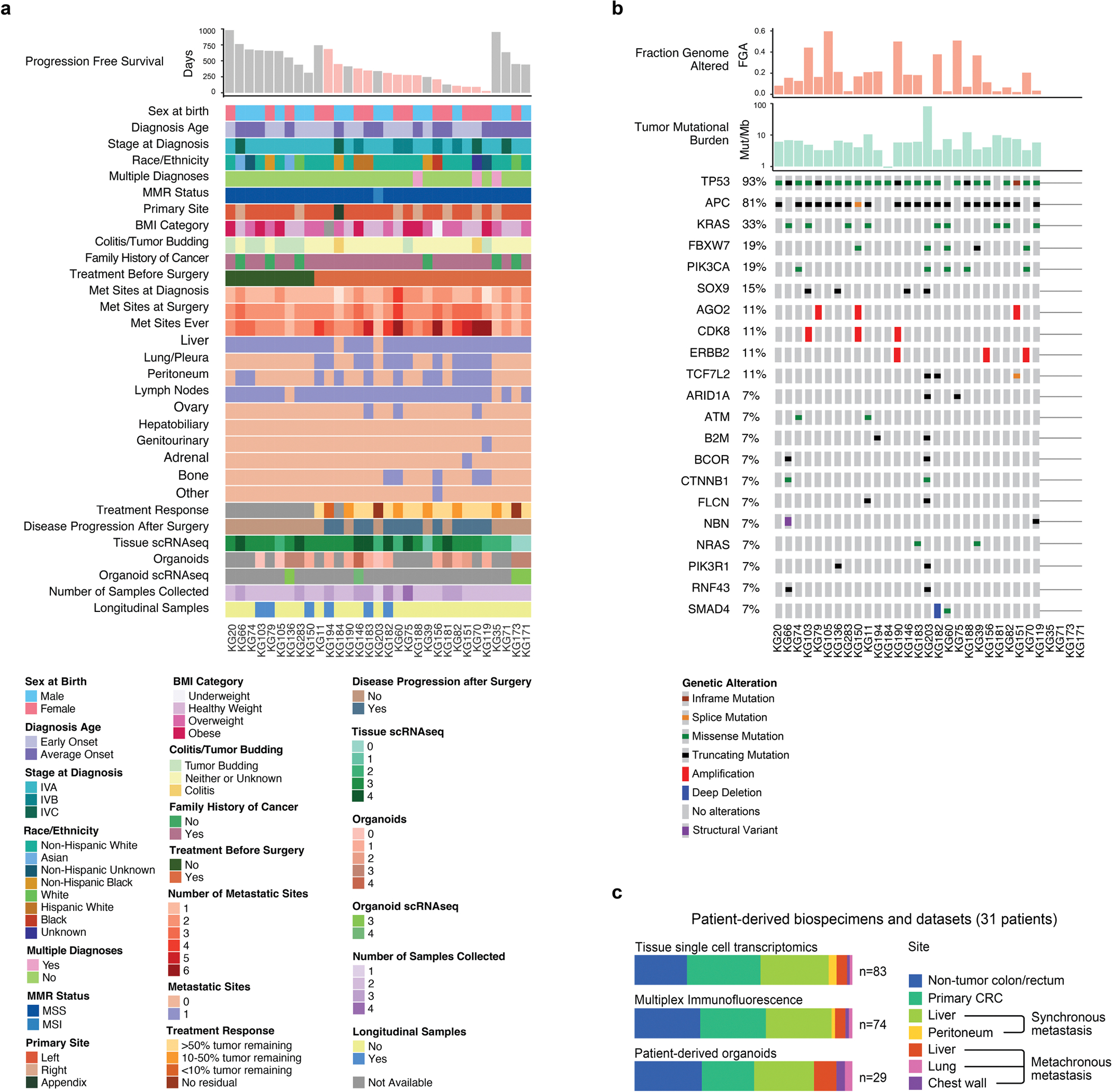
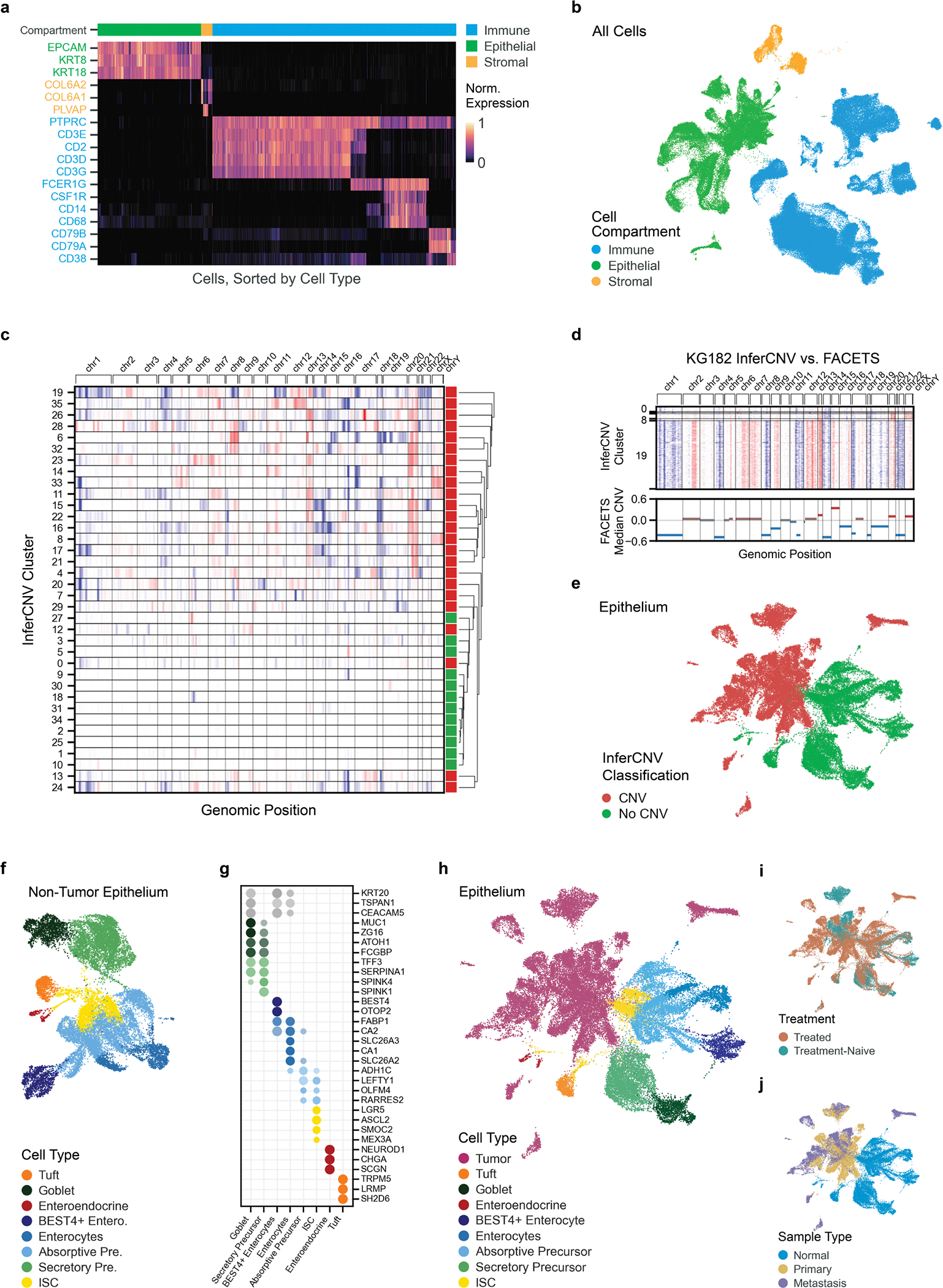
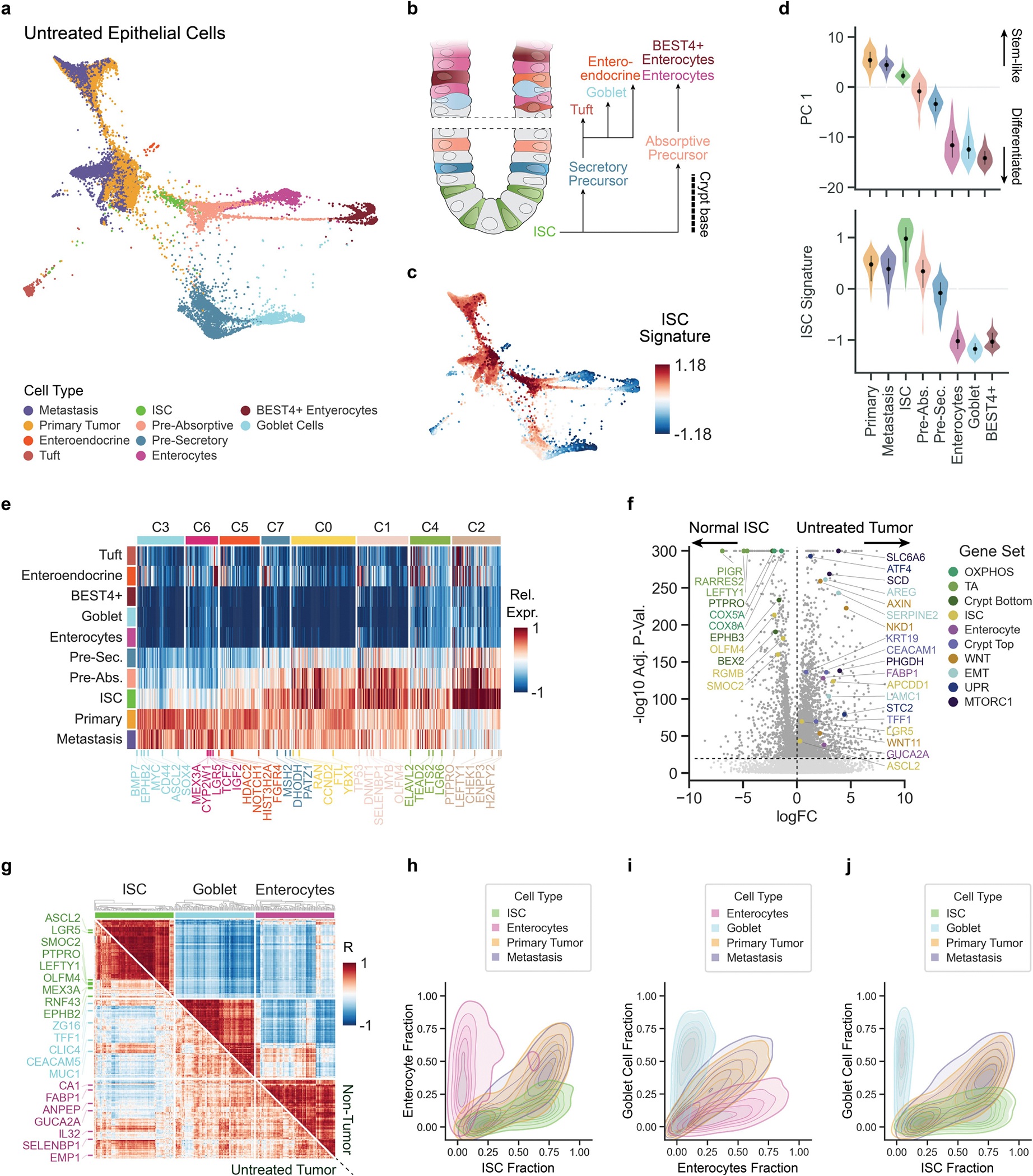
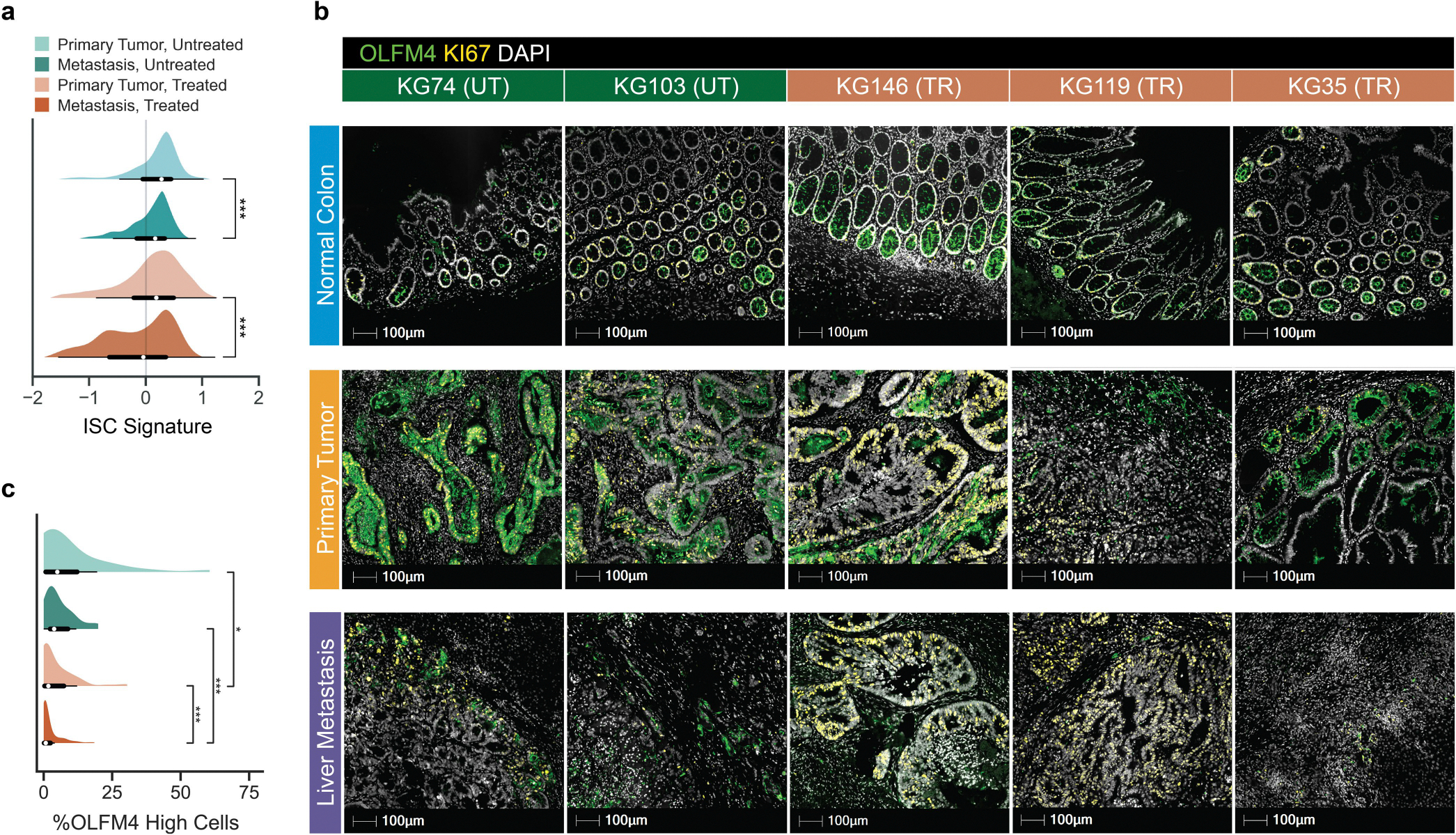
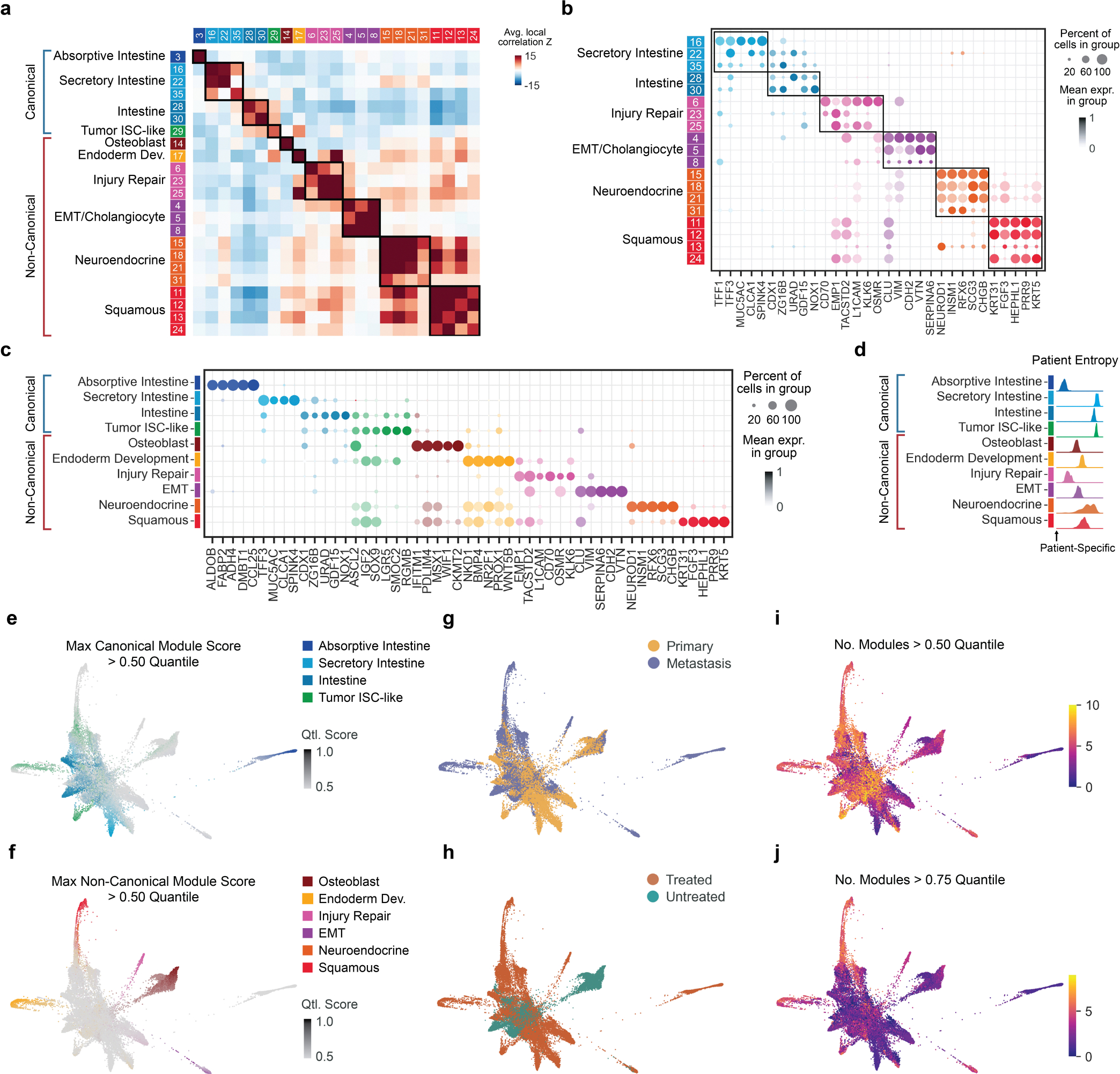
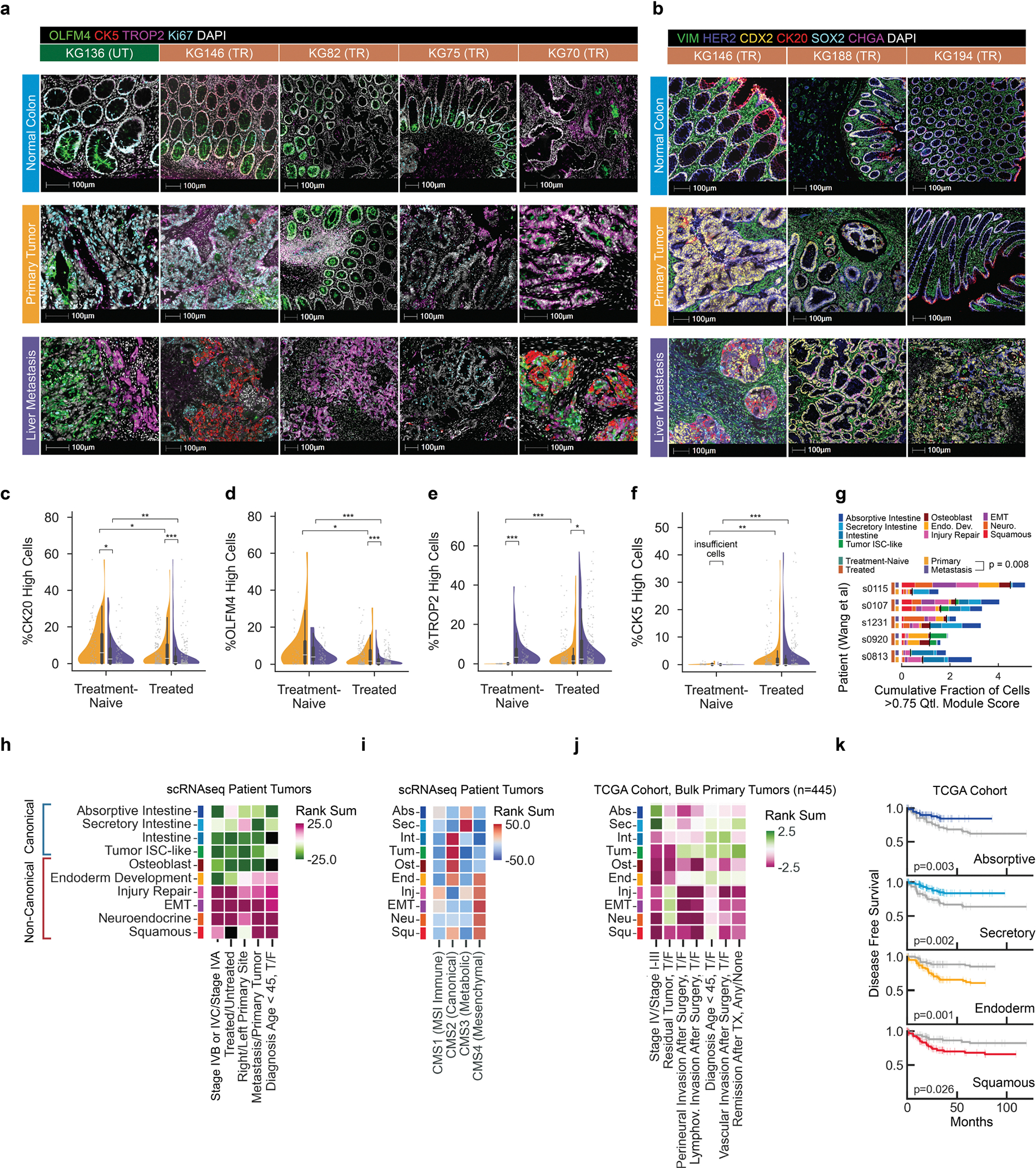
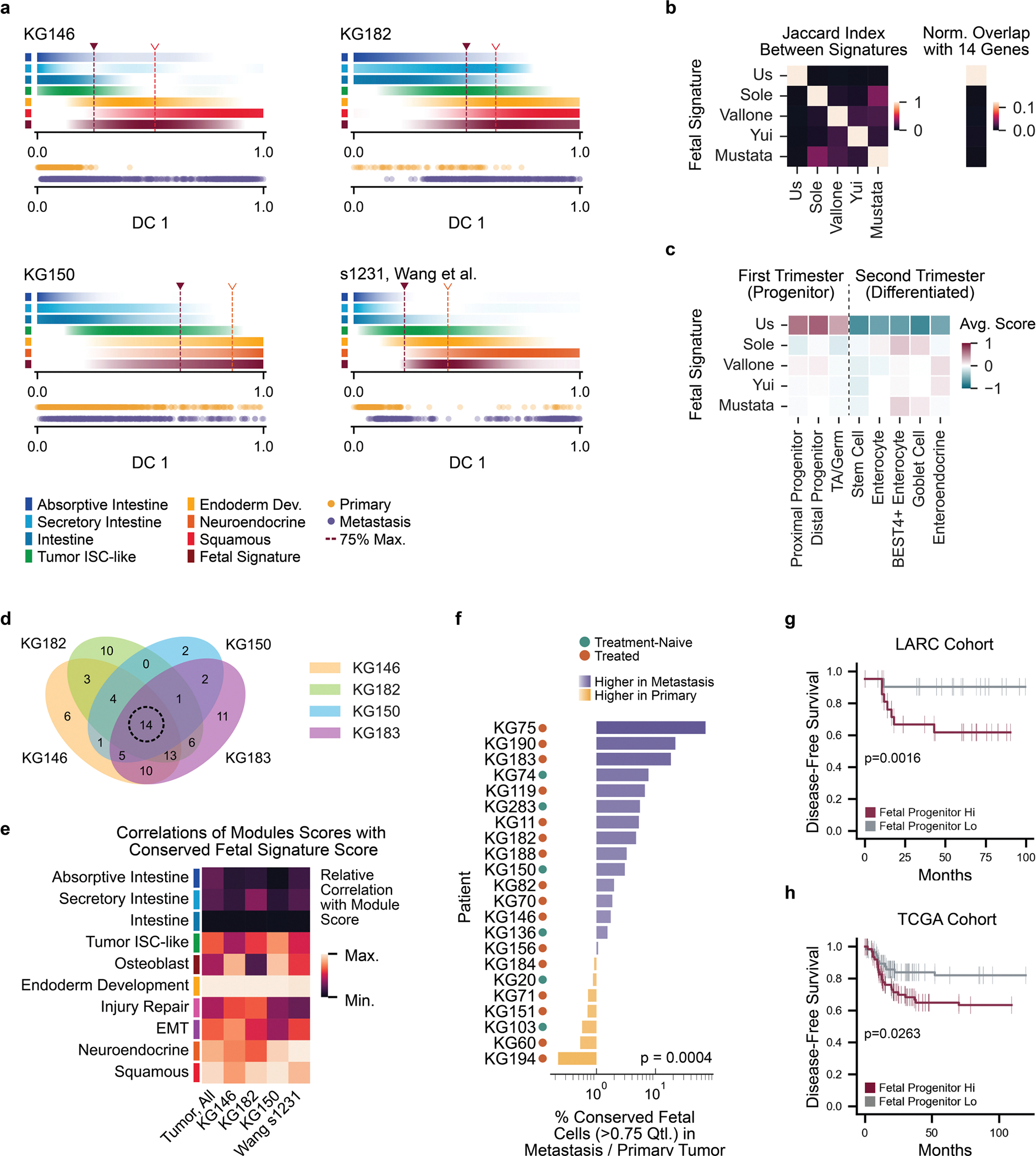
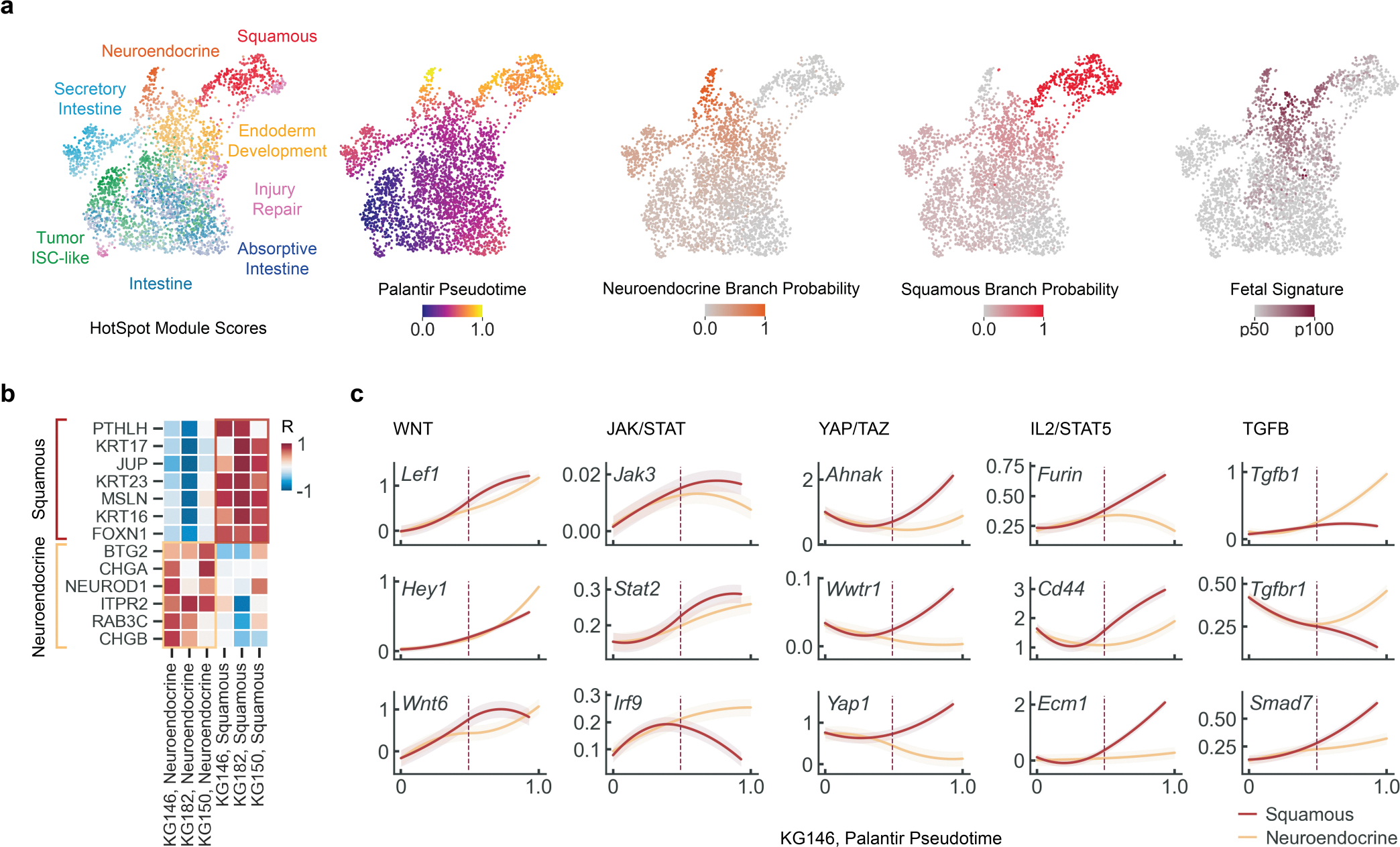
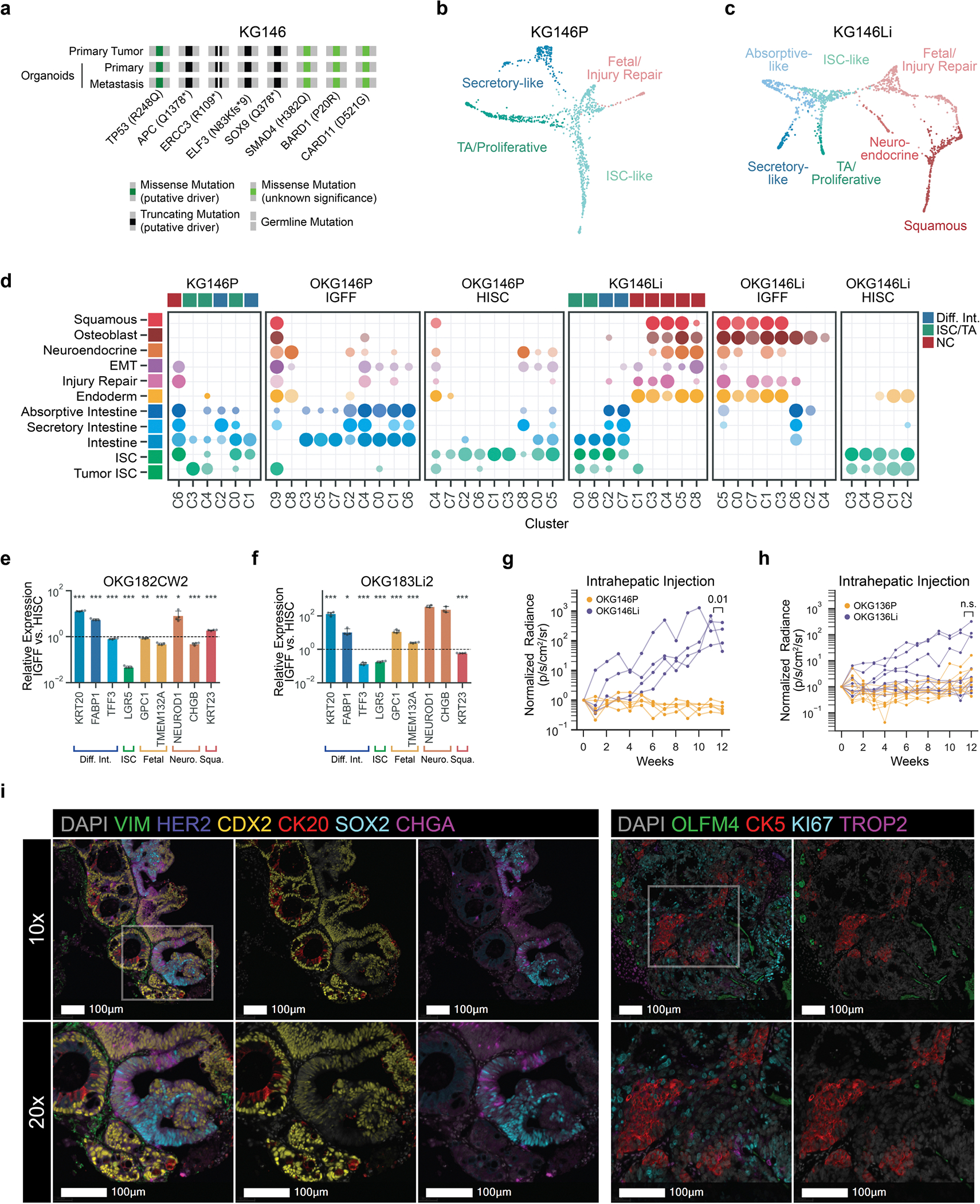
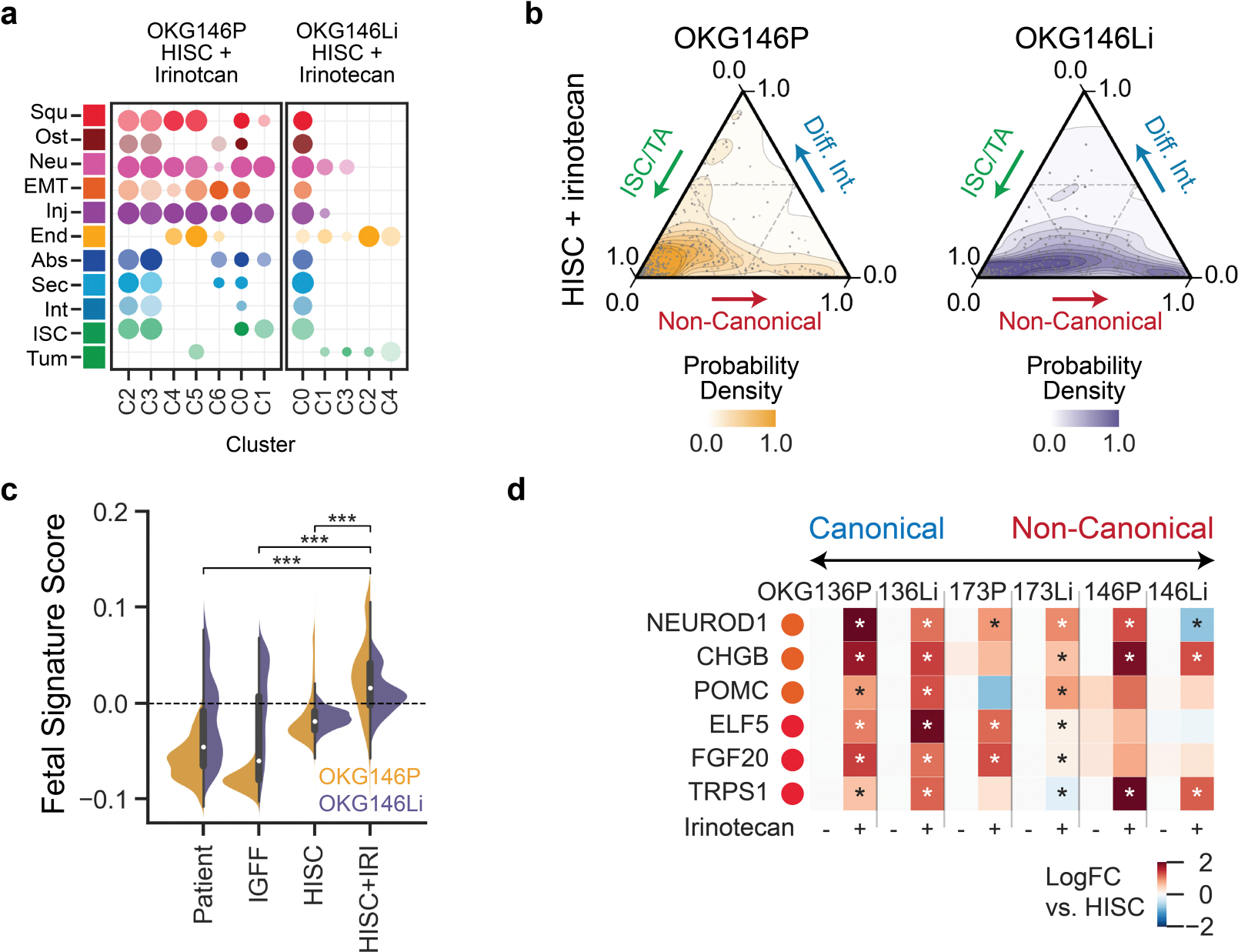
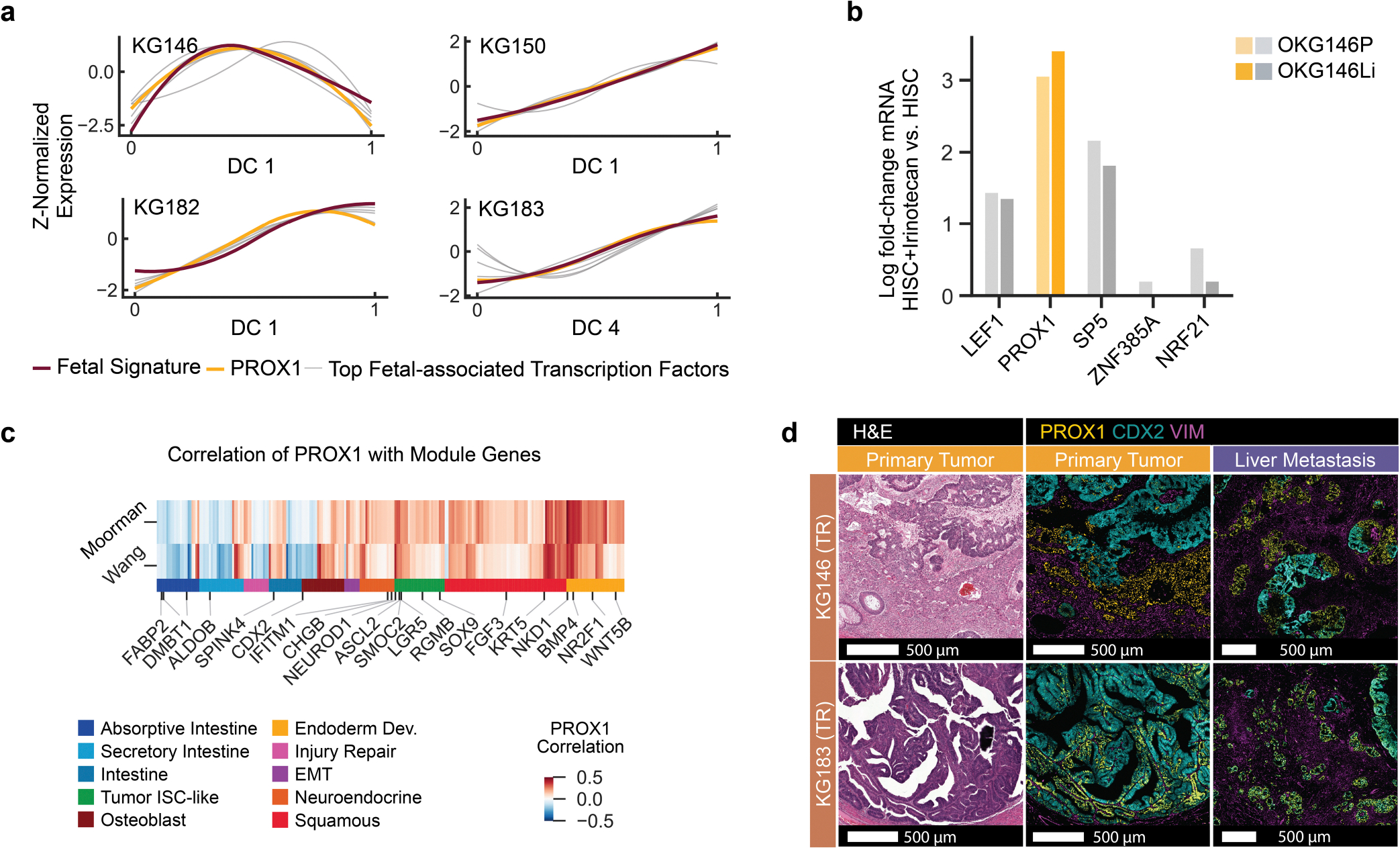
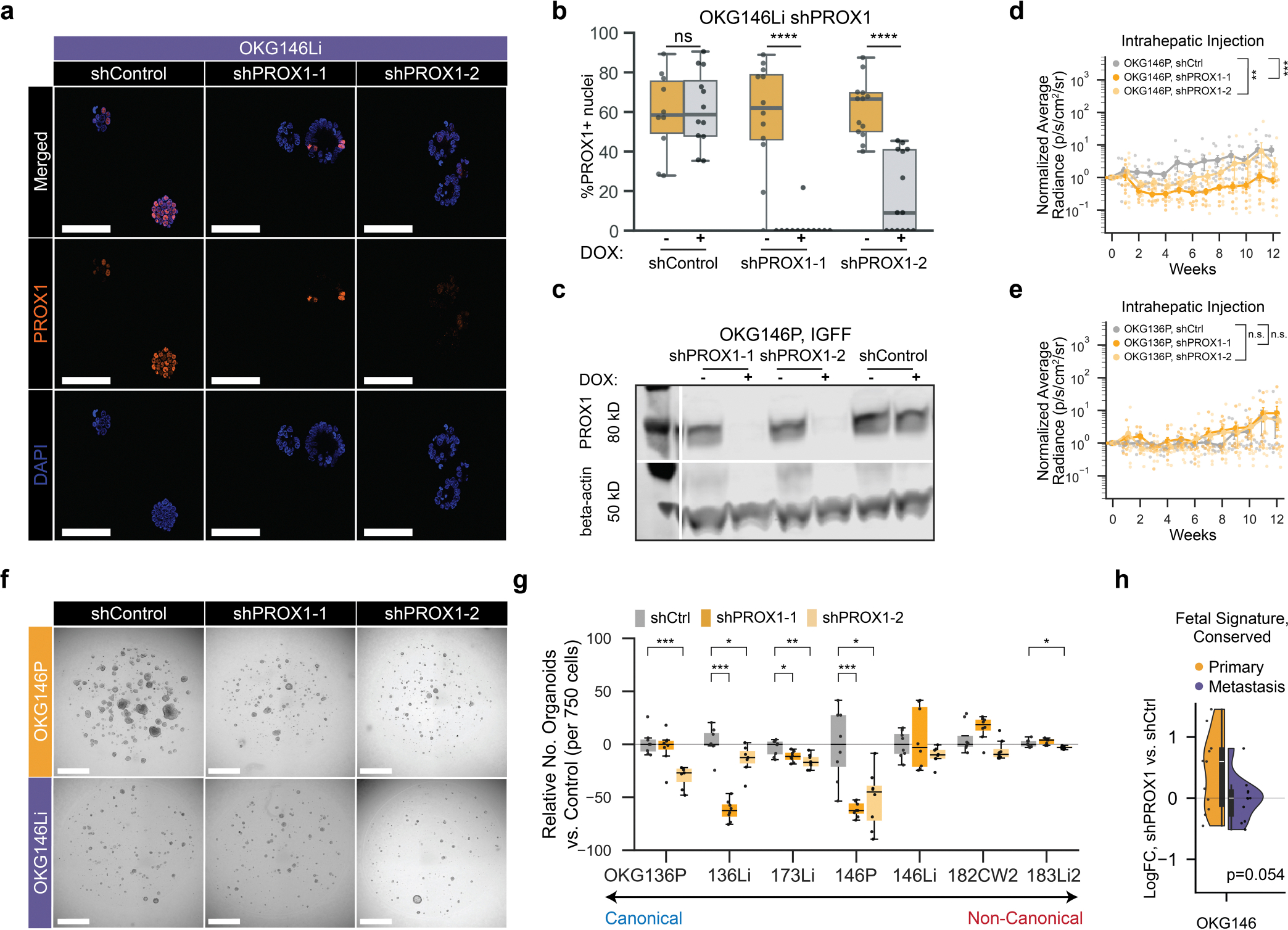
As cancers progress, they become increasingly aggressive—metastatic tumours are less responsive to first-line therapies than primary tumours, they acquire resistance to successive therapies and eventually cause death1,2. Mutations are largely conserved between primary and metastatic tumours from the same patients, suggesting that non-genetic phenotypic plasticity has a major role in cancer progression and therapy resistance3–5. However, we lack an understanding of metastatic cell states and the mechanisms by which they transition. Here, in a cohort of biospecimen trios from same-patient normal colon, primary and metastatic colorectal cancer, we show that, although primary tumours largely adopt LGR5+ intestinal stem-like states, metastases display progressive plasticity. Cancer cells lose intestinal cell identities and reprogram into a highly conserved fetal progenitor state before undergoing non-canonical differentiation into divergent squamous and neuroendocrine-like states, a process that is exacerbated in metastasis and by chemotherapy and is associated with poor patient survival. Using matched patient-derived organoids, we demonstrate that metastatic cells exhibit greater cell-autonomous multilineage differentiation potential in response to microenvironment cues compared with their intestinal lineage-restricted primary tumour counterparts. We identify PROX1 as a repressor of non-intestinal lineage in the fetal progenitor state, and show that downregulation of PROX1 licenses non-canonical reprogramming. Colorectal cancer metastasis involves dramatic plasticity and loss of PROX1-mediated repression of non-intestinal lineages.
Overview
The claims and statistics of this paper haven’t been checked yet.
Run the check — free, no account needed. It reads the open-access text and checks the sources it cites.
Integrity signals
Registry
Cites
Statistics
Figures
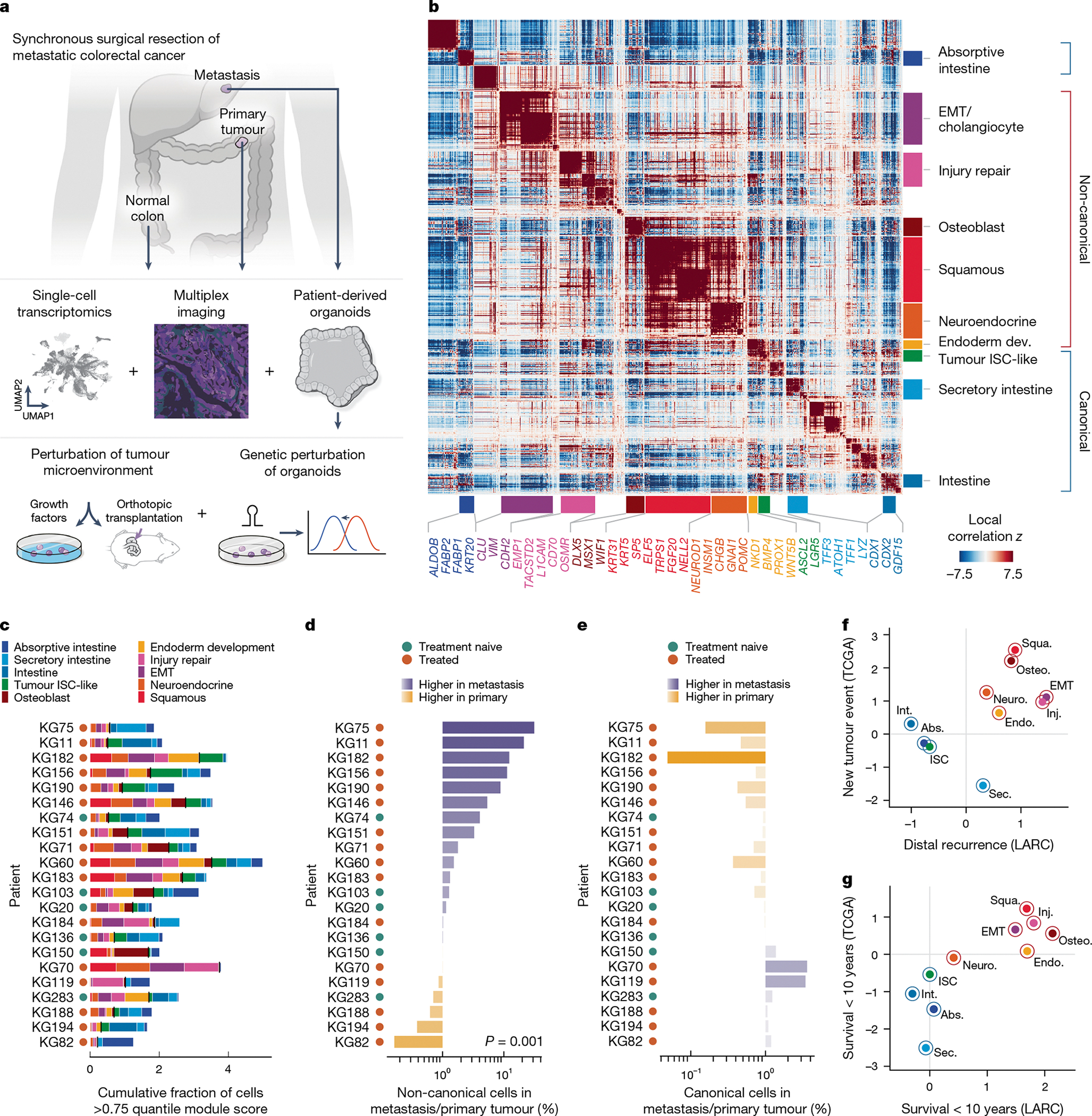
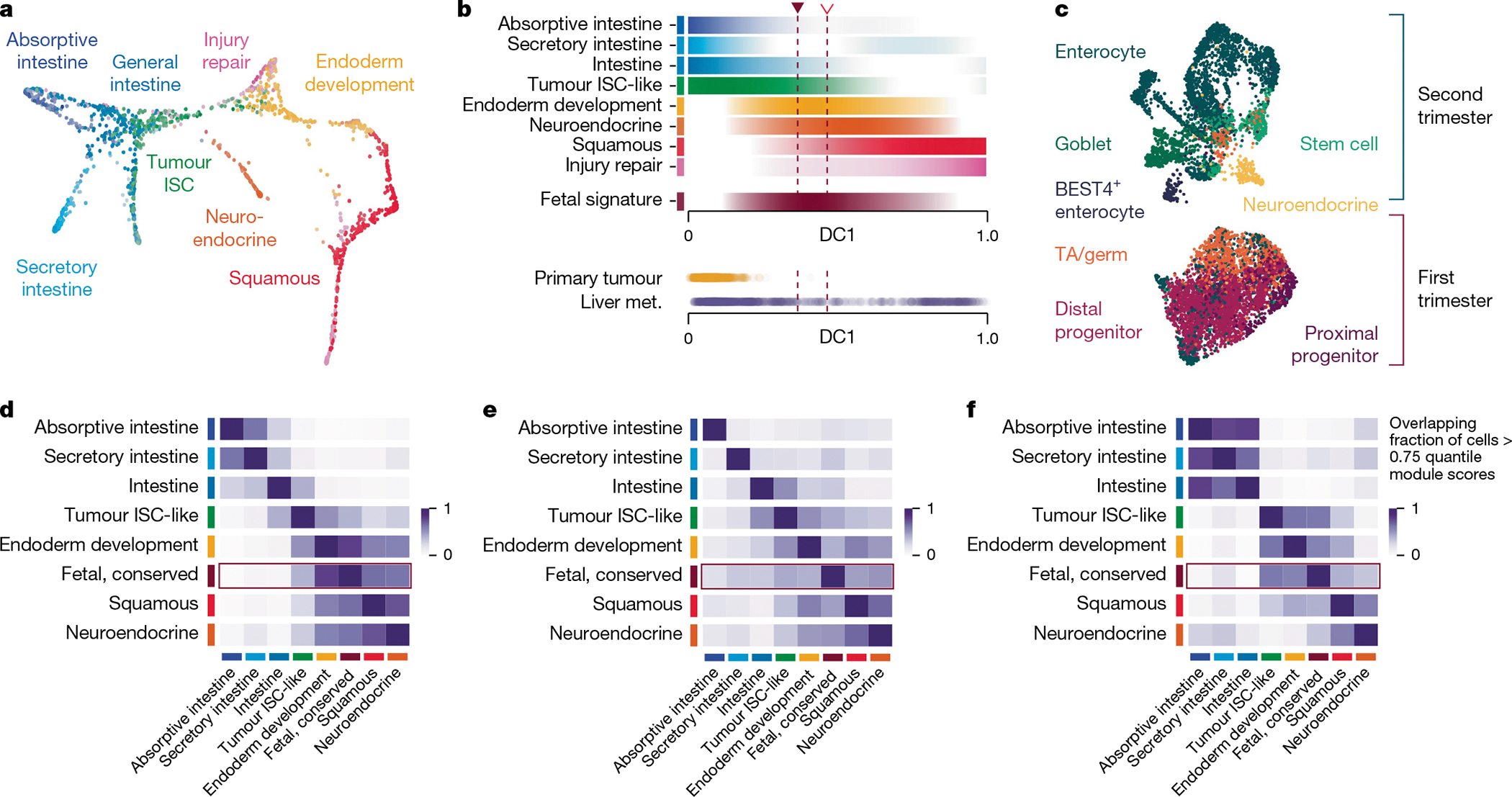
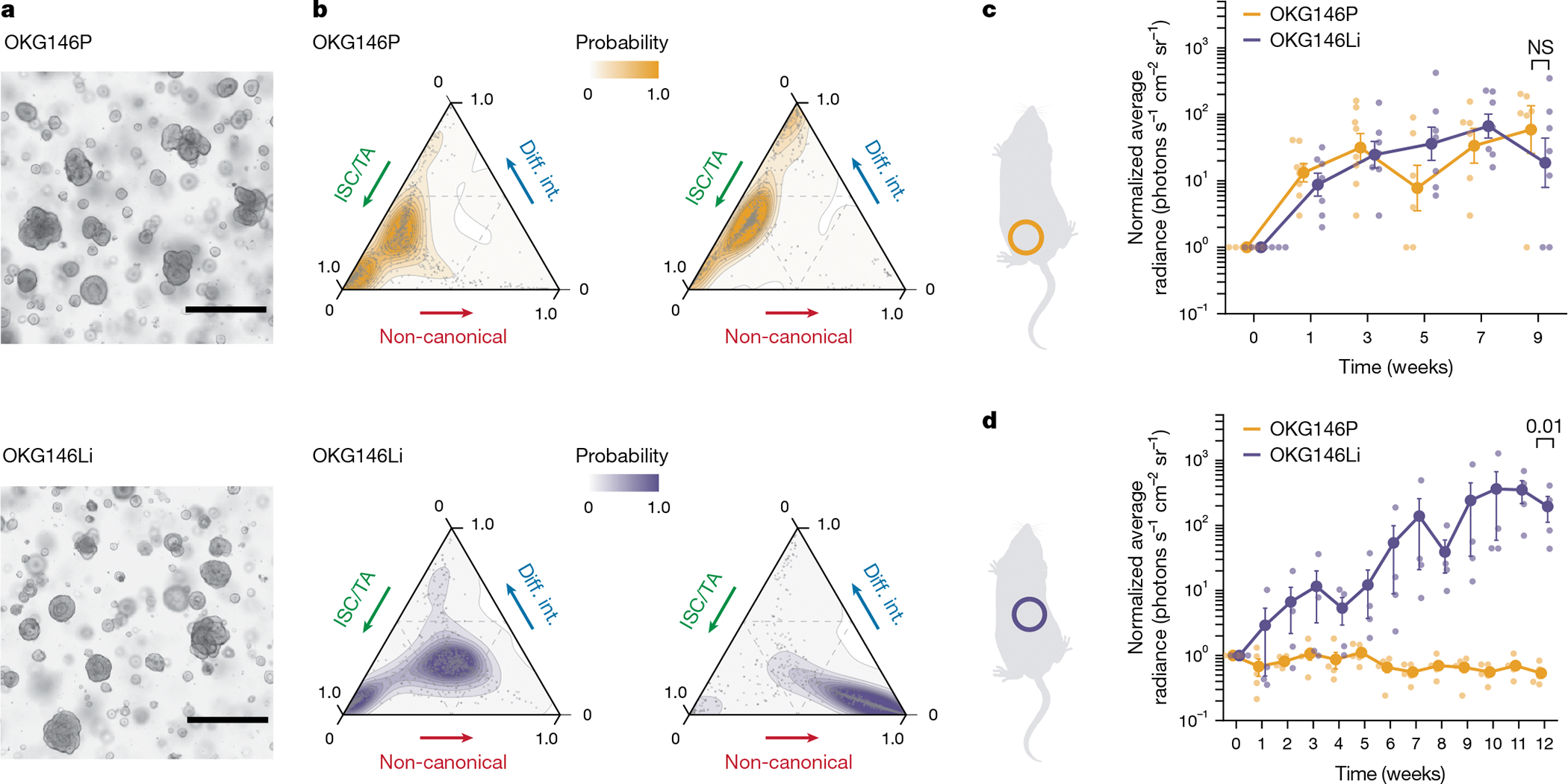
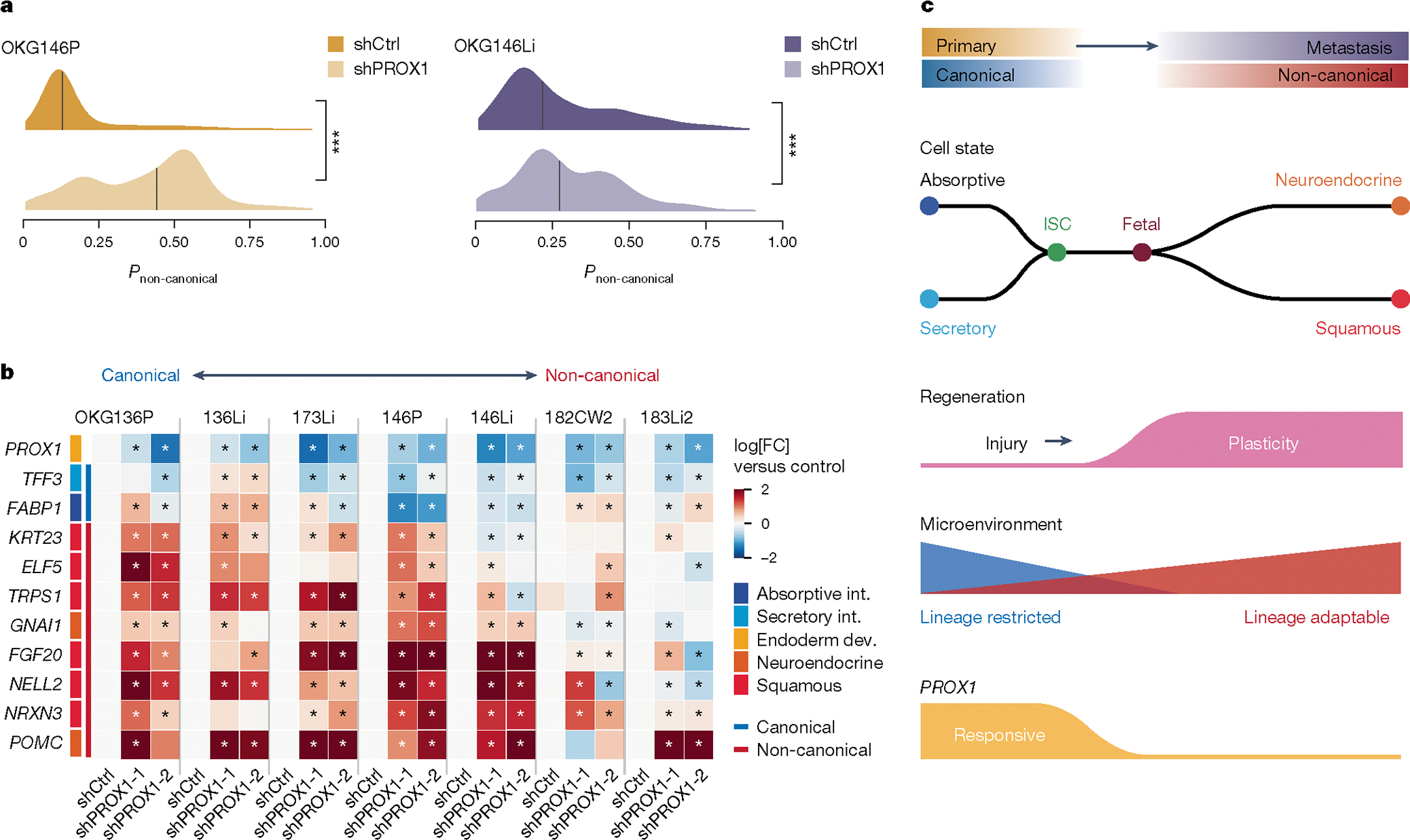
Verification
Claims the paper makes
The claims and statistics of this paper haven’t been checked yet.
Run the check — free, no account needed. It reads the open-access text and checks the sources it cites.
Claims other papers make about this one
Each is checked against this paper’s own text: does it say what the citing paper says it does?
The cited source says what the claim attributes to it.
In the citing paper
“Recent studies suggest that CRC cells also exhibit remarkable cellular plasticity to survive treatment, transitioning into alternative cell states under therapeutic pressure.”
From Paneth-like transition drives resistance to dual targeting of KRAS and EGFR in colorectal cancer (2026) · cites this paper as [24]
The cited source says what the claim attributes to it.
In the citing paper
“Interestingly, in the context of colorectal cancer, PROX1 has been recently described as suppressing lineage plasticity by repressing nonintestinal genes64, supporting the notion that it can prevent cell fate plasticity and cancer.”
From Active repression of cell fate plasticity by PROX1 safeguards hepatocyte identity and prevents liver tumorigenesis (2025) · cites this paper as [64]
In the citing paper
“Therefore, in advanced CRC stages, the tumour niche (primary vs different sites of metastasis) and host specific factors are important factors in establishing an immunosuppressive CMS4-like CRC.125”
From Current and emerging concepts for systemic treatment of metastatic colorectal cancer (2025) · cites this paper as [125]
Self-check
Percentages, sums and reported differences re-computed from the paper’s own numbers.
The self-check needs the paper’s full text.
Citations
Cites
Moderated estimation of fold change and dispersion for RNA-seq data with DESeq2
Love, M. I., Huber, W., & Anders, S. (2014) · Genome Biology · doi:10.1186/s13059-014-0550-8 · Cited by 95,106
NIH Image to ImageJ: 25 years of image analysis
Schneider, C. A., Rasband, W. S., & Eliceiri, K. W. (2012) · Nature Methods · doi:10.1038/nmeth.2089 · Cited by 64,638
Robinson, M. D., McCarthy, D. J., & Smyth, G. K. (2010) · Bioinformatics · doi:10.1093/bioinformatics/btp616 · Cited by 41,364
GSVA: gene set variation analysis for microarray and RNA-Seq data
Hänzelmann, S., Castelo, R., & Guinney, J. (2013) · BMC Bioinformatics · doi:10.1186/1471-2105-14-7 · Cited by 15,440
The Molecular Signatures Database Hallmark Gene Set Collection
Liberzon, A., Birger, C., Thorvaldsdóttir, H., Ghandi, M., Mesirov, J. P., & Tamayo, P. (2015) · Cell Systems · doi:10.1016/j.cels.2015.12.004 · Cited by 13,807 · cited 2×
“We performed differential expression analysis of ISC cells against all untreated tumour cells using MAST (v.1.16.0) and GSEA using relevant cell type gene sets from the literature (Supplementary Table 3) as well as all Hallmark 66 and KEGG 67 gene sets (Extended Data Fig.”
InfluentialNeedleman, S. B., & Wunsch, C. D. (1970) · Journal of Molecular Biology · doi:10.1016/0022-2836(70)90057-4 · Cited by 11,288
Fast, sensitive and accurate integration of single-cell data with Harmony
Korsunsky, I., Millard, N., Fan, J., Slowikowski, K., Zhang, F., Wei, K., Baglaenko, Y., Brenner, M., Loh, P.-R., & Raychaudhuri, S. (2019) · Nature Methods · doi:10.1038/s41592-019-0619-0 · Cited by 10,488
Hallmarks of Cancer: New Dimensions
Hanahan, D. (2022) · Cancer Discovery · doi:10.1158/2159-8290.cd-21-1059 · Cited by 9,887
SCANPY: large-scale single-cell gene expression data analysis
Wolf, F. A., Angerer, P., & Theis, F. J. (2018) · Genome Biology · doi:10.1186/s13059-017-1382-0 · Cited by 8,881
Comprehensive molecular characterization of human colon and rectal cancer
The Cancer Genome Atlas Network (2012) · Nature · doi:10.1038/nature11252 · Cited by 8,499
Cited by
Sorted by citations
Mechanisms of metastatic colorectal cancer
Cañellas-Socias, A., Sancho, E., & Batlle, E. (2024) · Nature Reviews Gastroenterology & Hepatology · doi:10.1038/s41575-024-00934-z · Cited by 284
Cancer drug-tolerant persister cells: from biological questions to clinical opportunities
Russo, M., Chen, M., Mariella, E., Peng, H., Rehman, S. K., Sancho, E., Sogari, A., Toh, T. S., Balaban, N. Q., Batlle, E., et al. (2024) · Nature Reviews Cancer · doi:10.1038/s41568-024-00737-z · Cited by 210
Cancer cell states: Lessons from ten years of single-cell RNA-sequencing of human tumors
Tirosh, I., & Suvà, M. L. (2024) · Cancer Cell · doi:10.1016/j.ccell.2024.08.005 · Cited by 147
Henriques, A. R., Salvany, M., Nieto, P., Palomo‐Ponce, S., Sevillano, M., Hernando‐Momblona, X., Guerra, E. M., Llanses, M., Haak, E., Nieto, J. C., et al. (2025) · Nature Genetics · doi:10.1038/s41588-025-02380-2 · Cited by 63
Plastic persisters: revival stem cells in colorectal cancer
Tape, C. J. (2023) · Trends in cancer · doi:10.1016/j.trecan.2023.11.003 · Cited by 60
Metadata
- Authors
- Moorman, A., Benitez, E. K., Cambuli, F., Jiang, Q., Mahmoud, A., Lumish, M., Hartner, S., Balkaran, S., Bermeo, J., Asawa, S., Firat, C., Saxena, A., Wu, F., Luthra, A., Burdziak, C., Xie, Y., Sgambati, V., Luckett, K., Li, Y., Yi, Z., Masilionis, I., Soares, K., Pappou, E., Yaeger, R., Kingham, T. P., Jarnagin, W., Paty, P. B., Weiser, M. R., Mazutis, L., D’Angelica, M., Shia, J., Garcia-Aguilar, J., Nawy, T., Hollmann, T. J., Chaligné, R., Sanchez-Vega, F., Sharma, R., Pe’er, D., & Ganesh, K.
- Affiliations
- Memorial Sloan Kettering Cancer Center (US)
- Corresponding author
- Pe’er, Dana
- Ganesh, Karuna
- ORCID
- Benitez, Elizabeth K.
- Cambuli, Francesco
- Lumish, Melissa
- Hartner, Saskia
- Balkaran, Sasha
- Bermeo, Jonathan
- Asawa, Simran
- Saxena, Asha
- Wu, Fan
- Burdziak, Cassandra
- Xie, Yubin
- Sgambati, Valeria
- Luckett, Kathleen
- Masilionis, Ignas
- Soares, Kevin
- Pappou, Emmanouil
- Yaeger, Rona
- Kingham, T. Peter
- Jarnagin, William
- Paty, Philip B.
- Weiser, Martin R.
- Mazutis, Linas
- Shia, Jinru
- Garcia-Aguilar, Julio
- Nawy, Tal
- Hollmann, Travis J.
- Chaligné, Ronan
- Sharma, Roshan
- Pe’er, Dana
- Ganesh, Karuna
- Venue
- Nature
- Published
- 2024-10-30
- Volume
- 637
- Issue
- 8047
- Pages
- 947-954
- ISSN
- 0028-0836 (ISSN-L)
- 1476-4687
- PMC
- PMC11754107
- OpenAlex
- W4403921034
- Semantic Scholar
- 47093055c9718cf3a146a22b4b2b9cf566608edc
- Cited by
- 229
- References
- 114
- Citations by year
- 2026: 125 · 2025: 83 · 2024: 17
- FWCI
- 38.19
- Type
- journal article
- Language
- en
- Update notices
- Open access
- hybrid
- doi.org
- Licence
- Locations
- Nature (publishedVersion, cc-by-nc-nd)
- bioRxiv (Cold Spring Harbor Laboratory) (acceptedVersion)
- PubMed Central (publishedVersion, cc-by)
- PubMed (publishedVersion)
- PubMed Central (submittedVersion)
- RePEc: Research Papers in Economics (submittedVersion)
- Funders
- National Science Foundation
- Damon Runyon Cancer Research Foundation
- Memorial Sloan-Kettering Cancer Center (P30 CA008748)
- Pershing Square Sohn Cancer Research Alliance
- National Institutes of Health
- Stand Up To Cancer (Convergence 3.1416, 3.1416)
- National Cancer Institute (U2CCA233284, U54CA209975, K08CA230213, P30CA008748, R37CA266185, U54CA274492)
- National Institute of General Medical Sciences (T32GM007739, T32GM152349)
- National Institute of Biomedical Imaging and Bioengineering (R01EB027498)
- Topics
- Health Sciences › Medicine › Oncology › Cancer Cells and Metastasis
- Health Sciences › Medicine › Oncology › Colorectal Cancer Treatments and Studies
- Life Sciences › Biochemistry, Genetics and Molecular Biology › Molecular Biology › Epigenetics and DNA Methylation
- Keywords
- colorectal cancer metastasis, phenotypic plasticity, Prox1, Lgr5, squamous differentiation, neuroendocrine differentiation, multilineage differentiation, patient-derived organoids, chemoresistance, tumor microenvironment, patient survival
About these checks
Registry, retraction, Cites and statistics results are computed, not judged, with one exception: a printed reference that no index lists is read once by a model before it counts as a citation error. Claims are extracted by a model and kept only when their quote appears verbatim in the text; each cited source is then checked, with a model’s help, for whether it says what the claim relies on. Those verdicts can be wrong — read the claim’s quote and the cited source before relying on one.
Statistics and arithmetic are recomputed, not judged.
Confidence bands are shown only for fields calibrated on our annotated test set. None is calibrated yet, so no band is shown.
What counts as a claim ›How we measure confidence ›How we check this ›
Are you an author, or do you see a problem with this page? Request a review
