

Nivolumab plus ipilimumab with or without live bacterial supplementation in metastatic renal cell carcinoma: a randomized phase 1 trial
Open accessThe DOI matches its Crossref record; 44 of the 48 references it cites were found in a registry or an index; 9 of the 36 sources its claims cite were checked for support.
Abstract
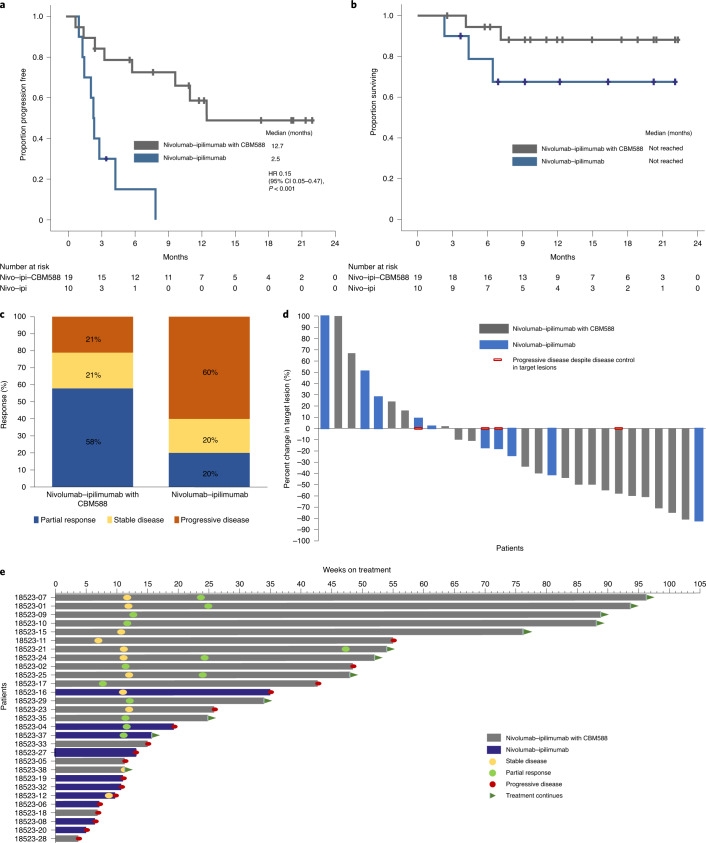
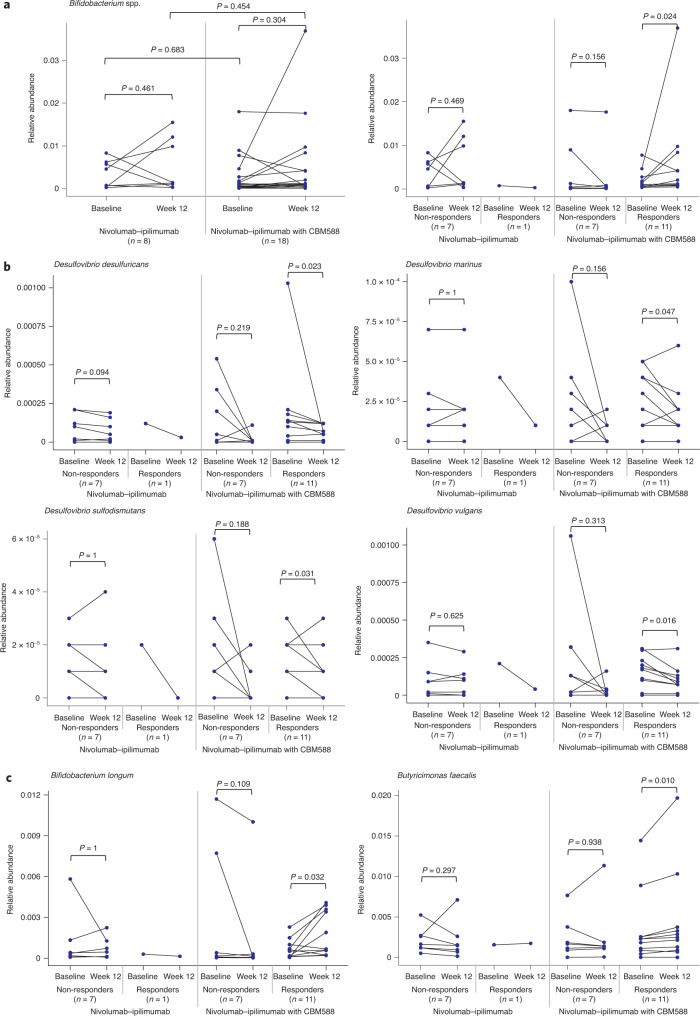
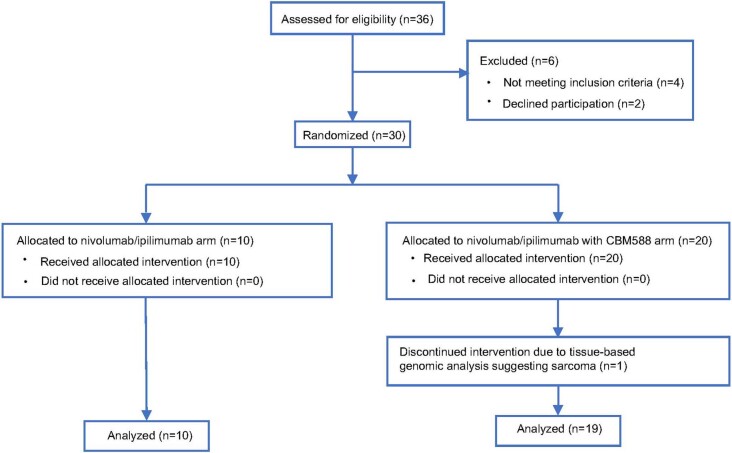
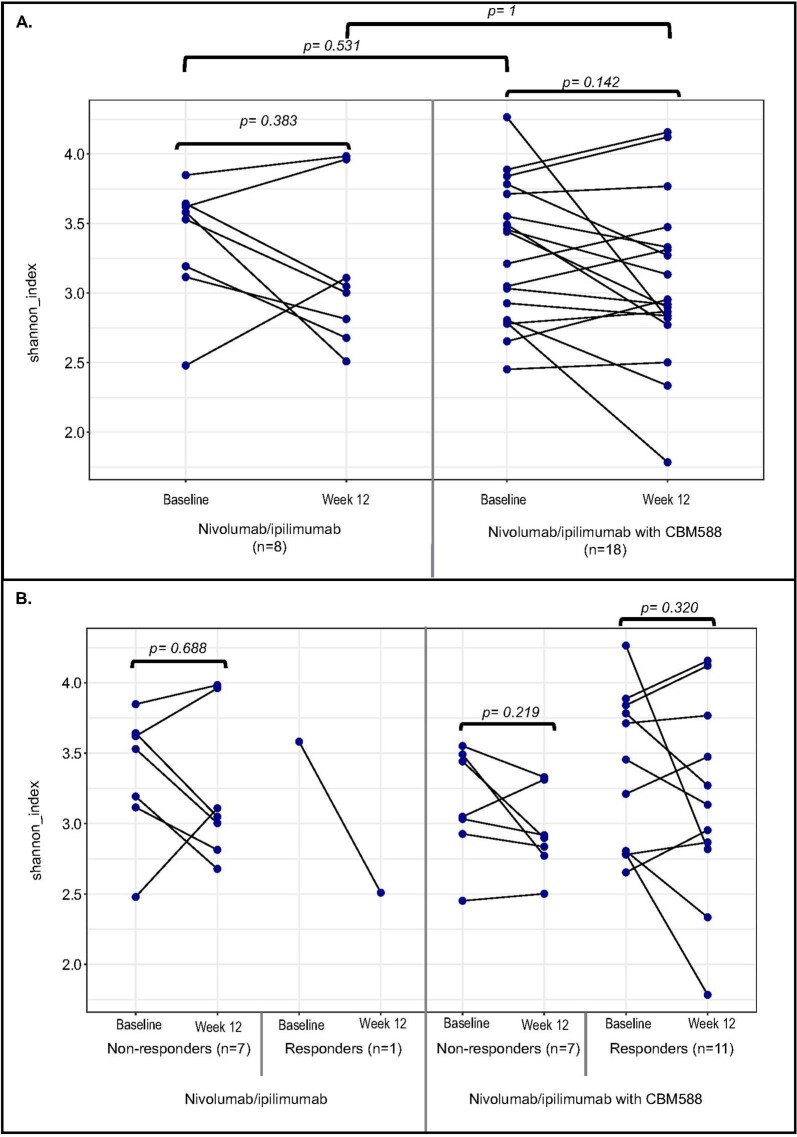
Previous studies have suggested that the gut microbiome influences the response to checkpoint inhibitors (CPIs) in patients with cancer. CBM588 is a bifidogenic live bacterial product that we postulated could augment CPI response through modulation of the gut microbiome. In this open-label, single-center study (NCT03829111), 30 treatment-naive patients with metastatic renal cell carcinoma with clear cell and/or sarcomatoid histology and intermediate- or poor-risk disease were randomized 2:1 to receive nivolumab and ipilimumab with or without daily oral CBM588, respectively. Stool metagenomic sequencing was performed at multiple timepoints. The primary endpoint to compare the relative abundance of Bifidobacterium spp. at baseline and at 12 weeks was not met, and no significant differences in Bifidobacterium spp. or Shannon index associated with the addition of CBM588 to nivolumab–ipilimumab were detected. Secondary endpoints included response rate, progression-free survival (PFS) and toxicity. PFS was significantly longer in patients receiving nivolumab–ipilimumab with CBM588 than without (12.7 months versus 2.5 months, hazard ratio 0.15, 95% confidence interval 0.05–0.47, P = 0.001). Although not statistically significant, the response rate was also higher in patients receiving CBM588 (58% versus 20%, P = 0.06). No significant difference in toxicity was observed between the study arms. The data suggest that CBM588 appears to enhance the clinical outcome in patients with metastatic renal cell carcinoma treated with nivolumab–ipilimumab. Larger studies are warranted to confirm this clinical observation and elucidate the mechanism of action and the effects on microbiome and immune compartments.
Overview
CoChat Summary
TL;DR
In a randomized phase 1 trial of 30 treatment-naive patients with metastatic renal cell carcinoma, adding the live bacterial product CBM588 to nivolumab–ipilimumab did not meet the primary microbiome endpoint of increasing Bifidobacterium spp. relative abundance at 12 weeks. However, CBM588 was associated with significantly longer progression-free survival and a numerically higher response rate without a significant toxicity difference.
Key findings
- The primary endpoint was not met: no significant change in relative abundance of Bifidobacterium spp. from baseline to week 12 with CBM588, and no significant differences in Bifidobacterium spp. or Shannon index between arms.
- Median PFS was 12.7 months with nivolumab–ipilimumab plus CBM588 versus 2.5 months without CBM588 (HR 0.15, 95% CI 0.05–0.47, P = 0.001).
- Objective response rate was 58% (11/19) with CBM588 versus 20% (2/10) without (P = 0.06); disease control was 79% versus 40%.
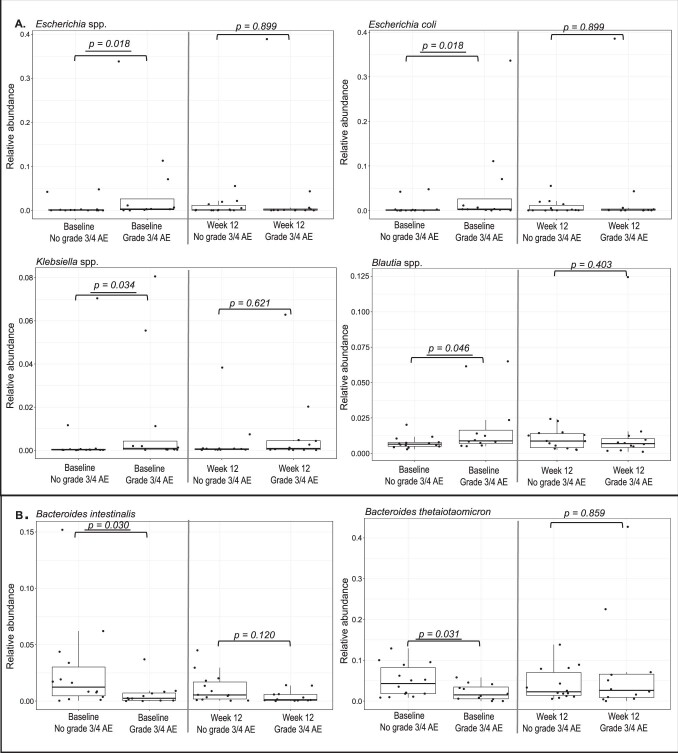
- Grade 3 or 4 treatment-attributable adverse events occurred in 52% of CBM588 patients versus 50% of control patients; no treatment-related deaths occurred.
Methods
- Open-label, single-center, randomized phase 1 trial (NCT03829111) in 30 treatment-naive patients with metastatic renal cell carcinoma with clear cell and/or sarcomatoid histology and intermediate- or poor-risk IMDC disease; patients were randomized 2:1 to nivolumab–ipilimumab with or without daily oral CBM588 80 mg twice daily. One patient was deemed ineligible after treatment initiation, leaving 29 analyzed.
- Stool metagenomic sequencing was performed at baseline and 12 weeks; peripheral blood was collected for circulating cytokine and immune cell analyses. Primary endpoint: relative abundance of Bifidobacterium spp. at baseline and 12 weeks. Secondary endpoints included response rate, PFS, and toxicity.
- Analyses used Wilcoxon signed rank and Mann–Whitney U tests for microbiome/immune comparisons, Kaplan–Meier and log-rank tests for PFS/OS, and Fisher exact test for response rate.
Limitations
- The paper states limitations including small sample size, lack of a placebo control, absence of baseline tumor genomic profiling, limited long-term follow-up for overall survival, no planned patient-reported outcomes, inability to account for dietary intake variations, no exclusion of recent antibiotic therapy, and inability to rule out that species other than Bifidobacterium drove clinical outcomes.
- The paper also notes exploratory microbiome analyses were not adjusted for multiple comparisons and should be considered hypothesis generating.
- Evident from the text: this is a single-center phase 1 study with a 2:1 randomization and no stratification factors, limiting generalizability and power for clinical endpoints.
Model-written summary. Check it against the paper before relying on it.
Integrity signals
Registry
Cites
Statistics
Figures
Verification
Claims the paper makes
5 Valid · 0 Not valid · 22 Not checked · 63 Own results and interpretations
The cited sources support only part of this claim — read each source’s verdict below.
In the paper
“in preclinical models, transplantation of fecal material enriched with Bifidobacterium spp. alone (even without CPIs) was sufficient to delay tumor growth4,5.”
§ Nivolumab plus ipilimumab with or without live bacterial supplementation in metastatic renal cell carcinoma: a randomized phase 1 trial > Main
What the sources say
- Partly supportedcites [4] Matson V The commensal microbiome is associated with anti-PD-1 efficacy in metastatic melanoma patients Science 2018 359 104 108 10.1126/science.aao3290 29302014 PMC6707353 sourceExperimental — accuracy not yet measured
Matson et al. (2018) do support the 'fecal transplant alone, without checkpoint blockade' half: in the FMT/Results section, reconstitution of GF mice with fecal material from responders gave 'slower baseline tumor growth' (two of three R cohorts, 'usually, but not always'), and responder feces were enriched in Bifidobacterium longum / Bifidobacteriaceae OTUs. However, the paper does not attribute that tumor delay to Bifidobacterium enrichment as such — it credits the association of Bifidobacteriaceae with improved immune-mediated tumor control in mouse models to earlier work (its reference 4, i.e. the preclinical anti–PD-L1 Bifidobacterium study), and states in Discussion that 'multiple specific bacteria may contribute,' with responder microbiota also rich in C. aerofaciens and E. faecium. The claim therefore overstates this source by isolating Bifidobacterium spp. as the sufficient element and by dropping the source's inconsistency hedge. (LLM, conf=0.75)
- Supportedcites [5] Sivan A Commensal Bifidobacterium promotes antitumor immunity and facilitates anti-PD-L1 efficacy Science 2015 350 1084 1089 10.1126/science.aac4255 26541606 PMC4873287 source
Our copy states that prophylactic transfer of JAX fecal material into TAC recipients 'was sufficient to delay tumor growth' and that JAX fecal transfer alone slowed established B16.SIY growth to the same degree as systemic αPD-L1, i.e. without checkpoint blockade (Results, Fig. 2A/D/E). Bifidobacterium is identified as the genus enriched in that material and uniquely associated with antitumor T cell responses (>400-fold increase in JAX-fed TAC mice; Fig. 3B-D), and oral Bifidobacterium alone likewise delayed tumor outgrowth in B16 parental and MB49 settings (fig. S4, B and C). All elements of the paraphrase — preclinical models, fecal/Bifidobacterium-enriched material, alone without CPIs, delayed tumor growth — are stated in the source. (LLM, conf=0.88)
plainstates a cause- Asserted: passes — The authors put it forward as true.
- Checkable: passes — It can be checked against evidence.
- Load-bearing: passes — The paper’s conclusions depend on it.
- Based: passes — The paper gives a reason why it holds.
- Partly supported
The sources with a verdict support this claim; the rest weren’t checked yet, have no full text we could read, or their verdicts aren’t rated yet.
In the paper
“Previous studies have suggested that the gut microbiome influences the response to checkpoint inhibitors (CPIs) in patients with cancer.”
- Also stated in: § Main · boosted
“Multiple groups have independently demonstrated a link between the gut microbiome and immunotherapy response in patients with cancer1–4.”
§ Nivolumab plus ipilimumab with or without live bacterial supplementation in metastatic renal cell carcinoma: a randomized phase 1 trial > Abstract
What the sources say
- Not checked yetcites [1] Routy B Gut microbiome influences efficacy of PD-1-based immunotherapy against epithelial tumors Science 2018 359 91 97 10.1126/science.aan3706 29097494 source
- Supportedcites [2] Gopalakrishnan V Gut microbiome modulates response to anti-PD-1 immunotherapy in melanoma patients Science 2018 359 97 103 10.1126/science.aan4236 29097493 PMC5827966 source
The paper's Discussion (final paragraph) states that its results indicate the gut microbiome may modulate responses to anti-PD-1 immunotherapy, and that the findings highlight therapeutic potential in 'patients receiving checkpoint blockade immunotherapy'; the Abstract and Introduction frame the cohort as metastatic melanoma patients on anti-PD-1 (n=112) with responder vs non-responder differences in gut diversity and Ruminococcaceae/Faecalibacterium abundance, plus fecal-transplant effects in germ-free mice. The citing sentence is hedged ('previous studies have suggested') at the same or lower confidence than the source, and the only qualifier it drops is the melanoma/anti-PD-1 specificity of this particular cohort, which the source itself generalises to checkpoint blockade in cancer patients. (LLM, conf=0.85)
- Not checked yetcites [3] Salgia NJ Stool microbiome profiling of patients with metastatic renal cell carcinoma receiving anti-PD-1 immune checkpoint inhibitors Eur. Urol. 2020 78 498 502 10.1016/j.eururo.2020.07.011 32828600 source
- Supportedcites [4] Matson V The commensal microbiome is associated with anti-PD-1 efficacy in metastatic melanoma patients Science 2018 359 104 108 10.1126/science.aao3290 29302014 PMC6707353 source
The Abstract of Matson et al. (2018) states a significant association between commensal microbial composition and clinical response to anti–PD-1 in metastatic melanoma patients, and concludes that 'the commensal microbiome may have a mechanistic impact on antitumor immunity in human cancer patients,' with fecal transfer from responders vs nonresponders recapitulating the phenotype in germ-free mice (p. passages 2, 5, 8). The citing sentence is a hedged, broad background statement ('previous studies have suggested...') and this paper is exactly such a study; its own framing generalizes beyond melanoma by noting two additional studies linking the microbiome to anti–PD-1 efficacy in different solid cancers (Routy et al., ref. 7) and preclinical anti–PD-L1 work (ref. 4). The only narrowing relative to the claim is that the human cohort here is metastatic melanoma on anti–PD-1, but the source itself asserts the point for 'human cancer patients,' so no qualifier is lost. (LLM, conf=0.88)
boostedstates an association- Asserted: passes — The authors put it forward as true.
- Checkable: passes — It can be checked against evidence.
- Load-bearing: passes — The paper’s conclusions depend on it.
- Based: passes — The paper gives a reason why it holds.
- Also stated in: § Main · boosted
The cited sources support only part of this claim — read each source’s verdict below.
In the paper
“The live bacterial product CBM588 contains Clostridium butyricum, a butyrate-producing anaerobic spore-forming bacterium13–15.”
§ Nivolumab plus ipilimumab with or without live bacterial supplementation in metastatic renal cell carcinoma: a randomized phase 1 trial > Main
What the sources say
- Supportedcites [13] Hagihara M Clostridium butyricum modulates the microbiome to protect intestinal barrier function in mice with antibiotic-induced dysbiosis iScience 2020 23 100772 10.1016/j.isci.2019.100772 31954979 PMC6970176 source
The Introduction identifies CBM 588 as Clostridium butyricum MIYAIRI 588, describes C. butyricum as an obligate anaerobe, and calls CBM 588 a butyrate-producing probiotic. The paper’s methods describe CBM 588 bacterial powder and measurement of C. butyricum spores in feces. Page numbers are not available in our copy. (LLM, conf=0.90)
- Partly supportedcites [14] Ariyoshi T Clostridium butyricum MIYAIRI 588-induced protectin D1 has an anti-inflammatory effect on antibiotic-induced intestinal disorder Front. Microbiol. 2020 11 587725 10.3389/fmicb.2020.587725 33193245 PMC7661741 sourceExperimental — accuracy not yet measured
The Introduction identifies CBM 588 as a Clostridium butyricum strain and an obligate anaerobic bacterium, in the context of live-microorganism probiotics. The passages in our copy do not establish that it produces butyrate or forms spores, or explicitly describe a CBM588 product’s contents. (LLM, conf=0.87)
- Not checked yetcites [15] Isa K Safety assessment of the Clostridium butyricum MIYAIRI 588® probiotic strain including evaluation of antimicrobial sensitivity and presence of Clostridium toxin genes in vitro and teratogenicity in vivo Hum. Exp. Toxicol. 2016 35 818 832 10.1177/0960327115607372 26437792 source
plain- Asserted: passes — The authors put it forward as true.
- Checkable: passes — It can be checked against evidence.
- Load-bearing: passes — The paper’s conclusions depend on it.
- Based: passes — The paper gives a reason why it holds.
- Supported
None of the sources cited for this claim have been checked yet.
In the paper
“previous in vivo studies assessing CBM588 have demonstrated upregulation of this metabolite27,28.”
§ Nivolumab plus ipilimumab with or without live bacterial supplementation in metastatic renal cell carcinoma: a randomized phase 1 trial > Discussion
What the sources say
- Could not verifycites [27] Louis P Flint HJ Formation of propionate and butyrate by the human colonic microbiota Environ. Microbiol. 2017 19 29 41 10.1111/1462-2920.13589 27928878 sourceExperimental — accuracy not yet measured
Our copy of Louis, Petra & Flint (2017) is a mechanistic review of propionate and butyrate pathways; the only mention of the bacterium behind CBM588 is Table 1 (Additional information), which lists Akkermansia muciniphila as genomically capable of propionate formation via the succinate pathway (+ (Suc)) among species detected in 586 faecal samples (Qin et al., 2010; Zhernakova et al., 2016). No passage reports or discusses in vivo administration studies of strain CBM588 or an upregulation/increase of propionate (or butyrate) concentrations resulting from such an intervention; searches for 'CBM588 / Akkermansia muciniphila in vivo propionate', 'gnotobiotic mice administration increased faecal propionate', and 'Akkermansia muciniphila succinate pathway' returned only the genomic-capability table, the succinate-pathway section (Pathways and bacterial groups contributing to propionate formation from carbohydrates), and reference-list entries. The in vivo evidence the citing sentence attributes therefore cannot be checked against this source. (LLM, conf=0.72)
- Not checked yetcites [28] Okamoto T Preventive efficacy of butyrate enemas and oral administration of Clostridium butyricum M588 in dextran sodium sulfate-induced colitis in rats J. Gastroenterol. 2000 35 341 346 10.1007/s005350050358 10832668 source
boostedstates a cause- Asserted: passes — The authors put it forward as true.
- Checkable: passes — It can be checked against evidence.
- Load-bearing: unclear — It is unclear whether the paper’s conclusions depend on it.
- Based: passes — The paper gives a reason why it holds.
- Could not verify
Every source the paper cites for this claim was checked and supports it.
In the paper
“This hypothesis is based on previous preclinical work showing that oral Bifidobacterium spp. could improve the activity of CPIs in murine models5.”
§ Nivolumab plus ipilimumab with or without live bacterial supplementation in metastatic renal cell carcinoma: a randomized phase 1 trial > Discussion
What the sources say
- Supportedcites [5] Sivan A Commensal Bifidobacterium promotes antitumor immunity and facilitates anti-PD-L1 efficacy Science 2015 350 1084 1089 10.1126/science.aac4255 26541606 PMC4873287 source
The Abstract states that oral administration of Bifidobacterium alone improved tumor control to the same degree as PD-L1-specific antibody (checkpoint blockade) therapy and that combination treatment nearly abolished tumor outgrowth; the Results section (Fig. 3 discussion) describes oral gavage of a commercial Bifidobacterium spp. cocktail (B. breve, B. longum) given alone or with αPD-L1 to TAC mice bearing established tumors, with significantly improved tumor control in Bifidobacterium-treated mice. The paper also notes αPD-L1 therapy was significantly more efficacious in JAX mice than TAC mice. This matches the claim that oral Bifidobacterium spp. improves checkpoint-inhibitor activity in murine models. (LLM, conf=0.90)
hedgedstates a possible cause- Asserted: passes — The authors put it forward as true.
- Checkable: passes — It can be checked against evidence.
- Load-bearing: passes — The paper’s conclusions depend on it.
- Based: passes — The paper gives a reason why it holds.
- Supported
41 more claims
Create a free account to see all 90 claims and to verify the 27 references still open.
- Probably not a substantial claim. 35
- It may state two separate claims as one. 15
- The quote only partly states this claim. 1
Claims other papers make about this one
Each is checked against this paper’s own text: does it say what the citing paper says it does?
The cited source says what the claim attributes to it.
In the citing paper
“Similar results were observed with the supplementation of a bifidogenic live bacterial product in renal carcinoma patients.39”
From Faecalibacterium prausnitzii strain EXL01 boosts efficacy of immune checkpoint inhibitors (2024) · cites this paper as [39]
The cited source says what the claim attributes to it.
In the citing paper
“Furthermore, Dizman et al. (2022) found that patients supplemented with CBM588 had significantly longer PFS.”
From Microbiota-centered interventions to boost immune checkpoint blockade therapies (2025) · cites this paper as Dizman et al., 2022
The cited source says what the claim attributes to it.
In the citing paper
“These microbes were also previously reported to be associated with better response to ICB immunotherapy2,3,38,39.”
From A non-antibiotic-disrupted gut microbiome is associated with clinical responses to CD19-CAR-T cell cancer immunotherapy (2023) · cites this paper as [39]
The check wasn’t confident either way, so it gives no verdict — never disputed.
In the citing paper
“Because MAdCAM-1 normally retains α 4 β 7 + type 17 T regulatory (Tr17) cells, its downregulation causes the exodus of such immunosuppressive cells from the gut toward extraintestinal tumors where they interfere with immunotherapy targeting the PD-1 immune checkpoint 8”
From Impact of the ONCOBIOME network in cancer microbiome research (2025) · cites this paper as [8]
Experimental — accuracy not yet measuredIn the citing paper
“However, interestingly, the studies did not reach their primary endpoint of increasing abundance of the probiotic bacteria.”
From Melanoma and microbiota: Current understanding and future directions (2024) · cites this paper as [166]
7 more claims about this paper
Create a free account to see every claim other papers make about this one.
Self-check
Percentages, sums and reported differences re-computed from the paper’s own numbers.
Each contradiction between two passages listed here was confirmed by an independent check.
Rated minor: it would not touch a result — a value no result rests on, a p-value that stays on the same side of the significance level, or a conflict that is clerical, resolved elsewhere in the paper, or outside its own findings.
In the paper
§ Nivolumab plus ipilimumab with or without live bacterial supplementation in metastatic renal cell carcinoma: a randomized phase 1 trial > Results > Assessment of circulating cytokines and immune cell populations
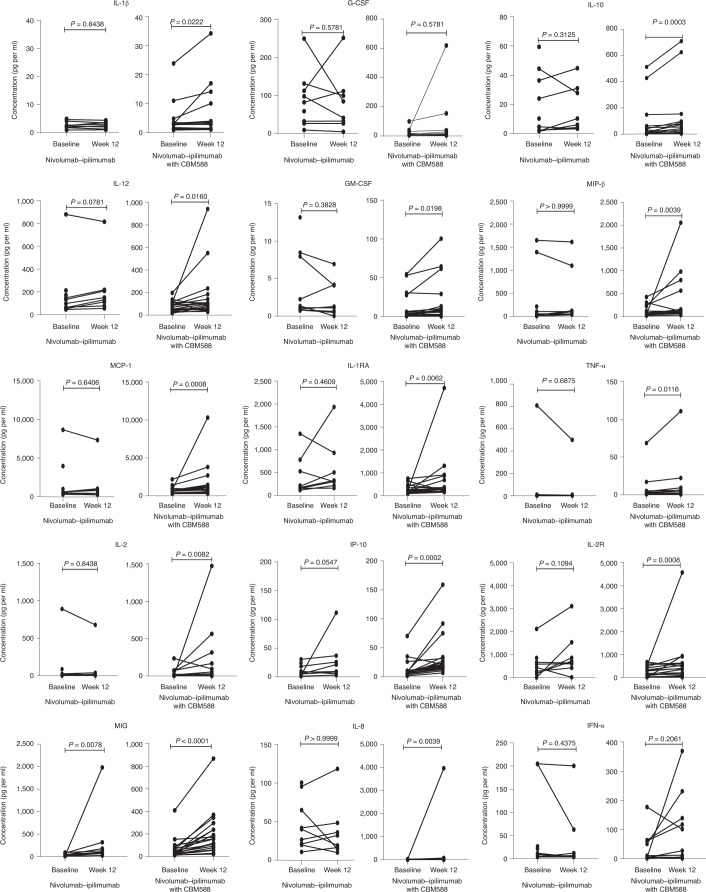
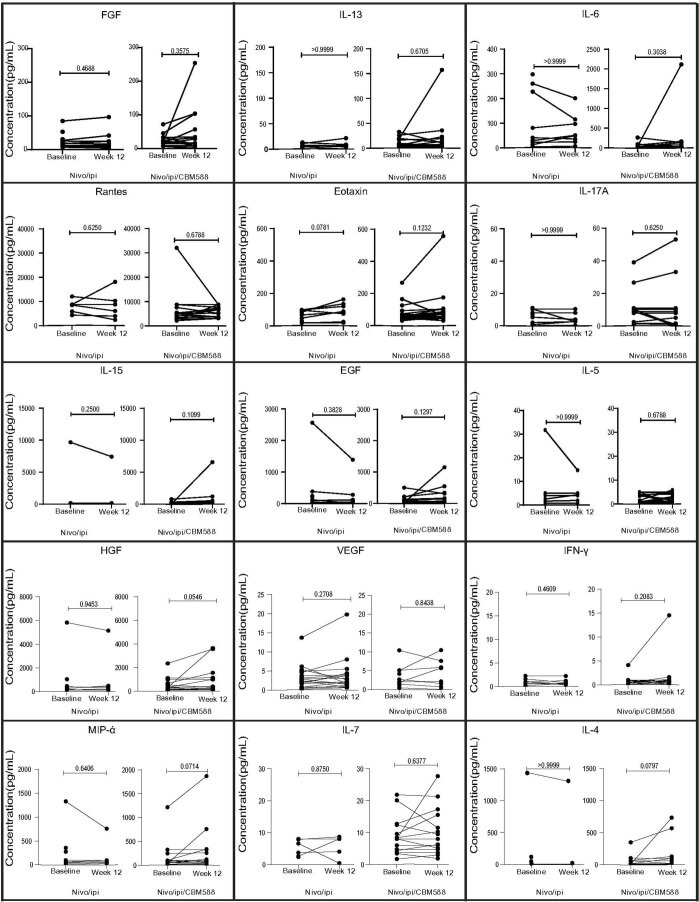
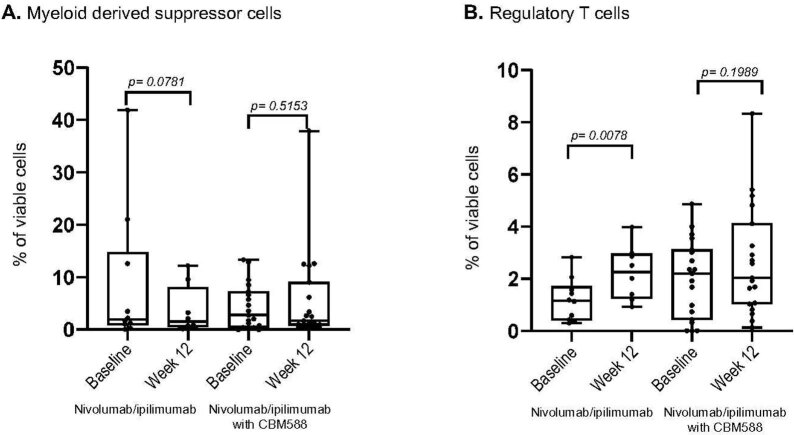
“Of 31 cytokines evaluated, only the level of monokine induced by interferon-γ (MIG, also known as CXCL9) was found to increase in both the nivolumab–ipilimumab and the nivolumab–ipilimumab plus CBM588 arms with time (P = 0.0078 and P < 0.0001, respectively).”
§ Nivolumab plus ipilimumab with or without live bacterial supplementation in metastatic renal cell carcinoma: a randomized phase 1 trial > Discussion
“we saw significant increases in chemokines including CCL2 (MCP-1), CCL4 (MIP-1β), CXCL9 (MIG) and CXCL10 (IP-10) in patients receiving CBM588, but not in the control arm.”
Rated minor: it would not touch a result — a value no result rests on, a p-value that stays on the same side of the significance level, or a conflict that is clerical, resolved elsewhere in the paper, or outside its own findings.
In the paper
“In 12 evaluable subjects, two partial responses were observed, including one response in a patient with prior exposure to checkpoint inhibition. The response rate of 18% seen in their study”
§ Nivolumab plus ipilimumab with or without live bacterial supplementation in metastatic renal cell carcinoma: a randomized phase 1 trial > Discussion
Reported 18 · recomputed 16.666667
Rated minor: it would not touch a result — a value no result rests on, a p-value that stays on the same side of the significance level, or a conflict that is clerical, resolved elsewhere in the paper, or outside its own findings.
In the paper
“| Arthralgia or myalgia | | | | 4 (22) | | |”
§ Nivolumab plus ipilimumab with or without live bacterial supplementation in metastatic renal cell carcinoma: a randomized phase 1 trial > Results > Safety
Reported 22 · recomputed 21.052632
Rated minor: it would not touch a result — a value no result rests on, a p-value that stays on the same side of the significance level, or a conflict that is clerical, resolved elsewhere in the paper, or outside its own findings.
In the paper
“| Adrenal insufficiency | | | | 3 (19) | 1 (5) | |”
§ Nivolumab plus ipilimumab with or without live bacterial supplementation in metastatic renal cell carcinoma: a randomized phase 1 trial > Results > Safety
Reported 19 · recomputed 15.789474
Rated minor: it would not touch a result — a value no result rests on, a p-value that stays on the same side of the significance level, or a conflict that is clerical, resolved elsewhere in the paper, or outside its own findings.
In the paper
§ Nivolumab plus ipilimumab with or without live bacterial supplementation in metastatic renal cell carcinoma: a randomized phase 1 trial > Results > Assessment of circulating cytokines and immune cell populations
“Figure: Fig. 4 Changes in circulating cytokine levels from baseline to week 13 by treatment arm.”
§ Nivolumab plus ipilimumab with or without live bacterial supplementation in metastatic renal cell carcinoma: a randomized phase 1 trial > Results > Assessment of circulating cytokines and immune cell populations
“We elected to use baseline and week 12 (±4 weeks) samples for this analysis because these are the typical timepoints used in first response assessment.”
Citations
Cites
Trimmomatic: a flexible trimmer for Illumina sequence data
Bolger, A. M., Lohse, M., & Usadel, B. (2014) · Bioinformatics · doi:10.1093/bioinformatics/btu170 · Cited by 65,548
Improved metagenomic analysis with Kraken 2
Wood, D. E., Lu, J., & Langmead, B. (2019) · Genome Biology · doi:10.1186/s13059-019-1891-0 · Cited by 7,061
Gut microbiome influences efficacy of PD-1-based immunotherapy against epithelial tumors
Routy, B., Le Chatelier, E., Derosa, L., Duong, C. P. M., Alou, M. T., Daillère, R., Fluckiger, A., Messaoudene, M., Rauber, C., Roberti, M. P., et al. (2018) · Science · doi:10.1126/science.aan3706 · Cited by 5,671
Gut microbiome modulates response to anti-PD-1 immunotherapy in melanoma patients
Gopalakrishnan, V., Spencer, C. N., Nezi, L., Reuben, A., Andrews, M. C., Karpinets, T. V., Prieto, P. A., Vicente, D., Hoffman, K., Wei, S. C., et al. (2018) · Science · doi:10.1126/science.aan4236 · Cited by 4,812
Nivolumab plus Ipilimumab versus Sunitinib in Advanced Renal-Cell Carcinoma
Motzer, R. J., Tannir, N. M., McDermott, D. F., Arén Frontera, O., Melichar, B., Choueiri, T. K., Plimack, E. R., Barthélémy, P., Porta, C., George, S., et al. (2018) · New England Journal of Medicine · doi:10.1056/nejmoa1712126 · Cited by 4,656
Commensal Bifidobacterium promotes antitumor immunity and facilitates anti–PD-L1 efficacy
Sivan, A., Corrales, L., Hubert, N., Williams, J. B., Aquino-Michaels, K., Earley, Z. M., Benyamin, F. W., Man Lei, Y., Jabri, B., Alegre, M.-L., et al. (2015) · Science · doi:10.1126/science.aac4255 · Cited by 3,888
Duodenal Infusion of Donor Feces for Recurrent Clostridium difficile
van Nood, E., Vrieze, A., Nieuwdorp, M., Fuentes, S., Zoetendal, E. G., de Vos, W. M., Visser, C. E., Kuijper, E. J., Bartelsman, J. F. W. M., Tijssen, J. G. P., et al. (2013) · New England Journal of Medicine · doi:10.1056/nejmoa1205037 · Cited by 3,708
Pembrolizumab plus axitinib versus sunitinib for advanced renal-cell carcinoma
Rini, B. I., Plimack, E. R., Stus, V., Gafanov, R., Hawkins, R., Nosov, D., Pouliot, F., Alekseev, B., Soulières, D., Melichar, B., et al. (2019) · New England Journal of Medicine · doi:10.1056/nejmoa1816714 · Cited by 3,403
The commensal microbiome is associated with anti-PD-1 efficacy in metastatic melanoma patients
Matson, V., Fessler, J., Bao, R., Chongsuwat, T., Zha, Y., Alegre, M.-L., Luke, J. J., & Gajewski, T. F. (2018) · Science · doi:10.1126/science.aao3290 · Cited by 3,107
Formation of propionate and butyrate by the human colonic microbiota
Louis, P., & Flint, H. J. (2017) · Environmental Microbiology · doi:10.1111/1462-2920.13589 · Cited by 3,028
Cited by
Items 201–300 of 515
Delcuratolo, M. D., Tucci, M., Turco, F., Stefano, R. F. D., Ungaro, A., Audisio, M., Samuelly, A., Brusa, F., Audisio, A., Maïo, M. D., et al. (2022) · Critical Reviews in Oncology/Hematology · doi:10.1016/j.critrevonc.2022.103881 · Cited by 13
A review on microbiota: relation with diseases and nutrients role
Öz, E., Şimşek, A., Şimşek, M., Tuncer, N., Bayrak, M., Çadırcı, K., Brennan, C. S., Kumar, M., Proestos, C., Brennan, M. A., et al. (2023) · International Journal of Food Science & Technology · doi:10.1111/ijfs.16530 · Cited by 15
Vongsavath, T., Rahmani, R., Tun, K. M., & Manne, V. (2024) · Cancers · doi:10.3390/cancers16030499 · Cited by 16
Xue, K., Li, J., & Huang, R. (2024) · Frontiers in Cellular and Infection Microbiology · doi:10.3389/fcimb.2024.1411249 · Cited by 16
Yang, Y. P., Guo, Y., Ding, Y., Li, J., Liang, L., Shi, D., Li, X., & Ma, Y. (2025) · Cell Reports Medicine · doi:10.1016/j.xcrm.2025.102234 · Cited by 19
Training the microbiota to increase immune checkpoint blockade and to reduce toxicity
Rescigno, M. (2023) · European Journal of Immunology · doi:10.1002/eji.202250183 · Cited by 16
The Microbiome in Advanced Melanoma: Where Are We Now?
Fortman, D. D., Hurd, D. E., & Davar, D. (2023) · Current Oncology Reports · doi:10.1007/s11912-023-01431-3 · Cited by 14
Fukushima, K., Kudo, H., Oka, K., Hayashi, A., Onizuka, M., Kusakabe, S., Hino, A., Takahashi, M., Takeda, K., Mori, M., et al. (2024) · Bone Marrow Transplantation · doi:10.1038/s41409-024-02250-1 · Cited by 16
Self-citationThe Microbiome Matters: Its Impact on Cancer Development and Therapeutic Responses
Chung, I.-Y., Kim, J. H., & Koh, A. (2024) · The Journal of Microbiology · doi:10.1007/s12275-024-00110-7 · Cited by 16
The Role of Bacteria in Central Nervous System Tumors: Opportunities and Challenges
Zhang, R., Li, X., & Zhang, S. (2024) · Microorganisms · doi:10.3390/microorganisms12061053 · Cited by 13
Gut microbiome associated with PARP inhibitor efficacy in patients with ovarian cancer
Okazawa‐Sakai, M., Sakai, S. A., Hyodo, I., Horasawa, S., Sawada, K., Fujisawa, T., Yamamoto, Y., Boku, S., Hayasaki, Y., Isobe, M., et al. (2025) · Journal of Gynecologic Oncology · doi:10.3802/jgo.2025.36.e38 · Cited by 13
The therapeutic promise of probiotic Bacteroides fragilis (BF839) in cancer immunotherapy
Peng, K., Li, Y., Yang, Q., Yu, P., Zeng, T., Lin, C., Deng, Y., & Chen, J. (2025) · Frontiers in Microbiology · doi:10.3389/fmicb.2025.1523754 · Cited by 17
The Gut Microbiome and Metastatic Renal Cell Carcinoma
Meza, L., Feng, M., Lee, K., Sperandio, R., & Pal, S. K. (2023) · Journal of Clinical Medicine · doi:10.3390/jcm12041502 · Cited by 12
Self-citationZhang, Y., & Liu, Z. (2025) · Advanced Science · doi:10.1002/advs.202508692 · Cited by 18
Soluble MAdCAM-1 as a biomarker in metastatic renal cell carcinoma
Silva, C. A. C., Machaalani, M., Saliby, R. M., Zhong, C., Xie, W., Pasolli, E., Piccinno, G., Dalban, C., Fidelle, M., Meurisse, A., et al. (2026) · Nature Medicine · doi:10.1038/s41591-025-04067-x · Cited by 17
Revisiting mechanisms of resistance to immunotherapies in metastatic clear-cell renal-cell carcinoma
Chatwal, M. S., Chahoud, J., & Spiess, P. E. (2023) · Cancer Drug Resistance · doi:10.20517/cdr.2023.09 · Cited by 12
Samnani, S., Sachedina, F., Gupta, M., Guo, E., & Navani, V. (2023) · Cancer Drug Resistance · doi:10.20517/cdr.2023.02 · Cited by 12
The emerging role of the gut microbiome in cancer cell plasticity and therapeutic resistance
Mondal, P., & Meeran, S. M. (2023) · Cancer and Metastasis Reviews · doi:10.1007/s10555-023-10138-7 · Cited by 12
Integrative Oncology Approaches to Supporting Immune Checkpoint Inhibitor Treatment of Solid Tumours
Fuller-Shavel, N., & Krell, J. (2024) · Current Oncology Reports · doi:10.1007/s11912-023-01492-4 · Cited by 15
Tong, L., Wan, Y., Shi, X., Liu, X., Liu, Z., Li, Y., Zhang, Y., Luo, D., & Zhu, J. (2024) · Cancer Control · doi:10.1177/10732748241253959 · Cited by 15
Microbial Therapeutics in Oncology: A Comprehensive Review of Bacterial Role in Cancer Treatment
Kunjalwar, R., Keerti, A., Chaudhari, A., Sahoo, K., & Meshram, S. (2024) · Cureus · doi:10.7759/cureus.70920 · Cited by 23
Pezeshki, B., Abdulabbas, H. T., Alturki, A. D., Mansouri, P., Zarenezhad, E., Nasiri‐Ghiri, M., & Ghasemian, A. (2025) · Probiotics and Antimicrobial Proteins · doi:10.1007/s12602-025-10462-0 · Cited by 15
The role of the urinary microbiome in genitourinary cancers
Lee, S., Sfanos, K. S., & Singla, N. (2025) · Nature Reviews Urology · doi:10.1038/s41585-025-01011-z · Cited by 16
Xu, J., Xu, H., Li, X., Huang, W., Li, Y., Guo, X., Zhu, M., Peng, Y., Zhou, Y., & Nie, Y. (2025) · Microbiological Research · doi:10.1016/j.micres.2025.128203 · Cited by 14
New Paradigms for Cytoreductive Nephrectomy
Lichtbroun, B. J., Srivastava, A., Doppalapudi, S. K., Chua, K. J., & Singer, E. A. (2022) · Cancers · doi:10.3390/cancers14112660 · Cited by 12
The Role of Tumor and Host Microbiome on Immunotherapy Response in Urologic Cancers
Drobner, J. C., Doppalapudi, K., Saraiya, B., Packiam, V. T., & Ghodoussipour, S. B. (2024) · Journal of Cancer Immunology · doi:10.33696/cancerimmunol.6.078 · Cited by 15
Exploring the role of gut microbiota in colorectal liver metastasis through the gut-liver axis
Liu, Q.-L., Zhou, H., Wang, Z., & Chen, Y. (2025) · Frontiers in Cell and Developmental Biology · doi:10.3389/fcell.2025.1563184 · Cited by 14
A Review of Immunotherapy in Renal Cell Carcinoma: Current Landscape and Future Directions
Peshin, S., Dharia, A. A., Moka, N., & Skelton, W. P. (2025) · Cancers · doi:10.3390/cancers17193139 · Cited by 15
Bacteria-mediated cancer therapy: A versatile bio-sapper with translational potential
Luo, M., Chen, X., Gao, H., Yang, F., Chen, J., & Qiao, Y. (2022) · Frontiers in Oncology · doi:10.3389/fonc.2022.980111 · Cited by 11
Du, P., Jing, J., & He, X. (2022) · Frontiers in Pharmacology · doi:10.3389/fphar.2022.1091124 · Cited by 15
Arai, J., Niikura, R., Hayakawa, Y., Suzuki, N., Honda, T., Okamura, T., Hasatani, K., Yoshida, N., Nishida, T., Sumiyoshi, T., et al. (2023) · Cancer Medicine · doi:10.1002/cam4.6313 · Cited by 11
Systemic metabolic depletion of gut microbiome undermines responsiveness to melanoma immunotherapy
Zakharevich, N. V., Morozov, M. D., Kanaeva, V. A., Filippov, M. S., Zyubko, T., Ivanov, A. B., Игоревич, У. В., Klimina, K. M., & Olekhnovich, E. I. (2024) · Life Science Alliance · doi:10.26508/lsa.202302480 · Cited by 12
Bacteria-based cancer therapy: Looking forward
Tieu, M., Pham, D., & Cho, S. (2024) · Biochimica et Biophysica Acta (BBA) - Reviews on Cancer · doi:10.1016/j.bbcan.2024.189112 · Cited by 12
Microbes in the tumor microenvironment: New additions to break the tumor immunotherapy dilemma
Zhou, L., Fan, S., Zhang, W., Wang, D., & Tang, D. (2024) · Microbiological Research · doi:10.1016/j.micres.2024.127777 · Cited by 13
Wang, W., Zheng, Y., Wu, Z., Wu, M., Chen, Y., Zhang, Y., Fu, S., & Wu, J. (2024) · Journal of Translational Medicine · doi:10.1186/s12967-024-05469-0 · Cited by 13
Hirasawa, Y., Kubota, Y., Mura, E., Suzuki, R., Tsurui, T., Iriguchi, N., Ishiguro, T., Ohkuma, R., Shimokawa, M., Ariizumi, H., et al. (2024) · Anticancer Research · doi:10.21873/anticanres.17160 · Cited by 15
Unveiling the intratumor microbiome in liver cancer: Current insights and prospective applications
Ke, X., Jiang, S., Wei, Q., Sun, M., Sun, H., Pang, M., Liu, M., Sun, L., Yang, H., & Mao, Y. (2025) · Clinical and Molecular Hepatology · doi:10.3350/cmh.2024.1039 · Cited by 14
Immune approaches beyond traditional immune checkpoint inhibitors for advanced renal cell carcinoma
Jang, A., Lichterman, J. N., Zhong, J. Y., Shoag, J. E., Garcia, J. A., Zhang, T., & Barata, P. C. (2023) · Human Vaccines & Immunotherapeutics · doi:10.1080/21645515.2023.2276629 · Cited by 13
Rühle, A., Zou, J., Glaser, M., Halle, L., Gkika, E., Schäfer, H. S., Knopf, A., Becker, C., Grosu, A., Popp, I., et al. (2023) · European Archives of Oto-Rhino-Laryngology · doi:10.1007/s00405-023-07868-3 · Cited by 16
Host-microbiota interactions in genitourinary cancer immunotherapy
Xu, X., Cui, J., Li, W., Xu, Y., Yuan, S., Zeng, X., & Li, B. (2025) · Seminars in Cancer Biology · doi:10.1016/j.semcancer.2025.07.005 · Cited by 12
Güven, D. C., Şahin, T. K., Rizzo, A., Ricci, A. D., Aksoy, S., & Şahin, K. (2022) · Applied Sciences · doi:10.3390/app122010548 · Cited by 11
Jaeghere, E. A. D., Hamerlinck, H., Tuyaerts, S., Lippens, L., Nuffel, A. M. T. V., Baiden-Amissah, R. E. M., Vuylsteke, P., Henry, S., Trinh, X. B., van Dam, P. A., et al. (2024) · Gynecologic Oncology · doi:10.1016/j.ygyno.2024.10.020 · Cited by 13
Cancer stem-like cells stay in a plastic state ready for tumor evolution
Xu, J., Zhang, H., Nie, Z., He, W., Zhao, Y., Huang, Z., Jia, L., Du, Z., Zhang, B., & Xia, S. (2025) · Neoplasia · doi:10.1016/j.neo.2025.101134 · Cited by 15
Application of bifidobacterium in tumor therapy
Kong, Y., Bai, H., Deng, F., Zhao, Y., Li, Q., & Chang, L. (2025) · Frontiers in Oncology · doi:10.3389/fonc.2025.1551924 · Cited by 13
Immunotherapy response-associated Akkermansia: canary in a coal mine?
Cascone, T., Chelvanambi, M., & Wargo, J. A. (2022) · Trends in Immunology · doi:10.1016/j.it.2022.03.007 · Cited by 10
A Profile of Avelumab Plus Axitinib in the Treatment of Renal Cell Carcinoma
Meyo, M. T., Chen, J., Goldwasser, F., Hirsch, L., & Huillard, O. (2022) · Therapeutics and Clinical Risk Management · doi:10.2147/tcrm.s263832 · Cited by 13
Gut microbiome and cancer implications: Potential opportunities for fermented foods
Crowder, S. L., Jim, H., Hogue, S., Carson, T. L., & Byrd, D. A. (2023) · Biochimica et Biophysica Acta (BBA) - Reviews on Cancer · doi:10.1016/j.bbcan.2023.188897 · Cited by 12
A New Treatment Landscape for RCC: Association of the Human Microbiome with Improved Outcomes in RCC
Piao, X., Byun, Y. J., Zheng, C.-M., Song, S. J., Kang, H. W., Kim, W. T., & Yun, S. J. (2023) · Cancers · doi:10.3390/cancers15030935 · Cited by 12
Rationalizing rules for immunotherapy combination trials: About time for precision immunotherapy
Desai, A. P., & Subbiah, V. (2022) · Cancer · doi:10.1002/cncr.34514 · Cited by 10
Funayama, E., Hosonuma, M., Tajima, K., Isobe, J., Baba, Y., Murayama, M., Narikawa, Y., Toyoda, H., Tsurui, T., Maruyama, Y., et al. (2025) · Biomedicine & Pharmacotherapy · doi:10.1016/j.biopha.2024.117749 · Cited by 9
Limeta, A., Gatto, F., Herrgård, M. J., Ji, B., & Nielsen, J. (2023) · Computational and Structural Biotechnology Journal · doi:10.1016/j.csbj.2023.07.032 · Cited by 9
Majumder, B., Nataraj, N. B., Maitreyi, L., & Datta, S. (2024) · Frontiers in Immunology · doi:10.3389/fimmu.2024.1414376 · Cited by 11
Gut reactions: harnessing microbial metabolism to fuel next-generation cancer immunotherapy
Almonte, A. A., & Zitvogel, L. (2025) · Journal for ImmunoTherapy of Cancer · doi:10.1136/jitc-2025-011540 · Cited by 9
Dayhimi, A., Jazi, K., Bigdeli, Y., Farhoudi, F., Erfanimanesh, M., Esmaeili, M., Gorjipour, F., Ajami, M., & Pazoki–Toroudi, H. (2025) · Technology in Cancer Research & Treatment · doi:10.1177/15330338251365700 · Cited by 14
Xian, Y., Chen, Z., Lan, Z., Zhang, C., Sun, H., Liu, Z., Kong, P., Liang, Y., Zhao, Y., Liu, S. M., et al. (2025) · Gut Microbes · doi:10.1080/19490976.2025.2557978 · Cited by 12
The gut wall’s potential as a partner for precision oncology in immune checkpoint treatment
Lopez, S. H., Jalving, M., Fehrmann, R. S. N., Nagengast, W. B., de Vries, E. G. E., & de Haan, J. J. (2022) · Cancer Treatment Reviews · doi:10.1016/j.ctrv.2022.102406 · Cited by 9
Fahey, C. C., Shevach, J. W., Flippot, R., Albiges, L. K., Haas, N. B., & Beckermann, K. E. (2023) · American Society of Clinical Oncology Educational Book · doi:10.1200/edbk_389650 · Cited by 9
Neoadjuvant Immunotherapy in Early, Triple-Negative Breast Cancers: Catching Up with the Rest
Kim, L., Coman, M., Pusztai, L., & Park, T. S. (2023) · Annals of Surgical Oncology · doi:10.1245/s10434-023-13714-x · Cited by 9
Emerging Biomarkers of Response to Systemic Therapies in Metastatic Clear Cell Renal Cell Carcinoma
Labaki, C., Saliby, R. M., Bakouny, Z., Saad, E., Semaan, K., Eid, M., Lalani, A. A., Choueiri, T. K., & Braun, D. A. (2023) · Hematology/Oncology Clinics of North America · doi:10.1016/j.hoc.2023.05.021 · Cited by 10
Established and Emerging Biomarkers of Immunotherapy in Renal Cell Carcinoma
Jani, Y. C., Jansen, C. S., Gerke, M. B., & Bilen, M. A. (2024) · Immunotherapy · doi:10.2217/imt-2023-0267 · Cited by 8
Regulatory role of gut microbiota in immunotherapy of hepatocellular carcinoma
Du, J., Guan, Y., & Zhang, E. (2025) · Hepatology International · doi:10.1007/s12072-025-10822-6 · Cited by 10
Unraveling the Role of the Microbiota in Cancer Immunotherapy: A New Frontier
Wang, S., Li, S., Zhang, M., Liu, R., Ye, X., Mao, S., Yu, J., Xie, X., & Tan, W. (2025) · Research · doi:10.34133/research.0744 · Cited by 13
Tajima, K., Hosonuma, M., Funayama, E., Isobe, J., Baba, Y., Murayama, M., Narikawa, Y., Toyoda, H., Tsurui, T., Maruyama, Y., et al. (2025) · International Journal of Cancer · doi:10.1002/ijc.35472 · Cited by 13
Hu, S., Luo, C., Wan, S., Zhang, S., Li, N., Liu, G., & Zhao, L.-Y. (2026) · BMC Cancer · doi:10.1186/s12885-026-15655-6 · Cited by 11
The 5th Kidney Cancer Research Summit: Research Accelerating Cures for Renal Cell Carcinoma in 2023
Choueiri, T. K., Pal, S. K., Lewis, B., Poteat, S., Pels, K., & Hammers, H. J. (2023) · The Oncologist · doi:10.1093/oncolo/oyad322 · Cited by 8
Self-citationImmunotherapy efficacy and toxicity: Reviewing the evidence behind patient implementable strategies
Verhaert, M., & Aspeslagh, S. (2024) · European Journal of Cancer · doi:10.1016/j.ejca.2024.114235 · Cited by 11
Determining Front-Line Therapeutic Strategy for Metastatic Clear Cell Renal Cell Carcinoma
Zarrabi, K. K., Lanade, O., & Geynisman, D. M. (2022) · Cancers · doi:10.3390/cancers14194607 · Cited by 8
Targeting microbiome, drug metabolism, and drug delivery in oncology
Sumiyoshi, A., Fujii, H., & Okuma, Y. (2023) · Advanced Drug Delivery Reviews · doi:10.1016/j.addr.2023.114902 · Cited by 9
Antibiotic Therapy: The Cornerstone of Iatrogenic Resistance to Immune Checkpoint Inhibitors
Pinato, D. J., & Cortellini, A. (2023) · Journal of Clinical Oncology · doi:10.1200/jco.23.00049 · Cited by 8
Oliva, M., Heirali, A., Watson, G. A., Rooney, A. M., Cochrane, K., Jennings, S., Taylor, R., Xu, M., Hosni, A., Hope, A. J., et al. (2024) · British Journal of Cancer · doi:10.1038/s41416-024-02701-y · Cited by 8
The emerging role of GLP-1 receptor agonists in treating or preventing cancer
Benjamin, D. J., & Hoff, D. D. V. (2024) · Cancer Drug Resistance · doi:10.20517/cdr.2024.116 · Cited by 9
Yonemoto, T., Ogasawara, S., Kanogawa, N., Miwa, C., Fujiya, M., Tsuchiya, T., Sawada, M., Akatsuka, T., Izai, R., Yumita, S., et al. (2025) · Hepatology Research · doi:10.1111/hepr.14160 · Cited by 8
Clinical Applications of Microbiome in Renal Cell Carcinoma
Elyas, S., Barata, P. C., & Vaishampayan, U. N. (2024) · European Urology Focus · doi:10.1016/j.euf.2024.12.006 · Cited by 9
Rafie, E., Zugman, M., Pal, S. K., Routy, B., & Elkrief, A. (2024) · European Urology Focus · doi:10.1016/j.euf.2024.12.009 · Cited by 8
Self-citationRational bioengineering of polysaccharide in designing of microbiome modulation
Moon, J. H., Kim, K. H., Kim, Y., & Son, S. (2025) · Trends in biotechnology · doi:10.1016/j.tibtech.2025.08.014 · Cited by 12
Microbiota: a dawn for cancer metastasis therapy
Xia, S., Jia, D., & Wang, L. (2025) · Trends in Molecular Medicine · doi:10.1016/j.molmed.2025.09.008 · Cited by 9
The Microbiome and Genitourinary Cancers: A New Frontier
Winslow, T. B., Gupta, S., Vaddaraju, V., Guercio, B. J., & Sahasrabudhe, D. M. (2025) · Cancers · doi:10.3390/cancers17223606 · Cited by 7
Engineering microbial metabolites to modulate tumor immunity and advance cancer immunotherapy
Chigozie, V. U., & Esimone, C. O. (2026) · Discover Immunity. · doi:10.1007/s44368-026-00019-w · Cited by 11
Microbiota-derived metabolites as modulators of cancer immunotherapy response
Toner-Bartelds, C., Mimpen, I. L., Parra-Martinez, M., Burgering, B. M. T., & Voest, E. E. (2026) · Nature Communications · doi:10.1038/s41467-026-72178-1 · Cited by 10
Drobner, J. C., Lichtbroun, B. J., Singer, E. A., & Ghodoussipour, S. B. (2023) · Technology in Cancer Research & Treatment · doi:10.1177/15330338231164196 · Cited by 8
Taguchi, S., Kawai, T., Nakagawa, T., & Kume, H. (2023) · Japanese Journal of Clinical Oncology · doi:10.1093/jjco/hyad172 · Cited by 8
Immuno-Oncology Advances in Genitourinary Cancers
Zang, P. D., Angeles, A., Dorff, T. B., Pal, S. K., & Gupta, S. (2024) · American Society of Clinical Oncology Educational Book · doi:10.1200/edbk_430428 · Cited by 9
Self-citationDas, M., Kiruthiga, C., Shafreen, R. B., Nachammai, K. T., Selvaraj, C., & Kulanthaivel, L. (2025) · European Journal of Pharmacology · doi:10.1016/j.ejphar.2025.177436 · Cited by 8
The Crosstalk between Microbiome and Immunotherapeutics: Myth or Reality
Tojjari, A., Abushukair, H. M., & Saeed, A. (2022) · Cancers · doi:10.3390/cancers14194641 · Cited by 9
Tumor resident microbiota and response to therapies: An insight on tissue bacterial microbiota
Pirini, F., Cortesi, M., Tumedei, M. M., Zanoni, M., Ravaioli, S., & Bravaccini, S. (2023) · Frontiers in Cell and Developmental Biology · doi:10.3389/fcell.2022.1048360 · Cited by 8
Bhatt, A., Haslam, A., & Prasad, V. K. (2023) · Journal of Cancer Research and Clinical Oncology · doi:10.1007/s00432-023-04656-8 · Cited by 8
Bertuccioli, A., Cardinali, M., Zonzini, G. B., Neri, M., Palazzi, C. M., Gregoretti, A., Cazzaniga, M., & Pierro, F. D. (2023) · Microbiology Research · doi:10.3390/microbiolres14020036 · Cited by 10
Clinical Applications of the Gut Microbiome in Genitourinary Cancers
Nguyen, C. B., & Vaishampayan, U. N. (2024) · American Society of Clinical Oncology Educational Book · doi:10.1200/edbk_100041 · Cited by 8
Auclin, É., Dugage, M. R., Gorría, T., Vauchier, C., Thibault, C., Laguna, J. C., Lupinacci, L., Crous, C., Naigeon, M., Oudard, S. M., et al. (2024) · Lung Cancer · doi:10.1016/j.lungcan.2024.108039 · Cited by 7
Sawada, K., Yamashita, R., Sakai, S. A., Horasawa, S., Yoshikawa, A., Fujisawa, T., Kadowaki, S., Kato, K., Ueno, M., Oki, E., et al. (2025) · Cancer Research Communications · doi:10.1158/2767-9764.crc-24-0543 · Cited by 10
Leveraging gut microbiota for enhanced immune checkpoint blockade in solid tumor therapy
Hu, J., Feng, T., Zhang, L., Zhou, Q., & Zhu, L. (2025) · Chinese Medical Journal · doi:10.1097/cm9.0000000000003687 · Cited by 8
Safarzadeh, S., Naghib, S. M., & Takdehghan, G. (2025) · Carbohydrate Polymer Technologies and Applications · doi:10.1016/j.carpta.2025.100956 · Cited by 14
Kawczak, P., Feszak, I. J., & Bączek, T. (2025) · Cancers · doi:10.3390/cancers17172805 · Cited by 9
Microbial Metabolic Pathways Guide Response to Immune Checkpoint Blockade Therapy
Mimpen, I. L., Battaglia, T., Parra-Martinez, M., Toner-Bartelds, C., Zeverijn, L. J., Geurts, B. S., Verkerk, K., Hoes, L. R., van Renterghem, A. W. J., Noë, M., et al. (2025) · Cancer Discovery · doi:10.1158/2159-8290.cd-24-1669 · Cited by 11
Xu, J., Chen, H., Yu, Y.-Y., Chen, T., Wang, Y., Xue, W., Zheng, J., Liu, J., & Zhai, W. (2025) · Cell Reports Medicine · doi:10.1016/j.xcrm.2025.102410 · Cited by 14
Microbiota and cancer immunotherapy: Mechanisms, clinical implications, and precision therapeutics
Wei, D., Sun, Y., Han, J., & Liu, J. (2025) · Seminars in Cancer Biology · doi:10.1016/j.semcancer.2025.12.002 · Cited by 9
Chen, Y., Wang, Y., Hu, J.-Y., Wang, E.-C., Jia, X.-H., Wang, J., Min, G., Jin, W.-L., & Jiang, L. (2026) · Gut Microbes · doi:10.1080/19490976.2026.2652476 · Cited by 9
Nouso, K., Shiota, S., Fujita, R., Wakuta, A., Kariyama, K., Hiraoka, A., Atsukawa, M., Tani, J., Tada, T., Nakamura, S., et al. (2023) · Cancer Medicine · doi:10.1002/cam4.6416 · Cited by 5
Liu, Z., Chu, H., Zhao, W., Yang, C., Liu, T., Shen, N., & Tang, Z. (2024) · Advanced Science · doi:10.1002/advs.202408899 · Cited by 10
Radoš, L., Golčić, M., & Mikolašević, I. (2025) · Biomedicines · doi:10.3390/biomedicines13010096 · Cited by 7
Metadata
- Authors
- Dizman, N., Meza, L., Bergerot, P., Alcantara, M., Dorff, T., Lyou, Y., Frankel, P., Cui, Y., Mira, V., Llamas, M., Hsu, J., Zengin, Z., Salgia, N., Salgia, S., Malhotra, J., Chawla, N., Chehrazi-Raffle, A., Muddasani, R., Gillece, J., Reining, L., Trent, J., Takahashi, M., Oka, K., Higashi, S., Kortylewski, M., Highlander, S. K., & Pal, S. K.
- Affiliations
- City Of Hope National Medical Center (US)
- Translational Genomics Research Institute (US)
- Miyarisan Pharmaceutical Co., Ltd. (Japan) (JP)
- Corresponding author
- Highlander, Sarah K.
- Pal, Sumanta K.
- ORCID
- Venue
- Nature Medicine
- Published
- 2022-02-28
- Volume
- 28
- Issue
- 4
- Pages
- 704-712
- ISSN
- 1078-8956 (ISSN-L)
- 1546-170X
- PMC
- PMC9018425
- OpenAlex
- W4214706689
- Semantic Scholar
- 75ac6d52f29237478ff316edab1cf5339f3d0674
- Cited by
- 515
- References
- 48
- Citations by year
- 2026: 111 · 2025: 115 · 2024: 120 · 2023: 116 · 2022: 52
- FWCI
- 42.10
- Type
- journal article
- Language
- en
- Open access
- hybrid
- doi.org
- Licence
- cc-by
- creativecommons.org/licenses/by/4.0 (tdm)
- creativecommons.org/licenses/by/4.0 (vor)
- Locations
- Nature Medicine (publishedVersion, cc-by)
- PubMed Central (publishedVersion, cc-by)
- PubMed (publishedVersion)
- Funders
- Gateway for Cancer Research
- National Cancer Institute (P30CA033572)
- Topics
- Health Sciences › Medicine › Oncology › Cancer Immunotherapy and Biomarkers
- Health Sciences › Medicine › Oncology › Renal cell carcinoma treatment
- Life Sciences › Biochemistry, Genetics and Molecular Biology › Molecular Biology › Gut microbiota and health
- Keywords
- nivolumab, ipilimumab, metastatic renal cell carcinoma, gut microbiota, Bifidobacterium, immune checkpoint inhibitors, combination immunotherapy, progression-free survival, response rate, stool metagenomics
- MeSH terms
- Ipilimumab, Nivolumab, Antineoplastic Combined Chemotherapy Protocols, Carcinoma, Renal Cell, Female, Humans, Kidney Neoplasms, Male, Dietary Supplements
About these checks
Registry, retraction, Cites and statistics results are computed, not judged, with one exception: a printed reference that no index lists is read once by a model before it counts as a citation error. Claims are extracted by a model and kept only when their quote appears verbatim in the text; each cited source is then checked, with a model’s help, for whether it says what the claim relies on. Those verdicts can be wrong — read the claim’s quote and the cited source before relying on one.
The claim verdicts this report counts are experimental: their accuracy is not yet measured.
A language model drew the claims from the paper on 2026-10-05, under version 3 of the claim definition (model deepseek-v4.1-flash, prompt extract-v3).
A second model labelled each claim on 2026-10-05 (model jev-1.13-20260917, definition revision gold-guideline-v0.2).
Cited sources are checked with a language model’s help (qwen3.8-omni-flash and gpt-6-sol).
Statistics and arithmetic are recomputed, not judged.
Confidence bands are shown only for fields calibrated on our annotated test set. None is calibrated yet, so no band is shown.
What counts as a claim ›How we measure confidence ›How we check this ›
Are you an author, or do you see a problem with this page? Request a review
Data sources
Bibliographic data: Semantic Scholar, OpenAlex, Crossref.
Contains information from the Semantic Scholar Academic Graph Datasets, made available under the ODC Attribution License (ODC-BY 1.0).
Semantic Scholar’s data is described in: Kinney, R., et al. (2023). The Semantic Scholar Open Data Platform. arXiv:2301.10140.
