

Nicheformer: a foundation model for single-cell and spatial omics
Open accessThe DOI matches its Crossref record; 221 of the 221 references it cites were found in a registry or an index.
Abstract
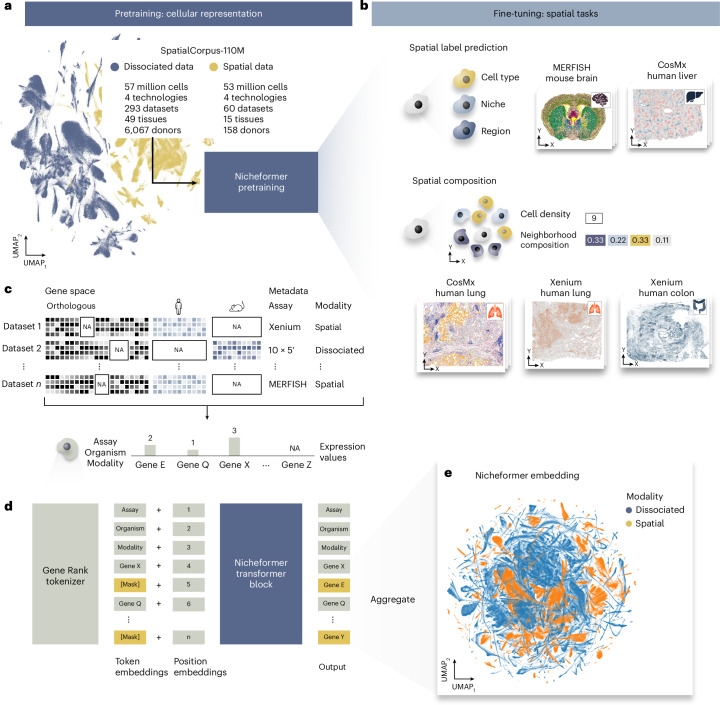
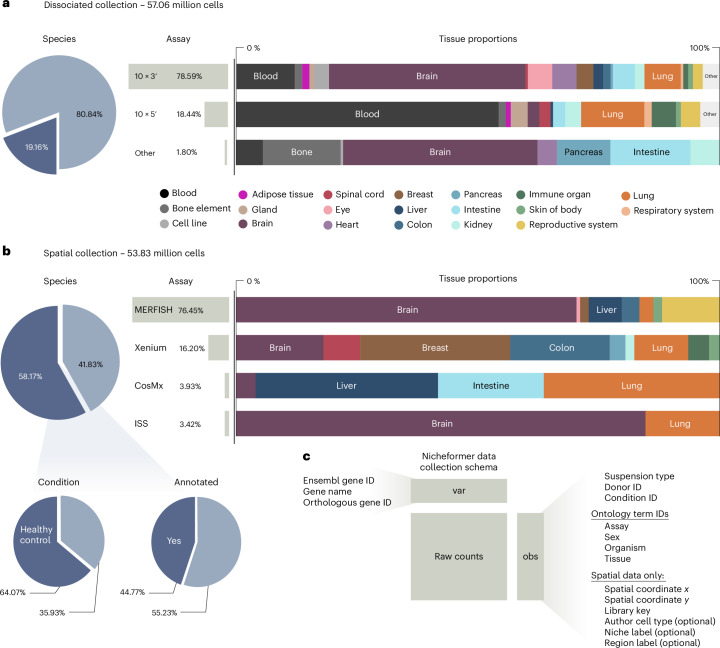
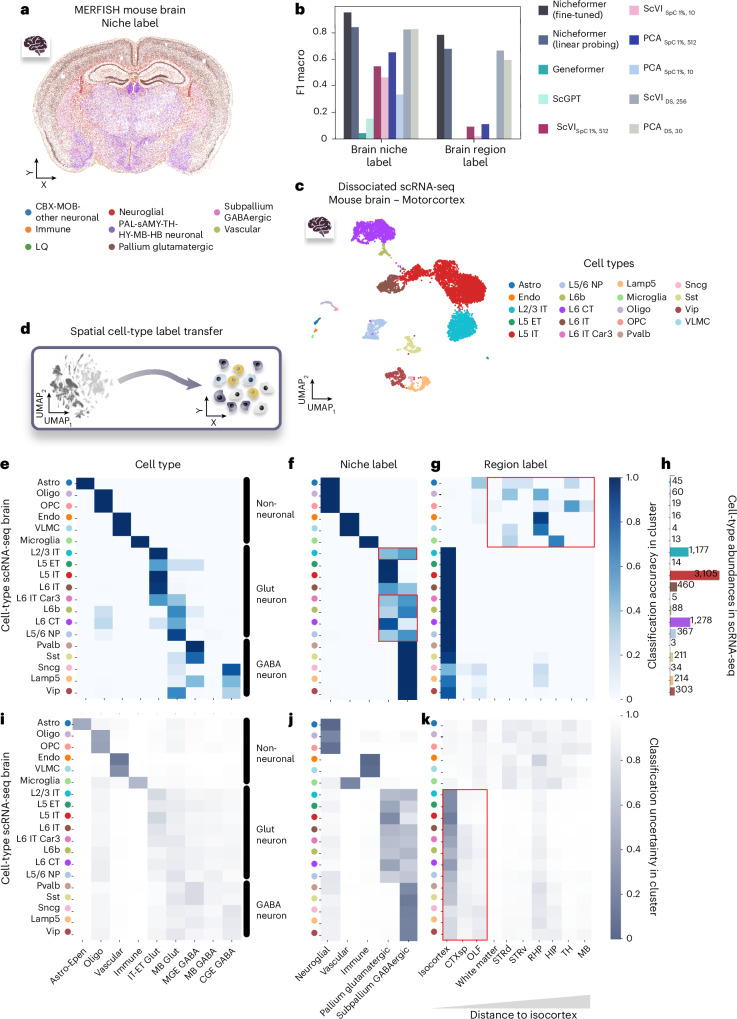
Tissue makeup depends on the local cellular microenvironment. Spatial single-cell genomics enables scalable and unbiased interrogation of these interactions. Here we introduce Nicheformer, a transformer-based foundation model trained on both human and mouse dissociated single-cell and targeted spatial transcriptomics data. Pretrained on SpatialCorpus-110M, a curated collection of over 57 million dissociated and 53 million spatially resolved cells across 73 tissues on cellular reconstruction, Nicheformer learns cell representations that capture spatial context. It excels in linear-probing and fine-tuning scenarios for a newly designed set of downstream tasks, in particular spatial composition prediction and spatial label prediction. Critically, we show that models trained only on dissociated data fail to recover the complexity of spatial microenvironments, underscoring the need for multiscale integration. Nicheformer enables the prediction of the spatial context of dissociated cells, allowing the transfer of rich spatial information to scRNA-seq datasets. Overall, Nicheformer sets the stage for the next generation of machine-learning models in spatial single-cell analysis.
Overview
The claims and statistics of this paper haven’t been checked yet.
Free: it reads the open-access text and checks the first 5 claims that cite a source we can check. Create a free account to check every claim.
Integrity signals
Registry
Cites
Statistics
Figures
Verification
Claims the paper makes
The claims and statistics of this paper haven’t been checked yet.
Free: it reads the open-access text and checks the first 5 claims that cite a source we can check. Create a free account to check every claim.
Claims other papers make about this one
Each is checked against this paper’s own text: does it say what the citing paper says it does?
The source backs part of the claim, not all of it — or backs it for a different population, condition or comparison.
In the citing paper
“Empirical benchmarking studies have documented substantial performance degradation for biological foundation models under cross-platform transfer, preprocessing variability, and rare-population evaluation [20–24].”
From The next paradigm in bioinformatics: a review of multi-agent systems and foundational models for end-to-end scientific discovery (2026) · cites this paper as [21]
Experimental — accuracy not yet measuredThe source backs part of the claim, not all of it — or backs it for a different population, condition or comparison.
In the citing paper
“Foundation models for single-cell and multi-omic biology, such as scGPT [20], Nicheformer [21], and EpiAgent [22, 23], produce high-quality continuous representations of biological entities that support cross-tissue transfer, perturbation inference, and regulatory feature learning.”
From The next paradigm in bioinformatics: a review of multi-agent systems and foundational models for end-to-end scientific discovery (2026) · cites this paper as [21]
Experimental — accuracy not yet measuredThe source backs part of the claim, not all of it — or backs it for a different population, condition or comparison.
In the citing paper
“Recent work suggests that architectural choices, such as generative versus contrastive pretraining objectives, introduce distinct trade-offs between representation flexibility, interpretability, and robustness to experimental variability [20–23, 36].”
From The next paradigm in bioinformatics: a review of multi-agent systems and foundational models for end-to-end scientific discovery (2026) · cites this paper as [21]
Experimental — accuracy not yet measuredThe source backs part of the claim, not all of it — or backs it for a different population, condition or comparison.
In the citing paper
“Empirical benchmarking studies have shown that performance improvements observed in standard evaluation settings can decrease substantially when models are tested across different laboratories, sequencing platforms, or preprocessing pipelines [20–23].”
From The next paradigm in bioinformatics: a review of multi-agent systems and foundational models for end-to-end scientific discovery (2026) · cites this paper as [21]
Experimental — accuracy not yet measuredThe source backs part of the claim, not all of it — or backs it for a different population, condition or comparison.
In the citing paper
“In spatial omics, agentic workflows could integrate imaging data, spatially resolved transcriptomics, and histological annotations to reconstruct tissue microenvironments, with reflection modules monitoring consistency across spatial resolutions and batch effects [16, 21].”
From The next paradigm in bioinformatics: a review of multi-agent systems and foundational models for end-to-end scientific discovery (2026) · cites this paper as [21]
Experimental — accuracy not yet measured
1 more claim about this paper
Create a free account to see every claim other papers make about this one.
Self-check
Percentages, sums and reported differences re-computed from the paper’s own numbers.
The self-check needs the paper’s full text.
Citations
Cites
Language Models are Few-Shot Learners
Brown, T. B., Mann, B., Ryder, N., Subbiah, M., Kaplan, J., Dhariwal, P., Neelakantan, A., Shyam, P., Sastry, G., Askell, A., et al. (2020) · arXiv · doi:10.48550/arxiv.2005.14165 · Cited by 23,372 · cited 1×
“The organ-specific spatial context learned by Nicheformer can then be used to evaluate the model’s ability to generalize information learned from spatial transcriptomics data, without directly accounting for the available spatial context, and transfer it to dissociated data.”
Gene Expression Omnibus: NCBI gene expression and hybridization array data repository
Edgar, R. (2002) · Nucleic Acids Research · doi:10.1093/nar/30.1.207 · Cited by 13,288 · cited 2×
“We collected and combined dissociated single-cell and single-nucleus data from the latest patch of CellXGene 70 , 50 additional curated studies available through the sfaira data zoo 35 , 150 datasets acquired through the GEO data repository 34,71 and 4 data-sets from the HCA data explorer 72 .”
Decoupled Weight Decay Regularization
Loshchilov, I., & Hutter, F. (2017) · arXiv · doi:10.48550/arxiv.1711.05101 · Cited by 12,522
NCBI GEO: archive for functional genomics data sets—update
Barrett, T., Wilhite, S. E., Ledoux, P., Evangelista, C., Kim, I. F., Tomashevsky, M., Marshall, K. A., Phillippy, K. H., Sherman, P. M., Holko, M., et al. (2012) · Nucleic Acids Research · doi:10.1093/nar/gks1193 · Cited by 10,418 · cited 8×
“Lastly, we followed the same approach for the four HCA data explorer 36 datasets as for the GEO datasets.”
InfluentialScaling Laws for Neural Language Models
Kaplan, J., McCandlish, S., Henighan, T., Brown, T. B., Chess, B., Child, R., Gray, S., Radford, A., Wu, J., & Amodei, D. (2020) · arXiv · doi:10.48550/arxiv.2001.08361 · Cited by 9,550 · cited 1×
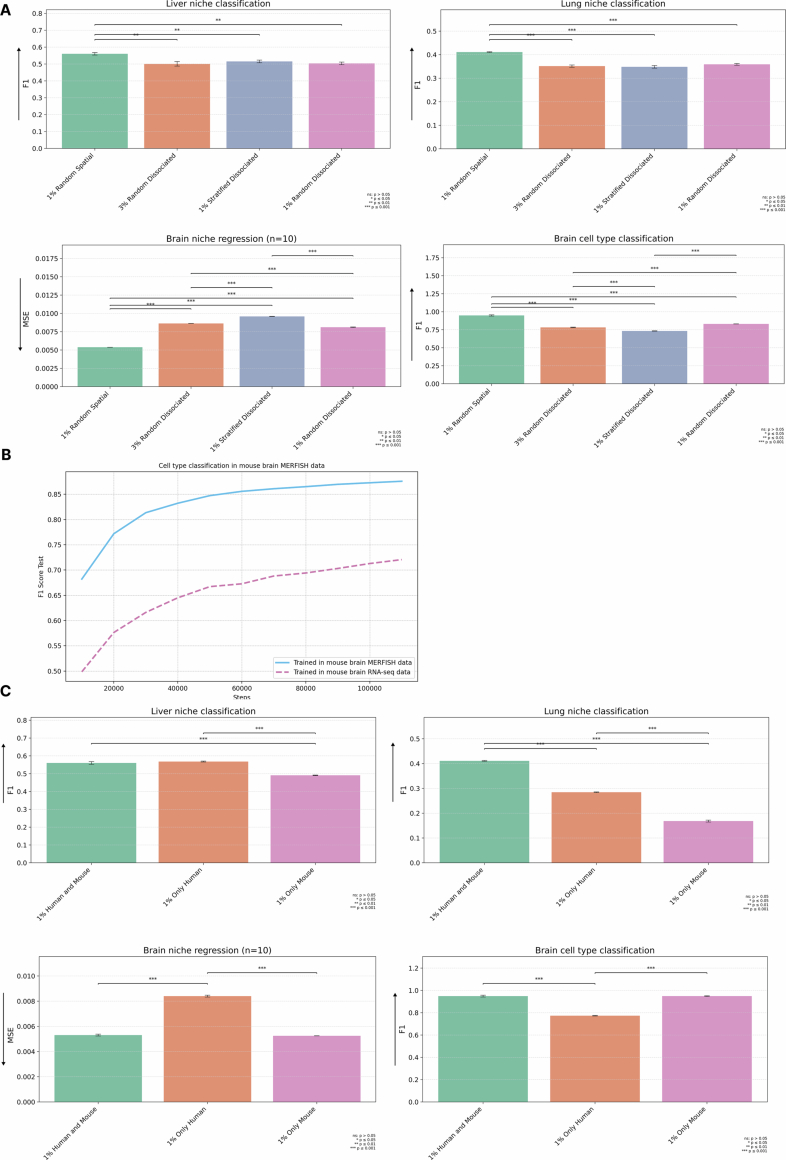
“2a,c) and highlight the importance of data diversity in model training for optimal performance across context 33 .”
Type, Density, and Location of Immune Cells Within Human Colorectal Tumors Predict Clinical Outcome
Galon, J., Costes, A., Sanchez-Cabo, F., Kirilovsky, A., Mlecnik, B., Lagorce-Pagès, C., Tosolini, M., Camus, M., Berger, A., Wind, P., et al. (2006) · Science · doi:10.1126/science.1129139 · Cited by 6,516 · cited 2×
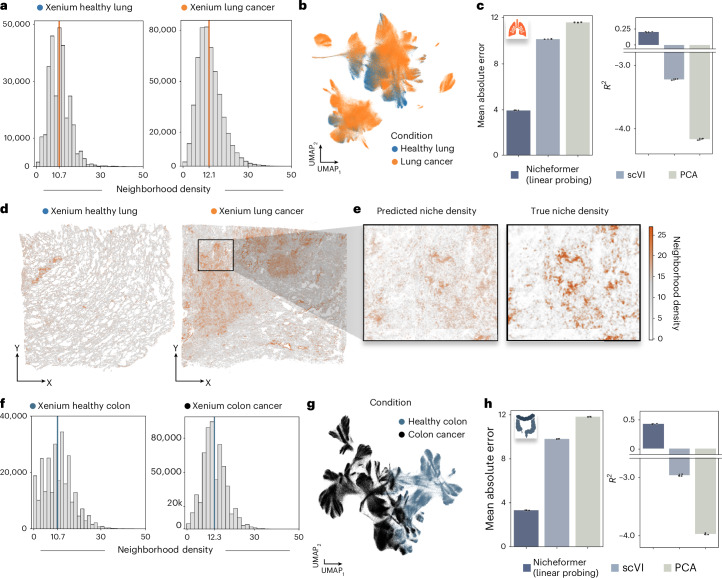
“Consistent with literature observations 63,64 , we observed a higher average cellular density in the cancer sections (colon, 12.3 cells; lung, 12.1 cells) compared to healthy tissue (colon, 10.7 cells; lung, 10.7 cells) when extracting cellular neighborhoods at the same radius (Fig.”
InfluentialEvolutionary-scale prediction of atomic level protein structure with a language model
Lin, Z., Akin, H., Rao, R., Hie, B., Zhu, Z., Lu, W., Smetanin, N., Verkuil, R., Kabeli, O., Shmueli, Y., et al. (2022) · doi:10.1101/2022.07.20.500902 · Cited by 5,990 · cited 1×
“2a,b), indicating that dissociated data alone cannot foundation models learn general representations of language, vision or domain-specific data like DNA 14 and protein sequences 15 , outper-forming classical methods.”
The immune contexture in human tumours: impact on clinical outcome
Fridman, W. H., Pagès, F., Sautès-Fridman, C., & Galon, J. (2012) · Nature reviews. Cancer · doi:10.1038/nrc3245 · Cited by 4,981 · cited 1×
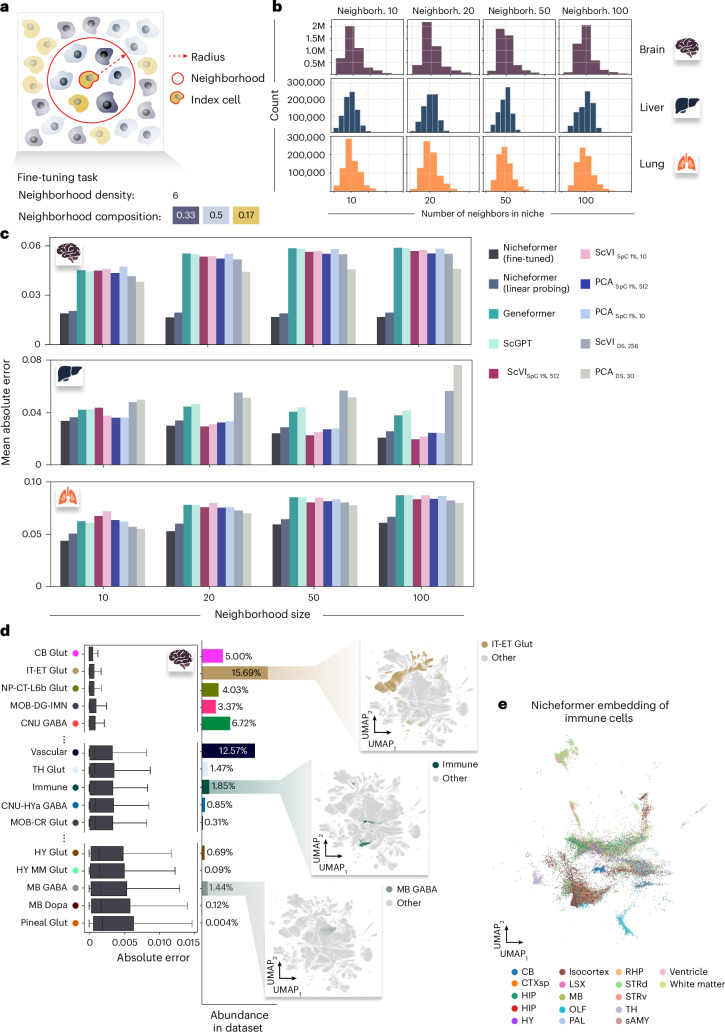
“We introduce a newly designed set of downstream tasks designed explicitly for spatial data analysis, in which Nicheformer consistently outperforms baseline models, including foundational models trained only on scRNA-seq data such as GeneFormer, UCE and scGPT, and also models trained on spatial data…”
The evolving tumor microenvironment: From cancer initiation to metastatic outgrowth
de Visser, K. E., & Joyce, J. A. (2023) · Cancer Cell · doi:10.1016/j.ccell.2023.02.016 · Cited by 4,059 · cited 1×
“…found in highly structured cellular microenvironments and show strong spatial patterns in their gene expression 60 , while liver-resident immune cell populations were shown to be mobilized under certain circumstances, hence their regional specificity might be lower compared to other cell types 61 .”
Efremova, M., Vento-Tormo, M., Teichmann, S. A., & Vento-Tormo, R. (2020) · Nature Protocols · doi:10.1038/s41596-020-0292-x · Cited by 3,449 · cited 1×
“This property has been used successfully to learn cell-type communication profiles from coexpressed receptor–ligand interactions 66 , to reconstruct spatial gene expression from spatial context and anchor points using optimal transport 67,68 and to determine cell interactions beyond known…”
Research works printed but not linked: 11
- Dosovitskiy, A. et al. An image is worth 16x16 words: transformers for image recognition at scale. In 9th International Conference on Learning Representations (ICLR, 2021).
- Hartman, A. & Satija, R. Comparative analysis of multiplexed in situ gene expression profiling technologies. eLife 13, RP96949 (2024).
- Perkins, A. & Henze, C. Increasing the efficiency of GEOS-Chem Adjoint model runs using a Python ensemble manager. NCAR Report10.5065/0mhs-8q37 (2012). · doi:10.5065/0mhs-8q37
- Gould, R., Ong, E., Ogden, G. & Conmy, A. Successor heads: recurring, interpretable attention heads in the wild. In 9th International Conference on Learning Representations (ICLR, 2024).
- Fischer, D.S., Schaar, A.C. & Theis, F.J. Modeling intercellular communication in tissues using spatial graphs of cells. Nat. Biotechnol. 41, 332–336 (2023). 36302986 PMC10017508 · DOI · Paper page
- Yun, S. et al. Graph transformer networks. Adv. Neural Inf. Process. Syst. 32, 11983–11993 (2019).
- Devlin, J. et al. BERT: pre-training of deep bidirectional transformers for language understanding. In Proc. 2019 Conference North American Chapter of the Association for Computational Linguistics: Human Language Technologies (eds Burstein, J. et al.) vol. 1, 4174–4186 (Association for Computational Linguistics, 2019).
- Loshchilov, I. & Hutter, F. SGDR: stochastic gradient descent with warm restarts. In 5th International Conference on Learning Representations (ICLR, 2017).
- Glorot, X. & Bengio, Y. Understanding the difficulty of training deep feedforward neural networks. In Proceedings of the Thirteenth International Conference on Artificial Intelligence and Statistics (eds. Teh, Y. W. et al.) vol. 9, 249–256 (PMLR, 2010).
- Darcet, T., Oquab, M., Mairal, J. & Bojanowski, P. Vision transformers need registers. In 12th International Conference on Learning Representations (ICLR, 2024).
- Ackermann, M. et al. Single-cell RNA sequencing of perfused human lungs reveals a transcriptional signature of endothelial injury in COVID-19. Am. J. Respir. Crit. Care Med. 203, 638–642 (2021).
Cited by
Advancing bioinformatics with language models: components, applications, and perspectives
Liu, J., Yang, M., Yu, Y., Xu, H., Wang, T., Li, K., & Zhou, X. (2026) · Briefings in Bioinformatics · doi:10.1093/bib/bbag367 · Cited by 72
Wang, X., Xiong, D., Cui, S., Duan, B., Ding, G., Huang, Y., & Wang, Q. (2026) · Frontiers in Immunology · doi:10.3389/fimmu.2026.1732079 · Cited by 29
TranscriptFormer: A generative cell atlas across 1.5 billion years of evolution
Pearce, J. D., Simmonds, S. E., Mahmoudabadi, G., Krishnan, L., Palla, G., Istrate, A.-M., Tarashansky, A. J., Nelson, B. E., Valenzuela, O., Li, D., et al. (2026) · Science · doi:10.1126/science.aec8514 · Cited by 85
Self-citationCellular neighborhoods in cancer
Ma, L., Xiong, B., Liu, M., & Tan, K. (2026) · Nature Cancer · doi:10.1038/s43018-025-01107-w · Cited by 27
Multimodal foundation transformer models for multiscale genomics
Khan, S. A., Martinez‐de‐Morentin, X., Alsabbagh, A. R., Maillo, A., Lagani, V., Gómez-Cabrero, D., Lehmann, R., & Tegner, J. N. (2025) · Nature Methods · doi:10.1038/s41592-025-02918-6 · Cited by 31
Single‐Cell and Spatial Omics: Methods and Applications
Cen, X., Huang, X., Deng, E., Gong, X., Tan, N., Ye, J. T., Wang, Y., Eils, R., Luo, Q., Li, Y., et al. (2026) · MedComm · doi:10.1002/mco2.70713 · Cited by 18
Leveraging multi-modal foundation models for analysing spatial multi-omic and histopathology data
Liu, T., Huang, T., Ding, T., Wu, H., Humphrey, P., Perincheri, S., Schalper, K., Ying, R., Xu, H., Zou, J., et al. (2026) · Nature Biomedical Engineering · doi:10.1038/s41551-025-01602-6 · Cited by 36
“By collecting large-scale spatial transcriptomic data, people can also train an FM for analysing the gene expression patterns across different spatial positions of spots 7 .”
Ramesan, S. P., Poonacha, J. B., Pathirana, D., Merkt, S. J., Maaß, C., Hasenauer, J., & Reckzeh, E. S. (2026) · Trends in biotechnology · doi:10.1016/j.tibtech.2026.01.009 · Cited by 22
Generalist biological artificial intelligence in modeling the language of life
Rao, V. M., Zhang, S., Plosky, B. S., Hsu, P. D., Wang, B., Zou, J., Žitnik, M., Topol, E. J., & Rajpurkar, P. (2026) · Nature Biotechnology · doi:10.1038/s41587-026-03064-w · Cited by 21
“Nicheformer attempted to do this by encoding both spatial and conventional scRNA-seq data, with tokens to mark spatial data 56 , while scGPT-spatial samples spatially masked patches, where it learns to predict cells on a central spot given encodings from neighboring spots 57 .”
Celcomen: spatial causal disentanglement for single-cell and tissue perturbation modeling
Megas, S., Chen, D. G., Polański, K., Asadollahzadeh, H., Eliasof, M., Schönlieb, C., & Teichmann, S. A. (2026) · Nature Communications · doi:10.1038/s41467-026-69856-5 · Cited by 19
3d-OT: a deep geometry-aware framework for heterogeneous slices alignment of spatial multi-omics
Dai, B., Yi, L., Wang, P., Li, H., Hu, P., Song, Y., Xing, J., Feng, Z., Yuan, Z., & Zuo, Y. (2026) · Nature Methods · doi:10.1038/s41592-026-03034-9 · Cited by 14
“Moreover, using single-cell data and spatial omics data as joint pre-training may achieve better results, just like Nicheformer 59 and CellPLM 60 .”
Single-cell and spatial profiling in cancer biology and clinical oncology
Frangieh, C. J., Fan, J. L., Melms, J. C., Shah, P., Azizi, E., & Izar, B. (2026) · Nature Cancer · doi:10.1038/s43018-026-01142-1 · Cited by 11
Scoring gene importance by interpreting single-cell foundation models
Gold, M. P., Reyes, M., Diamant, N., Kuo, T. C.-Y., Hajiramezanali, E., Newburger, J. W., Son, M. B. F., Lee, P. Y., Scalia, G., BenTaieb, A., et al. (2026) · Nature Biotechnology · doi:10.1038/s41587-026-03112-5 · Cited by 9
Benchmarking alignment methods for spatial transcriptomics data
Yan, Y., Gu, T., Sun, C., Zhang, Y., Cui, Y., Lin, S., Zou, Q., Du, Y., Han, C., Kang, K., et al. (2026) · Nature Computational Science · doi:10.1038/s43588-026-00977-z · Cited by 10
“…reasoning, integration and generative capabilities that large language models (LLMs) have demonstrated in single-cell RNA sequencing 50,51 and ST 52 , and with the recent study of foundation models for alignment tasks 48 , we anticipate that LLMs will play a more important role in advancing the…”
Zhu, L., Jiang, N., & Zhang, Z. (2026) · Immunity & Inflammation · doi:10.1007/s44466-026-00043-3 · Cited by 3
“…we have compiled emerging bioinformatic tools for TME analysis (Table 1), including foundation models (scGPT [214], scFoundation [215], Nicheformer [216], EpiAgent [217]) leveraging large-scale pretraining for single-cell and spatial representation learning; spatial deconvolution and alignment…”
Multimodal spatial omics: From data acquisition to computational integration
Işık, E. B., Usta, Y. H., Riazi, M., Liu, H., Roach, W., Zhou, H., Nicolaou, A., Rattray, M., & Georgaka, S. (2026) · Patterns · doi:10.1016/j.patter.2026.101592 · Cited by 8
“160 Nicheformer learns a joint representation of spatial and single-cell transcriptomics data through modality-aware contextual tokens, enabling in silico mapping of dissociated single-cell profiles into a spatially informed space.”
Unified Integration of Spatial Transcriptomics Across Platforms
Haber, E., Deshpande, A., Ma, J., & Krieger, S. (2025) · Genome Research · doi:10.1007/978-3-031-90252-9_42 · Cited by 10
Language may be all omics needs: Harmonizing multimodal data for omics understanding with CellHermesPreprint
Gao, Y., Wang, W., Zhao, Y., Dong, K., Shan, C., Zheng, W., Richter, T., Li, Z., Chen, S., Theis, F. J., et al. (2025) · bioRxiv (Cold Spring Harbor Laboratory) · doi:10.1101/2025.11.07.687322 · Cited by 7
“We compared CellHermes against ten existing single-cell foundation models 5,20–25, 63, 64 , two traditional single-cell single-cell embedding”
Self-citationThe Elusive Origin of Glioblastoma: Where Do We Stand?
Marin, M. P., Almabrok, H., Miller, M. L., & Haggiagi, A. M. (2026) · Cells · doi:10.3390/cells15070590 · Cited by 2
Spatial AI in cancer: mapping immune evasion topology through multi-modal omics and deep learning
Lang, L., Cui, Y., Wang, H., & Xiao, Y. (2026) · Frontiers in Oncology · doi:10.3389/fonc.2026.1762907 · Cited by 3
“Volumetric imaging approaches combined with AI-based spatial registration, exempli fi ed by the VORTEX framework for three-dimensional spatial transcriptomics (181), offer a scalable path toward resolving these structures and understanding their full functional architecture (196).”
Lakra, A., Singh, N., Vashishth, S., Ambasta, R. K., & Kumar, P. (2026) · Ageing Research Reviews · doi:10.1016/j.arr.2026.103189 · Cited by 4
Imaging-Based Spatial Transcriptomics: Data Interpretation Methods and Biomedical Applications
Li, W., & Zhou, Y. (2026) · Biology · doi:10.3390/biology15120900 · Cited by 2
“Nicheformer, for example, learns transferable niche-aware embeddings from single-cell and targeted spatial transcriptomic data, illustrating how local microenvironment modeling may increasingly become a representation-learning problem rather than a purely post hoc analytical step [77].”
3D multi-omics tumour atlases: from technology to biology and clinical translation
Liu, M., Villazon, J. I., Forjaz, A., Tian, X., Fan, R., Wang, S., Shi, L., Wirtz, D., & Kiemen, A. L. (2026) · Nature reviews. Cancer · doi:10.1038/s41568-026-00940-0 · Cited by 4
“Pix2Pix 217 , PASB 220 , iSTAR 224 , VORTEX 225 To generate virtual histology or protein staining patterns from unstained or H&E-stained sections, or to infer spatial transcriptomic profiles directly from H&E stains in 2D or 3D Data extrapolation and foundation models LUNA 234 , ST-Align 235 , Loki 236 To perform tiss…”
Benchmarking biomedical foundation models
Sáez-Rodríguez, J., Schäfer, P. S. L., Kalavros, N., & Stolovitzky, G. A. (2026) · Nature Methods · doi:10.1038/s41592-026-03182-y · Cited by 7
“3), which integrates structural and chemical representations; multimodal scFMs, which integrate different omics modalities, for example RNA and surface proteins in CAPTAIN 74 , or dissociated single-cell and spatially resolved transcriptomics in Nicheformer 75 .”
scPRINT-2: Towards the next-generation of cell foundation models and benchmarksPreprint
Kalfon, J., Peyré, G., & Cantini, L. (2025) · bioRxiv (Cold Spring Harbor Laboratory) · doi:10.64898/2025.12.11.693702 · Cited by 5
Pang, J., Qiu, P. S., He, Y., Deng, Y., Tang, W., Huang, Z., Yan, J., Li, B., Lin, A., Cao, L., et al. (2025) · bioRxiv (Cold Spring Harbor Laboratory) · doi:10.64898/2025.12.29.696804 · Cited by 3
“…pretrains on disso-40 ciated and spatially resolved cells and evaluates spatial labels, neighbourhood compo-41 sition and density prediction 24 , but its authors note that performance depends on the abundance and diversity of relevant cell and tissue types, and that explicit physical…”
A lightweight, ultrafast and general embedding framework for large-scale spatial omics dataPreprint
Dai, B., Liang, Y., Yi, L., Hu, P., Song, Y., Qian, B., He, M., Wang, L., Yuan, Z., & Zuo, Y. (2026) · bioRxiv (Cold Spring Harbor Laboratory) · doi:10.64898/2026.02.04.703814 · Cited by 2
Deep learning representations of human Immune Health for precision immunologyPreprint
Lee, M., Kim, J., Ionita, M., McKeague, M. L., Lee, J., Nam, Y., Jeong, C.-U., Nair, A., Moyo, E. T., Khavin, I., et al. (2026) · bioRxiv (Cold Spring Harbor Laboratory) · doi:10.64898/2026.07.15.724605 · Cited by 3
Branda, F., Ahmed, M. M., Ciccozzi, M., Guzzi, P. H., & Scarpa, F. (2026) · Briefings in Bioinformatics · doi:10.1093/bib/bbag245 · Cited by 2
“Foundation models for single-cell and multi-omic biology , such as scGPT [20], Nicheformer [21], and EpiAgent [22, 23], produce high-quality continuous representations of biological entities that support cross-tissue transfer, perturbation inference, and regulatory feature learning.”
Judge, E., Gramatikoff, K., Milović, L., Minchev, A., & Karabaliev, M. (2026) · The EuroBiotech Journal · doi:10.2478/ebtj-2026-0001 · Cited by 2
He, Y., Wei, Y., Zhi, J., Huang, C. J., Han, L., Liu, S., & Wang, L. (2026) · GigaScience · doi:10.1093/gigascience/giag075 · Cited by 1
“Nicheformer was the first FM to train jointly on dissociated single-cell and spatially resolved transcriptomics data, pretraining on SpatialCorpus-110M, over 57 million dissociated and 53 million spatially resolved cells across 73 tissues [ 208 ].”
Hao, N., Yang, X., Yan, B., Li, D., Huang, J., Wu, X., Ruiz, E. S., de Luzuriaga, A. R., Zhao, C., & Wan, G. (2026) · Briefings in Bioinformatics · doi:10.1093/bib/bbag387 · Cited by 1
“Nicheformer [ 89] is a transformer-based ST foundation model pretrained on single-cell transcriptomics and ST datasets covering over 110 million human and mouse cells across 73 different tissues.”
InfluentialHu, C., Zhang, C., Lu, X., Zhang, X., Pan, S., Xu, H., Lok, L. S. C., Zhang, M., & Wong, I. N. (2026) · Chinese Medical Journal BioMed · doi:10.65457/cmjbm-2026-0006 · Cited by 1
Modeling patient tissues at molecular resolution with EvaPreprint
Liu, Y., Sharma, R., Bieniosek, M. F., Kang, A., Wu, E., Chou, P., Li, I., Rahim, M. K., Bauer, E., Ji, R., et al. (2025) · bioRxiv (Cold Spring Harbor Laboratory) · doi:10.64898/2025.12.10.693553 · Cited by 7
“In biology, foundation model training frameworks have been established for several different types of data, including protein [1,2], DNA [3] and RNA sequences [4], single-cell transcriptomes [5], digital pathology [6–8], and microscopy images [9].”
(2026) · Nature Methods · doi:10.1038/s41592-025-02997-5 · Cited by 1
PantheonOS: An Evolvable Multi-Agent Framework for Automatic Genomics DiscoveryPreprint
Xu, W., Poussi, E., Zhong, Q., Zeng, Z., Zou, C., Wang, X., Lu, Y., Cui, M., Okamura, D., Huang, C., et al. (2026) · bioRxiv (Cold Spring Harbor Laboratory) · doi:10.64898/2026.02.26.707870 · Cited by 6
Pan-cancer virtual spatial transcriptomics from routine histology with PhoenixPreprint
Tran, M., Gindra, R. H., Putze, P., Senbai, 康. K., Palla, G., Šket, T., Falcomatà, C., Wang, C., Guo, R., Boxberg, M., et al. (2026) · bioRxiv (Cold Spring Harbor Laboratory) · doi:10.64898/2026.04.25.720812 · Cited by 7
“The AE is optional and can be replaced by the identity function (or potentially another gene foundation model like NicheFormer 21 ), though at the expense of increased computational complexity and slower training and inference.”
Self-citationOmicOS: A Comprehensive Omics Ecosystem Infrastructure and Agent System for the AI EraPreprint
Zeng, Z., Meng, X., Hu, L., Li, C., Liu, P., Shi, Y., Ma, X., Gao, L., Wang, X., Luo, Z., et al. (2026) · bioRxiv (Cold Spring Harbor Laboratory) · doi:10.64898/2026.06.11.731775 · Cited by 1
Handa, D., Martin-Linares, C. P., Stein-O’Brien, G., Ling, J., & Chitra, U. (2026) · bioRxiv (Cold Spring Harbor Laboratory) · doi:10.64898/2026.08.01.742217 · Cited by 1
Developmental reversion underlies resistance to immune checkpoint blockade in kidney cancerPreprint
Yarlagadda, D. V. K., Wang, Z., Jiang, H., Vuong, L. H., Sanmiguel, A. L., Yang, C.-Y., Kotecha, R. R., Chen, Y., Hakimi, A. A., Leslie, C. S., et al. (2026) · bioRxiv (Cold Spring Harbor Laboratory) · doi:10.64898/2026.08.05.743137 · Cited by 1
TissueNarrator: Generative Modeling of Spatial Transcriptomics with Large Language ModelsPreprint
Liu, S., Tang, J., Ma, J., & Liang, S. (2025) · bioRxiv (Cold Spring Harbor Laboratory) · doi:10.1101/2025.11.24.690325 · Cited by 1
“While positional encoding is an established approach for incorporating cell locations [25, 34], studies in other fields of machine learning [35, 36] and our empirical observations suggest that its effectiveness can be limited when the model is not extensively pretrained on spatial signals.”
scMOBA: A conversational single-cell Multi-Omics Brain Agent across speciesPreprint
Wei, R., Zhang, Z., Sun, J., Sun, Y., Meng, J., Zheng, P., Liang, C., Meng, F., Ouyang, W., Bai, L., et al. (2025) · bioRxiv (Cold Spring Harbor Laboratory) · doi:10.64898/2025.12.01.691565
Batch Effects Remain a Fundamental Barrier to Universal Embeddings in Single-Cell Foundation ModelsPreprint
Wang, L., Zhang, C., & Zhang, S. (2025) · bioRxiv (Cold Spring Harbor Laboratory) · doi:10.64898/2025.12.19.695371 · Cited by 3
“For each dataset, we extracted zero-shot cell embeddings from eight scFMs, including Geneformer [16, 17], scGPT [18], scFoundation [19], GeneCompass [21], CellPLM [22], UCE [23], Nicheformer [24], and scCello [26].”
PRISM: Niche-informed Deciphering of Incomplete Spatial Multi-Omics DataPreprint
Mu, S., Wang, Z., Liao, Y., Liang, J., Zhang, D., Wang, C., Xie, J., Sheng, X., Zhang, T. Q., Huang, W., et al. (2026) · bioRxiv (Cold Spring Harbor Laboratory) · doi:10.64898/2026.02.03.703456
cspray: Distributed Single Cell Transcriptome AnalysisPreprint
Hawkins, P. G., Swanson, E. M., & Feichtel, M. (2026) · bioRxiv (Cold Spring Harbor Laboratory) · doi:10.64898/2026.02.06.704110
“…they should ideally be able to pick up results in intermediate stages, i.e. with basic QC already performed, or after PCA is performed, easily On the first point, one may consider foundation models for single cells (see e.g. [9–12]) to be a perfect fit for cell type labeling across many samples.”
Multimodal cell foundation models require synergistic integration beyond alignment
Richter, T., Zimmermann, E., Hall, J., Theis, F. J., Raghavan, S., Winter, P. S., Amini, A. P., & Crawford, L. A. (2026) · Nature Machine Intelligence · doi:10.64898/2026.02.23.707420 · Cited by 2
“Advances in self-supervised learning and the increasing scale of biological datasets have produced power-36 ful encoders for individual modalities, including transcriptomics [1–4], histopathology [5–7], and spatial transcriptomics [8–10].”
Self-citationBenchmarking niche identification via domain segmentation for spatial transcriptomics dataPreprint
Wang, Y., Chen, Y., Yang, L., Wang, C., Cai, J., & Xin, H. (2026) · bioRxiv (Cold Spring Harbor Laboratory) · doi:10.64898/2026.02.27.708202 · Cited by 1
“Nicheformer Nicheformer [29] is a transformer-based foundation model pre-trained on SpatialCorpus-110M, which comprises more than 110 million human and mouse cells from dissociated and image-based spatial transcriptomic assays.”
Advances and trends in the bidirectional transformation between biological data and knowledge
Rong, L. I., Ge, J., ZHANG, X.-B., ZHANG, Y.-J., Da-Ming, C. H. E. N., & Tao, C. (2026) · Shengming kexue · doi:10.3724/cbls.2026032
Kojima, Y., Tanaka, Y., Hirose, H., Chiwaki, F., Nishimura, K., Hayashi, S., Itahashi, K., Ishikawa, M., Shimamura, T., & Mano, H. (2026) · bioRxiv (Cold Spring Harbor Laboratory) · doi:10.64898/2026.04.21.719876
scConcept enables concept-level exploration of single-cell transcriptomic dataPreprint
Chen, H., & Li, Y. (2026) · bioRxiv (Cold Spring Harbor Laboratory) · doi:10.64898/2026.04.21.719959
InterScale reveals multi-scale cellular interaction programs in spatial transcriptomicsPreprint
Drummer, F., Jiménez, S., Marco, F. D., Schaar, A. C., Pentimalli, T. M., Beckmann, J., Rajewsky, N., & Theis, F. J. (2026) · bioRxiv (Cold Spring Harbor Laboratory) · doi:10.64898/2026.05.07.723456
“Looking forward, InterScale's framework naturally invites extension to multi-modal or foundation model based architectures 56–59 .”
Self-citationChen, H., & Ding, W. (2026) · bioRxiv (Cold Spring Harbor Laboratory) · doi:10.64898/2026.05.12.724562 · Cited by 1
Cophenetic Spatial Topology Embedding reveals multiscale tissue architecture in spatial omicsPreprint
Long, M., Hu, T., Sountoulidis, A., Samakovlis, C., & Nilsson, M. (2026) · bioRxiv (Cold Spring Harbor Laboratory) · doi:10.64898/2026.05.26.727847
FlowTransOP: Distributional Translation of Omics Signatures via Constrained Deep Flow MatchingPreprint
Meimetis, N., Hoang, T. N., Magliacane, S., & Lauffenburger, D. A. (2026) · bioRxiv (Cold Spring Harbor Laboratory) · doi:10.64898/2026.05.27.728305
“A natural extension involves the deployment of recent large foundational biological models 47–52 , instead of training separate autoencoders for each biological system, or creating new such models using larger datasets.”
Zhang, L., Pang, J., Yan, J., Tang, W., Deng, Y., & He, Y. (2026) · bioRxiv (Cold Spring Harbor Laboratory) · doi:10.64898/2026.06.11.731508
“Representative systems include scBERT [8], Geneformer [9], scGPT [10], scFoundation [11], CellFM [12], and Nicheformer [13].”
Zhu, Y., Hu, Y., Xie, M. B., Qin, H., Szul, Z. J., Young, D. M., Yuan, W., Wang, Q., Liu, Y. H., Shen, W., et al. (2026) · bioRxiv (Cold Spring Harbor Laboratory) · doi:10.64898/2026.06.16.732716 · Cited by 1
“Nicheformer [16] is a transformer-based foundation model pretrained on both dissociated single-cell and spatial transcriptomics data to learn cell representations that capture spatial context.”
InfluentialTransformers for single-cell RNA sequencing: a survey
Hu, T., & Wei, Z. (2026) · Briefings in Bioinformatics · doi:10.1093/bib/bbag332
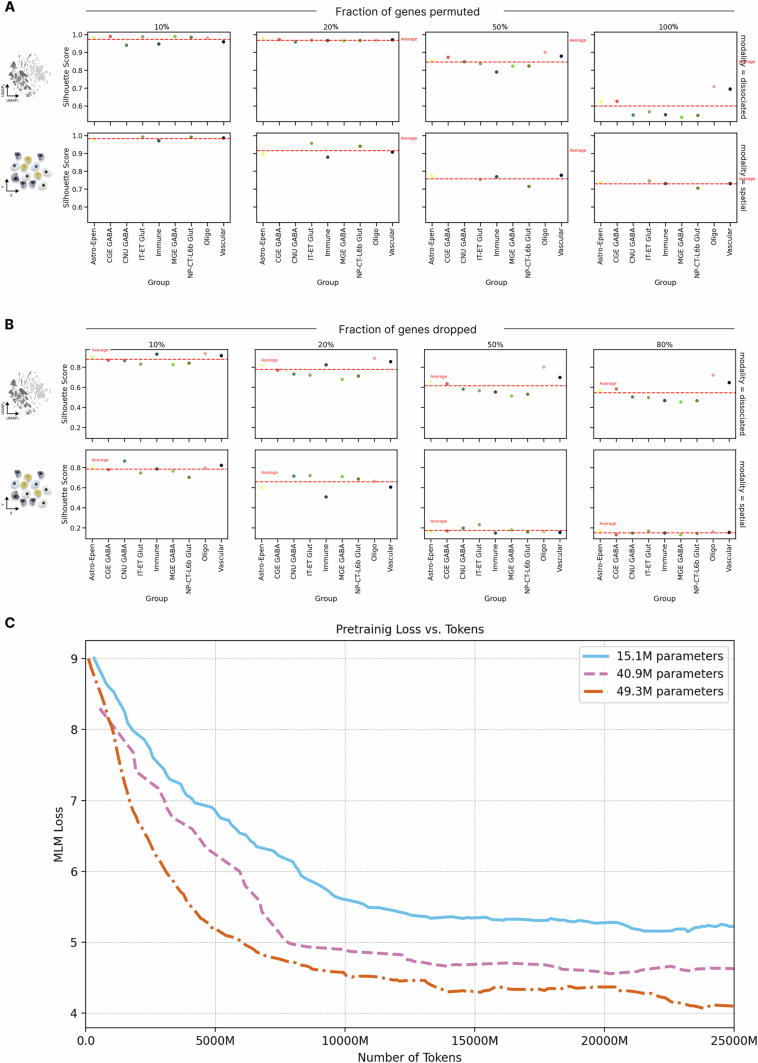
“…2048 — scFoundation [ 5] 50 m 19 264 100 m tGPT [ 14] 22.3 m 128 — SCimilarity [ 15] 22.7 m 28 231 — GeneCompass [ 7] 126 m 2048 100 m Nicheformer [ 6] 110 m 1500 49.3 m LangCell [ 8] 27.5 m 2048 — UCE [ 9] 36 m 1024 650 m . . . . . . . . . . . . . . . . . . . . . . . . . . . . . . . . . . . . . .…”
InfluentialFelizardo, G. S. S., Costa, V. A. F., Santos, E. S. D. A., da Cunha, L. C., & Neves, B. J. (2026) · Expert Opinion on Drug Discovery · doi:10.1080/17460441.2026.2699304
“Even so, recent advances in single-cell foundation models such as Nicheformer [115] and CellFM [116] suggest that some core technical barriers are being addressed, although their generalizability and validation across biological contexts remain open challenges.”
wang, H., Yang, X., Wang, S., Yang, Z., Yang, X., Yang, Y., Li, Z., Ren, Y., Zhang, Q., Zhao, B., et al. (2026) · iMeta · doi:10.1002/imt2.70146
Tykocinski, M. L. (2026) · American Journal Of Pathology · doi:10.1016/j.ajpath.2026.06.005
Zou, X., & Lei, X. (2026) · Bioinformatics · doi:10.1093/bioinformatics/btag503
“Harmonizes heterogeneous weight serialization formats (e.g. HuggingFace.bin, PyTorch.pt, Lightning.ckpt) to support five major scFMs: Geneformer, Nicheformer (Tejada-Lapuerta et al. 2025), scGPT, CellPLM (Wen et al. 2023), and UCE.”
Virtual cell construction for artificial intelligence‐driven drug discovery
Jia, Y., Xing, X., Han, H., Zhao, Y., Zhou, S., & Chen, J. (2026) · British Journal of Pharmacology · doi:10.1111/bph.70585 · Cited by 1
he, X., Ming, F., Wang, A., Huang, X., 罗肖邦, Liu, X. Y., Sun, T., Wang, L., & Xu, K. (2026) · bioRxiv (Cold Spring Harbor Laboratory) · doi:10.64898/2026.07.13.738201
Zhao, M., Ma, X., Shi, W., & Sun, Y. (2026) · Life Sciences · doi:10.1016/j.lfs.2026.124600 · Cited by 1
Hao, N., Yan, B., Li, D., Wu, X., Zhao, C., & Wan, G. (2026) · ACM SIGKDD Conference on Knowledge Discovery and Data Mining (KDD) · doi:10.1145/3770855.3816454
Putting the I in AML: Artificial Intelligence and Machine Learning in Acute Myeloid Leukemia
Marchi, F. D., Ciotti, G., Atanasio, A., Pascarella, G., Sperotto, A. A., & Gottardi, M. (2026) · Cells · doi:10.3390/cells15171539
“A network is first trained on tens of millions of single cells with no labels attached, so it picks up features that carry over to many tasks, and is then fine-tuned on the specific problem at hand. scGPT, CellFM, and Nicheformer were pretrained on 33, 100, and 110 million cells [128–130].”
Multimodal artificial intelligence for predictive and programmable virtual cells
Ramadurai, K. W., & Banerjee, A. (2026) · Trends Open · doi:10.1016/j.treopn.2026.07.007 · Cited by 2
Synergistic integration of nanomaterials with functional molecules
Inose, T., & Yoshimura, M. (2026) · Bulletin of the Chemical Society of Japan · doi:10.1093/bulcsj/uoag110
Birk, S., Merchant, A., Vahidi, A., Theis, F. J., & Lotfollahi, M. (2026) · bioRxiv (Cold Spring Harbor Laboratory) · doi:10.64898/2026.08.07.743490
“Discrete cellular vocabularies have so far come either from transformer pretraining on scRNA-seq with gene-rank or binned-expression tokens (Nicheformer [19], scGPT-spatial [24]) or from fixed clustering of projected expression (GeST [7]).”
InfluentialSelf-citationPhenotype-associated spatial biomarker discovery in spatial transcriptomics with spHOTPreprint
Kim, H., Kim, D., Jung, S., Lee, S., & Kim, K. (2026) · bioRxiv (Cold Spring Harbor Laboratory) · doi:10.64898/2026.08.11.744312
Synthetic tissue ecology: Ecological control of developmental self-organization across scales
Kamyar Keshavarz, F., & Ebrahimkhani, M. R. (2026) · Cell Systems · doi:10.1016/j.cels.2026.101699 · Cited by 2
Artificial intelligence agents and agentic artificial intelligence applied to precision medicine
Costa, F. F. (2026) · Drug Discovery Today · doi:10.1016/j.drudis.2026.104781
Li, L., Duan, S., Zha, X., Ye, F., Zhang, Y., Zhang, X., Cao, Y., Liu, C., & Fang, B. (2026) · bioRxiv (Cold Spring Harbor Laboratory) · doi:10.64898/2026.08.19.745729
Zhao, M., & Sun, Y. (2026) · Journal of Pharmaceutical Analysis · doi:10.1016/j.jpha.2026.101777
Liu, Y., Gao, H., & Tian, T. (2026) · Briefings in Bioinformatics · doi:10.1093/bib/bbag469
“…with three categories of methods: (i) Trajectory inference methods: CellRank 2 [ 17] and PRESCIENT [ 18]; (ii) supervised regression methods: Psupertime [ 5] and Calderon22 [ 19]; (ii) deep learning method: TemporalVAE [ 6] and fine-tuned foundation models: Nicheformer [ 20] and scGPT [ 8].”
Albalawi, H. A. (2026) · American Journal of Clinical Oncology · doi:10.1097/coc.0000000000001370
Li, W., Aziz, A. U. R., Xu, B., Xu, J., Yu, X., Wang, D., & Ha, C. (2026) · Frontiers in Cell and Developmental Biology · doi:10.3389/fcell.2026.1900624 · Cited by 1
AI virtual cells for drug discovery and pharmacology
Wang, S., Zhang, Y., Wang, D., Liu, H., & Yao, X. (2026) · Trends in Pharmacological Sciences · doi:10.1016/j.tips.2026.08.006
Noori, A., Fishman, N., Fang, A., Fesser, L., & Žitnik, M. (2026) · Cell · doi:10.1016/j.cell.2026.08.032 · Cited by 6
Applying Spatial Transcriptomics to the Human Heart
Tao, H., Cranley, J. J., Kadyrov, F. F., Shin, H., Blain, R., Nanchahal, J., Hallou, A., Zhang, K., Hulsmans, M., & Lewis, A. J. M. (2026) · JACC Basic to Translational Science · doi:10.1016/j.jacbts.2026.101730 · Cited by 1
Structure-Aware Multi-Modal Fusion for Interpretable Niche Prediction in Spatial Omics
Jiang, P., Shi, B., Qin, Y., Li, Y., Wang, Q., Sataer, Y., & Tao, X. (2026) · International Symposium on Communications and Information Technologies · doi:10.1109/iscit70453.2026.11695369
“Representative methods, including GraphST, BANKSY, NicheCompass, STAGATE, DeepLinc, and recent 2025 niche-oriented models such as scNiche and Nicheformer, have demonstrated the value of spatial topology and microenvironment-aware representation learning [9]–[15].”
NexuST: A Hierarchical Foundation Model for Spatial TranscriptomicsPreprint
Liu, H., Zhao, Q., Lijing Lin, A., Zou, Z., Cai, W., Sun, J., Zhou, Y., Álvarez, M. A., Gilmore, A. P., Rattray, M., et al. (2026) · bioRxiv (Cold Spring Harbor Laboratory) · doi:10.64898/2026.09.22.753590
Platform-specific count-matrix preprocessing workflows for spatial transcriptomics data analysisPreprint
Du, Y., Li, S., Yang, X., Shu, H., Wang, Z., Zhang, D., Zou, Q., & Yuan, Z. (2026) · bioRxiv (Cold Spring Harbor Laboratory) · doi:10.64898/2026.09.24.753981
Dubois, O. A., Loughnan, O., Jiang, Y., Petraello, B., Douglas, A. M., McLachlan, T., Findlay, I. J., Vo, T., Savary, C., & Dun, M. D. (2026) · Journal of Neuro-Oncology · doi:10.1007/s11060-026-05817-8
“…single-cell and spatial atlases, such as NicheFormer, are used for cell-type annotation and cross-cohort integration, but have not yet been applied to model therapeutic resistance trajecto - ries specifically, but their extension to this task represents a promising future direction [ 65].”
VINTER: a generative vision–language model for annotating and interrogating spatial tissuesPreprint
JinYu, W., Xu, W., Zhuang, Y., Zhang, Y., Loza, M., Yang, Y., & Nakai, K. (2026) · bioRxiv (Cold Spring Harbor Laboratory) · doi:10.64898/2026.10.01.752251
Spathology: The Birth of Spatial Pathology as a Discipline
Long, M., Nilsson, M., & Hu, T. (2026) · Life · doi:10.3390/life16101680
From descriptive to generative: foundation-model approaches for spatial transcriptomics
Fan, T., Leng, Y., Zhang, J., & Zhang, Z. (2026) · Briefings in Bioinformatics · doi:10.1093/bib/bbag554
“By converting absolute expression into relative rank, this strategy helps preserve cellular identity even under large-scale perturbation [ 14].”
Rabuzin, L., Yates, J., Xu, M. L., & Boeva, V. (2026) · bioRxiv (Cold Spring Harbor Laboratory) · doi:10.64898/2026.10.08.757722
“Spatial foundation models are beginning to address the tension between continuous molecular detail and cross-assay portability, including transcriptomic and proteomic settings with explicit panel-or protocol-harmonization mechanisms [24, 25, 26, 27].”
Perturb-Seqr: Signature Search Engine Integrating Connectivity Mapping ResourcesPreprint
Taub, L. D., Gardner, J. K., Diamant, I., Clarke, D. J. B., & Ma’ayan, A. (2026) · bioRxiv (Cold Spring Harbor Laboratory) · doi:10.64898/2026.10.06.757137
“Foundation models trained on diverse datasets such as GSFM ( 93 ), BulkFormer ( 107 ) and Nicheformer ( 108 ), could be used to learn biological relationships among genes and perturbations across conditions.”
Interpretable AI model reveals spatial codes of cell recruitment in tissues
Yao, J., Shim, J. S., Wong, K., Zhu, J., Liu, Y., Kang, S. W., McCord, K., Burt, B. M., Choi, J. M., Lee, C., et al. (2026) · Nature Biomedical Engineering · doi:10.1038/s41551-026-01804-6
SpatialZoomer: multi-scale feature analysis of spatial transcriptomics
Li, X., Fan, Y., Han, Y., Guo, W., Huang, J., Yan, N., Chen, Z., Wu, Y., Miao, Y., Hou, L., et al. (2026) · Nature Biomedical Engineering · doi:10.1038/s41551-026-01800-w
Alpha Spatial: Language-guided prediction of single-cell spatial gene expression from histologyPreprint
YANG, X., Guo, Z., GUO, X., Wang, W., Bai, B., Liu, X., Zhang, C., He, Y., & LIU, Y. (2026) · bioRxiv (Cold Spring Harbor Laboratory) · doi:10.64898/2026.10.08.756444
Virtual cells: progress and challenges from mechanistic modeling to data-driven integration
Ma, N., Wang, Z., Yang, X., Yang, G., Yang, R., Wang, Z., Jiang, Q., & Chu, Y. (2026) · Briefings in Bioinformatics · doi:10.1093/bib/bbag562
“…pretrained on both dissociated single-cell and spatial omics datasets, attempting to jointly encode cell identity and the local tissue environment [ 6]; SToFM decomposes tissue macrostructure, microenvironment, and gene expression into multiscale subslices for pretraining [ 10]; STARNet combines…”
Zhao, X., Pang, Y. Y., Fu, T. Y., Yang, C. N., & Moi, S. H. (2026) · IEEE Access · doi:10.1109/access.2026.3744403
“Spatial and multiscale models further broaden the objective space by incorporating tissue context, cell neighborhoods, cell-set conditioning, patient-level signals, or hierarchical biological structure [10], [88], [98].”
InfluentialArtificial intelligence assisted genomic profiling of ovarian cancer liver metastases
Louxun, S., Li, Z., & Chen, S. (2026) · Frontiers in Genetics · doi:10.3389/fgene.2026.2004540
scSpatial: an atlas for single-cell spatial omics
Sun, H., Bei, Y., Zhu, Z., Deng, J., Zhou, Y., Mou, M., Wei, T.-F., Cao, H., Yang, Q., Yao, C., et al. (2026) · Nucleic Acids Research · doi:10.1093/nar/gkag993
Public omics data reuse in gastric cancer: from discovery abundance to translational evidence
Su, S., Huang, C., Yang, B., Huang, Y., Yang, P., & Liu, A. (2026) · Frontiers in Oncology · doi:10.3389/fonc.2026.1974260
Tavakol, D. N., Mendonca, D., Baldassarri, I., Maletić‐Savatić, M., & Vunjak‐Novakovic, G. (2026) · Cell stem cell · doi:10.1016/j.stem.2026.10.003 · Cited by 1
Advances in early human embryonic development and organogenesis from spatiotemporal multi-omics
Zhu, H., Yang, X., Wang, X., & Xiao, Z. (2026) · Journal of Translational Genetics and Genomics · doi:10.20517/jtgg.2026.26
Metadata
- Authors
- Tejada-Lapuerta, A., Schaar, A. C., Gutgesell, R., Palla, G., Halle, L., Minaeva, M., Vornholz, L., Dony, L., Drummer, F., Richter, T., Bahrami, M., & Theis, F. J.
- Affiliations
- Helmholtz Munich (DE)
- Corresponding author
- Theis, Fabian J.
- ORCID
- Venue
- Nature Methods
- Published
- 2025-10-30
- Volume
- 22
- Issue
- 12
- Pages
- 2525-2538
- ISSN
- 1548-7091 (ISSN-L)
- 1548-7105
- PMC
- PMC12695652
- OpenAlex
- W4415692570
- Cited by
- 100
- References
- 205
- Citations by year
- 2026: 91 · 2025: 9
- FWCI
- 29.89
- Type
- journal article
- Language
- en
- Open access
- hybrid
- doi.org
- Licence
- cc-by
- creativecommons.org/licenses/by/4.0 (tdm)
- creativecommons.org/licenses/by/4.0 (vor)
- Locations
- Nature Methods (publishedVersion, cc-by)
- PubMed (publishedVersion)
- PubMed Central (publishedVersion, cc-by)
- MPG.PuRe (Max Planck Society) (submittedVersion, cc-by)
- Funders
- Wellcome Trust
- Topics
- Life Sciences › Biochemistry, Genetics and Molecular Biology › Molecular Biology › Single-cell and spatial transcriptomics
- Life Sciences › Biochemistry, Genetics and Molecular Biology › Biophysics › Cell Image Analysis Techniques
- Life Sciences › Biochemistry, Genetics and Molecular Biology › Molecular Biology › Gene expression and cancer classification
- Keywords
- foundation models, spatial transcriptomics, transformer models, spatial context, multiscale integration, dissociated cells, single-cell RNA sequencing, linear probing, fine-tuning
- MeSH terms
- Machine Learning, Animals, Humans, Software, Computational Biology, Gene Expression Profiling, Genomics, Mice, Single-Cell Analysis, Transcriptome, Cellular Microenvironment
About these checks
Registry, retraction, Cites and statistics results are computed, not judged, with one exception: a printed reference that no index lists is read once by a model before it counts as a citation error. Claims are extracted by a model and kept only when their quote appears verbatim in the text; each cited source is then checked, with a model’s help, for whether it says what the claim relies on. Those verdicts can be wrong — read the claim’s quote and the cited source before relying on one.
Statistics and arithmetic are recomputed, not judged.
Confidence bands are shown only for fields calibrated on our annotated test set. None is calibrated yet, so no band is shown.
What counts as a claim ›How we measure confidence ›How we check this ›
Are you an author, or do you see a problem with this page? Request a review
Data sources
Bibliographic data: Semantic Scholar, OpenAlex, Crossref.
Contains information from the Semantic Scholar Academic Graph Datasets, made available under the ODC Attribution License (ODC-BY 1.0).
Semantic Scholar’s data is described in: Kinney, R., et al. (2023). The Semantic Scholar Open Data Platform. arXiv:2301.10140.
