

Nicheformer: a foundation model for single-cell and spatial omics
Open accessThe DOI matches its Crossref record; 221 of the 221 references it cites were found in a registry or an index.
Abstract
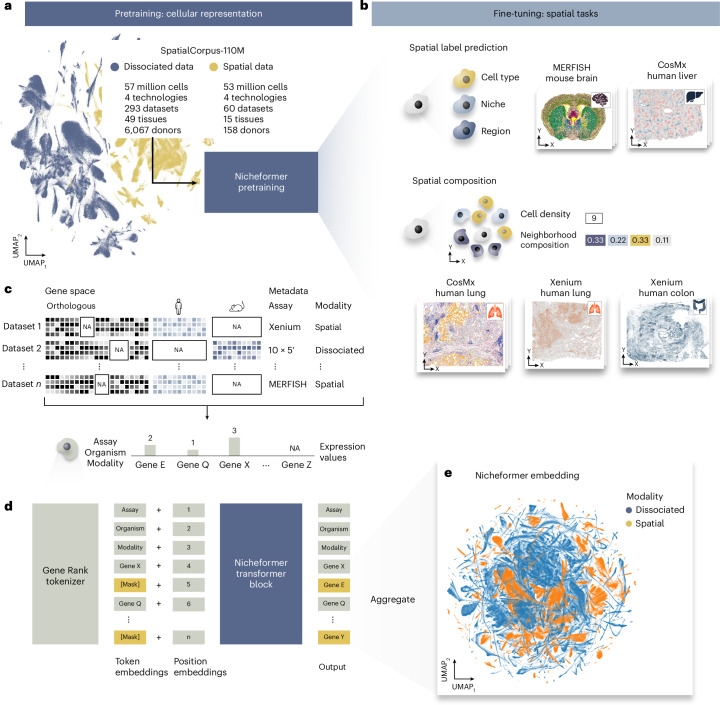
Tissue makeup depends on the local cellular microenvironment. Spatial single-cell genomics enables scalable and unbiased interrogation of these interactions. Here we introduce Nicheformer, a transformer-based foundation model trained on both human and mouse dissociated single-cell and targeted spatial transcriptomics data. Pretrained on SpatialCorpus-110M, a curated collection of over 57 million dissociated and 53 million spatially resolved cells across 73 tissues on cellular reconstruction, Nicheformer learns cell representations that capture spatial context. It excels in linear-probing and fine-tuning scenarios for a newly designed set of downstream tasks, in particular spatial composition prediction and spatial label prediction. Critically, we show that models trained only on dissociated data fail to recover the complexity of spatial microenvironments, underscoring the need for multiscale integration. Nicheformer enables the prediction of the spatial context of dissociated cells, allowing the transfer of rich spatial information to scRNA-seq datasets. Overall, Nicheformer sets the stage for the next generation of machine-learning models in spatial single-cell analysis.
Overview
The claims and statistics of this paper haven’t been checked yet.
Free: it reads the open-access text and checks the first 5 claims that cite a source we can check. Create a free account to check every claim.
Integrity signals
Registry
Cites
Statistics
Figures
Verification
Claims the paper makes
The claims and statistics of this paper haven’t been checked yet.
Free: it reads the open-access text and checks the first 5 claims that cite a source we can check. Create a free account to check every claim.
Claims other papers make about this one
Each is checked against this paper’s own text: does it say what the citing paper says it does?
The source backs part of the claim, not all of it — or backs it for a different population, condition or comparison.
In the citing paper
“Empirical benchmarking studies have documented substantial performance degradation for biological foundation models under cross-platform transfer, preprocessing variability, and rare-population evaluation [20–24].”
From The next paradigm in bioinformatics: a review of multi-agent systems and foundational models for end-to-end scientific discovery (2026) · cites this paper as [21]
Experimental — accuracy not yet measuredThe source backs part of the claim, not all of it — or backs it for a different population, condition or comparison.
In the citing paper
“Foundation models for single-cell and multi-omic biology, such as scGPT [20], Nicheformer [21], and EpiAgent [22, 23], produce high-quality continuous representations of biological entities that support cross-tissue transfer, perturbation inference, and regulatory feature learning.”
From The next paradigm in bioinformatics: a review of multi-agent systems and foundational models for end-to-end scientific discovery (2026) · cites this paper as [21]
Experimental — accuracy not yet measuredThe source backs part of the claim, not all of it — or backs it for a different population, condition or comparison.
In the citing paper
“Recent work suggests that architectural choices, such as generative versus contrastive pretraining objectives, introduce distinct trade-offs between representation flexibility, interpretability, and robustness to experimental variability [20–23, 36].”
From The next paradigm in bioinformatics: a review of multi-agent systems and foundational models for end-to-end scientific discovery (2026) · cites this paper as [21]
Experimental — accuracy not yet measuredThe source backs part of the claim, not all of it — or backs it for a different population, condition or comparison.
In the citing paper
“Empirical benchmarking studies have shown that performance improvements observed in standard evaluation settings can decrease substantially when models are tested across different laboratories, sequencing platforms, or preprocessing pipelines [20–23].”
From The next paradigm in bioinformatics: a review of multi-agent systems and foundational models for end-to-end scientific discovery (2026) · cites this paper as [21]
Experimental — accuracy not yet measuredThe source backs part of the claim, not all of it — or backs it for a different population, condition or comparison.
In the citing paper
“In spatial omics, agentic workflows could integrate imaging data, spatially resolved transcriptomics, and histological annotations to reconstruct tissue microenvironments, with reflection modules monitoring consistency across spatial resolutions and batch effects [16, 21].”
From The next paradigm in bioinformatics: a review of multi-agent systems and foundational models for end-to-end scientific discovery (2026) · cites this paper as [21]
Experimental — accuracy not yet measured
1 more claim about this paper
Create a free account to see every claim other papers make about this one.
Self-check
Percentages, sums and reported differences re-computed from the paper’s own numbers.
The self-check needs the paper’s full text.
Citations
Cites
Language Models are Few-Shot Learners
Brown, T. B., Mann, B., Ryder, N., Subbiah, M., Kaplan, J., Dhariwal, P., Neelakantan, A., Shyam, P., Sastry, G., Askell, A., et al. (2020) · arXiv · doi:10.48550/arxiv.2005.14165 · Cited by 23,372 · cited 1×
“The organ-specific spatial context learned by Nicheformer can then be used to evaluate the model’s ability to generalize information learned from spatial transcriptomics data, without directly accounting for the available spatial context, and transfer it to dissociated data.”
Gene Expression Omnibus: NCBI gene expression and hybridization array data repository
Edgar, R. (2002) · Nucleic Acids Research · doi:10.1093/nar/30.1.207 · Cited by 13,288 · cited 2×
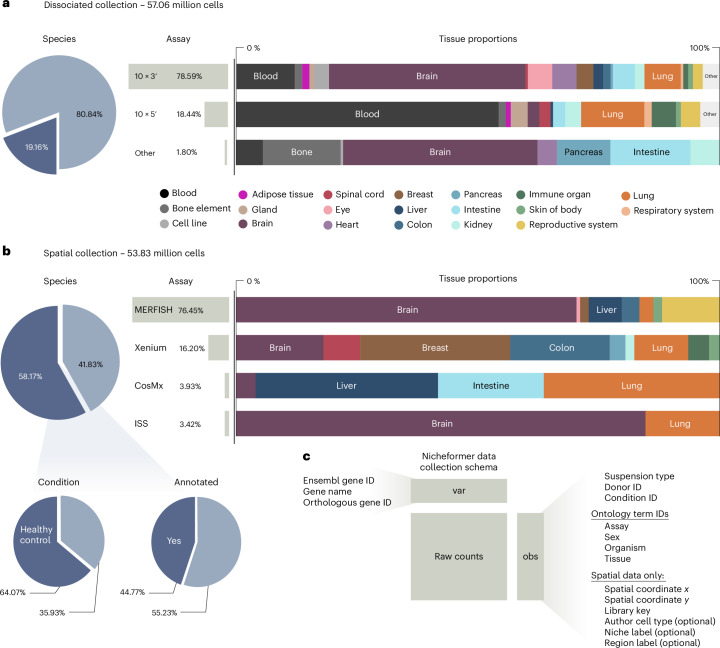
“We collected and combined dissociated single-cell and single-nucleus data from the latest patch of CellXGene 70 , 50 additional curated studies available through the sfaira data zoo 35 , 150 datasets acquired through the GEO data repository 34,71 and 4 data-sets from the HCA data explorer 72 .”
Decoupled Weight Decay Regularization
Loshchilov, I., & Hutter, F. (2017) · arXiv · doi:10.48550/arxiv.1711.05101 · Cited by 12,522
NCBI GEO: archive for functional genomics data sets—update
Barrett, T., Wilhite, S. E., Ledoux, P., Evangelista, C., Kim, I. F., Tomashevsky, M., Marshall, K. A., Phillippy, K. H., Sherman, P. M., Holko, M., et al. (2012) · Nucleic Acids Research · doi:10.1093/nar/gks1193 · Cited by 10,418 · cited 8×
“Lastly, we followed the same approach for the four HCA data explorer 36 datasets as for the GEO datasets.”
InfluentialScaling Laws for Neural Language Models
Kaplan, J., McCandlish, S., Henighan, T., Brown, T. B., Chess, B., Child, R., Gray, S., Radford, A., Wu, J., & Amodei, D. (2020) · arXiv · doi:10.48550/arxiv.2001.08361 · Cited by 9,550 · cited 1×
“2a,c) and highlight the importance of data diversity in model training for optimal performance across context 33 .”
Type, Density, and Location of Immune Cells Within Human Colorectal Tumors Predict Clinical Outcome
Galon, J., Costes, A., Sanchez-Cabo, F., Kirilovsky, A., Mlecnik, B., Lagorce-Pagès, C., Tosolini, M., Camus, M., Berger, A., Wind, P., et al. (2006) · Science · doi:10.1126/science.1129139 · Cited by 6,516 · cited 2×
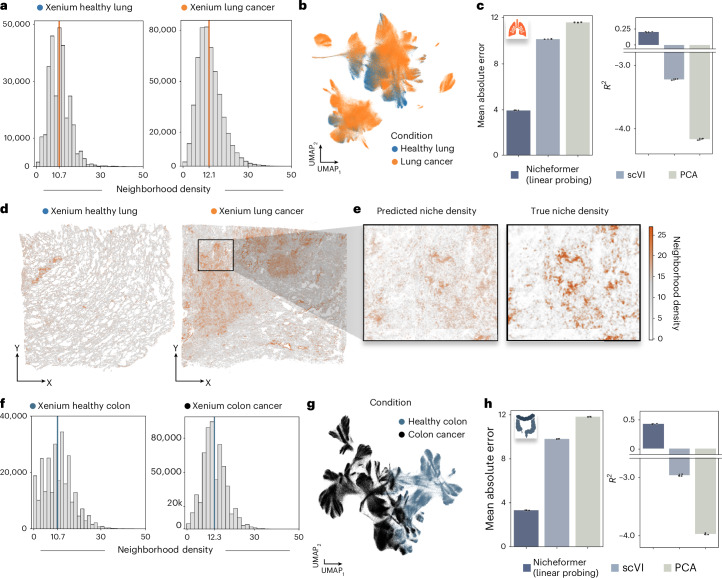
“Consistent with literature observations 63,64 , we observed a higher average cellular density in the cancer sections (colon, 12.3 cells; lung, 12.1 cells) compared to healthy tissue (colon, 10.7 cells; lung, 10.7 cells) when extracting cellular neighborhoods at the same radius (Fig.”
InfluentialEvolutionary-scale prediction of atomic level protein structure with a language model
Lin, Z., Akin, H., Rao, R., Hie, B., Zhu, Z., Lu, W., Smetanin, N., Verkuil, R., Kabeli, O., Shmueli, Y., et al. (2022) · doi:10.1101/2022.07.20.500902 · Cited by 5,990 · cited 1×
“2a,b), indicating that dissociated data alone cannot foundation models learn general representations of language, vision or domain-specific data like DNA 14 and protein sequences 15 , outper-forming classical methods.”
The immune contexture in human tumours: impact on clinical outcome
Fridman, W. H., Pagès, F., Sautès-Fridman, C., & Galon, J. (2012) · Nature reviews. Cancer · doi:10.1038/nrc3245 · Cited by 4,981 · cited 1×
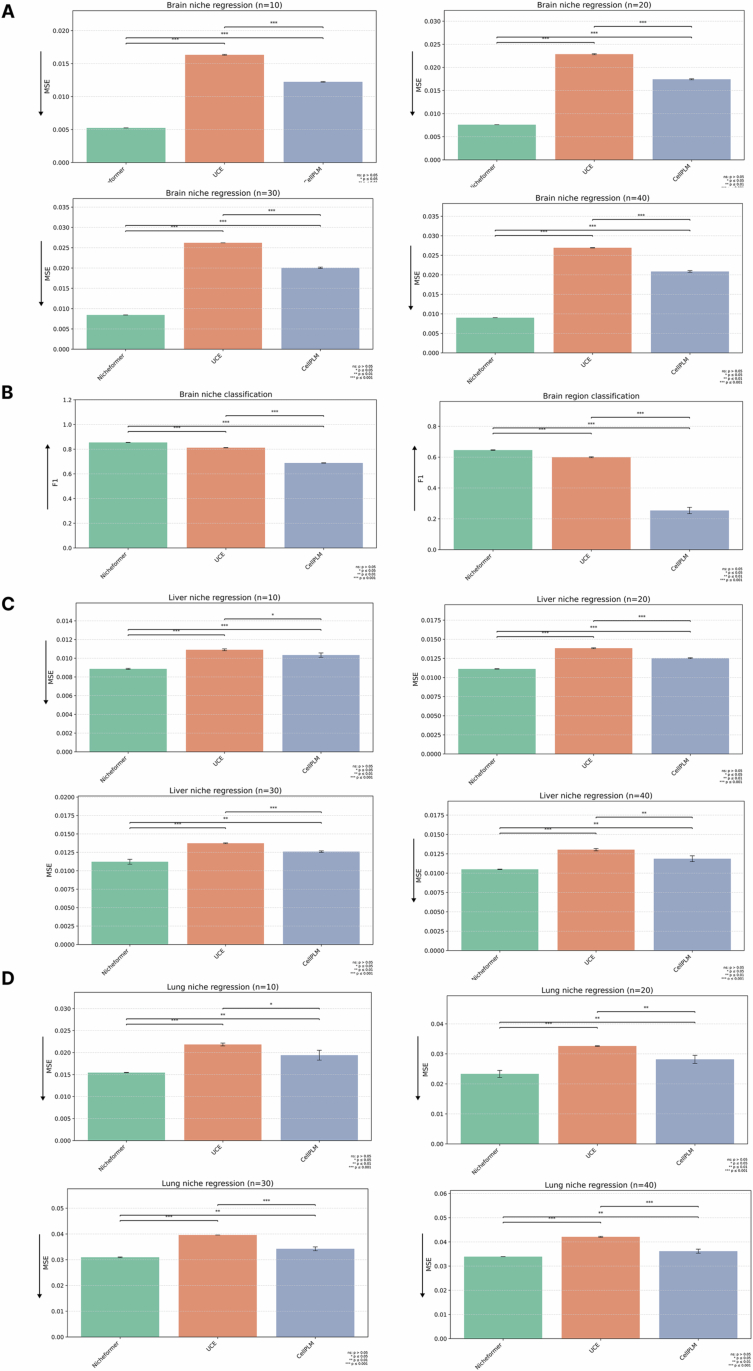
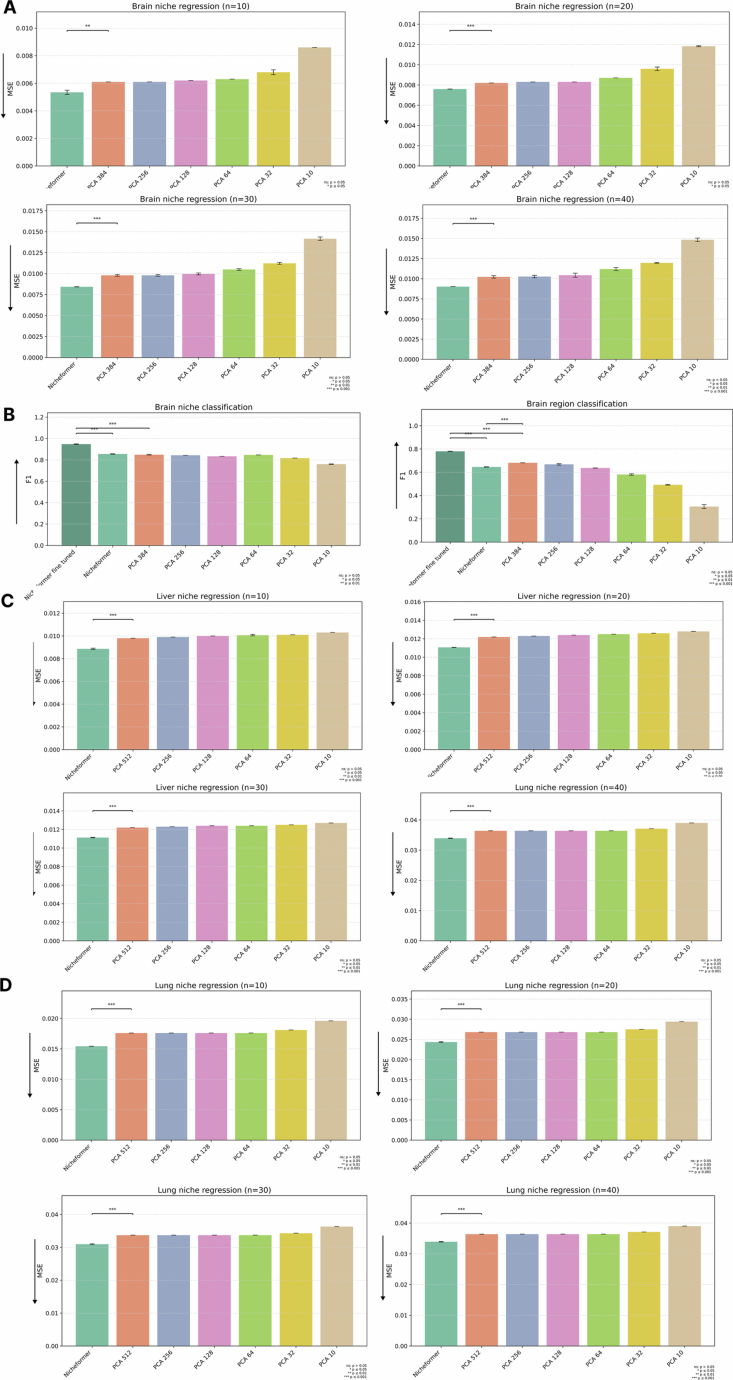
“We introduce a newly designed set of downstream tasks designed explicitly for spatial data analysis, in which Nicheformer consistently outperforms baseline models, including foundational models trained only on scRNA-seq data such as GeneFormer, UCE and scGPT, and also models trained on spatial data…”
The evolving tumor microenvironment: From cancer initiation to metastatic outgrowth
de Visser, K. E., & Joyce, J. A. (2023) · Cancer Cell · doi:10.1016/j.ccell.2023.02.016 · Cited by 4,059 · cited 1×
“…found in highly structured cellular microenvironments and show strong spatial patterns in their gene expression 60 , while liver-resident immune cell populations were shown to be mobilized under certain circumstances, hence their regional specificity might be lower compared to other cell types 61 .”
Efremova, M., Vento-Tormo, M., Teichmann, S. A., & Vento-Tormo, R. (2020) · Nature Protocols · doi:10.1038/s41596-020-0292-x · Cited by 3,449 · cited 1×
“This property has been used successfully to learn cell-type communication profiles from coexpressed receptor–ligand interactions 66 , to reconstruct spatial gene expression from spatial context and anchor points using optimal transport 67,68 and to determine cell interactions beyond known…”
Spatially resolved, highly multiplexed RNA profiling in single cells
Chen, K. H., Boettiger, A. N., Moffitt, J. R., Wang, S., & Zhuang, X. (2015) · Science · doi:10.1126/science.aaa6090 · Cited by 2,969
Microglia Function in the Central Nervous System During Health and Neurodegeneration
Colonna, M., & Butovsky, O. (2017) · Annual Review of Immunology · doi:10.1146/annurev-immunol-051116-052358 · Cited by 2,894 · cited 1×
“Immune cells are scattered across the brain and accomplish very specific but differing tasks ranging from regulating synaptic plasticity, and immune surveillance, to preventing excitotoxicity 59 .”
On the Opportunities and Risks of Foundation Models
Bommasani, R., Hudson, D. A., Adeli, E., Altman, R., Arora, S., von Arx, S., Bernstein, M. S., Bohg, J., Bosselut, A., Brunskill, E., et al. (2021) · arXiv · doi:10.48550/arxiv.2108.07258 · Cited by 2,676 · cited 1×
“The embedding is obtained via forward passing a specific dataset through the pretraining model to generate a lower-dimensional representation, the so-called Nicheformer embedding.”
Deep generative modeling for single-cell transcriptomics
Lopez, R., Regier, J., Cole, M. B., Jordan, M. I., & Yosef, N. (2018) · Nature Methods · doi:10.1038/s41592-018-0229-2 · Cited by 2,530 · cited 1×
“The field of single-cell biology has taken up deep learning-based representation learning for some time, leveraging autoencoders 16,17 for analysis tasks like data integration 18 , atlas mapping 19 and perturbation prediction 20 .”
Resolving the fibrotic niche of human liver cirrhosis at single-cell level
Ramachandran, P., Dobie, R., Wilson-Kanamori, J. R., Dora, E. F., Henderson, B. E. P., Luu, N. T., Portman, J. R., Matchett, K. P., Brice, M., Marwick, J. A., et al. (2019) · Nature · doi:10.1038/s41586-019-1631-3 · Cited by 1,784
scGPT: Towards Building a Foundation Model for Single-Cell Multi-omics Using Generative AI
Cui, H., Wang, C., Maan, H., Pang, K., Luo, F., & Wang, B. (2023) · doi:10.1101/2023.04.30.538439 · Cited by 1,694 · cited 4×
“…a linear-probing model trained on the Nicheformer embedding systematically outperform existing foundation models, specifically Geneformer 22 , scGPT 21 and UCE 23 pretrained on dissociated data alone, foundation models trained in spatial data, specifically CellPLM 29 , and embedding models like…”
InfluentialBenchmarking atlas-level data integration in single-cell genomics
Luecken, M. D., Büttner, M., Chaichoompu, K., Danese, A., Interlandi, M., Mueller, M. F., Strobl, D. C., Zappia, L., Dugas, M., Colomé-Tatché, M., et al. (2022) · Nature Methods · doi:10.1038/s41592-021-01336-8 · Cited by 1,438 · cited 2×
“The field of single-cell biology has taken up deep learning-based representation learning for some time, leveraging autoencoders 16,17 for analysis tasks like data integration 18 , atlas mapping 19 and perturbation prediction 20 .”
Self-citationFederhen, S. (2012) · Nucleic Acids Research · doi:10.1093/nar/gkr1178 · Cited by 1,436 · cited 1×
“We curated ontology term identifiers for species based on the ontology representation of the NCBI organismal taxonomy (NCBITaxon) 73 , tissue based on the Uber-anatomy ontology (Uberon) 74,75 , sex based on the ontology of phenotypic qualities (PATO) 76,77 and assay based on the Experimental Factor…”
The Allen Mouse Brain Common Coordinate Framework: A 3D Reference Atlas
Wang, Q., Ding, S.-L., Li, Y., Royall, J., Feng, D., Lesnar, P., Graddis, N., Naeemi, M., Facer, B., Ho, A., et al. (2020) · Cell · doi:10.1016/j.cell.2020.04.007 · Cited by 1,386
Ji, Y., Zhou, Z., Liu, H., & Davuluri, R. V. (2021) · Bioinformatics · doi:10.1093/bioinformatics/btab083 · Cited by 1,303
NASH limits anti-tumour surveillance in immunotherapy-treated HCC
Pfister, D., Núñez, N. G., Pinyol, R., Govaere, O., Pinter, M., Szydlowska, M., Gupta, R., Qiu, M., Deczkowska, A., Weiner, A., et al. (2021) · Nature · doi:10.1038/s41586-021-03362-0 · Cited by 1,294
Deciphering cell–cell interactions and communication from gene expression
Armingol, E., Officer, A., Harismendy, O., & Lewis, N. E. (2021) · Nature Reviews Genetics · doi:10.1038/s41576-020-00292-x · Cited by 1,267 · cited 1×
“…density in a Xenium lung dataset measuring an adult human healthy lung section and a section with invasive adenocarcinoma from a second patient 65 , and in a Xenium formalin-fixed paraffin-embedded-preserved healthy and diseased colon with stage 2A adenocarcinoma from two different patients 65 .”
Methods and applications for single-cell and spatial multi-omics
Vandereyken, K., Sifrim, A., Thienpont, B., & Voet, T. (2023) · Nature Reviews Genetics · doi:10.1038/s41576-023-00580-2 · Cited by 1,244 · cited 1×
“A long-term vision in systems biology has been to create multiscale models, from molecules and cells up to tissue, organs and eventually the whole organism 106,107 .”
A high-resolution transcriptomic and spatial atlas of cell types in the whole mouse brain
Yao, Z., van Velthoven, C. T. J., Kunst, M., Zhang, M., McMillen, D., Lee, C., Jung, W., Goldy, J., Abdelhak, A., Aitken, M., et al. (2023) · Nature · doi:10.1038/s41586-023-06812-z · Cited by 1,203 · cited 16×
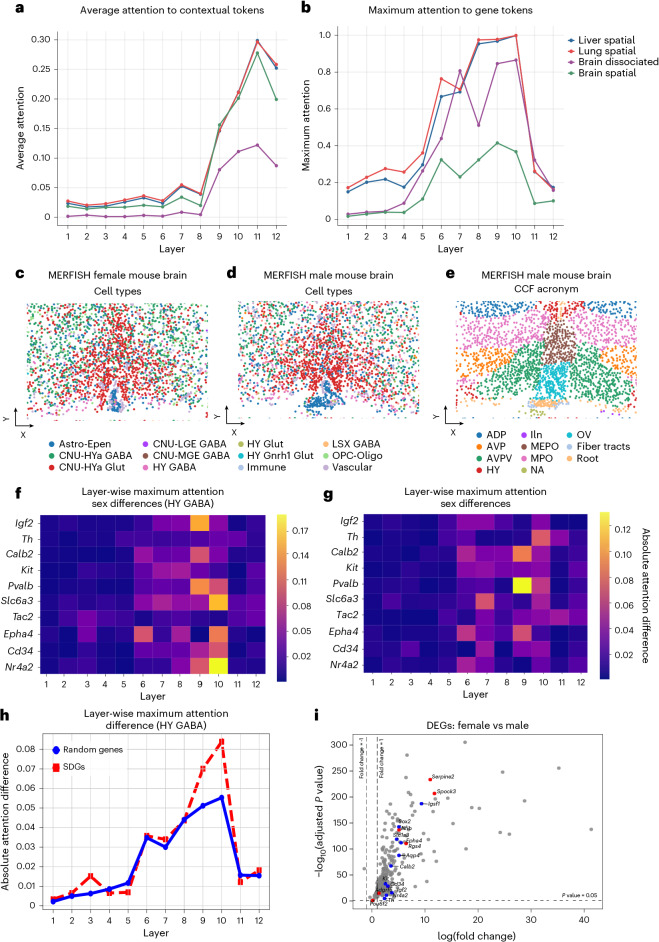
“We do the analysis both for all cells in the AVPV section and for just HY GABA cells, a small population of cells in the AVPV that modulate the firing of the different glutamatergic neurons in the AVPV that stimulate the synthesis of gonadotropins 52 .”
InfluentialTransfer learning enables predictions in network biology
Theodoris, C. V., Xiao, L., Chopra, A., Chaffin, M. D., Al Sayed, Z. R., Hill, M. C., Mantineo, H., Brydon, E. M., Zeng, Z., Liu, X. S., et al. (2023) · Nature · doi:10.1038/s41586-023-06139-9 · Cited by 1,193 · cited 13×
“We designed a set of novel downstream tasks showing that both fine-tuned Nicheformer and a linear-probing model trained on the Nicheformer embedding systematically outperform existing foundation models, specifically Geneformer 22 , scGPT 21 and UCE 23 pretrained on dissociated data alone, foundation models trained in…”
InfluentialIn-context Learning and Induction Heads
Olsson, C., Elhage, N., Nanda, N., Joseph, N., DasSarma, N., Henighan, T., Mann, B., Askell, A., Bai, Y., Chen, A., et al. (2022) · arXiv · doi:10.48550/arxiv.2209.11895 · Cited by 1,170 · cited 1×
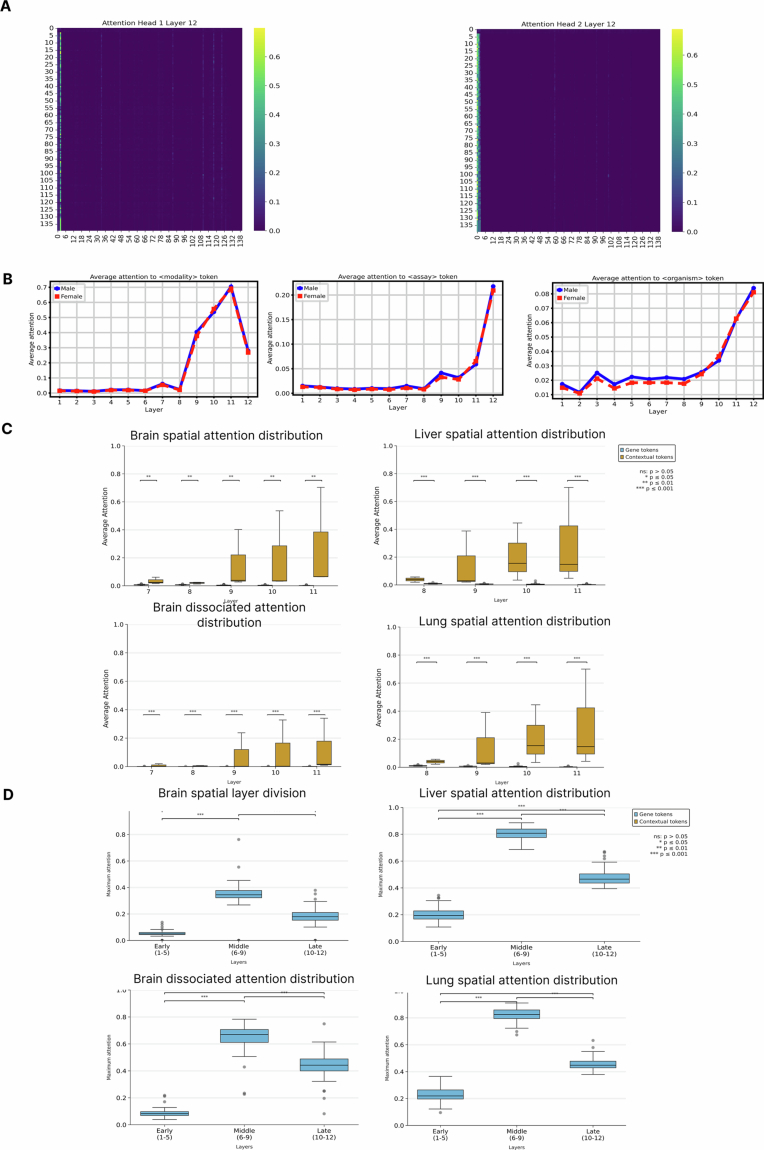
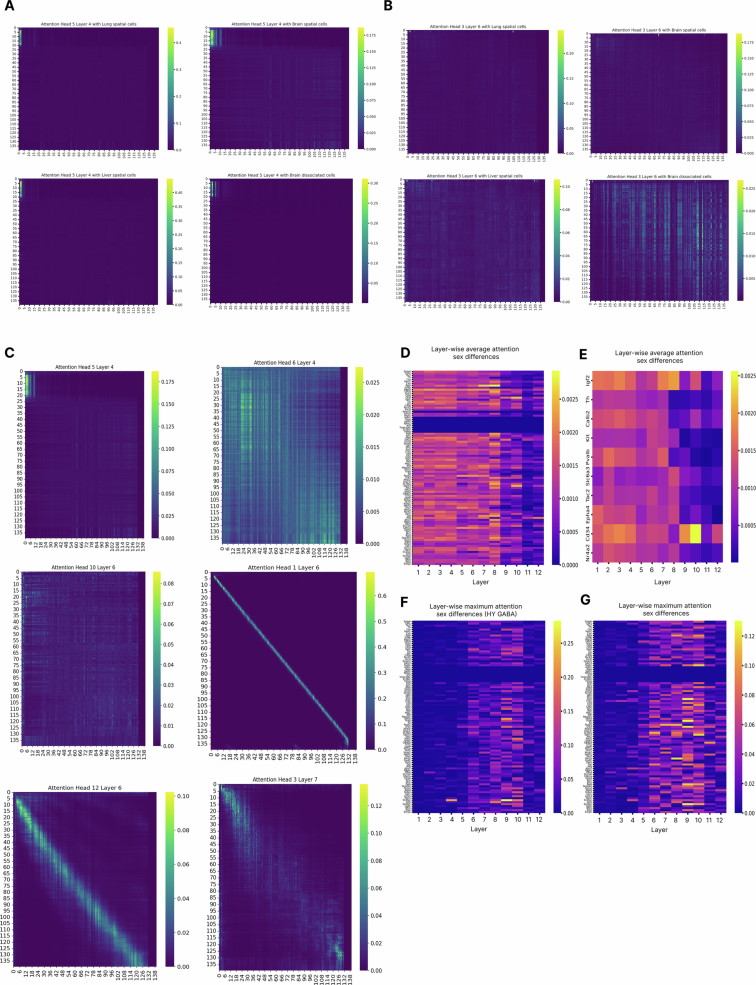
“These observations echo findings in large language models, where specific attention heads acquire well-defined functions, such as induction heads that detect repeated patterns in sequences 45 or successor heads that track sequential dependencies 46 .”
Cross-tissue immune cell analysis reveals tissue-specific features in humans
Domínguez Conde, C., Xu, C., Jarvis, L. B., Rainbow, D. B., Wells, S. B., Gomes, T., Howlett, S. K., Suchanek, O., Polanski, K., King, H. W., et al. (2022) · Science · doi:10.1126/science.abl5197 · Cited by 1,159 · cited 2×
“6c,h) and was able to accurately predict a higher cellular density in the tumor regions and denser tissue structures in the Xenium lung dataset (Fig.”
Liver immunology and its role in inflammation and homeostasis
Robinson, M. W., Harmon, C., & O’Farrelly, C. (2016) · Cellular & Molecular Immunology · doi:10.1038/cmi.2016.3 · Cited by 1,151 · cited 1×
“…found in highly structured cellular microenvironments and show strong spatial patterns in their gene expression 60 , while liver-resident immune cell populations were shown to be mobilized under certain circumstances, hence their regional specificity might be lower compared to other cell types 61 .”
Zhou, Y., Song, W. M., Andhey, P. S., Swain, A., Levy, T., Miller, K. R., Poliani, P. L., Cominelli, M., Grover, S., Gilfillan, S., et al. (2020) · Nature Medicine · doi:10.1038/s41591-019-0695-9 · Cited by 1,150
Method of the Year: spatially resolved transcriptomics
Marx, V. (2021) · Nature Methods · doi:10.1038/s41592-020-01033-y · Cited by 1,132 · cited 1×
“Current transformer-based single-cell models are used for either gene-level tasks (for example, gene regulatory networks inference, perturbation effects) or cell-level tasks (for example, cell-type annotation, batch integration) 21–23 .”
Habermann, A. C., Gutierrez, A. J., Bui, L. T., Yahn, S. L., Winters, N. I., Calvi, C. L., Peter, L., Chung, M.-I., Taylor, C. J., Jetter, C., et al. (2020) · Science Advances · doi:10.1126/sciadv.aba1972 · Cited by 1,129
Hu, J., Li, X., Coleman, K., Schroeder, A., Ma, N., Irwin, D. J., Lee, E. B., Shinohara, R. T., & Li, M. (2021) · Nature Methods · doi:10.1038/s41592-021-01255-8 · Cited by 1,113 · cited 1×
“Notably, Nicheformer’s ranked tokenization and attention mechanisms enable robust differentiation without requiring matching expression depth, highlighting a key strength of the model.”
BioMart – biological queries made easy
Smedley, D., Haider, S., Ballester, B., Holland, R., London, D., Thorisson, G., & Kasprzyk, A. (2009) · BMC Genomics · doi:10.1186/1471-2164-10-22 · Cited by 1,111 · cited 3×
“For the MERFISH mouse dataset, we first mapped the mouse genes to human genes using BioMart 43 through the official Ensembl releases 44 .”
Individual brain organoids reproducibly form cell diversity of the human cerebral cortex
Velasco, S., Kedaigle, A. J., Simmons, S. K., Nash, A., Rocha, M., Quadrato, G., Paulsen, B., Nguyen, L., Adiconis, X., Regev, A., et al. (2019) · Nature · doi:10.1038/s41586-019-1289-x · Cited by 1,094
Single-cell RNA-seq denoising using a deep count autoencoder
Eraslan, G., Simon, L. M., Mircea, M., Mueller, N. S., & Theis, F. J. (2019) · Nature Communications · doi:10.1038/s41467-018-07931-2 · Cited by 1,084 · cited 2×
“The field of single-cell biology has taken up deep learning-based representation learning for some time, leveraging autoencoders 16,17 for analysis tasks like data integration 18 , atlas mapping 19 and perturbation prediction 20 .”
Self-citationLarge language models generate functional protein sequences across diverse families
Madani, A., Krause, B., Greene, E. R., Subramanian, S., Mohr, B. P., Holton, J. M., Olmos, J. L., Xiong, C., Sun, Z. Z., Socher, R., et al. (2023) · Nature Biotechnology · doi:10.1038/s41587-022-01618-2 · Cited by 1,078 · cited 1×
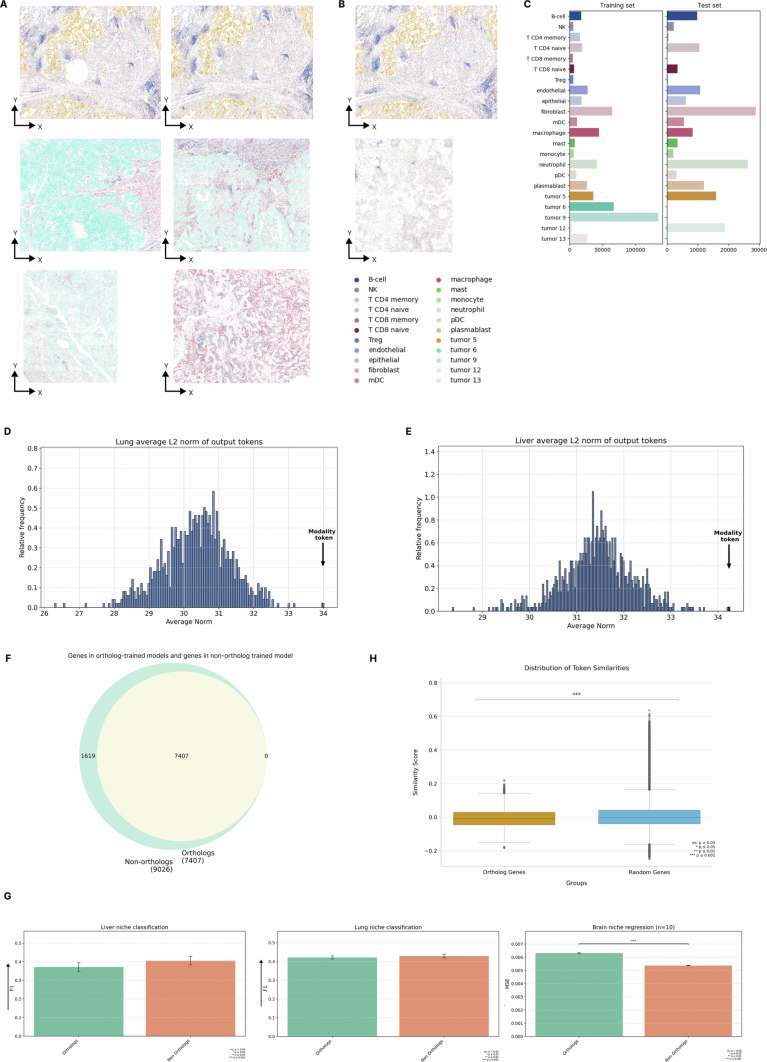
“As the corpus includes human and mouse data, we constructed a shared vocabulary by concatenating orthologous protein-coding genes and species-specific ones, totaling 20,310 gene tokens (Fig.”
Van Hove, H., Martens, L., Scheyltjens, I., De Vlaminck, K., Pombo Antunes, A. R., De Prijck, S., Vandamme, N., De Schepper, S., Van Isterdael, G., Scott, C. L., et al. (2019) · Nature Neuroscience · doi:10.1038/s41593-019-0393-4 · Cited by 1,074
Martin, F. J., Amode, M. R., Aneja, A., Austine-Orimoloye, O., Azov, A. G., Barnes, I., Becker, A., Bennett, R., Berry, A., Bhai, J., et al. (2023) · Nucleic Acids Research · doi:10.1093/nar/gkac958 · Cited by 1,023 · cited 3×
“For the MERFISH mouse dataset, we first mapped the mouse genes to human genes using BioMart 43 through the official Ensembl releases 44 .”
Gemini: A Family of Highly Capable Multimodal Models
Gemini Team, Anil, R., Borgeaud, S., Alayrac, J.-B., Yu, J., Soricut, R., Schalkwyk, J., Dai, A. M., Hauth, A., Millican, K., et al. (2023) · arXiv · doi:10.48550/arxiv.2312.11805 · Cited by 990
Trujillo, C. A., Gao, R., Negraes, P. D., Gu, J., Buchanan, J., Preissl, S., Wang, A., Wu, W., Haddad, G. G., Chaim, I. A., et al. (2019) · Cell Stem Cell · doi:10.1016/j.stem.2019.08.002 · Cited by 974
In situ sequencing for RNA analysis in preserved tissue and cells
Ke, R., Mignardi, M., Pacureanu, A., Svedlund, J., Botling, J., Wählby, C., & Nilsson, M. (2013) · Nature Methods · doi:10.1038/nmeth.2563 · Cited by 934
A Cellular Taxonomy of the Bone Marrow Stroma in Homeostasis and Leukemia
Baryawno, N., Przybylski, D., Kowalczyk, M. S., Kfoury, Y., Severe, N., Gustafsson, K., Kokkaliaris, K. D., Mercier, F., Tabaka, M., Hofree, M., et al. (2019) · Cell · doi:10.1016/j.cell.2019.04.040 · Cited by 884
An integrated cell atlas of the lung in health and disease
Sikkema, L., Ramírez-Suástegui, C., Strobl, D. C., Gillett, T. E., Zappia, L., Madissoon, E., Markov, N. S., Zaragosi, L.-E., Ji, Y., Ansari, M., et al. (2023) · Nature Medicine · doi:10.1038/s41591-023-02327-2 · Cited by 854 · cited 2×
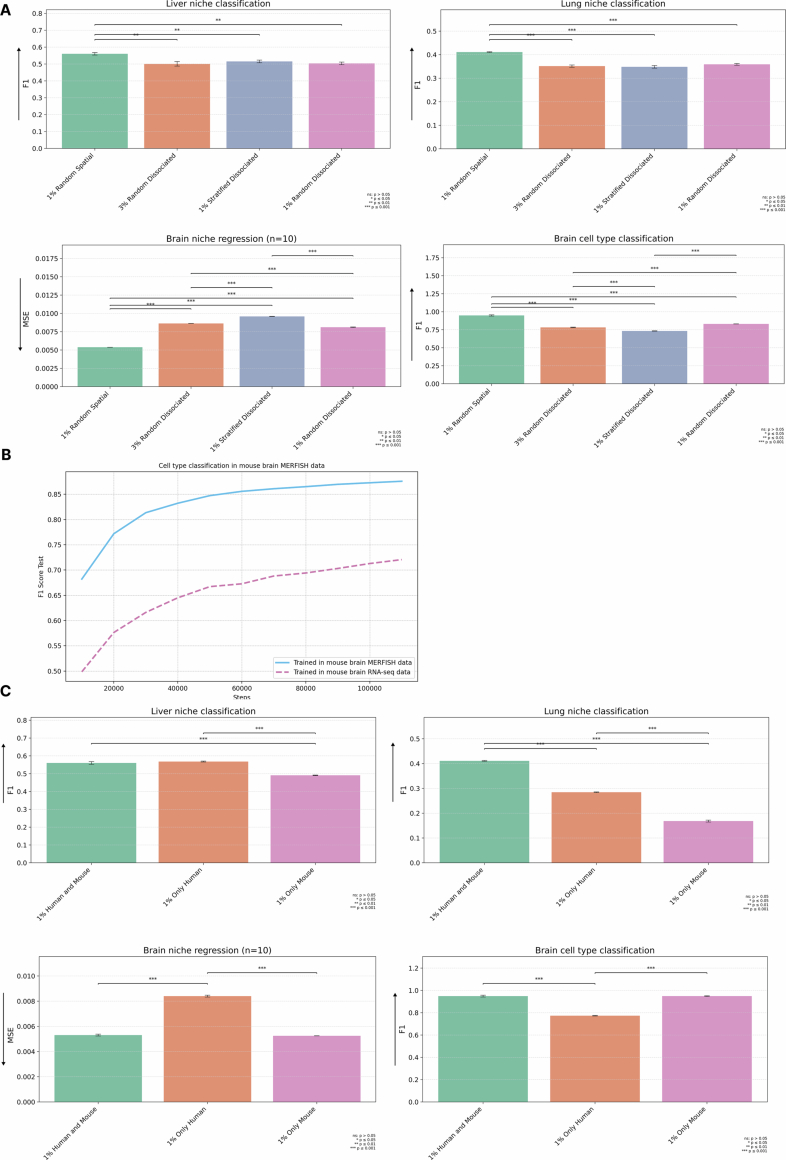
“Models trained on one organism performed poorly on the missing organism but outperformed those trained on the opposite organism (Extended Data Fig.”
InfluentialSelf-citationHe, S., Bhatt, R., Brown, C., Brown, E. A., Buhr, D. L., Chantranuvatana, K., Danaher, P., Dunaway, D., Garrison, R. G., Geiss, G., et al. (2022) · Nature Biotechnology · doi:10.1038/s41587-022-01483-z · Cited by 814 · cited 4×
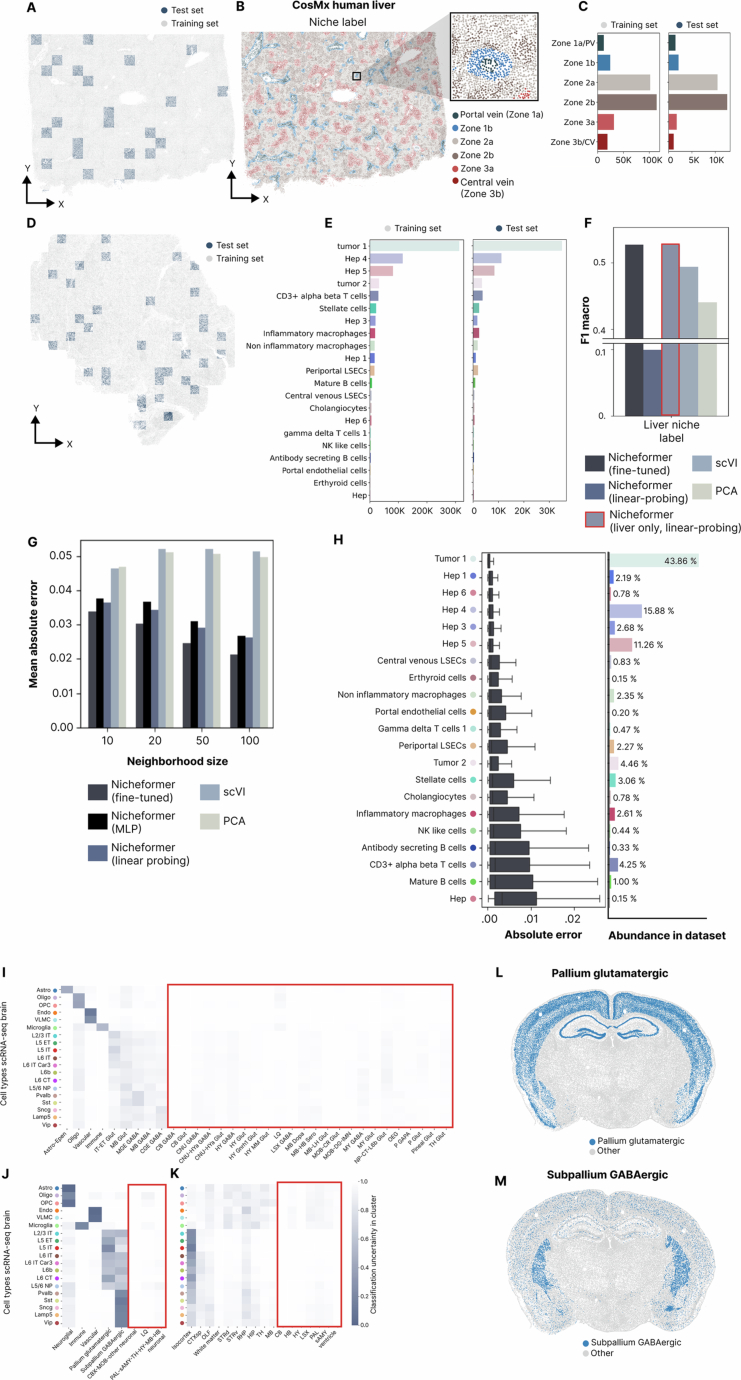
“We collected the CosMx human liver dataset from the publicly available CosMx data resource 38 .”
InfluentialMapping information-rich genotype-phenotype landscapes with genome-scale Perturb-seq
Replogle, J. M., Saunders, R. A., Pogson, A. N., Hussmann, J. A., Lenail, A., Guna, A., Mascibroda, L., Wagner, E. J., Adelman, K., Lithwick-Yanai, G., et al. (2022) · Cell · doi:10.1016/j.cell.2022.05.013 · Cited by 795
The origin and evolution of cell types
Arendt, D., Musser, J. M., Baker, C. V. H., Bergman, A., Cepko, C., Erwin, D. H., Pavlicev, M., Schlosser, G., Widder, S., Laubichler, M. D., et al. (2016) · Nature Reviews Genetics · doi:10.1038/nrg.2016.127 · Cited by 764
Uberon, an integrative multi-species anatomy ontology
Mungall, C. J., Torniai, C., Gkoutos, G. V., Lewis, S. E., & Haendel, M. A. (2012) · Genome biology · doi:10.1186/gb-2012-13-1-r5 · Cited by 732
The adult human testis transcriptional cell atlas
Guo, J., Grow, E. J., Mlcochova, H., Maher, G. J., Lindskog, C., Nie, X., Guo, Y., Takei, Y., Yun, J., Cai, L., et al. (2018) · Cell Research · doi:10.1038/s41422-018-0099-2 · Cited by 710
scGen predicts single-cell perturbation responses
Lotfollahi, M., Wolf, F. A., & Theis, F. J. (2019) · Nature Methods · doi:10.1038/s41592-019-0494-8 · Cited by 661
Self-citationCell stress in cortical organoids impairs molecular subtype specification
Bhaduri, A., Andrews, M. G., Mancia Leon, W., Jung, D., Shin, D., Allen, D., Jung, D., Schmunk, G., Haeussler, M., Salma, J., et al. (2020) · Nature · doi:10.1038/s41586-020-1962-0 · Cited by 624
Yang, F., Wang, W., Wang, F., Fang, Y., Tang, D., Huang, J., Lu, H., & Yao, J. (2021) · doi:10.1101/2021.12.05.471261 · Cited by 617 · cited 2×
“1e).”
Mapping single-cell data to reference atlases by transfer learning
Lotfollahi, M., Naghipourfar, M., Luecken, M. D., Khajavi, M., Büttner, M., Wagenstetter, M., Avsec, Ž., Gayoso, A., Yosef, N., Interlandi, M., et al. (2022) · Nature Biotechnology · doi:10.1038/s41587-021-01001-7 · Cited by 602 · cited 1×
“The field of single-cell biology has taken up deep learning-based representation learning for some time, leveraging autoencoders 16,17 for analysis tasks like data integration 18 , atlas mapping 19 and perturbation prediction 20 .”
Self-citationGeneration of Functional Human 3D Cortico-Motor Assembloids
Andersen, J., Revah, O., Miura, Y., Thom, N., Amin, N. D., Kelley, K. W., Singh, M., Chen, X., Thete, M. V., Walczak, E. M., et al. (2020) · Cell · doi:10.1016/j.cell.2020.11.017 · Cited by 593
Identification of Required Host Factors for SARS-CoV-2 Infection in Human Cells
Daniloski, Z., Jordan, T. X., Wessels, H.-H., Hoagland, D. A., Kasela, S., Legut, M., Maniatis, S., Mimitou, E. P., Lu, L., Geller, E., et al. (2021) · Cell · doi:10.1016/j.cell.2020.10.030 · Cited by 573
Modeling sample variables with an Experimental Factor Ontology
Malone, J., Holloway, E., Adamusiak, T., Kapushesky, M., Zheng, J., Kolesnikov, N., Zhukova, A., Brazma, A., & Parkinson, H. (2010) · Bioinformatics · doi:10.1093/bioinformatics/btq099 · Cited by 568
Single-cell RNA-seq reveals TOX as a key regulator of CD8+ T cell persistence in chronic infection
Yao, C., Sun, H.-W., Lacey, N. E., Ji, Y., Moseman, E. A., Shih, H.-Y., Heuston, E. F., Kirby, M., Anderson, S., Cheng, J., et al. (2019) · Nature Immunology · doi:10.1038/s41590-019-0403-4 · Cited by 549
Molecularly defined and spatially resolved cell atlas of the whole mouse brain
Zhang, M., Pan, X., Jung, W., Halpern, A. R., Eichhorn, S. W., Lei, Z., Cohen, L., Smith, K. A., Tasic, B., Yao, Z., et al. (2023) · Nature · doi:10.1038/s41586-023-06808-9 · Cited by 498 · cited 2×
“In future iterations, it would be interesting to inspect the learned architecture in order to understand interactions between genes within cells and niches to extract biological mechanistic knowledge, for example, by assessing how gene relationships are associated with cell state across the two…”
hESC-Derived Thalamic Organoids Form Reciprocal Projections When Fused with Cortical Organoids
Xiang, Y., Tanaka, Y., Cakir, B., Patterson, B., Kim, K.-Y., Sun, P., Kang, Y.-J., Zhong, M., Liu, X., Patra, P., et al. (2019) · Cell Stem Cell · doi:10.1016/j.stem.2018.12.015 · Cited by 485
Spatial heterogeneity in the mammalian liver
Ben-Moshe, S., & Itzkovitz, S. (2019) · Nature Reviews Gastroenterology & Hepatology · doi:10.1038/s41575-019-0134-x · Cited by 485 · cited 1×
“Hepatocytes are predominantly found in highly structured cellular microenvironments and show strong spatial patterns in their gene expression 60 , while liver-resident immune cell populations were shown to be mobilized under certain circumstances, hence their regional specificity might be lower…”
Single-cell RNA sequencing reveals functional heterogeneity of glioma-associated brain macrophages
Ochocka, N., Segit, P., Walentynowicz, K. A., Wojnicki, K., Cyranowski, S., Swatler, J., Mieczkowski, J., & Kaminska, B. (2021) · Nature Communications · doi:10.1038/s41467-021-21407-w · Cited by 471
Controlled modelling of human epiblast and amnion development using stem cells
Zheng, Y., Xue, X., Shao, Y., Wang, S., Esfahani, S. N., Li, Z., Muncie, J. M., Lakins, J. N., Weaver, V. M., Gumucio, D. L., et al. (2019) · Nature · doi:10.1038/s41586-019-1535-2 · Cited by 454
Self-Supervised Representation Learning: Introduction, advances, and challenges
Ericsson, L., Gouk, H., Loy, C. C., & Hospedales, T. M. (2022) · IEEE Signal Processing Magazine · doi:10.1109/msp.2021.3134634 · Cited by 433 · cited 1×
“We combined all technology-specific datasets and pad missing genes.”
Microglia-organized scar-free spinal cord repair in neonatal mice
Li, Y., He, X., Kawaguchi, R., Zhang, Y., Wang, Q., Monavarfeshani, A., Yang, Z., Chen, B., Shi, Z., Meng, H., et al. (2020) · Nature · doi:10.1038/s41586-020-2795-6 · Cited by 429
Childhood cerebellar tumours mirror conserved fetal transcriptional programs
Vladoiu, M. C., El-Hamamy, I., Donovan, L. K., Farooq, H., Holgado, B. L., Sundaravadanam, Y., Ramaswamy, V., Hendrikse, L. D., Kumar, S., Mack, S. C., et al. (2019) · Nature · doi:10.1038/s41586-019-1158-7 · Cited by 426
Spatially resolved multiomics of human cardiac niches
Kanemaru, K., Cranley, J., Muraro, D., Miranda, A. M. A., Ho, S. Y., Wilbrey-Clark, A., Patrick Pett, J., Polanski, K., Richardson, L., Litvinukova, M., et al. (2023) · Nature · doi:10.1038/s41586-023-06311-1 · Cited by 425 · cited 1×
“Importantly, this result is not influenced by the sheer number of cells since all models are trained with the same number of cells; the only difference is the diversity of the data.”
The microbiota regulate neuronal function and fear extinction learning
Chu, C., Murdock, M. H., Jing, D., Won, T. H., Chung, H., Kressel, A. M., Tsaava, T., Addorisio, M. E., Putzel, G. G., Zhou, L., et al. (2019) · Nature · doi:10.1038/s41586-019-1644-y · Cited by 421
Miura, Y., Li, M.-Y., Birey, F., Ikeda, K., Revah, O., Thete, M. V., Park, J.-Y., Puno, A., Lee, S. H., Porteus, M. H., et al. (2020) · Nature Biotechnology · doi:10.1038/s41587-020-00763-w · Cited by 415
Genome-wide CRISPRi/a screens in human neurons link lysosomal failure to ferroptosis
Tian, R., Abarientos, A., Hong, J., Hashemi, S. H., Yan, R., Dräger, N., Leng, K., Nalls, M. A., Singleton, A. B., Xu, K., et al. (2021) · Nature Neuroscience · doi:10.1038/s41593-021-00862-0 · Cited by 414
Genome-wide CRISPRi/a screens in human neurons link lysosomal failure to ferroptosis
Tian, R., Abarientos, A., Hong, J., Hashemi, S. H., Yan, R., Dräger, N., Leng, K., Nalls, M. A., Singleton, A. B., Xu, K., et al. (2020) · doi:10.1101/2020.06.27.175679 · Cited by 414
Program, C. C. S., Abdulla, S., Aevermann, B., Assis, P., Badajoz, S., Bell, S. M., Bezzi, E., Cakir, B., Chaffer, J., Chambers, S., et al. (2025) · Nucleic Acids Research · doi:10.1093/nar/gkae1142 · Cited by 399
A transcriptomic and epigenomic cell atlas of the mouse primary motor cortex
Yao, Z., Liu, H., Xie, F., Fischer, S., Adkins, R. S., Aldridge, A. I., Ament, S. A., Bartlett, A., Behrens, M. M., Van den Berge, K., et al. (2021) · Nature · doi:10.1038/s41586-021-03500-8 · Cited by 398 · cited 2×
“The attention paid to random genes and SDGs is equal across all layers except in layers 9 and 10, where there is an increment in the maximum attention paid to the SDGs in comparison to the attention paid to the random set of genes. i , Volcano plot showing the differentially expressed genes (DEGs)…”
Zhang, Y., Lazarus, J., Steele, N. G., Yan, W., Lee, H.-J., Nwosu, Z. C., Halbrook, C. J., Menjivar, R. E., Kemp, S. B., Sirihorachai, V. R., et al. (2020) · Cancer Discovery · doi:10.1158/2159-8290.cd-19-0958 · Cited by 385
Sárvári, A. K., Van Hauwaert, E. L., Markussen, L. K., Gammelmark, E., Marcher, A.-B., Ebbesen, M. F., Nielsen, R., Brewer, J. R., Madsen, J. G. S., & Mandrup, S. (2021) · Cell Metabolism · doi:10.1016/j.cmet.2020.12.004 · Cited by 377
Targeted Elimination of Senescent Beta Cells Prevents Type 1 Diabetes
Thompson, P. J., Shah, A., Ntranos, V., Van Gool, F., Atkinson, M., & Bhushan, A. (2019) · Cell Metabolism · doi:10.1016/j.cmet.2019.01.021 · Cited by 353
Somatic mutations and cell identity linked by Genotyping of Transcriptomes
Nam, A. S., Kim, K.-T., Chaligne, R., Izzo, F., Ang, C., Taylor, J., Myers, R. M., Abu-Zeinah, G., Brand, R., Omans, N. D., et al. (2019) · Nature · doi:10.1038/s41586-019-1367-0 · Cited by 333
Spatial components of molecular tissue biology
Palla, G., Fischer, D. S., Regev, A., & Theis, F. J. (2022) · Nature Biotechnology · doi:10.1038/s41587-021-01182-1 · Cited by 327 · cited 1×
“However, cell types are defined ignoring the spatial context, which provides additional value for understanding cellular microenvironments 53 .”
Self-citationNeuropeptide CGRP Limits Group 2 Innate Lymphoid Cell Responses and Constrains Type 2 Inflammation
Nagashima, H., Mahlakõiv, T., Shih, H.-Y., Davis, F. P., Meylan, F., Huang, Y., Harrison, O. J., Yao, C., Mikami, Y., Urban, J. F., et al. (2019) · Immunity · doi:10.1016/j.immuni.2019.06.009 · Cited by 322
In vivo Perturb-Seq reveals neuronal and glial abnormalities associated with autism risk genes
Jin, X., Simmons, S. K., Guo, A., Shetty, A. S., Ko, M., Nguyen, L., Jokhi, V., Robinson, E., Oyler, P., Curry, N., et al. (2020) · Science · doi:10.1126/science.aaz6063 · Cited by 317
Single-cell lineages reveal the rates, routes, and drivers of metastasis in cancer xenografts
Quinn, J. J., Jones, M. G., Okimoto, R. A., Nanjo, S., Chan, M. M., Yosef, N., Bivona, T. G., & Weissman, J. S. (2021) · Science · doi:10.1126/science.abc1944 · Cited by 310
Predicting cellular responses to complex perturbations in high‐throughput screens
Lotfollahi, M., Klimovskaia Susmelj, A., De Donno, C., Hetzel, L., Ji, Y., Ibarra, I. L., Srivatsan, S. R., Naghipourfar, M., Daza, R. M., Martin, B., et al. (2023) · Molecular Systems Biology · doi:10.15252/msb.202211517 · Cited by 307 · cited 1×
“The field of single-cell biology has taken up deep learning-based representation learning for some time, leveraging autoencoders 16,17 for analysis tasks like data integration 18 , atlas mapping 19 and perturbation prediction 20 .”
Self-citationKhan, N., Downey, J., Sanz, J., Kaufmann, E., Blankenhaus, B., Pacis, A., Pernet, E., Ahmed, E., Cardoso, S., Nijnik, A., et al. (2020) · Cell · doi:10.1016/j.cell.2020.09.062 · Cited by 292
Stalled developmental programs at the root of pediatric brain tumors
Jessa, S., Blanchet-Cohen, A., Krug, B., Vladoiu, M., Coutelier, M., Faury, D., Poreau, B., De Jay, N., Hébert, S., Monlong, J., et al. (2019) · Nature Genetics · doi:10.1038/s41588-019-0531-7 · Cited by 285
Nitzan, M., Karaiskos, N., Friedman, N., & Rajewsky, N. (2019) · Nature · doi:10.1038/s41586-019-1773-3 · Cited by 284 · cited 1×
“…to learn cell-type communication profiles from coexpressed receptor–ligand interactions 66 , to reconstruct spatial gene expression from spatial context and anchor points using optimal transport 67,68 and to determine cell interactions beyond known receptor–ligands via graph neural networks 56 .”
Assessing GPT-4 for cell type annotation in single-cell RNA-seq analysis
Hou, W., & Ji, Z. (2024) · Nature Methods · doi:10.1038/s41592-024-02235-4 · Cited by 277
Niu, W., & Spradling, A. C. (2020) · Proceedings of the National Academy of Sciences · doi:10.1073/pnas.2005570117 · Cited by 267
Single-cell RNA sequencing of human kidney
Liao, J., Yu, Z., Chen, Y., Bao, M., Zou, C., Zhang, H., Liu, D., Li, T., Zhang, Q., Li, J., et al. (2020) · Scientific Data · doi:10.1038/s41597-019-0351-8 · Cited by 266
Ascl2-dependent cell dedifferentiation drives regeneration of ablated intestinal stem cells
Murata, K., Jadhav, U., Madha, S., van Es, J., Dean, J., Cavazza, A., Wucherpfennig, K., Michor, F., Clevers, H., & Shivdasani, R. A. (2020) · Cell Stem Cell · doi:10.1016/j.stem.2019.12.011 · Cited by 264
Delacher, M., Imbusch, C. D., Hotz-Wagenblatt, A., Mallm, J.-P., Bauer, K., Simon, M., Riegel, D., Rendeiro, A. F., Bittner, S., Sanderink, L., et al. (2020) · Immunity · doi:10.1016/j.immuni.2019.12.002 · Cited by 261
Perez-Bermejo, J. A., Kang, S., Rockwood, S. J., Simoneau, C. R., Joy, D. A., Silva, A. C., Ramadoss, G. N., Flanigan, W. R., Fozouni, P., Li, H., et al. (2021) · Science Translational Medicine · doi:10.1126/scitranslmed.abf7872 · Cited by 259
Global absence and targeting of protective immune states in severe COVID-19
Combes, A. J., Courau, T., Kuhn, N. F., Hu, K. H., Ray, A., Chen, W. S., Chew, N. W., Cleary, S. J., Kushnoor, D., Reeder, G. C., et al. (2021) · Nature · doi:10.1038/s41586-021-03234-7 · Cited by 256
Dynamics of Cardiac Neutrophil Diversity in Murine Myocardial Infarction
Vafadarnejad, E., Rizzo, G., Krampert, L., Arampatzi, P., Arias-Loza, A.-P., Nazzal, Y., Rizakou, A., Knochenhauer, T., Bandi, S. R., Nugroho, V. A., et al. (2020) · Circulation Research · doi:10.1161/circresaha.120.317200 · Cited by 254 · cited 2×
“For datasets that did not provide Ensembl gene identifiers, we used pyEnsembl 42 with the Ensembl release 104 (GRCh38) to map gene names to Ensembl gene identifiers and subsequently BioMart 43 through the official Ensembl releases 44 for mapping mouse genes to orthologous gene identifiers.”
Histone H1 loss drives lymphoma by disrupting 3D chromatin architecture
Yusufova, N., Kloetgen, A., Teater, M., Osunsade, A., Camarillo, J. M., Chin, C. R., Doane, A. S., Venters, B. J., Portillo-Ledesma, S., Conway, J., et al. (2021) · Nature · doi:10.1038/s41586-020-3017-y · Cited by 253
Self-renewing endometrial epithelial organoids of the human uterus
Fitzgerald, H. C., Dhakal, P., Behura, S. K., Schust, D. J., & Spencer, T. E. (2019) · Proceedings of the National Academy of Sciences · doi:10.1073/pnas.1915389116 · Cited by 251
Using ontologies to describe mouse phenotypes
Gkoutos, G. V., Green, E. C., Mallon, A.-M., Hancock, J. M., & Davidson, D. (2004) · Genome Biology · doi:10.1186/gb-2004-6-1-r8 · Cited by 234 · cited 1×
“…term identifiers for species based on the ontology representation of the NCBI organismal taxonomy (NCBITaxon) 73 , tissue based on the Uber-anatomy ontology (Uberon) 74,75 , sex based on the ontology of phenotypic qualities (PATO) 76,77 and assay based on the Experimental Factor Ontology (EFO) 78 .”
A spatially resolved brain region- and cell type-specific isoform atlas of the postnatal mouse brain
Joglekar, A., Prjibelski, A., Mahfouz, A., Collier, P., Lin, S., Schlusche, A. K., Marrocco, J., Williams, S. R., Haase, B., Hayes, A., et al. (2021) · Nature Communications · doi:10.1038/s41467-020-20343-5 · Cited by 229
Barua, S., Fang, P., Sharma, A., Fujimoto, J., Wistuba, I., Rao, A. U. K., & Lin, S. H. (2018) · Lung Cancer · doi:10.1016/j.lungcan.2018.01.022 · Cited by 223 · cited 2×
“Consistent with literature observations 63,64 , we observed a higher average cellular density in the cancer sections (colon, 12.3 cells; lung, 12.1 cells) compared to healthy tissue (colon, 10.7 cells; lung, 10.7 cells) when extracting cellular neighborhoods at the same radius (Fig.”
InfluentialAn Airway Protection Program Revealed by Sweeping Genetic Control of Vagal Afferents
Prescott, S. L., Umans, B. D., Williams, E. K., Brust, R. D., & Liberles, S. D. (2020) · Cell · doi:10.1016/j.cell.2020.03.004 · Cited by 220
Ferreira-Gomes, M., Kruglov, A., Durek, P., Heinrich, F., Tizian, C., Heinz, G. A., Pascual-Reguant, A., Du, W., Mothes, R., Fan, C., et al. (2021) · Nature Communications · doi:10.1038/s41467-021-22210-3 · Cited by 213
CellCharter reveals spatial cell niches associated with tissue remodeling and cell plasticity
Varrone, M., Tavernari, D., Santamaria-Martínez, A., Walsh, L. A., & Ciriello, G. (2024) · Nature Genetics · doi:10.1038/s41588-023-01588-4 · Cited by 210 · cited 2×
“Nicheformer’s ability to infer cellular neighborhood density in healthy tissue and cancer tissue can be useful to inject spatial relationship information in dissociated data to further characterize cell-state variation in systems such as the tumor microenvironment.”
Dissecting the treatment-naive ecosystem of human melanoma brain metastasis
Biermann, J., Melms, J. C., Amin, A. D., Wang, Y., Caprio, L. A., Karz, A., Tagore, S., Barrera, I., Ibarra-Arellano, M. A., Andreatta, M., et al. (2022) · Cell · doi:10.1016/j.cell.2022.06.007 · Cited by 203
Kameneva, P., Artemov, A. V., Kastriti, M. E., Faure, L., Olsen, T. K., Otte, J., Erickson, A., Semsch, B., Andersson, E. R., Ratz, M., et al. (2021) · Nature Genetics · doi:10.1038/s41588-021-00818-x · Cited by 198
Modeling intercellular communication in tissues using spatial graphs of cells
Fischer, D. S., Schaar, A. C., & Theis, F. J. (2023) · Nature Biotechnology · doi:10.1038/s41587-022-01467-z · Cited by 196 · cited 2×
“This notion is consistent with previous approaches defining a cellular neighborhood 56 and allows for an interpretable evaluation of model results.”
Self-citationHildebrandt, F., Andersson, A., Saarenpää, S., Larsson, L., Van Hul, N., Kanatani, S., Masek, J., Ellis, E., Barragan, A., Mollbrink, A., et al. (2021) · Nature Communications · doi:10.1038/s41467-021-27354-w · Cited by 193
Advances in spatial transcriptomics and related data analysis strategies
Du, J., Yang, Y.-C., An, Z.-J., Zhang, M.-H., Fu, X.-H., Huang, Z.-F., Yuan, Y., & Hou, J. (2023) · Journal of Translational Medicine · doi:10.1186/s12967-023-04150-2 · Cited by 187 · cited 2×
“Current transformer-based single-cell models are used for either gene-level tasks (for example, gene regulatory networks inference, perturbation effects) or cell-level tasks (for example, cell-type annotation, batch integration) 21–23 .”
STING agonist promotes CAR T cell trafficking and persistence in breast cancer
Xu, N., Palmer, D. C., Robeson, A. C., Shou, P., Bommiasamy, H., Laurie, S. J., Willis, C., Dotti, G., Vincent, B. G., Restifo, N. P., et al. (2021) · Journal of Experimental Medicine · doi:10.1084/jem.20200844 · Cited by 181
Regulation of heterotopic ossification by monocytes in a mouse model of aberrant wound healing
Sorkin, M., Huber, A. K., Hwang, C., Carson, W. F., Menon, R., Li, J., Vasquez, K., Pagani, C., Patel, N., Li, S., et al. (2020) · Nature Communications · doi:10.1038/s41467-019-14172-4 · Cited by 181
Jin, W.-N., Shi, K., He, W., Sun, J.-H., Van Kaer, L., Shi, F.-D., & Liu, Q. (2021) · Nature Neuroscience · doi:10.1038/s41593-020-00745-w · Cited by 179
Kim, D. W., Washington, P. W., Wang, Z. Q., Lin, S. H., Sun, C., Ismail, B. T., Wang, H., Jiang, L., & Blackshaw, S. (2020) · Nature Communications · doi:10.1038/s41467-020-18231-z · Cited by 179
Tansley, S., Uttam, S., Ureña Guzmán, A., Yaqubi, M., Pacis, A., Parisien, M., Deamond, H., Wong, C., Rabau, O., Brown, N., et al. (2022) · Nature Communications · doi:10.1038/s41467-022-28473-8 · Cited by 177
Bhattacherjee, A., Djekidel, M. N., Chen, R., Chen, W., Tuesta, L. M., & Zhang, Y. (2019) · Nature Communications · doi:10.1038/s41467-019-12054-3 · Cited by 174
McFaline-Figueroa, J. L., Hill, A. J., Qiu, X., Jackson, D., Shendure, J., & Trapnell, C. (2019) · Nature Genetics · doi:10.1038/s41588-019-0489-5 · Cited by 174
Bailur, J. K., McCachren, S. S., Doxie, D. B., Shrestha, M., Pendleton, K., Nooka, A. K., Neparidze, N., Parker, T. L., Bar, N., Kaufman, J. L., et al. (2019) · JCI Insight · doi:10.1172/jci.insight.127807 · Cited by 171
Optimizing Xenium In Situ data utility by quality assessment and best-practice analysis workflows
Marco Salas, S., Kuemmerle, L. B., Mattsson-Langseth, C., Tismeyer, S., Avenel, C., Hu, T., Rehman, H., Grillo, M., Czarnewski, P., Helgadottir, S., et al. (2025) · Nature Methods · doi:10.1038/s41592-025-02617-2 · Cited by 169 · cited 1×
“Previous works 31 have demonstrably shown technology-dependent biases between spatial and dissociated transcriptomics data, with spatial data often yielding higher gene counts due to preprocessing steps 32 .”
Self-citationDiscrete limbal epithelial stem cell populations mediate corneal homeostasis and wound healing
Altshuler, A., Amitai-Lange, A., Tarazi, N., Dey, S., Strinkovsky, L., Hadad-Porat, S., Bhattacharya, S., Nasser, W., Imeri, J., Ben-David, G., et al. (2021) · Cell Stem Cell · doi:10.1016/j.stem.2021.04.003 · Cited by 168
BABEL enables cross-modality translation between multiomic profiles at single-cell resolution
Wu, K. E., Yost, K. E., Chang, H. Y., & Zou, J. (2021) · Proceedings of the National Academy of Sciences · doi:10.1073/pnas.2023070118 · Cited by 165
Unification of multi-species vertebrate anatomy ontologies for comparative biology in Uberon
Haendel, M. A., Balhoff, J. P., Bastian, F. B., Blackburn, D. C., Blake, J. A., Bradford, Y., Comte, A., Dahdul, W. M., Dececchi, T. A., Druzinsky, R. E., et al. (2014) · Journal of Biomedical Semantics · doi:10.1186/2041-1480-5-21 · Cited by 164 · cited 1×
“…term identifiers for species based on the ontology representation of the NCBI organismal taxonomy (NCBITaxon) 73 , tissue based on the Uber-anatomy ontology (Uberon) 74,75 , sex based on the ontology of phenotypic qualities (PATO) 76,77 and assay based on the Experimental Factor Ontology (EFO) 78 .”
Wang, Z., Xie, L., Ding, G., Song, S., Chen, L., Li, G., Xia, M., Han, D., Zheng, Y., Liu, J., et al. (2021) · Nature Communications · doi:10.1038/s41467-021-25771-5 · Cited by 163
Universal Cell Embeddings: A Foundation Model for Cell Biology
Rosen, Y., Roohani, Y., Agrawal, A., Samotorcan, L., Consortium, T. S., Quake, S. R., & Leskovec, J. (2023) · bioRxiv (Cold Spring Harbor Laboratory) · doi:10.1101/2023.11.28.568918 · Cited by 162 · cited 2×
“Model design and training .”
Kalinski, A. L., Yoon, C., Huffman, L. D., Duncker, P. C., Kohen, R., Passino, R., Hafner, H., Johnson, C., Kawaguchi, R., Carbajal, K. S., et al. (2020) · eLife · doi:10.7554/elife.60223 · Cited by 160
Cebrián‐Silla, A., Nascimento, M. A., Redmond, S., Mansky, B., Wu, D., Obernier, K., Rodriguez, R. R., González-Granero, S., García‐Verdugo, J. M., Lim, D. A., et al. (2021) · eLife · doi:10.7554/elife.67436 · Cited by 157
Metabolic programs define dysfunctional immune responses in severe COVID-19 patients
Thompson, E. A., Cascino, K., Ordonez, A. A., Zhou, W., Vaghasia, A., Hamacher-Brady, A., Brady, N. R., Sun, I.-H., Wang, R., Rosenberg, A. Z., et al. (2021) · Cell Reports · doi:10.1016/j.celrep.2021.108863 · Cited by 155
Targeting Piezo1 unleashes innate immunity against cancer and infectious disease
Aykut, B., Chen, R., Kim, J. I., Wu, D., Shadaloey, S. A. A., Abengozar, R., Preiss, P., Saxena, A., Pushalkar, S., Leinwand, J., et al. (2020) · Science Immunology · doi:10.1126/sciimmunol.abb5168 · Cited by 154
Immunopathogenesis of hidradenitis suppurativa and response to anti–TNF-α therapy
Lowe, M. M., Naik, H. B., Clancy, S., Pauli, M., Smith, K. M., Bi, Y., Dunstan, R., Gudjonsson, J. E., Paul, M., Harris, H., et al. (2020) · JCI Insight · doi:10.1172/jci.insight.139932 · Cited by 151
Zakharov, P. N., Hu, H., Wan, X., & Unanue, E. R. (2020) · Journal of Experimental Medicine · doi:10.1084/jem.20192362 · Cited by 149
Yang, X., Liu, G., Feng, G., Bu, D., Wang, P., Jiang, J., Chen, S., Yang, Q., Miao, H., Zhang, Y., et al. (2024) · Cell Research · doi:10.1038/s41422-024-01034-y · Cited by 148 · cited 1×
“https://doi.org/10.1038/s41592-025-02814-z humans and mice (Methods), which was shown to work beneficially for cross-species biological investigations and enhanced the discovery of universal gene regulatory mechanisms 30 .”
InfluentialYang, X., Liu, G., Feng, G., Bu, D., Wang, P., Jiang, J., Chen, S., Yang, Q., Zhang, Y., Man, Z., et al. (2023) · doi:10.1101/2023.09.26.559542 · Cited by 148
Single-cell transcriptomics–based MacSpectrum reveals macrophage activation signatures in diseases
Li, C., Menoret, A., Farragher, C., Ouyang, Z., Bonin, C., Holvoet, P., Vella, A. T., & Zhou, B. (2019) · JCI Insight · doi:10.1172/jci.insight.126453 · Cited by 145
Jorstad, N. L., Wilken, M. S., Todd, L. J., Finkbeiner, C., Nakamura, P. A., Radulovich, N. P., Hooper, M. J., Chitsazan, A., Wilkerson, B. A., Rieke, F. M., et al. (2020) · Cell Reports · doi:10.1016/j.celrep.2020.01.075 · Cited by 145
Cell-Type-Specific Immune Dysregulation in Severely Ill COVID-19 Patients
Yao, C., Bora, S. A., Parimon, T., Zaman, T., Friedman, O. A., Palatinus, J. A., Surapaneni, N. S., Matusov, Y. P., Cerro Chiang, G., Kassar, A. G., et al. (2021) · Cell Reports · doi:10.1016/j.celrep.2020.108590 · Cited by 141
Direct contribution of skeletal muscle mesenchymal progenitors to bone repair
Julien, A., Kanagalingam, A., Martínez‐Sarrà, E., Megret, J., Luka, M., Ménager, M. M., Relaix, F., & Colnot, C. (2021) · Nature Communications · doi:10.1038/s41467-021-22842-5 · Cited by 137
A cell atlas foundation model for scalable search of similar human cells
Heimberg, G., Kuo, T., DePianto, D. J., Salem, O., Heigl, T., Diamant, N., Scalia, G., Biancalani, T., Turley, S. J., Rock, J. R., et al. (2025) · Nature · doi:10.1038/s41586-024-08411-y · Cited by 136 · cited 1×
“Recently, foundation models explicitly designed for single-cell genomics have emerged 21–25 .”
Tan, K., Song, H.-W., & Wilkinson, M. (2020) · Development · doi:10.1242/dev.183251 · Cited by 136
Ellwanger, D. C., Wang, S., Brioschi, S., Shao, Z., Green, L., Case, R., Yoo, D., Weishuhn, D., Rathanaswami, P., Bradley, J., et al. (2021) · Proceedings of the National Academy of Sciences · doi:10.1073/pnas.2017742118 · Cited by 134
Opposing Wnt signals regulate cervical squamocolumnar homeostasis and emergence of metaplasia
Chumduri, C., Gurumurthy, R. K., Berger, H., Dietrich, O., Kumar, N., Koster, S., Brinkmann, V., Hoffmann, K., Drabkina, M., Arampatzi, P., et al. (2021) · Nature Cell Biology · doi:10.1038/s41556-020-00619-0 · Cited by 131
Cellular context of IL-33 expression dictates impact on anti-helminth immunity
Hung, L.-Y., Tanaka, Y., Herbine, K., Pastore, C., Singh, B., Ferguson, A., Vora, N., Douglas, B., Zullo, K., Behrens, E. M., et al. (2020) · Science Immunology · doi:10.1126/sciimmunol.abc6259 · Cited by 130
Pancreatic cancer is marked by complement-high blood monocytes and tumor-associated macrophages
Kemp, S. B., Steele, N. G., Carpenter, E. S., Donahue, K. L., Bushnell, G. G., Morris, A. H., The, S., Orbach, S. M., Sirihorachai, V. R., Nwosu, Z. C., et al. (2021) · Life Science Alliance · doi:10.26508/lsa.202000935 · Cited by 129
Inhibition of hyperglycolysis in mesothelial cells prevents peritoneal fibrosis
Si, M., Wang, Q., Li, Y., Lin, H., Luo, D., Zhao, W., Dou, X., Liu, J., Zhang, H., Huang, Y., et al. (2019) · Science Translational Medicine · doi:10.1126/scitranslmed.aav5341 · Cited by 129
Reich, M., Spomer, L., Klindt, C., Fuchs, K., Stindt, J., Deutschmann, K., Höhne, J., Liaskou, E., Hov, J. R., Karlsen, T. H., et al. (2021) · Journal of Hepatology · doi:10.1016/j.jhep.2021.03.029 · Cited by 121
FGFR4 regulates tumor subtype differentiation in luminal breast cancer and metastatic disease
García‐Recio, S., Thennavan, A., East, M. P., Parker, J. S., Cejalvo, J. M., Garay, J. P., Hollern, D. P., He, X., Mott, K. R., Galván, P., et al. (2020) · Journal of Clinical Investigation · doi:10.1172/jci130323 · Cited by 120
Single cell transcriptome profiling of the human alcohol-dependent brain
Brenner, E., Tiwari, G. R., Kapoor, M., Liu, Y., Brock, A., & Mayfield, R. D. (2020) · Human Molecular Genetics · doi:10.1093/hmg/ddaa038 · Cited by 118
Tsukahara, S., & Morishita, M. (2020) · Frontiers in Neuroscience · doi:10.3389/fnins.2020.00797 · Cited by 116
Dysfunctional dendritic cells limit antigen-specific T cell response in glioma
Friedrich, M., Hahn, M., Michel, J., Sankowski, R., Kilian, M., Kehl, N., Günter, M., Bunse, T., Pusch, S., von Deimling, A., et al. (2022) · Neuro-Oncology · doi:10.1093/neuonc/noac138 · Cited by 116
Kruczek, K., Qu, Z., Gentry, J., Fadl, B. R., Gieser, L., Hiriyanna, S., Batz, Z., Samant, M., Samanta, A., Chu, C. J., et al. (2021) · Stem Cell Reports · doi:10.1016/j.stemcr.2020.12.018 · Cited by 115
A fetal wave of human type 3 effector γδ cells with restricted TCR diversity persists into adulthood
Tan, L., Fichtner, A. S., Bruni, E., Odak, I., Sandrock, I., Bubke, A., Borchers, A., Schultze-Florey, C. R., Koenecke, C., Förster, R., et al. (2021) · Science Immunology · doi:10.1126/sciimmunol.abf0125 · Cited by 114
Little, D. R., Lynch, A. M., Yan, Y., Akiyama, H., Kimura, S., & Chen, J. (2021) · Nature Communications · doi:10.1038/s41467-021-22817-6 · Cited by 113
Osteopontin Links Myeloid Activation and Disease Progression in Systemic Sclerosis
Gao, X., Jia, G., Guttman, A., DePianto, D. J., Morshead, K. B., Sun, K.-H., Ramamoorthi, N., Vander Heiden, J. A., Modrusan, Z., Wolters, P. J., et al. (2020) · Cell Reports Medicine · doi:10.1016/j.xcrm.2020.100140 · Cited by 112
Induced organoids derived from patients with ulcerative colitis recapitulate colitic reactivity
Sarvestani, S. K., Signs, S., Hu, B., Yeu, Y., Feng, H., Ni, Y., Hill, D. R., Fisher, R. C., Ferrandon, S., DeHaan, R. K., et al. (2021) · Nature Communications · doi:10.1038/s41467-020-20351-5 · Cited by 111
Elevating microglia TREM2 reduces amyloid seeding and suppresses disease-associated microglia
Zhao, N., Qiao, W., Li, F., Ren, Y., Zheng, J., Martens, Y. A., Wang, X., Li, L., Liu, C.-C., Chen, K., et al. (2022) · Journal of Experimental Medicine · doi:10.1084/jem.20212479 · Cited by 111
MAP3K2-regulated intestinal stromal cells define a distinct stem cell niche
Wu, N., Sun, H., Zhao, X., Zhang, Y., Tan, J., Qi, Y., Wang, Q., Ng, M. S. F., Liu, Z., He, L., et al. (2021) · Nature · doi:10.1038/s41586-021-03283-y · Cited by 110
Zero-shot evaluation reveals limitations of single-cell foundation models
Kedzierska, K. Z., Crawford, L., Amini, A. P., & Lu, A. X. (2025) · Genome Biology · doi:10.1186/s13059-025-03574-x · Cited by 109
The covariance environment defines cellular niches for spatial inference
Haviv, D., Remšík, J., Gatie, M. I., Snopkowski, C., Takizawa, M., Pereira, N., Bashkin, J., Jovanovich, S. B., Nawy, T., Chaligné, R., et al. (2024) · Nature Biotechnology · doi:10.1038/s41587-024-02193-4 · Cited by 107 · cited 1×
“…to learn cell-type communication profiles from coexpressed receptor–ligand interactions 66 , to reconstruct spatial gene expression from spatial context and anchor points using optimal transport 67,68 and to determine cell interactions beyond known receptor–ligands via graph neural networks 56 .”
The anatomy of phenotype ontologies: principles, properties and applications
Gkoutos, G. V., Schofield, P. N., & Hoehndorf, R. (2018) · Briefings in Bioinformatics · doi:10.1093/bib/bbx035 · Cited by 104
Calcagno, D. M., Zhang, C., Toomu, A., Huang, K., Ninh, V. K., Miyamoto, S., Aguirre, A. D., Fu, Z., Brown, J. H., & King, K. R. (2021) · Journal of the American Heart Association · doi:10.1161/jaha.120.019019 · Cited by 104
FGF9 promotes mouse spermatogonial stem cell proliferation mediated by p38 MAPK signalling
Yang, F., Whelan, E. C., Guan, X., Deng, B., Wang, S., Sun, J., Avarbock, M. R., Wu, X., & Brinster, R. L. (2020) · Cell Proliferation · doi:10.1111/cpr.12933 · Cited by 94
Sex Differences in Maturation and Attrition of Adult Neurogenesis in the Hippocampus
Yagi, S., Splinter, J. E. J., Tai, D., Wong, S. J., Wen, Y., & Galea, L. A. M. (2020) · eNeuro · doi:10.1523/eneuro.0468-19.2020 · Cited by 92 · cited 1×
“We analyzed all attention matrices from 2,000 AVPV cells per sex, focusing on ten genes previously reported as sexually dimorphic 49–51 , and comparing the attention paid to the predefined set of genes against the attention paid to 100 randomly selected genes.”
Böttcher, A., Büttner, M., Tritschler, S., Sterr, M., Aliluev, A., Oppenländer, L., Burtscher, I., Sass, S., Irmler, M., Beckers, J., et al. (2021) · Nature Cell Biology · doi:10.1038/s41556-020-00617-2 · Cited by 92
Self-citationDefining the Design Principles of Skin Epidermis Postnatal Growth
Dekoninck, S., Hannezo, E., Sifrim, A., Miroshnikova, Y. A., Aragona, M., Malfait, M., Gargouri, S., de Neunheuser, C., Dubois, C., Voet, T., et al. (2020) · Cell · doi:10.1016/j.cell.2020.03.015 · Cited by 91
An Integrated Epigenomic and Transcriptomic Map of Mouse and Human αβ T Cell Development
Chopp, L. B., Gopalan, V., Ciucci, T., Ruchinskas, A. J., Rae, Z., Lagarde, M., Gao, Y., Li, C., Bosticardo, M., Pala, F., et al. (2020) · Immunity · doi:10.1016/j.immuni.2020.10.024 · Cited by 91
Mages, S., Moriel, N., Avraham-Davidi, I., Murray, E., Watter, J., Chen, F., Rozenblatt-Rosen, O., Klughammer, J., Regev, A., & Nitzan, M. (2023) · Nature Biotechnology · doi:10.1038/s41587-023-01657-3 · Cited by 90 · cited 1×
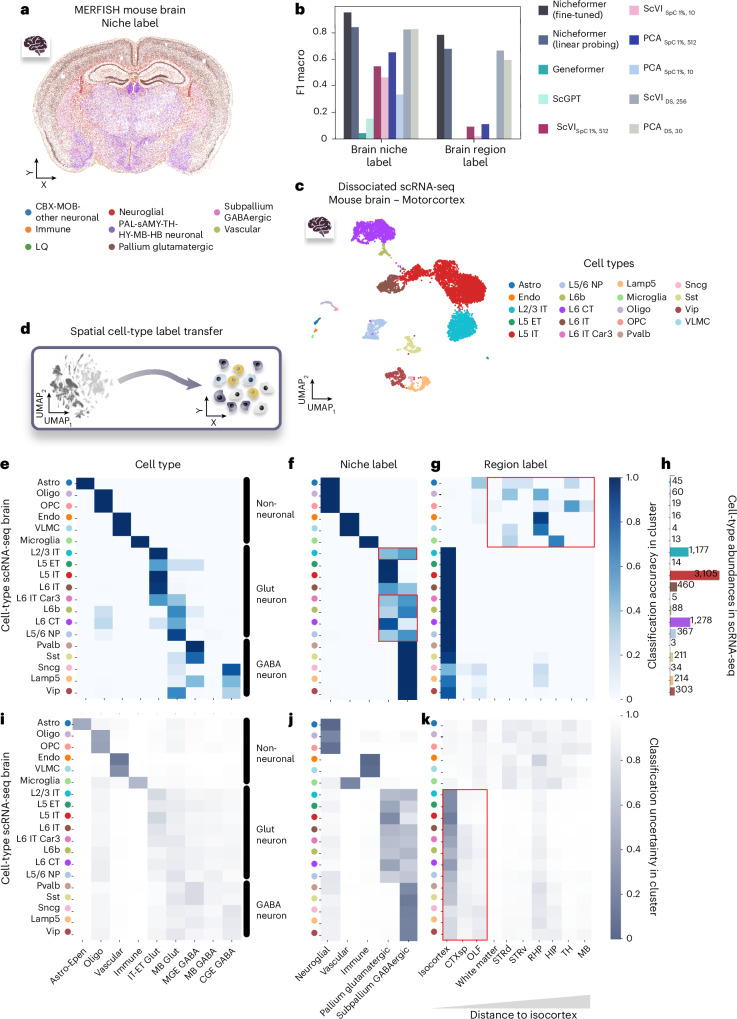
“Transferring labels between dissociated and spatial data is challenging due to limited gene overlap 54 , and modality-specific methods are not designed to learn from reference atlases at the scale of hundreds of million of cells.”
Nucleome Dynamics during Retinal Development
Norrie, J. L., Lupo, M. S., Xu, B., Al Diri, I., Valentine, M., Putnam, D., Griffiths, L., Zhang, J., Johnson, D., Easton, J., et al. (2019) · Neuron · doi:10.1016/j.neuron.2019.08.002 · Cited by 90
Single‐cell RNA sequencing redefines the mesenchymal cell landscape of mouse endometrium
Kirkwood, P. M., Gibson, D. A., Smith, J. R., Wilson‐Kanamori, J. R., Kelepouri, O., Esnal‐Zufiaurre, A., Dobie, R., Henderson, N. C., & Saunders, P. T. K. (2021) · The FASEB Journal · doi:10.1096/fj.202002123r · Cited by 89
Li, Y., Kong, W., Yang, W., Patel, R. M., Casey, E. B., Okeyo-Owuor, T., White, J. M., Porter, S. N., Morris, S. A., & Magee, J. A. (2020) · Cell Stem Cell · doi:10.1016/j.stem.2020.08.001 · Cited by 88
Mikryukov, A. A., Mazine, A., Wei, B., Yang, D., Miao, Y., Gu, M., & Keller, G. M. (2021) · Cell Stem Cell · doi:10.1016/j.stem.2020.10.003 · Cited by 84
Immobilization after injury alters extracellular matrix and stem cell fate
Huber, A. K., Patel, N., Pagani, C. A., Marini, S., Padmanabhan, K., Matera, D. L., Said, M., Hwang, C. D., Hsu, G. C., Poli, A. A., et al. (2020) · Journal of Clinical Investigation · doi:10.1172/jci136142 · Cited by 83
Activation of endogenous retroviruses during brain development causes an inflammatory response
Jönsson, M. E., Garza, R., Sharma, Y., Petri, R., Södersten, E., Johansson, J. G., Johansson, P. A., Atacho, D. A., Pircs, K., Madsen, S., et al. (2021) · The EMBO Journal · doi:10.15252/embj.2020106423 · Cited by 80
Khazaei, S., Jay, N. D., Deshmukh, S., Hendrikse, L. D., Jawhar, W., Chen, C. C. L., Mikael, L. G., Faury, D., Marchione, D. M., Lanoix, J., et al. (2020) · Cancer Discovery · doi:10.1158/2159-8290.cd-20-0461 · Cited by 79
Stress-induced RNA–chromatin interactions promote endothelial dysfunction
Calandrelli, R., Xu, L., Luo, Y., Wu, W., Fan, X., Nguyen, T. C., Chen, C.-J., Sriram, K., Tang, X., Burns, A. B., et al. (2020) · Nature Communications · doi:10.1038/s41467-020-18957-w · Cited by 79
Mapping endothelial-cell diversity in cerebral cavernous malformations at single-cell resolution
Orsenigo, F., Conze, L. L., Jauhiainen, S., Corada, M., Lazzaroni, F., Malinverno, M., Sundell, V., Cunha, S. I., Brännström, J., Globisch, M. A., et al. (2020) · eLife · doi:10.7554/elife.61413 · Cited by 73
A village in a dish model system for population-scale hiPSC studies
Neavin, D. R., Steinmann, A. M., Farbehi, N., Chiu, H. S., Daniszewski, M. S., Arora, H., Bermudez, Y., Moutinho, C., Chan, C.-L., Bax, M., et al. (2023) · Nature Communications · doi:10.1038/s41467-023-38704-1 · Cited by 72
Lu, Y., Liu, M., Yang, J., Weissman, S. M., Pan, X., Katz, S. G., & Wang, S. (2021) · Cell Discovery · doi:10.1038/s41421-021-00266-1 · Cited by 72 · cited 1×
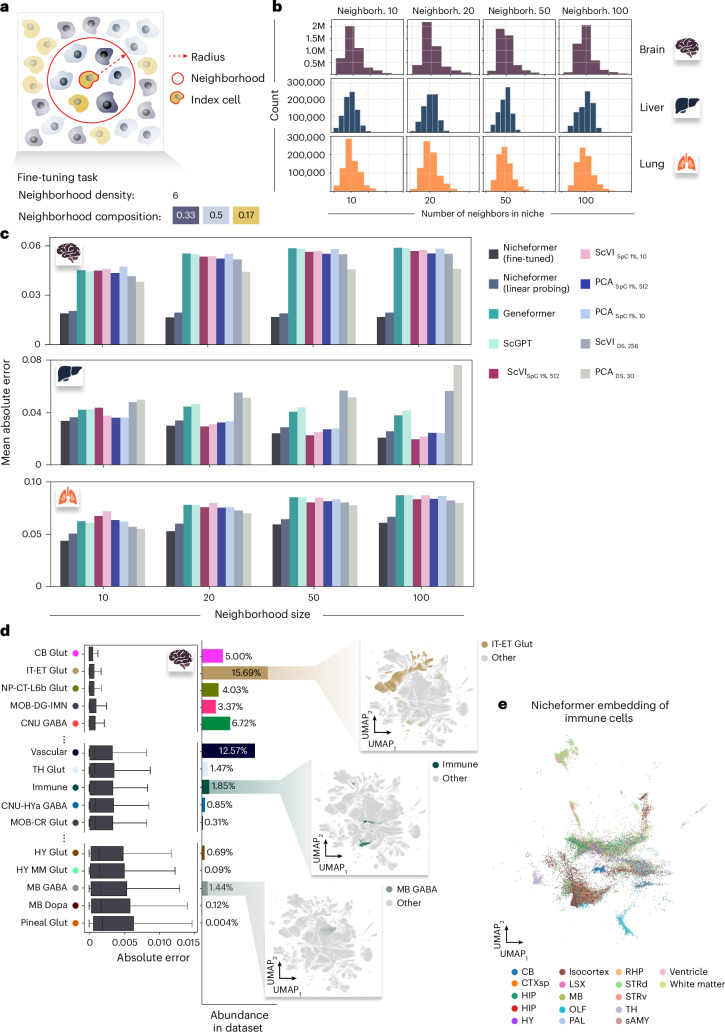
“These include predicting human-annotated niches, tissue regions and spatial compositions—biologically meaningful and nontrivial problems (Fig.”
Adaptive differentiation promotes intestinal villus recovery
Ohara, T. E., Colonna, M., & Stappenbeck, T. S. (2022) · Developmental Cell · doi:10.1016/j.devcel.2021.12.012 · Cited by 72
Wu, F., Bard, J., Kann, J., Yergeau, D. A., Sapkota, D., Ge, Y., Hu, Z., Wang, J., Liu, T., & Mu, X. (2021) · Nature Communications · doi:10.1038/s41467-021-21704-4 · Cited by 71
CellPLM: Pre-training of Cell Language Model Beyond Single Cells
Wen, H., Tang, W., Dai, X., Ding, J., Jin, W., Xie, Y., & Tang, J. (2023) · bioRxiv (Cold Spring Harbor Laboratory) · doi:10.1101/2023.10.03.560734 · Cited by 71 · cited 11×
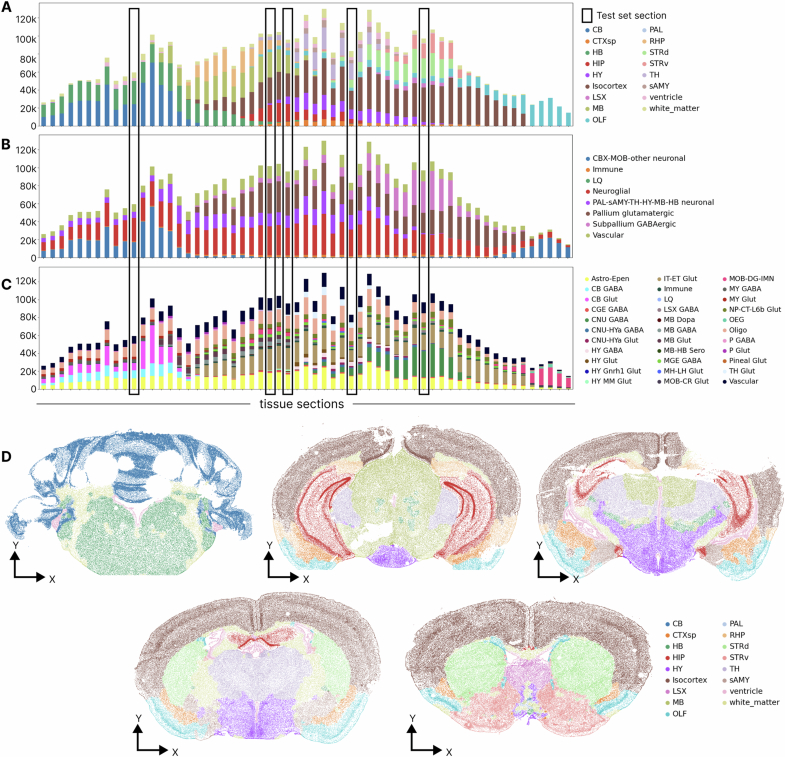
“The Allen brain atlas consortium generated the Allen Institute brain atlas mouse p20, Allen Institute brain atlas mouse p28 and Allen Institute brain atlas mouse female datasets (Supplementary Table 4), which were kindly provided to us before publication.”
InfluentialCycling Stem Cells Are Radioresistant and Regenerate the Intestine
Sheng, X., Lin, Z., Lv, C., Shao, C., Bi, X., Deng, M., Xu, J., Guerrero‐Juarez, C. F., Li, M., Wu, X., et al. (2020) · Cell Reports · doi:10.1016/j.celrep.2020.107952 · Cited by 70
Nault, R., Fader, K. A., Bhattacharya, S., & Zacharewski, T. R. (2021) · Cellular and Molecular Gastroenterology and Hepatology · doi:10.1016/j.jcmgh.2020.07.012 · Cited by 69
Lin, Z., Jin, S., Chen, J. W., Li, Z., Lin, Z., Tang, L., Nie, Q. H., & Andersen, B. (2020) · Nature Communications · doi:10.1038/s41467-020-19234-6 · Cited by 69
Deconstructing Stepwise Fate Conversion of Human Fibroblasts to Neurons by MicroRNAs
Cates, K., McCoy, M. J., Kwon, J.-S., Liu, Y., Abernathy, D. G., Zhang, B., Liu, S., Gontarz, P., Kim, W. K., Chen, S., et al. (2021) · Cell Stem Cell · doi:10.1016/j.stem.2020.08.015 · Cited by 67
Lu, Y.-C., Jia, L., Zheng, Z., Tran, E., Robbins, P. F., & Rosenberg, S. A. (2019) · Cancer Immunology Research · doi:10.1158/2326-6066.cir-19-0299 · Cited by 64
Capybara: A computational tool to measure cell identity and fate transitions
Kong, W., Fu, Y. C., Holloway, E. M., Garipler, G., Yang, X., Mazzoni, E. O., & Morris, S. A. (2022) · Cell Stem Cell · doi:10.1016/j.stem.2022.03.001 · Cited by 64
Simic, M., Manosalva, I., Spinelli, L., Gentek, R., Shayan, R. R., Siret, C., Girard-Madoux, M., Wang, S., de Fabritus, L., Verschoor, J., et al. (2020) · Cell Reports · doi:10.1016/j.celrep.2020.108004 · Cited by 63
Magen, A., Nie, J., Ciucci, T., Tamoutounour, S., Zhao, Y., Mehta, M., Tran, B., McGavern, D. B., Hannenhalli, S., & Bosselut, R. (2019) · Cell Reports · doi:10.1016/j.celrep.2019.10.131 · Cited by 62
Cowan, J. E., Malin, J., Zhao, Y., Seedhom, M. O., Harly, C., Ohigashi, I., Kelly, M. C., Takahama, Y., Yewdell, J. W., Cam, M., et al. (2019) · Nature Communications · doi:10.1038/s41467-019-13465-y · Cited by 61
scTab: Scaling cross-tissue single-cell annotation models
Fischer, F., Fischer, D. S., Mukhin, R., Isaev, A., Biederstedt, E., Villani, A.-C., & Theis, F. J. (2024) · Nature Communications · doi:10.1038/s41467-024-51059-5 · Cited by 59 · cited 1×
“Secondly, it has been shown that using class imbalance techniques can even affect performance in cases such as cell-type classification 84 .”
Self-citationDangi, A., Natesh, N. R., Husain, I., Ji, Z., Barisoni, L. M. C., Kwun, J., Shen, X., Thorp, E. B., & Luo, X. (2020) · JCI Insight · doi:10.1172/jci.insight.141321 · Cited by 59
Lähde, M., Heino, S., Högström, J., Kaijalainen, S., Anisimov, A., Flanagan, D. J., Kallio, P., Leppänen, V., Ristimaki, A. P., Ritvos, O., et al. (2020) · Gastroenterology · doi:10.1053/j.gastro.2020.09.011 · Cited by 58
Immune cellular patterns of distribution affect outcomes of patients with non-small cell lung cancer
Parra, E. R., Zhang, J., Jiang, M., Tamegnon, A., Pandurengan, R. K., Behrens, C., Solis, L. M., Haymaker, C., Heymach, J. V., Moran, C. A., et al. (2023) · Nature Communications · doi:10.1038/s41467-023-37905-y · Cited by 56 · cited 1×
“It is long known that cell density can strongly affect growth behavior in vivo and in culture; also, increased cell density is a key feature of the formation of the tumor microenvironment, which leads to the creation of a hypoxic environment and depletion of infiltrating immune cell populations 62 .”
Directionality of developing skeletal muscles is set by mechanical forces
Sunadome, K., Erickson, A. G., Kah, D., Fabry, B., Ádori, C., Kameneva, P., Faure, L., Kanatani, S., Kaucká, M., Ellström, I. D., et al. (2023) · Nature Communications · doi:10.1038/s41467-023-38647-7 · Cited by 55
Guerrero‐Juarez, C. F., Lee, G. H., Liu, Y., Wang, S., Karikomi, M. K., Sha, Y., Chow, R. Y., Nguyen, T. T. L., Iglesias, V. S., Aasi, S. Z., et al. (2022) · Science Advances · doi:10.1126/sciadv.abm7981 · Cited by 54
Waickman, A. T., Friberg, H., Gromowski, G. D., Rutvisuttinunt, W., Li, T., Siegfried, H., Victor, K., McCracken, M. K., Fernandez, S., Srikiatkhachorn, A., et al. (2021) · PLoS Pathogens · doi:10.1371/journal.ppat.1009240 · Cited by 53
Winkel, F., Ryazantseva, M., Voigt, M. B., Didio, G., Lilja, A., Llach Pou, M., Steinzeig, A., Harkki, J., Englund, J., Khirug, S., et al. (2021) · Molecular Psychiatry · doi:10.1038/s41380-021-01211-0 · Cited by 50
Parisian, A. D., Koga, T., Miki, S., Johann, P. D., Kool, M., Crawford, J. R., & Furnari, F. B. (2020) · Genes & Development · doi:10.1101/gad.339978.120 · Cited by 50
Hinze, C., Karaiskos, N., Boltengagen, A., Walentin, K., Redo, K., Himmerkus, N., Bleich, M., Potter, S. S., Potter, A., Eckardt, K., et al. (2020) · Journal of the American Society of Nephrology · doi:10.1681/asn.2020070930 · Cited by 49
hECA: The cell-centric assembly of a cell atlas
Chen, S., Luo, Y., Gao, H., Li, F., Chen, Y., Li, J., You, R., Hao, M., Bian, H., Xi, X., et al. (2022) · iScience · doi:10.1016/j.isci.2022.104318 · Cited by 48
Fazel Darbandi, S., Robinson Schwartz, S. E., Pai, E. L.-L., Everitt, A., Turner, M. L., Cheyette, B. N. R., Willsey, A. J., State, M. W., Sohal, V. S., & Rubenstein, J. L. R. (2020) · Cell Reports · doi:10.1016/j.celrep.2020.03.059 · Cited by 48
Chemically defined and xeno-free culture condition for human extended pluripotent stem cells
Liu, B., Chen, S., Xu, Y., Lyu, Y., Wang, J., Du, Y., Sun, Y., Liu, H., Zhou, H., Lai, W., et al. (2021) · Nature Communications · doi:10.1038/s41467-021-23320-8 · Cited by 48
Duan, F., Guo, L., Yang, L., Han, Y., Thakur, A., Nilsson-Payant, B. E., Wang, P., Zhang, Z., Ma, C. Y., Zhou, X., et al. (2020) · Research Square · doi:10.21203/rs.3.rs-62758/v1 · Cited by 47
Global Analysis of Enhancer Targets Reveals Convergent Enhancer-Driven Regulatory Modules
Xie, S., Armendariz, D., Zhou, P., Duan, J., & Hon, G. C. (2019) · Cell Reports · doi:10.1016/j.celrep.2019.10.073 · Cited by 46
Maschmeyer, P., Heinz, G. A., Skopnik, C. M., Lutter, L., Mazzoni, A., Heinrich, F., von Stuckrad, A. S. L., Wirth, L. E., Tran, C. L., Riedel, R., et al. (2021) · European Journal of Immunology · doi:10.1002/eji.202048797 · Cited by 46
Taylor, S. A., Chen, S.-Y., Gadhvi, G. T., Feng, L., Gromer, K. D., Abdala‐Valencia, H., Nam, K.-W., Dominguez, S. T., Montgomery, A. B., Reyfman, P. A., et al. (2021) · PLoS ONE · doi:10.1371/journal.pone.0244743 · Cited by 44
Zhen, T., Cao, Y., Ren, G., Zhao, L., Hyde, R. K., Lopez, G., Feng, D., Alemu, L., Zhao, K., & Liu, P. (2020) · Blood · doi:10.1182/blood.2020007747 · Cited by 44
Research works printed but not linked: 11
- Dosovitskiy, A. et al. An image is worth 16x16 words: transformers for image recognition at scale. In 9th International Conference on Learning Representations (ICLR, 2021).
- Hartman, A. & Satija, R. Comparative analysis of multiplexed in situ gene expression profiling technologies. eLife 13, RP96949 (2024).
- Perkins, A. & Henze, C. Increasing the efficiency of GEOS-Chem Adjoint model runs using a Python ensemble manager. NCAR Report10.5065/0mhs-8q37 (2012). · doi:10.5065/0mhs-8q37
- Gould, R., Ong, E., Ogden, G. & Conmy, A. Successor heads: recurring, interpretable attention heads in the wild. In 9th International Conference on Learning Representations (ICLR, 2024).
- Fischer, D.S., Schaar, A.C. & Theis, F.J. Modeling intercellular communication in tissues using spatial graphs of cells. Nat. Biotechnol. 41, 332–336 (2023). 36302986 PMC10017508 · DOI · Paper page
- Yun, S. et al. Graph transformer networks. Adv. Neural Inf. Process. Syst. 32, 11983–11993 (2019).
- Devlin, J. et al. BERT: pre-training of deep bidirectional transformers for language understanding. In Proc. 2019 Conference North American Chapter of the Association for Computational Linguistics: Human Language Technologies (eds Burstein, J. et al.) vol. 1, 4174–4186 (Association for Computational Linguistics, 2019).
- Loshchilov, I. & Hutter, F. SGDR: stochastic gradient descent with warm restarts. In 5th International Conference on Learning Representations (ICLR, 2017).
- Glorot, X. & Bengio, Y. Understanding the difficulty of training deep feedforward neural networks. In Proceedings of the Thirteenth International Conference on Artificial Intelligence and Statistics (eds. Teh, Y. W. et al.) vol. 9, 249–256 (PMLR, 2010).
- Darcet, T., Oquab, M., Mairal, J. & Bojanowski, P. Vision transformers need registers. In 12th International Conference on Learning Representations (ICLR, 2024).
- Ackermann, M. et al. Single-cell RNA sequencing of perfused human lungs reveals a transcriptional signature of endothelial injury in COVID-19. Am. J. Respir. Crit. Care Med. 203, 638–642 (2021).
Cited by
Advancing bioinformatics with language models: components, applications, and perspectives
Liu, J., Yang, M., Yu, Y., Xu, H., Wang, T., Li, K., & Zhou, X. (2026) · Briefings in Bioinformatics · doi:10.1093/bib/bbag367 · Cited by 72
Wang, X., Xiong, D., Cui, S., Duan, B., Ding, G., Huang, Y., & Wang, Q. (2026) · Frontiers in Immunology · doi:10.3389/fimmu.2026.1732079 · Cited by 29
TranscriptFormer: A generative cell atlas across 1.5 billion years of evolution
Pearce, J. D., Simmonds, S. E., Mahmoudabadi, G., Krishnan, L., Palla, G., Istrate, A.-M., Tarashansky, A. J., Nelson, B. E., Valenzuela, O., Li, D., et al. (2026) · Science · doi:10.1126/science.aec8514 · Cited by 85
Self-citationCellular neighborhoods in cancer
Ma, L., Xiong, B., Liu, M., & Tan, K. (2026) · Nature Cancer · doi:10.1038/s43018-025-01107-w · Cited by 27
Multimodal foundation transformer models for multiscale genomics
Khan, S. A., Martinez‐de‐Morentin, X., Alsabbagh, A. R., Maillo, A., Lagani, V., Gómez-Cabrero, D., Lehmann, R., & Tegner, J. N. (2025) · Nature Methods · doi:10.1038/s41592-025-02918-6 · Cited by 31
Metadata
- Authors
- Tejada-Lapuerta, A., Schaar, A. C., Gutgesell, R., Palla, G., Halle, L., Minaeva, M., Vornholz, L., Dony, L., Drummer, F., Richter, T., Bahrami, M., & Theis, F. J.
- Affiliations
- Helmholtz Munich (DE)
- Corresponding author
- Theis, Fabian J.
- ORCID
- Venue
- Nature Methods
- Published
- 2025-10-30
- Volume
- 22
- Issue
- 12
- Pages
- 2525-2538
- ISSN
- 1548-7091 (ISSN-L)
- 1548-7105
- PMC
- PMC12695652
- OpenAlex
- W4415692570
- Cited by
- 100
- References
- 205
- Citations by year
- 2026: 91 · 2025: 9
- FWCI
- 29.89
- Type
- journal article
- Language
- en
- Open access
- hybrid
- doi.org
- Licence
- cc-by
- creativecommons.org/licenses/by/4.0 (tdm)
- creativecommons.org/licenses/by/4.0 (vor)
- Locations
- Nature Methods (publishedVersion, cc-by)
- PubMed (publishedVersion)
- PubMed Central (publishedVersion, cc-by)
- MPG.PuRe (Max Planck Society) (submittedVersion, cc-by)
- Funders
- Wellcome Trust
- Topics
- Life Sciences › Biochemistry, Genetics and Molecular Biology › Molecular Biology › Single-cell and spatial transcriptomics
- Life Sciences › Biochemistry, Genetics and Molecular Biology › Biophysics › Cell Image Analysis Techniques
- Life Sciences › Biochemistry, Genetics and Molecular Biology › Molecular Biology › Gene expression and cancer classification
- Keywords
- foundation models, spatial transcriptomics, transformer models, spatial context, multiscale integration, dissociated cells, single-cell RNA sequencing, linear probing, fine-tuning
- MeSH terms
- Machine Learning, Animals, Humans, Software, Computational Biology, Gene Expression Profiling, Genomics, Mice, Single-Cell Analysis, Transcriptome, Cellular Microenvironment
About these checks
Registry, retraction, Cites and statistics results are computed, not judged, with one exception: a printed reference that no index lists is read once by a model before it counts as a citation error. Claims are extracted by a model and kept only when their quote appears verbatim in the text; each cited source is then checked, with a model’s help, for whether it says what the claim relies on. Those verdicts can be wrong — read the claim’s quote and the cited source before relying on one.
Statistics and arithmetic are recomputed, not judged.
Confidence bands are shown only for fields calibrated on our annotated test set. None is calibrated yet, so no band is shown.
What counts as a claim ›How we measure confidence ›How we check this ›
Are you an author, or do you see a problem with this page? Request a review
Data sources
Bibliographic data: Semantic Scholar, OpenAlex, Crossref.
Contains information from the Semantic Scholar Academic Graph Datasets, made available under the ODC Attribution License (ODC-BY 1.0).
Semantic Scholar’s data is described in: Kinney, R., et al. (2023). The Semantic Scholar Open Data Platform. arXiv:2301.10140.
