

The DOI matches its Crossref record; 67 of the 68 references it cites were found in a registry or an index.
Tau Activation of Microglial cGAS–IFN Reduces MEF2C‐mediated Cognitive Resilience
Open accessAbstract
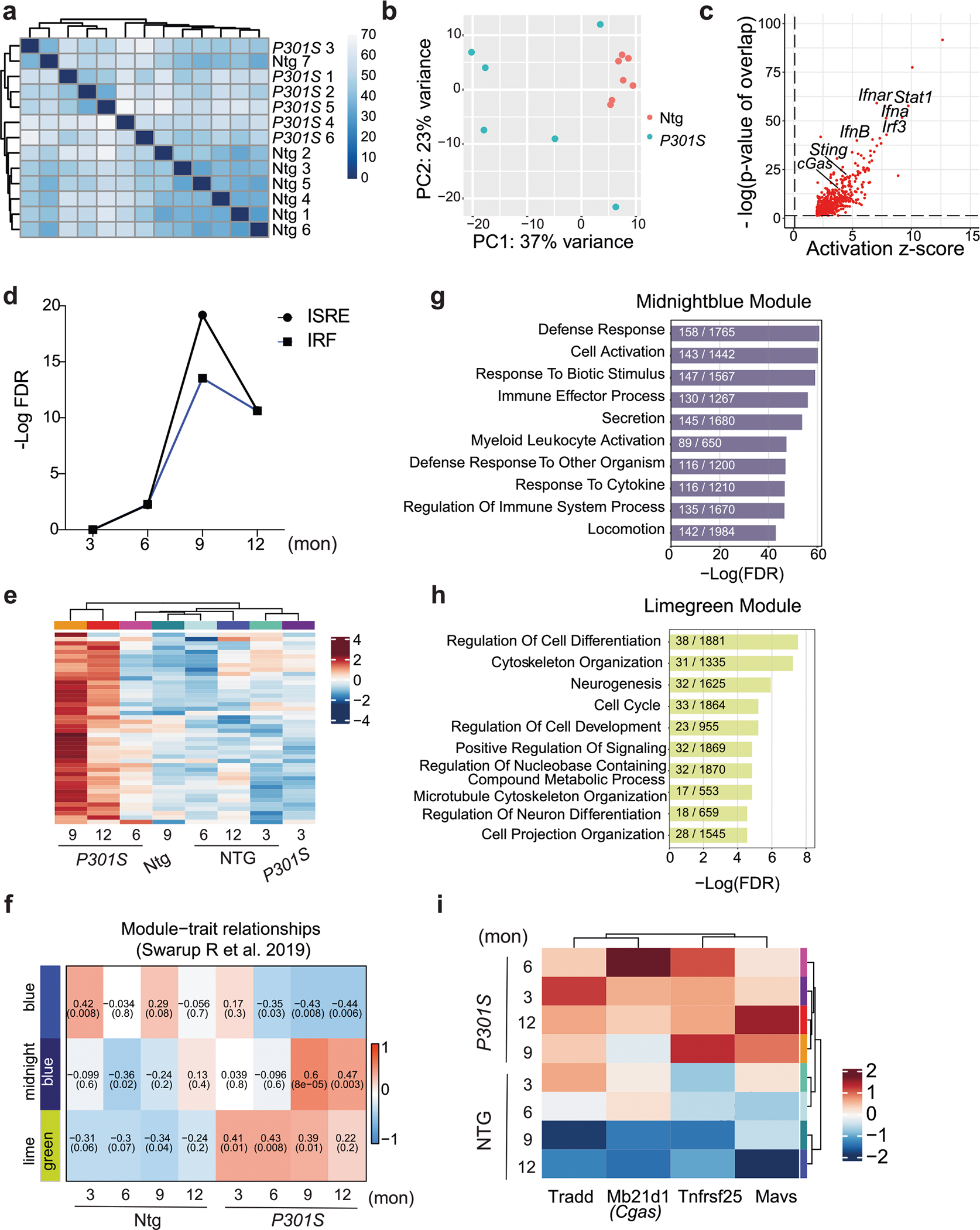
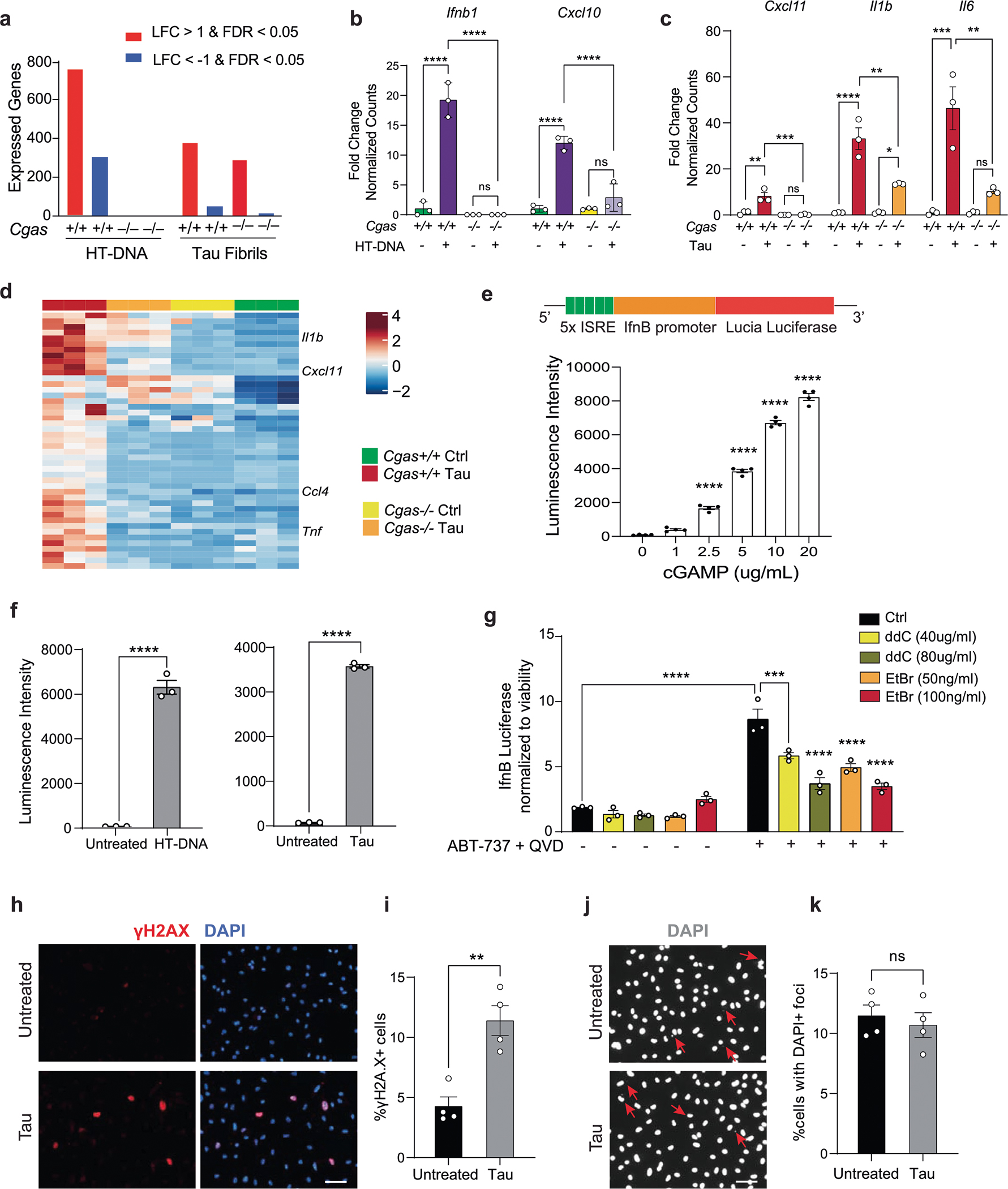
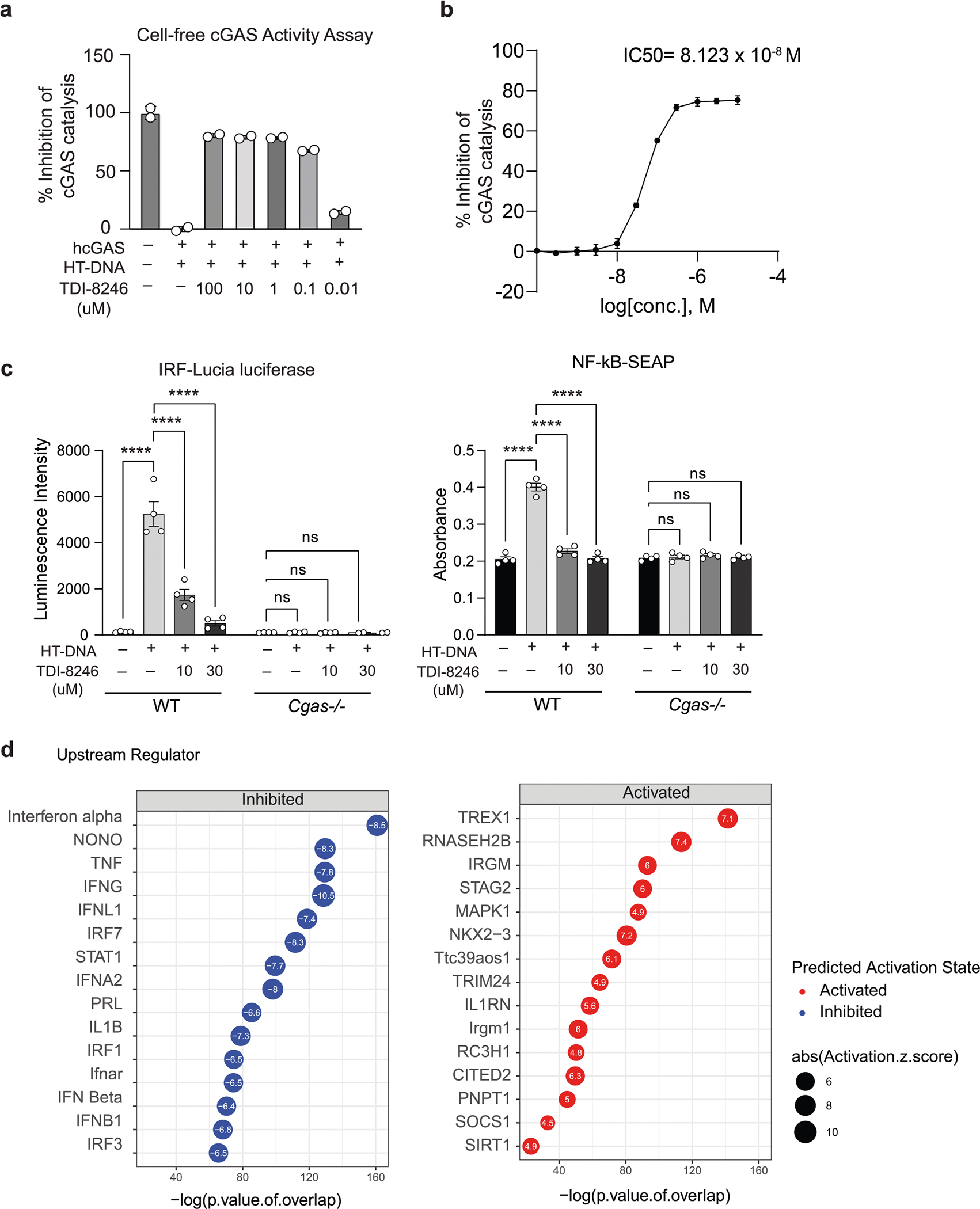
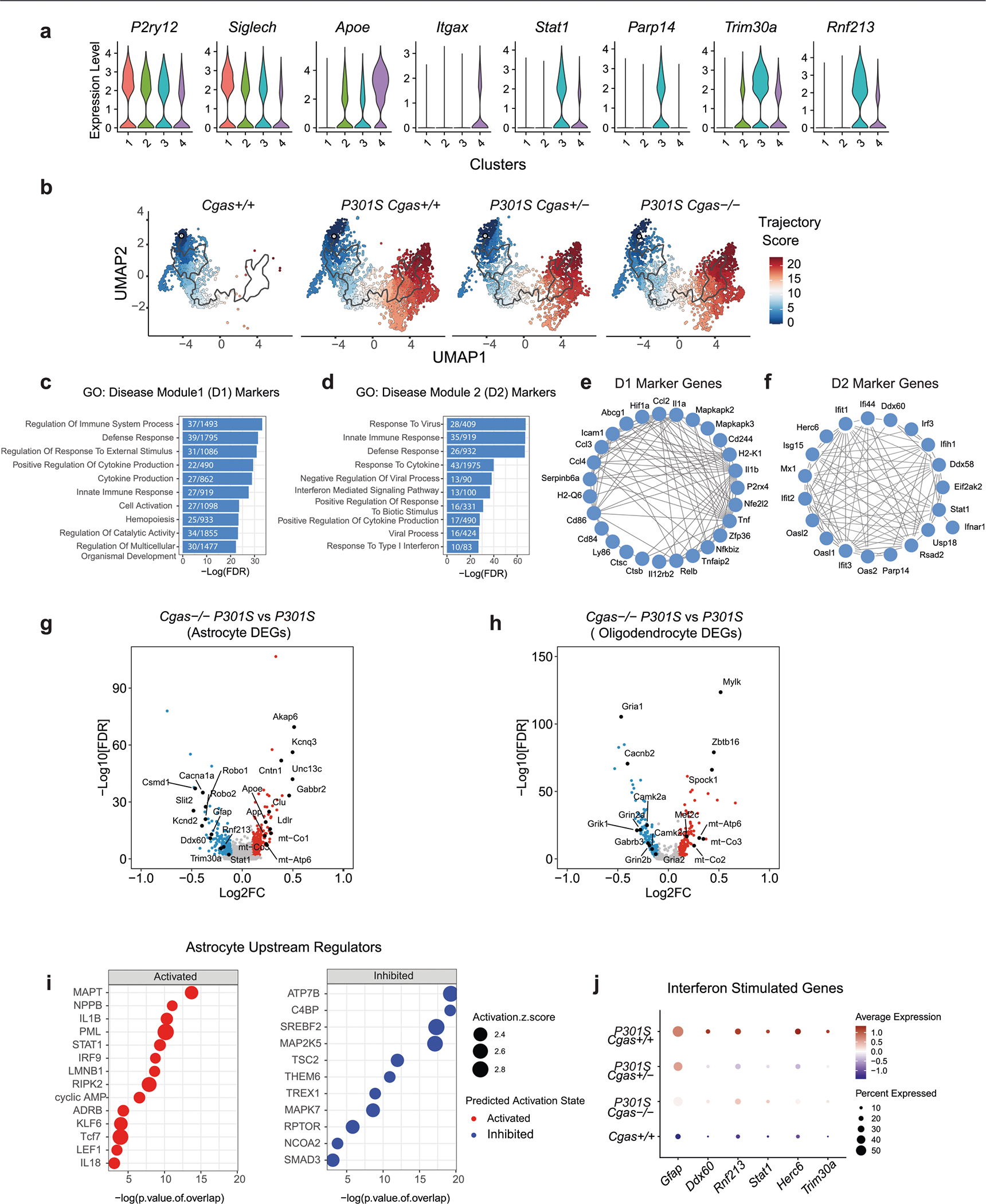
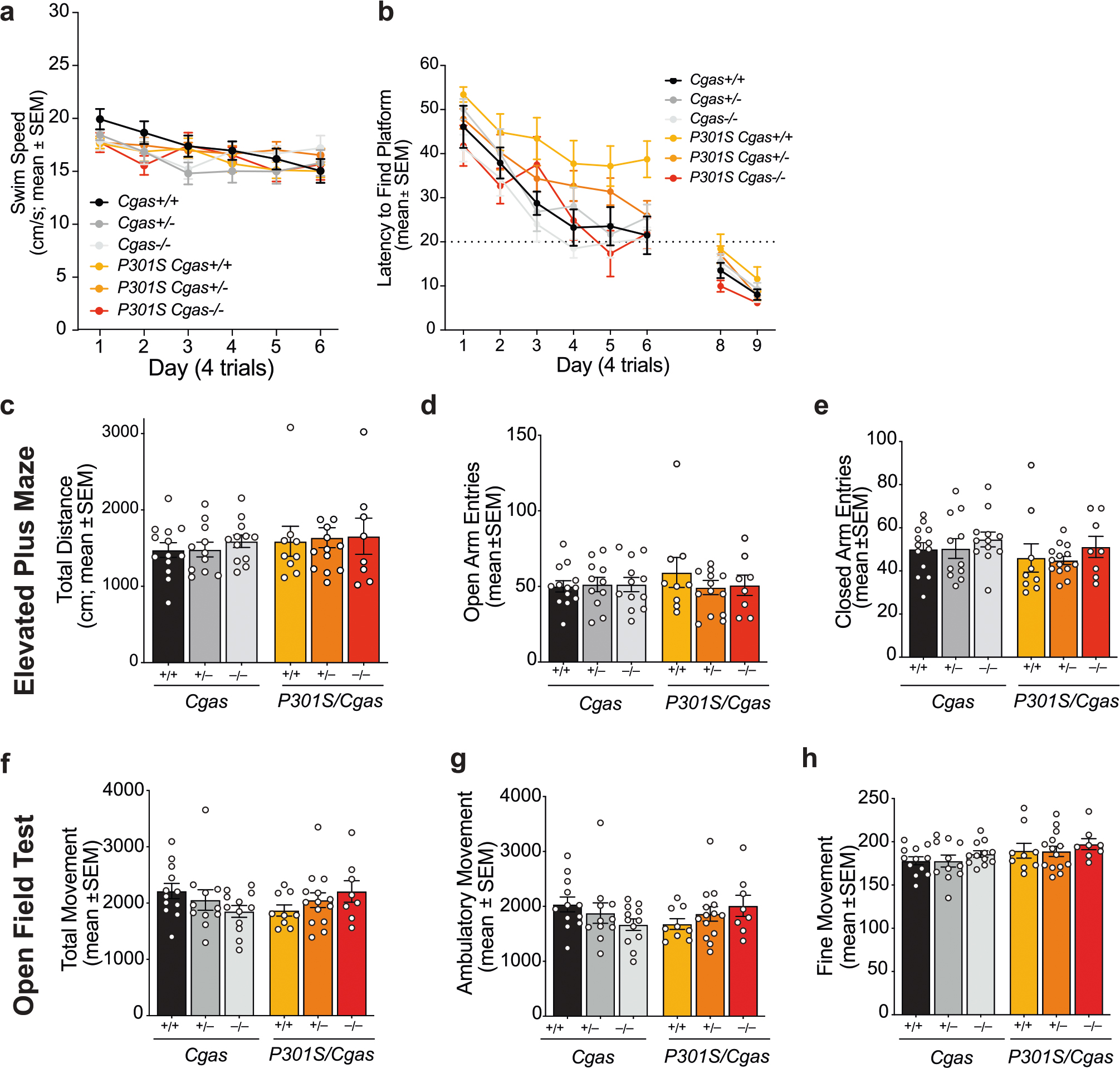
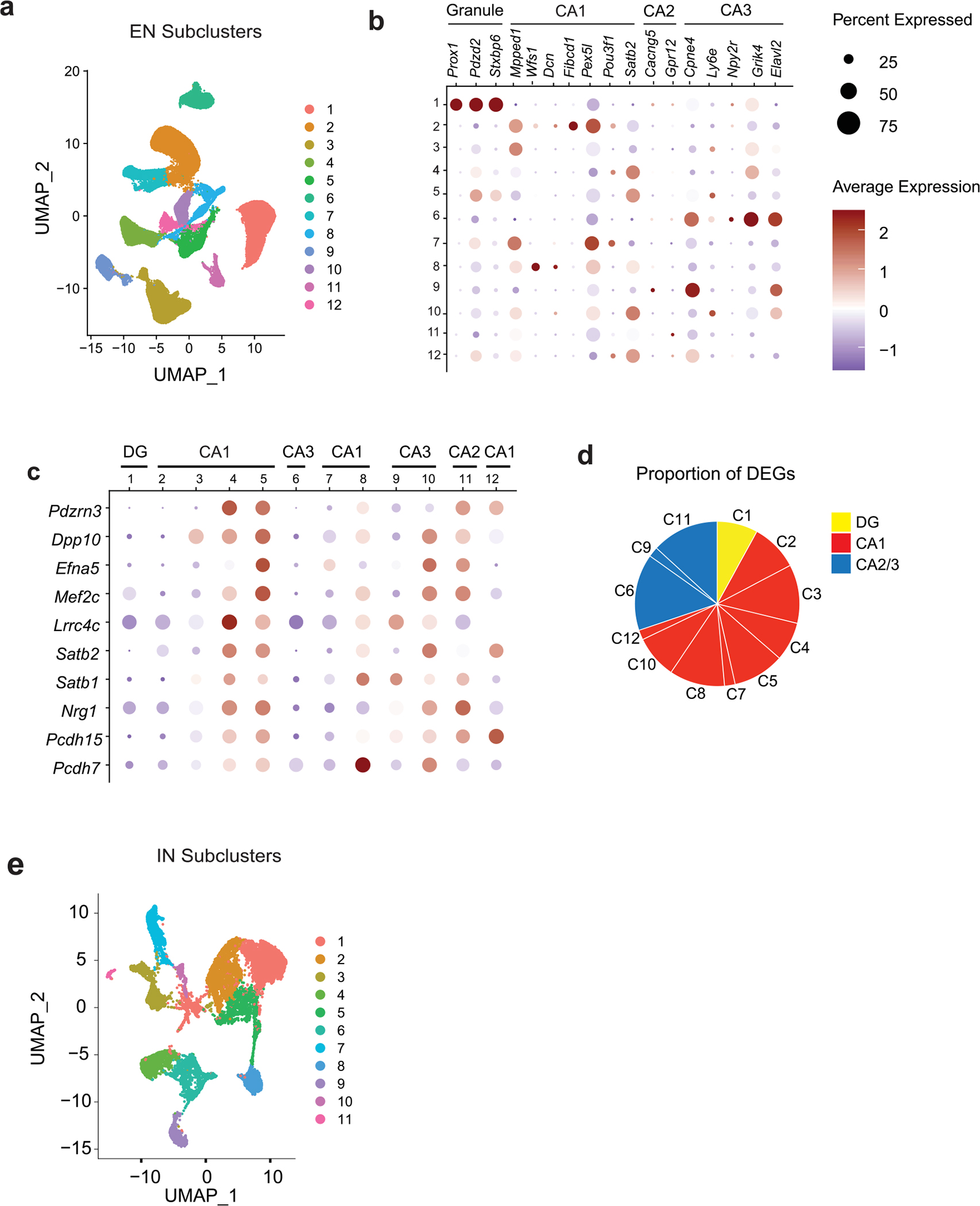
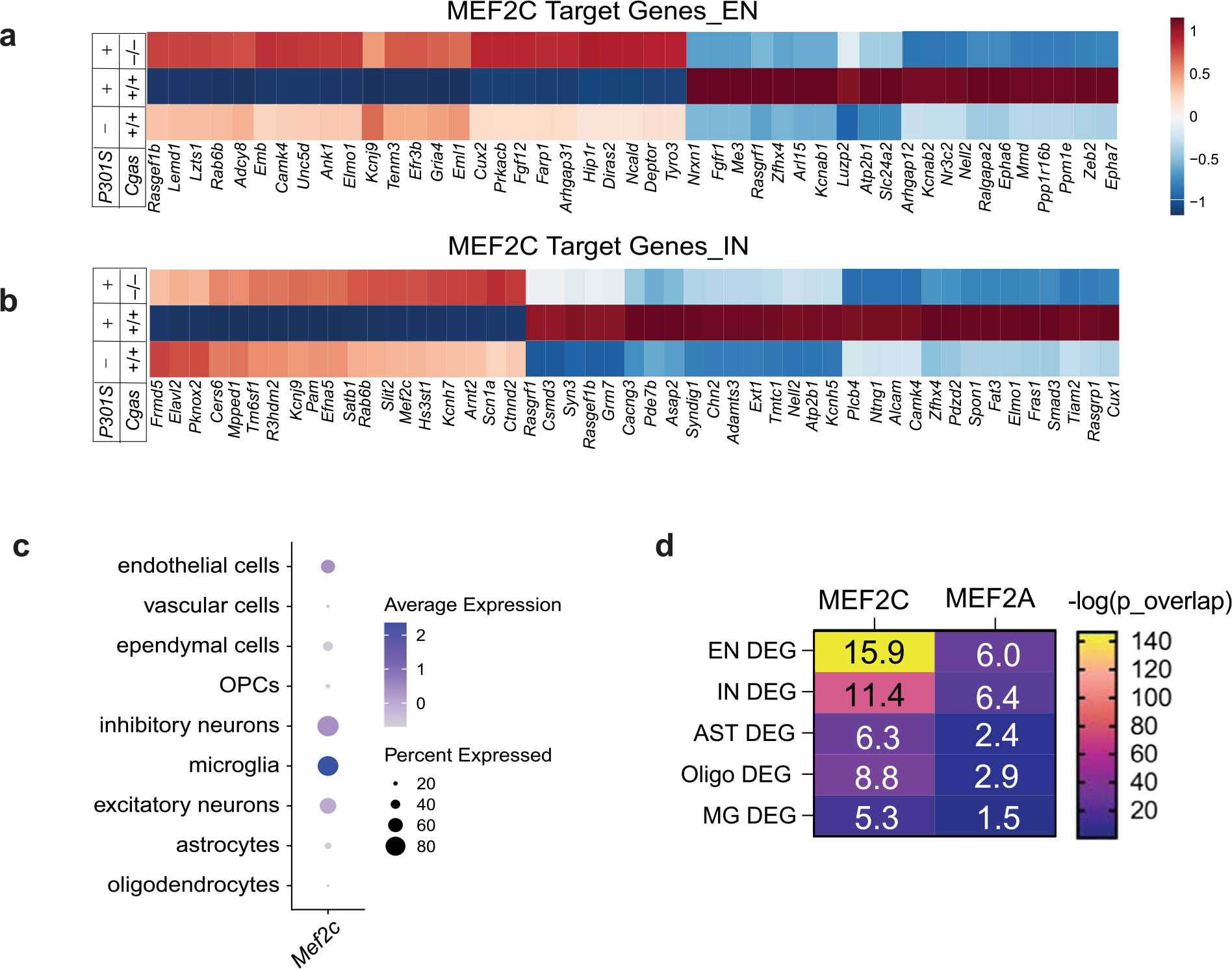
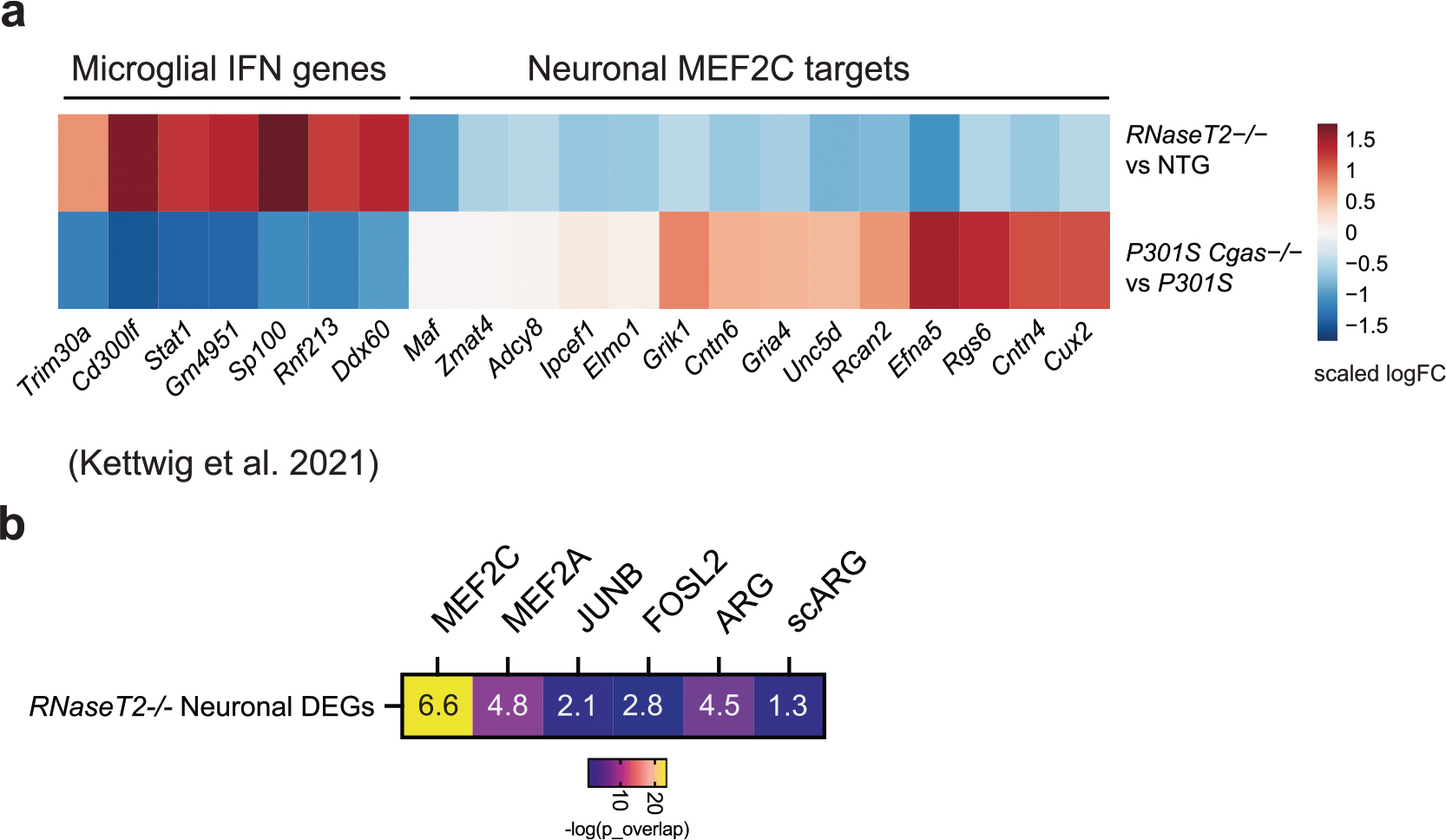
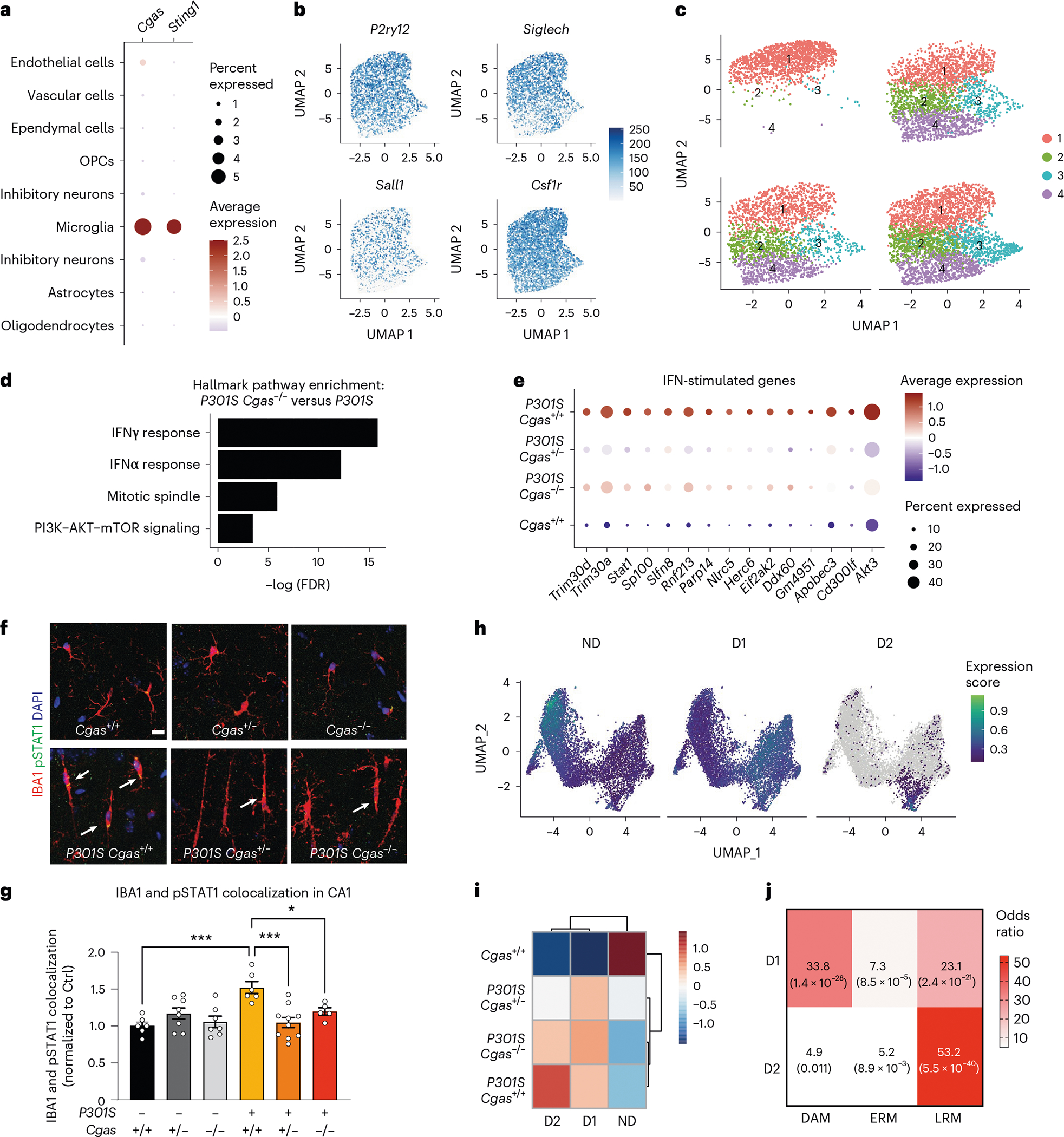
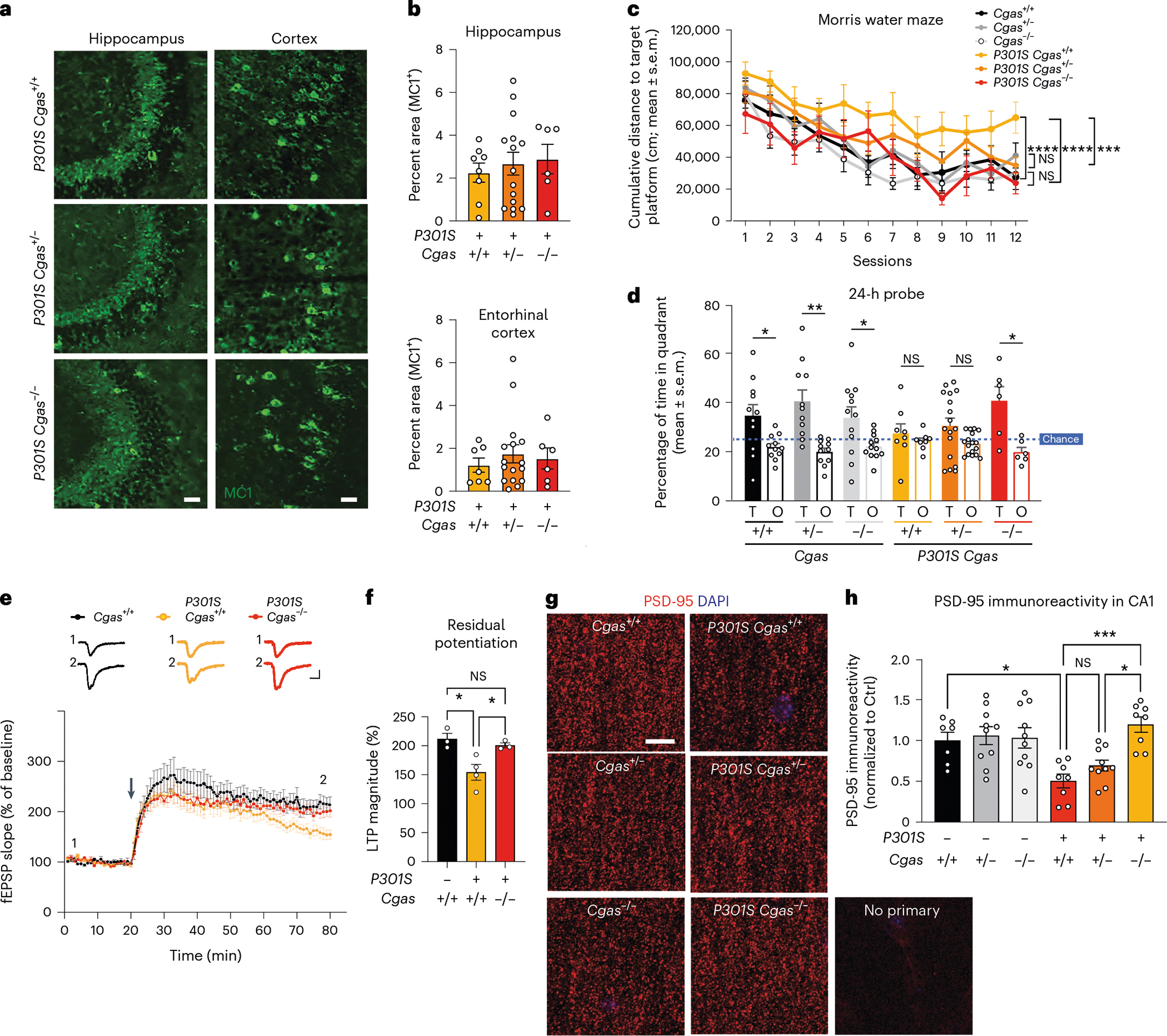
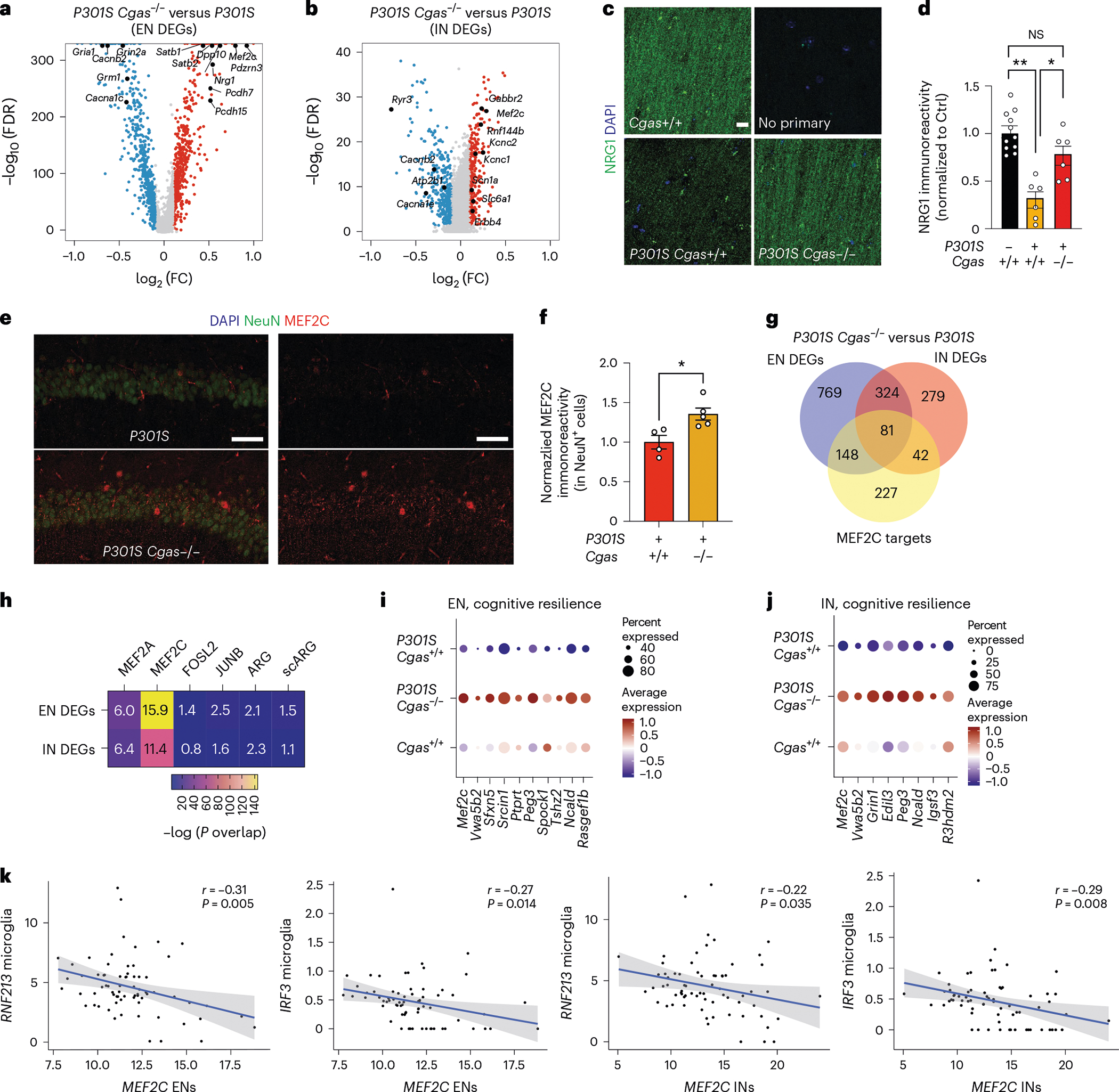
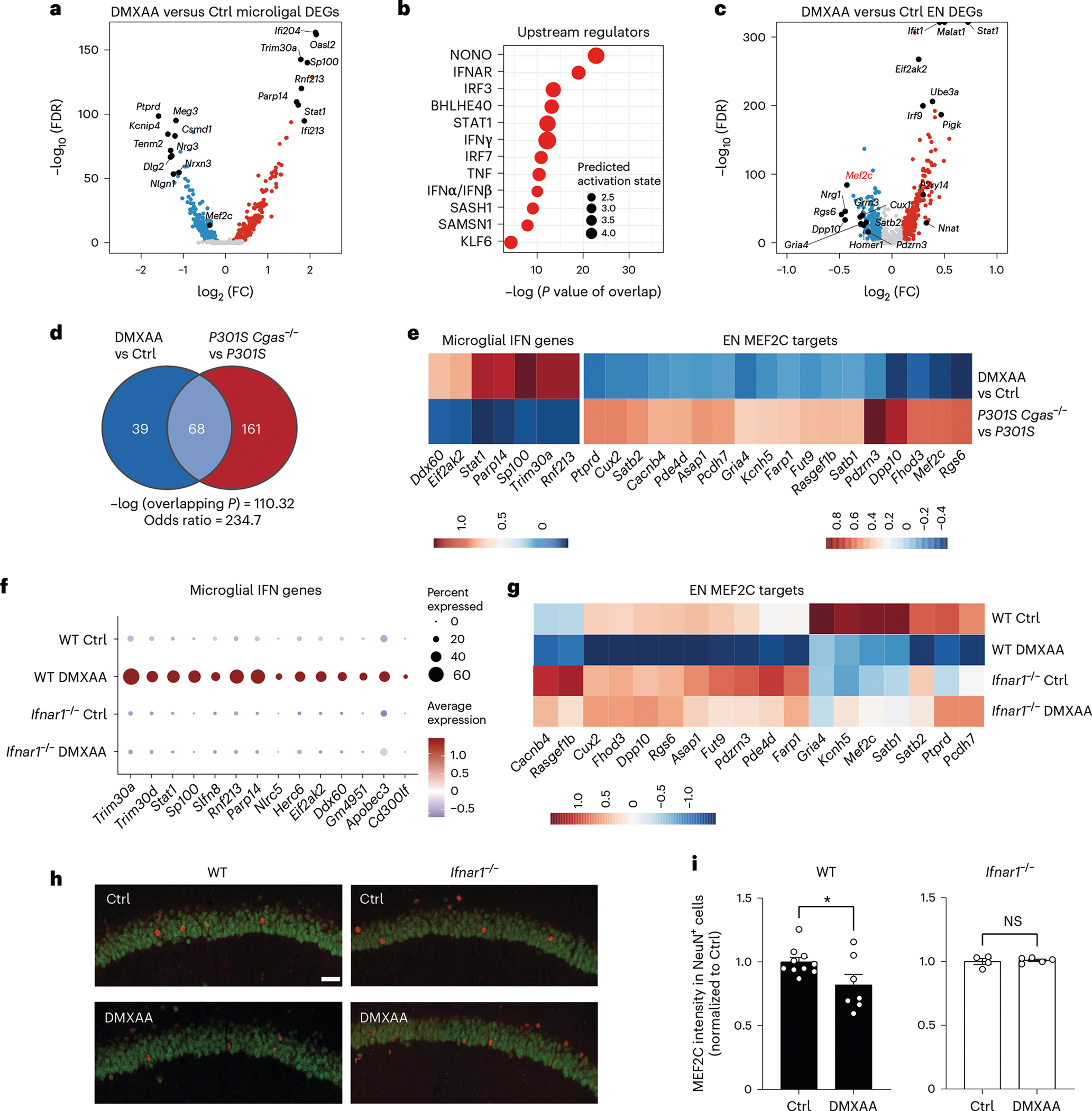
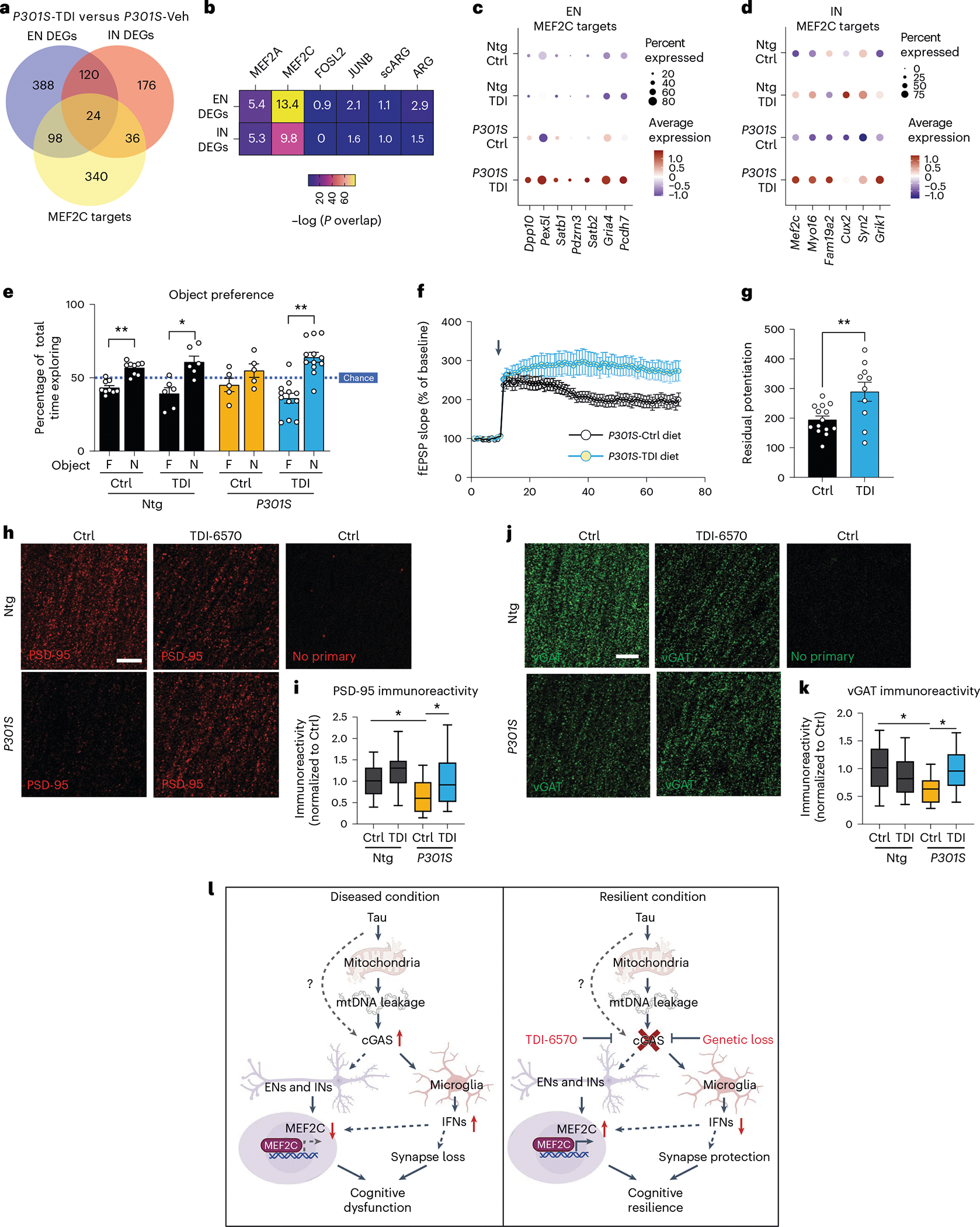
Pathological hallmarks of Alzheimer’s disease (AD) precede clinical symptoms by years, indicating a period of cognitive resilience before the onset of dementia. Here, we report that activation of cyclic GMP–AMP synthase (cGAS) diminishes cognitive resilience by decreasing the neuronal transcriptional network of myocyte enhancer factor 2c (MEF2C) through type I interferon (IFN-I) signaling. Pathogenic tau activates cGAS and IFN-I responses in microglia, in part mediated by cytosolic leakage of mitochondrial DNA. Genetic ablation of Cgas in mice with tauopathy diminished the microglial IFN-I response, preserved synapse integrity and plasticity and protected against cognitive impairment without affecting the pathogenic tau load. cGAS ablation increased, while activation of IFN-I decreased, the neuronal MEF2C expression network linked to cognitive resilience in AD. Pharmacological inhibition of cGAS in mice with tauopathy enhanced the neuronal MEF2C transcriptional network and restored synaptic integrity, plasticity and memory, supporting the therapeutic potential of targeting the cGAS–IFN–MEF2C axis to improve resilience against AD-related pathological insults.
Overview
The claims and statistics of this paper haven’t been checked yet.
Run the check — free, no account needed. It reads the open-access text and checks the sources it cites.
Integrity signals
Registry
Cites
Statistics
Figures
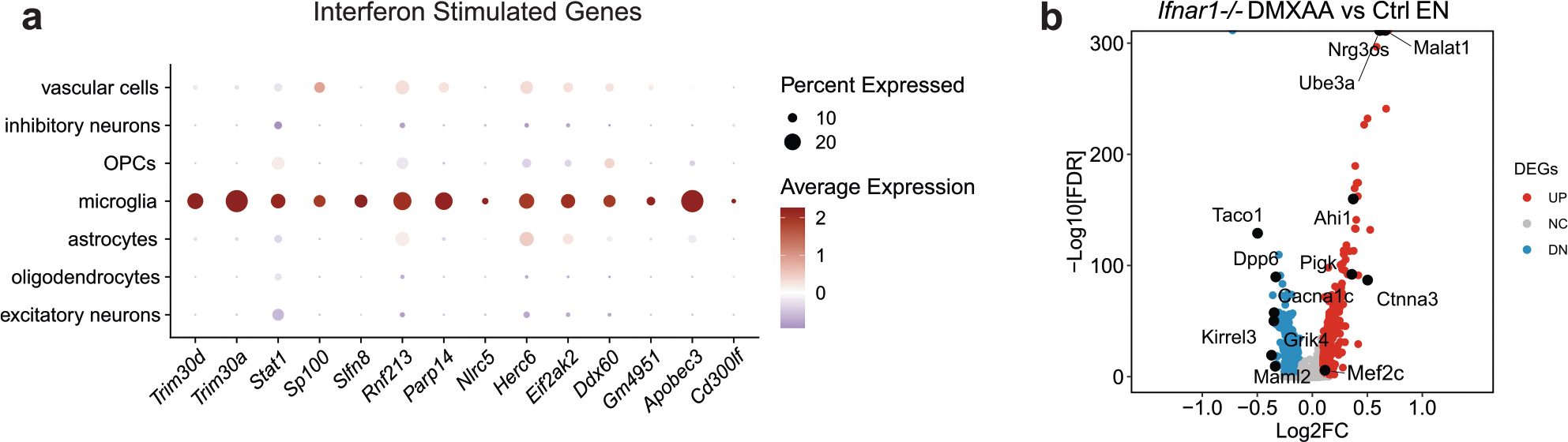
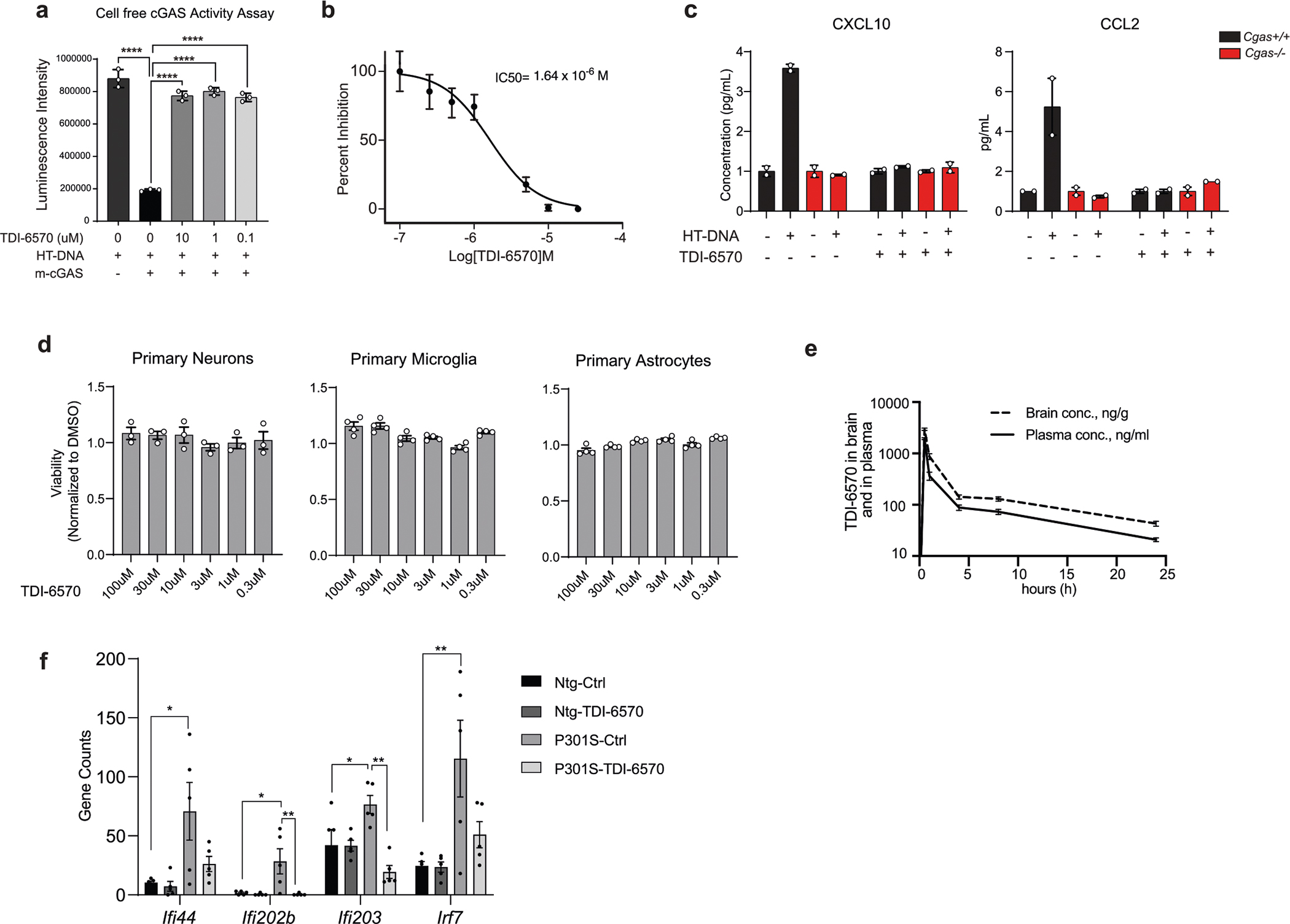
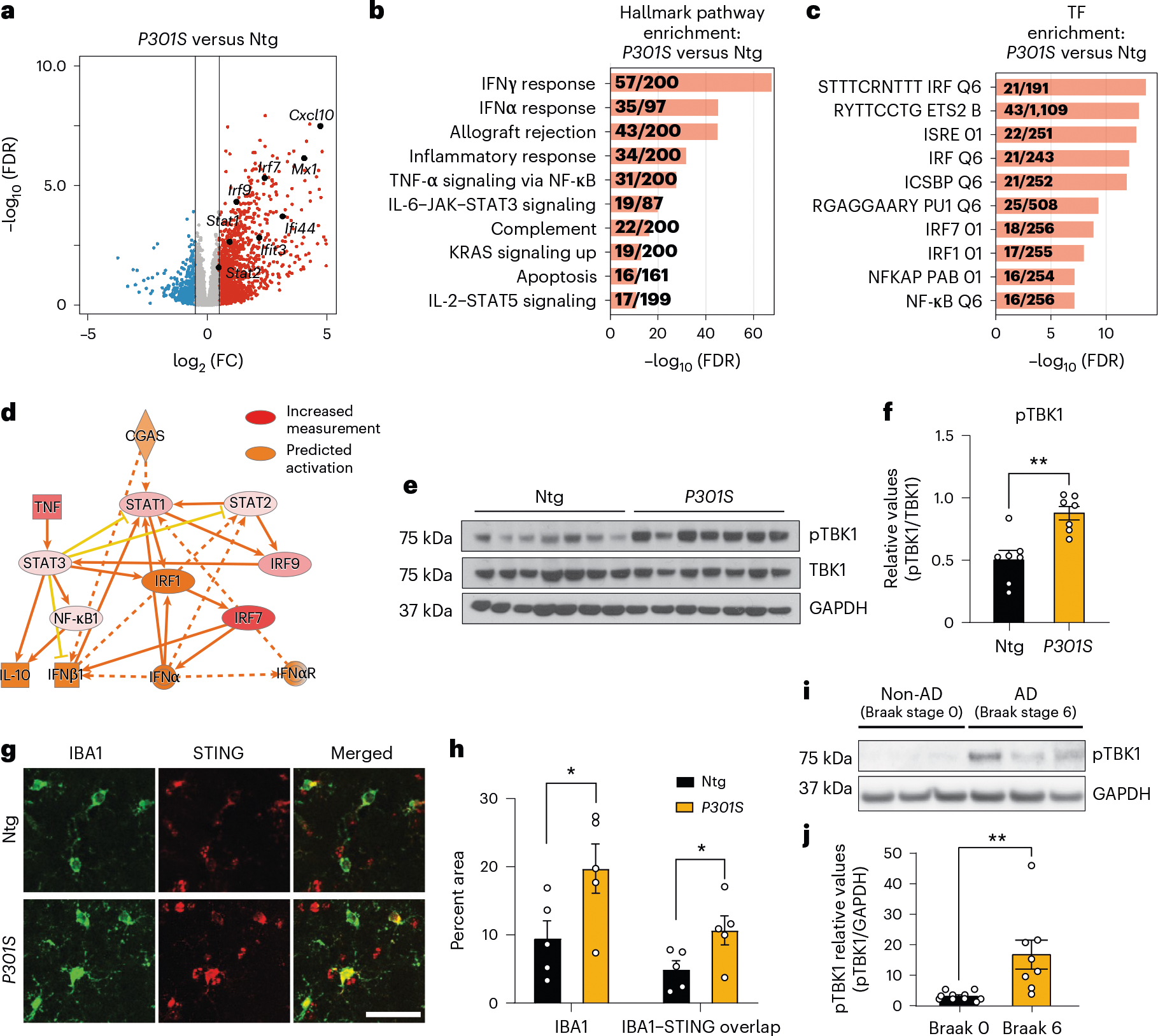
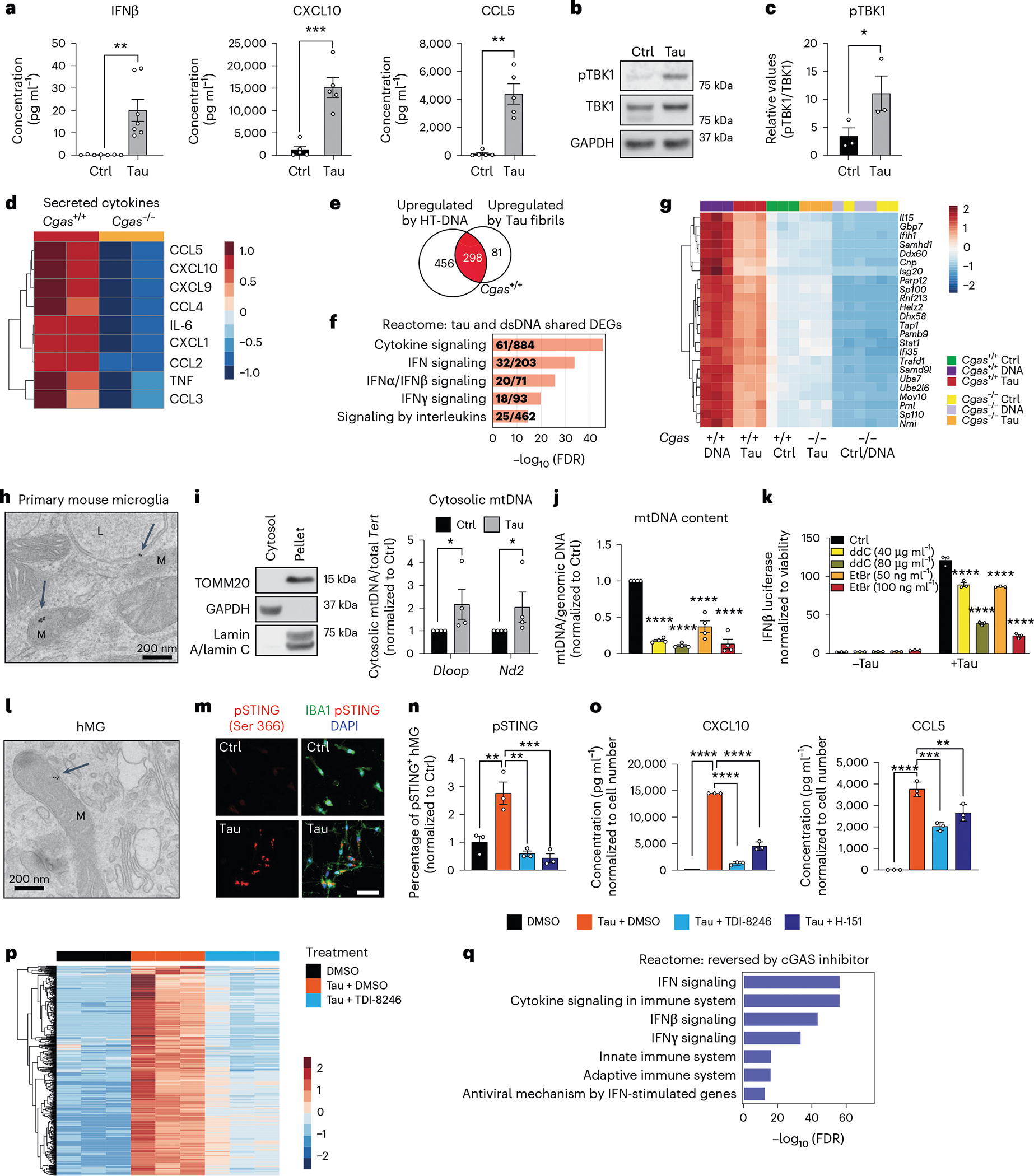
Verification
Claims the paper makes
The claims and statistics of this paper haven’t been checked yet.
Run the check — free, no account needed. It reads the open-access text and checks the sources it cites.
Claims other papers make about this one
Each is checked against this paper’s own text: does it say what the citing paper says it does?
The source backs part of the claim, not all of it — or backs it for a different population, condition or comparison.
In the citing paper
“Genetic deletion of cGAS did not reduce tau inclusions in 9-month-old P301S mice41, suggesting a ‘window of opportunity’ for cGAS inhibition to reduce tau spread.”
From The R136S mutation in the APOE3 gene confers resilience against tau pathology via inhibition of the cGAS-STING-IFN pathway (2025) · cites this paper as [41]
Experimental — accuracy not yet measuredThe source backs part of the claim, not all of it — or backs it for a different population, condition or comparison.
In the citing paper
“Our previous work established the efficacy of a brain permeable cGAS inhibitor (TDI6570, also known as G097, hereafter referred to as cGASi) formulated in chow in protecting against tau-induced deficits in P301S mice41,44.”
From APOE3 - R136S mutation confers resilience against tau pathology via cGAS-STING-IFN inhibition (2024) · cites this paper as [41]
Experimental — accuracy not yet measuredThe cited source says what the claim attributes to it.
In the citing paper
“In this axis, pathological tau activates the cyclic GMP‐AMP synthase (cGAS)‐stimulator of interferon genes (STING)‐IFN‐Ι pathway in microglia, leading to the suppression of MEF2C, a critical transcription factor for cognitive resilience [47].”
From Targeting Microglial Transcriptional Reprogramming as a Therapy Strategy for Alzheimer's Disease (2026) · cites this paper as [47]
The cited source says what the claim attributes to it.
In the citing paper
“Stimulation of the cGAS-STING pathway induces microglial dysfunction and sterile inflammation, which exacerbates AD.”
From Blockade of STING Activation Alleviates Microglial Dysfunction and a Broad Spectrum of Alzheimer's Disease Pathologies (2024) · cites this paper as [20]
The cited source says what the claim attributes to it.
In the citing paper
“While it is currently unknown whether tau-induced retrotransposons form eccDNA, recent work from Gan's group (Udeochu et al. 2023) suggests that the cGAS-STING pathway is robustly activated in brains of tau transgenic mice, consistent with previous work in primary microglia treated with tau aggregates (Jin et al. 2021).”
From The Role of Retrotransposons and Endogenous Retroviruses in Age-Dependent Neurodegenerative Disorders (2024) · cites this paper as Udeochu et al. 2023
The cited source says what the claim attributes to it.
In the citing paper
“Genetic deletion of cGAS did not reduce tau inclusions in 9-month-old P301S mice41, suggesting a ‘window of opportunity’ for cGAS inhibition to reduce tau spread.”
From The R136S mutation in the APOE3 gene confers resilience against tau pathology via inhibition of the cGAS-STING-IFN pathway (2025) · cites this paper as [41]
The cited source says what the claim attributes to it.
In the citing paper
“The cGAS-STING pathway was previously shown to play a role in tau-induced neurodegeneration41.”
From The R136S mutation in the APOE3 gene confers resilience against tau pathology via inhibition of the cGAS-STING-IFN pathway (2025) · cites this paper as [41]
The cited source says what the claim attributes to it.
In the citing paper
“Our previous studies suggest that the source of IFN signaling could be partially attributed to hyperactive cGAS-STING in tauopathy mice and human AD brains41.”
From The R136S mutation in the APOE3 gene confers resilience against tau pathology via inhibition of the cGAS-STING-IFN pathway (2025) · cites this paper as [41]
The cited source says what the claim attributes to it.
In the citing paper
“Consistent with previous studies in tauopathy mice expressing mouse Apoe, cGAS inhibition mitigated tau-induced synaptic loss41.”
From The R136S mutation in the APOE3 gene confers resilience against tau pathology via inhibition of the cGAS-STING-IFN pathway (2025) · cites this paper as [41]
The cited source says what the claim attributes to it.
In the citing paper
“Cgas deletion mitigated tau-induced microglial IFN-I and protected against synapse loss, decreased synaptic plasticity, and cognitive deficits41.”
From The R136S mutation in the APOE3 gene confers resilience against tau pathology via inhibition of the cGAS-STING-IFN pathway (2025) · cites this paper as [41]
The cited source says what the claim attributes to it.
In the citing paper
“The cGAS-STING pathway was previously shown to play a role in tau-induced neurodegeneration41.”
From APOE3 - R136S mutation confers resilience against tau pathology via cGAS-STING-IFN inhibition (2024) · cites this paper as [41]
The cited source says what the claim attributes to it.
In the citing paper
“In tauopathy mouse models, our previous studies suggest that the source of IFN signaling could be partially attributed to hyperactive cGAS-STING in tauopathy mice and the human AD brain41.”
From APOE3 - R136S mutation confers resilience against tau pathology via cGAS-STING-IFN inhibition (2024) · cites this paper as [41]
The cited source says what the claim attributes to it.
In the citing paper
“Cgas deletion mitigated tauopathy-induced microglial IFN-I and protected against synapse loss, synaptic plasticity, and cognitive deficits41.”
From APOE3 - R136S mutation confers resilience against tau pathology via cGAS-STING-IFN inhibition (2024) · cites this paper as [41]
The cited source says what the claim attributes to it.
In the citing paper
“Cxcl10 is a key IFN-γ–inducible chemokine that has been previously reported to be stimulated by tau fibrils in mouse primary microglia (Udeochu et al., 2023), as well as in PS19 mice, where it may facilitate T cell infiltration into the brain (Chen et al., 2023).”
From Cholesterol 25-hydroxylase mediates neuroinflammation and neurodegeneration in a mouse model of tauopathy (2024) · cites this paper as Udeochu et al., 2023
The cited source says what the claim attributes to it.
In the citing paper
“Signatures associated with microglia DAM states as well as MHC-related transcripts are also observed in PS19 mouse models (Udeochu, Amin et al. 2023, Wang, Martini-Stoica et al. 2024).”
From SORLA up-regulation suppresses pathological effects in aged tauopathy mouse brain (2026) · cites this paper as Udeochu, Amin et al. 2023
Self-check
Percentages, sums and reported differences re-computed from the paper’s own numbers.
The self-check needs the paper’s full text.
Citations
Cites
1 retracted
RETRACTED ARTICLE: Parkin and PINK1 mitigate STING-induced inflammation
Sliter, D. A., Martinez, J., Hao, L., Chen, X., Sun, N., Fischer, T. D., Burman, J. L., Li, Y., Zhang, Z., Narendra, D. P., et al. (2018) · Nature · doi:10.1038/s41586-018-0448-9 · Cited by 1,287
RetractedSubramanian, A., Tamayo, P., Mootha, V. K., Mukherjee, S., Ebert, B. L., Gillette, M. A., Paulovich, A., Pomeroy, S. L., Golub, T. R., Lander, E. S., et al. (2005) · Proceedings of the National Academy of Sciences · doi:10.1073/pnas.0506580102 · Cited by 53,625
WGCNA: an R package for weighted correlation network analysis
Langfelder, P., & Horvath, S. (2008) · BMC Bioinformatics · doi:10.1186/1471-2105-9-559 · Cited by 27,252
Comprehensive Integration of Single-Cell Data
Stuart, T., Butler, A., Hoffman, P., Hafemeister, C., Papalexi, E., Mauck, W. M., Hao, Y., Stoeckius, M., Smibert, P., & Satija, R. (2019) · Cell · doi:10.1016/j.cell.2019.05.031 · Cited by 15,453
NIA‐AA Research Framework: Toward a biological definition of Alzheimer's disease
Jack, C. R., Bennett, D. A., Blennow, K., Carrillo, M. C., Dunn, B., Haeberlein, S. B., Holtzman, D. M., Jagust, W., Jessen, F., Karlawish, J., et al. (2018) · Alzheimer's & Dementia · doi:10.1016/j.jalz.2018.02.018 · Cited by 10,537
Trapnell, C., Cacchiarelli, D., Grimsby, J., Pokharel, P., Li, S., Morse, M., Lennon, N. J., Livak, K. J., Mikkelsen, T. S., & Rinn, J. L. (2014) · Nature Biotechnology · doi:10.1038/nbt.2859 · Cited by 7,314
Molecular signatures database (MSigDB) 3.0
Liberzon, A., Subramanian, A., Pinchback, R., Thorvaldsdóttir, H., Tamayo, P., & Mesirov, J. P. (2011) · Bioinformatics · doi:10.1093/bioinformatics/btr260 · Cited by 7,111
A Unique Microglia Type Associated with Restricting Development of Alzheimer’s Disease
Keren-Shaul, H., Spinrad, A., Weiner, A., Matcovitch-Natan, O., Dvir-Szternfeld, R., Ulland, T. K., David, E., Baruch, K., Lara-Astaiso, D., Toth, B., et al. (2017) · Cell · doi:10.1016/j.cell.2017.05.018 · Cited by 5,493
Reversed graph embedding resolves complex single-cell trajectories
Qiu, X., Mao, Q., Tang, Y., Wang, L., Chawla, R., Pliner, H. A., & Trapnell, C. (2017) · Nature Methods · doi:10.1038/nmeth.4402 · Cited by 5,070
McGinnis, C. S., Murrow, L. M., & Gartner, Z. J. (2019) · Cell Systems · doi:10.1016/j.cels.2019.03.003 · Cited by 4,521
Cited by
Sorted by citations
Items 201–295 of 295
Innate immune crosstalk in ALS/FTD pathogenesis
Shu, X., Yu, X., Xu, P., & Wang, A. (2026) · Cell Insight · doi:10.1016/j.cellin.2026.100340 · Cited by 2
Stillman, J. M., Kiniwa, T., & Schafer, D. P. (2024) · Immunological Reviews · doi:10.1111/imr.13420 · Cited by 1
CSF interferon-β: A key player in Alzheimer’s disease pathogenesis and cognitive impairmentPreprint
Shen, Y., Wang, Q., Yuan, S., Wang, C., Huang, D., Zhang, M., Zhan, Y., Gao, F., Shi, J., & Levey, A. I. (2023) · Research Square · doi:10.21203/rs.3.rs-3591564/v1 · Cited by 2
Li, H., Cui, X., Shang, Z., Yang, W., Lu, A., Guo, H., Cheng, Z., Zhou, J., Wei, Y., Li, M., et al. (2025) · Archives of Gerontology and Geriatrics · doi:10.1016/j.archger.2025.105777 · Cited by 2
Impact of O ‐ GlcNAcylation Elevation on Mitophagy and Glia in the Dentate Gyrus
Kramer, J., Fu, S. Y., Ouyang, X., Rohwer, E., Chatham, J. C., Young, M. E., Darley-Usmar, V. M., & Zhang, J. (2025) · Journal of Neurochemistry · doi:10.1111/jnc.70205 · Cited by 1
The mtDNA-ZBP1 axis in alzheimer's disease: Mechanisms, pathogenesis, and therapeutic implications
Chen, Y., Liu, Y., Hu, H., & Li, S. (2025) · International Immunopharmacology · doi:10.1016/j.intimp.2025.115853 · Cited by 1
Mapping microglial mechanisms in Alzheimer’s disease: a comprehensive analysis
Wang, X., Guo, Y., Zha, Y., Wang, S., Yang, W., & Jia, Q. (2025) · Experimental Biology and Medicine · doi:10.3389/ebm.2025.10808 · Cited by 1
Lee, C. K., Woodward, M., Hohenberg, M. I., & Tang, J. W.-T. (2026) · Frontiers in Cellular and Infection Microbiology · doi:10.3389/fcimb.2025.1701760 · Cited by 3
Wu, Z., Jia, R., Zhang, Q., Huang, L.-Y., Yan, J.-T., Zhang, Y. H., & Fan, Y. (2026) · Biomarker Research · doi:10.1186/s40364-026-00906-2 · Cited by 2
Protective and pathogenic: The Janus-faced role of cGAS–STING in the brain
Corona, C., Kanzlemar, C., Hussaini, S. A., & Ratan, R. R. (2026) · Journal of Cerebral Blood Flow & Metabolism · doi:10.1177/0271678x261427904 · Cited by 1
Self-citationBarrett, J. P., Henry, R. J., Vaida, M. L., Shirey, K. A., Vogel, S. N., Faden, A. I., & Stoica, B. A. (2026) · Journal of Neurotrauma · doi:10.1177/08977151261434894 · Cited by 1
Abuhassan, Q., Saeed, T. N., Al-Hussainy, A. F., Roopashree, R., Mishra, S., Nanda, A., Mukherjee, G., Rizaev, J., Taher, S. G., Alwan, M., et al. (2026) · Journal of Molecular Neuroscience · doi:10.1007/s12031-026-02532-x · Cited by 1
ISG15/ISGylation in central nervous system diseases: molecular mechanisms and therapeutic targeting
Chen, X., Xiao, X., Luo, W., Liu, H., Liu, M., Sima, X., & Gao, L. (2026) · Biochemical Pharmacology · doi:10.1016/j.bcp.2026.118057 · Cited by 1
Self-citationOriquat, G., Abdulqader, A. F., Farid, H., Ashurov, Z., Sottarov, A., Ghafl, N. Y., Bainsal, N., & Singh, R. (2026) · Brain Research Bulletin · doi:10.1016/j.brainresbull.2026.111963 · Cited by 3
Targeting the cGAS–STING pathway mitigates Huntington disease pathogenesis in a knock-in mouse model
Kesharwani, A., Dagar, S., Zuniga, I., Monet, M. C., Halade, G. V., Upadhyay, G., Ramírez-Jarquín, U. N., López-Huerta, V. G., Mirza, E., Quan, N., et al. (2026) · Proceedings of the National Academy of Sciences · doi:10.1073/pnas.2535879123 · Cited by 1
Genomic landscape of rare variants in a Chinese autism cohort and discovery of novel risk genes
Tan, S., Lyu, Y., Sun, X., Guo, R., Zhang, X., Song, Z., Chen, K., Li, C., Zheng, Y., Jiang, C., et al. (2026) · Molecular Psychiatry · doi:10.1038/s41380-026-03754-6 · Cited by 1
Yao, M., Liu, A., Xing, L., Song, J., Yang, Y., Yue, X., & Li, H. (2026) · Ageing Research Reviews · doi:10.1016/j.arr.2026.103260 · Cited by 1
Single-cell multiomics connects 3D genome and transcriptome alterations in Alzheimer’s disease
Zhang, Y., Lu, X., Kunisky, A. K., Alam, S., Tang, J., Zhang, R., Wang, S., Zhang, H. H., Baroudi, J. K., Ichcho, W., et al. (2026) · Science · doi:10.1126/science.adz1652 · Cited by 3
Wang, M., Li, J., Wang, X., Chai, X., Luo, J., Zhang, Y., Chang, X., Sun, Y., & Wang, H. (2026) · Cytokine & Growth Factor Reviews · doi:10.1016/j.cytogfr.2026.101537 · Cited by 2
Resilient brains run out of (c)GAS
Salvador, A. F., & Kipnis, J. (2023) · Nature Immunology · doi:10.1038/s41590-023-01485-2 · Cited by 2
The interaction between microglial dysfunction and mitochondrial impairment in Alzheimer’s disease
Luo, Q., Noh, J. H., & Sima, J. (2023) · Aging Research · doi:10.26599/agr.2023.9340020 · Cited by 1
Hulse, J. P., Maphis, N. M., Peabody, J., Chackerian, B., & Bhaskar, K. (2024) · bioRxiv (Cold Spring Harbor Laboratory) · doi:10.1101/2024.04.05.588338 · Cited by 1
Yousefian-Jazi, A., Kim, S., Choi, S.-H., Chu, J., Nguyen, P. T., Park, U., Lim, K., Hwang, H., Lee, K., Kim, Y., et al. (2024) · bioRxiv (Cold Spring Harbor Laboratory) · doi:10.1101/2024.07.15.603186 · Cited by 1
Type I interferon signaling enhances kainic acid-induced seizure severityPreprint
Ma, J.-H., Eo, J.-C., Lee, C., Hwang, I., Choi, J.-H., Shin, S. J., Kim, C. H., & Yu, J. (2024) · bioRxiv (Cold Spring Harbor Laboratory) · doi:10.1101/2024.11.13.623521 · Cited by 1
SORLA upregulation suppresses global pathological effects in aged tauopathy mouse brainPreprint
Huang, H., Shi, C. H., Yang, W., Piña-Crespo, J., Bhatnagar, J., Curatolo, J., Murad, R., Shah, P. M., Campos, A. R., Houser, A. K., et al. (2025) · bioRxiv (Cold Spring Harbor Laboratory) · doi:10.1101/2025.06.25.661599 · Cited by 1
Sex-dependent interferon signaling drives female-biased vulnerability in Alzheimer’s diseasePreprint
López-López, V., Iniesta, G., Galán-Ganga, M., Exposito-Coca, A., Bhojwani-Cabrera, A. M., Guillot-Fernández, M., Giralt, A., & López‐Atalaya, J. P. (2025) · bioRxiv (Cold Spring Harbor Laboratory) · doi:10.1101/2025.08.22.671724 · Cited by 1
Systemic administration of PD-L1 blocking antibodies leads to removal of senescent microgliaPreprint
Androsova, Y., Kertser, A., Partney, H., Nathansohn, B., Ibraheem, A., Abellanas, M. A., Croese, T., Salame, T. M., Akiva, H., Krizhanovsky, V., et al. (2025) · bioRxiv (Cold Spring Harbor Laboratory) · doi:10.64898/2025.12.22.695923 · Cited by 1
SORLA up-regulation suppresses pathological effects in aged tauopathy mouse brain
Huang, H., Shi, C. H., Yang, W., Piña-Crespo, J. C., Bhatnagar, J., Curatolo, J., Murad, R., Shah, P., Campos, A., Houser, A., et al. (2026) · Science Advances · doi:10.1126/sciadv.aed6825 · Cited by 1
Targeting Microglial Transcriptional Reprogramming as a Therapy Strategy for Alzheimer's Disease
Kim, B., Wang, S. S., Kim, J. R., & Kim, J. (2026) · BioEssays · doi:10.1002/bies.70186
“In this axis, pathological tau activates the cyclic GMP-AMP synthase (cGAS)-stimulator of interferon genes (STING)-IFN-Ι pathway in microglia, leading to the suppression of MEF2C, a critical transcription factor for cognitive resilience [47].”
Toral-Ríos, D., Long, J. M., Ulrich, J. D., Yu, J., Strickland, M. R., Han, X., Holtzman, D. M., Cashikar, A. G., & Paul, S. M. (2023) · bioRxiv (Cold Spring Harbor Laboratory) · doi:10.1101/2023.09.08.556884
Lee, J. (2023) · Research Square · doi:10.21203/rs.3.rs-3238261/v1
Neurological Impact of Type I Interferon Dysregulation
Mylonas, A. (2024) · IntechOpen eBooks · doi:10.5772/intechopen.1006023
Epigenomic anomalies in induced pluripotent stem cells from Alzheimer’s disease casesPreprint
Flamier, A., Katbe, A., Serhani, D., Hamam, R., Hogan, R., Tavares, E. S., Héon, E., Hanna, R., & Bernier, G. (2024) · bioRxiv (Cold Spring Harbor Laboratory) · doi:10.1101/2024.08.29.610372
Gan, L., Liu, B., Telpoukhovskaia, M. A., Fan, L., Giani, A. M., Torres, E. R. S., Zhan, L., Ye, P., Zhu, J., Foxe, N. R., et al. (2024) · Research Square · doi:10.21203/rs.3.rs-5014333/v1
Self-citationHill, E., Patel, M., Ribes, J. M., Linehan, J. M., Zhang, F., Farmer, M., Jakubcova, T., Hamdan, S., Tomlinson, A., Ercolani, T., et al. (2025) · bioRxiv (Cold Spring Harbor Laboratory) · doi:10.1101/2025.02.19.635172
Hu, B., Shi, Y., Xiong, F., Chen, Y.-T., Zhu, X., Carrillo, E. C., Wen, X., Drolet, N. A., Rajpurohit, C. S., Xu, X., et al. (2025) · bioRxiv (Cold Spring Harbor Laboratory) · doi:10.1101/2025.03.22.644756
ApoE and Brain Synaptic Dynamics
Huang, Z. (2025) · Springer eBooks · doi:10.1007/978-3-031-52641-1_68-1
Neuronal VPS13D loss drives microglial activation
Basu, H., Holliday, C., & Chiu, I. M. (2025) · Nature Structural & Molecular Biology · doi:10.1038/s41594-025-01623-4
He, C., & Wang, Y. (2025) · New cell · doi:10.61958/ncsf9658 · Cited by 1
Leung, S. K., Walker, E., Policicchio, S. S. S., Dahir, A., Vellame, D. S., Smith, A. R., Swarbrick, R., Lunnon, K., Dempster, E. L., Ahmed, Z., et al. (2026) · npj Dementia · doi:10.1038/s44400-026-00074-y · Cited by 2
The Neuroimmune Landscape of the Lysosomal Storage Disorder Sanfilippo Syndrome
Badell‐Grau, R. A., & Schlachetzki, J. C. M. (2025) · BioEssays · doi:10.1002/bies.70083
Zhang, J., Zhang, H., Li, L., Chen, F., Zhu, J., Cui, F., Sun, R., Ma, K., Zhao, Z., Chen, S., et al. (2025) · Research Square · doi:10.21203/rs.3.rs-7903266/v1
Self-citationMitochondrial Dysfunction, Endoplasmic Reticulum Stress, and Their Role in Neurodegeneration
Shamnewadi, A., Patil, V. S., & Jalalpure, S. S. (2025) · Springer eBooks · doi:10.1007/978-981-95-3945-1_4
Wang, Z., Liu, J., Han, J., Zhang, T., Li, S., Hou, Y., Su, H., Han, F., & Zhang, C. (2024) · Figshare · doi:10.6084/m9.figshare.26751314
Wang, Z., Liu, J., Han, J., Zhang, T., Li, S., Hou, Y., Su, H., Han, F., & Zhang, C. (2024) · Figshare · doi:10.6084/m9.figshare.26751299
Wang, Z., Liu, J., Han, J., Zhang, T., Li, S., Hou, Y., Su, H., Han, F., & Zhang, C. (2024) · Figshare · doi:10.6084/m9.figshare.26751296
Parra Bravo, C., Krukowski, K., Barker, S., Wang, C., Li, Y., Fan, L., Vázquez‐Rosa, E., Shin, M.-K., Wong, M. Y., McCullough, L. D., et al. (2024) · Figshare · doi:10.6084/m9.figshare.26738472
Self-citationWang, Z., Liu, J., Han, J., Zhang, T., Li, S., Hou, Y., Su, H., Han, F., & Zhang, C. (2024) · Figshare · doi:10.6084/m9.figshare.26751305
Wang, Z., Liu, J., Han, J., Zhang, T., Li, S., Hou, Y., Su, H., Han, F., & Zhang, C. (2024) · Figshare · doi:10.6084/m9.figshare.26751317
Wang, Z., Liu, J., Han, J., Zhang, T., Li, S., Hou, Y., Su, H., Han, F., & Zhang, C. (2024) · Figshare · doi:10.6084/m9.figshare.26751302
Wang, Z., Liu, J., Han, J., Zhang, T., Li, S., Hou, Y., Su, H., Han, F., & Zhang, C. (2024) · Figshare · doi:10.6084/m9.figshare.26751293
Lubben, N., Brynildsen, J. K., Webb, C. M., Li, H. L., Leyns, C. E. G., Changolkar, L. N., Zhang, B., Meymand, E. S., O’Reilly, M., Madaj, Z., et al. (2024) · Figshare · doi:10.6084/m9.figshare.25341205
Parra Bravo, C., Krukowski, K., Barker, S., Wang, C., Li, Y., Fan, L., Vázquez‐Rosa, E., Shin, M.-K., Wong, M. Y., McCullough, L. D., et al. (2024) · Figshare · doi:10.6084/m9.figshare.26094511
Self-citationWang, Z., Liu, J., Han, J., Zhang, T., Li, S., Hou, Y., Su, H., Han, F., & Zhang, C. (2024) · Figshare · doi:10.6084/m9.figshare.26751320
Parra Bravo, C., Krukowski, K., Barker, S., Wang, C., Li, Y., Fan, L., Vázquez‐Rosa, E., Shin, M.-K., Wong, M. Y., McCullough, L. D., et al. (2024) · Figshare · doi:10.6084/m9.figshare.26094394
Self-citationWang, Z., Liu, J., Han, J., Zhang, T., Li, S., Hou, Y., Su, H., Han, F., & Zhang, C. (2024) · Figshare · doi:10.6084/m9.figshare.26751311
Parra Bravo, C., Krukowski, K., Barker, S., Wang, C., Li, Y., Fan, L., Vázquez‐Rosa, E., Shin, M.-K., Wong, M. Y., McCullough, L. D., et al. (2024) · Figshare · doi:10.6084/m9.figshare.26738475
Self-citationWang, Z., Liu, J., Han, J., Zhang, T., Li, S., Hou, Y., Su, H., Han, F., & Zhang, C. (2024) · Figshare · doi:10.6084/m9.figshare.26751308
The mtDNA-cGAS-STING pathway: linking neuroinflammation and Alzheimer’s disease
Guan-Lin, H. E., HUANG, Z.-B., & Guang, L. U. (2025) · Scientia Sinica Vitae · doi:10.1360/ssv-2025-0049
STING–IFN–CH25H lipid axis links innate immune activation to tau pathologyPreprint
Chen, H., Fan, L., Wong, M. Y., Ambaw, Y. A., Zhu, J., Norman, K., Ye, P., Foxe, N., Zhu, D., Wan, Y., et al. (2025) · bioRxiv (Cold Spring Harbor Laboratory) · doi:10.64898/2025.12.16.694702
Self-citationImpaired Proteasome as a Catalyst for cGAS-STING Activation in Alzheimer’s Disease
Dwamena, A., & Wang, H. (2025) · Journal of Integrative Neuroscience · doi:10.31083/jin47890
Liu, B., Mahoney, M., Feng, Y., Telpoukhovskaia, M. A., Giani, A. M., Torres, E. R., Zhan, L., Ye, P., Zhu, J., Foxe, N. R., et al. (2026) · bioRxiv (Cold Spring Harbor Laboratory) · doi:10.64898/2026.01.14.699608
Self-citationLi, J., Wu, Y., Jiang, F., Li, Y., Chen, K., Li, Z., Ke, C., & Xiang, H. (2026) · International Immunopharmacology · doi:10.1016/j.intimp.2026.116229
cGAS inhibition delays TDP-43-driven ALS PathogenesisPreprint
Liu, Y., Feng, W., Aikedan, A., Lee, S.-I., Bhagwat, M., Nagiri, R. K., Wong, M. Y., Amin, S., Qu, W., Zhu, J., et al. (2026) · bioRxiv (Cold Spring Harbor Laboratory) · doi:10.64898/2026.02.24.707791
Self-citationKamzina, A. S., Leinenweber, K. E., Ecca, F., Aldabergenova, A., & Huentelman, M. J. (2026) · bioRxiv (Cold Spring Harbor Laboratory) · doi:10.64898/2026.02.25.706648
The Role of MEF2 in Scar Formation and Angiogenesis
Tao, R., Song, Y., Yu, Z., Guo, Y., Cao, Y., Wang, T., Guo, P., & Yin, Y. (2026) · Journal of Cosmetic Dermatology · doi:10.1111/jocd.70769
TYK2 mediates neuroinflammation in Alzheimer’s disease brains with TDP-43 pathology
König, L. E., Rodriguez, S., Hug, C. B., Daneshvari, S., Chung, A., Appleman, M., Tsai, M., Bradshaw, G. A., Şahin, A., Song, Y., et al. (2026) · Nature Communications · doi:10.1038/s41467-026-70243-3 · Cited by 7
Hill, E., Linehan, J. M., Farmer, M., Jakubcova, T., Hamdan, S., Tomlinson, A., Purro, S. A., Argentina, F., Jones, E. L., Kaye, N., et al. (2026) · Acta Neuropathologica · doi:10.1007/s00401-026-03009-2
Single-cell chromatin tracing reveals multimodal molecular programs during memory formationPreprint
Itoh, K., Khalil, V., Faress, I., & Kitazawa, T. (2026) · bioRxiv (Cold Spring Harbor Laboratory) · doi:10.64898/2026.06.16.732522
Humanized tauopathy chimeras uncover microglial and lncRNA strategies for neuroprotectionPreprint
Qu, W., Li, F., Jang, M. W., Ye, P., Cordes, E., Aikedan, A., Hu, W., Nagiri, R. K., Wong, M. Y., Luo, W., et al. (2026) · bioRxiv (Cold Spring Harbor Laboratory) · doi:10.64898/2026.07.02.736124
Self-citationDysfunctional Mitochondria in Microglia Drive Cognitive Aging and Neurodegeneration via cGAS–STING
Ma, G., Wang, E., Yan, X., Xu, X. X., Li, X. Y., Ma, X., Yang, W.-H., Zeng, J., & Xie, X. (2026) · Neuroscience Bulletin · doi:10.1007/s12264-026-01657-8 · Cited by 2
Bao-Sheng, W. A. N. G., & Ben, Z. H. O. U. (2026) · Shengming kexue · doi:10.3724/cbls.2026103
Reshaping the immune landscape: next-generation microglia-targeted therapies for Alzheimer’s disease
Wu, J., Zhao, J. J., Chen, S. Y., & Xu, F. (2026) · Biological Research · doi:10.1186/s40659-026-00716-8
Wu, X., Yu, T., Hu, S., & Zhang, T. (2026) · Frontiers in Medicine · doi:10.3389/fmed.2026.1857769
Ahmad, A., & Khan, M. M. (2026) · Molecular Neurobiology · doi:10.1007/s12035-026-06061-x
Yang, M., Ouyang, X., Gautam, S., Singleton, M., Davydzenka, V., Zhang, J., & Li, Y. (2026) · Molecular Brain · doi:10.1186/s13041-026-01332-z
cGAS-mediated type I IFN signaling contributes to disease progression in drug-refractory epilepsy
Huang, Y., Fan, L., Wong, M. Y., Lei, Z., Krishnamachary, B., Zhu, D., Cadiz, M. P., Nagiri, R. K., Ye, P., Norman, K., et al. (2026) · Nature Neuroscience · doi:10.1038/s41593-026-02384-z · Cited by 4
Self-citationWu, Y., Zhang, X., Gao, C., Zhang, Z., Liao, X., & Kang, Y. M. (2026) · Cellular and Molecular Neurobiology · doi:10.1007/s10571-026-01786-8
Shi, C., Liu, Y., & Zhu, Y. (2026) · Molecular Neurobiology · doi:10.1007/s12035-026-06081-7
Liu, B., Mahoney, M., Feng, Y., Telpoukhovskaia, M. A., Giani, A. M., Torres, E. R., Zhan, L., Ye, P., Zhu, J., Foxe, N. R., et al. (2026) · Neuron · doi:10.1016/j.neuron.2026.07.021
Self-citationXinyuan, Y. U., Song, Y. A. O., Xu, P., & Wang, A. (2026) · Journal of Zhejiang University (Medical Sciences) · doi:10.3724/zdxbyxb-2026-0036
Xu, L., Zhang, Y., Jiang, L., Xing, J. F., Hu, J., Lan, T., & Ta, G. (2026) · Frontiers in Cellular Neuroscience · doi:10.3389/fncel.2026.1902577
The cGAS-STING pathway in inflammaging and neuroinflammation
Zhang, C., Liu, C., Zhao, Y., Wang, H., Fang, Z., He, Z., Mao, Y., & Yang, H. (2026) · Science China Life Sciences · doi:10.1007/s11427-026-3414-8
Mechanisms of cGAS-STING-mediated chronic inflammation and targeted interventions in brain aging
ZHANG, H., Yu, D., Xu, P., & Wu, Q. (2026) · Journal of Zhejiang University (Medical Sciences) · doi:10.3724/zdxbyxb-2026-0033
Interferon-Stimulated Gene-Mediated Defense Against Prion Infection: Noncanonical Function of Oas1a
Homma, T., & Ishibashi, D. (2026) · Viruses · doi:10.3390/v18090955
The cGAS-STING Pathway: A Double-Edged Regulator of Neuroinflammation and Myelin Regeneration
Chen, X., Yu, X., Cao, X., Feng, J., Meng, Z., & Wang, X. (2026) · Molecular Neurobiology · doi:10.1007/s12035-026-06174-3
Abellanas, M. A., Basurco, L., Purnapatre, M., Burgaletto, C., Castellani, G., Colaiuta, S. P., Ramos, J. M. P., Ibraheem, A., Murad, S., Antonello, P., et al. (2026) · Nature Neuroscience · doi:10.1038/s41593-026-02417-7 · Cited by 2
Ikezu, T., You, Y., Nguyen, S. H., Mann, S., Vadakattu, P., Kanekiyo, T., Zhang, Z., Ray, N. B., Tuck, T., Julia, T. C. W., et al. (2026) · Research Square · doi:10.21203/rs.3.rs-8594804/v1
Zhang, C., & Yang, Z. (2026) · Brain Research Bulletin · doi:10.1016/j.brainresbull.2026.112118 · Cited by 1
Mitophagy strengthens metabolic and inflammatory resilience in the Alzheimer’s brain
Liao, S., Mayer, J., Naia, L., Veverová, K., Vyhnálek, M., Per, N., & Fang, E. F. (2026) · Cell Press Blue · doi:10.1016/j.cpblue.2026.100124
Liu, X., Zhou, R., Wen, C., Geng, R., Jiehua, S., Lai, Z., Huang, K., Zhan, Y., Lin, D., & Tao, E. (2026) · Brain Research Bulletin · doi:10.1016/j.brainresbull.2026.112145
Zhu, T., Deng, X., lu, J., Zhou, X., Wang, Y., Xu, D., Song, J., Xie, X., & Chen, C. (2026) · Journal of Alzheimer s Disease · doi:10.1177/13872877261495962
Niu, T., Jiang, Y., Xing, X., Zhu, Q., Liu, X., Lv, K., Fang, J., & Liu, K. (2026) · Journal of Clinical Investigation · doi:10.1172/jci205800
Pleiotrophin: a multifunctional regulator in neurodevelopment and neuropsychiatric diseases
Wang, L., Liu, Y.-Q., Guo, C.-B., Xiong, J., Su, Y.-A., Zhang, Z., Li, J., & Si, T. (2026) · Neuroscience · doi:10.1016/j.neuroscience.2026.10.021
Inflammatory pathways in Alzheimer's disease: The immunometabolic perspective
Majumdar, S., Samaiya, P. K., Hussain, Y., & Prajapati, S. K. (2026) · Elsevier eBooks · doi:10.1016/b978-0-443-44253-7.00002-3
Metadata
- Authors
- Udeochu, J. C., Amin, S., Huang, Y., Fan, L., Torres, E. R. S., Carling, G. K., Liu, B., McGurran, H., Coronas-Samano, G., Kauwe, G., Mousa, G. A., Wong, M. Y., Ye, P., Nagiri, R. K., Lo, I., Holtzman, J., Corona, C., Yarahmady, A., Gill, M. T., Raju, R. M., Mok, S.-A., Gong, S., Luo, W., Zhao, M., Tracy, T. E., Ratan, R. R., Tsai, L.-H., Sinha, S. C., & Gan, L.
- Affiliations
- Weill Cornell Medicine (US)
- Gladstone Institutes (US)
- Buck Institute for Research on Aging (US)
- University of Alberta (CA)
- Boston Children's Hospital (US)
- Massachusetts Institute of Technology (US)
- Corresponding author
- Amin, Sadaf
- Gan, Li
- ORCID
- Udeochu, Joe C.
- Amin, Sadaf
- Huang, Yige
- Fan, Li
- Torres, Eileen Ruth S.
- Carling, Gillian K.
- McGurran, Hugo
- Coronas-Samano, Guillermo
- Mousa, Gergey Alzaem
- Wong, Man Ying
- Nagiri, Ravi Kumar
- Lo, Iris
- Corona, Carlo
- Yarahmady, Allan
- Raju, Ravikiran M.
- Mok, Sue-Ann
- Gong, Shiaoching
- Luo, Wenjie
- Zhao, Mingrui
- Tracy, Tara E.
- Ratan, Rajiv R.
- Tsai, Li-Huei
- Sinha, Subhash C.
- Gan, Li
- Venue
- Nature Neuroscience
- Published
- 2023-04-24
- Volume
- 26
- Issue
- 5
- Pages
- 737-750
- ISSN
- 1097-6256 (ISSN-L)
- 1546-1726
- PMC
- PMC10166855
- OpenAlex
- W4366824412
- Cited by
- 289
- References
- 68
- Citations by year
- 2026: 71 · 2025: 108 · 2024: 86 · 2023: 24
- FWCI
- 51.86
- Type
- journal article
- Language
- en
- Open access
- hybrid
- doi.org
- Locations
- Nature Neuroscience (publishedVersion, cc-by)
- PubMed Central (publishedVersion, cc-by)
- PubMed (publishedVersion)
- Funders
- BrightFocus Foundation (A20201312F)
- JumpStart Research Career Development Program, Weill Cornell Medicine
- Boston Children’s Hospital (5K12HD052896)
- U.S. Department of Health & Human Services | National Institutes of Health (R01AG064239, R01AG072758)
- U.S. Department of Health & Human Services | NIH | National Institute on Aging (R01AG074541, R01AG054214)
- CureAD Fund Daedalus Fund
- JPB Foundation
- Tau Consortium CureAD Fund Daedalus Fund
- Topics
- Life Sciences › Neuroscience › Cellular and Molecular Neuroscience › Alzheimer's disease research and treatments
- Life Sciences › Neuroscience › Neurology › Neuroinflammation and Neurodegeneration Mechanisms
- Life Sciences › Neuroscience › Developmental Neuroscience › Anesthesia and Neurotoxicity Research
- Keywords
- Alzheimer's disease, tauopathy, cGAS, type I interferon, MEF2C, microglia, cognitive resilience, mitochondrial DNA release, synaptic integrity, synaptic plasticity, memory, neuroinflammation
- MeSH terms
- Animals, Cognition, Immunity, Innate, Interferons, Nucleotidyltransferases, tau Proteins, Microglia, Mice, MEF2 Transcription Factors
About these checks
Registry, retraction, Cites and statistics results are computed, not judged, with one exception: a printed reference that no index lists is read once by a model before it counts as a citation error. Claims are extracted by a model and kept only when their quote appears verbatim in the text; each cited source is then checked, with a model’s help, for whether it says what the claim relies on. Those verdicts can be wrong — read the claim’s quote and the cited source before relying on one.
Statistics and arithmetic are recomputed, not judged.
Confidence bands are shown only for fields calibrated on our annotated test set. None is calibrated yet, so no band is shown.
What counts as a claim ›How we measure confidence ›How we check this ›
Are you an author, or do you see a problem with this page? Request a review
