

The DOI matches its Crossref record; 67 of the 68 references it cites were found in a registry or an index.
Tau Activation of Microglial cGAS–IFN Reduces MEF2C‐mediated Cognitive Resilience
Open accessAbstract
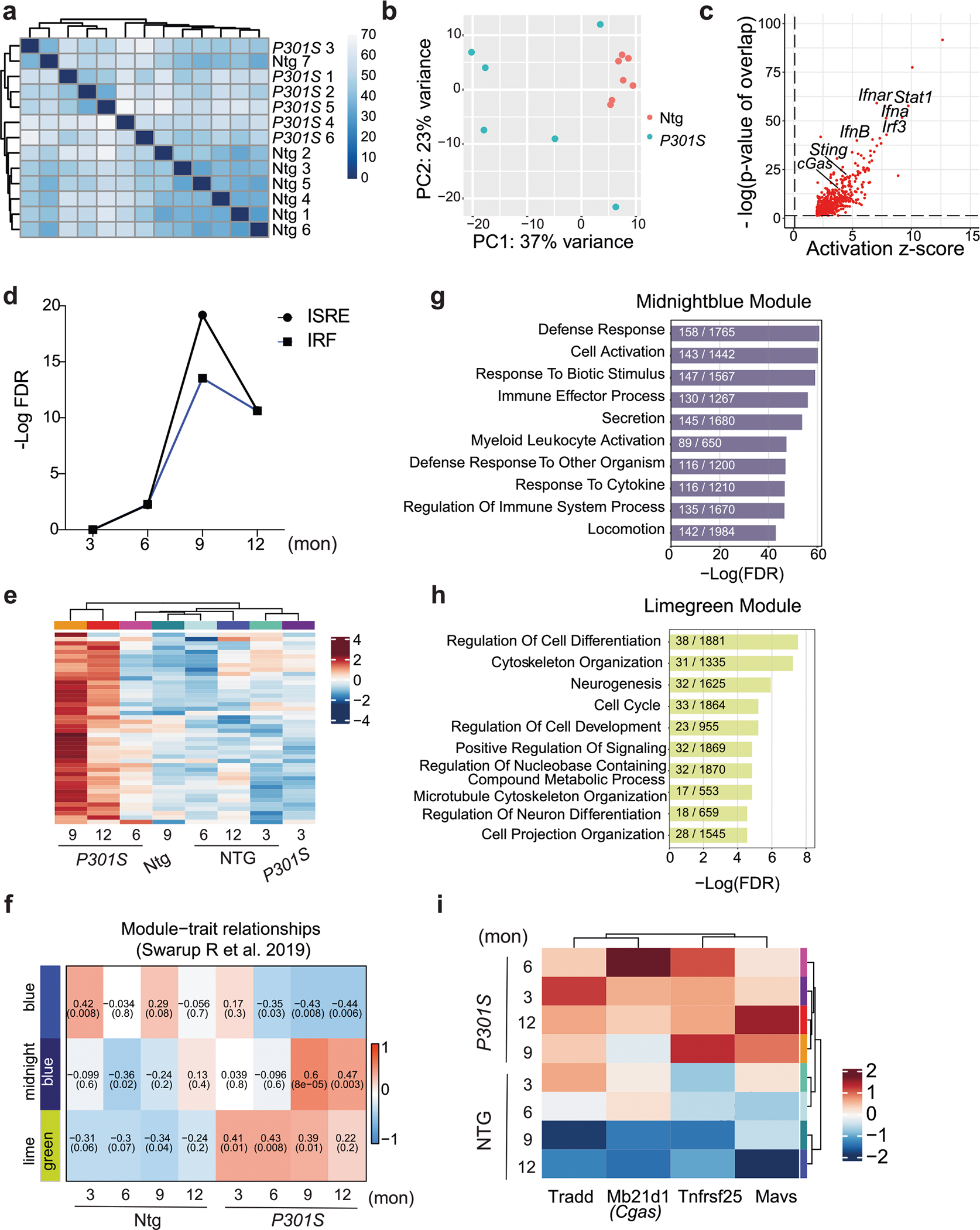
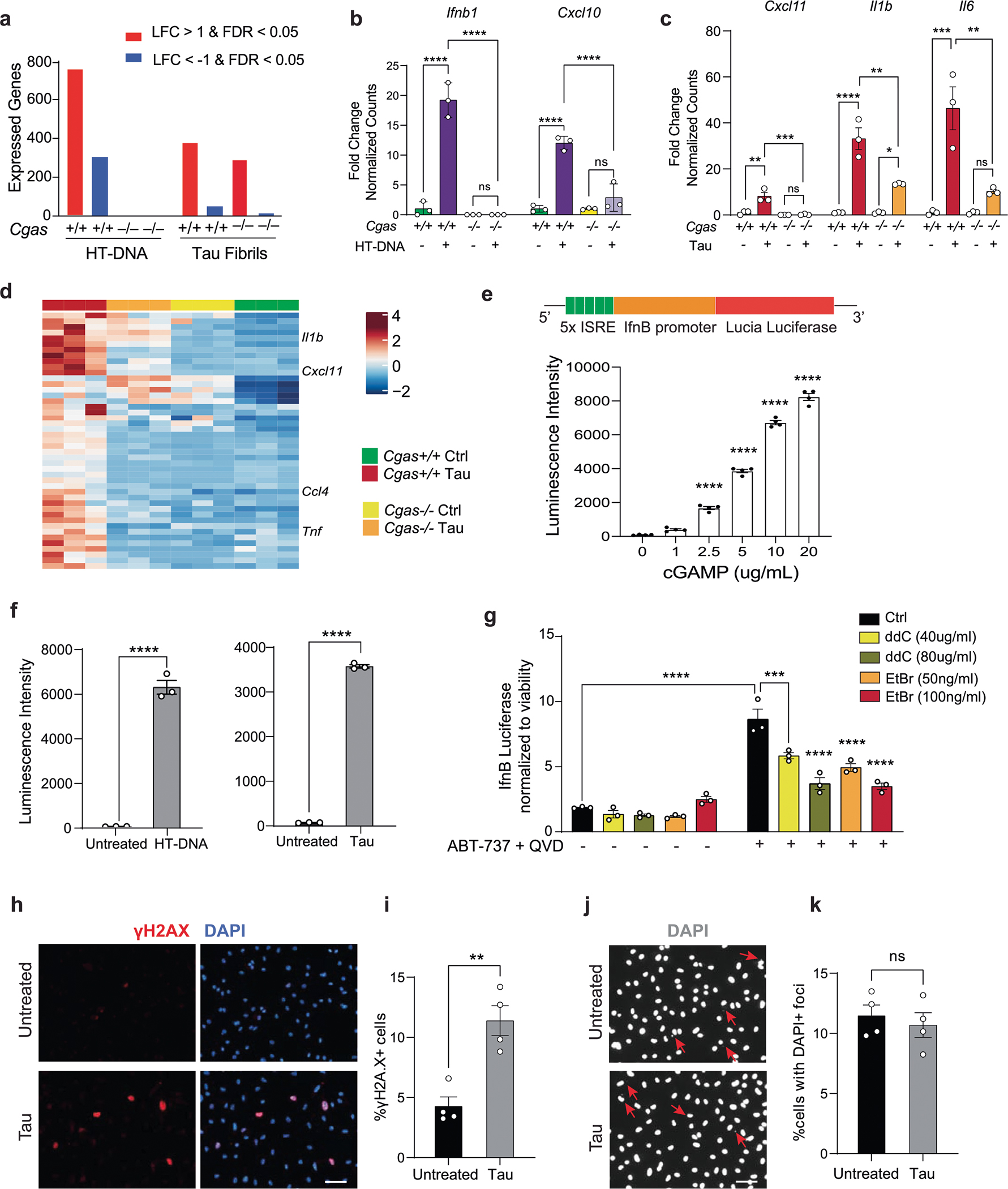
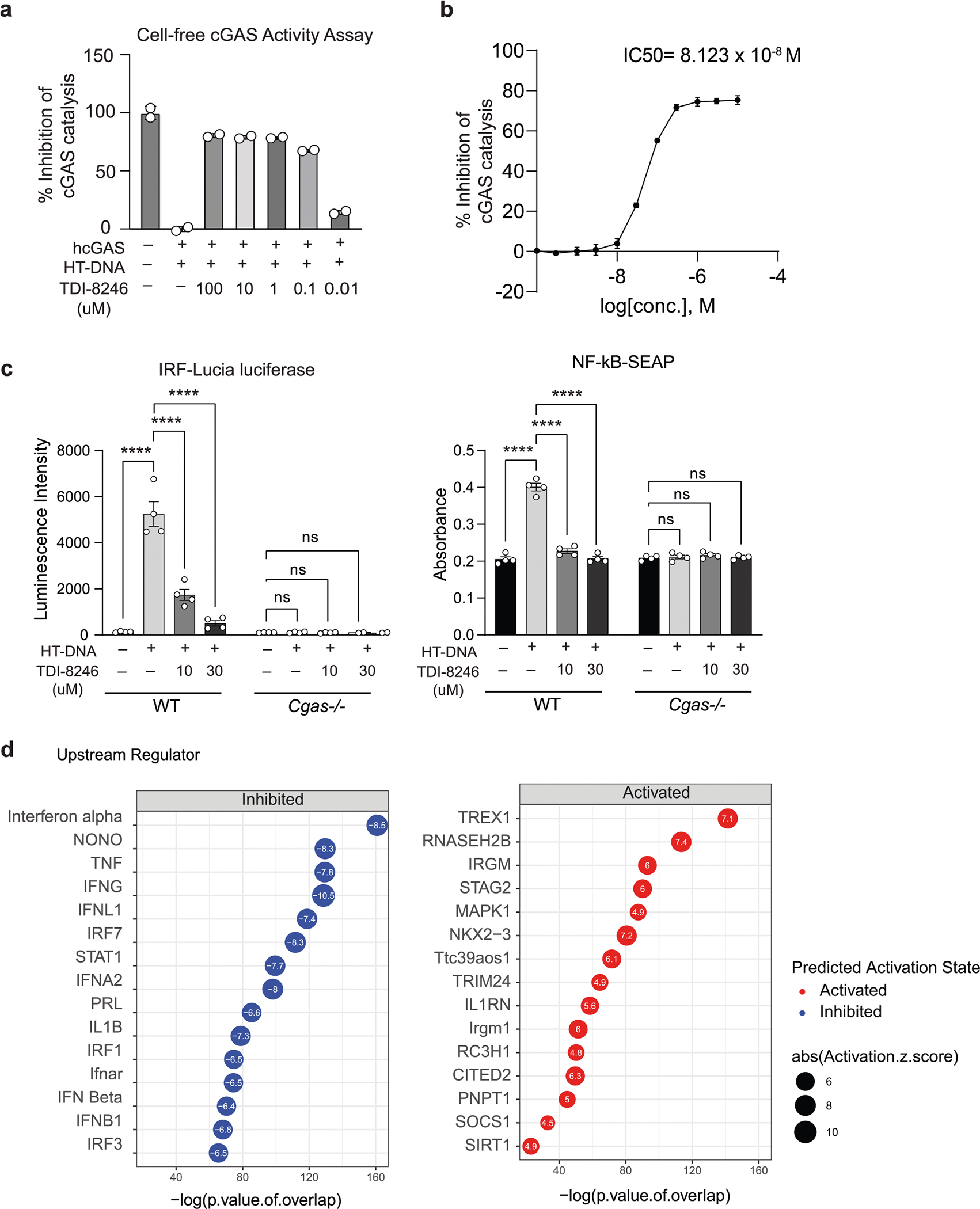
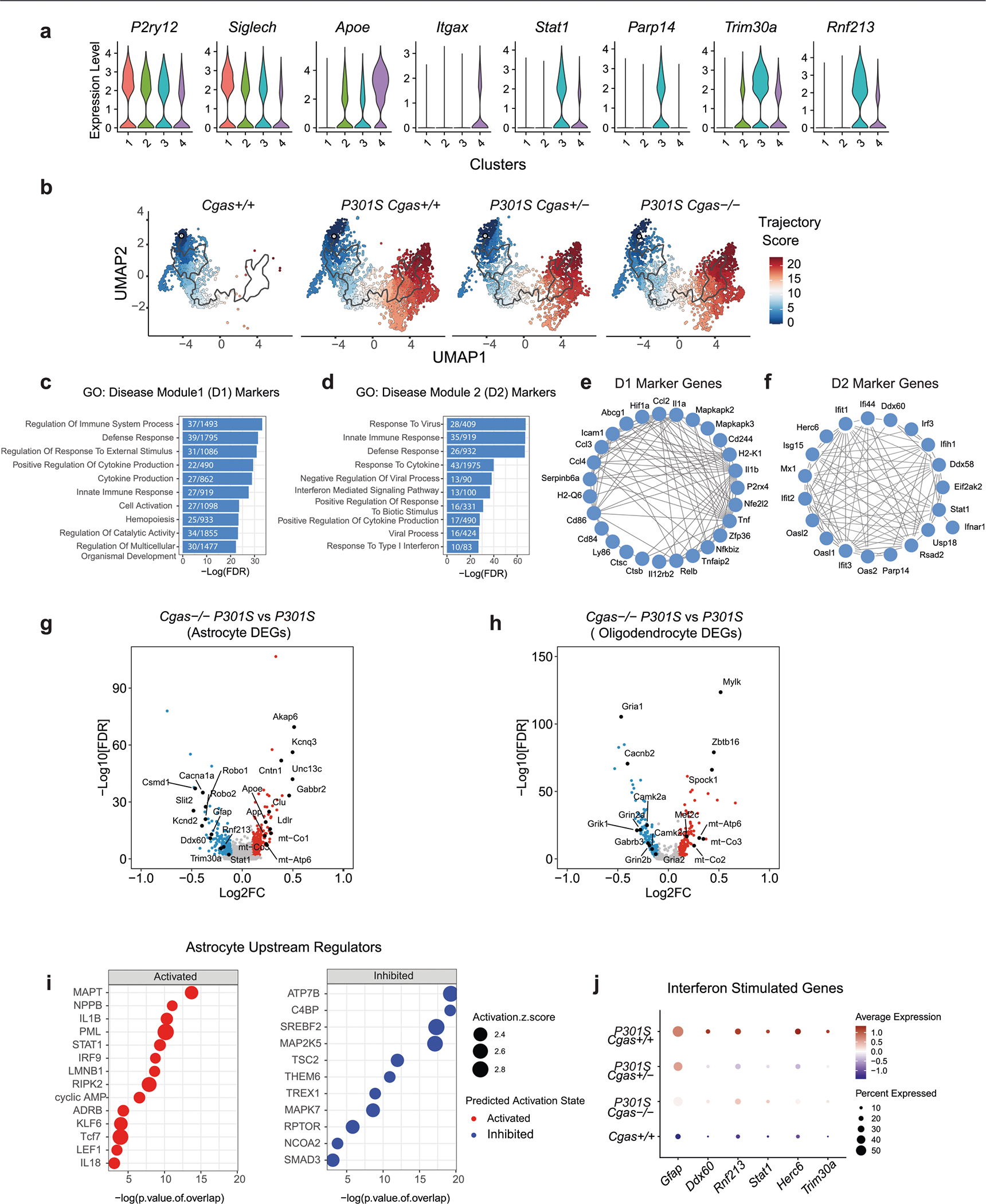
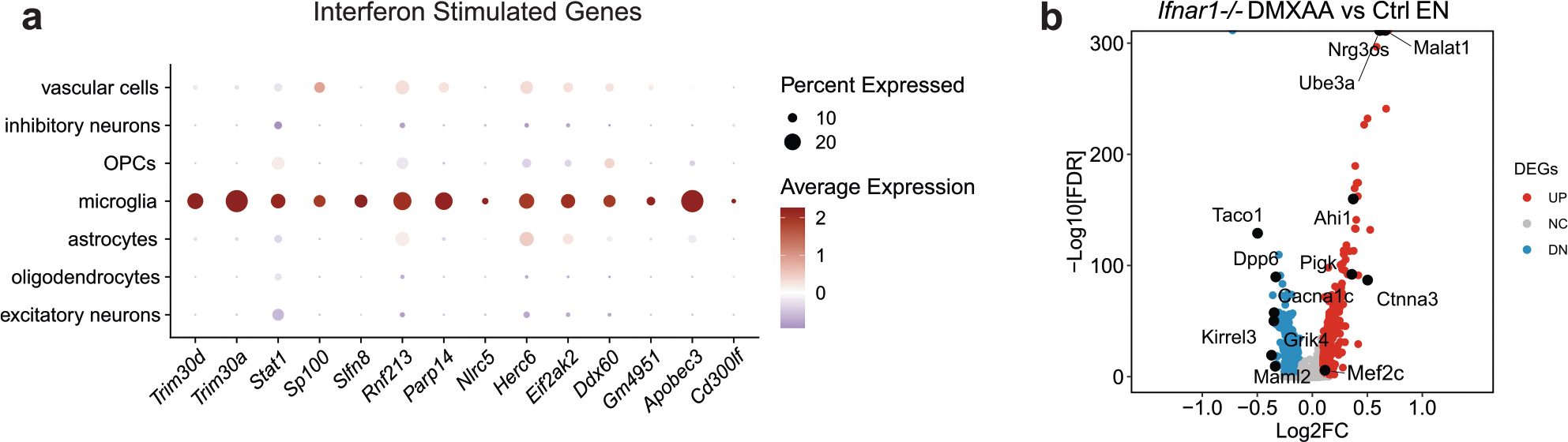
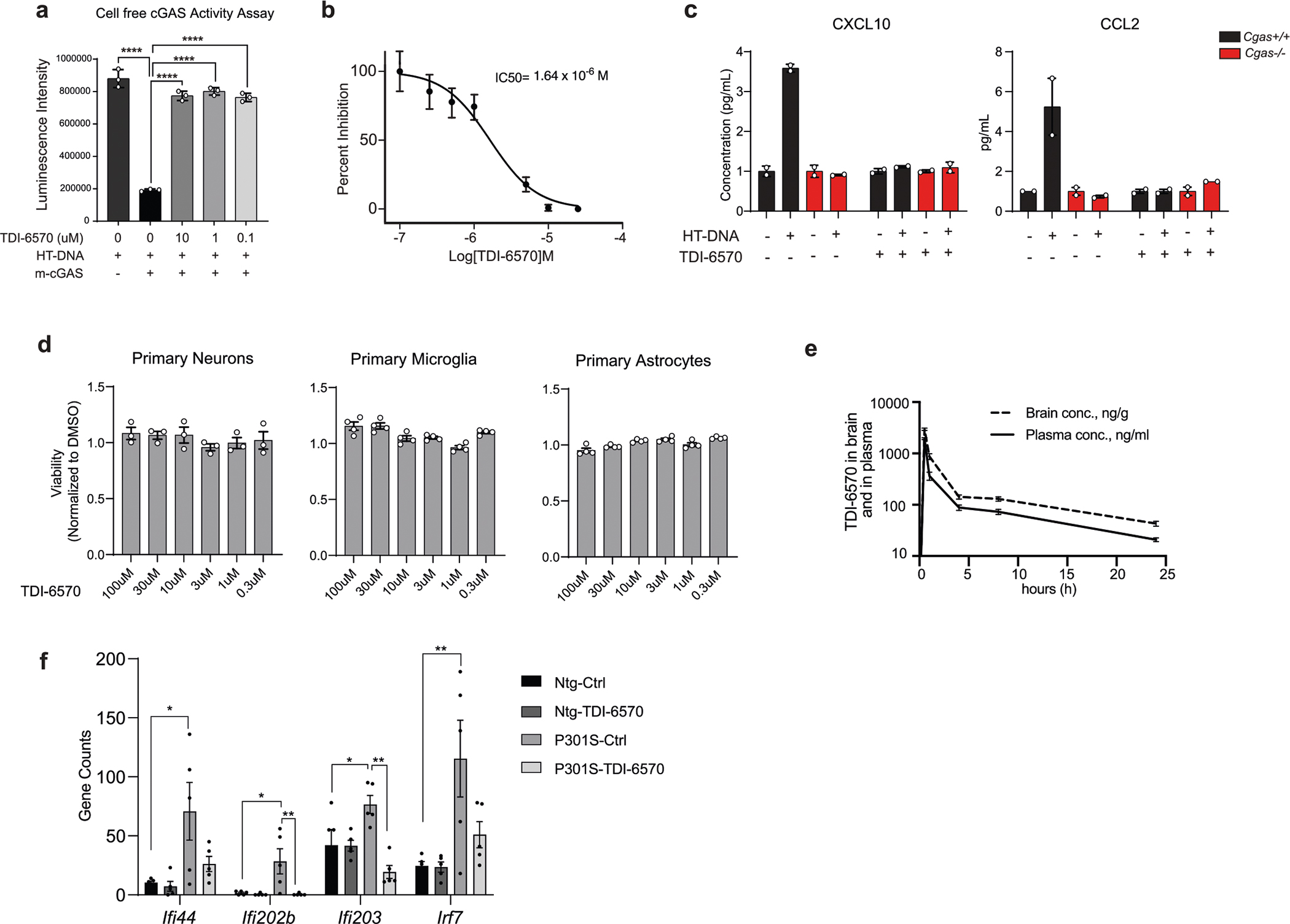
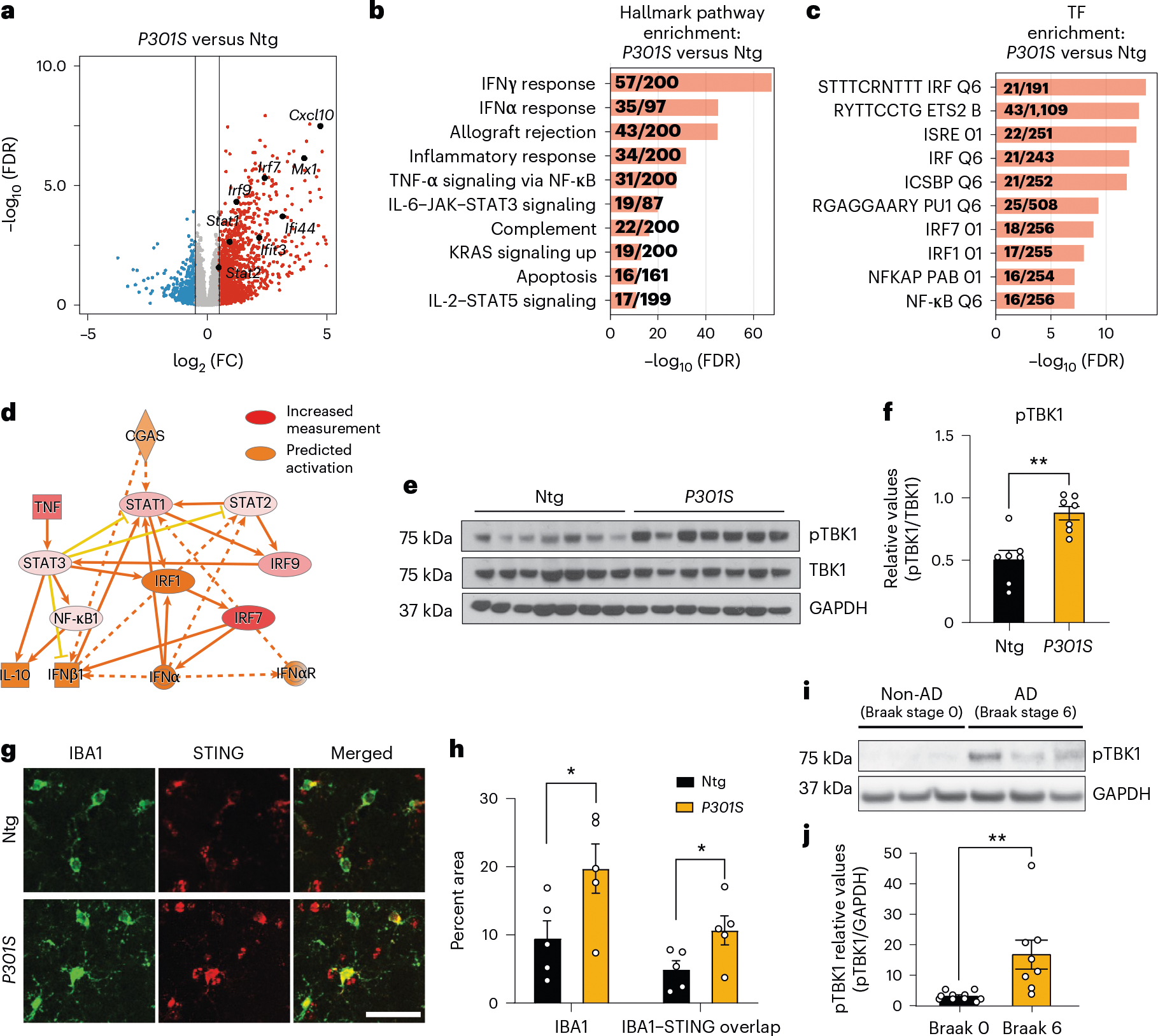
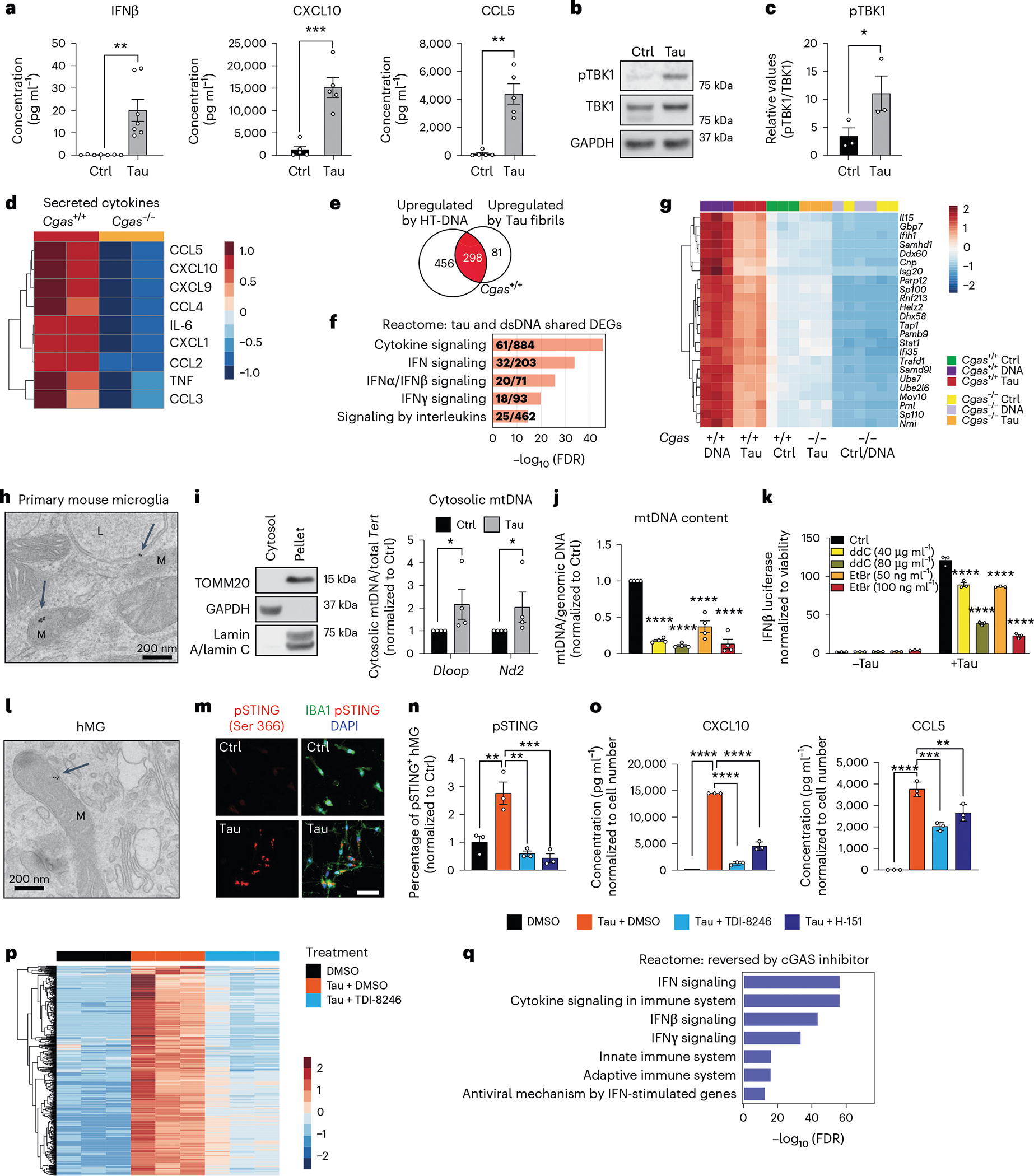
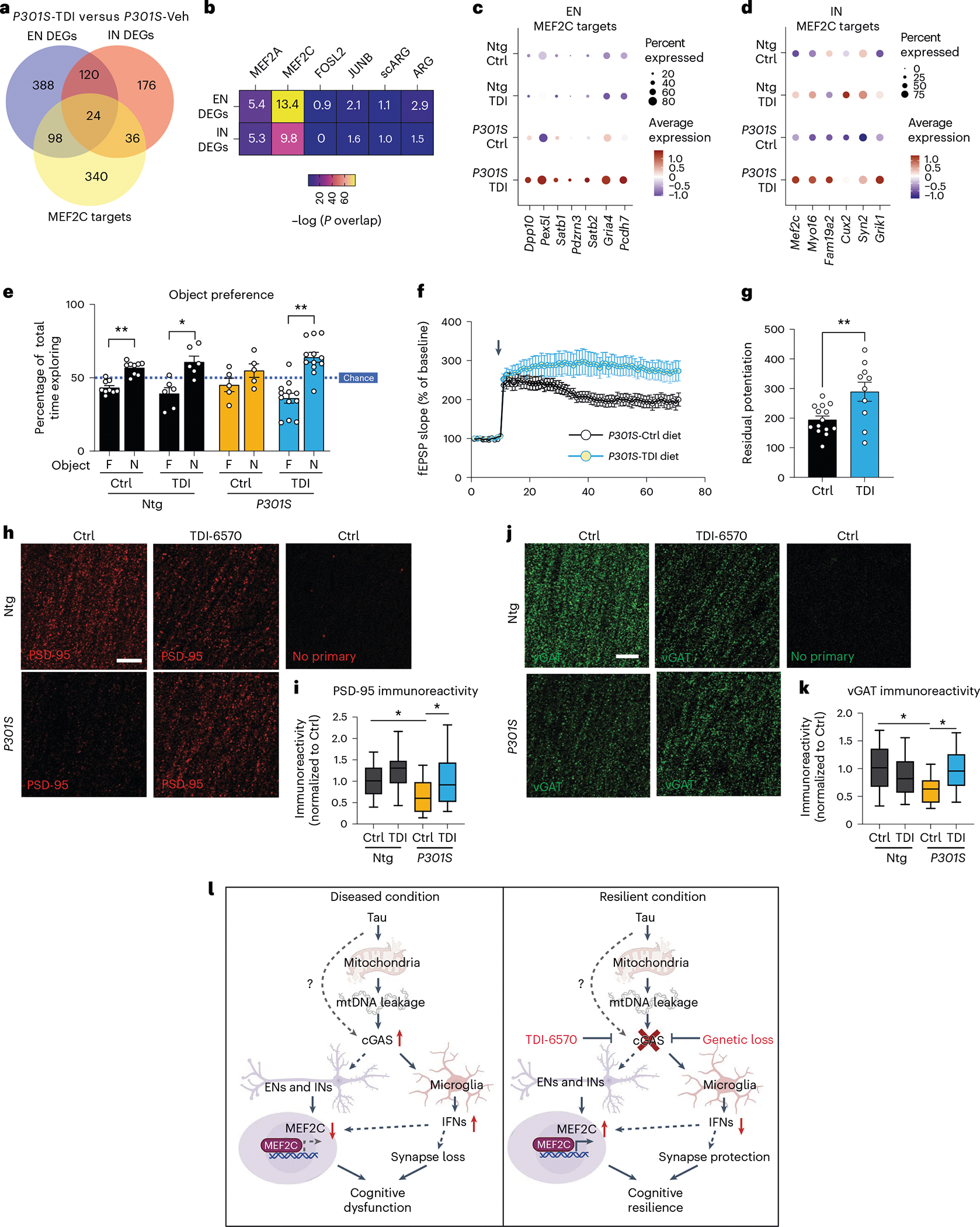
Pathological hallmarks of Alzheimer’s disease (AD) precede clinical symptoms by years, indicating a period of cognitive resilience before the onset of dementia. Here, we report that activation of cyclic GMP–AMP synthase (cGAS) diminishes cognitive resilience by decreasing the neuronal transcriptional network of myocyte enhancer factor 2c (MEF2C) through type I interferon (IFN-I) signaling. Pathogenic tau activates cGAS and IFN-I responses in microglia, in part mediated by cytosolic leakage of mitochondrial DNA. Genetic ablation of Cgas in mice with tauopathy diminished the microglial IFN-I response, preserved synapse integrity and plasticity and protected against cognitive impairment without affecting the pathogenic tau load. cGAS ablation increased, while activation of IFN-I decreased, the neuronal MEF2C expression network linked to cognitive resilience in AD. Pharmacological inhibition of cGAS in mice with tauopathy enhanced the neuronal MEF2C transcriptional network and restored synaptic integrity, plasticity and memory, supporting the therapeutic potential of targeting the cGAS–IFN–MEF2C axis to improve resilience against AD-related pathological insults.
Overview
The claims and statistics of this paper haven’t been checked yet.
Run the check — free, no account needed. It reads the open-access text and checks the sources it cites.
Integrity signals
Registry
Cites
Statistics
Figures
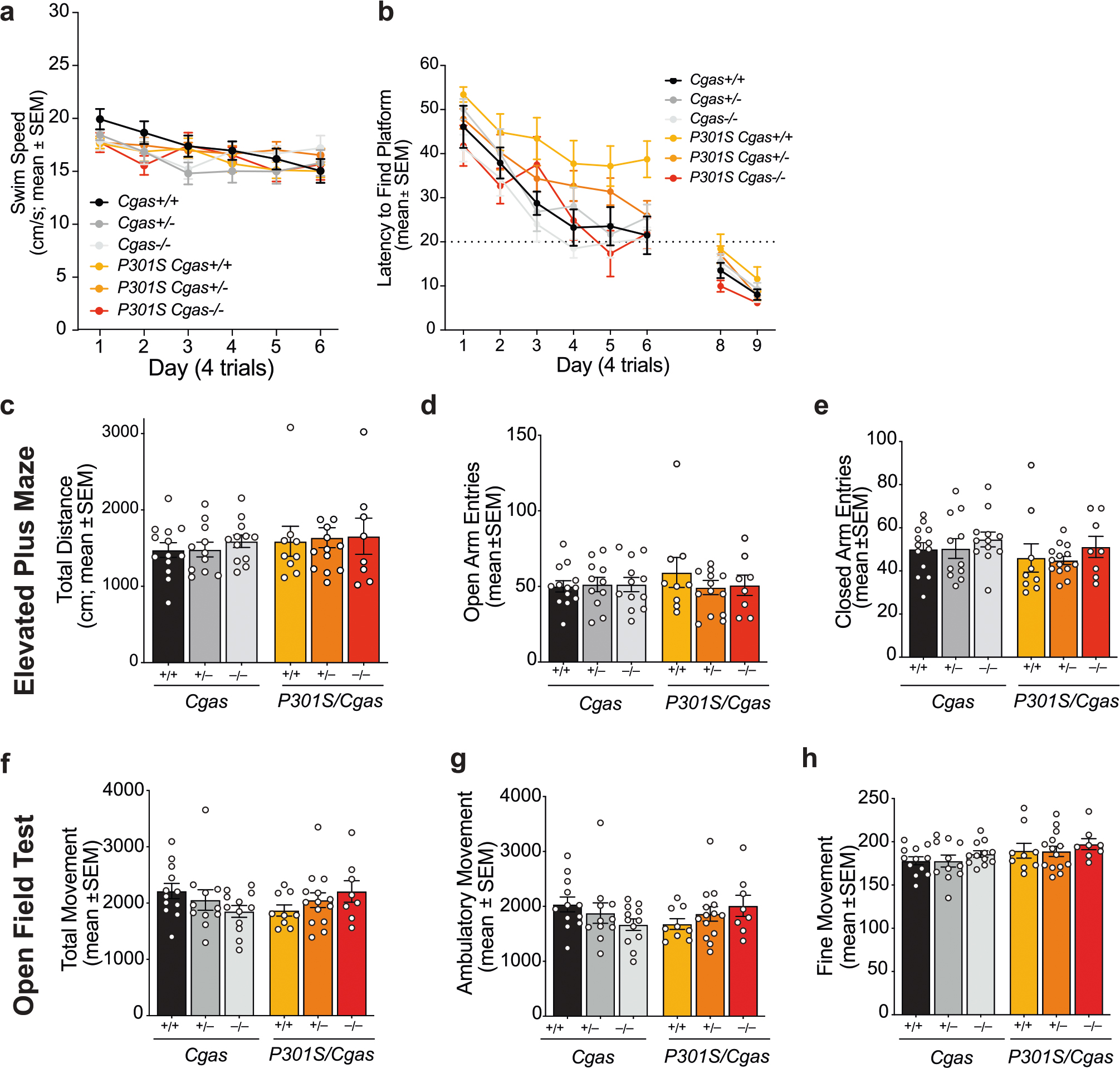
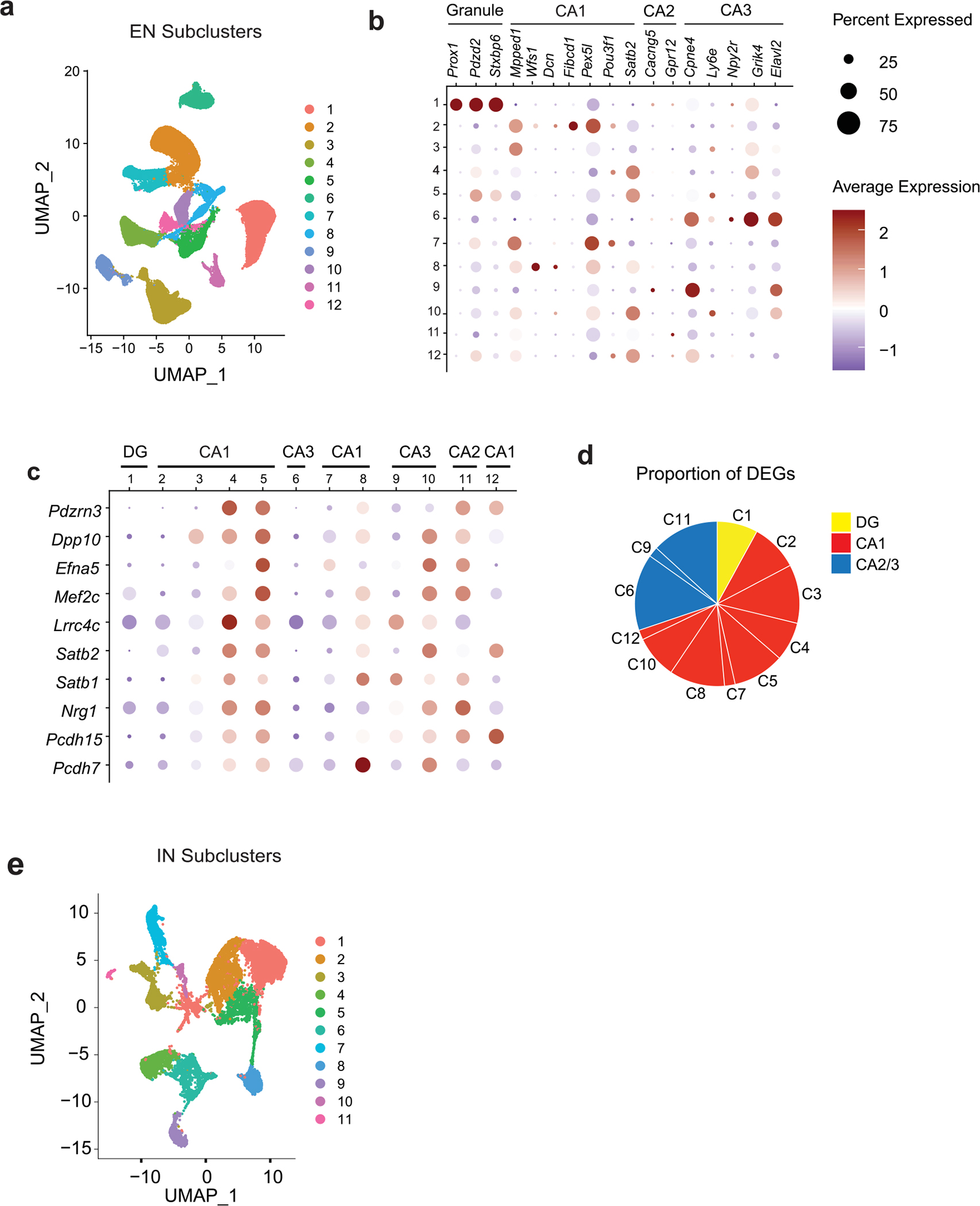
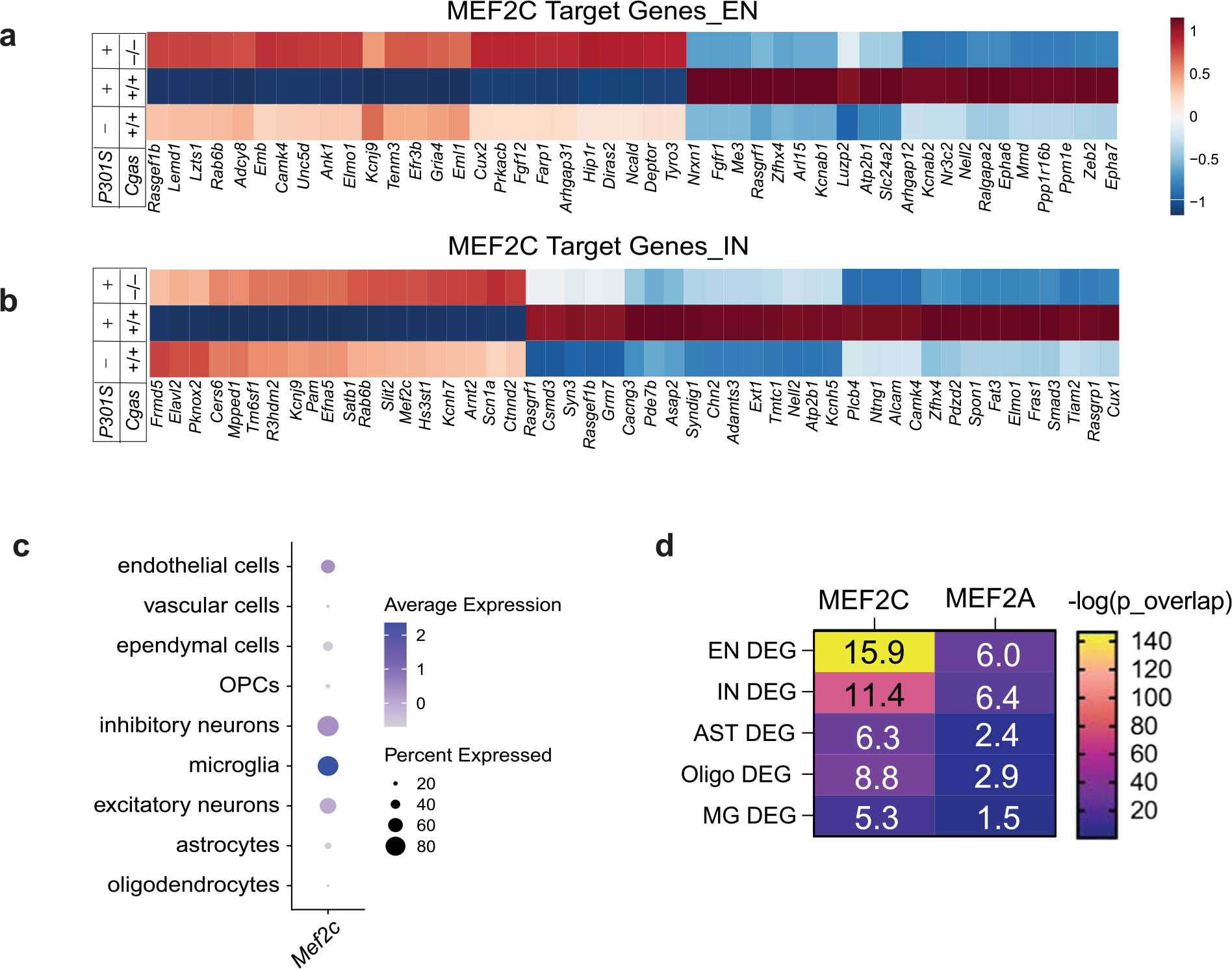
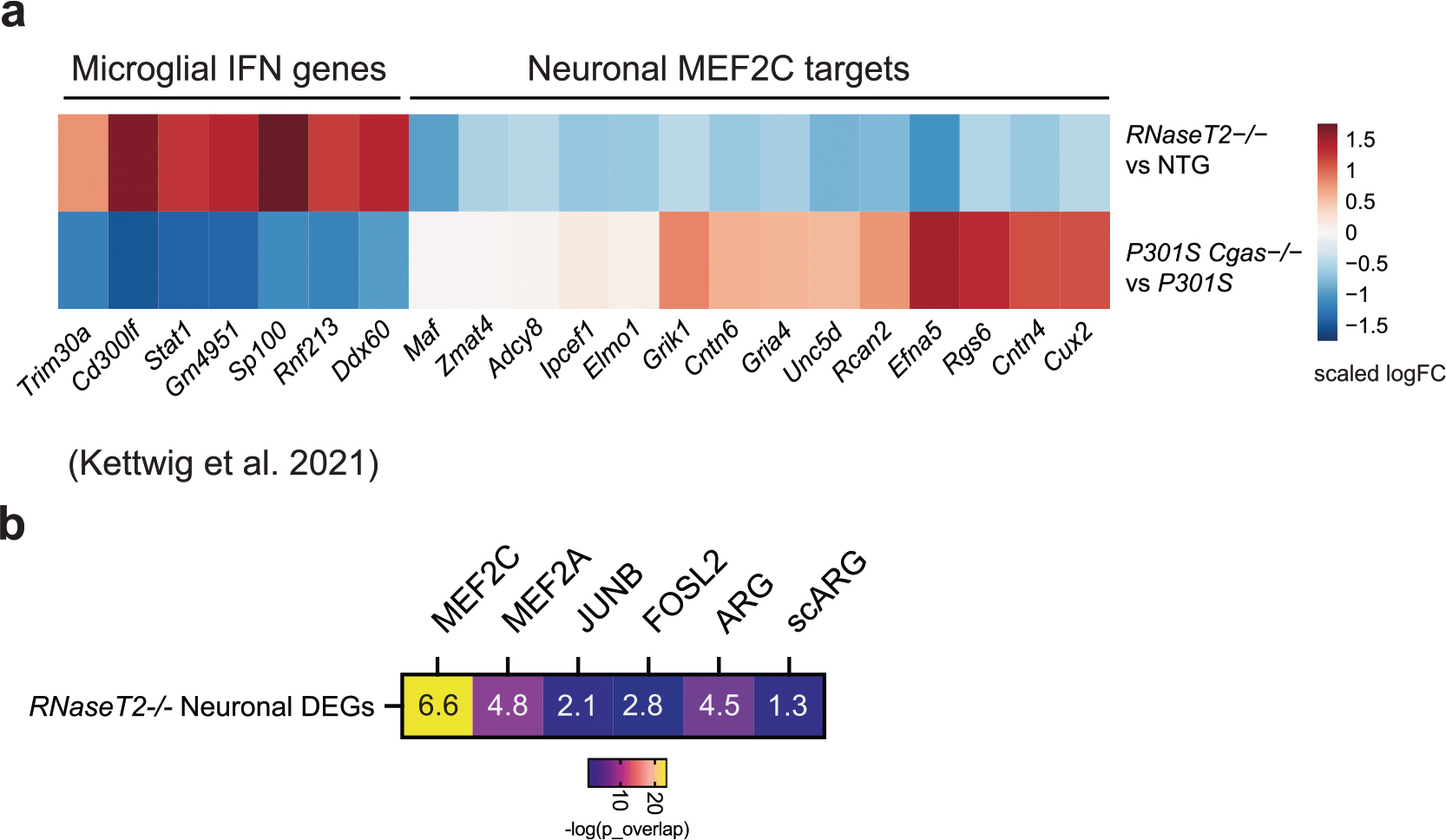
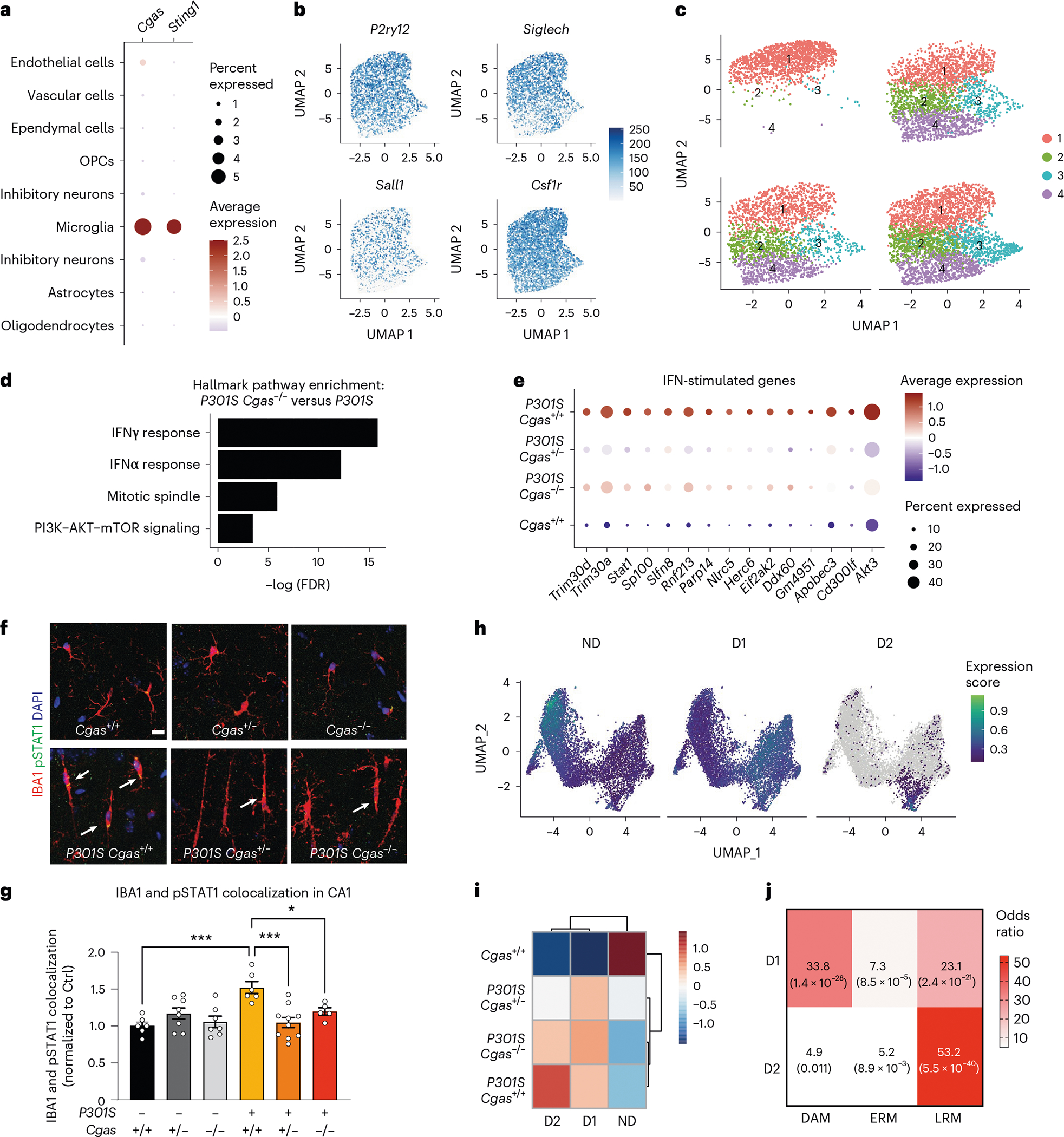
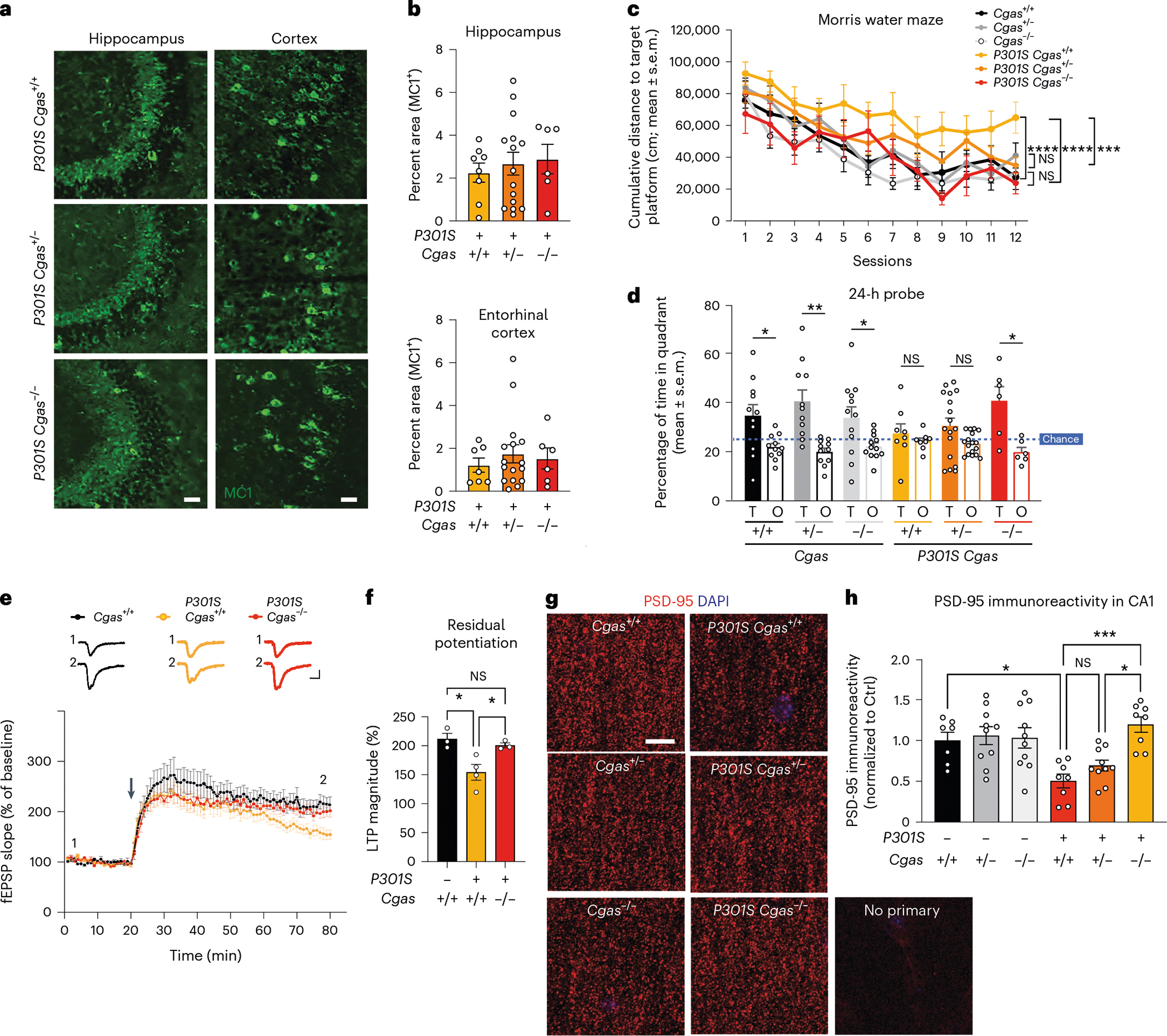
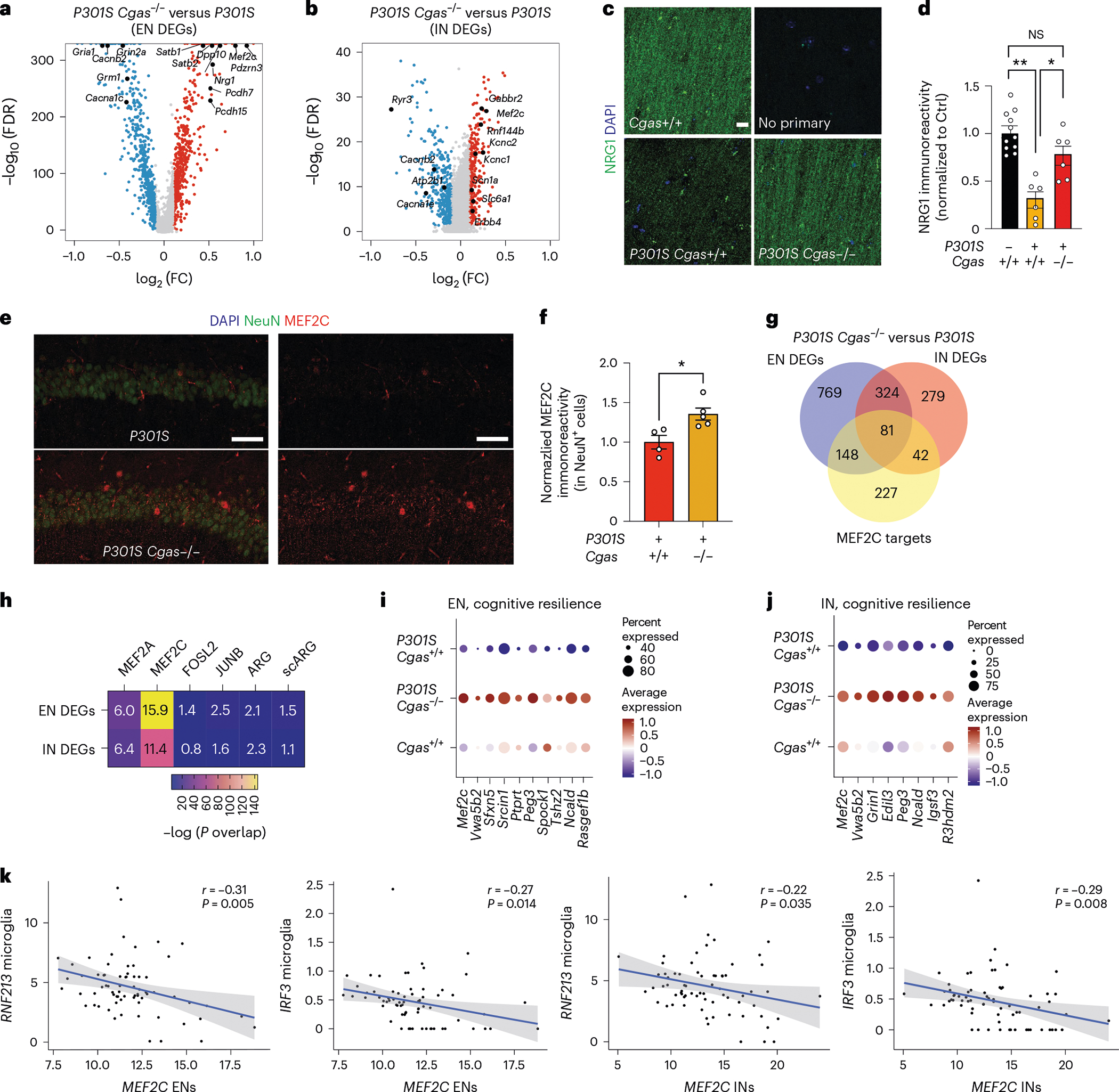
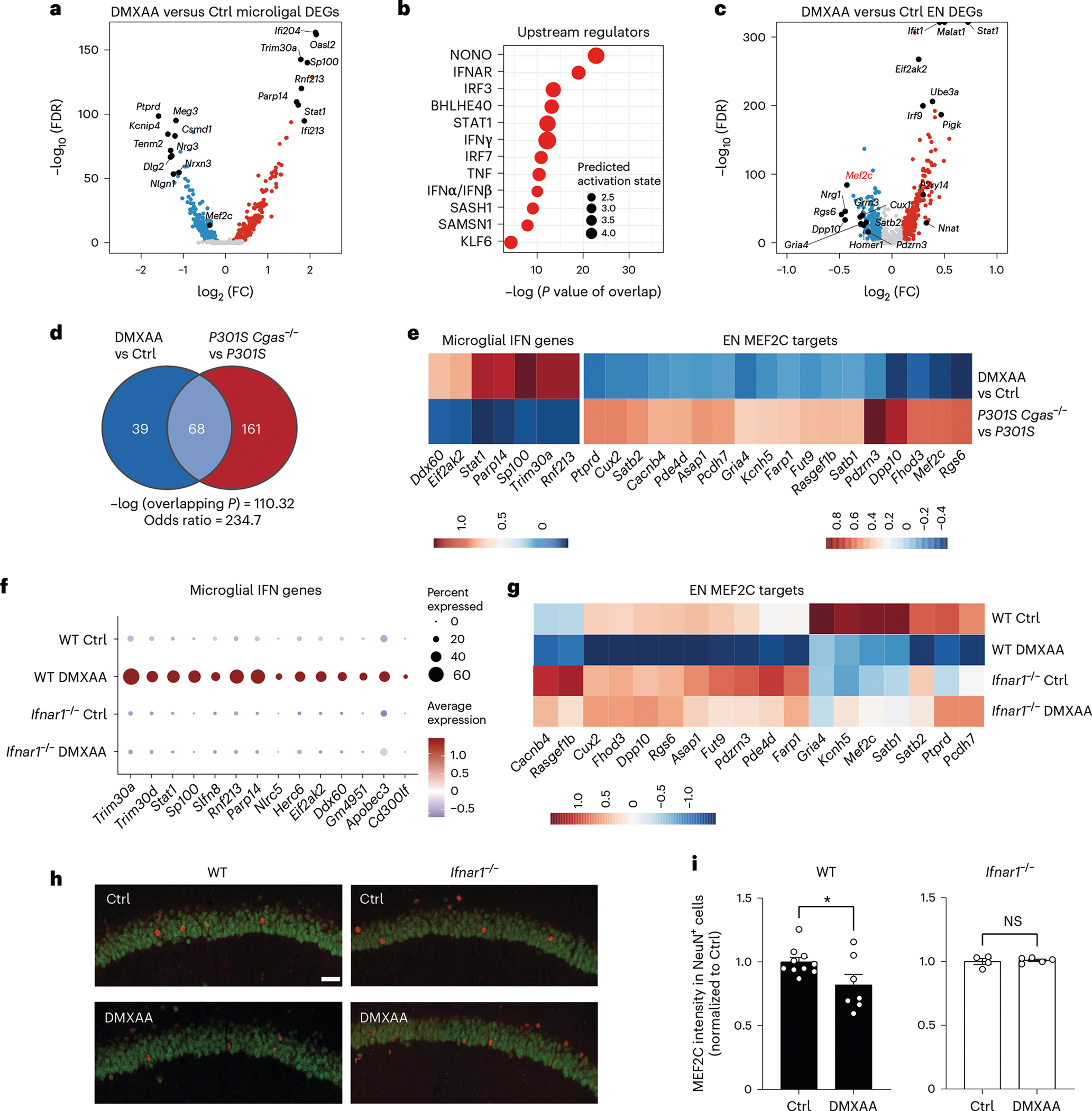
Verification
Claims the paper makes
The claims and statistics of this paper haven’t been checked yet.
Run the check — free, no account needed. It reads the open-access text and checks the sources it cites.
Claims other papers make about this one
Each is checked against this paper’s own text: does it say what the citing paper says it does?
The source backs part of the claim, not all of it — or backs it for a different population, condition or comparison.
In the citing paper
“Genetic deletion of cGAS did not reduce tau inclusions in 9-month-old P301S mice41, suggesting a ‘window of opportunity’ for cGAS inhibition to reduce tau spread.”
From The R136S mutation in the APOE3 gene confers resilience against tau pathology via inhibition of the cGAS-STING-IFN pathway (2025) · cites this paper as [41]
Experimental — accuracy not yet measuredThe source backs part of the claim, not all of it — or backs it for a different population, condition or comparison.
In the citing paper
“Our previous work established the efficacy of a brain permeable cGAS inhibitor (TDI6570, also known as G097, hereafter referred to as cGASi) formulated in chow in protecting against tau-induced deficits in P301S mice41,44.”
From APOE3 - R136S mutation confers resilience against tau pathology via cGAS-STING-IFN inhibition (2024) · cites this paper as [41]
Experimental — accuracy not yet measuredThe cited source says what the claim attributes to it.
In the citing paper
“In this axis, pathological tau activates the cyclic GMP‐AMP synthase (cGAS)‐stimulator of interferon genes (STING)‐IFN‐Ι pathway in microglia, leading to the suppression of MEF2C, a critical transcription factor for cognitive resilience [47].”
From Targeting Microglial Transcriptional Reprogramming as a Therapy Strategy for Alzheimer's Disease (2026) · cites this paper as [47]
The cited source says what the claim attributes to it.
In the citing paper
“Stimulation of the cGAS-STING pathway induces microglial dysfunction and sterile inflammation, which exacerbates AD.”
From Blockade of STING Activation Alleviates Microglial Dysfunction and a Broad Spectrum of Alzheimer's Disease Pathologies (2024) · cites this paper as [20]
The cited source says what the claim attributes to it.
In the citing paper
“While it is currently unknown whether tau-induced retrotransposons form eccDNA, recent work from Gan's group (Udeochu et al. 2023) suggests that the cGAS-STING pathway is robustly activated in brains of tau transgenic mice, consistent with previous work in primary microglia treated with tau aggregates (Jin et al. 2021).”
From The Role of Retrotransposons and Endogenous Retroviruses in Age-Dependent Neurodegenerative Disorders (2024) · cites this paper as Udeochu et al. 2023
The cited source says what the claim attributes to it.
In the citing paper
“Genetic deletion of cGAS did not reduce tau inclusions in 9-month-old P301S mice41, suggesting a ‘window of opportunity’ for cGAS inhibition to reduce tau spread.”
From The R136S mutation in the APOE3 gene confers resilience against tau pathology via inhibition of the cGAS-STING-IFN pathway (2025) · cites this paper as [41]
The cited source says what the claim attributes to it.
In the citing paper
“The cGAS-STING pathway was previously shown to play a role in tau-induced neurodegeneration41.”
From The R136S mutation in the APOE3 gene confers resilience against tau pathology via inhibition of the cGAS-STING-IFN pathway (2025) · cites this paper as [41]
The cited source says what the claim attributes to it.
In the citing paper
“Our previous studies suggest that the source of IFN signaling could be partially attributed to hyperactive cGAS-STING in tauopathy mice and human AD brains41.”
From The R136S mutation in the APOE3 gene confers resilience against tau pathology via inhibition of the cGAS-STING-IFN pathway (2025) · cites this paper as [41]
The cited source says what the claim attributes to it.
In the citing paper
“Consistent with previous studies in tauopathy mice expressing mouse Apoe, cGAS inhibition mitigated tau-induced synaptic loss41.”
From The R136S mutation in the APOE3 gene confers resilience against tau pathology via inhibition of the cGAS-STING-IFN pathway (2025) · cites this paper as [41]
The cited source says what the claim attributes to it.
In the citing paper
“Cgas deletion mitigated tau-induced microglial IFN-I and protected against synapse loss, decreased synaptic plasticity, and cognitive deficits41.”
From The R136S mutation in the APOE3 gene confers resilience against tau pathology via inhibition of the cGAS-STING-IFN pathway (2025) · cites this paper as [41]
The cited source says what the claim attributes to it.
In the citing paper
“The cGAS-STING pathway was previously shown to play a role in tau-induced neurodegeneration41.”
From APOE3 - R136S mutation confers resilience against tau pathology via cGAS-STING-IFN inhibition (2024) · cites this paper as [41]
The cited source says what the claim attributes to it.
In the citing paper
“In tauopathy mouse models, our previous studies suggest that the source of IFN signaling could be partially attributed to hyperactive cGAS-STING in tauopathy mice and the human AD brain41.”
From APOE3 - R136S mutation confers resilience against tau pathology via cGAS-STING-IFN inhibition (2024) · cites this paper as [41]
The cited source says what the claim attributes to it.
In the citing paper
“Cgas deletion mitigated tauopathy-induced microglial IFN-I and protected against synapse loss, synaptic plasticity, and cognitive deficits41.”
From APOE3 - R136S mutation confers resilience against tau pathology via cGAS-STING-IFN inhibition (2024) · cites this paper as [41]
The cited source says what the claim attributes to it.
In the citing paper
“Cxcl10 is a key IFN-γ–inducible chemokine that has been previously reported to be stimulated by tau fibrils in mouse primary microglia (Udeochu et al., 2023), as well as in PS19 mice, where it may facilitate T cell infiltration into the brain (Chen et al., 2023).”
From Cholesterol 25-hydroxylase mediates neuroinflammation and neurodegeneration in a mouse model of tauopathy (2024) · cites this paper as Udeochu et al., 2023
The cited source says what the claim attributes to it.
In the citing paper
“Signatures associated with microglia DAM states as well as MHC-related transcripts are also observed in PS19 mouse models (Udeochu, Amin et al. 2023, Wang, Martini-Stoica et al. 2024).”
From SORLA up-regulation suppresses pathological effects in aged tauopathy mouse brain (2026) · cites this paper as Udeochu, Amin et al. 2023
Self-check
Percentages, sums and reported differences re-computed from the paper’s own numbers.
The self-check needs the paper’s full text.
Citations
Cites
1 retracted
RETRACTED ARTICLE: Parkin and PINK1 mitigate STING-induced inflammation
Sliter, D. A., Martinez, J., Hao, L., Chen, X., Sun, N., Fischer, T. D., Burman, J. L., Li, Y., Zhang, Z., Narendra, D. P., et al. (2018) · Nature · doi:10.1038/s41586-018-0448-9 · Cited by 1,287
RetractedSubramanian, A., Tamayo, P., Mootha, V. K., Mukherjee, S., Ebert, B. L., Gillette, M. A., Paulovich, A., Pomeroy, S. L., Golub, T. R., Lander, E. S., et al. (2005) · Proceedings of the National Academy of Sciences · doi:10.1073/pnas.0506580102 · Cited by 53,625
WGCNA: an R package for weighted correlation network analysis
Langfelder, P., & Horvath, S. (2008) · BMC Bioinformatics · doi:10.1186/1471-2105-9-559 · Cited by 27,252
Comprehensive Integration of Single-Cell Data
Stuart, T., Butler, A., Hoffman, P., Hafemeister, C., Papalexi, E., Mauck, W. M., Hao, Y., Stoeckius, M., Smibert, P., & Satija, R. (2019) · Cell · doi:10.1016/j.cell.2019.05.031 · Cited by 15,453
NIA‐AA Research Framework: Toward a biological definition of Alzheimer's disease
Jack, C. R., Bennett, D. A., Blennow, K., Carrillo, M. C., Dunn, B., Haeberlein, S. B., Holtzman, D. M., Jagust, W., Jessen, F., Karlawish, J., et al. (2018) · Alzheimer's & Dementia · doi:10.1016/j.jalz.2018.02.018 · Cited by 10,537
Trapnell, C., Cacchiarelli, D., Grimsby, J., Pokharel, P., Li, S., Morse, M., Lennon, N. J., Livak, K. J., Mikkelsen, T. S., & Rinn, J. L. (2014) · Nature Biotechnology · doi:10.1038/nbt.2859 · Cited by 7,314
Molecular signatures database (MSigDB) 3.0
Liberzon, A., Subramanian, A., Pinchback, R., Thorvaldsdóttir, H., Tamayo, P., & Mesirov, J. P. (2011) · Bioinformatics · doi:10.1093/bioinformatics/btr260 · Cited by 7,111
A Unique Microglia Type Associated with Restricting Development of Alzheimer’s Disease
Keren-Shaul, H., Spinrad, A., Weiner, A., Matcovitch-Natan, O., Dvir-Szternfeld, R., Ulland, T. K., David, E., Baruch, K., Lara-Astaiso, D., Toth, B., et al. (2017) · Cell · doi:10.1016/j.cell.2017.05.018 · Cited by 5,493
Reversed graph embedding resolves complex single-cell trajectories
Qiu, X., Mao, Q., Tang, Y., Wang, L., Chawla, R., Pliner, H. A., & Trapnell, C. (2017) · Nature Methods · doi:10.1038/nmeth.4402 · Cited by 5,070
McGinnis, C. S., Murrow, L. M., & Gartner, Z. J. (2019) · Cell Systems · doi:10.1016/j.cels.2019.03.003 · Cited by 4,521
Cited by
Sorted by citations
Pattern recognition receptors: function, regulation and therapeutic potential
Chen, R., Zou, J., Chen, J., Zhong, X. Y., Kang, R., & Tang, D. (2025) · Signal Transduction and Targeted Therapy · doi:10.1038/s41392-025-02264-1 · Cited by 392
Regulation of cGAS–STING signalling and its diversity of cellular outcomes
Zhang, Z., & Zhang, C. (2025) · Nature Reviews Immunology · doi:10.1038/s41577-024-01112-7 · Cited by 287
Autophagy, aging, and age-related neurodegeneration
Palmer, J. E., Wilson, N., Son, S. M., Obrocki, P., Wróbel, L., Rob, M., Takla, M., Korolchuk, V. I., & Rubinsztein, D. C. (2024) · Neuron · doi:10.1016/j.neuron.2024.09.015 · Cited by 277
Cellular and pathological functions of tau
Bravo, C. P., Naguib, S. A., & Gan, L. (2024) · Nature Reviews Molecular Cell Biology · doi:10.1038/s41580-024-00753-9 · Cited by 271
Self-citationType-I-interferon-responsive microglia shape cortical development and behavior
Escoubas, C. C., Dorman, L. C., Nguyen, P. T., Lagares-Linares, C., Nakajo, H., Anderson, S. R., Barron, J. J., Wade, S. D., Cuevas, B., Vainchtein, I. D., et al. (2024) · Cell · doi:10.1016/j.cell.2024.02.020 · Cited by 179
Innate immune activation in neurodegenerative diseases
Castro‐Gomez, S., & Heneka, M. T. (2024) · Immunity · doi:10.1016/j.immuni.2024.03.010 · Cited by 176
Mechanism and therapeutic potential of targeting cGAS-STING signaling in neurological disorders
Huang, Y., Liu, B., Sinha, S. C., Amin, S., & Gan, L. (2023) · Molecular Neurodegeneration · doi:10.1186/s13024-023-00672-x · Cited by 164
Self-citationMitophagy and cGAS–STING crosstalk in neuroinflammation
Zhou, X., Wang, J., Yu, L., Qiao, G., Qin, D., Yuen-Kwan Law, B., Ren, F., Wu, J., & Wu, A. (2024) · Acta Pharmaceutica Sinica B · doi:10.1016/j.apsb.2024.05.012 · Cited by 131
A conserved ion channel function of STING mediates noncanonical autophagy and cell death
Xun, J., Zhang, Z., Lv, B., Lu, D., Yang, H., Shang, G., & Tan, J. X. (2024) · EMBO Reports · doi:10.1038/s44319-023-00045-x · Cited by 119
Choi, E.-H., Kim, M.-H., & Park, S.-J. (2024) · International Journal of Molecular Sciences · doi:10.3390/ijms25147952 · Cited by 116
TFEB–vacuolar ATPase signaling regulates lysosomal function and microglial activation in tauopathy
Wang, B., Martini‐Stoica, H., Qi, C., Lu, T., Wang, S., Xiong, W., Qi, Y., Xu, Y., Sardiello, M., Li, H., et al. (2023) · Nature Neuroscience · doi:10.1038/s41593-023-01494-2 · Cited by 107
Chung, S., Jeong, J.-H., Park, J.-C., Han, J. W., Lee, Y., Kim, J.-I., & Mook-Jung, I. (2024) · Experimental & Molecular Medicine · doi:10.1038/s12276-024-01295-y · Cited by 103
“Two recent independent studies revealed the involvement of the cGAS-STING pathway in 5xFAD amyloidosis and P301S tauopathy mouse models, with a focus on cGAS manipulation 19,20 .”
Quan, S., Fu, X., Cai, H., Ren, Z., Xu, Y., & Jia, L. (2025) · Molecular Neurodegeneration · doi:10.1186/s13024-025-00815-2 · Cited by 110
Oligodendrocyte progenitor cells in Alzheimer's disease: from physiology to pathology
Zou, P., Wu, C., Liu, T. C.-Y., Duan, R., & Yang, L. (2023) · Translational Neurodegeneration · doi:10.1186/s40035-023-00385-7 · Cited by 97
Carling, G. K., Fan, L., Foxe, N. R., Norman, K., Wong, M. Y., Zhu, D., Corona, C., Razzoli, A., Yu, F., Yarahmady, A., et al. (2024) · Neuron · doi:10.1016/j.neuron.2024.09.006 · Cited by 89
Self-citationImmune checkpoint TIM-3 regulates microglia and Alzheimer’s disease
Kimura, K., Subramanian, A., Yin, Z., Khalilnezhad, A., Wu, Y., He, D., Dixon, K. O., Chitta, U. K., Ding, X., Adhikari, N., et al. (2025) · Nature · doi:10.1038/s41586-025-08852-z · Cited by 85
Wang, S., Shi, X., Xiong, T., Chen, Q., Yang, Y., Chen, W., Zhang, K., Nan, Y., Huang, Q., & Ai, K. (2024) · Advanced Materials · doi:10.1002/adma.202409529 · Cited by 82
Dorrity, T. J., Shin, H., Wiegand, K. A., Aruda, J., Closser, M., Jung, E., Gertie, J. A., Leone, A., Polfer, R., Culbertson, B., et al. (2023) · Science Immunology · doi:10.1126/sciimmunol.adg2979 · Cited by 76
Self-citationZhang, G., Wei, H., Zhao, A., Xu, Y., Zhang, X., Gan, J., Guo, M., Wang, J., Zhang, F., Jiang, Y., et al. (2025) · Journal of Neuroinflammation · doi:10.1186/s12974-025-03363-0 · Cited by 81
Zhang, Y., Zou, M., Wu, H., Zhu, J., & Jin, T. (2024) · Neurobiology of Disease · doi:10.1016/j.nbd.2024.106710 · Cited by 75
Targeting tau in Alzheimer's disease: from mechanisms to clinical therapy
Ye, J., Wan, H., Chen, S., & Liu, G. (2023) · Neural Regeneration Research · doi:10.4103/1673-5374.385847 · Cited by 74
STING signaling in the brain: Molecular threats, signaling activities, and therapeutic challenges
Yang, K., Tang, Z., Xing, C., & Yan, N. (2023) · Neuron · doi:10.1016/j.neuron.2023.10.014 · Cited by 63
cGAS/STING signalling pathway in senescence and oncogenesis
Yu, L., & Liu, P. (2024) · Seminars in Cancer Biology · doi:10.1016/j.semcancer.2024.08.007 · Cited by 67
Li, H., Cai, R., Zhou, Y., Jiang, Y., & Tan, S. (2025) · Journal of Neuroinflammation · doi:10.1186/s12974-025-03563-8 · Cited by 72
Relationship between the cGAS−STING and NF-κB pathways-role in neurotoxicity
Zhong, S., Zhou, Q., Yang, J., Zhang, Z., Zhang, X., Liu, J., Chang, X., & Wang, H. (2024) · Biomedicine & Pharmacotherapy · doi:10.1016/j.biopha.2024.116698 · Cited by 66
Wang, Z., Liu, J., Han, J., Zhang, T., Li, S., Hou, Y., Su, H., Han, F., & Zhang, C. (2024) · Journal of Neuroinflammation · doi:10.1186/s12974-024-03166-9 · Cited by 60
Scopa, C., Barnada, S. M., Cicardi, M. E., Singer, M., Trotti, D., & Trizzino, M. (2023) · Nature Communications · doi:10.1038/s41467-023-43728-8 · Cited by 64
Anti-herpetic tau preserves neurons via the cGAS-STING-TBK1 pathway in Alzheimer’s disease
Hyde, V. R., Zhou, C., y Fernández, J. R. M., Chatterjee, K., Ramakrishna, P., Lin, A., Fisher, G. W., Celiker, O. T., Caldwell, J., Bender, O., et al. (2025) · Cell Reports · doi:10.1016/j.celrep.2024.115109 · Cited by 61
Liu, Y., Zhang, B., Duan, R., & Liu, Y. (2024) · Neuroscience · doi:10.1016/j.neuroscience.2024.04.009 · Cited by 58
cGAS-STING and neurodegenerative diseases: A molecular crosstalk and therapeutic perspective
Dhapola, R., Paidlewar, M., Kumari, S., Sharma, P., Vellingiri, B., Medhi, B., & HariKrishnaReddy, D. (2025) · International Immunopharmacology · doi:10.1016/j.intimp.2025.114902 · Cited by 60
Sun, Y., Wei, K., Liao, X., Wang, J., Gao, L., & Pang, B. (2025) · International Journal of Molecular Medicine · doi:10.3892/ijmm.2025.5580 · Cited by 63
cGAS-STING targeting offers novel therapeutic opportunities in neurological diseases
Wang, H., Fleishman, J. S., Wu, S., Wang, G., Du, L., Li, J., & Du, J. (2025) · Ageing Research Reviews · doi:10.1016/j.arr.2025.102691 · Cited by 55
Polystyrene microplastics induce anxiety via HRAS derived PERK-NF-κB pathway
Li, G., Liu, X., Sun, X., Huang, L., Kuang, W., Ou, J., Zhang, J., Zhang, Z., Li, H., Tang, H., et al. (2024) · Environment International · doi:10.1016/j.envint.2024.108543 · Cited by 54
Astrocytes in selective vulnerability to neurodegenerative disease
Zimmer, T. S., Orr, A. L., & Orr, A. G. (2024) · Trends in Neurosciences · doi:10.1016/j.tins.2024.02.008 · Cited by 57
Tlr7 drives sex differences in age- and Alzheimer’s disease–related demyelination
Lopez-Lee, C., Kodama, L., Fan, L., Zhu, D., Zhu, J., Wong, M. Y., Ye, P., Norman, K., Foxe, N. R., Ijaz, L., et al. (2024) · Science · doi:10.1126/science.adk7844 · Cited by 49
Self-citationToral-Rios, D., Long, J. M., Ulrich, J. D., Yu, J., Strickland, M. R., Han, X., Holtzman, D. M., Cashikar, A. G., & Paul, S. M. (2024) · Journal of Experimental Medicine · doi:10.1084/jem.20232000 · Cited by 47
Frost, B., & Dubnau, J. (2024) · Annual Review of Neuroscience · doi:10.1146/annurev-neuro-082823-020615 · Cited by 45
Granzyme K+ CD8 T cells slow tauopathy progression by targeting microglia
Mason, H. D., Latour, Y. L., Boughter, C. T., Johnson, K. R., Maric, D., Dorrier, C., Guedes, V. A., Lai, C., Duncker, P. C., Johnson, A. M., et al. (2025) · Nature Immunology · doi:10.1038/s41590-025-02198-4 · Cited by 48
Mitochondrial DNA and Inflammation in Alzheimer’s Disease
Galizzi, G., & Carlo, M. D. (2023) · Current Issues in Molecular Biology · doi:10.3390/cimb45110540 · Cited by 43
Cai, P., Li, W., Xu, Y., & Wang, H. (2024) · Neurobiology of Disease · doi:10.1016/j.nbd.2024.106561 · Cited by 43
Monocyte-derived macrophages act as reinforcements when microglia fall short in Alzheimer’s disease
Abellanas, M. A., Purnapatre, M., Burgaletto, C., & Schwartz, M. (2025) · Nature Neuroscience · doi:10.1038/s41593-024-01847-5 · Cited by 40
Barnett, D., Zimmer, T. S., Booraem, C., Palaguachi, F., Meadows, S. M., Xiao, H., Wong, M. Y., Luo, W., Gan, L., Chouchani, E. T., et al. (2025) · Nature Metabolism · doi:10.1038/s42255-025-01390-y · Cited by 41
Self-citationHe, S., Li, X., Mittra, N., Bhattacharjee, A., Wang, H., Song, S., Zhao, S., Liu, F., & Han, X. (2025) · Advanced Science · doi:10.1002/advs.202410910 · Cited by 34
Prudente, A. S., Lee, S. H., Roh, J., Lückemeyer, D. D., Cohen, C. F., Pertin, M., Park, C., Suter, M. R., Décosterd, I., Zhang, J., et al. (2024) · Brain Behavior and Immunity · doi:10.1016/j.bbi.2024.01.003 · Cited by 33
Naguib, S., Lopez-Lee, C., Torres, E. R., Lee, S.-I., Zhu, J., Zhu, D., Ye, P., Norman, K., Zhao, M., Wong, M. Y., et al. (2025) · Immunity · doi:10.1016/j.immuni.2025.05.023 · Cited by 32
Self-citationCNS disease associated with enhanced type I interferon signalling
Crow, Y. J. (2024) · The Lancet Neurology · doi:10.1016/s1474-4422(24)00263-1 · Cited by 32
Tătăranu, L. G., & Rizea, R. E. (2025) · Brain Sciences · doi:10.3390/brainsci15040400 · Cited by 43
Targeting DNA damage in ageing: towards supercharging DNA repair
Bujarrabal-Dueso, A., Garinis, G. A., Robbins, P. D., Vijg, J., & Schumacher, B. (2025) · Nature Reviews Drug Discovery · doi:10.1038/s41573-025-01212-6 · Cited by 32
The type‐I interferon response potentiates seeded tau aggregation and exacerbates tau pathology
Sanford, S. A. I., Miller, L. V. C., Vaysburd, M., Keeling, S., Tuck, B. J., Clark, J., Neumann, M., Syanda, V., James, L. C., & McEwan, W. A. (2024) · Alzheimer's & Dementia · doi:10.1002/alz.13493 · Cited by 26
Peripheral mitochondrial DNA as a neuroinflammatory biomarker for major depressive disorder
Ye, J., Duan, C., Han, J., Chen, J., Sun, N., Li, Y., Yuan, T., & Peng, D. (2024) · Neural Regeneration Research · doi:10.4103/nrr.nrr-d-23-01878 · Cited by 30
Zhou, Q., Luo, J., Chai, X., Yang, J., Zhong, S., Zhang, Z., Chang, X., & Wang, H. (2025) · International Immunopharmacology · doi:10.1016/j.intimp.2025.114679 · Cited by 31
The cGAS−STING-mediated ROS and ferroptosis are involved in manganese neurotoxicity
Zhang, Z., Yang, J., Zhou, Q., Zhong, S., Liu, J., Zhang, X., Chang, X., & Wang, H. (2024) · Journal of Environmental Sciences · doi:10.1016/j.jes.2024.05.003 · Cited by 27
Fang, M., Zhou, Y., He, K., Lu, Y., Tao, F., & Huang, H. (2025) · Molecular Neurobiology · doi:10.1007/s12035-025-04775-y · Cited by 33
STING Deletion Protects Against Amyloid β‐induced Alzheimer's Disease Pathogenesis
Thanos, J. M., Campbell, O. C., Cowan, M. N., Bruch, K. R., Moore, K. A., Ennerfelt, H. E., Natale, N. R., Mangalmurti, A., Kerur, N., & Lukens, J. R. (2025) · Alzheimer's & Dementia · doi:10.1002/alz.70305 · Cited by 26
APOE3 - R136S mutation confers resilience against tau pathology via cGAS-STING-IFN inhibition
Naguib, S., Lopez-Lee, C., Torres, E. R., Lee, S.-I., Zhu, J., Zhu, D., Ye, P., Norman, K., Zhao, M., Wong, M. Y., et al. (2024) · doi:10.1101/2024.04.25.591140 · Cited by 25
Self-citationAnti-acetylated-tau immunotherapy is neuroprotective in tauopathy and brain injury
Bravo, C., Krukowski, K., Barker, S., Wang, C., Li, Y., Fan, L., Vázquez‐Rosa, E., Shin, M., Wong, M. Y., McCullough, L. D., et al. (2024) · Molecular Neurodegeneration · doi:10.1186/s13024-024-00733-9 · Cited by 26
Self-citationMEF 2 C Alleviates Postoperative Cognitive Dysfunction by Repressing Ferroptosis
Wang, S., Wu, Z., Bu, X., Peng, X., Zhou, Q., Song, W., Gao, W., Wang, W., & Xia, Z. (2024) · CNS Neuroscience & Therapeutics · doi:10.1111/cns.70066 · Cited by 25
Hudson, H. R., Sun, X., & Orr, M. E. (2025) · Neurotherapeutics · doi:10.1016/j.neurot.2024.e00519 · Cited by 28
Tian, L., Long, G., Zhu, S., Wang, Y., Xu, P., Liu, L., Yao, H., Fang, S., Chen, S., & Li, S. (2025) · Proceedings of the National Academy of Sciences · doi:10.1073/pnas.2427257122 · Cited by 27
Lysosomal Repair in Health and Disease
Xun, J., & Tan, J. X. (2025) · Journal of Cellular Physiology · doi:10.1002/jcp.70044 · Cited by 24
LRRK2 kinase inhibition reverses G2019S mutation-dependent effects on tau pathology progression
Lubben, N., Brynildsen, J. K., Webb, C. M., Li, H. L., Leyns, C. E. G., Changolkar, L. N., Zhang, B., Meymand, E. S., O’Reilly, M., Madaj, Z. B., et al. (2024) · Translational Neurodegeneration · doi:10.1186/s40035-024-00403-2 · Cited by 22
Microglia internalize tau monomers and fibrils using distinct receptors but similar mechanisms
Falkon, K. F., Danford, L., Kuri, E. G., Esquinca‐Moreno, P., Señeriz, Y. L. P., Smith, S. A., Wickline, J. L., Louwrier, A., McPhail, J. A., Sayre, N. L., et al. (2024) · Alzheimer s & Dementia · doi:10.1002/alz.14418 · Cited by 26
Li, B., Wang, L., Xiao, Y. C., Wang, Y., Wang, Y., Peng, Y., Zhang, A., Tang, Z., & Qi, X. (2025) · Phytotherapy Research · doi:10.1002/ptr.8461 · Cited by 23
Zhang, N., Nao, J., & Dong, X. (2023) · Journal of Agricultural and Food Chemistry · doi:10.1021/acs.jafc.3c06672 · Cited by 23
Update on modifiable risk factors for Alzheimer's disease and related dementias
Jaisa-aad, M., Muñoz‐Castro, C., & Serrano‐Pozo, A. (2024) · Current Opinion in Neurology · doi:10.1097/wco.0000000000001243 · Cited by 21
Su, J., Xiao, Y., Wang, X., Zheng, J., & Wang, J. (2024) · Medicine Plus · doi:10.1016/j.medp.2024.100060 · Cited by 23
Exploring the link between dystrophic microglia and the spread of Alzheimer's neuropathology
Shahidehpour, R. K., Nelson, P. T., Katsumata, Y., & Bachstetter, A. D. (2024) · Brain · doi:10.1093/brain/awae258 · Cited by 21
Type I interferon signalling and interferon‐responsive microglia in health and disease
López‐Atalaya, J. P., & Bhojwani-Cabrera, A. M. (2025) · FEBS Journal · doi:10.1111/febs.70126 · Cited by 23
Bu, X., Gong, P., Zhang, L., Song, W., Hou, J., Li, Q., Wang, W., & Xia, Z. (2024) · Neurochemistry International · doi:10.1016/j.neuint.2024.105788 · Cited by 20
Gut microbiota metabolites: potential therapeutic targets for Alzheimer’s disease?
Zhang, S., Lu, J., Jin, Z., Xu, H., Zhang, D., Chen, J., & Wang, J. (2024) · Frontiers in Pharmacology · doi:10.3389/fphar.2024.1459655 · Cited by 25
Zhang, X., Liu, J., Zhong, S., Zhang, Z., Zhou, Q., Yang, J., Chang, X., & Wang, H. (2024) · Environment & Health · doi:10.1021/envhealth.4c00176 · Cited by 20
cGAS-like receptors drive a systemic STING-dependent host response in Drosophila
Ai, X., Deng, H., Li, X., Wei, Z., Chen, Y., Yin, T., Zhang, J., Huang, J., Li, H., Lin, X., et al. (2024) · Cell Reports · doi:10.1016/j.celrep.2024.115081 · Cited by 21
Kaur, A., & Aran, K. R. (2025) · Neuroscience · doi:10.1016/j.neuroscience.2025.04.001 · Cited by 23
Perioperative neurocognitive disorders: Advances in molecular mechanisms and bioactive molecules
Mao, L., Wang, L., Huang, Z., Switzer, J. A., Hess, D. C., & Zhang, Q. (2025) · Ageing Research Reviews · doi:10.1016/j.arr.2025.102885 · Cited by 24
Chen, Z., Mao, Z., Tang, W., Shi, Y., Liu, J., & You, Y. (2025) · Translational Neurodegeneration · doi:10.1186/s40035-025-00517-1 · Cited by 27
Evidence that Alzheimer’s Disease Is a Disease of Competitive Synaptic Plasticity Gone Awry
Huang, Z. (2024) · Journal of Alzheimer s Disease · doi:10.3233/jad-240042 · Cited by 20
From defense to disease: IFITM3 in immunity and Alzheimer's disease
Kehs, Z., Cross, A. C., & Li, Y. (2024) · Neurotherapeutics · doi:10.1016/j.neurot.2024.e00482 · Cited by 21
Microbial Metabolomes in Alzheimer’s Disease: From Pathogenesis to Therapeutic Potential
Borrego-Ruiz, A., & Borrego, J. J. (2025) · Current Issues in Molecular Biology · doi:10.3390/cimb47090724 · Cited by 21
The metabolic engine of cognition: microglia–neuron interactions in health, ageing and disease
Asimakidou, E., Pluchino, S., Silva, B. A., & Peruzzotti‐Jametti, L. (2025) · Nature Metabolism · doi:10.1038/s42255-025-01409-4 · Cited by 24
cGAS-STING signaling in Alzheimer's disease: Microglial mechanisms and therapeutic opportunities
Fazal, F., Dar, N. J., Ahamad, S., Khan, S., Bano, N., Saha, S., Nazir, A., & Bhat, S. A. (2026) · Molecular Aspects of Medicine · doi:10.1016/j.mam.2025.101444 · Cited by 21
Minding the Gap: Exploring Neuroinflammatory and Microglial Sex Differences in Alzheimer’s Disease
Reed-Geaghan, E. G., & Keller-Norrell, P. R. (2023) · International Journal of Molecular Sciences · doi:10.3390/ijms242417377 · Cited by 19
Xie, J., Cheng, J., Ko, H., & Tang, Y. (2024) · EMBO Molecular Medicine · doi:10.1038/s44321-024-00046-w · Cited by 17
Hu, B., Shi, Y., Xiong, F., Chen, Y.-T., Zhu, X., Carrillo, E. C., Wen, X., Drolet, N. A., Rajpurohit, C. S., Xu, X., et al. (2025) · Nature Communications · doi:10.1038/s41467-025-60378-0 · Cited by 19
Emerging roles for innate and adaptive immunity in tauopathies
Johnson, A. M., & Lukens, J. R. (2025) · Cell Reports · doi:10.1016/j.celrep.2025.116232 · Cited by 19
The role of interferon signaling in neurodegeneration and neuropsychiatric disorders
Sirkis, D. W., Oddi, A. P., Jonson, C., Bonham, L. W., Hoang, P. T., & Yokoyama, J. S. (2024) · Frontiers in Psychiatry · doi:10.3389/fpsyt.2024.1480438 · Cited by 16
Molecular hallmarks of excitatory and inhibitory neuronal resilience to Alzheimer’s disease
Castanho, I., Yeganeh, P. N., Boix, C. A., Morgan, S. L., Mathys, H., Prokopenko, D., White, B., Soto, L. M., Pegoraro, G., Shah, S. A., et al. (2025) · Molecular Neurodegeneration · doi:10.1186/s13024-025-00892-3 · Cited by 22
Self-citationWang, X., Tang, X., Zhu, P., Hua, D., Xie, Z., Guo, M., Que, M., Yan, J., Li, X., Qian, X., et al. (2024) · Cellular and Molecular Life Sciences · doi:10.1007/s00018-024-05156-9 · Cited by 16
Expansion of highly interferon‐responsive T cells in early‐onset Alzheimer's disease
Sirkis, D. W., Solsberg, C. W., Johnson, T. P., Bonham, L. W., Oddi, A. P., Geier, E. G., Miller, B. L., Rabinovici, G. D., & Yokoyama, J. S. (2024) · Alzheimer s & Dementia · doi:10.1002/alz.13892 · Cited by 17
Identification and development of cGAS inhibitors and their uses to treat Alzheimer's disease
Alarcón‐Espósito, J., Nagiri, R. K., Gan, L., & Sinha, S. C. (2025) · Neurotherapeutics · doi:10.1016/j.neurot.2025.e00536 · Cited by 16
Self-citationLuo, Y., Zhao, Z.-W., & Hu, X. (2023) · Acta Biochimica et Biophysica Sinica · doi:10.3724/abbs.2023258 · Cited by 15
Alipour-Khezri, E., Moqadami, A., Vahed, S. Z., & Barzegari, A. (2025) · Biomedicine & Pharmacotherapy · doi:10.1016/j.biopha.2025.118790 · Cited by 17
Wang, W., Wang, L., Zhong, X., Dong, L., Zhang, L., & Hu, J. X. (2025) · Cell Biochemistry and Function · doi:10.1002/cbf.70146 · Cited by 15
The cGAS-STING pathway: Mechanism and medical implications
Hooftman, A., Keller, A., & Ablasser, A. (2026) · Cell · doi:10.1016/j.cell.2026.06.001 · Cited by 24
Roy, E. R., Li, S., Saroukhani, S., Wang, Y., & Cao, W. (2024) · Molecular Neurodegeneration · doi:10.1186/s13024-024-00736-6 · Cited by 17
Chronological versus immunological aging: Immune rejuvenation to arrest cognitive decline
Basurco, L., Abellanas, M. A., Purnapatre, M., Antonello, P., & Schwartz, M. (2024) · Neuron · doi:10.1016/j.neuron.2024.12.004 · Cited by 17
cGAS–STING signaling pathway as a therapeutic target in human diseases
Xiao, Y., Ma, Y., Zhao, J., Zhang, X., Gan, C., Gao, J., & Huang, Z. (2025) · Chinese Medical Journal · doi:10.1097/cm9.0000000000003904 · Cited by 15
In sickness and in health—Type I interferon and the brain
Cao, W. (2024) · Frontiers in Aging Neuroscience · doi:10.3389/fnagi.2024.1403142 · Cited by 15
Complement receptor 4 mediates the clearance of extracellular tau fibrils by microglia
Yoo, C. J., Choi, Y., Bok, E., Lin, Y., Cheon, M., Lee, Y., & Kim, J. (2024) · FEBS Journal · doi:10.1111/febs.17150 · Cited by 16
Proteostasis as a fundamental principle of Tau immunotherapy
Cruz, E., Nisbet, R. M., Padmanabhan, P., Waardenberg, A. J., Graham, M. E., Nkajja, G., Tapaswi, S., Connor, B. J., Robinson, P., & Götz, J. (2024) · Brain · doi:10.1093/brain/awae254 · Cited by 15
Akhter, F., Akhter, A., Zhu, X., Schiff, H. C., Maffei, A., Douglas, J. T., Zhou, Q., Zhao, Z., & Zhu, D. (2025) · Proceedings of the National Academy of Sciences · doi:10.1073/pnas.2505046122 · Cited by 16
Metadata
- Authors
- Udeochu, J. C., Amin, S., Huang, Y., Fan, L., Torres, E. R. S., Carling, G. K., Liu, B., McGurran, H., Coronas-Samano, G., Kauwe, G., Mousa, G. A., Wong, M. Y., Ye, P., Nagiri, R. K., Lo, I., Holtzman, J., Corona, C., Yarahmady, A., Gill, M. T., Raju, R. M., Mok, S.-A., Gong, S., Luo, W., Zhao, M., Tracy, T. E., Ratan, R. R., Tsai, L.-H., Sinha, S. C., & Gan, L.
- Affiliations
- Weill Cornell Medicine (US)
- Gladstone Institutes (US)
- Buck Institute for Research on Aging (US)
- University of Alberta (CA)
- Boston Children's Hospital (US)
- Massachusetts Institute of Technology (US)
- Corresponding author
- Amin, Sadaf
- Gan, Li
- ORCID
- Udeochu, Joe C.
- Amin, Sadaf
- Huang, Yige
- Fan, Li
- Torres, Eileen Ruth S.
- Carling, Gillian K.
- McGurran, Hugo
- Coronas-Samano, Guillermo
- Mousa, Gergey Alzaem
- Wong, Man Ying
- Nagiri, Ravi Kumar
- Lo, Iris
- Corona, Carlo
- Yarahmady, Allan
- Raju, Ravikiran M.
- Mok, Sue-Ann
- Gong, Shiaoching
- Luo, Wenjie
- Zhao, Mingrui
- Tracy, Tara E.
- Ratan, Rajiv R.
- Tsai, Li-Huei
- Sinha, Subhash C.
- Gan, Li
- Venue
- Nature Neuroscience
- Published
- 2023-04-24
- Volume
- 26
- Issue
- 5
- Pages
- 737-750
- ISSN
- 1097-6256 (ISSN-L)
- 1546-1726
- PMC
- PMC10166855
- OpenAlex
- W4366824412
- Cited by
- 289
- References
- 68
- Citations by year
- 2026: 71 · 2025: 108 · 2024: 86 · 2023: 24
- FWCI
- 51.86
- Type
- journal article
- Language
- en
- Open access
- hybrid
- doi.org
- Locations
- Nature Neuroscience (publishedVersion, cc-by)
- PubMed Central (publishedVersion, cc-by)
- PubMed (publishedVersion)
- Funders
- BrightFocus Foundation (A20201312F)
- JumpStart Research Career Development Program, Weill Cornell Medicine
- Boston Children’s Hospital (5K12HD052896)
- U.S. Department of Health & Human Services | National Institutes of Health (R01AG064239, R01AG072758)
- U.S. Department of Health & Human Services | NIH | National Institute on Aging (R01AG074541, R01AG054214)
- CureAD Fund Daedalus Fund
- JPB Foundation
- Tau Consortium CureAD Fund Daedalus Fund
- Topics
- Life Sciences › Neuroscience › Cellular and Molecular Neuroscience › Alzheimer's disease research and treatments
- Life Sciences › Neuroscience › Neurology › Neuroinflammation and Neurodegeneration Mechanisms
- Life Sciences › Neuroscience › Developmental Neuroscience › Anesthesia and Neurotoxicity Research
- Keywords
- Alzheimer's disease, tauopathy, cGAS, type I interferon, MEF2C, microglia, cognitive resilience, mitochondrial DNA release, synaptic integrity, synaptic plasticity, memory, neuroinflammation
- MeSH terms
- Animals, Cognition, Immunity, Innate, Interferons, Nucleotidyltransferases, tau Proteins, Microglia, Mice, MEF2 Transcription Factors
About these checks
Registry, retraction, Cites and statistics results are computed, not judged, with one exception: a printed reference that no index lists is read once by a model before it counts as a citation error. Claims are extracted by a model and kept only when their quote appears verbatim in the text; each cited source is then checked, with a model’s help, for whether it says what the claim relies on. Those verdicts can be wrong — read the claim’s quote and the cited source before relying on one.
Statistics and arithmetic are recomputed, not judged.
Confidence bands are shown only for fields calibrated on our annotated test set. None is calibrated yet, so no band is shown.
What counts as a claim ›How we measure confidence ›How we check this ›
Are you an author, or do you see a problem with this page? Request a review
