

High-density EMG, IMU, kinetic, and kinematic open-source data for comprehensive locomotion activities
Open accessThe DOI matches its Crossref record; 36 of the 36 references it cites were found in a registry or an index.
Abstract
Novel sensor technology enables new insights in the neuromechanics of human locomotion that were previously not possible. Here, we provide a dataset of high-density surface electromyography (HDsEMG) and high-resolution inertial measurement unit (IMU) signals, along with motion capture and force data for the lower limb of 10 healthy adults during multiple locomotion modes. The participants performed level-ground and slope walking, as well as stairs ascent/descent, side stepping gait, and stand-to-walk and sit-to-stand-to-walk, at multiple walking speeds. These data can be used for the development and validation of locomotion mode recognition and control algorithms for prosthetics, exoskeletons, and bipedal robots, and for motor control investigations.
Overview
The claims and statistics of this paper haven’t been checked yet.
Free: it reads the open-access text and checks the first 5 claims that cite a source we can check. Create a free account to check every claim.
Integrity signals
Registry
Cites
Statistics
Figures
Verification
Claims the paper makes
The claims and statistics of this paper haven’t been checked yet.
Free: it reads the open-access text and checks the first 5 claims that cite a source we can check. Create a free account to check every claim.
Claims other papers make about this one
Each is checked against this paper’s own text: does it say what the citing paper says it does?
The source backs part of the claim, not all of it — or backs it for a different population, condition or comparison.
In the citing paper
“Therefore, integrating complementary data from different sensors is extremely important for improving prediction accuracy, which makes multimodal fusion technology highly valued in HMIP research 123,126-128 .”
From Recent advances in intelligent wearable systems: from multiscale biomechanical features towards human motion intent prediction (2026) · cites this paper as [128]
Experimental — accuracy not yet measuredThe check wasn’t confident either way, so it gives no verdict — never disputed.
In the citing paper
“Multimodal fusion is a key driver of deep learning's advantage over traditional machine learning 123,126-128 .”
From Recent advances in intelligent wearable systems: from multiscale biomechanical features towards human motion intent prediction (2026) · cites this paper as [128]
Experimental — accuracy not yet measured
Self-check
Percentages, sums and reported differences re-computed from the paper’s own numbers.
The self-check needs the paper’s full text.
Citations
Cites
OpenSim: Open-Source Software to Create and Analyze Dynamic Simulations of Movement
Delp, S. L., Anderson, F. C., Arnold, A. S., Loan, P., Habib, A., John, C. T., Guendelman, E., & Thelen, D. G. (2007) · IEEE Transactions on Biomedical Engineering · doi:10.1109/tbme.2007.901024 · Cited by 4,933
Seth, A., Hicks, J. L., Uchida, T. K., Habib, A., Dembia, C. L., Dunne, J. J., Ong, C. F., DeMers, M. S., Rajagopal, A., Millard, M., et al. (2018) · PLOS Computational Biology · doi:10.1371/journal.pcbi.1006223 · Cited by 1,322
Gailey, R. (2008) · The Journal of Rehabilitation Research and Development · doi:10.1682/jrrd.2006.11.0147 · Cited by 809
Walking speed as a basis for normal and abnormal gait measurements
Andriacchi, T. P., Ogle, J. A., & Galante, J. O. (1977) · Journal of Biomechanics · doi:10.1016/0021-9290(77)90049-5 · Cited by 677
The Effect of Walking Speed on the Gait of Typically Developing Children
Schwartz, M. H., Rozumalski, A., & Trost, J. P. (2008) · Journal of Biomechanics · doi:10.1016/j.jbiomech.2008.03.015 · Cited by 532
Fukuchi, C. A., Fukuchi, R. K., & Duarte, M. (2019) · Systematic Reviews · doi:10.1186/s13643-019-1063-z · Cited by 526
A new anatomically based protocol for gait analysis in children
Leardini, A., Sawacha, Z., Paolini, G., Ingrosso, S., Nativo, R., & Benedetti, M. G. (2007) · Gait & Posture · doi:10.1016/j.gaitpost.2006.12.018 · Cited by 491
Bovi, G., Rabuffetti, M., Mazzoleni, P., & Ferrarin, M. (2011) · Gait & Posture · doi:10.1016/j.gaitpost.2010.08.009 · Cited by 409
A real-time system for biomechanical analysis of human movement and muscle function
van den Bogert, A. J., Geijtenbeek, T., Even-Zohar, O., Steenbrink, F., & Hardin, E. C. (2013) · Medical & Biological Engineering & Computing · doi:10.1007/s11517-013-1076-z · Cited by 392
Camargo, J., Ramanathan, A., Flanagan, W., & Young, A. (2021) · Journal of Biomechanics · doi:10.1016/j.jbiomech.2021.110320 · Cited by 363
Research works printed but not linked: 1
- Gil P. de Paulo. Human 1 A (Jarde Dummy - review). Available at: https://grabcad.com/library/human-1a-jarde-dummy-review-1 (Accessed: 08-Jun-2022) (2020).
Cited by
Kim, K. K., Zaluska, T. J., Skov, S., Lee, Y., Park, H., Zhong, D., Khatib, M., Nishio, Y., Jiang, Y., Delp, S. L., et al. (2025) · Nature Sensors · doi:10.1038/s44460-025-00002-2 · Cited by 67
“The complex interplay between muscle groups and the corresponding body movements calls for sophisticated high-density surface EMG instruments capable of capturing intricate kinematics, such as gesture recognition 3,5 and gait analysis 25,26 .”
Learning based lower limb joint kinematic estimation using open source IMU data
Hur, B., Baek, S., Kang, I., & Kim, D. (2025) · Scientific Reports · doi:10.1038/s41598-025-89716-4 · Cited by 43
Manzoori, A. R., Malatesta, D., Mortier, A., Garcia, J., Ijspeert, A. J., & Bouri, M. (2025) · Scientific Reports · doi:10.1038/s41598-024-84253-y · Cited by 17
Comprehensive human locomotion and electromyography dataset: Gait120
Boo, J., Seo, D., Kim, M., & Koo, S. (2025) · Scientific Data · doi:10.1038/s41597-025-05391-0 · Cited by 30
“Therefore, it is essential to understand gait variations in healthy individuals and the effects of physical characteristics such as weight, limb length, and gait speed 20 .”
Voisard, C., Barrois, R., de l′Escalopier, N., Vayatis, N., Vidal, P., Yelnik, A. P., Ricard, D., & Oudre, L. (2025) · Scientific Data · doi:10.1038/s41597-025-05959-w · Cited by 24
Zhao, Y., Liu, Z., Yu, J., Jing, S., Li, H., & López, M. B. (2024) · IEEE Sensors Journal · doi:10.1109/jsen.2024.3508549 · Cited by 17
Riglet, L., Delphin, C., Claquesin, L., Orliac, B., Ornetti, P., Laroche, D., & Gueugnon, M. (2024) · Scientific Data · doi:10.1038/s41597-024-03420-y · Cited by 14
Zhao, Y., Jing, S., Wu, H., Li, H., & Todoh, M. (2024) · IEEE Transactions on Instrumentation and Measurement · doi:10.1109/tim.2024.3472778 · Cited by 18
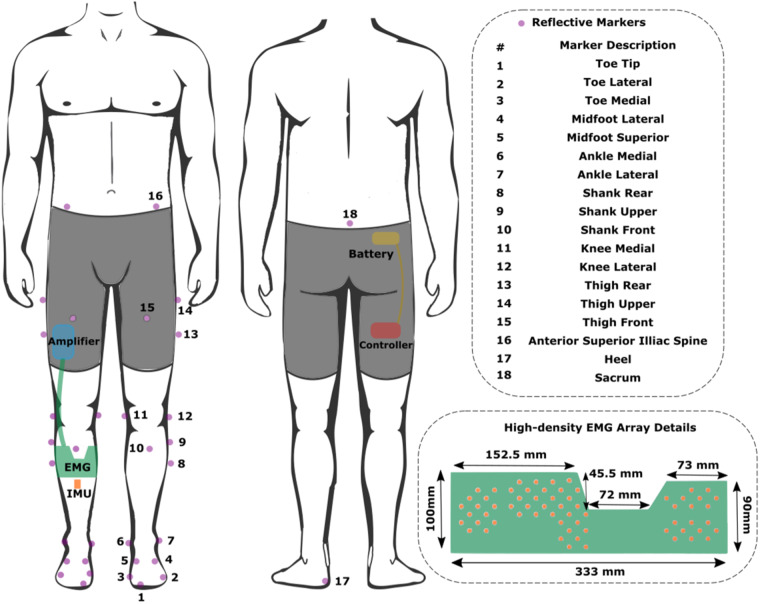
“The detailed manufacturing information of this custom grid has been elaborated upon by our colleagues in a separate paper [25], as shown in Fig.”
MethodA Knee Rehabilitation Exercises Dataset for Postural Assessment using Wearable Devices
Kasnesis, P., Plavoukou, T., Syropoulou, A. C., Toumanidis, L., & Georgoudis, G. (2025) · Scientific Data · doi:10.1038/s41597-025-04963-4 · Cited by 11
“In addition to this, existing wearable-based datasets that include these two modalities are not designed for postural assessment 16–19 , thus, there was the need of building a dataset including rehabilitation exercises.”
Chen, S., Peng, C., Yang, B., Lin, J., Zhou, L., Jiang, Z., Liu, Z., Liu, Y., & Tang, L. (2026) · npj Artificial Intelligence · doi:10.1038/s44387-026-00083-5 · Cited by 9
Yin, H., Gu, L., Parmar, P., Lin, X., Guo, T., Liu, X., Fu, W., Zhang, Y., & Zheng, T. (2025) · arXiv (Cornell University) · doi:10.48550/arxiv.2506.03198 · Cited by 7
Li, J. Q., Zhang, B., Tan, X., Chen, W., Liu, Z., Zhang, J. L., Huo, W., Huang, J., Liu, L., & Zhao, X. (2026) · The International Journal of Robotics Research · doi:10.1177/02783649261444046 · Cited by 7
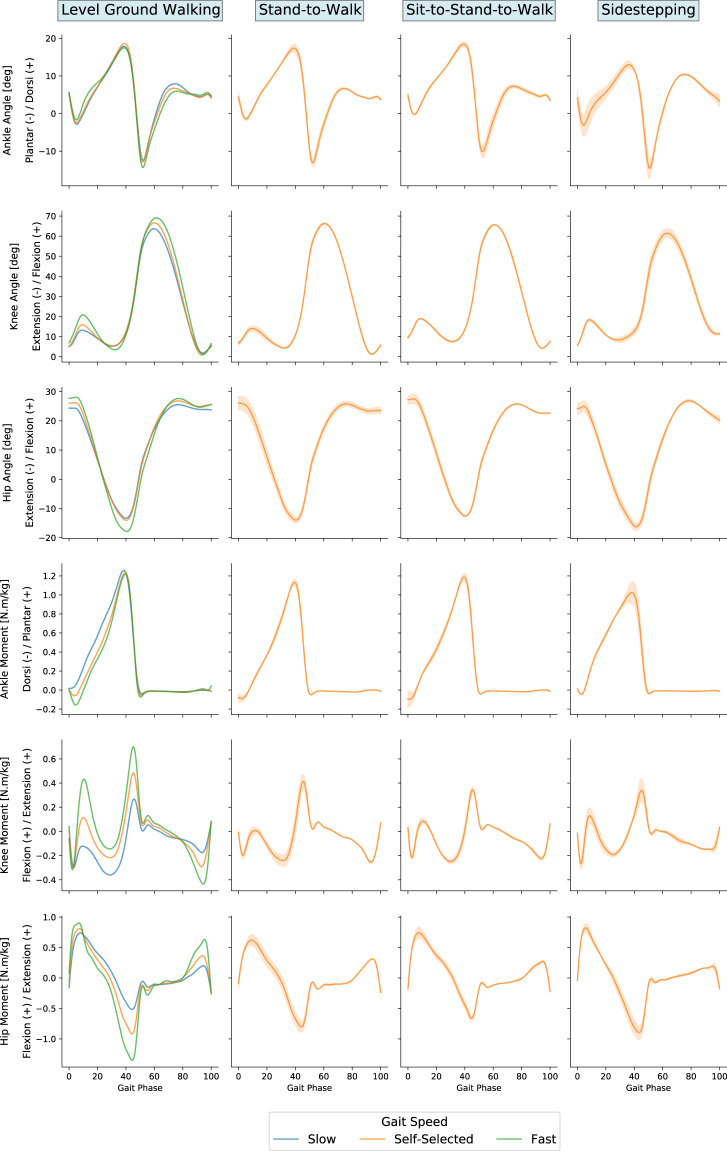
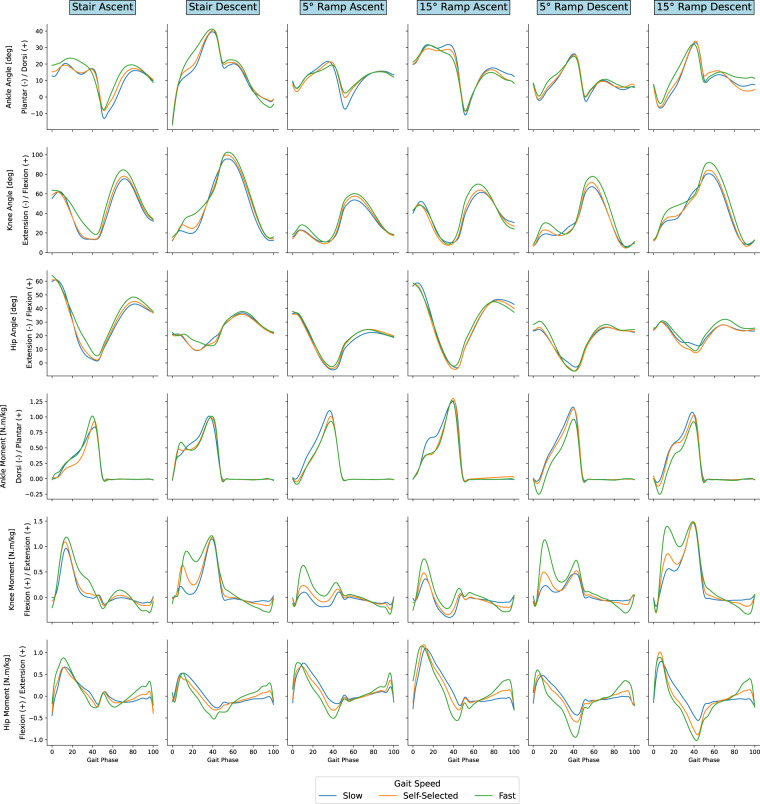
“Additionally, compared with Dimitrov et al. (2023), similar kinematic and kinetic trends are observed during walking on 5 ◦ ascending and descending ramps in our dataset.”
InfluentialTowards Customizable Foundation Models for Human Activity Recognition with Wearable Devices
Qiu, M., Weng, C., Fan, M., & Wu, K. (2025) · Proceedings of the ACM on Interactive Mobile Wearable and Ubiquitous Technologies · doi:10.1145/3749479 · Cited by 4
“Other than better explanation (that the modalities might share underlying representation of motion), the placement-wise training further reduces the requirements upon the sensory data collection, especially for uncommon modalities (e.g., electromyogram [11]).”
Mao, J., Li, H., & Zhao, Y. (2025) · Applied Intelligence · doi:10.1007/s10489-025-06471-9 · Cited by 4
A Full-Body Motion Capture Gait Dataset of Healthy Young Adults Walking Ramps Up and Down
Vielemeyer, J., Tronicke, L., Schreff, L., Abel, R. F., Lechler, K., & Müller, R. (2026) · Scientific Data · doi:10.1038/s41597-025-06535-y · Cited by 4
“9 (overground walking, self-selected speed, ± 5° and ± 15° ramp).”
Exploration of biomechanics, mental workload and metabolism factors during prosthetic gait
Berettoni, A., Giuseppe, S. D., Mariani, G., Boccardo, N., Laffranchi, M., & Semprini, M. (2025) · Progress in Biomedical Engineering · doi:10.1088/2516-1091/ae0f11 · Cited by 2
“Efforts have emerged to create open datasets for various locomotion activities using EMG, inertial measurement units (IMUs) and goniometer [61].”
StrengthSense: A Dataset of IMU Signals Capturing Everyday Activities with Diverse Physical Demands
Yang, Z., Liu, Z., Zhang, Y., Leite, C. F. S., & Xiao, Y. (2026) · ACM International Symposium on Wearable Computers (ISWC) · doi:10.1145/3830727.3834811 · Cited by 2
Noghani, M. A., Green, S., & Bolívar-Nieto, E. (2025) · Scientific Data · doi:10.1038/s41597-025-06227-7 · Cited by 2
StrengthSense: A Dataset of IMU Signals Capturing Everyday Strength-Demanding ActivitiesPreprint
Yang, Z., Leite, C. S., & Xiao, Y. (2025) · arXiv (Cornell University) · doi:10.48550/arxiv.2511.02027 · Cited by 2
“For instance, the HDsEMGIMU [8] and WISDM [9] datasets rely on a single IMU, making them unsuitable for research on the optimization of sensor placement on the body [10].”
Remote Control Of A Serial Manipulator Using Depth Camera: Short Article
Suat, K. (2023) · Global Journal of Computer Sciences Theory and Research · doi:10.18844/gjcs.v13i2.9221 · Cited by 1
Neural Deocoding Based on sEMG Signals: A Review
Hua, S., & Jin, X. (2025) · Chinese Control Conference (CCC) · doi:10.23919/ccc64809.2025.11179752 · Cited by 1
“…KIMHu[30] Multi-channel 20 NULL Manipulability indexes prediction putEMG[31] High-density 44 7 Gesture recognition/Force estimation Hristo et al.[32] High-density 10 6 Locomotion mode recognition N´estor et al.[33] Multi-channel 22 26 Hand kinematics analysis Inaddition to the work mentioned…”
Li, H., Liu, Z., Yu, J., Wu, H., & Zhao, Y. (2025) · Biomedical Signal Processing and Control · doi:10.1016/j.bspc.2025.108905 · Cited by 1
A Wearable Motion Capture Dataset for Gait Analysis Using IMUs and Shank-Mounted Egocentric Cameras
Hossain, M. S. B., Nguyen, S., Dranetz, J., Moniruzzaman, M., Guo, Z., Yin, Z., Lee, H., & Choi, H. (2026) · Scientific Data · doi:10.1038/s41597-026-07657-7 · Cited by 1
“Most of these datasets combine IMUs with additional sensors such as electromyography (EMG), pressure insoles, or goniometers 20–23 .”
Determination of Skeletal Muscle Myofiber Types Based on Nonlinear Characterization of Hd-SemgPreprint
Cao, C., Ke, Z., Ruiyuan, W., & Li, J. (2024) · SSRN Electronic Journal · doi:10.2139/ssrn.5067575
Calibrating open-source sEMG devices for accurate muscle signal analysis in sports and education
Perez-Rodes, D., Pueo, B., & Jiménez-Olmedo, J. M. (2025) · Journal of Physical Education and Sport · doi:10.7752/jpes.2025.06138
Wang, J., Liu, S., & Zhai, M. (2025) · International Conference on Mechatronics, Robotics, and Artificial Intelligence (MRAI) · doi:10.1109/mrai65197.2025.11135555
“The integration of EMG and IMU signals enables a more complete characterization of human motion, with applications ranging from sports performance analysis to rehabilitation medicine and human - computer interaction [3] .”
A Low-Cost Vision-Based Analysis of Human Walking
Suárez-Santillán, R. A., Saito, T., & Ceccarelli, M. (2025) · Robotica & Management · doi:10.24193/rm.2025.1.4
Arora, I. (2026) · cIRcle (University of British Columbia) · doi:10.14288/1.0451781
Kotolova, V., Hejda, J., Sokol, M., Volf, P., Leová, L., Kleníková, E., Robenhauptová, A., Vychová, Z., Mautner, V., Hsu, W.-C., et al. (2026) · Data in Brief · doi:10.1016/j.dib.2026.112797
A Genetic Algorithm Approach to Dimensional Optimisation of a Four-Bar Prosthetic Knee
Weerasoory, W. A. K. C., Clark, A. B., Ranaweera, R. K. P. S., Bull, A. M. J., & Gopura, R. A. R. C. (2026) · International Conference on Control, Automation and Robotics (ICCAR) · doi:10.1109/iccar69571.2026.11549725
Self-citationGarro, F., Ceroni, I., d’Avella, A., Gandolla, M., Guanziroli, E., Irastorza-Landa, N., Ramos‐Murguialday, A., Torricelli, D., & Semprini, M. (2026) · Progress in Biomedical Engineering · doi:10.1088/2516-1091/ae7e2c · Cited by 1
LIU, L., Jiang, S., & Seo, H.-K. (2026) · Applied Sciences · doi:10.3390/app16147215
Synchronized AMG and EMG Dataset of Lower-limb Muscle Activities in Everyday TrainingPreprint
Tang, D., Ying-Lei, S., Ren, Z., Liao, J., & Shao, Y. (2026) · arXiv (Cornell University) · doi:10.48550/arxiv.2608.11958
Farouk, M. K., El-Khatib, M. F., Awad, M. I., Atia, M. R. A., & Abdellatif, A. (2026) · Scientific Reports · doi:10.1038/s41598-026-64847-4
A roadmap for end-to-end task-agnostic exoskeleton control
Shepherd, M. K., Schonhaut, E. B., Scherpereel, K. L., Tourk, F. M., & Young, A. J. (2026) · Nature Machine Intelligence · doi:10.1038/s42256-026-01297-7 · Cited by 1
Kim, J.-M., Bian, Q., Martinez‐Valdes, E., Ding, Z., & Yeo, S.-H. (2026) · Scientific Data · doi:10.1038/s41597-026-08156-5
Akhter, M. N., Ali, H., Khan, I., Manj, U. J., & Taylor, D. (2026) · Medical Engineering & Physics · doi:10.1088/1873-4030/aeae3c
“The High-density EMG, IMU, kinetic, and kinematic open-source data for comprehensive locomotion activities (Dimitrov et al 2023).”
Chaabeni, A., Dhahbi, W., Kalai, A., Dergaa, I., Ceylan, H. İ., Muntean, R. I., Chamari, K., & Jellad, A. (2026) · Medicine · doi:10.1097/md.0000000000050932
“[45,46] Machine learning, rehabilitation, and biomechanics were classified as basic themes (high centrality, low density), representing foundational areas gaining importance but retaining significant development potential.”
Liu, B., Wan, Q., Shi, D., Miao, C., Zou, P., Feng, Y., Zhang, W., & Ding, X. (2026) · Chinese Journal of Mechanical Engineering · doi:10.1016/j.cjme.2026.100407
A purpose-dependent framework for harmonizing and reusing public electromyography dataPreprint
Ota, K., Okabe, M., & Matsui, Y. (2026) · SSRN Electronic Journal · doi:10.2139/ssrn.7615204
Sebastian, P., & Venugopal, G. (2026) · IEEE International Conference on Recent Advances in Electronics, Communication, Computing, Automation and Power (RECCAP) · doi:10.1109/reccap69368.2026.11724289
“These studies also contribute to the clinical environment, such as rehabilitation and other treatments that focus on retaining the muscular functions lost as a result of neuromuscular diseases like stroke or other traumas[4].”
Kinetic Instrumentation of Sit-to-Walk Component of Timed Up and Go Test
Akhter, M. N. (2026) · Tuwhera (Auckland University of Technology)
Physiology-Layered Multimodal Sensing for Lower-Limb Activity Monitoring Using a Smart Leg Sleeve
Tang, C., Yi, W., Zhang, Z., Qi, L., Gao, S., & Occhipinti, L. G. (2026) · IEEE BioSensors Conference (BioSensors) · doi:10.1109/biosensors67864.2026.11750020
Metadata
- Authors
- Dimitrov, H., Bull, A. M. J., & Farina, D.
- Affiliations
- MRC Cognition and Brain Sciences Unit (GB)
- Imperial College London (GB)
- Corresponding author
- Dimitrov, Hristo
- Venue
- Scientific Data
- Published
- 2023-11-10
- Volume
- 10
- Issue
- 1
- Pages
- 789-789
- ISSN
- 2052-4463 (ISSN-L)
- PMC
- PMC10638431
- OpenAlex
- W4388567487
- Cited by
- 34
- References
- 36
- Citations by year
- 2026: 13 · 2025: 15 · 2024: 4 · 2023: 2
- Type
- data paper
- Language
- en
- Open access
- gold
- doi.org
- Licence
- cc-by
- creativecommons.org/licenses/by/4.0 (tdm)
- creativecommons.org/licenses/by/4.0 (vor)
- Locations
- Scientific Data (publishedVersion, cc-by)
- PubMed Central (publishedVersion, cc-by)
- PubMed (publishedVersion)
- Apollo (University of Cambridge) (submittedVersion, cc-by)
- DOAJ (DOAJ: Directory of Open Access Journals) (submittedVersion, cc-by-sa)
- Funders
- Research Councils UK (EP/L016737/1)
- Engineering and Physical Sciences Research Council (EP/J021199/1, 1974772, 810346)
- Topics
- Physical Sciences › Engineering › Biomedical Engineering › Muscle activation and electromyography studies
- Physical Sciences › Engineering › Biomedical Engineering › Prosthetics and Rehabilitation Robotics
- Physical Sciences › Engineering › Biomedical Engineering › Lower Extremity Biomechanics and Pathologies
- Keywords
- human locomotion, neuromechanics, surface electromyography, inertial measurement unit, motion capture, slope walking, stair ascent and descent, walking speed, locomotion mode recognition, prosthetics, exoskeleton, biped robot, motor control
- MeSH terms
- Adult, Biomechanical Phenomena, Electromyography, Gait, Humans, Locomotion, Walking
About these checks
Registry, retraction, Cites and statistics results are computed, not judged, with one exception: a printed reference that no index lists is read once by a model before it counts as a citation error. Claims are extracted by a model and kept only when their quote appears verbatim in the text; each cited source is then checked, with a model’s help, for whether it says what the claim relies on. Those verdicts can be wrong — read the claim’s quote and the cited source before relying on one.
Statistics and arithmetic are recomputed, not judged.
Confidence bands are shown only for fields calibrated on our annotated test set. None is calibrated yet, so no band is shown.
What counts as a claim ›How we measure confidence ›How we check this ›
Are you an author, or do you see a problem with this page? Request a review
Data sources
Bibliographic data: Semantic Scholar, OpenAlex, Crossref.
Contains information from the Semantic Scholar Academic Graph Datasets, made available under the ODC Attribution License (ODC-BY 1.0).
Semantic Scholar’s data is described in: Kinney, R., et al. (2023). The Semantic Scholar Open Data Platform. arXiv:2301.10140.
