

The DOI matches its Crossref record; 71 of the 71 references it cites were found in a registry or an index.
The alkaloids of Banisteriopsis caapi, the plant source of the Amazonian hallucinogen Ayahuasca, stimulate adult neurogenesis in vitro
Open accessAbstract
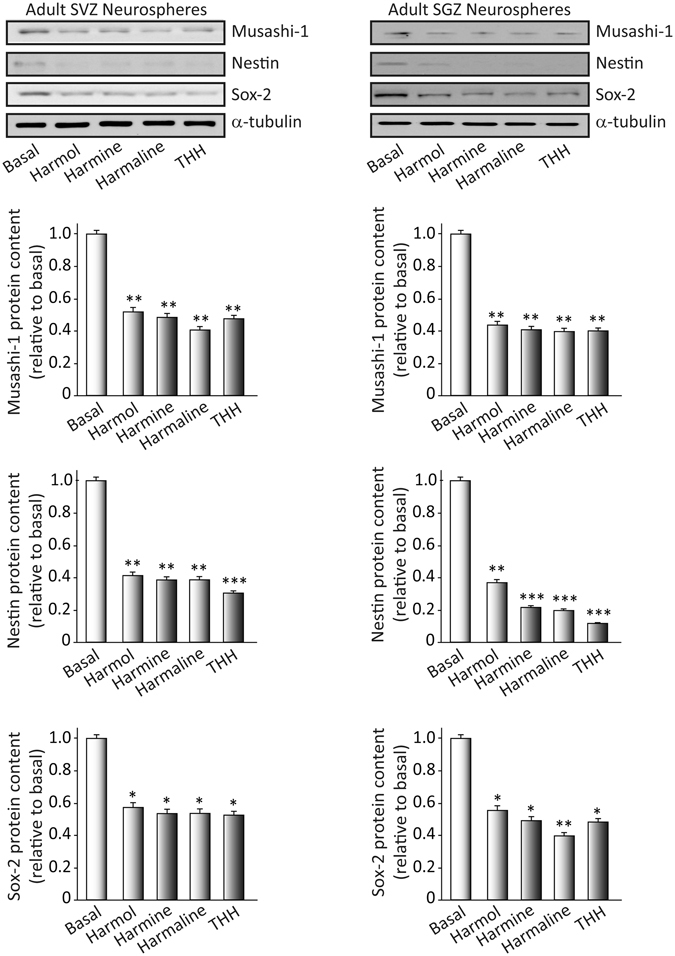
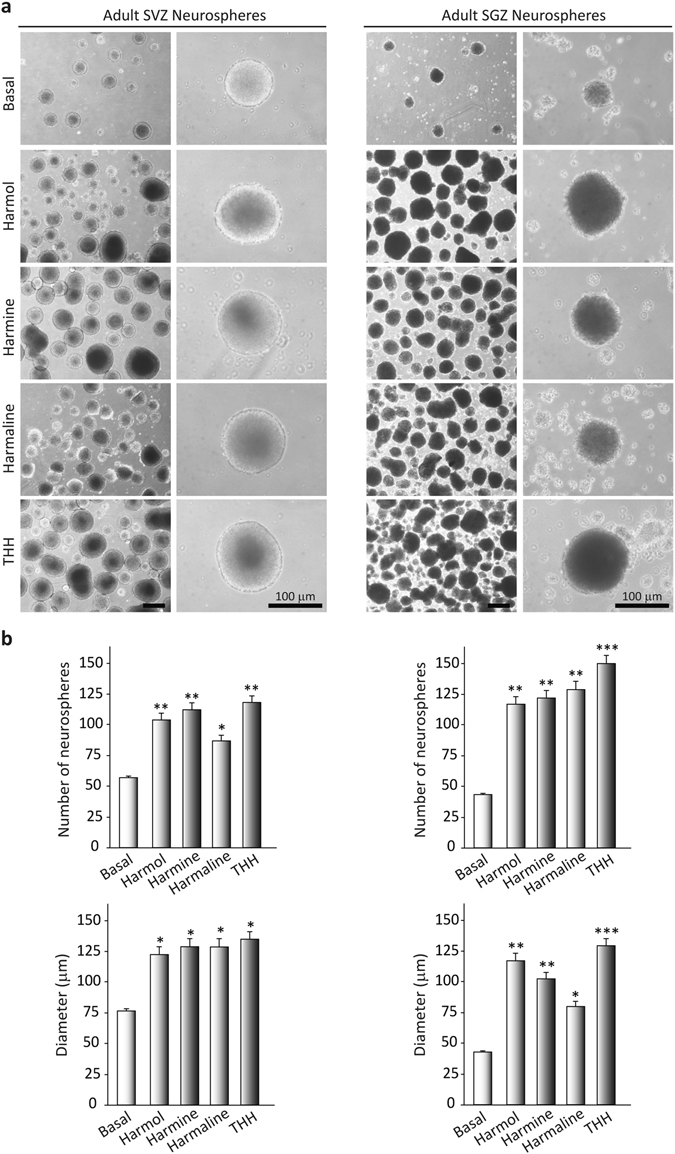
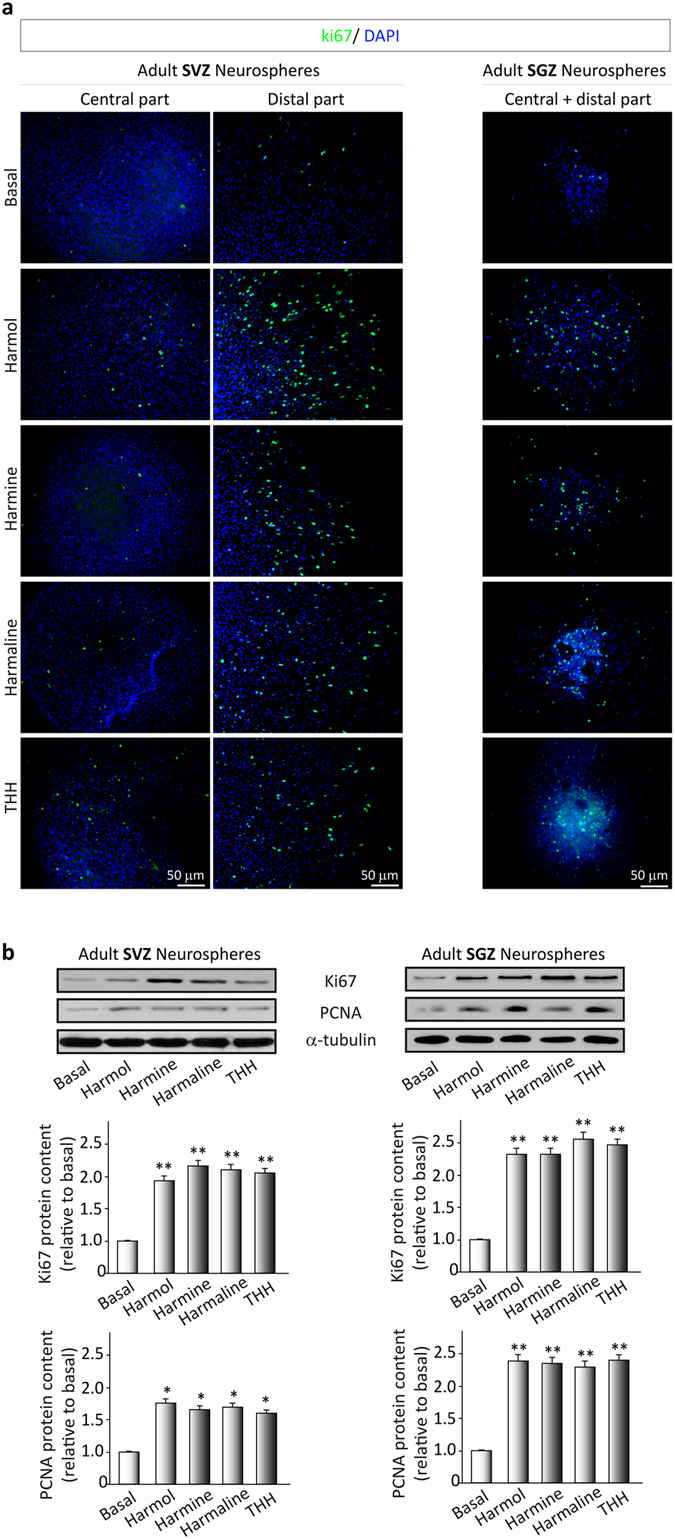
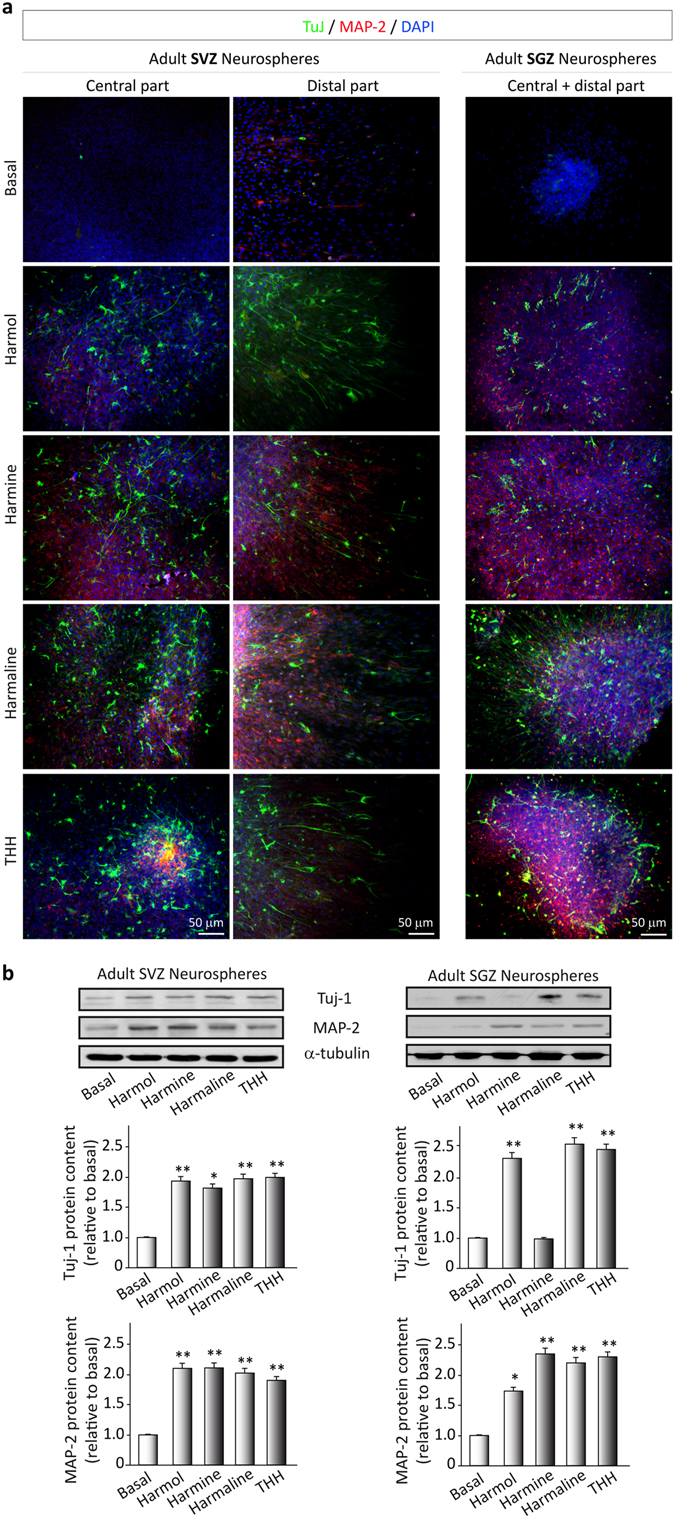
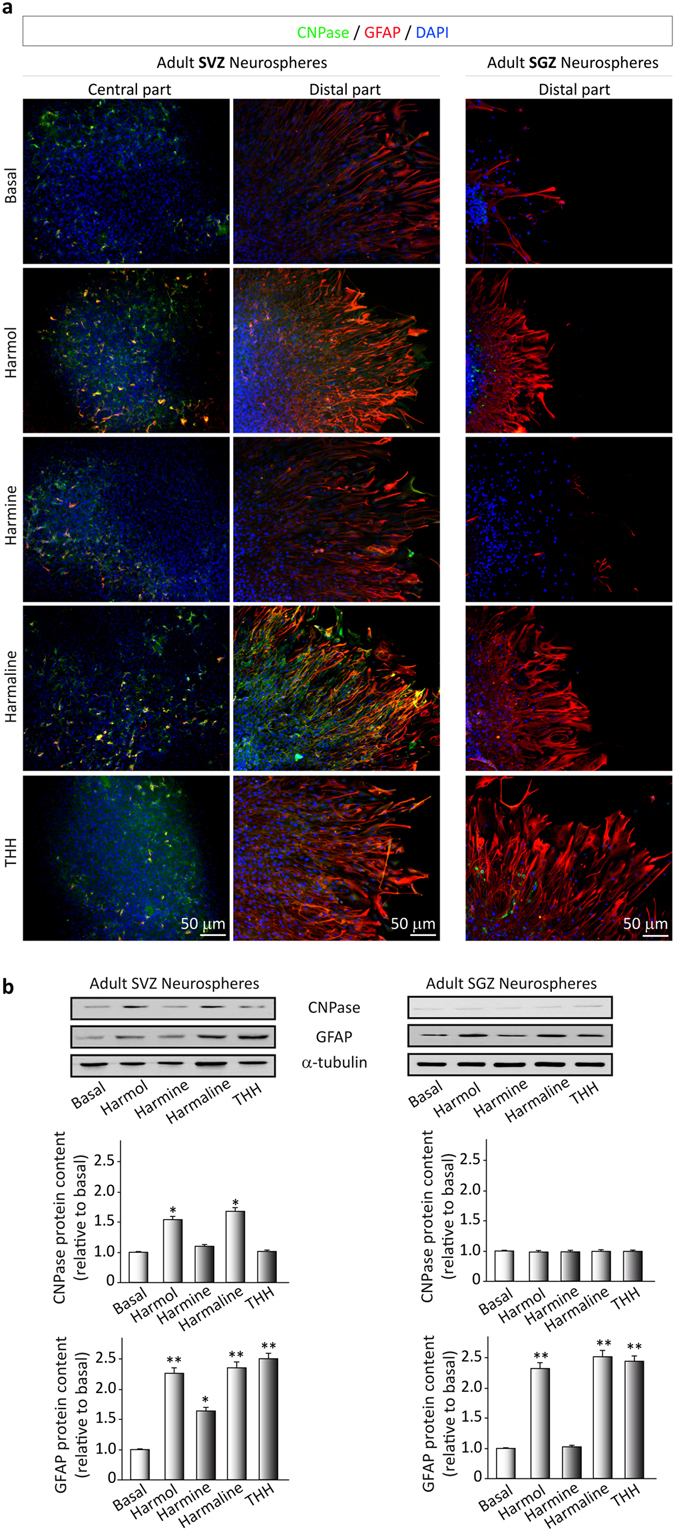
Banisteriopsis caapi is the basic ingredient of ayahuasca, a psychotropic plant tea used in the Amazon for ritual and medicinal purposes, and by interested individuals worldwide. Animal studies and recent clinical research suggests that B. caapi preparations show antidepressant activity, a therapeutic effect that has been linked to hippocampal neurogenesis. Here we report that harmine, tetrahydroharmine and harmaline, the three main alkaloids present in B. caapi, and the harmine metabolite harmol, stimulate adult neurogenesis in vitro. In neurospheres prepared from progenitor cells obtained from the subventricular and the subgranular zones of adult mice brains, all compounds stimulated neural stem cell proliferation, migration, and differentiation into adult neurons. These findings suggest that modulation of brain plasticity could be a major contribution to the antidepressant effects of ayahuasca. They also expand the potential application of B. caapi alkaloids to other brain disorders that may benefit from stimulation of endogenous neural precursor niches.
Overview
The claims and statistics of this paper haven’t been checked yet.
Run the check — free, no account needed. It reads the open-access text and checks the sources it cites.
Integrity signals
Registry
Cites
Statistics
Figures
Verification
Claims the paper makes
The claims and statistics of this paper haven’t been checked yet.
Run the check — free, no account needed. It reads the open-access text and checks the sources it cites.
Claims other papers make about this one
Each is checked against this paper’s own text: does it say what the citing paper says it does?
The source backs part of the claim, not all of it — or backs it for a different population, condition or comparison.
In the citing paper
“Findings from in vitro and in vivo studies show that these compounds stimulate neurogenesis, BDNF, and have antidepressant effects (70–73).”
From Psychedelics and Neuroplasticity: A Systematic Review Unraveling the Biological Underpinnings of Psychedelics. (2021) · cites this paper as [73]
Experimental — accuracy not yet measuredThe source backs part of the claim, not all of it — or backs it for a different population, condition or comparison.
In the citing paper
“in vitro, animal and human studies have demonstrated how harmine, tetrahydroharmine, harmaline (all three present in B. caapi) and dimethyltryptamine (present in P. viridis) stimulate adult neurogenesis and neuroplasticity, similarly to other serotoninergic psychedelic substances (40–43).”
From Ayahuasca-assisted meaning reconstruction therapy for grief: a non-randomized clinical trial protocol (2025) · cites this paper as [42]
Experimental — accuracy not yet measured
Self-check
Percentages, sums and reported differences re-computed from the paper’s own numbers.
The self-check needs the paper’s full text.
Citations
Cites
Molecular Mechanisms of Depression: Perspectives on New Treatment Strategies
Lang, U. E., & Borgwardt, S. (2013) · Cellular Physiology and Biochemistry · doi:10.1159/000350094 · Cited by 8,526
Gage, F. H. (2000) · Science · doi:10.1126/science.287.5457.1433 · Cited by 4,786
Requirement of hippocampal neurogenesis for the behavioral effects of antidepressants
Santarelli, L., Saxe, M., Gross, C., Surget, A., Battaglia, F., Dulawa, S., Weisstaub, N., Lee, J., Duman, R., Arancio, O., et al. (2003) · Science · doi:10.1126/science.1083328 · Cited by 4,321
Neuronal replacement from endogenous precursors in the adult brain after stroke
Arvidsson, A., Collin, T., Kirik, D., Kokaia, Z., & Lindvall, O. (2002) · Nature Medicine · doi:10.1038/nm747 · Cited by 2,799
Griffiths, R. R., Johnson, M. W., Carducci, M. A., Umbricht, A., Richards, W. A., Richards, B. D., Cosimano, M. P., & Klinedinst, M. A. (2016) · Journal of Psychopharmacology · doi:10.1177/0269881116675513 · Cited by 2,201
Álvarez-Buylla, A., & Lim, D. A. (2004) · Neuron · doi:10.1016/s0896-6273(04)00111-4 · Cited by 1,348
Adult Neurogenesis in the Hippocampus: From Stem Cells to Behavior
Gonçalves, J. T., Schafer, S. T., & Gage, F. H. (2016) · Cell · doi:10.1016/j.cell.2016.10.021 · Cited by 1,122
Dopamine depletion impairs precursor cell proliferation in Parkinson disease
Höglinger, G. U., Rizk, P., Mp, M., Duyckaerts, C. J., Oertel, W. H., Caillé, I., & Hirsch, É. C. (2004) · Nature Neuroscience · doi:10.1038/nn1265 · Cited by 974
The neurobiology of psychedelic drugs: implications for the treatment of mood disorders
Vollenweider, F. X., & Kometer, M. (2010) · Nature Reviews Neuroscience · doi:10.1038/nrn2884 · Cited by 723
Antidepressants increase neural progenitor cells in the human hippocampus
Boldrini, M., Underwood, M. D., Hen, R., Rosoklija, G. B., Dwork, A. J., John Mann, J., & Arango, V. (2009) · Neuropsychopharmacology · doi:10.1038/npp.2009.75 · Cited by 686
Cited by
Sorted by citations
Palhano-Fontes, F., Barreto, D., Onias, H., Andrade, K. C., Novaes, M. M., Pessoa, J. A., Mota-Rolim, S. A., Osório, F. L., Sanches, R., dos Santos, R. G., et al. (2019) · Psychological Medicine · doi:10.1017/s0033291718001356 · Cited by 852
Adverse effects of psychedelics: From anecdotes and misinformation to systematic science
Schlag, A. K., Aday, J. S., Salam, I., Neill, J. C., & Nutt, D. (2022) · Journal of Psychopharmacology · doi:10.1177/02698811211069100 · Cited by 359
de Vos, C. M. H., Mason, N. L., & Kuypers, K. P. C. (2021) · Frontiers in Psychiatry · doi:10.3389/fpsyt.2021.724606 · Cited by 269
Psychedelics as anti-inflammatory agents
Flanagan, T. W., & Nichols, C. D. (2018) · International Review of Psychiatry · doi:10.1080/09540261.2018.1481827 · Cited by 267
Psychedelics in Psychiatry: Neuroplastic, Immunomodulatory, and Neurotransmitter Mechanisms
Inserra, A., De Gregorio, D., & Gobbi, G. (2021) · Pharmacological Reviews · doi:10.1124/pharmrev.120.000056 · Cited by 232
Metadata
- Authors
- Morales-García, J. A., de la Fuente Revenga, M., Alonso-Gil, S., Rodríguez-Franco, M. I., Feilding, A., Perez-Castillo, A., & Riba, J.
- Affiliations
- Beckley Foundation (GB)
- Venue
- Scientific Reports
- Published
- 2017-07-13
- Volume
- 7
- Issue
- 1
- Pages
- 5309-5309
- ISSN
- 2045-2322 (ISSN-L)
- PMC
- PMC5509699
- OpenAlex
- W2728001011
- Cited by
- 175
- References
- 70
- Citations by year
- 2026: 15 · 2025: 13 · 2024: 22 · 2023: 19 · 2022: 29 · 2021: 28 · 2020: 26 · 2019: 12 · 2018: 10
- FWCI
- 5.63
- Type
- journal article
- Language
- en
- Open access
- gold
- doi.org
- Locations
- Scientific Reports (publishedVersion, cc-by)
- Europe PMC (PubMed Central) (publishedVersion, cc-by)
- PubMed Central (publishedVersion, cc-by)
- PubMed (publishedVersion)
- DIGITAL.CSIC (Spanish National Research Council (CSIC)) (submittedVersion)
- LA Referencia (Red Federada de Repositorios Institucionales de Publicaciones Científicas) (submittedVersion, other-oa)
- DOAJ (DOAJ: Directory of Open Access Journals) (submittedVersion, cc-by-sa)
- Funders
- Beckley Foundation
- Centro de Investigación Biomédica en Red sobre Enfermedades Neurodegenerativas (SAF2014-52940-R)
- Instituto de Salud Carlos III (SAF2014-52940-R)
- Topics
- Life Sciences › Neuroscience › Developmental Neuroscience › Neurogenesis and neuroplasticity mechanisms
- Social Sciences › Psychology › Clinical Psychology › Psychedelics and Drug Studies
- Physical Sciences › Chemistry › Organic Chemistry › Synthesis and bioactivity of alkaloids
- Keywords
- Banisteriopsis caapi, ayahuasca, harmine, tetrahydroharmine, harmaline, harmol, alkaloids, adult neurogenesis, neural stem cells, neurospheres, hippocampus, antidepressant effects, neuroplasticity, subventricular zone, subgranular zone
- MeSH terms
- Alkaloids, Animals, Cell Differentiation, Cell Movement, Cells, Cultured, Harmaline, Harmine, Neuroprotective Agents, Banisteriopsis, Cell Proliferation, Mice, Neurogenesis, Neural Stem Cells
About these checks
Registry, retraction, Cites and statistics results are computed, not judged, with one exception: a printed reference that no index lists is read once by a model before it counts as a citation error. Claims are extracted by a model and kept only when their quote appears verbatim in the text; each cited source is then checked, with a model’s help, for whether it says what the claim relies on. Those verdicts can be wrong — read the claim’s quote and the cited source before relying on one.
Statistics and arithmetic are recomputed, not judged.
Confidence bands are shown only for fields calibrated on our annotated test set. None is calibrated yet, so no band is shown.
What counts as a claim ›How we measure confidence ›How we check this ›
Are you an author, or do you see a problem with this page? Request a review
