

Recombinant Fasciola hepatica fatty acid binding protein suppresses toll-like receptor stimulation in response to multiple bacterial ligands
Open accessThe DOI matches its Crossref record; 56 of the 56 references it cites were found in a registry or an index.
Abstract
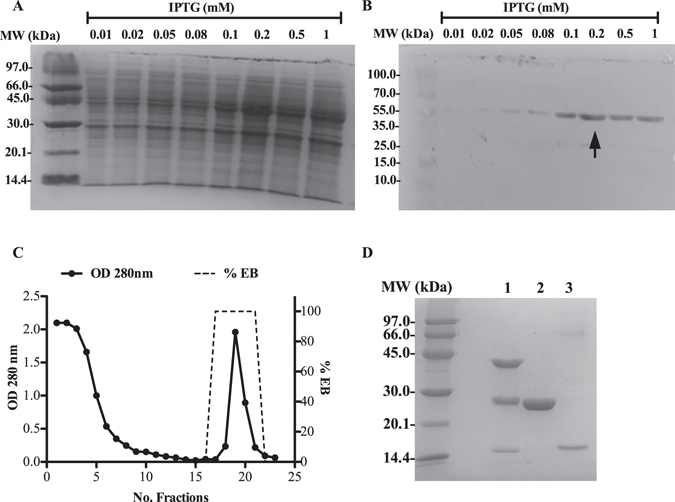
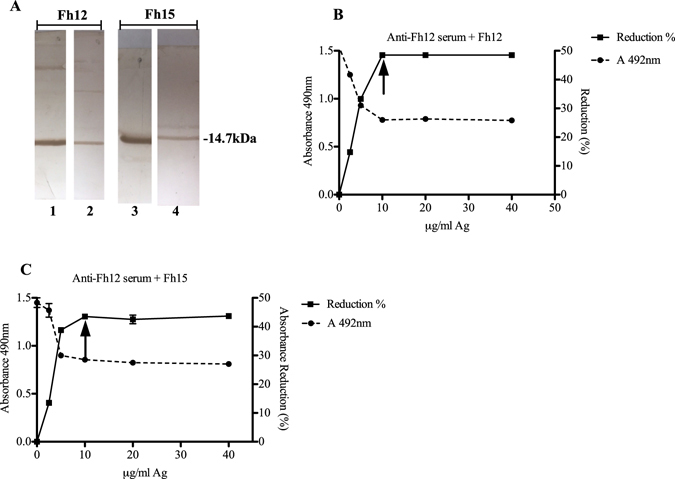
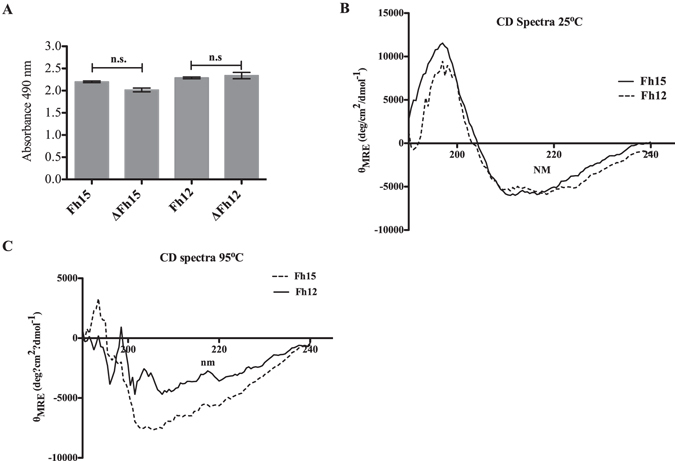
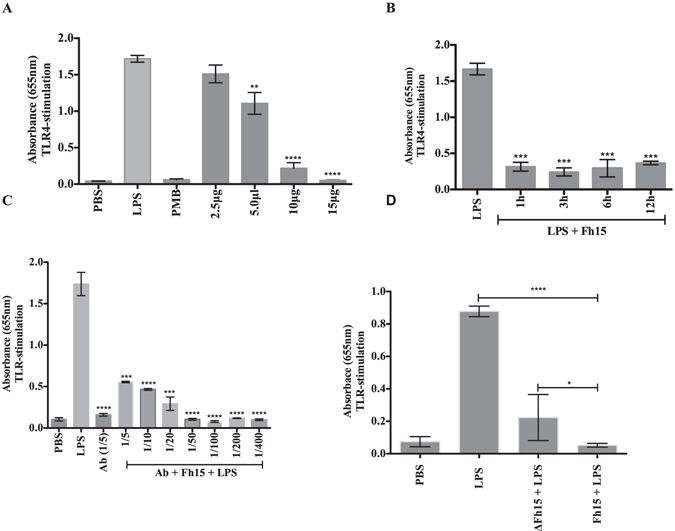
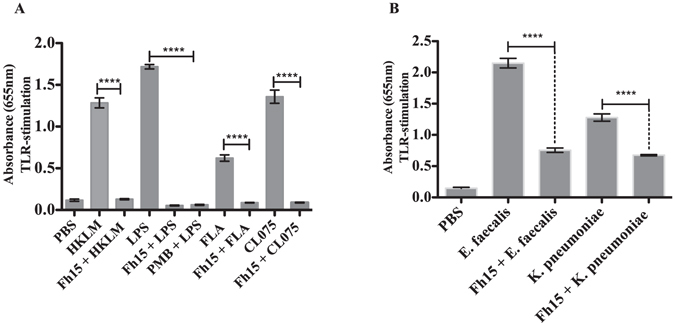
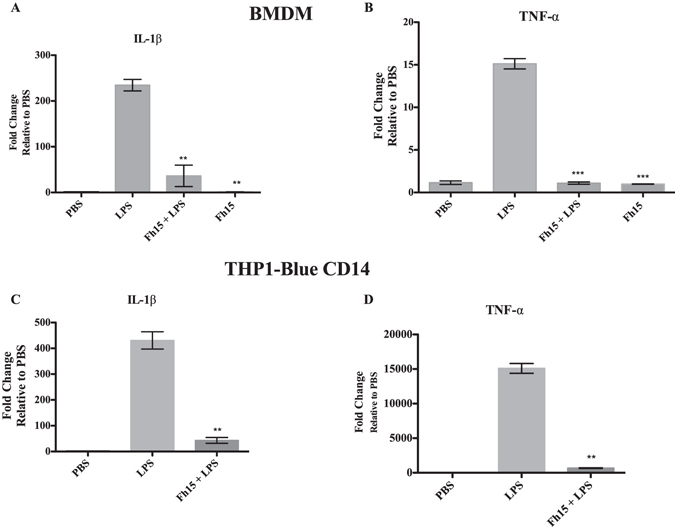
Recently, we reported that a native Fasciola hepatica fatty acid binding protein (FABP) termed Fh12 is a powerful anti-inflammatory protein capable of suppressing the LPS-induced expression of inflammatory markers in vivo and in vitro. Because the purification of a protein in native form is, in many situations not cost-beneficial and unsuitable for industrial grade scale-up, this study accomplished the task of optimizing the expression and purification of a recombinant form of FABP (Fh15). Additionally, we ascertained whether this molecule could exhibit a similar suppressive effect on TLR-stimulation and inflammatory cytokine expression from macrophages than those previously demonstrated for the native molecule. Results demonstrated that Fh15 suppresses the expression of IL-1β and TNFα in murine macrophages and THP1 Blue CD14 cells. Additionally, Fh15 suppress the LPS-induced TLR4 stimulation. This effect was not impaired by a thermal denaturing process or blocked by the presence of anti-Fh12 antibodies. Fh15 also suppressed the stimulation of various TLRs in response to whole bacteria extracts, suggesting that Fh15 could have a broad spectrum of action. These results support the possibility of using Fh15 as an excellent alternative for an anti-inflammatory drug in preclinical studies in the near future.
Overview
The claims and statistics of this paper haven’t been checked yet.
Free: it reads the open-access text and checks the first 5 claims that cite a source we can check. Create a free account to check every claim.
Integrity signals
Registry
Cites
Statistics
Figures
Verification
Claims the paper makes
The claims and statistics of this paper haven’t been checked yet.
Free: it reads the open-access text and checks the first 5 claims that cite a source we can check. Create a free account to check every claim.
Claims other papers make about this one
Each is checked against this paper’s own text: does it say what the citing paper says it does?
The source backs part of the claim, not all of it — or backs it for a different population, condition or comparison.
In the citing paper
“The Fh12 and Fh15 proteins induce alternative activation in human monocyte-derived macrophages (Mo-Macs), suppress macrophage activation by TLR2, TLR4, TLR5, and TLR8 ligands, and inhibit inflammatory cytokine production in septic shock”
From Modulation of Host Immunity by Helminths: The Expanding Repertoire of Parasite Effector Molecules (2018) · cites this paper as Ramos-Benítez et al., 2017
Experimental — accuracy not yet measured
Self-check
Percentages, sums and reported differences re-computed from the paper’s own numbers.
The self-check needs the paper’s full text.
Citations
Cites
Analysis of Relative Gene Expression Data Using Real-Time Quantitative PCR and the 2−ΔΔCT Method
Livak, K. J., & Schmittgen, T. D. (2001) · Methods · doi:10.1006/meth.2001.1262 · Cited by 180,860
The Phyre2 web portal for protein modeling, prediction and analysis
Kelley, L. A., Mezulis, S., Yates, C. M., Wass, M. N., & Sternberg, M. J. E. (2015) · Nature Protocols · doi:10.1038/nprot.2015.053 · Cited by 9,652
Mutation of the mouse klotho gene leads to a syndrome resembling ageing
Kuro-o, M., Matsumura, Y., Aizawa, H., Kawaguchi, H., Suga, T., Utsugi, T., Ohyama, Y., Kurabayashi, M., Kaname, T., Kume, E., et al. (1997) · Nature · doi:10.1038/36285 · Cited by 3,837
Fatty acid-binding proteins: role in metabolic diseases and potential as drug targets
Furuhashi, M., & Hotamisligil, G. S. (2008) · Nature Reviews Drug Discovery · doi:10.1038/nrd2589 · Cited by 1,785
Yoshimura, A., Lien, E., Ingalls, R. R., Tuomanen, E., Dziarski, R., & Golenbock, D. (1999) · The Journal of Immunology · doi:10.4049/jimmunol.163.1.1 · Cited by 1,234
Therapeutic targeting of innate immunity with Toll-like receptor agonists and antagonists
Kanzler, H., Barrat, F. J., Hessel, E. M., & Coffman, R. L. (2007) · Nature Medicine · doi:10.1038/nm1589 · Cited by 869
Cytokines in Sepsis: Potent Immunoregulators and Potential Therapeutic Targets—An Updated View
Schulte, W., Bernhagen, J., & Bucala, R. (2013) · Mediators of Inflammation · doi:10.1155/2013/165974 · Cited by 745
Sahdev, S., Khattar, S. K., & Saini, K. S. (2007) · Molecular and Cellular Biochemistry · doi:10.1007/s11010-007-9603-6 · Cited by 474
TLR6: A novel member of an expanding Toll-like receptor family
Takeuchi, O., Kawai, T., Sanjo, H., Copeland, N. G., Gilbert, D. J., Jenkins, N. A., Takeda, K., & Akira, S. (1999) · Gene · doi:10.1016/s0378-1119(99)00098-0 · Cited by 429
Crystal structure of rat intestinal fatty-acid-binding protein
Sacchettini, J. C., Gordon, J. I., & Banaszak, L. J. (1989) · Journal of Molecular Biology · doi:10.1016/0022-2836(89)90392-6 · Cited by 352
Cited by
Modulation of Host Immunity by Helminths: The Expanding Repertoire of Parasite Effector Molecules
Maizels, R. M., Smits, H. H., & McSorley, H. J. (2018) · Immunity · doi:10.1016/j.immuni.2018.10.016 · Cited by 435
Lalor, R., Cwiklinski, K., Calvani, N. E. D., Dorey, A., Hamon, S., Corrales, J. L., Dalton, J. P., & Veríssimo, C. D. M. (2021) · Virulence · doi:10.1080/21505594.2021.1996520 · Cited by 195
Fasciola hepatica-Derived Molecules as Regulators of the Host Immune Response
Ryan, S. M., Shiels, J., Taggart, C. C., Dalton, J. P., & Weldon, S. (2020) · Frontiers in Immunology · doi:10.3389/fimmu.2020.02182 · Cited by 83
Roig, J., Sáiz, M. L., Galiano, A., Trelis, M., Cantalapiedra, F., Monteagudo, C. C., Giner, E., Giner, R. M., Recio, M. C., Bernal, D., et al. (2018) · Frontiers in Microbiology · doi:10.3389/fmicb.2018.01036 · Cited by 74
“As shown in Figures 3A,B, treatment with FhEVs markedly prevented the increase in the levels of the proinflammatory cytokines TNF-α and IL-6 observed in the intestine of DSS-treated mice.”
BackgroundInfluentialCwiklinski, K., Robinson, M. W., Donnelly, S., & Dalton, J. P. (2021) · BMC Genomics · doi:10.1186/s12864-020-07326-y · Cited by 69
Fasciolosis: pathogenesis, host-parasite interactions, and implication in vaccine development
Flores-Velázquez, L. M., Ruiz-Campillo, M. T., Herrera-Torres, G., Martínez‐Moreno, Á., Martínez-Moreno, F. J., Zafra, R., Buffoni, L., Rufino‐Moya, P. J., Molina-Hernández, V., & Pérez, J. (2023) · Frontiers in Veterinary Science · doi:10.3389/fvets.2023.1270064 · Cited by 42
Aguayo, V. M., Valdés‐Fernández, B. N., Rodríguez-Valentín, M., Ruiz‐Jiménez, C., Ramos-Benítez, M. J., Méndez, L. B., & Espino, A. M. (2019) · Scientific Reports · doi:10.1038/s41598-018-37652-x · Cited by 39
Self-citationMining Helminths for Novel Therapeutics
Lothstein, K. E., & Gause, W. C. (2021) · Trends in Molecular Medicine · doi:10.1016/j.molmed.2020.12.010 · Cited by 34
Chakraborty, P., Aravindhan, V., & Mukherjee, S. (2023) · International Journal of Biological Macromolecules · doi:10.1016/j.ijbiomac.2023.124649 · Cited by 29
Ramos-Benítez, M. J., Ruiz‐Jiménez, C., Rosado‐Franco, J. J., Ramos-Pérez, W. D., Méndez, L. B., Osuna, A., & Espino, A. M. (2018) · mSphere · doi:10.1128/msphere.00548-18 · Cited by 29
“Since we previously demonstrated that Fh15 significantly suppresses the expression of TNF- and IL-1 from BMDMs and the LPS-induced NF- B activation within THP1-Blue CD14 cells when it is added to culture up to 6 h after LPS stimulation (12), in the present study, we wanted to assess whether Fh15 could exert”
BackgroundMethodSelf-citationSánchez‐López, C. M., González, A., Soler, C., Ramírez‐Toledo, V., Trelis, M., Bernal, D., & Marcilla, A. (2023) · Journal of Extracellular Vesicles · doi:10.1002/jev2.12317 · Cited by 27
“hepatica in the macrophage THP1-XBlueTM CD14 cell line, where proteins such as Glutathione-S-Transferase (GST) or cathepsins, are powerful anti-inflammatorymolecules (Aguayo et al., 2019; Figueroa-Santiago & Espino, 2017; Ramos-Benítez et al., 2017).”
BackgroundMethodVorel, J., Cwiklinski, K., Roudnický, P., Ilgová, J., Jedličková, L., Dalton, J. P., Mikeš, L., Gelnar, M., & Kašný, M. (2021) · BMC Genomics · doi:10.1186/s12864-021-07589-z · Cited by 23
“63 Anti-inflammatory protein, inhibitor of Toll-like receptor 4 (TLR4) [62, 63]”
BackgroundInfluentialAutonomous Non Antioxidant Roles for Fasciola hepatica Secreted Thioredoxin-1 and Peroxiredoxin-1
Dorey, A., Cwiklinski, K., Rooney, J., Veríssimo, C. D. M., Corrales, J. L., Jewhurst, H., Fazekas, B., Calvani, N. E. D., Hamon, S., Gaughan, S., et al. (2021) · Frontiers in Cellular and Infection Microbiology · doi:10.3389/fcimb.2021.667272 · Cited by 21
“, 2017), while fatty acid binding proteins (FABP 12/15) are shown to induce alternatively activated macrophages that overexpress anti-inflammatory cytokines, thereby contributing to a hyporesponsive environment favoured by the parasite (Figueroa-Santiago and Espino, 2014; Ruiz-Jiménez and Espino, 2014; Ramos-Benıt́ez…”
BackgroundFasciola hepatica-derived molecules as potential immunomodulators
Corral-Ruiz, G. M., & Sánchez‐Torres, L. E. (2020) · Acta Tropica · doi:10.1016/j.actatropica.2020.105548 · Cited by 18
Exploring the role of macrophages in determining the pathogenesis of liver fluke infection
Quinteros, S. L., O’Brien, B. A., & Donnelly, S. (2022) · Parasitology · doi:10.1017/s0031182022000749 · Cited by 12
Immunomodulators secreted from parasitic helminths act on pattern recognition receptors
Tsubokawa, D. (2023) · Frontiers in Parasitology · doi:10.3389/fpara.2022.1091596 · Cited by 12
Rosado-Franco, J. J., Armina-Rodríguez, A., Marzan-Rivera, N., Burgos, A. G., Spiliopoulos, N., Dorta-Estremera, S. M., Mendez, L. B., & Espino, A. M. (2021) · Microbiology Spectrum · doi:10.1128/spectrum.01910-21 · Cited by 11
Self-citationHajizadeh, M., Saboor-Yaraghi, A. A., Meamar, A. R., Khoshmirsafa, M., Razmjou, E., Sadeghipour, A., Bagheri, Y., Sadeghi, F., Jalallou, N., Kazemi, M. H., et al. (2021) · International Immunopharmacology · doi:10.1016/j.intimp.2021.107756 · Cited by 8
Rovira-Diaz, E., El-Naccache, D. W., Reyes, J., Zhao, Y., Nasuhidehnavi, A., Chen, F., Gause, W. C., & Yap, G. S. (2022) · The Journal of Immunology · doi:10.4049/jimmunol.2200504 · Cited by 22
Wan, S., Sun, X., Tang, W., Wang, L., Wu, Z., & Sun, X. (2021) · Frontiers in Immunology · doi:10.3389/fimmu.2021.685984 · Cited by 7
“Fasciola hepatica–derived Fh12 and Fh15 could significantly promote M2 polarization of macrophages and inhibit TLR2-, TLR5-, TLR8-induced M1 polarization of macrophages (8).”
BackgroundRuiz‐Jiménez, C., Celias, D. P., Valdés‐Fernández, B. N., Ramos-Pérez, W. D., Cervi, L., & Espino, A. M. (2021) · Experimental Parasitology · doi:10.1016/j.exppara.2021.108174 · Cited by 7
Self-citationValdés‐Fernández, B. N., Ruiz‐Jiménez, C., Armina-Rodríguez, A., Méndez, L. B., & Espino, A. M. (2023) · Microbiology Spectrum · doi:10.1128/spectrum.03475-23 · Cited by 9
“Thus, several defined and well-characterized immune-modulatory F. hepatica molecules, such as fatty acid-binding proteins (10, 11), thioredoxin (1), cathepsins (5), or Kunitz type proteins (12), among others, have been used as feasible therapeutic options against inflammatory medical conditions.”
BackgroundSelf-citationBąska, P., Majewska, A., Zygner, W., Długosz, E., & Wiśniewski, M. (2024) · Pathogens · doi:10.3390/pathogens13100854 · Cited by 5
“…in human dendritic cells [29] and suppress the expression of proinflammatory factors (IL-1 β and tumor necrosis factor alpha (TNF-α )) in monocytes [30], similar to activin/TGF-like molecule ( Fh -TLM—a member of the TGF superfamily), which induces a Th 2 /T reg -like phenotype in macrophages [31].”
BackgroundDesign and Expression of Fasciola hepatica Multiepitope Constructs Using mRNA Vaccine Technology
Sánchez‐Montejo, J., Strilets, T., Manzano-Román, R., López‐Abán, J., García-Blanco, M. A., Vicente, B., & Muro, A. (2025) · International Journal of Molecular Sciences · doi:10.3390/ijms26031190 · Cited by 5
Figueroa-Gispert, M. D. M., Ramos-Lugo, C. M., Ocasio‐Malavé, C., Scott, R. P., Ahrendsen, J. T., Gómez-Samblás, M., Osuna, A., Dorta-Estremera, S. M., & Espino, A. M. (2025) · Cells · doi:10.3390/cells14110799 · Cited by 4
“…of F. hepatica , has been proposed as a TLR4 antagonist [64] and we have demonstrated that Fh12 and Fh15 share immunologic and antigenic properties [65], we could speculate that Fh15 could also suppress the overexpression of TLR4, which is directly associated with the severity and progression of…”
Self-citationClancy, S. N., Whitehead, M., Oliver, N. A. M., Huson, K. M., Kyle, J., DeMartini, D. G., Irvine, A., Godoy-Santos, F., Kajugu, P.-E., Hanna, R. E. B., et al. (2025) · BMC Biology · doi:10.1186/s12915-025-02114-0 · Cited by 6
Armina-Rodríguez, A., Valdés‐Fernández, B. N., Ocasio‐Malavé, C., Cantres-Rosario, Y. M., Carrasquillo, K., Meléndez, L. M., Roche-Lima, A., Tosado-Rodríguez, E. L., & Espino, A. M. (2025) · International Journal of Molecular Sciences · doi:10.3390/ijms26146914 · Cited by 3
“This result also is consistent with previous in vitro observations using a monocyte cell line (THP1-Blue CD14 cells) in which Fh15 significantly suppressed the NF-κ B activation in response to various Gram-negative and Gram-positive bacteria strains [39].”
Self-citationThe Secretome of Adult Murine Hookworms Is Shaped by Host Expression of STAT6
Ferguson, A. A., Rossi, H. L., & Herbert, D. R. (2024) · Parasite Immunology · doi:10.1111/pim.13056 · Cited by 3
Rawat, S. S., Singh, G., & Prasad, A. (2024) · ACS Omega · doi:10.1021/acsomega.3c09253 · Cited by 2
Hajizadeh, M., Falak, R., Sahlolbei, M., Oraei, M., Sadeghipour, A., Bolouri, M. R., Rashidi, N., Masoori, L., Kazemi, M. H., Samei, A., et al. (2025) · Endocrine Metabolic & Immune Disorders - Drug Targets · doi:10.2174/0118715303336969250328052842 · Cited by 2
Armina-Rodríguez, A., Dorta-Estremera, S. M., Méndez, L. B., & Espino, A. M. (2026) · Microbiology Spectrum · doi:10.1128/spectrum.02756-25 · Cited by 2
“This effect was confirmed at 12 h following the LPS challenge (8).”
InfluentialSelf-citationHuang, L., Mai, L., Zhong, K., & Chen, X. (2022) · Pakistan Journal of Zoology · doi:10.17582/journal.pjz/20210303090323 · Cited by 2
Sergeeva, E. V., Nее, A., Александровна, Ш. Т., Быкова, О. Г., Приходченко, Н. Г., & Сергеевна, З. Е. (2022) · Russian Journal of Infection and Immunity · doi:10.15789/2220-7619-tro-1799 · Cited by 2
Innate Immune Recognition of Helminths: TLRs and Beyond
Lopes, C. D. A., Djune-Yemeli, L., & Gazzinelli-Guimarães, P. H. (2025) · Parasite Immunology · doi:10.1111/pim.70042 · Cited by 2
Gheitanchi, F., Giambra, I. J., Hecker, A. S., Strübe, C., König, S., & May, K. (2025) · Veterinary Immunology and Immunopathology · doi:10.1016/j.vetimm.2025.110911 · Cited by 1
Connick, K., Lalor, R., Murphy, A., Glasgow, A. M. A., Breen, C. E., Malfait, Z., Harold, D. H., & O’Neill, S. M. (2021) · Veterinary Parasitology · doi:10.1016/j.vetpar.2021.109643 · Cited by 1
Marendy, D., Gábor, L., George, S., Parker, A. J., & Doyle, E. (2023) · Australian Veterinary Journal · doi:10.1111/avj.13264 · Cited by 1
Modulation of immune responses by Fasciola hepatica-derived products
Walsh, R. (2019) · Arrow@dit (Dublin Institute of Technology)
Healy, M. E., Aldridge, A. M., Glasgow, A. M. A., Mahon, B. P., English, K., & O’Neill, S. M. (2022) · Experimental Parasitology · doi:10.1016/j.exppara.2022.108231
IMMUNE EVASION MECHANISMS OF PARASITES WITH SPECIAL FOCUS ON FASCIOLA HEPATICA
(2022) · International Journal of Veterinary Science · doi:10.47278/book.ahp/2022.05
Metadata
- Authors
- Ramos-Benítez, M. J., Ruiz-Jiménez, C., Aguayo, V., & Espino, A. M.
- Affiliations
- University of Puerto Rico, Medical Sciences Campus (PR)
- Corresponding author
- Espino, Ana M.
- Venue
- Scientific Reports
- Published
- 2017-07-14
- Volume
- 7
- Issue
- 1
- Pages
- 5455-5455
- ISSN
- 2045-2322 (ISSN-L)
- PMC
- PMC5511235
- OpenAlex
- W2735574704
- Semantic Scholar
- 6c538f7a360267f4f4c1bc2dcd41d2a724fdb7e9
- Cited by
- 41
- References
- 55
- Citations by year
- 2026: 1 · 2025: 6 · 2024: 3 · 2023: 7 · 2022: 6 · 2021: 11 · 2020: 2 · 2019: 2 · 2018: 3
- FWCI
- 0.87
- Type
- journal article
- Language
- en
- Open access
- gold
- doi.org
- Licence
- cc-by
- creativecommons.org/licenses/by/4.0 (tdm)
- creativecommons.org/licenses/by/4.0 (vor)
- Locations
- Scientific Reports (publishedVersion, cc-by)
- Europe PMC (PubMed Central) (publishedVersion, cc-by)
- PubMed Central (publishedVersion, cc-by)
- PubMed (publishedVersion)
- DOAJ (DOAJ: Directory of Open Access Journals) (submittedVersion, cc-by-sa)
- Funders
- National Institutes of Health (G12-MD007600, P40OD012217)
- National Institute of General Medical Sciences (R25GM061838)
- National Institute on Minority Health and Health Disparities (G12MD007600)
- Office of Research Infrastructure Programs, National Institutes of Health (2-P40- OD012217)
- Topics
- Life Sciences › Immunology and Microbiology › Immunology › Immune Response and Inflammation
- Life Sciences › Biochemistry, Genetics and Molecular Biology › Molecular Biology › Peroxisome Proliferator-Activated Receptors
- Life Sciences › Immunology and Microbiology › Parasitology › Helminth infection and control
- Keywords
- Fasciola hepatica, fatty acid binding protein, recombinant protein expression, anti-inflammatory proteins, TLR4, lipopolysaccharide, macrophages, IL-1β, TNF-α, bacterial ligands, anti-inflammatory agents
- MeSH terms
- Protein Conformation, alpha-Helical, Protein Conformation, beta-Strand, THP-1 Cells, Animals, Anti-Inflammatory Agents, Non-Steroidal, Cloning, Molecular, Escherichia coli, Fasciola hepatica, Female, Humans, Lipopolysaccharides, Macrophages, Mice, Inbred C57BL, Models, Molecular, Recombinant Fusion Proteins, Tumor Necrosis Factor-alpha, Helminth Proteins, Gene Expression, Protein Structure, Tertiary, Fatty Acid-Binding Proteins, Toll-Like Receptor 4, Mice, Interleukin-1beta, Antibodies, Neutralizing
About these checks
Registry, retraction, Cites and statistics results are computed, not judged, with one exception: a printed reference that no index lists is read once by a model before it counts as a citation error. Claims are extracted by a model and kept only when their quote appears verbatim in the text; each cited source is then checked, with a model’s help, for whether it says what the claim relies on. Those verdicts can be wrong — read the claim’s quote and the cited source before relying on one.
Statistics and arithmetic are recomputed, not judged.
Confidence bands are shown only for fields calibrated on our annotated test set. None is calibrated yet, so no band is shown.
What counts as a claim ›How we measure confidence ›How we check this ›
Are you an author, or do you see a problem with this page? Request a review
Data sources
Bibliographic data: Semantic Scholar, OpenAlex, Crossref.
Contains information from the Semantic Scholar Academic Graph Datasets, made available under the ODC Attribution License (ODC-BY 1.0).
Semantic Scholar’s data is described in: Kinney, R., et al. (2023). The Semantic Scholar Open Data Platform. arXiv:2301.10140.
