

Organs on chip approach: a tool to evaluate cancer -immune cells interactions
Open accessThe DOI matches its Crossref record; 37 of the 37 references it cites were found in a registry or an index.
Abstract
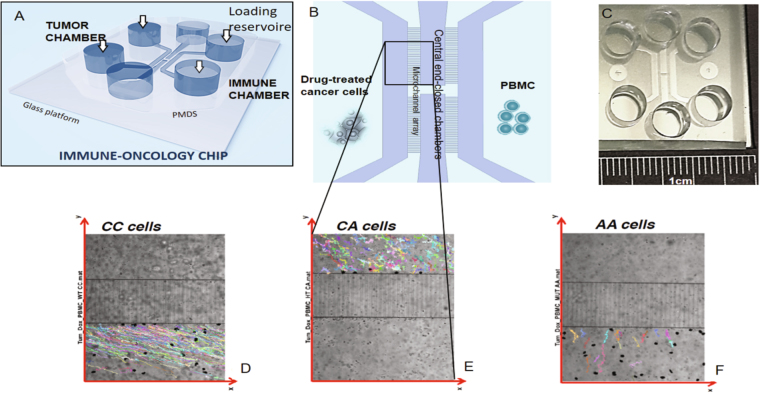
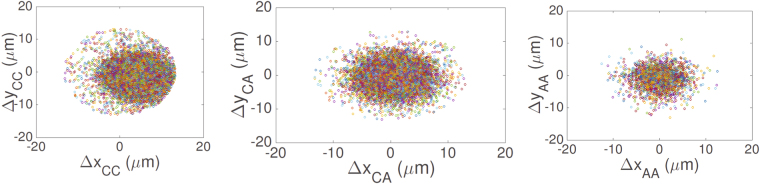
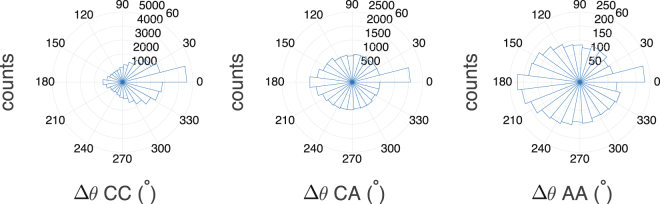
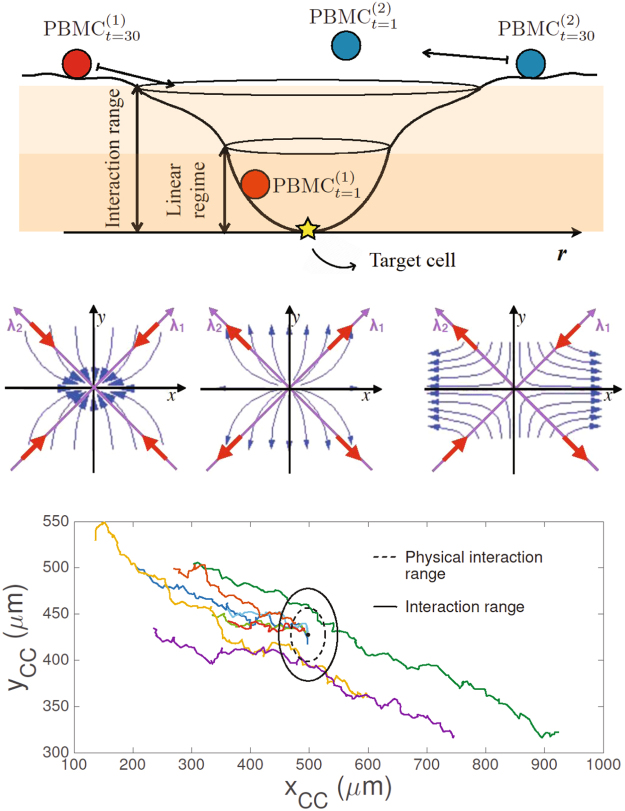
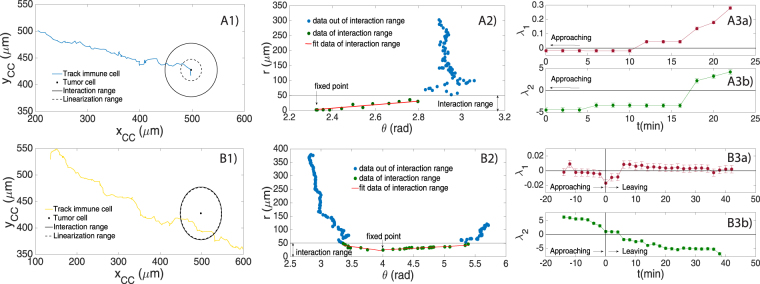
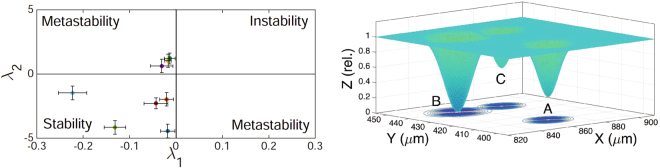
In this paper we discuss the applicability of numerical descriptors and statistical physics concepts to characterize complex biological systems observed at microscopic level through organ on chip approach. To this end, we employ data collected on a microfluidic platform in which leukocytes can move through suitably built channels toward their target. Leukocyte behavior is recorded by standard time lapse imaging. In particular, we analyze three groups of human peripheral blood mononuclear cells (PBMC): heterozygous mutants (in which only one copy of the FPR1 gene is normal), homozygous mutants (in which both alleles encoding FPR1 are loss-of-function variants) and cells from ‘wild type’ donors (with normal expression of FPR1). We characterize the migration of these cells providing a quantitative confirmation of the essential role of FPR1 in cancer chemotherapy response. Indeed wild type PBMC perform biased random walks toward chemotherapy-treated cancer cells establishing persistent interactions with them. Conversely, heterozygous mutants present a weaker bias in their motion and homozygous mutants perform rather uncorrelated random walks, both failing to engage with their targets. We next focus on wild type cells and study the interactions of leukocytes with cancerous cells developing a novel heuristic procedure, inspired by Lyapunov stability in dynamical systems.
Overview
The claims and statistics of this paper haven’t been checked yet.
Free: it reads the open-access text and checks the first 5 claims that cite a source we can check. Create a free account to check every claim.
Integrity signals
Registry
Cites
Statistics
Figures


Verification
Claims the paper makes
The claims and statistics of this paper haven’t been checked yet.
Free: it reads the open-access text and checks the first 5 claims that cite a source we can check. Create a free account to check every claim.
Claims other papers make about this one
Each is checked against this paper’s own text: does it say what the citing paper says it does?
The source backs part of the claim, not all of it — or backs it for a different population, condition or comparison.
In the citing paper
“These studies have evaluated diverse treatment modalities and tumor-stromal-immune interactions in nearly every tumor type, and incorporated a range of immune cell types, from various sources such as cell lines, organoids, peripheral blood mononuclear cells, and patient-derived tumor-infiltrating lymphocytes (Biselli et al., 2017; Lee et al., 2018; Boussommier-Calleja et al., 2019; Mu et al., 2023”
From Microphysiological systems as models for immunologically ‘cold’ tumors (2024) · cites this paper as Biselli et al., 2017
Experimental — accuracy not yet measuredThe source backs part of the claim, not all of it — or backs it for a different population, condition or comparison.
In the citing paper
“Instead of simultaneously culturing various cell types in the same chamber, a separate coculture system grows each cell type in a separate chamber and all the cell-cell interaction is achieved by substance diffusion through the culture media between individual culture chambers [131, 139-148] (Figure 4b).”
From Microfluidic modelling of the tumor microenvironment for anti-cancer drug development (2019) · cites this paper as [147]
Experimental — accuracy not yet measured
Self-check
Percentages, sums and reported differences re-computed from the paper’s own numbers.
The self-check needs the paper’s full text.
Citations
Cites
Fiji: an open-source platform for biological-image analysis
Schindelin, J., Arganda-Carreras, I., Frise, E., Kaynig, V., Longair, M., Pietzsch, T., Preibisch, S., Rueden, C., Saalfeld, S., Schmid, B., et al. (2012) · Nature Methods · doi:10.1038/nmeth.2019 · Cited by 66,890
Weiss, M. (1997) · Automatica · doi:10.1016/s0005-1098(97)00132-5 · Cited by 5,495
Zhou, K., Doyle, J. C., & Glover, K. (1997) · Cited by 4,556
TrackMate: An open and extensible platform for single-particle tracking
Tinevez, J.-Y., Perry, N., Schindelin, J., Hoopes, G. M., Reynolds, G. D., Laplantine, E., Bednarek, S. Y., Shorte, S. L., & Eliceiri, K. W. (2017) · Methods · doi:10.1016/j.ymeth.2016.09.016 · Cited by 3,380
A new discrete-time robust stability condition
de Oliveira, M. C., Bernussou, J., & Geromel, J. C. (1999) · Systems & Control Letters · doi:10.1016/s0167-6911(99)00035-3 · Cited by 1,519
Methods for Cell and Particle Tracking
Meijering, E., Dzyubachyk, O., & Smal, I. (2012) · Methods in Enzymology · doi:10.1016/b978-0-12-391857-4.00009-4 · Cited by 1,400
Rugh, W. J. (1992) · Cited by 1,395
Machine vision: Theory, algorithms, practicalities
(1991) · CVGIP: Image Understanding · doi:10.1016/1049-9660(91)90080-9 · Cited by 851
Comparative study of Hough Transform methods for circle finding
Yuen, H., Princen, J., Illingworth, J., & Kittler, J. (1990) · Image and Vision Computing · doi:10.1016/0262-8856(90)90059-e · Cited by 780
Chemotherapy-induced antitumor immunity requires formyl peptide receptor 1
Vacchelli, E., Ma, Y., Baracco, E. E., Sistigu, A., Enot, D. P., Pietrocola, F., Yang, H., Adjemian, S., Chaba, K., Semeraro, M., et al. (2015) · Science · doi:10.1126/science.aad0779 · Cited by 452
Self-citation
Research works printed but not linked: 2
- Agliari E Annibale A Barra A Coolen ACC Tantari D Immune networks: Multitasking capabilities at medium load J. Phys. A 2013 46 335
- Khalil HK Grizzle JW Nonlinear systems 1996 New Jersey Prentice hall
Cited by
Tumor microenvironment as a therapeutic target in cancer
Xiao, Y., & Yu, D. (2021) · Pharmacology & Therapeutics · doi:10.1016/j.pharmthera.2020.107753 · Cited by 1,957
Organ-on-a-chip meets artificial intelligence in drug evaluation
Deng, S., Li, C., Cao, J., Cui, Z., Du, J., Fu, Z., Yang, H., & Chen, P. (2023) · Theranostics · doi:10.7150/thno.87266 · Cited by 260
“As reported, CellHunter has been successfully applied to reveal the interactions between human peripheral blood mononuclear cells (PBMCs) and tumor cells in OoCs and showed that only cells from ‘wild type’ donors (FPR1 normal expression) establish sustained interactions with chemotherapy-treated cancer cells [234].”
MethodMicrofluidic modelling of the tumor microenvironment for anti-cancer drug development
Shang, M., Soon, R. H., Lim, C. T., Khoo, B. L., & Han, J. (2019) · Lab on a Chip · doi:10.1039/c8lc00970h · Cited by 227
Fluid shear stress and tumor metastasis.
Huang, Q., Hu, X., He, W., Zhao, Y., Hao, S., Wu, Q., Li, S., Zhang, S., & Shi, M. (2018) · Europe PMC (PubMed Central) · Cited by 258
3D Tumor Models and Their Use for the Testing of Immunotherapies
Boucherit, N., Gorvel, L., & Olive, D. (2020) · Frontiers in Immunology · doi:10.3389/fimmu.2020.603640 · Cited by 171
“Initially, these chips were used to study tumor cells migration as well as macrophages (75), dendritic cells (76), PBMCs in general (77), and TILs (78).”
MethodNguyen, M., De Ninno, A., Mencattini, A., Mermet-Meillon, F., Fornabaio, G., Evans, S. S., Cossutta, M., Khira, Y., Han, W., Sirven, P., et al. (2018) · Cell Reports · doi:10.1016/j.celrep.2018.12.015 · Cited by 184
“Using the ad hoc-designed CellHunter automated method (Biselli et al., 2017; Parlato et al., 2017), we tracked the cell dynamics within the co-cultures and measured the interaction times with each immune cell for each cancer cell (Figure 1C), thus providing a high-content description of the…”
MethodInfluentialSelf-citationReview on the Vascularization of Organoids and Organoids-on-a-Chip
Zhao, X., Xu, Z., Xiao, L., Shi, T., Xiao, H., Wang, Y., Li, Y., Xue, F., & Zeng, W. (2021) · Frontiers in Bioengineering and Biotechnology · doi:10.3389/fbioe.2021.637048 · Cited by 152
An Overview of Organs-on-Chips Based on Deep Learning
Li, J., Chen, J., Bai, H., Wang, H., Hao, S., Ding, Y., Peng, B., Zhang, J., Li, L., & Huang, W. (2022) · Research · doi:10.34133/2022/9869518 · Cited by 134
“To monitor the interaction between PBMCs and tumor cells, Biselli et al. utilized OoC technology and reconstructed a tumor-on-a-chip that cocultured the PBMCs with HER2 + tumor cells (Figure 10(b)) [96].”
MethodCancer Modeling‐on‐a‐Chip with Future Artificial Intelligence Integration
Fetah, K., DiPardo, B. J., Kongadzem, E.-M. L., Tomlinson, J. S., Elzagheid, A. I., Elmusrati, M. S., Khademhosseini, A., & Ashammakhi, N. A. (2019) · Small · doi:10.1002/smll.201901985 · Cited by 121
“Cancer immune interactions Organ-on-chip tool to evaluate cancer-immune cell interactions Quantitative confirmation of the essential role of FPR1 in cancer chemotherapy response Biselli et al. 2017 (60) 6.”
Zhang, J., Tavakoli, H., Ma, L., Li, X., Han, L., & Li, X. (2022) · Advanced Drug Delivery Reviews · doi:10.1016/j.addr.2022.114365 · Cited by 114
Ongaro, A. E., Giuseppe, D. D., Kermanizadeh, A., Crespo, A. M., Mencattini, A., Ghibelli, L., Mancini, V., Wlodarczyk, K. L., Hand, D. P., Martinelli, E., et al. (2020) · Analytical Chemistry · doi:10.1021/acs.analchem.0c00651 · Cited by 106
Self-citationTowards the development of human immune-system-on-a-chip platforms
Polini, A., del Mercato, L. L., Barra, A., Zhang, Y. S., Calabi, F., & Gigli, G. (2019) · Drug Discovery Today · doi:10.1016/j.drudis.2018.10.003 · Cited by 99
“The analysis was extended to model the interaction between human peripheral blood mononuclear cells (PBMCs) and drug- treated breast cancer cells [64]: wild-type cells performed biased random walks towards the target, whereas heterozygous mutants heterozygous for formyl peptide receptor 1 (FPR1, a receptor for annexin…”
MethodCapillary‐Based Microfluidics—Coflow, Flow‐Focusing, Electro‐Coflow, Drops, Jets, and Instabilities
Guerrero, J., Chang, Y., Fragkopoulos, A. A., & Fernández‐Nieves, A. (2019) · Small · doi:10.1002/smll.201904344 · Cited by 97
Engineering approaches for studying immune-tumor cell interactions and immunotherapy
Shelton, S. E., Nguyen, H. T., Barbie, D. A., & Kamm, R. D. (2021) · iScience · doi:10.1016/j.isci.2020.101985 · Cited by 93
“, 2018), but few groups have looked at the circulation of immune cells in such models (Chen et al., 2018; Boussommier-Calleja et al., 2019; Campisi et al., 2020).”
BackgroundMicrofluidics for studying metastatic patterns of lung cancer
Ruzycka, M., Cimpan, M. R., Rios-Mondragon, I., & Grudzinski, I. P. (2019) · Journal of Nanobiotechnology · doi:10.1186/s12951-019-0492-0 · Cited by 82
Kumar, V., & Varghese, S. (2019) · Advanced Healthcare Materials · doi:10.1002/adhm.201801198 · Cited by 68
Imaging intracellular motion with dynamic micro-optical coherence tomography
Leung, H. M., Wang, M. L., Osman, H., Abouei, E., MacAulay, C. E., Follen, M. M., Gardecki, J. A., & Tearney, G. J. (2020) · Biomedical Optics Express · doi:10.1364/boe.390782 · Cited by 73
Microsystem Advances through Integration with Artificial Intelligence
Tsai, H., Podder, S., & Chen, P. (2023) · Micromachines · doi:10.3390/mi14040826 · Cited by 81
In Vitro Immune Organs-on-Chip for Drug Development: A Review
Shanti, A., Teo, J., & Stefanini, C. (2018) · Pharmaceutics · doi:10.3390/pharmaceutics10040278 · Cited by 65
Mencattini, A., Giuseppe, D. D., Comes, M. C., Casti, P., Corsi, F., Bertani, F. R., Ghibelli, L., Businaro, L., Natale, C. D., Parrini, M. C., et al. (2020) · Scientific Reports · doi:10.1038/s41598-020-64246-3 · Cited by 76
“In our experiments, we developed a specific software for the task called Cell Hunter , whose mathematical details can be found in 12,27 .”
MethodSelf-citationA Foreign Body Response‐on‐a‐Chip Platform
Sharifi, F., Htwe, S. S., Righi, M., Liu, H., Pietralunga, A., Yesil‐Celiktas, O., Maharjan, S., Cha, B., Shin, S. R., Dokmeci, M. R., et al. (2019) · Advanced Healthcare Materials · doi:10.1002/adhm.201801425 · Cited by 63
Engineering tumor vasculature on an injection-molded plastic array 3D culture (IMPACT) platform
Lee, S., Lim, J., Yu, J., Ahn, J., Lee, Y., & Jeon, N. L. (2019) · Lab on a Chip · doi:10.1039/c9lc00148d · Cited by 65
Young, A. T., Rivera, K. R., Erb, P. D., & Daniele, M. A.-A. (2019) · ACS Sensors · doi:10.1021/acssensors.8b01549 · Cited by 66
Tissue engineered bone mimetics to study bone disorders ex vivo: Role of bioinspired materials
Shih, Y.-R. V., & Varghese, S. (2018) · Biomaterials · doi:10.1016/j.biomaterials.2018.06.005 · Cited by 63
“In fact, functional organs-on-chips simulating the lungs, gut, bone, heart, skeletal muscle, tumor, motor neurons, blood-brain barrier, and immune function have been developed [9, 254-260].”
(Bio)printing in Personalized Medicine—Opportunities and Potential Benefits
Shopova, D., Yaneva, A., Bakova, D. R., Mihaylova, A., Kasnakova, P. S., Hristozova, M., Sbirkov, Y., Sarafian, V. S., & Semerdjieva, M. A. (2023) · Bioengineering · doi:10.3390/bioengineering10030287 · Cited by 62
Assessing personalized responses to anti-PD-1 treatment using patient-derived lung tumor-on-chip
Veith, I., Nurmik, M., Mencattini, A., Damei, I., Lansche, C., Brosseau, S., Gropplero, G., Corgnac, S., Filippi, J., Poté, N., et al. (2024) · Cell Reports Medicine · doi:10.1016/j.xcrm.2024.101549 · Cited by 63
Self-citationAntifungal therapy: Novel drug delivery strategies driven by new targets
Wu, S., Song, R., Liu, T., & Li, C. (2023) · Advanced Drug Delivery Reviews · doi:10.1016/j.addr.2023.114967 · Cited by 57
Online Analysis of Drug Toxicity to Cells with Shear Stress on an Integrated Microfluidic Chip
Feng, S., Mao, S., Zhang, Q., Li, W., & Lin, J. (2019) · ACS Sensors · doi:10.1021/acssensors.8b01696 · Cited by 53
Microfluidic technologies for immunotherapy studies on solid tumours
Paterson, K., Zanivan, S. R., Glasspool, R. M., Coffelt, S. B., & Zagnoni, M. (2021) · Lab on a Chip · doi:10.1039/d0lc01305f · Cited by 54
Oncoimmunology Meets Organs-on-Chip
Mattei, F., Andreone, S., Mencattini, A., Ninno, A. D., Businaro, L., Martinelli, E., & Schiavoni, G. (2021) · Frontiers in Molecular Biosciences · doi:10.3389/fmolb.2021.627454 · Cited by 52
“The mean step length is calculated as the average s value among all the steps of the immune cell along its track and directly depends on the speed of that cell (Perner and Perner, 2009; Dewan et al., 2011; Biselli et al., 2017).”
BackgroundSelf-citationComes, M. C., Casti, P., Mencattini, A., Giuseppe, D. D., Mermet‐Meillon, F., Ninno, A. D., Parrini, M. C., Businaro, L., Natale, C. D., & Martinelli, E. (2019) · Scientific Reports · doi:10.1038/s41598-019-42475-5 · Cited by 45
Self-citationCascarano, P., Comes, M. C., Mencattini, A., Parrini, M. C., Piccolomini, E. L., & Martinelli, E. (2021) · Medical Image Analysis · doi:10.1016/j.media.2021.102124 · Cited by 46
Self-citationMencattini, A., Mattei, F., Schiavoni, G., Gerardino, A., Businaro, L., Natale, C. D., & Martinelli, E. (2019) · Frontiers in Pharmacology · doi:10.3389/fphar.2019.00100 · Cited by 40
“First, cells should be located and tracked through the video sequence by means of automatic cell tracking software [an example can be Cell Hunter approach (Biselli et al., 2017; Parlato et al., 2017; Figure 1 ) but there are several open software’s in the literature (Chenouard et al., 2014)].”
BackgroundMethodSelf-citationModeling the Tumor Microenvironment and Pathogenic Signaling in Bone Sarcoma
Molina, E. R., Chim, L. K., Barrios, S., Ludwig, J. A., & Mikos, A. G. (2020) · Tissue Engineering Part B Reviews · doi:10.1089/ten.teb.2019.0302 · Cited by 40
“The use of controlled fluidics within these systems also provides a platform for introducing infiltrating immune cells into the tumor model.(183,184,211,216,230) However, fabrication of microfluidic cancer models can be cost prohibitive, and their operation can be technically challenging.”
BackgroundLucarini, V., Melaiu, O., D’Amico, S., Pastorino, F., Tempora, P., Scarsella, M., Pezzullo, M., Ninno, A. D., Doria, V., Cilli, M., et al. (2022) · Journal of Experimental & Clinical Cancer Research · doi:10.1186/s13046-022-02525-9 · Cited by 38
“plates and microfluidic devices to study the effect on the functional status of CD8+ T cells and NK cells and the dynamic interactions between immune and tumor cells [44], respectively (Fig.”
BackgroundSelf-citationIn situ biosensing technologies for an organ-on-a-chip
Kim, J., Kim, J., Jin, Y., & Cho, S. (2023) · Biofabrication · doi:10.1088/1758-5090/aceaae · Cited by 36
“For instance, Biselli et al employed machine learning algorithms to reconstruct a tumor-on-a-chip model via co-culture of peripheral blood mononuclear cells withHER2 tumor cells, allowing accurate cell tracking during time-lapse microscopy experiments [133].”
Abolhassani, H., Eskandari, A., Poor, A. S., Zarrabi, A., Khodadadi, B., Karimifard, S., Sahrayi, H., Bourbour, M., & Yaraki, M. T. (2024) · Coordination Chemistry Reviews · doi:10.1016/j.ccr.2024.215754 · Cited by 36
D’Orazio, M., Murdocca, M., Mencattini, A., Casti, P., Filippi, J., Antonelli, G., Giuseppe, D. D., Comes, M. C., Natale, C. D., Sangiuolo, F. C., et al. (2022) · Scientific Reports · doi:10.1038/s41598-022-12364-5 · Cited by 34
Self-citationChallenges in validation of combination treatment strategies for CRC using patient-derived organoids
Benboubker, V., Ramzy, G. M., Jacobs, S., & Nowak-Sliwinska, P. M. (2024) · Journal of Experimental & Clinical Cancer Research · doi:10.1186/s13046-024-03173-x · Cited by 32
Engineered fluidic systems to understand lymphatic cancer metastasis
Greenlee, J. D., & King, M. R. (2020) · Biomicrofluidics · doi:10.1063/1.5133970 · Cited by 31
Dynamic Profiling of Antitumor Activity of CAR T Cells Using Micropatterned Tumor Arrays
Wang, X., Scarfò, I., Schmidts, A., Toner, M., Maus, M. V., & Irimia, D. (2019) · Advanced Science · doi:10.1002/advs.201901829 · Cited by 29
Advances in tumor microenvironment: Applications and challenges of 3D bioprinting
Dong, Y., Zhou, X., Ding, Y., Luo, Y., & Zhao, H. (2024) · Biochemical and Biophysical Research Communications · doi:10.1016/j.bbrc.2024.150339 · Cited by 29
Boeri, L., Perottoni, S., Izzo, L., Giordano, C., & Albani, D. (2021) · Advanced Healthcare Materials · doi:10.1002/adhm.202002043 · Cited by 29
Esmaeili, J., Barati, A., Ai, J., Nooshabadi, V. T., & Mirzaei, Z. (2021) · RSC Advances · doi:10.1039/d1ra00855b · Cited by 29
D’Orazio, M., Corsi, F., Mencattini, A., Giuseppe, D. D., Comes, M. C., Casti, P., Filippi, J., Natale, C. D., Ghibelli, L., & Martinelli, E. (2020) · Frontiers in Oncology · doi:10.3389/fonc.2020.580698 · Cited by 28
“, immune– cancer cross-talk (13, 14), speed and directional persistence are needed to model their collective motion; on the other hand, in a group of cells interacting with a target cell, e.”
BackgroundSelf-citationComes, M. C., Filippi, J., Mencattini, A., Casti, P., Cerrato, G., Sauvat, A., Vacchelli, E., Ninno, A. D., Giuseppe, D. D., D’Orazio, M., et al. (2020) · Neural Computing and Applications · doi:10.1007/s00521-020-05226-6 · Cited by 28
Self-citationCurrent approaches to fate mapping and lineage tracing using image data
Wolf, S., Wan, Y., & McDole, K. (2021) · Development · doi:10.1242/dev.198994 · Cited by 28
Krysko, D. V., Demuynck, R., Efimova, I., Naessens, F., Krysko, O., & Catanzaro, E. (2022) · Cells · doi:10.3390/cells11223705 · Cited by 27
Organoids for Modeling Genetic Diseases
Pérez-Lanzón, M., Kroemer, G., & Maiuri, M. C. (2018) · International review of cytology · doi:10.1016/bs.ircmb.2017.12.006 · Cited by 25
Self-citationGiuseppe, D. D., Corsi, F., Mencattini, A., Comes, M. C., Casti, P., Natale, C. D., Ghibelli, L., & Martinelli, E. (2019) · IEEE Transactions on Biomedical Engineering · doi:10.1109/tbme.2019.2897825 · Cited by 24
Self-citationImmunity‐on‐a‐Chip: Integration of Immune Components into the Scheme of Organ‐on‐a‐Chip Systems
Ramadan, Q., Hazaymeh, R., & Zourob, M. M. (2023) · Advanced Biology · doi:10.1002/adbi.202200312 · Cited by 23
Volatile Compounds Are Involved in Cellular Crosstalk and Upregulation
Serasanambati, M., Broza, Y. Y., & Haick, H. (2019) · Advanced Biosystems · doi:10.1002/adbi.201900131 · Cited by 22
Functional material probes and advanced technologies in organ-on-a-chip characterization
Wang, Y., Chang, X. M., Deng, S., Tang, S., & Chen, P. (2025) · Theranostics · doi:10.7150/thno.122552 · Cited by 22
“Similarly, Stefania and Elena, using a microfluidic platform and the unsupervised learning algorithm “Cell Hunter”, achieved real-time tracking of dendritic cells and PBMCs within the tumor microenvironment [129, 130].”
Comes, M. C., Filippi, J., Mencattini, A., Corsi, F., Casti, P., Ninno, A. D., Giuseppe, D. D., D’Orazio, M., Ghibelli, L., Mattei, F., et al. (2020) · Scientific Reports · doi:10.1038/s41598-020-72605-3 · Cited by 19
Self-citation(3D) Bioprinting—Next Dimension of the Pharmaceutical Sector
Mihaylova, A., Shopova, D., Parahuleva, N., Yaneva, A., & Bakova, D. R. (2024) · Pharmaceuticals · doi:10.3390/ph17060797 · Cited by 23
“For example, a cancer drug can be screened through a Tumor-on-a-Chip that is connected to healthy Tissue-on-a-Chip to find out if the treatment dose shrinks the tumor without damaging the healthy tissue [109].”
BackgroundNinno, A. D., Bertani, F. R., Gerardino, A., Schiavoni, G., Musella, M., Galassi, C., Mattei, F., Sistigu, A., & Businaro, L. (2021) · Journal of Visualized Experiments · doi:10.3791/61895 · Cited by 20
Self-citationA Chemically Defined TLR3 Agonist with Anticancer Activity
Naour, J. L., Thierry, S., Scuderi, S. A., Boucard-Jourdin, M., Liu, P., Bonnin, M., Pan, Y., Perret, C., Zhao, L., Mao, M., et al. (2023) · OncoImmunology · doi:10.1080/2162402x.2023.2227510 · Cited by 18
“…limited homology 36 , it appears that the migration-deficient phenotype of human dendritic cells expressing FPR1 rs867228 and mouse dendritic cells lacking Fpr1 is similar 34,37 , supporting the idea that Fpr1 -/- mice constitute a valid model for the immunodeficiency associated with FPR1 rs867228.”
BackgroundSelf-citationMicrophysiological Systems for Cancer Immunotherapy Research and Development
Peng, Y., & Lee, E. (2023) · Advanced Biology · doi:10.1002/adbi.202300077 · Cited by 17
Current Immunotherapy Approaches for Malignant Melanoma
Lim, J., Cho, E., Lee, K., Choi, Y., Seo, Y., Jeon, H., & Choi, J. H. (2019) · BioChip Journal · doi:10.1007/s13206-019-3108-8 · Cited by 17
Microphysiological systems as models for immunologically ‘cold’ tumors
Gaebler, D., Hachey, S. J., & Hughes, C. C. W. (2024) · Frontiers in Cell and Developmental Biology · doi:10.3389/fcell.2024.1389012 · Cited by 14
“…every tumor type, and incorporated a range of immune cell types, from various sources such as cell lines, organoids, peripheral blood mononuclear cells, and patient-derived tumor-in fi ltrating lymphocytes (Biselli et al., 2017; Lee et al., 2018; Boussommier-Calleja et al., 2019; Mu et al., 2023).”
BackgroundComes, M. C., Mencattini, A., Giuseppe, D. D., Filippi, J., D’Orazio, M., Casti, P., Corsi, F., Ghibelli, L., Natale, C. D., & Martinelli, E. (2020) · Sensors · doi:10.3390/s20051531 · Cited by 13
Self-citationPyo, D. H., Hong, H. K., Lee, W. Y., & Cho, Y. B. (2020) · Cancer Biology & Therapy · doi:10.1080/15384047.2020.1738907 · Cited by 13
Prenatal Development and Function of Human Mononuclear Phagocytes
Miah, M., Goh, I., & Haniffa, M. A. (2021) · Frontiers in Cell and Developmental Biology · doi:10.3389/fcell.2021.649937 · Cited by 13
Autonomous microfluidic labs: progress and prospects
Damir, S. S., Delgado‐Licona, F., deMello, A. J., & Abolhasani, M. (2026) · Lab on a Chip · doi:10.1039/d5lc00908a · Cited by 14
Oliveira, H. C. R., Mencattini, A., Casti, P., Catani, J. H., de Barros, N., Gonzaga, A., Martinelli, E., & Vieira, M. A. C. (2019) · Biomedical Signal Processing and Control · doi:10.1016/j.bspc.2019.01.001 · Cited by 12
Self-citationMencattini, A., Ninno, A. D., Mancini, J., Businaro, L., Martinelli, E., Schiavoni, G., & Mattei, F. (2019) · Methods in enzymology on CD-ROM/Methods in enzymology · doi:10.1016/bs.mie.2019.06.012 · Cited by 13
Self-citationRs867228 in FPR1 accelerates the manifestation of luminal B breast cancer
Carbonnier, V., Naour, J. L., Bachelot, T., Vacchelli, E., André, F., Delaloge, S., & Kroemer, G. (2023) · OncoImmunology · doi:10.1080/2162402x.2023.2189823 · Cited by 11
“In vitro experiments on peripheral blood mononuclear cells from human volunteers bearing rs867228 confirmed a similar loss-of-function phenotype in both heterozygosity and (more so) in homozygosity.(3,9) Murine adoptive transfer experiments corroborated that the cell type critical for FPR1-dependent immunosurveillance…”
BackgroundSelf-citationA major genetic accelerator of cancer diagnosis: rs867228 in FPR1
Sztupinszki, Z. M., Naour, J. L., Vacchelli, E., Laurent‐Puig, P., Delaloge, S., Szállási, Z., & Kroemer, G. (2021) · OncoImmunology · doi:10.1080/2162402x.2020.1859064 · Cited by 11
“%) is a loss-of-function variation in FPR1 (causing the E346A amino acid substitution in the intracellular C-terminus of FPR1)“ with ”is a loss-of function variation in FPR1 causing the E346A amino acid substitution in the intracellular C-terminus of FPR1.) is a loss-of-function variation in FPR1 (causing the E346A am…”
BackgroundSelf-citationBisconti, F., Abreu, H., Nguyen, T. D., Stolfi, F., Corbezzolo, N., Gigli, G., Raineri, D., Cappellano, G., Polini, A., Gervaso, F., et al. (2025) · Frontiers in Immunology · doi:10.3389/fimmu.2025.1712796 · Cited by 10
An Agent-Based Interpretation of Leukocyte Chemotaxis in Cancer-on-Chip Experiments
Bretti, G., & Gaetano, A. D. (2022) · Mathematics · doi:10.3390/math10081338 · Cited by 8
Nelson, S. R., & Walsh, N. (2020) · Cancers · doi:10.3390/cancers12051233 · Cited by 9
de Almeida, L. N., Audebert, C., Leschiera, E., & Lorenzi, T. (2023) · Mathematical Medicine and Biology A Journal of the IMA · doi:10.1093/imammb/dqac017 · Cited by 8
“Mathematical modelling background Mathematical modelling can contribute to biomedical research on the immune response to cancer by supporting experimental results with a theoretical basis, bringing new perspectives on extant empirical data, and informing new experiments [4, 10, 32, 33, 48, 73, 105].”
BackgroundTumor Immune Engineering: Developing In Vitro Assays to Understand the Tumor–Immune Crosstalk
Iyer, R. N., Vartak, M., & Dey, T. (2025) · Advanced Biology · doi:10.1002/adbi.202400735 · Cited by 4
Chen, X., 谭东现, Liu, S., Luo, R., Liu, Y., Zhang, M., Li, S., & Xu, J. (2026) · Cancer Biology and Medicine · doi:10.20892/j.issn.2095-3941.2025.0541 · Cited by 5
“Using a similar method researchers tracked the migration-inducing effects between cancer and immune cells with specific gene knockouts or genetic polymorphisms to confirm the role of these genes in cancer-immune interactions within a mimicked TME 60,61 .”
Pompa, M., Torre, D. L., Bretti, G., & Gaetano, A. D. (2023) · Axioms · doi:10.3390/axioms12100930 · Cited by 4
Preclinical Studies to Enable First in Human Clinical Trials
Chopra, R., & Raynaud, F. I. (2020) · Springer eBooks · doi:10.1007/978-3-030-47682-3_3 · Cited by 5
Campanile, E., Colombi, A., & Bretti, G. (2024) · Mathematical Biosciences · doi:10.1016/j.mbs.2024.109330 · Cited by 2
Development of pathological skin models: from conventional techniques to 3D bioprinting
Rielland, M., Bernerd, F., Camman, M., Tan, X., & Seyler, N. (2025) · Frontiers in Bioengineering and Biotechnology · doi:10.3389/fbioe.2025.1538774 · Cited by 3
“Additionally, in the future, the development of multiple organs-on-a chip will enable a chemotherapy drug to be perfused through a personalized tumor model which is attached to a healthy tissue model to examine the effects the drug has on the tumor and healthy tissue (Biselli et al., 2017).”
Inverse modeling of time-delayed interactions via the dynamic-entropy formalism
Agliari, E., Alemanno, F., Barra, A., Castellana, M., Lotito, D., & Piel, M. (2024) · Physical review. E · doi:10.1103/physreve.110.024301 · Cited by 3
Self-citationFilippova, S. Y., Тимофеева, С. В., Межевова, И. В., Shalashnaya, E. V., Rozenko, L. Y., Av, S., & Novikova, I. A. (2023) · Russian Journal of Oncology · doi:10.17816/onco516562 · Cited by 1
Microfluidic 3D Cytotoxic Assay
Choi, H., Cheong, S., Jin, A., Park, D., & Jeon, N. L. (2024) · Methods in molecular biology · doi:10.1007/978-1-0716-3850-7_13 · Cited by 1
Jaiswal, C., Bhar, B., Sugihara, S., & Mandal, B. B. (2026) · Small · doi:10.1002/smll.202513199 · Cited by 2
Human organ-on-a-chip technology as a catalyst for drug discovery
Posey, R. R., Özkan, A., & Ingber, D. E. (2026) · Advanced Drug Delivery Reviews · doi:10.1016/j.addr.2026.115920 · Cited by 2
Mencattini, A., Giuseppe, D. D., Casti, P., D’Orazio, M., Filippi, J., Comes, M. C., Antonelli, G., Natale, C. D., & Martinelli, E. (2022) · Lecture notes in electrical engineering · doi:10.1007/978-3-031-08136-1_8 · Cited by 1
Self-citationBertani, F. R., Moghaddam, F. D., Panella, C., Giannitelli, S. M., Peluzzi, V., Gerardino, A., Rainer, A., Roscilli, G., Ninno, A. D., & Businaro, L. (2023) · Methods in molecular biology · doi:10.1007/978-1-0716-3593-3_9 · Cited by 1
Self-citationOliveira, H. C. R. (2019) · Digital Library of Theses and Dissertations (Universidade de São Paulo) · doi:10.11606/t.18.2019.tde-02102019-140208 · Cited by 1
N'guyen, M. J., Ninno, A. D., Mencattini, A., Mermet‐Meillon, F., Fornabaio, G., Evans, S. S., Cossutta, M., Khira, Y., Sirven, P., Pelon, F., et al. (2019) · SSRN Electronic Journal · doi:10.2139/ssrn.3188441
Self-citationRatchetaxis and chemotaxis, or how to direct cell migration under confinement
Maout, E. L. (2018) · theses.fr (ABES) · doi:10.70675/9a9f893dz7d5bz4b50zbf6ezef841ce92087
Modeling Hormone Receptor Positive Breast Cancer in Immunocompetent Mice
Pérez-Lanzón, M. (2021) · theses.fr (ABES) · doi:10.70675/8d0cd788z71c4z4627z898ezbb2b6500fa17
Leveraging Microphysiological Systems to Facilitate Neutrophil‐Based Cancer Immunotherapy
Shao, S., Diehl, M. I., & Jones, C. N. (2026) · Advanced Science · doi:10.1002/advs.77572
“In some cases, the researchers also evaluated these behavioral changes in response to chemotherapy [ 252, 254, 255 ] and multiple classes of immunotherapy, including anti-PD-1 immune checkpoint blockade [ 256 ], anti-HER2 ADCC [ 257 ], oncolytic vaccinia virus [ 215 ], and dendritic cell activation…”
Varinská, L., & Koolwijk, P. (2026) · Pharmacological Reports · doi:10.1007/s43440-026-00912-z
PhysiCell Validation of a Discrete-in-Continuous Mathematical Model for Cancer-on-Chip Experiments
Gennaro, M. D., Braun, E. C., & Bretti, G. (2026) · Lecture notes in computer science · doi:10.1007/978-3-032-41794-7_9
Kulkarni, G., Zor, F., Külahçı, Y., Brennen, B., Gorantla, V. S., & Jackson, J. (2026) · Elsevier eBooks · doi:10.1016/b978-0-443-16110-0.00009-1 · Cited by 1
Metadata
- Authors
- Biselli, E., Agliari, E., Barra, A., Bertani, F. R., Gerardino, A., De Ninno, A., Mencattini, A., Di Giuseppe, D., Mattei, F., Schiavoni, G., Lucarini, V., Vacchelli, E., Kroemer, G., Di Natale, C., Martinelli, E., & Businaro, L.
- Affiliations
- Technical University of Munich (DE)
- Sapienza University of Rome (IT)
- National Research Council (IT)
- University of Rome Tor Vergata (IT)
- Istituto Superiore di Sanità (IT)
- Inserm (FR)
- Karolinska University Hospital (SE)
- Corresponding author
- Martinelli, Eugenio
- ORCID
- Venue
- Scientific Reports
- Published
- 2017-10-06
- Volume
- 7
- Issue
- 1
- Pages
- 12737-12737
- ISSN
- 2045-2322 (ISSN-L)
- PMC
- PMC5630614
- OpenAlex
- W2762204590
- Semantic Scholar
- f2a93787c36ee3d2fc0a236f50f26d43fa23062a
- Cited by
- 91
- References
- 36
- Citations by year
- 2026: 6 · 2025: 3 · 2024: 9 · 2023: 12 · 2022: 8 · 2021: 12 · 2020: 16 · 2019: 17 · 2018: 8
- FWCI
- 8.45
- Type
- journal article
- Language
- en
- Open access
- gold
- doi.org
- Licence
- cc-by
- creativecommons.org/licenses/by/4.0 (tdm)
- creativecommons.org/licenses/by/4.0 (vor)
- Locations
- Scientific Reports (publishedVersion, cc-by)
- Europe PMC (PubMed Central) (publishedVersion, cc-by)
- PubMed Central (publishedVersion, cc-by)
- PubMed (publishedVersion)
- Cineca Institutional Research Information System (Tor Vergata University) (submittedVersion, other-oa)
- IRIS Research product catalog (Sapienza University of Rome) (submittedVersion, other-oa)
- HAL (submittedVersion, cc-by)
- AIRUS (submittedVersion)
- Funders
- Association pour la Recherche sur le Cancer
- Istituto Nazionale di Alta Matematica "Francesco Severi" (Agliari2016)
- E-Rare
- European Commission
- Deutsche Forschungsgemeinschaft
- Agence Nationale de la Recherche (E-Rare-2)
- Fondation Leducq
- Fondation pour la Recherche Médicale
- Ministero della Salute (RF-2011-02347120)
- Ministero dell’Istruzione, dell’Università e della Ricerca (MIUR-PRIN2012, PRIN2012, 20125NMMLA)
- Ligue Contre le Cancer
- Institut Universitaire de France
- Institut National Du Cancer
- Gruppo Nazionale per la Fisica Matematica
- Labex Immuno-Oncology
- Topics
- Physical Sciences › Mathematics › Modeling and Simulation › Mathematical Biology Tumor Growth
- Physical Sciences › Engineering › Biomedical Engineering › 3D Printing in Biomedical Research
- Life Sciences › Biochemistry, Genetics and Molecular Biology › Cell Biology › Cellular Mechanics and Interactions
- Keywords
- organ-on-a-chip, tumor-immune interactions, leukocyte migration, FPR1, peripheral blood mononuclear cells, biased random walk, Lyapunov stability, time-lapse imaging
- MeSH terms
- Cell Communication, Cell Movement, Humans, Leukocytes, Motion, Neoplasms, Cell Line, Tumor, Lab-On-A-Chip Devices
About these checks
Registry, retraction, Cites and statistics results are computed, not judged, with one exception: a printed reference that no index lists is read once by a model before it counts as a citation error. Claims are extracted by a model and kept only when their quote appears verbatim in the text; each cited source is then checked, with a model’s help, for whether it says what the claim relies on. Those verdicts can be wrong — read the claim’s quote and the cited source before relying on one.
Statistics and arithmetic are recomputed, not judged.
Confidence bands are shown only for fields calibrated on our annotated test set. None is calibrated yet, so no band is shown.
What counts as a claim ›How we measure confidence ›How we check this ›
Are you an author, or do you see a problem with this page? Request a review
Data sources
Bibliographic data: Semantic Scholar, OpenAlex, Crossref.
Contains information from the Semantic Scholar Academic Graph Datasets, made available under the ODC Attribution License (ODC-BY 1.0).
Semantic Scholar’s data is described in: Kinney, R., et al. (2023). The Semantic Scholar Open Data Platform. arXiv:2301.10140.
