

Combined x-ray crystallography and computational modeling approach to investigate the Hsp90 C-terminal peptide binding to FKBP51
Open accessThe DOI matches its Crossref record; 72 of the 72 references it cites were found in a registry or an index.
Abstract
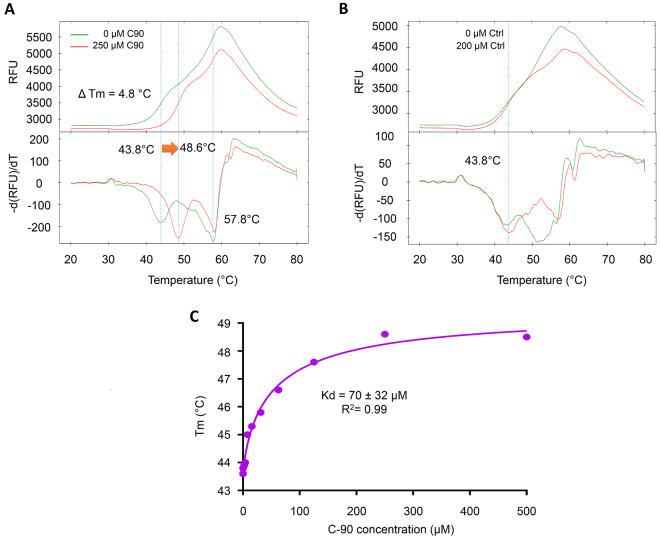
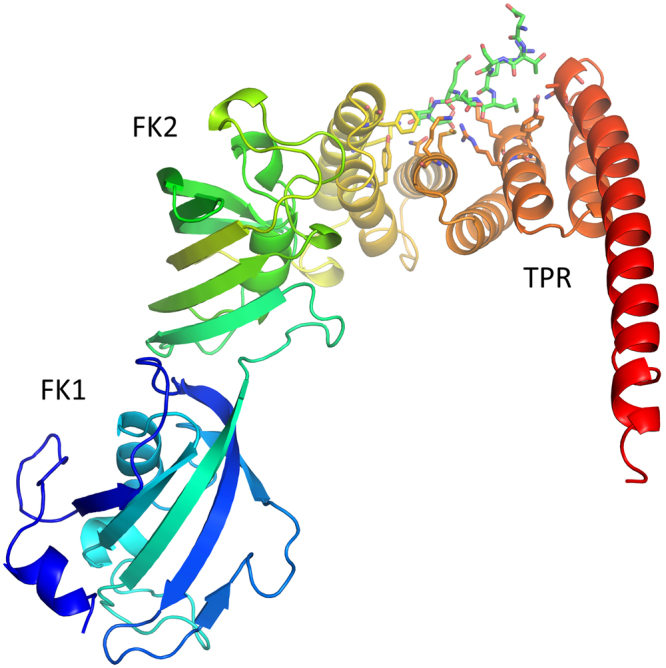
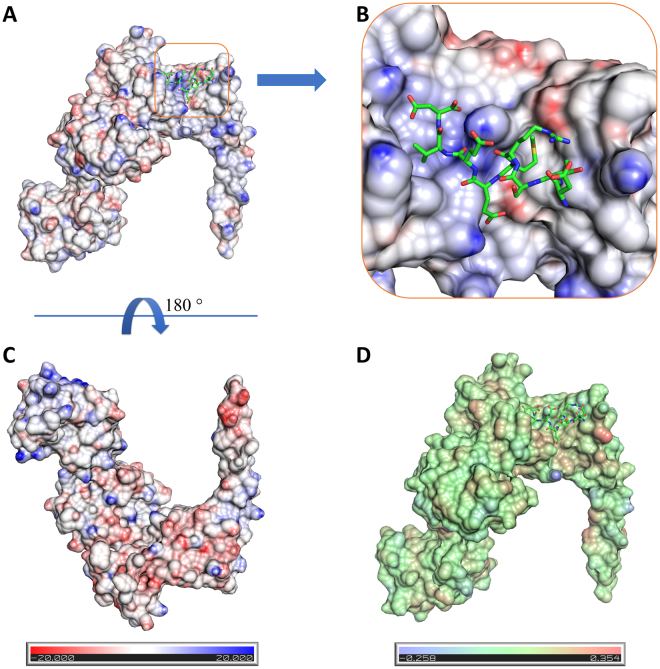
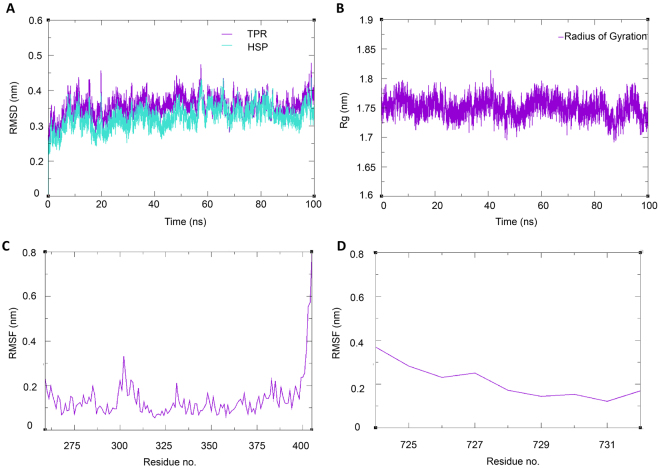
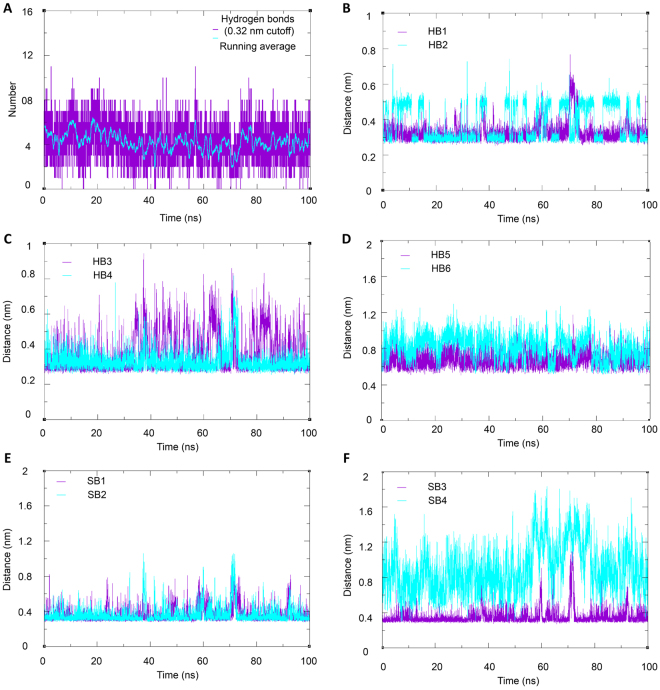
FK506 binding protein of 51 kDa (FKBP51) is a heat shock protein 90 (Hsp90) co-chaperone involved in the regulation of steroid hormone receptors activity. It is known for its role in various regulatory pathways implicated in mood and stress-related disorders, cancer, obesity, Alzheimer’s disease and corticosteroid resistant asthma. It consists of two FKBP12 like active peptidyl prolyl isomerase (PPIase) domains (an active FK1 and inactive FK2 domain) and one tetratricopeptide repeat (TPR) domain that mediates interaction with Hsp90 via its C-terminal MEEVD peptide. Here, we report a combined x-ray crystallography and molecular dynamics study to reveal the binding mechanism of Hsp90 MEEVD peptide to the TPR domain of FKBP51. The results demonstrated that the Hsp90 C-terminal peptide binds to the TPR domain of FKBP51 with the help of di-carboxylate clamp involving Lys272, Glu273, Lys352, Asn322, and Lys329 which are conserved throughout several di-carboxylate clamp TPR proteins. Interestingly, the results from molecular dynamics study are also in agreement to the complex structure where all the contacts between these two partners were consistent throughout the simulation period. In a nutshell, our findings provide new opportunity to engage this important protein-protein interaction target by small molecules designed by structure based drug design strategy.
Overview
The claims and statistics of this paper haven’t been checked yet.
Free: it reads the open-access text and checks the first 5 claims that cite a source we can check. Create a free account to check every claim.
Integrity signals
Registry
Cites
Statistics
Figures
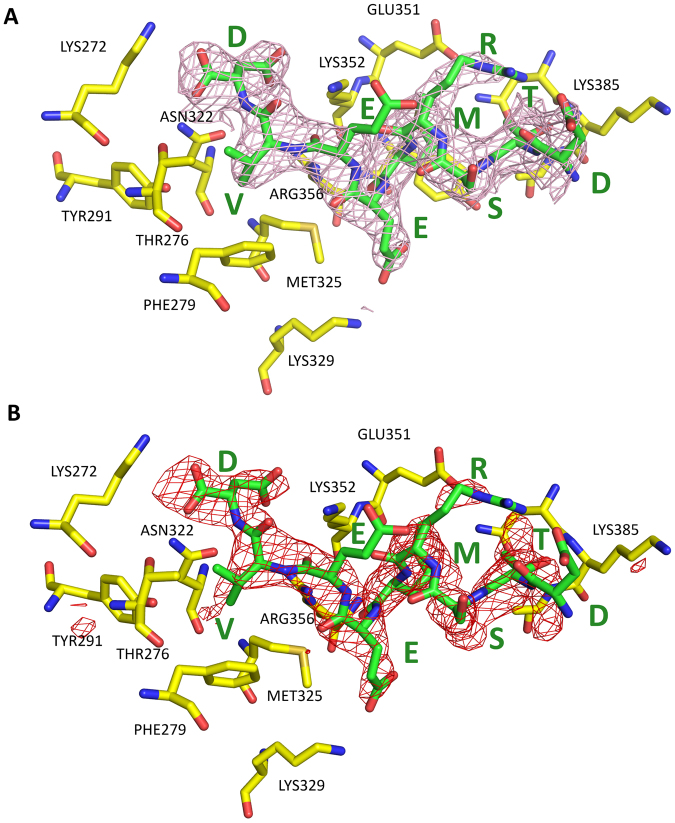
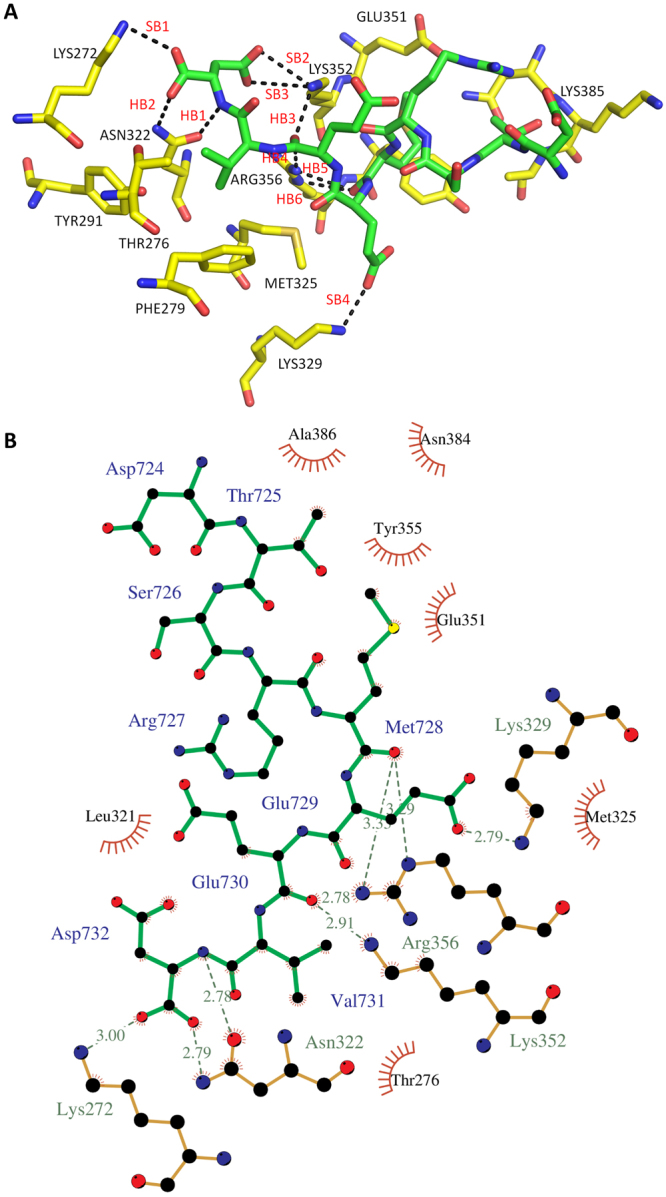
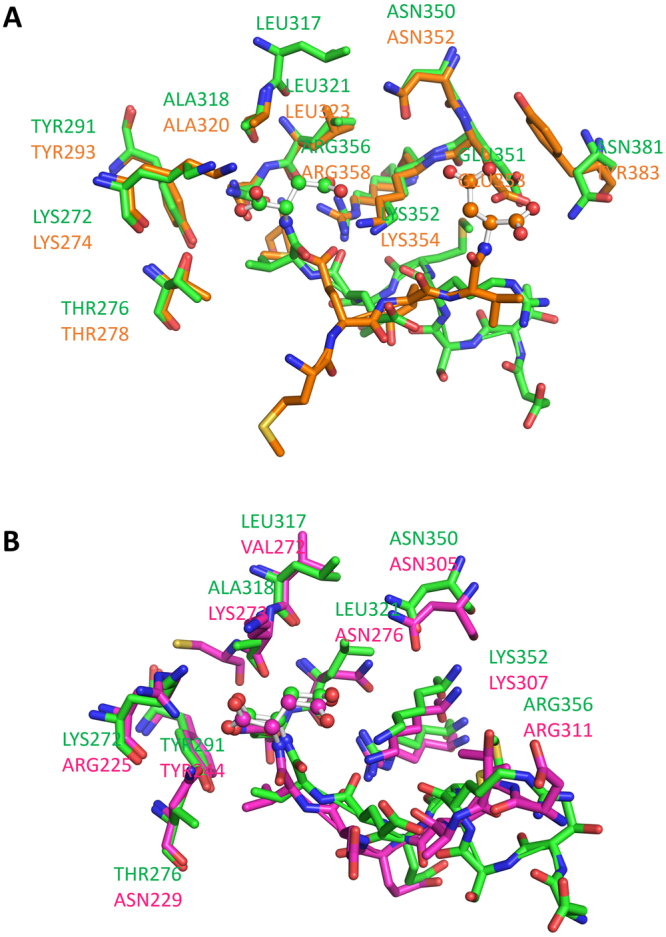
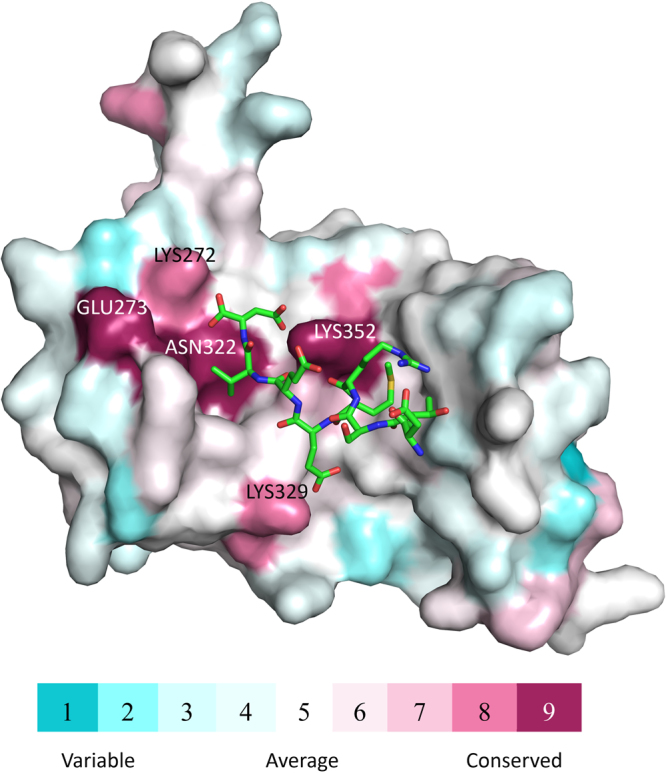
Verification
Claims the paper makes
The claims and statistics of this paper haven’t been checked yet.
Free: it reads the open-access text and checks the first 5 claims that cite a source we can check. Create a free account to check every claim.
Claims other papers make about this one
Each is checked against this paper’s own text: does it say what the citing paper says it does?
The cited source says what the claim attributes to it.
In the citing paper
“Overall, the H7e region buries ~830 Å2 of CTD surface area, which is larger than what is estimated for MEEVD interaction (~500 Å2) (Kumar et al., 2017), thus revealing a new and substantial binding interface beyond the canonical TPR interaction.”
From The structure of an Hsp90-immunophilin complex reveals cochaperone recognition of the client maturation state (2021) · cites this paper as Kumar et al., 2017
Experimental — accuracy not yet measured
Self-check
Percentages, sums and reported differences re-computed from the paper’s own numbers.
The self-check needs the paper’s full text.
Citations
Cites
Features and development of Coot
Emsley, P., Lohkamp, B., Scott, W. G., & Cowtan, K. (2010) · Acta Crystallographica Section D Biological Crystallography · doi:10.1107/s0907444910007493 · Cited by 29,915
Abraham, M. J., Murtola, T., Schulz, R., Páll, S., Smith, J. C., Hess, B., & Lindahl, E. (2015) · SoftwareX · doi:10.1016/j.softx.2015.06.001 · Cited by 27,190
PHENIX : a comprehensive Python-based system for macromolecular structure solution
Adams, P. D., Afonine, P. V., Bunkóczi, G., Chen, V. B., Davis, I. W., Echols, N., Headd, J. J., Hung, L.-W., Kapral, G. J., Grosse-Kunstleve, R. W., et al. (2010) · Acta Crystallographica Section D Biological Crystallography · doi:10.1107/s0907444909052925 · Cited by 23,716
A smooth particle mesh Ewald method
Essmann, U., Perera, L., Berkowitz, M. L., Darden, T., Lee, H., & Pedersen, L. G. (1995) · The Journal of Chemical Physics · doi:10.1063/1.470117 · Cited by 22,514
Phaser crystallographic software
McCoy, A. J., Grosse-Kunstleve, R. W., Adams, P. D., Winn, M. D., Storoni, L. C., & Read, R. J. (2007) · Journal of Applied Crystallography · doi:10.1107/s0021889807021206 · Cited by 20,612
Polymorphic transitions in single crystals: A new molecular dynamics method
Parrinello, M., & Rahman, A. (1981) · Journal of Applied Physics · doi:10.1063/1.328693 · Cited by 19,790
LINCS: A linear constraint solver for molecular simulations
Hess, B., Bekker, H., Berendsen, H. J. C., & Fraaije, J. G. E. M. (1997) · Journal of Computational Chemistry · doi:10.1002/(sici)1096-987x(199709)18:12<1463::aid-jcc4>3.0.co;2-h · Cited by 18,260
The PyMOL Molecular Graphics System
DeLano, W. L. (2002) · Medical Entomology and Zoology · Cited by 18,147
Canonical sampling through velocity rescaling
Bussi, G., Donadio, D., & Parrinello, M. (2007) · The Journal of Chemical Physics · doi:10.1063/1.2408420 · Cited by 18,089
MolProbity : all-atom structure validation for macromolecular crystallography
Chen, V. B., Arendall, W. B., Headd, J. J., Keedy, D. A., Immormino, R. M., Kapral, G. J., Murray, L. W., Richardson, J. S., & Richardson, D. C. (2010) · Acta Crystallographica Section D Biological Crystallography · doi:10.1107/s0907444909042073 · Cited by 14,115
Research works printed but not linked: 2
- Tickle, I. J. et al. Staraniso. Cambridge, United Kingdom: Global Phasing Ltd. (2017).
- Bricogne, G. et al. BUSTER version 2.10.3. Cambridge, United Kingdom: Global Phasing Ltd. (2016).
Cited by
Perez-Riba, A., & Itzhaki, L. S. (2019) · Current Opinion in Structural Biology · doi:10.1016/j.sbi.2018.12.004 · Cited by 156
Fries, G., Gassen, N., & Rein, T. (2017) · International Journal of Molecular Sciences · doi:10.3390/ijms18122614 · Cited by 166
“Nevertheless, very recently, X-ray crystallography and computational modeling have been used for a detailed analysis of the binding of the Hsp90 C-terminal peptide binding to FKBP51 as the basis for a structure-based drug design targeting this interaction [240].”
BackgroundFKBP Ligands—Where We Are and Where to Go?
Kolos, J. M., Voll, A. M., Bauder, M., & Hausch, F. (2018) · Frontiers in Pharmacology · doi:10.3389/fphar.2018.01425 · Cited by 158
“Recently, Kumar et al. illuminated the bindingmode of the Hsp90 C-terminal peptide to the TPR domain of FKBP51 using a combination of x-ray crystallography, differential scanning fluorimetry and molecular dynamics simulation (Kumar et al., 2017).”
MethodHähle, A., Merz, S., Meyners, C., & Hausch, F. (2019) · Biomolecules · doi:10.3390/biom9010035 · Cited by 119
“The C-terminal region of FKBP51 contains three repeats of the TPR motif, which fold into seven α-helices and mediate binding to the C-terminal MEEDV motif of Hsp90 [16].”
BackgroundStructure and pro-toxic mechanism of the human Hsp90/PPIase/Tau complex
Oroz, J., Chang, B. J., Wysoczanski, P., Lee, C.-T., Pérez-Lara, Á., Chakraborty, P., Hofele, R. V., Baker, J. D., Blair, L. J., Biernat, J., et al. (2018) · Nature Communications · doi:10.1038/s41467-018-06880-0 · Cited by 100
Lee, K., Thwin, A. C., Nadel, C. M., Tse, E., Gates, S. N., Gestwicki, J. E., & Southworth, D. R. (2021) · Molecular Cell · doi:10.1016/j.molcel.2021.07.023 · Cited by 76
Cryo-EM reveals how Hsp90 and FKBP immunophilins co-regulate the glucocorticoid receptor
Noddings, C. M., Johnson, J. L., & Agard, D. A. (2023) · Nature Structural & Molecular Biology · doi:10.1038/s41594-023-01128-y · Cited by 75
“4b), with multiple hydrogen bonds, salt bridges and hydrophobic interactions, analogous to FKBP51:Hsp90 MEEVD structures 18,19 .”
BackgroundAlamri, M. A., Qamar, M. T. U., Afzal, O., Alabbas, A. B., Riadi, Y., & Alqahtani, S. M. (2021) · Journal of Molecular Liquids · doi:10.1016/j.molliq.2021.115699 · Cited by 49
Magwenyane, A. M., Ugbaja, S. C., Amoako, D. G., Somboro, A. M., Khan, R. B., & Kumalo, H. M. (2022) · Computational and Mathematical Methods in Medicine · doi:10.1155/2022/2147763 · Cited by 32
“Computational modelling and computer-aided drug design have immensely contributed to the successful development of drugs, especially in the contemporary pharmaceutical and drug industries [104].”
BackgroundWang, L., Bergkvist, L., Kumar, R., Winblad, B. G., & Pavlov, P. F. (2021) · Cells · doi:10.3390/cells10102596 · Cited by 25
Self-citationGlucocorticoid receptor complexes form cooperatively with the Hsp90 co-chaperones Pp5 and FKBPs
Kaziales, A., Barkovits, K., Marcus, K., & Richter, K. (2020) · Scientific Reports · doi:10.1038/s41598-020-67645-8 · Cited by 24
Baischew, A., Engel, S., Taubert, M. C., Geiger, T. M., & Hausch, F. (2023) · Nature Structural & Molecular Biology · doi:10.1038/s41594-023-01098-1 · Cited by 22
“25).”
Mir, R., Elfaki, I., Abuduhier, F. M., Alotaibi, M. A., Alalawy, A. I., Barnawi, J., Babakr, A. T., Mir, R., Mirghani, H. O., Hamadi, A., et al. (2021) · Journal of Personalized Medicine · doi:10.3390/jpm11090861 · Cited by 21
Elfaki, I., Mir, R., Abuduhier, F. M., Alotaibi, M. A., Alalawy, A. I., Barnawi, J., Babakr, A. T., Mir, R., Tayeb, F. J., Mirghani, H. O., et al. (2021) · Current Issues in Molecular Biology · doi:10.3390/cimb43030130 · Cited by 18
Structural and biochemical insights into FKBP51 as a Hsp90 co‐chaperone
Baischew, A., Engel, S., Geiger, T. M., Taubert, M. C., & Hausch, F. (2023) · Journal of Cellular Biochemistry · doi:10.1002/jcb.30384 · Cited by 15
Ventura, C., Banerjee, A., Zacharopoulou, M., Itzhaki, L. S., & Bahar, İ. (2023) · Current Opinion in Structural Biology · doi:10.1016/j.sbi.2023.102744 · Cited by 14
Verkhivker, G. M. (2022) · The Journal of Physical Chemistry B · doi:10.1021/acs.jpcb.2c03464 · Cited by 13
Wang, L., Wojcieszak, J., Kumar, R., Zhao, Z., Sun, X., Xie, S., Winblad, B. G., & Pavlov, P. F. (2023) · Molecular Neurobiology · doi:10.1007/s12035-023-03627-x · Cited by 13
“Briefly, the structure was downloaded from the PDB server and mutations were introduced and both WT and mutated complex were subjected to a short molecular dynamics simulation to relax the structures using earlier reported protocol [21].”
BackgroundMethodSelf-citationInterplay of p23 with FKBP51 and their chaperone complex in regulating tau aggregation
Chakraborty, P., & Zweckstetter, M. (2025) · Nature Communications · doi:10.1038/s41467-025-56028-0 · Cited by 12
IQGAP1, AmotL2, and FKBP51 Scaffoldins in the Glioblastoma Microenvironment
Rotoli, D., Morales, M., Maeso, M. D. C., Ávila, J., Pérez-Rodríguez, N. D., Mobasheri, A., Noorden, C. J. F. V., & Martín-Vasallo, P. (2019) · Journal of Histochemistry & Cytochemistry · doi:10.1369/0022155419833334 · Cited by 12
Kardas, S., Fossepré, M., Lemaur, V., Fernandes, A. E., Glinel, K., Jonas, A. M., & Surin, M. (2022) · Journal of Chemical Information and Modeling · doi:10.1021/acs.jcim.2c00101 · Cited by 12
Ejiohuo, O., Bajia, D., Pawlak, J., & Szczepankiewicz, A. (2025) · PLoS ONE · doi:10.1371/journal.pone.0320017 · Cited by 10
“The 3D protein structure of human FKBP5 protein was obtained from RCSB Protein Data Bank (PDB ID: 5OMP) in PDB format [69].”
Zhang, C., Cui, X., Feng, L., Han, Z., Peng, D., Fu, W., & Xing, Y. (2021) · Journal of Gastrointestinal Oncology · doi:10.21037/jgo-21-71 · Cited by 10
“FKBP-5 can directly bind to heat shock protein (HSP90) and participate in the formation and functional regulation of complex steroid hormone receptors through its TPR domain (14,15).”
BackgroundKhalaf, N. B. (2026) · Frontiers in Aging Neuroscience · doi:10.3389/fnagi.2026.1711422 · Cited by 11
Structure-based discovery of small molecule inhibitors of FKBP51-Hsp90 protein-protein interaction
Wang, L., Kumar, R., Winblad, B. G., & Pavlov, P. F. (2024) · European Journal of Medicinal Chemistry · doi:10.1016/j.ejmech.2024.116356 · Cited by 8
Self-citationBernadotte, A., Kumar, R., Winblad, B. G., & Pavlov, P. F. (2018) · FEBS Open Bio · doi:10.1002/2211-5463.12521 · Cited by 7
Self-citationZebrafish FKBP5 facilitates apoptosis and SVCV propagation by suppressing NF-κB signaling pathway
Yin, Z., Zhang, H., Zhao, K., Liu, Y., Guo, R., Xu, P., Zhao, G., Hu, C., Hu, C., & Xu, X. (2024) · Fish & Shellfish Immunology · doi:10.1016/j.fsi.2024.110021 · Cited by 6
Zhang, N., Feng, S., Tian, Y., Ling, Z., Cha, G., Duan, S., Li, H., Nong, X., Zhang, Z., Tu, X., et al. (2023) · Scientific Reports · doi:10.1038/s41598-023-30889-1 · Cited by 5
Role of FK506 binding protein 51 in central nervous system diseases
Peng, H., Wei, Y., Qiu, Y., Bi, R., Zeng, L., Hu, B., & Li, Y. Q. (2026) · Frontiers in Molecular Neuroscience · doi:10.3389/fnmol.2025.1725945 · Cited by 3
Shrestha, R. L., Marasini, B. P., & Subin, J. A. (2025) · ChemistrySelect · doi:10.1002/slct.202404047 · Cited by 2
Crystals, Crystallization and X-ray Techniques: Pharmaceutical Application
Thombre, K. R., Umap, A., Gupta, K. R., & Umekar, M. J. (2025) · Research Journal of Pharmacy and Technology · doi:10.52711/0974-360x.2025.00272 · Cited by 2
Gałat, A. (2019) · Biomolecules · doi:10.3390/biom9020059 · Cited by 2
“pdb) that is encoded by the Fkbp5 gene [21], has three Cys-residues in FKBD-2, but one of them, namely Cys183, is surface exposed in Figure 5.”
BackgroundChen, Y., Zhang, Y.-D., Zhang, W., & Tang, B. (2025) · Hereditas · doi:10.1186/s41065-025-00490-9 · Cited by 1
“The PDB ID of TP53 is 8DC6 [21], and the PDB ID of HSP90AA1 is 5NJX [22].”
Harith-Fadzilah, N., Nudin, N. F. H., Mahmod, N. H., Bakar, M. F. A., Ramli, A. N. M., Illias, R. M., & Alias, N. (2025) · Asia-Pacific Journal of Molecular Biology and Biotechnology · doi:10.35118/apjmbb.2025.033.4.03 · Cited by 1
Dual proximity-based interactome mapping of FKBP51 and FKBP52 uncovers shared metabolic networks
Hill, S. E., Parikh, P., Gebru, N. T., Banjade, S., Guergues, J., Wohlfahrt, J., Stevens, S. M., & Blair, L. J. (2026) · Biochemical and Biophysical Research Communications · doi:10.1016/j.bbrc.2026.153968 · Cited by 1
Beyond a Passive Tether: Structural Insights into the Disordered Tail of Hsp90
Edinach, E. V., Giannouli, A., Dalaloyan, A., Oranges, M., Banik, D., Yardeni, E. H., Elimelech, A. R., Sattler, M., Ntermanakis, E., Su, X., et al. (2026) · Journal of the American Chemical Society · doi:10.1021/jacs.6c04189 · Cited by 1
Kumar, R., Winblad, B. G., & Pavlov, P. F. (2019) · Heat shock proteins · doi:10.1007/978-3-030-23158-3_14 · Cited by 1
Self-citationElucidation of the molecular and cellular mechanisms of FKBP51-selective inhibitors
Haehle, A. (2020) · TUbilio (Technical University of Darmstadt) · doi:10.25534/tuprints-00013235
Gupta, A. E., Mondal, S., Devi, B., Kumar, R., & Singh, S. P. (2026) · Computational Biology and Chemistry · doi:10.1016/j.compbiolchem.2026.109046
Self-citation
Metadata
- Authors
- Kumar, R., Moche, M., Winblad, B., & Pavlov, P. F.
- Affiliations
- Karolinska Institutet (SE)
- Karolinska University Hospital (SE)
- Corresponding author
- Pavlov, Pavel F.
- Venue
- Scientific Reports
- Published
- 2017-10-27
- Volume
- 7
- Issue
- 1
- Pages
- 14288-14288
- ISSN
- 2045-2322 (ISSN-L)
- PMC
- PMC5660230
- OpenAlex
- W2766531428
- Cited by
- 40
- References
- 72
- Citations by year
- 2026: 5 · 2025: 7 · 2024: 2 · 2023: 7 · 2022: 3 · 2021: 6 · 2020: 1 · 2019: 5 · 2018: 3 · 2017: 1
- FWCI
- 1.12
- Type
- journal article
- Language
- en
- Open access
- gold
- doi.org
- Licence
- cc-by
- creativecommons.org/licenses/by/4.0 (tdm)
- creativecommons.org/licenses/by/4.0 (vor)
- Locations
- Scientific Reports (publishedVersion, cc-by)
- PubMed Central (publishedVersion, cc-by)
- PubMed (publishedVersion)
- HZB Repository (Helmholtz-Zentrum Berlin für Materialien und Energie GmbH (HZB)) (submittedVersion, other-oa)
- Funders
- Gun och Bertil Stohnes Stiftelse
- Stiftelsen för Gamla Tjänarinnor
- Diamond Light Source
- National Science Council
- Fondation pour la Recherche Médicale
- Linköpings Universitet
- Karolinska Institutet
- Vetenskapsrådet (2015-02774)
- Science for Life Laboratory
- Helmholtz-Zentrum Berlin für Materialien und Energie
- National Supercomputer Centre, Linköpings Universitet
- Topics
- Life Sciences › Biochemistry, Genetics and Molecular Biology › Molecular Biology › Heat shock proteins research
- Life Sciences › Biochemistry, Genetics and Molecular Biology › Molecular Biology › Protein Structure and Dynamics
- Life Sciences › Biochemistry, Genetics and Molecular Biology › Molecular Biology › Signaling Pathways in Disease
- Keywords
- HSP90, FKBP51, tetratricopeptide repeat domain, protein-protein interaction, peptidyl-prolyl isomerase, steroid hormone receptors, structure-based drug design, molecular dynamics simulation
- MeSH terms
- Protein Domains, Tacrolimus Binding Protein 5, Escherichia coli, Fluorometry, Humans, Hydrogen Bonding, Protein Binding, Protein Conformation, Protein Denaturation, Temperature, Crystallography, X-Ray, HSP90 Heat-Shock Proteins, Tacrolimus Binding Proteins, Molecular Dynamics Simulation
About these checks
Registry, retraction, Cites and statistics results are computed, not judged, with one exception: a printed reference that no index lists is read once by a model before it counts as a citation error. Claims are extracted by a model and kept only when their quote appears verbatim in the text; each cited source is then checked, with a model’s help, for whether it says what the claim relies on. Those verdicts can be wrong — read the claim’s quote and the cited source before relying on one.
Statistics and arithmetic are recomputed, not judged.
Confidence bands are shown only for fields calibrated on our annotated test set. None is calibrated yet, so no band is shown.
What counts as a claim ›How we measure confidence ›How we check this ›
Are you an author, or do you see a problem with this page? Request a review
Data sources
Bibliographic data: Semantic Scholar, OpenAlex, Crossref.
Contains information from the Semantic Scholar Academic Graph Datasets, made available under the ODC Attribution License (ODC-BY 1.0).
Semantic Scholar’s data is described in: Kinney, R., et al. (2023). The Semantic Scholar Open Data Platform. arXiv:2301.10140.
