

Combined x-ray crystallography and computational modeling approach to investigate the Hsp90 C-terminal peptide binding to FKBP51
Open accessThe DOI matches its Crossref record; 72 of the 72 references it cites were found in a registry or an index.
Abstract
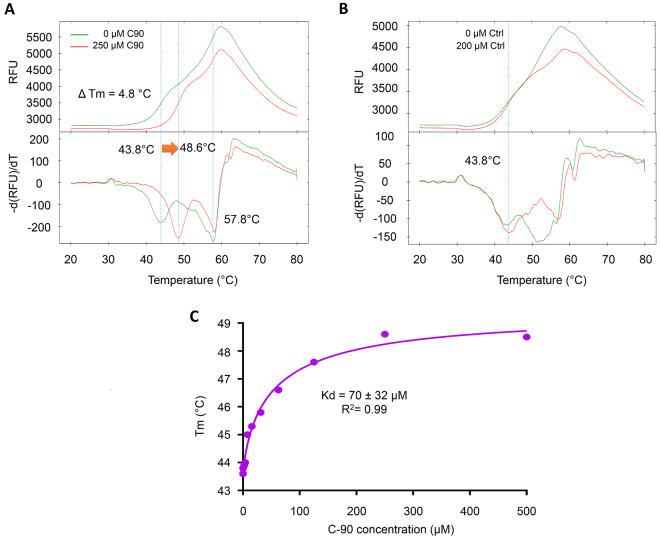
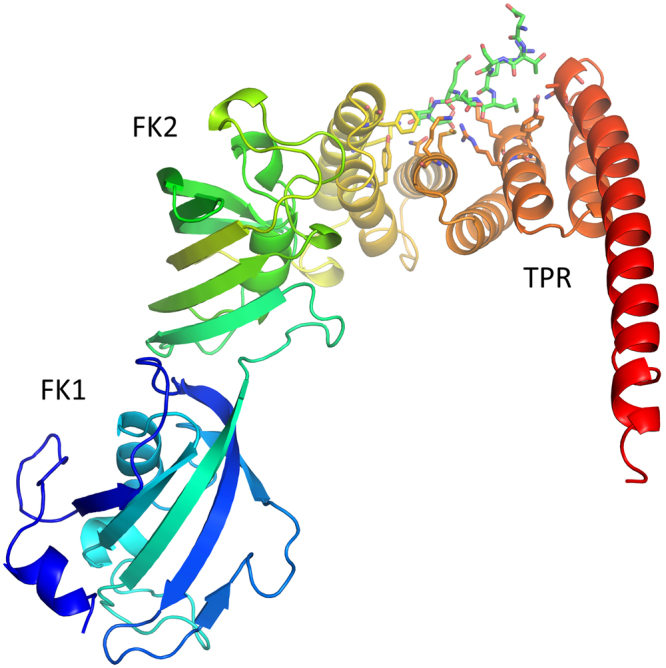
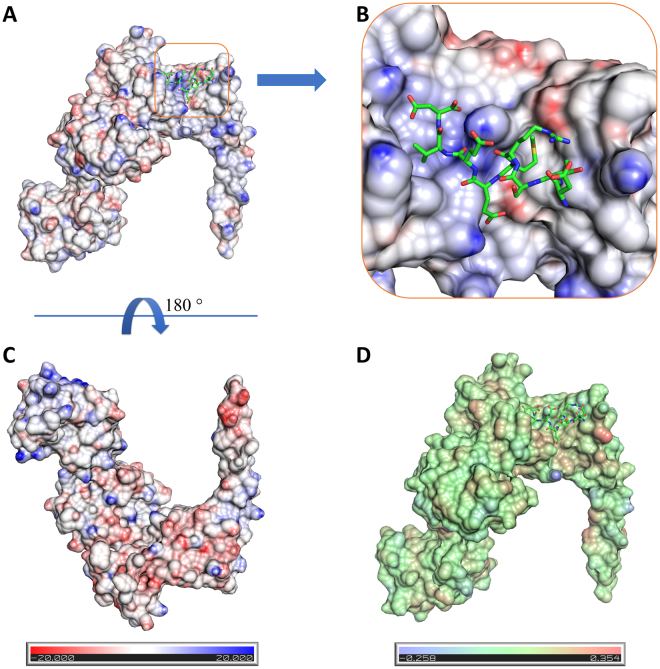
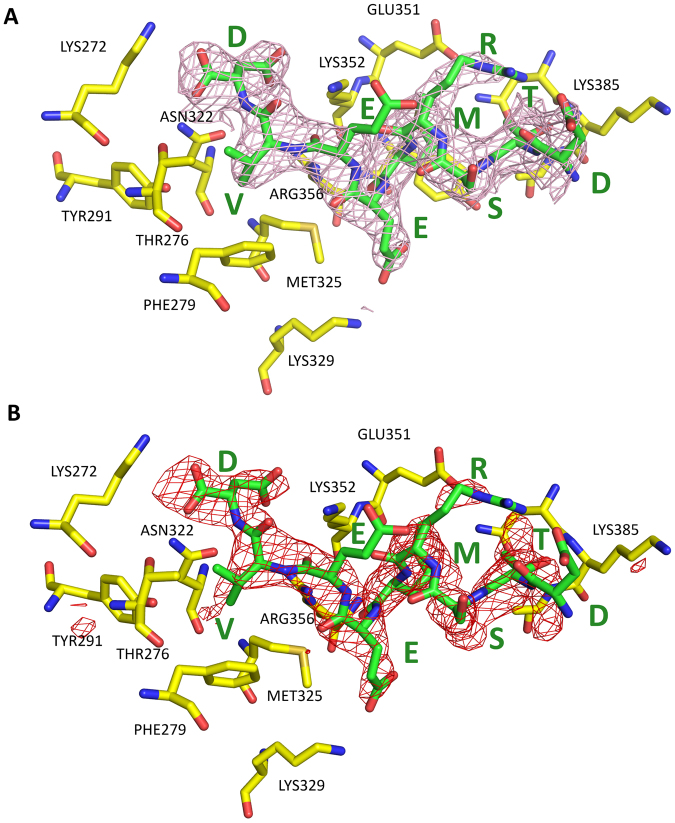
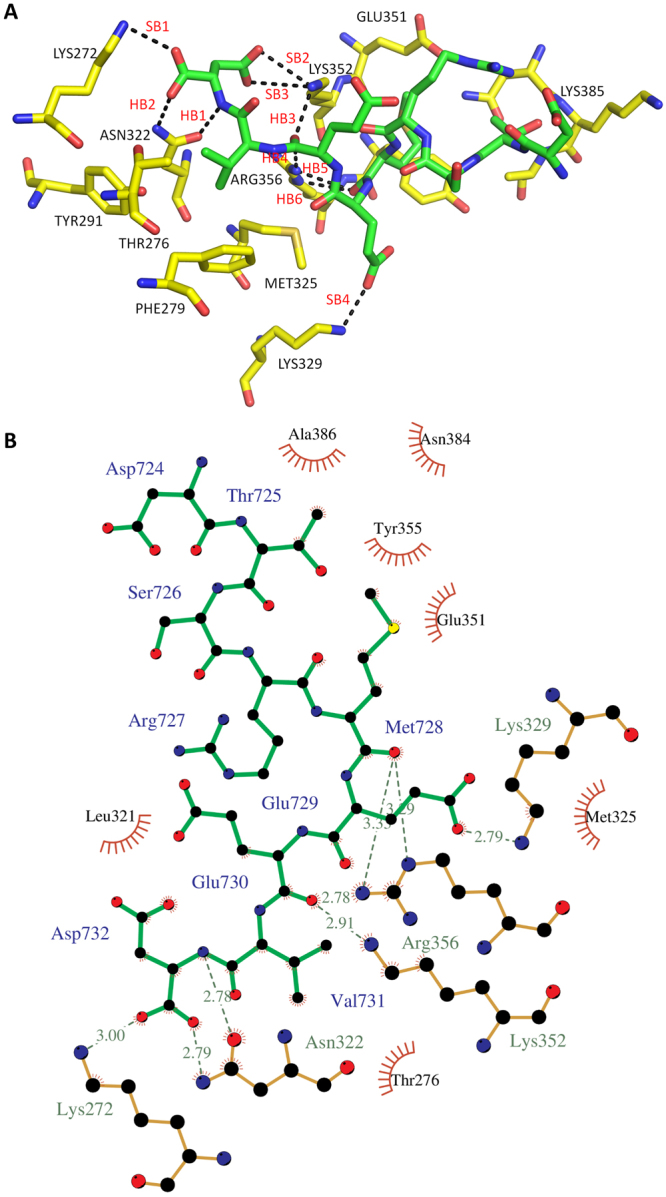
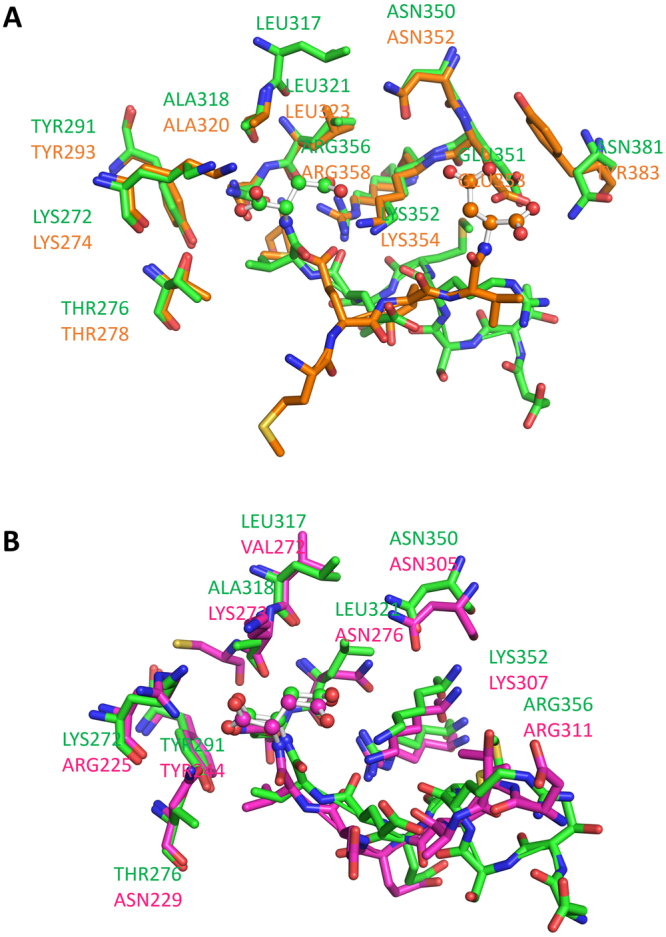
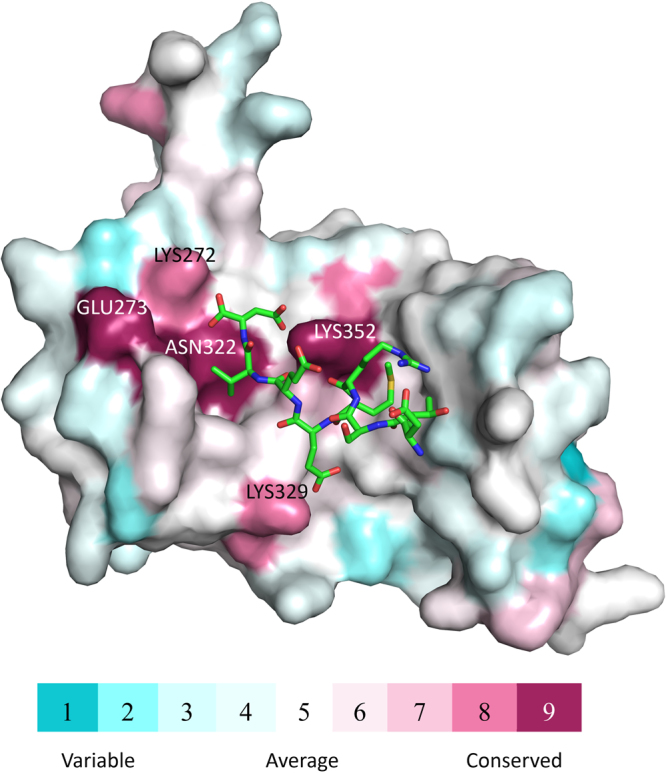
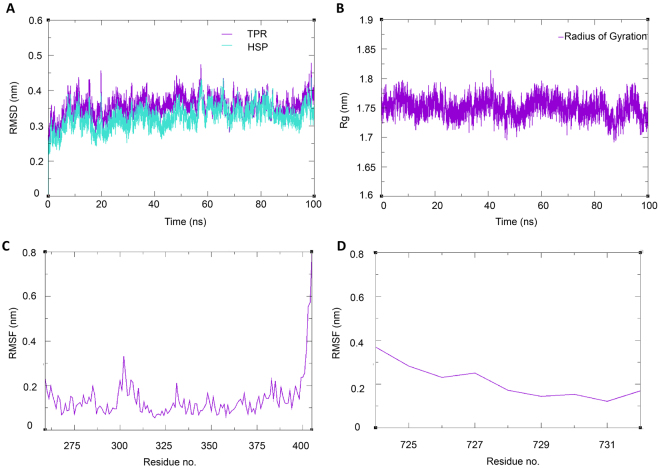
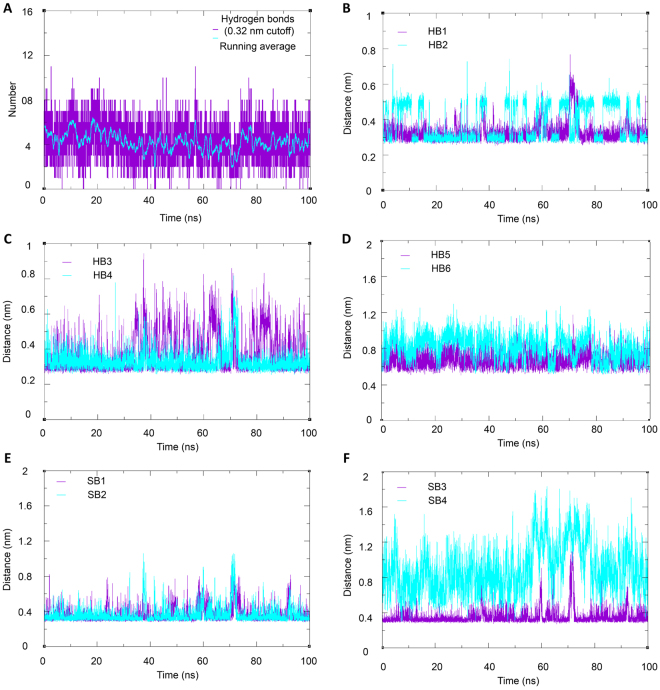
FK506 binding protein of 51 kDa (FKBP51) is a heat shock protein 90 (Hsp90) co-chaperone involved in the regulation of steroid hormone receptors activity. It is known for its role in various regulatory pathways implicated in mood and stress-related disorders, cancer, obesity, Alzheimer’s disease and corticosteroid resistant asthma. It consists of two FKBP12 like active peptidyl prolyl isomerase (PPIase) domains (an active FK1 and inactive FK2 domain) and one tetratricopeptide repeat (TPR) domain that mediates interaction with Hsp90 via its C-terminal MEEVD peptide. Here, we report a combined x-ray crystallography and molecular dynamics study to reveal the binding mechanism of Hsp90 MEEVD peptide to the TPR domain of FKBP51. The results demonstrated that the Hsp90 C-terminal peptide binds to the TPR domain of FKBP51 with the help of di-carboxylate clamp involving Lys272, Glu273, Lys352, Asn322, and Lys329 which are conserved throughout several di-carboxylate clamp TPR proteins. Interestingly, the results from molecular dynamics study are also in agreement to the complex structure where all the contacts between these two partners were consistent throughout the simulation period. In a nutshell, our findings provide new opportunity to engage this important protein-protein interaction target by small molecules designed by structure based drug design strategy.
Overview
The claims and statistics of this paper haven’t been checked yet.
Free: it reads the open-access text and checks the first 5 claims that cite a source we can check. Create a free account to check every claim.
Integrity signals
Registry
Cites
Statistics
Figures
Verification
Claims the paper makes
The claims and statistics of this paper haven’t been checked yet.
Free: it reads the open-access text and checks the first 5 claims that cite a source we can check. Create a free account to check every claim.
Claims other papers make about this one
Each is checked against this paper’s own text: does it say what the citing paper says it does?
The cited source says what the claim attributes to it.
In the citing paper
“Overall, the H7e region buries ~830 Å2 of CTD surface area, which is larger than what is estimated for MEEVD interaction (~500 Å2) (Kumar et al., 2017), thus revealing a new and substantial binding interface beyond the canonical TPR interaction.”
From The structure of an Hsp90-immunophilin complex reveals cochaperone recognition of the client maturation state (2021) · cites this paper as Kumar et al., 2017
Experimental — accuracy not yet measured
Self-check
Percentages, sums and reported differences re-computed from the paper’s own numbers.
The self-check needs the paper’s full text.
Citations
Cites
Features and development of Coot
Emsley, P., Lohkamp, B., Scott, W. G., & Cowtan, K. (2010) · Acta Crystallographica Section D Biological Crystallography · doi:10.1107/s0907444910007493 · Cited by 29,915
Abraham, M. J., Murtola, T., Schulz, R., Páll, S., Smith, J. C., Hess, B., & Lindahl, E. (2015) · SoftwareX · doi:10.1016/j.softx.2015.06.001 · Cited by 27,190
PHENIX : a comprehensive Python-based system for macromolecular structure solution
Adams, P. D., Afonine, P. V., Bunkóczi, G., Chen, V. B., Davis, I. W., Echols, N., Headd, J. J., Hung, L.-W., Kapral, G. J., Grosse-Kunstleve, R. W., et al. (2010) · Acta Crystallographica Section D Biological Crystallography · doi:10.1107/s0907444909052925 · Cited by 23,716
A smooth particle mesh Ewald method
Essmann, U., Perera, L., Berkowitz, M. L., Darden, T., Lee, H., & Pedersen, L. G. (1995) · The Journal of Chemical Physics · doi:10.1063/1.470117 · Cited by 22,514
Phaser crystallographic software
McCoy, A. J., Grosse-Kunstleve, R. W., Adams, P. D., Winn, M. D., Storoni, L. C., & Read, R. J. (2007) · Journal of Applied Crystallography · doi:10.1107/s0021889807021206 · Cited by 20,612
Polymorphic transitions in single crystals: A new molecular dynamics method
Parrinello, M., & Rahman, A. (1981) · Journal of Applied Physics · doi:10.1063/1.328693 · Cited by 19,790
LINCS: A linear constraint solver for molecular simulations
Hess, B., Bekker, H., Berendsen, H. J. C., & Fraaije, J. G. E. M. (1997) · Journal of Computational Chemistry · doi:10.1002/(sici)1096-987x(199709)18:12<1463::aid-jcc4>3.0.co;2-h · Cited by 18,260
The PyMOL Molecular Graphics System
DeLano, W. L. (2002) · Medical Entomology and Zoology · Cited by 18,147
Canonical sampling through velocity rescaling
Bussi, G., Donadio, D., & Parrinello, M. (2007) · The Journal of Chemical Physics · doi:10.1063/1.2408420 · Cited by 18,089
MolProbity : all-atom structure validation for macromolecular crystallography
Chen, V. B., Arendall, W. B., Headd, J. J., Keedy, D. A., Immormino, R. M., Kapral, G. J., Murray, L. W., Richardson, J. S., & Richardson, D. C. (2010) · Acta Crystallographica Section D Biological Crystallography · doi:10.1107/s0907444909042073 · Cited by 14,115
Overview of the CCP 4 suite and current developments
Winn, M. D., Ballard, C. C., Cowtan, K. D., Dodson, E. J., Emsley, P., Evans, P. R., Keegan, R. M., Krissinel, E. B., Leslie, A. G. W., McCoy, A., et al. (2011) · Acta Crystallographica Section D Biological Crystallography · doi:10.1107/s0907444910045749 · Cited by 12,353
GROMACS: A message-passing parallel molecular dynamics implementation
Berendsen, H. J. C., van der Spoel, D., & van Drunen, R. (1995) · Computer Physics Communications · doi:10.1016/0010-4655(95)00042-e · Cited by 10,405
PHENIX: a comprehensive Python-based system for macromolecular structure solution
Adams, P. D., Afonine, P. V., Bunkóczi, G., Chen, V. B., Davis, I. W., Echols, N., Headd, J. J., Hung, L.-W., Kapral, G. J., Grosse-Kunstleve, R. W., et al. (2012) · International Tables for Crystallography · doi:10.1107/97809553602060000865 · Cited by 7,334
GROMACS 3.0: a package for molecular simulation and trajectory analysis
Lindahl, E., Hess, B., & van der Spoel, D. (2001) · Journal of Molecular Modeling · doi:10.1007/s008940100045 · Cited by 6,977
LigPlot+: Multiple Ligand–Protein Interaction Diagrams for Drug Discovery
Laskowski, R. A., & Swindells, M. B. (2011) · Journal of Chemical Information and Modeling · doi:10.1021/ci200227u · Cited by 6,471
Wiederstein, M., & Sippl, M. J. (2007) · Nucleic Acids Research · doi:10.1093/nar/gkm290 · Cited by 5,909
Structure validation by Cα geometry: ϕ,ψ and Cβ deviation
Lovell, S. C., Davis, I. W., Arendall, W. B., de Bakker, P. I. W., Word, J. M., Prisant, M. G., Richardson, J. S., & Richardson, D. C. (2003) · Proteins: Structure, Function, and Bioinformatics · doi:10.1002/prot.10286 · Cited by 4,595
Krissinel, E., & Henrick, K. (2004) · Acta Crystallographica Section D Biological Crystallography · doi:10.1107/s0907444904026460 · Cited by 3,760
Niesen, F. H., Berglund, H., & Vedadi, M. (2007) · Nature Protocols · doi:10.1038/nprot.2007.321 · Cited by 2,408
Data processing and analysis with the autoPROC toolbox
Vonrhein, C., Flensburg, C., Keller, P., Sharff, A., Smart, O., Paciorek, W., Womack, T., & Bricogne, G. (2011) · Acta Crystallographica Section D Biological Crystallography · doi:10.1107/s0907444911007773 · Cited by 2,029
Chaperone Suppression of α-Synuclein Toxicity in a Drosophila Model for Parkinson's Disease
Auluck, P. K., Chan, H. Y. E., Trojanowski, J. Q., Lee, V. M.-Y., & Bonini, N. M. (2002) · Science · doi:10.1126/science.1067389 · Cited by 1,227
Structure of TPR Domain–Peptide Complexes
Scheufler, C., Brinker, A., Bourenkov, G., Pegoraro, S., Moroder, L., Bartunik, H., Hartl, F. U., & Moarefi, I. (2000) · Cell · doi:10.1016/s0092-8674(00)80830-2 · Cited by 1,188
TPR proteins: the versatile helix
D'Andrea, L. (2003) · Trends in Biochemical Sciences · doi:10.1016/j.tibs.2003.10.007 · Cited by 1,154
QMEAN: A comprehensive scoring function for model quality assessment
Benkert, P., Tosatto, S. C. E., & Schomburg, D. (2008) · Proteins: Structure, Function, and Bioinformatics · doi:10.1002/prot.21715 · Cited by 1,022
Strong, M., Sawaya, M. R., Wang, S., Phillips, M., Cascio, D., & Eisenberg, D. (2006) · Proceedings of the National Academy of Sciences · doi:10.1073/pnas.0602606103 · Cited by 701
Dickey, C. A., Kamal, A., Lundgren, K., Klosak, N., Bailey, R. M., Dunmore, J., Ash, P., Shoraka, S., Zlatkovic, J., Eckman, C. B., et al. (2007) · Journal of Clinical Investigation · doi:10.1172/jci29715 · Cited by 642
Gene–Stress–Epigenetic regulation of FKBP5: clinical and translational implications
Zannas, A. S., Wiechmann, T., Gassen, N. C., & Binder, E. B. (2016) · Neuropsychopharmacology · doi:10.1038/npp.2015.235 · Cited by 622
ConSurf: Using Evolutionary Data to Raise Testable Hypotheses about Protein Function
Celniker, G., Nimrod, G., Ashkenazy, H., Glaser, F., Martz, E., Mayrose, I., Pupko, T., & Ben‐Tal, N. (2013) · Israel Journal of Chemistry · doi:10.1002/ijch.201200096 · Cited by 560
Hydrogen bonds and salt bridges across protein-protein interfaces
Xu, D., Tsai, C. J., & Nussinov, R. (1997) · Protein Engineering Design and Selection · doi:10.1093/protein/10.9.999 · Cited by 454
Sittler, A. (2001) · Human Molecular Genetics · doi:10.1093/hmg/10.12.1307 · Cited by 442
Zhang, M., Windheim, M., Roe, S. M., Peggie, M., Cohen, P., Prodromou, C., & Pearl, L. H. (2005) · Molecular Cell · doi:10.1016/j.molcel.2005.09.023 · Cited by 420
17-AAG, an Hsp90 inhibitor, ameliorates polyglutamine-mediated motor neuron degeneration
Waza, M., Adachi, H., Katsuno, M., Minamiyama, M., Sang, C., Tanaka, F., Inukai, A., Doyu, M., & Sobue, G. (2005) · Nature Medicine · doi:10.1038/nm1298 · Cited by 395
Accelerated neurodegeneration through chaperone-mediated oligomerization of tau
Blair, L. J., Nordhues, B. A., Hill, S. E., Scaglione, K. M., O’Leary, J. C., Fontaine, S. N., Breydo, L., Zhang, B., Li, P., Wang, L., et al. (2013) · Journal of Clinical Investigation · doi:10.1172/jci69003 · Cited by 322
Mueller, U., Förster, R., Hellmig, M., Huschmann, F. U., Kastner, A., Malecki, P., Pühringer, S., Röwer, M., Sparta, K., Steffien, M., et al. (2015) · The European Physical Journal Plus · doi:10.1140/epjp/i2015-15141-2 · Cited by 299
Touma, C., Gassen, N. C., Herrmann, L., Cheung-Flynn, J., Büll, D. R., Ionescu, I. A., Heinzmann, J.-M., Knapman, A., Siebertz, A., Depping, A.-M., et al. (2011) · Biological Psychiatry · doi:10.1016/j.biopsych.2011.07.023 · Cited by 273
Sinars, C. R., Cheung-Flynn, J., Rimerman, R. A., Scammell, J. G., Smith, D. F., & Clardy, J. (2003) · Proceedings of the National Academy of Sciences · doi:10.1073/pnas.0231020100 · Cited by 254
Stock-based detection of protein oligomeric states in jsPISA
Krissinel, E. (2015) · Nucleic Acids Research · doi:10.1093/nar/gkv314 · Cited by 246
Selective inhibitors of the FK506-binding protein 51 by induced fit
Gaali, S., Kirschner, A., Cuboni, S., Hartmann, J., Kozany, C., Balsevich, G., Namendorf, C., Fernandez-Vizarra, P., Sippel, C., Zannas, A. S., et al. (2015) · Nature Chemical Biology · doi:10.1038/nchembio.1699 · Cited by 245
Hartmann, J., Wagner, K. V., Liebl, C., Scharf, S. H., Wang, X.-D., Wolf, M., Hausch, F., Rein, T., Schmidt, U., Touma, C., et al. (2012) · Neuropharmacology · doi:10.1016/j.neuropharm.2011.07.041 · Cited by 224
The Hsp90 cochaperone, FKBP51, increases Tau stability and polymerizes microtubules
Jinwal, U. K., Koren, J., Borysov, S. I., Schmid, A. B., Abisambra, J. F., Blair, L. J., Johnson, A. G., Jones, J. R., Shults, C. L., O'Leary, J. C., et al. (2010) · The Journal of Neuroscience · doi:10.1523/jneurosci.4815-09.2010 · Cited by 214
Reynolds, P. D., Ruan, Y., Smith, D. F., & Scammell, J. G. (1999) · The Journal of Clinical Endocrinology & Metabolism · doi:10.1210/jcem.84.2.5429 · Cited by 184
Determination of Protein-ligand Interactions Using Differential Scanning Fluorimetry
Vivoli, M., Novak, H. R., Littlechild, J. A., & Harmer, N. J. (2014) · Journal of Visualized Experiments · doi:10.3791/51809 · Cited by 183
Hinds, T. D., & Sánchez, E. R. (2007) · The International Journal of Biochemistry & Cell Biology · doi:10.1016/j.biocel.2007.08.010 · Cited by 167
Wu, B., Li, P., Liu, Y., Lou, Z., Ding, Y., Shu, C., Ye, S., Bartlam, M., Shen, B., & Rao, Z. (2004) · Proceedings of the National Academy of Sciences · doi:10.1073/pnas.0305969101 · Cited by 165
Large FK506-binding proteins shape the pharmacology of rapamycin
März, A. M., Fabian, A.-K., Kozany, C., Bracher, A., & Hausch, F. (2013) · Molecular and Cellular Biology · doi:10.1128/mcb.00678-12 · Cited by 141
Two Structures of Cyclophilin 40
Taylor, P., Dornan, J., Carrello, A., Minchin, R. F., Ratajczak, T., & Walkinshaw, M. D. (2001) · Structure · doi:10.1016/s0969-2126(01)00603-7 · Cited by 137
A New Anti-Depressive Strategy for the Elderly: Ablation of FKBP5/FKBP51
O'Leary, J. C., Dharia, S., Blair, L. J., Brady, S., Johnson, A. G., Peters, M., Cheung-Flynn, J., Cox, M. B., de Erausquin, G., Weeber, E. J., et al. (2011) · PLoS ONE · doi:10.1371/journal.pone.0024840 · Cited by 122
A Novel Class of Small Molecule Inhibitors of Hsp90
Yi, F., & Regan, L. (2008) · ACS Chemical Biology · doi:10.1021/cb800162x · Cited by 115
CHIP: A Co-chaperone for Degradation by the Proteasome
Edkins, A. L. (2014) · Sub-cellular biochemistry/Subcellular biochemistry · doi:10.1007/978-3-319-11731-7_11 · Cited by 107
The stress regulator FKBP51 drives chronic pain by modulating spinal glucocorticoid signaling
Maiarù, M., Tochiki, K. K., Cox, M. B., Annan, L. V., Bell, C. G., Feng, X., Hausch, F., & Géranton, S. M. (2016) · Science Translational Medicine · doi:10.1126/scitranslmed.aab3376 · Cited by 104
Heat Shock Protein (HSP) Drug Discovery and Development: Targeting Heat Shock Proteins in Disease
Shrestha, L., Bolaender, A., J. Patel, H., & Taldone, T. (2016) · Current Topics in Medicinal Chemistry · doi:10.2174/1568026616666160413141911 · Cited by 104
VASCo: computation and visualization of annotated protein surface contacts
Steinkellner, G., Rader, R., Thallinger, G., Kratky, C., & Gruber, K. F. (2009) · BMC Bioinformatics · doi:10.1186/1471-2105-10-32 · Cited by 103
Age-Associated Epigenetic Upregulation of the FKBP5 Gene Selectively Impairs Stress Resiliency
Sabbagh, J. J., O'Leary, J. C., Blair, L. J., Klengel, T., Nordhues, B. A., Fontaine, S. N., Binder, E. B., & Dickey, C. A. (2014) · PLoS ONE · doi:10.1371/journal.pone.0107241 · Cited by 101
A regulatory role for the co-chaperone FKBP51s in PD-L1 expression in glioma
D’Arrigo, P., Russo, M., Rea, A., Tufano, M., Guadagno, E., Del Basso De Caro, M. L., Pacelli, R., Hausch, F., Staibano, S., Ilardi, G., et al. (2017) · Oncotarget · doi:10.18632/oncotarget.19309 · Cited by 99
Zhang, H., Amick, J., Chakravarti, R., Santarriaga, S., Schlanger, S., McGlone, C., Dare, M., Nix, J. C., Scaglione, K. M., Stuehr, D. J., et al. (2015) · Structure · doi:10.1016/j.str.2015.01.003 · Cited by 98
Optimal simultaneous superpositioning of multiple structures with missing data
Theobald, D. L., & Steindel, P. A. (2012) · Bioinformatics · doi:10.1093/bioinformatics/bts243 · Cited by 89
FKBP51 Null Mice Are Resistant to Diet-Induced Obesity and the PPARγ Agonist Rosiglitazone
Stechschulte, L. A., Qiu, B., Warrier, M., Hinds, T. D., Zhang, M., Gu, H., Xu, Y., Khuder, S. S., Russo, L., Najjar, S. M., et al. (2016) · Endocrinology · doi:10.1210/en.2015-1996 · Cited by 88
Banerjee, A., Periyasamy, S., Wolf, I. M., Hinds, T. D., Yong, W., Shou, W., & Sanchez, E. R. (2008) · Biochemistry · doi:10.1021/bi8011862 · Cited by 73
Morgan, R. M. L., Hernández-Ramírez, L. C., Trivellin, G., Zhou, L., Roe, S. M., Korbonits, M., & Prodromou, C. (2012) · PLoS ONE · doi:10.1371/journal.pone.0053339 · Cited by 71
Squirrel Monkey Immunophilin FKBP51 Is a Potent Inhibitor of Glucocorticoid Receptor Binding1
Denny, W. B., Valentine, D. L., Reynolds, P. D., Smith, D. F., & Scammell, J. G. (2000) · Endocrinology · doi:10.1210/en.141.11.4107 · Cited by 66
Wang, L., Liu, Y.-T., Hao, R., Chen, L., Chang, Z., Wang, H.-R., Wang, Z.-X., & Wu, J.-W. (2011) · Journal of Biological Chemistry · doi:10.1074/jbc.m110.201814 · Cited by 64
Immunophilins in Nervous System Degeneration and Regeneration
Avramut, M., & Achim, C. L. (2003) · Current Topics in Medicinal Chemistry · doi:10.2174/1568026033451871 · Cited by 60
Electrostatic Interactions of Hsp-organizing Protein Tetratricopeptide Domains with Hsp70 and Hsp90
Kajander, T., Sachs, J. N., Goldman, A., & Regan, L. (2009) · Journal of Biological Chemistry · doi:10.1074/jbc.m109.033894 · Cited by 52
Albu, S., Romanowski, C. P. N., Letizia Curzi, M., Jakubcakova, V., Flachskamm, C., Gassen, N. C., Hartmann, J., Schmidt, M. V., Schmidt, U., Rein, T., et al. (2014) · Journal of Sleep Research · doi:10.1111/jsr.12112 · Cited by 46
Chaperone-Interacting TPR Proteins in Caenorhabditis elegans
Haslbeck, V., Eckl, J. M., Kaiser, C. J. O., Papsdorf, K., Heßling, M., & Richter, K. (2013) · Journal of Molecular Biology · doi:10.1016/j.jmb.2013.05.019 · Cited by 46
The structure of FKBP38 in complex with the MEEVD tetratricopeptide binding-motif of Hsp90
Blundell, K. L. I. M., Pal, M., Roe, S. M., Pearl, L. H., & Prodromou, C. (2017) · PLOS ONE · doi:10.1371/journal.pone.0173543 · Cited by 36
Kumar, R., Långström, B., & Darreh‐Shori, T. (2016) · Scientific Reports · doi:10.1038/srep31247 · Cited by 36
Self-citationYu, H., Wang, Q., & Sun, W. (2017) · Gene · doi:10.1016/j.gene.2017.06.029 · Cited by 36
Yadav, A., Kumar, R., Sunkaria, A., Singhal, N. K., Kumar, M., & Sandhir, R. (2015) · Journal of Biomolecular Structure and Dynamics · doi:10.1080/07391102.2015.1064830 · Cited by 28
Self-citationTah1 helix-swap dimerization prevents mixed Hsp90 co-chaperone complexes
Morgan, R. M. L., Pal, M., Roe, S. M., Pearl, L. H., & Prodromou, C. (2015) · Acta Crystallographica Section D Biological Crystallography · doi:10.1107/s1399004715004551 · Cited by 23
Itoh, S., & Navia, M. A. (1995) · Protein Science · doi:10.1002/pro.5560041103 · Cited by 22
Fayon, M. J., Lacoste-Rodrigues, A., Barat, P., Helbling, J., Nacka, F., Berger, P., Moisan, M., & Corcuff, J. (2017) · PLoS ONE · doi:10.1371/journal.pone.0177051 · Cited by 8
Research works printed but not linked: 2
- Tickle, I. J. et al. Staraniso. Cambridge, United Kingdom: Global Phasing Ltd. (2017).
- Bricogne, G. et al. BUSTER version 2.10.3. Cambridge, United Kingdom: Global Phasing Ltd. (2016).
Cited by
Perez-Riba, A., & Itzhaki, L. S. (2019) · Current Opinion in Structural Biology · doi:10.1016/j.sbi.2018.12.004 · Cited by 156
Fries, G., Gassen, N., & Rein, T. (2017) · International Journal of Molecular Sciences · doi:10.3390/ijms18122614 · Cited by 166
“Nevertheless, very recently, X-ray crystallography and computational modeling have been used for a detailed analysis of the binding of the Hsp90 C-terminal peptide binding to FKBP51 as the basis for a structure-based drug design targeting this interaction [240].”
BackgroundFKBP Ligands—Where We Are and Where to Go?
Kolos, J. M., Voll, A. M., Bauder, M., & Hausch, F. (2018) · Frontiers in Pharmacology · doi:10.3389/fphar.2018.01425 · Cited by 158
“Recently, Kumar et al. illuminated the bindingmode of the Hsp90 C-terminal peptide to the TPR domain of FKBP51 using a combination of x-ray crystallography, differential scanning fluorimetry and molecular dynamics simulation (Kumar et al., 2017).”
MethodHähle, A., Merz, S., Meyners, C., & Hausch, F. (2019) · Biomolecules · doi:10.3390/biom9010035 · Cited by 119
“The C-terminal region of FKBP51 contains three repeats of the TPR motif, which fold into seven α-helices and mediate binding to the C-terminal MEEDV motif of Hsp90 [16].”
BackgroundStructure and pro-toxic mechanism of the human Hsp90/PPIase/Tau complex
Oroz, J., Chang, B. J., Wysoczanski, P., Lee, C.-T., Pérez-Lara, Á., Chakraborty, P., Hofele, R. V., Baker, J. D., Blair, L. J., Biernat, J., et al. (2018) · Nature Communications · doi:10.1038/s41467-018-06880-0 · Cited by 100
Metadata
- Authors
- Kumar, R., Moche, M., Winblad, B., & Pavlov, P. F.
- Affiliations
- Karolinska Institutet (SE)
- Karolinska University Hospital (SE)
- Corresponding author
- Pavlov, Pavel F.
- Venue
- Scientific Reports
- Published
- 2017-10-27
- Volume
- 7
- Issue
- 1
- Pages
- 14288-14288
- ISSN
- 2045-2322 (ISSN-L)
- PMC
- PMC5660230
- OpenAlex
- W2766531428
- Cited by
- 40
- References
- 72
- Citations by year
- 2026: 5 · 2025: 7 · 2024: 2 · 2023: 7 · 2022: 3 · 2021: 6 · 2020: 1 · 2019: 5 · 2018: 3 · 2017: 1
- FWCI
- 1.12
- Type
- journal article
- Language
- en
- Open access
- gold
- doi.org
- Licence
- cc-by
- creativecommons.org/licenses/by/4.0 (tdm)
- creativecommons.org/licenses/by/4.0 (vor)
- Locations
- Scientific Reports (publishedVersion, cc-by)
- PubMed Central (publishedVersion, cc-by)
- PubMed (publishedVersion)
- HZB Repository (Helmholtz-Zentrum Berlin für Materialien und Energie GmbH (HZB)) (submittedVersion, other-oa)
- Funders
- Gun och Bertil Stohnes Stiftelse
- Stiftelsen för Gamla Tjänarinnor
- Diamond Light Source
- National Science Council
- Fondation pour la Recherche Médicale
- Linköpings Universitet
- Karolinska Institutet
- Vetenskapsrådet (2015-02774)
- Science for Life Laboratory
- Helmholtz-Zentrum Berlin für Materialien und Energie
- National Supercomputer Centre, Linköpings Universitet
- Topics
- Life Sciences › Biochemistry, Genetics and Molecular Biology › Molecular Biology › Heat shock proteins research
- Life Sciences › Biochemistry, Genetics and Molecular Biology › Molecular Biology › Protein Structure and Dynamics
- Life Sciences › Biochemistry, Genetics and Molecular Biology › Molecular Biology › Signaling Pathways in Disease
- Keywords
- HSP90, FKBP51, tetratricopeptide repeat domain, protein-protein interaction, peptidyl-prolyl isomerase, steroid hormone receptors, structure-based drug design, molecular dynamics simulation
- MeSH terms
- Protein Domains, Tacrolimus Binding Protein 5, Escherichia coli, Fluorometry, Humans, Hydrogen Bonding, Protein Binding, Protein Conformation, Protein Denaturation, Temperature, Crystallography, X-Ray, HSP90 Heat-Shock Proteins, Tacrolimus Binding Proteins, Molecular Dynamics Simulation
About these checks
Registry, retraction, Cites and statistics results are computed, not judged, with one exception: a printed reference that no index lists is read once by a model before it counts as a citation error. Claims are extracted by a model and kept only when their quote appears verbatim in the text; each cited source is then checked, with a model’s help, for whether it says what the claim relies on. Those verdicts can be wrong — read the claim’s quote and the cited source before relying on one.
Statistics and arithmetic are recomputed, not judged.
Confidence bands are shown only for fields calibrated on our annotated test set. None is calibrated yet, so no band is shown.
What counts as a claim ›How we measure confidence ›How we check this ›
Are you an author, or do you see a problem with this page? Request a review
Data sources
Bibliographic data: Semantic Scholar, OpenAlex, Crossref.
Contains information from the Semantic Scholar Academic Graph Datasets, made available under the ODC Attribution License (ODC-BY 1.0).
Semantic Scholar’s data is described in: Kinney, R., et al. (2023). The Semantic Scholar Open Data Platform. arXiv:2301.10140.
