

A novel human induced pluripotent stem cell blood-brain barrier model: Applicability to study antibody-triggered receptor-mediated transcytosis
Open accessThe DOI matches its Crossref record; 67 of the 67 references it cites were found in a registry or an index.
Abstract
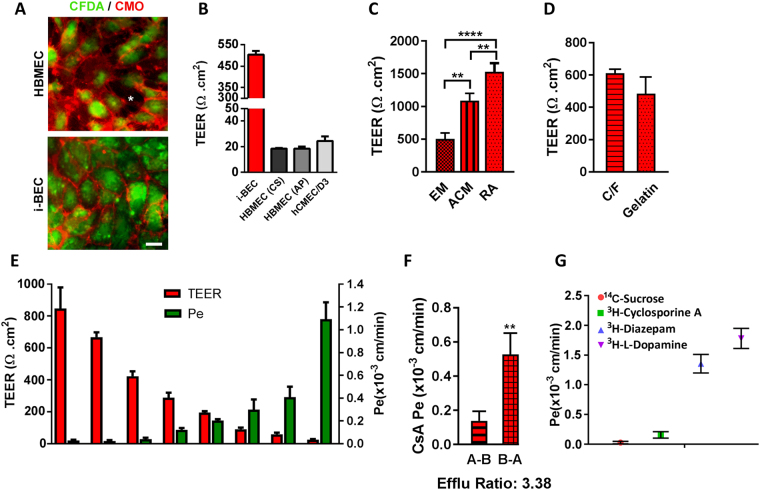
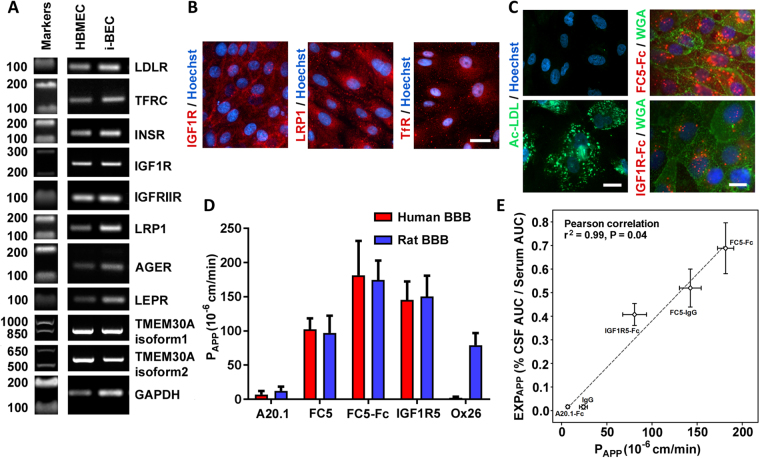
We have developed a renewable, scalable and transgene free human blood-brain barrier model, composed of brain endothelial cells (BECs), generated from human amniotic fluid derived induced pluripotent stem cells (AF-iPSC), which can also give rise to syngeneic neural cells of the neurovascular unit. These AF-iPSC-derived BECs (i-BEC) exhibited high transendothelial electrical resistance (up to 1500 Ω cm 2) inducible by astrocyte-derived molecular cues and retinoic acid treatment, polarized expression of functional efflux transporters and receptor mediated transcytosis triggered by antibodies against specific receptors. In vitro human BBB models enable pre-clinical screening of central nervous system (CNS)-targeting drugs and are of particular importance for assessing species-specific/selective transport mechanisms. This i-BEC human BBB model discriminates species-selective antibody- mediated transcytosis mechanisms, is predictive of in vivo CNS exposure of rodent cross-reactive antibodies and can be implemented into pre-clinical CNS drug discovery and development processes.
Overview
The claims and statistics of this paper haven’t been checked yet.
Free: it reads the open-access text and checks the first 5 claims that cite a source we can check. Create a free account to check every claim.
Integrity signals
Registry
Cites
Statistics
Figures
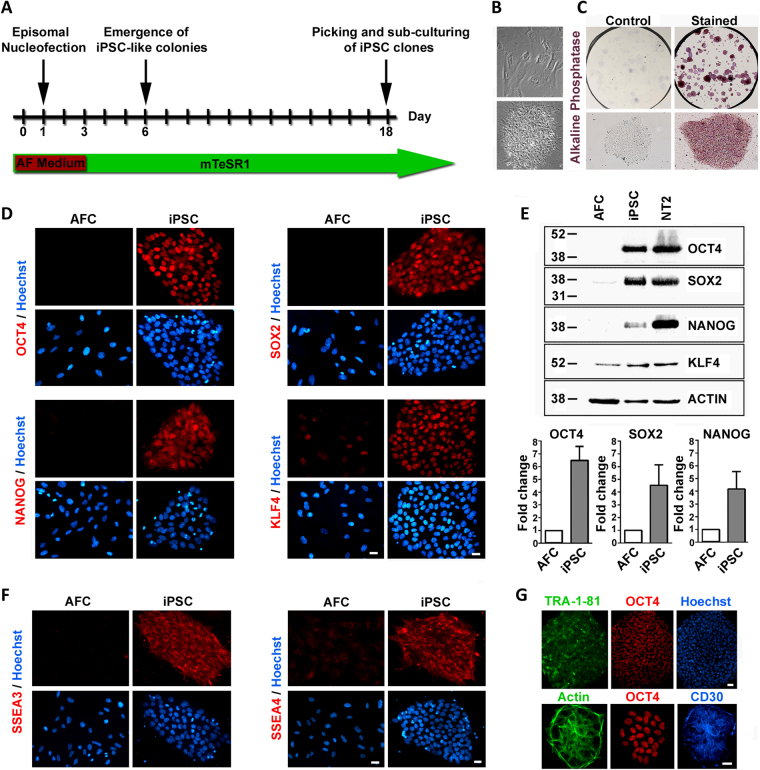
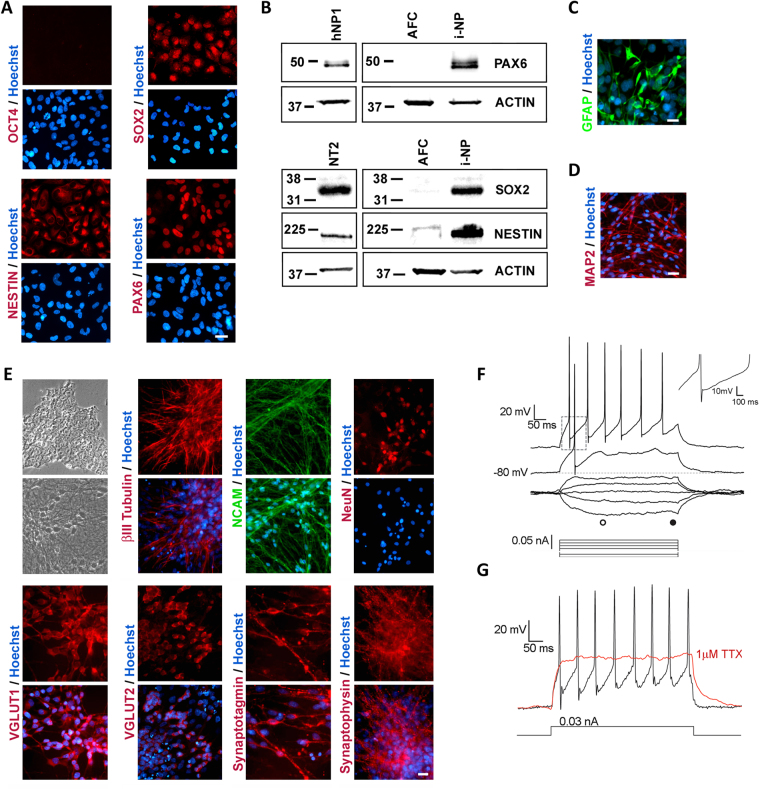
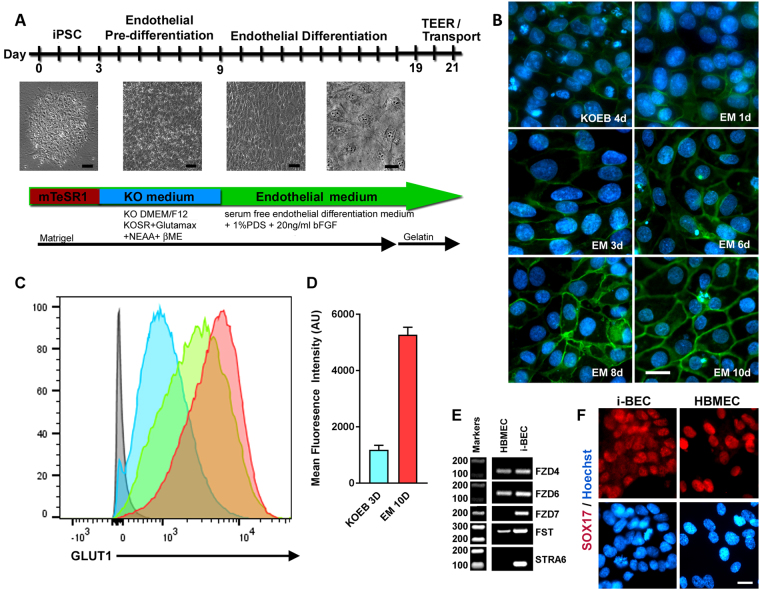
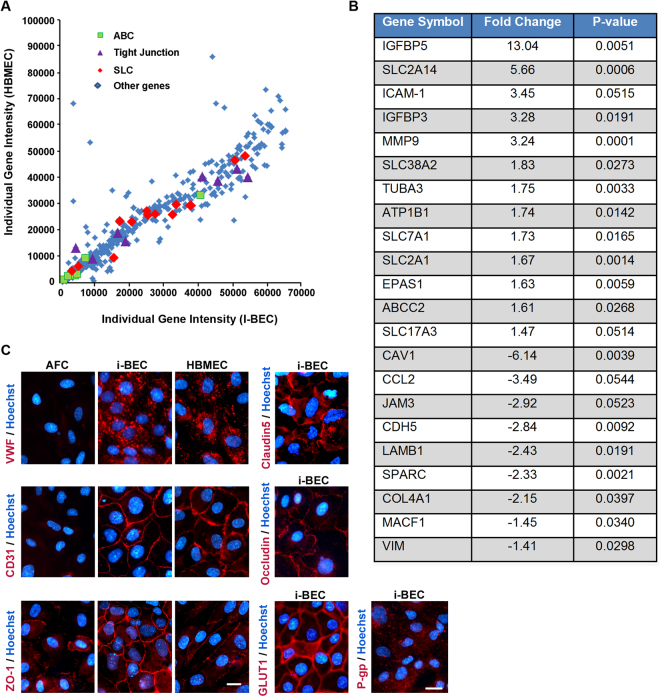
Verification
Claims the paper makes
The claims and statistics of this paper haven’t been checked yet.
Free: it reads the open-access text and checks the first 5 claims that cite a source we can check. Create a free account to check every claim.
Claims other papers make about this one
Each is checked against this paper’s own text: does it say what the citing paper says it does?
The source backs part of the claim, not all of it — or backs it for a different population, condition or comparison.
In the citing paper
“dhBMEC monolayers express a wide range of BBB markers, including tight junction (TJ) proteins (Fig. 1b), transporters, and efflux pumps, and typically attain transendothelial electrical resistance (TEER) > 1500 Ω cm2 [27, 28, 31, 34–37].”
From Role of iPSC-derived pericytes on barrier function of iPSC-derived brain microvascular endothelial cells in 2D and 3D (2019) · cites this paper as [36]
Experimental — accuracy not yet measuredThe cited source says what the claim attributes to it.
In the citing paper
“Other studies have shown mixed results regarding the effect of pericytes or other supporting cell types on TEER of dhBMEC monolayers [20, 33, 36, 41, 52–54].”
From Role of iPSC-derived pericytes on barrier function of iPSC-derived brain microvascular endothelial cells in 2D and 3D (2019) · cites this paper as [36]
Self-check
Percentages, sums and reported differences re-computed from the paper’s own numbers.
The self-check needs the paper’s full text.
Citations
Cites
1 retracted
Yamamizu, K., Iwasaki, M., Takakubo, H., Sakamoto, T., Ikuno, T., Miyoshi, M., Kondo, T., Nakao, Y., Nakagawa, M., Inoue, H., et al. (2017) · Stem Cell Reports · doi:10.1016/j.stemcr.2017.01.023 · Cited by 49
RetractedStructure and function of the blood–brain barrier
Abbott, N. J., Patabendige, A. A. K., Dolman, D. E. M., Yusof, S. R., & Begley, D. J. (2010) · Neurobiology of Disease · doi:10.1016/j.nbd.2009.07.030 · Cited by 5,185
Ghose, A. K., Viswanadhan, V. N., & Wendoloski, J. J. (1999) · Journal of Combinatorial Chemistry · doi:10.1021/cc9800071 · Cited by 3,068
Human induced pluripotent stem cells free of vector and transgene sequences
Yu, J., Hu, K., Smuga-Otto, K., Tian, S., Stewart, R., Slukvin, I. I., & Thomson, J. A. (2009) · Science · doi:10.1126/science.1172482 · Cited by 2,386
Establishment and Dysfunction of the Blood-Brain Barrier
Zhao, Z., Nelson, A. R., Betsholtz, C., & Zlokovic, B. V. (2015) · Cell · doi:10.1016/j.cell.2015.10.067 · Cited by 1,670
Blood‐brain barrier‐specific properties of a human adult brain endothelial cell line
Weksler, B. B., Subileau, E. A., Perrière, N., Charneau, P., Holloway, K., Leveque, M., Tricoire‐Leignel, H., Nicotra, A., Bourdoulous, S., Turowski, P., et al. (2005) · The FASEB Journal · doi:10.1096/fj.04-3458fje · Cited by 1,330
Derivation of human embryonic stem cells in defined conditions
Ludwig, T. E., Levenstein, M. E., Jones, J. M., Berggren, W. T., Mitchen, E. R., Frane, J. L., Crandall, L. J., Daigh, C. A., Conard, K. R., Piekarczyk, M. S., et al. (2006) · Nature Biotechnology · doi:10.1038/nbt1177 · Cited by 1,114
Quantitative targeted absolute proteomics of human blood-brain barrier transporters and receptors
Uchida, Y., Ohtsuki, S., Katsukura, Y., Ikeda, C., Suzuki, T., Kamiie, J., & Terasaki, T. (2011) · Journal of Neurochemistry · doi:10.1111/j.1471-4159.2011.07208.x · Cited by 881
Helms, H. C., Abbott, N. J., Burek, M., Cecchelli, R., Couraud, P.-O., Deli, M. A., Förster, C., Galla, H. J., Romero, I. A., Shusta, E. V., et al. (2016) · Journal of Cerebral Blood Flow & Metabolism · doi:10.1177/0271678x16630991 · Cited by 843
Approaches to transport therapeutic drugs across the blood–brain barrier to treat brain diseases
Gabathuler, R. (2010) · Neurobiology of Disease · doi:10.1016/j.nbd.2009.07.028 · Cited by 802
Cited by
Items 101–148 of 148
Alasmar, S., Huang, J., Chopra, K., Baumann, E., Aylsworth, A., Hewitt, M., Sandhu, J. K., Tauskela, J. S., Ben, R. N., & Jezierski, A. (2023) · Stem Cells · doi:10.1093/stmcls/sxad059 · Cited by 10
Self-citationHaqqani, A. S., & Stanimirovic, D. B. (2022) · AAPS advances in the pharmaceutical sciences series · doi:10.1007/978-3-030-88773-5_3 · Cited by 12
Self-citationHaferkamp, U., Hartmann, C., Abid, C. L., Brachner, A., Höchner, A., Gerhartl, A., Harwardt, B., Leckzik, S., Leu, J., Metzger, M., et al. (2023) · Fluids and Barriers of the CNS · doi:10.1186/s12987-023-00471-y · Cited by 12
Vollmuth, N., Sin, J., & Kim, B. J. (2024) · mBio · doi:10.1128/mbio.02862-23 · Cited by 10
“…the inner cell mass of human blastocytes (70) or induced pluripotent stem cells (iPSC) generated from somatic cells that have been reprogrammed to become pluripo tent. iPSCs have the potential to differentiate into any cell type of the body, which includes brain-like endothelial cells (45, 71–73).”
BackgroundCharlebois, C., Huang, J., Sodja, C., Ribecco‐Lutkiewicz, M., Baumann, E., Stanimirovic, D. B., & Jezierski, A. (2021) · Methods in molecular biology · doi:10.1007/7651_2021_393 · Cited by 7
Self-citationNakayama-Kitamura, K., Shigemoto‐Mogami, Y., Toyoda, H., Mihara, I., Moriguchi, H., Naraoka, H., Furihata, T., Ishida, S., & Sato, K. (2023) · Regenerative Therapy · doi:10.1016/j.reth.2023.02.001 · Cited by 8
Park, T., Mustafaoğlu, N., Herland, A., Hasselkus, R., Mannix, R. J., Fitzgerald, E. A., Prantil‐Baun, R., Watters, A. L., Henry, O., Benz, M. A., et al. (2018) · bioRxiv (Cold Spring Harbor Laboratory) · doi:10.1101/482463 · Cited by 8
Jezdić, K., Đoković, J. B., Jančić, I., Milić, J., Bufan, B., Marković, B. D., Ivanović, J., Stanković, T., Cekic, N. D., Papadimitriou, V., et al. (2025) · Pharmaceutics · doi:10.3390/pharmaceutics17030354 · Cited by 9
“The inclusion of astrocytes and pericytes improves barrier integrity by promoting higher TEER, greater expression of tight junction proteins [26], and functionally polarized transport, which closely resemble the physiology of the human BBB [28].”
Jezierski, A., Huang, J., Haqqani, A. S., Haukenfrers, J., Liu, Z., Baumann, E., Sodja, C., Charlebois, C., Delaney, C. E., Star, A. T., et al. (2023) · Fluids and Barriers of the CNS · doi:10.1186/s12987-023-00437-0 · Cited by 9
Self-citationSheff, J. G., Kelly, J. F., Foss, M., Brunette, E., Kemmerich, K., van Faassen, H., Raphael, S., Hussack, G., Comamala, G., Rand, K. D., et al. (2022) · The Journal of Biochemistry · doi:10.1093/jb/mvac088 · Cited by 7
Self-citationHuman forebrain endothelial cell therapy for psychiatric disorders
Datta, D., Subburaju, S., Kaye, S., Baruah, J., Choi, Y. K., Nian, Y., Khalili, J. S., Chung, S., Elkhal, A., & Vasudevan, A. (2020) · Molecular Psychiatry · doi:10.1038/s41380-020-0839-9 · Cited by 8
Ruano-Salguero, J. S., & Lee, K. H. (2018) · Molecular Pharmaceutics · doi:10.1021/acs.molpharmaceut.8b00662 · Cited by 6
Ding, Y., Shusta, E. V., & Palecek, S. P. (2021) · Current Opinion in Biomedical Engineering · doi:10.1016/j.cobme.2021.100341 · Cited by 8
Bayır, E. (2023) · Journal of Bioactive and Compatible Polymers · doi:10.1177/08839115231157096 · Cited by 5
Schofield, C. L., Rodrigo‐Navarro, A., Dalby, M. J., Agtmael, T. V., & Salmerón‐Sánchez, M. (2021) · Advanced NanoBiomed Research · doi:10.1002/anbr.202000068 · Cited by 6
In vivo brain delivery of BBB-enabled iduronate 2-sulfatase in rats
Costain, W. J., Haqqani, A. S., Hussack, G., van Faassen, H., Lessard, E., Ling, B., Brunette, E., Ly, D., Fang, H., Bultinck, J., et al. (2025) · Fluids and Barriers of the CNS · doi:10.1186/s12987-024-00617-6 · Cited by 6
“The P APP of the parental VHHs (IGF1R3 and IGF1R5) was confirmed to be consistent with historical values (IGF1R5, ~ 200; IGF1R3, ~ 250) [11, 19].”
Self-citationCNS therapeutics: Immune cells break the barriers
Thai, K., & Prat, A. (2023) · Science Translational Medicine · doi:10.1126/scitranslmed.adh1150 · Cited by 4
“Another option to model the human BBB is to use in vitro models derived from human brain biopsies or from human pluripotent stem cells (hPSCs) ( 4 , 5 ).”
MethodIn vitro models of microbiota-gut-brain axis communication at the blood-brain-barrier interface
Davies, M. R., Cross, C., Aburto, M. R., Cryan, J. F., & Wardill, H. R. (2026) · Journal of Cerebral Blood Flow & Metabolism · doi:10.1177/0271678x261419964 · Cited by 7
Sodja, C., Callaghan, D., Haqqani, A. S., Stanimirovic, D. B., Costain, W. J., & Jezierski, A. (2022) · Methods in molecular biology · doi:10.1007/7651_2021_456 · Cited by 4
Self-citationModeling PCDH19-CE: From 2D Stem Cell Model to 3D Brain Organoids
Borghi, R., Magliocca, V., Trivisano, M., Specchio, N., Tartaglia, M., Bertini, E., & Compagnucci, C. (2022) · International Journal of Molecular Sciences · doi:10.3390/ijms23073506 · Cited by 3
Wellens, S., Gosselet, F., & Culot, M. (2022) · Toxicology in Vitro · doi:10.1016/j.tiv.2022.105424 · Cited by 3
Jeong, S., & Kim, K.-M. (2026) · BioChip Journal · doi:10.1007/s13206-025-00252-9 · Cited by 2
“…(AF-iPSC) hiBMECs, hiAstrocytes, hiNeurons Comparison of human and rodent BBB characteristics (transcytosis, polarized efflux transporters, etc.) [ 61] hiPSC from two different fibroblast lines hiBMECs, hiPericytes, hiAstro-cytes, hiNeurons The optimal co-culture conditions to improve the BBB…”
Human In Vitro Blood-Brain Barrier Models Derived from Stem Cells
Foreman, K. L., Palecek, S. P., & Shusta, E. V. (2022) · AAPS advances in the pharmaceutical sciences series · doi:10.1007/978-3-030-88773-5_9 · Cited by 2
Li, Y. B., Rukhlova, M., Zhang, D., Nhan, J., Sodja, C., Bedford, E. E., St‐Pierre, J., & Jezierski, A. (2024) · Tissue Engineering Part C Methods · doi:10.1089/ten.tec.2024.0083 · Cited by 6
Self-citationAgustini, D., Sabloak, R., Hasan, S., & Umar, T. P. (2025) · NeuroMarkers. · doi:10.1016/j.neumar.2025.100041 · Cited by 3
Emerging Methods in Modeling Brain Development and Disease with Human Pluripotent Stem Cells
Allen, G. E., Dhanda, A. S., & Julian, L. M. (2022) · Methods in molecular biology · doi:10.1007/978-1-0716-2409-8_20 · Cited by 2
Construction and Functional Evaluation of 2D and 3D Human Blood–Brain Barrier Models
Kurosawa, T., Kubo, Y., & Deguchi, Y. (2025) · Current human cell research and applications · doi:10.1007/978-981-97-9495-9_14 · Cited by 1
Hwang, R. W., Khalil, Y. A., Baumann, E., Huang, J., Charlebois, C., Rukhlova, M., Renner, T. M., Liu, Z., Jezierski, A., Kærn, M., et al. (2026) · Scientific Reports · doi:10.1038/s41598-026-46961-5 · Cited by 1
“By day 8–9, TEER values declined sharply for both 3TF-and 4EG-iBECs, a trend that is consistent with our previous work on the parental iBECs 28 .”
Self-citationLi, Q., Zhang, E., Liu, B., Deng, Y., Wang, Y., Fan, K., & Wang, Z. (2026) · ACS Biomaterials Science & Engineering · doi:10.1021/acsbiomaterials.6c00234 · Cited by 2
In vitro blood–brain barrier model derived from human iPS cells and its applications
Zhang, H., Yamaguchi, T., & Kawabata, K. (2021) · Elsevier eBooks · doi:10.1016/b978-0-12-822231-7.00003-5 · Cited by 2
Zhang, X. (2019) · Research Publications (Maastricht University) · doi:10.26481/dis.20190208cz
Jezierski, A., Huang, J., Li, B., Charlebois, C., Nguyen, T., Liu, Z., Bloemberg, D., Zafer, A., Baumann, E., Sodja, C., et al. (2022) · Research Square · doi:10.21203/rs.3.rs-1466429/v1
Self-citationBonney, S. K., Mishra, S., Pleasure, S. J., & Siegenthaler, J. A. (2020) · Elsevier eBooks · doi:10.1016/b978-0-12-814405-3.00043-6
Increasing Brain Exposure of Antibodies
Lesuisse, D. (2022) · AAPS advances in the pharmaceutical sciences series · doi:10.1007/978-3-030-88773-5_2
Configurable Models of the Neurovascular Unit
Mishra, Y., Sáez, J., & Owens, R. M. (2022) · Springer eBooks · doi:10.1007/978-3-031-11409-0_1
Kurosawa, T., Sako, D., Kubo, Y., & Deguchi, Y. (2023) · Drug Delivery System · doi:10.2745/dds.38.117
Blood-brain barrier on-a-chip and its application
Zhou, S. (2023) · Theoretical and Natural Science · doi:10.54254/2753-8818/8/20240433 · Cited by 1
Tissue-based in vitro and ex vivo models for blood–brain barrier permeability studies
Moura, R. P., Pacheco, C., Faria, P. D. P., & Sarmento, B. F. C. C. (2024) · Elsevier eBooks · doi:10.1016/b978-0-443-15510-9.00022-0
Holst, M. R., de Wit, N. M., Ozgür, B., Brachner, A., Hyldig, K., Appelt‐Menzel, A., Sleven, H., Cader, M. Z., de Vries, H. E., Neuhaus, W., et al. (2023) · Figshare · doi:10.6084/m9.figshare.24515905
Analysis of transporter activity in an Alzheimer’s disease blood-brain barrier cell model
Chaves, J. (2024) · Queensland University of Technology · doi:10.5204/thesis.eprints.248279
Lenferink, A. E. G., Zwaagstra, J. C., Baardsnes, J., Delafosse, L., Parat, M., Iqbal, U., Lessard, E., Haqqani, A. S., Jezierski, A., Abu-Thuraia, A., et al. (2025) · Frontiers in Oncology · doi:10.3389/fonc.2025.1648779 · Cited by 1
Self-citationJezierski, A., Huang, J., Haqqani, A. S., Haukenfrers, J., Liu, Z., Baumann, E., Sodja, C., Charlebois, C., Delaney, C. E., Star, A. T., et al. (2024) · Figshare · doi:10.6084/m9.figshare.26592191
Self-citationOzgür, B., Puris, E., Brachner, A., Appelt‐Menzel, A., Oerter, S., Balzer, V., Holst, M. R., Christiansen, R. F., Hyldig, K., Buckley, S. T., et al. (2023) · Figshare · doi:10.6084/m9.figshare.24872982
Additional file 1 of Commentary on human pluripotent stem cell-based blood–brain barrier models
Lippmann, E. S., Azarin, S. M., Palecek, S. P., & Shusta, E. V. (2020) · Figshare · doi:10.6084/m9.figshare.13115217
Holst, M. R., de Wit, N. M., Ozgür, B., Brachner, A., Hyldig, K., Appelt‐Menzel, A., Sleven, H., Cader, Z., de Vries, H. E., Neuhaus, W., et al. (2024) · Figshare · doi:10.6084/m9.figshare.24516076
Jezierski, A., Huang, J., Haqqani, A. S., Haukenfrers, J., Liu, Z., Baumann, E., Sodja, C., Charlebois, C., Delaney, C. E., Star, A. T., et al. (2024) · Figshare · doi:10.6084/m9.figshare.26592188
Self-citationKim, S., Lessard, E., Ling, B., Rennie, K., Haqqani, A. S., & Maharaj, A. R. (2026) · The AAPS Journal · doi:10.1208/s12248-026-01233-y
“These assays measure the movement of antibodies from apical to basolateral side of brain endothelial cell monolayers expressing relevant BBB receptors, capturing nonspecific transport and RMT (19).”
InfluentialSelf-citationHwang, R. W., Li, Y. B., Marcotte, R., Costain, W., & Jezierski, A. (2026) · Stem Cell Reports · doi:10.1016/j.stemcr.2026.103116
Self-citation
Metadata
- Authors
- Ribecco-Lutkiewicz, M., Sodja, C., Haukenfrers, J., Haqqani, A. S., Ly, D., Zachar, P., Baumann, E., Ball, M., Huang, J., Rukhlova, M., Martina, M., Liu, Q., Stanimirovic, D., Jezierski, A., & Bani-Yaghoub, M.
- Affiliations
- National Research Council Canada (CA)
- Corresponding author
- Jezierski, Anna
- Venue
- Scientific Reports
- Published
- 2018-01-30
- Volume
- 8
- Issue
- 1
- Pages
- 1873-1873
- ISSN
- 2045-2322 (ISSN-L)
- PMC
- PMC5789839
- OpenAlex
- W2806433337
- Semantic Scholar
- c039c68bec62db76d82aeb6890ccd9c049a40121
- Cited by
- 148
- References
- 67
- Citations by year
- 2026: 7 · 2025: 13 · 2024: 12 · 2023: 19 · 2022: 19 · 2021: 17 · 2020: 25 · 2019: 24 · 2018: 12
- FWCI
- 8.77
- Type
- journal article
- Language
- en
- Open access
- gold
- doi.org
- Licence
- cc-by
- creativecommons.org/licenses/by/4.0 (tdm)
- creativecommons.org/licenses/by/4.0 (vor)
- Locations
- Scientific Reports (publishedVersion, cc-by)
- Europe PMC (PubMed Central) (publishedVersion, cc-by)
- PubMed Central (publishedVersion, cc-by)
- PubMed (publishedVersion)
- NPARC (submittedVersion)
- DOAJ (DOAJ: Directory of Open Access Journals) (submittedVersion)
- Topics
- Life Sciences › Neuroscience › Neurology › Barrier Structure and Function Studies
- Health Sciences › Medicine › Oncology › Drug Transport and Resistance Mechanisms
- Life Sciences › Biochemistry, Genetics and Molecular Biology › Molecular Biology › Pluripotent Stem Cells Research
- Keywords
- blood-brain barrier model, human induced pluripotent stem cells, brain endothelial cells, receptor-mediated transcytosis, transendothelial electrical resistance, efflux pumps, retinoic acid, CNS drug discovery
- MeSH terms
- Animals, Antibodies, Astrocytes, Biological Transport, Blood-Brain Barrier, Brain, Cell Differentiation, Cells, Cultured, Humans, Male, Neurons, Receptors, Cell Surface, Rats, Sprague-Dawley, Endothelial Cells, Rats, Induced Pluripotent Stem Cells, Transcytosis
About these checks
Registry, retraction, Cites and statistics results are computed, not judged, with one exception: a printed reference that no index lists is read once by a model before it counts as a citation error. Claims are extracted by a model and kept only when their quote appears verbatim in the text; each cited source is then checked, with a model’s help, for whether it says what the claim relies on. Those verdicts can be wrong — read the claim’s quote and the cited source before relying on one.
Statistics and arithmetic are recomputed, not judged.
Confidence bands are shown only for fields calibrated on our annotated test set. None is calibrated yet, so no band is shown.
What counts as a claim ›How we measure confidence ›How we check this ›
Are you an author, or do you see a problem with this page? Request a review
Data sources
Bibliographic data: Semantic Scholar, OpenAlex, Crossref.
Contains information from the Semantic Scholar Academic Graph Datasets, made available under the ODC Attribution License (ODC-BY 1.0).
Semantic Scholar’s data is described in: Kinney, R., et al. (2023). The Semantic Scholar Open Data Platform. arXiv:2301.10140.
