

The DOI matches its Crossref record.
Green Synthesis of Zinc Oxide Nanoparticles Using Aqueous Extract of Deverra tortuosa and their Cytotoxic Activities
Abstract
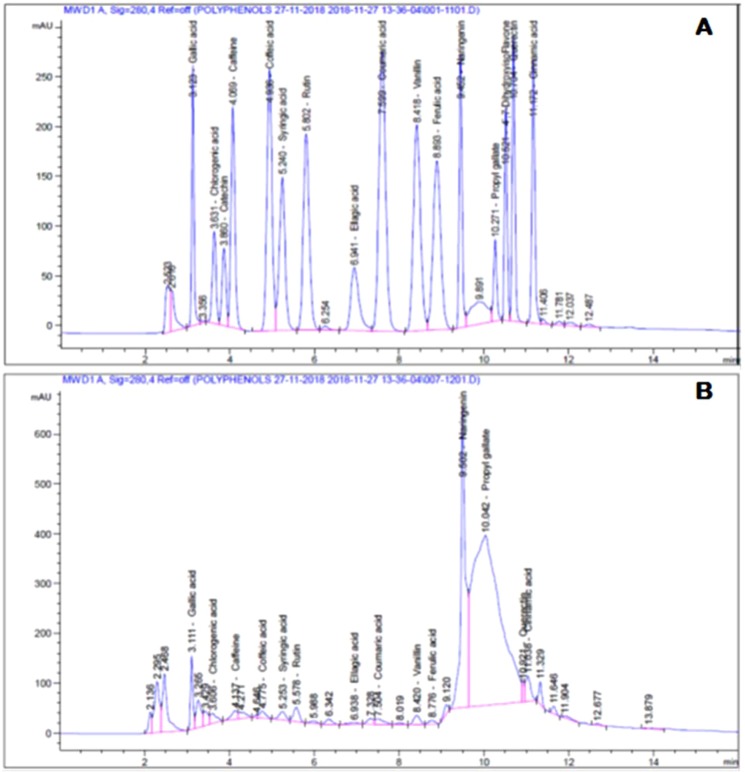
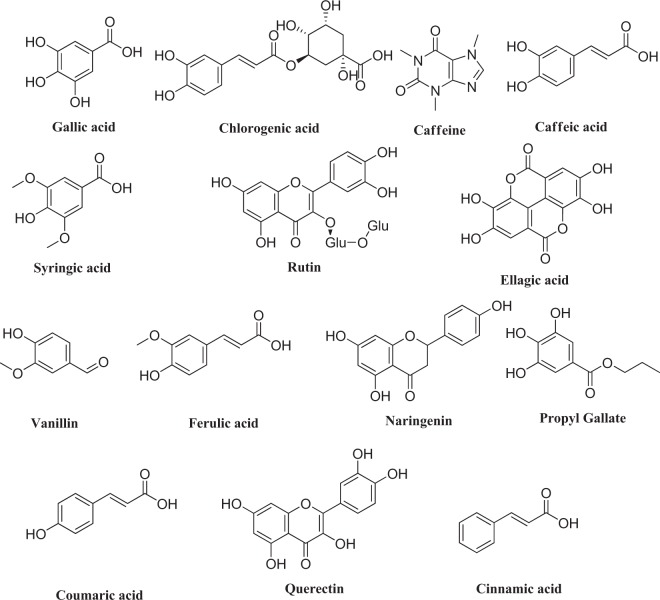
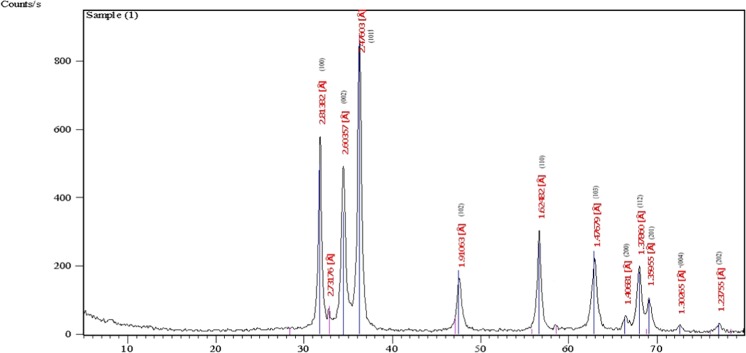
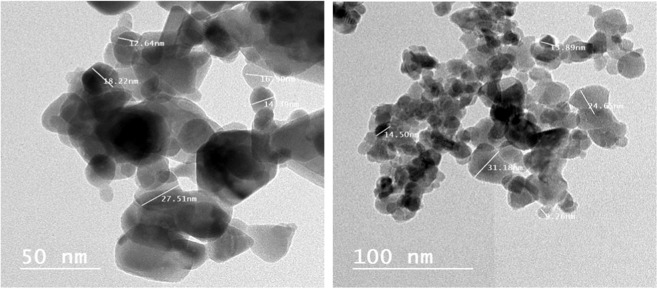
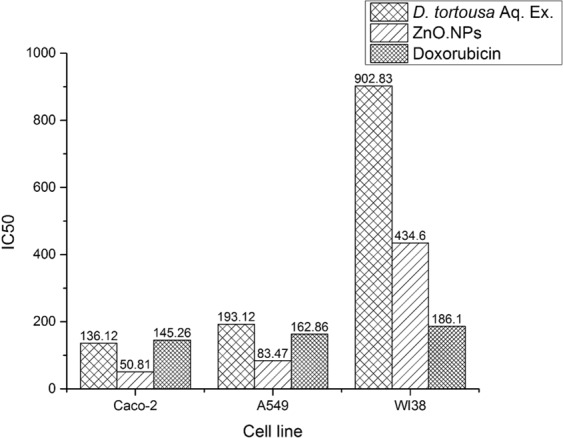
In recent years, there is a growing interest towards the green synthesis of metal nanoparticles, particularly from plants; however, yet no published study on the synthesis of ZnO.NPs using the Deverra tortuosa extract. Through this study, zinc oxide nanoparticles (ZnO.NPs) have been synthesized based on using the environmentally benign extract of the aerial parts of D. tortuosa as a reducing and capping agent. ZnO.NPs synthesis was confirmed using UV-Visible (UV-Vis) spectroscopy, Fourier Transform Infrared Spectroscopy (FTIR), X-ray Diffraction (XRD) and High Resolution-Transmission Electron Microscope (HR-TEM). The qualitative and quantitative analyses of plant extract were done. The potential anticancer activity was in vitro investigated against two cancer cell lines (human colon adenocarcinoma “Caco-2” and human lung adenocarcinoma “A549”) compared to their activities on the human lung fibroblast cell line (WI38) using the MTT assay. Both the aqueous extract and ZnO.NPs showed a remarkable selective cytotoxicity against the two examined cancer cell lines.
Overview
The claims and statistics of this paper haven’t been checked yet.
Run the check — free, no account needed. It reads the open-access text and checks the sources it cites.
Integrity signals
Registry
Cites
Statistics
Figures
Verification
Claims the paper makes
The claims and statistics of this paper haven’t been checked yet.
Run the check — free, no account needed. It reads the open-access text and checks the sources it cites.
Claims other papers make about this one
Each is checked against this paper’s own text: does it say what the citing paper says it does?
In the citing paper
“In recent studies, the cytotoxic effects of NPs produced by the green synthesis method have been investigated28–30.”
Self-check
Percentages, sums and reported differences re-computed from the paper’s own numbers.
The self-check needs the paper’s full text.
Citations
Cites
No references could be resolved yet.
Research works printed but not linked: 53
- Gunalana, S., Sivaraja, R. & Rajendranb, V. Green synthesized ZnO nanoparticles against bacterial and fungal pathogens. Prog. Nat. Sci.: Mater. 22(6), 693–700 (2012). · DOI
- Geonmonond, R. S., Da Silva, A. G. M. & Camargo, P. H. C. Controlled synthesis of noble metal nanomaterials: motivation, principles, and opportunities in nanocatalysis. An. Acad. Bras. Ciênc. 90, 719–744 (2018). · DOI
- Sobha, D. K. et al. Emerging trends in nanobiotechnology. J. Biotech. Mol. Bio. Rev. 5(1), 1–12 (2010).
- Xie, J., Lee, J. Y., Wang, D. I. C. & Ting, Y. P. Silver nanoplates: from biological to biomemetic synthesis. ACS Nano 1(5), 429–439 (2007). · DOI
- Iravani, S. Green synthesis of metal nanoparticles using plants. Green Chem. 13(10), 2638–2650 (2011). · DOI
- Ramesh, P., Rajendran, A. & Meenakshisundaram, M. Green Syntheis of Zinc Oxide Nanoparticles Using Flower Extract. Cassia Auriculata. J. Nanosci. Nanotechnol. 2(1), 41–45 (2014).
- Iravani, S., Korbekandi, H. & Abbasi, S. Production of nanoparticles using organisms. Crit. Rev. Biotechnol. 29(4), 279–306 (2009). · DOI
- Tolaymat, T. M. et al. An evidence-based environmental perspective of manufactured silver nanoparticle in syntheses and applications: a systematic review and critical appraisal of peer-reviewed scientific papers. Sci. Total Environ. 408(5), 999–1006 (2010). · DOI
- Makarov, V. V. et al. “Green” nanotechnologies: synthesis of metal nanoparticles using plants. Acta Nat. 6(1), 35–44 (2014). · DOI
- Boulos, L. Flora of Egypt. Vol. 2. AL-Hadara Publishing. Cairo, Egypt: 352 (2000).
- Ahmed, Z. F., Wassel, G. M. & Abdel-Moneim, F. M. A preliminary phytochemical investigation of Pituranthos tortuosus (Desf.) Benth and Hook. J. Pharm. Sci. U.A.R. 10(1), 31–36 (1969).
- Abdelwahed, A. et al. Chemical composition and antimicrobial activity of essential oils from Tunisian Pituranthos tortuosus (Coss.) Maire. Flavour Fragr. J. 21(1), 129–133 (2006). · DOI
- Abdallah, H. M. & Ezzat, S. M. Effect of the method of preparation on the composition and cytotoxic activity of the essential oil of Pituranthos tortuosus. Z. Naturforsch C. 66(3-4), 143–148 (2011). · DOI
- Boukef, K., Souissi, H. R. & Balansard, G. Contribution à l’étude des plantes utilisées en médicine traditionnelle tunisienne. Pl. Méd. Phyto. 16(4), 260–279 (1982).
- Mahran, G. H., Ahmed, M. S., Seida, A. A. & Amarquaye, A. A. A phytochemical investigation of Pituranthos tortuosus (Desf.) Benth and Hook. Bull. Fac. Pharm. Cairo Uni. 27(1), 87–89 (1989).
- Krifa, M., Gharad, T. & Haouala, R. Biological activities of essential oil, aqueous and organic extracts of Pituranthos tortuosus (Coss.) Maire. Sci. Hortic. 128(1), 61–67 (2011). · DOI
- El-Mokasabi, F. M. Floristic composition and traditional uses of plant species at Wadi Alkuf, Al-Jabal Al-Akhder, Libya. American-Eurasian AEJAES 14(8), 685–697 (2014).
- Bidak, L. M., Kamal, S. A., Halmy, M. W. A. & Heneidy, S. Z. Goods and services provided by native plants in desert ecosystems: examples from the north western coastal desert of Egypt. Glob. Ecol. Cons. 3, 433–447 (2015).
- Vaseem, M. Umar, A. & Hahn, Y-B. Chapter 4 In Metal Oxide Nanostructures and Their Applications, edited by A. Umar and Y.-B. Hahn, American Scientific Publishers, New York, Vol. 5, pp. 1–36 (2010).
- Theodore, L. Nanotechnology: Basic Calculations for Engineers and Scientists, Wiley, Hoboken (2006). · DOI
- Wang, X., Lu, J., Xu, M. & Xing, B. Sorption of pyrene by regular and nanoscaled metal oxide particles: influence of adsorbed organic matter. Environ. Sci. Technol. 42(19), 7267–7272 (2008). · DOI
- Dagdeviren, C. et al. Transient, biocompatible electronics and energy harvesters based on ZnO. Small 9(20), 3398–3404 (2013). · DOI · Paper page
- Liu, D. et al. Surface Functionalization of ZnO Nanotetrapods with Photoactive and Electroactive Organic Monolayers. Langmuir 24(9), 5052–5059 (2008). · DOI
- Bisht, G. & Rayamajhi, S. ZnO Nanoparticles: A Promising Anticancer Agent. Nanobiomedicine (Rij) 3, 9–20 (2016). · DOI
- Sonia, S., Linda Jeeva Kumari, H., Ruckmanib, K. & Sivakumara, M. Antimicrobial and antioxidant potentials of biosynthesized colloidal zinc oxide nanoparticles for a fortified cold cream formulation: A potent nanocosmeceutical application. Mater. Sci. Eng. C Mater. Biol. Appl. 79, 581–589 (2017). · DOI
- Azwanida, N. N. A Review on the Extraction Methods Use in Medicinal Plants, Principle, Strength and Limitation. Med. Aromat. Plants 4(3), 196–201 (2015).
- Iqbal, E., Abu Salim, K. & Lim, L. B. L. Phytochemical screening, total phenolics and antioxidant activities of bark and leaf extracts of Goniothalamus velutinus (Airy Shaw) from Brunei Darussalam. J. King Saud. Univ.–Sci. 27(3), 224–232 (2015). · DOI
- Wu, S. et al. Carthamus red from Carthamus tinctorius L. exerts antioxidant and hepatoprotective effect against ccl4-induced liver damage in rats via the Nrf2 pathway. J. Ethnopharmacol. 148(9), 570–578 (2013). · DOI
- Elumalai, K., Velmurugan, S., Ravi, S., Kathiravan, V. & Ashokkumar, S. Green synthesis of zinc oxide nanoparticles using Moringa oleifera leaf extract and evaluation of its antimicrobial activity. Spectrochimica Acta Part A: Mol. Biomol. Spectro. 143, 158–164 (2015). · DOI
- Mosmann, T. Rapid colorimetric assay for cellular growth and survival: application to proliferation and cytotoxicity assays. J. Immunol. Methods 65(1-2), 55–63 (1983). · DOI · Paper page
- Thabrew, M. I., Mitry, R. R., Morsy, M. A. & Hughes, R. D. Cytotoxic effects of a decoction of Nigella sativa, Hemidesmus indicus, and Smilax glabra on human hepatoma Hep G2 cells. Life Sci. 77(12), 1319–1330 (2005). · DOI
- Dar, R. A., Shahnawaz, M. & Qazi, P. H. General overview of medicinal plants: A review. J. Phytopharmacol. 6(6), 349–351 (2017). · DOI
- Pradhan, D. Pharmacological effect of some fractions obtained from Sapindus trifoliatus acting as an antioxidant and against mammary cell proliferation. Afr. J. Pharm. Pharmacol. 8(17), 455–463 (2014). · DOI
- Hassan, S. S. M., El Azab, W. I. M., Ali, H. R. & Mansour, M. S. M. Green synthesis and characterization of ZnO nanoparticles for photocatalytic degradation of anthracene. Adv. Nat. Sci: Nanosci. Nanotechnol. 6(4), 045012 (11pp) (2015).
- Datta, A. et al. Green synthesis of Zinc Oxide nanoparticles using Parthenium hysterophorus leaf extract and evaluation of their antibacterial properties. J. Biotechnol. Biomater. 7(3), 271–276 (2017). · DOI
- Nagarajan, S. & Kuppusamy, K. A. Extracellular synthesis of zinc oxide nanoparticle using seaweeds of Gulf of Mannar, India. J. Nanobiotechnol. 11(1), 11–39 (2013). · DOI
- Dobrucka, R., Dlugaszewska, J. & Kaczmarek, M. Cytotoxic and antimicrobial effects of biosynthesized ZnO nanoparticles using of Chelidonium majus extract. Biomed. Microdevices 20(1), 5–18 (2018). · DOI
- Zak, A. K., Abd.Majid, W. H., Mahmoudian, M. R., Darroudi, M. & Yousefi, R. Starch-stabilized synthesis of ZnO nanopowders at low temperature and optical properties study. Adv. Powder Technol. 24(3), 618–624 (2013). · DOI
- Jiang, J., Pi, J. & Cai, J. The advancing of zinc oxide nanoparticles for biomedical applications. Bioinorg. Chem. Appl. vol. 2018, Article ID 1062562, 18 pages https://doi.org/10.1155/2018/1062562 (2018). · DOI
- Zhang, H. et al. Use of metal oxide nanoparticle band gap to develop a predictive paradigm for oxidative stress and acute pulmonary inflammation. ACS Nano 6(5), 4349–4368 (2012). · DOI
- Punnoose, A. et al. Cytotoxicity of ZnO nanoparticles can be tailored by modifying their surface structure: A green chemistry approach for safer nanomaterials. ACS Sustain. Chem. Eng. 2(7), 1666–1673 (2014). · DOI
- Sindhura, K. S., Prasad, T. N. V. K. V., Selvam, P. P. & Hussain, O. M. Synthesis, characterization and evaluation of effect of phytogenic zinc nanoparticles on soil exo-enzymes. Appl. Nanosci. 4(7), 819–827 (2014). · DOI
- Supatutkul, C., Pramchu, S., Jaroenjittichai, A. P. & Laosiritaworn, Y. Electronic properties of two-dimensional zinc oxide in hexagonal, (4, 4)-tetragonal, and (4, 8)-tetragonal structures by using Hybrid Functional calculation. J. Phys.; Conf. Ser. 901(1), 012172, https://doi.org/10.1088/1742-6596/901/1/012172 (2017). · DOI
- Azizi, S., Mohamad, R. & Shahri, M. M. Green microwave-assisted combustion synthesis of Zinc Oxide nanoparticles with Citrullus colocynthis (L.) Schrad: Characterization and Biomedical Applications. Molecules 22(2), 301–314 (2017). · DOI
- Ali, R. et al. New anticancer agents: Recent developments in tumor therapy. Anticancer Res. 32(7), 2999–3005 (2012).
- Rao, G. V., Kumar, S., Islam, M. & Mansour, S. E. Folk medicines for anticancer therapy- acurrent status. J. Cancer Ther. 6(2), 913–922 (2008).
- Ibrahim, A. Y., Mahmoud, K. & El-Hallouty, S. M. Screening of antioxidant and cytotoxicity activities of some plant extracts from Egyptian flora. J. Appl. Sci. Res. 7(7), 1246–1258 (2011).
- Wahab, R. et al. ZnO nanoparticles induced oxidative stress and apoptosis in HepG2 and MCF-7 cancer cells and their antibacterial activity. Colloids Surf. B Biointerfaces 117, 267–276 (2014). · DOI
- Moghaddam, A. B. et al. Eco-Friendly Formulated Zinc Oxide Nanoparticles: Induction of Cell Cycle Arrest and Apoptosis in the MCF-7 Cancer Cell Line. Genes 8(10), 281–296 (2017). · DOI
- Krifa, M. et al. Immunomodulatory and anticancer effects of Pituranthos tortuosus essential oil. Tumor. Biol. 36(7), 5165–5170 (2015). · DOI
- Akhtar, M. J. et al. Zinc oxide nanoparticles selectively induce apoptosis in human cancer cells through reactive oxygen species. Int. J. Nanomedicine 7, 845–857 (2012).
- Jacob, S. J. P., Bharathkumar, R. & Ashwathram, G. Aspergillus niger mediated synthesis of ZnO Nanoparticles and their antimicrobial and in vitro Anticancerous activity. WJPR 3(2), 3044–3054 (2014).
- Rasmussen, J. W., Martinez, E., Louka, P. & Wingett, D. G. Zinc oxide nanoparticles for selective destruction of tumor cells and potential for drug delivery applications. Expert Opin. Drug. Deliv. 7(9), 1063–1077 (2010). · DOI
Cited by
Sorted by citations
Mehdipour, A., Reza, M. A. S., Rasouli, A., Baravati, M. H. J., Jafari, G. A., & Heidari, F. (2024) · Scientific Reports · doi:10.1038/s41598-024-81295-0 · Cited by 21
Green Synthesis and Application of Metal and Metal Oxide Nanoparticles
Hassaan, M. A., El Nemr, A., & Ragab, S. (2021) · Handbook of Nanomaterials and Nanocomposites for Energy and Environmental Applications · doi:10.1007/978-3-030-36268-3_125 · Cited by 3
Metadata
- Authors
- Selim, Y. A., Azb, M. A., Ragab, I., & H. M. Abd El-Azim, M.
- Venue
- Scientific Reports
- Published
- 2020-02-26
- Volume
- 10
- Issue
- 1
- ISSN
- 2045-2322
- PMC
- PMC7044426
- Cited by
- 552
- References
- 0
- Language
- en
About these checks
Registry, retraction, Cites and statistics results are computed, not judged, with one exception: a printed reference that no index lists is read once by a model before it counts as a citation error. Claims are extracted by a model and kept only when their quote appears verbatim in the text; each cited source is then checked, with a model’s help, for whether it says what the claim relies on. Those verdicts can be wrong — read the claim’s quote and the cited source before relying on one.
Statistics and arithmetic are recomputed, not judged.
Confidence bands are shown only for fields calibrated on our annotated test set. None is calibrated yet, so no band is shown.
What counts as a claim ›How we measure confidence ›How we check this ›
Are you an author, or do you see a problem with this page? Request a review
How to cite
Cite CoChat for the checks on this page, and the paper for its own findings.
- This page
- CoChat. (2026). Citation check: Green Synthesis of Zinc Oxide Nanoparticles Using Aqueous Extract of Deverra tortuosa and their Cytotoxic Activities. https://app.cochat.ai/papers/10.1038/s41598-020-60541-1
- The paper
- Selim, Y. A., Azb, M. A., Ragab, I., & H. M. Abd El-Azim, M. (2020). Green Synthesis of Zinc Oxide Nanoparticles Using Aqueous Extract of Deverra tortuosa and their Cytotoxic Activities. Scientific Reports. https://doi.org/10.1038/s41598-020-60541-1
