

Waist-to-height ratio and metabolic phenotype compared to the Matsuda index for the prediction of insulin resistance
Open accessThe DOI matches its Crossref record; 47 of the 47 references it cites were found in a registry or an index.
Abstract
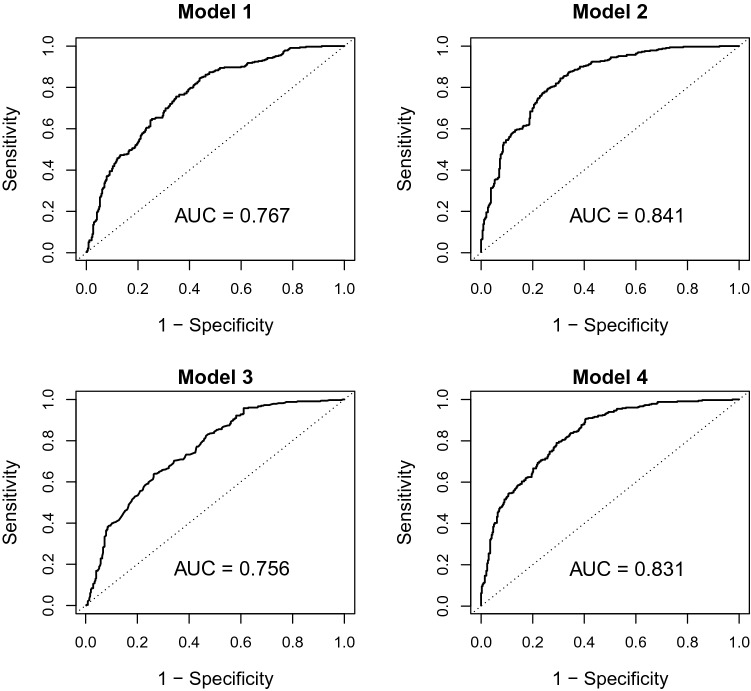
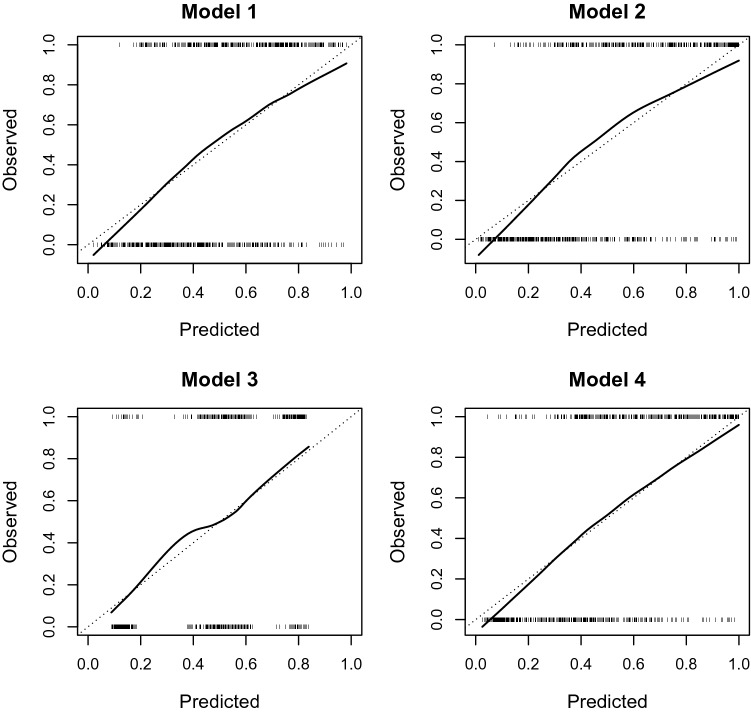
Current screening algorithms for type 2 diabetes (T2D) rely on fasting plasma glucose (FPG) and/or HbA1c. This fails to identify a sizeable subgroup of individuals in early stages of metabolic dysregulation who are at high risk for developing diabetes or cardiovascular disease. The Matsuda index, a combination of parameters derived from a fasting and postprandial insulin assay, is an early biomarker for metabolic dysregulation (i.e. insulin resistance/compensatory hyperinsulinemia). The aim of this analysis was to compare four widely available anthropometric and biochemical markers indicative of this condition [waist-to-height ratio (WHtR), hypertriglyceridemic-waist phenotype (HTW), triglycerides-to-HDL-C ratio (TG/HDL-C) and FPG] to the Matsuda index. This cross-sectional analysis included 2231 individuals with normal fasting glucose (NFG, n = 1333), impaired fasting glucose (IFG, n = 599) and T2D (n = 299) from an outpatient diabetes clinic in Germany and thus extended a prior analysis from our group done on the first two subgroups. We analyzed correlations of the Matsuda index with WHtR, HTW, TG/HDL-C and FPG and their predictive accuracies by correlation and logistic regression analyses and receiver operating characteristics. In the entire group and in NFG, IFG and T2D, the best associations were observed between the Matsuda index and the WHtR (r = − 0.458), followed by HTW phenotype (r = − 0.438). As for prediction accuracy, WHtR was superior to HTW, TG/HDL-C and FPG in the entire group (AUC 0.801) and NFG, IFG and T2D. A multivariable risk score for the prediction of insulin resistance was tested and demonstrated an area under the ROC curve of 0.765 for WHtR and its interaction with sex as predictor controlled by age and sex. The predictive power increased to 0.845 when FPG and TG/HDL-C were included. Using as a comparator the Matsuda index, WHtR, compared to HTW, TG/HDL-C and FPG, showed the best predictive value for detecting metabolic dysregulation. We conclude that WHtR, a widely available anthropometric index, could refine phenotypic screening for insulin resistance/hyperinsulinemia. This may ameliorate early identification of individuals who are candidates for appropriate therapeutic interventions aimed at addressing the twin epidemic of metabolic and cardiovascular disease in settings where more extended testing such as insulin assays are not feasible.
Overview
The claims and statistics of this paper haven’t been checked yet.
Free: it reads the open-access text and checks the first 5 claims that cite a source we can check. Create a free account to check every claim.
Integrity signals
Registry
Cites
Statistics
Figures
Verification
Claims the paper makes
The claims and statistics of this paper haven’t been checked yet.
Free: it reads the open-access text and checks the first 5 claims that cite a source we can check. Create a free account to check every claim.
Claims other papers make about this one
Each is checked against this paper’s own text: does it say what the citing paper says it does?
The cited source says what the claim attributes to it.
In the citing paper
“Another cross-sectional analysis of 2,231 participants with normal or impaired fasting glucose levels or type 2 diabetes indicated that the WHtR performed well in IR prediction, including in the subgroups that had impaired fasting glucose levels or type 2 diabetes, respectively (44).”
From The waist-to-height ratio is a good predictor for insulin resistance in women with polycystic ovary syndrome (2024) · cites this paper as [44]
Self-check
Percentages, sums and reported differences re-computed from the paper’s own numbers.
The self-check needs the paper’s full text.
Citations
Cites
The metabolic phenotype in obesity: Fat mass, body fat distribution, and adipose tissue function
Goossens, G. H. (2017) · Obesity Facts · doi:10.1159/000471488 · Cited by 8,481
Matsuda, M., & DeFronzo, R. A. (1999) · Diabetes Care · doi:10.2337/diacare.22.9.1462 · Cited by 5,621
Abdominal obesity and metabolic syndrome
Després, J.-P., & Lemieux, I. (2006) · Nature · doi:10.1038/nature05488 · Cited by 4,354
Zhou, B., Lu, Y., Hajifathalian, K., Bentham, J., Di Cesare, M., Danaei, G., Bixby, H., Cowan, M., Ali, M., Taddei, C., et al. (2016) · The Lancet · doi:10.1016/s0140-6736(16)00618-8 · Cited by 4,311
Prediabetes: a high-risk state for diabetes development
Tabák, A. G., Herder, C., Rathmann, W., Brunner, E. J., & Kivimäki, M. (2012) · The Lancet · doi:10.1016/s0140-6736(12)60283-9 · Cited by 2,958
Hilbe, J. M. (2009) · Chapman & Hall/CRC eBooks · doi:10.1201/9781420075779 · Cited by 2,588
Prevalence of and Trends in Diabetes Among Adults in the United States, 1988-2012
Menke, A., Casagrande, S., Geiss, L., & Cowie, C. C. (2015) · JAMA · doi:10.1001/jama.2015.10029 · Cited by 2,362
Ahlqvist, E., Storm, P., Käräjämäki, A., Martinell, M., Dorkhan, M., Carlsson, A., Vikman, P., Prasad, R. B., Aly, D. M., Almgren, P., et al. (2018) · The Lancet Diabetes & Endocrinology · doi:10.1016/s2213-8587(18)30051-2 · Cited by 2,335
Ashwell, M., Gunn, P., & Gibson, S. (2012) · Obesity Reviews · doi:10.1111/j.1467-789x.2011.00952.x · Cited by 2,130
Body Fat Distribution and Risk of Cardiovascular Disease: An Update
Després, J.-P. (2012) · Circulation · doi:10.1161/circulationaha.111.067264 · Cited by 1,481
Cited by
Lopez-Jimenez, F., Almahmeed, W., Bays, H., Cuevas, A., Di Angelantonio, E., le Roux, C. W., Sattar, N., Sun, M. C., Wittert, G., Pinto, F. J., et al. (2022) · European Journal of Preventive Cardiology · doi:10.1093/eurjpc/zwac187 · Cited by 362
Li, H., Zhang, Y., Luo, H., & Lin, R. (2022) · Frontiers in Endocrinology · doi:10.3389/fendo.2022.977625 · Cited by 79
Dietary strategies for cardiovascular disease risk factors prevention
Mazur, M., Przytula, A., Szymańska, M., & Popiołek-Kalisz, J. (2024) · Current Problems in Cardiology · doi:10.1016/j.cpcardiol.2024.102746 · Cited by 67
Cosentino, F., Verma, S., Ambery, P., Treppendahl, M. B., van Eickels, M., Anker, S. D., Cecchini, M., Fioretto, P., Groop, P., Hess, D. A., et al. (2023) · European Heart Journal · doi:10.1093/eurheartj/ehad445 · Cited by 71
Xi, W., & Yang, A. (2024) · Lipids in Health and Disease · doi:10.1186/s12944-024-02027-x · Cited by 34
MASLD and MASH at the crossroads of hepatology trials and cardiorenal metabolic trials
Zannad, F. M., Sanyal, A. J., Butler, J., Ferreira, J. P., Girerd, N., Miller, V., Pandey, A., Parikh, C. R., Ratziu, V., Younossi, Z. M., et al. (2024) · Journal of Internal Medicine · doi:10.1111/joim.13793 · Cited by 39
“Thus, visceral/abdominal obesity may better reflect risk [29].”
BackgroundZhang, X., Xiao, D., Guzman, G., Edirisinghe, I., & Burton‐Freeman, B. M. (2022) · Journal of Nutrition · doi:10.1093/jn/nxac126 · Cited by 33
“4 as cutoffs for insulin sensitivity (27).”
Ma, Y.-L., Jin, C., Zhao, C.-C., Ke, J.-F., Wang, J., Wang, Y., Lu, J., Huang, G.-Z., & Li, L. (2022) · Frontiers in Nutrition · doi:10.3389/fnut.2022.986090 · Cited by 40
“reported that the prevalence of insulin resistance defined by the Matsuda index obviously increased with elevated WHtR, and the predictive ability of WHtR for insulin resistance was highly accurate, especially in T2DM population (52).”
BackgroundLechner, K., Scherr, J., Lorenz, E., Lechner, B., Haller, B., Krannich, A., Halle, M., Wachter, R., Duvinage, A., & Edelmann, F. (2021) · Clinical Research in Cardiology · doi:10.1007/s00392-021-01925-9 · Cited by 21
“Further substantiating this notion, the O3I at baseline was predictive of a lower BMI, WC, and WHtR at 12-month follow-up.”
BackgroundInfluentialSelf-citationLi, H., Shi, Z., Chen, X., Wang, J., Ding, J., Geng, S., Sheng, X., & Shi, S. (2023) · BMC Geriatrics · doi:10.1186/s12877-023-04510-z · Cited by 26
“The maintenance of BMI, WC and WtHR to a normal range may be an important strategy to significantly reduce the occurrence of IR and subsequent metabolic diseases [14, 17].”
BackgroundMalagón-Soriano, V. A., Ledezma, A. J., Espinel-Pachón, C. F., Burgos-Cárdenas, Á. J., Garcés, M. F., Ramirez, G. E. O., Vega, R. F., Franco, J. J. P., Maldonado‐Acosta, L. M., Rubio-Romero, J. A., et al. (2024) · Frontiers in Endocrinology · doi:10.3389/fendo.2024.1343641 · Cited by 18
“IR was de fi ned according to the cutoff value of the Matsuda index as described elsewhere (13, 15).”
Laboratory markers of metabolic syndrome
Morgado, F., Valado, A., Metello, J., & Pereira, L. (2024) · Exploration of Cardiology · doi:10.37349/ec.2024.00026 · Cited by 17
Zhao, R., Ji, X., & Wang, F. (2025) · Scientific Reports · doi:10.1038/s41598-024-84278-3 · Cited by 17
Zhu, M., Wang, K., Feng, J., Liu, Y., Guan, M., Wang, Y., & Wu, X. (2024) · Frontiers in Endocrinology · doi:10.3389/fendo.2024.1502321 · Cited by 14
Kim, H., Park, S., Park, J., Son, Y., Kim, S., Yim, Y., Jo, H., Lee, K., Jeong, Y. D., Oh, J., et al. (2024) · Scientific Reports · doi:10.1038/s41598-024-75002-2 · Cited by 19
Haidar, A., Kronmal, R. A., Allison, M., Watson, K. E., Srikanthan, P., & Horwich, T. B. (2025) · European Journal of Preventive Cardiology · doi:10.1093/eurjpc/zwaf212 · Cited by 20
“54-56 In individuals with hypertension and without pre-existing CVD, waist-to-height ratio predicted CVD incidence better than waist circumference and BMI.”
Park, S. (2023) · Nutrients · doi:10.3390/nu15071764 · Cited by 10
“Height is inversely associated with insulin resistance, and the waist-to-height ratio is used to predict insulin resistance [40].”
MethodClassification, Diagnosis, and Treatment of Obesity-Related Heart Diseases
Chen, D., Feng, J., He, H., Xiao, W., & Liu, X. (2024) · Metabolic Syndrome and Related Disorders · doi:10.1089/met.2023.0134 · Cited by 12
“82,83 The National Institute for Health and Care Excellence in the United Kingdom even recently suggested that waist-to-height ratio should replace BMI when assessing obesity.”
Lechner, K., von Schacky, C., Scherr, J., Lorenz, E., Böck, M., Lechner, B., Haller, B., Krannich, A., Halle, M., Wachter, R., et al. (2022) · Biomedicines · doi:10.3390/biomedicines10092296 · Cited by 6
“, thin-cap fibroatheromas) [27–29], and with anthropometric markers indicative of high cardiometabolic risk such as waist-to-height ratio [30].”
BackgroundSelf-citationMetabolically healthy obesity in adults with X-linked hypophosphatemia
Lecoq, A.-L., Schilbach, K., Rocher, L., Trabado, S., Briot, K., Herrou, J., Forbes, A., Garnier, A., Piketty, M., Bidlingmaier, M., et al. (2024) · European Journal of Endocrinology · doi:10.1093/ejendo/lvae089 · Cited by 8
Akıncı, S., Çoner, A., Akbay, E., Adar, A., & Müderrisoğlu, H. (2022) · Metabolic Syndrome and Related Disorders · doi:10.1089/met.2021.0121 · Cited by 6
“28 In the light of these findings, it can be concluded that AIP is insufficient to show insulin resistance, which is an important cause of atherosclerosis.”
Weight-gain independent effect of mirtazapine on fasting plasma lipids in healthy men
Lechner, K., Heel, S., Uhr, M., Dose, T., Holsboer, F., Lucae, S., Schaaf, L., Fulda, S., Kloiber, S. M., & Hennings, J. M. (2023) · Naunyn-Schmiedeberg s Archives of Pharmacology · doi:10.1007/s00210-023-02448-y · Cited by 8
Self-citationSmyczyńska, J., Olejniczak, A., Różycka, P., Chylińska-Frątczak, A., Michalak, A., Smyczyńska, U., Mianowska, B., Pietrzak, I., & Szadkowska, A. (2024) · Nutrients · doi:10.3390/nu16152568 · Cited by 5
“In a quite recent paper of Lechner et al. [58], Matsuda index was described as a good predictor of IR.”
BackgroundWu, T., Wang, Q., Pu, C., & Zhang, K. (2023) · Biomedicines · doi:10.3390/biomedicines11102840 · Cited by 3
“The Matsuda index [10] was used to evaluate insulin sensitivity after glucose load, and the following calculation formula was used: √ Matsuda index = 10,000/ FINS ∗ FBG ∗ MeanBG ∗ MeanINS ).”
MethodA Saudi Heart Association Position Statement on Obesity and Cardiovascular Disease
AlHabeeb, W., Kinsara, A. J., Bakhsh, A., Tash, A. A., Alshammary, A., Almasood, A. S., Alghalayini, K. W., Arafah, M., Hamdy, O., Alsifri, S. N., et al. (2024) · Journal of the Saudi Heart Association · doi:10.37616/2212-5043.1391 · Cited by 6
Ye, J., Xie, Y., & Gong, Y. (2025) · Scientific Reports · doi:10.1038/s41598-025-19177-2 · Cited by 3
Soliman, S. B., Leuteneker, J. E., Chugh, O. K., Zhang, T., Tuska, B., Rode, T., Sanchez, M. J., Buras, E. D., & Horowitz, J. F. (2025) · Journal of Ultrasound in Medicine · doi:10.1002/jum.70126 · Cited by 3
Gumilang, R. A., Fan, Y., Wu, S.-H., & Bai, C. (2024) · BMC Cardiovascular Disorders · doi:10.1186/s12872-024-03817-y · Cited by 2
“BMI, WHR, and WHtR were calculated using the following formulas [28, 29]:”
MethodBarbaro, F., Conza, G. D., Quartulli, F. P., Quarantini, E., Quarantini, M., Zini, N., Fabbri, C., Mosca, S., Caravelli, S., Mosca, M., et al. (2024) · Frontiers in Bioengineering and Biotechnology · doi:10.3389/fbioe.2024.1374135 · Cited by 2
Melnyk, A. A., Furman, O. V., Rudenko, A. A., Dzіs, N. P., Khytruk, K. M., & Khytruk, S. V. (2024) · Clinical and Preventive Medicine · doi:10.31612/2616-4868.7.2024.04 · Cited by 2
Risk of Insulin Resistance: Comparison of the Commerce vs. Industry Sector and Associated Variables
Vicioso, M. P. F.-F., Sbert, P. R., López‐González, Á. A., Ramírez‐Manent, J. I., Fernández, J. L. D. B., & Herrero, M. T. V. (2025) · Diseases · doi:10.3390/diseases13050150 · Cited by 3
“In routine clinical practice, indirect methods are more commonly used, such as HOMA-IR [38], which relies on fasting glucose and insulin levels, as well as QUICKI [39] and the Matsuda index [40], derived from oral glucose tolerance tests.”
Gong, R., Liu, Y., Luo, G., Yin, J., Xiao, Z., & Hu, T. (2022) · Endocrine Connections · doi:10.1530/ec-22-0066 · Cited by 3
Hernández‐Guerrero, C., Tejeda-Miramontes, J. P., Mendivil, E. J., Garcı́a-Mena, J., Arenas, E., Ramírez-Saad, H. C., & Teruel, G. M. (2026) · Frontiers in Nutrition · doi:10.3389/fnut.2026.1834724 · Cited by 1
“In a clinical study using the Matsuda index, Lechner et al. (32) reported an inverse correlation between WHtR and insulin sensitivity ( r ≈ − 0.458, 𝑝 < 0.001).”
InfluentialKattah, F. M., Oliveira, E. S., Figueiredo, N., de Melo, C. C., Benetti, B. B. D. C., Lima, G. B., Favoritto, É. A. M., Schincaglia, R. M., Lima, G. C., & Corgosinho, F. C. (2024) · Clinical Nutrition ESPEN · doi:10.1016/j.clnesp.2024.05.019 · Cited by 1
Ernährungsempfehlungen bei Typ-2-Diabetes: Grundlegendes Umdenken
Worm, N., McKenzie, A. L., & Lechner, K. (2021) · Deutsches Ärzteblatt · doi:10.3238/persdia.2021.11.05.06 · Cited by 1
Self-citationLechner, K., Scherr, J., Lorenz, E., Lechner, B., Haller, B., Halle, M., Wachter, R., Duvinage, A., & Edelmann, F. (2021) · Research Square · doi:10.21203/rs.3.rs-551004/v1
Self-citationChatchomchuan, W., Thewjitcharoen, Y., Nakasatien, S., Wanothayaroj, E., Krittiyawong, S., & Himathongkam, T. (2024) · Journal of the ASEAN Federation of Endocrine Societies · doi:10.15605/jafes.039.02.21 · Cited by 1
Grubert, G. M., Ronsoni, M. F., Hohl, A., & Lee, S. V. D. S. (2022) · Arquivos Catarinenses de Medicina · doi:10.63845/3b01px79
Study of integral indices for diagnosing insulin resistance in horses Authors
Боровков, С. Б., Boiko, V. S., & Suetskyi, O. (2025) · One Health Journal · doi:10.31073/onehealthjournal2025-iv-05
Li, H., Shi, Z., Chen, X., Wang, J., Ding, J., Geng, S., Sheng, X., & Shi, S. (2024) · Figshare · doi:10.6084/m9.figshare.26647788
Gumilang, R. A., Fan, Y.-C., Wu, S.-H., & Bai, C.-H. (2024) · Figshare · doi:10.6084/m9.figshare.25397482
Napolean, N., Chaurasiya, S., Khanna, S., Sachan, S., Singh, R., & Dey, J. (2026) · Cureus · doi:10.7759/cureus.105995
“WHtR is considered superior to BMI in predicting insulin resistance and metabolic syndrome, as it accounts for individual height and fat distribution [15].”
Impact of cardiometabolic index on long-term mortality in young adults with type 2 diabetes mellitus
Li, A., Zhou, Z., Chen, X., Liu, Y., & Ma, Q. (2026) · PLoS ONE · doi:10.1371/journal.pone.0348952
“, suggesting that the inclusion of WHtR may capture obesity-related risk that is not fully reflected by lipid ratios in specific clinical contexts [47].”
Mendonca, C. A., Rathi, K. K., Williams, A.-L., Attre, A., Salmon, A., Mortensen, E. M., & Maheshwari, N. (2026) · Sleep Medicine · doi:10.1016/j.sleep.2026.109042
Waist-to-height ratio reveals hidden metabolic risk in lean individuals with MASLD
Wang, Z.-G., Tan, W., Luo, J., Wei, H., An, W., Li, M., Gao, Q., Sun, L., He, L., Ma, J., et al. (2026) · Clinical Nutrition ESPEN · doi:10.1016/j.clnesp.2026.105064
Metadata
- Authors
- Lechner, K., Lechner, B., Crispin, A., Schwarz, P. E. H., & von Bibra, H.
- Affiliations
- Deutsches Herzzentrum München (DE)
- Ludwig-Maximilians-Universität München (DE)
- Institut für Medizinische Informationsverarbeitung, Biometrie und Epidemiologie (DE)
- German Center for Diabetes Research (DE)
- Venue
- Scientific Reports
- Published
- 2021-04-15
- Volume
- 11
- Issue
- 1
- Pages
- 8224-8224
- ISSN
- 2045-2322 (ISSN-L)
- PMC
- PMC8050044
- OpenAlex
- W3156440939
- Semantic Scholar
- 1403eda3874bd2c334bf7661af149ea8cb0f7b6c
- Cited by
- 46
- References
- 47
- Citations by year
- 2026: 5 · 2025: 6 · 2024: 19 · 2023: 5 · 2022: 8 · 2021: 3
- FWCI
- 6.53
- Type
- journal article
- Language
- en
- Open access
- gold
- doi.org
- Licence
- cc-by
- creativecommons.org/licenses/by/4.0 (tdm)
- creativecommons.org/licenses/by/4.0 (vor)
- Locations
- Scientific Reports (publishedVersion, cc-by)
- PubMed Central (publishedVersion, cc-by)
- PubMed (publishedVersion)
- PuSH - Publication Server of Helmholtz Zentrum München (submittedVersion, cc-by)
- DOAJ (DOAJ: Directory of Open Access Journals) (submittedVersion, cc-by-sa)
- Open access LMU (Ludwid Maxmilian's Universitat Munchen) (submittedVersion, cc-by)
- mediaTUM – the media and publications repository of the Technical University Munich (Technical University Munich) (submittedVersion)
- Site cant be reached (submittedVersion, cc-by)
- Funders
- Technische Universität Dresden
- Topics
- Health Sciences › Medicine › Endocrinology, Diabetes and Metabolism › Diabetes, Cardiovascular Risks, and Lipoproteins
- Health Sciences › Medicine › Endocrinology, Diabetes and Metabolism › Diabetes Management and Research
- Health Sciences › Medicine › Endocrinology, Diabetes and Metabolism › Adipokines, Inflammation, and Metabolic Diseases
- Keywords
- waist-to-height ratio, Matsuda index, insulin resistance, hyperinsulinemia, type 2 diabetes, hypertriglyceridemic waist phenotype, fasting blood glucose, impaired fasting glucose, metabolic dysfunction, diabetes screening, risk prediction, anthropometric markers, sex differences, risk scoring, cardiovascular risk stratification
- MeSH terms
- Cardiometabolic Risk Factors, Adult, Aged, Algorithms, Cardiovascular Diseases, Cross-Sectional Studies, Diabetes Mellitus, Type 2, Female, Germany, Health Status Indicators, Humans, Insulin Resistance, Male, Middle Aged, Phenotype, Prognosis, Risk Factors, Metabolic Syndrome, Waist-Height Ratio
About these checks
Registry, retraction, Cites and statistics results are computed, not judged, with one exception: a printed reference that no index lists is read once by a model before it counts as a citation error. Claims are extracted by a model and kept only when their quote appears verbatim in the text; each cited source is then checked, with a model’s help, for whether it says what the claim relies on. Those verdicts can be wrong — read the claim’s quote and the cited source before relying on one.
Statistics and arithmetic are recomputed, not judged.
Confidence bands are shown only for fields calibrated on our annotated test set. None is calibrated yet, so no band is shown.
What counts as a claim ›How we measure confidence ›How we check this ›
Are you an author, or do you see a problem with this page? Request a review
Data sources
Bibliographic data: Semantic Scholar, OpenAlex, Crossref.
Contains information from the Semantic Scholar Academic Graph Datasets, made available under the ODC Attribution License (ODC-BY 1.0).
Semantic Scholar’s data is described in: Kinney, R., et al. (2023). The Semantic Scholar Open Data Platform. arXiv:2301.10140.
