

Surgery is associated with better long-term outcomes than pharmacological treatment for obesity: a systematic review and meta-analysis
Open accessThe DOI matches its Crossref record; 61 of the 62 references it cites were found in a registry or an index.
Abstract
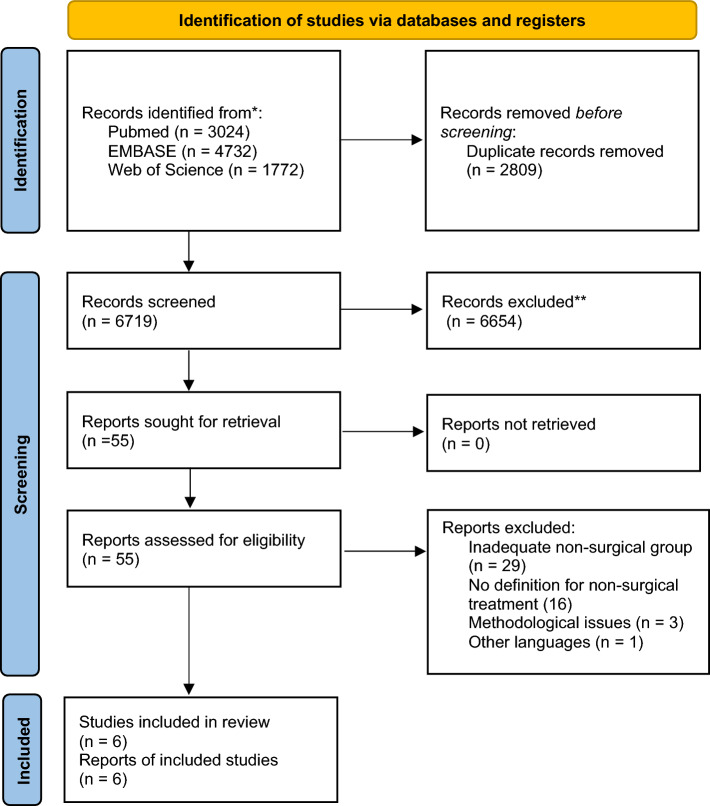
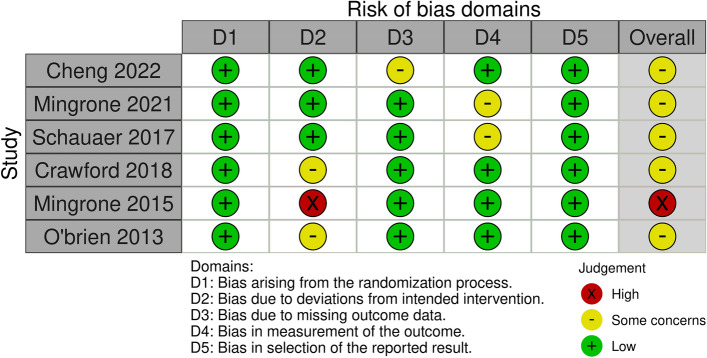
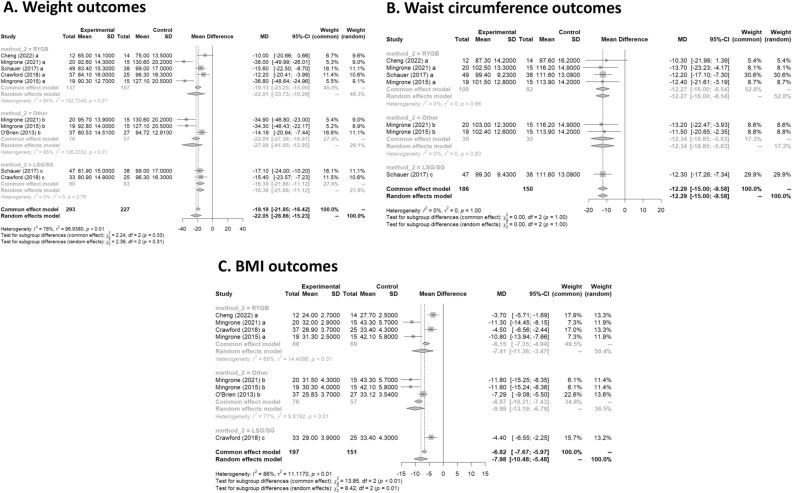
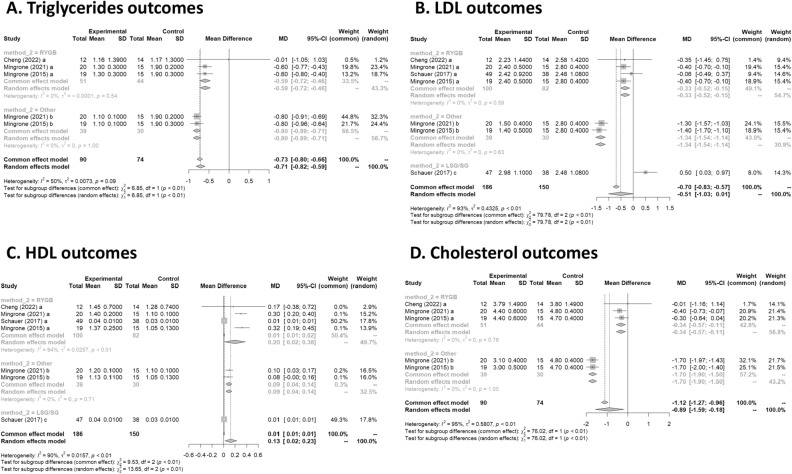
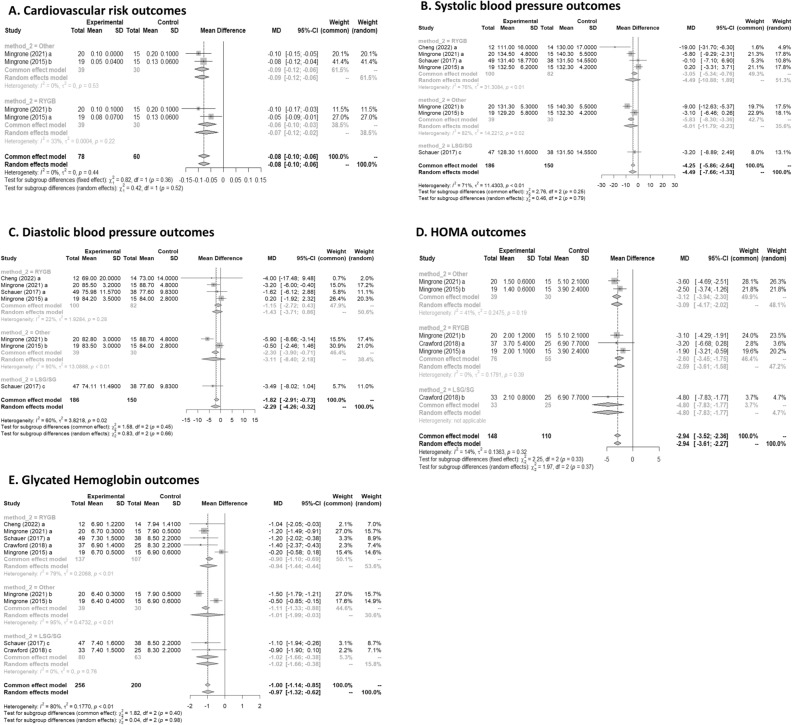
Obesity is a highly prevalent disease with numerous complications. Both intensive medical treatment with the use of pharmacological drugs and bariatric surgery are current options. The objective of this meta-analysis was to compare, in the long-term, intensive medical treatment and surgery based on twelve parameters related to weight loss, cardiovascular and endocrine changes. A review of the literature was conducted in accordance with the PRISMA guidelines (PROSPERO: CRD42021265637). The literature screening was done from inception to October 2023 through PubMed, EMBASE and Web of Science databases. We included randomized clinical trials that had separate groups for medical treatment and bariatric surgery as an intervention for obesity. The risk of bias was assessed through RoB2. A meta-analysis was performed with measures of heterogeneity and publication bias. Subgroup analysis for each surgery type was performed. Data is presented as forest-plots. Reviewers independently identified 6719 articles and 6 papers with a total 427 patients were included. All studies were randomized controlled trials, three had a follow up of 5 years and two had a follow up of 10 years. Both groups demonstrated statistical significance for most parameters studied. Surgery was superior for weight loss (− 22.05 kg [− 28.86; − 15.23), total cholesterol (− 0.88 [− 1.59; − 0.17]), triglycerides (− 0.70 [− 0.82; − 0.59]), HDL (0.12 [0.02; 0.23]), systolic pressure (− 4.49 [− 7.65; − 1.33]), diastolic pressure (− 2.28 [− 4.25; − 0.31]), Hb glycated (− 0.97 [− 1.31; − 0.62]), HOMA IR (− 2.94; [− 3.52; − 2.35]) and cardiovascular risk (− 0.08; [− 0.10; − 0.05]). Patient in the surgical treatment group had better long term outcomes when compared to the non-surgical group for most clinical parameters.
Overview
The claims and statistics of this paper haven’t been checked yet.
Free: it reads the open-access text and checks the first 5 claims that cite a source we can check. Create a free account to check every claim.
Integrity signals
Registry
Cites
Statistics
Figures
Verification
Claims the paper makes
The claims and statistics of this paper haven’t been checked yet.
Free: it reads the open-access text and checks the first 5 claims that cite a source we can check. Create a free account to check every claim.
Claims other papers make about this one
Each is checked against this paper’s own text: does it say what the citing paper says it does?
The cited source says what the claim attributes to it.
In the citing paper
“Bariatric surgery is a highly effective treatment for obesity, often leading to more pronounced and sustained weight loss than GLP-1 RAs (mean difference: −22.7 kg, 95% CI −31.4, −14.0)16 and pharmalogical treatment as a whole (−22.1 kg, 95% CI −28.9, −15.2).17”
From The expanding role of GLP-1 receptor agonists: a narrative review of current evidence and future directions (2025) · cites this paper as [17]
Self-check
Percentages, sums and reported differences re-computed from the paper’s own numbers.
The self-check needs the paper’s full text.
Citations
Cites
PRISMA-P Group, Moher, D., Shamseer, L., Clarke, M., Ghersi, D., Liberati, A., Petticrew, M., Shekelle, P., & Stewart, L. A. (2015) · Systematic Reviews · doi:10.1186/2046-4053-4-1 · Cited by 26,223 · cited 1×
“This systematic review was carried out in accordance with the items of Preferred Reports for Systematic Reviews and Protocol Meta-Analysis (PRISMA-P) 10 and assessing the methodological quality of systematic reviews (AMSTAR-2) guidelines 11 .”
MethodRayyan-a web and mobile app for systematic reviews.
Ouzzani, M., Hammady, H., Fedorowicz, Z., & Elmagarmid, A. (2016) · Systematic Reviews · doi:10.1186/s13643-016-0384-4 · Cited by 26,092 · cited 1×
“The risk of bias for intervention-type studies was analyzed using the guidelines of the Cochrane Back Review Group (CBRG) 14 .”
MethodReduction in the incidence of type 2 diabetes with lifestyle intervention or metformin
(2002) · New England Journal of Medicine · doi:10.1056/nejmoa012512 · Cited by 19,011
Shea, B. J., Reeves, B. C., Wells, G., Thuku, M., Hamel, C., Moran, J., Moher, D., Tugwell, P., Welch, V., Kristjansson, E., et al. (2017) · BMJ · doi:10.1136/bmj.j4008 · Cited by 10,636
Health effects of overweight and obesity in 195 countries over 25 years
Collaborators, T. G. 2. O. (2017) · New England Journal of Medicine · doi:10.1056/nejmoa1614362 · Cited by 7,918
Mechanisms linking obesity to insulin resistance and type 2 diabetes
Kahn, S. E., Hull, R. L., & Utzschneider, K. M. (2006) · Nature · doi:10.1038/nature05482 · Cited by 5,448
Prospective Studies Collaboration (2009) · The Lancet · doi:10.1016/s0140-6736(09)60318-4 · Cited by 4,807
Bariatric Surgery versus Intensive Medical Therapy for Diabetes — 5-Year Outcomes
Schauer, P. R., Bhatt, D. L., Kirwan, J. P., Wolski, K., Aminian, A., Brethauer, S. A., Navaneethan, S. D., Singh, R. P., Pothier, C. E., Nissen, S. E., et al. (2017) · New England Journal of Medicine · doi:10.1056/nejmoa1600869 · Cited by 2,934 · cited 7×
“Three studies had data on cholesterol 17,19,20 .”
BackgroundMethodInfluentialChooi, Y. C., Ding, C., & Magkos, F. (2019) · Metabolism · doi:10.1016/j.metabol.2018.09.005 · Cited by 2,737 · cited 1×
“In addition, many articles do not adequately describe the strategy used in non-surgical treatment.”
BackgroundA Randomized, Controlled Trial of 3.0 mg of Liraglutide in Weight Management
Pi-Sunyer, X., Astrup, A., Fujioka, K., Greenway, F., Halpern, A., Krempf, M., Lau, D. C. W., le Roux, C. W., Violante Ortiz, R., Jensen, C. B., et al. (2015) · New England Journal of Medicine · doi:10.1056/nejmoa1411892 · Cited by 2,724 · cited 1×
“Finally, choosing the most appropriate treatment often involves individual characteristics of each patient, and the impact on quality of life can be extremely subjective and difficult to assess.”
Background
Cited by
Moiz, A., Filion, K. B., Tsoukas, M. A., Yu, O. H. Y., Peters, T. M., & Eisenberg, M. J. (2025) · EClinicalMedicine · doi:10.1016/j.eclinm.2025.103363 · Cited by 157
Ndumele, C. E., Rodriguez, F., Dixon, D. L., Khan, S. S., Mukherjee, D., Bajaj, M., Bangalore, S., Bozkurt, B., Breathett, K., Clarke, S. L., et al. (2026) · JACC · doi:10.1016/j.jacc.2026.03.056 · Cited by 90
Ndumele, C. E., Rodríguez, F., Dixon, D. L., Khan, S. S., Mukherjee, D., Bajaj, M. S., Bangalore, S., Bozkurt, B., Breathett, K. K., Clarke, S. L., et al. (2026) · Circulation · doi:10.1161/cir.0000000000001453 · Cited by 161
Brazilian Guidelines of Hypertension – 2025
Brandão, A. A., Rodrigues, C. I. S., Bortolotto, L. A., Armstrong, A. D. C., Mulinari, R. A., Feitosa, A. D. M., Gomes, M. A. M., Barbosa, E. C. D., Moura-Neto, J. A., Neves, M. F., et al. (2025) · Arquivos Brasileiros de Cardiologia · doi:10.36660/abc.20250624 · Cited by 156
Impact of Visceral and Hepatic Fat on Cardiometabolic Health
Khawaja, T., Nied, M., Wilgor, A., & Neeland, I. J. (2024) · Current Cardiology Reports · doi:10.1007/s11886-024-02127-1 · Cited by 49
“…surgical management has been associated with superior long term outcomes for weight reduction and correction of metabolic imbalances; however, emerging evidence and recent pharmacologic advances have the potential to redefine the landscape of personalized medicine and obesity management [38, 39].”
BackgroundSabatella, L., Ortega, P., Valentí, V., Rotellar, F., Pagola, A. U., Ahmed, A., Purkayastha, S., Tuero, C., Blanco, N., & Landecho, M. F. (2025) · Obesity · doi:10.1002/oby.70100 · Cited by 33
“These risks necessitate lifelong follow-up and multidisciplinary support to monitor for and manage potential adverse effects [5, 34, 35, 39, 43, 44].”
Liver and obesity: a narrative review
Lonardo, A., & Weiskirchen, R. (2025) · Exploration of Medicine · doi:10.37349/emed.2025.1001334 · Cited by 23
IDRIS, I. R., & Anyiam, O. (2025) · Diabetes Obesity and Metabolism · doi:10.1111/dom.16296 · Cited by 65
“48 Surgical interventions resulted in a mean 22.05 kg superior weight loss across included studies.”
InfluentialUse of Glucagon-Like Peptide-1 Agonists Among Individuals Undergoing Bariatric Surgery in the US
Kim, M., Schweitzer, M., Kim, J. S., Alexander, G. C., & Mehta, H. B. (2025) · JAMA Surgery · doi:10.1001/jamasurg.2025.3089 · Cited by 19
Cucoreanu, C., Țigu, A. B., Nistor, M., Moldovan, R.-C., Pralea, I.-E., Iacobescu, M., Iuga, C. A., Szabó, R., Dindelegan, G., & Ciuce, C. (2024) · Current Issues in Molecular Biology · doi:10.3390/cimb46070441 · Cited by 15
“One of the most common treatments in sustainable weight loss and comorbidity-associated risk decrease, especially for class III obesity, remains bariatric surgery [1,26].”
BackgroundKamrul-Hasan, A. B. M., Pappachan, J. M., Nagendra, L., Ashraf, H., Dutta, D., Bhattacharya, S., & Kapoor, N. (2025) · Clinical Obesity · doi:10.1111/cob.70008 · Cited by 13
“39 The long-term benefits of surgery in this group are likely to be high.”
Oral Treatment of Obesity by GLP-1 and Its Analogs
Holler, N., Ruseska, I., Schachner-Nedherer, A.-L., Zimmer, A., & Petschacher, C. (2025) · Pharmaceutics · doi:10.3390/pharmaceutics17121596 · Cited by 13
Lifestyle management approaches for obesity
Landry, M. J., & Bagha, Z. M. (2026) · Journal of clinical lipidology · doi:10.1016/j.jacl.2025.08.022 · Cited by 15
Navarro-Marroco, J., Hernández-Sánchez, P., Victoria‐Montesinos, D., Barcina-Pérez, P., Lucas-Abellán, C., & García‐Muñoz, A. M. (2024) · Journal of Clinical Medicine · doi:10.3390/jcm13226784 · Cited by 16
Lázaro, A., Tiago, I., Mendes, J., Ribeiro, J., Bernardes, A. J. D. S., Oliveira, F. J., Regateiro, F., Caramelo, F. J., & Silva, H. C. (2025) · Obesity Surgery · doi:10.1007/s11695-025-07708-9 · Cited by 11
“Extended author information available on the last page of the article Metabolic or bariatric surgery is the most long-term effective treatment option for severe obesity [9].”
Ghusn, W., Divakar, A., Salameh, Y., Mosleh, K. A., & Storm, A. C. (2025) · Journal of Clinical Medicine · doi:10.3390/jcm14134681 · Cited by 9
Bregion, P. B., Filho, J. R. D. O., Ivano, V. K., Marchesini, J. C., & Cazzo, E. (2025) · Surgery for Obesity and Related Diseases · doi:10.1016/j.soard.2025.05.004 · Cited by 8
Jansson, A. K., Gómez‐Martín, M., Hedin, L. E., Clarke, E. D., Cross, V., Stanford, J., Taylor, R., Bogl, L. H., de Vlieger, N., Koochek, A., et al. (2026) · Obesity Reviews · doi:10.1111/obr.70077 · Cited by 13
A meta-analysis of changes in gut microbiota structure following bariatric surgery
Chen, M., Tang, T., Chen, Y.-Y., & Zheng, H. (2025) · International Journal of Surgery · doi:10.1097/js9.0000000000002977 · Cited by 11
“Additionally, bariatric surgery has shown remarkable remission rates for type 2 diabetes, with RYGB achieving remission in 98% of cases [ 4 ] .”
Bariatric outcomes of high BMI patients with preoperative anti-obesity medications
Obermark, A. D., Seo, D. Y., Bernazard, A., Richards, J. R., Phillippe, S., Khorgami, Z., & Chow, G. S. (2025) · Surgical Endoscopy · doi:10.1007/s00464-025-11851-w · Cited by 5
Filho, J. R. D. O., Bregion, P. B., Jucá, R. H., Soares, G. A. D. R., & Ivano, V. K. (2025) · Surgery for Obesity and Related Diseases · doi:10.1016/j.soard.2025.07.012 · Cited by 6
Barazzoni, R., Monami, M., Buscemi, S., Busetto, L., Luca, M. D., Navarra, G., Ragghianti, B., Silverii, G. A., Belluzzi, A., Mannucci, E., et al. (2025) · Diabetes Obesity and Metabolism · doi:10.1111/dom.70204 · Cited by 7
Gabery, S., Glendorf, T., Ballarín-González, B., Pedersen, K., Kruse, T., Raun, K., & Kuhre, R. E. (2025) · Life Sciences · doi:10.1016/j.lfs.2025.123845 · Cited by 4
Yang, Y., Cheng, X., Chen, S., Xie, J.-Z., Chen, G., Li, L., Feng, Y., Chen, Y., Liu, G., Yin, Y., et al. (2026) · International Journal of Surgery · doi:10.1097/js9.0000000000004566 · Cited by 5
Dowgiałło‐Gornowicz, N., Wityk, M., Jaworski, P., Lech, P., & Parmar, C. D. (2025) · Obesity Surgery · doi:10.1007/s11695-025-08026-w · Cited by 3
Michalsky, M. P., Fox, C. K., & Pratt, J. S. A. (2024) · Surgery for Obesity and Related Diseases · doi:10.1016/j.soard.2024.10.018 · Cited by 3
Park, J., Park, S. S., Lee, K.-S., & Kwon, Y. (2025) · Applied Sciences · doi:10.3390/app15052457 · Cited by 3
“Bariatric surgery is currently the most successful and durable treatment for morbid obesity [1].”
GLP-1 medications versus surgery and balloon: evaluating cost-benefit in weight loss
Salazar, C. I. V., Lopez, S. Z. K., Rios, C. R., & Coutiño, L. F. G. (2025) · International Surgery Journal · doi:10.18203/2349-2902.isj20251200 · Cited by 2
Low‐ or No‐Energy Sweeteners and Body Weight Management: Dissecting a “Minor” Effect
Bellisle, F. (2025) · Obesity Reviews · doi:10.1111/obr.13937 · Cited by 3
“These tools can reduce intake, enhance satiety, and/or interfere with nutrient absorption more effectively than common dietary or behavioral means [117].”
Cost-Utility Analysis of Metabolic Bariatric Surgery for Individuals with Obesity in Saudi Arabia
Nagi, M. A., Turongkaravee, S., Almalki, Z. S., Thavorncharoensap, M., Sangroongruangsri, S., Chaikledkaew, U., Alqahtani, A., AlSharif, L. S., Alsubaihi, I. A., Alzarea, A. I., et al. (2025) · ClinicoEconomics and Outcomes Research · doi:10.2147/ceor.s527169 · Cited by 3
“2,19 Similarly, adjunct pharmacotherapy leads to meaningful clinical outcomes.”
Curran, F., Ryan, L., Birney, S., Gaynor, K., Murphy, M., O’Connell, J., & O’Donoghue, G. (2025) · Obesity Pillars · doi:10.1016/j.obpill.2025.100231 · Cited by 4
“Despite evidence supporting obesity pharmacotherapy and bariatric surgery efficacy [38 – 40], generic lifestyle interventions remain the most frequently recommended and tried approaches in Ireland.”
López-Delgado, D. S., Narvaez, C. A., Gonzales, N. D. C., Martinez-Galaviz, R., Rivera‐Lozada, O., & Barboza, J. J. (2025) · Journal of Clinical Medicine · doi:10.3390/jcm14238349 · Cited by 2
“Prospective studies show large, durable weight loss and meaningful improvements in blood pressure, glycemia, and lipids versus non-surgical care [4].”
Single anastomosis sleeve ileal (SASI) bypass outcomes and complications: single-arm meta-analysis
Filho, J. R. D. O., Bregion, P. B., Jucá, R. H., Soares, G. A. D. R., Burlá, M. M., Ivano, V. K., & Griggs, C. L. (2025) · Surgical Endoscopy · doi:10.1007/s00464-025-12421-w · Cited by 2
Litmanovich, A., Yuval, J. B., Agostini, E. D., Orbach, L., Kariv, Y., Zemel, M., Lahat, G., & Abu-Abeid, A. (2025) · Journal of Clinical Medicine · doi:10.3390/jcm14020402 · Cited by 2
“Metabolic and bariatric surgery (MBS) is considered the most effective treatment for patients with severe obesity [1].”
Cavalcanti, T. V. D. O., de Oliveira, A. S., Marcon, E. R., Carvalho, P. R. C., & Cavalcante, T. C. F. (2025) · Obesity Surgery · doi:10.1007/s11695-025-08088-w · Cited by 3
Evaluation of Protein Cards: A nutrition education tool for metabolic bariatric surgery
Acosta, P. F. C., Heidl, A. J., Angeles, P. M., Farnesi, B., Alcindor, P., Alberga, A. S., Erdstein, J., Saputra, S. T., & Cohen, T. R. (2025) · PLoS ONE · doi:10.1371/journal.pone.0319235 · Cited by 1
“Notable postoperative benefits include sustained weight reduction, improved cardiometabolic health and health-related quality of life, and remission of type 2 diabetes mellitus [10–14].”
Akwe, J. A., Fongeh, K., Jung, S. A., Hall, M. A. K., Patidar, V., & Shin, Y. M. (2025) · Cureus · doi:10.7759/cureus.91677 · Cited by 5
“In a meta-analysis performed by Pipek et al. [8], surgical options were favored over non-surgical options.”
InfluentialBozdemir, H., Usta, E., & Pehlivan, M. (2025) · Obesity Surgery · doi:10.1007/s11695-025-08332-3 · Cited by 1
Espinoza, C. M., Myers, C., Oppler, S. H., Stone, L. H., Seelig, D. M., Rangarajan, P., Ramachandran, S., & Graham, M. L. (2025) · Surgeries · doi:10.3390/surgeries6040106 · Cited by 1
Olson, M. T., Lee, Y. B., Masella, P. C., & Layton, B. D. (2026) · Surgical Endoscopy · doi:10.1007/s00464-026-12663-2 · Cited by 1
Mitropoulou, P., Prokšelj, K., Janež, A., Gil, F. R., Verma, S., Jurić, I., Vida, V. L., Gatzoulis, M. Α., & Brida, M. (2026) · European Heart Journal - Quality of Care and Clinical Outcomes · doi:10.1093/ehjqcco/qcag067 · Cited by 3
“36,37 However, surgical and endoscopic interventions carry peri-procedural risks, which may make them less appealing in patients with complex CHD or haemodynamically significant lesions.”
Mbizvo, G. K., Mayer, J., George, S. M., Bonnett, L. J., Martin, G. P., Sperrin, M., Schofield, P. G., Pickrell, W. O., Alam, U., Mirza, N., et al. (2026) · Journal of Neurology Neurosurgery & Psychiatry · doi:10.1136/jnnp-2025-337861 · Cited by 1
“55 The use of an active comparator design alongside additional adjustment for healthcare utilisation patterns also reduced the likelihood that the findings simply reflect differences in access to or intensity of clinical care.”
da Silva, L. R., Kanai, C. M., Dantas, A. C. B., de Souza, W. V., Pajecki, D., & Tess, B. H. (2026) · Obesity Surgery · doi:10.1007/s11695-026-08720-3 · Cited by 1
“Despite a rapid increase in the use of these drugs, BS remains, so far, the most cost-effective option and it provides sustained long-term weight loss for the treatment of severe forms of obesity [10, 16, 17].”
Zickler, C. L., Alfonsi, S. P., Shalakthi, O. S., Alli, N. K., Acuña, A. J., Forlenza, E. M., Terhune, E. B., & Burnett, R. A. (2026) · Knee Surgery Sports Traumatology Arthroscopy · doi:10.1002/ksa.70473 · Cited by 1
Gillikin, A. P., Lee, Y., Varney, C., Dang, J. T., Tsung, A., Nimeri, A. A., & Shin, T. H. (2026) · EClinicalMedicine · doi:10.1016/j.eclinm.2026.104033 · Cited by 4
Arena, R. A., & Pronk, N. P. (2024) · Current Problems in Cardiology · doi:10.1016/j.cpcardiol.2024.102966 · Cited by 1
Disease-Based Criteria vs BMI Level for Prioritization of Metabolic Surgery
Roser, P., McIntyre, R. D., Cremona, S., Assiri, A., Silva, L. B., Chamseddine, G., & Rubino, F. (2025) · Obesity Surgery · doi:10.1007/s11695-025-07896-4 · Cited by 3
Endo, Y., Takayama, H., Orimoto, H., Nakamura, S., Miyoshino, W., Nagasawa, Y., Kawano, Y., Masuda, T., Hirashita, T., & Inomata, M. (2025) · Obesity Surgery · doi:10.1007/s11695-025-07931-4 · Cited by 1
“Extended author information available on the last page of the article uncertain, and surgery remains a cornerstone of obesity management [4, 5].”
Tolvanen, L., Mossberg, K., Standen, E. C., Grace, L. M., Lebow, J. R., Phelan, S. M., Andersson, D. P., & Koball, A. M. (2025) · Obesity Science & Practice · doi:10.1002/osp4.70087 · Cited by 3
Fu, T., Xiao, M., Ding, J., Lu, C., Wang, P., Yang, J., & Zhang, Q. (2024) · Advanced Chinese Medicine · doi:10.1002/acm4.26
Rivero-Moreno, Y., Estrada, A., Hindosh, N., Zamata-Ovalle, D., Choi, J., Moran-Atkin, E., & Camacho, D. R. (2025) · Research Square · doi:10.21203/rs.3.rs-6033446/v1
Annesi, J. J., Adams, K. J., & Bakhshi, M. (2025) · Journal of Prevention · doi:10.1007/s10935-025-00842-1
“Also, current obesity-treatment methodologies increasingly incorporate pharmacological means, although surgery also remains prevalent (Pipek et al., 2024).”
Gonçalves, B. C., Moura, A. S., Soares, A. N., Rossi, D. C., Reis, J. S., & Eler, O. S. (2025) · Revista Eletrônica Acervo Saúde · doi:10.25248/reas.e18936.2025
“Bariatric surgery is considered the most effective treatment for morbid obesity, offering significant potential for substantial weight reduction (PIPEK LZ, et al., 2024).”
Stafeev, I., Agareva, M. Y., Michurina, S. S., Tomilova, A., Shestakova, E. A., Voznesenskaya, А. А., Sineokaya, M. S., Alekseeva, N., Boldyreva, M. A., Ratner, E. I., et al. (2025) · American Journal of Physiology-Endocrinology and Metabolism · doi:10.1152/ajpendo.00033.2025
Patel, P. S., Jin, J. Z., & French, R. (2025) · New Zealand Medical Journal · doi:10.26635/6965.6788
Primary endoscopic interventions in bariatric surgery
Nwaiwu, C. A., Hunte, E. M., Giorgi, M., & Pryor, A. D. (2025) · Mini-invasive Surgery · doi:10.20517/2574-1225.2024.112 · Cited by 1
Jang, H. N., Park, Y. S., Choi, S. H., Cho, Y. M., Jang, H. C., & Oh, T. J. (2025) · Scientific Reports · doi:10.1038/s41598-025-19383-y · Cited by 2
“Metabolic bariatric surgery (MBS) is considered one of the effective treatment modalities for weight loss 1 , but it is not a panacea for obesity.”
Govil, A., Wadhawan, R., Khaitan, M., Ugale, S. M., Katakwar, A., Srivastava, A., Vashistha, A., Jammu, G., Kular, K., Baijal, M., et al. (2025) · Obesity Surgery · doi:10.1007/s11695-025-08324-3
BORTOLAN, M. F. F. T., de Cleva, R., FERREIRA, L., Pajecki, D., & SANTO, M. A. (2025) · ABCD Arquivos Brasileiros de Cirurgia Digestiva (São Paulo) · doi:10.1590/0102-67202025000050e1919 · Cited by 1
“Obesity is one of the main causes of the global increase in the prevalence of T2DM, making weight loss strategies essential for disease control 2,19,21 .”
Sleeve Gastrectomy and Abdominal Wall Hernias
Abedalqader, T., Belluzzi, A., & Ghanem, O. M. (2025) · Springer eBooks · doi:10.1007/978-3-031-77690-8_55-1
Carprofen increases the risk of anastomotic leakage in a mouse model of Roux-en-Y gastric bypass
Claus, P., Springer, R., Otto, C., Seyfried, F., & Schlegel, N. (2025) · Laboratory Animals · doi:10.1177/00236772251391394 · Cited by 1
Kleszczewska, K., Pruska, A., Senatorska, N., Rarok, J., Godlewska, D., Pietruszewska, H., Banaszek, M., Panfil, A., Błocka, J., & Lurka, A. (2025) · International Journal of Innovative Technologies in Social Science · doi:10.31435/ijitss.4(48).2025.4222
Dix, M. H. C., Boerma, E.-J. G., Martijn, C., Burger, J., Lemmens, L. H. J. M., & Jansen, A. T. M. (2026) · International Journal of Obesity · doi:10.1038/s41366-026-02023-4 · Cited by 1
“This surgical intervention shows to be considerably more effective in achieving long-term weight loss compared to non-surgical interventions and in reducing cardiovascular risk, hypertension, and increasing diabetes control or remission and quality of life [8 – 11].”
Jain, V., McMullen, C. A., Kimbrough, J., Rockich, A. K., Davenport, D. L., Hawk, G. S., Nikolajczyk, B. S., Kern, P. A., Fisher, S. J., Steiner, J. P., et al. (2026) · Journal of Surgical Research · doi:10.1016/j.jss.2026.01.004
Quality of life for post gastric sleeve surgery patients: a cross sectional study
Mohamed, K. A., Farahat, N. H., & Mohamed, W. A.-K. (2026) · BMC Surgery · doi:10.1186/s12893-026-03630-8 · Cited by 1
“Bariatric surgery has been shown to provide superior long-term outcomes in weight loss and management of obesity related clinical parameters compared with non-surgical treatment options [4].”
Викторовна, Ш. З., Владимировна, Д. С., Khalimov, Y. S., Семикова, Г. В., Lisker, A. V., Volkova, A. S., КОЛЯБИНА, А. Б., ХОШАФЯН, Н. М., & Александровна, Л. Т. (2026) · Endocrine Surgery · doi:10.14341/serg13013
Editorial: Nutrition for sustainable weight management post-bariatric surgery
Torensma, B., Hany, M., Aarts, E. O., & Berends, F. (2026) · Frontiers in Nutrition · doi:10.3389/fnut.2026.1816785
Esparham, A., Safieddine, M., Ahmadyar, S., Parmar, C. D., Saber, A. A., Wafa, A., Al-Momani, H., Abbas, M., Kassir, R., Ghanem, O. M., et al. (2026) · Surgery for Obesity and Related Diseases · doi:10.1016/j.soard.2026.03.032 · Cited by 1
Liu, Z., Li, L., Liu, R., Benharash, P., Tomiyama, A. J., Rosenthal, R. J., & Chen, Y. (2026) · Surgery for Obesity and Related Diseases · doi:10.1016/j.soard.2026.03.036
Impact of beneficiary status on bariatric surgery outcomes in a military treatment facility
Olson, M. T., Lee, Y. B., Masella, P. C., & Layton, B. D. (2026) · Surgical Endoscopy · doi:10.1007/s00464-026-12860-z
Prodan, A. M., Dzyubanovsky, I. Y., Halabitska, I., Petakh, P., Kamyshna, I. I., & Kamyshnyi, O. (2026) · Frontiers in Endocrinology · doi:10.3389/fendo.2026.1841033
“One of the most effective methods of treating severe obesity is bariatric surgery (40, 41).”
GLP-1 therapies for obesity: mechanisms, outcomes, and regulatory challenges
Emos, D. D. O., González, J. D. J. M., Diani, L. M., Pinhel, M. A. D. S., Watanabe, L. M., Leca, A. V., Brandao, C. F. C., Nonino, C. B., & Noronha, N. Y. (2026) · Academia Drug Development and Pharmacotherapy · doi:10.20935/acaddrug8360
The Influence of Emotional Dysregulation on Bariatric Surgery Outcome: A 2-Year Observational Study
Barbuti, M., Carignani, G., Weiss, F., Bordacchini, A., Carmassi, C., Calderone, A., Santini, F., & Perugi, G. (2026) · Obesities · doi:10.3390/obesities6040047
“Among these, bariatric and metabolic surgery is recognized as the most effective long-term treatment for severe obesity [3,4,21,22].”
Rivero, G., Rodríguez, A., Catalán, V., Ramírez, B., Carbone, F., Montecucco, F., Gómez‐Ambrosi, J., Frühbeck, G., & Becerril, S. (2026) · Current Obesity Reports · doi:10.1007/s13679-026-00740-5
“While pharmacological treatments for obesity are less invasive than surgical options, they generally achieve comparatively lower weight loss and are less effective in controlling obesity-associated complications in severe obesity [83].”
Balasubaramaniam, V., Scobie, M., O’Kane, M. P. M., Graham, Y., Robertson, A. G., & Mahawar, K. K. (2026) · Nutrients · doi:10.3390/nu18162643
“Historically, MBS has been the most effective intervention for attaining significant and sustained weight loss in patients with severe and complex obesity [2].”
Elian, A., Richter, D. M., Ibrahim, M., Madani, R., Zeng, D., & Shebrain, S. (2026) · Surgery for Obesity and Related Diseases · doi:10.1016/j.soard.2026.08.018
Martínez‐Rosales, E., Hernández‐Martínez, A., López-Sánchez, L., Torrente‐Sánchez, M. J., Esteban‐Simón, A., Villa‐González, E., Barranco-Ruíz, Y., Rodríguez-Pérez, M. A., Alcaraz‐Ibáñez, M., Gómez‐Navarro, C., et al. (2026) · Obesity Surgery · doi:10.1007/s11695-026-08915-8
“As a result, the number of bariatric surgeries performed annually has increased [4], as it remains the most effective strategy for weight loss [5, 6].”
Lougon, L. M., da Silva, L. R., Dantas, A. C. B., Pajecki, D., & Tess, B. H. (2025) · RAS Revista de administração em saúde · doi:10.23973/ras.101.433
Vitali, G., Agostinelli, L., Romeo, L., Zappa, M. A., Corso, V., Sguera, A., Anselmino, M., Cinelli, L., Bellini, R., Olmi, S., et al. (2026) · Updates in Surgery · doi:10.1007/s13304-026-02887-1
Muehling, C. A., Schmidt, R., Schreglmann, B., Mansfeld, T., Sander, J., Seyfried, F., Kaiser, S., Stroh, C., Dietrich, A., & Hilbert, A. (2026) · Appetite · doi:10.1016/j.appet.2026.108821
Metadata
- Authors
- Pipek, L. Z., Moraes, W. A. F., Nobetani, R. M., Cortez, V. S., Condi, A. S., Taba, J. V., Nascimento, R. F. V., Suzuki, M. O., do Nascimento, F. S., de Mattos, V. C., Iuamoto, L. R., Hsing, W. T., Carneiro-D’Albuquerque, L. A., Meyer, A., & Andraus, W.
- Affiliations
- Universidade de São Paulo (BR)
- Faculdade de Medicina do ABC (BR)
- Hospital das Clínicas da Faculdade de Medicina da Universidade de São Paulo (BR)
- Corresponding author
- Meyer, Alberto
- ORCID
- Venue
- Scientific Reports
- Published
- 2024-04-25
- Volume
- 14
- Issue
- 1
- Pages
- 9521-9521
- ISSN
- 2045-2322 (ISSN-L)
- PMC
- PMC11045962
- OpenAlex
- W4395466398
- Cited by
- 80
- References
- 62
- Citations by year
- 2026: 28 · 2025: 46 · 2024: 6
- FWCI
- 8.87
- Type
- journal article
- Language
- en
- Open access
- gold
- doi.org
- Licence
- cc-by
- creativecommons.org/licenses/by/4.0 (tdm)
- creativecommons.org/licenses/by/4.0 (vor)
- Locations
- Scientific Reports (publishedVersion, cc-by)
- PubMed Central (publishedVersion, cc-by)
- PubMed (publishedVersion)
- LA Referencia (Red Federada de Repositorios Institucionales de Publicaciones Científicas) (submittedVersion, other-oa)
- DOAJ (DOAJ: Directory of Open Access Journals) (submittedVersion, cc-by-sa)
- Topics
- Health Sciences › Medicine › Surgery › Bariatric Surgery and Outcomes
- Health Sciences › Medicine › Pharmacology (medical) › Pharmacology and Obesity Treatment
- Health Sciences › Medicine › Public Health, Environmental and Occupational Health › Obesity, Physical Activity, Diet
- Keywords
- obesity, bariatric surgery, pharmacotherapy, weight loss, cardiovascular risk, lipid profile, blood pressure, HbA1c, insulin resistance, long-term outcomes
- MeSH terms
- Humans, Obesity, Weight Loss, Randomized Controlled Trials as Topic, Treatment Outcome, Bariatric Surgery
About these checks
Registry, retraction, Cites and statistics results are computed, not judged, with one exception: a printed reference that no index lists is read once by a model before it counts as a citation error. Claims are extracted by a model and kept only when their quote appears verbatim in the text; each cited source is then checked, with a model’s help, for whether it says what the claim relies on. Those verdicts can be wrong — read the claim’s quote and the cited source before relying on one.
Statistics and arithmetic are recomputed, not judged.
Confidence bands are shown only for fields calibrated on our annotated test set. None is calibrated yet, so no band is shown.
What counts as a claim ›How we measure confidence ›How we check this ›
Are you an author, or do you see a problem with this page? Request a review
Data sources
Bibliographic data: Semantic Scholar, OpenAlex, Crossref.
Contains information from the Semantic Scholar Academic Graph Datasets, made available under the ODC Attribution License (ODC-BY 1.0).
Semantic Scholar’s data is described in: Kinney, R., et al. (2023). The Semantic Scholar Open Data Platform. arXiv:2301.10140.
