

Synergistic modulation of antioxidant enzymes by citric acid and EDTA to enhance lead tolerance and phytoextraction efficiency in harmel
Open accessThe DOI matches its Crossref record; 58 of the 58 references it cites were found in a registry or an index; none of the 82 sources its claims cite is checked for support yet.
Abstract
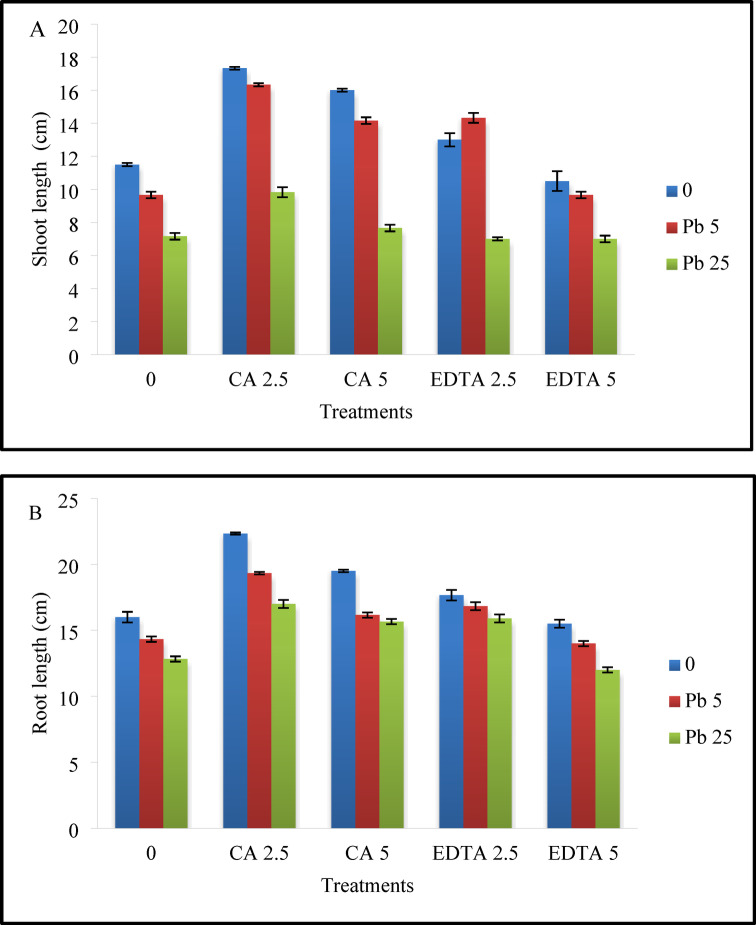
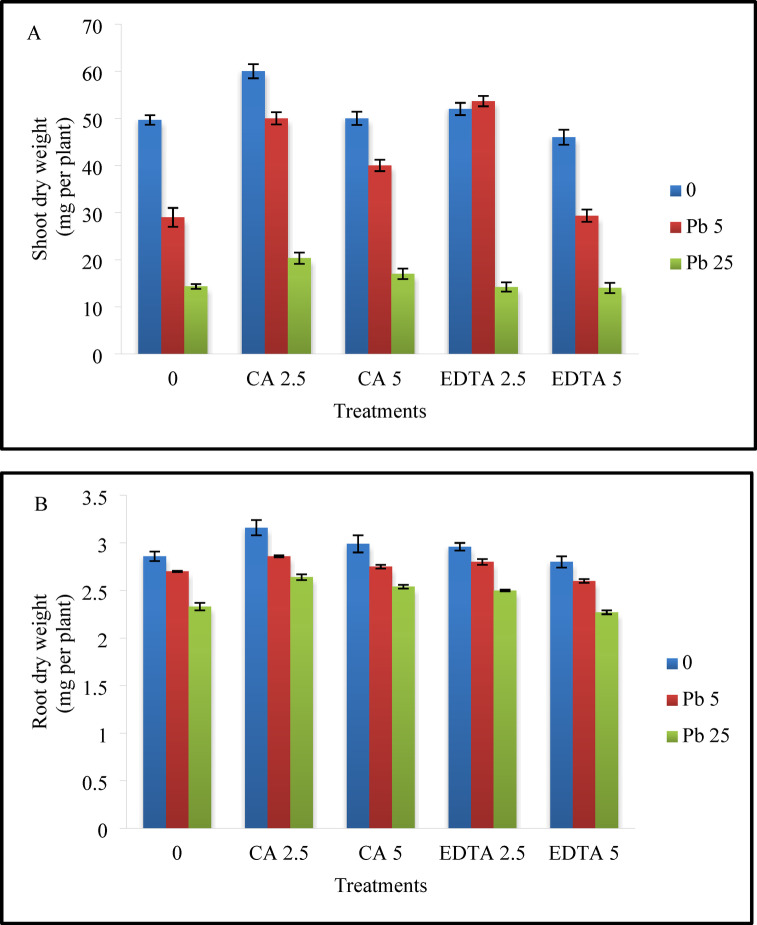
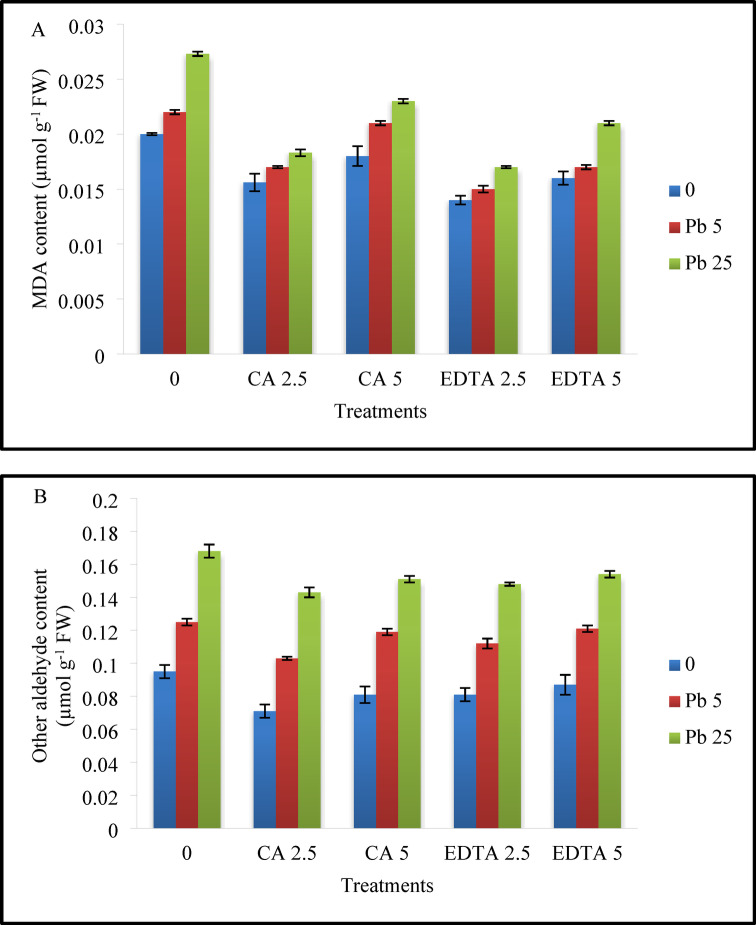
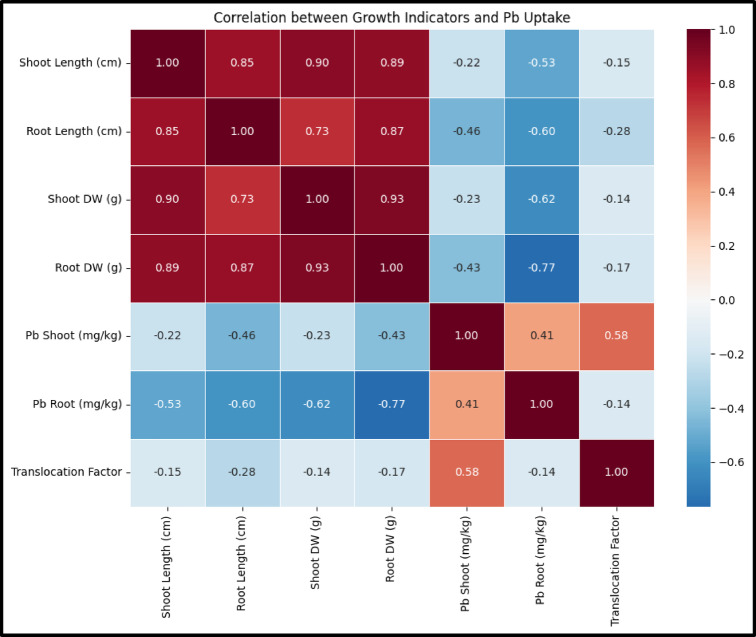
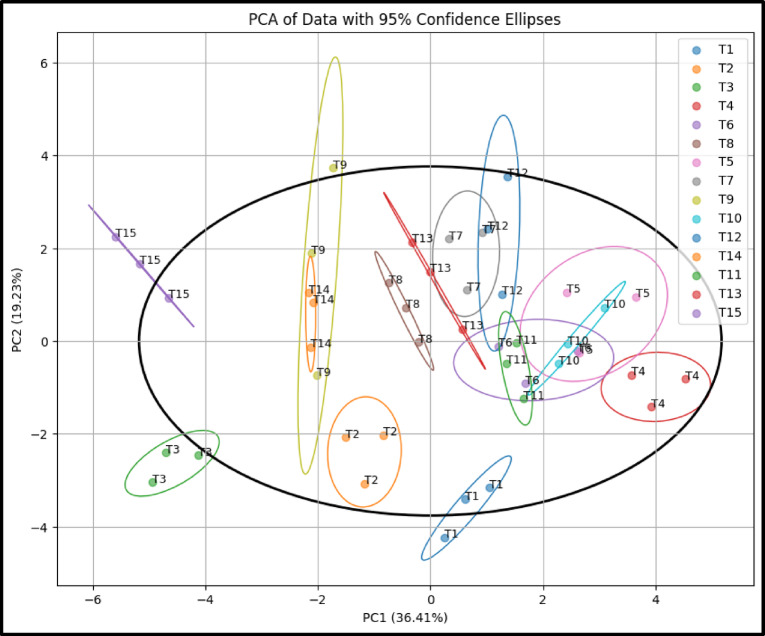
Lead (Pb) induces physiological, morphological, and metabolic effects in plants. The exogenous application of ethylenediaminetetraacetic acid (EDTA) and citric acid (CA) is a common method to enhance the phytoextraction of Pb from plants. However, the impact of these treatments on harmel’s ability to tolerate and accumulate Pb remains unclear. This study aimed to investigate the effects of CA (0, 2.5, and 5 mM) and EDTA (0, 2.5, and 5 mM) on physiological growth responses, antioxidant enzymes, as well as lead translocation factor (TF) and uptake of harmel under Pb stress (0, 5, and 25 mg L−1). The results indicated that Pb treatment significantly reduced growth parameters in harmel plants. The application of 5 mM EDTA adversely affected plant growth, while the 2.5 and 5 mM CA treatments enhanced it. The application of 2.5 mM CA and EDTA significantly decreased lipid peroxidation and improved biomass production in Pb-stressed plants. The diversity of enzymatic activity in the 2.5 mM EDTA treatments and both CA concentrations was greater than in the control and the 5 mM EDTA treatment. CA and EDTA primarily increased the levels of ascorbate, dehydroascorbate, glutathione, and protein in the leaves, thereby enhancing the Pb tolerance of harmel plants. Furthermore, CA and EDTA significantly elevated TF values, with the highest amount observed in Pb 5 + EDTA 5, compared to plants treated with Pb alone. Correlation analysis, visualized through a heat map, revealed strong positive relationships among all growth indicators and a consistently strong negative correlation between root Pb concentration and plant growth, underscoring root Pb accumulation as the primary constraint on development. Conversely, shoot Pb concentration showed weaker associations, and TF exhibited no consistent correlation with growth suppression. Principal Component Analysis (PCA) effectively distinguished Pb-stressed from treated plants and confirmed the ameliorative effects of CA and EDTA. The PCA further highlighted distinct physiological response patterns induced by the two chelating agents, suggesting different underlying mechanisms of action. Overall, CA and EDTA improved Pb tolerance in harmel by modulating antioxidant defense systems and influencing Pb distribution, offering promising tools for enhancing phytoremediation potential under Pb-contaminated conditions.
Overview
CoChat Summary
TL;DR
In hydroponically grown harmel, Pb stress reduced growth and increased oxidative markers, while citric acid (CA) and EDTA altered antioxidant enzymes and Pb distribution; 2.5 mM CA/EDTA generally improved tolerance, whereas 5 mM EDTA was toxic. CA-assisted phytoextraction is proposed as safer, but the authors state findings need soil-based validation.
Key findings
- Pb (5 and 25 mg L−1) reduced shoot length by 16% and 38% vs untreated; 2.5 mM CA + 5 mg L−1 Pb increased shoot and root length by 69% and 35% and shoot/root dry weight by 72% and 6% vs controls/Pb alone. At 25 mg L−1 Pb, MDA and other aldehydes rose by 36% and 76% vs control; 2.5 mM CA or EDTA lowered MDA by 33%/38% and aldehydes by 15%/12% vs Pb alone.
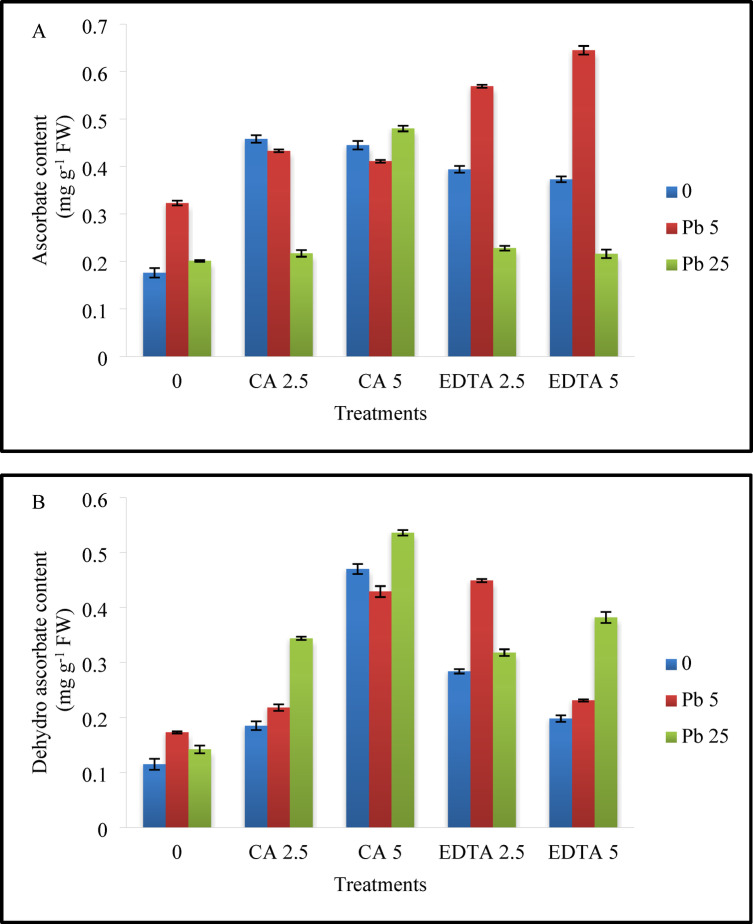
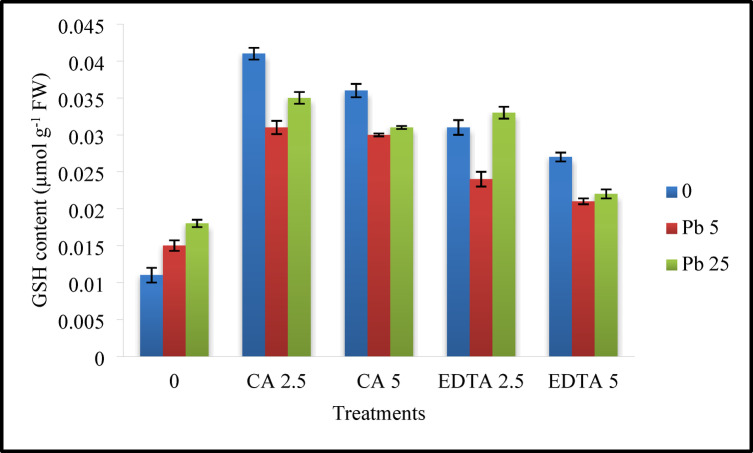
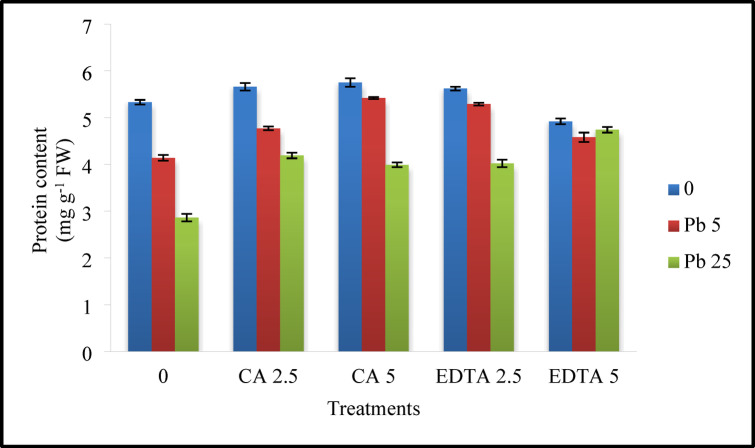
- CA and EDTA raised ascorbate, dehydroascorbate, glutathione, and protein. Pb5 + EDTA 2.5/5 mM increased ascorbate by 76%/99% and DHA by 160%/34% vs Pb alone; Pb5 + CA 2.5/5 mM increased ascorbate by 34%/27% and DHA by 26%/147%. Pb5 and Pb25 decreased leaf protein by 19% and 46%; Pb5 + CA5 increased protein 31% and Pb5 + EDTA2.5 increased it 28% vs Pb alone.
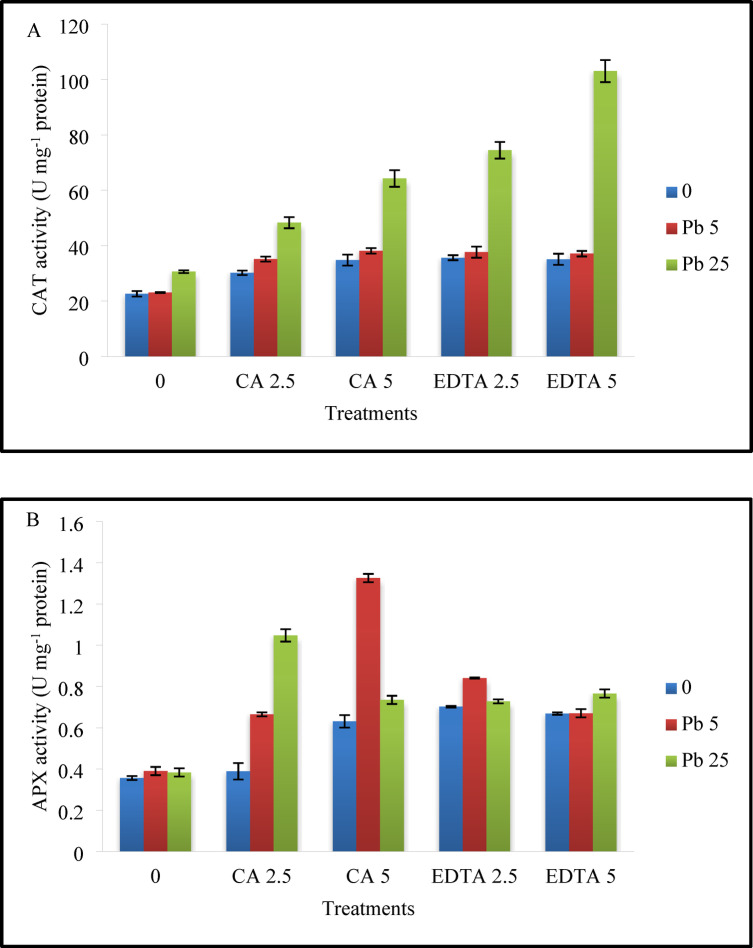
- Antioxidant enzymes responded differently: at 25 mg L−1 Pb, CAT, SOD, and GPX increased by 35.3%, 156.5%, and 17.8% vs control. Highest CAT/SOD occurred in Pb25 + EDTA5 (+355.7%/+174.9% over control); APX and LOX peaked in Pb5 + CA5 (+272.4% and +399.0% over control). GPX generally decreased with CA/EDTA; Pb0 + EDTA5 was 81.9% lower than Pb25 alone.
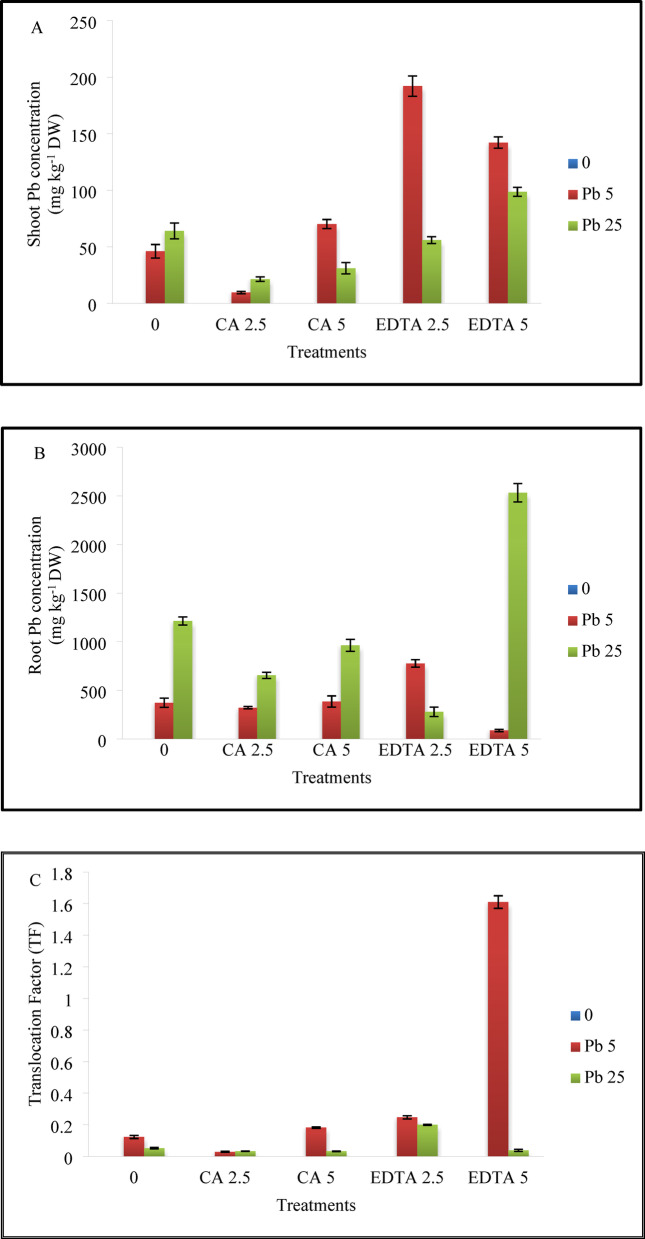
- Roots stored most Pb. Pb25 increased shoot/root Pb by 39%/226% vs Pb5. 2.5 mM CA + Pb5 reduced shoot/root Pb by 79%/14% vs control, while 2.5 mM EDTA + Pb5 increased shoot/root Pb by 317%/108% vs corresponding control. TF was highest in Pb5 + EDTA5 and exceeded one vs Pb alone. Growth traits correlated positively (r = 0.73–1.00), root Pb negatively with growth (r = −0.53 to −0.77), shoot Pb weakly (r = −0.22 to −0.46), and TF weakly/negatively (r = −0.14 to −0.28); PCA PC1/PC2 explained 36.41%/19.23%.
Methods
- Hydroponic CRD with 15 treatment combinations: Pb (0, 5, 25 mg L−1), CA (0, 2.5, 5 mM), EDTA (0, 2.5, 5 mM); n = 3 replicates, one pot with six uniform seedlings each; *P. harmala* seeds from Koshk Pb/Zn mining site, grown 40 days then treated 14 days (harvest reported at 61 days of age).
- Measured root/shoot length and dry biomass; Pb by FAAS after acid digestion; TF as shoot Pb/root Pb; MDA/aldehydes; ASC/DHA/GSH; protein by Bradford; CAT, APX, GPX, SOD, LOX activities.
- Two-way ANOVA with Tukey HSD (p < 0.05) in SPSS v26; Pearson correlations and heatmaps; PCA in Python/scikit-learn with seaborn/matplotlib.
Limitations
- Stated: hydroponic findings require validation for extrapolation to soil conditions, and chelator doses need further optimization; the conclusion calls for soil-based validation.
- Evident from text: only one species and one metallicolous population from Koshk were tested, with n = 3 biological replicates and a short 14-day treatment, limiting generalizability.
- Evident from text: some treatment labels/units are inconsistent (e.g., GSH section says “5 mM and 25 mM Pb”; Pb uptake section says “5 mg L−1 Pb soil” in a hydroponic study), which complicates interpretation.
Model-written summary. Check it against the paper before relying on it.
Integrity signals
Registry
Cites
Statistics
Figures
Verification
Claims the paper makes
0 Valid · 0 Not valid · 31 Not checked · 139 Own results and interpretations
A result the paper reports from its own data — it cites no other source for it, so there is none to check. The quote shows it is in the paper.
In the paper
“The results indicated that Pb treatment significantly reduced growth parameters in harmel plants.”
- Also stated in: § Plant growth · plain
“Exposure to Pb at concentrations of 5 and 25 mg L−1 resulted in a significant reduction in the growth of harmel plants compared to the control.”
§ Synergistic modulation of antioxidant enzymes by citric acid and EDTA to enhance lead tolerance and phytoextraction efficiency in harmel > Abstract
plainstates a cause- Asserted: passes — The authors put it forward as true.
- Checkable: passes — It can be checked against evidence.
- Load-bearing: passes — The paper’s conclusions depend on it.
- Based: passes — The paper gives a reason why it holds.
- Also stated in: § Plant growth · plain
A result the paper reports from its own data — it cites no other source for it, so there is none to check. The quote shows it is in the paper.
In the paper
“The highest amount of dehydroascorbate and ascorbate was obtained in plants that used Pb (5 mg L−1) and EDTA (2.5 and 5 mM), respectively, compared with Pb alone, and the lowest contents were achieved with a 25 mg L⁻1 Pb treatment.”
§ Synergistic modulation of antioxidant enzymes by citric acid and EDTA to enhance lead tolerance and phytoextraction efficiency in harmel > Results > Ascorbate, dehydroascorbate and glutathione concentrations
plainstates a cause- Asserted: passes — The authors put it forward as true.
- Checkable: passes — It can be checked against evidence.
- Load-bearing: unclear — It is unclear whether the paper’s conclusions depend on it.
- Based: passes — The paper gives a reason why it holds.
A result the paper reports from its own data — it cites no other source for it, so there is none to check. The quote shows it is in the paper.
In the paper
“This robust negative relationship signifies that an increase in Pb accumulation within the roots is significantly associated with a decrease in overall plant growth across all dimensions (shoot and root length, and dry weight).”
§ Synergistic modulation of antioxidant enzymes by citric acid and EDTA to enhance lead tolerance and phytoextraction efficiency in harmel > Results > Strong negative correlation between growth indicators and root Pb accumulation
boostedstates an association- Asserted: passes — The authors put it forward as true.
- Checkable: passes — It can be checked against evidence.
- Load-bearing: unclear — It is unclear whether the paper’s conclusions depend on it.
- Based: passes — The paper gives a reason why it holds.
A result the paper reports from its own data — it cites no other source for it, so there is none to check. The quote shows it is in the paper.
In the paper
“CA and EDTA primarily increased the levels of ascorbate, dehydroascorbate, glutathione, and protein in the leaves, thereby enhancing the Pb tolerance of harmel plants.”
§ Synergistic modulation of antioxidant enzymes by citric acid and EDTA to enhance lead tolerance and phytoextraction efficiency in harmel > Abstract
plainstates a cause- Asserted: passes — The authors put it forward as true.
- Checkable: passes — It can be checked against evidence.
- Load-bearing: passes — The paper’s conclusions depend on it.
- Based: passes — The paper gives a reason why it holds.
A result the paper reports from its own data — it cites no other source for it, so there is none to check. The quote shows it is in the paper.
In the paper
“Also, Pb (5 mg L−1) and CA (2.5 and 5 mM) significantly increased ascorbate by 34% and 27%, while dehydroascorbate by 26% and 147%, respectively, in comparison with Pb alone (Fig. 4).”
§ Synergistic modulation of antioxidant enzymes by citric acid and EDTA to enhance lead tolerance and phytoextraction efficiency in harmel > Results > Ascorbate, dehydroascorbate and glutathione concentrations
plainstates a cause- Asserted: passes — The authors put it forward as true.
- Checkable: passes — It can be checked against evidence.
- Load-bearing: passes — The paper’s conclusions depend on it.
- Based: passes — The paper gives a reason why it holds.
102 more claims
Create a free account to see all 170 claims and to verify the 78 references still open.
- It may state two separate claims as one. 48
- Probably not a substantial claim. 21
- The quote only partly states this claim. 2
Self-check
Percentages, sums and reported differences re-computed from the paper’s own numbers.
Each contradiction between two passages listed here was confirmed by an independent check.
Rated minor: it would not touch a result — a value no result rests on, a p-value that stays on the same side of the significance level, or a conflict that is clerical, resolved elsewhere in the paper, or outside its own findings.
In the paper
§ Synergistic modulation of antioxidant enzymes by citric acid and EDTA to enhance lead tolerance and phytoextraction efficiency in harmel > Results > Ascorbate, dehydroascorbate and glutathione concentrations
“Specifically, treatment with 5 mM and 25 mM Pb resulted in a 36% and 63% increase in glutathione levels, respectively, compared to the control group (Fig. 5).”
§ Synergistic modulation of antioxidant enzymes by citric acid and EDTA to enhance lead tolerance and phytoextraction efficiency in harmel > Materials and methods > Experimental design and lead treatments
“The concentrations of Pb (0, 5 and 25 mg L−1), CA (0, 2.5 and 5 mM), and EDTA (0, 2.5 and 5 mM) were selected based on previous studies”
Citations
Cites
Bradford, M. M. (1976) · Analytical Biochemistry · doi:10.1016/0003-2697(76)90527-3 · Cited by 255,302
Ellman, G. L. (1959) · Archives of Biochemistry and Biophysics · doi:10.1016/0003-9861(59)90090-6 · Cited by 26,311
Photoperoxidation in isolated chloroplasts
Heath, R. L., & Packer, L. (1968) · Archives of Biochemistry and Biophysics · doi:10.1016/0003-9861(68)90654-1 · Cited by 11,413
Hydrogen Peroxide is Scavenged by Ascorbate-specific Peroxidase in Spinach Chloroplasts
Nakano, Y., & Asada, K. (1981) · Plant and Cell Physiology · doi:10.1093/oxfordjournals.pcp.a076232 · Cited by 10,809 · cited 1×
“One unit of CAT was defined as the amount of enzyme that decomposes 1 μmol of H 2 O 2 per minute at 25 °C. • Ascorbate peroxidase (APX) activity was determined using the method described by Boominathan and Doran 28 and Nakano and Asada 29 .”
Superoxide Dismutases: I. Occurrence in Higher Plants
Giannopolitis, C. N., & Ries, S. K. (1977) · Plant Physiology · doi:10.1104/pp.59.2.309 · Cited by 6,394
Organic acids in the rhizosphere – a critical review
Jones, D. L. (1998) · Plant and Soil · doi:10.1023/a:1004356007312 · Cited by 2,439
Phytoremediation: A Novel Strategy for the Removal of Toxic Metals from the Environment Using Plants
Salt, D. E., Blaylock, M., Kumar, N. P. B. A., Dushenkov, V., Ensley, B. D., Chet, I., & Raskin, I. (1995) · Nature Biotechnology · doi:10.1038/nbt0595-468 · Cited by 2,203
Root exudates as mediators of mineral acquisition in low-nutrient environments
Dakora, F. D., & Phillips, D. A. (2002) · Plant and Soil · doi:10.1023/a:1020809400075 · Cited by 1,231
Phytoremediation: Mechanisms, plant selection and enhancement by natural and synthetic agents
Kafle, A., Timilsina, A., Gautam, A., Adhikari, K., Bhattarai, A., & Aryal, N. (2022) · Environmental Advances · doi:10.1016/j.envadv.2022.100203 · Cited by 736
Evangelou, M. W. H., Ebel, M., & Schaeffer, A. (2007) · Chemosphere · doi:10.1016/j.chemosphere.2007.01.062 · Cited by 632
Wu, L. H., Luo, Y. M., Xing, X. R., & Christie, P. (2004) · Agriculture, Ecosystems & Environment · doi:10.1016/j.agee.2003.09.002 · Cited by 373
Oladoye, P. O., Olowe, O. M., & Asemoloye, M. D. (2022) · Chemosphere · doi:10.1016/j.chemosphere.2021.132555 · Cited by 327
Rostami, S., & Azhdarpoor, A. (2019) · Chemosphere · doi:10.1016/j.chemosphere.2018.12.203 · Cited by 287
Purification and characterization of two lipoxygenase isoenzymes from germinating barley
Doderer, A., Kokkelink, I., van der Veen, S., Valk, B. E., Schram, A., & Douma, A. C. (1992) · Biochimica et Biophysica Acta (BBA) - Protein Structure and Molecular Enzymology · doi:10.1016/0167-4838(92)90429-h · Cited by 281
Citric Acid-Mediated Abiotic Stress Tolerance in Plants
Tahjib-Ul-Arif, M., Zahan, M. I., Karim, M. M., Imran, S., Hunter, C. T., Islam, M. S., Mia, M. A., Hannan, M. A., Rhaman, M. S., Hossain, M. A., et al. (2021) · International Journal of Molecular Sciences · doi:10.3390/ijms22137235 · Cited by 262
Ni‐induced oxidative stress in roots of the Ni hyperaccumulator, Alyssum bertolonii
Boominathan, R., & Doran, P. M. (2002) · New Phytologist · doi:10.1046/j.1469-8137.2002.00506.x · Cited by 260
de Pinto, M. C., Francis, D., & De Gara, L. (1999) · Protoplasma · doi:10.1007/bf01415704 · Cited by 254
EDTA-Enhanced Phytoremediation of Heavy Metals: A Review
Shahid, M., Austruy, A., Echevarria, G., Arshad, M., Sanaullah, M., Aslam, M., Nadeem, M., Nasim, W., & Dumat, C. (2014) · Soil and Sediment Contamination: An International Journal · doi:10.1080/15320383.2014.831029 · Cited by 244
Plewa, M. J., Smith, S. R., & Wagner, E. D. (1991) · Mutation research. Fundamental and molecular mechanisms of mutagenesis · doi:10.1016/0027-5107(91)90033-k · Cited by 202
Ur Rahman, S., Qin, A., Zain, M., Mushtaq, Z., Mehmood, F., Riaz, L., Naveed, S., Ansari, M. J., Saeed, M., Ahmad, I., et al. (2024) · Heliyon · doi:10.1016/j.heliyon.2024.e27724 · Cited by 202
Bilal Shakoor, M., Ali, S., Hameed, A., Farid, M., Hussain, S., Yasmeen, T., Najeeb, U., Aslam Bharwana, S., & Hasan Abbasi, G. (2014) · Ecotoxicology and Environmental Safety · doi:10.1016/j.ecoenv.2014.07.033 · Cited by 187
The effect of lead on plants in terms of growing and biochemical parameters: a review
Ali, M., & Nas, F. S. (2018) · MOJ Ecology & Environmental Sciences · doi:10.15406/mojes.2018.03.00098 · Cited by 175
Occluded C in rice phytoliths: implications to biogeochemical carbon sequestration
Li, Z., Song, Z., Parr, J. F., & Wang, H. (2013) · Plant and Soil · doi:10.1007/s11104-013-1661-9 · Cited by 133
Gupta, M., Dwivedi, V., Kumar, S., Patel, A., Niazi, P., & Yadav, V. K. (2024) · Plant Signaling & Behavior · doi:10.1080/15592324.2024.2365576 · Cited by 128
Meir, S., Philosoph-Hadas, S., & Aharoni, N. (1992) · Journal of the American Society for Horticultural Science · doi:10.21273/jashs.117.1.128 · Cited by 107
Effects of lead stress on the growth, physiology, and cellular structure of privet seedlings
Zhou, J., Zhang, Z., Zhang, Y., Wei, Y., & Jiang, Z. (2018) · PLOS ONE · doi:10.1371/journal.pone.0191139 · Cited by 102
Cao, X., Luo, J., Wang, X., Chen, Z., Liu, G., Khan, M. B., Kang, K. J., Feng, Y., He, Z., & Yang, X. (2020) · Science of The Total Environment · doi:10.1016/j.scitotenv.2020.138152 · Cited by 102
Jiang, M., Liu, S., Li, Y., Li, X., Luo, Z., Song, H., & Chen, Q. (2019) · Ecotoxicology and Environmental Safety · doi:10.1016/j.ecoenv.2018.12.020 · Cited by 96
Guo, J., Lv, X., Jia, H., Hua, L., Ren, X., Muhammad, H., Wei, T., & Ding, Y. (2020) · Journal of Environmental Sciences · doi:10.1016/j.jes.2019.10.001 · Cited by 82
Mahdavian, K., Ghaderian, S. M., & Torkzadeh-Mahani, M. (2017) · Journal of Soils and Sediments · doi:10.1007/s11368-015-1260-x · Cited by 71
Self-citationSidhu, G. P. S., Bali, A. S., Singh, H. P., Batish, D. R., & Kohli, R. K. (2020) · Chemosphere · doi:10.1016/j.chemosphere.2019.125350 · Cited by 70
Chelant extraction of heavy metals from contaminated soils using new selective EDTA derivatives
Zhang, T., Liu, J.-M., Huang, X.-F., Xia, B., Su, C.-Y., Luo, G.-F., Xu, Y.-W., Wu, Y.-X., Mao, Z.-W., & Qiu, R.-L. (2013) · Journal of Hazardous Materials · doi:10.1016/j.jhazmat.2013.08.069 · Cited by 69
Mahdavian, K., Ghaderian, S. M., & Schat, H. (2016) · Environmental and Experimental Botany · doi:10.1016/j.envexpbot.2016.01.010 · Cited by 67
Self-citationVigliotta, G., Matrella, S., Cicatelli, A., Guarino, F., & Castiglione, S. (2016) · Journal of Environmental Management · doi:10.1016/j.jenvman.2016.04.055 · Cited by 66
Han, Y., Zhang, L., Gu, J., Zhao, J., & Fu, J. (2018) · International Biodeterioration & Biodegradation · doi:10.1016/j.ibiod.2016.05.011 · Cited by 64
Khan, M., Samrana, S., Zhang, Y., Malik, Z., Khan, M. D., & Zhu, S. (2020) · Frontiers in Plant Science · doi:10.3389/fpls.2020.00412 · Cited by 60
Zhang, H., Zhang, L.-L., Li, J., Chen, M., & An, R.-D. (2020) · Environmental Science and Pollution Research · doi:10.1007/s11356-019-06968-0 · Cited by 58
Arán, D. S., Harguinteguy, C. A., Fernandez-Cirelli, A., & Pignata, M. L. (2017) · Environmental Science and Pollution Research · doi:10.1007/s11356-017-9464-9 · Cited by 57
Effect of plant extracts and citric acid on phytoremediation of metal-contaminated soil
Li, Y., Wang, Y., Khan, M. A., Luo, W., Xiang, Z., Xu, W., Zhong, B., Ma, J., Ye, Z., Zhu, Y., et al. (2021) · Ecotoxicology and Environmental Safety · doi:10.1016/j.ecoenv.2021.111902 · Cited by 55
Amir, W., Farid, M., Ishaq, H. K., Farid, S., Zubair, M., Alharby, H. F., Bamagoos, A. A., Rizwan, M., Raza, N., Hakeem, K. R., et al. (2020) · Chemosphere · doi:10.1016/j.chemosphere.2020.127247 · Cited by 53
Efficacy of Chelated Micronutrients in Plant Nutrition
Madhupriyaa, D., Baskar, M., Sherene Jenita Rajammal, T., Kuppusamy, S., Rathika, S., Umamaheswari, T., Sriramachandrasekran, M. V., & Mohanapragash, A. G. (2024) · Communications in Soil Science and Plant Analysis · doi:10.1080/00103624.2024.2397019 · Cited by 53
Suthar, V., Memon, K. S., & Mahmood-ul-Hassan, M. (2014) · Environmental Monitoring and Assessment · doi:10.1007/s10661-014-3671-3 · Cited by 46
Chen, Y., Jiang, H., Li, Y., Liu, Y., Chen, Y., Chen, L., Luo, X., Tang, P., Yan, H., Zhao, M., et al. (2022) · Reviews in Environmental Science and Bio/Technology · doi:10.1007/s11157-022-09613-4 · Cited by 45
Melatonin-assisted phytoremediation of Pb-contaminated soil using bermudagrass
Xie, C., Pu, S., Xiong, X., Chen, S., Peng, L., Fu, J., Sun, L., Guo, B., Jiang, M., & Li, X. (2021) · Environmental Science and Pollution Research · doi:10.1007/s11356-021-13790-0 · Cited by 41
Cai, X., Fu, J., Li, X., Peng, L., Yang, L., Liang, Y., Jiang, M., Ma, J., Sun, L., Guo, B., et al. (2022) · Ecotoxicology and Environmental Safety · doi:10.1016/j.ecoenv.2022.113755 · Cited by 34
Cay, S., Uyanik, A., Engin, M. S., & Kutbay, H. G. (2015) · International Journal of Phytoremediation · doi:10.1080/15226514.2014.935285 · Cited by 33
Shukla, M., Baksi, B., Mohanty, S. P., Mahanty, B., Mansi, A., Rene, E. R., & Behera, S. K. (2022) · Progress in Organic Coatings · doi:10.1016/j.porgcoat.2022.106704 · Cited by 33
Peco, J. D., Higueras, P., Campos, J. A., Olmedilla, A., Romero-Puertas, M. C., & Sandalio, L. M. (2020) · Chemosphere · doi:10.1016/j.chemosphere.2020.127721 · Cited by 32
Mahdavian, K. (2021) · South African Journal of Botany · doi:10.1016/j.sajb.2021.02.002 · Cited by 31
Self-citationSong, J., Markewitz, D., Wu, S., Sang, Y., Duan, C., & Cui, X. (2018) · Forests · doi:10.3390/f9090510 · Cited by 28
Insight into citric acid-induced chromium detoxification in rice (Oryza sativa. L)
Khatun, M. R., Mukta, R. H., Islam, M. A., & Huda, A. K. M. N. (2019) · International Journal of Phytoremediation · doi:10.1080/15226514.2019.1619162 · Cited by 26
El-Mahrouk, E.-S. M., Eldawansy, S. M., El-Tarawy, A. M., Ebrahim, H. M. A., Eisa, E. A., Tilly-Mándy, A., & Honfi, P. (2024) · Frontiers in Plant Science · doi:10.3389/fpls.2024.1466697 · Cited by 24
Masoudi, F., Shirvani, M., Shariatmadari, H., & Sabzalian, M. R. (2020) · Journal of Environmental Health Science and Engineering · doi:10.1007/s40201-020-00491-y · Cited by 20
Hosseini, S. S., Lakzian, A., Halajnia, A., & Razavi, B. S. (2021) · Rhizosphere · doi:10.1016/j.rhisph.2020.100277 · Cited by 17
Mahdavian, K. (2022) · Russian Journal of Plant Physiology · doi:10.1134/s1021443722030098 · Cited by 12
Self-citationThe effects of biochar and redox conditions on soil Pb bioaccessibility to people and waterfowl
Plunkett, S. A., Eckley, C. S., Luxton, T. P., & Johnson, M. G. (2022) · Chemosphere · doi:10.1016/j.chemosphere.2022.133675 · Cited by 10
Mahdavian, K. (2023) · Environmental Science and Pollution Research · doi:10.1007/s11356-023-30233-0 · Cited by 6
Self-citationNatasha, K., Ahmad, I., & Nafees, M. (2025) · Biocatalysis and Agricultural Biotechnology · doi:10.1016/j.bcab.2025.103612 · Cited by 2
Research works printed but not linked: 2
- Fu, X. P. et al. A review of progress in roles of organic acids on heavy metal resistance and detoxification in plants. Chin. J. Plant Ecol. 534, 1354–1358 (2010).
- Aebi, H. E. & Bergmeyer, H. U. (eds) Methods of enzymatic analysis 3rd edn, 273–286 (Elsevier, 1983).
Cited by
Wang, C., Li, P., Yuan, A., Bian, Z., Song, H., & Feng, Z. (2026) · Journal of Fungi · doi:10.3390/jof12020099 · Cited by 1
Ning, X., Zhang, J., Xu, B., Wang, Z., Zhou, Y., Ji, W., Lu, S., Shu, W., Gou, R., You, S., et al. (2026) · International Biodeterioration & Biodegradation · doi:10.1016/j.ibiod.2026.106353 · Cited by 1
Rezaie, S., Vaziri, A., & Mahdavian, K. (2026) · Environmental Science and Pollution Research · doi:10.1007/s11356-026-38039-6
Self-citationMahdavian, K. (2026) · Springer eBooks · doi:10.1007/978-3-032-26858-7_11
Self-citationТкаченко, Г. М., Rymuszka, A., Kołodziejska, R., & Kurhaluk, N. (2026) · International Journal of Molecular Sciences · doi:10.3390/ijms27198629
Metadata
- Authors
- Mahdavian, K.
- Affiliations
- Payame Noor University (IR)
- Corresponding author
- Mahdavian, Kobra
- ORCID
- Mahdavian, Kobra
- Venue
- Scientific Reports
- Published
- 2025-10-29
- Volume
- 15
- Issue
- 1
- Pages
- 37890-37890
- ISSN
- 2045-2322 (ISSN-L)
- PMC
- PMC12572254
- OpenAlex
- W4415667904
- Semantic Scholar
- 34fab161bedc241a7d12c8d2622ae37c4fcf709c
- Cited by
- 6
- References
- 56
- Citations by year
- 2026: 6
- FWCI
- 2.56
- Type
- journal article
- Language
- en
- Open access
- gold
- doi.org
- Licence
- cc-by-nc-nd
- creativecommons.org/licenses/by-nc-nd/4.0 (tdm)
- creativecommons.org/licenses/by-nc-nd/4.0 (vor)
- Locations
- Scientific Reports (publishedVersion, cc-by-nc-nd)
- Europe PMC (PubMed Central) (publishedVersion, cc-by-nc-nd)
- PubMed (publishedVersion)
- PubMed Central (publishedVersion, cc-by-nc-nd)
- DOAJ (DOAJ: Directory of Open Access Journals) (submittedVersion, cc-by-sa)
- Funders
- Payame Noor University
- Topics
- Life Sciences › Agricultural and Biological Sciences › Plant Science › Plant Stress Responses and Tolerance
- Physical Sciences › Environmental Science › Pollution › Heavy metals in environment
- Physical Sciences › Environmental Science › Health, Toxicology and Mutagenesis › Heavy Metal Exposure and Toxicity
- Keywords
- lead tolerance, phytoextraction, citric acid, EDTA, antioxidant enzymes, lipid peroxidation, vitamin C, glutathione, lead accumulation, phytoremediation, lead stress, chelating agents
- MeSH terms
- Antioxidants, Biodegradation, Environmental, Edetic Acid, Lead, Soil Pollutants, Lipid Peroxidation, Citric Acid
About these checks
Registry, retraction, Cites and statistics results are computed, not judged, with one exception: a printed reference that no index lists is read once by a model before it counts as a citation error. Claims are extracted by a model and kept only when their quote appears verbatim in the text; each cited source is then checked, with a model’s help, for whether it says what the claim relies on. Those verdicts can be wrong — read the claim’s quote and the cited source before relying on one.
A language model drew the claims from the paper on 2026-11-15, under version 3 of the claim definition (model deepseek-v4.1-flash, prompt extract-v3).
A second model labelled each claim on 2026-11-15 (model jev-1.13-20260917, definition revision gold-guideline-v0.2).
Statistics and arithmetic are recomputed, not judged.
Confidence bands are shown only for fields calibrated on our annotated test set. None is calibrated yet, so no band is shown.
What counts as a claim ›How we measure confidence ›How we check this ›
Are you an author, or do you see a problem with this page? Request a review
Data sources
Bibliographic data: Semantic Scholar, OpenAlex, Crossref.
Contains information from the Semantic Scholar Academic Graph Datasets, made available under the ODC Attribution License (ODC-BY 1.0).
Semantic Scholar’s data is described in: Kinney, R., et al. (2023). The Semantic Scholar Open Data Platform. arXiv:2301.10140.
