

The DOI matches its Crossref record; 138 of the 138 references it cites were found in a registry or an index.
Computational analysis of antimicrobial peptides targeting key receptors in infection-related cardiovascular diseases: molecular docking and dynamics insights
Open accessPublished version of a preprint
Abstract
Infection-related cardiovascular diseases (CVDs) pose a significant health challenge, driving the need for novel therapeutic strategies to target key receptors involved in inflammation and infection. Antimicrobial peptides (AMPs) show the potential to disrupt pathogenic processes and offer a promising approach to CVD treatment. This study investigates the binding potential of selected AMPs with critical receptors implicated in CVDs, aiming to explore their therapeutic potential. A comprehensive computational approach was employed to assess AMP interactions with CVD-related receptors, including ACE2, CRP, MMP9, NLRP3, and TLR4. Molecular docking studies identified AMPs with high binding affinities to these targets, notably Tachystatin, Pleurocidin, and Subtilisin A, which showed strong interactions with ACE2, CRP, and MMP9. Following docking, 100 ns molecular dynamics (MD) simulations confirmed the stability of AMP-receptor complexes, and MM/PBSA calculations provided quantitative insights into binding energies, underscoring the potential of these AMPs to modulate receptor activity in infection and inflammation contexts. The study highlights the therapeutic potential of Tachystatin, Pleurocidin, and Subtilisin A in targeting infection-related pathways in CVDs. These AMPs demonstrate promising receptor binding properties and stability in computational models. Future research should focus on in vitro and in vivo studies to confirm their efficacy and safety, paving the way for potential clinical applications in managing infection-related cardiovascular conditions.
Overview
The claims and statistics of this paper haven’t been checked yet.
Run the check — free, no account needed. It reads the open-access text and checks the sources it cites.
Integrity signals
Registry
Cites
Statistics
Figures
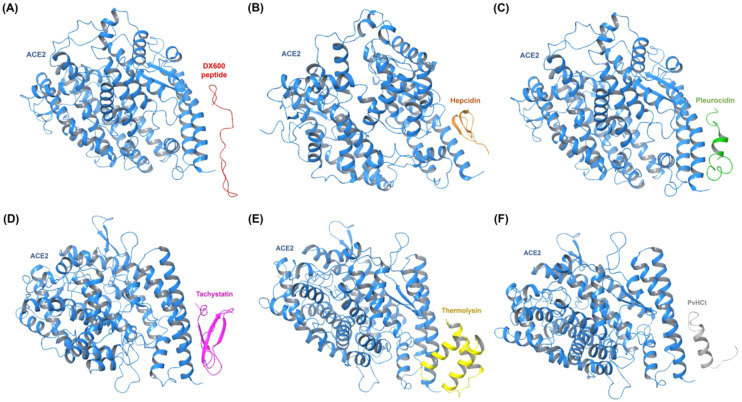
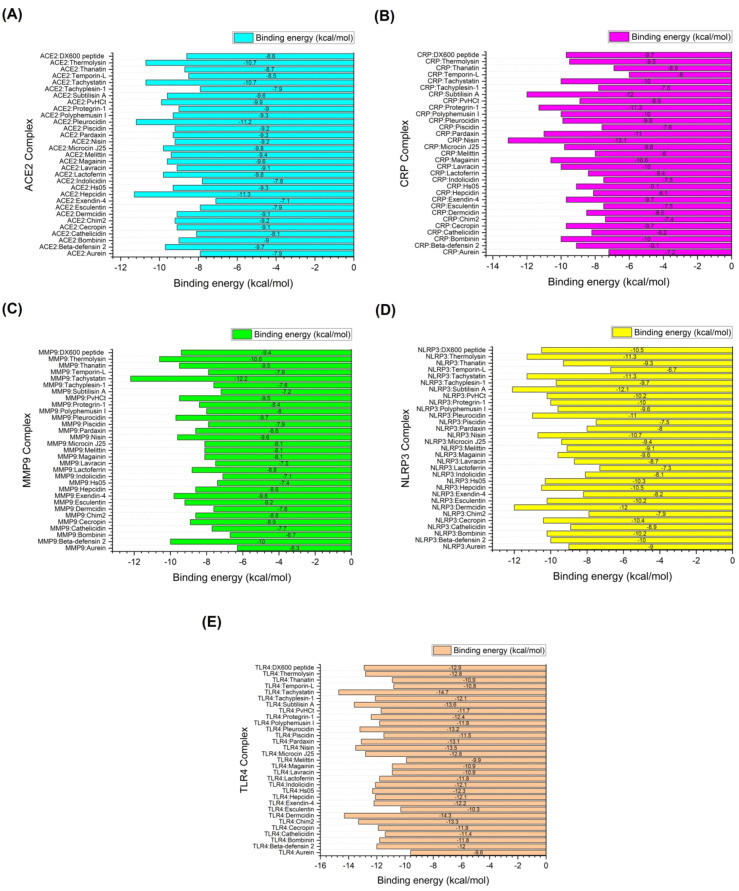
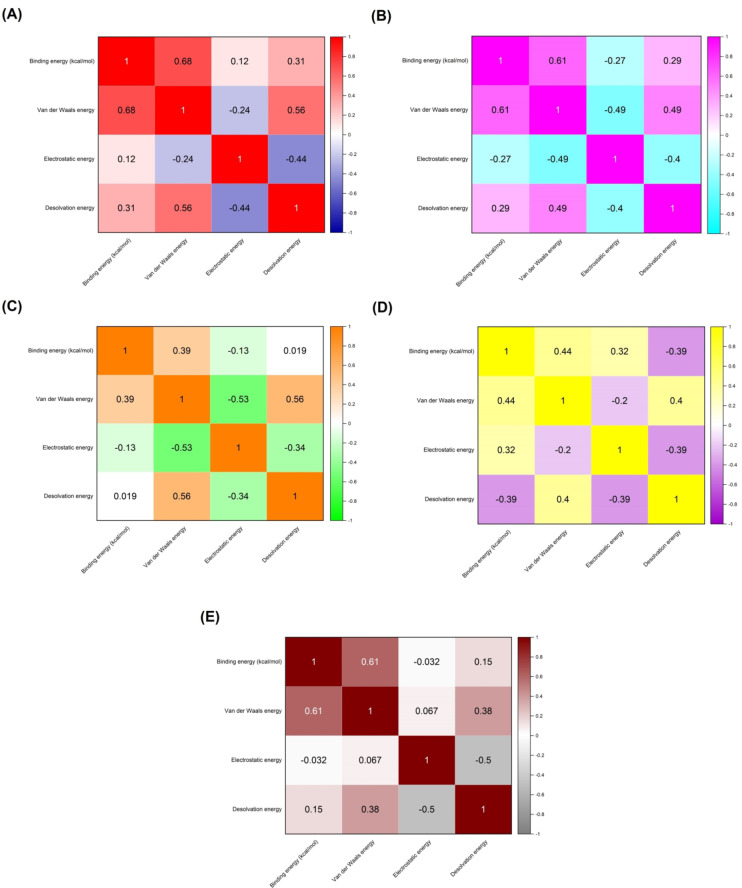
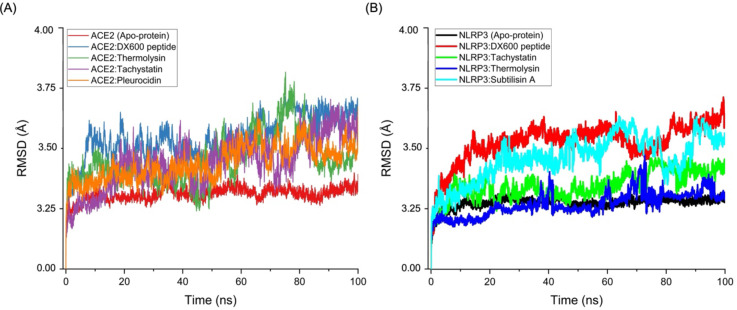
Verification
Claims the paper makes
The claims and statistics of this paper haven’t been checked yet.
Run the check — free, no account needed. It reads the open-access text and checks the sources it cites.
Self-check
Percentages, sums and reported differences re-computed from the paper’s own numbers.
The self-check needs the paper’s full text.
Citations
Cites
UCSF Chimera—A visualization system for exploratory research and analysis
Pettersen, E. F., Goddard, T. D., Huang, C. C., Couch, G. S., Greenblatt, D. M., Meng, E. C., & Ferrin, T. E. (2004) · Journal of Computational Chemistry · doi:10.1002/jcc.20084 · Cited by 45,828
Highly accurate protein structure prediction with AlphaFold
Jumper, J., Evans, R., Pritzel, A., Green, T., Figurnov, M., Ronneberger, O., Tunyasuvunakool, K., Bates, R., Žídek, A., Potapenko, A., et al. (2021) · Nature · doi:10.1038/s41586-021-03819-2 · Cited by 43,764
SWISS‐MODEL and the Swiss‐Pdb Viewer: An environment for comparative protein modeling
Guex, N., & Peitsch, M. C. (1997) · Electrophoresis · doi:10.1002/elps.1150181505 · Cited by 11,312
Protein Identification and Analysis Tools on the ExPASy Server
Gasteiger, E., Hoogland, C., Gattiker, A., Duvaud, S., Wilkins, M. R., Appel, R. D., & Bairoch, A. (2005) · Humana Press eBooks · doi:10.1385/1-59259-890-0:571 · Cited by 10,133
Antimicrobial peptides of multicellular organisms
Zasloff, M. (2002) · Nature · doi:10.1038/415389a · Cited by 8,457
GROMACS 4.5: a high-throughput and highly parallel open source molecular simulation toolkit
Pronk, S., Páll, S., Schulz, R., Larsson, P., Bjelkmar, P., Apostolov, R., Shirts, M. R., Smith, J. C., Kasson, P. M., van der Spoel, D., et al. (2013) · Bioinformatics · doi:10.1093/bioinformatics/btt055 · Cited by 7,567
Structure of the SARS-CoV-2 spike receptor-binding domain bound to the ACE2 receptor
Lan, J., Ge, J., Yu, J., Shan, S., Zhou, H., Fan, S., Zhang, Q., Shi, X., Wang, Q., Zhang, L., et al. (2020) · Nature · doi:10.1038/s41586-020-2180-5 · Cited by 5,983
Inflammatory responses and inflammation-associated diseases in organs
Chen, L., Deng, H., Cui, H., Fang, J. S., Zuo, Z., Deng, J., Li, Y., Wang, X., & Zhao, L. (2017) · Oncotarget · doi:10.18632/oncotarget.23208 · Cited by 5,572
MMPBSA.py : An Efficient Program for End-State Free Energy Calculations
Miller, B. R., McGee, T. D., Swails, J., Homeyer, N., Gohlke, H., & Roitberg, A. E. (2012) · Journal of Chemical Theory and Computation · doi:10.1021/ct300418h · Cited by 4,664
gmx_MMPBSA: A New Tool to Perform End-State Free Energy Calculations with GROMACS
Valdés-Tresanco, M. S., Valdés-Tresanco, M. E., Valiente, P. A., & Moreno, E. (2021) · Journal of Chemical Theory and Computation · doi:10.1021/acs.jctc.1c00645 · Cited by 3,393
HADDOCK: A Protein−Protein Docking Approach Based on Biochemical or Biophysical Information
Dominguez, C., Boelens, R., & Bonvin, A. M. J. J. (2003) · Journal of the American Chemical Society · doi:10.1021/ja026939x · Cited by 3,187
Defensins: antimicrobial peptides of innate immunity
Ganz, T. (2003) · Nature Reviews Immunology · doi:10.1038/nri1180 · Cited by 3,066
The structural basis of lipopolysaccharide recognition by the TLR4–MD-2 complex
Park, B. S., Song, D. H., Kim, H. M., Choi, B., Lee, H., & Lee, J. (2009) · Nature · doi:10.1038/nature07830 · Cited by 2,513
CASTp 3.0: computed atlas of surface topography of proteins
Tian, W., Chen, C., Lei, X., Zhao, J., & Liang, J. (2018) · Nucleic Acids Research · doi:10.1093/nar/gky473 · Cited by 2,389
Therapeutic Peptides: Current Applications and Future Directions
Wang, L., Wang, N., Zhang, W., Cheng, X., Yan, Z., Shao, G., Wang, X., Wang, R., & Fu, C. (2022) · Signal Transduction and Targeted Therapy · doi:10.1038/s41392-022-00904-4 · Cited by 2,131
Llor, C., & Bjerrum, L. (2014) · Therapeutic Advances in Drug Safety · doi:10.1177/2042098614554919 · Cited by 2,079 · cited 1×
“The overuse and misuse of antibiotics have led to the development of multidrug-resistant (MDR) strains, which are not only harder to treat but also contribute to higher mortality rates in patients with CVDs 22–24 .”
Immunity and Inflammation in Atherosclerosis
Wolf, D., & Ley, K. F. (2019) · Circulation Research · doi:10.1161/circresaha.118.313591 · Cited by 1,822
Antimicrobial resistance: Impacts, challenges, and future prospects
Ahmed, S. K., Hussein, S. H., Qurbani, K., Ibrahim, R. H., Fareeq, A., Mahmood, K. A., & Mohamed, M. G. (2024) · Journal of Medicine Surgery and Public Health · doi:10.1016/j.glmedi.2024.100081 · Cited by 1,470
Muteeb, G., Rehman, M. T., Shahwan, M. J., & Aatif, M. (2023) · Pharmaceuticals · doi:10.3390/ph16111615 · Cited by 1,449
Bourgonje, A. R., Abdulle, A. E., Timens, W., Hillebrands, J., Navis, G. J., Gordijn, S. J., Bolling, M. C., Dijkstra, G. D. H., Voors, A. A., Osterhaus, A. D. M. E., et al. (2020) · The Journal of Pathology · doi:10.1002/path.5471 · Cited by 1,167
Antimicrobial peptides: mechanism of action, activity and clinical potential
Zhang, Q., Yan, Z., Meng, Y., Hong, X., Shao, G. Q., Ma, J., Cheng, X., Liu, J., Kang, J., & Fu, C. (2021) · Military Medical Research · doi:10.1186/s40779-021-00343-2 · Cited by 1,100
Improved Peptide and Protein Torsional Energetics with the OPLS-AA Force Field
Robertson, M. J., Tirado‐Rives, J., & Jorgensen, W. L. (2015) · Journal of Chemical Theory and Computation · doi:10.1021/acs.jctc.5b00356 · Cited by 874
Structural mechanism for NEK7-licensed activation of NLRP3 inflammasome
Sharif, H., Wang, L., Wang, W. L., Magupalli, V. G., Andreeva, L., Qiao, Q., Hauenstein, A. V., Wu, Z., Núñez, G., Mao, Y., et al. (2019) · Nature · doi:10.1038/s41586-019-1295-z · Cited by 824
The physiological structure of human C-reactive protein and its complex with phosphocholine
Thompson, D., Pepys, M. B., & Wood, S. P. (1999) · Structure · doi:10.1016/s0969-2126(99)80023-9 · Cited by 818
Antimicrobial peptides for combating drug-resistant bacterial infections
Xuan, J., Feng, W., Wang, J., Wang, R., Zhang, B., Bo, L., Chen, Z., Yang, H. X., & Sun, L. (2023) · Drug Resistance Updates · doi:10.1016/j.drup.2023.100954 · Cited by 717
Hsu, S. D., Breukink, E. J., Tischenko, E., Lutters, M., KRUIJFF, B. D., Kaptein, R., Bonvin, A. M. J. J., & van Nuland, N. A. J. (2004) · Nature Structural & Molecular Biology · doi:10.1038/nsmb830 · Cited by 550
On the binding affinity of macromolecular interactions: daring to ask why proteins interact
Kastritis, P. L., & Bonvin, A. M. J. J. (2012) · Journal of The Royal Society Interface · doi:10.1098/rsif.2012.0835 · Cited by 548
Muhlestein, J. B., Anderson, J. L., Hammond, E. H., Zhao, L., Trehan, S., Schwobe, E. P., & Carlquist, J. F. (1998) · Circulation · doi:10.1161/01.cir.97.7.633 · Cited by 517
Toll-like receptor 4 (TLR4): new insight immune and aging
Kim, H., Kim, H., Lee, J., & Hwangbo, C. (2023) · Immunity & Ageing · doi:10.1186/s12979-023-00383-3 · Cited by 516
Bioactive Peptides from Muscle Sources: Meat and Fish
Ryan, J. T., Ross, R., Bolton, D., Fitzgerald, G., & Stanton, C. (2011) · Nutrients · doi:10.3390/nu3090765 · Cited by 493
Wang, G. (2008) · Journal of Biological Chemistry · doi:10.1074/jbc.m805533200 · Cited by 488
Terwilliger, T. C., Weissman, L. J., & Eisenberg, D. S. (1982) · Biophysical Journal · doi:10.1016/s0006-3495(82)84683-3 · Cited by 417
Mode-of-Action of Antimicrobial Peptides: Membrane Disruption vs. Intracellular Mechanisms
Benfield, A. H., & Henriques, S. T. (2020) · Frontiers in Medical Technology · doi:10.3389/fmedt.2020.610997 · Cited by 382
The Structure of Human β-Defensin-2 Shows Evidence of Higher Order Oligomerization
Hoover, D. M., Rajashankar, K. R., Blumenthal, R., Puri, A., Oppenheim, J. J., Chertov, O., & Lubkowski, J. T. (2000) · Journal of Biological Chemistry · doi:10.1074/jbc.m006098200 · Cited by 318
Glucagon-like peptide-1: a multi-faceted anti-inflammatory agent
Mehdi, S. F., Pusapati, S., Anwar, M. S., Lohana, D., Kumar, P., Nandula, S. A., Nawaz, F. K., Tracey, K., Yang, H., LeRoith, D., et al. (2023) · Frontiers in Immunology · doi:10.3389/fimmu.2023.1148209 · Cited by 317
Böttger, R., Hoffmann, R. T., & Knappe, D. (2017) · PLoS ONE · doi:10.1371/journal.pone.0178943 · Cited by 310
Crystal Structure of the Ligand-bound Glucagon-like Peptide-1 Receptor Extracellular Domain
Runge, S., Thøgersen, H., Madsen, K., Lau, J. F., & Rudolph, R. (2008) · Journal of Biological Chemistry · doi:10.1074/jbc.m708740200 · Cited by 293
Role of NLRP3 Inflammasomes in Atherosclerosis
Karasawa, T., & Takahashi, M. (2017) · Journal of Atherosclerosis and Thrombosis · doi:10.5551/jat.rv17001 · Cited by 284
Gesell, J., Zasloff, M., & Opella, S. J. (1997) · Journal of Biomolecular NMR · doi:10.1023/a:1018698002314 · Cited by 274
Strategies for Improving Peptide Stability and Delivery
Musaimi, O. A., Lombardi, L., Williams, D. R., & Alberício, F. (2022) · Pharmaceuticals · doi:10.3390/ph15101283 · Cited by 274
Matrix Metalloproteinases as Biomarkers of Atherosclerotic Plaque Instability
Olejarz, W., Łacheta, D., & Kubiak-Tomaszewska, G. (2020) · International Journal of Molecular Sciences · doi:10.3390/ijms21113946 · Cited by 272
Antimicrobial peptides – Advances in development of therapeutic applications
Luong, H. X., Tùng, T. T., & Tran, T. H. (2020) · Life Sciences · doi:10.1016/j.lfs.2020.118407 · Cited by 269
Toll-like Receptors in the Vascular System: Sensing the Dangers Within
Goulopoulou, S., McCarthy, C. G., & Webb, R. C. (2015) · Pharmacological Reviews · doi:10.1124/pr.114.010090 · Cited by 267
Solution structure of protegrin-1, a broad-spectrum antimicrobial peptide from porcine leukocytes
Fahrner, R. L., Dieckmann, T., Harwig, S. S. L., Lehrer, R. I., Eisenberg, D. S., & Feigon, J. F. (1996) · Chemistry & Biology · doi:10.1016/s1074-5521(96)90145-3 · Cited by 265
Peptides as Therapeutic Agents: Challenges and Opportunities in the Green Transition Era
Rossino, G., Marchese, E., Galli, G., Verde, F., Finizio, M., Serra, M., Linciano, P., & Collina, S. (2023) · Molecules · doi:10.3390/molecules28207165 · Cited by 261
Characterization of Antimicrobial Peptides toward the Development of Novel Antibiotics
Aoki, W., & Ueda, M. (2013) · Pharmaceuticals · doi:10.3390/ph6081055 · Cited by 258
Crystal Structure of Human MMP9 in Complex with a Reverse Hydroxamate Inhibitor
Rowsell, S., Hawtin, P., Minshull, C. A., Jepson, H., Brockbank, S., Barratt, D. G., Slater, A. M., McPheat, W. L., Waterson, D., HENNEY, A. M., et al. (2002) · Journal of Molecular Biology · doi:10.1016/s0022-2836(02)00262-0 · Cited by 256
Hwang, P. M., Zhou, N., Shan, X., Arrowsmith, C. H., & Vogel, H. J. (1998) · Biochemistry · doi:10.1021/bi972323m · Cited by 252
Friedrich, C. L., Rozek, A., Patrzykat, A., & Hancock, R. E. W. (2001) · Journal of Biological Chemistry · doi:10.1074/jbc.m009691200 · Cited by 230
Novel Peptide Inhibitors of Angiotensin-converting Enzyme 2
Huang, L., Sexton, D. J., Skogerson, K., Devlin, M., Smith, R. G., Sanyal, I., Parry, T. J., Kent, R. B., Enright, J., Wu, Q., et al. (2003) · Journal of Biological Chemistry · doi:10.1074/jbc.m212934200 · Cited by 217
Hepcidin Revisited, Disulfide Connectivity, Dynamics, and Structure
Jordan, J. B., Poppe, L., Haniu, M., Arvedson, T., Syed, R., Li, V., Kohno, H., Kim, H., Schnier, P. D., Harvey, T. S., et al. (2009) · Journal of Biological Chemistry · doi:10.1074/jbc.m109.017764 · Cited by 214
On Exploring Structure–Activity Relationships
Guha, R. (2013) · Methods in molecular biology · doi:10.1007/978-1-62703-342-8_6 · Cited by 212
Kawulka, K. E., Sprules, T. J., Diaper, C. M., Whittal, R. M., McKay, R. T., Mercier, P., Zuber, P., & Vederas, J. C. (2004) · Biochemistry · doi:10.1021/bi0359527 · Cited by 205
Impact of non-proteinogenic amino acids in the discovery and development of peptide therapeutics
Ding, Y., Ting, J. P., Liu, J., Al-Azzam, S., Pandya, P., & Afshar, S. (2020) · Amino Acids · doi:10.1007/s00726-020-02890-9 · Cited by 200
Cathelicidin impact on inflammatory cells
Agier, J., Efenberger-Szmechtyk, M., & Brzezińska‐Błaszczyk, E. (2015) · Central European Journal of Immunology · doi:10.5114/ceji.2015.51359 · Cited by 194
Gagat, P., Ostrówka, M., Duda-Madej, A., & Mackiewicz, P. (2024) · International Journal of Molecular Sciences · doi:10.3390/ijms251910821 · Cited by 186
Matrix metalloproteinases in cardiovascular disease
Liu, P. X., Sun, M., & Sader, S. (2006) · Canadian Journal of Cardiology · doi:10.1016/s0828-282x(06)70983-7 · Cited by 181
Chemical modifications to increase the therapeutic potential of antimicrobial peptides
Han, Y., Zhang, M., Lai, R., & Zhang, Z. (2021) · Peptides · doi:10.1016/j.peptides.2021.170666 · Cited by 172
Effect of hydrophobic modifications in antimicrobial peptides
Schmidtchen, A., Pasupuleti, M., & Malmsten, M. (2013) · Advances in Colloid and Interface Science · doi:10.1016/j.cis.2013.06.009 · Cited by 170
Jawa, V., Terry, F. E., Gokemeijer, J., Mitra‐Kaushik, S., Roberts, B., Tourdot, S., & Groot, A. S. D. (2020) · Frontiers in Immunology · doi:10.3389/fimmu.2020.01301 · Cited by 167
Methods to Enhance the Metabolic Stability of Peptide-Based PET Radiopharmaceuticals
Evans, B. J., King, A. T., Katsifis, A. G., Matesic, L., & Jamie, J. F. (2020) · Molecules · doi:10.3390/molecules25102314 · Cited by 163
Timmons, P. B., & Hewage, C. M. (2020) · Scientific Reports · doi:10.1038/s41598-020-67701-3 · Cited by 156
The Role of Matrix Metalloproteinase-9 in Atherosclerotic Plaque Instability
Li, T., Li, X., Feng, Y., Dong, G., Wang, Y., & Yang, J. (2020) · Mediators of Inflammation · doi:10.1155/2020/3872367 · Cited by 156
Amezcua-Castillo, E., González‐Pacheco, H., Martín, A. S.-S., Méndez-Ocampo, P., Gutiérrez-Moctezuma, I., Massó, F., Sierra‐Lara, D., Springall, R., Rodríguez, E., Arias‐Mendoza, A., et al. (2023) · Biomedicines · doi:10.3390/biomedicines11092444 · Cited by 156
Molecular Dynamics Simulation Study of Water Surfaces: Comparison of Flexible Water Models
Yuet, P. K., & Blankschtein, D. (2010) · The Journal of Physical Chemistry B · doi:10.1021/jp1067022 · Cited by 155
PRODIGY: A Contact-based Predictor of Binding Affinity in Protein-protein Complexes
Vangone, A., & Bonvin, A. M. J. J. (2017) · BIO-PROTOCOL · doi:10.21769/bioprotoc.2124 · Cited by 154
NMR Structure of Pardaxin, a Pore-forming Antimicrobial Peptide, in Lipopolysaccharide Micelles
Bhunia, A., Domadia, P. N., Torres, J., Hallock, K., Ramamoorthy, A., & Bhattacharjya, S. (2009) · Journal of Biological Chemistry · doi:10.1074/jbc.m109.065672 · Cited by 143
Amorim, A. M. B., Piochi, L. F., Gaspar, A. T., Preto, A. J., Rosário-Ferreira, N., & Moreira, I. S. (2024) · Chemical Research in Toxicology · doi:10.1021/acs.chemrestox.3c00352 · Cited by 132
Singh, R., Bhardwaj, V. K., Sharma, J., Das, P., & Purohit, R. (2021) · Journal of Biomolecular Structure and Dynamics · doi:10.1080/07391102.2021.1900918 · Cited by 130
NLRP3 inflammasome: The rising star in cardiovascular diseases
Zheng, Y., Li, X., Dong, N., & Li, F. (2022) · Frontiers in Cardiovascular Medicine · doi:10.3389/fcvm.2022.927061 · Cited by 125
Mandard, N., Sodano, P., Labbe, H., Bonmatin, J., Bulet, P., Hétru, C., Ptak, M., & Vovelle, F. (1998) · European Journal of Biochemistry · doi:10.1046/j.1432-1327.1998.2560404.x · Cited by 116
Zhu, X., Zhang, L., Wang, J., Ma, Z., Xu, W., Li, J., & Shan, A. (2015) · Acta Biomaterialia · doi:10.1016/j.actbio.2015.02.023 · Cited by 116
Tian, S., Sun, H., Pan, P., Li, D., Zhen, X., Li, Y., & Hou, T. (2014) · Journal of Chemical Information and Modeling · doi:10.1021/ci500414b · Cited by 116
Computational Approaches to Predict Protein–Protein Interactions in Crowded Cellular Environments
Grassmann, G., Miotto, M., Desantis, F., Rienzo, L. D., Tartaglia, G. G., Pastore, A., Ruocco, G., Monti, M. M., & Milanetti, E. (2024) · Chemical Reviews · doi:10.1021/acs.chemrev.3c00550 · Cited by 109
ACE2 in the Era of SARS-CoV-2: Controversies and Novel Perspectives
Saponaro, F., Rutigliano, G., Sestito, S., Bandini, L., Storti, B., Bizzarri, R., & Zucchi, R. (2020) · Frontiers in Molecular Biosciences · doi:10.3389/fmolb.2020.588618 · Cited by 108
Bhardwaj, V. K., & Purohit, R. (2023) · Carbohydrate Polymers · doi:10.1016/j.carbpol.2023.120729 · Cited by 106
Innate Immune Receptors, Key Actors in Cardiovascular Diseases
Jaén, R. I., Val‐Blasco, A., Prieto, P., Fernández, M. G., Smani, T., Lopez-Sendon, J. L., Delgado, C., Boscá, L., & Fernández‐Velasco, M. (2020) · JACC Basic to Translational Science · doi:10.1016/j.jacbts.2020.03.015 · Cited by 103
Wang, G., Li, Y., & Li, X. (2004) · Journal of Biological Chemistry · doi:10.1074/jbc.m410116200 · Cited by 102
Structural basis for hijacking siderophore receptors by antimicrobial lasso peptides
Mathavan, I., Zirah, S., Mehmood, S., Choudhury, H. G., Goulard, C., Li, Y., Robinson, C. V., Rebuffat, S., & Beis, K. (2014) · Nature Chemical Biology · doi:10.1038/nchembio.1499 · Cited by 95
Inhibition of nonstructural protein 15 of SARS‐CoV‐2 by golden spice: A computational insight
Singh, R., Bhardwaj, V. K., & Purohit, R. (2022) · Cell Biochemistry and Function · doi:10.1002/cbf.3753 · Cited by 94
Bhardwaj, V. K., Singh, R., Singh, P., Purohit, R., & Kumar, S. (2019) · Journal of Theoretical Biology · doi:10.1016/j.jtbi.2019.110094 · Cited by 93
Kushibiki, T., Kamiya, M., Aizawa, T., Kumaki, Y., Kikukawa, T., Mizuguchi, M., Demura, M., Kawabata, S.-I., & Kawano, K. (2014) · Biochimica et Biophysica Acta (BBA) - Proteins and Proteomics · doi:10.1016/j.bbapap.2013.12.017 · Cited by 91
Structure–activity relationships for the β-hairpin cationic antimicrobial peptide polyphemusin I
Powers, J.-P. S., Rozek, A., & Hancock, R. E. W. (2004) · Biochimica et Biophysica Acta (BBA) - Proteins and Proteomics · doi:10.1016/j.bbapap.2003.12.009 · Cited by 91
Stotts, C., Corrales‐Medina, V., & Rayner, K. J. (2023) · Circulation Research · doi:10.1161/circresaha.122.321636 · Cited by 91
Amos, S.-B. T. A., Vermeer, L. S., Ferguson, P. M., Kozlowska, J., Davy, M., Bui, T. T. T., Drake, A. F., Lorenz, C. D., & Mason, A. J. (2016) · Scientific Reports · doi:10.1038/srep37639 · Cited by 89
Therapeutic stapled peptides: Efficacy and molecular targets
Li, Y., Wu, M., Fu, Y., Xue, J., Yuan, F., Qu, T., Rissanou, A. N., Wang, Y., Li, X., & Hu, H. (2024) · Pharmacological Research · doi:10.1016/j.phrs.2024.107137 · Cited by 87
Fan, Z., Fu, M., Xu, Z., Zhang, B., Li, Z., Li, H., Zhou, X., Liu, X., Duan, Y., Lin, P., et al. (2017) · Biomacromolecules · doi:10.1021/acs.biomac.7b00760 · Cited by 86
Robles-Loaiza, A. A., Pinos-Tamayo, E. A., Mendes, B. D. S., Ortega-Pila, J. A., Proaño‐Bolaños, C., Plisson, F., Teixeira, C. A. S., Gomes, P. A. C., & Almeida, J. R. (2022) · Pharmaceuticals · doi:10.3390/ph15030323 · Cited by 83
Design Methods for Antimicrobial Peptides with Improved Performance
Mwangi, J., Kamau, P. M., Thuku, R. C., & Lai, R. (2023) · 动物学研究 · doi:10.24272/j.issn.2095-8137.2023.246 · Cited by 80
Kircheis, R., & Planz, O. (2023) · International Journal of Molecular Sciences · doi:10.3390/ijms24076701 · Cited by 75
Chlamydia pneumoniae Infection and Inflammatory Diseases
Porritt, R. A., & Crother, T. R. (2016) · Forum on Immunopathological Diseases and Therapeutics · doi:10.1615/forumimmundisther.2017020161 · Cited by 74
Computational analysis of protein-ligand interaction by targeting a cell cycle restrainer
Singh, R., & Purohit, R. (2023) · Computer Methods and Programs in Biomedicine · doi:10.1016/j.cmpb.2023.107367 · Cited by 74
Petit, V. W., Rolland, J., Blond, A., Cazevieille, C., Djédiat, C., Péduzzi, J., Goulard, C., Bachère, E., Dupont, J., Destoumieux‐Garzón, D., et al. (2015) · Biochimica et Biophysica Acta (BBA) - General Subjects · doi:10.1016/j.bbagen.2015.12.010 · Cited by 73
Peptide-Based Selective Inhibitors of Matrix Metalloproteinase-Mediated Activities
Ndinguri, M. W., Bhowmick, M., Tokmina‐Roszyk, D., Robichaud, T. K., & Fields, G. B. (2012) · Molecules · doi:10.3390/molecules171214230 · Cited by 68
Portrayal of NLRP3 Inflammasome in Atherosclerosis: Current Knowledge and Therapeutic Targets
Tănase, D. M., Valasciuc, E., Gosav, E. M., Ouatu, A., Buliga-Finiș, O. N., Floria, M., Maranducă, M. A., & Șerban, I. L. (2023) · International Journal of Molecular Sciences · doi:10.3390/ijms24098162 · Cited by 66
Gong, H., Hu, X., Zhang, L., Fa, K., Liao, M., Liu, H., Fragneto, G., Campana, M., & Lu, J. R. (2023) · Journal of Colloid and Interface Science · doi:10.1016/j.jcis.2023.01.051 · Cited by 64
Duration and life-stage of antibiotic use and risk of cardiovascular events in women
Heianza, Y., Zheng, Y., Ma, W., Rimm, E. B., Albert, C. M., Hu, F. B., Rexrode, K. M., Manson, J. E., & Qi, L. (2019) · European Heart Journal · doi:10.1093/eurheartj/ehz231 · Cited by 63
Matrix Metalloproteinase Inhibition and the Prevention of Heart Failure
Lee, R. T. (2001) · Trends in Cardiovascular Medicine · doi:10.1016/s1050-1738(01)00113-x · Cited by 62
Cavallaro, P. A., Santo, M. D., Belsito, E. L., Longobucco, C., Curcio, M., Morelli, C., Pasqua, L., & Leggio, A. (2023) · Nanomaterials · doi:10.3390/nano13172476 · Cited by 61
Structure of the Antimicrobial Peptide Tachystatin A
Fujitani, N., Kawabata, S.-I., Osaki, T., Kumaki, Y., Demura, M., Nitta, K., & Kawano, K. (2002) · Journal of Biological Chemistry · doi:10.1074/jbc.m111120200 · Cited by 58
In Silico Characterization of the Binding Modes of Surfactants with Bovine Serum Albumin
Nnyigide, O. S., Lee, S., & Hyun, K. (2019) · Scientific Reports · doi:10.1038/s41598-019-47135-2 · Cited by 55
Oh, D., Kim, Y., Shin, S. Y., Kang, J. H., Hahm, K. S., & Kim, K. L. (1999) · Journal of Peptide Research · doi:10.1034/j.1399-3011.1999.00067.x · Cited by 54
Biophysical aspect of phosphatidylinositol 3-kinase and role of oncogenic mutants (E542K & E545K)
Kalsi, N., Gopalakrishnan, C., Rajendran, V., & Purohit, R. (2015) · Journal of Biomolecular Structure and Dynamics · doi:10.1080/07391102.2015.1127774 · Cited by 53
Saini, R. S., Binduhayyim, R. I. H., Gurumurthy, V., Alshadidi, A. A. F., Aldosari, L. I. N., Okshah, A., Kuruniyan, M. S., Dermawan, D., Avetisyan, A., Mosaddad, S. A., et al. (2024) · BMC Oral Health · doi:10.1186/s12903-024-04343-1 · Cited by 53
Self-citationImproved functionality and safety of peptides by the formation of peptide-polyphenol complexes
Lin, D., Sun, L., Huo, W.-S., Zhang, L., Chen, Y., Miao, S., & Cao, M.-J. (2023) · Trends in Food Science & Technology · doi:10.1016/j.tifs.2023.104193 · Cited by 51
Liang, Q., Liu, Z., Liang, Z., Zhu, C., Li, D., Kong, Q., & Mou, H. (2024) · The Science of The Total Environment · doi:10.1016/j.scitotenv.2024.172150 · Cited by 48
Saini, R. S., Binduhayyim, R. I. H., Gurumurthy, V., Alshadidi, A. A. F., Bavabeedu, S. S., Vyas, R., Dermawan, D., Naseef, P. P., Mosaddad, S. A., & Heboyan, A. G. (2024) · Journal of Materials Science Materials in Medicine · doi:10.1007/s10856-024-06799-7 · Cited by 48
Self-citationManzo, G., Ferguson, P. M., Hind, C. K., Clifford, M., Gustilo, V. B., Ali, H., Bansal, S. S., Bui, T. T. T., Drake, A. F., Atkinson, R. A., et al. (2019) · Scientific Reports · doi:10.1038/s41598-019-47327-w · Cited by 44
Challenges and promises for translating computational tools into clinical practice
Ahn, W., & Busemeyer, J. R. (2016) · Current Opinion in Behavioral Sciences · doi:10.1016/j.cobeha.2016.02.001 · Cited by 43
Association of respiratory infections and the impact of vaccinations on cardiovascular diseases
Rademacher, J., Therre, M., Hinze, C. A., Buder, F., Böhm, M., & Welte, T. (2024) · European Journal of Preventive Cardiology · doi:10.1093/eurjpc/zwae016 · Cited by 43
Loffredo, M. R., Ghosh, A., Harmouche, N., Casciaro, B., Luca, V., Bortolotti, A., Cappiello, F., Stella, L., Bhunia, A., Bechinger, B., et al. (2017) · Biochimica et Biophysica Acta (BBA) - Biomembranes · doi:10.1016/j.bbamem.2017.09.009 · Cited by 38
Rotem, S., Radzishevsky, I. S., & Mor, A. (2006) · Antimicrobial Agents and Chemotherapy · doi:10.1128/aac.00030-06 · Cited by 37
Laera, N., Malerba, P., Vacanti, G., Nardin, S., Pagnesi, M., & Nardin, M. (2023) · Life · doi:10.3390/life13112128 · Cited by 37
Festa, M., Sansone, C., Brunet, C., Crocetta, F., Paola, L. D., Lombardo, M., Bruno, A., Noonan, D. M., & Albini, A. (2020) · International Journal of Molecular Sciences · doi:10.3390/ijms21218364 · Cited by 36
Structures of the glycine-rich diastereomeric peptides bombinin H2 and H4
Zangger, K., Gößler‐Schöfberger, R., Khatai, L., Lohner, K., & Jilek, A. (2008) · Toxicon · doi:10.1016/j.toxicon.2008.05.011 · Cited by 34
Rational Design of Membrane‐Pore‐Forming Peptides
Pillong, M., Hiss, J. A., Schneider, P., Lin, Y., Posselt, G., Pfeiffer, B., Blatter, M., Müller, A. T., Bachler, S., Neuhaus, C. S., et al. (2017) · Small · doi:10.1002/smll.201701316 · Cited by 34
Panday, S. K., & Alexov, E. (2022) · ACS Omega · doi:10.1021/acsomega.1c07037 · Cited by 33
Atherosclerosis by Virus Infection—A Short Review
Jung, S.-H., & Lee, K. (2022) · Biomedicines · doi:10.3390/biomedicines10102634 · Cited by 32
Chlamydia Pneumoniae and Atherosclerosis: From Koch Postulates to Clinical Trials
Liu, C., & Waters, D. D. (2005) · Progress in Cardiovascular Diseases · doi:10.1016/j.pcad.2005.01.001 · Cited by 31
Comert, F., Greenwood, A. I., Maramba, J., Acevedo, R., Lucas, L. H., Kulasinghe, T., Cairns, L. S., Wen, Y., Fu, R., Hammer, J. L., et al. (2019) · Journal of Biological Chemistry · doi:10.1074/jbc.ra119.010232 · Cited by 31
Baharin, N. H. Z., Mokhtar, N. F. K., Desa, M. N. M., Gopalsamy, B., Zaki, N. N. M., Yuswan, M. H., Muthanna, A., Dzaraly, N. D., Abbasiliasi, S., Hashim, A. M., et al. (2021) · PeerJ · doi:10.7717/peerj.12193 · Cited by 31
Rifai, E. A., Ferrario, V., Pleiss, J., & Geerke, D. P. (2020) · Journal of Chemical Theory and Computation · doi:10.1021/acs.jctc.9b00890 · Cited by 30
Sortino, O., Hullsiek, K. H., Richards, E. S., Rupert, A. W., Schminke, A., Tetekpor, N., Quiñones, M., Prosser, R. A., Schacker, T., Sereti, I., et al. (2019) · The Journal of Infectious Diseases · doi:10.1093/infdis/jiz042 · Cited by 28
Alotaiq, N., Dermawan, D., & Elwali, N. E. (2024) · International Journal of Molecular Sciences · doi:10.3390/ijms251910818 · Cited by 24
Self-citationMolecular Dynamics Simulation Estrogen Receptor Alpha againts Andrographolide as Anti Breast Cancer
Dermawan, D., Sumirtanurdin, R., & Dewantisari, D. (2019) · Indonesian Journal of Pharmaceutical Science and Technology · doi:10.24198/ijpst.v6i2.18168 · Cited by 23
Self-citationAmatuni, A., Shuster, A., Abegg, D., Adibekian, A., & Renata, H. (2023) · ACS Central Science · doi:10.1021/acscentsci.2c01219 · Cited by 22
Yuan, Z., Chen, X., Fan, S., Chang, L., Chu, L., Zhang, Y., Wang, J., Li, S., Xie, J., Jian-guo, H., et al. (2024) · International Journal of Molecular Sciences · doi:10.3390/ijms25010671 · Cited by 22
Structural basis for the bacterial membrane insertion of dermcidin peptide, DCD-1L
Nguyễn, V. S., Tan, K. W., Ramesh, K. K., Chew, F. T., & Mok, Y. (2017) · Scientific Reports · doi:10.1038/s41598-017-13600-z · Cited by 15
New perspectives on angiotensin-converting enzyme 2 and its related diseases
Liu, L.-P., Zhang, X., & Li, J. (2021) · World Journal of Diabetes · doi:10.4239/wjd.v12.i6.839 · Cited by 15
Therapeutic Potential of Antiviral Peptides against the NS2B/NS3 Protease of Zika Virus
Hossain, M. S., Shovon, M. T. I., Hasan, M. R., Hakim, F. T., Hasan, M. M., Esha, S. A., Tasnim, S., Nazir, M., Akhter, F., Ali, M., et al. (2023) · ACS Omega · doi:10.1021/acsomega.3c04903 · Cited by 15
Mariano, G. H., de Sá, L. G. G., da Silva, E. M. C., Santos, M. A., Fh, J. L. C., Lira, B. O., Barbosa, É. A., de Araújo, A. R., Leite, J. R. S. A., Ramada, M. H. S., et al. (2020) · Materials Science and Engineering C · doi:10.1016/j.msec.2020.111581 · Cited by 13
Fiebig, D., Storka, J., Roeder, M., Meyners, C., Schmelz, S., Blankenfeldt, W., Scrima, A., Kolmar, H., & Fuchsbauer, H. (2018) · FEBS Journal · doi:10.1111/febs.14647 · Cited by 11
de Freitas, T. V., Karmakar, U., Vasconcelos, A. G., Santos, M. A., Lira, B. O., Costa, S. R., Barbosa, É. A., Fh, J. L. C., Corrêa, R., Ribeiro, D. J. S., et al. (2023) · Journal of Biological Chemistry · doi:10.1016/j.jbc.2023.103056 · Cited by 11
Impact of Cardiovascular Diseases on COVID-19: A Systematic Review
Cao, Q., Lei, H., Yang, M., Wei, L., Dong, Y., Xu, J., Nasser, M., Liu, M., Zhu, P., Xu, L., et al. (2021) · Medical Science Monitor · doi:10.12659/msm.930032 · Cited by 10
Mahadik, R., Kiptoo, P. K., Tolbert, T. J., & Siahaan, T. J. (2022) · Medical Research Archives · doi:10.18103/mra.v10i5.2804 · Cited by 10
Musliha, A., Dermawan, D., Rahayu, P., et al. (2024) · Heliyon · doi:10.1016/j.heliyon.2024.e38386 · Cited by 10
Self-citationMechanistic overview of gut microbiota and mucosal pathogens with respect to cardiovascular diseases
Shayista, H., Prasad, M. N. N., Raj, S. N., Ranjini, H. K., Manju, K., & Baker, S. (2024) · The Microbe · doi:10.1016/j.microb.2024.100160 · Cited by 8
A Review on The Pathogenesis of Cardiovascular Disease of Flaviviridea Viruses Infection
Yang, T.-H., Gao, W., Ma, X., Liu, Q., Pang, P., Zheng, Y., Jia, Y., & Zheng, C. (2024) · Viruses · doi:10.3390/v16030365 · Cited by 6
Research works printed but not linked: 3
- Dermawan, D., Bahtiar, R. & Sofian, F. F. Implementation of green supply chain management (GSCM) in the pharmaceutical industry in Indonesia: feasibility analysis and case studies. J. Ilm Farm. 15, 23–29 (2019).
- Zhang, Q. Y. et al. Antimicrobial peptides: mechanism of action, activity and clinical potential. Mil Med. Res. 8, 48. https://doi.org/10.1186/s40779-021-00343-2 (2021). · DOI
- Gagat, P., Ostrówka, M., Duda-Madej, A. & Mackiewicz, P. Enhancing antimicrobial peptide activity through modifications of charge, hydrophobicity, and structure. Int. J. Mol. Sci. 25 https://doi.org/10.3390/ijms251910821 (2024). · DOI
Metadata
- Authors
- Dermawan, D., & Alotaiq, N.
- Affiliations
- Warsaw University of Technology (PL)
- Imam Mohammad ibn Saud Islamic University (SA)
- Corresponding author
- Alotaiq, Nasser
- Venue
- Scientific Reports
- Published
- 2025-03-14
- Volume
- 15
- Issue
- 1
- Pages
- 8896-8896
- ISSN
- 2045-2322 (ISSN-L)
- PMC
- PMC11909139
- OpenAlex
- W4408473383
- Cited by
- 19
- References
- 138
- Citations by year
- 2026: 11 · 2025: 8
- FWCI
- 10.41
- Type
- journal article
- Language
- en
- Open access
- gold
- doi.org
- Licence
- Locations
- Scientific Reports (publishedVersion, cc-by-nc-nd)
- Preprints.org (acceptedVersion, cc-by)
- Research Square (acceptedVersion, cc-by)
- Europe PMC (PubMed Central) (publishedVersion, cc-by-nc-nd)
- PubMed Central (publishedVersion, cc-by-nc-nd)
- PubMed (publishedVersion)
- DOAJ (DOAJ: Directory of Open Access Journals) (submittedVersion, cc-by-sa)
- Funders
- Deanship of Scientific Research at Imam Mohammad Ibn Saud Islamic University (IMSIU-DDRSP2501)
- Topics
- Life Sciences › Immunology and Microbiology › Microbiology › Antimicrobial Peptides and Activities
- Life Sciences › Pharmacology, Toxicology and Pharmaceutics › Drug Discovery › Computational Drug Discovery Methods
- Life Sciences › Biochemistry, Genetics and Molecular Biology › Molecular Biology › Protein Structure and Dynamics
- Keywords
- antimicrobial peptides, ACE2, C-reactive protein, MMP-9, NLRP3 inflammasome, TLR4, pleurocidin, subtilisin A, peptide-receptor binding, binding affinity, binding energy, inflammation
- MeSH terms
- Angiotensin-Converting Enzyme 2, Antimicrobial Peptides, Cardiovascular Diseases, Humans, Protein Binding, Molecular Dynamics Simulation, Molecular Docking Simulation
About these checks
Registry, retraction, Cites and statistics results are computed, not judged, with one exception: a printed reference that no index lists is read once by a model before it counts as a citation error. Claims are extracted by a model and kept only when their quote appears verbatim in the text; each cited source is then checked, with a model’s help, for whether it says what the claim relies on. Those verdicts can be wrong — read the claim’s quote and the cited source before relying on one.
Statistics and arithmetic are recomputed, not judged.
Confidence bands are shown only for fields calibrated on our annotated test set. None is calibrated yet, so no band is shown.
What counts as a claim ›How we measure confidence ›How we check this ›
Are you an author, or do you see a problem with this page? Request a review
Data sources
Bibliographic data: Semantic Scholar, OpenAlex, Crossref.
Contains information from the Semantic Scholar Academic Graph Datasets, made available under the ODC Attribution License (ODC-BY 1.0).
Semantic Scholar’s data is described in: Kinney, R., et al. (2023). The Semantic Scholar Open Data Platform. arXiv:2301.10140.
