

Developing and adopting safe and effective digital biomarkers to improve patient outcomes
Open accessThe DOI matches its Crossref record; 22 of the 22 references it cites were found in a registry or an index.
Abstract
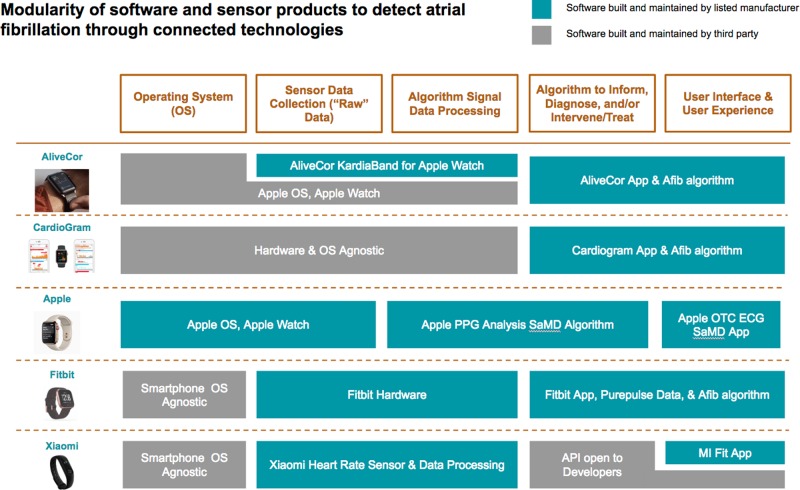
Biomarkers are physiologic, pathologic, or anatomic characteristics that are objectively measured and evaluated as an indicator of normal biologic processes, pathologic processes, or biological responses to therapeutic interventions. Recent advances in the development of mobile digitally connected technologies have led to the emergence of a new class of biomarkers measured across multiple layers of hardware and software. Quantified in ones and zeros, these “digital” biomarkers can support continuous measurements outside the physical confines of the clinical environment. The modular software–hardware combination of these products has created new opportunities for patient care and biomedical research, enabling remote monitoring and decentralized clinical trial designs. However, a systematic approach to assessing the quality and utility of digital biomarkers to ensure an appropriate balance between their safety and effectiveness is needed. This paper outlines key considerations for the development and evaluation of digital biomarkers, examining their role in clinical research and routine patient care.
Overview
The claims and statistics of this paper haven’t been checked yet.
Free: it reads the open-access text and checks the first 5 claims that cite a source we can check. Create a free account to check every claim.
Integrity signals
Registry
Cites
Statistics
Figures
Verification
Claims the paper makes
The claims and statistics of this paper haven’t been checked yet.
Free: it reads the open-access text and checks the first 5 claims that cite a source we can check. Create a free account to check every claim.
Claims other papers make about this one
Each is checked against this paper’s own text: does it say what the citing paper says it does?
In the citing paper
“Digital biomarkers are physiological, psychological and behavioral indicators based on data including human-computer interaction (e.g. swipes, taps, and typing), physical activity (e.g. gait, dexterity) and voice variations, collected by portable, wearable, implantable or even ingestible devices42.”
From Sex and gender differences and biases in artificial intelligence for biomedicine and healthcare (2020) · cites this paper as [42]
In the citing paper
“There are many digital biomarkers that are currently being developed or already approved or cleared by the U.S. Food and Drug Administration (FDA) for use cases such as risk detection, diagnosis, and monitoring of symptoms and endpoints in clinical trials42”
From Sex and gender differences and biases in artificial intelligence for biomedicine and healthcare (2020) · cites this paper as [42]
Self-check
Percentages, sums and reported differences re-computed from the paper’s own numbers.
The self-check needs the paper’s full text.
Citations
Cites
Cardiologist-Level Arrhythmia Detection with Convolutional Neural Networks
Rajpurkar, P., Hannun, A., Haghpanahi, M., Bourn, C., & Ng, A. Y. (2017) · arXiv (Cornell University) · doi:10.48550/arxiv.1707.01836 · Cited by 595 · cited 1×
“[*] Detect arrhythmias using convolutional neural networks and a wearable single-lead heart monitor.(22)”
MethodHalcox, J. P. J., Wareham, K., Cardew, A., Gilmore, M., Barry, J. P., Phillips, C., & Gravenor, M. B. (2017) · Circulation · doi:10.1161/circulationaha.117.030583 · Cited by 580
Zhan, A., Mohan, S., Tarolli, C., Schneider, R. B., Adams, J. L., Sharma, S., Elson, M. J., Spear, K. L., Glidden, A. M., Little, M. A., et al. (2018) · JAMA Neurology · doi:10.1001/jamaneurol.2018.0809 · Cited by 381
EEG Analytics for Early Detection of Autism Spectrum Disorder: A data-driven approach
Bosl, W. J., Tager-Flusberg, H., & Nelson, C. A. (2018) · Scientific Reports · doi:10.1038/s41598-018-24318-x · Cited by 381
Torous, J., Onnela, J.-P., & Keshavan, M. (2017) · Translational Psychiatry · doi:10.1038/tp.2017.25 · Cited by 347 · cited 1×
“New frameworks are emerging around the security,(14) ethics,(13) and informed consent challenges,(15) of digital phenotyping technologies.(16) One approach—a promising one for tracking security vulnerabilities and issues of performance, transparency, and accuracy—would require software manufacturers to provide, in pre…”
BackgroundWearable devices in clinical trials: hype and hypothesis
Izmailova, E. S., Wagner, J. A., & Perakslis, E. D. (2018) · Clinical Pharmacology & Therapeutics · doi:10.1002/cpt.966 · Cited by 265
Data mining for health: staking out the ethical territory of digital phenotyping
Martinez-Martin, N., Insel, T. R., Dagum, P., Greely, H. T., & Cho, M. K. (2018) · npj Digital Medicine · doi:10.1038/s41746-018-0075-8 · Cited by 218 · cited 1×
“While healthcare delivery organizations using digital biomarkers are of course Health Insurance Portability and Accountability Act (HIPAA) covered entities, when citizens engage directly with the technologies or technology companies, HIPAA does not apply.(13) Social media and targeted advertising platforms typically e…”
BackgroundFDA Regulation of Mobile Medical Apps
Shuren, J., Patel, B., & Gottlieb, S. (2018) · JAMA · doi:10.1001/jama.2018.8832 · Cited by 155
Gold, M., Amatniek, J., Carrillo, M. C., Cedarbaum, J. M., Hendrix, J. A., Miller, B. B., Robillard, J. M., Rice, J. J., Soares, H., Tome, M. B., et al. (2018) · Alzheimer's & Dementia: Translational Research & Clinical Interventions · doi:10.1016/j.trci.2018.04.003 · Cited by 143
Ritchie, K., Carrière, I., Su, L., O'Brien, J. T., Lovestone, S., Wells, K., & Ritchie, C. W. (2017) · Alzheimer's & Dementia · doi:10.1016/j.jalz.2017.02.008 · Cited by 105
Cited by
Items 201–300 of 362
Kurland, D. B., Lau, D., Kim, N. C., & Ames, C. P. (2023) · Seminars in Spine Surgery · doi:10.1016/j.semss.2023.101032 · Cited by 4
Zawada, S. J., Ganjizadeh, A., Hagen, C. E., Demaerschalk, B. M., & Erickson, B. J. (2024) · Sensors · doi:10.3390/s24113595 · Cited by 4
“This is especially relevant in the context of neurological disorders, where the nuances of the disease can be better understood and managed via detailed, real-time monitoring provided by DHTs [52].”
BackgroundMe in the Wild: An Exploratory Study Using Smartphones to Detect the Onset of Depression
Asare, K. O., Visuri, A., Vega, J., & Ferreira, D. (2022) · Lecture notes of the Institute for Computer Sciences, Social Informatics and Telecommunications Engineering · doi:10.1007/978-3-031-06368-8_9 · Cited by 6
“In medicine, phenotypes/biomarkers are physiological, pathological, or anatomical characteristics that are objectively measured and evaluated as an indicator of normal biological, pathological processes or biological responses to therapeutic interventions [12].”
BackgroundDigital outcome measures in pulmonary clinical trials
Farrand, E. D., & Swigris, J. J. (2023) · Current Opinion in Pulmonary Medicine · doi:10.1097/mcp.0000000000000972 · Cited by 4
“However, DHT-generated measurements need to be rigorously verified and validated before they can be relied on to demonstrate safety, efficacy, or effectiveness [17,18].”
BackgroundArtificial Intelligence for Personalized Care, Wellness, and Longevity Research
Shaban‐Nejad, A., Michalowski, M., & Bianco, S. (2023) · Studies in computational intelligence · doi:10.1007/978-3-031-36938-4_1 · Cited by 4
Wei, X., Ke, J., Huang, H., Zhou, S., Guo, A., Wang, K., Zhan, Y., Mai, C., Ao, W., Xie, F., et al. (2020) · Cancer Management and Research · doi:10.2147/cmar.s239795 · Cited by 8
“By extracting and analyzing these valuable data, it is possible to identify potential biomarkers that can improve the detection of cancer.(9) RF is an ensemble algorithm that combines many weak predictors with good local performance to yield an ensemble predictor with strong global performance.”
BackgroundCapobianco, E., & Meroni, P. L. (2021) · Expert Review of Precision Medicine and Drug Development · doi:10.1080/23808993.2021.1924055 · Cited by 4
“Thus, it is critical to develop more inclusive digital biomarkers (DBs) [7,8] that”
BackgroundZarowitz, B. J. M. (2020) · Annals of Pharmacotherapy · doi:10.1177/1060028020919383 · Cited by 5
Cross-Platform Ecological Momentary Assessment App (JTrack-EMA+): Development and Usability Study
Far, M. S., Fischer, J. M., Senge, S., Rathmakers, R., Meißner, T., Schneble, D., Narava, M., Eickhoff, S. B., & Dukart, J. (2025) · Journal of Medical Internet Research · doi:10.2196/51689 · Cited by 6
“Health-related data collected from these devices are often called digital biomarkers (DBs) [4-6].”
Antonini, A., Coşar, S., Naja, I., Haleem, M. S., Macdonald, J. H., Innominato, P., & Barresi, G. (2025) · Sensors · doi:10.3390/s25123655 · Cited by 4
“The proposed approach extends the concept of digital biomarkers [9] to leverage the unique smartphone capabilities for ubiquitous computing.”
Coon, W. G., & Ogg, M. (2026) · npj Digital Medicine · doi:10.1038/s41746-026-02970-2 · Cited by 5
Fowe, I. E., Sanders, E. C., & Boot, W. R. (2023) · PubMed Central · Cited by 10
Boujraine, K., Laaidi, N., Ezzine, A., & Satori, H. (2024) · International Conference on Embedded Systems and Artificial Intelligence (ESAI) · doi:10.1109/esai62891.2024.10913507 · Cited by 3
“By applying machine learning (ML) techniques, voice samples can be analyzed for early detection of abnormalities, offering more accessible and efficient healthcare solutions [9]- [12].”
Geraci, J., Rao, P., Grandinetti, C., Qorri, B., Nadolny, P., Ayalew, K., Bregnhøj, L., Edwards, L., Hofmann, K., Khozin, S., et al. (2025) · Journal of the Society for Clinical Data Management · doi:10.47912/jscdm.426 · Cited by 6
Self-citationFowler, J. C., Skubiak, T., Engelhardt, K., Furst, B. A., Zhao, S. J., Nyilas, M., Profit, D., & Carson, W. H. (2021) · Journal of Scientific Innovation in Medicine · doi:10.29024/jsim.84 · Cited by 3
“Telemedicine has been introduced into clinical trials through real-time video or virtual communication, uploading data or photographs for delayed review and analysis, and remote patient monitoring including digital biomarkers [7, 9].”
MethodDigital Data Platform for Connected Clinical Trials
Zhang, H., Ji, J., Ruan, G., Patel, N., Giesting, R., Miller, L., Yang, Y. L., & Yang, J. (2022) · IEEE International Conference on Big Data (BigData) · doi:10.1109/bigdata55660.2022.10020925 · Cited by 5
“The potential of digital biomarkers (dBM) has been increasing in the past decade [4], which makes the role of biosensors, wearables, and mobile health in modern healthcare continue to evolve.”
BackgroundMekniran, W., & Kowatsch, T. (2023) · International Joint Conference on Biomedical Engineering Systems and Technologies (BIOSTEC) · doi:10.5220/0011778400003414 · Cited by 3
“Digital biomarkers are objective and quantifiable physiological and behavioural data derived from digital devices, which can be used to analyze, change or predict health outcomes (Coravos et al., 2019).”
BackgroundDionne-Odom, J. N., Lee, K., Currie, E. R., Allen-Watts, K., Harrell, E. R., Bechthold, A. C., Engler, S., Curry, K., Kamal, A. H., Ritchie, C. S., et al. (2025) · JCO Clinical Cancer Informatics · doi:10.1200/cci-24-00201 · Cited by 5
“As others have discussed in detail, 33-35 careful consideration of data use and legal agreements and strategies to protect privacy and security of passively collected smartphone data will need to be given for potential future models of clinical care that use digital phenotyping.”
From Bench-to-Bedside: A Review of Clinical Trials in Drug Discovery and Development
Wang, T., Liu, M., Peng, B., Song, X., Zhang, C., Sun, X., Niu, Q., Liu, J., Chen, S., Chen, K., et al. (2026) · BIO Integration · doi:10.15212/bioi-2025-0198 · Cited by 15
Bediou, B., & Wac, K. (2022) · Elsevier eBooks · doi:10.1016/b978-0-12-818872-9.00190-4 · Cited by 5
Physiological sensor data cleaning with autoencoders
Kriara, L., Zanon, M., Lipsmeier, F., & Lindemann, M. (2023) · Physiological Measurement · doi:10.1088/1361-6579/ad10c7 · Cited by 3
Hernandez, R., Stone, A. A., Zelinski, E. M., Meijer, E., Galama, T. J., Faul, J. D., Kapteyn, A., Junghaenel, D. U., Jin, H., Gatz, M., et al. (2025) · American Journal of Epidemiology · doi:10.1093/aje/kwae478 · Cited by 4
Johnson, T., Hagen, C., Coffman, D. L., Nunn, M., Schmidt-Read, M., Heath, K. M., Marino, R. J., & Hiremath, S. V. (2025) · Archives of Physical Medicine and Rehabilitation · doi:10.1016/j.apmr.2025.03.003 · Cited by 2
Dionne-Odom, J. N., Lee, K., Harrell, E. R., Allen-Watts, K., Bechthold, A. C., Engler, S., Puga, F., Bibriescas, N., Kamal, A. H., Ritchie, C. S., et al. (2025) · BMC Cancer · doi:10.1186/s12885-025-14009-y · Cited by 3
“[13,14] For example, depressive symptoms may manifest as a decrease in locations visited and reduced call and text activity.”
Cheng, N., Tao, Y., Yang, J., Shen, C., Zhang, C., & Lou, B. (2025) · Biosensors and Bioelectronics · doi:10.1016/j.bios.2025.118290 · Cited by 4
Song, N., Zhou, H., Wang, P., Li, C.-C., Luo, X., & Lv, S. (2026) · Sensors and Actuators B Chemical · doi:10.1016/j.snb.2026.139725 · Cited by 2
Neural and motor mechanisms of handwriting: from healthy aging to neurodegenerative disorders
Burgio, F., Pezzetta, R., Gooijers, J., Nordio, S., & Mantini, D. (2026) · Frontiers in Aging Neuroscience · doi:10.3389/fnagi.2026.1758541 · Cited by 6
“Multimodal frameworks combining neural and behavioral data may improve the sensitivity and interpretability of handwriting-based biomarkers and help to capture individual variability in disease progression and compensatory mechanisms (Coravos et al., 2019; Goldsack et al., 2020).”
Sadeghsalehi, H. (2026) · Array · doi:10.1016/j.array.2026.100778 · Cited by 4
Ullah, R., Akbar, S., Nawaz, R., Ali, Z., Singh, V. K., & Bukhari, S. A. C. (2026) · Journal of dementia and Alzheimer's disease · doi:10.3390/jdad3020018 · Cited by 4
“Future work should be aimed at demonstrating clinical validity and use in broad studies that will aid in the submission to regulatory bodies [85].”
Nidhi, A. (2023) · Nature Environment and Pollution Technology · doi:10.46488/nept.2023.v22i04.036 · Cited by 5
“By embracing digital technologies, • For example, The US Food and Drug Administration (FDA) has a specific regulatory process to address the use of digital biomarkers (and their components) and is currently piloting a program that further streamlines product-level approvals (Coravos et al. 2019).”
Smartphone Haptics Can Uncover Differences in Touch Interactions Between ASD and Neurotypicals
Monarca, I., Cibrian, F. L., Hurtado, I. L., & Tentori, M. E. (2024) · Proceedings of the ACM on Interactive Mobile Wearable and Ubiquitous Technologies · doi:10.1145/3699749 · Cited by 2
“These digital markers have the potential to revolutionize healthcare by enabling early detection, personalized interventions, and remote monitoring of various conditions, including mental health disorders, neurological conditions, cardiovascular diseases, and respiratory illnesses [31].”
Magnol.Ai — an Internet of Medical Things (IoMT) Platform for Digital Health Research
Zhang, H., Ruan, G., Hartich, R., Patel, N., Zhong, M., Kaczorek, A., Miller, L., Giesting, R., Li, W., Zhang, B., et al. (2024) · IEEE International Conference on Big Data (BigData) · doi:10.1109/bigdata62323.2024.10825104 · Cited by 3
“The past decade has marked a transformative shift in healthcare, driven by the rise of digital biomarkers (dBMs) [6] and the evolving capabilities of biosensors, wearables, and mobile health technologies.”
AI-enabled IoMT: transforming healthcare in smart hospitals
Alsaeed, N., & Nadeem, F. (2025) · Elsevier eBooks · doi:10.1016/b978-0-443-34226-4.00024-1 · Cited by 6
Precision Medicine Using Pharmacogenomic Panel-Testing
van der Wouden, C. H., Guchelaar, H., & Swen, J. J. (2020) · Advances in Molecular Pathology · doi:10.1016/j.yamp.2020.07.012 · Cited by 3
“Raw sensor data can also be processed into digital biomarkers and endpoints [82].”
BackgroundKernebeck, S., Busse, T. S., & Vollmar, H. C. (2022) · Springer eBooks · doi:10.1007/978-3-658-35691-0_4 · Cited by 2
Pharmacometabolomics-Based Translational Biomarkers: How to Navigate the Data Ocean
Bafiti, V., & Κάτσιλα, Θ. (2022) · OMICS A Journal of Integrative Biology · doi:10.1089/omi.2022.0097 · Cited by 2
“In the long term, pharmacometabolomics will act as the toolbox of choice for digital biomarkers, the latter including wearable, implantable, and ingestible devices and sensors (Coravos et al, 2019), mapping ‘‘real-time’’ interindividual variability.”
Precision Medicine Using Pharmacogenomic Panel-Testing
van der Wouden, C. H., Guchelaar, H., & Swen, J. J. (2022) · Clinics in Laboratory Medicine · doi:10.1016/j.cll.2022.09.012 · Cited by 2
The Role of Digital Biomarkers in Cancer Research and Patient Care
Rodler, S. (2019) · Biomedical Journal of Scientific & Technical Research · doi:10.26717/bjstr.2019.17.003009 · Cited by 2
“They can be composed of multiple hardware and software components and allow a continuous and remote assessment of patients [7].”
BackgroundA Systematic Review of Methods used to Conduct Decentralised Clinical Trials
Rogers, A. (2022) · doi:10.26226/m.619bb9febe545488cfae505f · Cited by 2
Artificial intelligence and cardiovascular disease in women
Campos, B. A. F., Adedinsewo, D. A., Tsang, W., & Silversides, C. K. (2023) · Elsevier eBooks · doi:10.1016/b978-0-323-90534-3.00027-5 · Cited by 1
Navigating the Intersection of Technology and Depression Precision Medicine
Irmak-Yazicioglu, M. B., & Arslan, A. (2024) · Advances in experimental medicine and biology · doi:10.1007/978-981-97-4402-2_20 · Cited by 1
Digital Biomarkers in Neurodevelopmental Health: Current Status, Promises, and Perils
Owotoki, W., Enseroth, A., Mbugua, R. N., & Owotoki, P. (2024) · Integrated science · doi:10.1007/978-3-031-76414-1_4 · Cited by 1
Future Trends in Artificial Intelligence for Medical Applications
Chaudhuri, T., & Ghosh, J. (2025) · Advances in medical diagnosis, treatment, and care (AMDTC) book series · doi:10.4018/979-8-3693-9816-6.ch020 · Cited by 1
Inhaled Volume as a Digital Biomarker Predicting Outcomes in Chronic Respiratory Disease
Chrystyn, H., & Milton-Edwards, M. (2025) · Journal of Aerosol Medicine and Pulmonary Drug Delivery · doi:10.1089/jamp.2024.0063 · Cited by 2
“13 Furthermore, there is evidence to suggest that digitally enhanced adherence interventions in asthma and COPD are likely to be cost-effective, in view of the social and economic costs of poorly controlled CRD. 9,33 The potential for digital technologies to help address long-standing challenges in the management of C…”
InfluentialThe Problem of Ethics in Artificial Intelligence for Healthcare
Hine, C. (2025) · Oxford University Press eBooks · doi:10.1093/9780197764527.003.0002 · Cited by 1
Mushtaq, T., Hameed, H., Paiva‐Santos, A. C., Tariq, U., & Hameed, A. (2025) · Molecular Neurobiology · doi:10.1007/s12035-025-05189-6 · Cited by 2
“The development of reliable biochemical tests could significantly improve early detection and treatment outcomes [63].”
Magnol.AI Copilot: Multimodal LLMs for Natural, Accessible Data Interaction
Ruan, G., Zhang, H., Xiao, H., & Yang, J. (2025) · IEEE International Conference on Computer Vision Workshops · doi:10.1109/iccvw69036.2025.00237 · Cited by 1
“The rapid evolution of clinical research has been accompanied by a proliferation of data from connected clinical trials, including high-resolution raw sensor signals, derived digital biomarkers (dBMs) [4, 7], and participant-reported outcomes.”
Rajapaksha, R. D., & Farmer, J. T. (2026) · Bioanalysis · doi:10.1080/17576180.2026.2658614 · Cited by 1
Vilches, J. R., Puthusserypady, S. K., Biering‐Sørensen, B., Thomsen, T. H., & Tolu, S. (2026) · Frontiers in Aging Neuroscience · doi:10.3389/fnagi.2026.1774177 · Cited by 2
Burtovaja, N., Burtovojs, S., Dekhtyar, Y., Hauser, R. A., & Ribickis, L. (2026) · Bioengineering · doi:10.3390/bioengineering13050584 · Cited by 1
“Building on the modality asymmetry outlined above, we propose a four-layer framework for continuous non-invasive cervical functional assessment structured as sensing → representation → inference → clinical interpretation [34–36].”
InfluentialFeng, K., Sun, Z., Lee, R. K.-W., Jiang, X., Theng, Y., & Ding, Y. (2026) · ACM Conference on User Modeling, Adaptation and Personalization (UMAP) · doi:10.1145/3774935.3812715 · Cited by 6
“Smartphones and wearables passively capture behavioral traces linked to mental health [3], providing continuous measurements of sleep, mobility, and social interactions that reveal early signs of stress, anxiety, and depression [5].”
Artificial intelligence in biomarker discovery for diseases: diagnostic and therapeutic prospects
Dinç, R., & Ardıç, N. (2026) · Signal Transduction and Targeted Therapy · doi:10.1038/s41392-026-02946-4 · Cited by 1
Ernst, S. W., Knight, R., Royle, J., & Stephenson, L. J. (2021) · Elsevier eBooks · doi:10.1016/b978-0-12-820493-1.00015-5 · Cited by 1
Digital Health: A New Frontier
Barracca, A., Ledda, S., Mancosu, G., Pintore, G., Quintaliani, G., Ronco, C., & KASHANI, K. B. (2023) · Journal of Translational Critical Care Medicine · doi:10.4103/jtccm-d-22-00018 · Cited by 14
Using Wearable Devices to Mitigate Bias in Patient Reported Outcomes for Aging Populations
Templeton, J. M., Poellabauer, C., & Schneider, S. L. (2023) · Lecture notes of the Institute for Computer Sciences, Social Informatics and Telecommunications Engineering · doi:10.1007/978-3-031-32029-3_30 · Cited by 1
Introducere în utilizarea inteligenţei artificiale în pediatrie
Pop, T. L. (2023) · Pediatru ro · doi:10.26416/pedi.70.2.2023.8303 · Cited by 1
Biomarkers for disease identification and drug development
Sharma, P., Kumar, N., Khandelwal, K., Chand, S., & Dhaka, S. (2024) · Elsevier eBooks · doi:10.1016/b978-0-443-13860-7.00016-1 · Cited by 1
Healthcare, trials, and digital impact
Kashyap, S., & Singh, S. (2024) · Elsevier eBooks · doi:10.1016/b978-0-443-23901-4.00025-8 · Cited by 1
PAVE: Planning Assessment in a Virtual Environment for Evaluating Executive Functions in the Elderly
Noselli, E., Giglioli, I. A. C., Sajno, E., & Riva, G. (2025) · Cyberpsychology Behavior and Social Networking · doi:10.1177/21522715251386361 · Cited by 1
“7 One key advantage of these biomarkers is that they generate a vast amount of data, which can be effectively analyzed using innovative data analytics, such as arti fi cial intelligence (AI) and machine learning (ML) models.”
Energy-efficient IoT based improved health monitoring system for sports persons
Shan’an, Y., & Qin, Y. (2021) · Journal of Intelligent & Fuzzy Systems · doi:10.3233/jifs-219015 · Cited by 1
Georges-Filteau, J., & Cirillo, E. (2020) · Research Square · doi:10.21203/rs.3.rs-116297/v1 · Cited by 5
Ito, S., Ang, C., Kampman, O. P., Rokde, K., Buddhika, T., Heaukulani, C., Tan, Z.-W., Dewanti, F. A., Au, E. W. M., Huan, V. S. L., et al. (2025) · medRxiv · doi:10.1101/2025.07.31.25332472 · Cited by 1
Smart Speakers, the Next Frontier in Computational HealthPreprint
Sunshine, J. E. (2021) · arXiv.org · doi:10.48550/arxiv.2103.04209
Rosende‐Roca, M., Ruiz, C. A., Esteban, E., Boada, M., Martínková, J., Mellino, S., & Chadha, A. S. (2021) · Elsevier eBooks · doi:10.1016/b978-0-12-819344-0.00017-x
Paper-based immunoassays for mobile healthcare: strategies, challenges, and future applications
Tsai, Y.-H., Yang, T., Shen, C., & Cheng, C. (2021) · Elsevier eBooks · doi:10.1016/b978-0-12-820534-1.00007-4
Psikolojik Sağlık Hizmetlerinde Dijital Fenotipleme Kullanımı: Fırsatlar, Etik ve Yasal Sorunlar
GÜLTEKİN, M. (2021) · Nesne Psikoloji Dergisi · doi:10.7816/nesne-09-22-13 · Cited by 3
Biomarkers with digital technology and digital biomarkers for medication management
Morita, M. (2022) · Drug Delivery System · doi:10.2745/dds.37.17
BioMeT and algorithm measures: A proposed standardized evaluation framework (Preprint)Preprint
Godfrey, A., Goldsack, J. C., Tenaerts, P., Aranda, C., Hussain, A., Barreto, M. E., & Vitório, R. (2019) · doi:10.2196/preprints.17532
Georges-Filteau, J., & Cirillo, E. (2022) · Research Square · doi:10.21203/rs.3.rs-116297/v3 · Cited by 1
Mellino, S., Ferretti, M. T., & Chadha, A. S. (2022) · Elsevier eBooks · doi:10.1016/b978-0-12-821392-6.00013-3
Digital biomarker-based interventions: A systematic review of systematic reviews (Preprint)Preprint
Motahari-Nezhad, H., Alabdulkarim, H. A., Fgaier, M., Abid, M. M., Péntek, M., Gulàcsi, L., & Zrubka, Z. (2022) · doi:10.2196/preprints.41042
Digital Phenotyping in Mood Disorders
Marchionatti, L. E., Mastella, N. D. S., Bouvier, V. D. A., & Passos, I. C. (2023) · Springer eBooks · doi:10.1007/978-3-031-10698-9_3
Maier, A., Münch, C., & Meyer, T. (2023) · Klinische Neurophysiologie · doi:10.1055/a-2019-3500
“Hierbei handelt es ich um Parameter, die unterstützt durch technische Geräte direkt am oder durch den Patienten selbst erhoben werden und der Objektivierung von pathologischen Veränderungen dienen [32].”
BackgroundKeim‐Malpass, J., Blair, L. M., Doede, A. L., Chu, C., Graham, C., & Petersen, W. C. (2023) · Cancer Care Research Online · doi:10.1097/cr9.0000000000000039
Ponzo, S., May, M., Tamayo‐Elizalde, M., Bailey, K., Shand, A. J., Bamford, R., Multimeier, J., Griessel, I., Szulyovszky, B., Blakey, W., et al. (2023) · doi:10.31234/osf.io/tnkf2
Motahari-Nezhad, H. (2023) · CUB Ph.D. Dissertations (Corvinus University of Budapest) · doi:10.14267/phd.2023046 · Cited by 3
The Future of Medicine and Medical Care co-created with AI and Human
Kawakami, E. (2023) · Nihon Ika Daigaku Igakkai Zasshi · doi:10.1272/manms.19.350
The Role of Digital Biomarkers in Monitoring the Health Parameters in Individuals with Obesity
Surapaneni, K. M. (2024) · Indian Journal of Clinical Biochemistry · doi:10.1007/s12291-023-01170-z
“Anatomical, pathologic, or physiological traits that may be objectively tested and assessed as a sign of pathological or normal biological processes, or as a way to track how the body is responding to treatment treatments, are called biomarkers [2].”
上野, 太. (2024) · JAPANES JOURNAL OF MEDICAL INSTRUMENTATION · doi:10.4286/jjmi.94.60
Introduction to Biosensors: An Overview
Kumari, S., Puri, P., Suthar, D., Kamlesh, Patel, S. L., & ., H. (2024) · Royal Society of Chemistry eBooks · doi:10.1039/9781837673230-00001
Digital and Minimally Invasive Biomarkers in Dermatology
Ibrahim, J., Wesenberg, J., & Norman, R. (2025) · Springer eBooks · doi:10.1007/978-3-031-66513-4_14
Universitätsklinik Balgrist: Von der Idee zur Anwendung dank digitaler Plattform
Caprara, S., Vajda, F., Wapf, B., & Carrillo, F. (2025) · Springer eBooks · doi:10.1007/978-3-658-46762-3_11
Azad, T. D., Li, M., Chiu, P.-Y., Jones, K. E., Lord, E. L., Molina, C. A., Walker, C. T., Osorio, J. A., Pizones, J., Theologis, A. A., et al. (2025) · Spine Deformity · doi:10.1007/s43390-025-01124-w · Cited by 1
“With the ubiquity of smartphones, emergence of wearables, and establishment of the internet of things, digital biomarkers are increasingly viewed as a novel set of tools to characterize patient phenotype [98].”
Practical Applications of Wearable Devices for Diagnosis and Monitoring
Kim, H. (2024) · MechEcology · doi:10.23104/me.2024.10.3.2.23
Designing Ethics into Infrastructures
Hine, C. (2025) · Oxford University Press eBooks · doi:10.1093/9780197764527.003.0004
Hine, C. (2025) · Oxford University Press eBooks · doi:10.1093/9780197764527.003.0005
Hine, C. (2025) · Oxford University Press eBooks · doi:10.1093/9780197764527.002.0005
Introducing Smart Care, Dementia, and Care Ethics
Hine, C. (2025) · Oxford University Press eBooks · doi:10.1093/9780197764527.003.0001
Conclusion: Can Smart Care Be Ethical?
Hine, C. (2025) · Oxford University Press eBooks · doi:10.1093/9780197764527.003.0007
Hine, C. (2025) · Oxford University Press eBooks · doi:10.1093/9780197764527.002.0004
Infrastructural Ethics of Smart Care
Hine, C. (2025) · Oxford University Press eBooks · doi:10.1093/9780197764527.003.0003
Lived Experience of Smart Care
Hine, C. (2025) · Oxford University Press eBooks · doi:10.1093/9780197764527.003.0006
(2022) · Elsevier eBooks · doi:10.1016/b978-3-437-21884-2.00033-7
Ziemssen, T., & Voigt, I. (2022) · Elsevier eBooks · doi:10.1016/b978-3-437-21884-2.00031-3 · Cited by 1
Ito, S., Ang, C., Kampman, O. P., Rokde, K., Buddhika, T., Heaukulani, C., Tan, Z.-W., Dewanti, F. A., Au, E. W. M., Huan, V. S. L., et al. (2025) · BMJ Open · doi:10.1136/bmjopen-2025-103652 · Cited by 1
“This knowledge could help identify wellness indicators among university students, allowing university mental healthcare services and providers to better detect students who are at risk and connect them with relevant resources for effective intervention.”
Setting the Stage: Understanding Digital Medicine
Cesario, A., Gorini, M., & D’Amario, D. (2025) · Springer eBooks · doi:10.1007/978-3-032-01272-2_1
Mierniczek, M., Mierniczek, M., Mierniczek, A., Kaczmarska, K., Rosołowska, K. Z., & Dudek, J. (2025) · International Journal of Innovative Technologies in Social Science · doi:10.31435/ijitss.4(48).2025.4201
Smart Health Care Systems and Predictive Medicine
Golla, G. J., Pise, A. A., Singampalli, A., & Deshpande, V. (2025) · BENTHAM SCIENCE PUBLISHERS eBooks · doi:10.2174/9798898812072125020006
Metadata
- Authors
- Coravos, A., Khozin, S., & Mandl, K. D.
- Affiliations
- Boston Children's Hospital (US)
- United States Food and Drug Administration (US)
- Corresponding author
- Mandl, Kenneth D.
- Venue
- npj Digital Medicine
- Published
- 2019-03-11
- Volume
- 2
- Issue
- 1
- ISSN
- 2398-6352 (ISSN-L)
- PMC
- PMC6411051
- OpenAlex
- W2921623465
- Cited by
- 361
- References
- 20
- Citations by year
- 2026: 68 · 2025: 50 · 2024: 42 · 2023: 44 · 2022: 42 · 2021: 47 · 2020: 56 · 2019: 12
- FWCI
- 53.48
- Type
- journal article
- Language
- en
- Update notices
- correction (2019-05-10)
- Open access
- gold
- doi.org
- Licence
- cc-by
- creativecommons.org/licenses/by/4.0 (tdm)
- creativecommons.org/licenses/by/4.0 (vor)
- Locations
- npj Digital Medicine (publishedVersion, cc-by)
- Europe PMC (PubMed Central) (publishedVersion, other-oa)
- PubMed Central (publishedVersion, cc-by)
- PubMed (publishedVersion)
- DOAJ (DOAJ: Directory of Open Access Journals) (submittedVersion)
- Funders
- U.S. Department of Health & Human Services | National Institutes of Health (R01GM104303)
- Boston Children's Hospital, PrecisionLink Initiative
- Topics
- Health Sciences › Health Professions › General Health Professions › Mobile Health and mHealth Applications
- Health Sciences › Medicine › Surgery › Healthcare Technology and Patient Monitoring
- Social Sciences › Psychology › Applied Psychology › Digital Mental Health Interventions
- Keywords
- digital biomarkers, mobile health technology, remote patient monitoring, decentralized clinical trials, biomarker validation, safety and effectiveness, clinical research, patient care, wearable devices
About these checks
Registry, retraction, Cites and statistics results are computed, not judged, with one exception: a printed reference that no index lists is read once by a model before it counts as a citation error. Claims are extracted by a model and kept only when their quote appears verbatim in the text; each cited source is then checked, with a model’s help, for whether it says what the claim relies on. Those verdicts can be wrong — read the claim’s quote and the cited source before relying on one.
Statistics and arithmetic are recomputed, not judged.
Confidence bands are shown only for fields calibrated on our annotated test set. None is calibrated yet, so no band is shown.
What counts as a claim ›How we measure confidence ›How we check this ›
Are you an author, or do you see a problem with this page? Request a review
Data sources
Bibliographic data: Semantic Scholar, OpenAlex, Crossref.
Contains information from the Semantic Scholar Academic Graph Datasets, made available under the ODC Attribution License (ODC-BY 1.0).
Semantic Scholar’s data is described in: Kinney, R., et al. (2023). The Semantic Scholar Open Data Platform. arXiv:2301.10140.
