

The DOI matches its Crossref record; 23 of the 23 references it cites were found in a registry or an index.
Using science to sell apps: Evaluation of mental health app store quality claims
Open accessAbstract
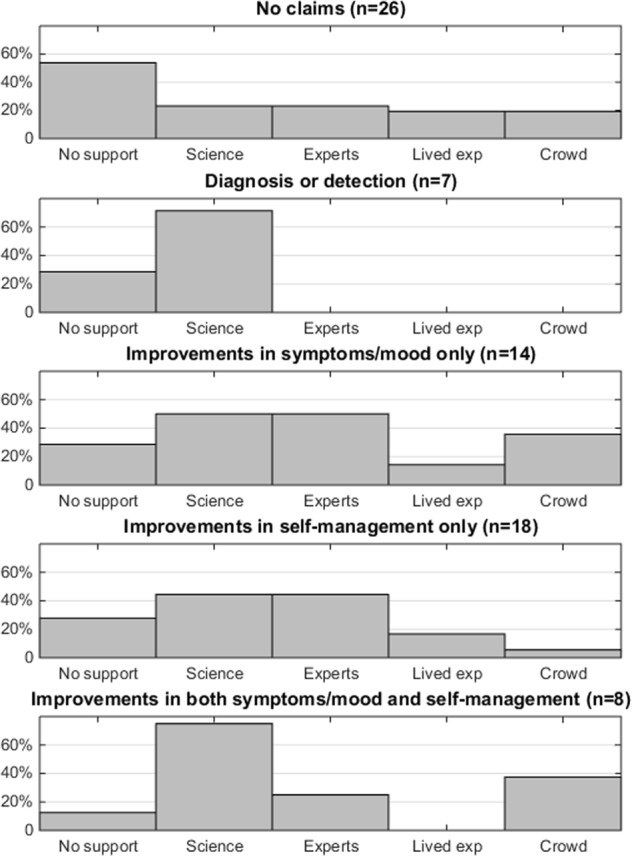
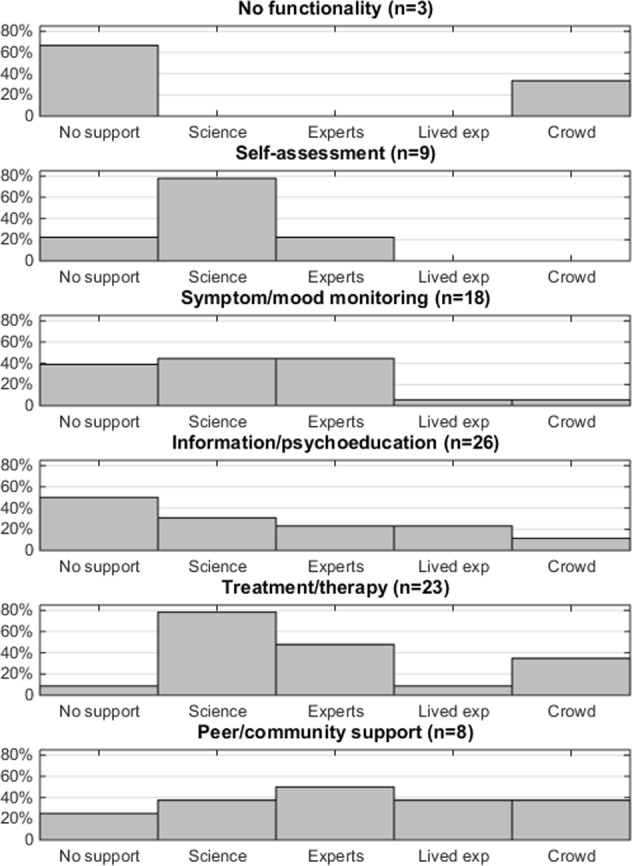
Despite the emergence of curated app libraries for mental health apps, personal searches by consumers remain a common method for discovering apps. App store descriptions therefore represent a key channel to inform consumer choice. This study examined the claims invoked through these app store descriptions, the extent to which scientific language is used to support such claims, and the corresponding evidence in the literature. Google Play and iTunes were searched for apps related to depression, self-harm, substance use, anxiety, and schizophrenia. The descriptions of the top-ranking, consumer-focused apps were coded to identify claims of acceptability and effectiveness, and forms of supporting statement. For apps which invoked ostensibly scientific principles, a literature search was conducted to assess their credibility. Seventy-three apps were coded, and the majority (64%) claimed effectiveness at diagnosing a mental health condition, or improving symptoms, mood or self-management. Scientific language was most frequently used to support these effectiveness claims (44%), although this included techniques not validated by literature searches (8/24 = 33%). Two apps described low-quality, primary evidence to support the use of the app. Only one app included a citation to published literature. A minority of apps (14%) described design or development involving lived experience, and none referenced certification or accreditation processes such as app libraries. Scientific language was the most frequently invoked form of support for use of mental health apps; however, high-quality evidence is not commonly described. Improved knowledge translation strategies may improve the adoption of other strategies, such as certification or lived experience co-design.
Overview
The claims and statistics of this paper haven’t been checked yet.
Run the check — free, no account needed. It reads the open-access text and checks the sources it cites.
Integrity signals
Registry
Cites
Statistics
Figures
Verification
Claims the paper makes
The claims and statistics of this paper haven’t been checked yet.
Run the check — free, no account needed. It reads the open-access text and checks the sources it cites.
Claims other papers make about this one
Each is checked against this paper’s own text: does it say what the citing paper says it does?
The source backs part of the claim, not all of it — or backs it for a different population, condition or comparison.
In the citing paper
“Other reviews have evaluated mental health apps more broadly, concluding that the quality of evidence supporting their efficacy is insufficient (Larsen et al. 2019; Wisniewski et al. 2019)”
From Evaluating the quality, safety, and functionality of commonly used smartphone apps for bipolar disorder mood and sleep self-management (2022) · cites this paper as Larsen et al. 2019
Experimental — accuracy not yet measuredThe source backs part of the claim, not all of it — or backs it for a different population, condition or comparison.
In the citing paper
“Whilst reviews of the broader BD app landscape report very low incidence of scientific evidence for available apps (Larsen et al. 2019), 55% of the apps most commonly used by individuals with BD have published evidence (albeit, with the limitations discussed above).”
From Evaluating the quality, safety, and functionality of commonly used smartphone apps for bipolar disorder mood and sleep self-management (2022) · cites this paper as Larsen et al. 2019
Experimental — accuracy not yet measured
Self-check
Percentages, sums and reported differences re-computed from the paper’s own numbers.
The self-check needs the paper’s full text.
Citations
Cites
The empirical status of cognitive-behavioral therapy: A review of meta-analyses
Butler, A. C., Chapman, J. E., Forman, E. M., & Beck, A. T. (2006) · Clinical Psychology Review · doi:10.1016/j.cpr.2005.07.003 · Cited by 3,215
Estimating the true global burden of mental illness
Vigo, D., Thornicroft, G., & Atun, R. (2016) · The Lancet Psychiatry · doi:10.1016/s2215-0366(15)00505-2 · Cited by 2,494
Plummer, F., Manea, L., Trepel, D., & McMillan, D. (2016) · General Hospital Psychiatry · doi:10.1016/j.genhosppsych.2015.11.005 · Cited by 1,882
Gilbody, S., Richards, D., Brealey, S., & Hewitt, C. (2007) · Journal of General Internal Medicine · doi:10.1007/s11606-007-0333-y · Cited by 1,290
Firth, J., Torous, J., Nicholas, J., Carney, R., Pratap, A., Rosenbaum, S., & Sarris, J. (2017) · World Psychiatry · doi:10.1002/wps.20472 · Cited by 1,097
Self-citationTorous, J., Nicholas, J., Larsen, M. E., Firth, J., & Christensen, H. (2018) · Evidence Based Mental Health · doi:10.1136/eb-2018-102891 · Cited by 790
Self-citationFirth, J., Torous, J., Nicholas, J., Carney, R., Rosenbaum, S., & Sarris, J. (2017) · Journal of Affective Disorders · doi:10.1016/j.jad.2017.04.046 · Cited by 675
Self-citationMobile Apps for Bipolar Disorder: A Systematic Review of Features and Content Quality
Nicholas, J., Larsen, M. E., Proudfoot, J., & Christensen, H. (2015) · Journal of Medical Internet Research · doi:10.2196/jmir.4581 · Cited by 438
Self-citationMohr, D. C., Lyon, A. R., Lattie, E. G., Reddy, M., & Schueller, S. M. (2017) · Journal of Medical Internet Research · doi:10.2196/jmir.7725 · Cited by 432
A Systematic Review of Cognitive Behavioral Therapy and Behavioral Activation Apps for Depression
Huguet, A., Rao, S., McGrath, P. J., Wozney, L., Wheaton, M., Conrod, J., & Rozario, S. (2016) · PLOS ONE · doi:10.1371/journal.pone.0154248 · Cited by 328
Research works printed but not linked: 1
- OCEBM Levels of Evidence Working Group. The Oxford Levels of Evidence 2 https://www.cebm.net/index.aspx?o=5653 (2016).
Cited by
Sorted by citations
Items 101–200 of 333
Morton, E., Nicholas, J., Yang, L., Lapadat, L., Barnes, S. J., Provencher, M. D., Depp, C., Chan, M., Kulur, R., & Michalak, E. E. (2022) · International Journal of Bipolar Disorders · doi:10.1186/s40345-022-00256-6 · Cited by 20
“Accordingly, there is widespread concern about the quality, safety and efficacy of apps used by consumers (Torous et al. 2018; Larsen et al. 2019; Wisniewski et al. 2019), as individuals may be downloading and using mental health apps that lack evidence bases and without consulting their healthcare provider.”
BackgroundSelf-citationBondre, A. P., Shrivastava, R., Raghuram, H., Tugnawat, D. K., Khan, A., Gupta, S., Kumar, M., Mehta, U. M., Keshavan, M. S., Lakhtakia, T., et al. (2022) · SSM - Mental Health · doi:10.1016/j.ssmmh.2022.100063 · Cited by 22
“Existing evidence points to challenges in the development of smartphone applications, and in sustaining usage among patients and caregivers (Larsen et al., 2019; Naslund et al., 2015; Nicholas et al., 2015; Toefy et al., 2016).”
BackgroundSelf-citationAn exploratory analysis of the effect size of the mobile mental health Application, mindLAMP
Chang, S. M., Alon, N., & Torous, J. B. (2023) · Digital Health · doi:10.1177/20552076231187244 · Cited by 19
“Most apps available on public app marketplaces lack any scientific evidence.(10,11) The research studies that have been conducted report promising, but at times, conflicting results.”
BackgroundSelf-citationMobile apps for travel medicine and ethical considerations: A systematic review
Ferretti, A., Hedrich, N., Lovey, T., Vayena, E., & Schlagenhauf, P. (2021) · Travel Medicine and Infectious Disease · doi:10.1016/j.tmaid.2021.102143 · Cited by 22
Lindsay, J. A. B., McGowan, N. M., Henning, T., Harriss, E., & Saunders, K. (2024) · Journal of Medical Internet Research · doi:10.2196/54941 · Cited by 22
“However, several challenges remain, such as nonadherence, limited assessment of efficacy in controlled trials, and poor user experience [15,16].”
Landscape Analysis of Oncology Mobile Health Applications
Upadhyay, V. A., Landman, A., & Hassett, M. J. (2021) · JCO Clinical Cancer Informatics · doi:10.1200/cci.20.00156 · Cited by 20
Alagarajah, J., Ceccolini, D., & Butler, S. (2024) · Cambridge Prisms Global Mental Health · doi:10.1017/gmh.2024.71 · Cited by 25
Deriglazov, D., Halamová, J., & Kernová, L. (2025) · Worldviews on Evidence-Based Nursing · doi:10.1111/wvn.70033 · Cited by 34
Morello, K., Schäfer, S. K., Kunzler, A. M., Priesterroth, L., Tüscher, O., & Kubiak, T. (2023) · Frontiers in Digital Health · doi:10.3389/fdgth.2023.1253390 · Cited by 26
“However, the scienti fi c evaluation of mHealth trainings is still in its beginnings and the integration of scienti fi cally validated theories and strategies into mHealth interventions in order to maximize a favorable mental health impact often remains unclear (23 – 25).”
BackgroundPratap, A., Homiar, A., Waninger, L., Herd, C., Suver, C., Volponi, J. J., Anguera, J. A., & Areán, P. A. (2022) · Scientific Data · doi:10.1038/s41597-022-01633-7 · Cited by 22
“However, there is little information about their utilization, efficacy, and effectiveness 19 .”
BackgroundMorris, M. E. (2020) · Dialogues in Clinical Neuroscience · doi:10.31887/dcns.2020.22.2/mmorris · Cited by 23
Jilka, S., Simblett, S. K., Odoi, C. M., van Bilsen, J., Wieczorek, A., Erturk, S., Wilson, E., Mutepua, M., & Wykes, T. (2021) · Internet Interventions · doi:10.1016/j.invent.2021.100433 · Cited by 18
A systematic review of dialectical behavior therapy mobile apps for content and usability
Wilks, C. R., Gurtovenko, K., Rebmann, K., Williamson, J., Lovell, J., & Wasil, A. R. (2021) · Borderline Personality Disorder and Emotion Dysregulation · doi:10.1186/s40479-021-00167-5 · Cited by 19
“Although user engagement is important, it is not a proxy for an app’s efficacy, and many apps may misrepresent its “effectiveness” in treating a condition [22]; thus, it is important to disambiguate app efficacy from user engagement.”
BackgroundComparing Professional and Consumer Ratings of Mental Health Apps: Mixed Methods Study
Hudson, G., Negbenose, E., Neary, M., Jansli, S. M., Schueller, S. M., Wykes, T., & Jilka, S. (2022) · JMIR Formative Research · doi:10.2196/39813 · Cited by 18
Paetzold, I., Schick, A., Rauschenberg, C., Hirjak, D., Banaschewski, T., Meyer‐Lindenberg, A., Butz, S., Floesser, C., Schültke, L., Boehnke, J. R., et al. (2022) · JMIR Formative Research · doi:10.2196/39511 · Cited by 17
“However, digital approaches are also confronted with challenges: most apps currently available in major app stores are not evidence based, and some even include potentially harmful content [28,35].”
BackgroundLinardon, J., Firth, J., Torous, J. B., Messer, M., & Fuller‐Tyszkiewicz, M. (2024) · Health Psychology Review · doi:10.1080/17437199.2024.2379784 · Cited by 19
“As stress-management apps continue to proliferate the market – often accompanied by unsubstantiated claims about their bene fi ts (Larsen et al., 2019) – there is a need to provide an up-to-date evaluation of their empirical status.”
Self-citationTargeting depressive symptoms with technology
Torous, J. B., Cerrato, P. L., & Halamka, J. D. (2019) · mHealth · doi:10.21037/mhealth.2019.06.04 · Cited by 18
“This dichotomy between claims and evidence highlights the opportunity for novel approaches and even new regulation (15).”
BackgroundSelf-citationMullarkey, M. C., Dobias, M., Sung, J. Y., Ahuvia, I. L., Shumake, J., Beevers, C. G., & Schleider, J. L. (2022) · JMIR Mental Health · doi:10.2196/33473 · Cited by 17
“Interest in the use of brief, e-mental health interventions has increased substantially during the COVID-19 pandemic across the general adult population [69], and a large majority of these tools have minimal or no empirical support [70].”
Birrell, L., Furneaux-Bate, A., Debenham, J., Spallek, S., Newton, N. C., & Chapman, C. (2022) · JMIR Formative Research · doi:10.2196/36068 · Cited by 31
“However, the most commonly searched for mental health and substance use apps have limited evidence of effectiveness in improving mental health outcomes [24].”
BackgroundSelf-citationCurrent challenges for evaluating mobile health applications
Alon, N., & Torous, J. B. (2022) · Journal of the American Medical Informatics Association · doi:10.1093/jamia/ocac244 · Cited by 17
Self-citationClinician's Guide to Evaluating and Developing eHealth Interventions for Mental Health
Ondersma, S. J., & Walters, S. T. (2020) · Psychiatric Research and Clinical Practice · doi:10.1176/appi.prcp.2020.20190036 · Cited by 18
“This call is even more urgent because apps often make claims of effectiveness that are not supported by scientific literature (18).”
BackgroundKim, H., & Choi, Y. (2023) · Frontiers in Public Health · doi:10.3389/fpubh.2023.1175093 · Cited by 17
Aungst, T. D., Seed, S. M., Gobin, N., & Jung, R. (2022) · Digital Health · doi:10.1177/20552076221090038 · Cited by 16
“K, Nicholas J, et al.(11) 2019 Mental health Apple App”
BackgroundApolinário-Hagen, J., Fritsche, L., Wopperer, J., Wals, F., Harrer, M., Lehr, D., Ebert, D. D., & Salewski, C. (2021) · Frontiers in Psychology · doi:10.3389/fpsyg.2021.738950 · Cited by 16
Kosasih, F. R., Yee, V. T. S., Toh, S. H. Y., & Sündermann, O. (2023) · PLOS Digital Health · doi:10.1371/journal.pdig.0000095 · Cited by 17
“Despite promising evidence on the efficacy of mHealth apps on improving anxiety and depressive symptoms, especially for mild symptom severity, there is still a limited number of applications with reported effectiveness [33,34], quality [35], and evidence-based components [36].”
BackgroundEmpower Psychotherapy with mHealth Apps: The Design of “Safer”, an Emotion Regulation Application
Diano, F., Sica, L. S., & Ponticorvo, M. (2023) · Information · doi:10.3390/info14060308 · Cited by 18
“Further, a mental health app’s popularity does not guarantee its effectiveness or reliance on evidence-based content, which further complicates providing strong proof of efficacy for such apps in the literature [56].”
BackgroundAvailability of Internet-Based Cognitive-Behavioral Therapies for Depression: A Systematic ReviewPreprint
Buss, J., Steinberg, J. S., Banks, G., Horani, D., Rutter, L. A., Wasil, A. R., Ramírez, I., & Lorenzo‐Luaces, L. (2020) · PsyArXiv (OSF Preprints) · doi:10.1016/j.beth.2023.06.003 · Cited by 19
Smartphones within Psychological Science
Ellis, D. A. (2020) · Cambridge University Press eBooks · doi:10.1017/9781108671408 · Cited by 14
Trusting the bot: Addressing the ethical challenges of consumer digital mental health therapy
Martinez‐Martin, N. (2020) · Developments in neuroethics and bioethics · doi:10.1016/bs.dnb.2020.03.003 · Cited by 14
Shatte, A. B. R., & Teague, S. J. (2020) · BMC Medical Research Methodology · doi:10.1186/s12874-020-00973-5 · Cited by 17
Mind the Gaps: Ethical and Epistemic Issues in the Digital Mental Health Response to Covid‐19
Skorburg, J. A., & Friesen, P. (2021) · The Hastings Center Report · doi:10.1002/hast.1292 · Cited by 13
Braun, P., Schwientek, A.-K., Angerer, P., Guthardt, L., Icks, A., Loerbroks, A., & Apolinário-Hagen, J. (2023) · Digital Health · doi:10.1177/20552076231173568 · Cited by 14
MoodSensing: A smartphone app for digital phenotyping and assessment of bipolar disorder
Hsu, J.-H., Wu, C., Lin, E. C., & Chen, P. S. (2024) · Psychiatry Research · doi:10.1016/j.psychres.2024.115790 · Cited by 14
Boulton, K., Hilton, M., Sutton, E., & Guastella, A. J. (2025) · Journal of Medical Internet Research · doi:10.2196/58693 · Cited by 13
“In addition, while there can be many valuable resources available, there are also many poor sources of information [31-33].”
Akbarialiabad, H., Bastani, B., Taghrir, M. H., Paydar, S., Ghahramani, N., & Kumar, M. (2021) · Frontiers in Psychiatry · doi:10.3389/fpsyt.2021.713987 · Cited by 13
MacLean, S. E., & Hatcher, S. (2019) · Frontiers in Communication · doi:10.3389/fcomm.2019.00052 · Cited by 27
Bridging the gap between technological advance and professional psychology training: A way forward.
Hagstrom, S. L., & Maranzan, K. A. (2019) · Canadian Psychology/Psychologie canadienne · doi:10.1037/cap0000186 · Cited by 15
The Debate on the Ethics of AI in Health Care: a Reconstruction and Critical ReviewPreprint
Morley, J. (2019) · OSF Preprints (OSF Preprints) · doi:10.31219/osf.io/n7y2g · Cited by 12
“…& Muruve, 2016) Patient Safety (Barras, 2019) Evidence of Efficacy (Ferretti, Ronchi, & Vayena, 2019) (Henson, David, Albright, & Torous, 2019) (Larsen et al., 2019) Table 1: Example literature related to ethical concerns that are relevant for all digital health intervention, not unique to…”
BackgroundPaetzold, I., Schick, A., Rauschenberg, C., Hirjak, D., Banaschewski, T., Meyer‐Lindenberg, A., Boehnke, J. R., Boecking, B., & Reininghaus, U. (2023) · Behaviour Research and Therapy · doi:10.1016/j.brat.2023.104367 · Cited by 14
Guracho, Y. D., Thomas, S. J., & Win, K. T. (2024) · International Journal of Medical Informatics · doi:10.1016/j.ijmedinf.2024.105628 · Cited by 16
Can We Use Commercial Mobile Apps Instead of Research Mobile Apps in Healthcare Research?
Sezgın, E. (2021) · Frontiers in Public Health · doi:10.3389/fpubh.2021.685439 · Cited by 15
The development of National Safety and Quality Digital Mental Health Standards
Brown, P., Prest, B., Miles, P. V., & Rossi, V. (2021) · Australasian Psychiatry · doi:10.1177/10398562211042361 · Cited by 12
Expanding, improving, and understanding behaviour research and therapy through digital mental health
Cohen, Z. D., & Schueller, S. M. (2023) · Behaviour Research and Therapy · doi:10.1016/j.brat.2023.104358 · Cited by 10
May, S. G., Huber, C., Roach, M., Shafrin, J. T., Aubry, W. M., Lakdawalla, D. N., Kane, J. M., & Forma, F. M. (2021) · Journal of Medical Internet Research · doi:10.2196/18119 · Cited by 12
“For many of these apps, evidence demonstrating treatment efficacy and use for physicians is limited [36].”
BackgroundStafford, E. M., Brister, T. S., Duckworth, K., Rauseo-Ricupero, N., & Lagan, S. (2021) · JMIR Mental Health · doi:10.2196/27022 · Cited by 12
“A recent study of downloadable apps for personal mental health management and support reported more than 1400 individual products in the Google Play and iTunes stores [12].”
BackgroundBene, B. A., Ibeneme, S., Fadahunsi, K. P., Harri, B. I., Ukor, N., Mastellos, N., Majeed, A., & Car, J. (2024) · Journal of Medical Internet Research · doi:10.2196/49163 · Cited by 15
Self‐Deception in Human–AI Emotional Relations
Kaczmarek, E. (2025) · Journal of Applied Philosophy · doi:10.1111/japp.12786 · Cited by 12
Chen, T. (2025) · Gender Technology and Development · doi:10.1080/09718524.2025.2503561 · Cited by 11
“We followed a framework developed by larsen et al. (2019).”
Nagar, R., Quirk, H. D., & Anderson, P. L. (2023) · Internet Interventions · doi:10.1016/j.invent.2023.100676 · Cited by 12
“Prior research on user experiences with mental health apps has typically asked participants what features they would/would not want in a potential app, or what they did/did not like after using an app (Almathami et al., 2020; Arigo et al., 2019; Larsen et al., 2019; Torous et al., 2018).”
BackgroundMayer, G., Lemmer, D., Michelsen, I., Schrader, P., Friederich, H., & Bauer, S. (2024) · Journal of Eating Disorders · doi:10.1186/s40337-024-00978-1 · Cited by 12
“An increasing offer of DMHIs for the most common disorders, such as depression and anxiety, is available in app stores with lacking scientific evidence [8, 9].”
BackgroundDittrich, F., Beck, S., Harren, A. K., Reinecke, F., Serong, S., Jung, J., Back, D. A., Wolf, M. A., & Landgraeber, S. (2020) · JMIR mhealth and uhealth · doi:10.2196/17085 · Cited by 11
“Moreover, a systematic evaluation of the top-ranked mental health apps’ store descriptions identified the use of scientific language as the most frequently employed strategy to suggest effectiveness [33].”
BackgroundMultinational landscape of health app policy: toward regulatory consensus on digital health
Diao, J. A., Venkatesh, K. P., Raza, M. M., & Kvedar, J. C. (2022) · npj Digital Medicine · doi:10.1038/s41746-022-00604-x · Cited by 12
Self-Guided Mental Health Apps Targeting Racial and Ethnic Minority Groups: Scoping Review
Saad, F., Eisenstadt, M., Liverpool, S., Carlsson, C., & Vainieri, I. (2023) · JMIR Mental Health · doi:10.2196/48991 · Cited by 12
“Larsen et al [17] found that apps targeted for depression were unavailable to access approximately every 3 days, leading to difficulties for users to commit to one app and see any long-term benefits.”
BackgroundResultInfluentialFunnell, E. L., Spadaro, B., Martin-Key, N. A., Benáček, J., & Bahn, S. (2024) · JMIR Formative Research · doi:10.2196/48881 · Cited by 13
“Many available mental health apps lack such disclaimers [62].”
BackgroundMobile applications in adolescent psychotherapy during the COVID-19 pandemic: a systematic review
Wüllner, S., Hermenau, K., Krutkova, M., Petras, I.-K., Hecker, T., & Siniatchkin, M. (2024) · Frontiers in Public Health · doi:10.3389/fpubh.2024.1345808 · Cited by 10
Ooi, P. B., & Wilkinson, G. G. (2024) · British Journal of Guidance and Counselling · doi:10.1080/03069885.2024.2373180 · Cited by 13
“Also, although it has been found that many apps appear to use scientific claims in their marketing on online app stores, few provide genuine high-quality evidence of their effectiveness (Larsen et al., 2019).”
Evidence of User-Expert Gaps in Health App Ratings and Implications for Practice
de Chantal, P., Chagnon, A., Cardinal, M., Faieta, J. M., & Guertin, A. (2022) · Frontiers in Digital Health · doi:10.3389/fdgth.2022.765993 · Cited by 10
Stefančić, A., Rogers, R. T., Styke, S., Xu, X., Buchsbaum, R., Nossel, I. R., Cabassa, L. J., Stroup, T. S., & Kimhy, D. (2022) · JMIR Mental Health · doi:10.2196/41482 · Cited by 10
“To date, most apps developed for and used in the treatment of individuals with psychosis, including FOCUS [18-20], CORE [21], Actissist [22], and Acceptance and Commitment Therapy in Daily Life [23], have focused largely on supplementing face-to-face clinical encounters [16,17,24-28].”
Orsolini, L., Appignanesi, C., Pompili, S., & Volpe, U. (2022) · International Review of Psychiatry · doi:10.1080/09540261.2022.2118521 · Cited by 12
“ICT-based studies in suicide prevention programs mainly focussed on the use and application of smart-phone-based tools (Larsen et al., 2019), web-based interventions (Perry et al., 2016; van Spijker et al., 2018), social media (Robinson et al., 2016) and machine-learning (ML)(Bernert et al., 2020).”
BackgroundMak, W. W. S., Ng, S. M., & Leung, F. H. T. (2023) · JMIR Formative Research · doi:10.2196/38504 · Cited by 11
“However, many of these web-based self-help resources either lack rigorous research evidence, or their ratings and popularity do not correspond to the extent of research evidence on their functions and features [21-25].”
BackgroundMaurer, K., Kimyaci, M., Konyk, K., & Wekerle, C. (2023) · Frontiers in Digital Health · doi:10.3389/fdgth.2023.1265120 · Cited by 11
Apolinário-Hagen, J., Harrer, M., Dederichs, M., Fritsche, L., Wopperer, J., Wals, F., Loerbroks, A., Lehr, D., Salewski, C., Angerer, P., et al. (2021) · PLoS ONE · doi:10.1371/journal.pone.0252012 · Cited by 10
Digitized thought records: a practitioner-focused review of cognitive restructuring apps
Erhardt, D., Bunyi, J., Dodge-Rice, Z., Neary, M., & Schueller, S. M. (2022) · The Cognitive Behaviour Therapist · doi:10.1017/s1754470x22000320 · Cited by 13
“App store descriptions intended to drive use and appeal to the broadest possible audience often contain exaggerated or misleading claims (Larsen et al., 2019).”
BackgroundDigital Mental Health Deserves Investment but the Questions Are Which Interventions and Where?
Bautista, J., & Schueller, S. M. (2022) · AJOB Neuroscience · doi:10.1080/21507740.2022.2082596 · Cited by 10
“Again, our point is not that many DMH interventions are not evidence-based (i.e., Larsen et al. 2019) and as such may be ineffective.”
BackgroundOirschot, G. V., Pomphrey, A., Dunne, C., Murphy, K., Blood, K., & Doherty, C. (2024) · JMIR Rehabilitation and Assistive Technologies · doi:10.2196/48154 · Cited by 11
“Put bluntly, science must be designed to be as appealing as pseudoscience and other competing interests when it comes to patient education [58,59].”
BackgroundAmeringen, M. V., Fineberg, N. A., Ravindran, A. V., Arnold, P. D., Beaulieu, S., Brakoulias, V., Brietzke, E. M., Dowlati, Y., Drummond, L. M., Ferretti, C. J., et al. (2026) · Journal of Psychiatric Research · doi:10.1016/j.jpsychires.2025.12.039 · Cited by 12
Figueroa, C. A., Pathak, L. E., Khan, I., Williams, J. J., Lyles, C. R., & Aguilera, A. (2023) · Universal Access in the Information Society · doi:10.1007/s10209-022-00962-z · Cited by 11
“There is a wealth of mobile apps and interventions designed to help people engage in physical activity [19–21], including apps for university students [22, 23], who use their smartphones for the majority of their waking hours [24].”
BackgroundKrokos, O., Brandhorst, I., Seizer, L., Gawrilow, C., & Löchner, J. (2024) · Internet Interventions · doi:10.1016/j.invent.2024.100733 · Cited by 15
“Although the number of offered mental health apps and their use are increasing, comparatively few feasibility and efficacy studies address this subject (Larsen et al., 2019).”
BackgroundAnton, M. T., Greenberger, H. M., Andreopoulos, E., & Pande, R. L. (2021) · JMIR Formative Research · doi:10.2196/27570 · Cited by 9
“As a result, numerous efforts have been made to evaluate commercially available apps and create app repositories with standard reporting, and at least 45 frameworks have been developed to assist consumers in identifying the most effective and appropriate apps [24-26].”
BackgroundKabacińska, K., McLeod, K. E. R., MacKenzie, A., Vu, K., Cianfrone, M., Tugwell, A., & Robillard, J. M. (2022) · Digital Health · doi:10.1177/20552076221102775 · Cited by 11
“A review of claims made by mental health apps revealed that over one-third of app descriptions that referred to scientific methods included in-app techniques unsupported by evidence, such as dream therapy for schizophrenia or binaural beats for depression.(15) Additionally, real-world data supporting the use of mental…”
BackgroundRethinking technology innovation for mental health: framework for multi-sectoral collaboration
Suh, J., Pendse, S. R., Lewis, R., Howe, E., Saha, K., Okoli, E., Amores, J., Ramos, G., Shen, J., Borghouts, J., et al. (2024) · Nature Mental Health · doi:10.1038/s44220-024-00232-2 · Cited by 8
“More robust validation of these solutions is needed, especially in the current evolving consumer technology landscape 42 , using high-quality, evidence-based approaches, which are also frequently used to advertise such apps to users 43 .”
Guracho, Y. D., Thomas, S. J., Almutairi, N., & Win, K. T. (2025) · Behaviour and Information Technology · doi:10.1080/0144929x.2025.2481639 · Cited by 10
“The most preferred features of mental health apps include symptom-tracking, psy-choeducational components (Magee et al. 2018), self-assessment (Larsen et al. 2019), stress management techniques (breathing exercises, mindfulness), meditation, profiling, (Islam and Choudhury 2020), daily mood tracker…”
Mucić, D., Shore, J. H., Hilty, D. M., Krysta, K., & Krzystanek, M. (2021) · Current Psychiatry Reports · doi:10.1007/s11920-021-01300-5 · Cited by 8
Zeng, Z., Peng, J., Liu, L., & Gong, W. (2023) · Journal of Medical Internet Research · doi:10.2196/42777 · Cited by 7
“Previous studies showed that platforms available in the marketplace often lack quality evidence [10,11].”
Manning, J. B., BLANDFORD, A. E., & Edbrooke-Childs, J. H. (2021) · JMIR Formative Research · doi:10.2196/32312 · Cited by 10
“However, a study of 73 popular mental and emotional health apps found that although 44% used such language, only 2 apps provided direct scientific evidence associated with app use [9].”
BackgroundSocial Media is Addictive and Influences Behavior: Should it Be Regulated as a Digital Therapeutic?
Perakslis, E. D., & Quintana, Y. (2022) · Journal of Medical Internet Research · doi:10.2196/43174 · Cited by 7
“Websites are also emerging with words such as “accredited reviews,” but no accredited medical societies are involved in those reviews [22,23].”
Mental Health Apps for Children and Adolescents: A Clinician-Friendly Review
Schueller, S. M., Wasil, A. R., Bunyi, J., DeRubeis, R. J., & Weisz, J. R. (2023) · Journal of the American Academy of Child & Adolescent Psychiatry · doi:10.1016/j.jaac.2023.07.1004 · Cited by 7
Teague, S. J., Shatte, A. B. R., Fuller‐Tyszkiewicz, M., & Hutchinson, D. M. (2025) · Behaviour and Information Technology · doi:10.1080/0144929x.2025.2502474 · Cited by 8
“…app likely re fl ect the widespread prevalence of mHealth apps sharing data with third parties for commercial advertising purposes, and use of misleading information in app store descriptions around the validity of the app content and privacy practices (Huckvale et al. 2020; Larsen et al. 2019).”
A Gamified AI-Driven System for Depression Monitoring and Management
Zamani, S., Rostami, A., Nguyen, M., Sinha, R., & Madanian, S. (2025) · Applied Sciences · doi:10.3390/app15137088 · Cited by 7
The impact of digital health technologies on women’s health nursing: opportunities and challenges
Nho, J. (2025) · Women s Health Nursing · doi:10.4069/whn.2025.06.05 · Cited by 13
“A relevant study indicates that health applications may mislead consumers by promoting claims without scientific backing or by presenting unproven technologies through scientific-sounding language [8].”
Herpertz, J., Dwyer, B., Wagner, E. S., Mikkelson, J., Opel, N., & Torous, J. B. (2025) · Internet Interventions · doi:10.1016/j.invent.2025.100888 · Cited by 6
Self-citationExplorando o uso de aplicativos móveis para autogestão do tratamento em saúde mental: scoping review
Nóbrega, M. D. P. S. D. S., Tibúrcio, P. D. C., Fernandes, M. C., Fernandes, C. S., Santos, C., & Magalhães, B. M. B. D. S. (2021) · Revista de Enfermagem da UFSM · doi:10.5902/2179769264393 · Cited by 10
Applications mobiles pour soutenir la santé mentale des jeunes : opportunités et défis
Ouellet‐Morin, I., Robitaille, M.-P., & Juster, R. (2021) · Santé mentale au Québec · doi:10.7202/1081508ar · Cited by 6
Turan, N., & Çetintaş, Ş. (2021) · Journal of Evidence-Based Psychotherapies · doi:10.24193/jebp.2021.2.11 · Cited by 6
Strauss, J., Zhang, J., Jarrett, M. L., Patterson, B. A., & Ameringen, M. V. (2021) · Elsevier eBooks · doi:10.1016/b978-0-12-822201-0.00006-x · Cited by 8
A Study on How Users Choose Apps
Alhejaili, A., & Blustein, J. (2022) · Lecture notes in computer science · doi:10.1007/978-3-031-05412-9_1 · Cited by 7
Henning, C., Wolstein, J. R., Boehlke, E., Fischer, U. C., Liel, C., Lux, U., Opitz, A., Seiferth, C., van Poppel, M. N. M., Vogel, L., et al. (2023) · Open Research Europe · doi:10.12688/openreseurope.16446.1 · Cited by 6
Diagnostic applications and benefits of virtual reality for sexual aversion
Lafortune, D. (2024) · The Journal of Sexual Medicine · doi:10.1093/jsxmed/qdad157 · Cited by 6
Buss, J., Lorenzo‐Luaces, L., Banks, G., Horani, D., Rutter, L. A., & Wasil, A. R. (2020) · doi:10.31234/osf.io/2jwgd · Cited by 6
Nutrition-Related Mobile Apps in the Spanish App Stores: Quality and Content Analysis
Fernandez-Lázaro, C., Santamaría, G., Milano, A. F., Martin-Vergel, M. I., & Fernández-Lázaro, D. (2024) · JMIR mHealth and uHealth · doi:10.2196/52424 · Cited by 5
“However, over 50% of mHealth apps have limited functionality [20], and there are several concerns about their effectiveness, acceptability, and efficacy [21,22], indicating room for improvement [23].”
BackgroundHuman-Centered Design and Digital Transformation of Mental Health Services
Fleming, W. J., Coutts, A. P., Pochard, D., Trivedi, D. P., & Sanderson, K. A. (2025) · JMIR Human Factors · doi:10.2196/66040 · Cited by 8
“There is a polarization between low-use, evidence-based practices and high-use, less substantial platforms, accelerated by overcommercialization reducing the quality of products [72].”
Epistemic Injustice in and through AI
Chamma, D., Ahmadpour, N., Ahmed, S. I., Mim, N. J., Zhang, W. Q., di Bona, K., Sachathep, T., Horst, H. A., & Harb, J. I. (2025) · Australian Conference on Human-Computer Interaction (OzCHI) · doi:10.1145/3764687.3767279 · Cited by 5
Yeon, P., Kim, I.-O., Kang, S.-N., Lee, N.-E., Kim, G.-Y., Shim, H.-R., Chung, C.-Y., Lee, J.-S., Jeon, J. Y., & Shin, W.-S. (2023) · Healthcare · doi:10.3390/healthcare11233039 · Cited by 6
“However, very few applications provide evidence-based mental health services to date, even though conditions for therapeutic access using mobile devices have been created due to the COVID-19 pandemic and due to the development of information and communication technology [18,29,30].”
BackgroundPersuasive System Design Features for Mobile Mental Health Applications
Guracho, Y. D., Thomas, S. J., Almutairi, N., & Win, K. T. (2024) · Lecture notes in computer science · doi:10.1007/978-3-031-58226-4_10 · Cited by 5
Morley, J., Laitila, J., Ross, J. S., Schamroth, J., Zhang, J., & Floridi, L. (2025) · Minds and Machines · doi:10.1007/s11023-025-09710-7 · Cited by 5
“• Dedicated research funding for methodological innovation : Academics, regulators, and app developers must collaborate to identify the best methods for generating high-quality evidence of effectiveness and safety for health apps and produce best-practice guidance (Larsen, et al., 2019).”
InfluentialMinen, M. T., Reichel, J. F., Pemmireddy, P., Loder, E., & Torous, J. B. (2020) · JMIR mhealth and uhealth · doi:10.2196/16180 · Cited by 6
“For example, many apps make scientific claims on the app stores, but less than 2% of the apps can offer clinical evidence to back such claims [5].”
BackgroundSelf-citationDesign for e-Mental Health: Toward a New Health Intervention Research Approach
Vial, S., & Boudhraâ, S. (2022) · Design science and innovation · doi:10.1007/978-981-16-9455-4_2 · Cited by 5
Fernández, J. M. B., del Pozo, R. B. M., & Fernández, C. J. B. (2023) · Revista de Bioética y Derecho · doi:10.1344/rbd2023.59.42759 · Cited by 5
Xu, J., Han, Z. R., Lv, X., Chen, L., Mao, N., Gao, M. M., Zhang, H., Hu, Y., Qin, S., Gross, J. J., et al. (2025) · npj Digital Medicine · doi:10.1038/s41746-025-01888-5 · Cited by 4
“Although thousands of platforms of e-mental health interventions, such as commercially developed mobile apps, are now widely available, few platforms have any peer-reviewed evidence 44,45 .”
Boulanger, M. C., Lo, S. B., Centracchio, J. A., Jewett, B., Freese, M., Holtze, M., Jacobs, J. M., Petrillo, L. A., Bauman, J. R., El-Jawahri, A. R., et al. (2025) · Journal of Palliative Medicine · doi:10.1089/jpm.2025.0066 · Cited by 4
“15,16 29 Moreover, few digital health interventions are tailored to the supportive care needs of patients with advanced nonsmall cell lung cancer (NSCLC).”
Metadata
- Authors
- Larsen, M. E., Huckvale, K., Nicholas, J., Torous, J., Birrell, L., Li, E., & Reda, B.
- Affiliations
- Black Dog Institute (AU)
- Northwestern University (US)
- Beth Israel Deaconess Medical Center (US)
- UNSW Sydney (AU)
- Corresponding author
- Larsen, Mark Erik
- Venue
- npj Digital Medicine
- Published
- 2019-03-22
- Volume
- 2
- Issue
- 1
- Pages
- 18-18
- ISSN
- 2398-6352 (ISSN-L)
- PMC
- PMC6550255
- OpenAlex
- W2925166053
- Cited by
- 334
- References
- 23
- Citations by year
- 2026: 16 · 2025: 53 · 2024: 42 · 2023: 48 · 2022: 47 · 2021: 60 · 2020: 54 · 2019: 14
- FWCI
- 49.43
- Type
- journal article
- Language
- en
- Open access
- gold
- doi.org
- Locations
- npj Digital Medicine (publishedVersion, cc-by)
- Europe PMC (PubMed Central) (publishedVersion, cc-by)
- PubMed Central (publishedVersion, cc-by)
- PubMed (publishedVersion)
- Minerva Access (University of Melbourne) (submittedVersion, cc-by)
- DOAJ (DOAJ: Directory of Open Access Journals) (submittedVersion)
- Topics
- Social Sciences › Psychology › Applied Psychology › Digital Mental Health Interventions
- Health Sciences › Health Professions › General Health Professions › Mobile Health and mHealth Applications
- Health Sciences › Health Professions › Health Information Management › Health, Technology, Consumer Behavior
- Keywords
- mental health apps, scientific language, quality of evidence, consumer choice, knowledge translation, depression, anxiety, schizophrenia, substance use, self-harm, Google Play Store, iTunes
About these checks
Registry, retraction, Cites and statistics results are computed, not judged, with one exception: a printed reference that no index lists is read once by a model before it counts as a citation error. Claims are extracted by a model and kept only when their quote appears verbatim in the text; each cited source is then checked, with a model’s help, for whether it says what the claim relies on. Those verdicts can be wrong — read the claim’s quote and the cited source before relying on one.
Statistics and arithmetic are recomputed, not judged.
Confidence bands are shown only for fields calibrated on our annotated test set. None is calibrated yet, so no band is shown.
What counts as a claim ›How we measure confidence ›How we check this ›
Are you an author, or do you see a problem with this page? Request a review
